20 US Cities With the Worst Traffic
Getting stuck in traffic is one of those experiences that unites Americans from coast to coast. The frustration of watching the clock tick while your car barely moves an inch forward has become a daily reality for millions of commuters.
Some cities have it worse than others, and the numbers tell a story of growing pains, poor planning, and simple geography working against progress. Here’s a look at the metro areas where rush hour feels more like rush eternity.
Los Angeles
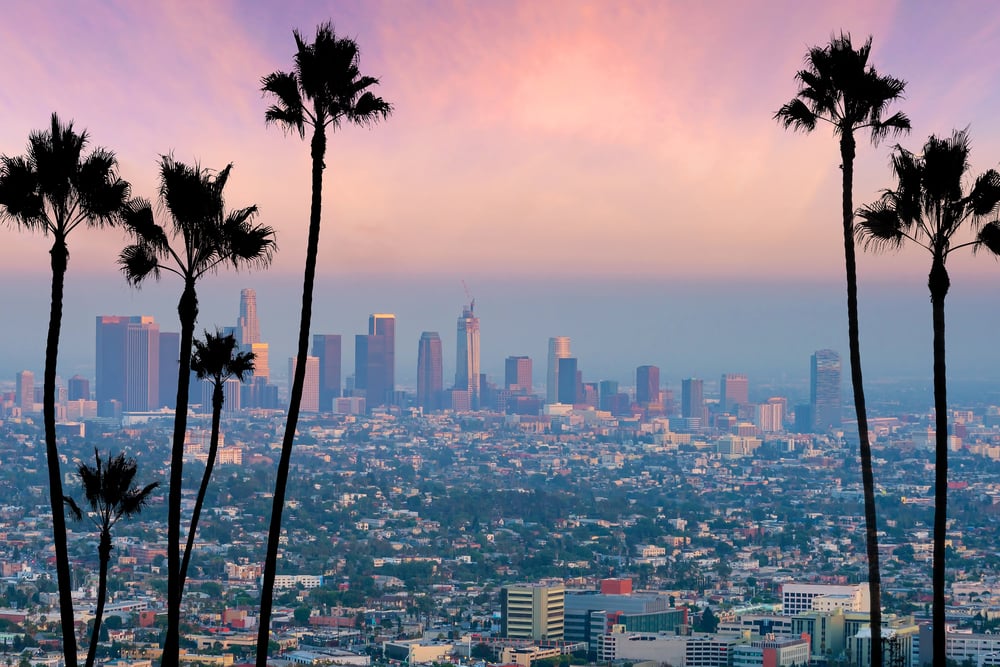
The car capital of America holds the crown for the nation’s most congested roads. Drivers in LA spend an average of 89 hours per year sitting in traffic jams, which adds up to more than two full workweeks of just staring at brake lights.
The city’s sprawling layout means public transit can’t solve the problem for most residents, and the famous freeway system that once promised freedom now delivers gridlock. What makes it worse is that traffic isn’t limited to traditional rush hours anymore.
New York City
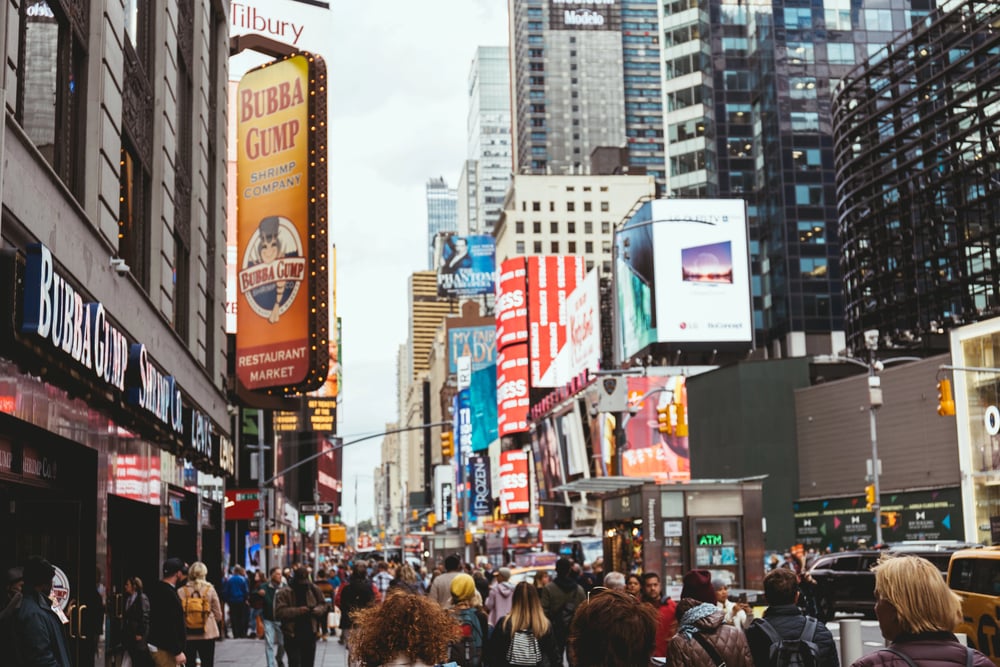
Manhattan’s streets weren’t designed for the number of vehicles trying to use them today. The average speed in midtown during peak hours hovers around 4.7 miles per hour, which means walking is often faster than driving.
Delivery trucks, construction zones, and an endless stream of taxis and rideshare vehicles create a perfect storm of congestion. The subway system handles millions of riders, but plenty of people still need to drive, especially in the outer boroughs where train service gets spotty.
San Francisco
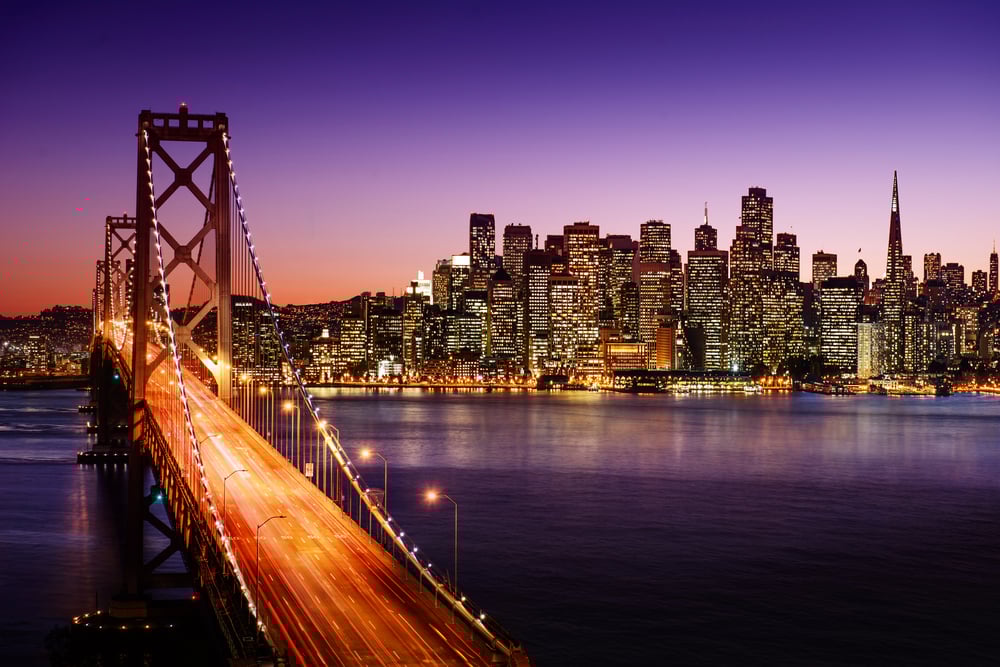
This city manages to combine steep hills, narrow streets, and a tech boom that brought tens of thousands of new workers with cars. The Bay Bridge and Golden Gate Bridge become parking lots during commute times, and surface streets offer no relief.
Construction projects seem to pop up everywhere simultaneously, cutting lanes and forcing detours that make bad situations worse. Tech shuttles carrying employees to Silicon Valley campuses add another layer of large vehicles to roads that can barely handle regular cars.
Boston
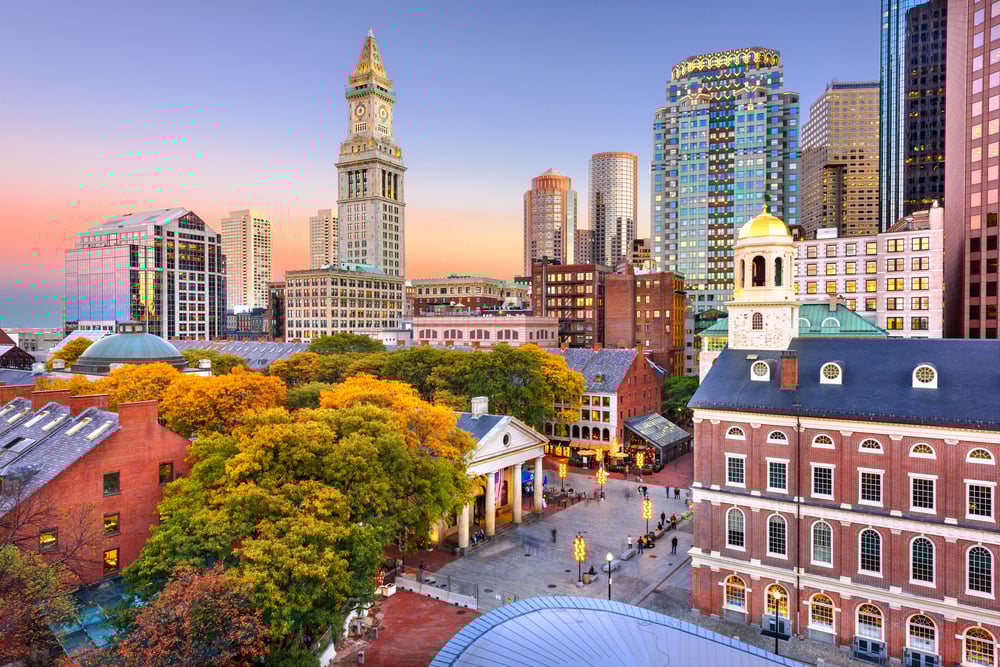
The Big Dig was supposed to fix Boston’s traffic problems, but instead it just rearranged them. Drivers here deal with confusing road layouts that follow cow paths from colonial times, aggressive driving culture, and constant construction projects.
The city’s age works against it since streets were never planned for automobiles in the first place. Rotaries and one-way streets that suddenly change direction create navigation nightmares even for locals who’ve lived here for decades.
Washington DC
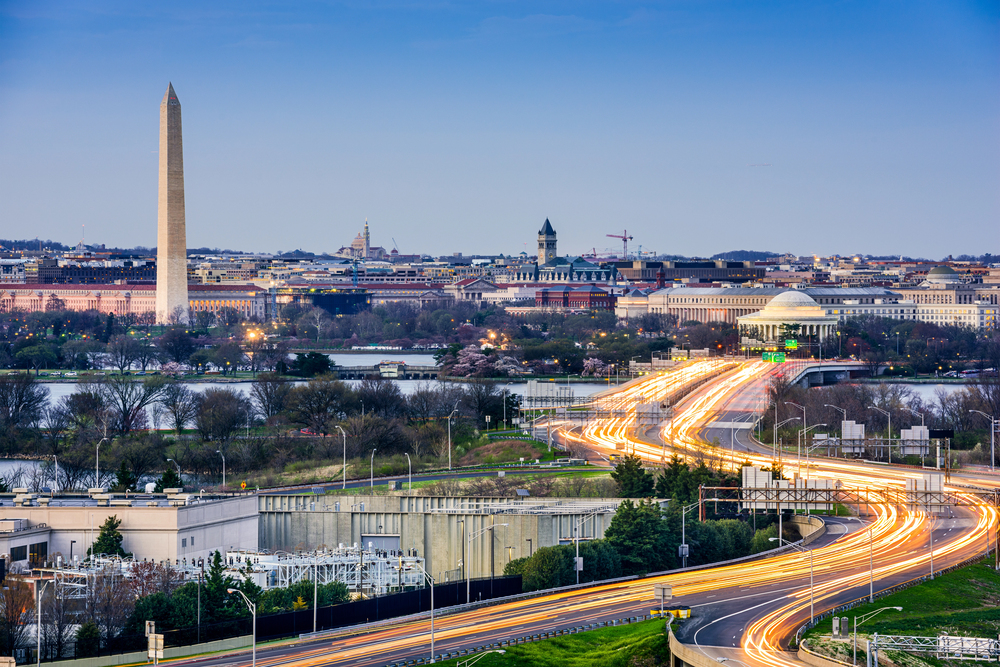
The nation’s capital sees traffic that reflects its importance, with commuters flooding in from Maryland and Virginia every morning. The Beltway encircling the city earned its nickname ‘the parking lot’ honestly, and downtown streets fill with government workers, lobbyists, and tourists all competing for space.
Security checkpoints and frequent street closures for official events add unpredictability to already challenging commutes. Metro trains help, but they can’t reach everyone, especially people living in the sprawling suburbs.
Seattle

Rain doesn’t slow down Seattle drivers, but the geography definitely does. Water surrounds the city on multiple sides, forcing almost everyone through the same few bridges and highways.
The tech industry explosion brought massive population growth without equivalent road expansion. Interstate 5 through downtown becomes a crawl during rush hours, and alternatives don’t really exist since you can’t exactly build more bridges across Puget Sound easily.
Construction projects to expand light rail offer hope for the future but create more congestion now.
Chicago
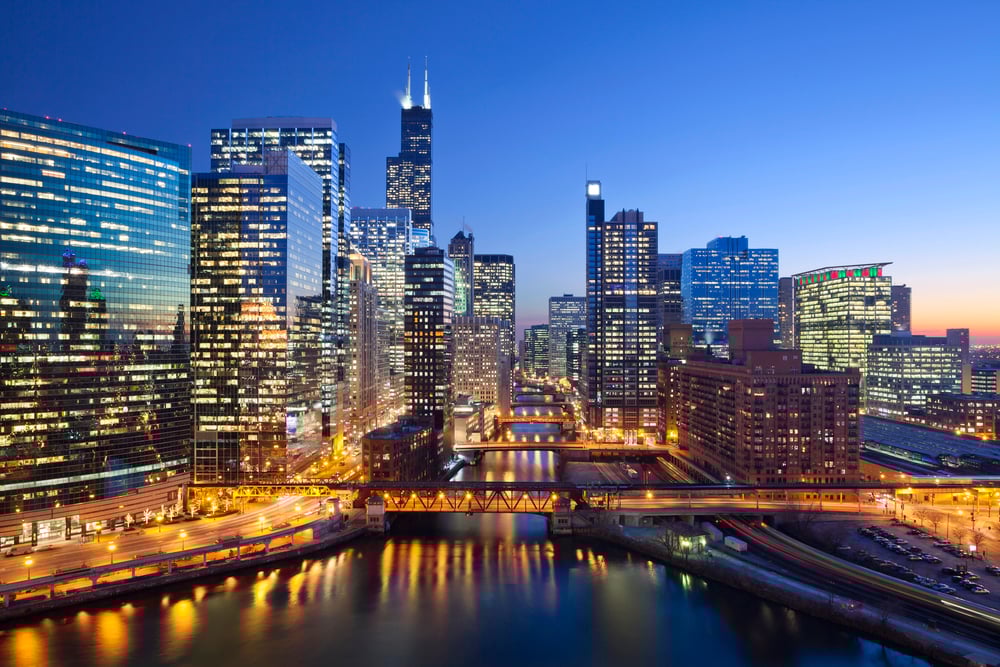
The Windy City’s expressways carry a staggering amount of traffic, and winter weather turns bad situations into disasters. Lake Michigan limits expansion options on one side, and the urban sprawl extends for miles in every direction.
The Kennedy and Dan Ryan expressways become infamous during rush hour, with backups stretching for miles. Chicago does better than many cities with public transit, but the ‘L’ trains can’t serve everyone, particularly people in distant suburbs.
Miami
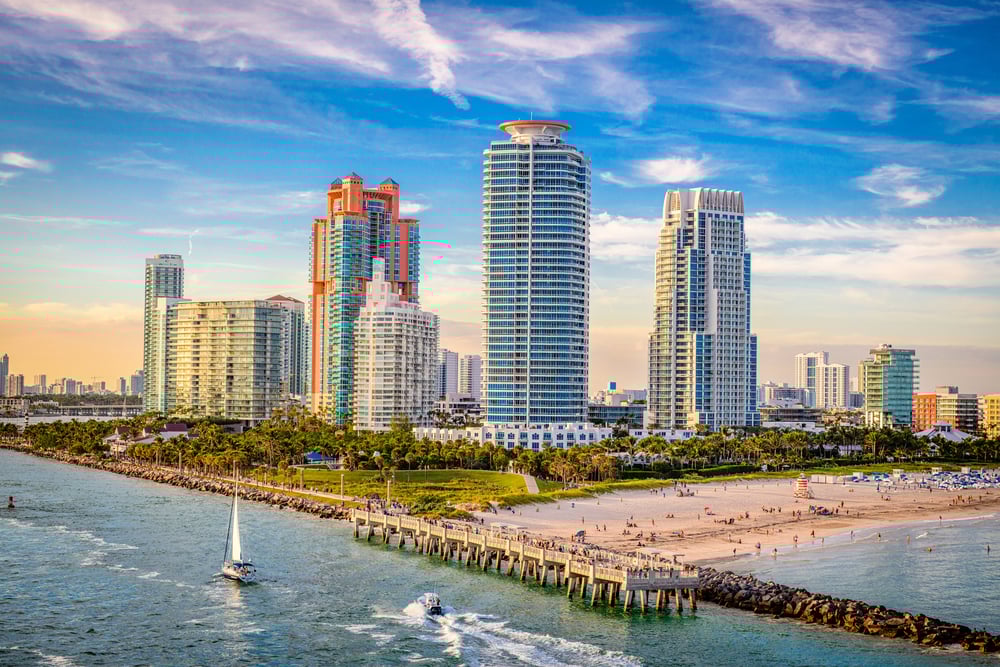
South Florida’s explosive growth outpaced road development by decades. Interstate 95 through Miami becomes a test of patience and air conditioning capacity.
The city’s layout funnels traffic into bottlenecks, and frequent accidents in the express lanes cause ripple effects for hours. Tourists unfamiliar with local roads add to the chaos, and the ports bring massive truck traffic carrying cargo to the rest of the country.
Beach access routes become completely jammed on weekends and holidays.
Philadelphia
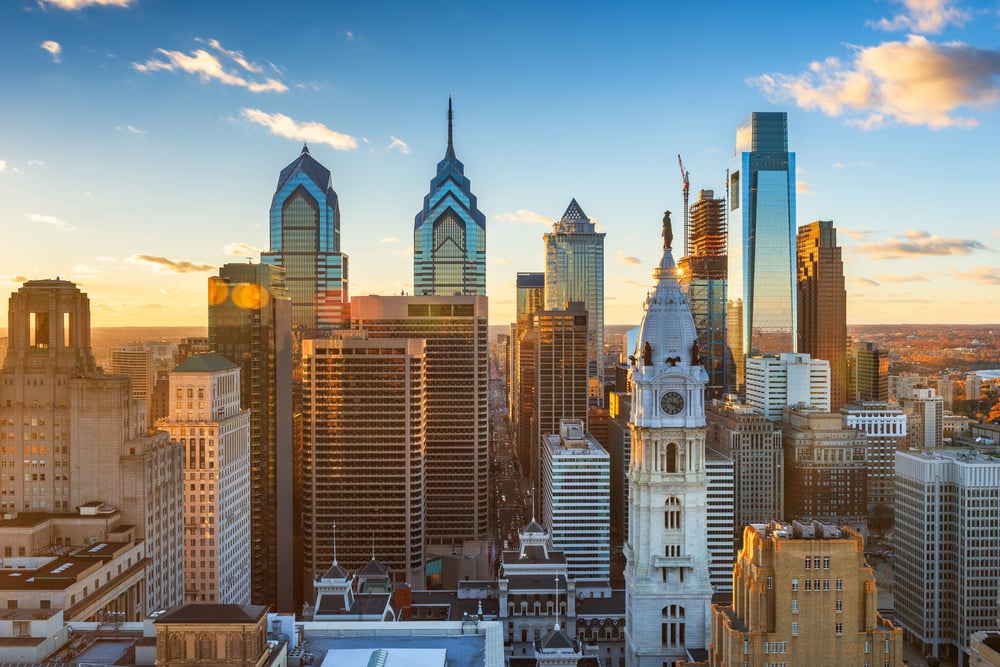
Philly drivers navigate a mix of old narrow streets downtown and congested highways on the outskirts. The Schuylkill Expressway earned the nickname ‘Sure-kill Expressway’ from frustrated commuters who spend hours creeping along.
Construction projects seem never-ending, and the city’s position as a major East Coast hub means interstate traffic passing through adds to local congestion. Potholes the size of small craters don’t help matters, forcing drivers to swerve and slow down constantly.
Atlanta
This southern city sprawls across multiple counties with almost no natural barriers to stop growth. The connector where Interstates 75 and 85 merge downtown becomes a nightmare twice daily.
Atlanta’s car-dependent culture means almost everyone drives since public transit serves only limited areas. Traffic doesn’t just slow during traditional rush hours anymore but extends from early morning through late evening.
The humid heat makes sitting in a non-moving car even more miserable.
Houston

Everything’s bigger in Texas, including the traffic jams. Houston’s freeway system is massive, but somehow still not enough for the fourth-largest city in America.
The Katy Freeway widened to 26 lanes in some spots and still gets congested. Flooding during heavy rains regularly shuts down major routes, and the flat terrain means water has nowhere to drain quickly.
Oil industry workers, port traffic, and general sprawl create constant demand on roads.
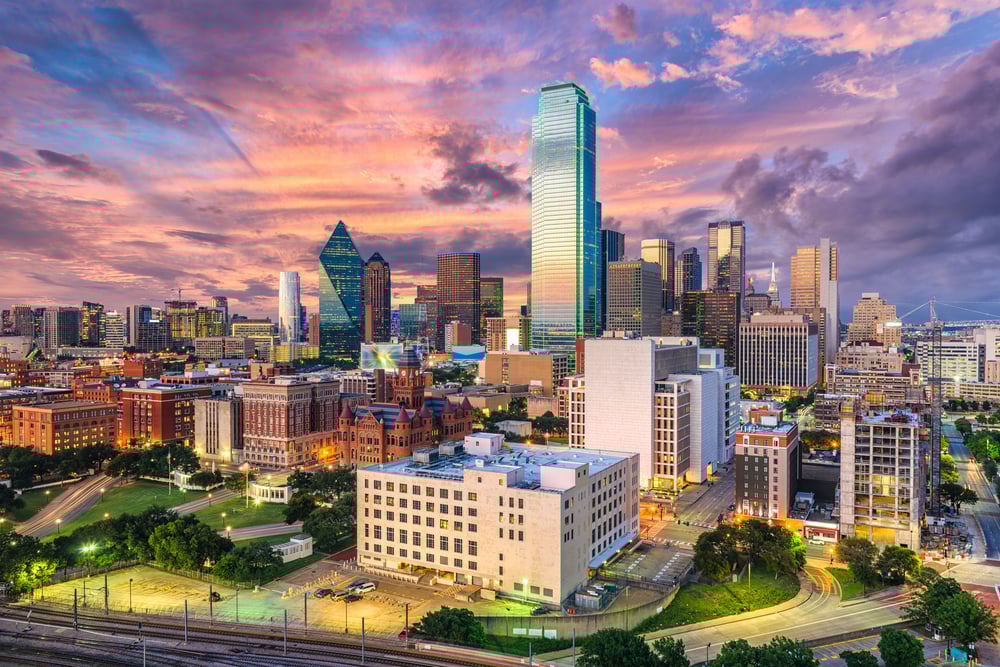
Dallas
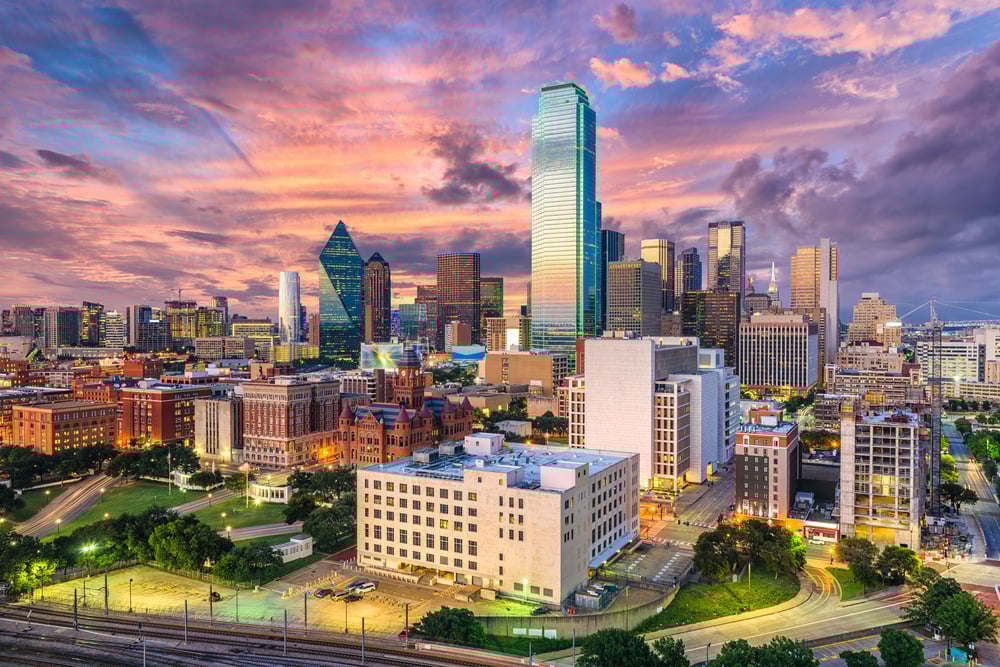
The DFW metroplex spreads across an enormous area, forcing long commutes for many workers. Interstate 635, known locally as LBJ Freeway, and Interstate 35E both see heavy congestion that starts early and ends late.
Toll roads offer some relief but at a cost that adds up quickly for daily commuters. The lack of comprehensive public transit means almost everyone needs a car, and the suburban office parks scattered across the region prevent any simple solutions.
Phoenix
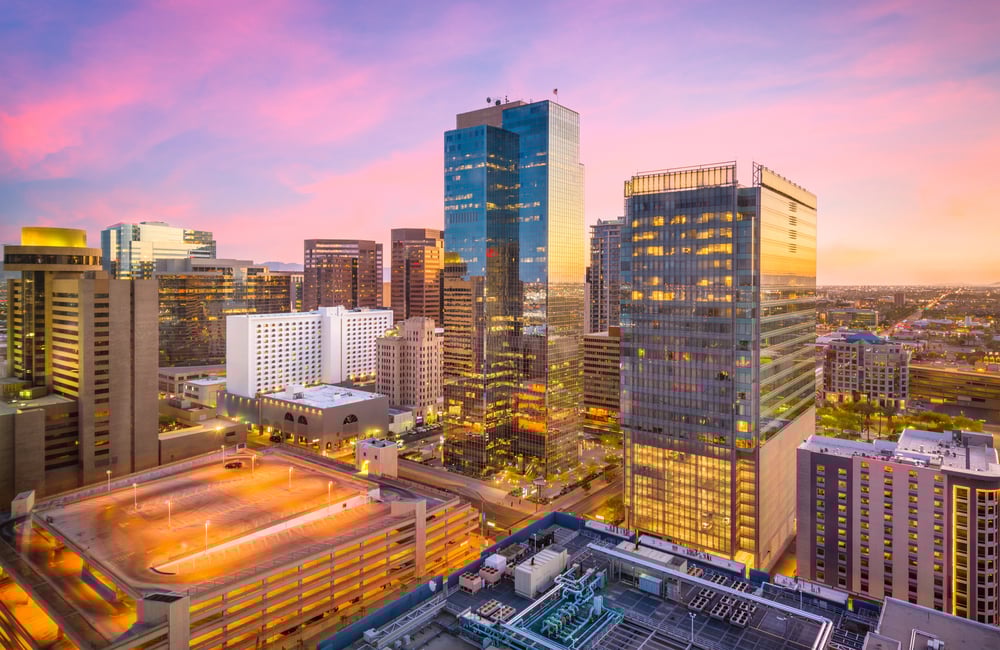
Desert heat combines with desert sprawl to create traffic challenges unique to Arizona’s largest city. The grid system helps somewhat, but the sheer number of vehicles overwhelms capacity.
Loop 101 and Interstate 10 both see major slowdowns during commute times. Snowbirds escaping cold winters and new residents drawn by lower housing costs have pushed population growth faster than infrastructure improvements.
Summer temperatures that reach 115 degrees make traffic jams not just annoying but potentially dangerous.
Austin

The Texas capital’s explosive growth turned it from a sleepy college town into a major metro area faster than anyone planned for. Interstate 35 through downtown becomes a parking lot, and alternatives are limited.
The Colorado River running through the city creates natural choke points where bridges become bottlenecks. Tech companies relocating here brought thousands of new workers, and the city’s quirky layout doesn’t help traffic flow.
What used to be a 20-minute drive now takes an hour.
San Diego
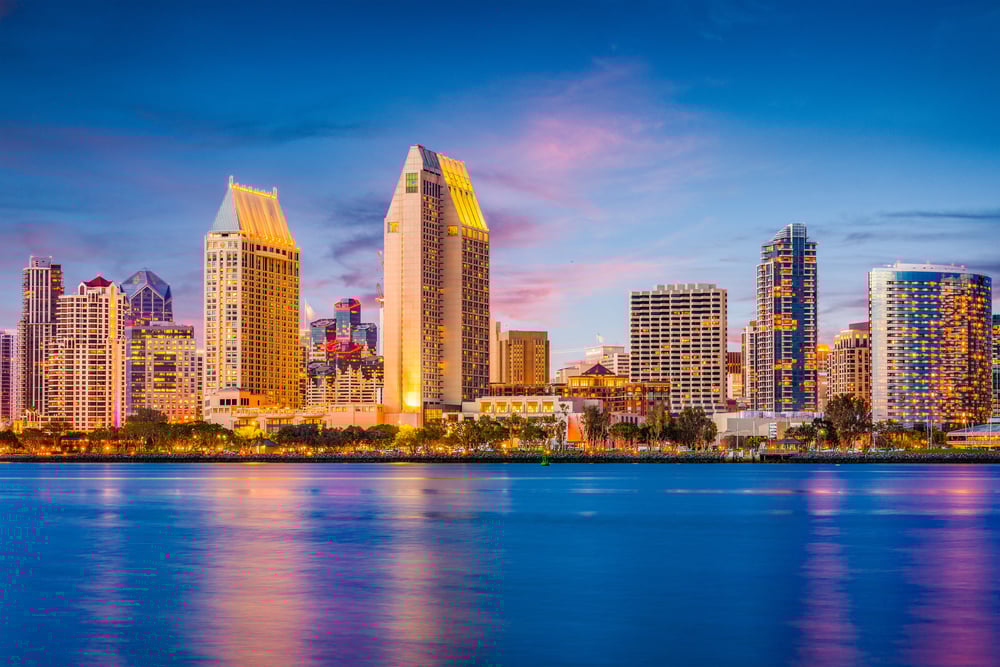
Southern California’s second-largest city has its own traffic problems separate from LA’s issues. Interstate 5 and Interstate 805 both clog up during rush hours, and the proximity to the Mexican border adds international traffic to the mix.
Beach communities have limited access points, causing backups whenever the weather’s nice. Military bases and defense contractors employ hundreds of thousands of people who need to commute.
The city’s pleasant climate means traffic problems aren’t seasonal but year-round.
Portland
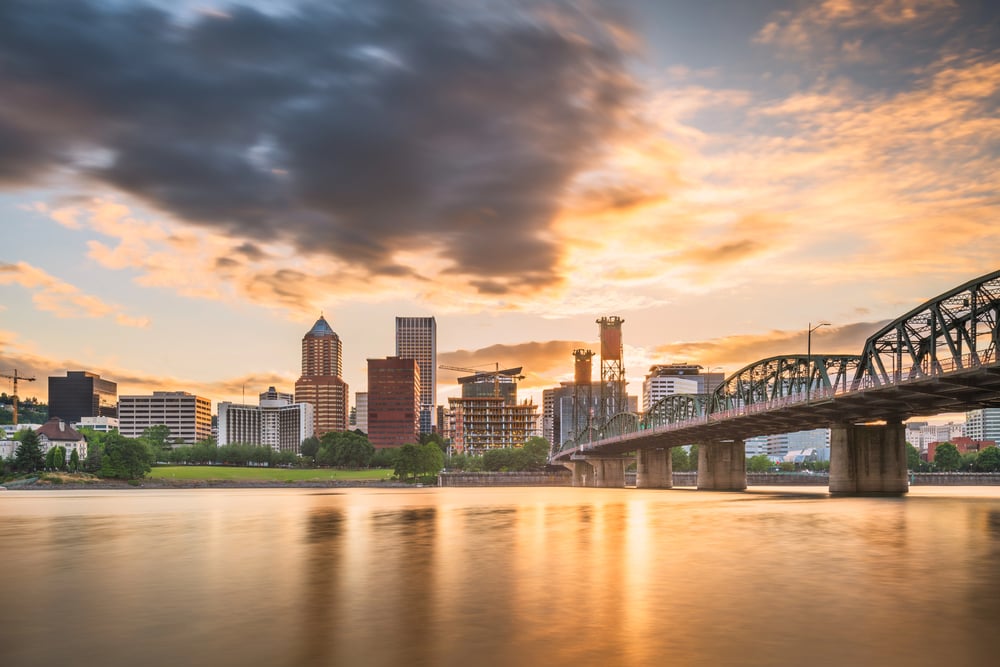
Progressive Portland tried to manage growth through urban planning and public transit, but cars still dominate. The bridges crossing the Willamette River become choke points twice daily.
Interstate 5 through the city stays congested for hours, and Interstate 84 to the east isn’t much better. The city’s bike-friendly reputation doesn’t translate to fewer cars on freeways.
Vancouver, Washington residents working in Portland add cross-state commuter traffic that compounds local congestion.
Detroit
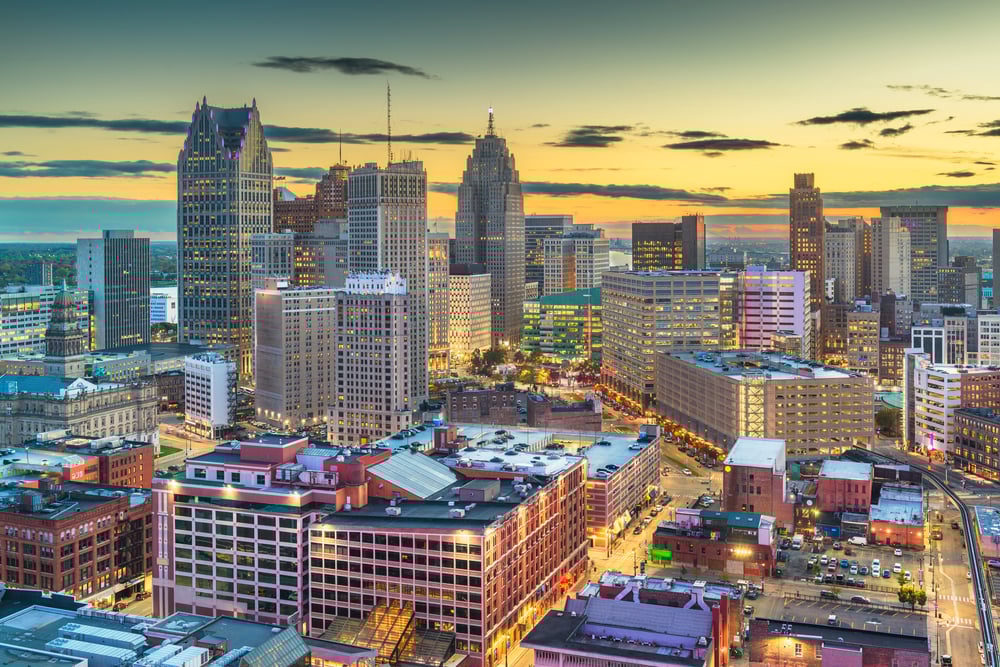
The Motor City ironically has terrible traffic despite building the cars everyone drives. Interstate 75 and Interstate 96 both see significant slowdowns, and the Lodge Freeway becomes a crawl.
Suburban sprawl extends for miles in every direction with limited transit options connecting communities. Road quality suffers from harsh winters and budget constraints, creating conditions where drivers must slow down to avoid damage.
The Canadian border crossing adds international traffic that backs up for miles during busy periods.
Charlotte
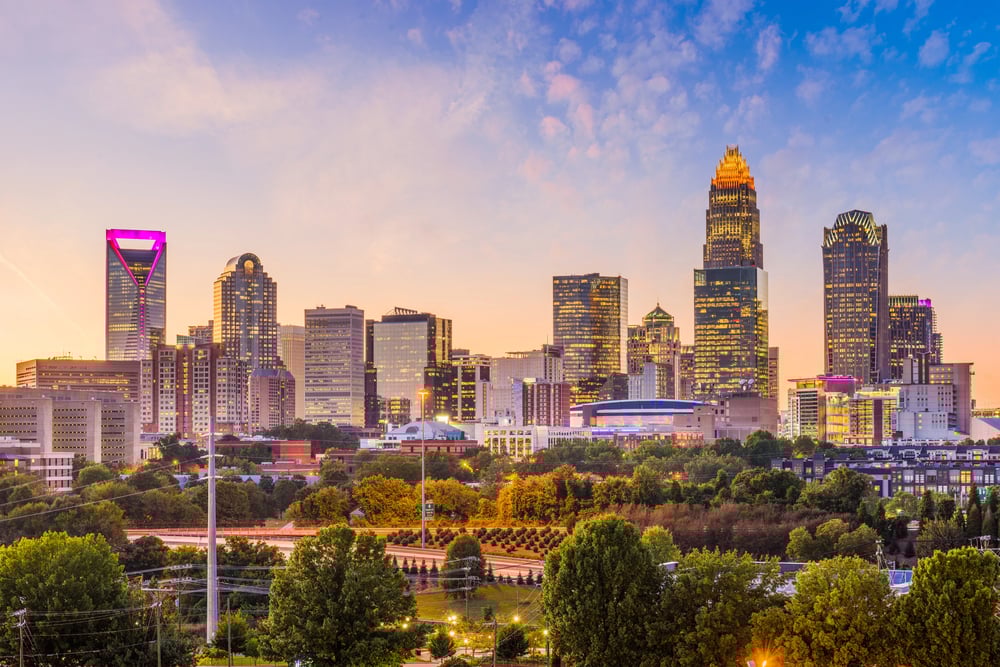
North Carolina’s largest city grew rapidly but infrastructure lagged behind. Interstate 77 and Interstate 85 intersection downtown becomes a daily traffic disaster.
Banking industry jobs downtown and suburban housing developments create the perfect setup for rush hour nightmares. The city’s attempts to expand light rail service help some, but most residents still depend entirely on cars.
Road construction projects meant to ease congestion paradoxically make it worse for years during the building phase.
Denver
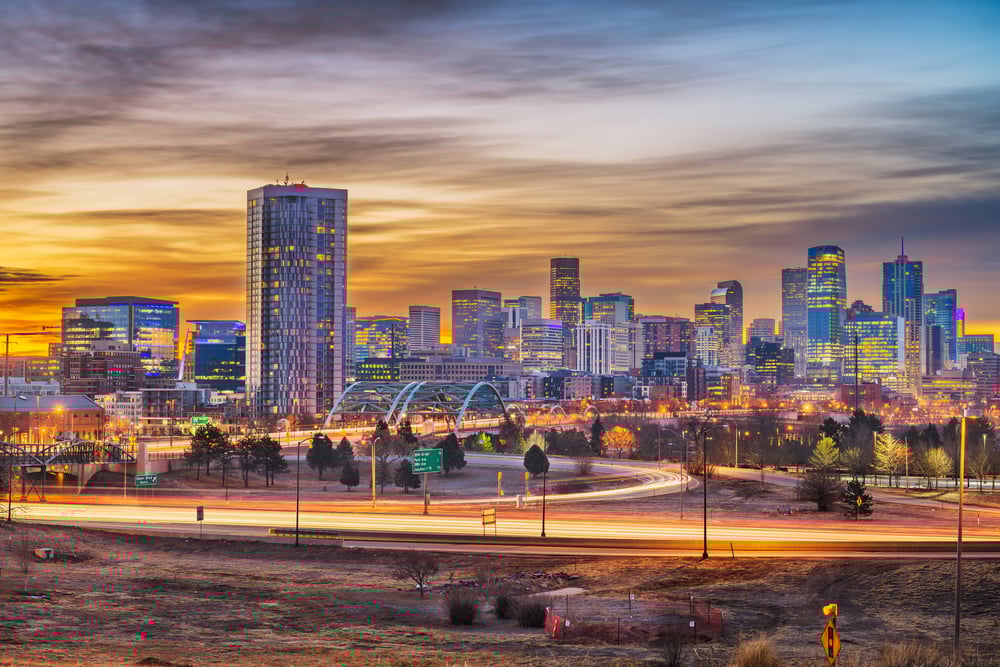
Far from flat, the city sits trapped by peaks that box in any road growth. Down I-25 and up I-70, cars crawl nonstop, especially when skiers flood exits on weekends.
New arrivals came fast – coders, cannabis workers – and pavement stayed behind. Trains run decently here compared to similar towns out West, yet distant neighborhoods remain just out of reach.
When snow falls, slush piles up, turning brief delays into frozen marathons.
Minneapolis
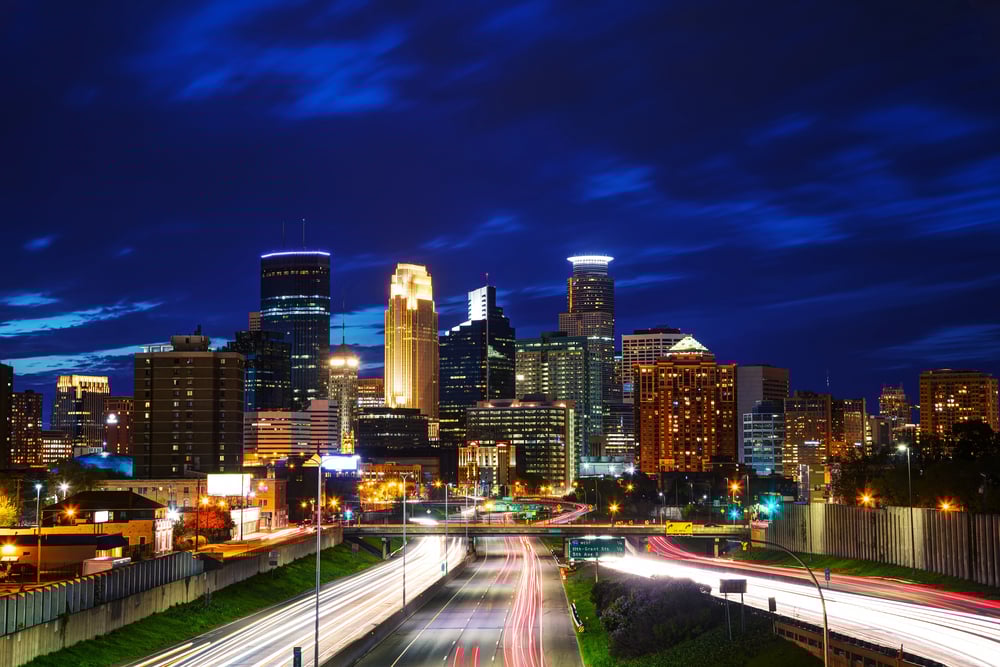
Frozen mornings slow everything down when engines cough in the cold. Looping around town, highways 494 and 694 carry a steady hum of trucks and commuters.
Downtown, 35W pinches into stop-and-go crawls by midmorning. Snow piles up along curbs, shrinking roads until plows carve paths through white heaps.
With jobs scattered across distant strip malls, buses often take too long to reach their stops. When thaw comes, orange cones reappear like stubborn weeds, holding lanes closed well past May.
That Moment When Plans Finally Face Reality
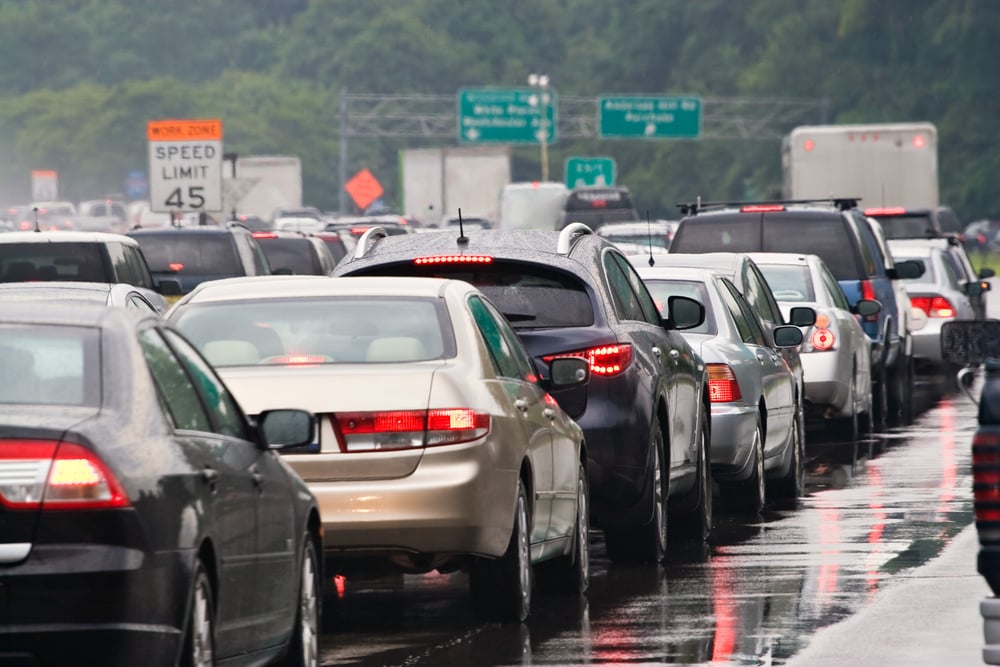
Stuck with roads everywhere, American cities can’t escape the cars they were designed for. Even as more people move in, widening highways hits walls – space runs out, budgets shrink, nature pushes back.
Time wasted sitting in traffic isn’t merely annoying; it drains money, pollutes air, burns fuel for nothing. Hopes rise on tech fixes like working from home or driverless cars, yet today, morning after morning, countless commuters still pass hours crawling along
More from Go2Tutors!

- The Romanov Crown Jewels and Their Tragic Fate
- 13 Historical Mysteries That Science Still Can’t Solve
- Famous Hoaxes That Fooled the World for Years
- 15 Child Stars with Tragic Adult Lives
- 16 Famous Jewelry Pieces in History
Like Go2Tutors’s content? Follow us on MSN.



