10 Famous Art Forgeries That Fooled Experts
The art world has always walked a fine line between genius and deception, where the difference between a priceless masterpiece and a worthless fake can depend on a signature, a brushstroke, or sometimes just the opinion of the right expert. Throughout history, brilliant forgers have exploited this vulnerability, creating works so convincing that they’ve fooled museum curators, auction house specialists, and even Nobel Prize winners.
These aren’t crude copies made in someone’s garage – these are sophisticated deceptions that require incredible artistic skill, historical knowledge, and sometimes decades of careful planning to pull off. The world’s greatest forgers have managed to infiltrate the most prestigious museums, private collections, and auction houses, earning millions while simultaneously exposing the weaknesses in our systems for authenticating art.
Their stories reveal how easily even the most educated experts can be fooled when they want to believe in a discovery. Here is a list of 10 famous art forgeries that fooled the experts and shook the art world to its foundations.
Han van Meegeren’s The Supper at Emmaus

Dutch artist Han van Meegeren created perhaps the most famous art forgery of all time when he painted The Supper at Emmaus and passed it off as a lost Vermeer in 1937. The painting fooled Abraham Bredius, one of the world’s leading Vermeer experts, who declared it “a hitherto unknown painting by a great master.”
Van Meegeren used innovative techniques like mixing his paints with Bakelite and baking the canvas in an oven to artificially age the work. The forgery was so convincing that it was purchased for what would be millions in today’s money and displayed in Rotterdam’s Boymans Museum.
Wolfgang Beltracchi’s Heinrich Campendonk Forgeries
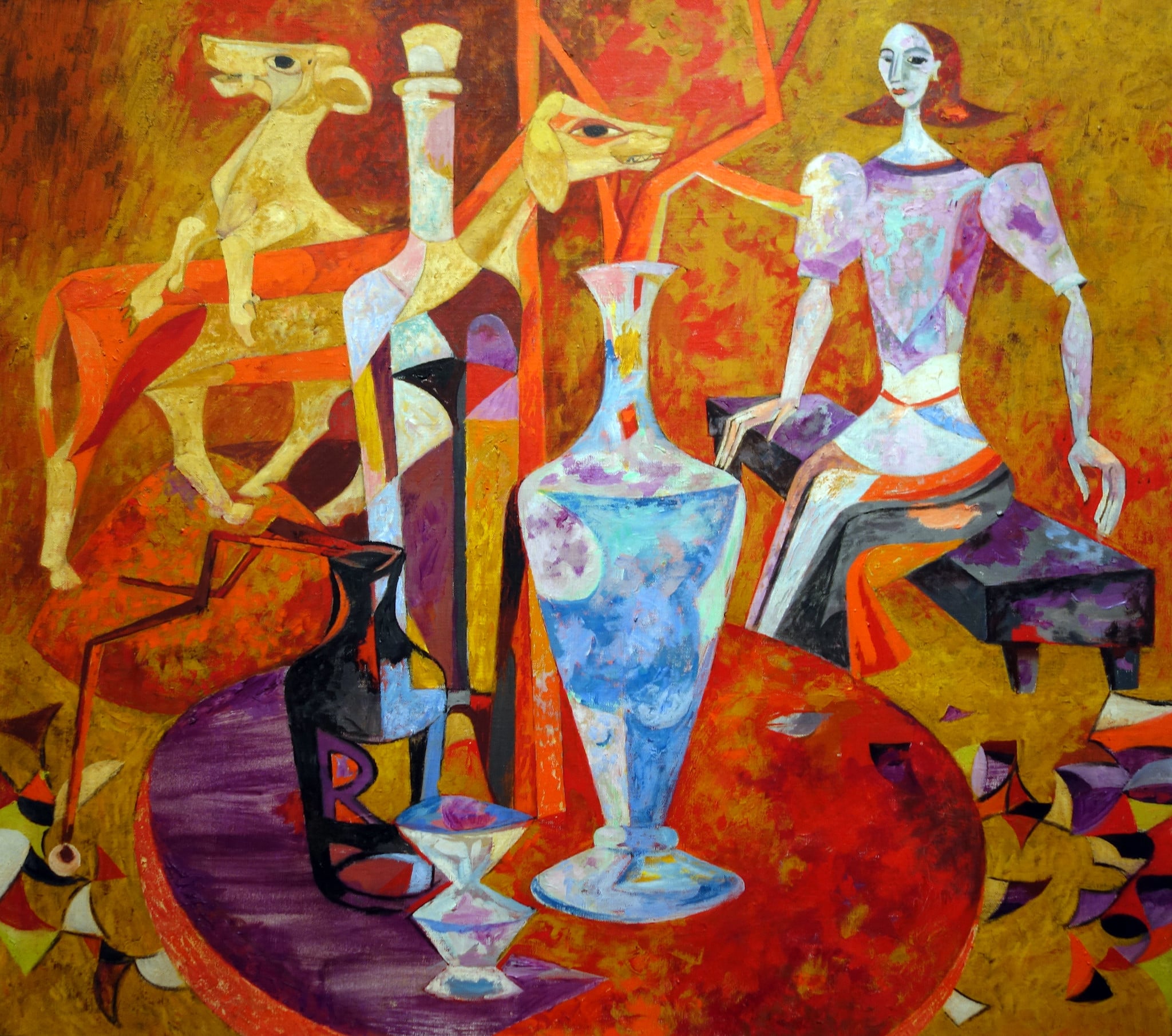
German forger Wolfgang Beltracchi fooled the art world for nearly 40 years before being caught in 2010. His downfall came from a Heinrich Campendonk painting titled Red Picture with Horses that sold for 2.8 million euros at auction.
The painting contained titanium white, a pigment that wasn’t used until the 1920s, but the work was supposedly created in 1914. Beltracchi admitted to forging hundreds of works by artists including Max Ernst, André Derain, and Fernand Léger, earning an estimated $45 million before his capture.
Like Go2Tutors’s content? Follow us on MSN.
The Knoedler Gallery Jackson Pollock Scandal
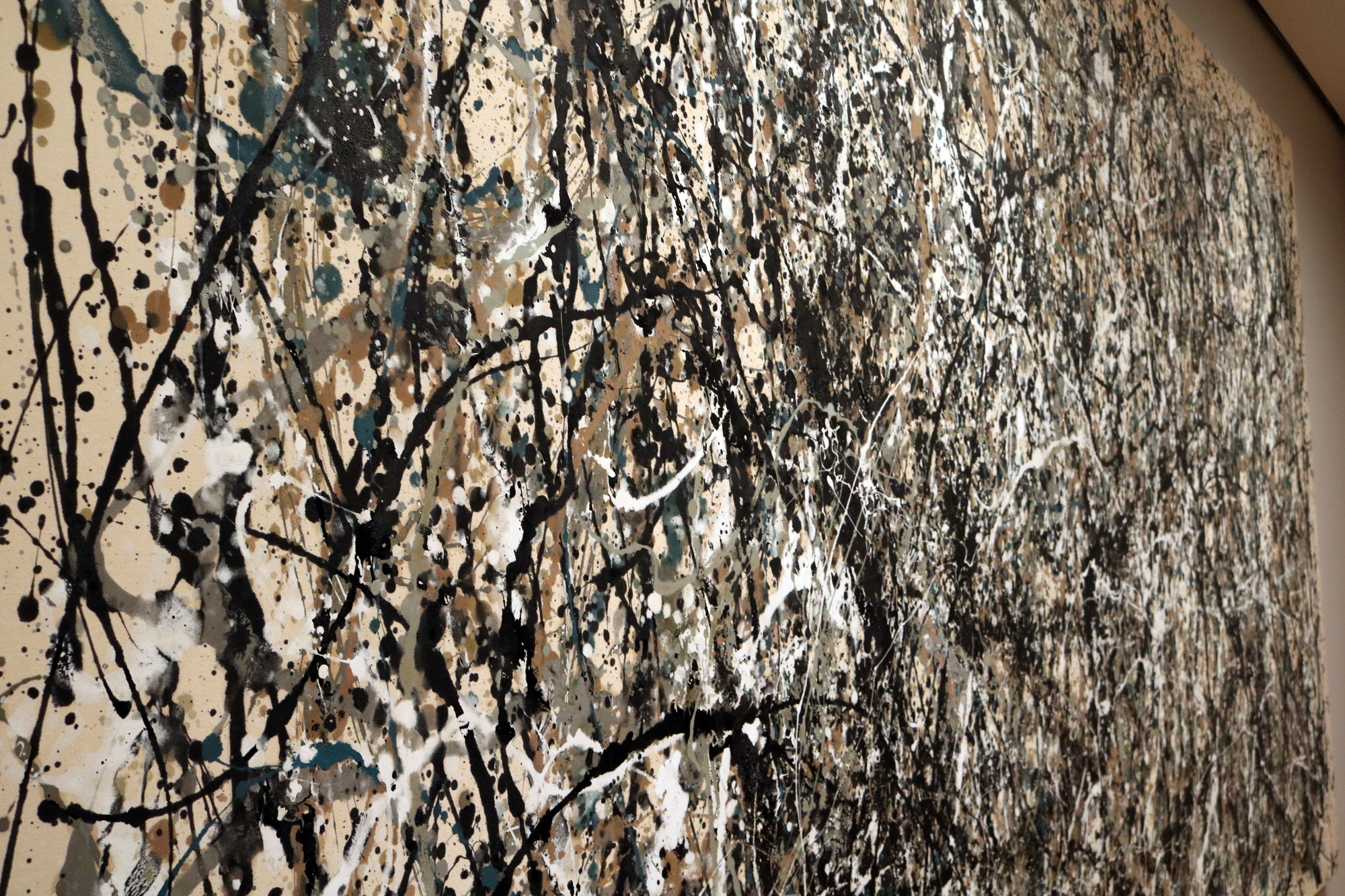
For eight years, the prestigious Knoedler Gallery in New York unknowingly sold forgeries created by Chinese artist Pei-Shen Qian. The scheme involved fake Jackson Pollocks, Mark Rothkos, and other Abstract Expressionist works that collectively sold for around $80 million.
One fake Rothko alone sold for $17 million to collectors who believed they were buying from a secret collection. The scandal was so damaging that the historic gallery, which had been operating since 1846, was forced to close permanently in 2011.
Elmyr de Hory’s Picasso and Matisse Collection
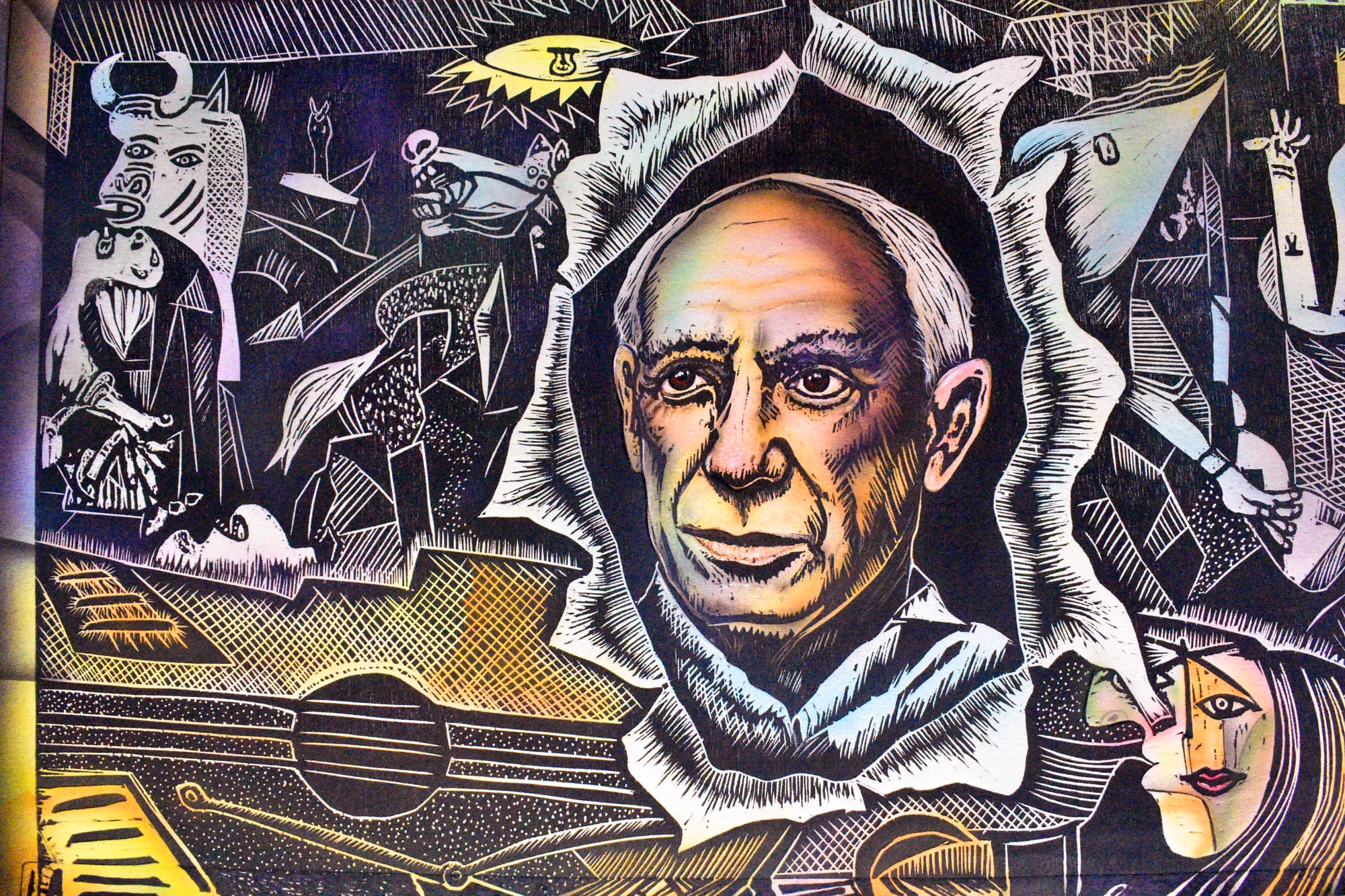
Hungarian-born Elmyr de Hory became one of history’s most prolific forgers, creating thousands of fake Picassos, Matisses, and Modiglianis that were sold to galleries worldwide. His forgeries were so skillful that some remained undetected for decades, hanging in prestigious collections.
De Hory’s story became internationally famous when it was featured in Orson Welles’ documentary F for Fake, and his exploits inspired the art world to develop more rigorous authentication procedures.
The Greenhalgh Family’s Ancient Sculptures
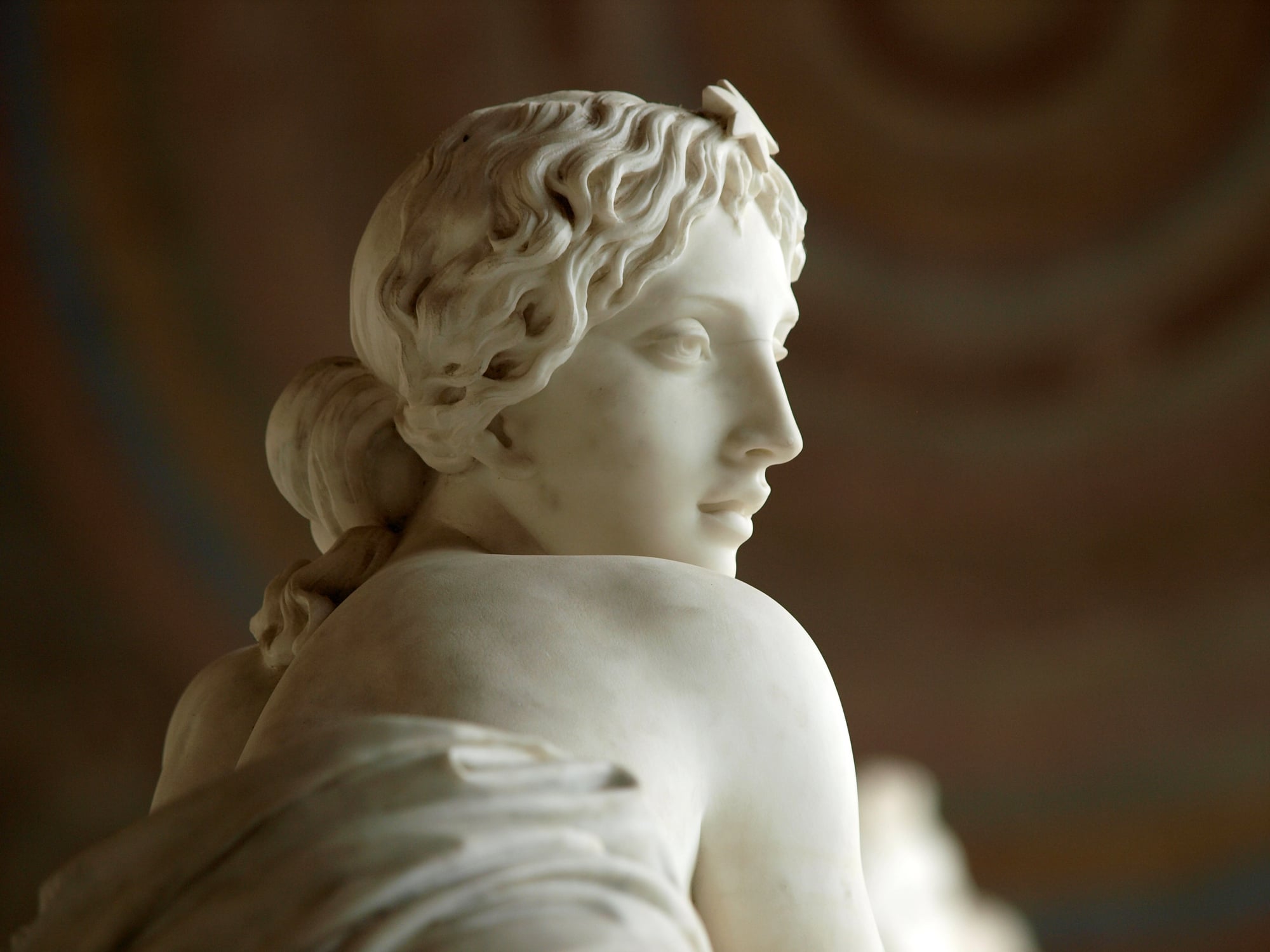
The Greenhalgh family from Bolton, England, spent nearly 20 years creating forgeries from their garden shed, earning an estimated $1.6 million. Son Shaun Greenhalgh was the artistic talent behind fake ancient sculptures, medieval artifacts, and modern paintings that fooled institutions including the British Museum.
Their downfall came when they offered three Assyrian reliefs to the British Museum, which contained historical inaccuracies that experts noticed.
Like Go2Tutors’s content? Follow us on MSN.
The Fake Frans Hals Portrait
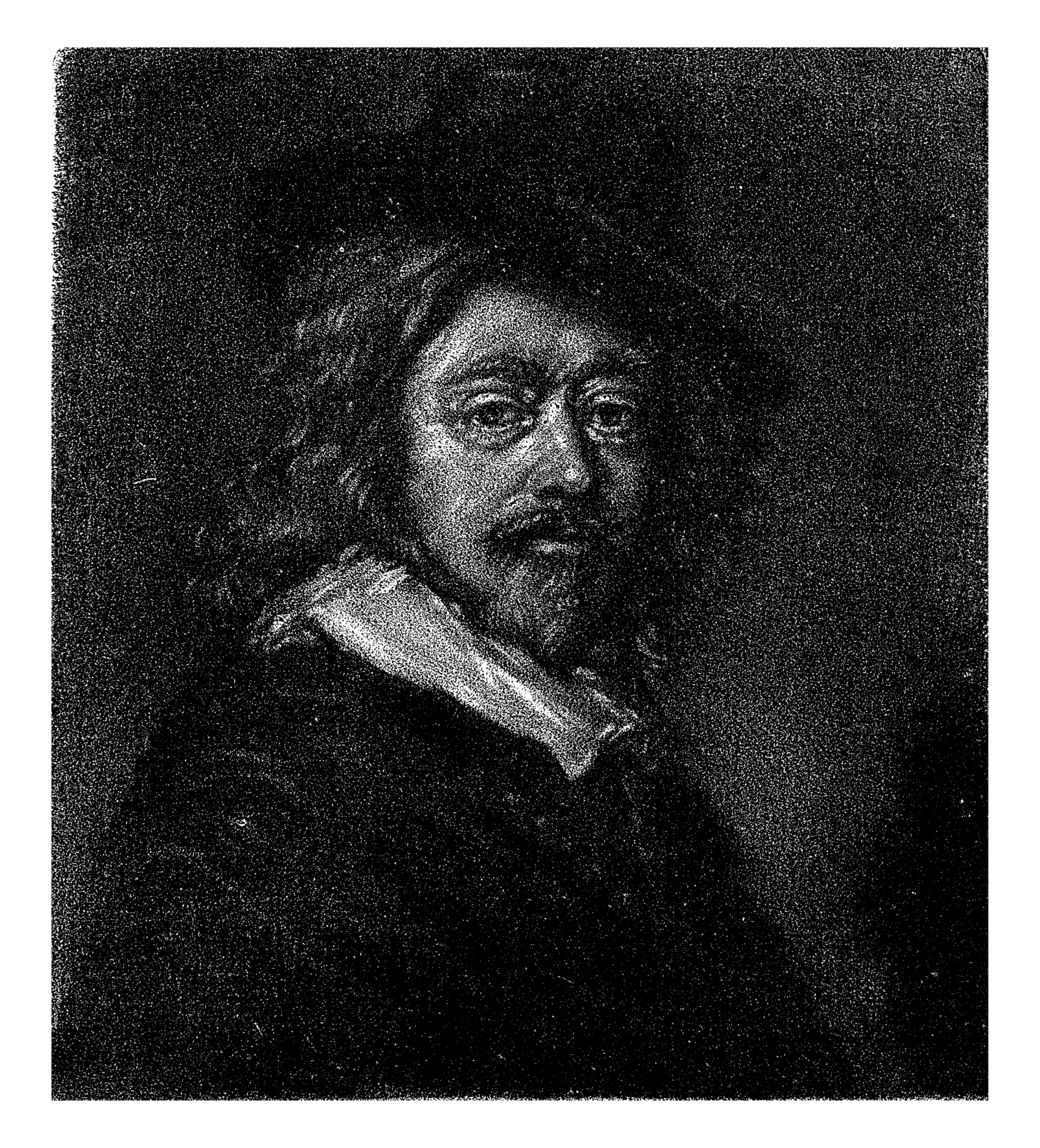
In 2011, Sotheby’s sold a Frans Hals portrait through London dealer Mark Weiss for $10 million in a private sale. Years later, scientific analysis by Orion Analytical discovered modern materials in the canvas, proving it was a forgery.
Sotheby’s issued a full refund to the buyer, but the incident was part of a larger Old Master forgery ring that implicated multiple paintings, including works supposedly by Lucas Cranach the Elder. French authorities seized several suspected forgeries as the investigation continued.
Shaun Greenhalgh’s Amarna Princess
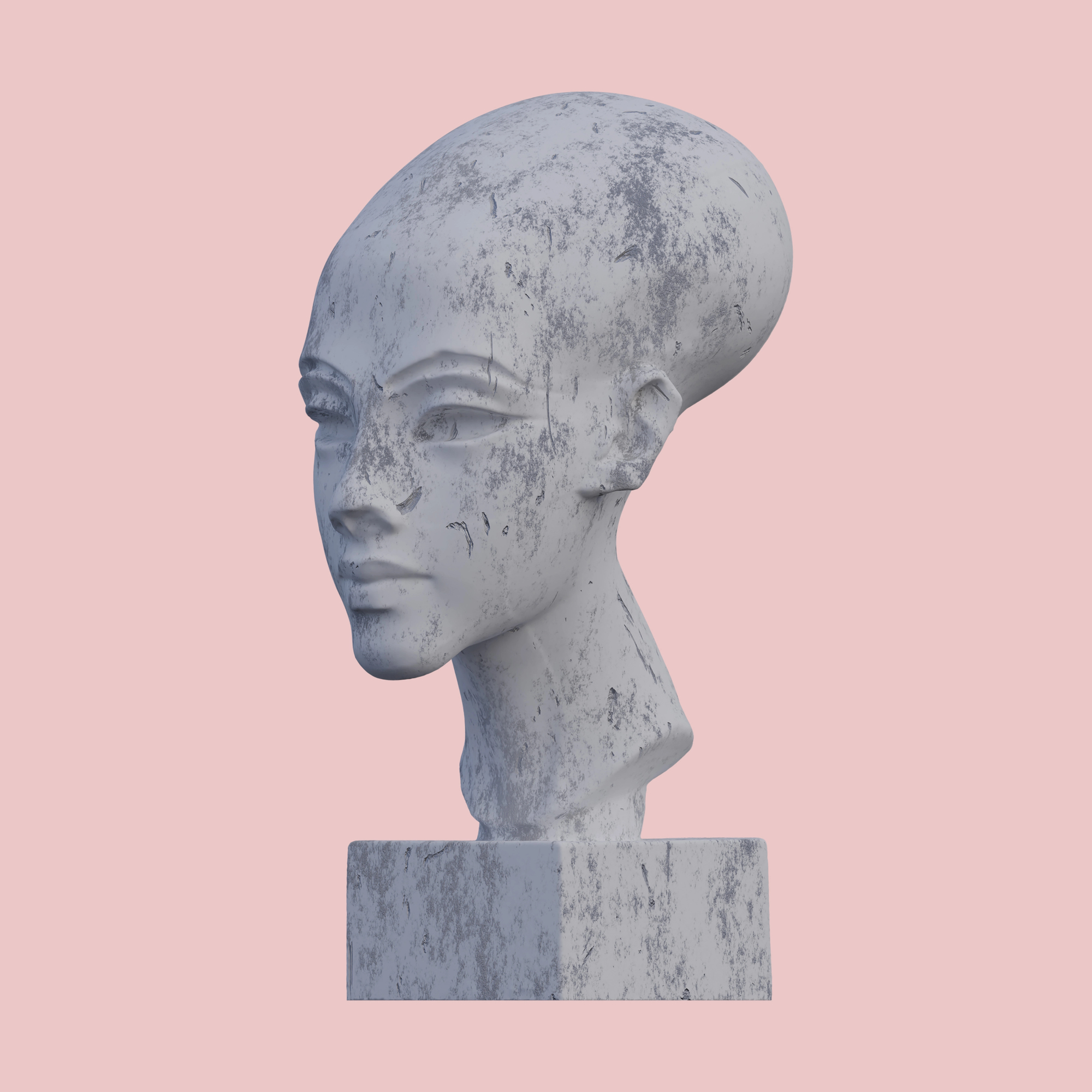
One of Shaun Greenhalgh’s most successful forgeries was a sculpture he claimed dated from ancient Egypt’s Amarna period. The piece was so convincing that it was acquired by Bolton Museum and featured in scholarly publications about ancient Egyptian art.
Greenhalgh created the sculpture using modern tools but aged it with tea and other household materials. The forgery wasn’t discovered until after the family was arrested, when experts realized the sculpture contained historical inaccuracies that wouldn’t have been present in an authentic ancient work.
The Spanish Forger’s Medieval Miniatures
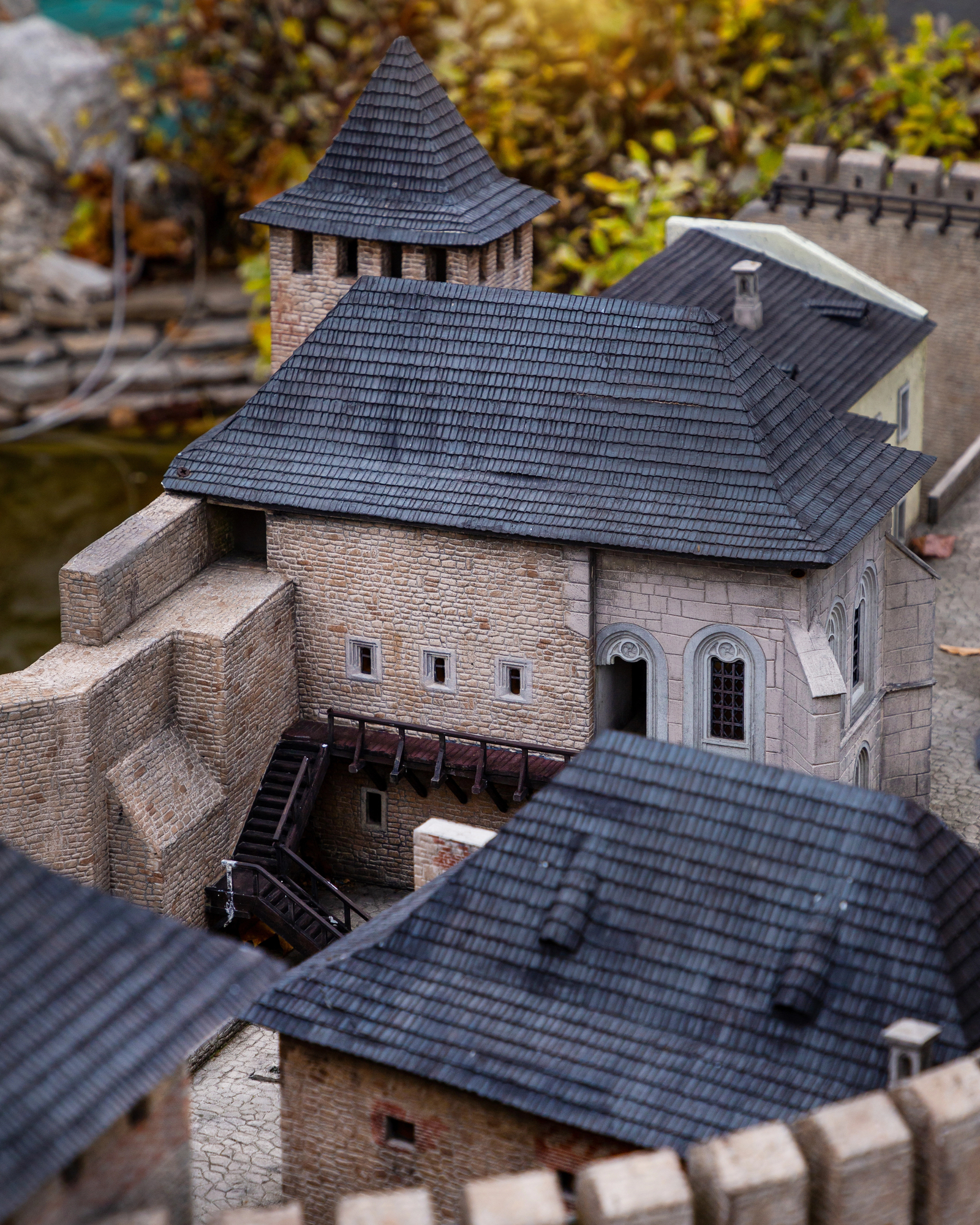
An unknown forger known only as “The Spanish Forger” created hundreds of fake medieval illuminated manuscripts in the early 20th century. These miniatures were so skillfully executed that they fooled scholars and collectors for decades.
The forger used genuine medieval parchment and period-appropriate pigments, creating works that seemed to fill gaps in the historical record. Many of these forgeries are still held in museum collections, some still being debated by scholars who aren’t entirely convinced they’re fake.
Like Go2Tutors’s content? Follow us on MSN.
David Stein’s Chagall and Picasso Works
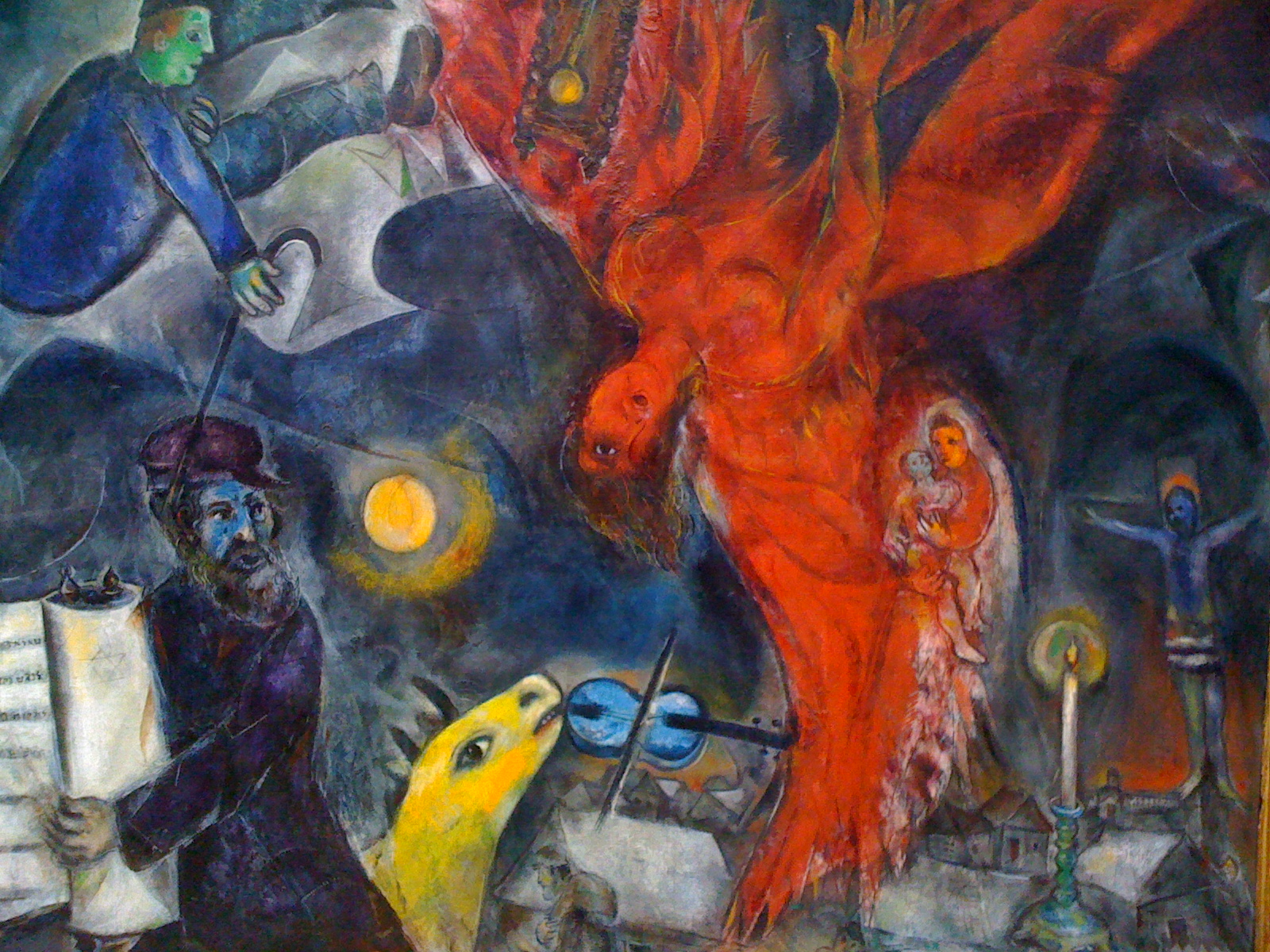
American-based forger David Stein specialized in creating fake works by modern masters like Chagall and Picasso during the 1960s and 70s. His forgeries were so convincing that they were purchased by celebrities and displayed in galleries before being discovered.
Stein’s technical skill was exceptional, but his downfall came when he became too greedy and started producing works at an impossible rate for the artists he was imitating. He was eventually caught and served time in prison, but many of his forgeries have never been recovered.
The Fake Monet Water Lilies
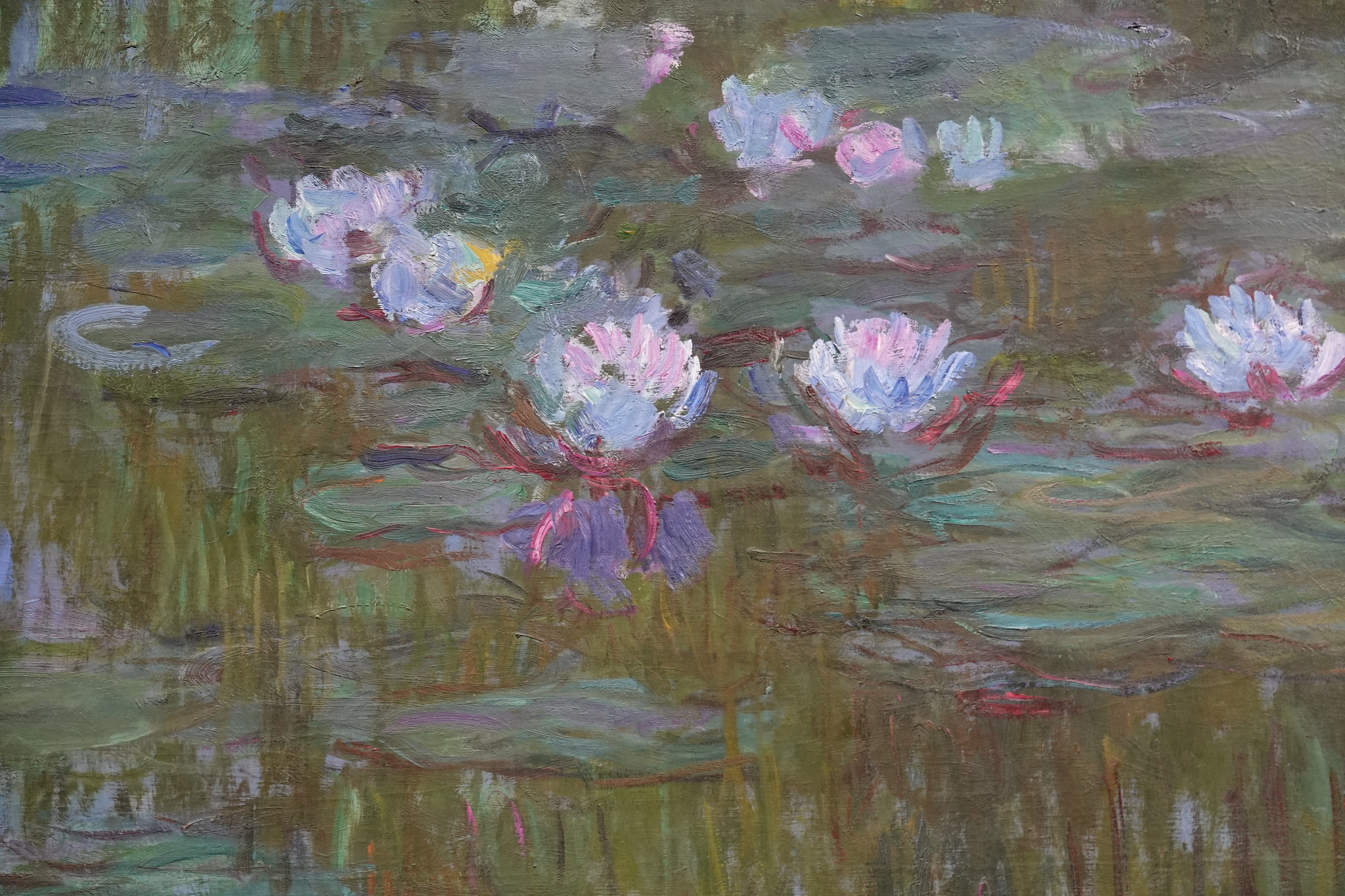
A forged Monet Water Lilies painting was discovered hanging in a private collection after being purchased from a reputable dealer for several million dollars. The forgery was so skillful that it had passed initial authentication, but later scientific analysis revealed modern pigments and canvas preparation techniques that weren’t available during Monet’s lifetime.
The discovery prompted a wider investigation into other Impressionist works from the same source, leading to the identification of an entire network of forged paintings.
The Art of Deception Lives On
These master forgers remind us that the art world’s reliance on connoisseurship and expert opinion, while valuable, isn’t foolproof. Each of these cases exposed weaknesses in authentication systems and forced the industry to develop better scientific methods for detecting fakes.
Yet even today, with advanced techniques like carbon dating and pigment analysis, experts estimate that up to 50% of works on the art market may be forgeries or misattributions. The cat-and-mouse game between forgers and authenticators continues, with each side pushing the other to greater sophistication.
In a world where a single signature can be worth millions of dollars, the temptation to deceive—and the human desire to discover lost masterpieces—ensures that somewhere, someone is probably creating the next great forgery that will fool the experts.
Like Go2Tutors’s content? Follow us on MSN.
More from Go2Tutors!

- 16 Historical Figures Who Were Nothing Like You Think
- 12 Things Sold in the 80s That Are Now Illegal
- 15 VHS Tapes That Could Be Worth Thousands
- 17 Historical “What Ifs” That Would Have Changed Everything
- 18 TV Shows That Vanished Without a Finale
Like Go2Tutors’s content? Follow us on MSN.



