20 US States With the Youngest Populations
The United States is getting older. The national median age crossed 39 for the first time in 2024, driven by an aging baby boomer generation and birth rates that have been declining for decades.
But not every state is following the same trajectory. Some corners of the country still have remarkably young populations — shaped by high birth rates, college towns, booming economies, and waves of young workers arriving in search of opportunity.
Median age is the simplest way to measure how young or old a state’s population is. It’s the point at which exactly half the population is older and half is younger.
A low median age generally reflects more children, younger families, and fewer retirees — which has real consequences for schools, housing demand, the labor market, and even local politics. Here are the 20 US states with the youngest populations.
1. Utah — Median Age: 32.4
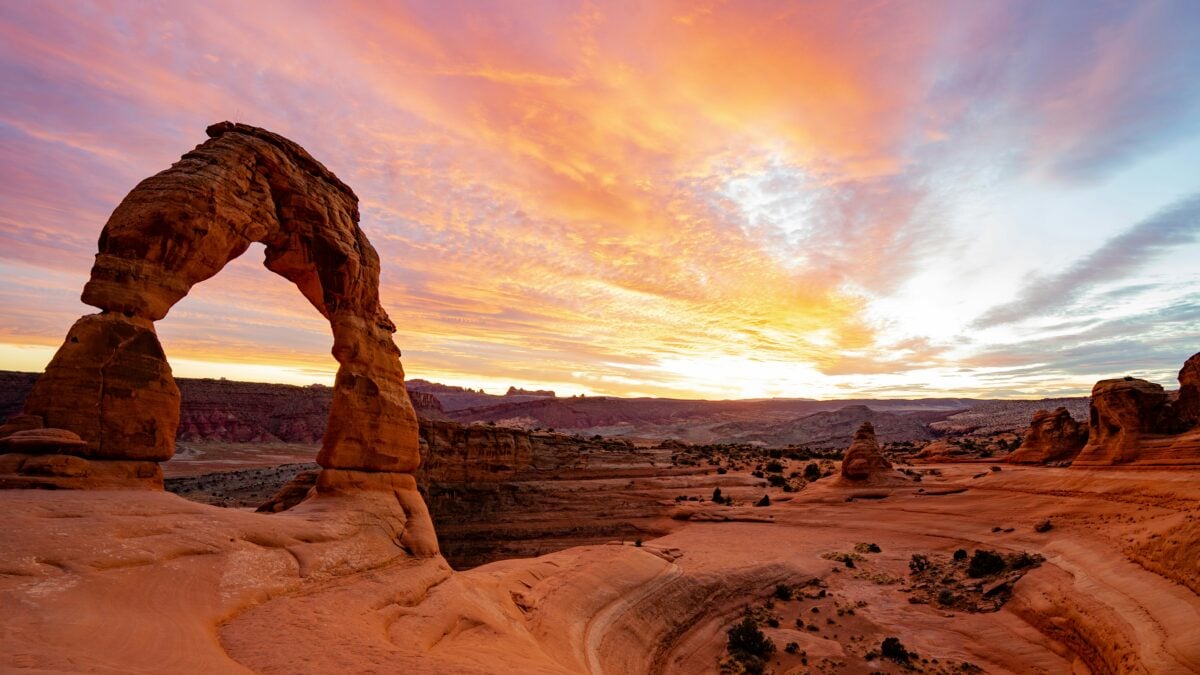
No other state comes close. Utah holds the title of the youngest state in America by a wide margin, with a median age that sits nearly seven years below the national average. About 26.6% of Utahns are under 18, compared to 21.5% nationally.
Only around 15% of the population is 65 or older. The main driver is culture.
The dominant LDS (Latter-day Saint) faith places a strong emphasis on large families, and the state’s birth rate is consistently the highest in the country. Young couples in Utah tend to marry earlier and have children sooner than their peers elsewhere in the US.
The state also attracts young workers drawn to the thriving tech corridor known as “Silicon Slopes,” which runs through cities like Provo, Lehi, and Salt Lake City. One complication: Utah is also one of the fastest-aging states.
Its median age has climbed by a full year since the 2020 Census, as fertility rates have been dipping due to rising housing costs and the financial pressures young families face nationwide.
2. Alaska — Median Age: 34.0

Alaska’s youth comes from a different set of forces than Utah’s. The state has one of the highest birth rates in the country, and its population skews young partly because older residents are more likely to leave — returning to the contiguous states for healthcare, family, or milder winters.
Alaska has the smallest share of residents aged 85 and older of any state. Life in Alaska naturally attracts a younger, more physically active demographic.
The oil industry, military bases, fishing operations, and outdoor recreation sectors all draw workers who tend to be in their twenties and thirties. The state’s permanent fund dividend — a yearly payment to residents from Alaska’s oil wealth — also gives young families an extra reason to stay.
3. Texas — Median Age: 35.6
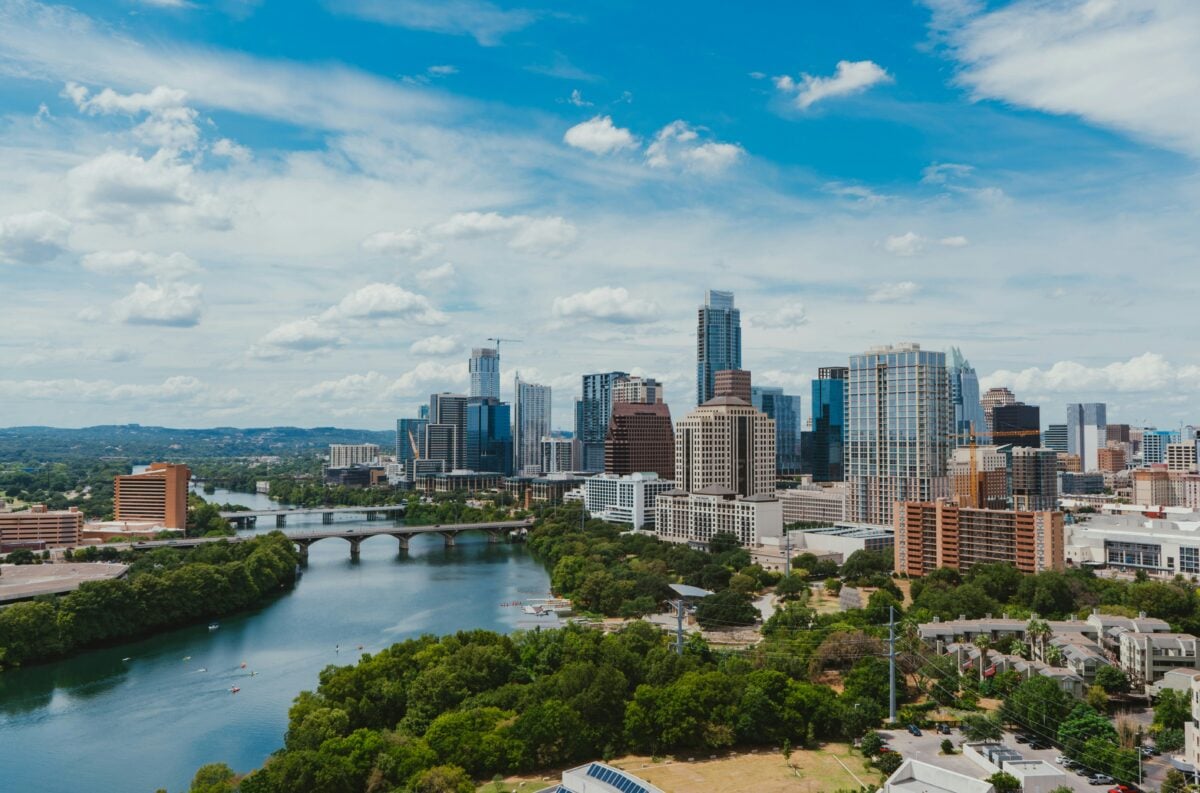
Texas is the second most populous state in the country, and it’s young in a way that compounds over time. A large Hispanic population — which skews younger on average — combined with steady in-migration of young professionals from higher-cost states keeps the age profile well below the national average.
Cities like Austin, Dallas, and Houston continue to attract young workers in tech, finance, and energy. Texas also has a relatively high birth rate and more than 13% of its population is under 10 years old.
For comparison, that figure is noticeably lower in states like Maine or West Virginia.
4. North Dakota — Median Age: 35.5

North Dakota’s energy boom changed the state’s demographic makeup significantly. The Bakken oil fields attracted tens of thousands of young workers — predominantly men in their twenties and thirties — starting in the late 2000s.
Even as oil prices have fluctuated, many stayed and put down roots. The state also has a network of universities and community colleges that keep a steady supply of younger residents in cities like Fargo, Grand Forks, and Bismarck.
Agriculture draws families, and the state’s low unemployment rate has kept young workers from leaving at the rates seen in other rural states.
5. Nebraska — Median Age: 36.8
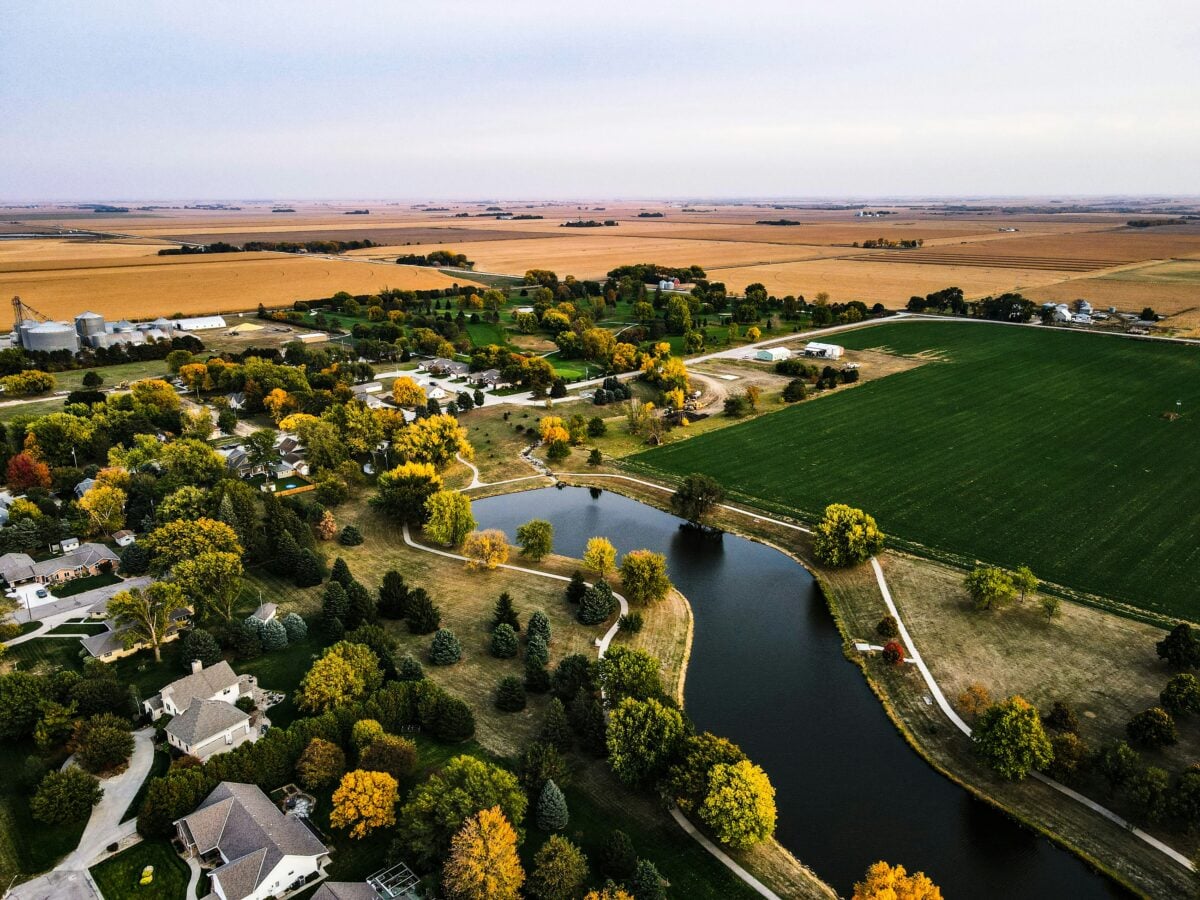
Nebraska is often overlooked in conversations about young states, but its demographics tell an interesting story. A significant and growing Latino population in cities like Omaha, Grand Island, and Lexington has meaningfully lowered the state’s median age over the past two decades.
The meatpacking and agricultural industries employ large numbers of young immigrant workers and their families, contributing to above-average birth rates in some counties. Nebraska also has a relatively stable economy that doesn’t push young people out as aggressively as some other Midwestern states.
6. Idaho — Median Age: 36.9

Idaho’s youthfulness traces back to a combination of LDS culture — particularly in the southeast of the state — and explosive population growth driven by people leaving California, Washington, and Oregon for more affordable living.
The Boise metropolitan area has been one of the fastest-growing in the country for years, and the influx of younger families and workers has kept the state’s median age low. College towns like Moscow (home to the University of Idaho) and Rexburg (Brigham Young University-Idaho) add to the young demographic mix.
Rexburg itself sits in Madison County, which has the lowest county median age in the entire country at just 20.9 years.
7. Oklahoma — Median Age: 37.0

Oklahoma has a younger population than most people expect. A large Native American population — which skews younger than the overall state average — and a relatively high birth rate both contribute.
Cities like Oklahoma City and Tulsa have invested heavily in urban revitalization over the past decade, making them more attractive to young professionals. The energy sector, healthcare, and aerospace industries provide employment that keeps young workers in state rather than sending them to larger metros elsewhere.
8. California — Median Age: 37.0
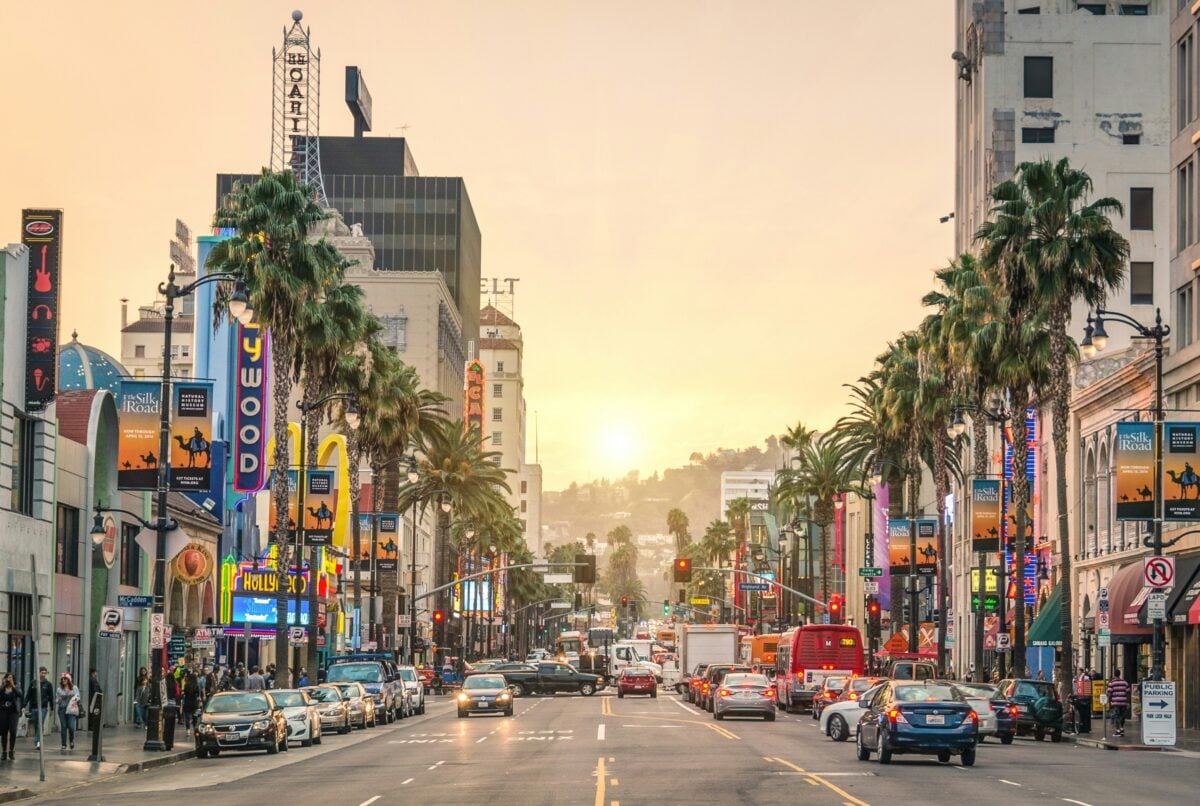
Despite being one of the most expensive states to live in, California still ranks among the youngest. Its enormous population of immigrants — who tend to be younger and have higher birth rates on average — is a major factor. The state’s Latino population, which makes up nearly 40% of residents, has a substantially lower median age than the white non-Hispanic population.
California is also home to some of the country’s largest university systems, keeping millions of young adults enrolled and in-state. The film, tech, agriculture, and logistics industries all draw young workers from across the country and the world.
9. Colorado — Median Age: 37.1

Colorado blends outdoor lifestyle appeal with a strong economy to attract young people from across the country. Denver has consistently ranked among the top destinations for millennials over the past decade, and the Front Range corridor — stretching from Fort Collins down to Colorado Springs — is dense with young families and recent graduates.
The state’s robust healthcare, aerospace, and tech sectors provide well-paying jobs that allow young workers to stay rather than move on. Colorado also has a large military presence, including several major installations that contribute to a younger demographic base.
10. Georgia — Median Age: 37.0
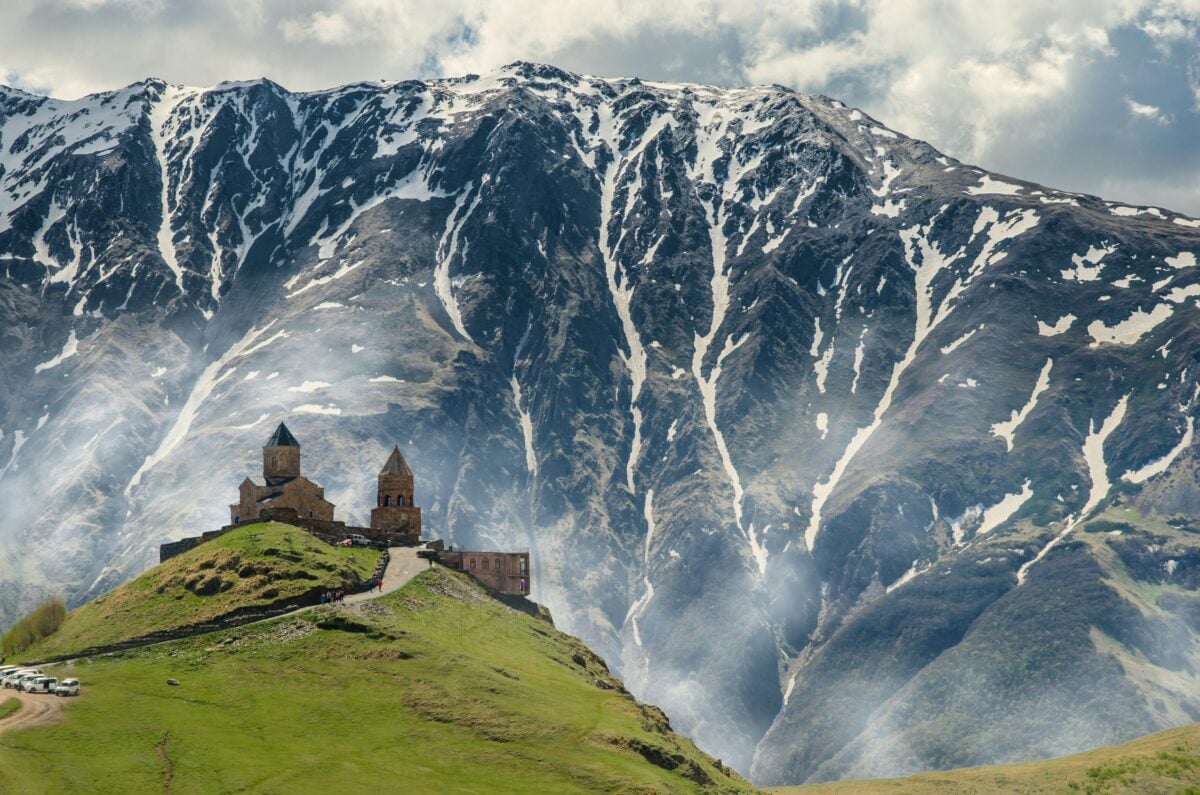
Georgia’s youth concentration is heavily tied to Atlanta, which is one of the most dynamic economic engines in the South. The city draws young professionals from across the country — particularly young Black Americans who have been part of a broader migration back to Southern cities over the past two decades.
Beyond Atlanta, Georgia has a significant rural and agricultural population, a strong military presence at bases like Fort Stewart and Robins Air Force Base, and a large Latino immigrant community. The University of Georgia, Georgia Tech, and dozens of other colleges add another layer of younger residents to the population count.
11. Kansas — Median Age: 37.0

Kansas shares many characteristics with Nebraska. Growing immigrant communities in cities like Garden City, Dodge City, and Liberal — built around meatpacking and food processing industries — have brought in younger workers and families, keeping the median age lower than you’d expect from a predominantly rural state.
Wichita anchors the state’s economy and has a younger workforce tied to aviation manufacturing. Kansas State University and the University of Kansas also draw significant numbers of students to the state.
12. South Dakota — Median Age: 37.2

South Dakota’s relatively young population reflects a mix of Native American communities (which have younger age structures), agricultural families, and a growing workforce drawn to the state’s low taxes and business-friendly environment.
The Sioux Falls area has seen consistent economic growth and attracts younger workers, particularly in healthcare, finance, and logistics. The Pine Ridge and Rosebud reservations have some of the youngest populations in the entire country.
13. Wyoming — Median Age: 37.4

Wyoming’s economy is built on energy extraction, agriculture, and tourism — all sectors that pull in younger workers. The state’s small total population means individual communities can shift the overall age profile significantly.
University of Wyoming students in Laramie and energy workers in the Powder River Basin both contribute to the younger demographic. Wyoming also shares Utah’s border and has pockets of LDS communities that, like their neighbors to the south, tend to have larger families.
14. New Mexico — Median Age: 37.8

New Mexico has a large and young Hispanic population — one of the highest Hispanic percentages of any state — alongside significant Native American communities. Both groups tend to have younger age structures than the national average.
Military installations including Kirtland Air Force Base, Holloman Air Force Base, and White Sands Missile Range add another younger-skewing demographic. New Mexico still struggles with economic challenges that cause out-migration of young adults, but the incoming birth rate continues to offset those losses.
15. Mississippi — Median Age: 37.8

Mississippi’s younger-than-average population stands out given the state’s many economic difficulties. The state has one of the highest birth rates in the country, driven in large part by a young and predominantly Black population in the Delta region and other rural areas.
Teen birth rates in Mississippi are among the highest in the nation, which brings down the median age but also reflects serious gaps in healthcare access and education. Military bases like Columbus Air Force Base also bring in young servicemembers and their families.
16. Nevada — Median Age: 38.0

Las Vegas is the engine of Nevada’s youth. The hospitality, entertainment, and construction sectors that drive the state’s economy employ enormous numbers of young workers, including a large immigrant workforce that skews younger.
Nevada has consistently attracted people from California and other expensive western states, and the influx tends to be working-age rather than retirement-age. The state also has one of the youngest Hispanic populations in the west, concentrated in Clark County around Las Vegas.
17. Washington — Median Age: 38.0

Washington punches younger than much of the Pacific Northwest thanks to its tech-heavy economy. The Seattle metro area draws enormous numbers of young tech workers, and companies like Amazon, Microsoft, and Boeing create sustained demand for workers in their twenties and thirties.
The state also has a large immigrant population — particularly South Asian and East Asian communities — that tends to skew younger. Washington’s agricultural sector in the eastern part of the state brings in Latino farmworkers, many of whom are young adults.
18. Arizona — Median Age: 38.1

Arizona might be best known as a retirement destination — and cities like Scottsdale and Sun City do have very old populations. But the state as a whole is younger than that reputation suggests.
The Phoenix metro area is one of the fastest-growing in the country, drawing young families and workers from California, the Midwest, and beyond. A large Latino population, particularly in the south of the state near the Mexican border, keeps birth rates high.
Arizona State University, with its sprawling campuses, is one of the largest universities in the country and pours thousands of young people into the local economy.
19. Louisiana — Median Age: 38.1
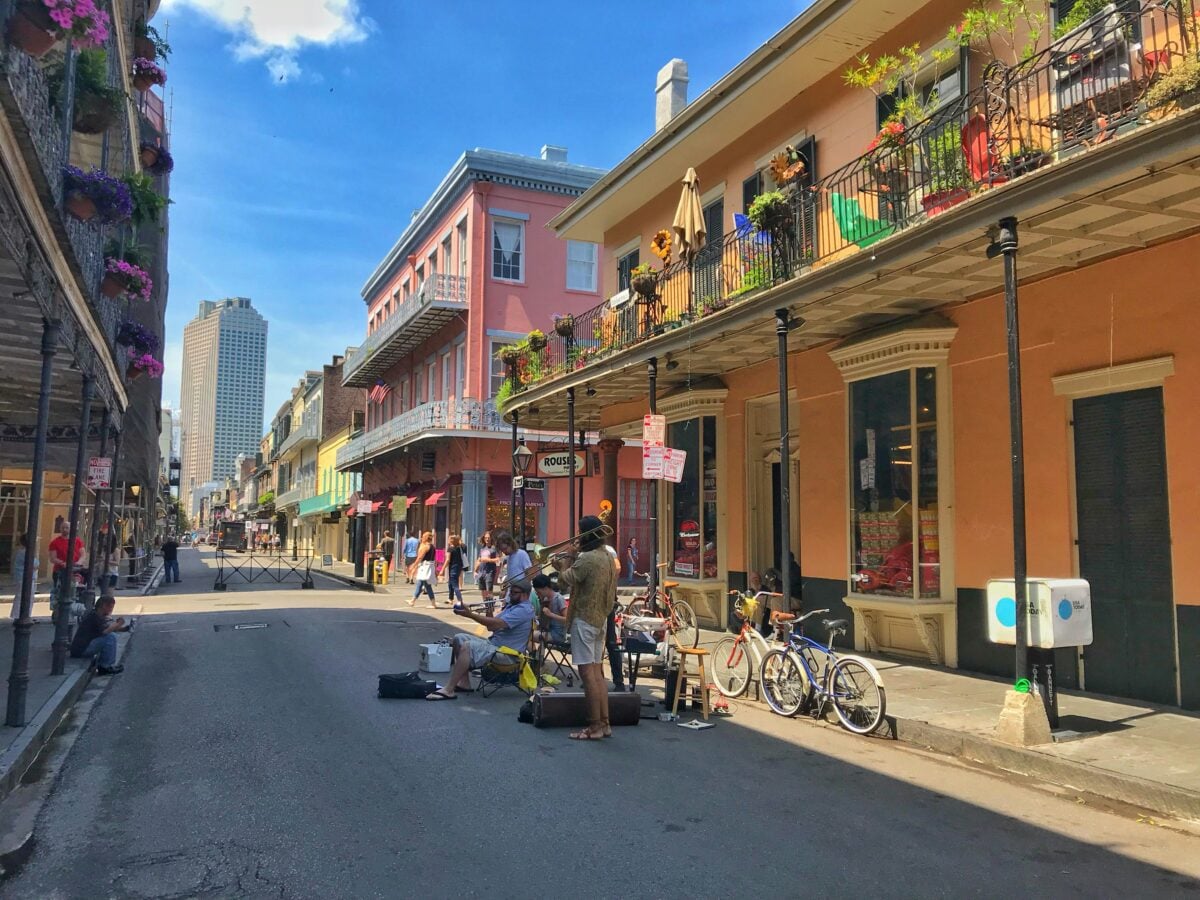
Louisiana’s young population reflects its high birth rate — consistently one of the highest in the South — and a relatively large proportion of children compared to the national average. New Orleans, despite losing population in the aftermath of Hurricane Katrina, has seen a significant influx of young creative and professional workers in the years since.
The state has a large Black population with a younger age structure, and the Acadiana region in south-central Louisiana maintains some of the most traditional family structures in the country, with larger households and more children per family than the national norm.
20. Minnesota — Median Age: 38.2

Minnesota rounds out the list, sitting just at the cusp. The state has benefited from significant refugee and immigrant resettlement programs over the past few decades — the Twin Cities area is home to one of the largest Somali communities and one of the largest Hmong communities in the United States.
These communities tend to have younger demographics and higher birth rates than the existing population, which has meaningfully offset the aging trend seen elsewhere in the upper Midwest. Minneapolis and Saint Paul also attract young professionals drawn to the strong job market in healthcare, financial services, and manufacturing.
Where Youth Goes From Here

Population age is never static. Every state on this list is dealing with the same national pressures: declining birth rates, rising costs for young families, and a growing share of older adults.
Utah’s median age is creeping up despite still being the youngest. Texas’s gains from migration will only carry so far.
What’s clear is that the states keeping their populations young — whether through birth rates, immigration, economic opportunity, or all three — tend to be the ones with the most room to grow. Young people mean workers, taxpayers, school-age children, and households being formed.
That’s what drives housing demand, retail spending, and eventually political influence.
The map of young America looks a lot like the map of economic momentum. That probably isn’t a coincidence.
More from Go2Tutors!

- The Romanov Crown Jewels and Their Tragic Fate
- 13 Historical Mysteries That Science Still Can’t Solve
- Famous Hoaxes That Fooled the World for Years
- 15 Child Stars with Tragic Adult Lives
- 16 Famous Jewelry Pieces in History
Like Go2Tutors’s content? Follow us on MSN.