15 Discontinued Cars We Actually Miss
The automotive industry moves fast. Every year, car makers roll out new models while quietly putting others to rest.
Some vehicles fade away without anyone noticing, but others leave a real gap in the market and in people’s hearts.
Let’s take a look at some of the cars that no longer grace our roads but still hold a special place in automotive history.
Honda Element
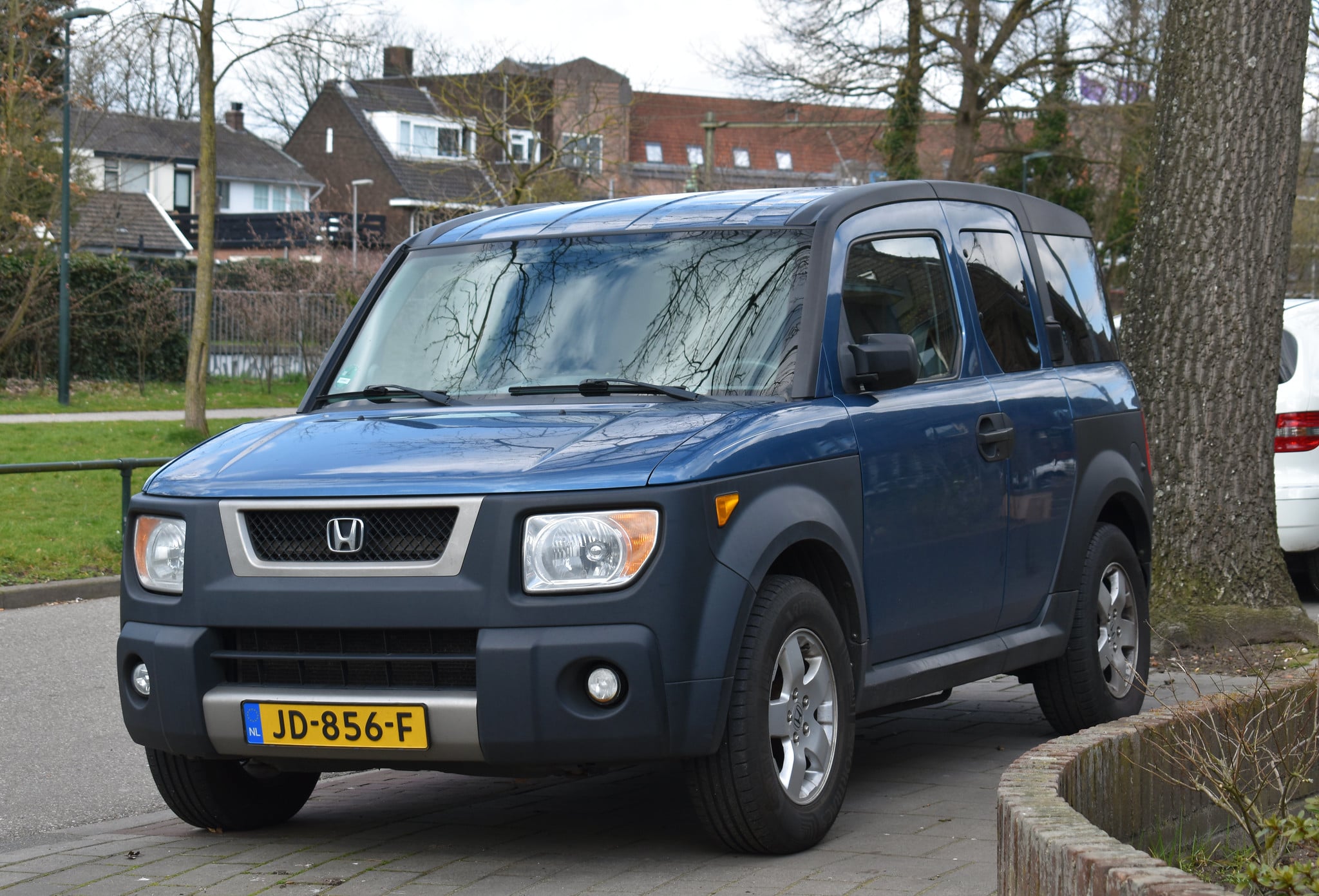
The Element looked like nothing else on the road when it arrived in 2003. Its boxy shape and clamshell doors made it instantly recognizable, and the interior was basically a waterproof room on wheels.
People could hose out the entire cabin after muddy adventures or beach trips. Honda designed it for young buyers who wanted something practical and fun, and it delivered on both fronts.
The Element disappeared in 2011, leaving a void that crossovers just can’t fill the same way.
Pontiac Aztek
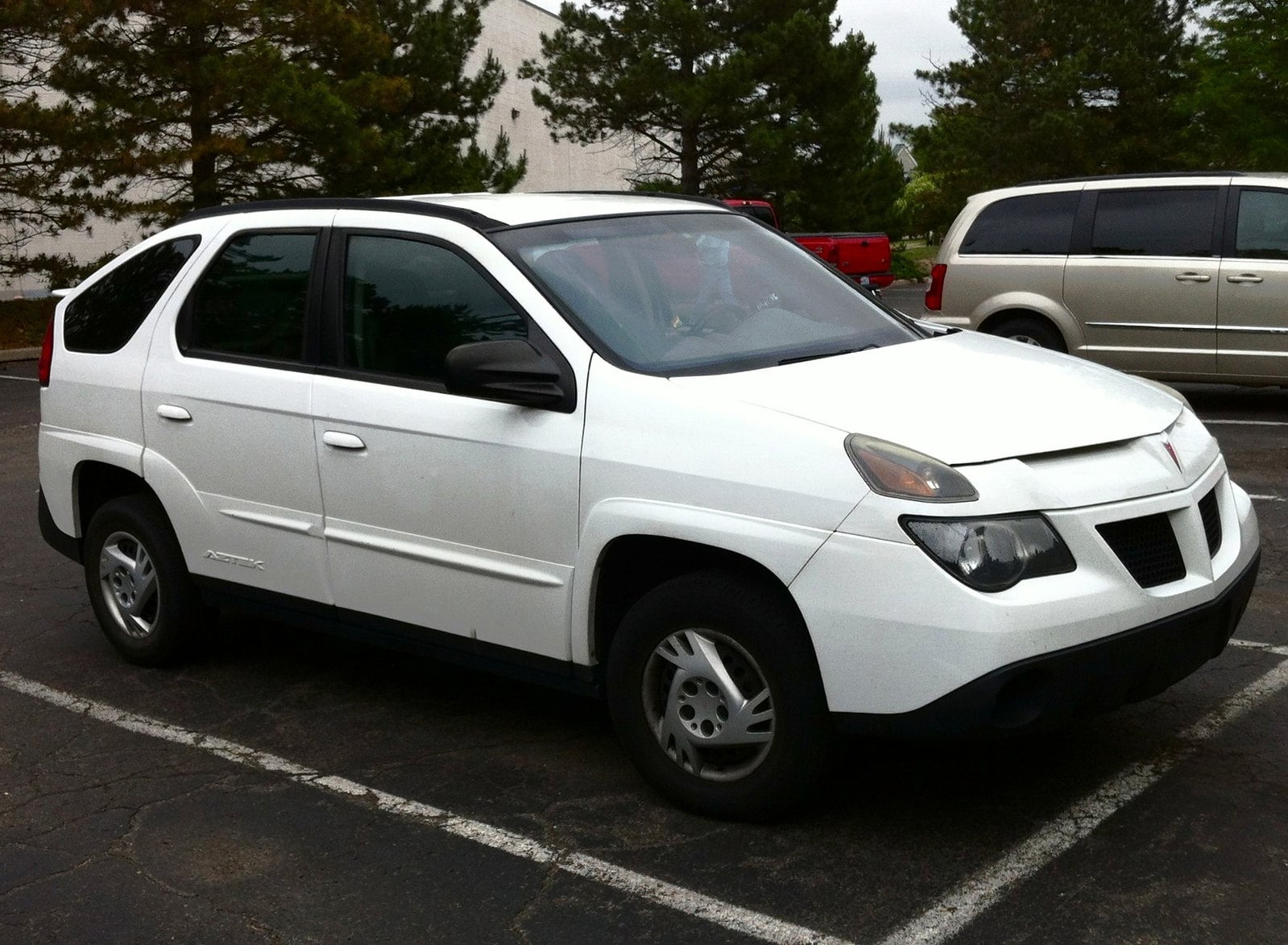
Everyone made fun of the Aztek’s looks when it came out in 2001. The design was polarizing with its aggressive angles and plastic cladding, but the vehicle itself was actually brilliant.
It had a built-in cooler, a tent that was attached to the back, and more storage solutions than most people knew what to do with. Breaking Bad gave it cultural status years after production ended in 2005.
Now people recognize it was ahead of its time, combining SUV utility with car-like handling before crossovers became the default choice.
Toyota FJ Cruiser
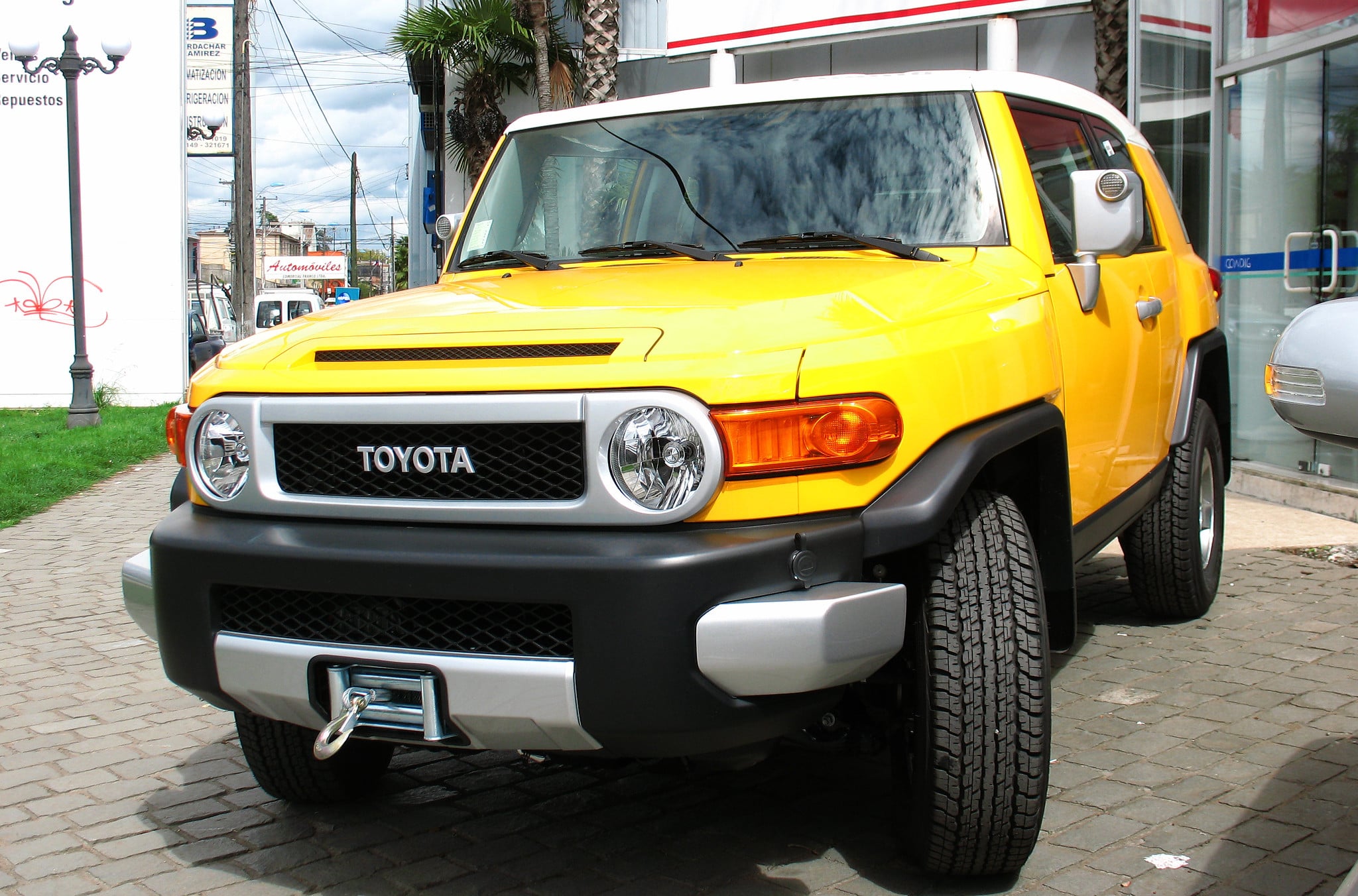
Toyota brought back retro styling with the FJ Cruiser in 2007, and off-road fans ate it up. The round headlights and white roof paid homage to the classic FJ40 Land Cruiser from decades earlier.
This wasn’t just a pretty face though – it had real capabilities with solid axles and impressive ground clearance. Toyota stopped making it for the U.S. market in 2014, though it continued in other countries for a few more years.
The used market keeps values high because nothing else quite captures that same blend of style and substance.
Volkswagen Thing
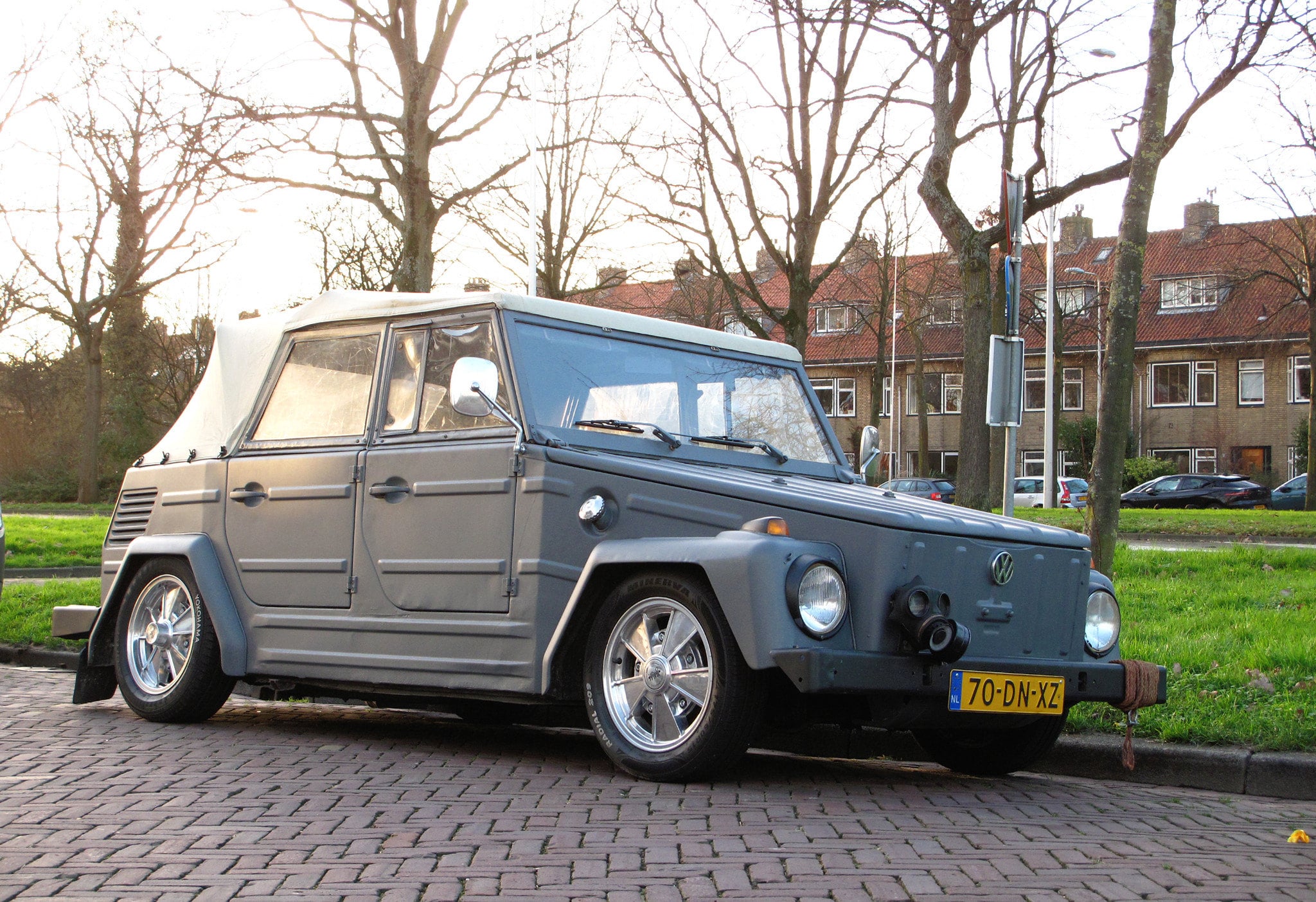
The Thing started life as a military vehicle in Germany before becoming a civilian oddity in the 1970s. Its convertible top folded down completely, and the doors were removable for maximum open-air driving.
The design was utilitarian in the extreme with flat panels and exposed hinges everywhere. Only about 25,000 made it to America between 1973 and 1974, making it rare even when it was new.
Today it represents a simpler time in automotive design when function trumped form completely.
Ford Ranger (First Generation In U.S.)
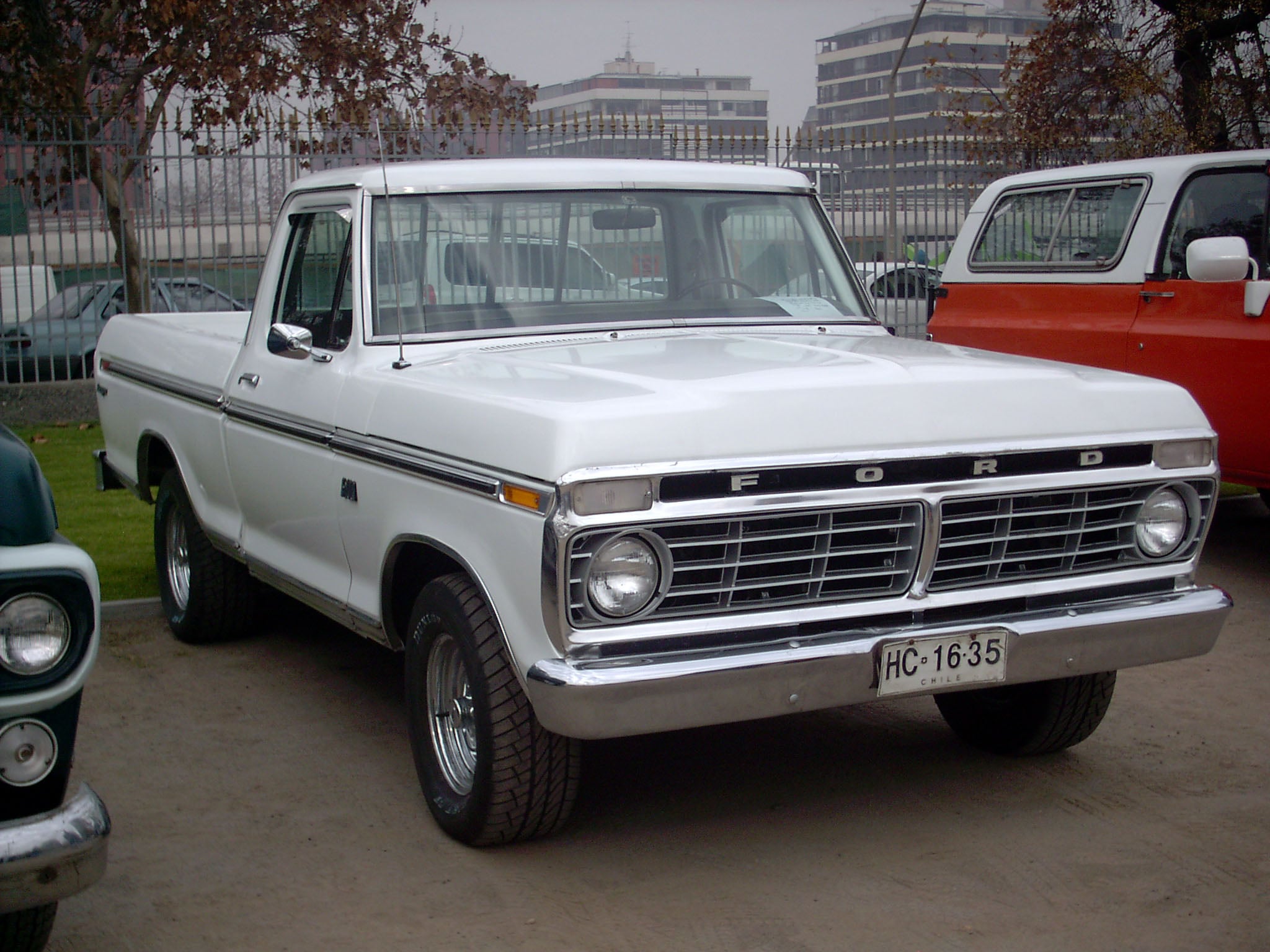
Ford killed off the Ranger in 2011, leaving compact truck fans with nowhere to turn. The small pickup had been a staple since 1983, offering just enough capability without the massive size of full-size trucks.
People used them for everything from work duties to weekend adventures, and they were affordable enough that first-time buyers could actually afford them. Ford eventually brought the name back in 2019, but the new version grew significantly larger.
The original’s perfect size and simplicity remain unmatched.
Saturn Sky
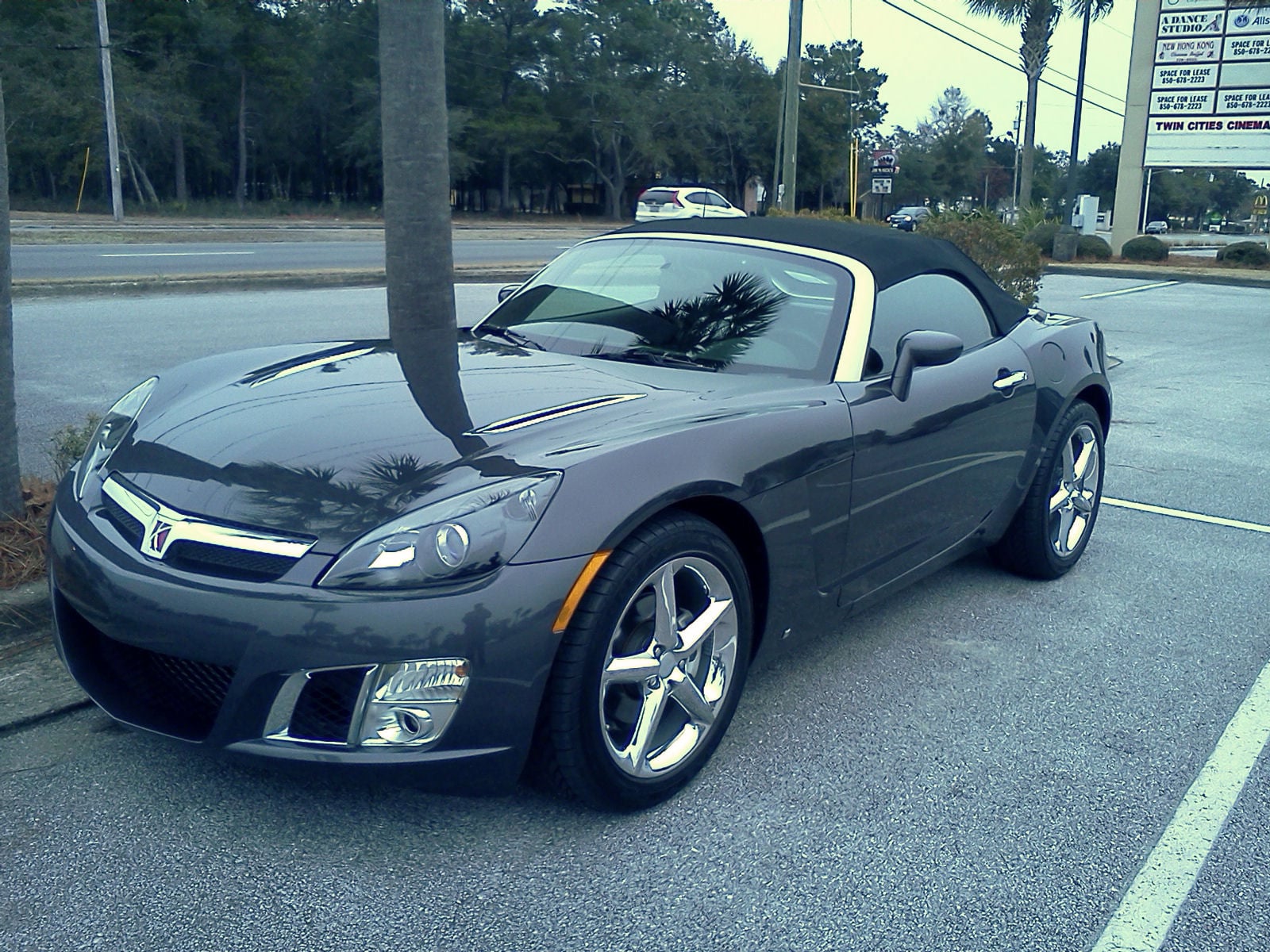
Saturn’s sports car arrived in 2007 as a budget-friendly alternative to pricier roadsters. The Sky shared its platform with the Pontiac Solstice, but had its own distinct face and personality.
With a turbocharged engine option, it could genuinely hustle through corners and put a smile on any driver’s face. General Motors shut down the entire Saturn brand in 2010, taking the Sky with it.
Only three model years means they’re relatively rare today, and enthusiasts snap them up whenever they appear.
Dodge Magnum
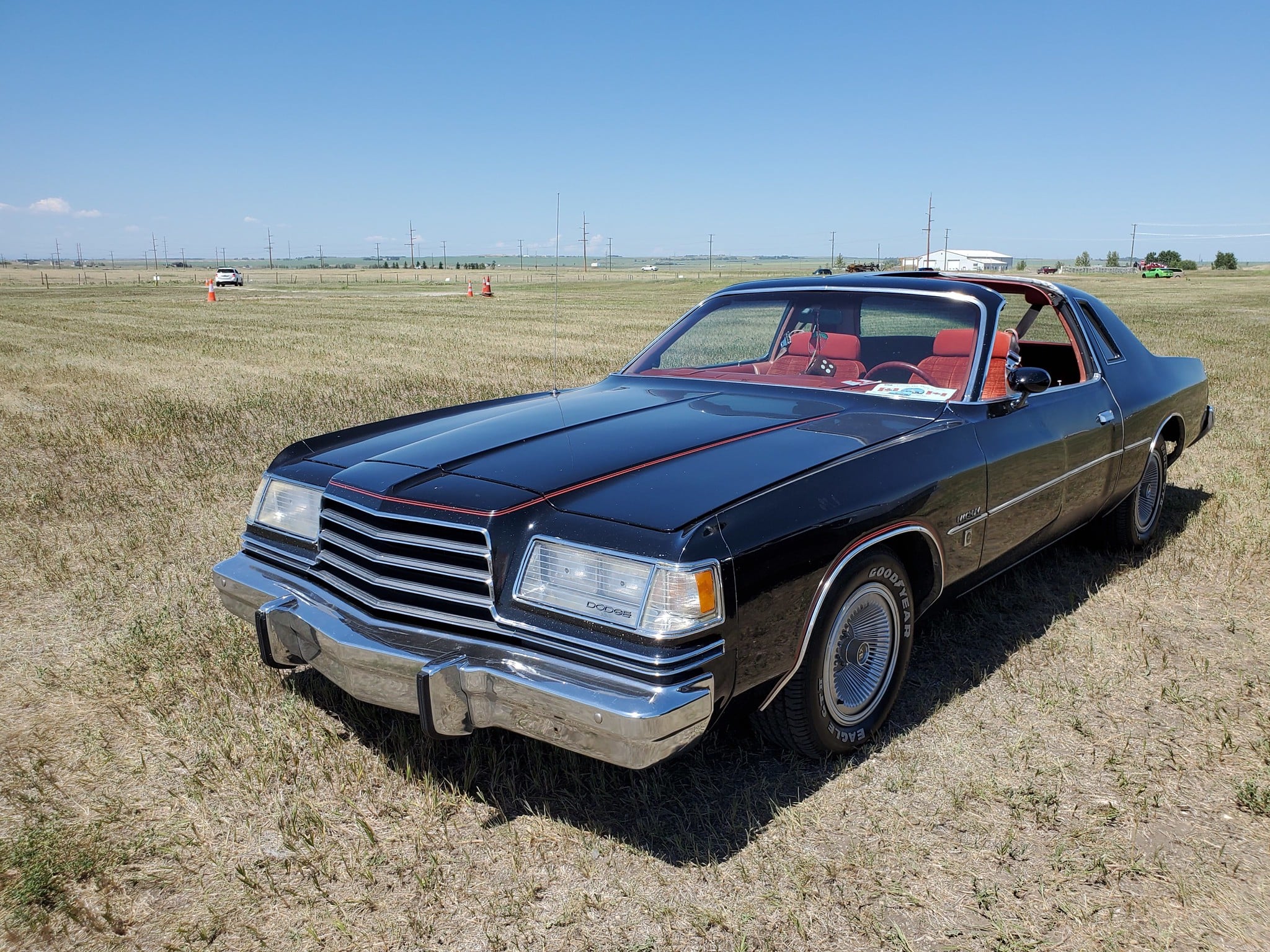
Station wagons were supposedly dead when Dodge launched the Magnum in 2005. The company took a bold risk by giving it aggressive muscle car styling instead of the usual bland wagon look.
Buyers could get it with a 340-horsepower Hemi V8, making school runs suddenly a lot more exciting. The rear cargo area swallowed massive amounts of stuff while the low roofline kept it looking mean.
Dodge discontinued it after 2008, and the automotive world became a little less interesting without this practical performance machine.
Chevrolet HHR Panel
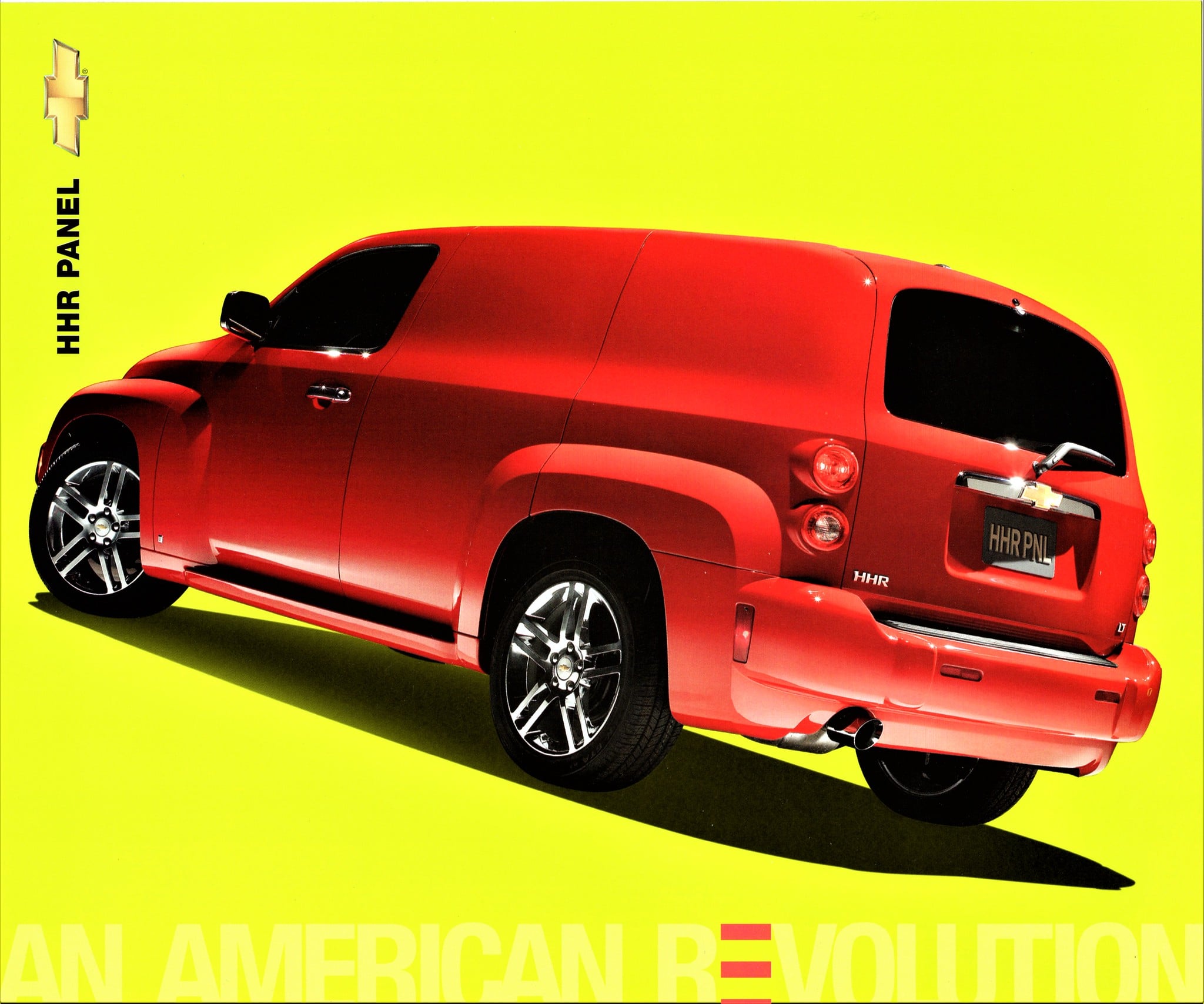
The HHR already stood out with its retro styling borrowed from 1940s Chevrolet Suburbans. Chevrolet took things further with the Panel version, which replaced the rear windows with solid metal and eliminated the back seat entirely.
Small business owners loved it for deliveries and hauling equipment while still being easy to park. The turbocharged SS version even made it fun to drive when empty.
Production ended in 2011 along with the regular HHR, and modern vans just don’t have the same character.
Plymouth Prowler
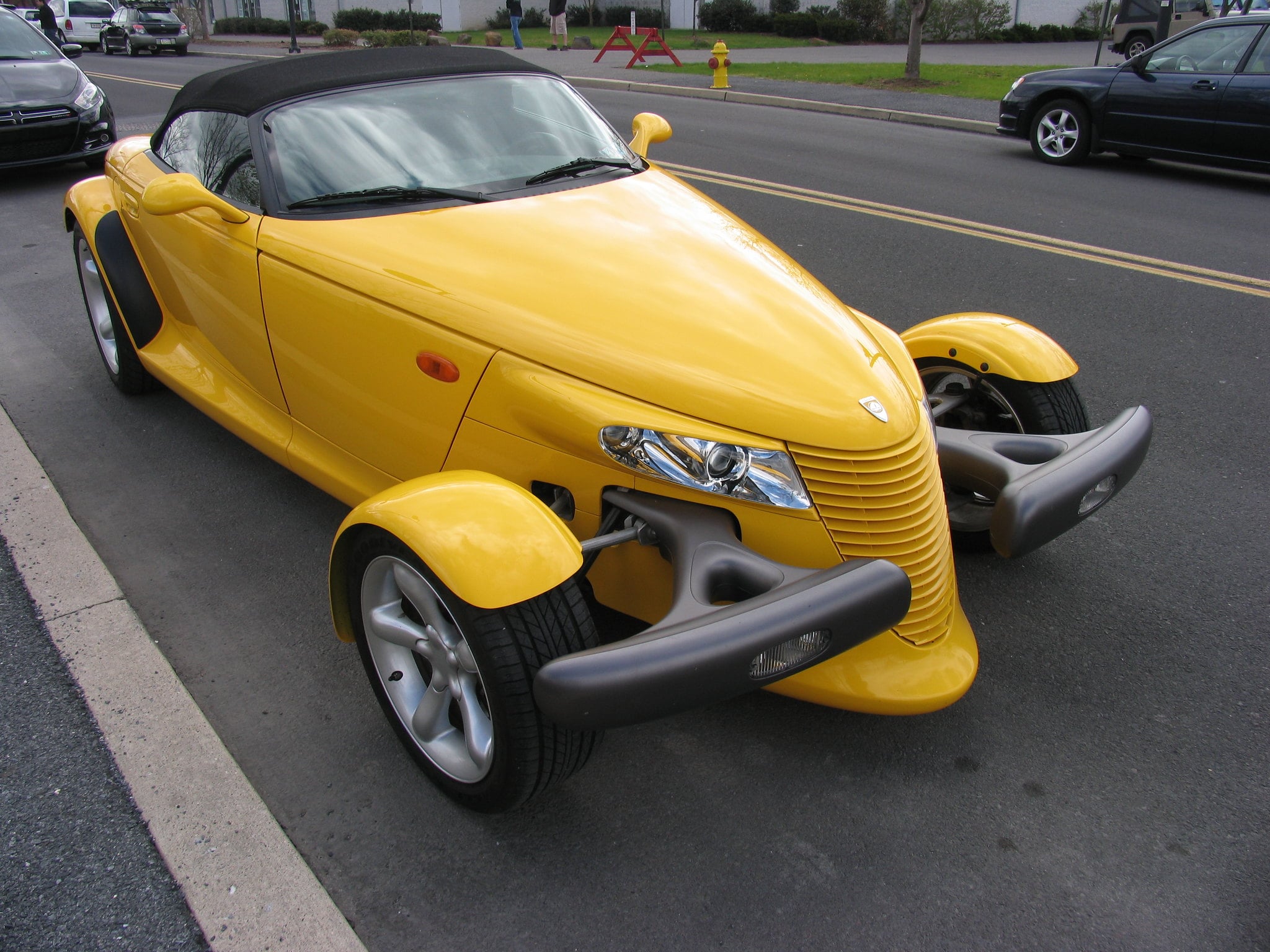
Chrysler’s retro hot rod concept somehow made it to production in 1997. The Prowler looked like it rolled straight out of the 1930s with exposed front wheels and a rounded body.
It came in wild colors like purple and yellow that made sure everyone noticed it. The V6 engine disappointed some people who wanted more power, but the styling made up for it.
Chrysler built it through 2002, and values have steadily climbed as people realize how unique it was.
Scion xB (First Generation)

The original xB from 2004 was a rolling box that became a massive hit with younger buyers. Its tall roof and huge windows made it feel spacious inside despite compact dimensions.
People customized them endlessly, and Scion actually encouraged the modification culture that grew around the vehicle. The second generation that arrived in 2008 grew larger and lost some of the original’s charm.
Scion itself disappeared in 2016, but that first xB remains the coolest thing the brand ever produced.
Nissan Xterra
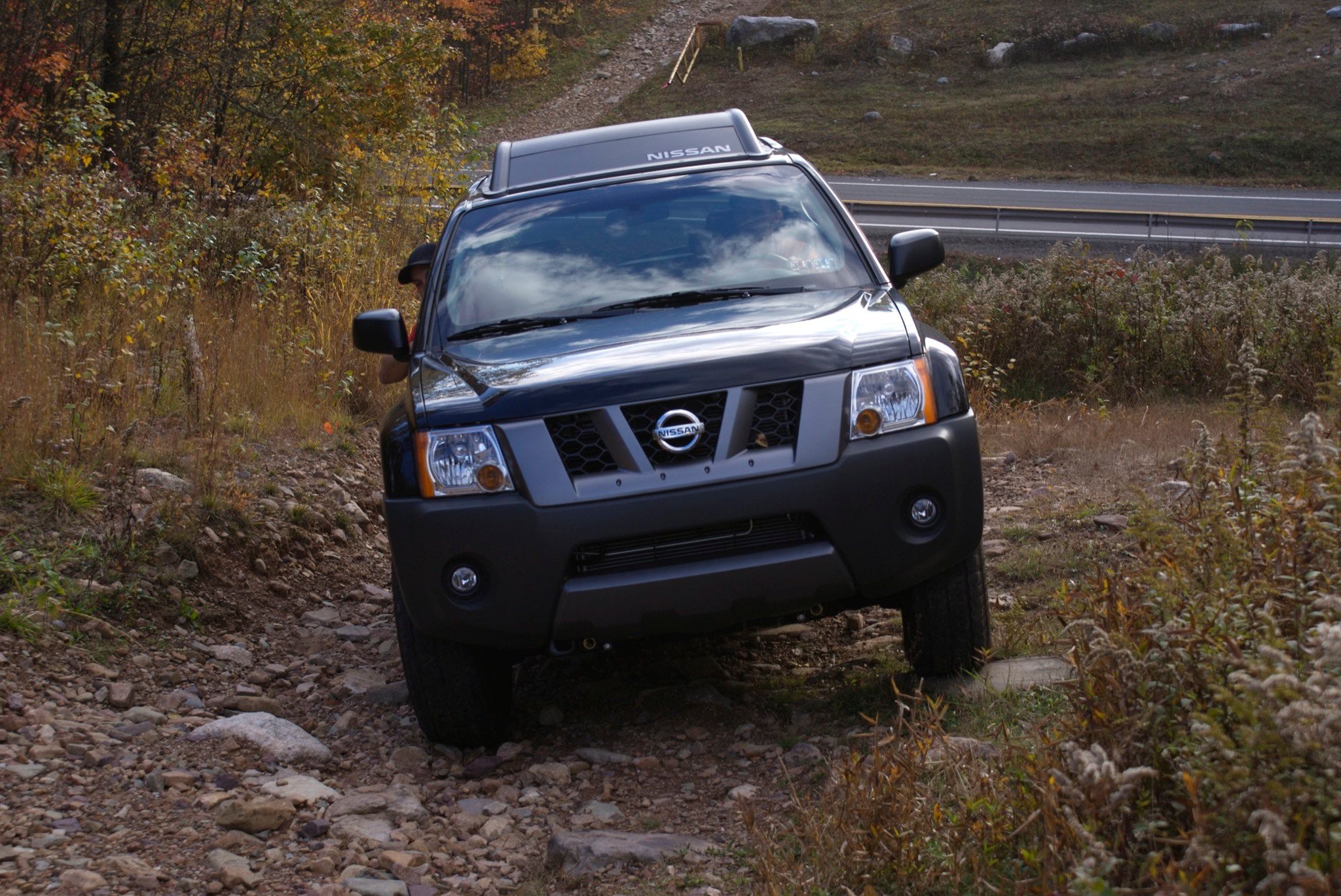
Nissan built the Xterra for people who actually used their SUVs off-road. The boxy design maximized interior space, and the rear bumper had built-in steps for accessing roof racks.
First aid kits could be stored in the rear bumper, and the interior materials were chosen specifically because they could take abuse. Nissan discontinued it in 2015 as buyers shifted toward car-based crossovers.
Real adventurers still seek out used examples because nothing in the current Nissan lineup offers the same rugged simplicity.
Mazda RX-8
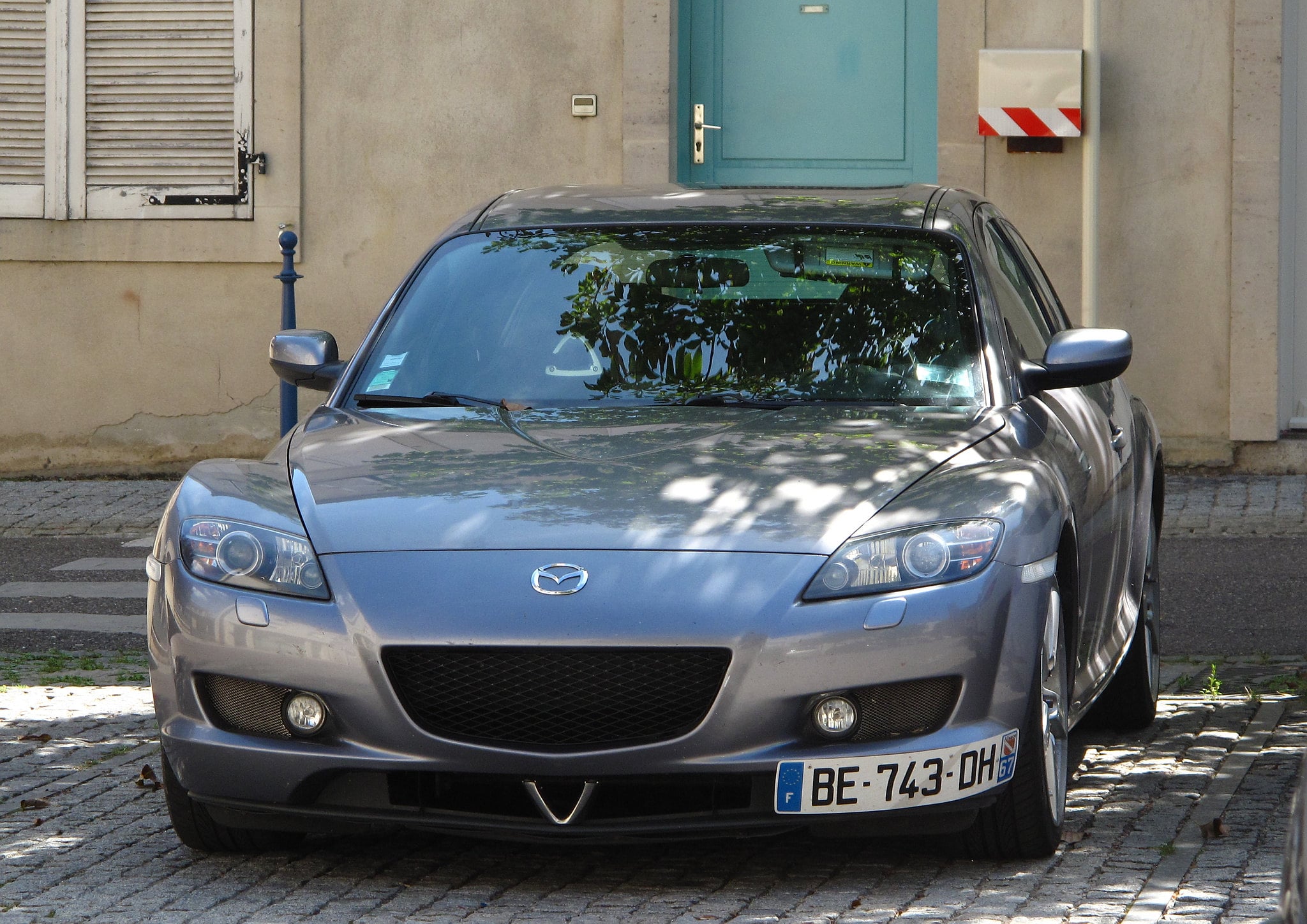
The rotary engine made the RX-8 special from its 2004 launch. That unique motor revved to 9,000 rpm and sounded like nothing else on the road.
Four doors and rear-hinged back doors made it surprisingly practical for a sports car. Yes, it used oil and got terrible fuel economy, but driving one was an experience that no piston engine could replicate.
Mazda ended production in 2012, and rotary fans still hope the company will bring back the technology someday.
Oldsmobile Aurora
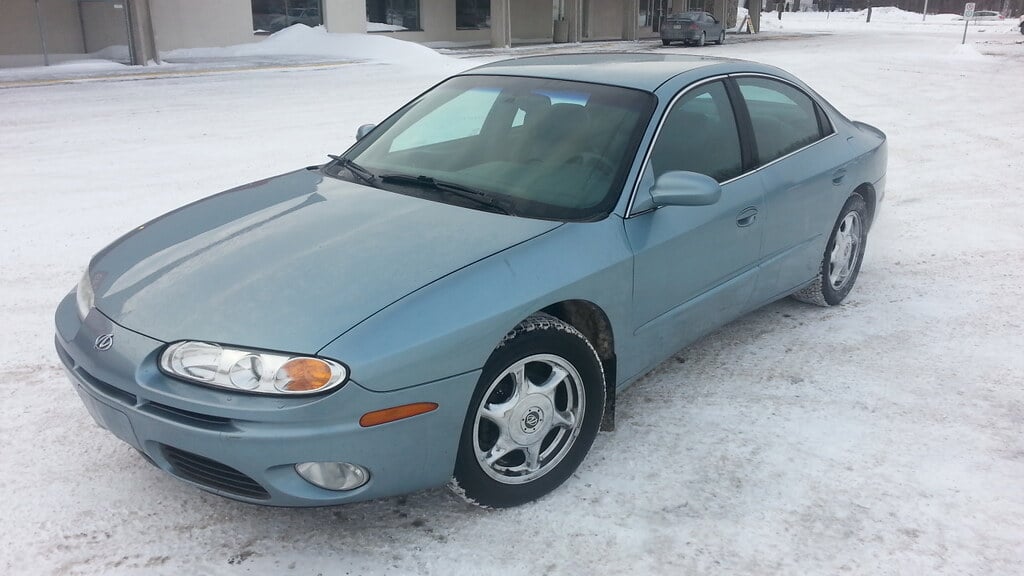
Oldsmobile’s flagship sedan from 1995 tried to compete with European luxury cars at a lower price. The sleek styling turned heads, and the powerful V8 moved the Aurora down the highway with authority.
Inside, the cabin felt upscale with real wood and leather, not the fake stuff that plagued other American cars of the era. General Motors killed the entire Oldsmobile brand in 2004, making the Aurora one of the last good vehicles from America’s oldest car company.
The second generation from 2001 to 2003 remains particularly handsome today.
Subaru Baja
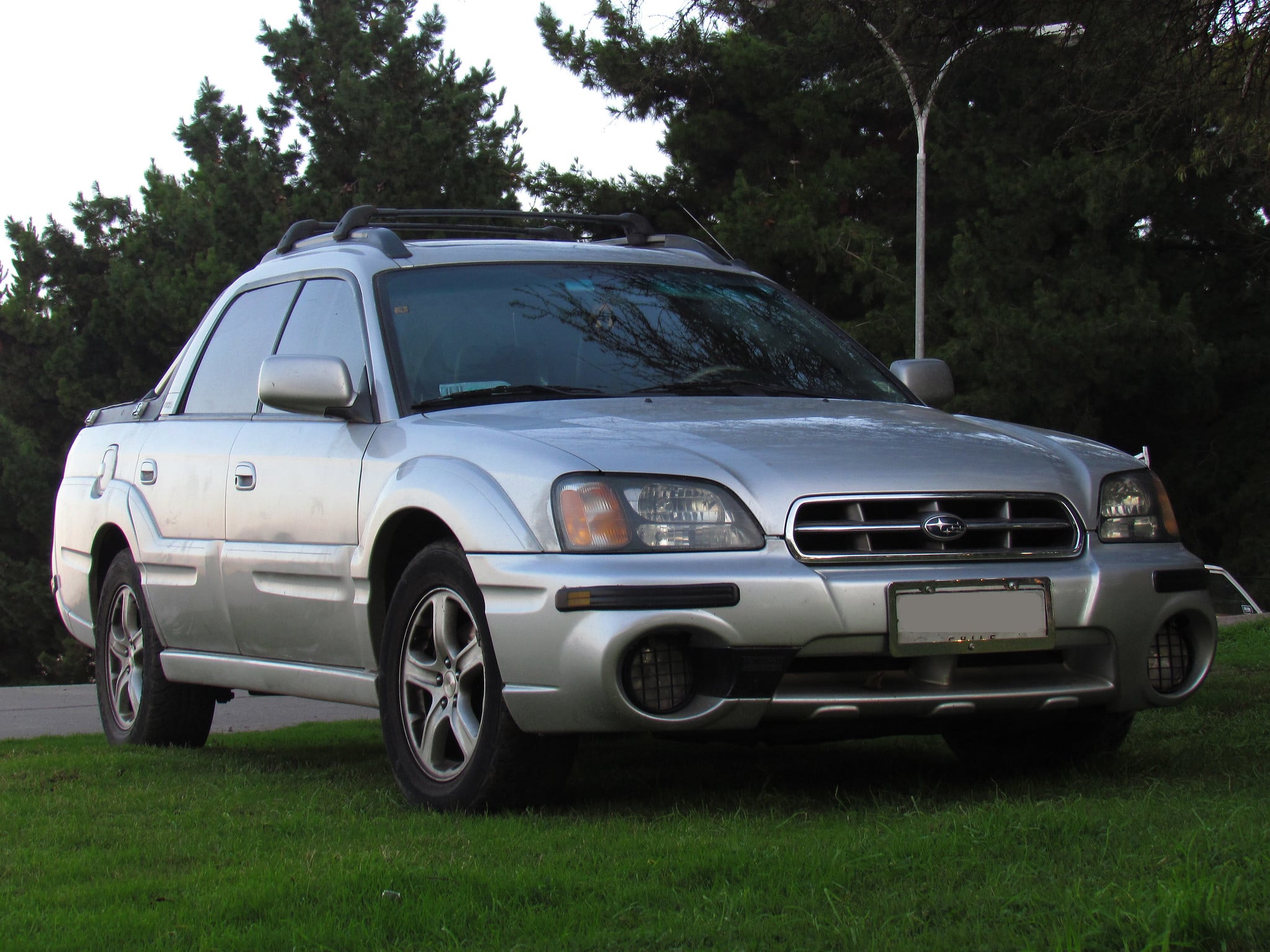
Back in 2003, Subaru tried mixing a car body with an open truck bed – this left many scratching their heads. Built from the Outback station wagon, the Baja had its back half cut short to make space for a tiny load zone.
Since every model included all-weather grip under all four wheels, it handled slick roads better than most pickups could. When hauling long objects, the wall behind the front seats folded down, linking the cabin and storage spot into one stretch.
Sales didn’t soar, so by 2006 they ended production; still, such oddball ideas might thrive today among boxy hybrid vehicles.
Pontiac G8
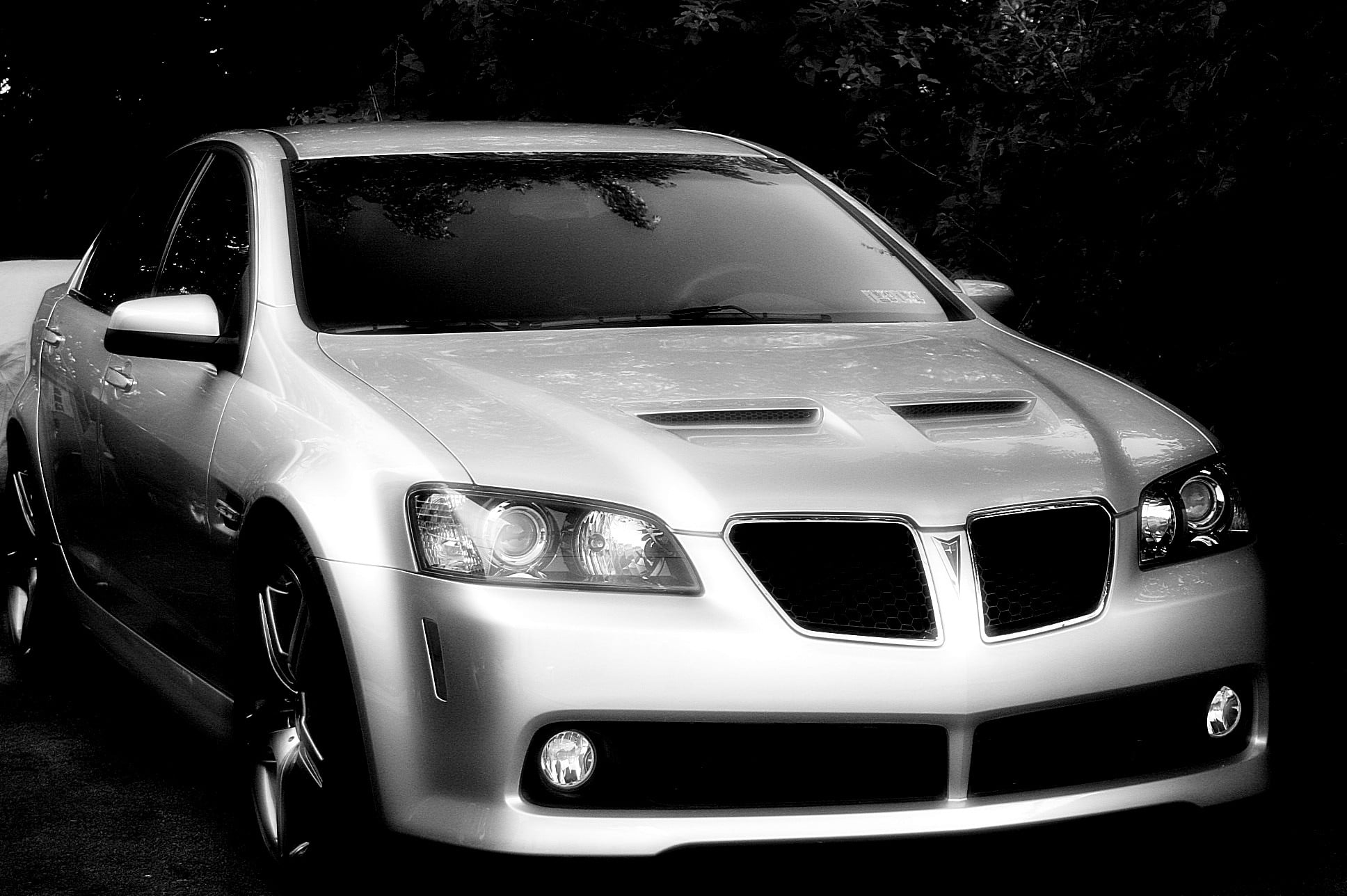
Back in 2008, General Motors brought over an Australian-built muscle car that quickly won praise from drivers. Though the standard V6 delivered solid performance, the standout was the V8-powered GT, packing 361 horsepower.
Handling felt surprisingly sharp for a large U.S.-sold sedan, a trait inherited from its Aussie design background. Plans were moving forward for a pickup variant along with a beefed-up GXP trim, yet GM dropped the Pontiac label in 2009 – killing those ideas mid-track.
The G8 stood as proof that American automakers could craft top-tier performance sedans – if they ever truly made the effort.
The Garage We Hold Inside Our Minds
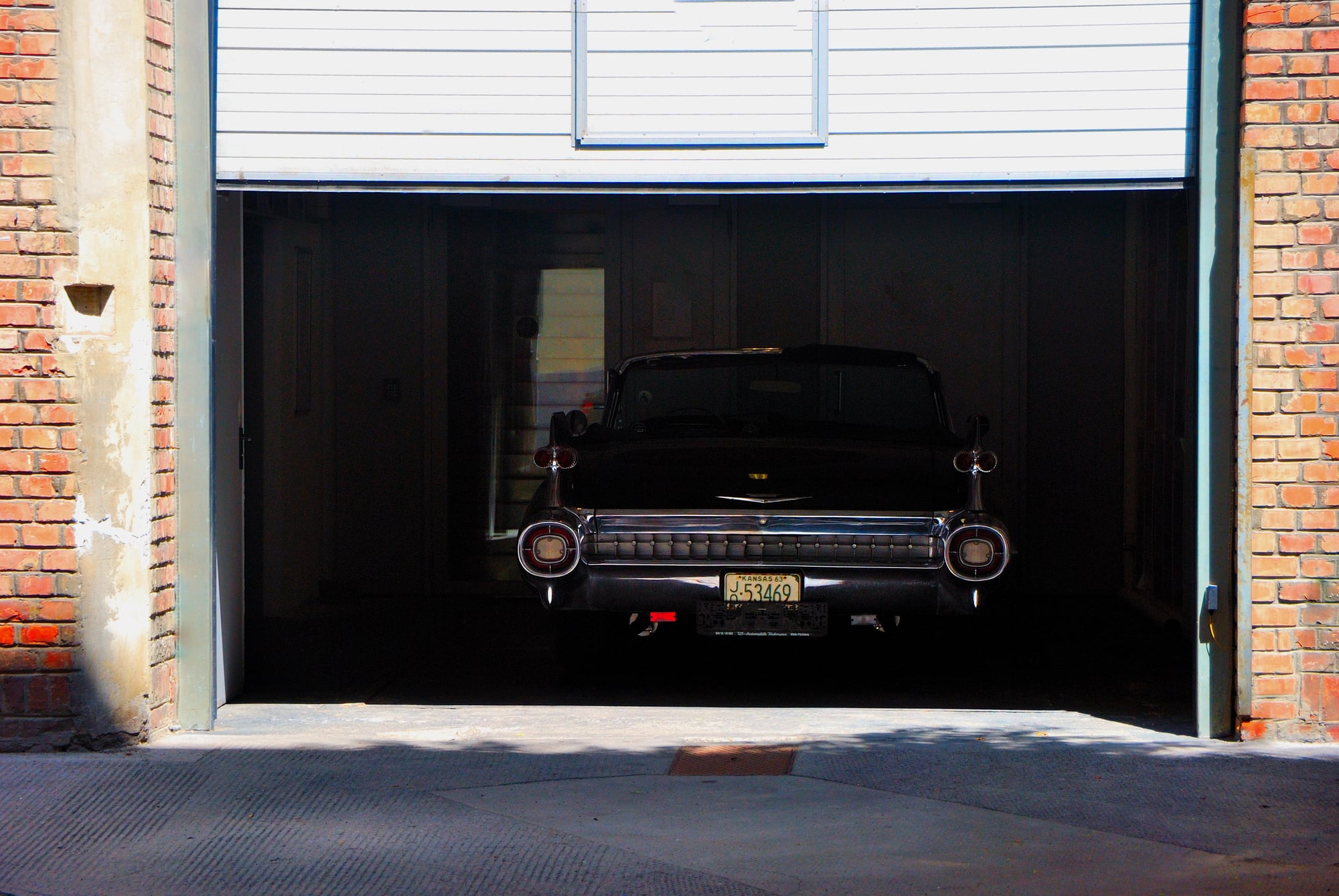
Older cars no longer show something strange: moving forward does not always feel like getting better. Not every new version manages what the past once held so easily.
True, today’s machines stop quicker, sip fuel instead of guzzling it, and rarely break down. Still, certain drivers chase quirks rather than flawless routines – flaws with charm stood out sharply back then.
Used buyers refuse to let go; they search garages, ads, barns. A few designs live on only through stubborn affection.
More from Go2Tutors!

- The Romanov Crown Jewels and Their Tragic Fate
- 13 Historical Mysteries That Science Still Can’t Solve
- Famous Hoaxes That Fooled the World for Years
- 15 Child Stars with Tragic Adult Lives
- 16 Famous Jewelry Pieces in History
Like Go2Tutors’s content? Follow us on MSN.