20 Ways Tech Quietly Runs Your Day
Most people think of technology as something they choose to use — the app they open, the search they type, the video they press play on. But a lot of tech works without you ever touching it.
It hums along in the background, making decisions, adjusting things, filtering what you see, and nudging you in directions you’d never consciously approve. Here’s a look at the 20 ways it’s already running the show before you’ve had your second cup of coffee.
1. Your Alarm Is Smarter Than You Think
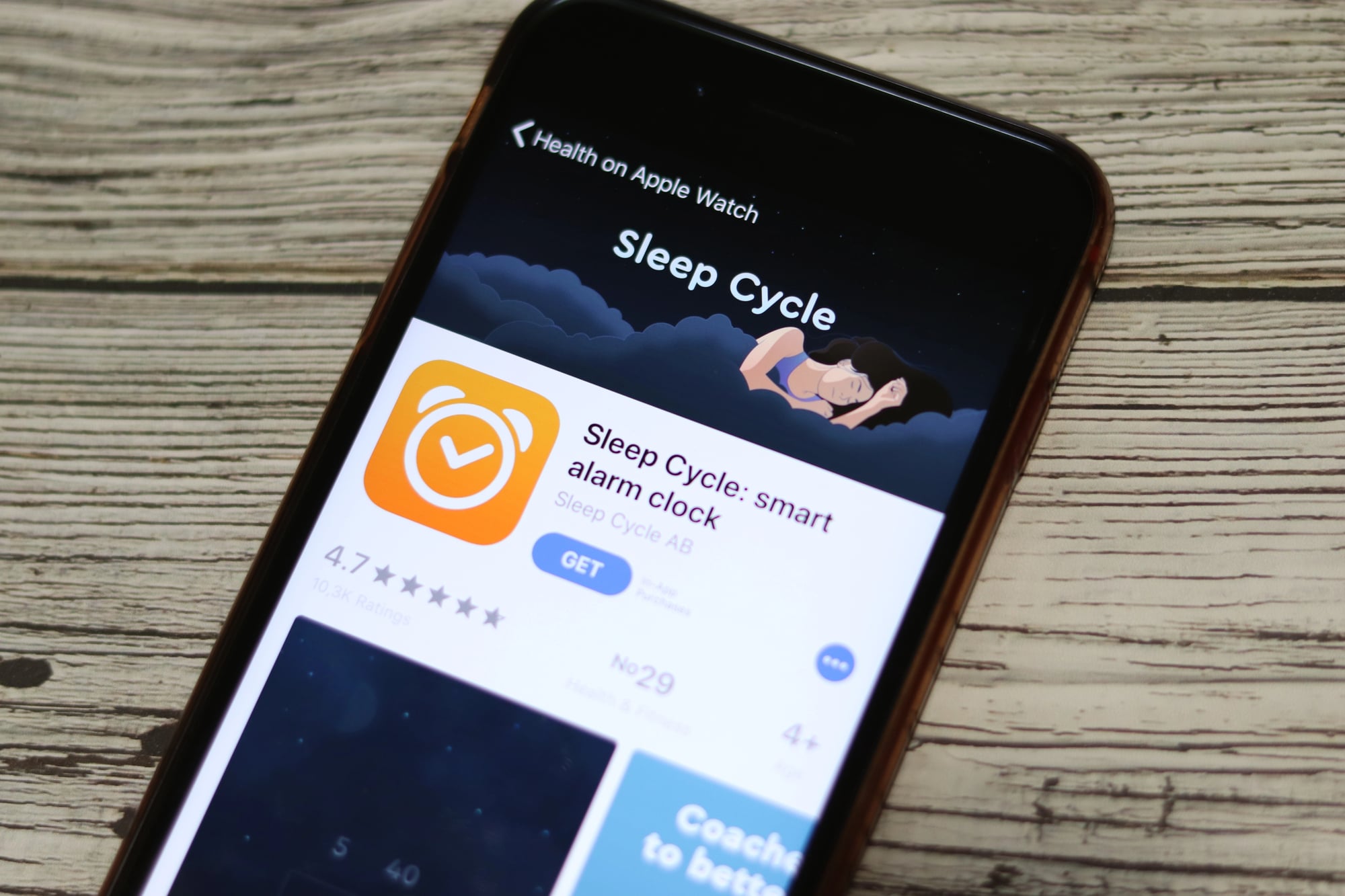
The time your alarm goes off isn’t just a number you picked. Many phones and smartwatches now track your sleep cycles and try to wake you during a lighter phase within a window you set.
The idea is that you’ll feel less groggy. Whether it works is debatable, but the point stands — your wake-up time is already being managed by an algorithm, not just a clock.
2. The Route You Take to Work
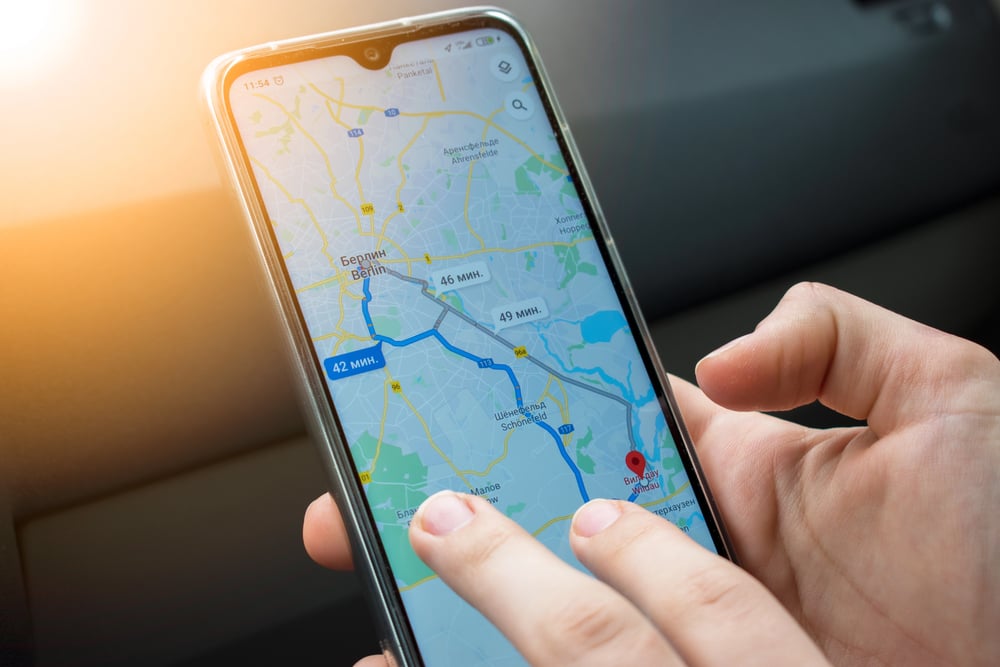
You open a map app and it gives you a route. Simple enough.
But that route is based on real-time traffic data pulled from millions of other phones, historical patterns for that exact time of day and day of the week, predicted congestion based on events nearby, and road closure reports from other users. You didn’t think about any of that.
The app did.
3. What Shows Up in Your Email Inbox

By the time you read your emails, most of them have already been sorted, filtered, or quietly redirected to spam. Your inbox is a curated version of what was actually sent to you.
Promotional mail goes to one tab, newsletters to another, and the stuff the algorithm flags as suspicious disappears entirely. A lot of communication never reaches you at all.
4. The Price You Pay Online

Online prices are not fixed numbers. Retailers adjust them constantly based on demand, time of day, your location, your browsing history, and what competitors are charging at that exact moment.
The price someone else sees for the same item, on the same site, at the same time, can be different from yours. Dynamic pricing has been running quietly in the background for years.
5. How Your Phone Handles Battery Life
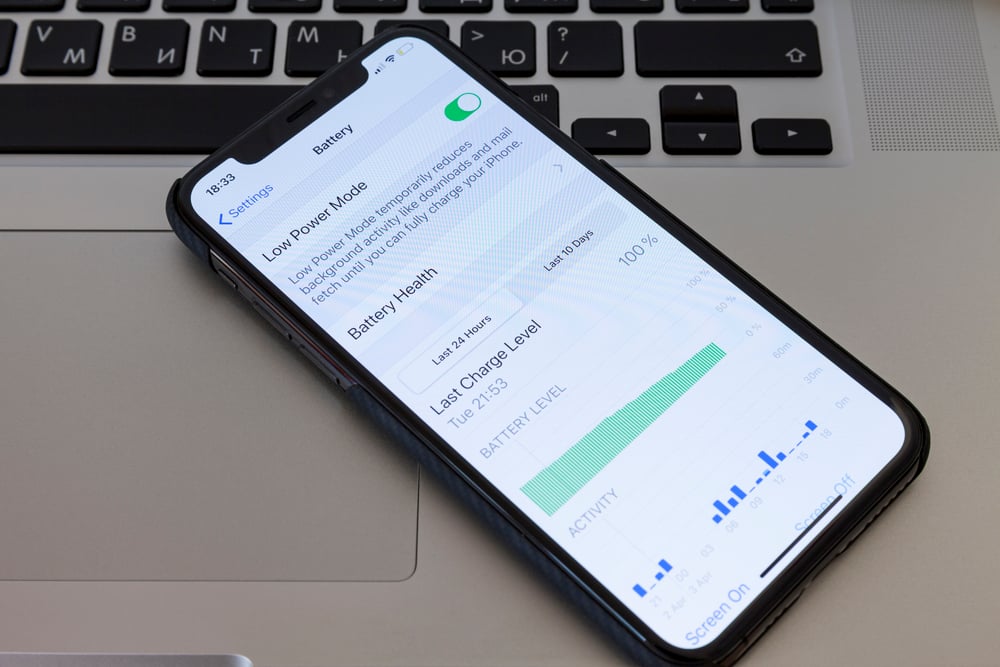
Your phone is managing its own power without asking for permission. It throttles processor speed when the battery is low, restricts background activity for apps you haven’t opened recently, and adjusts screen brightness based on ambient light.
You didn’t set any of that up. It just runs.
6. The News You Actually See

Whatever you read about current events is shaped by the feed you’re given, and that feed is built around what you’ve engaged with before. Stories that match your apparent interests surface.
Stories that don’t tend to sink. Over time, your picture of what’s happening in the world starts to reflect not just reality, but your own past behavior.
This isn’t always sinister. It’s just what happens when personalization runs at scale.
7. Your Streaming Queue
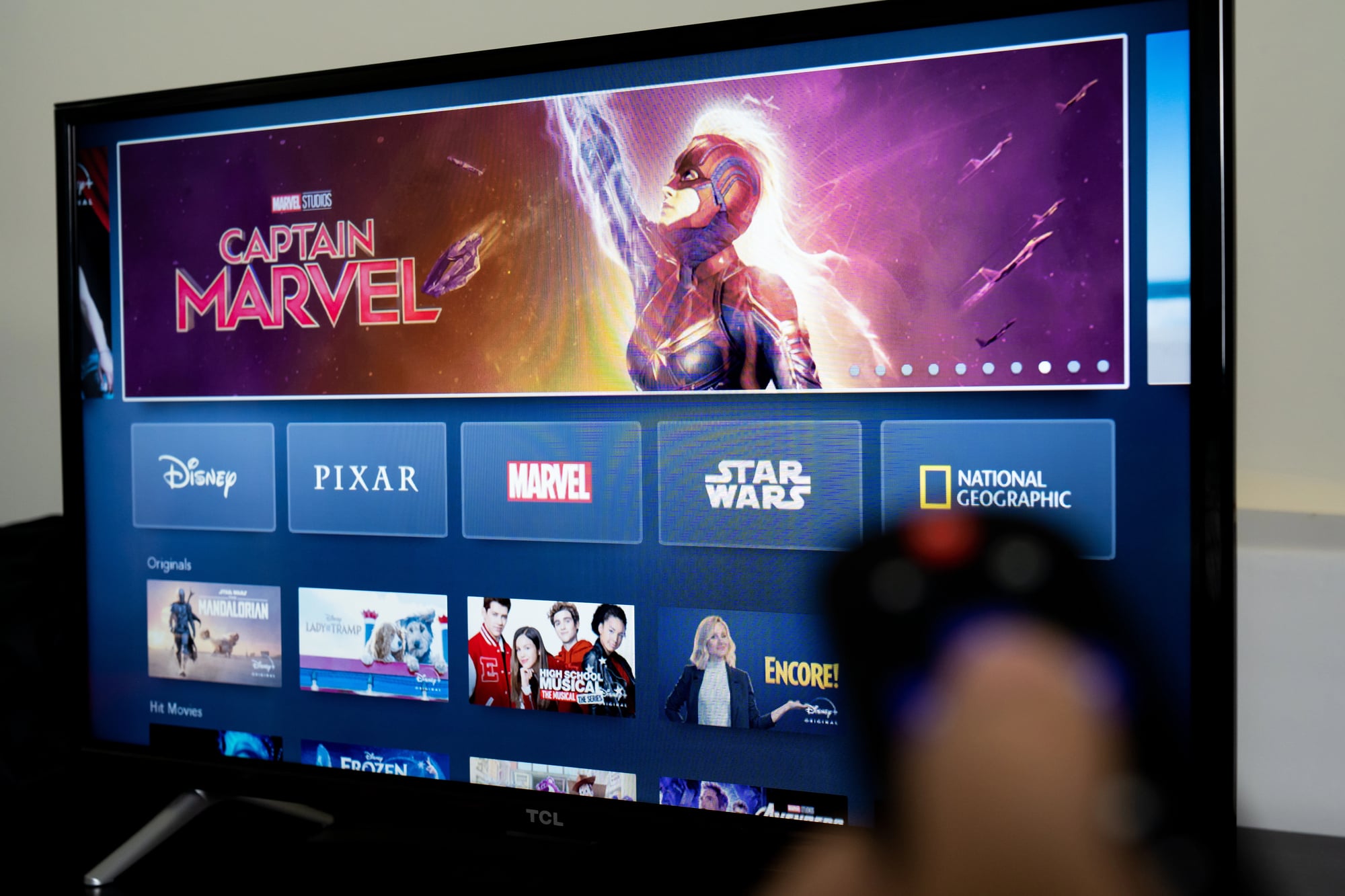
Every movie and show that shows up as a recommendation is there because something about your watch history, combined with patterns from people who watch similar things, pointed the platform in that direction. The top row of your streaming service is a portrait of your viewing habits.
You built it without knowing you were building anything.
8. Traffic Lights

In most cities, traffic light timing is no longer static. Sensors under roads and cameras above intersections feed data into control systems that adjust signal timing based on actual traffic flow.
During rush hour, green lights stay green longer on congested roads. After midnight, cycles shorten. You drive through intersections all day without thinking about any of it.
9. How Your Phone Knows You Before You Ask
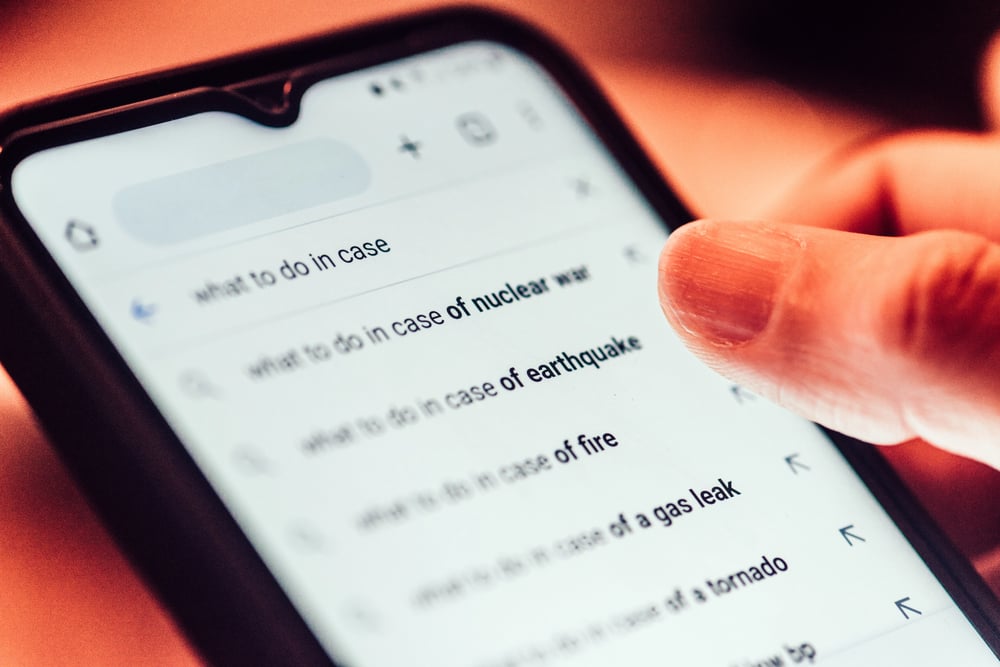
Predictive text, autocomplete, and app suggestions all rely on your past behavior. Your phone notices that you open a certain app every morning at 7am, so it puts it front and center.
It learns the words you use and starts finishing your sentences. You feel like your phone knows you — and in a narrow, statistical way, it does.
10. Fraud Detection on Your Bank Account

Every time you use your card, your bank’s systems run a quick analysis: Does this purchase match your typical spending patterns? Is the location consistent with where your phone is?
Does this look like the kind of transaction that tends to precede fraud? Most of the time the answer is fine, and nothing happens.
But that check is happening constantly, automatically, without any input from you.
11. The Search Results You Trust

When you search for something online, the order of results is the product of a system weighing hundreds of signals — site authority, relevance, how other people interacted with the same query, your location, your search history, and more. You probably click one of the first few links.
Those links are there because a machine decided they should be. The rest of the internet gets much less of your attention.
12. Your Smart Thermostat’s Guesswork
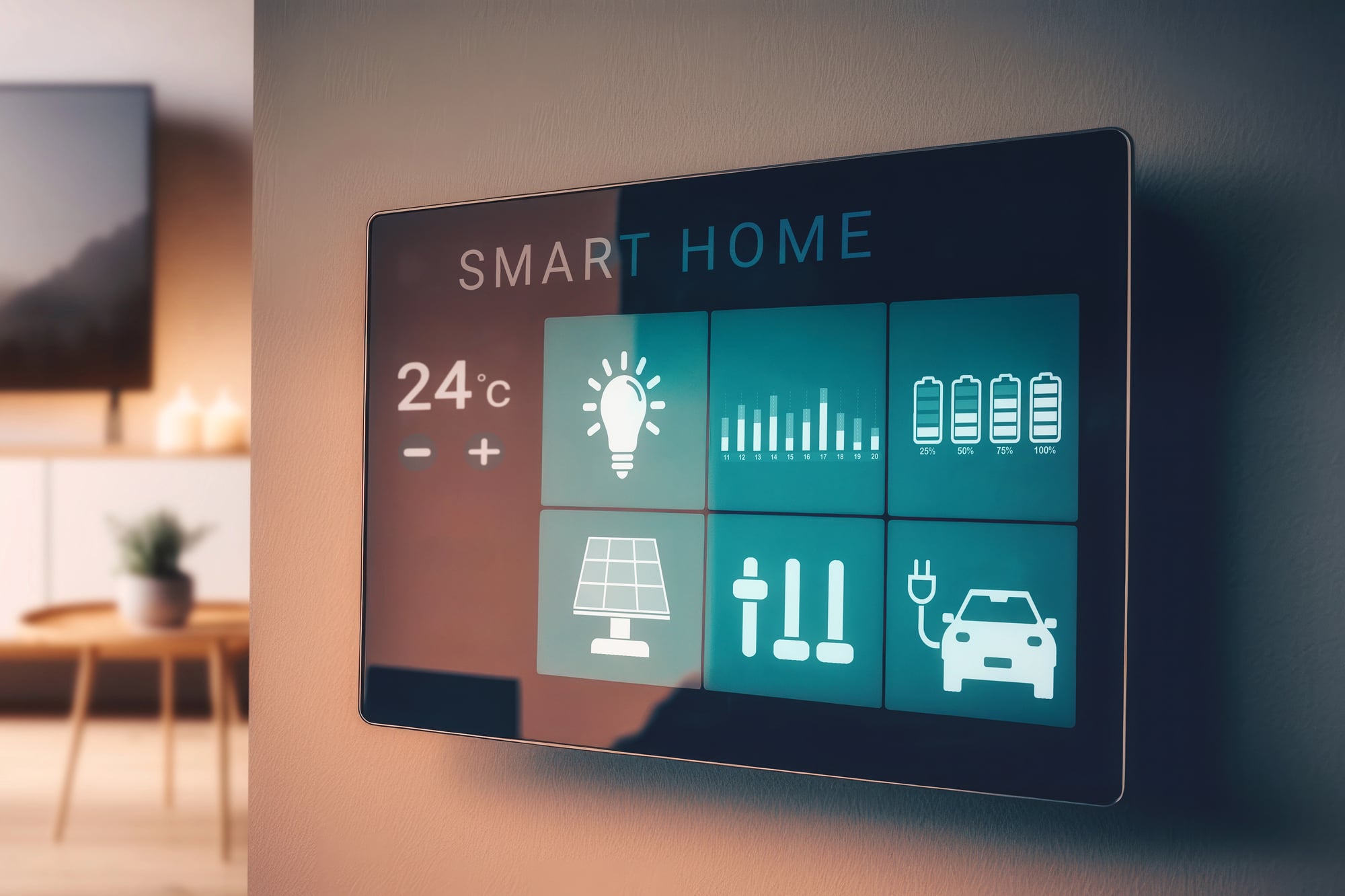
If you have a learning thermostat, it studies your habits. It figures out when you’re usually home, when you’re asleep, and what temperatures you tend to set at different times.
Then it starts adjusting automatically. After a few weeks, you stop thinking about your home temperature at all.
The system handles it.
13. How Long You Spend Scrolling

Social media platforms are designed to keep you on them as long as possible. The feed never ends.
Content is ordered not by time but by predicted engagement — what the platform thinks will make you stop and look. The next post is always calibrated to be just interesting enough to keep your thumb from moving away.
You scroll longer than you planned almost every time.
14. The Ads That Follow You Around

You look at something online. Then you see ads for it everywhere for the next two weeks.
That’s retargeting — a system where advertisers pay to show ads to people who’ve already visited their site or viewed a specific product. It runs invisibly across websites, apps, and platforms, connecting your behavior across all of them.
15. Your Camera’s Automatic Adjustments
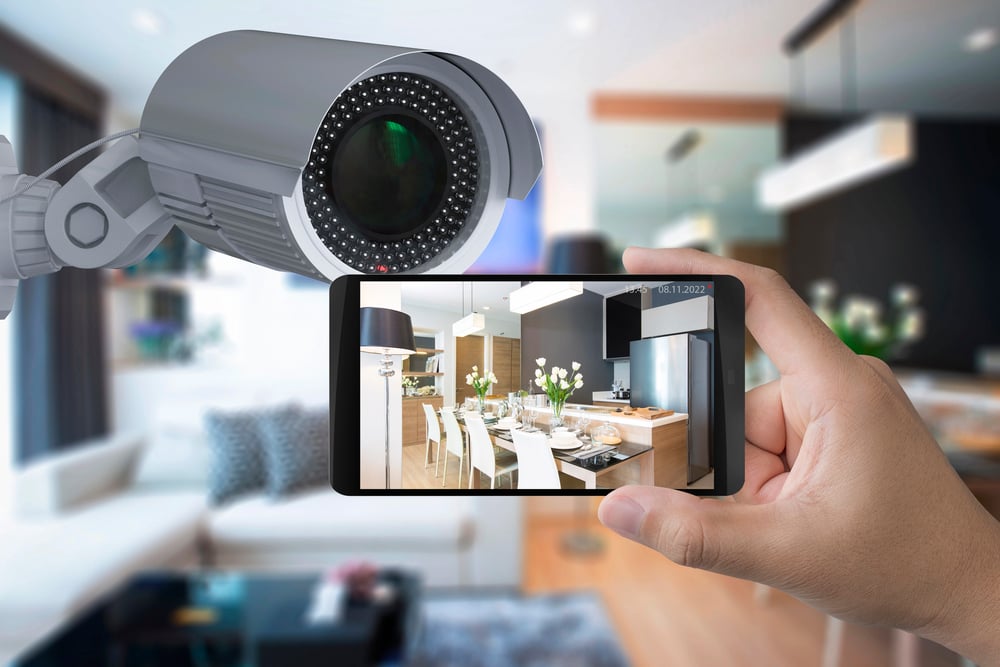
Every photo you take has been processed before you see it. Exposure, color balance, sharpening, noise reduction, and skin tone adjustments happen in milliseconds after you press the shutter.
Some phones take multiple exposures and merge them. The image you save is not what the sensor captured — it’s a version the software decided looked better.
16. Food Delivery Routing

Hot meals arrive fast because software picks the best spot nearby. While your dish gets cooked, it watches where each driver goes right now.
A person on a bike might get chosen if their path lines up just right. That countdown clock? It hides a storm of math beneath.
Numbers shift every second across countless tiny decisions.
17. Your Inbox Calendar Suggestions
These days, some email programs scan your messages, spotting things like flight confirmations or dinner bookings. When they find one, they might just drop it into your calendar on their own.
You did not ask them to do that. They are watching what you get and guessing which ones matter enough to save.
What feels helpful could also feel like stepping too close. Your inbox becomes a source of appointments whether you want that or not.
18. The Playlist That Just Matches How You Feel
Apps learn your taste by tracking songs you play, ones you skip, listening times, even hours when you tune in, along with habits from countless others. Feels like someone really gets your vibe – like it’s made just for you.
No spell involved here. Just math shaped by massive amounts of behavior fed into systems until they mimic choice well enough to blur the line.
19. Appliances Work on Timers

Overnight, dishwashers kick on. Washing machines hum along later, not earlier.
Water heaters fire up when demand dips. Maybe you chose that time yourself. Or maybe the power company did it without asking.
Clean plates appear by morning. The electric cost drops a bit. That detail likely slipped your mind. Most people never notice.
20. Phone Picks Which Alerts Appear

Some alerts vanish before you ever see them. Depending on what kind of message it is, your phone decides its importance.
Past behavior shapes the choice too. If you were scrolling earlier, that matters. So does being offline or mid-call.
A few pop up right away. Others wait in line, delivered later. Certain ones disappear without a sound. Even when apps shout, silence often wins. What finally arrives has already been weighed, judged, sorted.
The Machine In The Background

Just because something works doesn’t mean it’s harmless. Most gadgets help – slightly cutting friction here, removing small choices, stopping minor chaos.
Yet relying on them quietly isn’t the same as picking them deliberately. Noticing where that shift happens matters more than most admit.
Understanding these systems helps. When things tilt against you, that knowledge gives ground to resist – other times, it lets you notice the quiet moments they actually help.
More from Go2Tutors!

- The Romanov Crown Jewels and Their Tragic Fate
- 13 Historical Mysteries That Science Still Can’t Solve
- Famous Hoaxes That Fooled the World for Years
- 15 Child Stars with Tragic Adult Lives
- 16 Famous Jewelry Pieces in History
Like Go2Tutors’s content? Follow us on MSN.