Pioneering Women Who Reshaped Entertainment
The entertainment world we know today exists because of women who refused to play by the rules. They didn’t just push boundaries—they redrew them. From silent film innovators to modern media moguls, these trailblazers worked, fought, and created in industries that often tried to shut them out.
They directed when women weren’t allowed in film unions, negotiated paychecks bigger than their male peers, and built businesses that changed how the world consumes art. Their legacies aren’t footnotes—they’re the backbone of everything we watch, listen to, and stream today.
Here are 14 pioneering women who reshaped entertainment forever.
Alice Guy-Blaché

Before Hollywood had its first studio, Alice Guy-Blaché was already behind the camera making cinematic history. In 1896, at just 23, she directed one of the first narrative films ever made.
Over the next two decades, she created more than 1,000 films and experimented with techniques like synchronized sound and hand-tinted color long before they became industry standards.In 1910, she founded the Solax Company in New Jersey—the first film studio owned and operated by a woman.
Her motto, “Be Natural,” wasn’t just a slogan; it became a guiding philosophy that influenced generations of filmmakers from Alfred Hitchcock to Sergei Eisenstein.
Mary Pickford

Nicknamed “America’s Sweetheart,” Mary Pickford was far more than a pretty face on screen—she was a powerhouse behind it. She became the first actress to earn a million-dollar salary, then flipped the entire system in 1919 by co-founding United Artists alongside Charlie Chaplin, Douglas Fairbanks, and D.W. Griffith.
Pickford’s real genius lay in her understanding of contracts, ownership, and leverage. At a time when studios owned actors outright, she built a company where artists could own their work. She wasn’t just a movie star; she was one of Hollywood’s earliest entrepreneurs.
Like Go2Tutors’s content? Follow us on MSN.
Dorothy Arzner

When men ran Hollywood, Dorothy Arzner walked in and took a director’s chair anyway. She became the first woman admitted to the Directors Guild of America and went on to direct dozens of studio films throughout the 1920s and 1930s.
She also invented something that changed filmmaking forever—the boom microphone. When she wanted actress Clara Bow to move freely during a scene, she simply strapped a mic to a fishing pole.
Problem solved. Arzner proved that creative innovation and leadership didn’t belong to one gender.
Hattie McDaniel

In 1940, Hattie McDaniel made history by becoming the first African American to win an Academy Award—for her unforgettable role as Mammy in Gone with the Wind. Yet, due to segregation, she had to sit at a separate table during the ceremony.
McDaniel’s win came with criticism from all sides: white Hollywood pigeonholed her into servant roles, and parts of the Black community viewed those roles as demeaning. Still, she stood her ground, famously saying, “I’d rather play a maid for $700 a week than be one for $7.”
Her courage carved a path for every Black actress who came after her.
Gertrude Berg
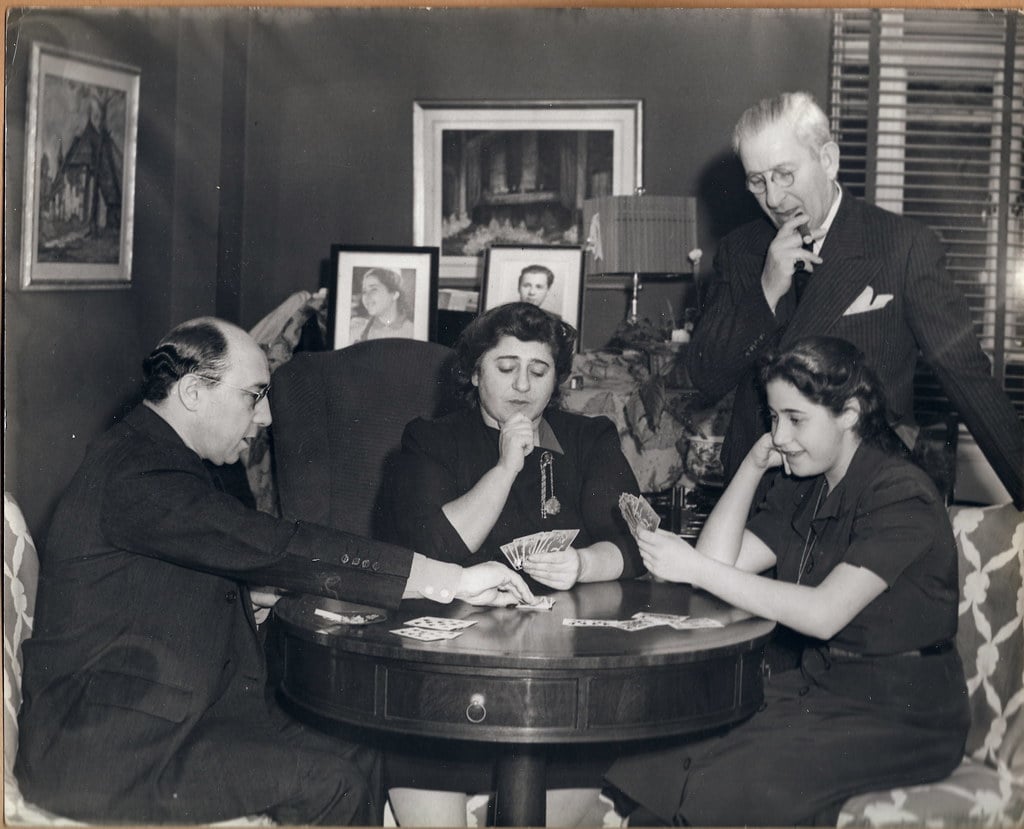
Before there was television as we know it, there was Gertrude Berg—writing, producing, and starring in one of its first hits. The Goldbergs began as a radio show in 1929 and transitioned to TV two decades later.
Berg not only played Molly Goldberg for over 30 years but also became one of the first women to control every part of her show’s production. She won the first-ever Emmy for Best Actress in a TV Series in 1951, proving that women could be both the creative and business force behind successful programming.
Like Go2Tutors’s content? Follow us on MSN.
Oprah Winfrey

Oprah didn’t just change daytime television—she reinvented it. When The Oprah Winfrey Show debuted in 1986, she became the first woman to own and produce her own talk show.
Her program blended heart, intellect, and authenticity, turning interviews into movements.Her book club launched bestsellers, her production company Harpo built an empire, and by 2003, she became the first Black woman billionaire.
Oprah proved that true media ownership isn’t about money—it’s about purpose and perspective.
Barbara Walters

Barbara Walters walked into a newsroom when women were expected to type, not talk. She became the first woman to co-host a morning show, and later, in 1976, the first female anchor of a nightly network news program—with a record-breaking $1 million salary.
Critics scoffed, but Walters’ interviewing skills silenced them. She could make world leaders and celebrities open up like no one else.
She later created The View, giving women a lasting platform in broadcast journalism. Her career was a masterclass in persistence and poise.
Nina Simone

Few artists fused art and activism as powerfully as Nina Simone. A classically trained pianist turned jazz legend, Simone used her music to confront racial injustice head-on.
Songs like Mississippi Goddam weren’t just hits—they were weapons in the civil rights movement.At a time when speaking out could end a career, she refused to stay silent.
Simone proved that a performer could be both entertainer and revolutionary, changing the role of musicians forever.
Like Go2Tutors’s content? Follow us on MSN.
Aretha Franklin

When Aretha Franklin demanded R-E-S-P-E-C-T, the whole world listened. Her 1967 rendition of Otis Redding’s song became an anthem for equality—across both the civil rights and women’s movements.
She sold over 75 million records, won 18 Grammys, and became the first woman ever inducted into the Rock and Roll Hall of Fame. Franklin didn’t just sing about empowerment—she embodied it.
Her voice was power, pride, and protest rolled into one.
Kathryn Bigelow

For years, Hollywood assumed women couldn’t handle directing action films. Kathryn Bigelow shattered that myth with The Hurt Locker, becoming the first woman to win an Oscar for Best Director in 2009.
Her victory over ex-husband James Cameron’s Avatar was symbolic: Bigelow proved that women could command high-intensity stories and deliver cinematic grit on par with anyone. She didn’t just win an award—she rewrote what “female director” meant.
Cicely Tyson

When Cicely Tyson took the lead in East Side/West Side in 1963, she became the first African American woman to star in a primetime drama. Over the next six decades, she transformed television and film by refusing roles that demeaned Black women.
Her career was a lesson in integrity—she’d rather wait years for the right script than accept something beneath her values. Tyson’s performances were dignified, fierce, and deeply human. Her legacy is one of representation with purpose.
Like Go2Tutors’s content? Follow us on MSN.
Billie Jean King

When Billie Jean King faced Bobby Riggs in 1973’s Battle of the Sexes, it wasn’t just a tennis match—it was a cultural showdown. Her victory, watched by 90 million people worldwide, proved that women’s sports could command massive audiences and equal respect.
Off the court, King fought tirelessly for equal prize money and visibility for women athletes. Her impact extended beyond athletics, influencing media, sponsorship, and entertainment economics.
She didn’t just play for trophies—she played for change.
Josephine Baker

In the 1920s, Josephine Baker electrified Paris with performances that broke every rule of the era. The Missouri-born dancer and singer became one of Europe’s biggest stars—and later, one of the world’s most daring spies.
During World War II, she smuggled messages for the French Resistance. After the war, she turned her fame into activism, refusing to perform for segregated audiences and marching for civil rights.
Baker’s art was bold, but her courage was even bolder.
Sherry Lansing
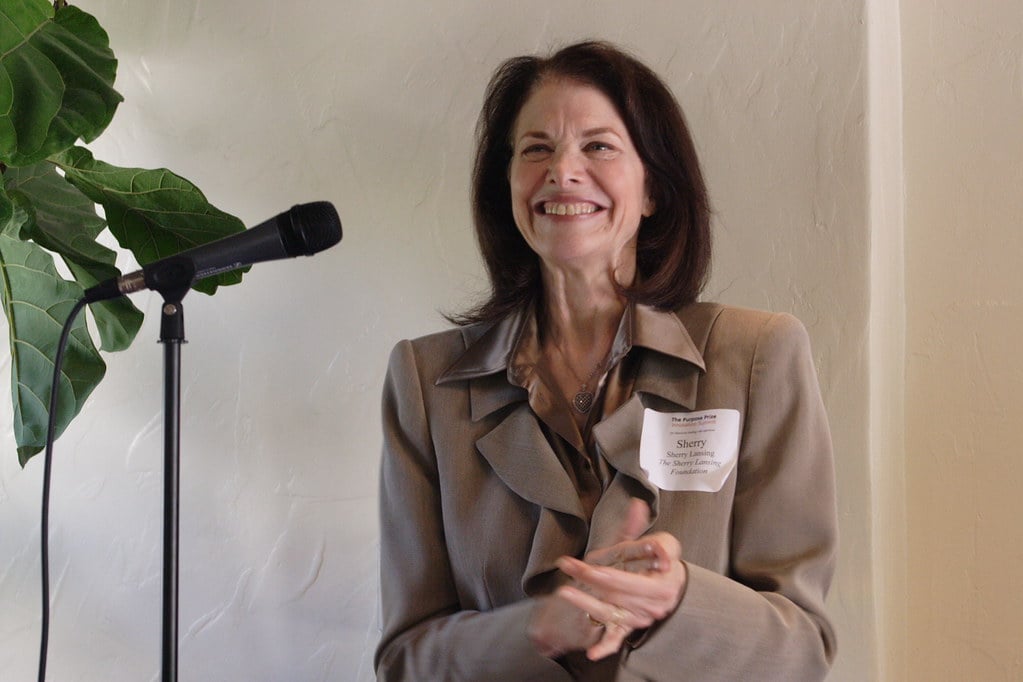
At 35, Sherry Lansing shattered Hollywood’s glass ceiling when she became president of 20th Century Fox in 1980—the first woman to run a major studio. She went on to oversee Paramount Pictures, producing era-defining hits like Titanic, Forrest Gump, and Braveheart.
Lansing’s leadership showed that a woman could command billion-dollar productions while nurturing creative talent. She wasn’t just part of Hollywood history—she helped write it.
Like Go2Tutors’s content? Follow us on MSN.
From Pioneers to Powerhouses

These women didn’t just break barriers; they replaced them with bridges. They built studios when no one believed they could, demanded respect when it wasn’t offered, and changed the rules for everyone who came after.
Each of them proved that entertainment isn’t just about the spotlight—it’s about influence, courage, and legacy. The stories, songs, and shows we love today exist because they dared to create when the world told them not to.
More from Go2Tutors!

- 16 Historical Figures Who Were Nothing Like You Think
- 12 Things Sold in the 80s That Are Now Illegal
- 15 VHS Tapes That Could Be Worth Thousands
- 17 Historical “What Ifs” That Would Have Changed Everything
- 18 TV Shows That Vanished Without a Finale
Like Go2Tutors’s content? Follow us on MSN.