21 Old Pocket Knives With Specific Maker Marks That Buyers Pay Handsomely For
Somewhere in a lot of American households, tucked in a junk drawer or a late relative’s dresser, there’s a pocket knife nobody’s thought twice about in years. Most of them are exactly what they look like: worn, unremarkable, worth the price of scrap steel.
But every so often one of those knives carries a mark stamped decades ago by a company that no longer exists, or a factory that only ran for a handful of years, and that little detail changes everything. Collectors don’t chase pocket knives at random. They chase names, dates, and stamps — and some of those combinations turn a five-dollar flea market find into a four-figure sale.
Case XX
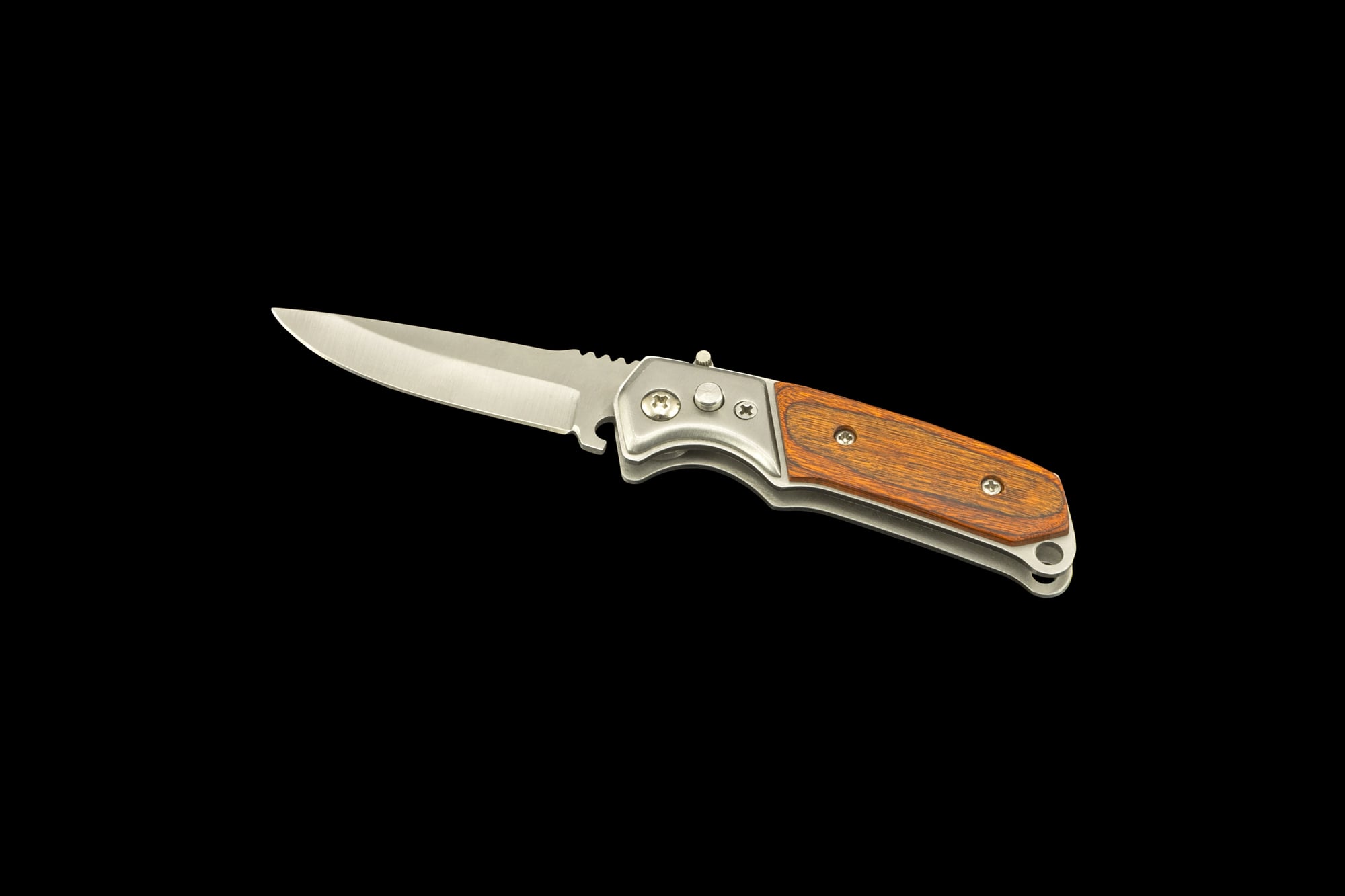
Case knives stamped with the “XX” mark are not rare in the general sense, but the older ones carry a kind of quiet prestige among collectors that newer production never quite matches. The pattern numbers, the tang stamps, the changes in dating systems Case used across decades — all of it gets studied the way some people study coins.
A Case knife from the 1940s or ’50s with clean bone handles and a crisp XX stamp can pull serious money at auction, especially if the blade hasn’t been sharpened into oblivion. What throws people off is assuming “Case” alone means value; it’s the specific stamp era that buyers are actually paying for.
Remington Bullet Knives
Remington got into the pocket knife business almost as an afterthought, tucked between its firearms and ammunition lines, and yet the bullet-shaped shield stamped into the handle became one of the most recognized marks in the collecting world. Buyers look for specific bullet colors and letter codes — RH4, R1123, that sort of thing — because Remington cycled through variations for barely two decades before mostly stepping away from cutlery: that narrow window is exactly why the good ones command such steep prices now.
A knife with the correct bullet shield, unpolished nickel silver bolsters, and no replaced parts can sell for thousands, and yes, thousands is not an exaggeration. So collectors don’t just ask “is it a Remington” — they ask which bullet, which year, which factory run, because the wrong answer to any of those cuts the value down fast.
Winchester

A Winchester pocket knife rarely announces itself the way the rifles do, but the tang stamp still carries that same quiet weight, like finding a signature on the back of a painting nobody realized was worth looking at twice. The company only made knives for about twenty years, mostly through the 1920s and 30s, which means every genuine piece is already fighting against a shrinking pool rather than a growing one.
Collectors gravitate toward the earlier stampings, the ones where the script sits just so on the tang, because later reproductions have muddied what used to be a clean signal. Hold one with its original jigged bone handles intact and you’re holding a small, stubborn survivor of a company that decided cutlery wasn’t worth the trouble — and stopped almost as soon as it started.
Schrade Walden
Schrade Walden knives get overlooked by casual buyers, and that’s a mistake collectors are happy to let slide. The USA-made tang stamps from the Walden, New York plant carry weight that later Schrade production simply doesn’t, mostly because the company eventually shifted manufacturing overseas and the market noticed immediately.
A worn but honest Schrade Walden trapper with tight bolsters and no wobble in the joints can outsell flashier knives twice its age, which says more about brand snobbery than steel quality. Nobody wants to hear that a name matters more than the knife itself, but that’s exactly how this corner of collecting works.
Ka-Bar Dog’s Head

The dog’s head stamp on old Ka-Bar knives is one of those marks that separates the merely old from the genuinely wanted. Ka-Bar’s earlier cutlery, made before the company leaned hard into military fixed blades, carries a small profile of a dog’s head on the tang, and that image alone can double a knife’s asking price compared to an unstamped equivalent.
Bone handles, a clean dog’s head, and no pitting on the blade — that combination is what dealers quietly hope walks through the door. Most people assume Ka-Bar means combat knife, not pocket knife, and that misunderstanding is precisely why sellers underprice the good ones so often.
Cattaraugus
Cattaraugus knives carry a stamp that most casual buyers walk right past, which is a shame because the company’s earlier work — particularly anything marked with the arrow-and-shield logo before the 1960s — sits high on plenty of collector wish lists: the kind of detail that separates a ten-dollar yard sale knife from something a dealer will fight over. And it’s not just the mark itself, it’s the combination of things that has to line up (the bolster style, the handle material, whether the tang stamp still reads crisp instead of worn to a ghost of itself) before anyone serious gets excited.
So a beat-up Cattaraugus with a mushy stamp is basically just a knife, but a clean one from the right era can pull hundreds, sometimes more, depending on the pattern. Nobody expects a company that folded decades ago to still be dictating prices at estate sales, and yet here it is, doing exactly that.
Robeson ShurEdge
Robeson ShurEdge knives don’t get talked about enough. The shield stamp and the “ShurEdge” script mean something specific: pre-1950s production, before quality control started slipping.
Collectors want the earlier stag or bone handles with tight bolsters, nothing loose, nothing replaced. A clean example still sells fast, and it sells for real money.
Camillus

Camillus deserves more respect than it gets, mostly because people confuse “common” with “worthless.” The company made knives for over a century, which flooded the market, but the early tang stamps — before Camillus started producing for every hardware store in America — are a different animal entirely.
A pre-1950s Camillus with the correct stamp, tight brass liners, and honest wear can outsell fancier-looking knives from lesser-known makers, which annoys people who bought based on looks alone. Age and volume aren’t the same thing, and Camillus is proof nobody bothered explaining that distinction clearly enough.
Boker Tree Brand

There’s something almost stubborn about the Boker tree stamp, the way it kept showing up on American-made blades long after the company’s German roots might have suggested otherwise, like a family recipe that survives an ocean crossing intact. Collectors treat the pre-1970s USA-marked Bokers the way old-house buyers treat original hardwood floors — not flashy, just quietly better than what came after, and everyone in the room seems to know it without saying so.
A tree stamp with crisp branches, unworn stag scales, and a walk-and-talk blade that still snaps shut with authority carries a hush of respect other knives don’t earn as easily. The tree doesn’t shout for attention, and somehow that’s exactly why people lean in closer to look.
Queen Cutlery
There’s a particular kind of patience baked into a Queen Cutlery knife, the same patience you’d find in a stonemason who never rushed a wall just because the client was waiting. The “Q-Steel” stamp, especially from the Titusville, Pennsylvania plant’s earlier decades, reads less like a logo and more like a signature left by someone who assumed the work would outlive them.
Collectors notice the winterbottom bone jigging first, that rippled texture under the fingers, before their eyes ever drop down to confirm the stamp underneath. A Queen in good condition doesn’t ask to be noticed, and that’s precisely the quality that makes people stop scrolling and start bidding.
Schatt & Morgan

Schatt & Morgan knives are proof that a name can outlive a company by the better part of a century and still move product at auction. The original Titusville operation folded decades ago, but the tang stamp survives as shorthand for a level of fit and finish most modern factories don’t bother chasing anymore.
Collectors want the pre-merger stampings specifically, before the name got absorbed and reused, because that’s where the actual craftsmanship lives. Anyone who tells you all old cutlery looks the same has clearly never held one of these next to a modern import.
Ulster Knife Co

Ulster knives don’t get the spotlight, but the tang stamp still matters. Look for “Ulster USA” from before the Imperial buyout — that’s the era collectors chase.
Bone handles, tight pins, no rust pitting: that’s the combination that sells. Ulster made plenty of cheap knives too, so the stamp is what separates the keepers from the junk drawer filler.
Kutmaster

Kutmaster never had the mystique of Case or Remington, and that’s exactly what makes the right examples so easy to underprice at a garage sale — nobody’s expecting a name this ordinary to carry any weight at all, which is precisely the moment a savvy buyer swoops in. The Utica, New York factory stamped its earlier work with a straightforward “Kutmaster USA” mark, nothing fancy, but the pre-1960s production used steel and bone combinations that the company quietly abandoned once costs started mattering more than craftsmanship: a shift you can practically feel in the weight of the handle if you compare an old one to a later reissue.
So a Kutmaster with its original swirled bone scales, no replaced blades, and a stamp that hasn’t been buffed into mush can pull far more than its plain reputation would suggest. And that gap between reputation and actual worth is where a lot of quiet money changes hands, usually without the seller ever realizing what just left their table.
Northfield Knife Co

There’s something almost geological about a Northfield tang stamp, the way it sits there like a fossil pressed into rock, marking a company that vanished before most of today’s collectors were born. Northfield operated out of the Cattaraugus Cutlery Company’s own building for a stretch, which means the two names sometimes blur together in ways that trip up anyone who hasn’t spent real hours squinting at stamps under a loupe.
Find one with its original stag scales still gripping the tang tight, no wobble, no cloudy pitting creeping across the blade, and it reads less like a tool and more like a small, stubborn piece of upstate New York history that refused to dissolve. The company barely lasted long enough to leave fingerprints, and maybe that’s why the ones that survived feel so oddly precious now.
Marbles
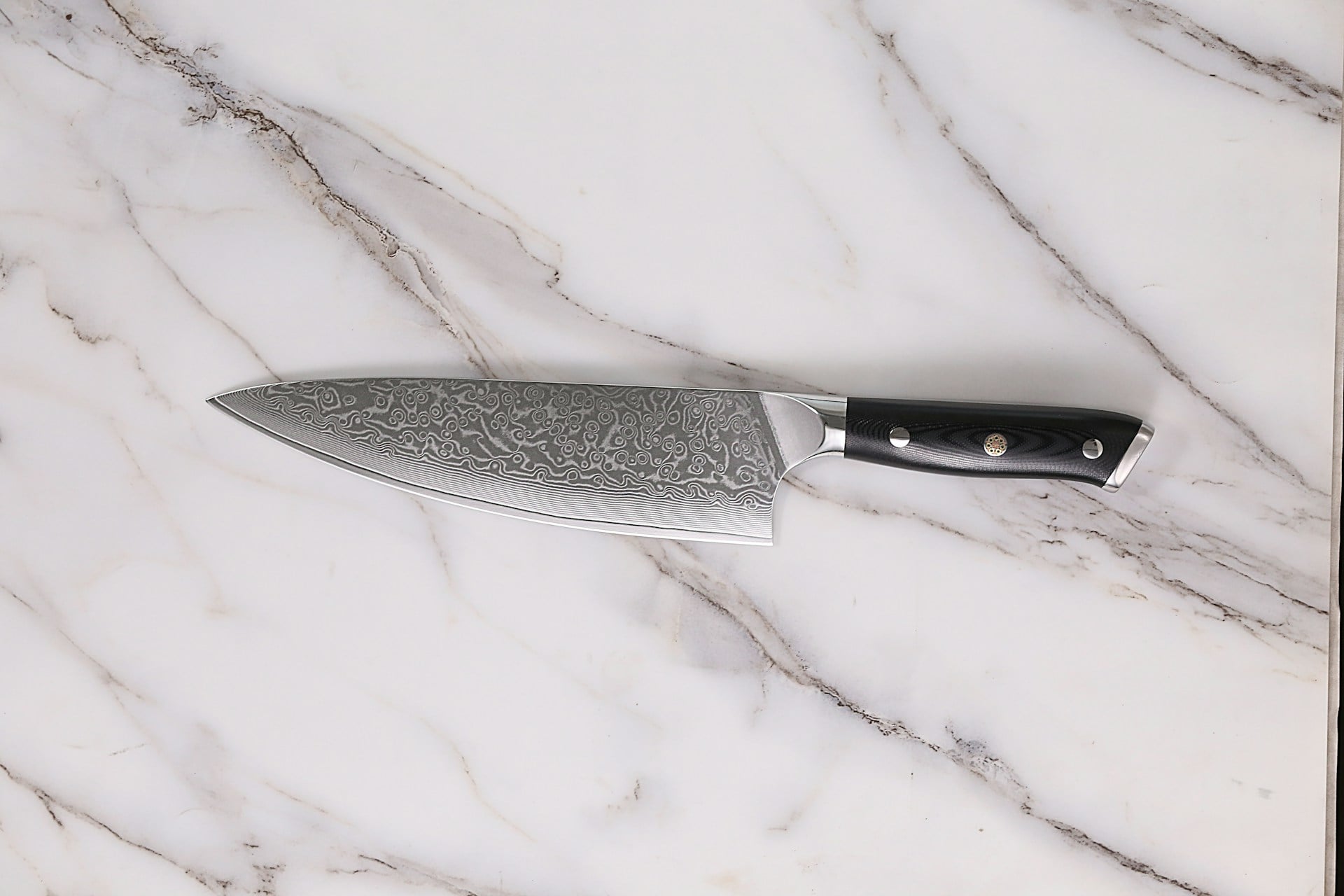
Marbles knives are not subtle about their value, and that’s refreshing in a hobby where half the fun is arguing over hairline differences most people can’t see anyway. The Gladstone, Michigan stamp on a pre-1950s Marbles folder tells you plainly what you’re holding, and the company’s reputation for tough, no-nonsense steel means buyers don’t need convincing the way they do with lesser-known names.
A Marbles with its original bone or stag handles, no pitting, and a stamp that still reads clean can sell for real money without much haggling. Turns out a knife that never tried to be fancy is exactly the kind collectors trust the most.
Keen Kutter
Keen Kutter knives carry a name built for hardware store shelves, not display cases. Simmons Hardware slapped that stamp on thousands of knives, so scarcity was never the selling point.
The earlier ones, stamped before Shapleigh Hardware took over production, are what collectors actually want. Everything after that shift reads like a knockoff of its own history.
Napanoch Knife Co
Napanoch never had the name recognition of Case or Remington, and maybe that’s the whole appeal — a knife company operating out of a tiny New York hamlet, producing folders for barely a couple of decades before quietly disappearing, the kind of history that only surfaces because a stamp survived when the company itself didn’t. Collectors chase the “Napanoch Knife Co.” tang mark specifically, the earlier ones with sharper lettering, because later examples (assuming you can even find later examples) tend to blur into illegibility from decades of pocket wear.
So finding one with clean bone scales, no replaced blades, and a stamp you don’t need a loupe to read feels less like buying a knife and more like recovering something that almost got erased entirely. And that’s really the draw here: obscurity, done right, reads as rarity, and rarity is the only currency that matters at auction.
New York Knife Co

There’s a stillness to a New York Knife Co tang stamp that feels less like a maker’s mark and more like an old family photograph nobody bothered to caption. The company ran out of Walden for the better part of a century, and its blades carry that particular density of a place that made one thing, over and over, until doing it any other way stopped making sense.
Collectors chase the earlier “NY Knife Co.” stampings, the ones pressed before the lettering thinned into something looser and less confident, because the difference between the two eras shows up in the hand before it ever shows up in the eye. A clean example, stag-handled and unmolested, doesn’t sell itself on flash — it sells itself on the quiet insistence that someone, a long time ago, cared more than they had to.
Miller Bros Cutlery Co
Miller Bros only ran out of Meriden, Connecticut for a handful of decades before folding into obscurity, and that short window is exactly why the tang stamp carries so much quiet weight now — collectors treat it the way antique dealers treat a maker’s mark on furniture nobody photographed at the time, which is to say with a kind of cautious reverence built entirely on scarcity. The lettering itself is plain, almost stubbornly so, no flourish, no shield, just “Miller Bros Cutlery Co Meriden Conn” pressed into steel that was, by most accounts, genuinely well made for its era.
So a clean example with tight bone scales and a spring that still snaps with authority (not the mushy half-open sag you get from decades of pocket wear) tends to outsell knives from far more famous names, and that surprises people every single time. Nobody expects a company this forgotten to still be setting prices at auction, and yet here it is, doing precisely that.
Challenge Cutlery Corp
Challenge Cutlery gets overlooked, and that’s a mistake most casual buyers only figure out after they’ve already sold one for pennies. The Bridgeport, Connecticut company stamped its earlier work plainly, no shield, no fancy script, just the name and the city, and that plainness is exactly why so many people walk past it at flea markets.
A pre-1930s Challenge with intact bone scales and a stamp that hasn’t blurred into soup routinely surprises sellers who priced it like scrap. To be fair, nobody expects a name this forgettable to hold this much quiet value, which is precisely why the ones who know keep their mouths shut at estate sales.
Remington UMC
Remington’s cutlery years get overshadowed by the rifles, and that’s a shame because the bullet-shield tang stamp is one of the most collected marks in American knife history, full stop. The earlier bullet stamps, before the company started stamping simplified marks in the later decades, tell you exactly when a blade left the factory, which matters enormously once money’s on the table.
A clean Remington with an intact shield, correct bone or stag scales, and no replaced blade can pull thousands at the right auction, which is saying something for a company better known for firearms. People assume the gun business made the knives an afterthought, and the market has spent decades quietly proving them wrong.
What the Stamp Really Tells You
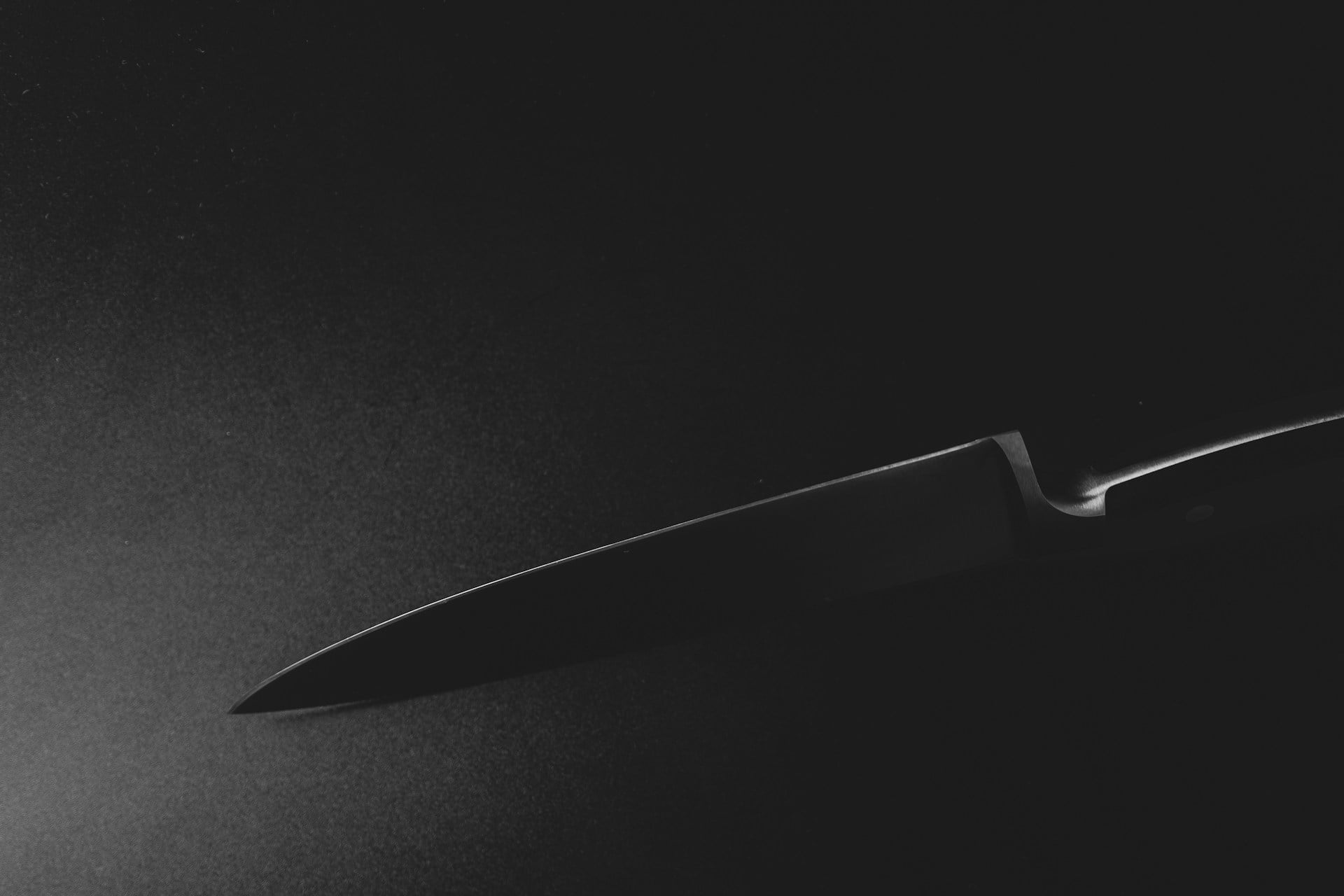
A tang stamp never lied about what it was, even when the company behind it eventually did fold, merge, or vanish without much ceremony. It’s a small strip of steel doing the job a signature does on a painting — quietly insisting that someone specific made this, at a specific time, in a specific place that mattered enough to name.
Collectors aren’t really chasing knives at all, not exactly; they’re chasing evidence that craftsmanship used to be personal, back before a name on a blade meant a factory instead of a person. And that’s worth remembering the next time an old folder turns up in a drawer that hasn’t been opened in years — check the stamp before you assume it’s nothing.
More from Go2Tutors!

- The Romanov Crown Jewels and Their Tragic Fate
- 13 Historical Mysteries That Science Still Can’t Solve
- Famous Hoaxes That Fooled the World for Years
- 15 Child Stars with Tragic Adult Lives
- 16 Famous Jewelry Pieces in History
Like Go2Tutors’s content? Follow us on MSN.