25 Wildlife Conservation Wins That Almost Nobody Heard About
The big conservation stories make headlines: the last California condor captured, the first Arabian oryx released, the bald eagle delisted. These narratives are important, but they dominate media cycles at the expense of quieter, equally significant victories.
Across the globe, species are recovering, ecosystems are healing, and extinctions are being prevented through work that draws few headlines. These successes often involve smaller organizations, regional species, or incremental progress that doesn’t fit the narrative arc of dramatic rescue.
What follows are 25 conservation victories that deserve wider attention than they received.
Kirtland’s Warbler Recovery
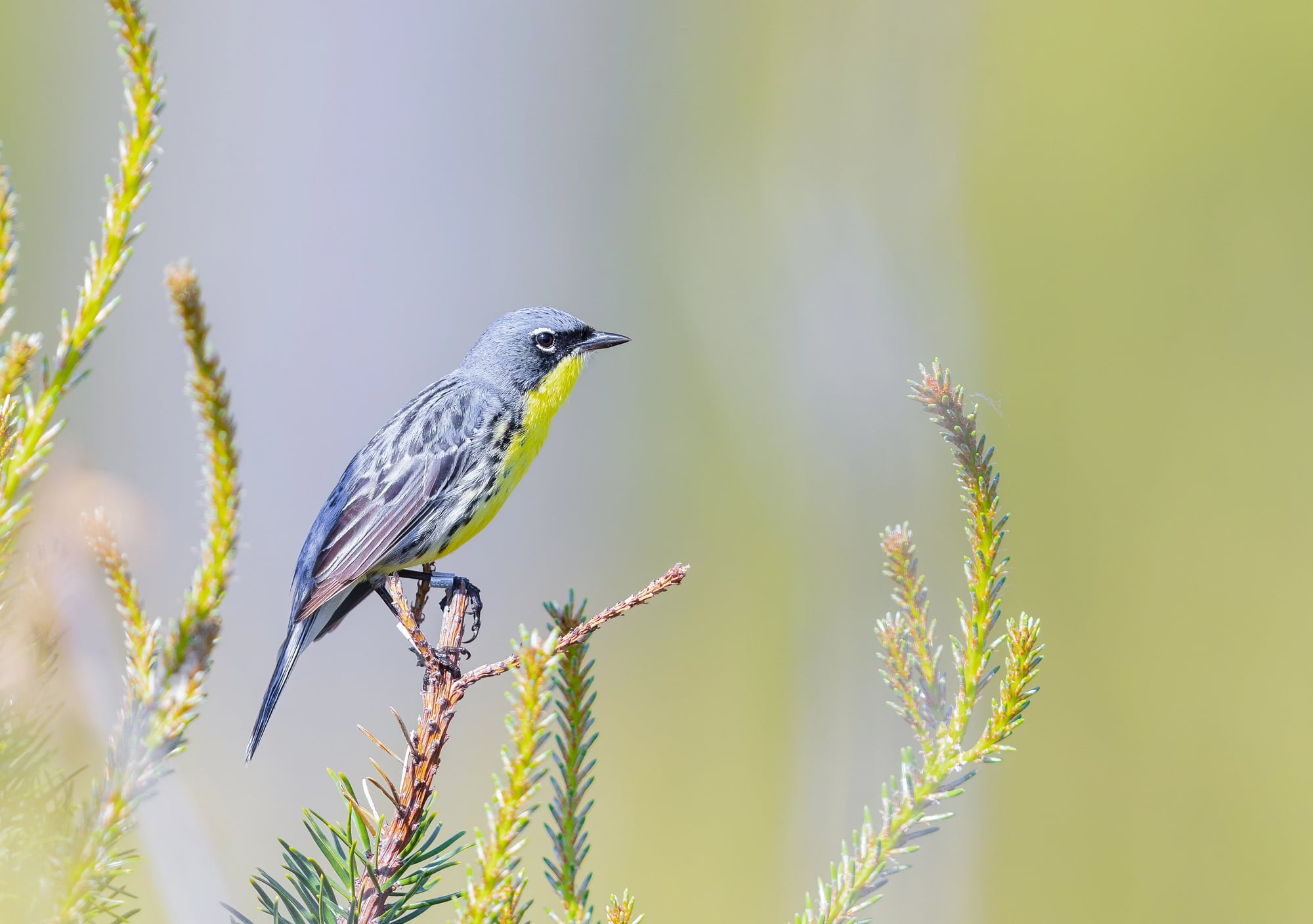
A small songbird confined to jack pine forests in Michigan, the Kirtland’s warbler was declining due to cowbird brood parasitism, in which cowbirds lay their eggs in warbler nests, causing warbler chicks to be displaced. A focused program began trapping cowbirds, reducing parasitism from 70 percent to just 1 percent by 2018.
Simultaneously, habitat restoration involved cutting and replanting jack pines. The warbler population quadrupled between 1990 and 2000, and in 2019 the species was officially removed from the endangered species list—one of the first small-bird species to achieve such complete recovery.
Blue Wildebeest Population Recovery in the Serengeti
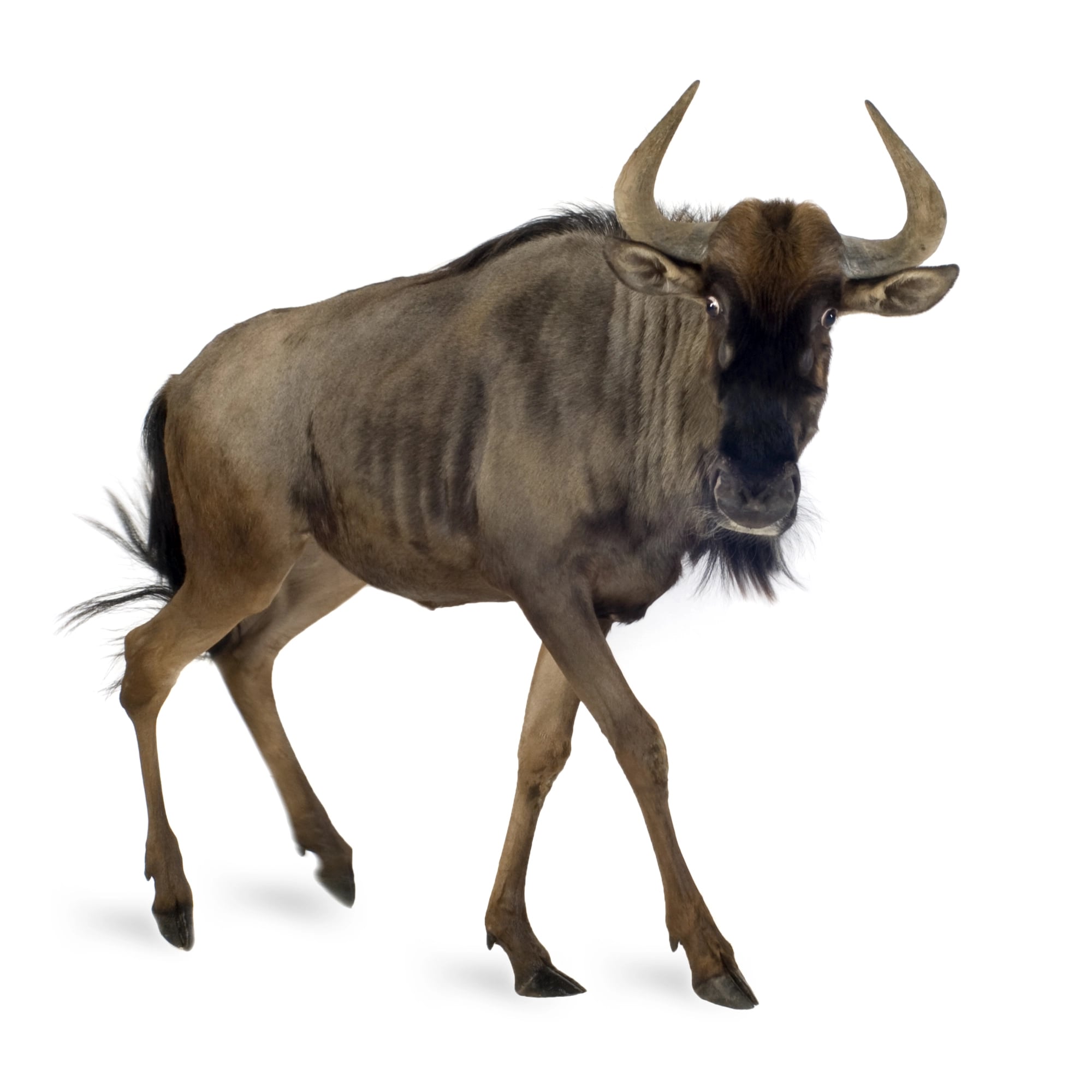
Wildebeest populations in the Serengeti had declined due to disease and poaching. A systematic disease management program improved herd health, allowing populations to rebound to over 1.5 million in less than a decade.
This recovery restored ecological balance to the Serengeti ecosystem, as wildebeest support grass management and create water features that shelter other species. The recovery also restored the region’s function as a carbon storage system.
Hawaiian Goose Recovery
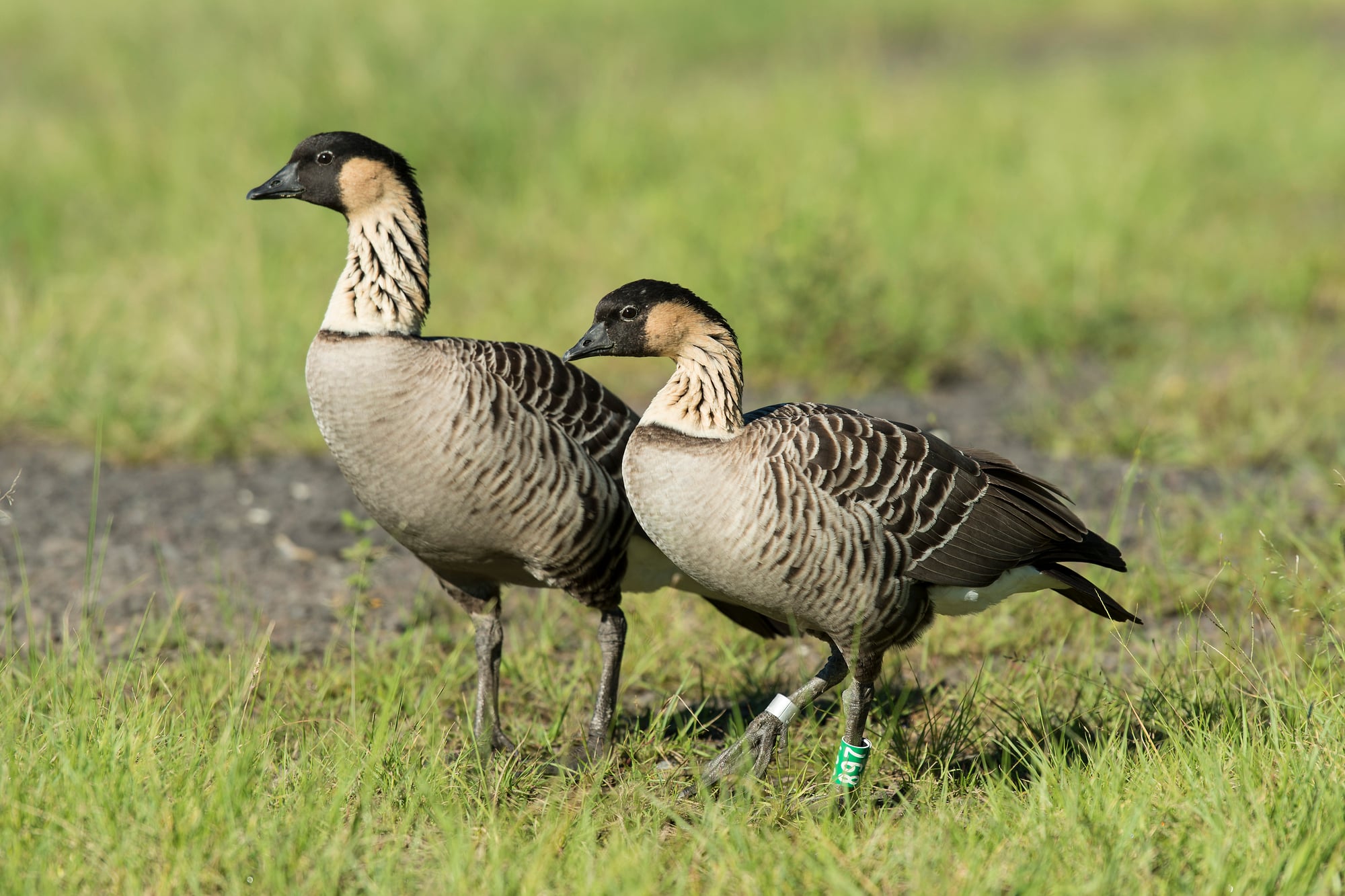
The nene, or Hawaiian goose, was hunted to near extinction, with populations dropping to around 30 birds by the 1950s. Captive breeding programs established at Hawaiian zoos and sanctuaries increased populations to several thousand, allowing the species to be downlisted from endangered to threatened status.
The bird’s recovery demonstrates how island species can rebound through focused breeding and habitat protection.
Red-Cockaded Woodpecker Rebound
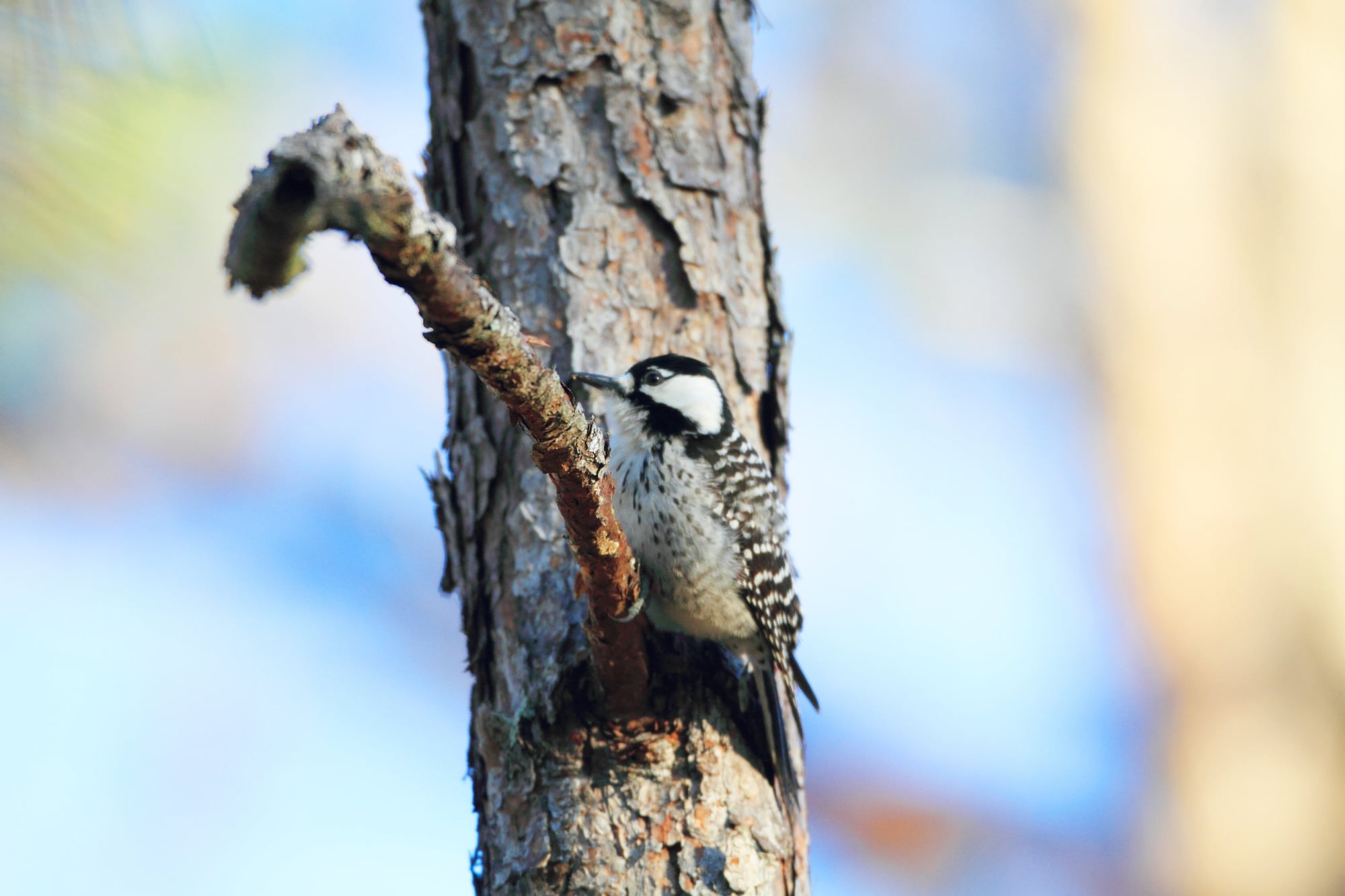
The red-cockaded woodpecker, native to southeastern pine forests, had declined to around 1,470 nest clusters by the 1970s. Habitat protection and management specific to the species’ needs allowed populations to rebound to over 7,800 nest clusters today.
In 2024, the species passed a recovery milestone and was downlisted from endangered to threatened status, marking significant progress in its recovery. The red-cockaded woodpecker remains on the federal list but in a less critical status, reflecting decades of collaborative conservation efforts across its southeastern range.
Borax Lake Chub Protection
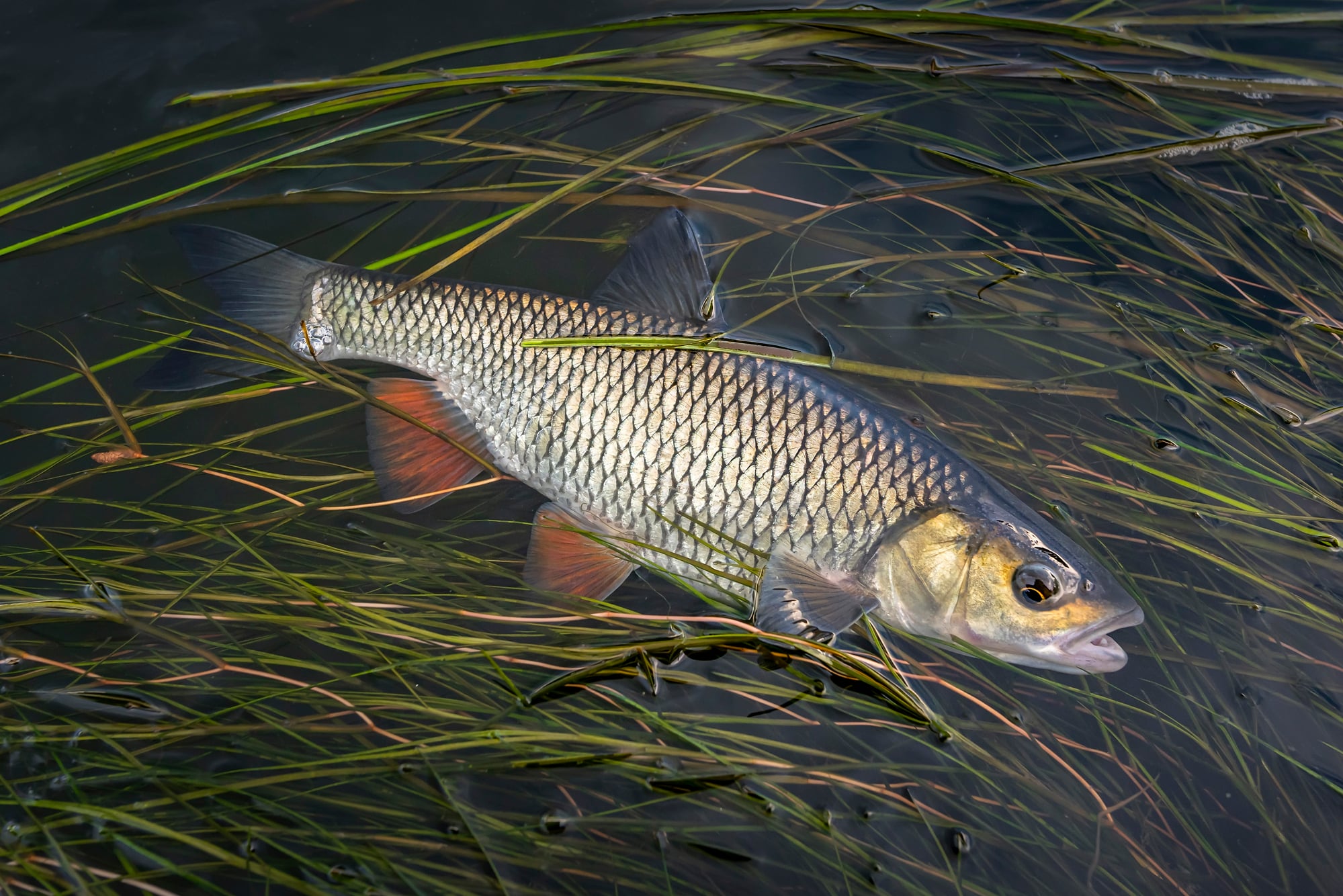
This small fish species inhabits only a single lake in Oregon. It was endangered due to water chemistry changes and introduced species.
A targeted management program involved removing invasive species, protecting water quality, and establishing backup populations in other facilities. The species now exceeds minimum viable population size and remains one of North America’s rarest fish.
Manatee Downlisting Achievement
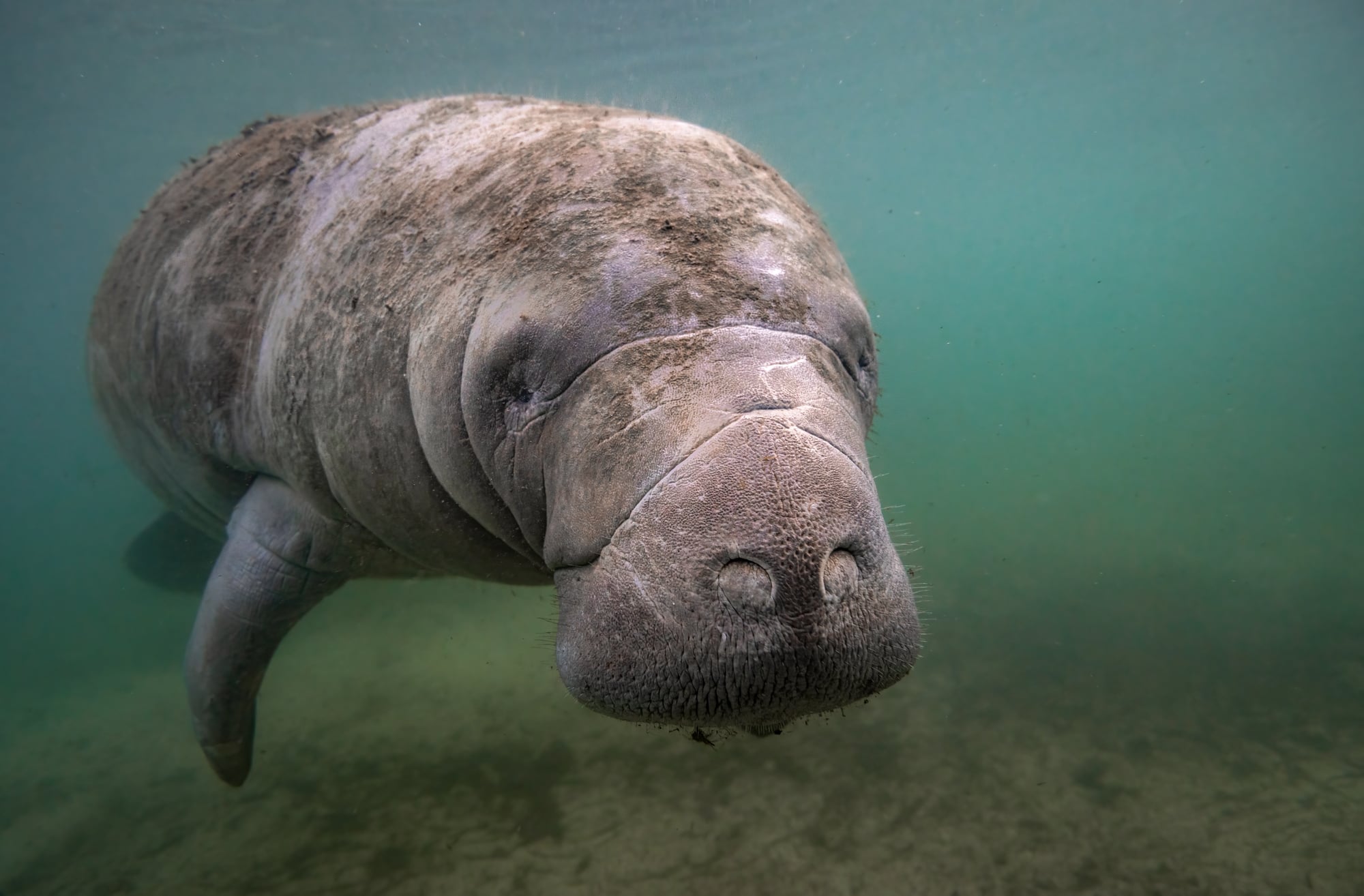
Florida’s manatees declined dramatically through boat strikes, habitat loss, and water quality degradation. Protection measures including boat speed zones, habitat restoration, and warm-water sanctuary protection allowed populations to grow from fewer than 1,200 in the 1950s to over 6,000 today.
In 2017, the species was downlisted from endangered to threatened—a milestone few expected achievable.
Black-Capped Vireo Multi-Country Success
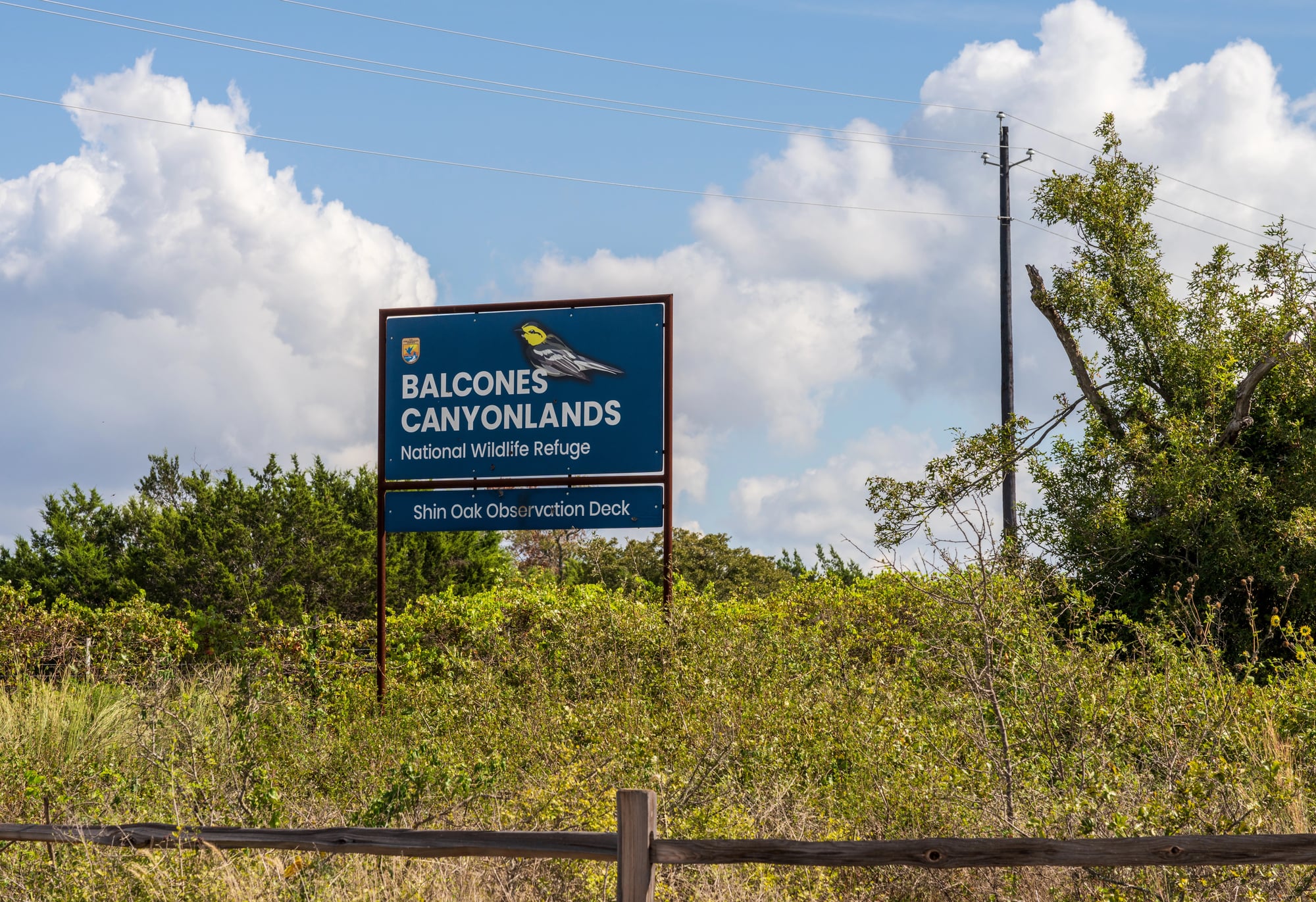
This small songbird inhabits scrubland across Oklahoma, Texas, and Mexico. Cowbird trapping programs similar to those used for Kirtland’s warbler have increased vireo populations significantly.
The program demonstrates how coordinating conservation across international borders can succeed when all countries commit to shared management protocols.
Vaquita Genetic Rescue Efforts

The vaquita, a small porpoise native to the Gulf of California, numbers fewer than 10 individuals—making it the world’s most endangered marine mammal. Genetic analysis shows that if illegal gillnet fishing can be eliminated, remaining individuals have sufficient genetic diversity to recover.
Conservation efforts focused on removing gillnets offer hope for this species’ survival.
Eurasian Beaver Reintroduction
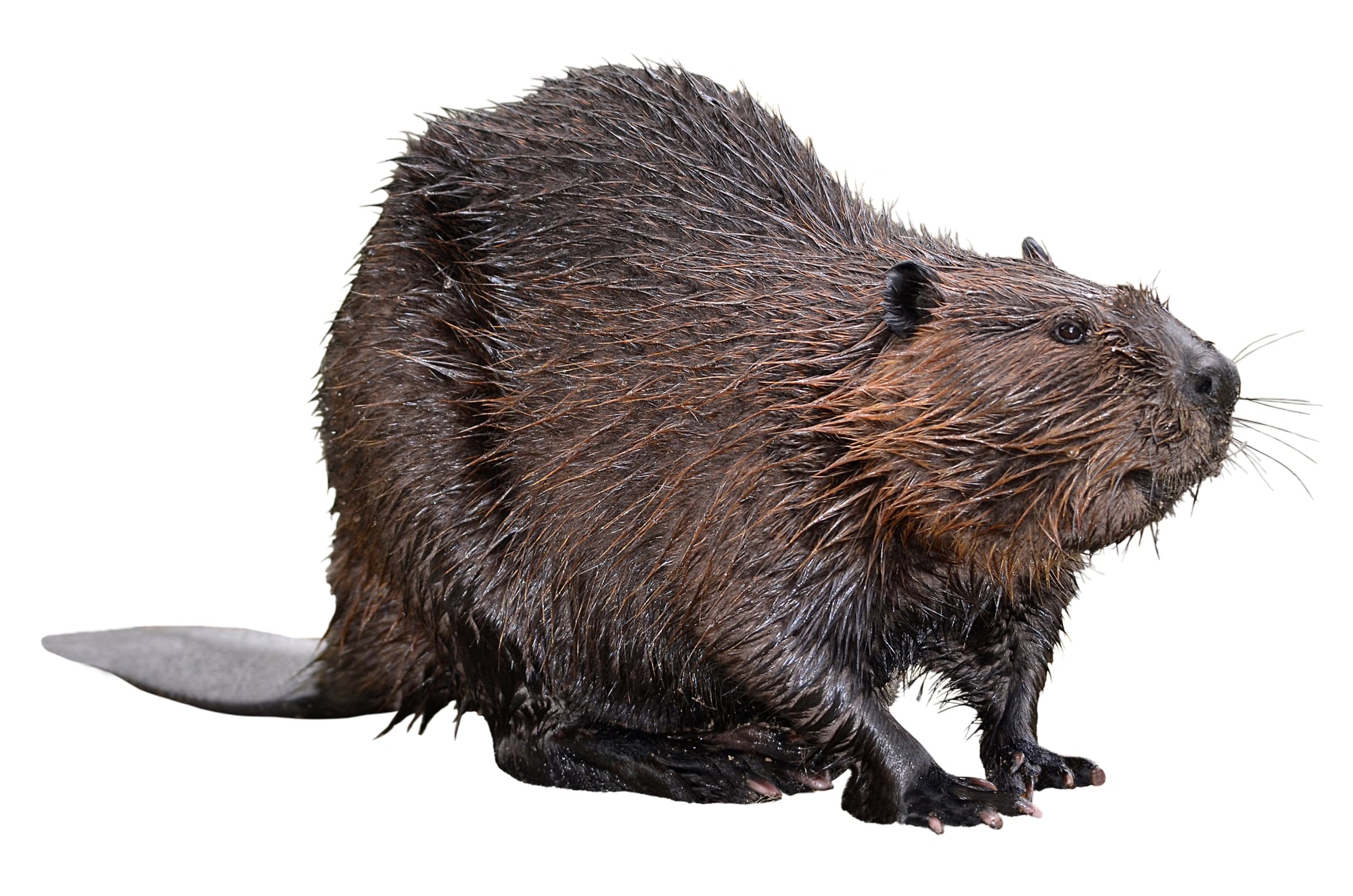
Hunted to extinction across most of Europe by the nineteenth century, Eurasian beavers were reintroduced through coordinated programs beginning in the 1960s. Population growth has been so successful that in 2022, beavers were reintroduced to London—their first presence in the city in 400 years.
The beaver’s ecological engineering benefits countless other species.
Arabian Horse Preservation
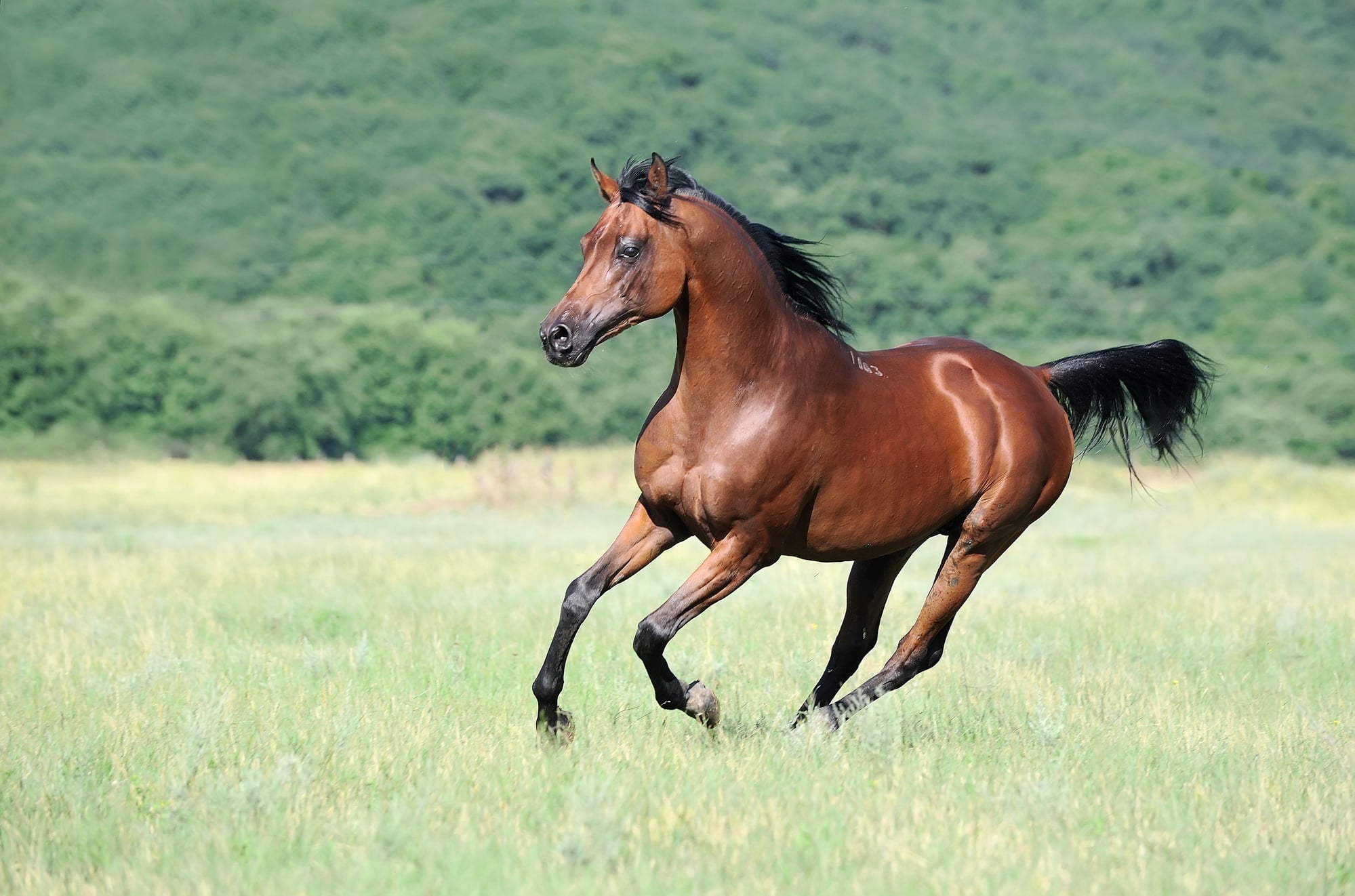
Though not endangered in the wild, Arabian horses are genetically important and were preserved through selective breeding programs when habitat loss threatened their existence. The preservation of Arabian horse genetics has contributed to understanding horse evolution and diversity.
Orangutan Habitat Corridors
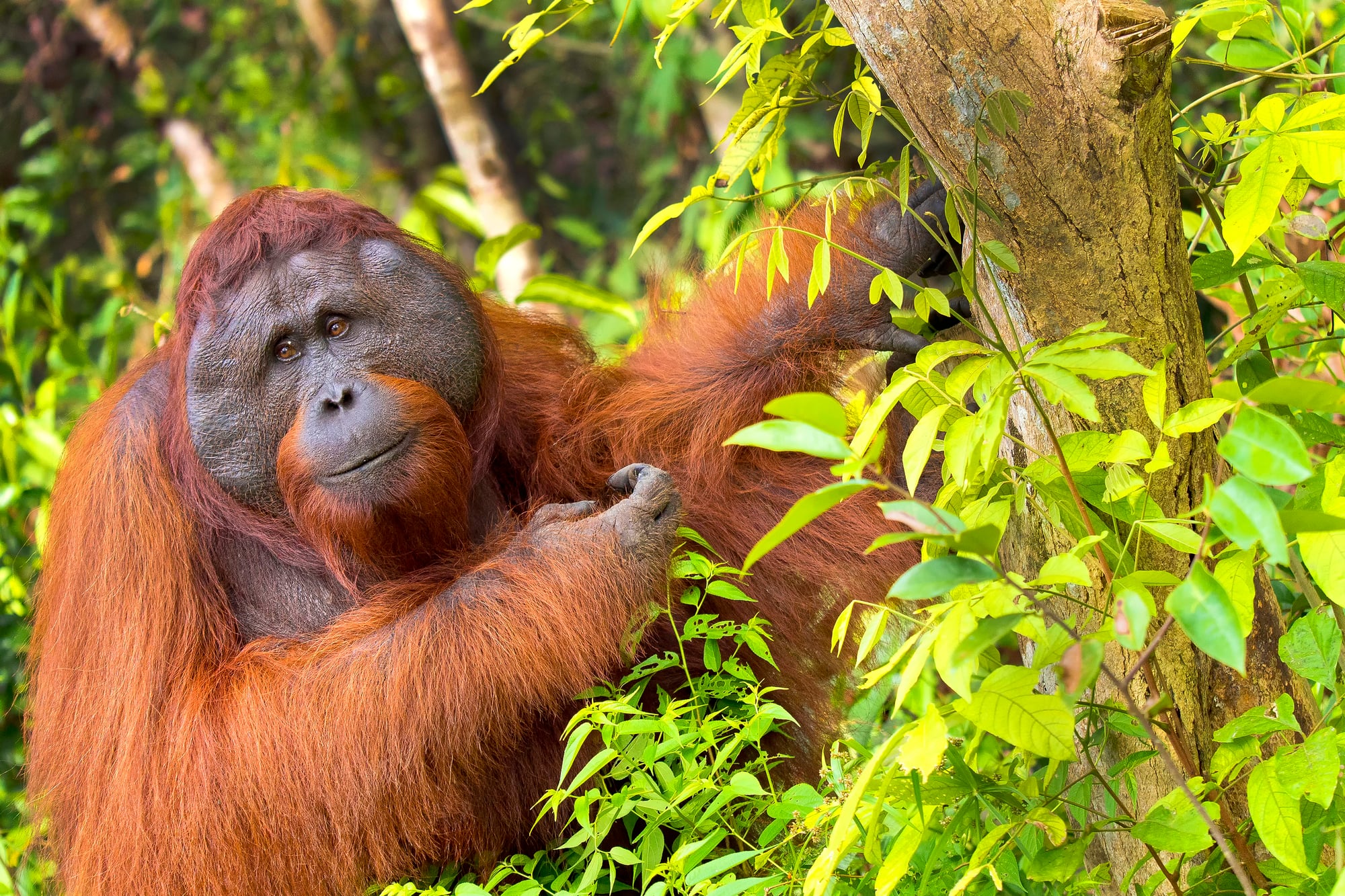
Rather than relying solely on captive breeding, conservation efforts for Bornean orangutans have focused on establishing forest corridors connecting fragmented populations. These corridors allow orangutans to move between protected areas, reducing inbreeding and increasing genetic diversity without requiring capture and captive breeding.
Takin Population Growth in China
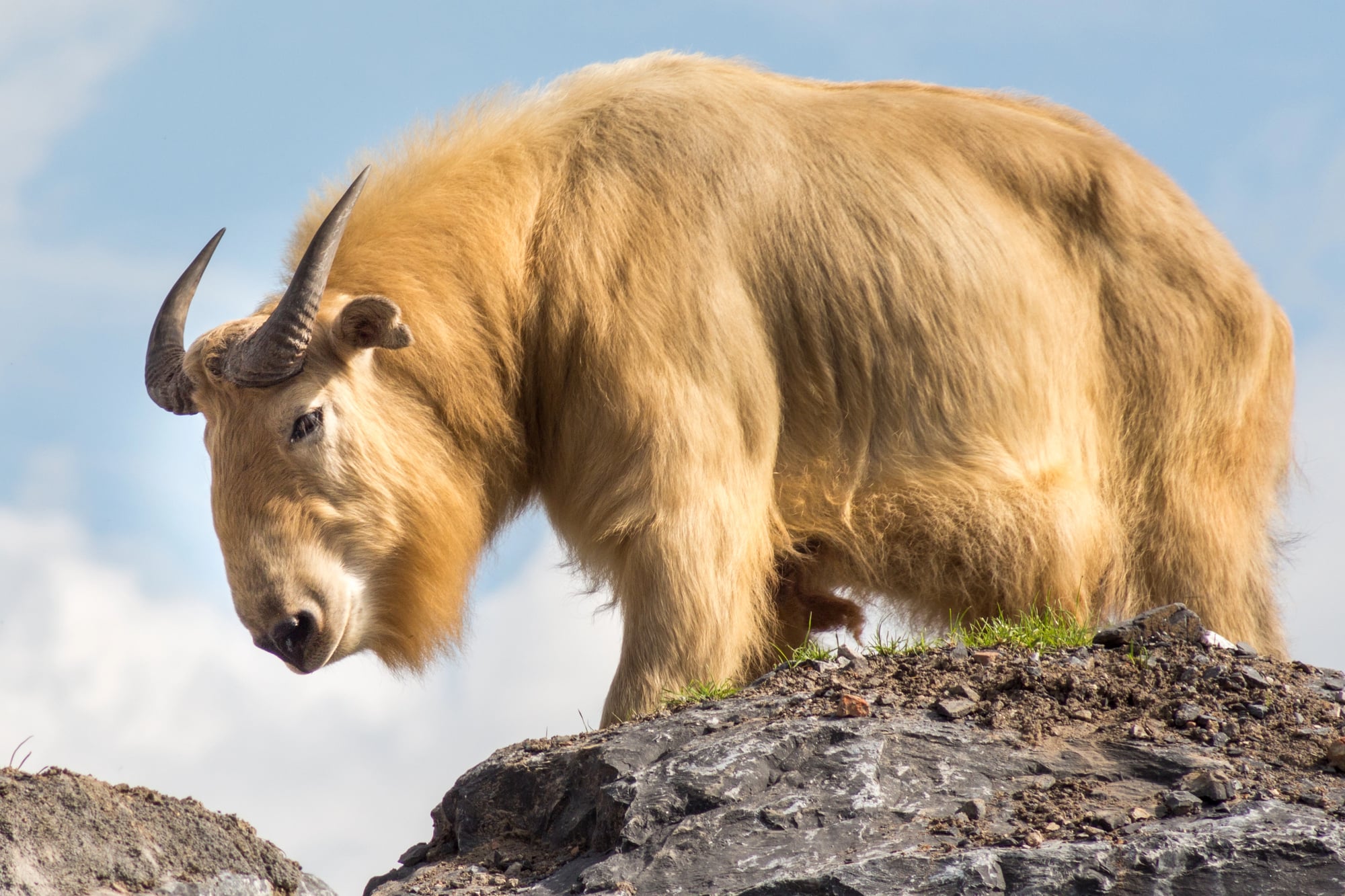
China’s takin populations had declined to just a few hundred. Habitat protection in remote mountain regions combined with anti-poaching patrols allowed populations to grow to over 10,000.
The species has never been charismatic enough to attract major conservation funding, yet its recovery demonstrates what protection alone can achieve.
El Nino’s Unintended Gift to Galapagos

The 1982-1983 El Nino event initially appeared catastrophic for Galapagos wildlife, but it promoted seed production that benefited land iguana populations. Subsequent conservation efforts built on this natural recovery, demonstrating how understanding ecological dynamics can improve conservation strategies.
Puerto Rican Crested Toad Captive Breeding
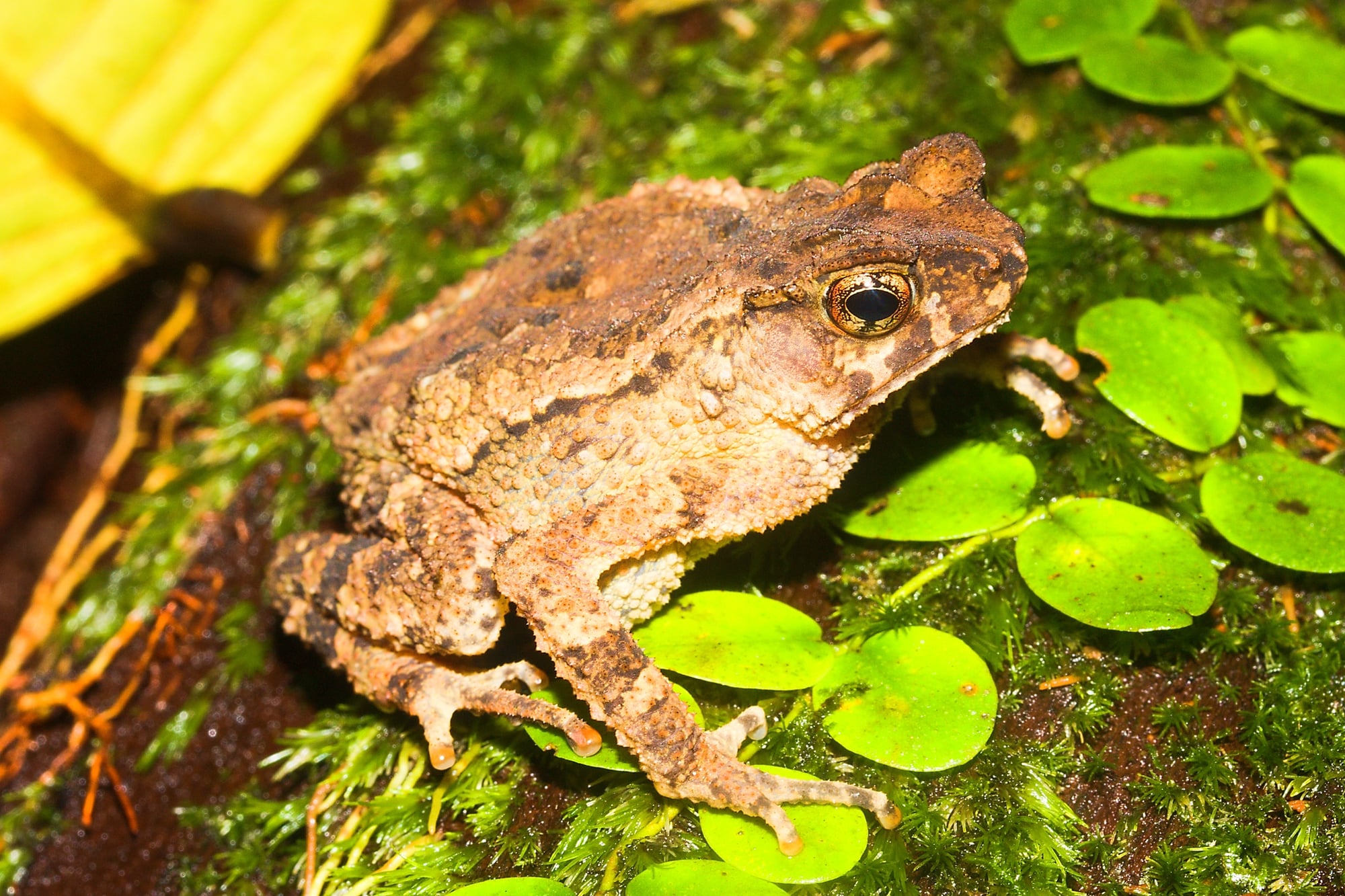
Once thought extinct, a small population of Puerto Rican crested toads was rediscovered. A captive breeding program established at Brookfield Zoo in 1984 became the first amphibian Species Survival Plan.
Thousands of tadpoles have since been released to protected waterways in Puerto Rico annually.
Leadbeater’s Possum Decline Halted
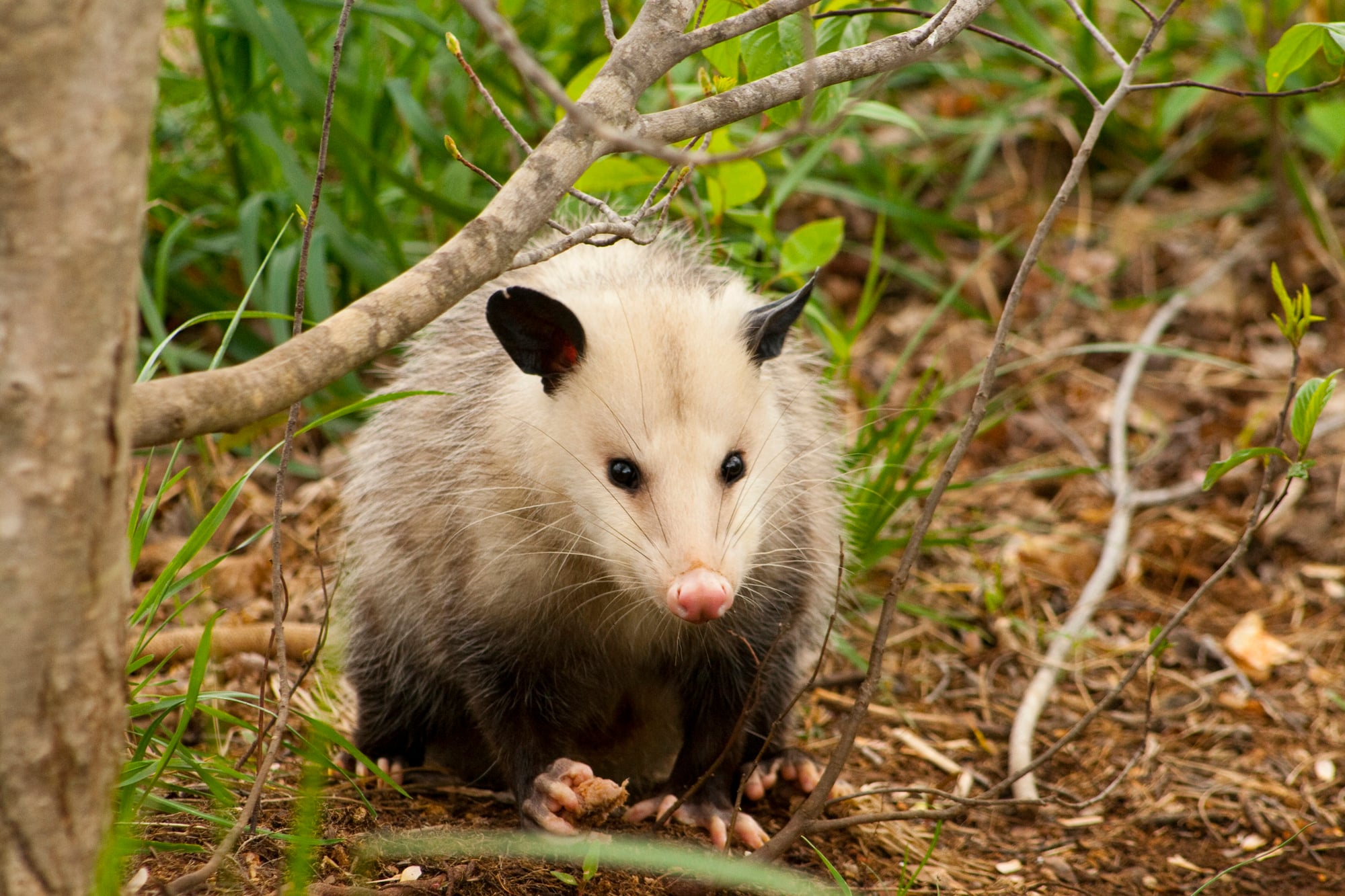
Australia’s Leadbeater’s possum had declined due to habitat loss from logging. Protected area designation and logging restrictions halted the decline, though population recovery remains incomplete.
The species serves as an umbrella species, with protections benefiting entire forest ecosystems.
Arabian Spiny Lobster Management

Small-scale fisheries management for Arabian spiny lobsters in Oman demonstrated that traditional fishing could be sustainable if monitored carefully. The species avoided overfishing through locally-led management protocols and continues supporting both wildlife and human livelihoods.
Houbara Bustard Breeding Success
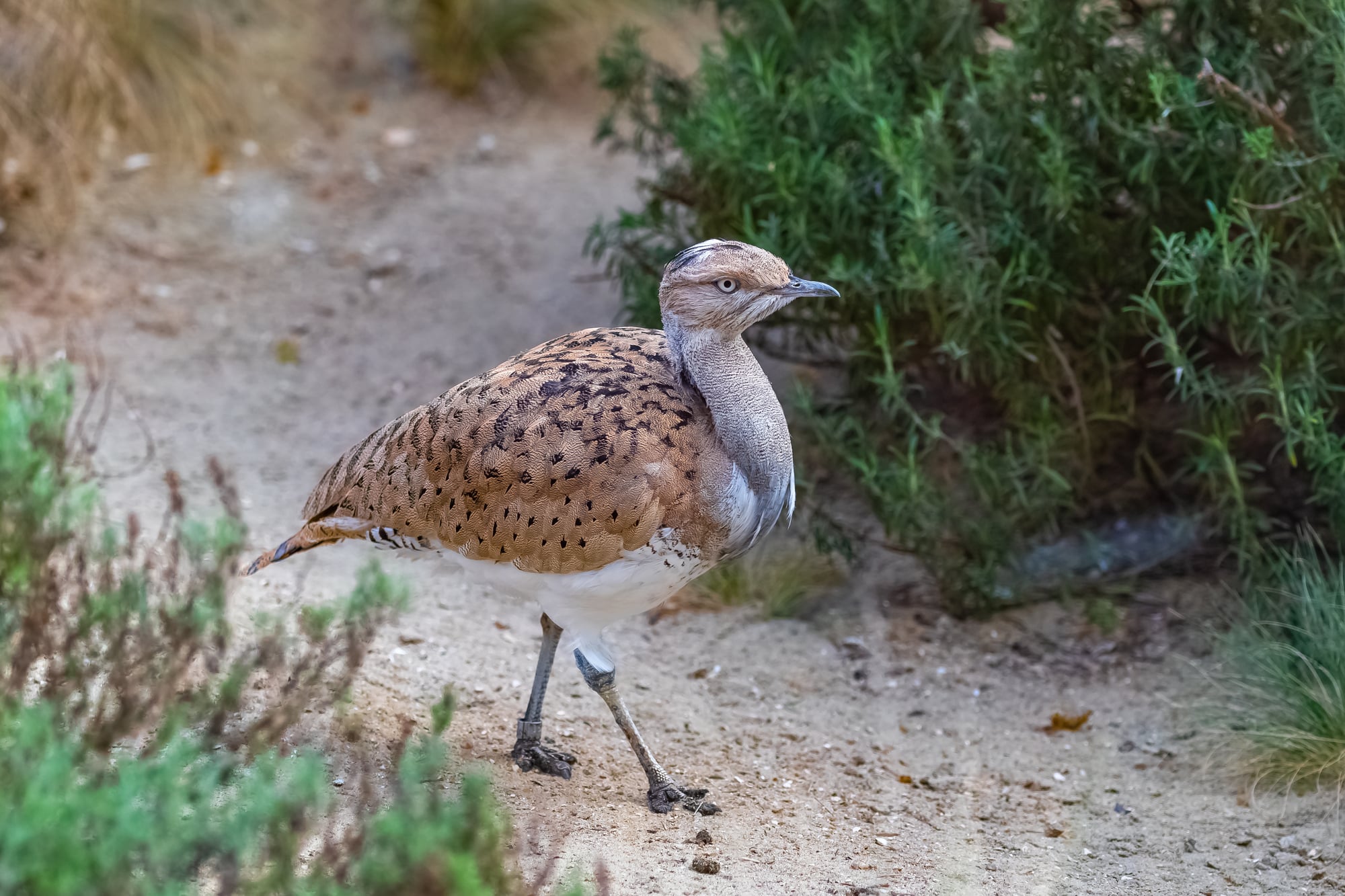
The houbara bustard, prized as a game bird, was breeding poorly in captivity. Dedicated research overcame reproductive challenges, allowing establishment of sustainable captive populations from which birds can be reintroduced.
The program demonstrates how addressing specific biological constraints can enable recovery.
Arabian Oryx Satellite Collar Success
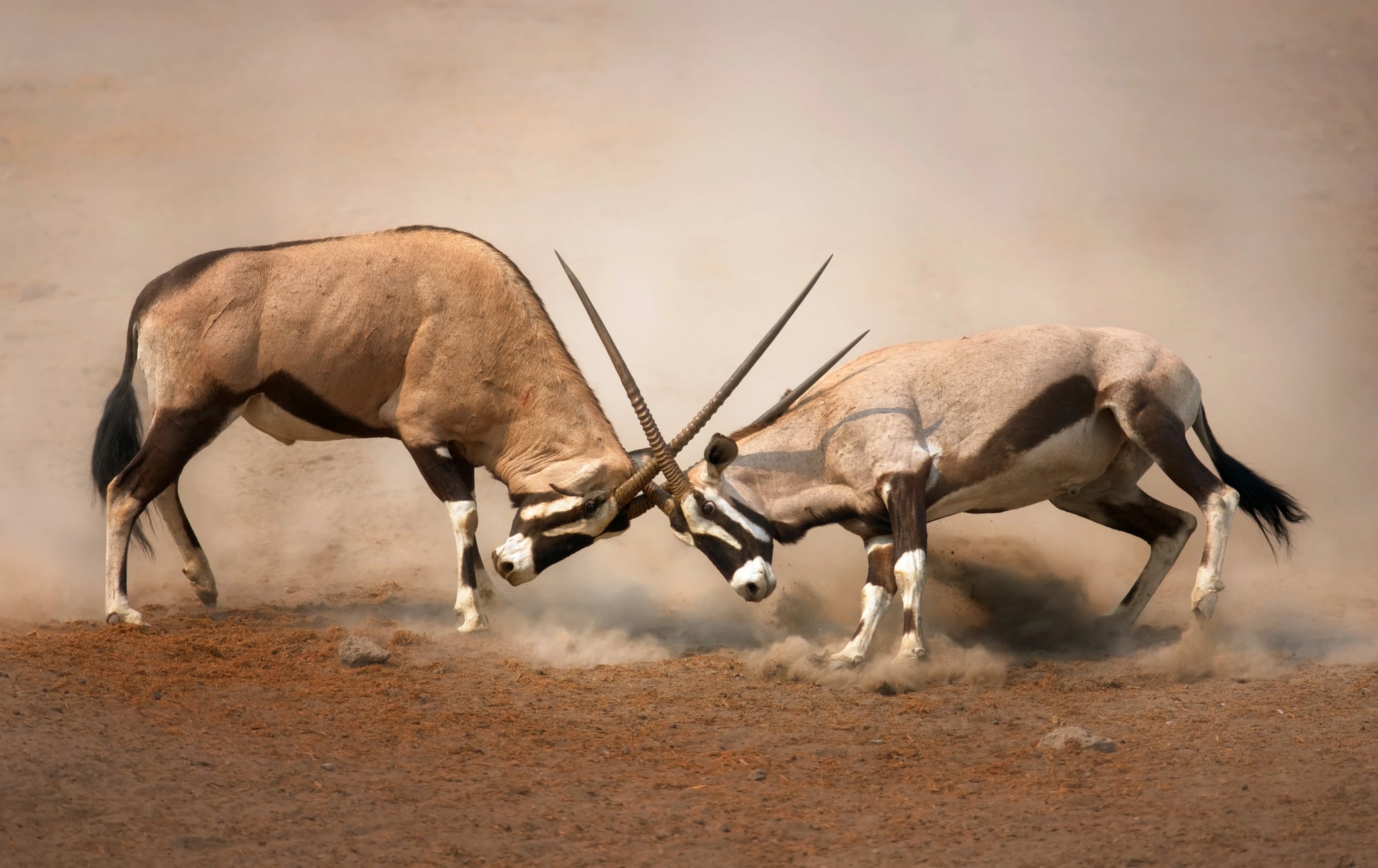
Beyond the initial reintroduction success, continued tracking of reintroduced Arabian oryx using GPS satellites has revealed population dynamics, movement patterns, and reproductive success invisible to earlier conservation efforts. The technology has become a model for monitoring other reintroduced species.
Nile Crocodile Population Management
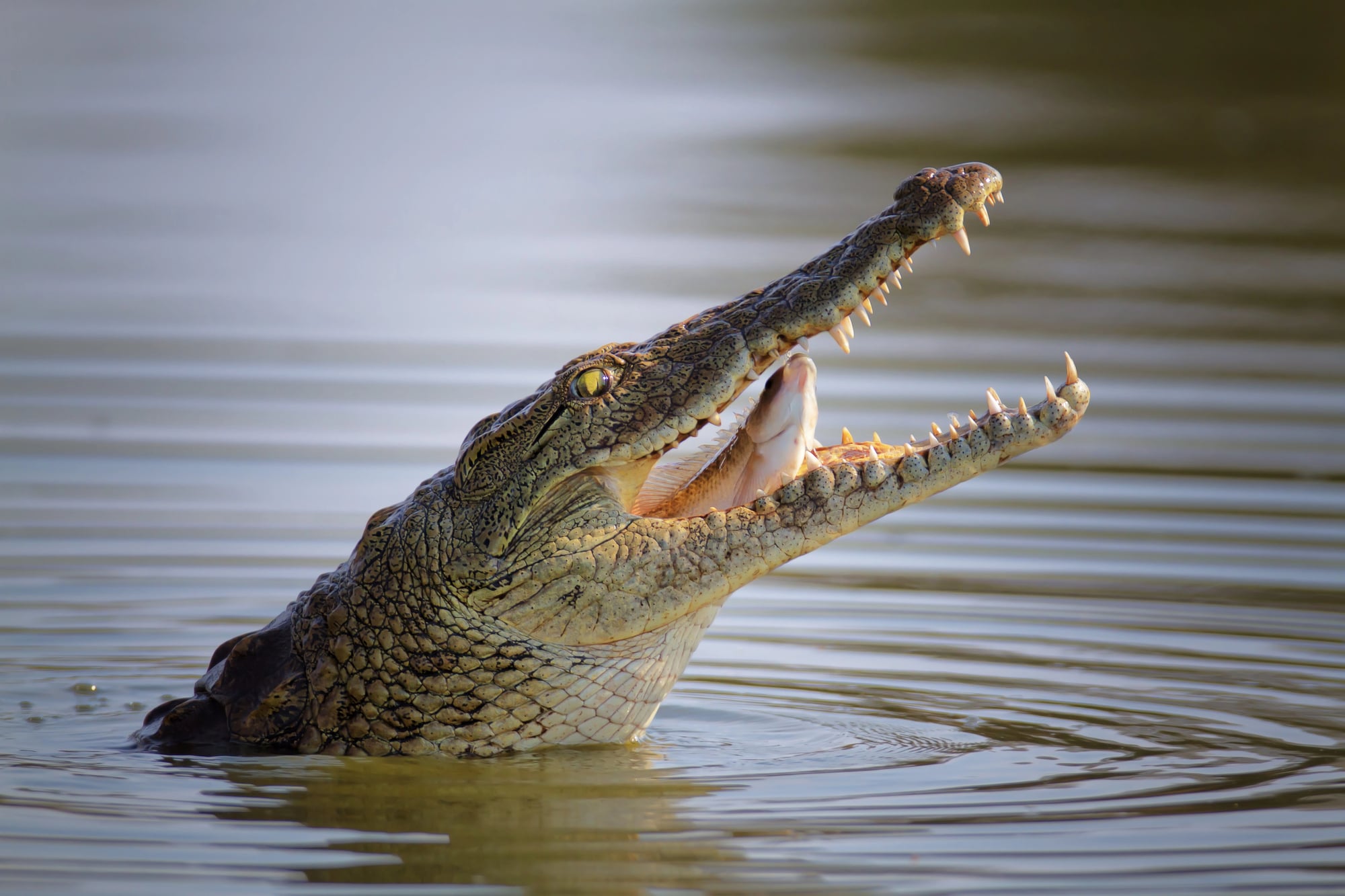
Nile crocodiles in certain African regions faced overhunting and habitat loss. Sustainable harvest programs combined with protected breeding areas allowed controlled population growth.
The success demonstrates how controlled harvesting can coexist with species recovery.
Tibetan Antelope Poaching Reduction
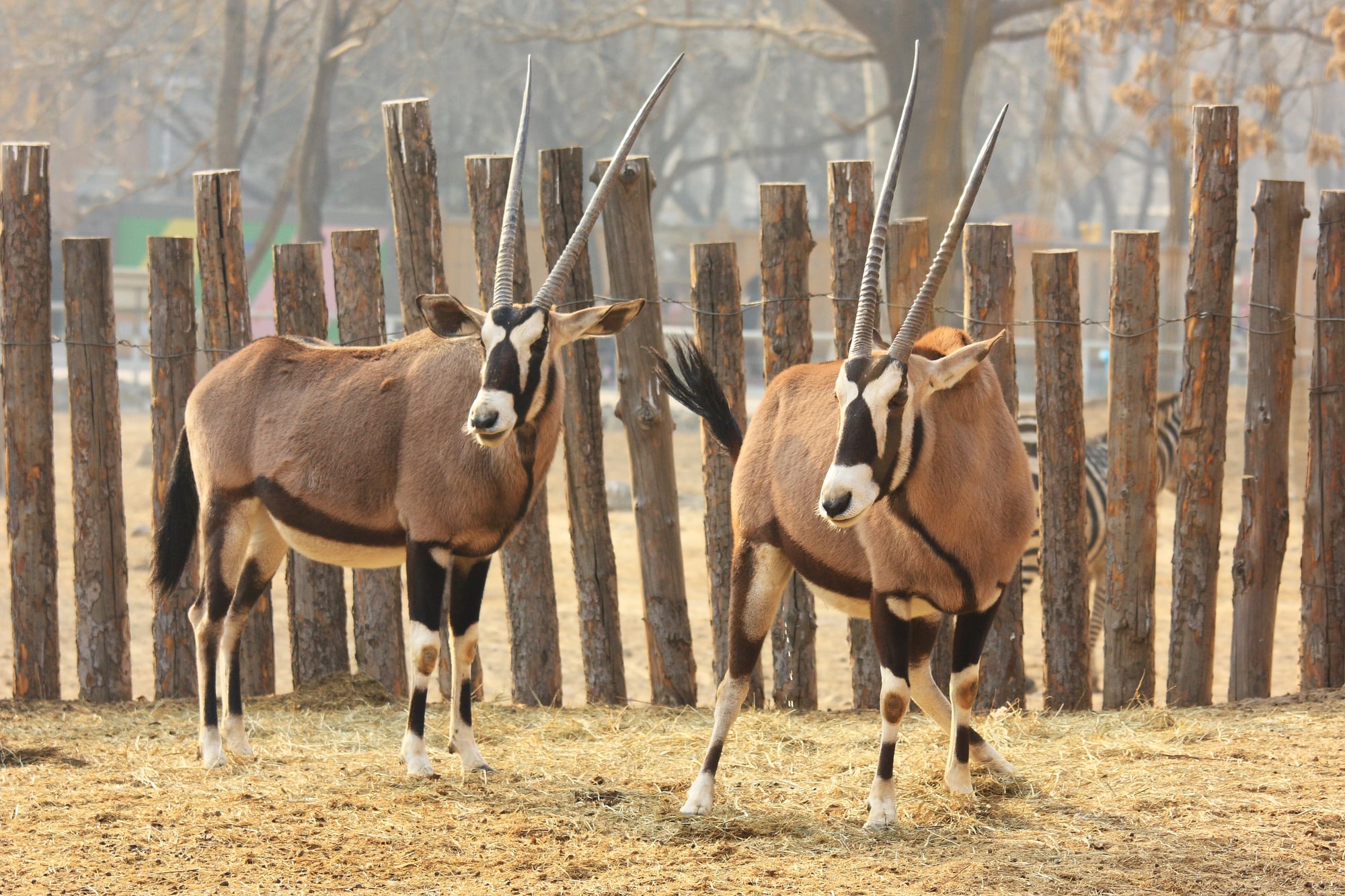
The Tibetan antelope faced extinction from poaching for its wool. Increased ranger patrols, community education, and law enforcement drove poaching rates down.
Populations, while still recovering, have stabilized where they were declining precipitously.
Japanese Crane Recovery Program
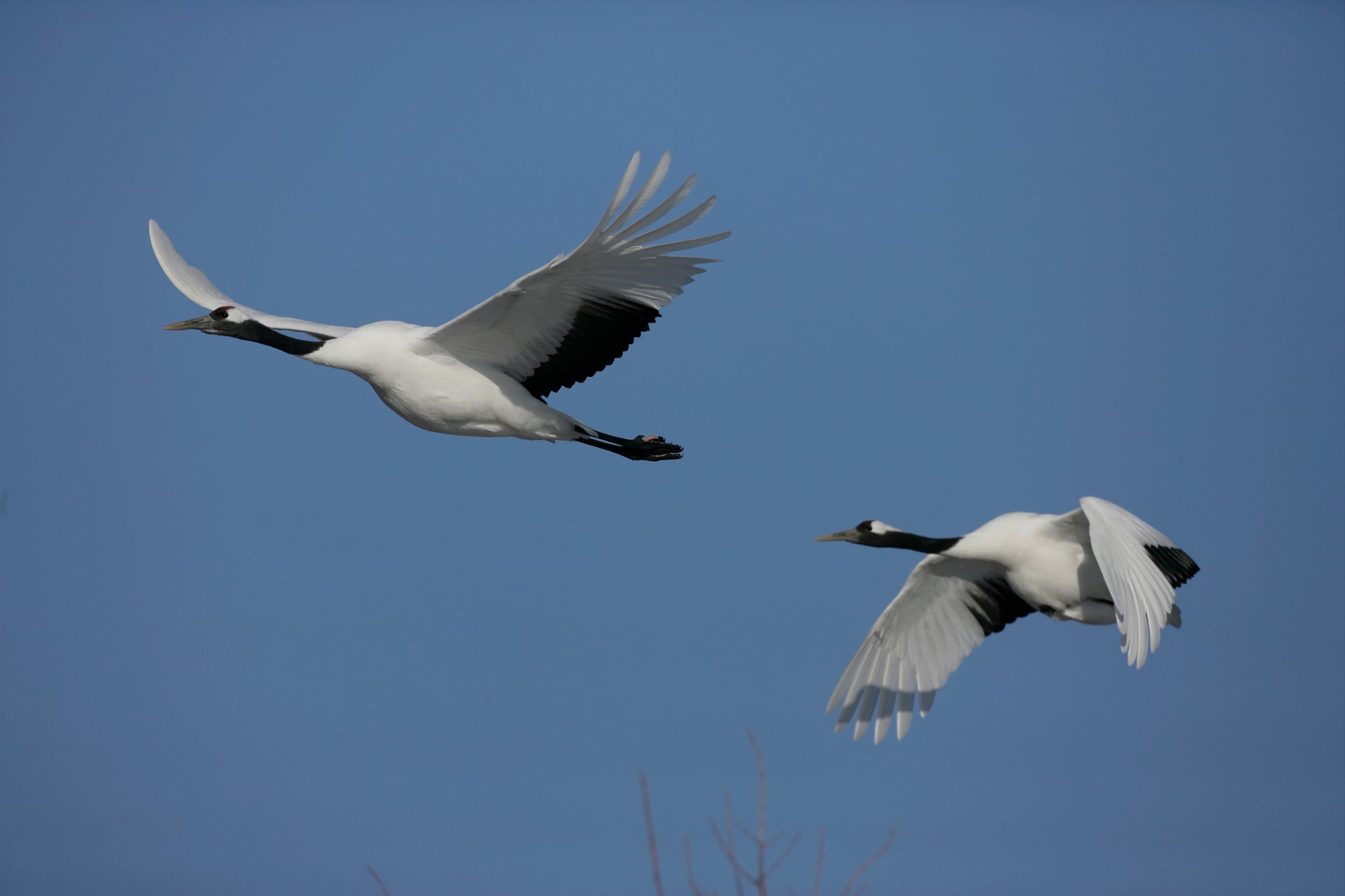
Japan’s red-crowned cranes were hunted to near extinction. Sanctuaries and habitat protection combined with seasonal feeding stations allowed populations to rebound from fewer than 100 to several thousand today.
The species became a national symbol of successful conservation.
Moose Population Control
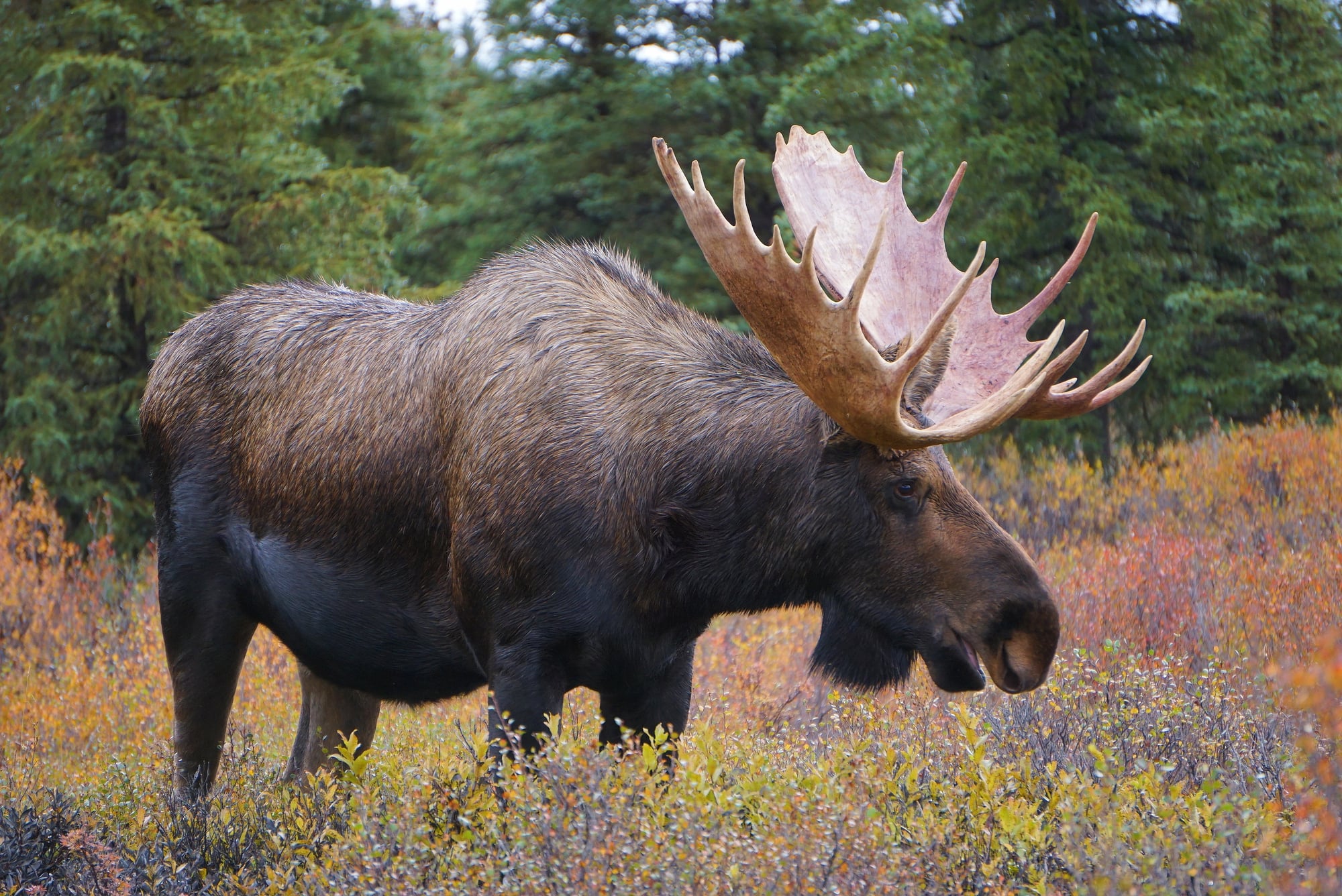
In some regions, moose populations became so large that they exceeded habitat carrying capacity, degrading ecosystems. Regulated hunting programs allowed ecosystem recovery while maintaining sustainable moose populations.
The success demonstrates that conservation sometimes requires controlling rather than protecting species.
Alligator Farm Sustainability
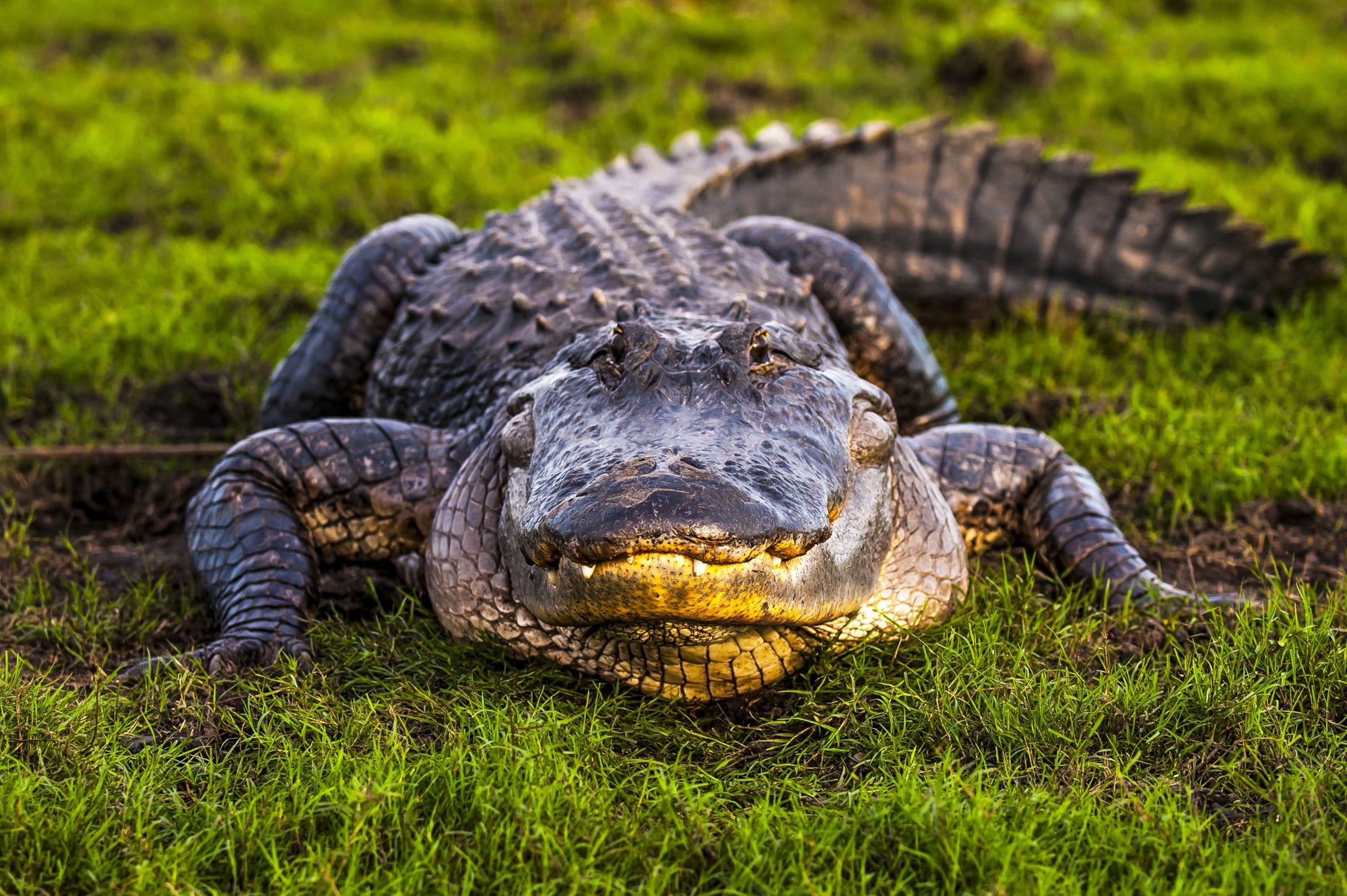
Beyond the alligator’s wild recovery, captive breeding on licensed farms reduced pressure on wild populations while providing sustainable economic benefits. The model demonstrates how human economic interests can align with species protection.
Golden Mantella Amphibian Breeding
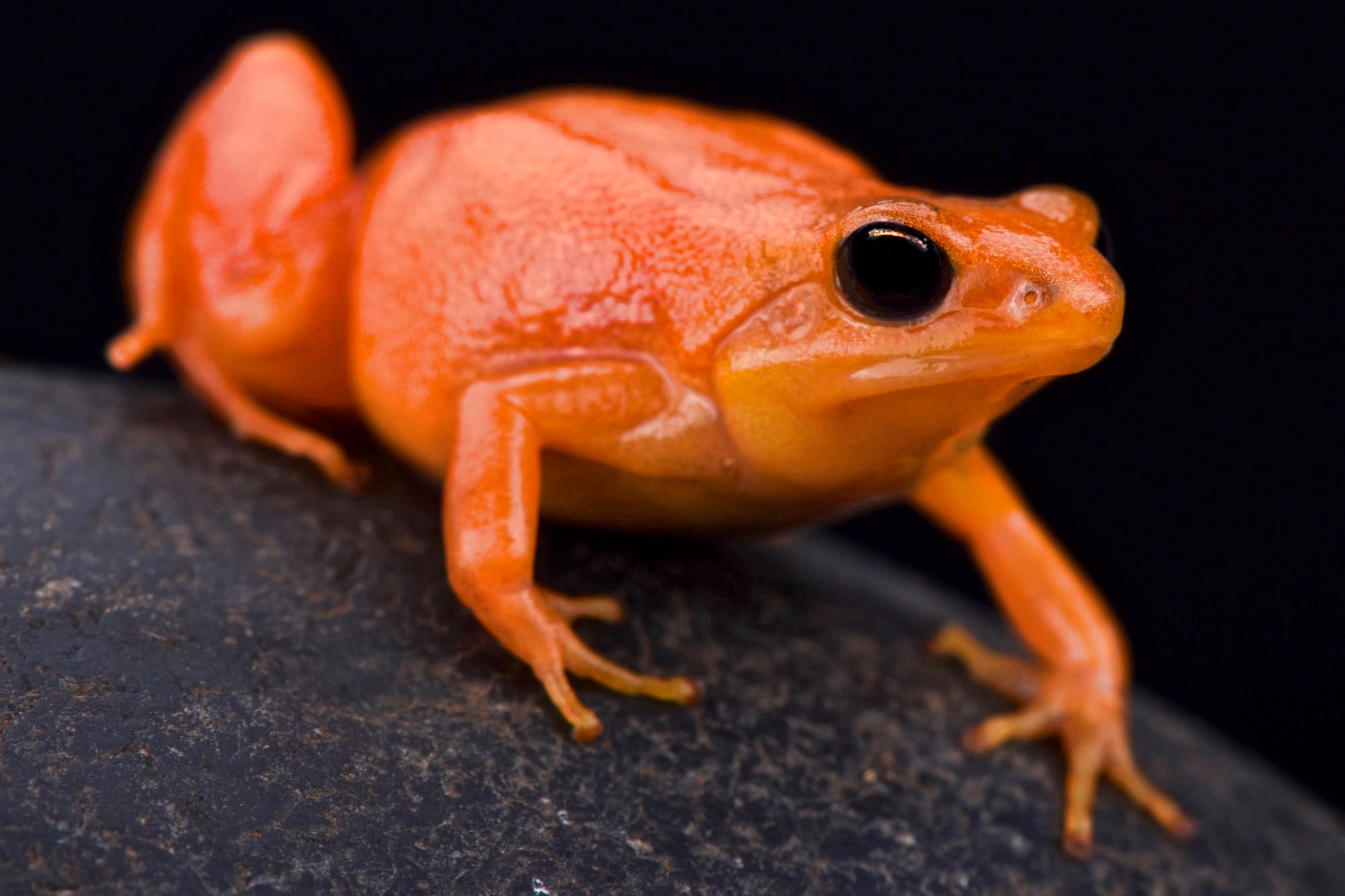
Madagascar’s golden mantella frogs nearly went extinct from habitat loss and collection for the pet trade. International cooperation established captive breeding programs that maintain genetic diversity while protecting remaining wild populations.
The frogs represent hope for Madagascar’s devastated amphibian fauna.
Ecosystem Recovery Through Patience

Many conservation successes result not from dramatic intervention but from protection combined with time. Establishing protected areas and enforcing protections allowed thousands of species to recover gradually without requiring active management.
The success of this simplest approach—just leaving things alone—deserves recognition alongside more dramatic recovery programs.
Why Quiet Victories Matter

Conservation media tends to favor stories with clear heroes, clear villains, and dramatic rescues. The quiet work of regional conservation organizations, government agencies monitoring obscure species, and field biologists recording slow population growth rarely generates headlines.
Yet these victories collectively demonstrate that extinction is preventable, that degraded populations can recover, and that consistent protection works. Many of these species remain endangered or threatened, their recovery incomplete.
But they exist. That alone represents success.
More from Go2Tutors!

- The Romanov Crown Jewels and Their Tragic Fate
- 13 Historical Mysteries That Science Still Can’t Solve
- Famous Hoaxes That Fooled the World for Years
- 15 Child Stars with Tragic Adult Lives
- 16 Famous Jewelry Pieces in History
Like Go2Tutors’s content? Follow us on MSN.