27 Mall Stores From the ’90s That Disappeared Without a Trace
The 1990s represented the mall’s final golden age, when teenagers spent entire afternoons moving between stores and when brands could sustain hundreds of locations selling casual fashion to a captive audience. Many of these stores seemed permanent—anchors of suburban retail culture that defined how people understood their relationship with clothing and identity.
Yet the vast majority vanished completely within two decades, absorbed through bankruptcy, consolidation, or brand conversion that erased their original identity entirely. The reasons were economic—mall traffic declined, online shopping emerged, and the architectural model that allowed enclosed shopping centers to dominate retail simply collapsed.
These stores weren’t forgotten merely because new ones replaced them. Instead, they represented a specific moment when fashion retail believed it had discovered the perfect formula: good-looking spaces, accessible fashion, prices that felt cheap without feeling cheap, and locations in climate-controlled environments where teenagers could spend hours without spending money.
That formula failed completely when cultural preferences shifted and technology offered alternatives.
Contempo Casuals
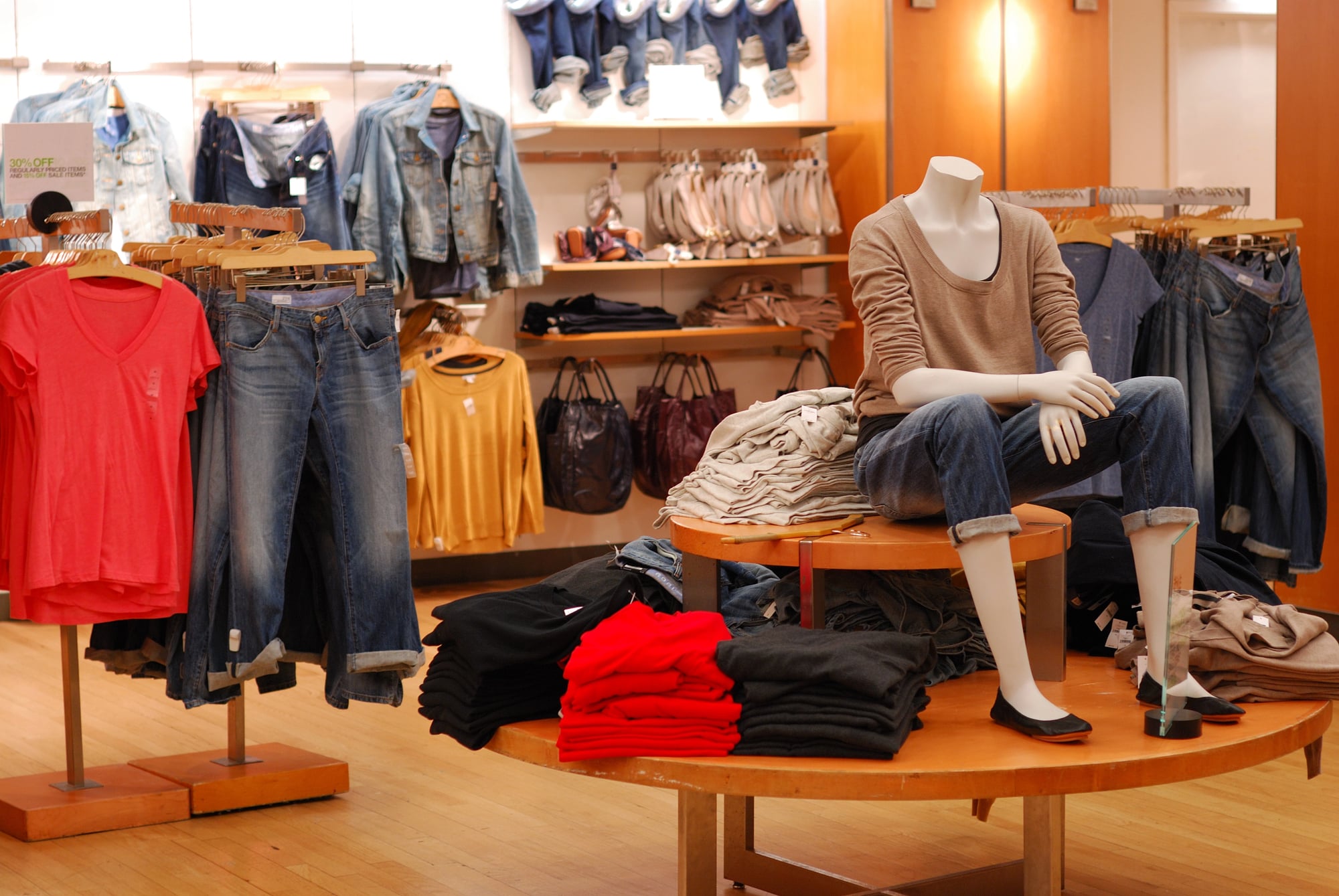
Contempo Casuals defined early-1990s fashion through its celebration of trendy, affordable clothing inspired by Sassy magazine and grunge aesthetics. Worn by Shirley Manson to the Grammys and featured prominently in Clueless, the brand disappeared when Wet Seal acquired it in 1995, converting the remaining stores to other brands by 2001.
Limited Too
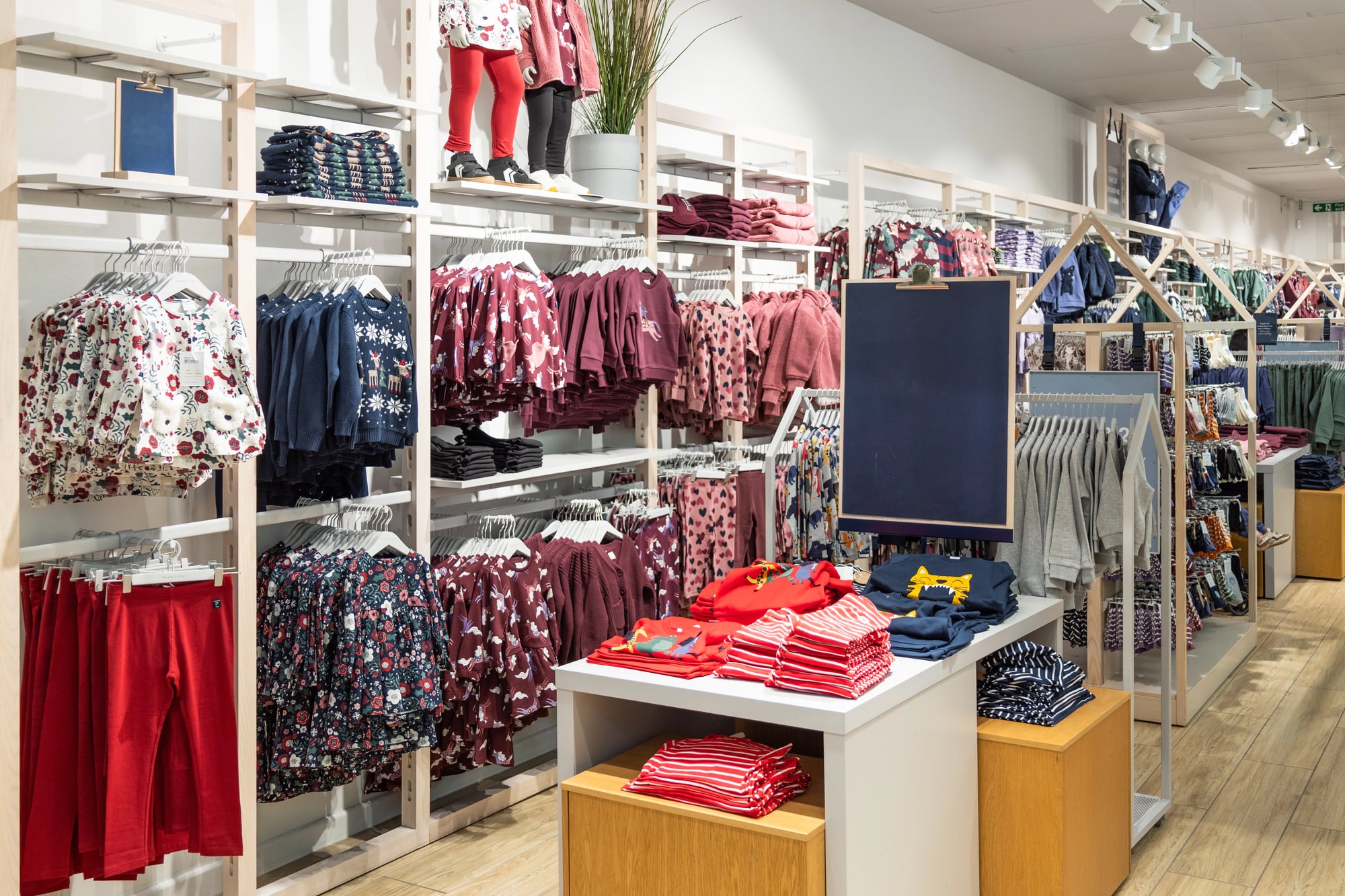
Limited Too offered European-style fashion to tween and young teen girls through approximately 600 locations at its peak in the 1990s. The brand’s sparkly graphic tees and colorful accessories defined a generation’s relationship with fashion before Justice launched in 2004, deliberately replacing the Limited Too model with slightly younger targeting and lower prices.
Fashion Bug
Founded in the 1960s and owned by retail holding company Charming Shoppes, Fashion Bug sold budget-friendly clothing to working-class women and was one of the few mainstream retailers prioritizing plus sizes before that became fashionable. The chain declined steadily through the 2000s before Charming Shoppes filed for bankruptcy in 2012.
Gadzooks
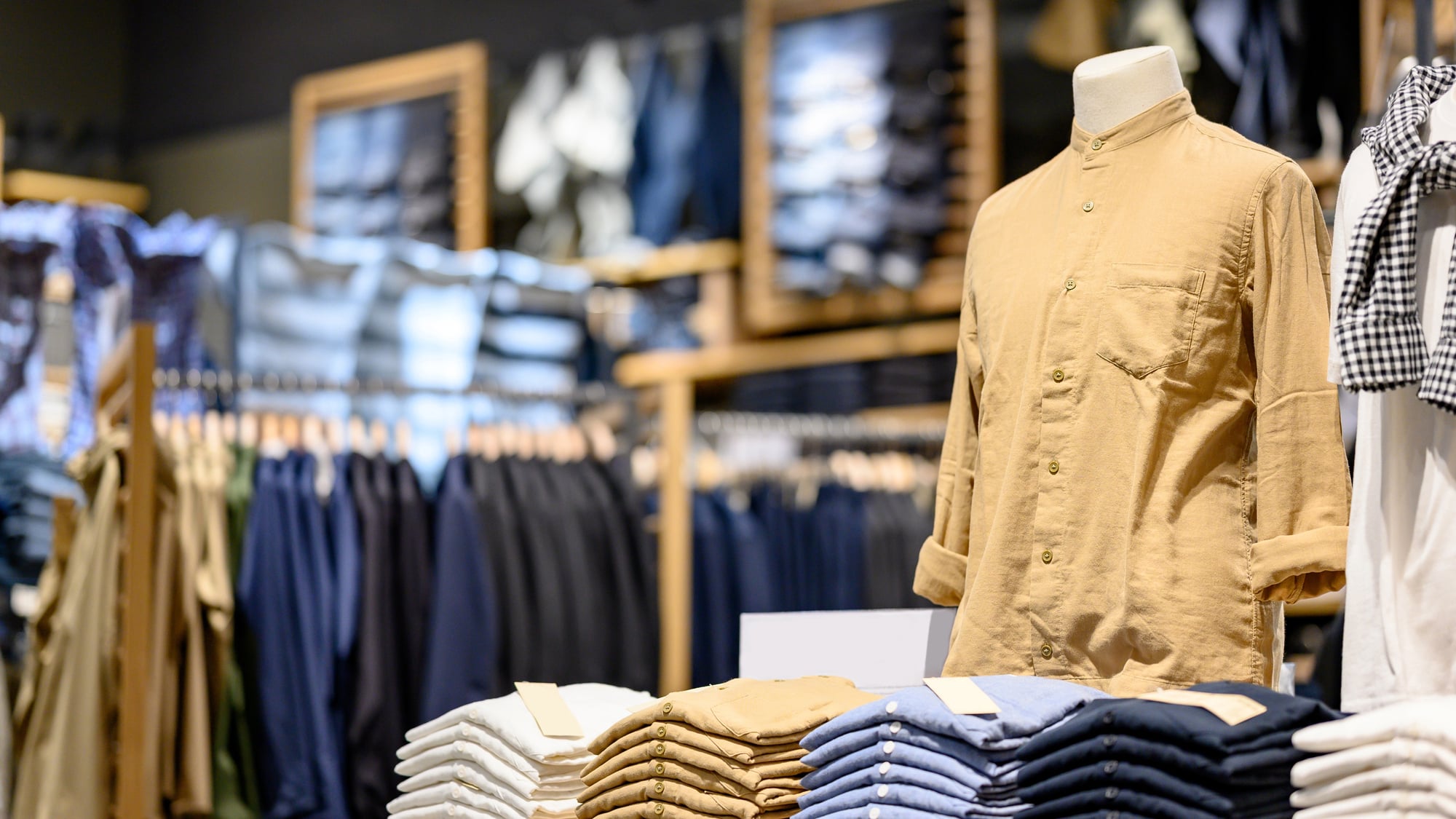
Gadzooks opened in Dallas in 1983 and positioned itself as the slightly subversive mall stop, featuring Dr. Martens, Calvin Klein, and sarcastic graphic tees alongside a Volkswagen Beetle placed in every location. The chain filed for bankruptcy twice before Forever 21 acquired it in 2005, at which point the brand essentially disappeared.
Chess King
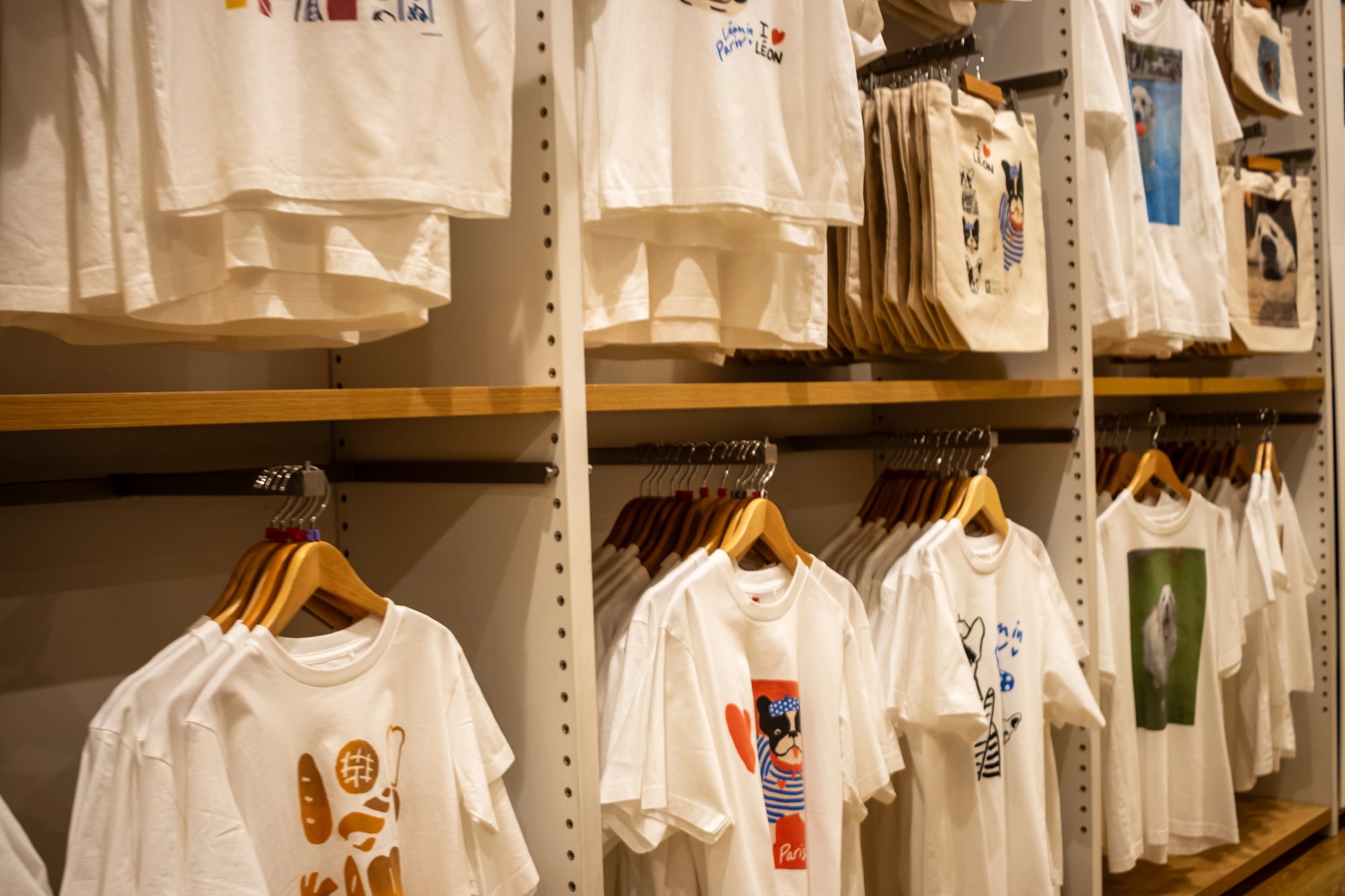
Chess King specialized in preppy graphic shirts and oversized suits aimed at young men throughout the 1980s and early 1990s. When fashion trends shifted and larger brands like Gap and Abercrombie & Fitch moved into malls, Chess King rapidly lost relevance and closed.
The Limited

The Limited served young professional women seeking elegant business casual clothing throughout the 1990s and early 2000s. The flagship brand of the Limited family of stores competed unsuccessfully with expanding mall retailers and eventually closed most locations as online shopping eliminated the need for physical retail locations.
Limited Express

Limited Express occupied a middle ground between The Limited and Limited Too, targeting young women who wanted neither junior clothing nor adult professional wear. The brand disappeared through consolidation and rebranding as the parent company restructured its retail portfolio.
J. Riggings
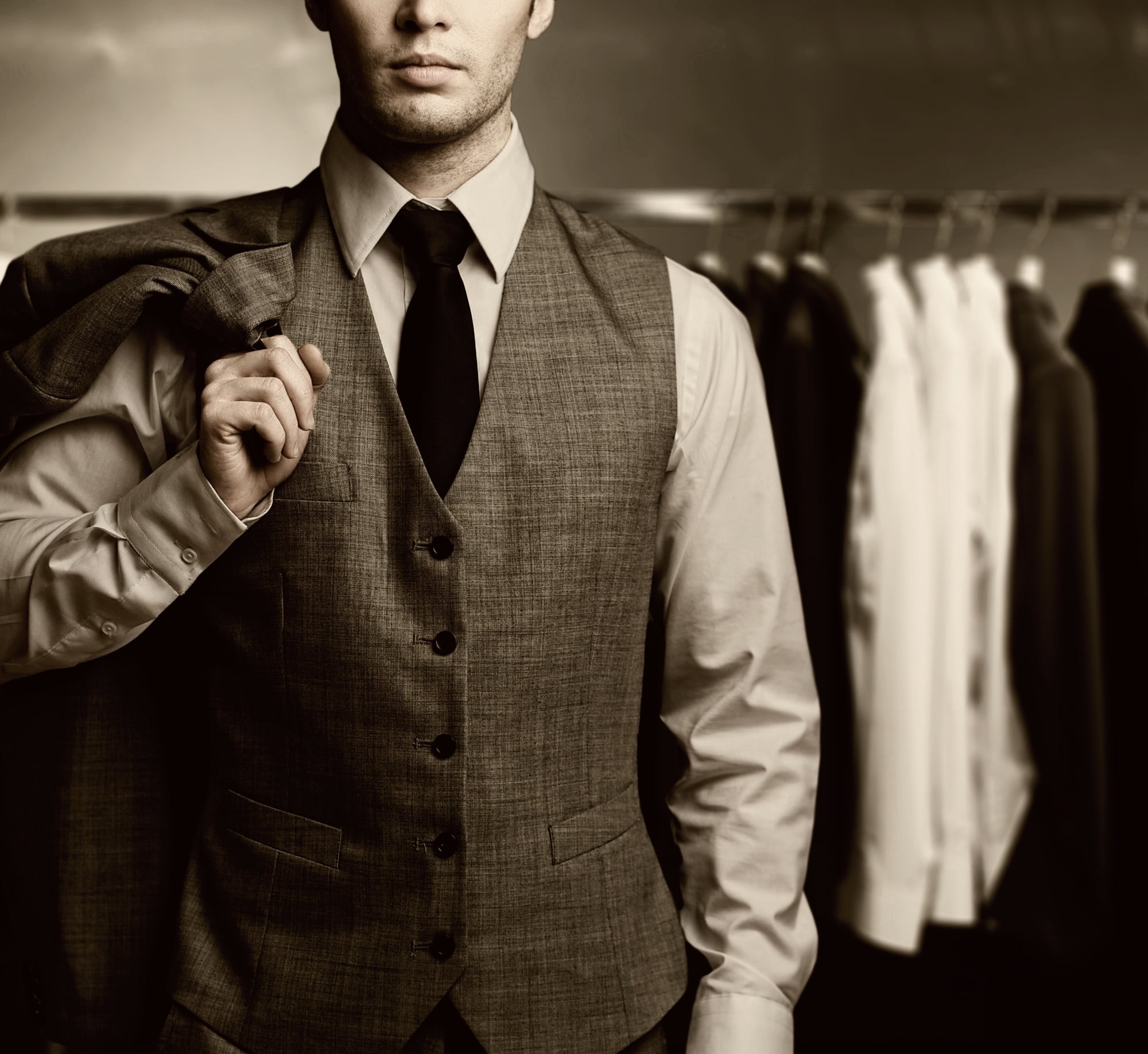
J. Riggings was a men’s clothing retailer founded in 1970 that expanded to approximately 295 mall locations after being sold to Edison Brothers in 1987. When Edison Brothers filed for bankruptcy in 1995 and again in 1999, all remaining J. Riggings stores closed permanently.
Casual Corner

Casual Corner specialized in affordable, workplace-appropriate clothing for women during the 1980s and 1990s. The brand gradually faded as business casual evolved and online retailers undermined the retail model that mall clothing stores depended on.
County Seat
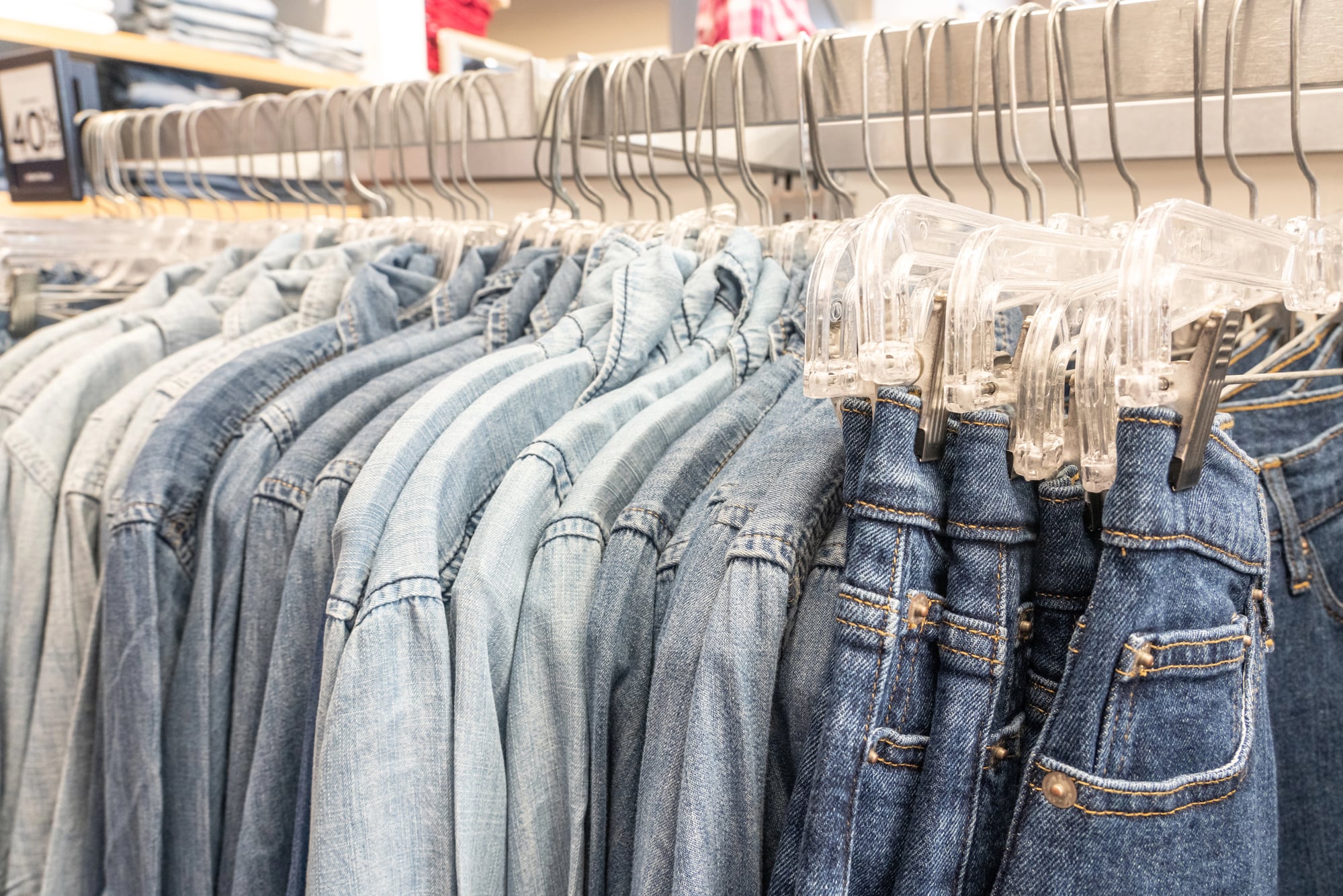
County Seat, founded in 1973, specialized entirely in denim and jean-based casual wear. The single-category focus made the brand vulnerable when fashion shifted away from jean-focused wardrobes and when competitors began offering broader selections.
Natural Wonders

Natural Wonders operated as an educational toy and nature-themed decor retailer dedicated to inspiring curiosity about science and nature. The store’s specialized focus and limited customer base made it unable to compete in an increasingly consolidated retail environment.
Sharper Image
Sharper Image specialized in gadgets and consumer electronics positioned as futuristic and luxurious, featuring massage chairs and early electronic devices. The brand couldn’t maintain its positioning as technology became ubiquitous and online retailers offered better prices and selection.
Oaktree
Oaktree, founded in 1976, focused on urban and trendy fashion aimed at men, eventually becoming part of the Edison Brothers portfolio. The store’s closure coincided with Edison Brothers’ bankruptcy filings and the general decline of men’s specialty fashion retail in malls.
Arden B
Arden B emerged as Wet Seal’s more upscale, fashion-forward brand in the late 1990s. The chain was partially composed of converted Contempo Casuals locations and eventually disappeared when Wet Seal filed for bankruptcy in 2016, leaving no physical retail presence.
Merry-Go-Round
Merry-Go-Round targeted teenagers seeking the newest fashion trends without excessive cost, emphasizing casual streetwear and youth-focused styling. Unable to compete with larger companies and facing changing fashion tastes, the brand closed in the early 2000s.
The Limited Express

Limited Express offered trendy fashion at aggressive prices, targeting budget-conscious shoppers willing to sacrifice quality for currency of style. The brand consolidated with other Limited properties and eventually disappeared through rebranding and store closures.
PacSun
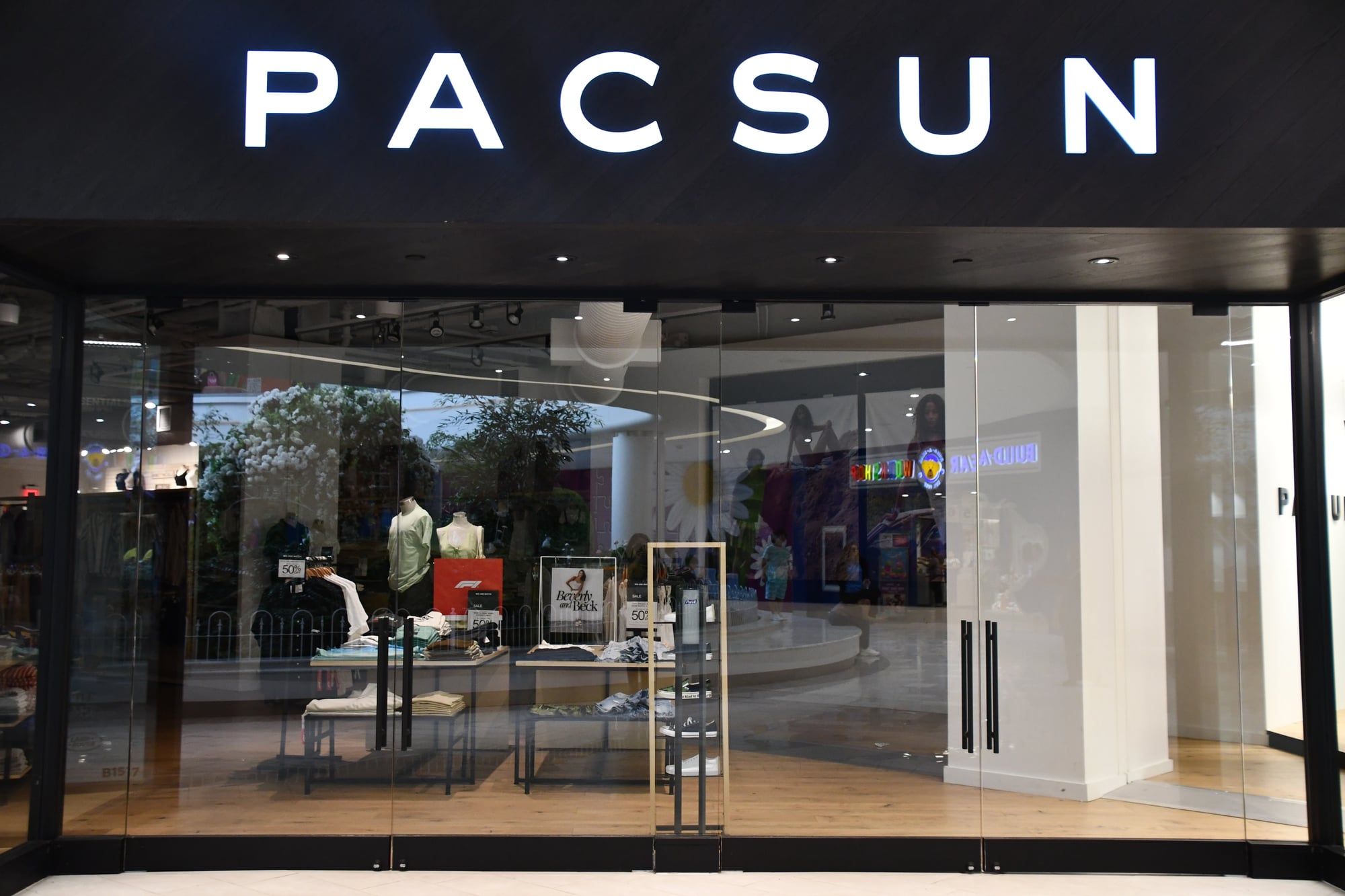
PacSun originated in malls during the 1980s, offering surf-inspired fashion to landlocked teenagers. The brand still technically exists but has largely abandoned retail mall locations, shifting focus to outlet and online sales that require far fewer physical locations.
Structure
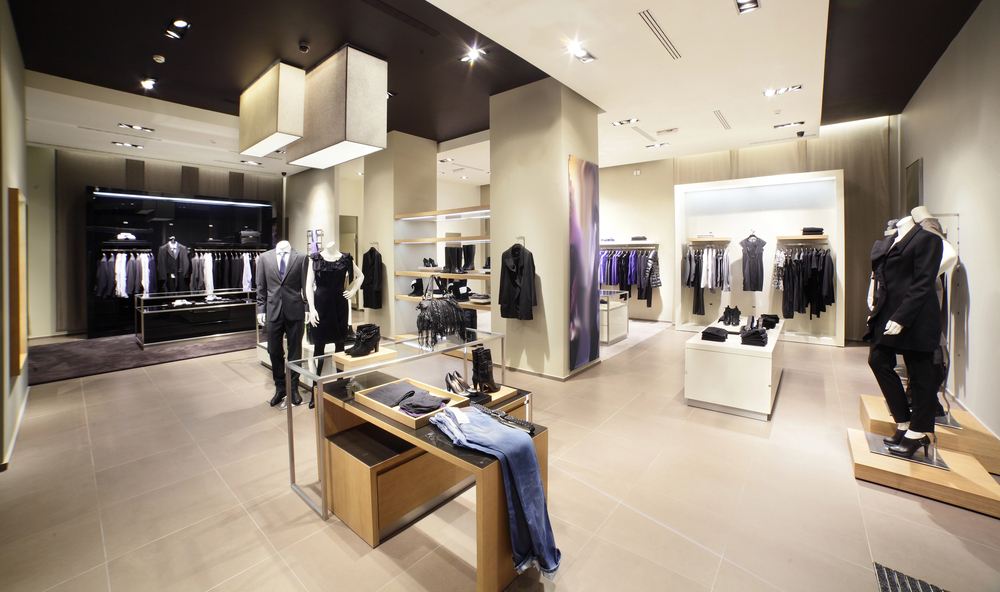
Structure, part of The Limited corporate family, offered casual menswear and was particularly popular in the 1990s. The brand disappeared through consolidation and store closures as The Limited family reorganized its retail portfolio repeatedly.
Banana Republic
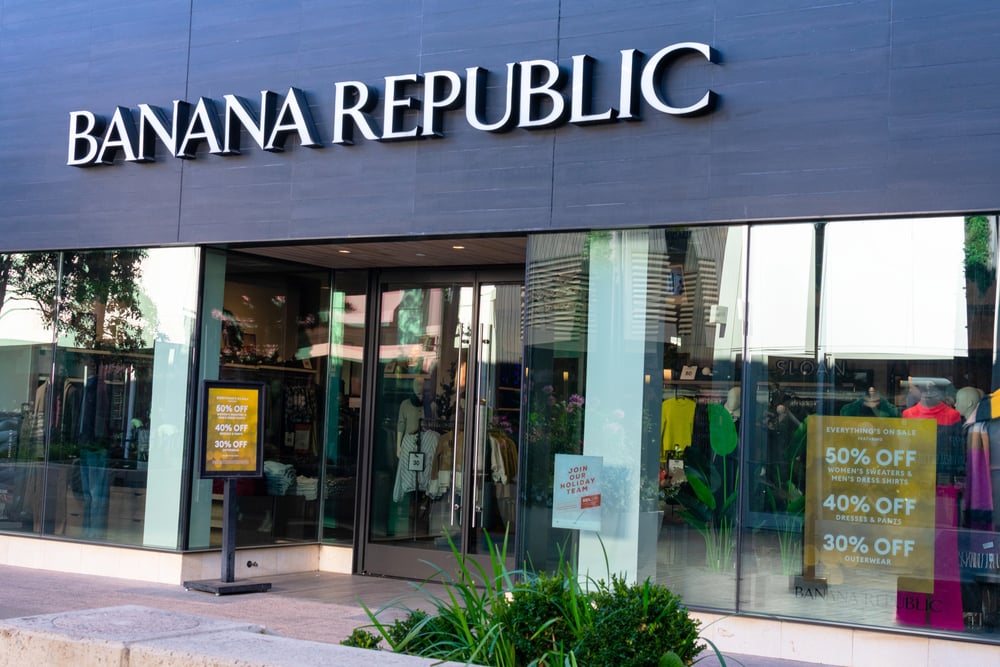
While Banana Republic still exists, its domination of mall retail spaces ended as the brand shifted to outlet and online distribution models. The iconic khakis and travel-wear aesthetic that made Banana Republic a mall anchor faded as casual professional wear evolved.
Express

Express still technically operates but has ceased to be a mall staple, shifting to outlet locations and online sales. The chain’s 1990s prominence in mall spaces has given way to a much smaller physical retail footprint that reflects the era’s conclusion.
Lerner
Lerner, which included New York & Company locations, targeted budget-conscious women seeking professional and casual wear. The brand gradually closed mall locations as online shopping and fast-fashion competitors eliminated traditional retail models.
Gap (Mall Locations)
While Gap remains a major brand, its mall store presence has been dramatically reduced as the company shifted to outlet, online, and lifestyle locations. The casual basics that made Gap ubiquitous in 1990s malls are now distributed through entirely different retail channels.
Benetton
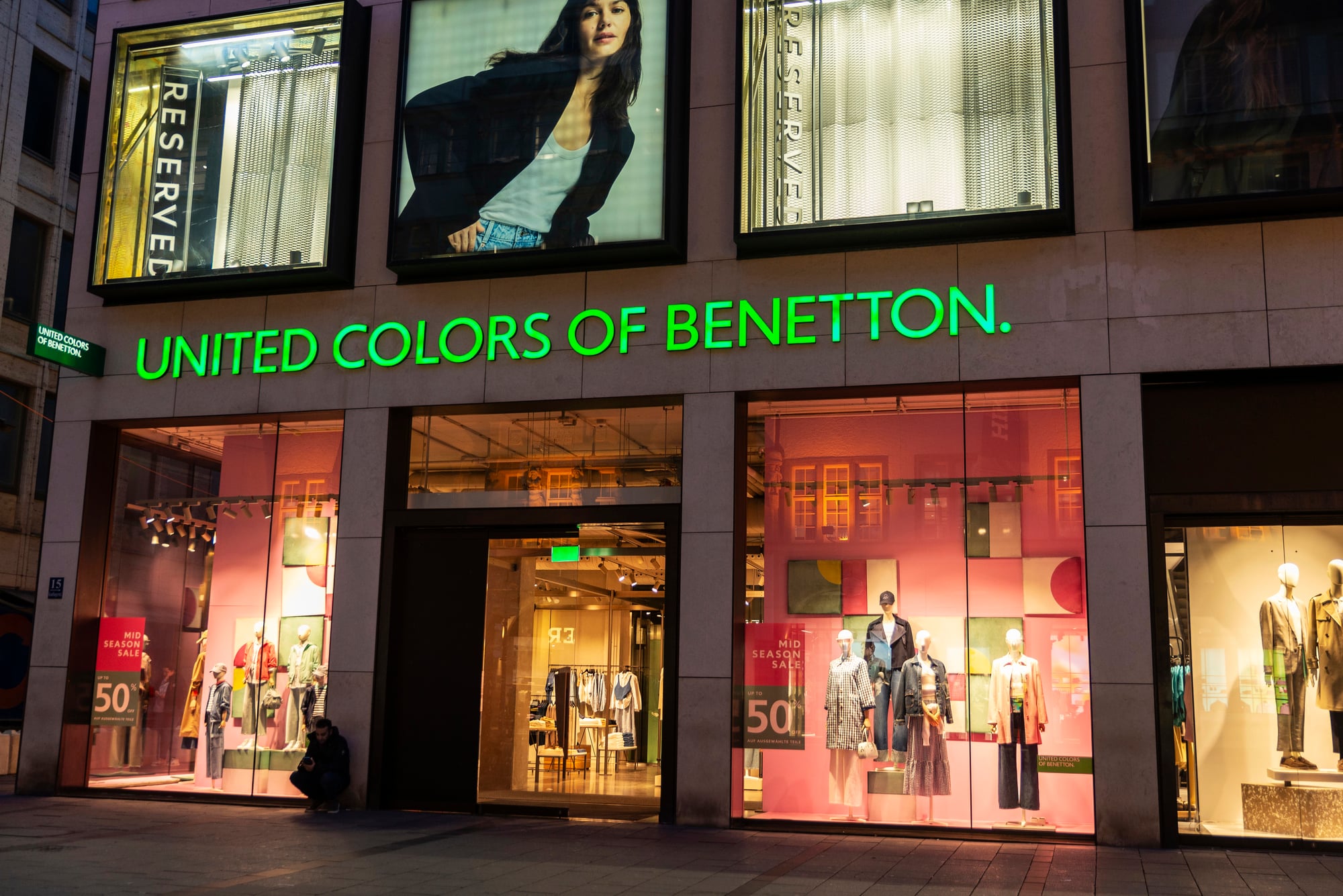
Benetton’s colorful knitwear aesthetic defined the 1980s and 1990s mall experience in the United States and Europe. The brand’s slow retreat from American malls reflected broader fashion trends away from color-blocked knitwear and toward more basic casual wear.
Esprit
Esprit built a mall presence through colorful, youthful casual wear aimed at teenagers and young women. The brand faded as fashion trends shifted and online retailers eliminated geographical retail advantages that mall locations once provided.
A/X Armani Exchange
A/X Armani Exchange positioned itself as an accessible luxury casual brand but struggled to maintain pricing credibility when online retailers eliminated the information gaps that allowed mall retailers to command premiums for brand positioning.
Nautica
Nautica, founded in 1983 by David Chu, offered nautical-inspired casual wear. The brand survived longer than many mall competitors but eventually retreated from physical retail, particularly mall locations where rents became unsustainable.
The Limited Family Dissolution

As online retailers and big-box discounters competed for mall customers, The Limited family of brands attempted diversification and rebranding repeatedly. This corporate strategy ultimately accelerated decline rather than preventing it, leaving no successful legacy retail presence.
Changing Retail Realities
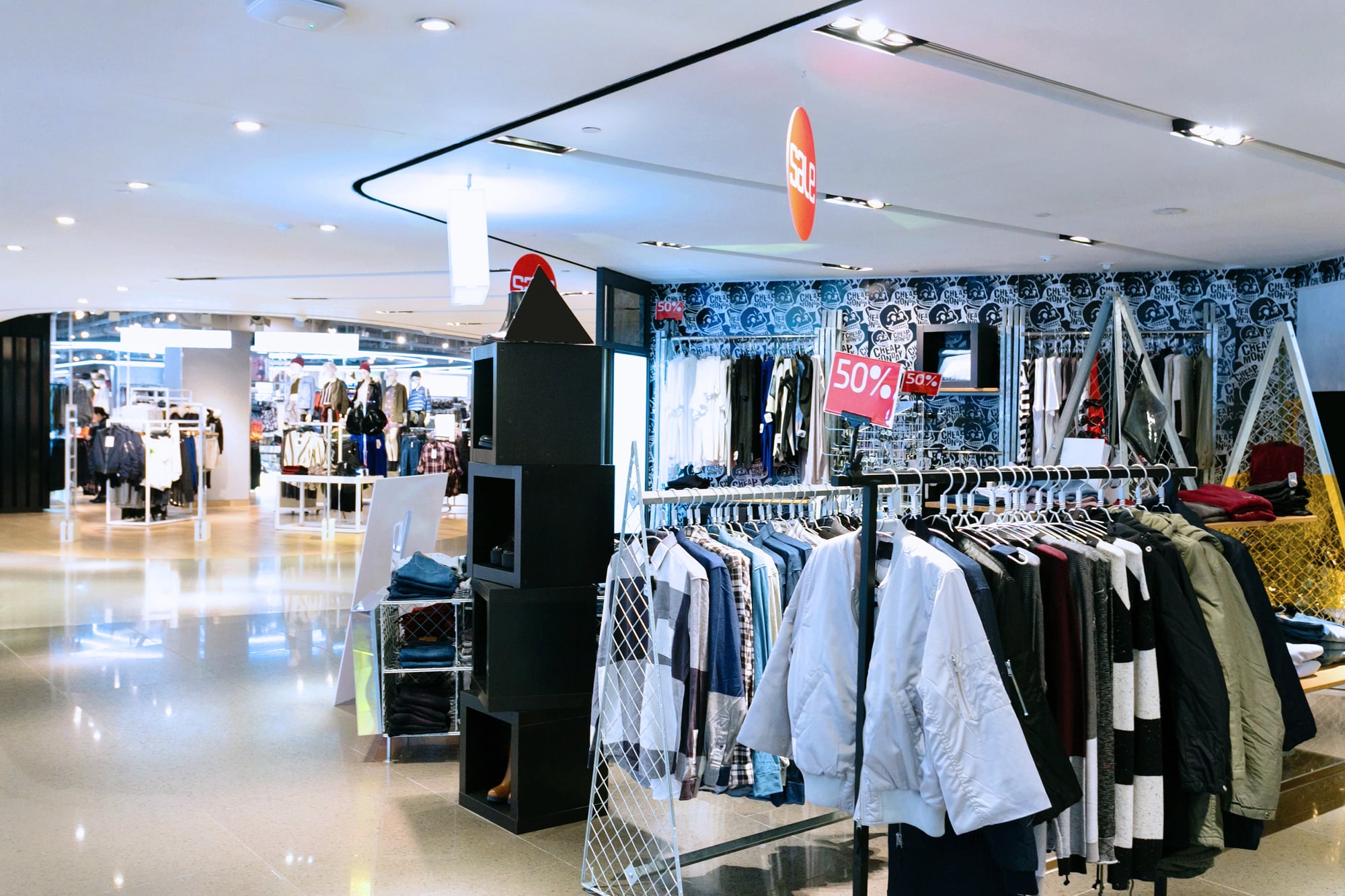
The 1990s mall stores disappeared not through single catastrophic failure but through accumulated inability to adapt to technological and cultural shifts. High rental costs, inventory obligations, and the need to maintain physical locations that served customers who increasingly shopped online made traditional mall retail economically unviable.
These stores died not because their merchandise was bad or their concepts flawed, but because the infrastructure that supported them—the enclosed shopping mall—simply stopped functioning as the commercial engine it had been for four decades.
More from Go2Tutors!

- The Romanov Crown Jewels and Their Tragic Fate
- 13 Historical Mysteries That Science Still Can’t Solve
- Famous Hoaxes That Fooled the World for Years
- 15 Child Stars with Tragic Adult Lives
- 16 Famous Jewelry Pieces in History
Like Go2Tutors’s content? Follow us on MSN.



