21 Shipwrecks Still Sitting Where They Sank
Most shipwrecks are either salvaged, dispersed by decades of currents, or lost entirely to time. The wrecks on this list are different — they remain largely intact and in place, decades or centuries after going down, turned into accidental monuments or dive sites exactly where they sank.
RMS Titanic, North Atlantic Ocean
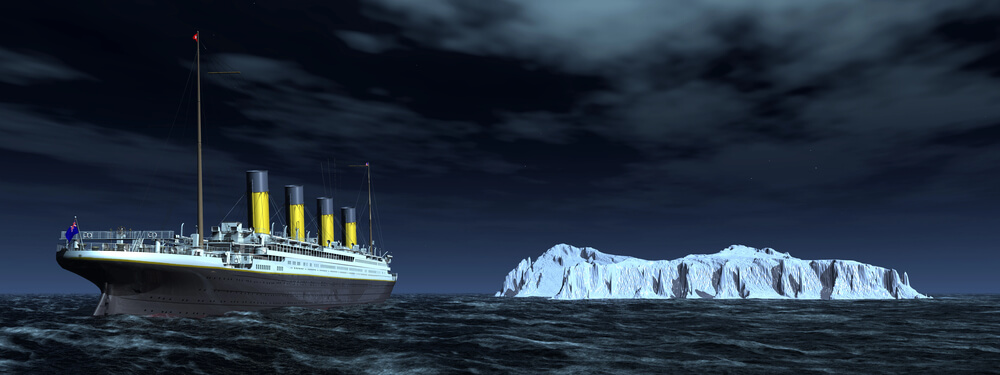
Perhaps the most famous shipwreck in the world, the Titanic has rested on the ocean floor roughly 370 miles off Newfoundland since 1912, split into two main sections that landed separately during its descent. Its extreme depth, over 12,000 feet, has protected it from the kind of scavenging or reef development seen at shallower wrecks, though ongoing deterioration from metal-eating bacteria has steadily degraded the hull.
Multiple deep-sea expeditions have documented the wreck without any attempt at large-scale salvage.
SS Edmund Fitzgerald, Lake Superior
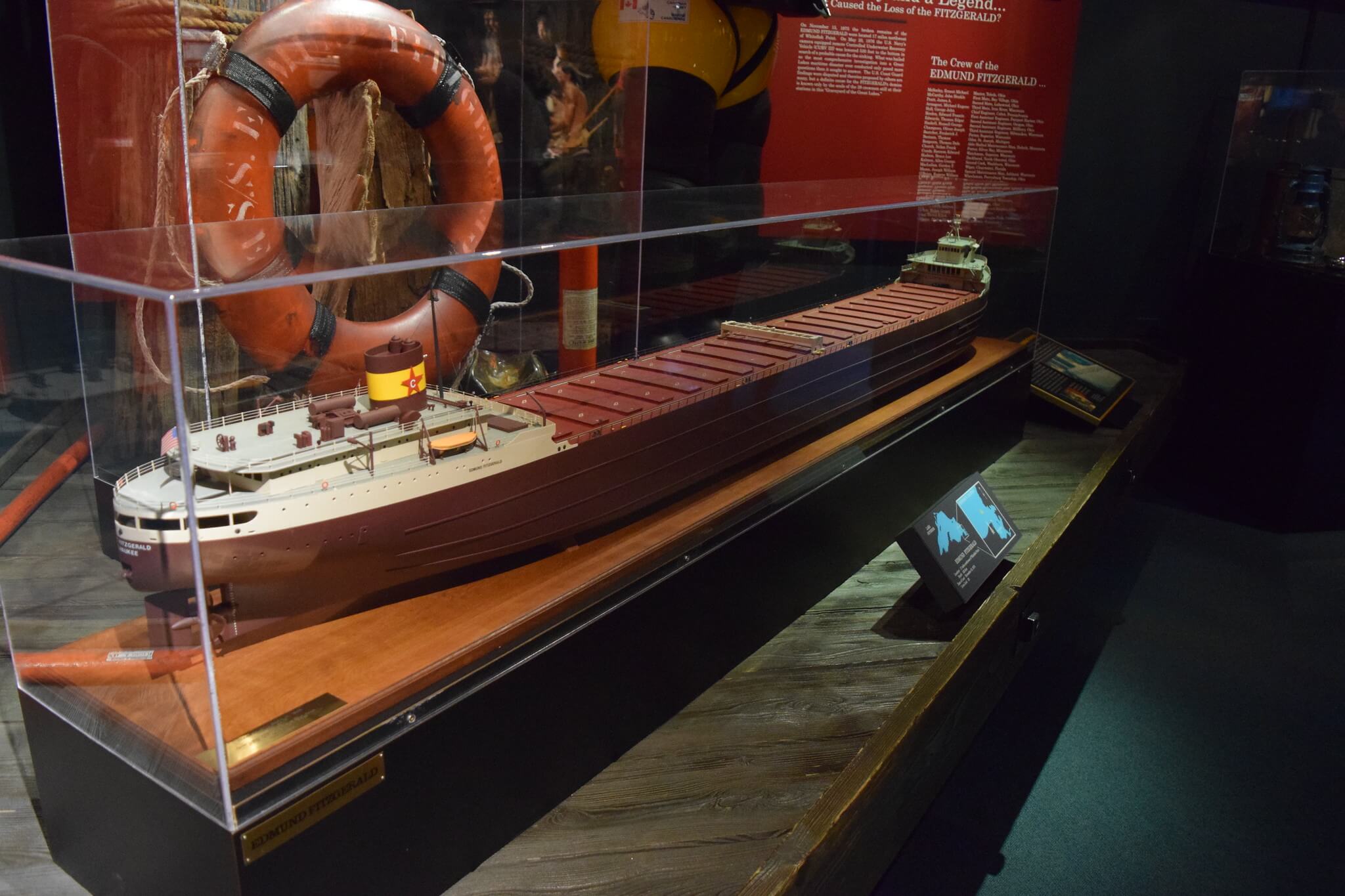
The Edmund Fitzgerald sank during a severe storm on Lake Superior in 1975, broken into two large sections resting roughly 530 feet below the surface near the Canadian shoreline. All 29 crew members were lost, and the wreck has never been raised, remaining a protected site under both American and Canadian agreements.
Its sinking was memorialized in a widely known folk song that kept the wreck culturally present decades after the loss.
USS Arizona, Pearl Harbor
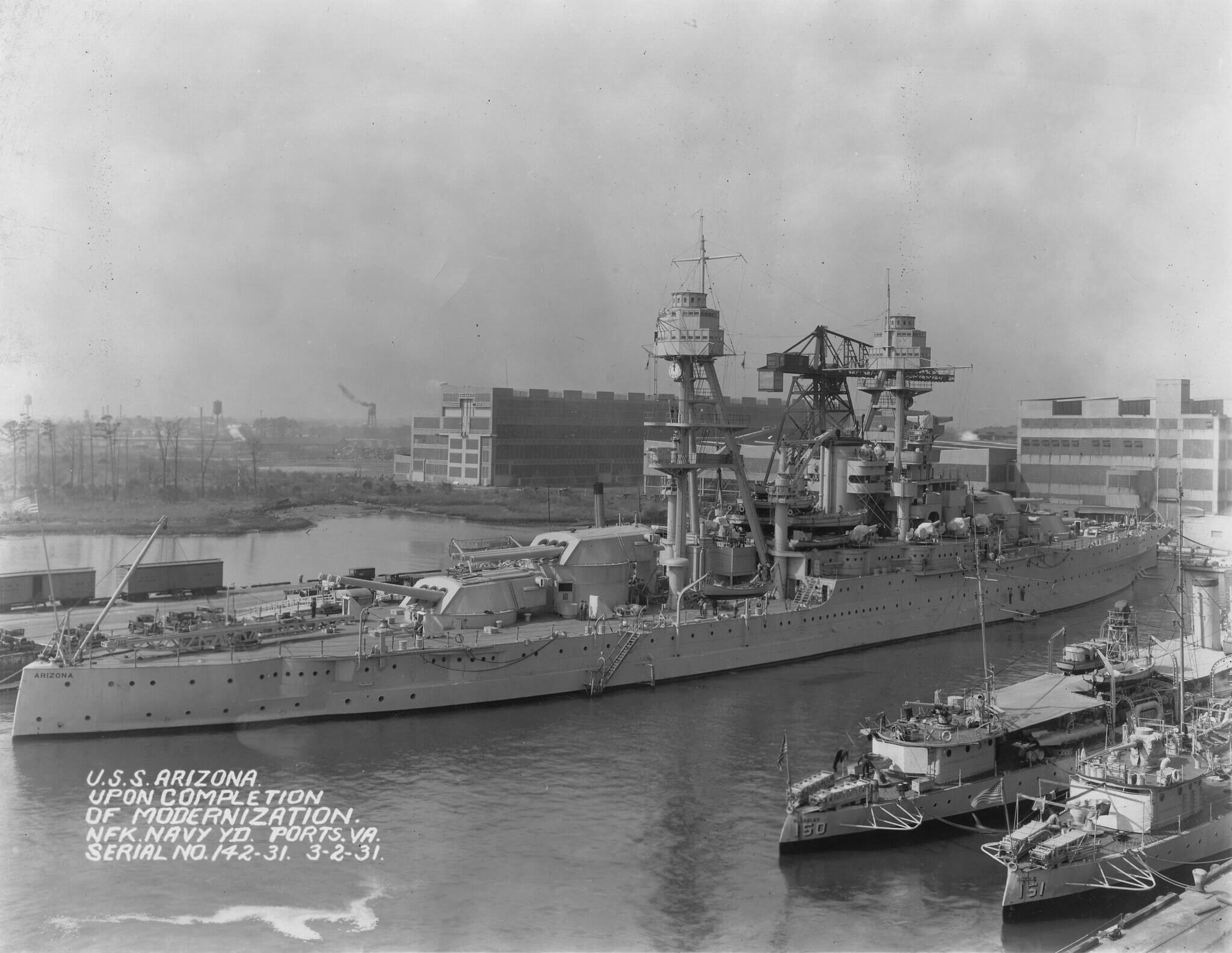
Sunk during the Japanese attack on Pearl Harbor in 1941, the USS Arizona remains on the harbor floor with the remains of over 900 crew members still aboard, making it both a shipwreck and a war grave. A memorial structure was built directly over the wreck rather than disturbing it, and oil continues to slowly leak from its fuel tanks decades later.
It has never been raised or relocated since the attack.
USS Utah, Pearl Harbor
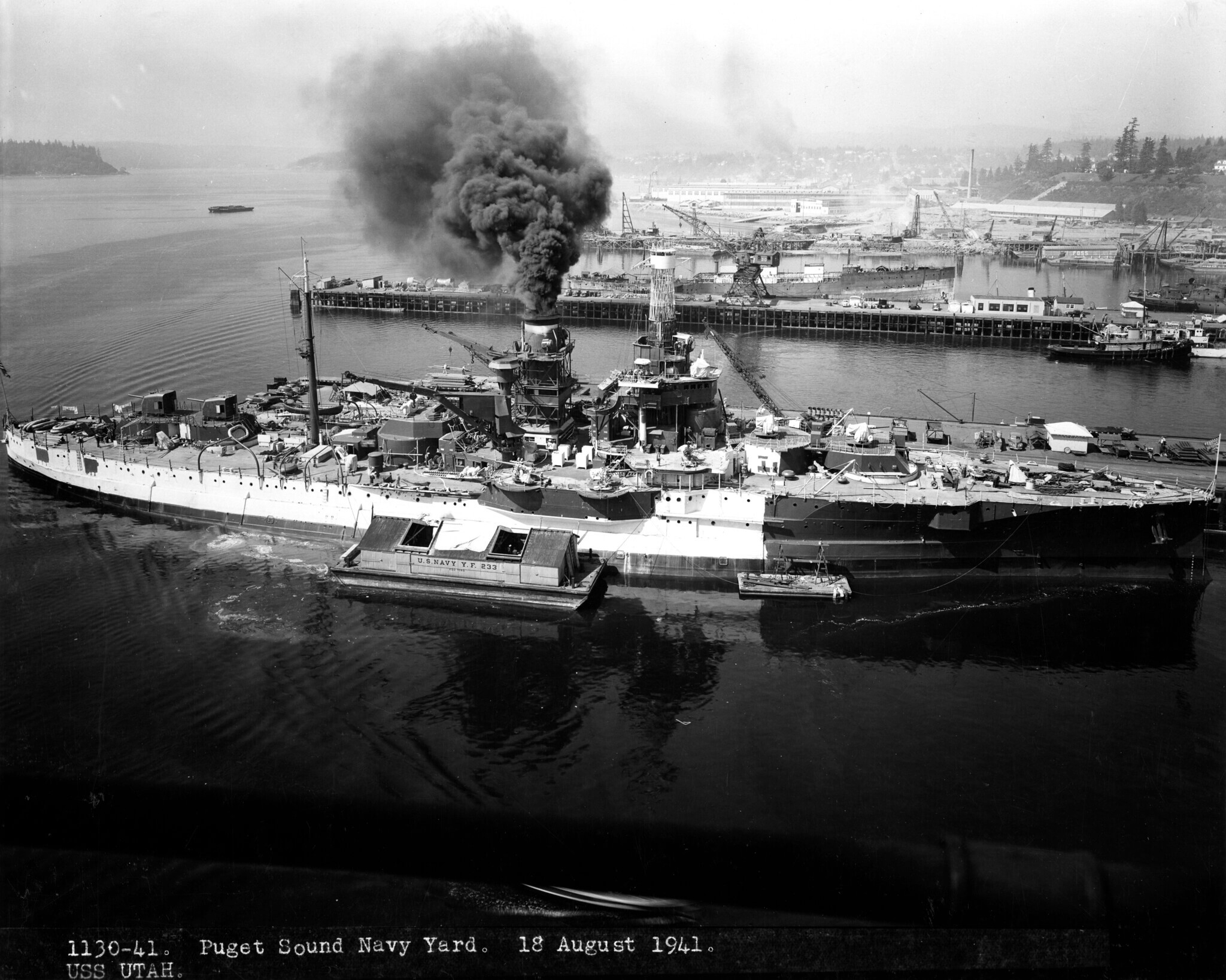
Also sunk during the December 1941 attack, the USS Utah remains partially visible above the waterline near Ford Island, having capsized rather than sunk fully upright. Like the Arizona, it was left in place as a war grave rather than salvaged, and a memorial walkway was later constructed connecting to the shoreline.
It receives considerably less public attention than the Arizona despite its similar status.
SS Andrea Doria, Atlantic Ocean
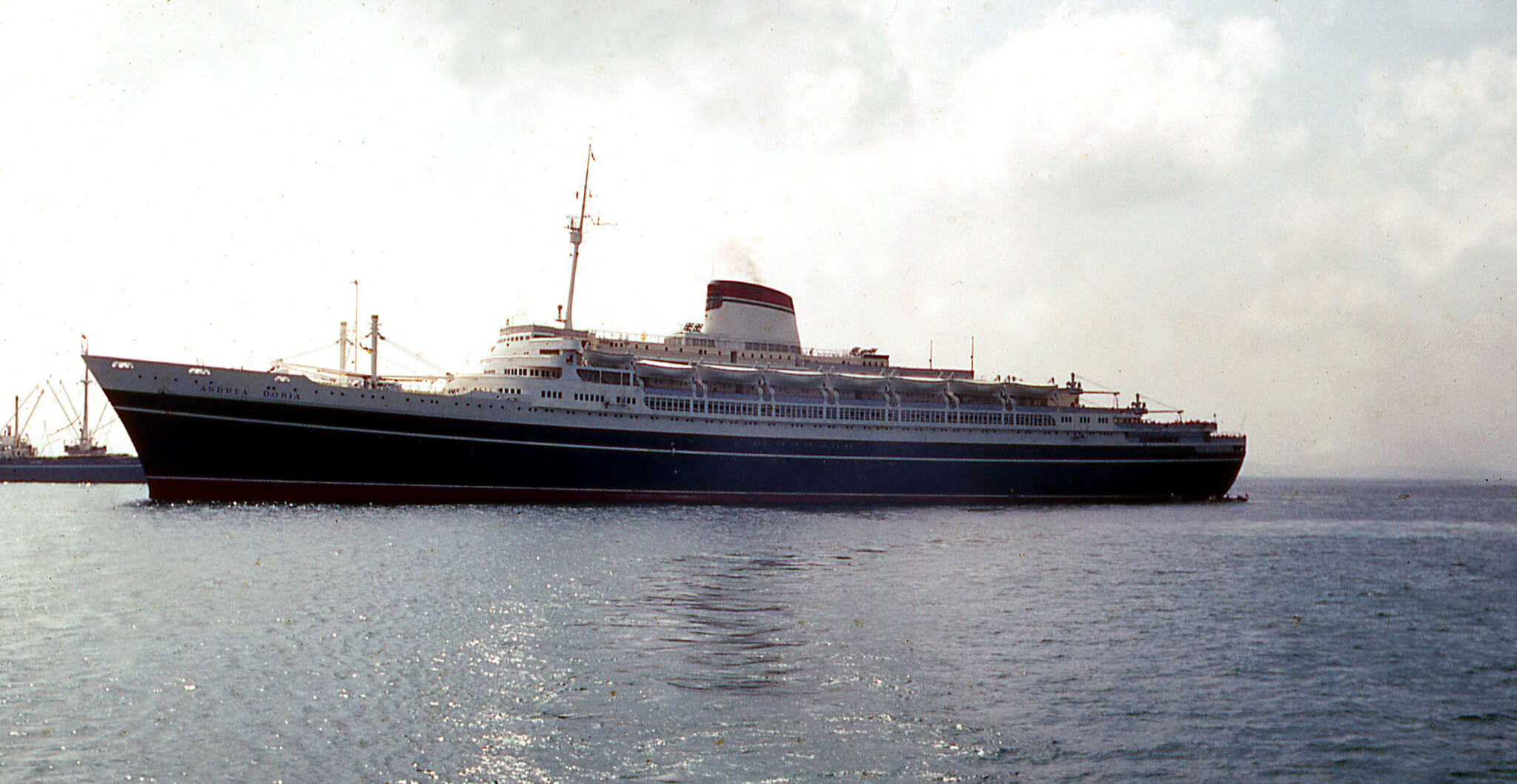
The Italian ocean liner sank in 1956 after a collision with another ship off Nantucket, coming to rest on its side roughly 240 feet below the surface. It has become one of the most sought-after technical diving sites in the Atlantic, earning a reputation among divers as the “Mount Everest of scuba diving” for its depth and hazardous conditions.
Numerous divers have died attempting to reach the wreck over the decades since.
SMS Fleet at Scapa Flow, United Kingdom
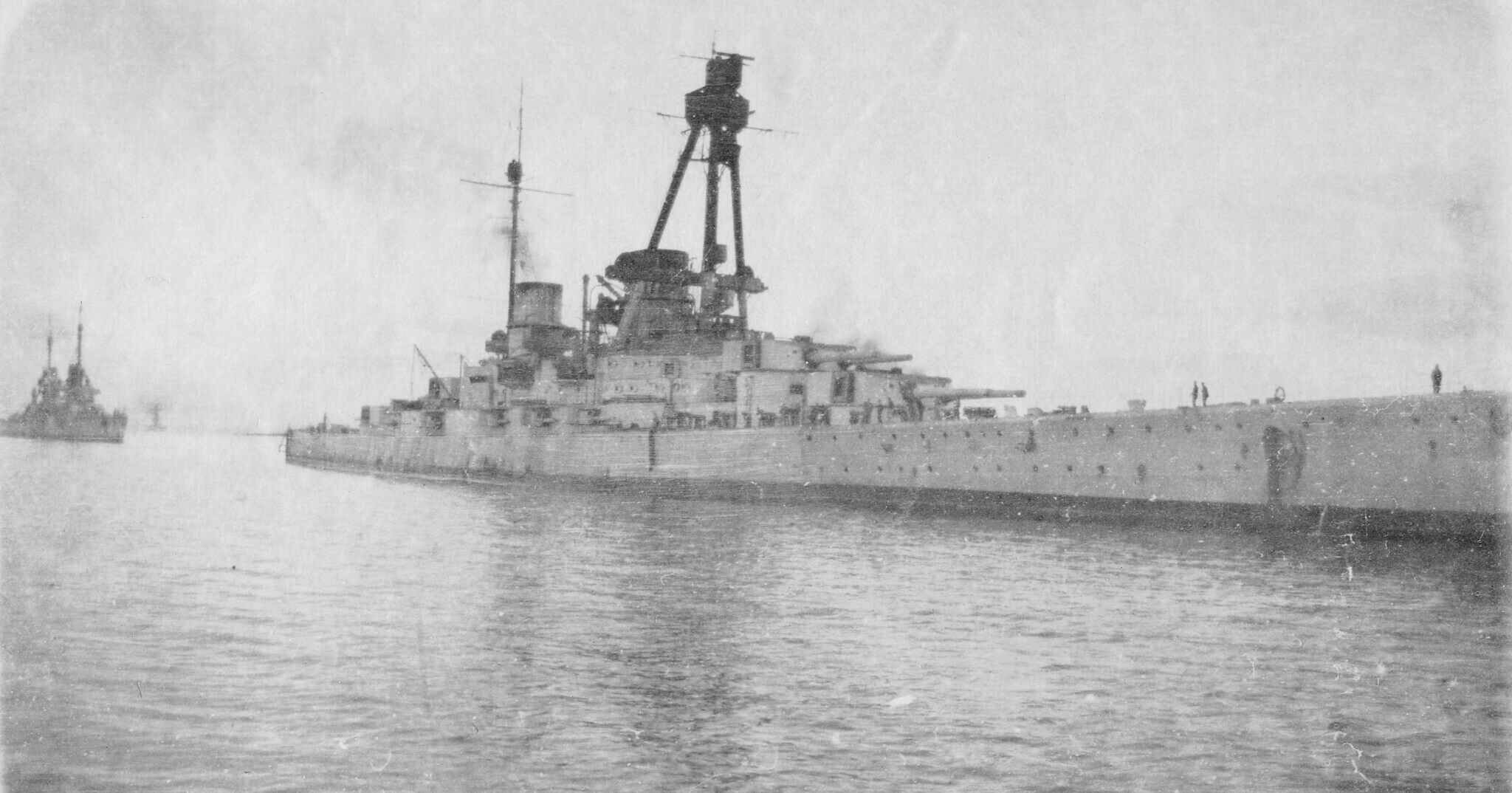
Following World War I, the interned German High Seas Fleet was deliberately scuttled by its own crews at Scapa Flow in Scotland in 1919 rather than surrendered to Allied forces. While many of the largest vessels were later salvaged for scrap metal, several smaller warships remain on the seabed and have become popular wreck-diving sites.
The remaining wrecks are protected as scheduled monuments under UK heritage law.
Japanese Fleet at Truk Lagoon, Micronesia
An extensive Japanese naval and merchant fleet was destroyed in a single 1944 American air assault on Truk Lagoon, and dozens of ships remain on the shallow lagoon floor largely as they sank. The wrecks, many still carrying cargo, munitions, and personal effects, have become one of the most significant wreck-diving destinations in the Pacific.
Chuuk State, which now governs the lagoon, actively protects the site for both historical and tourism value.
SS Thistlegorm, Red Sea
A British merchant ship carrying military supplies, the Thistlegorm was sunk by German aircraft in 1941 in the Red Sea and remains largely intact roughly 100 feet below the surface off Egypt’s coast. Its cargo, which includes motorcycles, trucks, and rail cars, remained remarkably preserved due to the site’s relatively stable conditions.
It ranks among the most frequently dived wrecks in the world.
RMS Empress of Ireland, Saint Lawrence River
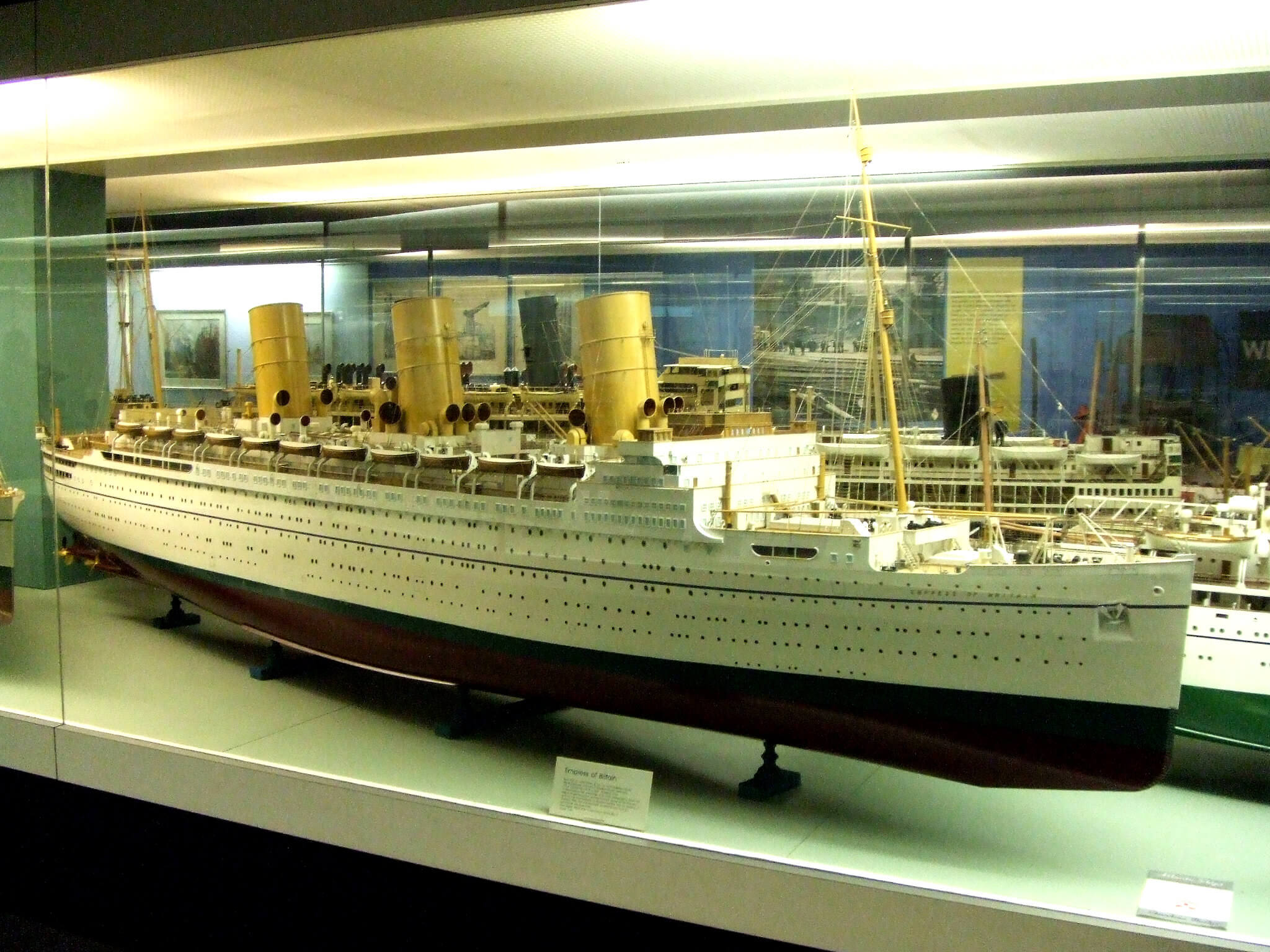
The Empress of Ireland sank in 1914 after a collision in Canada’s Saint Lawrence River, killing approximately 1,012 people—fewer than the Titanic disaster despite far less public memory of the event. The wreck lies on its side roughly 130 feet below the surface and has been designated a protected historic site by the Quebec government.
It remains a significant but comparatively obscure dive destination given the scale of the original tragedy.
SS Central America, Atlantic Ocean
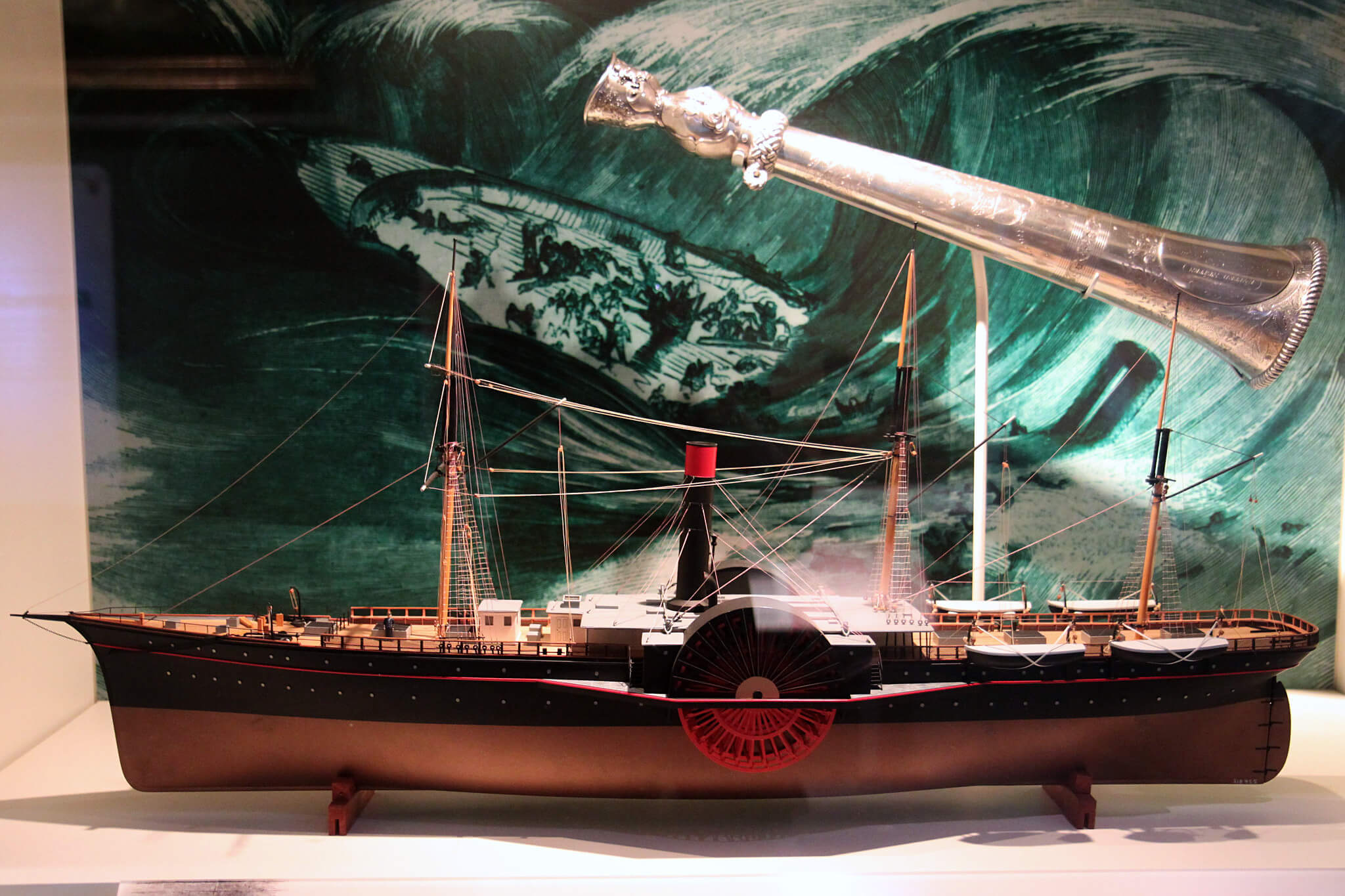
Known as the “Ship of Gold” for the substantial cargo of California gold it carried when it sank during an 1857 hurricane, the Central America came to rest roughly 7,200 feet below the surface off the Carolinas. Unlike most wrecks on this list, portions of its cargo have been subject to extensive, controversial salvage operations over multiple decades, though the ship’s structure itself remains in place.
Legal disputes over ownership of the recovered gold continued for years after its initial rediscovery.
Rainbow Warrior, Matauri Bay, New Zealand
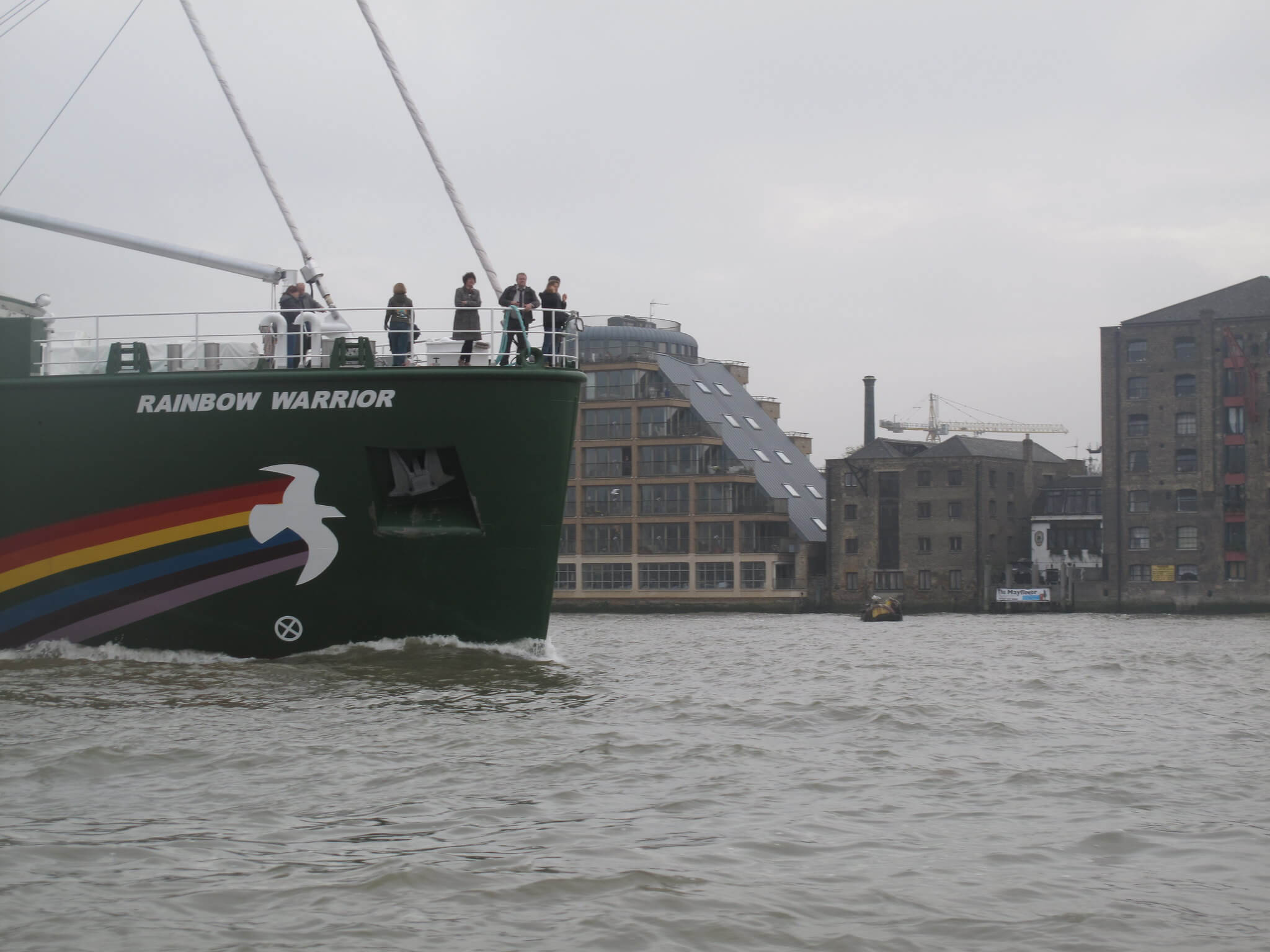
Originally sunk by French intelligence agents in Auckland Harbour in 1985 in a bombing that killed a photographer aboard, the Greenpeace vessel Rainbow Warrior was later raised, cleaned, and deliberately resunk at Matauri Bay to serve as an artificial reef and dive site. It remains at that second, intentional resting place today.
The original bombing became a major international diplomatic incident for France.
Costa Concordia’s Original Wreck Site, Italy
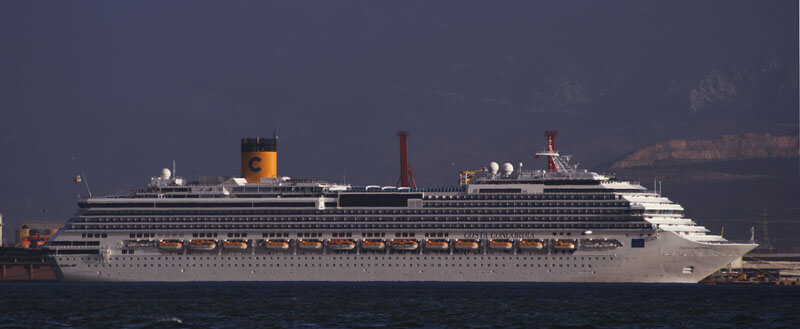
Though the Costa Concordia itself was eventually refloated and removed in a major salvage operation, the site off the Italian island of Giglio where it capsized in 2012 remains marked by environmental remediation work addressing lasting seabed disruption from the disaster. The removal itself, rather than the wreck’s continued presence, became one of the largest and most expensive maritime salvage operations in history.
SS President Coolidge, Vanuatu
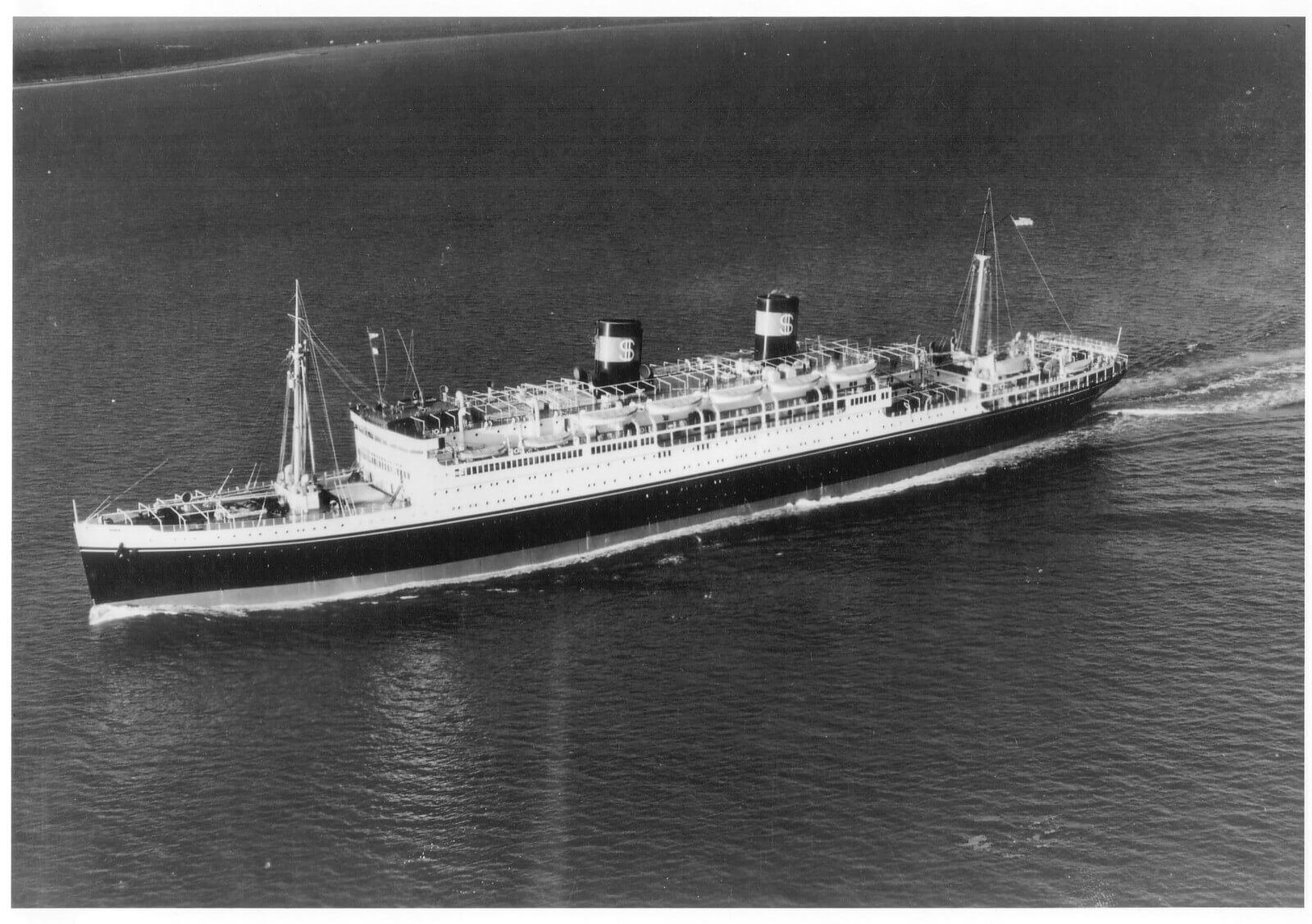
An American ocean liner converted to a troop transport, the President Coolidge sank in 1942 after striking mines placed by American forces themselves in the harbor at Espiritu Santo. It remains almost entirely intact on a steep underwater slope and is considered one of the most accessible large wreck dives in the world, since much of it lies close enough to shore to be reached by swimming out from the beach.
Zenobia, Cyprus
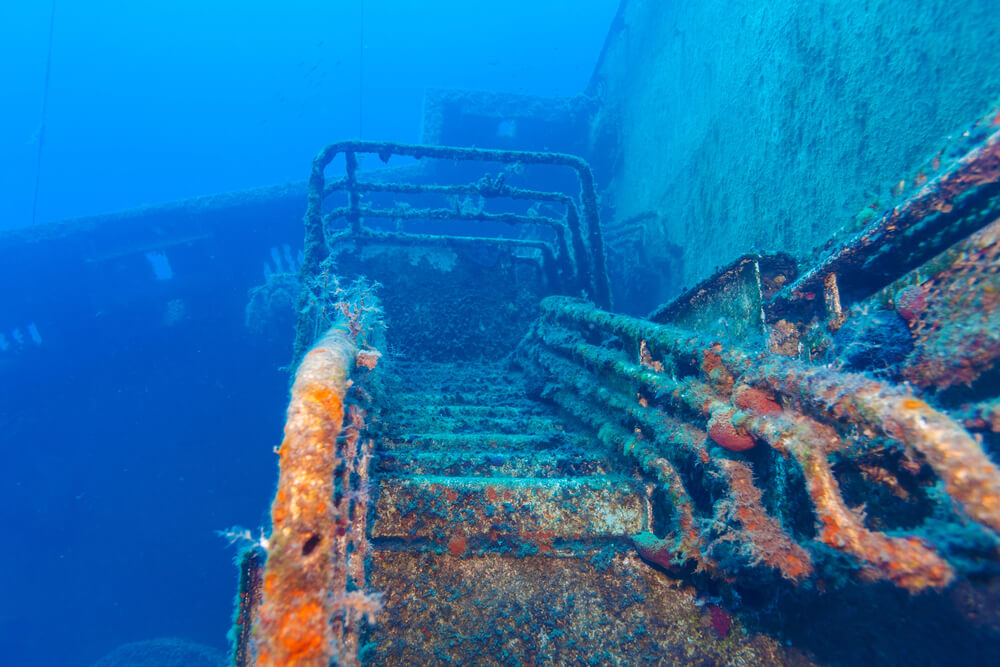
A Swedish-built roll-on roll-off ferry, the Zenobia sank off Larnaca, Cyprus in 1980 due to a ballast computer malfunction, coming to rest on its side with much of its original cargo of trucks still inside. It is now considered one of the top wreck-diving sites in the Mediterranean.
No salvage attempt has significantly altered the wreck since its sinking.
Mallows Bay Ghost Fleet, Potomac River
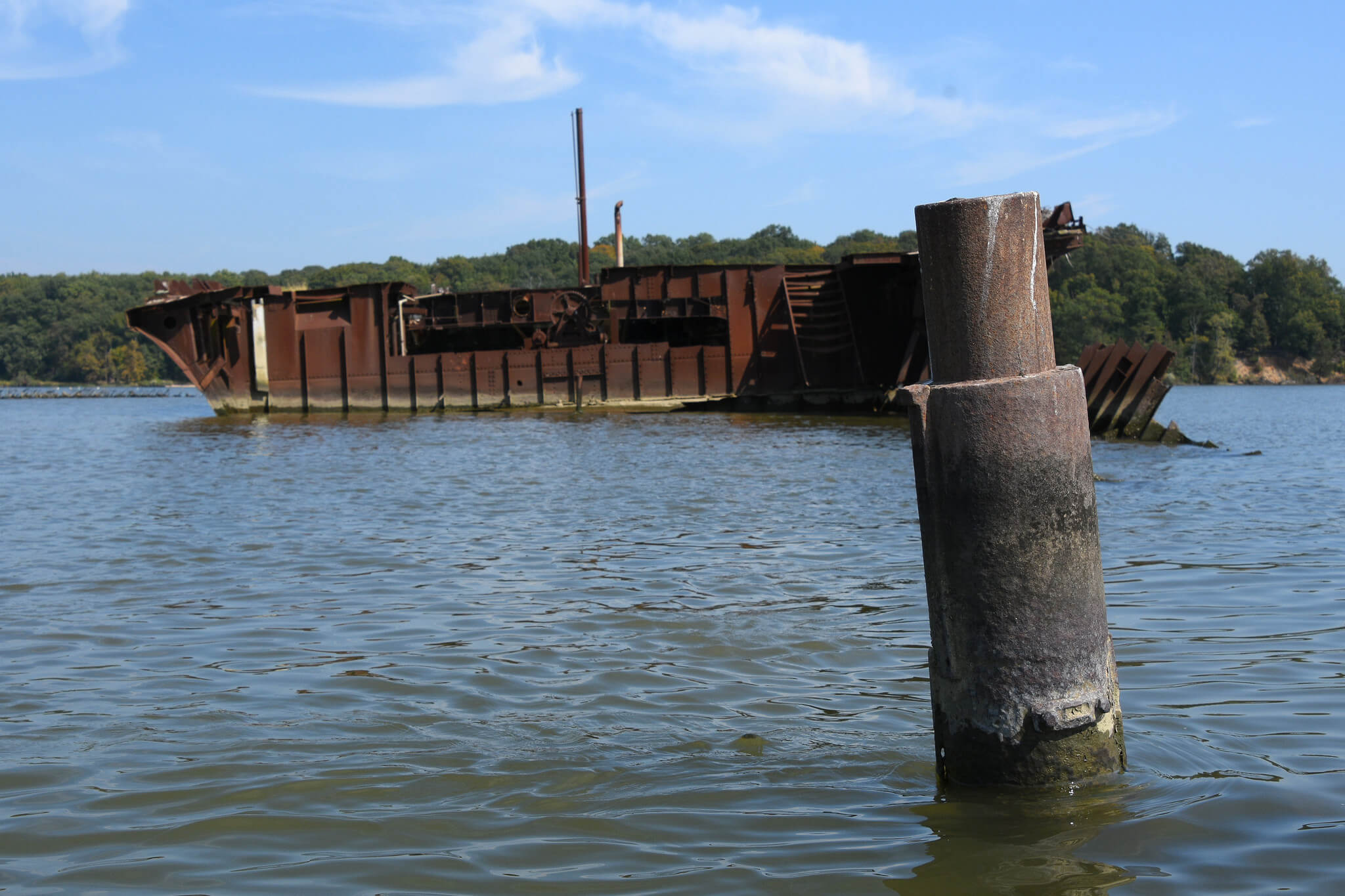
Rather than a single vessel, Mallows Bay in Maryland holds the remains of over 100 wooden steamships built hastily during World War I and later scuttled when they proved commercially obsolete. The site has become a unique ecological habitat, with the decaying wooden hulls now supporting extensive plant and wildlife growth.
It was designated a National Marine Sanctuary in recognition of both its historical and ecological significance.
HMS Royal Oak, Scapa Flow
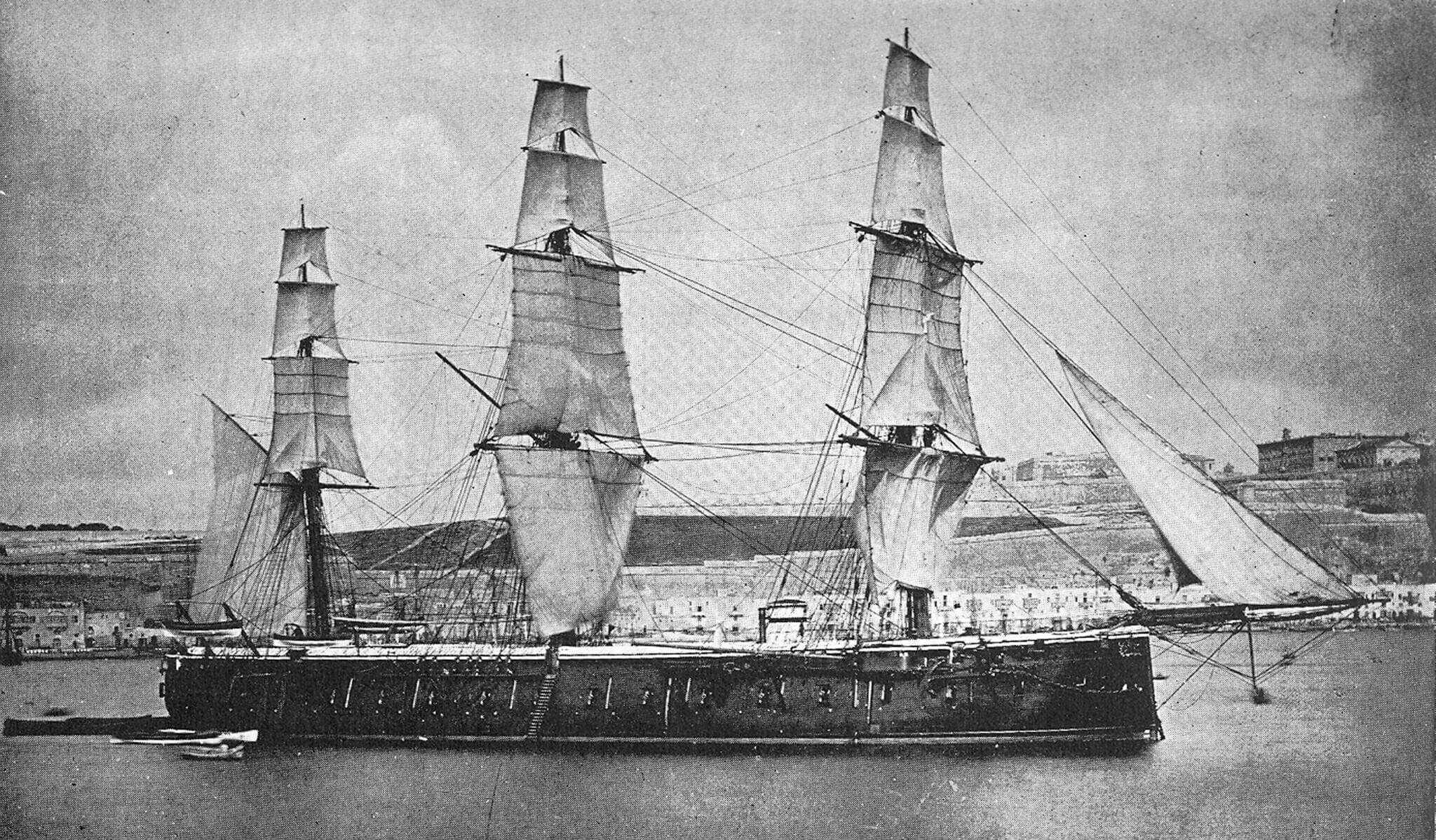
A British battleship torpedoed by a German U-boat at Scapa Flow in 1939, the Royal Oak sank with the loss of over 800 crew members and remains a designated war grave under UK protection. Diving on the wreck is restricted out of respect for the site’s status, and a memorial buoy marks its position on the surface.
Oil continues to seep from the wreck, monitored periodically by naval authorities.
SS Kyarra, English Channel
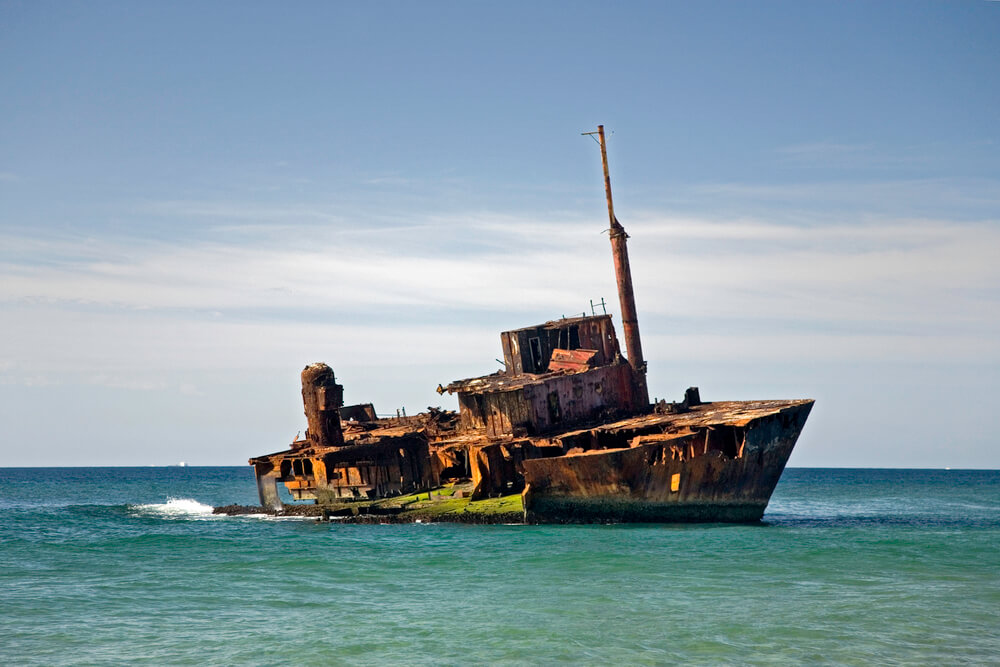
A former Australian passenger liner used as a hospital ship, the Kyarra was torpedoed off the English coast in 1918 and remains largely intact roughly 90 feet below the surface. Its accessible depth and rich marine life have made it a popular recreational dive site off Dorset.
No significant salvage has disturbed the wreck since its loss.
RMS Rhone, British Virgin Islands
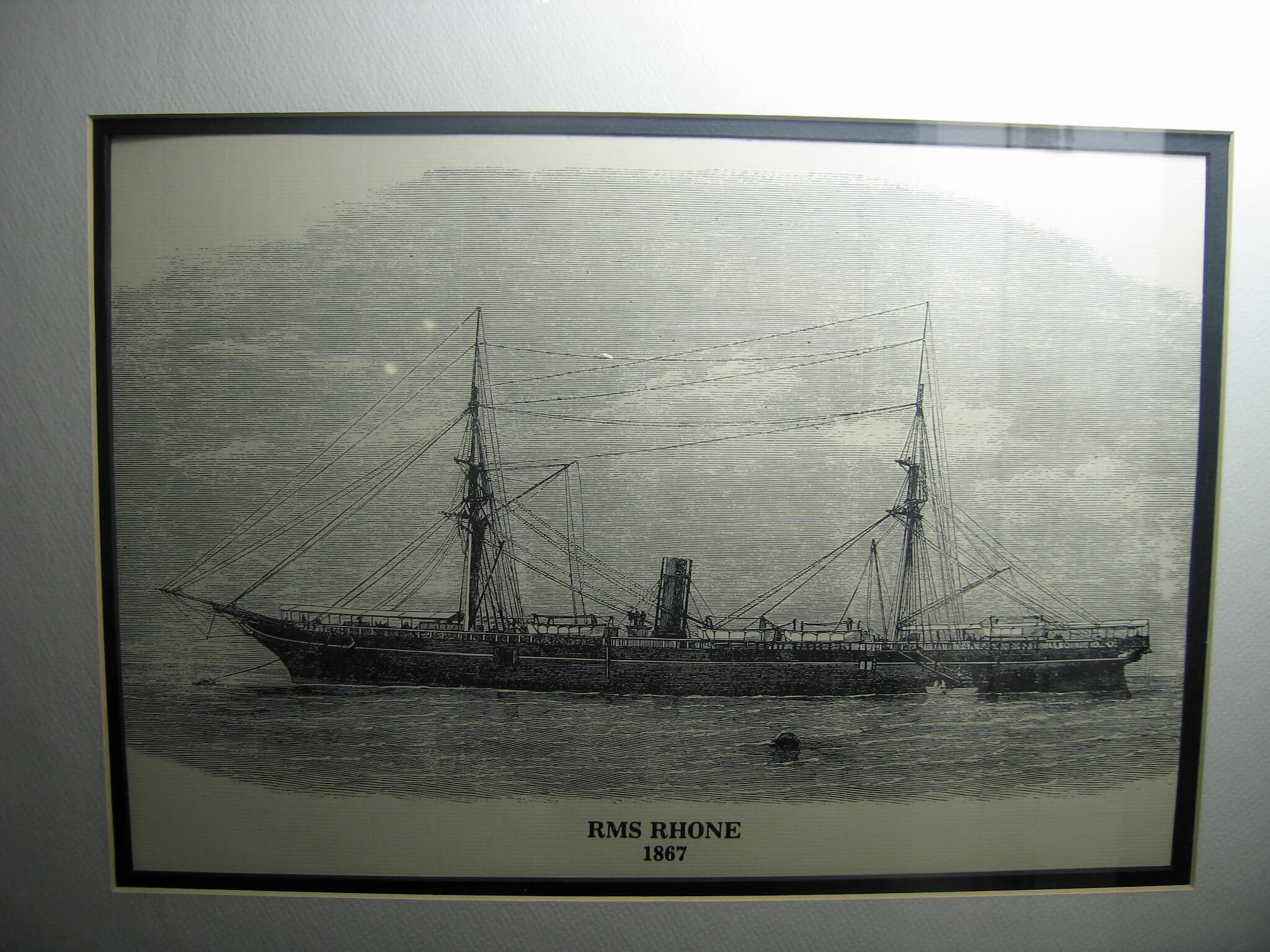
The Rhone sank during a hurricane in 1867 near the coast of Tortola, breaking into two sections that now rest in different depths near each other. The wreck later became notable as a filming location and remains protected within a designated national park managed by the British Virgin Islands government.
It is considered one of the Caribbean’s premier wreck dives.
German Battleship Bismarck, North Atlantic
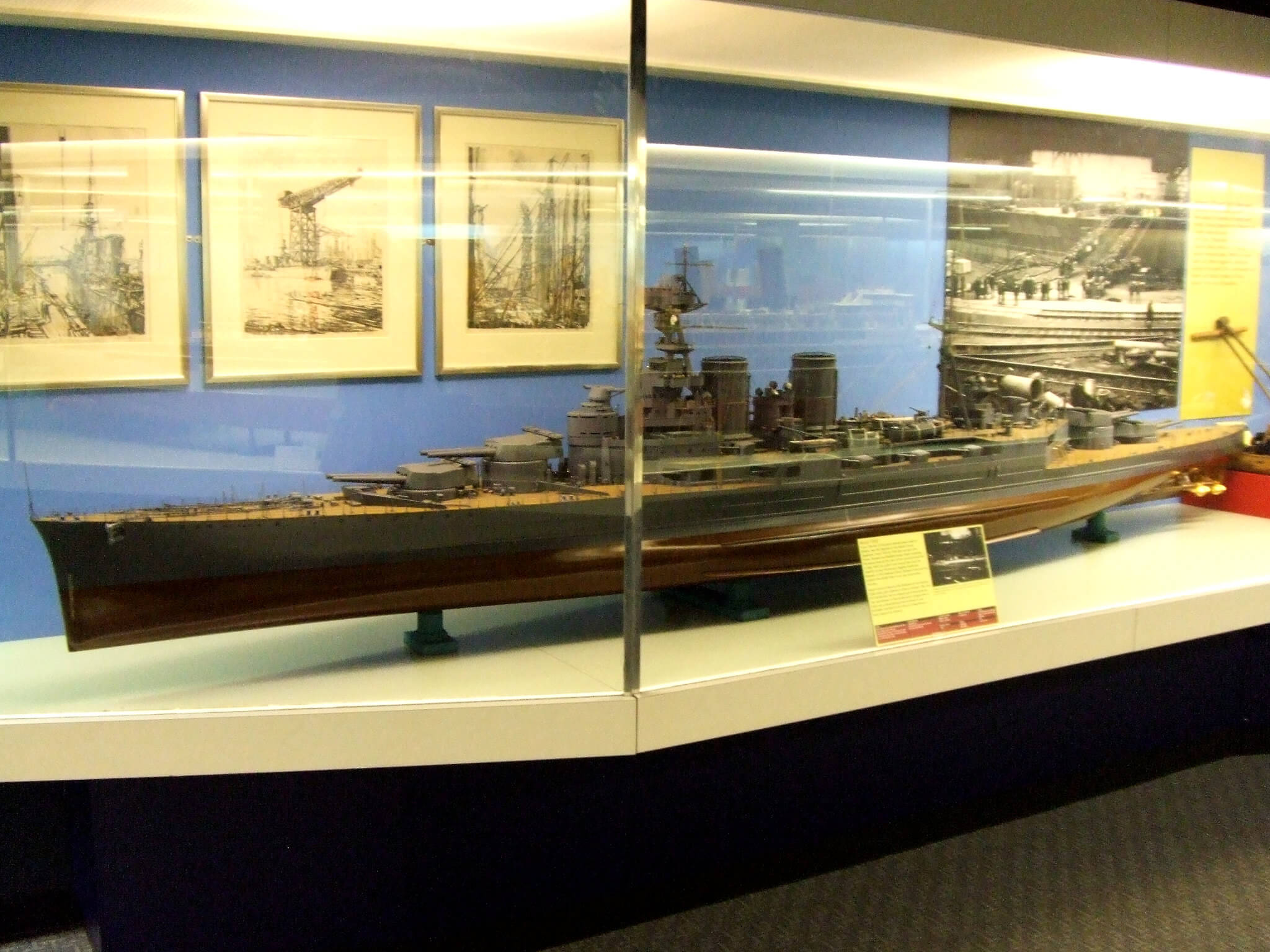
Sunk by British naval forces in 1941 after a prolonged pursuit, the Bismarck rests roughly 15,700 feet below the surface of the North Atlantic, discovered by an expedition in 1989. Its extreme depth has left it essentially undisturbed by salvage or diving activity.
The wreck remains a subject of ongoing historical and forensic analysis regarding the exact cause of its sinking.
USS Saratoga
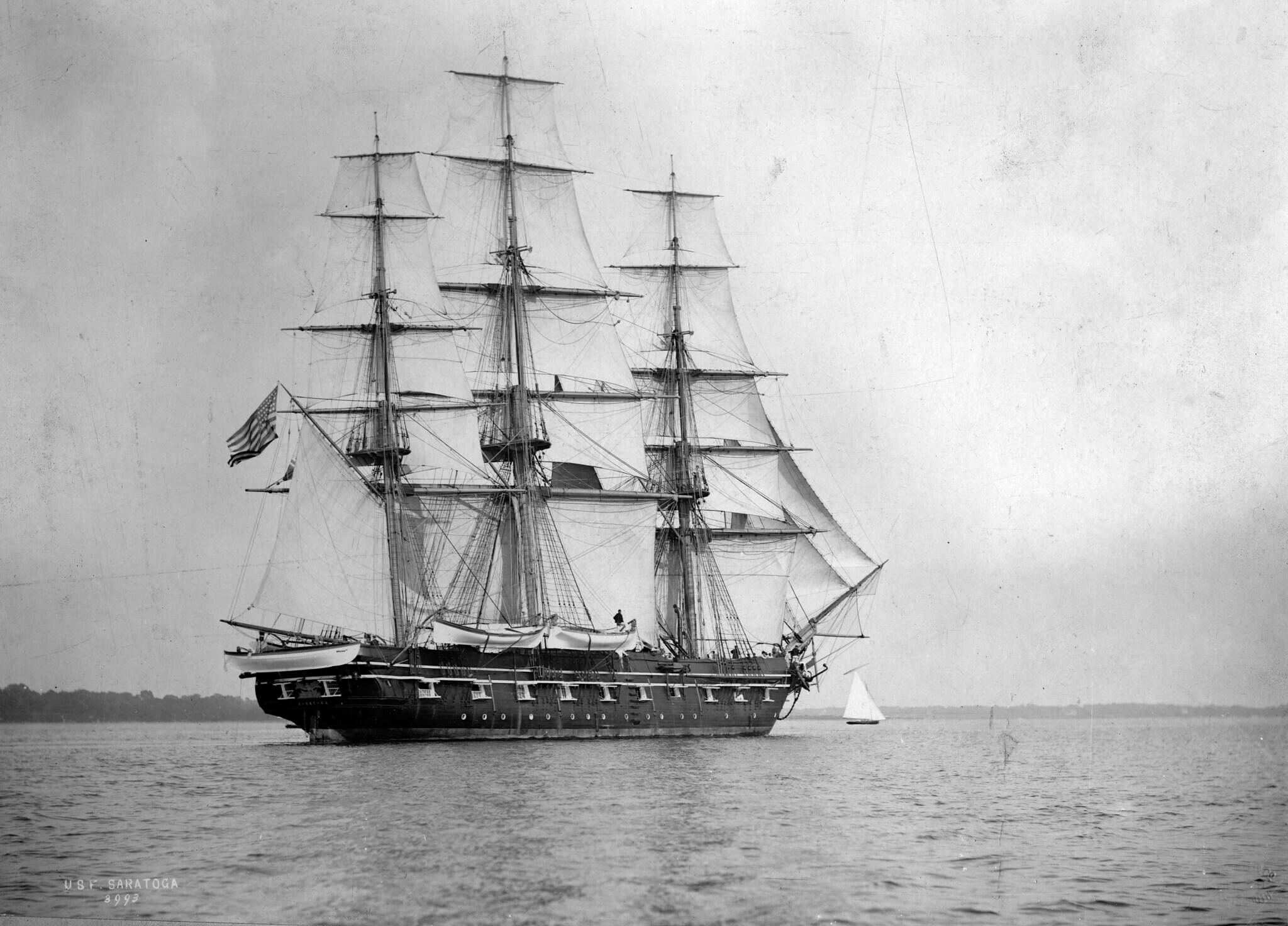
The USS Saratoga survived extensive combat service in World War II only to be deliberately sunk during postwar atomic bomb testing at Atoll in 1946. It remains remarkably intact on the lagoon floor, including aircraft still positioned on its deck, and is considered one of the most significant wreck dives in the Pacific due to both its scale and radiological history.
The site remains monitored for residual radiation, though current levels are considered safe for diving.
HMHS Britannic, Aegean Sea
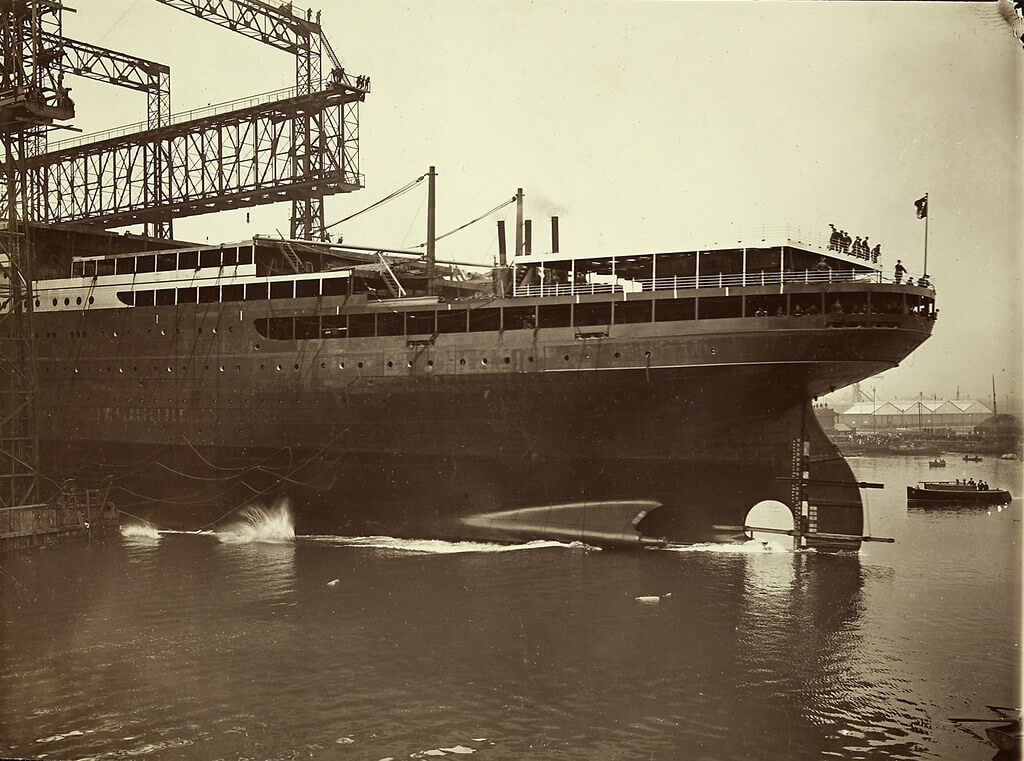
The Titanic’s sister ship, converted to a hospital ship during World War I, sank in 1916 after striking a mine in the Aegean Sea and now rests roughly 400 feet below the surface near the Greek island of Kea. It remains the largest passenger ship wreck lying substantially intact in relatively accessible waters, drawing technical divers despite the depth.
No major salvage operation has altered the wreck since its discovery in the 1970s.
Wrecks as Accidental Time Capsules
A ship that sinks and stays put becomes something stranger than a ruin — a moment frozen mid-disaster, cargo and structure preserved by the very water that destroyed it. Salvage would erase that; abandonment, ironically, is what keeps it legible.
Taken together, these wrecks map a history of catastrophe that land-based memorials rarely capture with the same immediacy. Nothing was cleaned up, staged, or curated.
Whatever’s down there is simply what was left when the water closed over it.
More from Go2Tutors!

- The Romanov Crown Jewels and Their Tragic Fate
- 13 Historical Mysteries That Science Still Can’t Solve
- Famous Hoaxes That Fooled the World for Years
- 15 Child Stars with Tragic Adult Lives
- 16 Famous Jewelry Pieces in History
Like Go2Tutors’s content? Follow us on MSN.



