21 Vintage Squeeze Toys With Identifiable Manufacturers
Most rubber squeak toys from the mid-twentieth century were never marked, which makes the ones that carry a maker’s name or a designer’s credit far easier to trace. Akron and nearby Barberton, Ohio, were the center of the trade, and a handful of companies produced the pieces collectors hunt today.
The first rubber squeak toys appeared around 1860, but the ones found at flea markets mostly date from the 1930s onward.
Condition drives every price on this list, from hardened rubber that no longer squeaks to paint that flaked decades ago. Marked pieces from Rempel have been reported to bring the best prices, while unmarked toys can cost just a few dollars.
Each entry below pairs a toy with a maker that can actually be named.
The Goodyear Jenny Lind
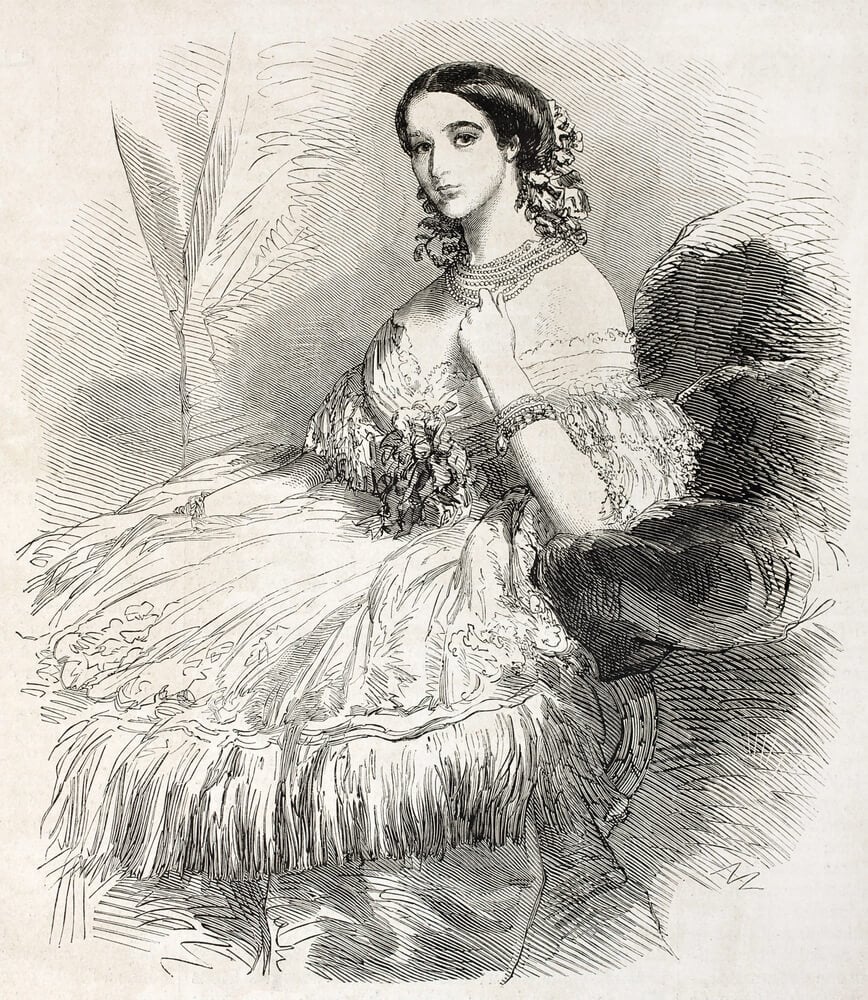
A Goodyear rubber Jenny Lind squeak toy from about 1860 represents the earliest end of the category. It was made when the singer was world famous, and it sold at a Noel Barrett auction in Carversville, Pennsylvania.
Its age and rarity separate it from every mid-century toy that followed.
The Sun Rubber Mickey Mouse
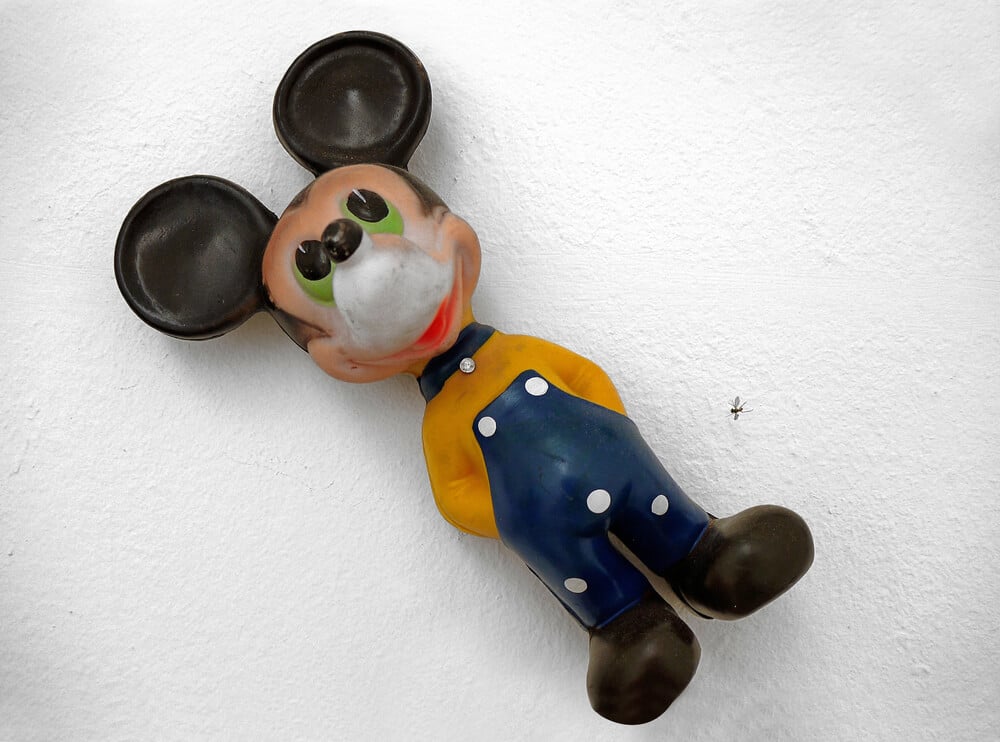
Sun Rubber Company of Barberton, Ohio, produced a rubber Mickey Mouse squeak toy around 1946, about ten inches tall with a one-piece body. It has painted facial features and molded, painted clothing and shoes, plus a mark reading Sun Rubber Co.
One example is marked with the number 47. Intact paint is what separates a good example from a worn one.
Sun Rubber’s Bonnie Bear
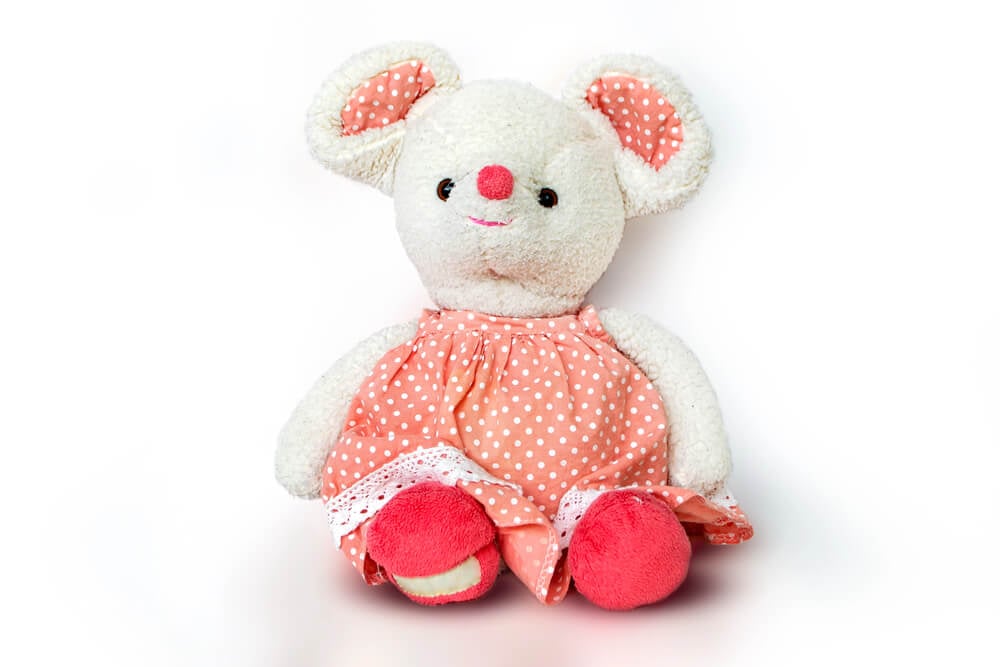
Ruth E. Newton designed a group of Sun Rubber squeeze dolls in the 1950s, standing roughly six to eight inches tall with one-piece rubber bodies and molded clothes. Bonnie Bear belonged to that group.
The dolls are usually marked on the back, which makes identification straightforward.
Sun Rubber’s Happy Kappy
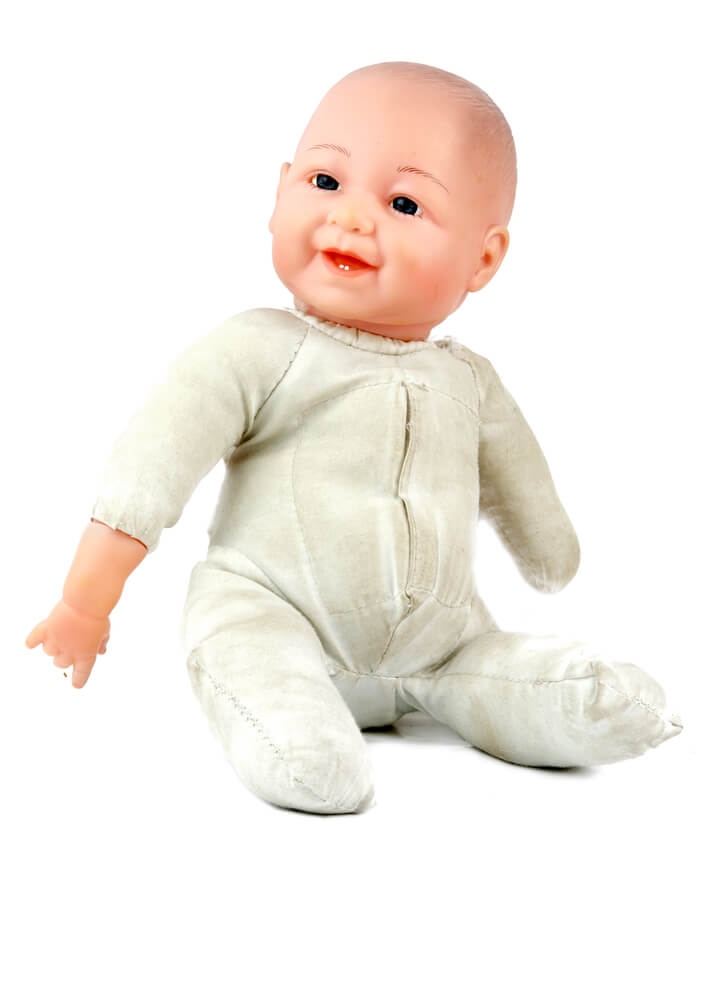
Happy Kappy joined Bonnie Bear in the same 1950s line of Ruth E. Newton squeeze dolls. Each doll came with molded clothing and a squeaker, and each was made as one rubber piece.
Missing paint and cracks around the squeaker are the usual condition problems.
Sun Rubber’s Chunky and Rompy
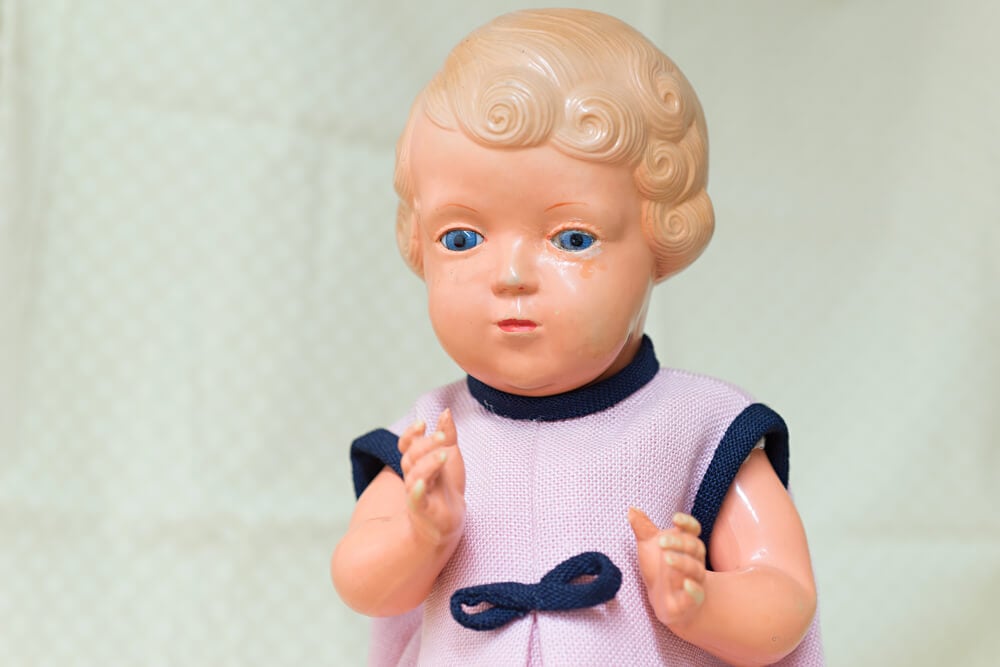
Chunky and Rompy appear in references among the 1950s Sun Rubber squeeze dolls designed by Ruth E. Newton. They stood in the same size range as the rest of the series, with molded clothes on one-piece rubber bodies.
A clean, unmarked surface helps these dolls hold their appeal.
Sun Rubber’s Wiggy Wags
Wiggy Wags rounds out the named Sun Rubber squeeze dolls from the 1950s. It shares the 6- to 8-inch size and one-piece rubber construction of its siblings.
Complete sets of the line are harder to assemble than single dolls.
The Swivel-Head Squeaky Dog
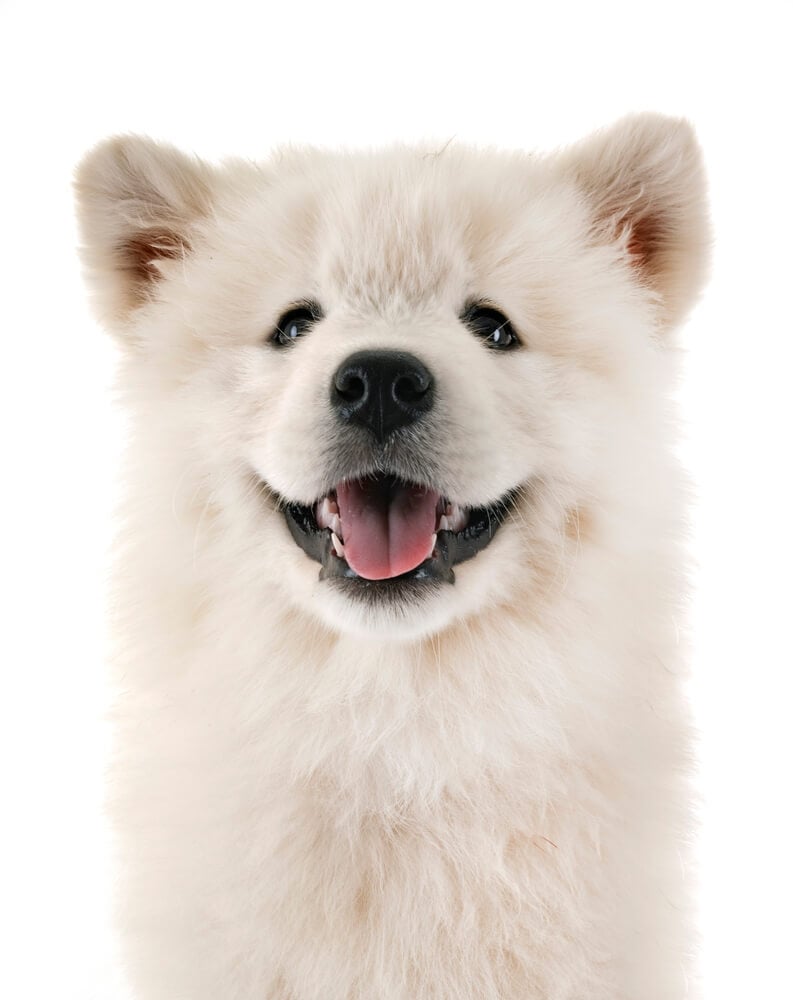
A tan Sun Rubber squeak dog with a rotating head, credited to Ruth Newton, measures about six by five by four inches. The swivel head made it livelier than the typical solid-bodied squeak toy.
Examples in beautiful condition are listed for noticeably more than worn ones.
The Four-Inch Newton Puppy
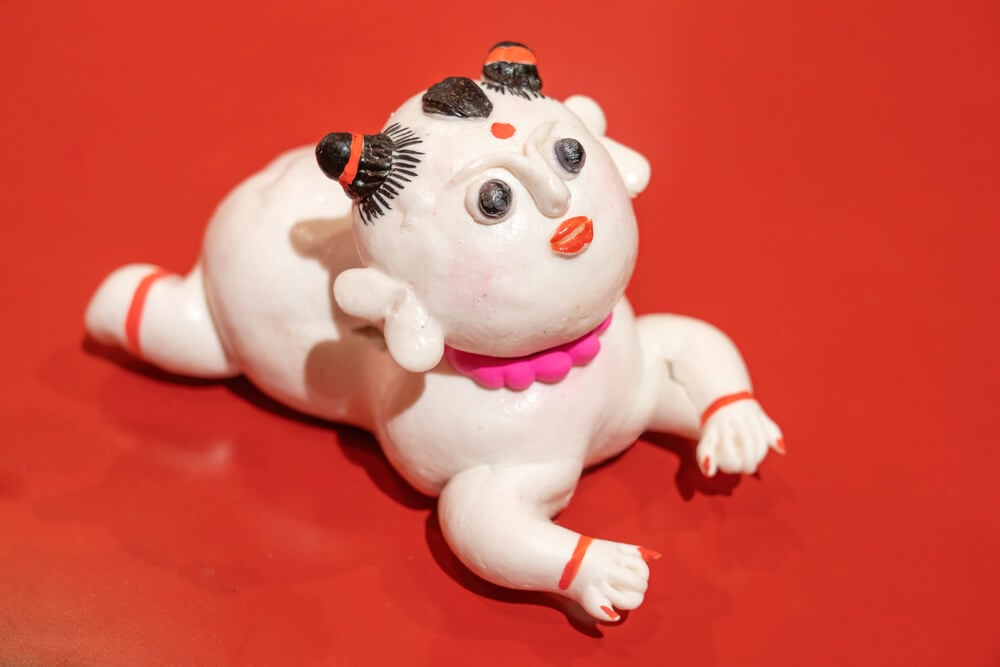
A smaller Sun Rubber puppy, also credited to Ruth E. Newton, measures about four inches and still squeaks when pressed. Its compact size made it ideal for a child’s hand.
A working squeaker is a major selling point, since many have hardened shut.
The Newton Kitten
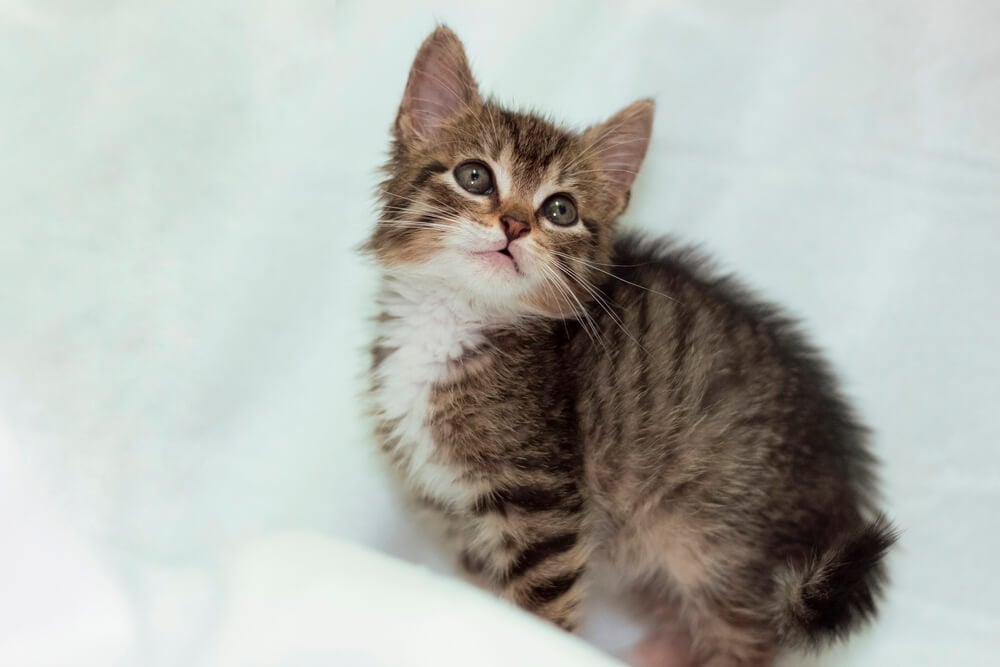
A 1950s Sun Rubber kitten squeak toy, another Ruth E. Newton design, ranks among the cats of the era. Sellers often note that it still squeaks, even when the surface needs cleaning.
Examples that survive with soft rubber and sharp paint are the ones worth keeping.
The 1955 Turtle Bath Toy
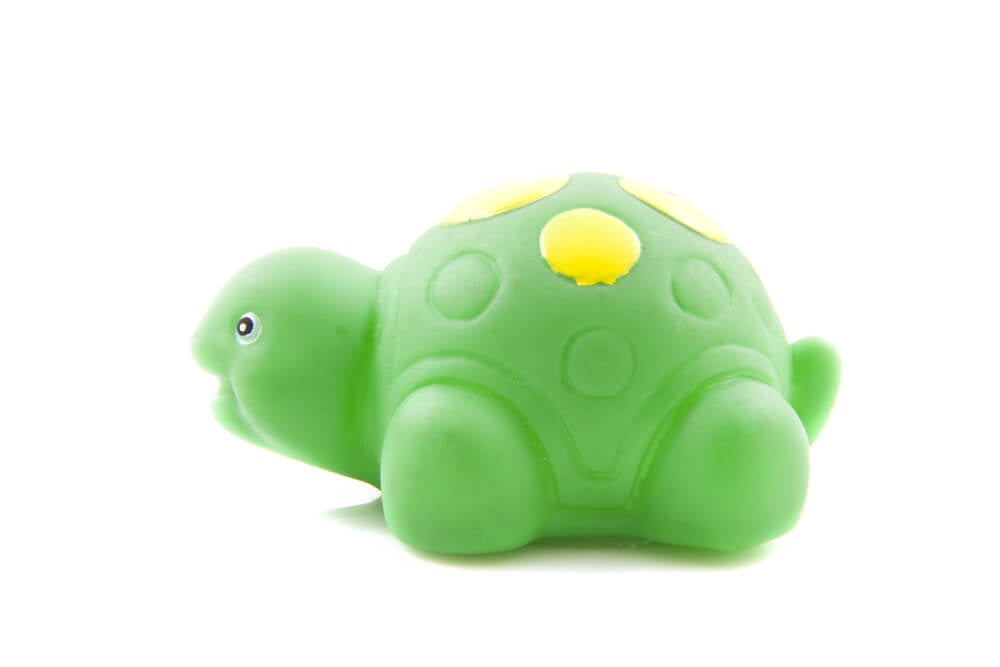
A red and teal Sun Rubber turtle from 1955 is a bath-time squeak toy that still squeaks in good examples. Its bright two-tone color scheme makes it easy to spot.
Bath toys suffer from moisture damage, so clean interiors are worth seeking out.
The 1963 Sun Rubber Poodle
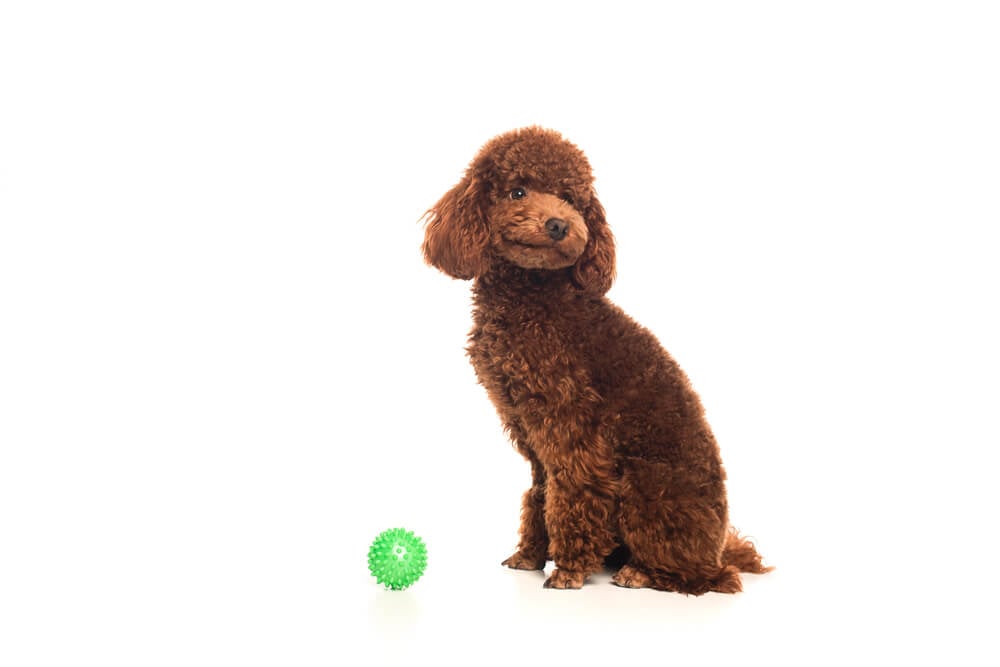
A 1963 Sun Rubber poodle squeak toy shows the company still producing toys late in its run. Sun Rubber began using vinyl around 1957, and the company closed in 1974 after operating since 1923.
Vinyl examples from the later period usually resist cracking better than older rubber.
The Sun Dee Drink-and-Wet Doll
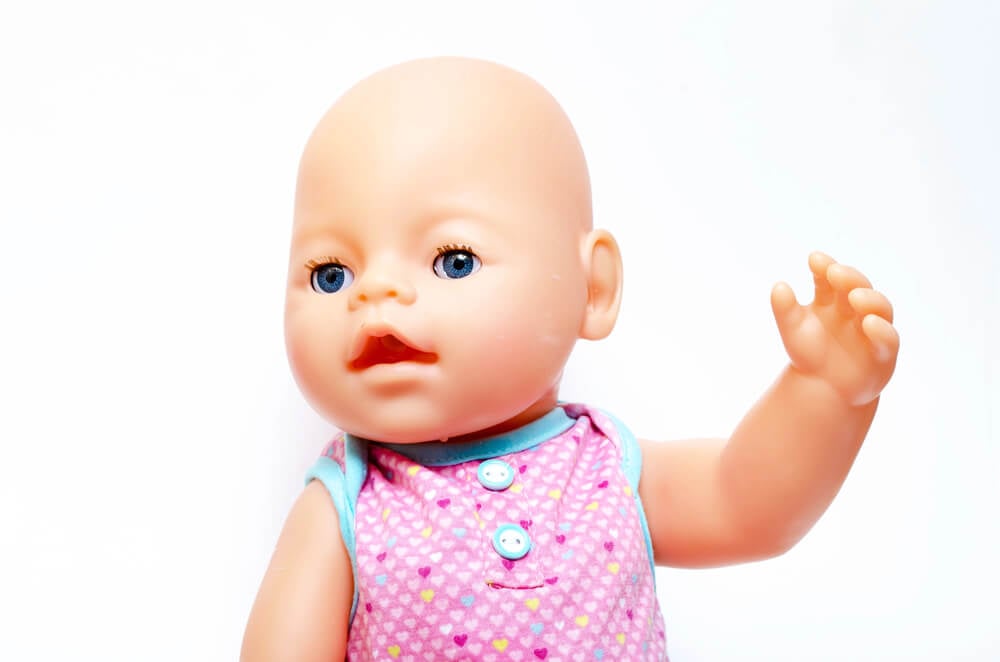
Sun Rubber’s Sun Dee was a 17-inch baby doll that could drink and wet, with a squeaker inside, introduced in 1956 or after. It carried the squeeze-toy tradition into larger dolls for older children.
Condition matters a lot, since the soft body of a drink-and-wet doll is prone to staining and splitting.
Rempel’s Froggy the Gremlin
Rempel Manufacturing of Akron made a rubber Froggy the Gremlin around 1948, tied to the Smilin’ Ed radio and television show. The company was founded in 1946 by Dietrich Rempel, a Russian immigrant, who built his plant on Morgan Avenue.
The green frog in a red jacket and bowtie is among the better-known Rempel pieces.
Rempel’s Mr. Squawker the Duck
Mr. Squawker the Duck was copyrighted by Rempel Enterprises of Akron in March 1952 and stands about 12 inches tall. It portrays a clothed duck in a walking position, which gives it a cartoon charm.
The copyright record makes it one of the more precisely dated toys of the era.
Rempel’s Mugger the Monkey
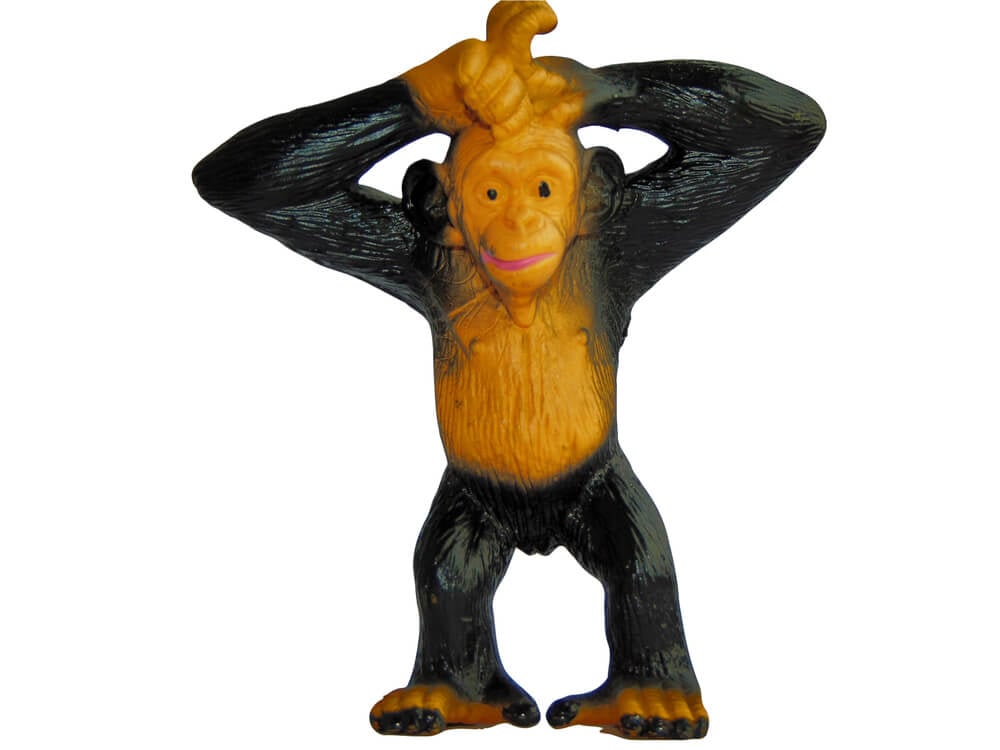
Mugger the Monkey, a 1950s Rempel piece tied to the Sunnyslope name, is a squeeze toy that collectors recognize at a glance. The character carried the same Akron-made quality as the company’s other animal toys.
Examples marked Rempel bring more interest than unmarked monkeys.
The Rempel Golden Cocker Spaniel
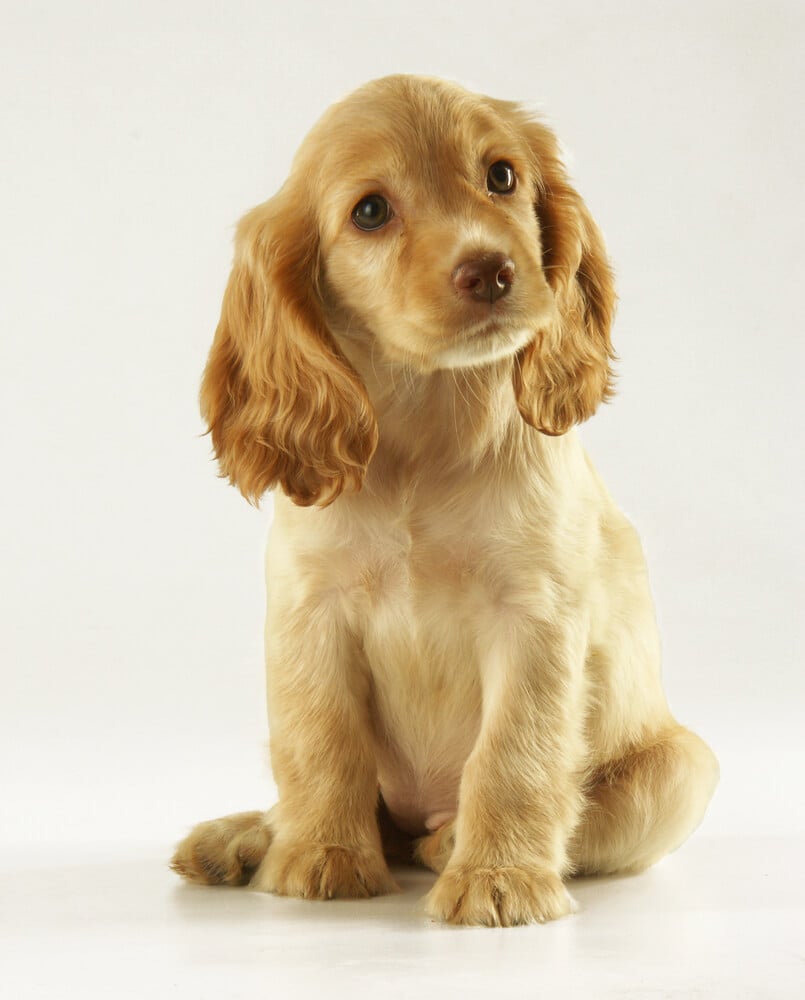
A golden cocker spaniel squeak toy from Rempel Enterprises shows the company’s talent for lifelike animals. Rempel worked with the artist Fred G. Reinert, who designed toys for the company and was known for his attention to detail.
Unfaded paint and a soft, unbroken body matter most.
The Rempel Girl Doll of 1956
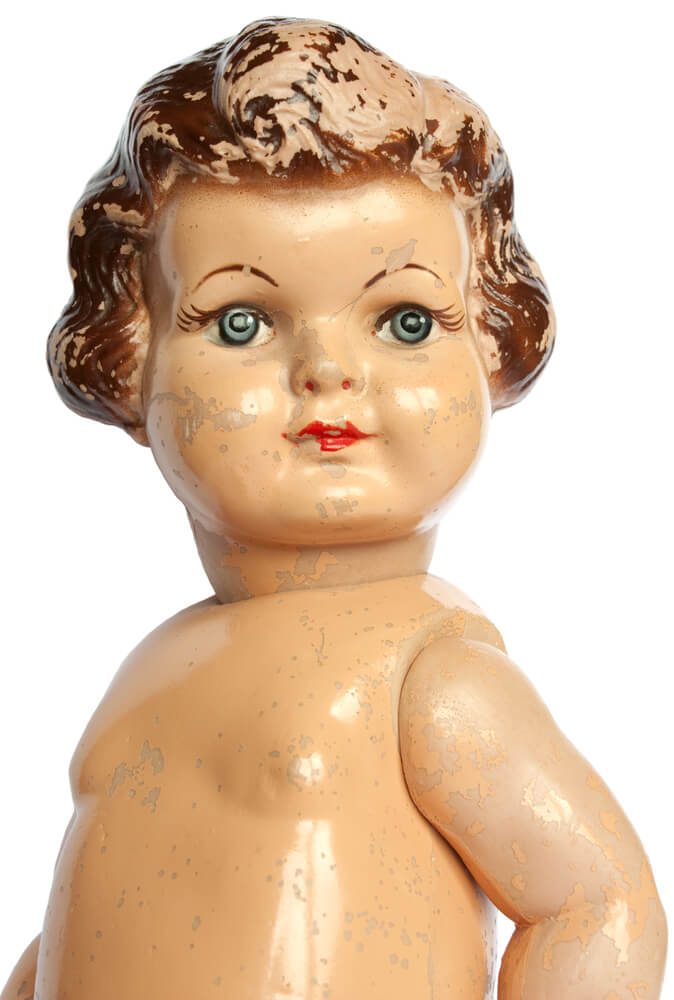
A 1956 Rempel rubber squeeze doll of a girl shows the firm moving beyond animals into children’s figures. Like the rest of the line, it relies on a one-piece molded body.
Paint wear on the face is the most common flaw.
The Rempel Duck in the Header Bag
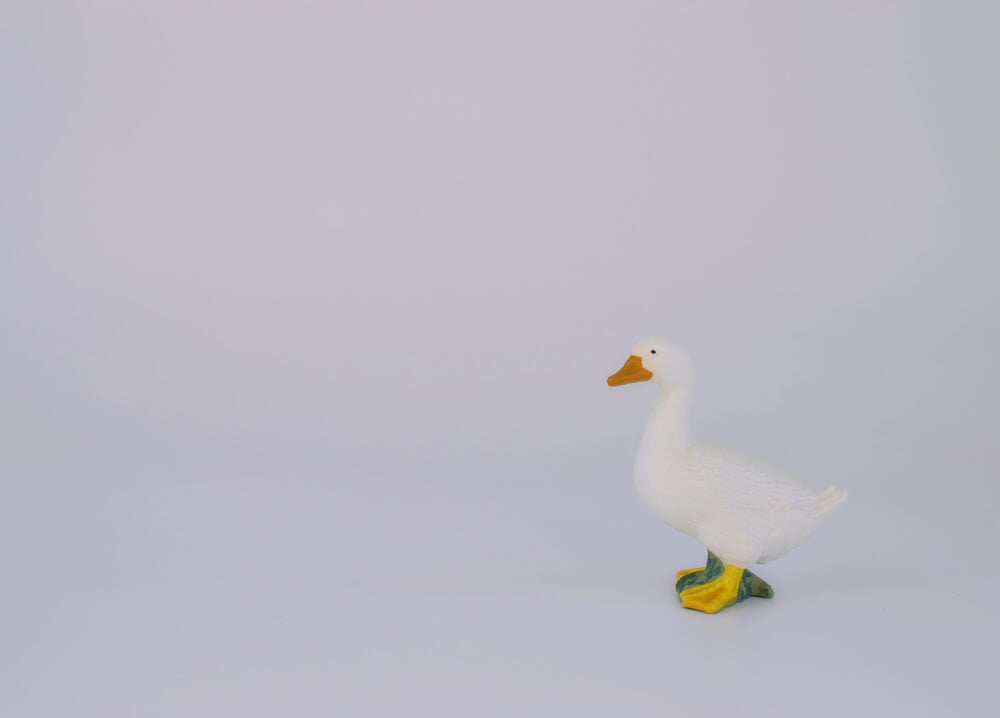
One 1950s Rempel duck squeeze toy turns up unused in its original header bag package, though the rubber has hardened completely with age. Because it never squeaks, its value rests on the unopened packaging rather than function.
It shows how age can ruin a toy even when it was never played with.
Mobley’s 1958 Girl Doll
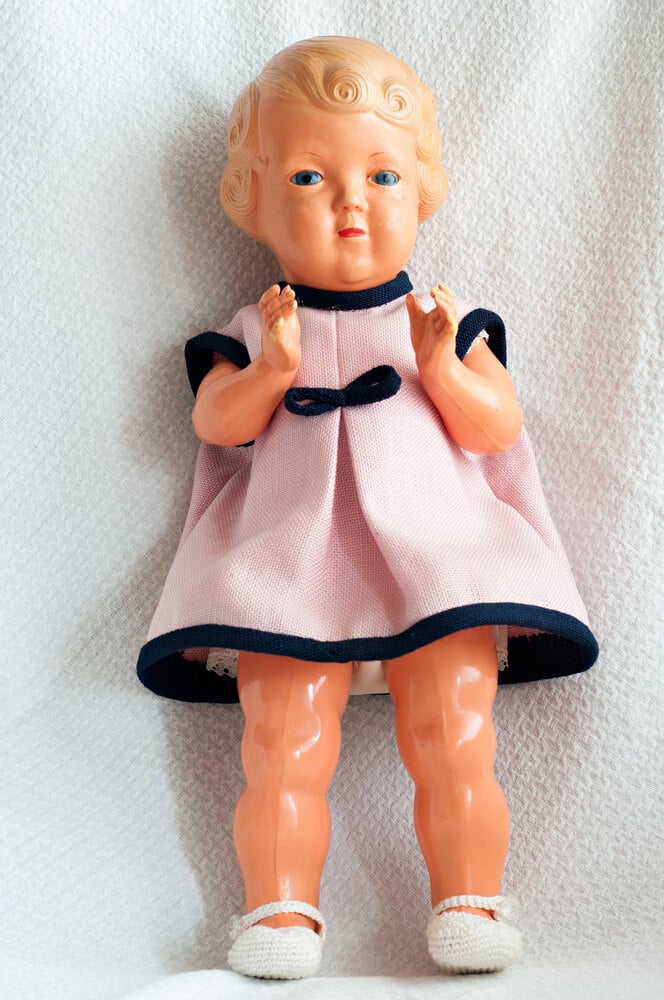
Edward Mobley first designed toys for Sun Rubber and later for Arrow Rubber and Plastics. A 1958 girl doll squeak toy, about 7.5 inches tall, carries a molded yellow dress and a mark reading The Edward Mobley Co. 1958, made by Arrow Rubber and Plastics Corp.
The paint on the shoes and hair tends to rub off first.
Mobley’s 1962 Bear
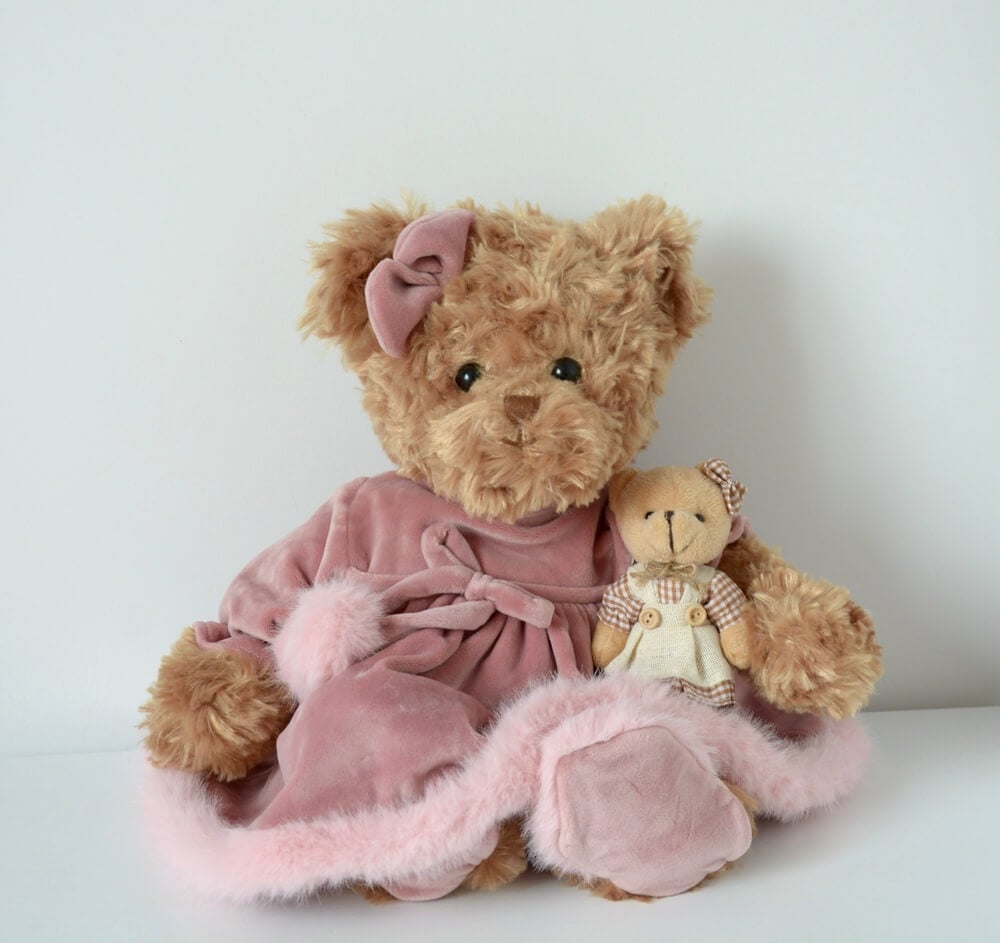
A 1962 Arrow bear squeak toy, about ten inches tall, is made of one-piece rubber or vinyl with painted details. Arrow was known for reasonably priced toys of fairly good quality.
J.L. Prescott purchased Arrow in 1968 and renamed it Arrow Molded Products.
Mobley’s Sleepy-Eyed Squeaky Cat
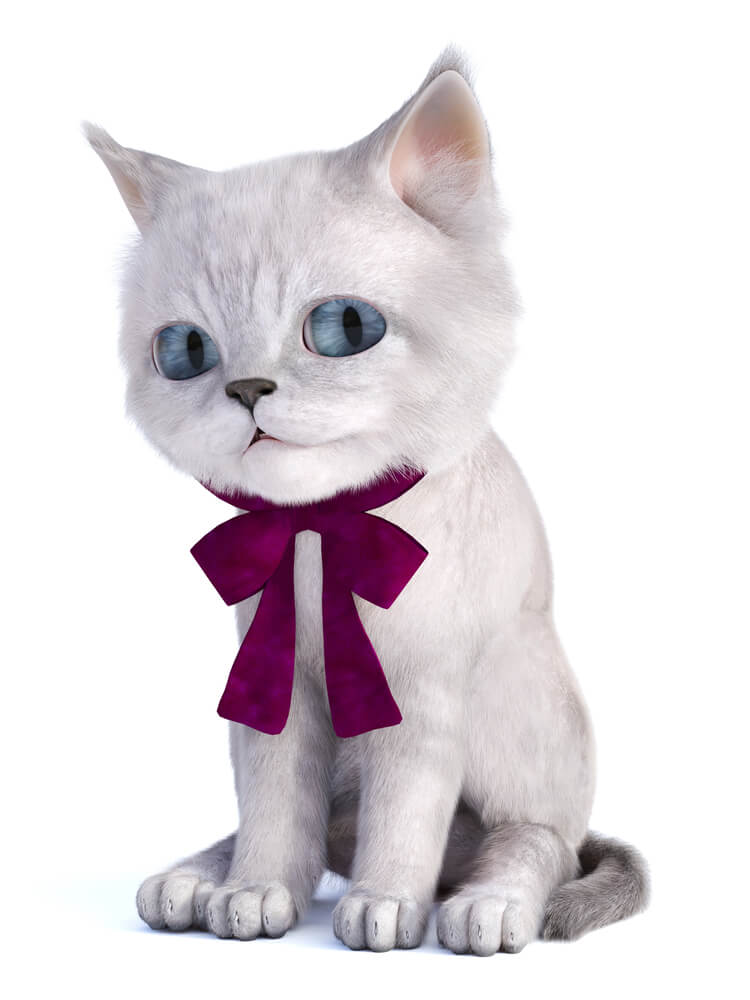
The Sleepy-Eyed Squeaky Cat was made in 1960 by Arrow Rubber and Plastics under license from Edward Mobley. Its drowsy expression gives it more personality than many standard cats.
Collectors prize examples with clear eyes and no splits along the seams.
What a Squeak Remembers
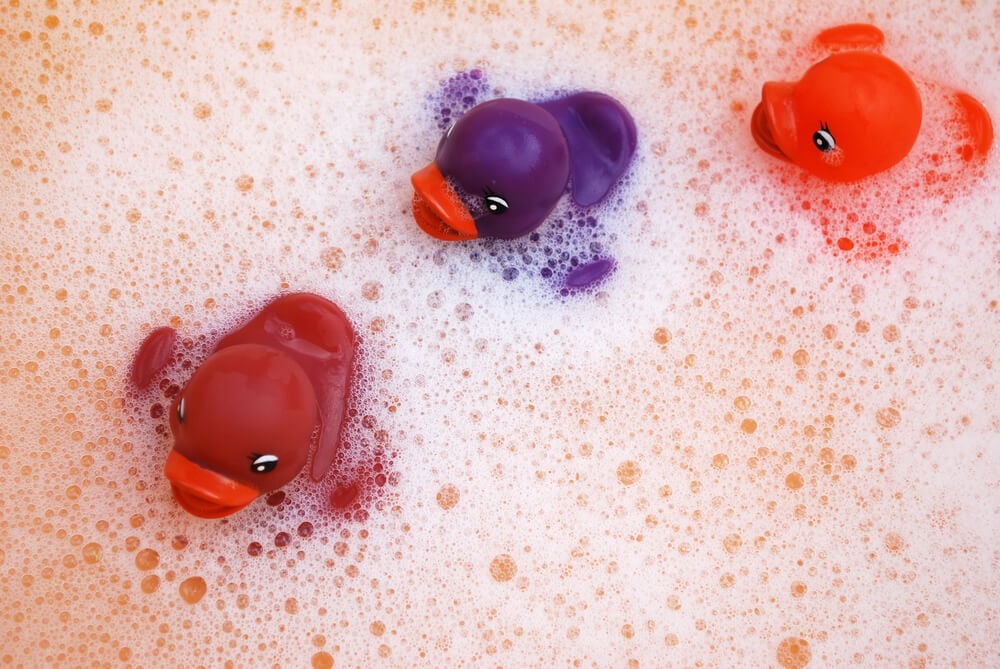
A squeeze toy is a small piece of industrial history, shaped by the Ohio rubber boom and by a few named designers. Names like Newton, Reinert and Mobley survive in the molded marks on their backs.
A toy that still squeaks proves that the rubber has outlasted the people who played with it.
Some companies never returned to toy production after World War II, while others held on until the early 1960s or beyond. Today, a few dollars buys an unmarked toy, while marked pieces from Rempel have brought the best prices.
Anyone searching a flea market should check backs, feet and bellies for a name before deciding what a toy is worth.
More from Go2Tutors!

- 27 Silver Dollars and Half Dollars Worth Keeping
- 28 Restaurant Menu Items Nobody Orders Anymore
- 17 Places Built in Seemingly Impossible Spots
- 27 Vintage Rings Worth More Than They Look
- 25 Restricted Sites Tourists Can’t Enter
Like Go2Tutors’s content? Follow us on MSN.