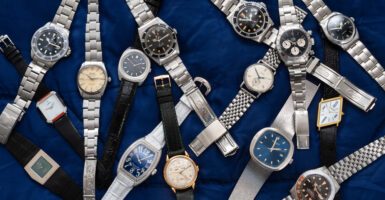
27 Wristwatches in Drawers Worth Getting Appraised
Most vintage watches sitting in a drawer are exactly what they look like: an old watch that stopped running decades ago. But a specific set of brands and models are worth a genuine appraisal before assuming that, because certain vintage pieces regularly sell for sums their owners never imagined, particularly when the movement, dial, and case are all original to each other.
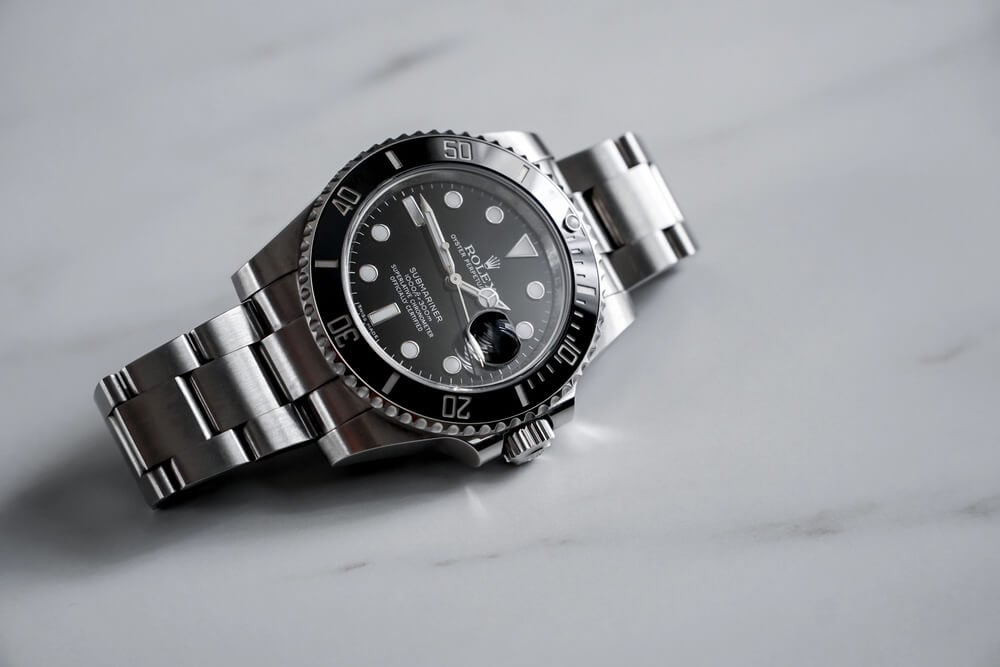
Rolex Submariner References from the 1950s and 1960s
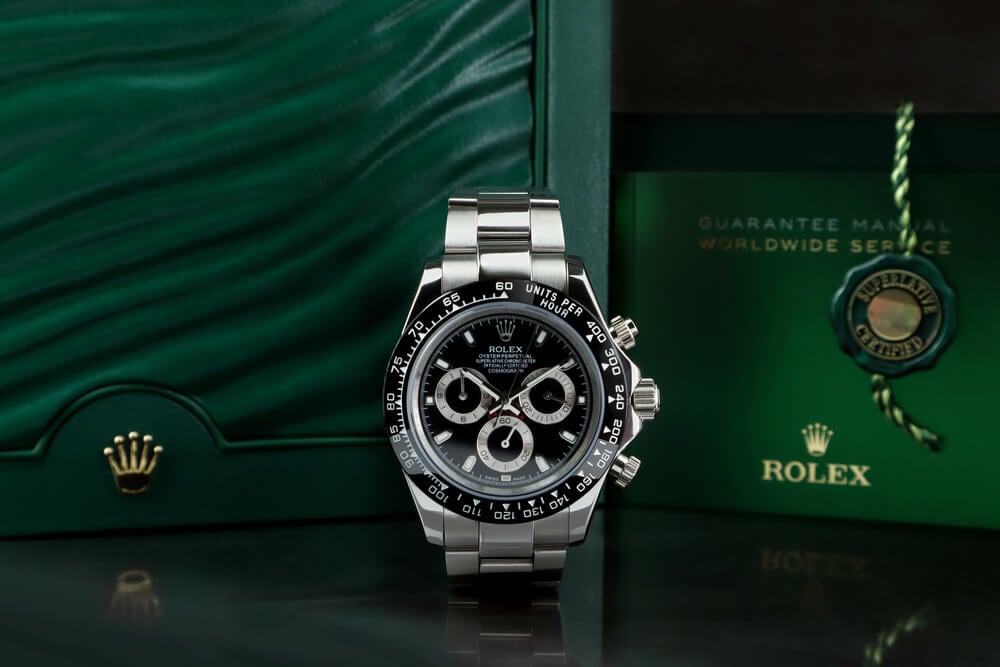
Early Submariner models, particularly those with matte dials and specific reference numbers from before the line’s later refinements, are among the most consistently valuable vintage sport watches on the market. Originality of the dial and hands relative to the case is critical, since replaced parts significantly reduce value even on an otherwise genuine watch.
Omega Speedmaster Pre-Moonwatch References
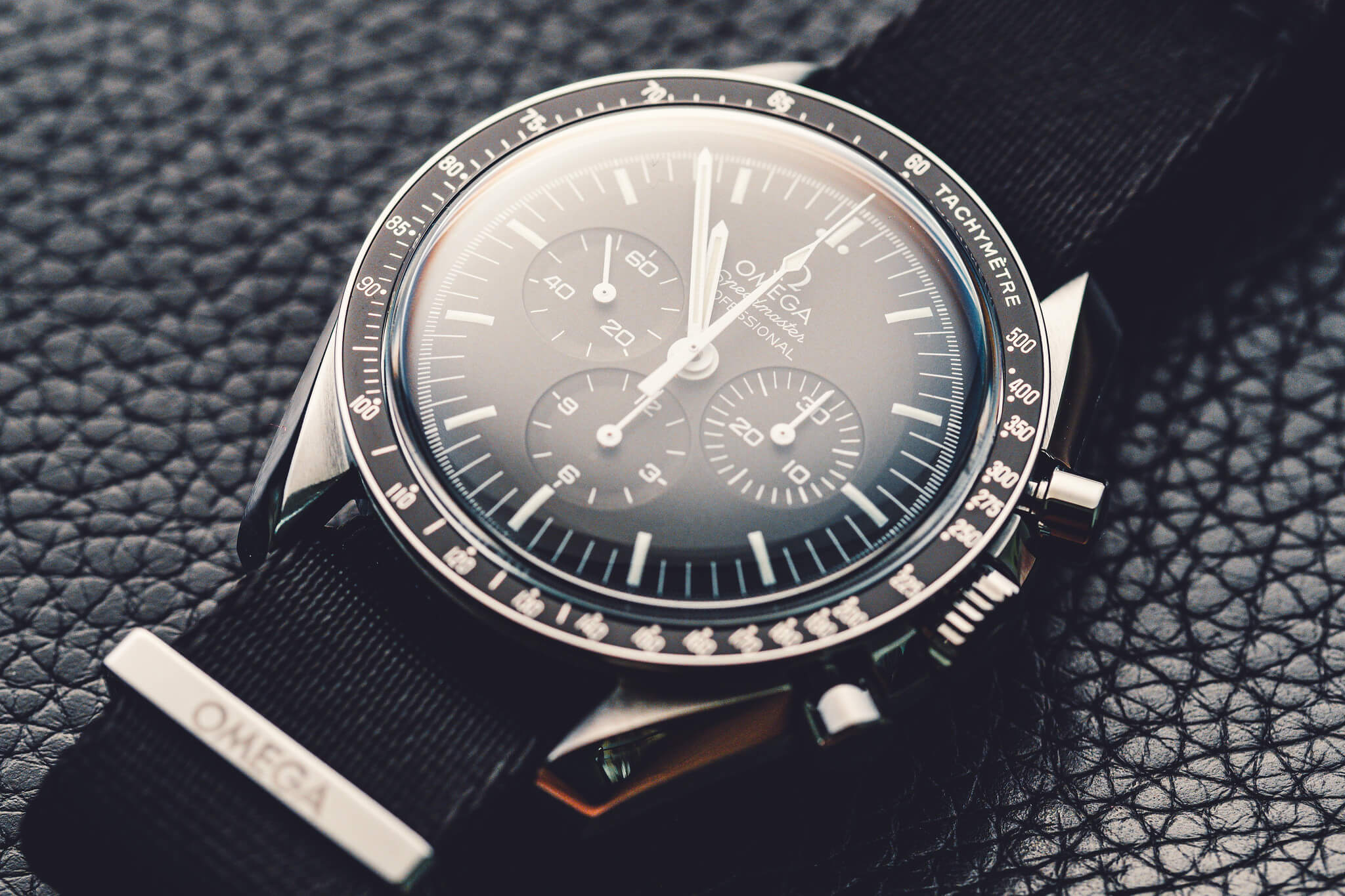
Early Speedmaster models produced before NASA officially certified the watch for spaceflight in the 1960s are distinct from the more common later Moonwatch models and carry their own dedicated collector interest, particularly examples with original, unpolished cases.
Patek Philippe Perpetual Calendar Watches
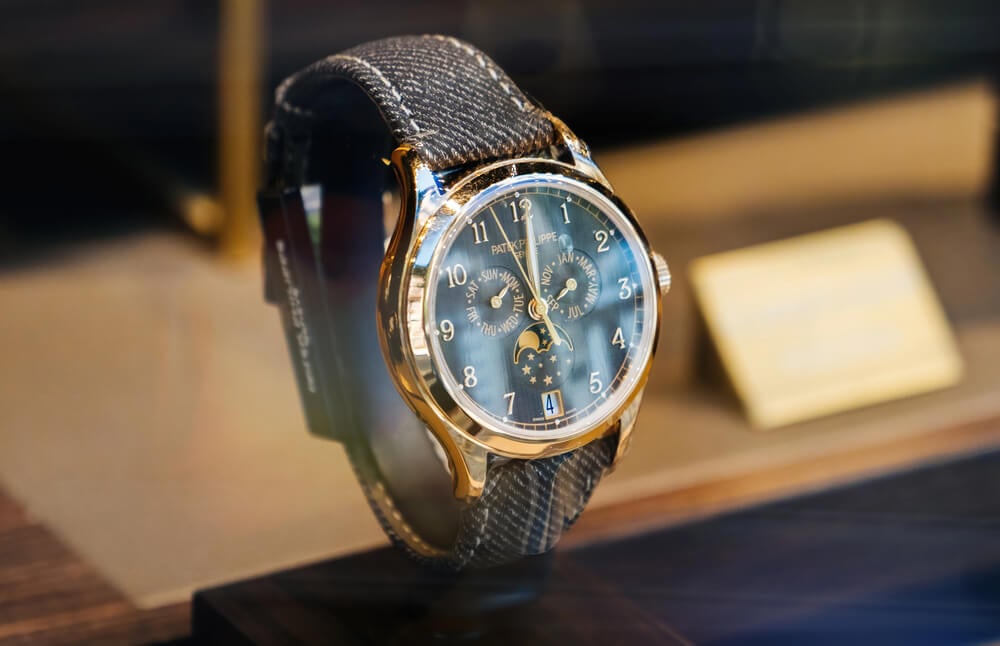
Patek Philippe’s perpetual calendar complications, which mechanically track the date across varying month lengths and leap years without manual adjustment, represent some of the most complex and valuable watchmaking of the twentieth century, and vintage examples in original condition are consistently among the highest-value pieces in any collection.
Heuer Carrera Chronographs
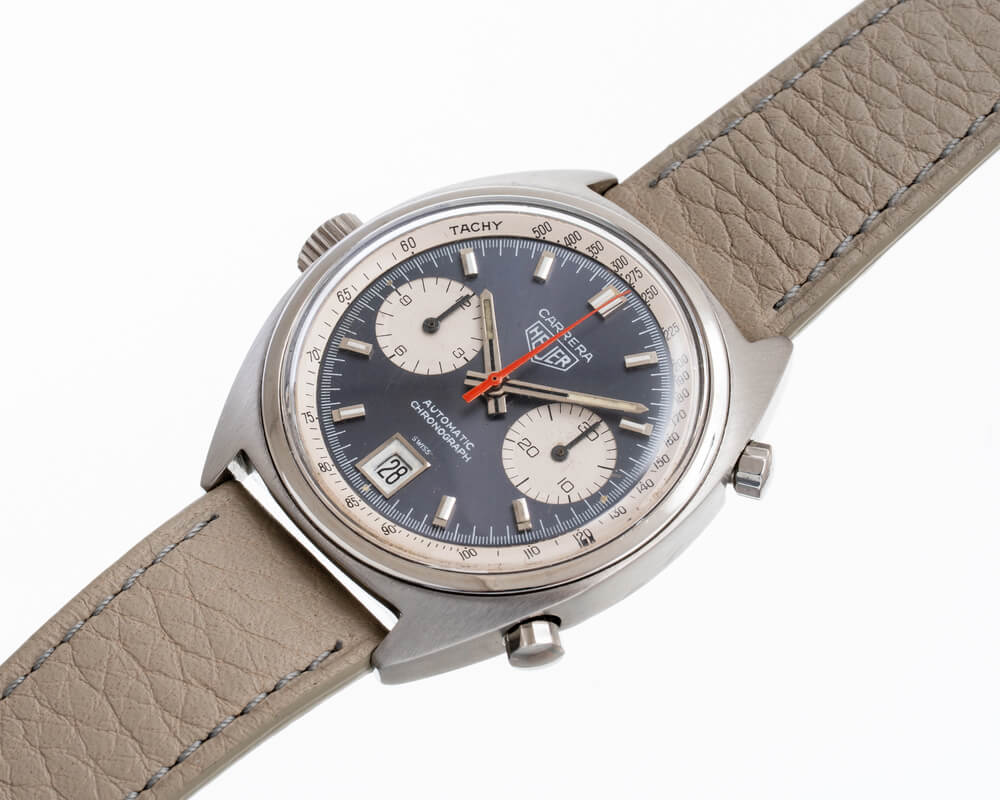
Heuer, before its acquisition by TAG, built the Carrera chronograph line in the 1960s specifically for motorsport timing, and vintage examples with their original dials are actively sought by collectors of both vintage watches and motorsport history, since Heuer sponsored and equipped numerous racing teams during this period.
Universal Genève Polerouter
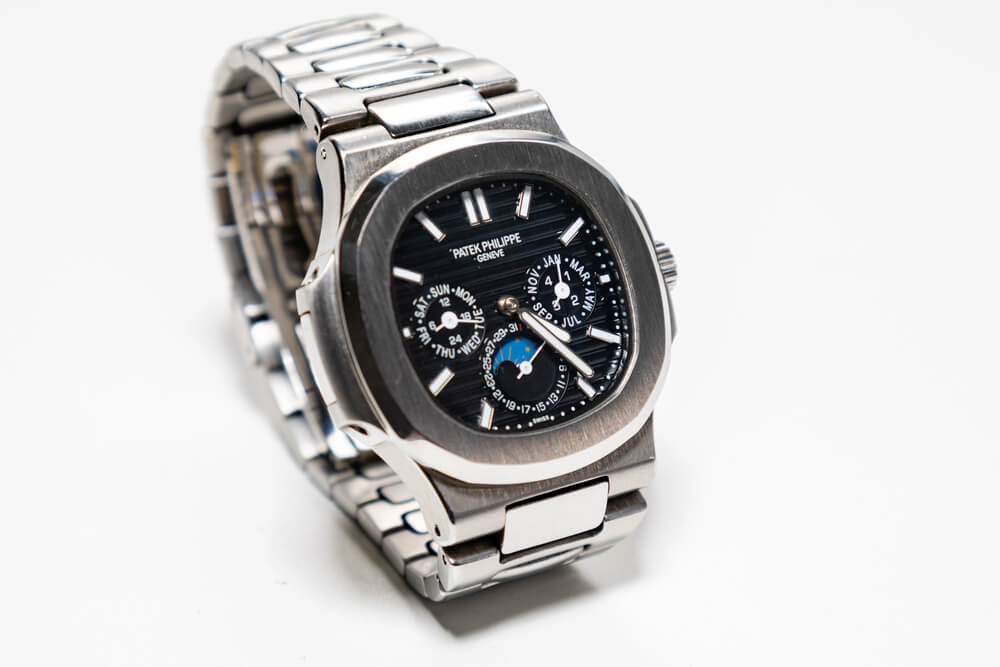
Designed in the 1950s and notable for an early automatic movement developed with reduced friction specifically for polar flight navigators, the Polerouter has become a favorite among collectors who appreciate historically significant engineering that isn’t tied to the more commonly recognized major Swiss brands.
Longines Chronographs from the 1940s
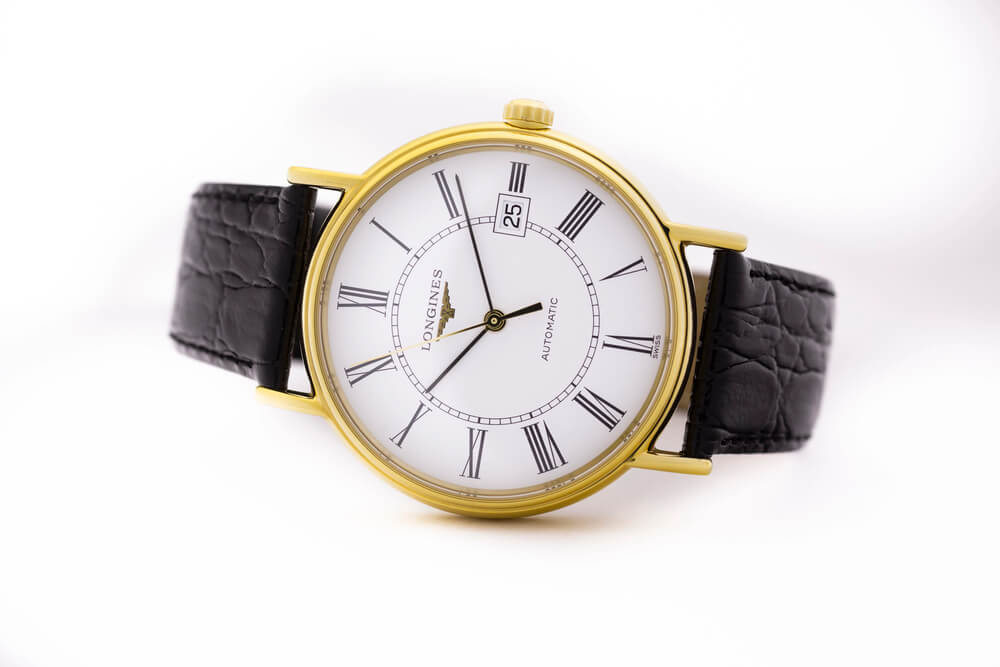
Longines produced highly regarded chronograph movements through the mid-twentieth century, and vintage examples with their original, often distinctively styled dials appeal to collectors seeking quality vintage watchmaking outside the more heavily collected Rolex and Omega categories.
Jaeger-LeCoultre Reverso
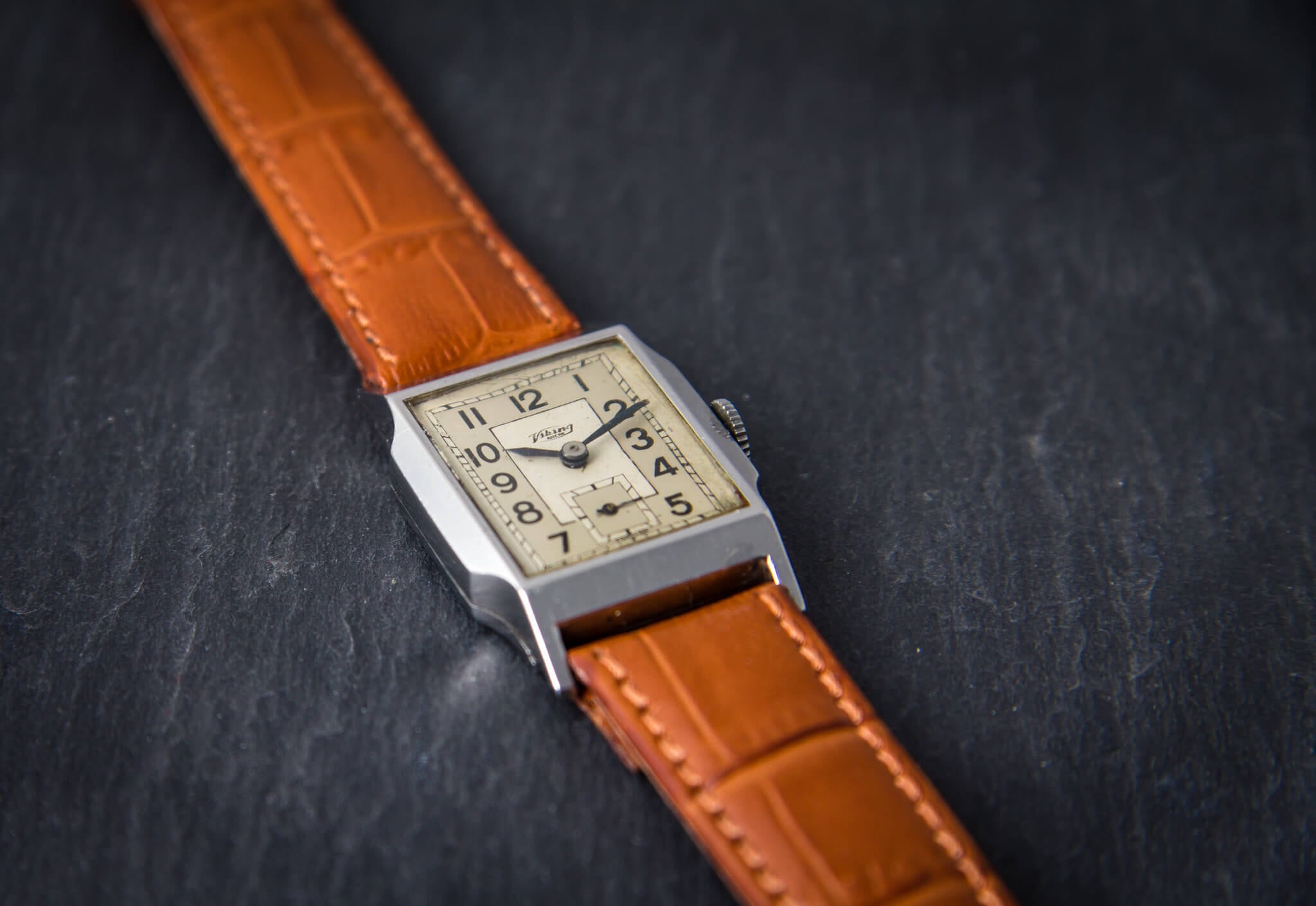
Originally designed in the 1930s with a case that flips to protect the crystal during polo matches, the Reverso’s distinctive rectangular reversible case makes it instantly recognizable, and vintage examples from before later production increases are particularly valued by Art Deco design collectors as well as watch specialists.
Rolex Daytona References with Exotic Dials
Certain vintage Rolex Daytona models fitted with a specific dial style, unofficially nicknamed for a famous actor associated with the watch, became dramatically more collectible once that association became widely known, demonstrating how cultural narrative can significantly affect a specific reference’s value within an already valuable model line.
Vacheron Constantin Historiques Pieces
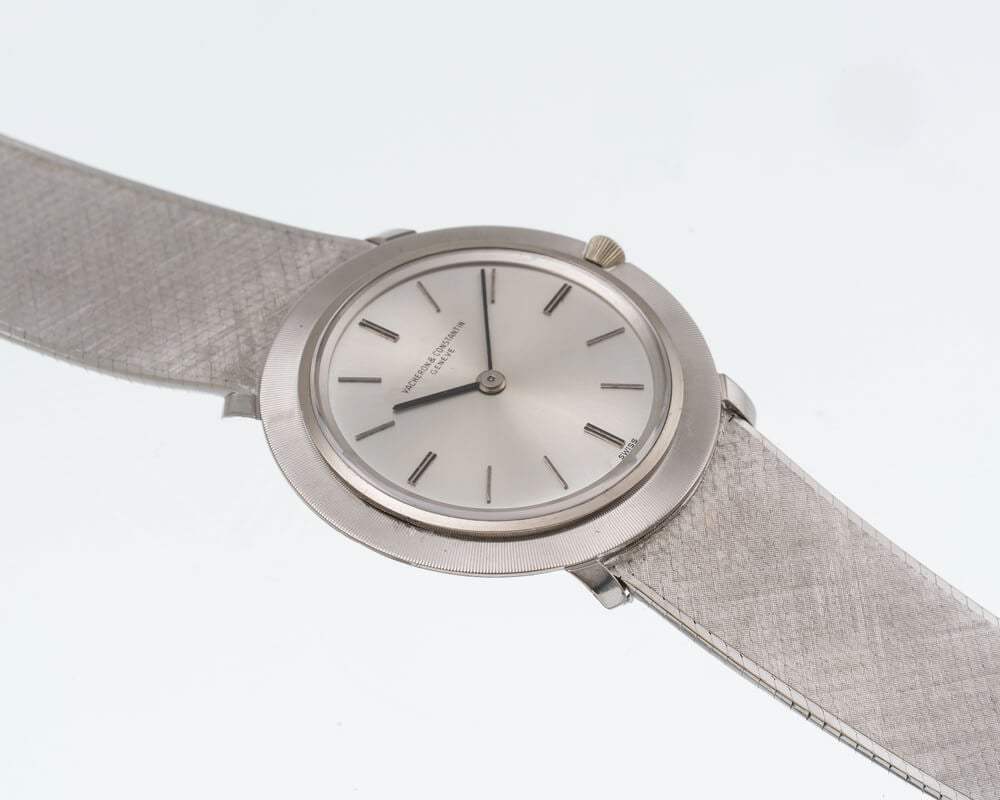
Vacheron Constantin, one of the oldest continuously operating watch manufacturers, produced vintage pieces valued as much for the maker’s uninterrupted horological history as for any single model’s individual features, appealing to collectors who prioritize manufacturing pedigree.
Breitling Navitimer Early References
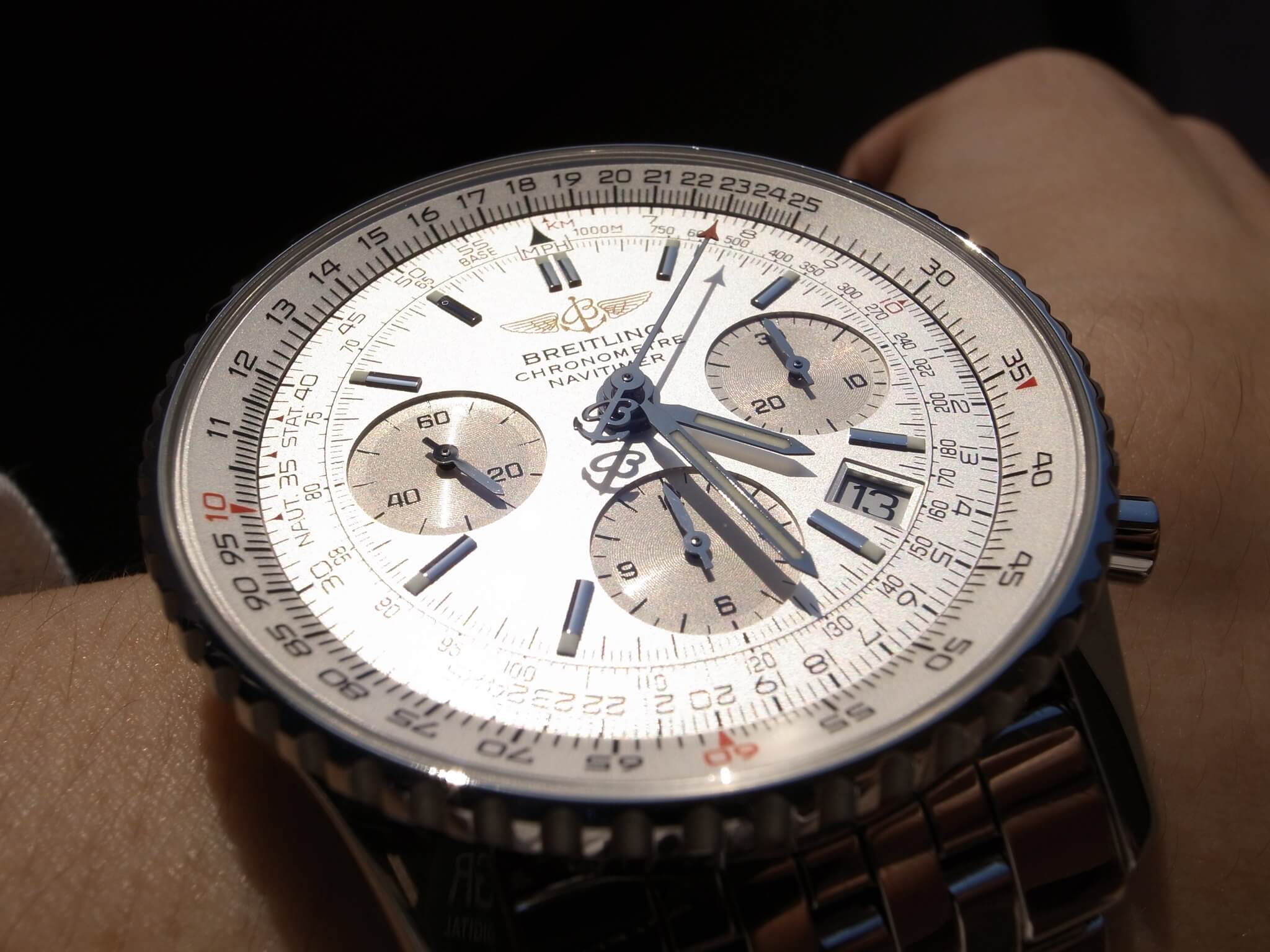
Developed in the 1950s with a circular slide rule bezel intended for pilots to calculate flight variables, early Navitimer references are collected both by watch enthusiasts and by aviation history collectors for their genuine, functional connection to mid-century flight instrumentation.
IWC Portuguese Chronographs
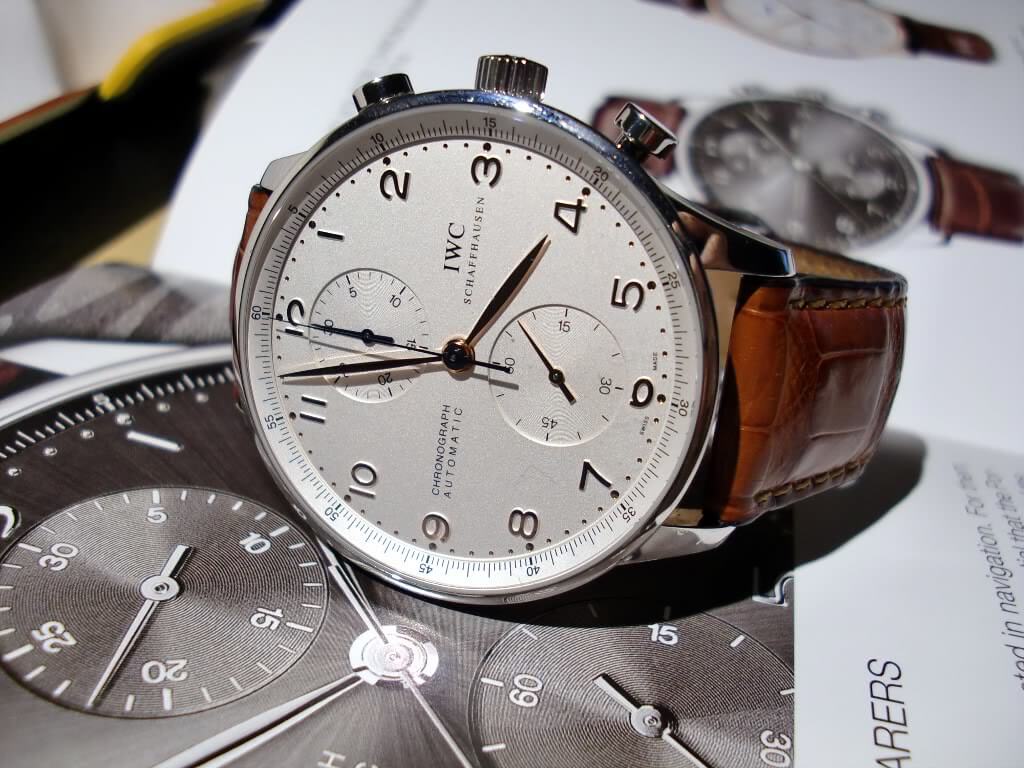
International Watch Company’s Portuguese line, originally developed in the 1930s at the request of two Portuguese businessmen who wanted a large, precise watch akin to marine chronometers, is collected for combining oversized wartime-era case proportions with genuinely high-grade movements.
Zenith El Primero Early References
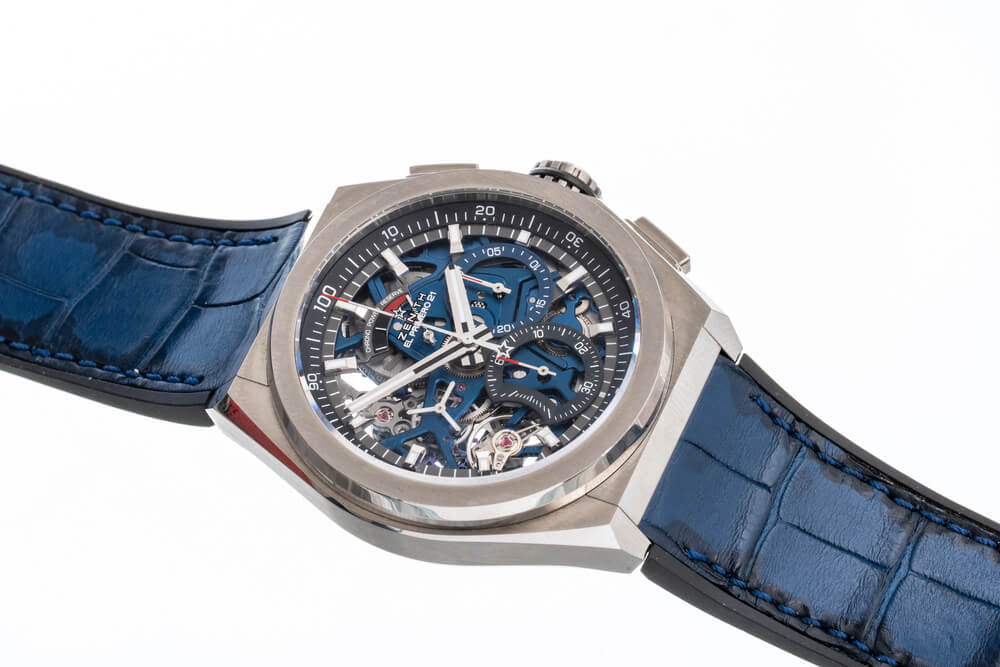
Zenith’s El Primero, introduced in 1969, was among the first automatic chronograph movements ever produced, and early examples are collected specifically for their historical role in a documented race between several Swiss manufacturers to develop automatic chronograph technology.
Rolex Explorer References from the 1950s
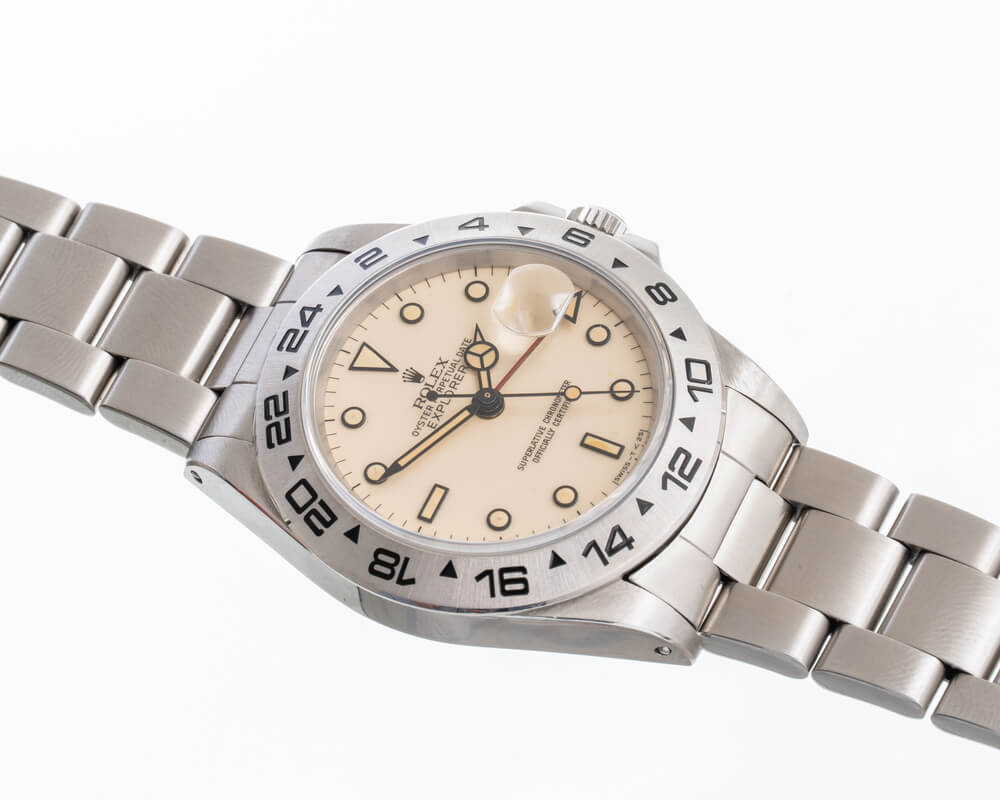
Developed following its association with early Everest expeditions, the Explorer’s simple, legible dial design has remained largely consistent since its introduction, and early references are valued both for their historical connection to mountaineering and for the model’s relative rarity compared to more heavily produced Rolex sport models.
Girard-Perregaux Gyromatic Watches
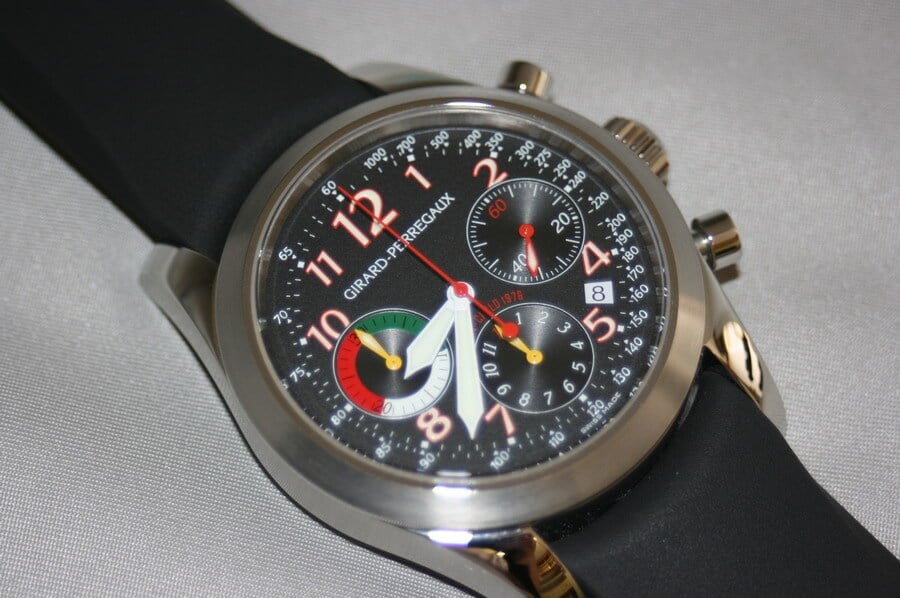
Girard-Perregaux’s mid-century Gyromatic automatic movements were considered technically advanced for their era, and vintage examples appeal to collectors interested in the broader history of automatic watch movement development beyond the handful of brands most commonly associated with the technology.
Omega Constellation Pie-Pan Dial Watches
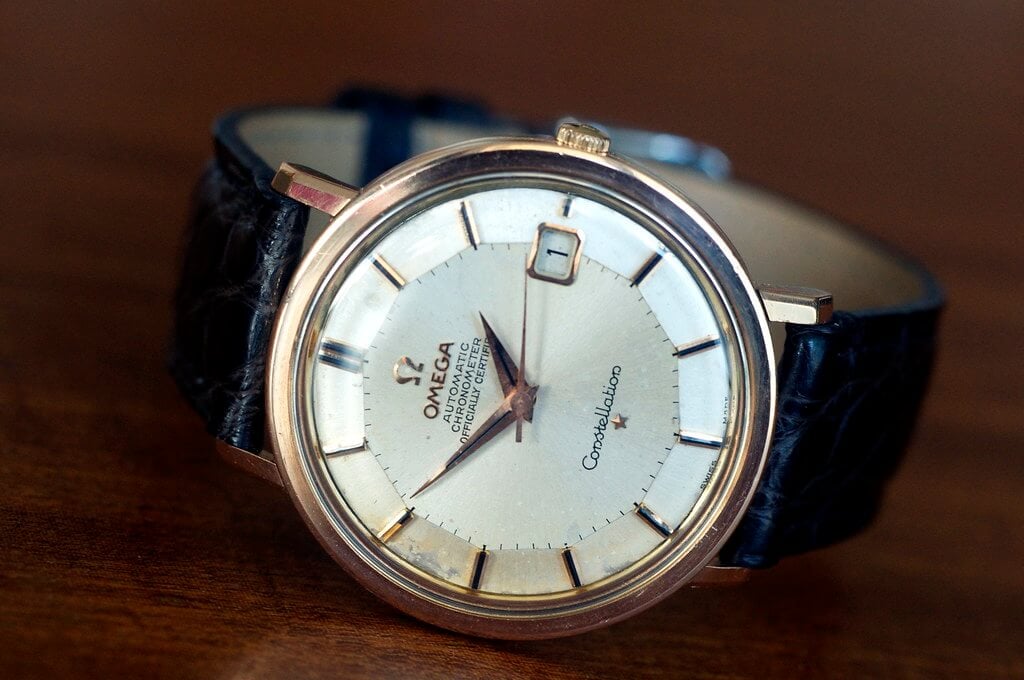
Named by collectors for the dial’s distinctive stepped shape resembling an inverted pie pan, these 1950s and 1960s Constellation models are sought after specifically for that dial design, which was phased out in later production, making early examples a recognizable and dateable subcategory.
Rolex GMT-Master References with Pepsi Bezels
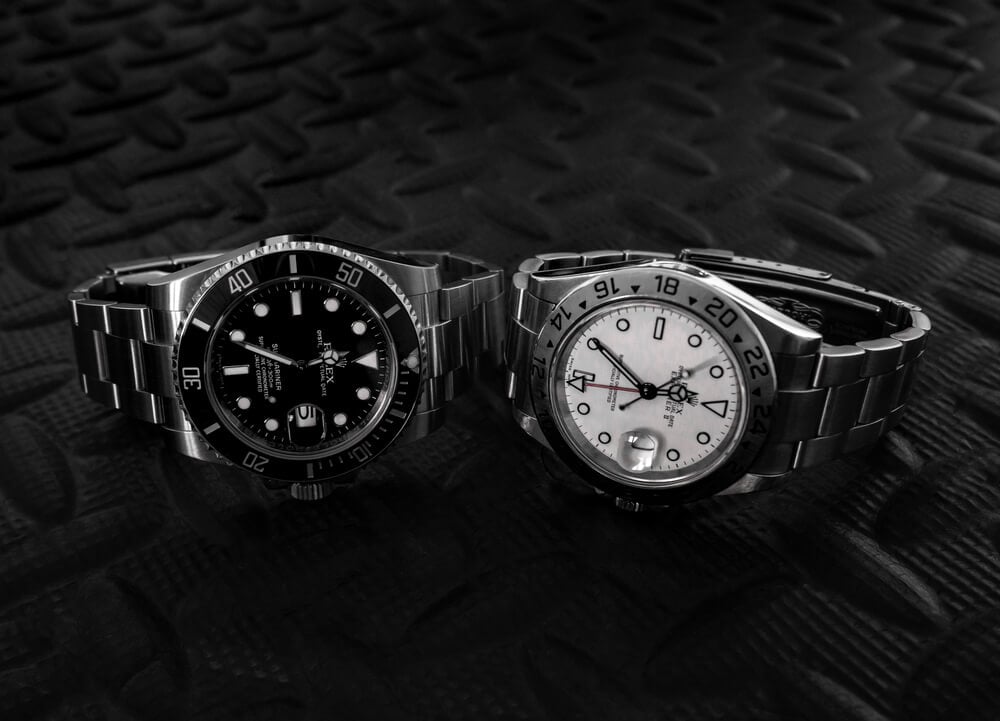
Early GMT-Master models fitted with the red-and-blue bezel colloquially known as the Pepsi bezel, developed originally for airline pilots to track two time zones simultaneously, are collected both for their functional aviation history and for the visual distinctiveness of the bezel color combination.
Cartier Tank Watches
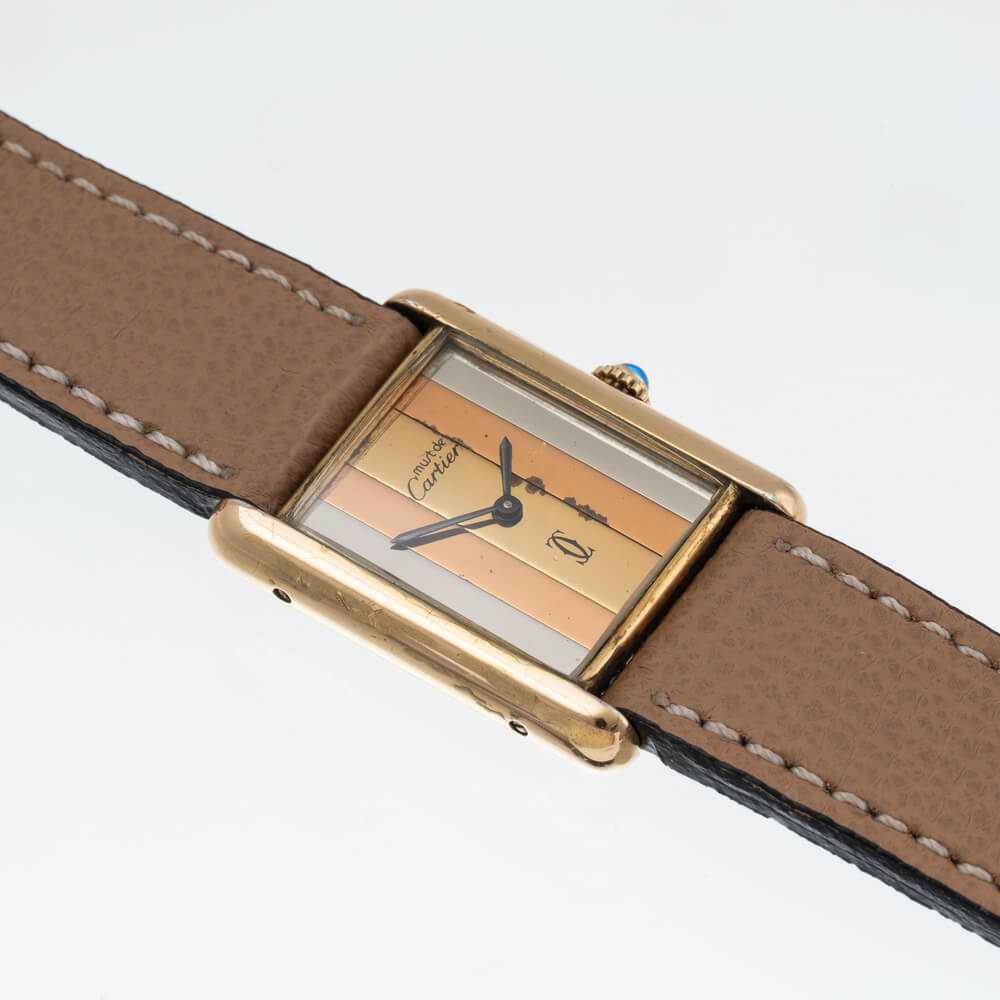
Introduced in 1917 with a rectangular case inspired by the shape of military tanks viewed from above, the Cartier Tank has remained in production for over a century, and early vintage examples are valued by collectors who prioritize design history and the watch’s documented associations with numerous twentieth-century cultural figures.
Audemars Piguet Royal Oak Early References
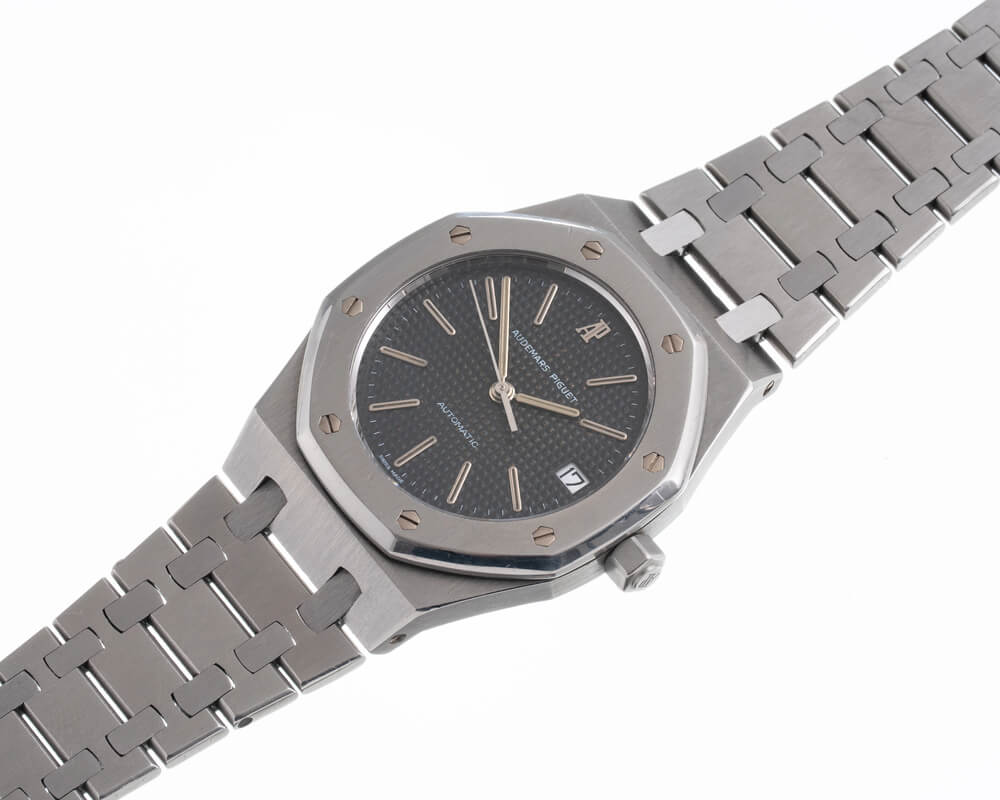
Introduced in 1972 as one of the first luxury sport watches made from steel rather than precious metal, a genuinely unusual choice at the time, early Royal Oak references are collected as artifacts of a design decision that eventually reshaped the entire luxury watch industry’s approach to sport watches.
Hamilton Military Field Watches
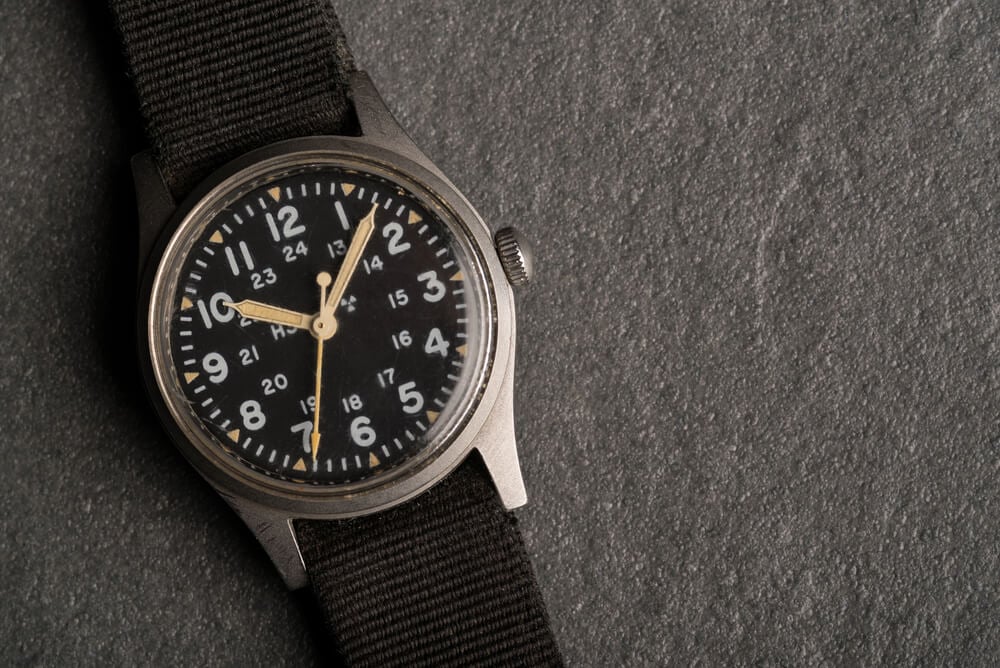
Hamilton produced watches under military contract during the Second World War with standardized, legible dials designed specifically for battlefield use, and surviving examples with documented military issue markings are collected both by watch enthusiasts and by military history collectors.
Rolex Milgauss Early References
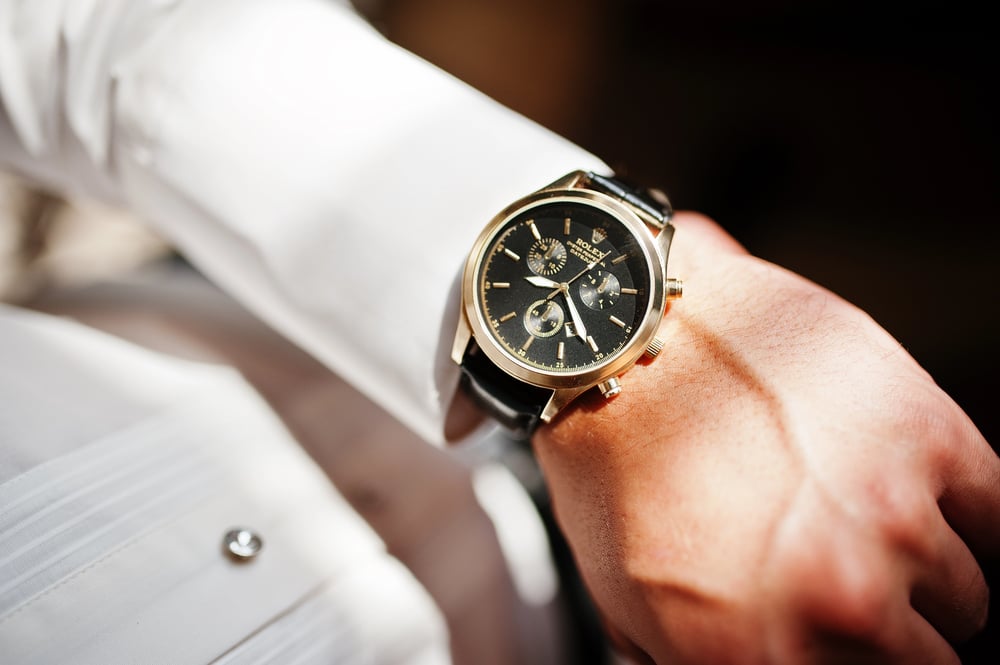
Developed for engineers and scientists working near strong magnetic fields, early Milgauss references featured shielding technology that was unusual for its era, and the model’s relatively low production numbers compared to other vintage Rolex sport watches make surviving examples genuinely scarce.
Movado Museum Watches
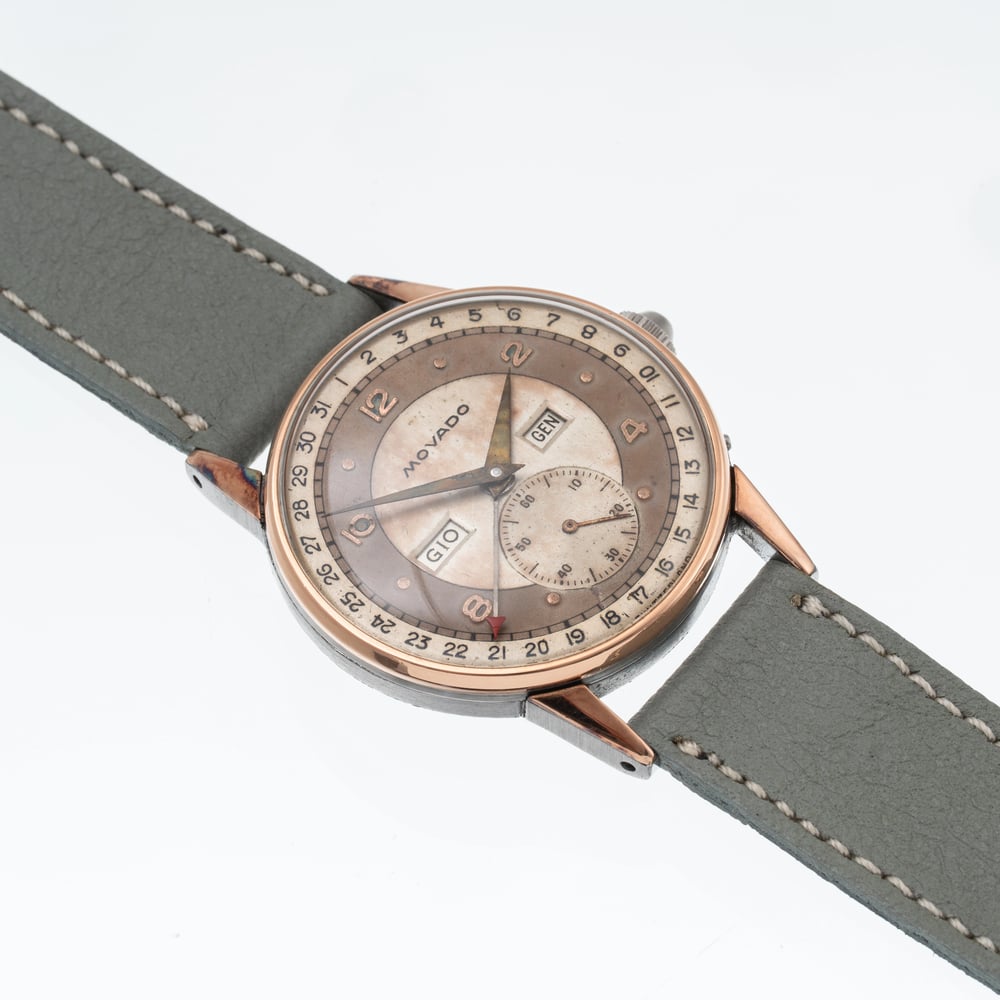
Movado’s Museum Watch, designed in the 1940s with a minimalist dial reduced to a single dot representing high noon, was influential enough in mid-century design circles to eventually enter museum design collections, and vintage examples are sought by collectors focused specifically on watch design history.
Wittnauer Chronographs
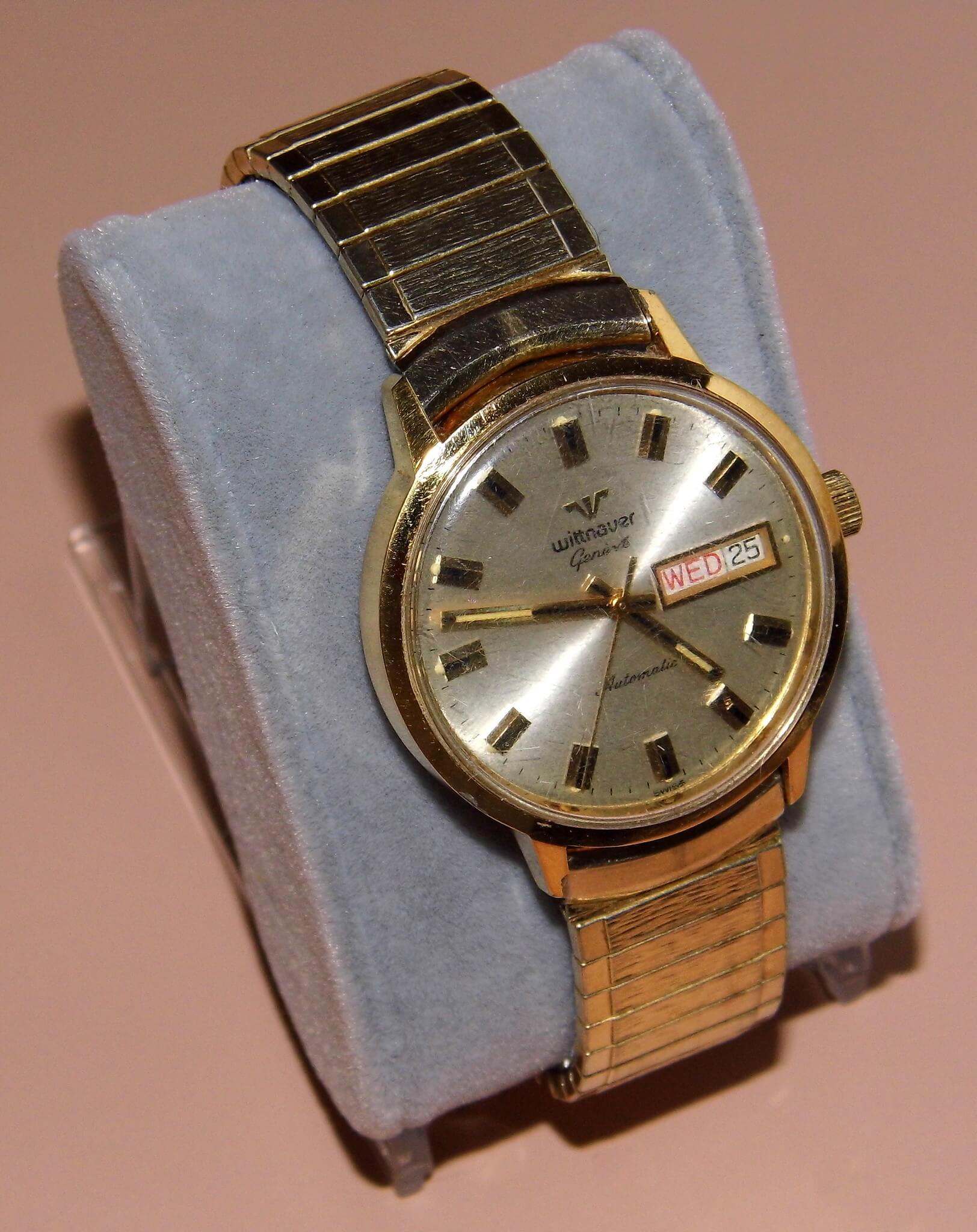
Wittnauer, closely associated with Longines through much of the twentieth century, produced solid, well-regarded chronographs at a lower price point than its more prestigious contemporaries, making vintage examples an accessible entry point for new watch collectors interested in mid-century mechanical chronographs.
Rolex Air-King References from the 1950s and 1960s
Named to honor Royal Air Force pilots after the Second World War, early Air-King references feature simple, functional dials that have become collected specifically for representing an accessible entry point into vintage Rolex sport watch collecting compared to the brand’s more expensive contemporaneous models.
Elgin Pocket-to-Wrist Conversion Watches
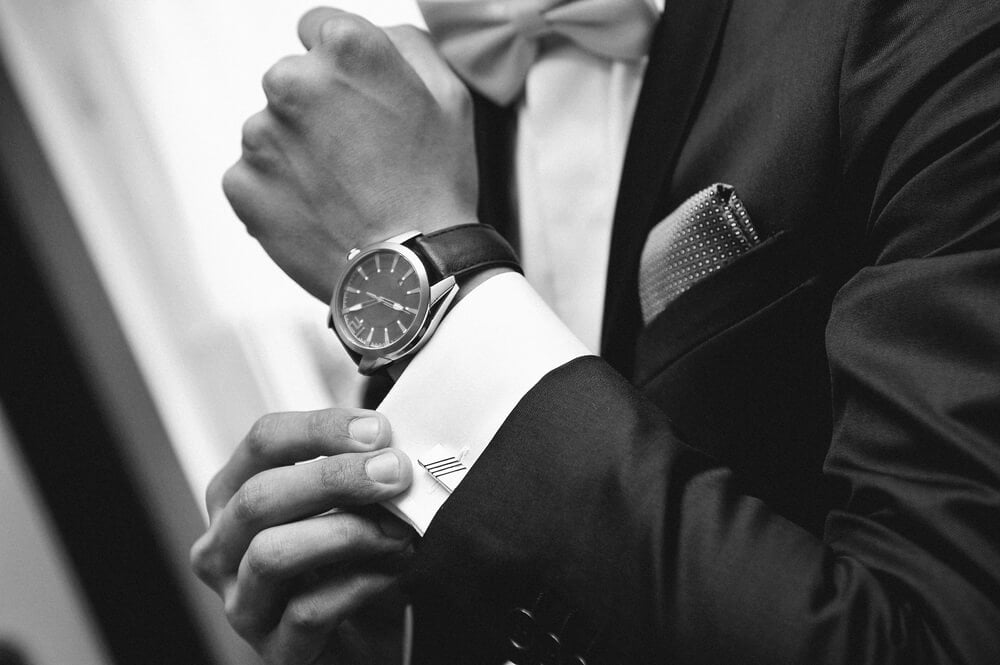
As wristwatches replaced pocket watches in popularity through the early twentieth century, some manufacturers, including Elgin, produced transitional models or conversions, and these are collected specifically as artifacts documenting that broader shift in how people carried timepieces.
Seiko Automatic Chronographs from the 1960s
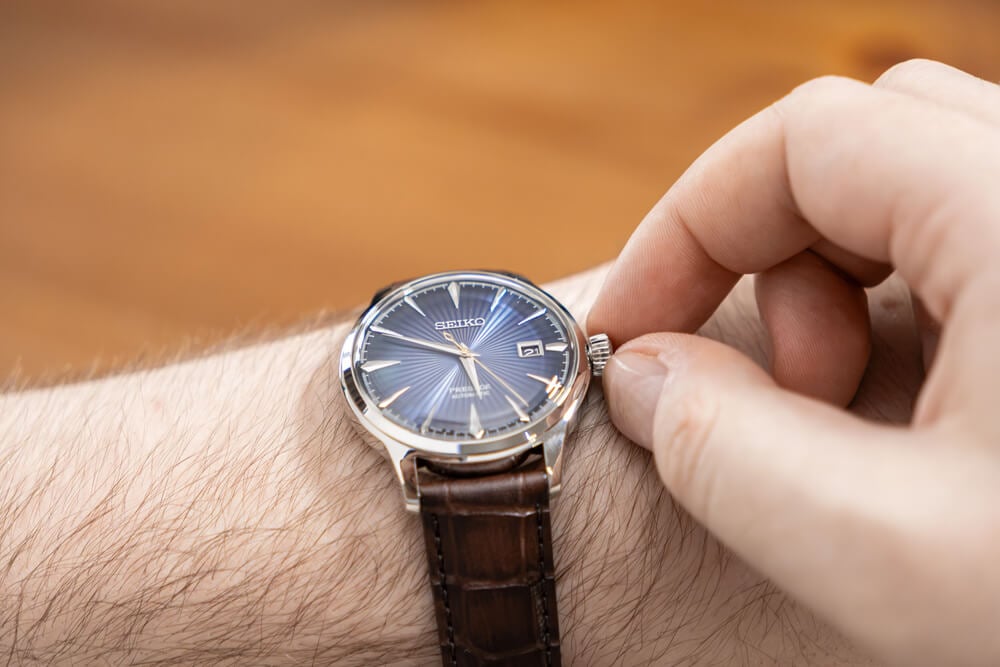
Seiko’s early automatic chronograph movements, developed independently in Japan during the same general period as similar Swiss innovations, are increasingly collected by enthusiasts interested in the broader, less Swiss-centric history of automatic chronograph development.
Bulova Accutron Tuning Fork Watches
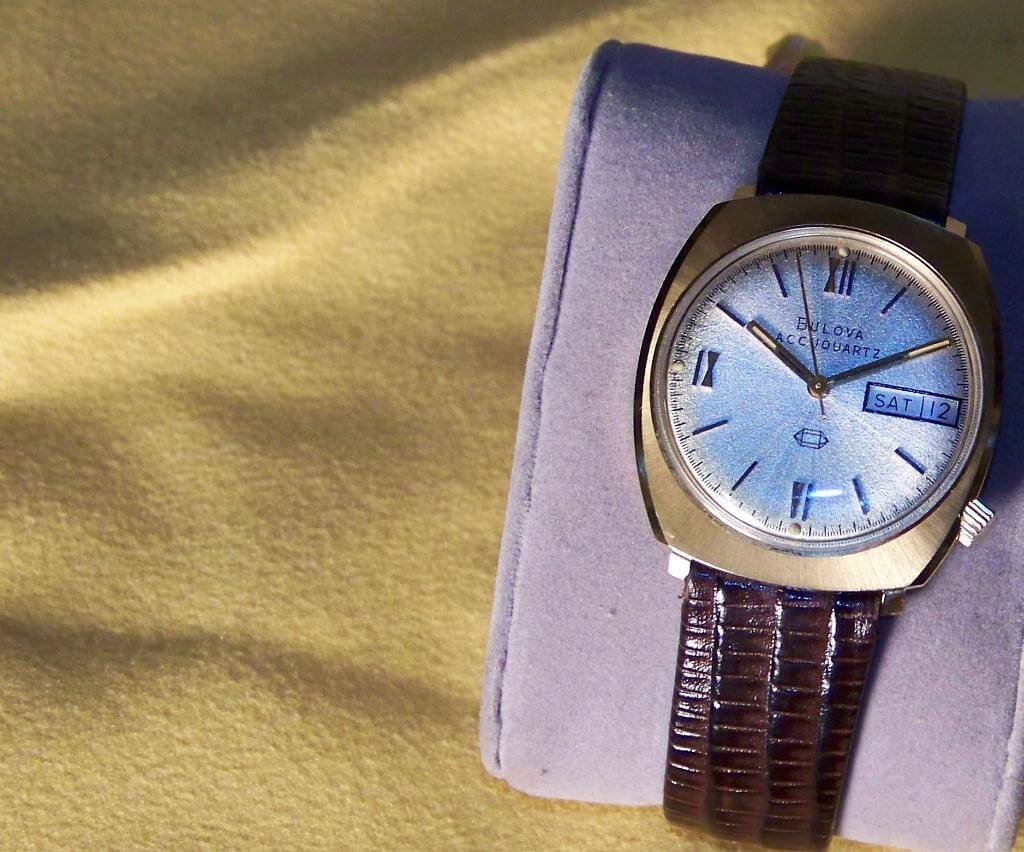
Introduced in 1960, the Accutron used a tuning fork movement powered by a battery, an entirely different mechanism from traditional mechanical watches, and its audible hum made it instantly recognizable. Vintage examples are collected as a distinct technological branch in watchmaking history that predates the later quartz revolution.
Tudor Oyster Prince Submariner References
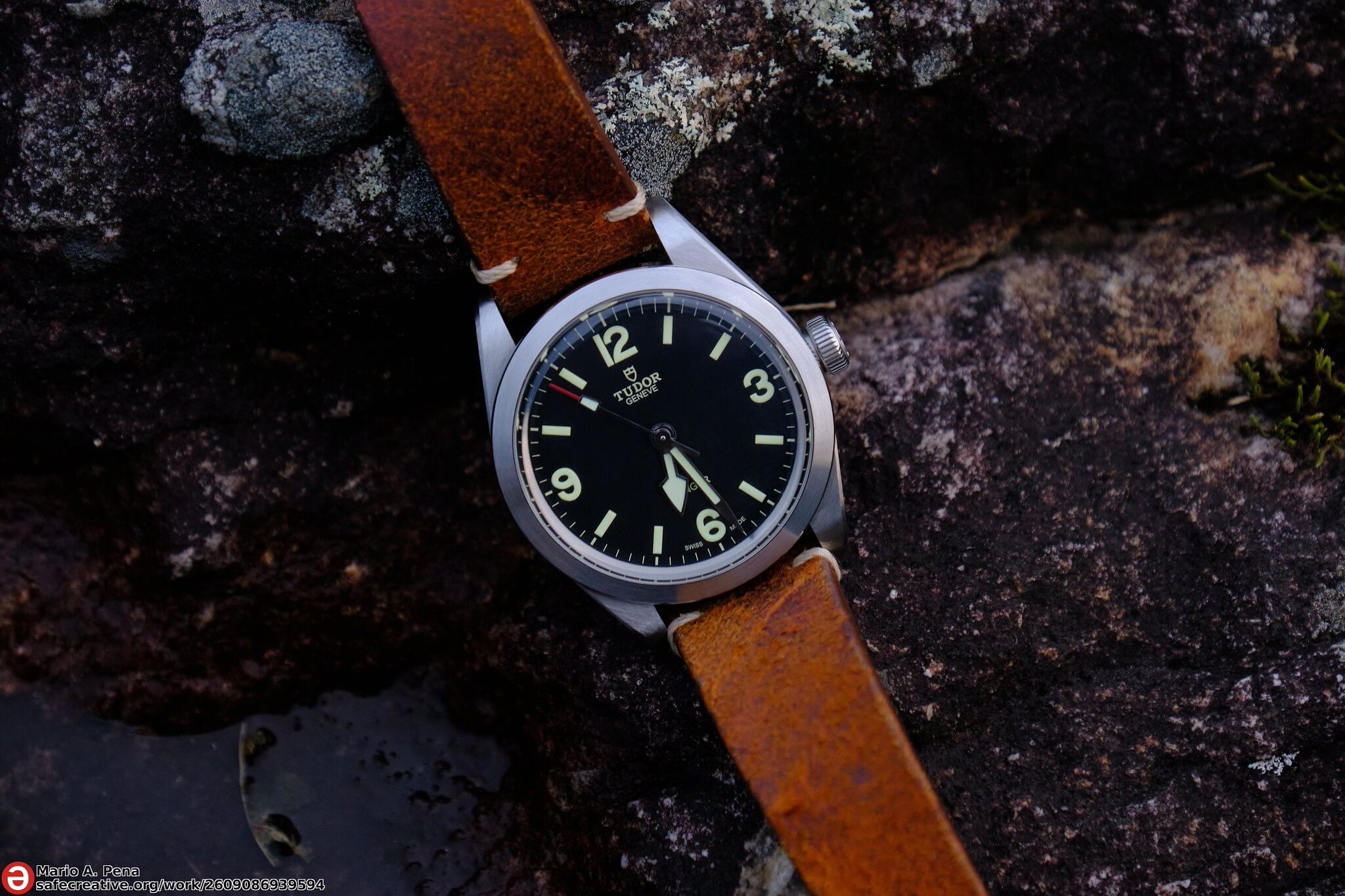
Tudor, founded under Rolex ownership to offer a more affordable alternative built on similar case and bracelet architecture, produced its own Submariner line starting in the 1950s using in-house dial designs paired with outsourced movements. Vintage Tudor divers are increasingly sought after by collectors priced out of the equivalent vintage Rolex market, particularly examples with unusual dial variants that Tudor experimented with more freely than its parent company.
The Weight of a Watch That Still Runs
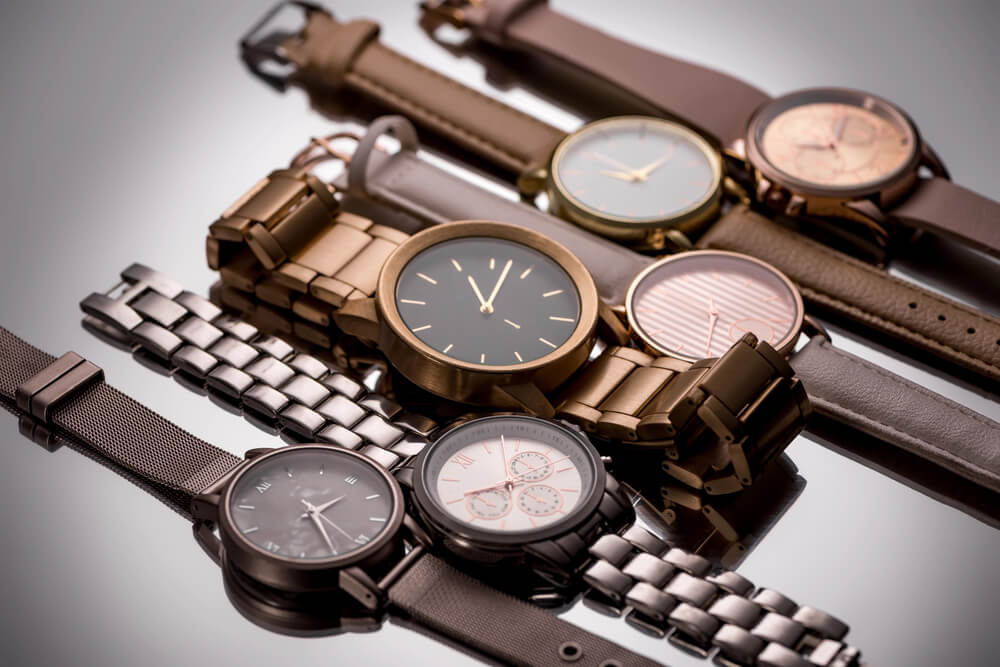
A watch that has survived decades in a drawer without running is just an object. A watch that survives decades and can still be wound, set, and worn is something closer to a small mechanical miracle, hundreds of tiny parts that have held their tolerances through generations of temperature changes, handling, and neglect.
That’s ultimately what an appraisal is checking for: not just whether a name on the dial is famous, but whether the thing inside the case is still doing, faithfully, what it was built to do. Sentiment starts a family passing a watch down.
Precision is what makes it worth passing down in the first place.
More from Go2Tutors!

- 27 Silver Dollars and Half Dollars Worth Keeping
- 28 Restaurant Menu Items Nobody Orders Anymore
- 17 Places Built in Seemingly Impossible Spots
- 27 Vintage Rings Worth More Than They Look
- 25 Restricted Sites Tourists Can’t Enter
Like Go2Tutors’s content? Follow us on MSN.