22 Archaeological Discoveries That Rewrote What Textbooks Taught for Decades
History is a conversation between the living and the dead. For centuries, we thought we were winning—we had the textbooks, the narratives, the certainty.
Then archaeologists started finding evidence that contradicted everything we believed. Each discovery didn’t just add a footnote; it rewrote entire chapters.
Some revealed civilizations that shouldn’t have existed. Others proved we got the dates completely wrong.
A few suggested that ancient people were far smarter than we gave them credit for. What these discoveries share is disruption.
They didn’t confirm expectations—they shattered them.
The Antikythera Mechanism, Greece—1901
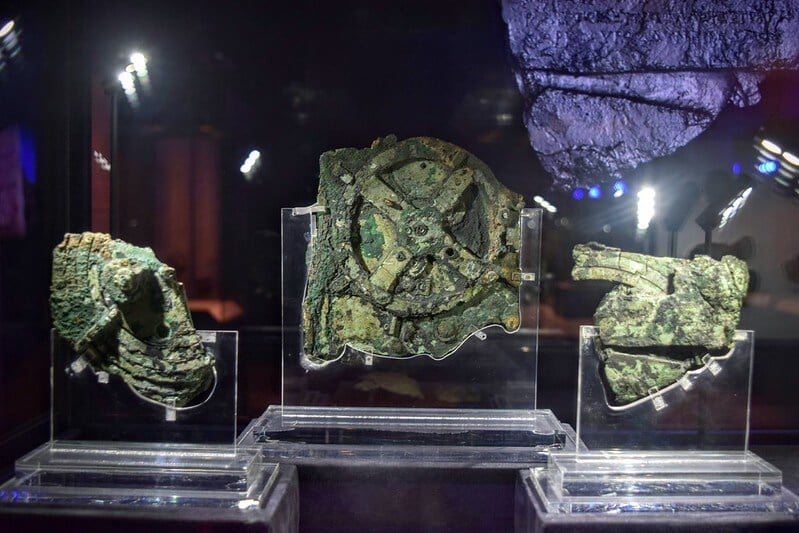
Greek divers salvaging an ancient wreck found a bronze device so sophisticated that it wasn’t supposed to exist for another 1,000 years. The Antikythera Mechanism is an analog computer with 30 bronze gears, used to predict lunar and solar eclipses with a precision that Greek textbooks said was impossible.
For a century, it sat in a museum unrecognized. Scientists realized its true nature only when X-ray technology allowed them to see the internal mechanisms. It proved that ancient Greeks understood mathematics and mechanics at a level that contradicted everything taught about the “ancient world.”
The Clay Tablets of Ebla, Syria—1974
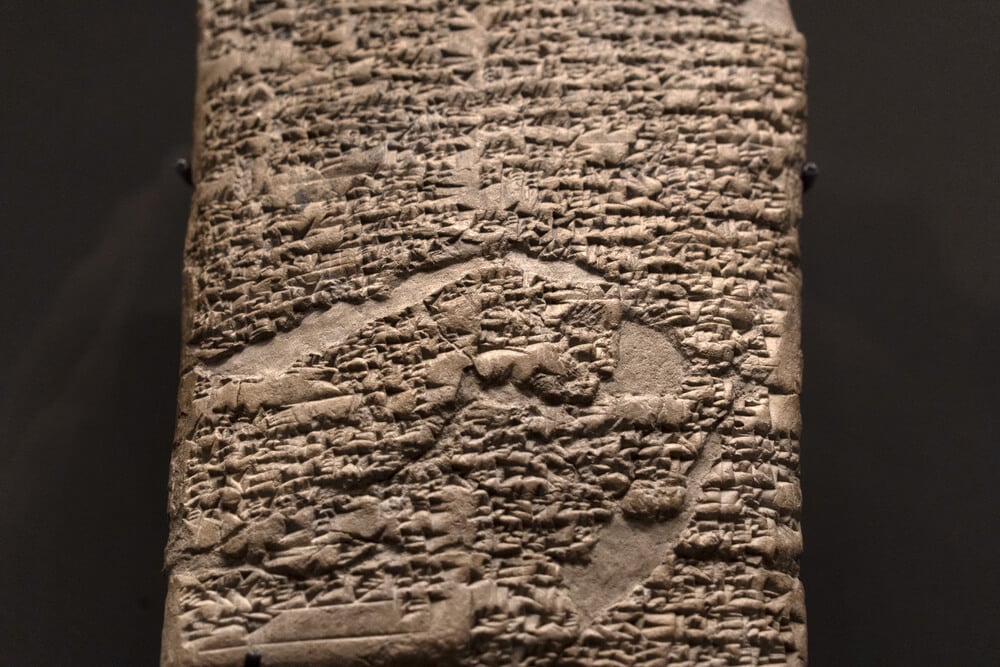
Excavations in northern Syria uncovered 17,000 tablets dating to 2400 BC, revealing a previously unknown empire that rivaled Egypt and Mesopotamia in power and organization. The tablets detailed trade networks, legal codes, and diplomatic correspondence that proved Ebla was a major player in ancient geopolitics.
History textbooks had erased this empire from the record. The discovery required rewriting the entire timeline of Bronze Age civilizations.
Lucy, Ethiopia—1974
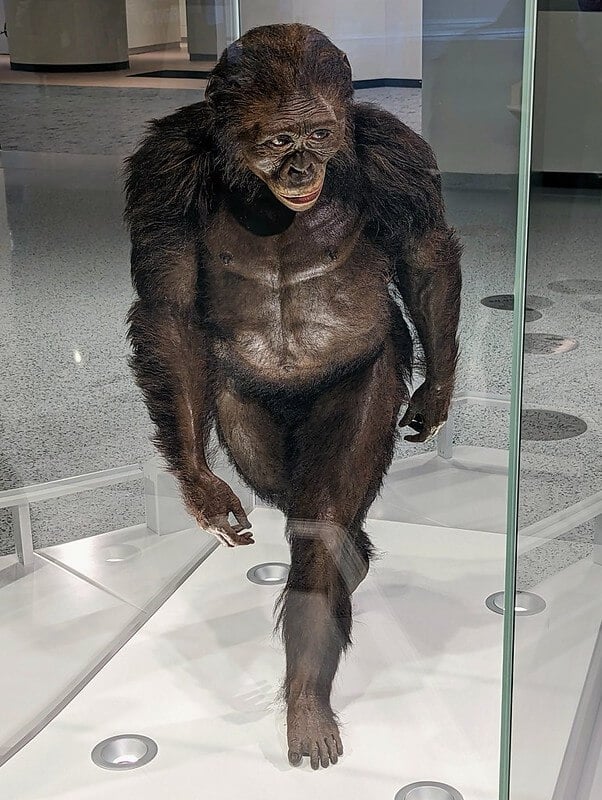
Donald Johanson found the skeleton of a female hominid that walked upright 3.2 million years ago. Lucy (Australopithecus afarensis) shattered the linear progression model of human evolution that textbooks taught.
She proved that upright posture preceded large brains by millions of years, overturning the assumption that intelligence was the primary driver of human development. One bone changed our understanding of what made us human.
The Shroud Controversy Resolution—1988

Carbon-14 dating proved the Shroud of Turin was medieval, not from Jesus’s era. Decades of speculation ended in three laboratory tests.
The result was so definitive that some of Christendom’s most devoted had to accept a truth they didn’t want: the relic everyone had believed in for centuries was a forgery. The scientific precision of carbon dating overruled centuries of faith.
Göbekli Tepe, Turkey—1995
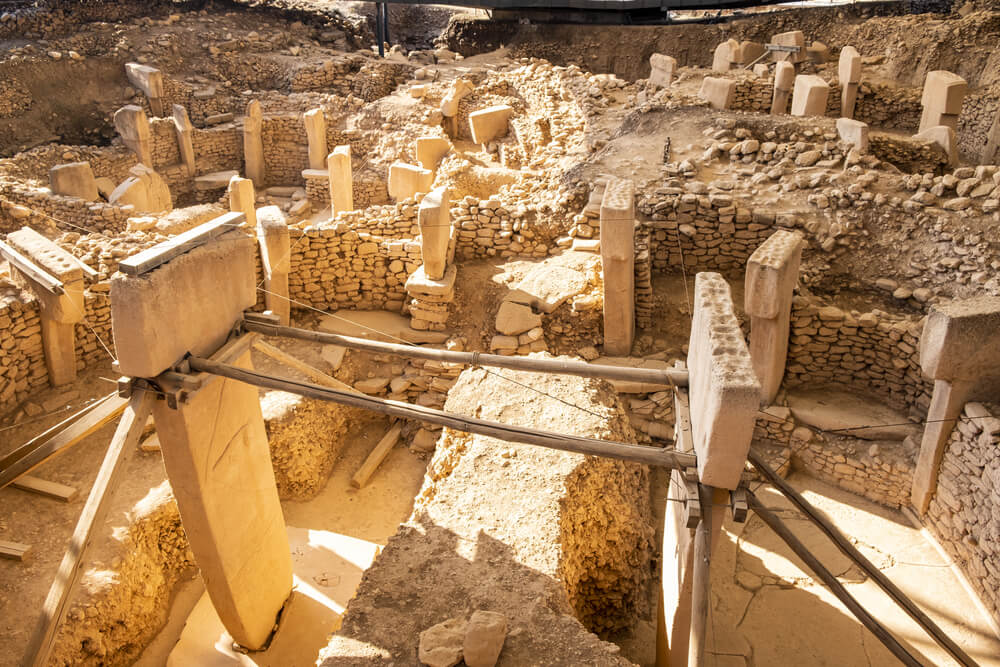
Klaus Schmidt’s excavations revealed a temple complex dating to 9600 BC—predating pottery, agriculture, and permanent settlements. Textbooks had said humans needed to settle down first, then developed religion.
Göbekli Tepe proved the reverse: humans gathered for ritual purposes first, which may have created the social structure that enabled agriculture. The site contained massive carved pillars, proof of organized labor and shared belief systems in populations that supposedly didn’t have either.
Ötzi the Iceman, Alps—1991
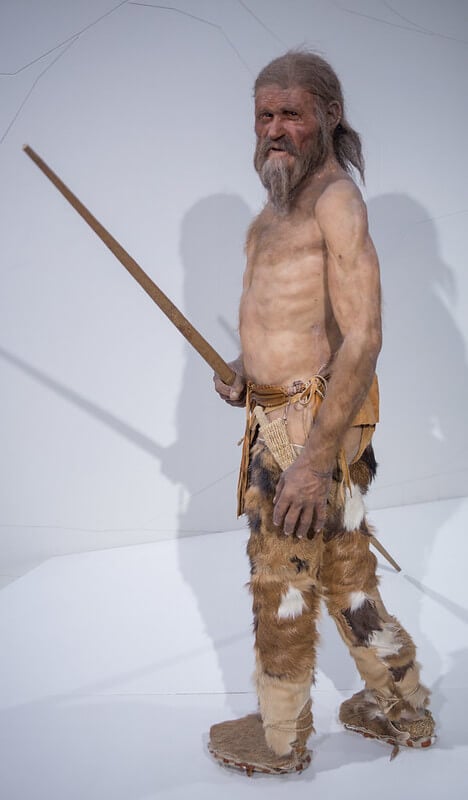
A mummy of a Neolithic man emerged from Alpine ice, preserved for 5,300 years with his tools, clothing, and food still intact. Ötzi had tattoos, arrows, and copper in his body—evidence of violence and medicine that changed perceptions of Neolithic life.
An arrowhead lodged in his back proved he’d been murdered. The discovery demonstrated that ancient people faced the same violence, disease, and conflict that modern humans do.
The Dead Sea Scrolls, Israel—1947
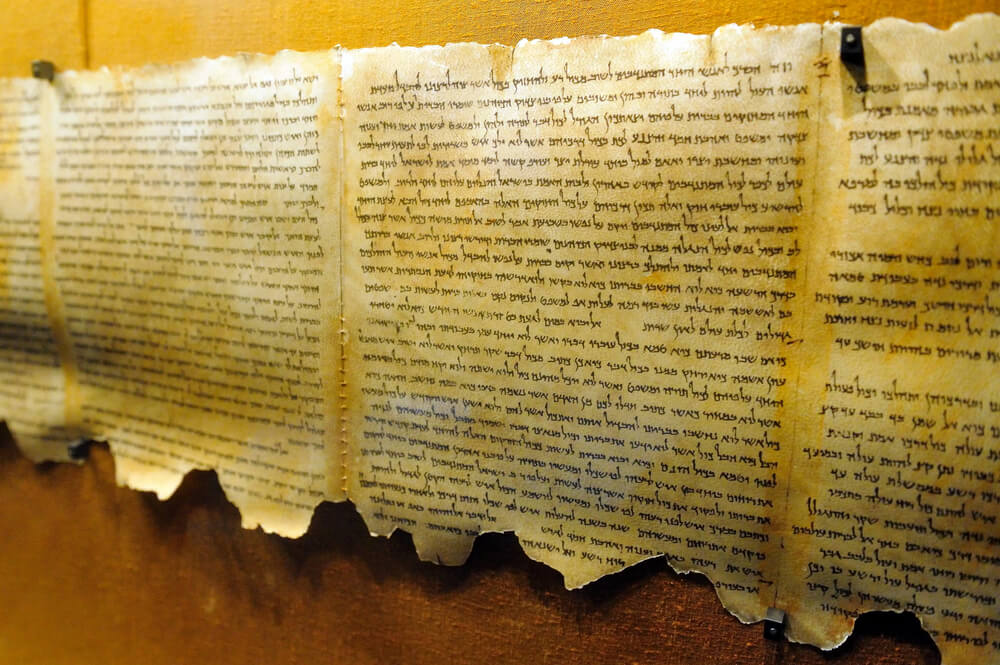
Bedouin herders found jars containing ancient Hebrew manuscripts dating back 2,000 years. The scrolls included biblical texts that matched modern versions almost perfectly, proving textual accuracy across centuries.
But they also contained non-canonical texts that broadened understanding of Jewish thought in the Second Temple period. The discovery contradicted skeptics who had claimed biblical texts were heavily altered over time.
The Vinland Map, Yale—1965

A map showed North America labeled centuries before Columbus, suggesting Vikings had charted the New World. The discovery seemed to rewrite transatlantic history—until later analysis revealed forged ink and paper.
But the debate itself was instructive: the initial acceptance of the map showed how willing scholars were to rewrite history when “evidence” appeared.
Çatalhöyük, Turkey—1960s
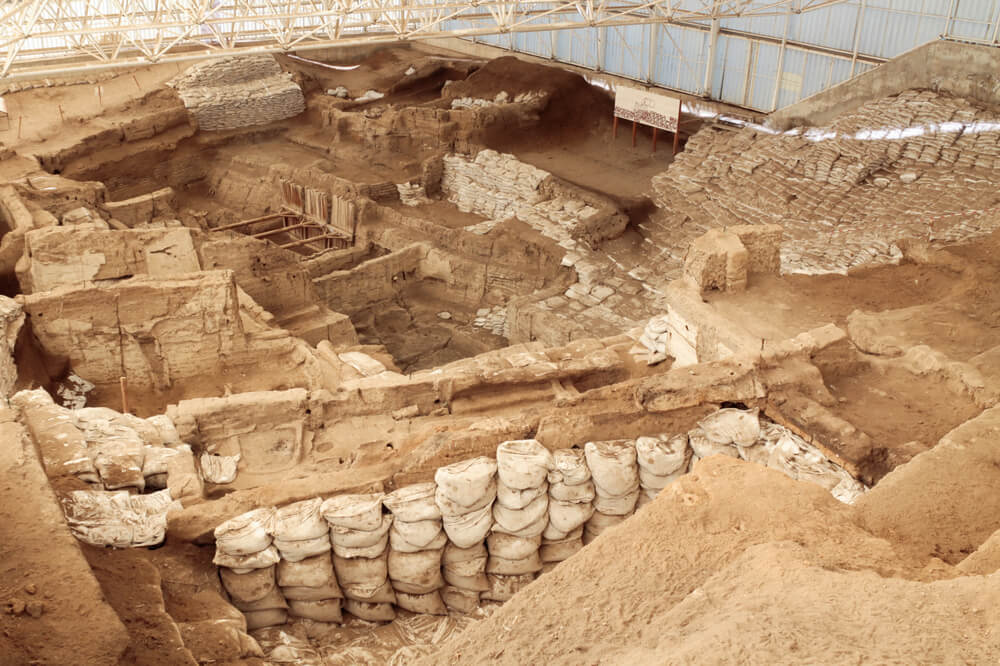
Excavations revealed a city of 10,000 people from 7500 BC, with no streets, no fortifications, and no obvious centralized authority. Houses were built directly attached to each other, entered from rooftops.
The settlement challenged the assumption that civilization required hierarchy and military organization. It suggested that large, organized societies could exist without kings or armies—a radical idea in 1960s academia.
The Rosetta Stone’s True Translation—1822
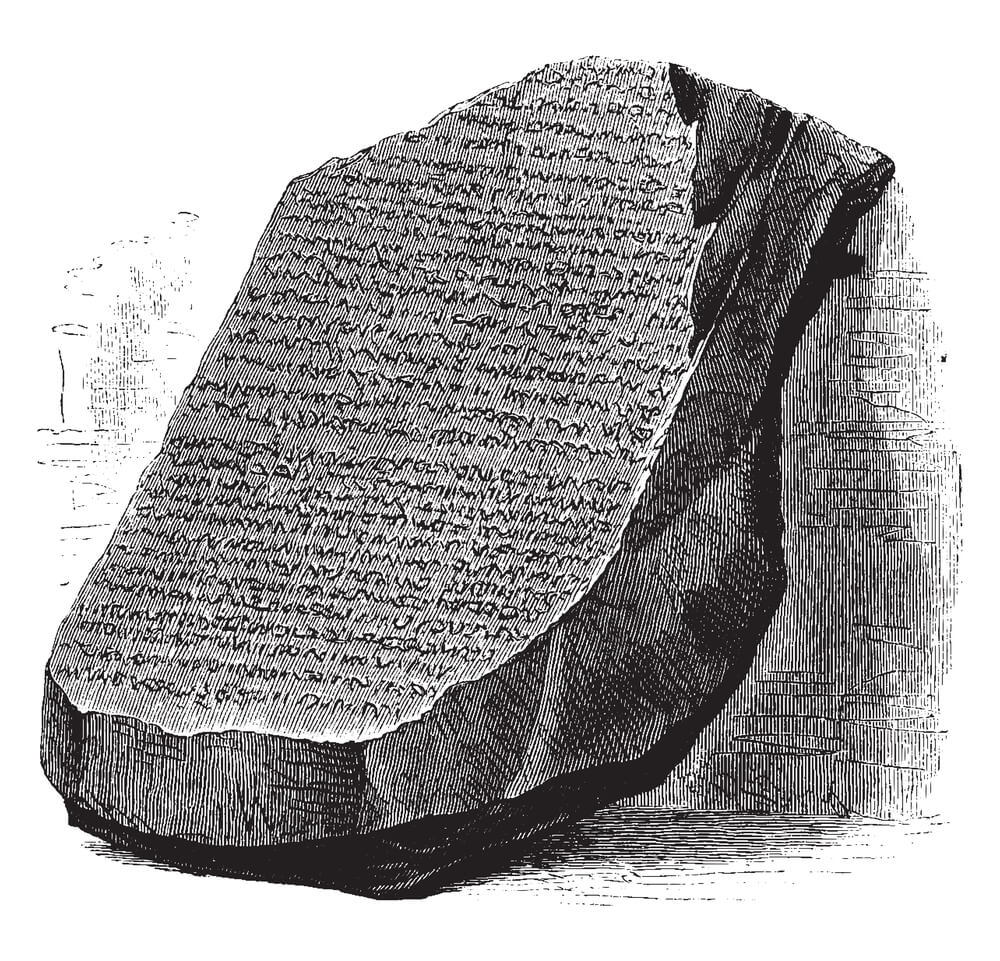
Jean-François Champollion finally cracked Egyptian hieroglyphics using the Rosetta Stone. The breakthrough allowed 2,000 years of locked history to suddenly become readable.
Ancient Egypt ceased to be myth and became documented history. Entire libraries of knowledge that had been unreadable were suddenly accessible.
DNA Testing of Egyptian Mummies—2019
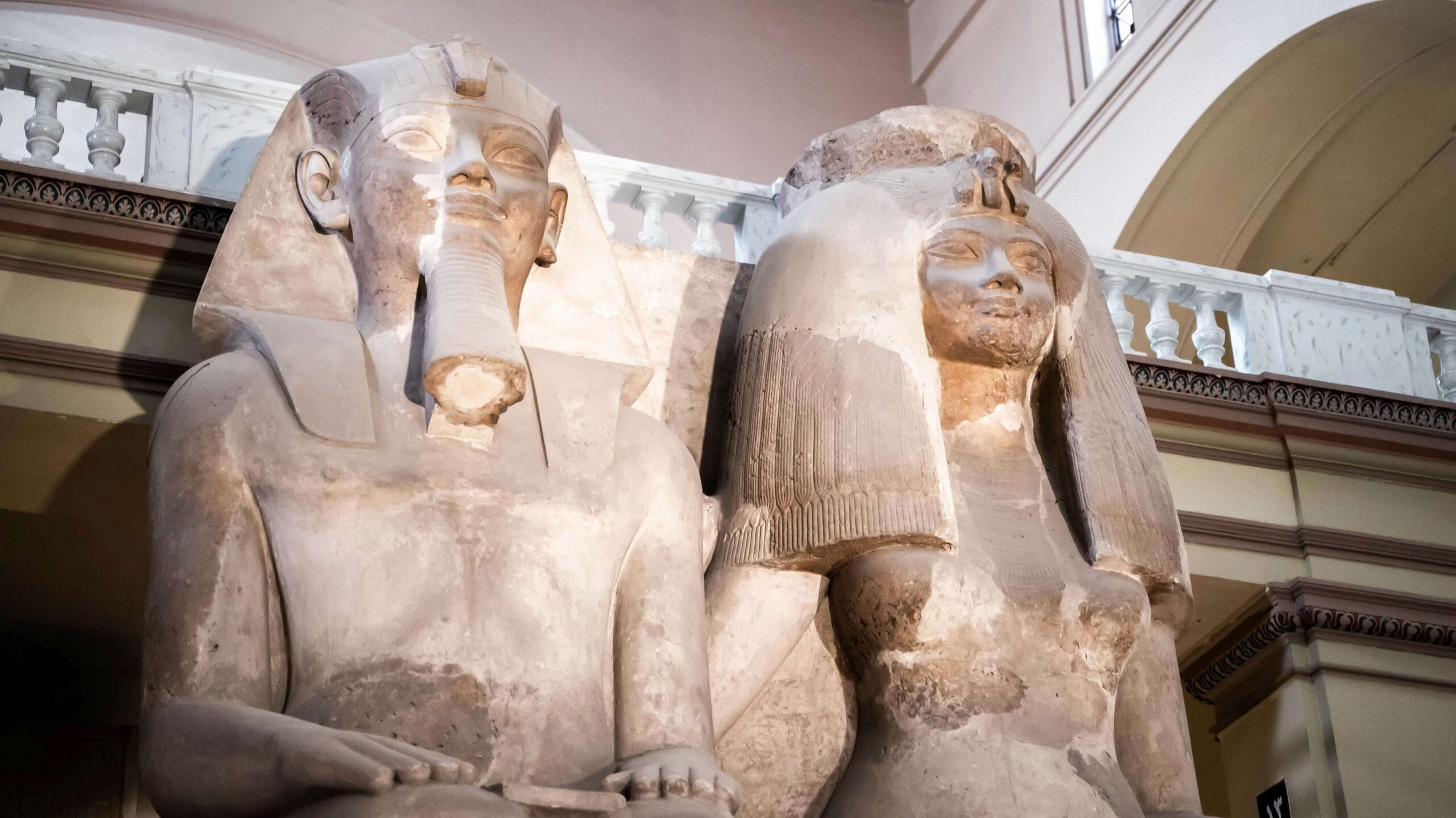
Genetic analysis revealed that ancient Egyptians were genetically closer to Levantine populations than to modern Egyptians or sub-Saharan Africans. The discovery overturned decades of Afrocentric and Eurocentric debates about Egyptian origins, replacing ideology with biology.
Textbooks slowly began acknowledging that Egypt’s population genetics were more complex than racial categorization had suggested.
Angkor Wat LiDAR Survey, Cambodia—2015
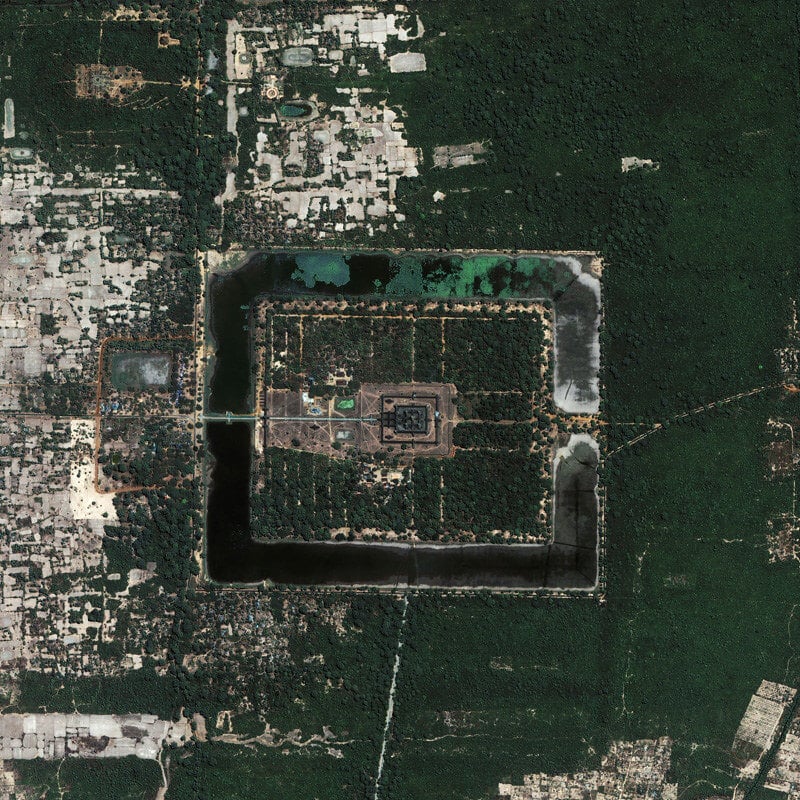
Laser imaging revealed that Angkor Wat was actually the center of a massive urban complex of 900,000 people or more. Textbooks had called it a temple surrounded by jungle.
LiDAR cut through jungle canopy to reveal roads, reservoirs, and residential areas that medieval explorers couldn’t see. Angkor was one of the world’s largest pre-industrial cities, rivaling London in population. The discovery overturned assumptions about technological capacity in non-Western civilizations.
The Denisovan Hominin, Siberia—2010
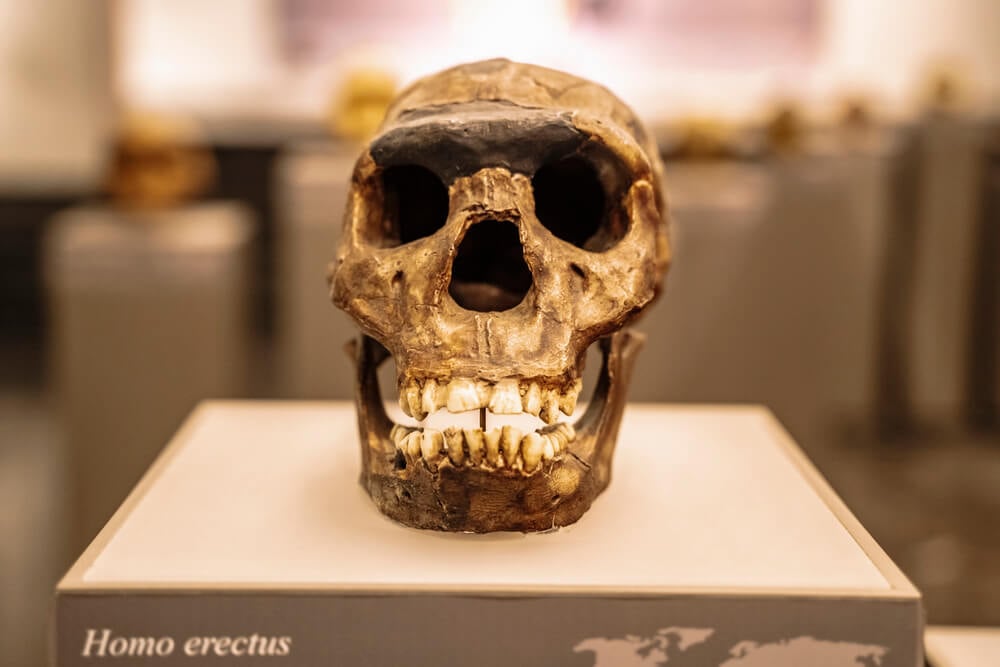
Analysis of a finger bone from a cave in Siberia revealed an entirely new human species unknown to textbooks. Denisovans interbred with modern humans, and their DNA persists in modern Pacific Islander populations.
The discovery proved that human evolution was messier than the clean family trees textbooks presented. We share the Earth with remnants of species we didn’t know existed.
Petra’s Hidden Structure—1993
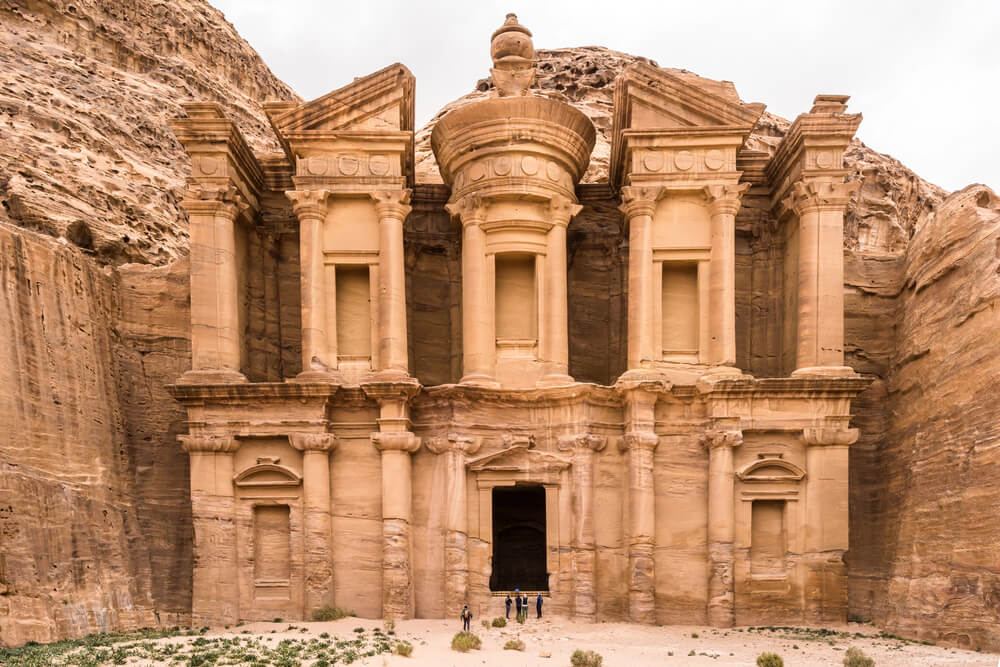
Satellite imagery revealed a massive platform beneath Petra, Jordan, undetected by centuries of archaeological investigation. The platform was so large that it suggested a ceremonial purpose scholars had missed entirely.
Modern imaging technology was proving that sites we thought we understood held secrets no ground-level excavation would have found.
The Sumerian King List Verification—1922
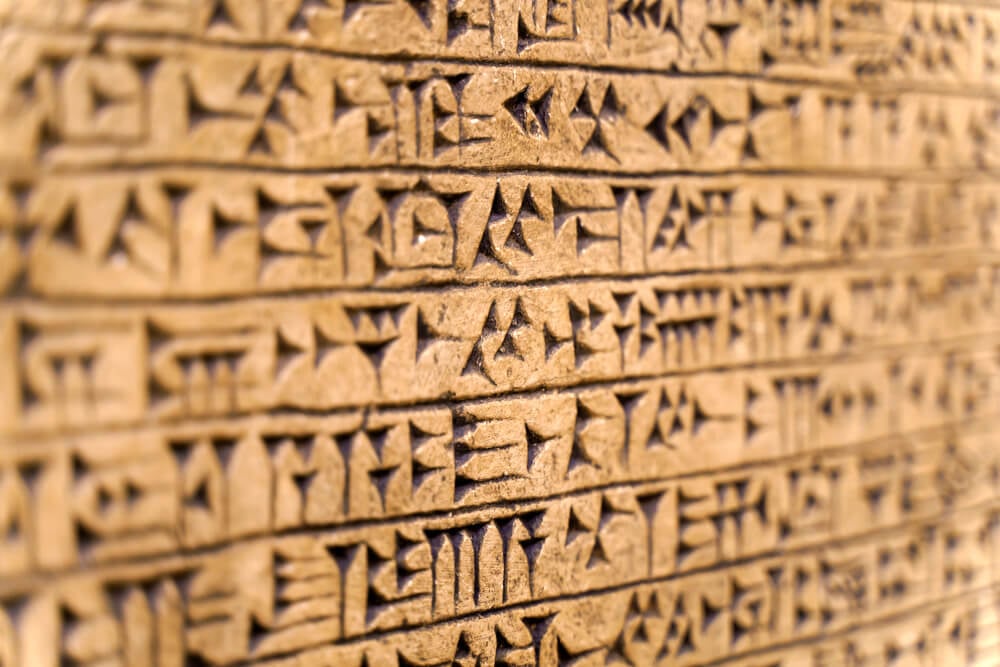
The discovery of tablets matching the Sumerian King List proved that texts scholars thought were mythological actually reflected real historical records. Kings assumed to be legendary were confirmed as real.
Timelines shifted. The boundary between myth and history became more permeable than textbooks acknowledged.
Cahokia, Illinois—1960s
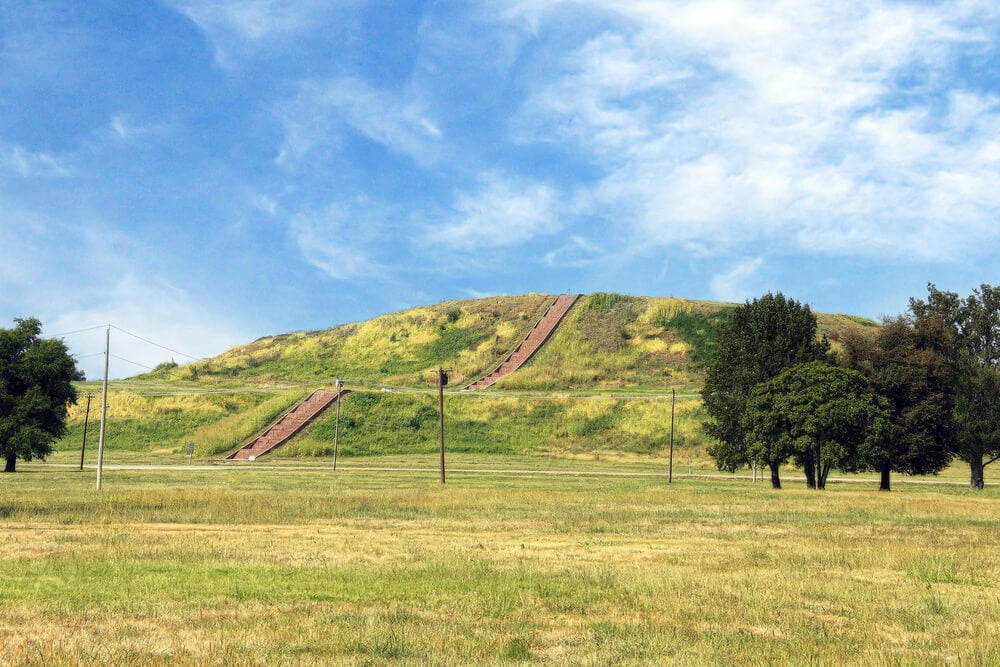
Excavations revealed that a pre-Columbian civilization in North America had built a city larger than London in 1100 AD. Cahokia’s central mound was larger than the Great Pyramid of Egypt.
American textbooks had said that Native Americans didn’t build monumental architecture. Cahokia proved they built massive urban centers complete with plazas, residential areas, and complex trade networks.
The First Writing System—3400 BC
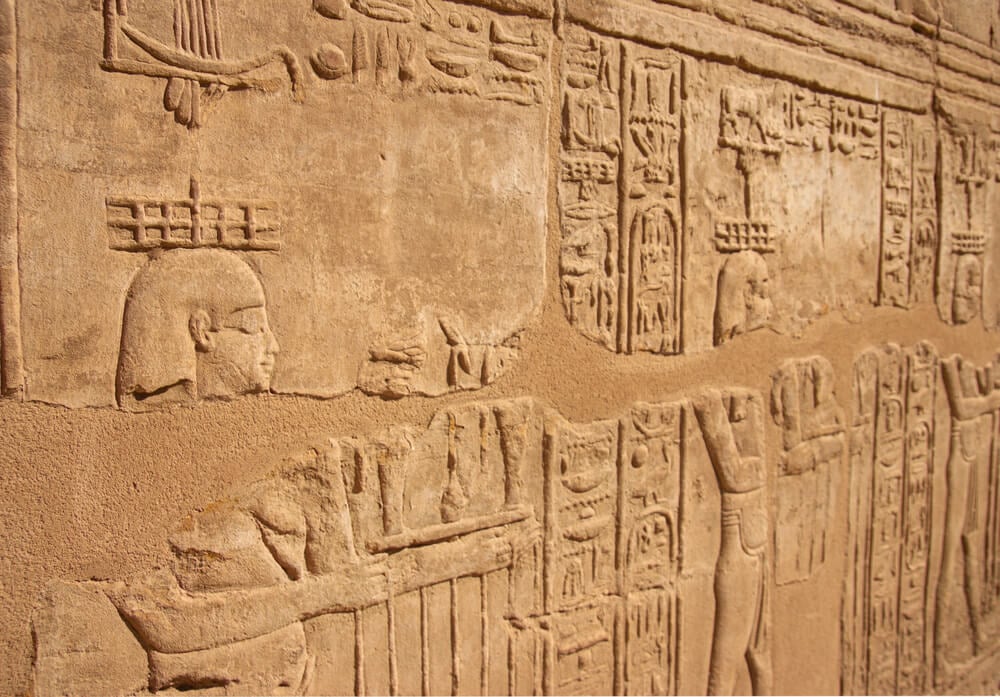
Sumerian tokens gradually evolved into written language over centuries, contradicting the idea that writing appeared suddenly. Token systems predated cuneiform, suggesting that abstract thought in human civilizations developed through trade and accounting before it became a narrative tool.
The discovery showed writing as a technology that emerged naturally from economic necessity.
The Library of Alexandria’s True Size—Recent Analysis
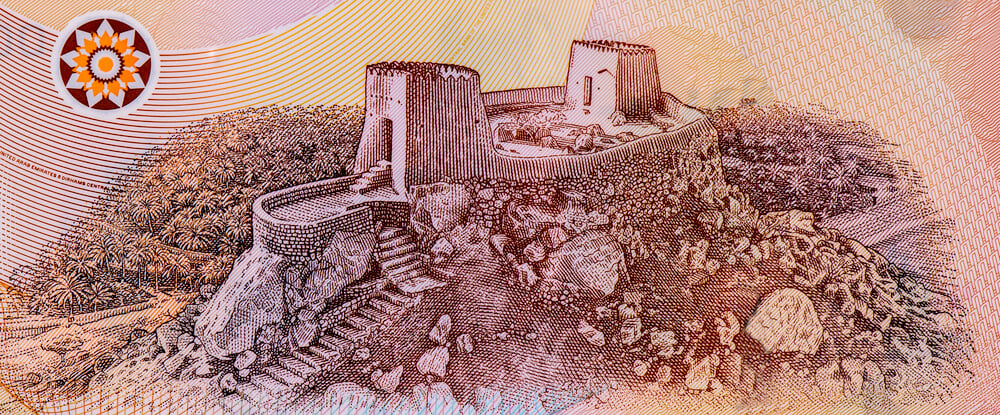
Modern examination of papyrus fragments and ancient references revealed that the Library of Alexandria contained not the 700,000 scrolls often cited but likely fewer. The reduction in number changed scholarly discussion about the knowledge held in antiquity.
It also overturned the narrative of catastrophic loss when the library burned—less knowledge was destroyed than popular history suggested.
Jericho’s True Age—1950s
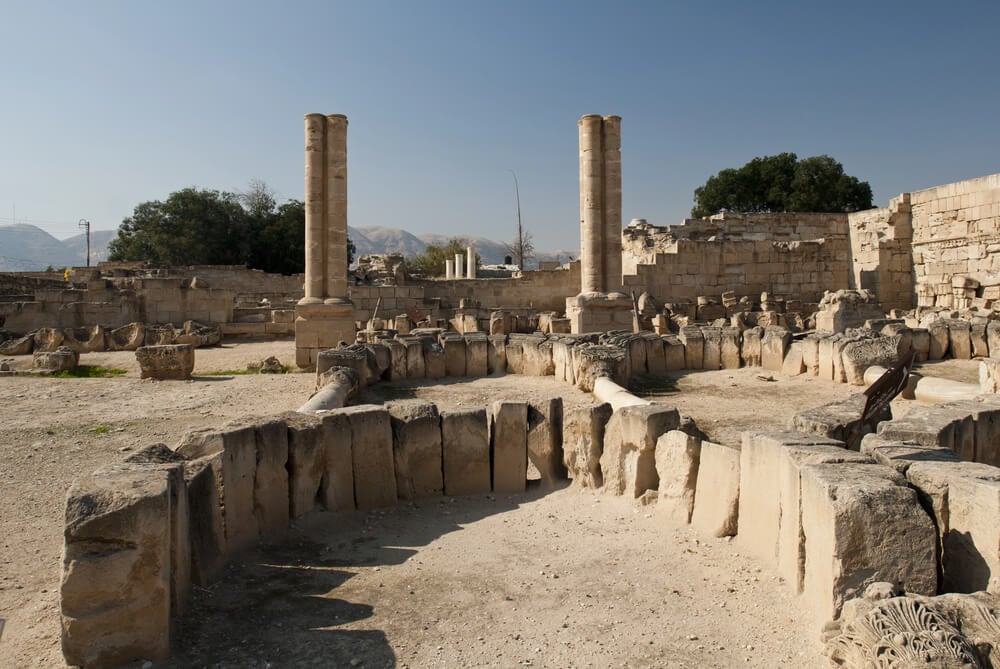
Carbon dating proved that Jericho was settled 11,000 years ago, making it the oldest continuously inhabited city known. The textbook version of Joshua’s conquest—walls tumbling down in one week—didn’t match the archaeological record.
Instead, Jericho revealed centuries of rebuilding and abandonment, a more complex history than the biblical narrative.
The Nazca Lines’ Ritual Purpose—1990s
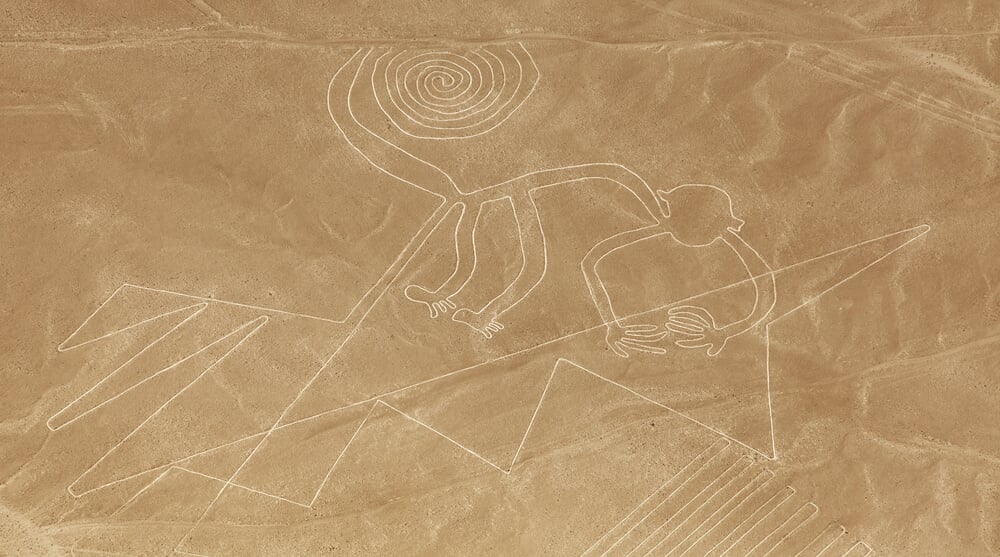
Decades of speculation about Nazca Lines were partially resolved when archaeologists discovered small structures at the end of each line. The lines were ritual pathways leading to specific sites, walked during ceremonies.
The textbook mystery of “what were they for?” shifted to “they were religious pilgrimage routes,” grounded in evidence rather than speculation.
Human Migration To Americas—15,000 BC Evidence
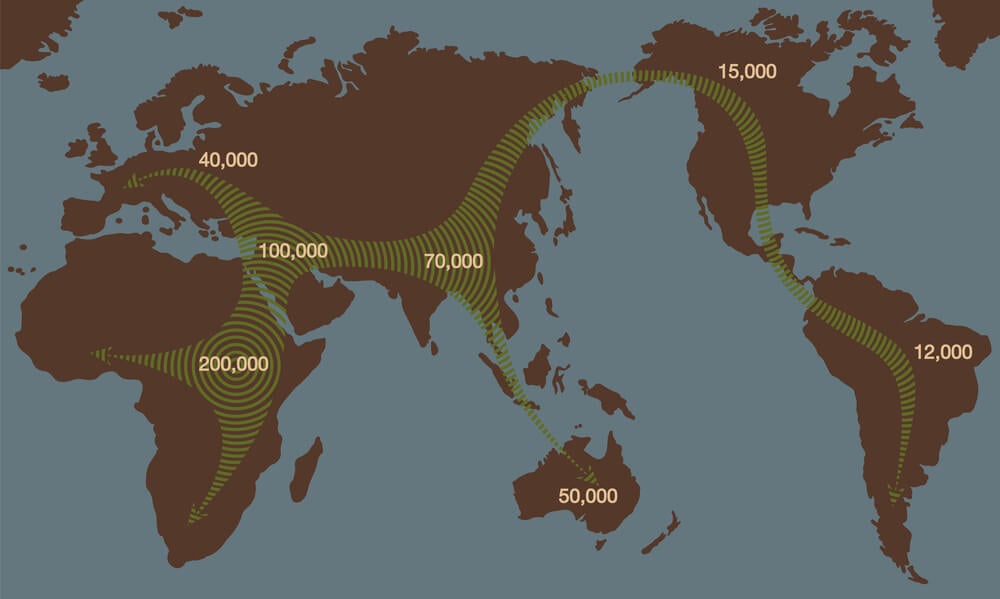
Discoveries at Monte Verde, Chile pushed human habitation in South America back to 14,500 BC, earlier than many textbooks acknowledged. DNA evidence suggested even earlier arrival—25,000 years ago or more.
The migration narrative that textbooks taught as settled fact became increasingly uncertain, replaced by competing evidence and competing theories.
The Collapse of Easter Island Civilization—Reexamination
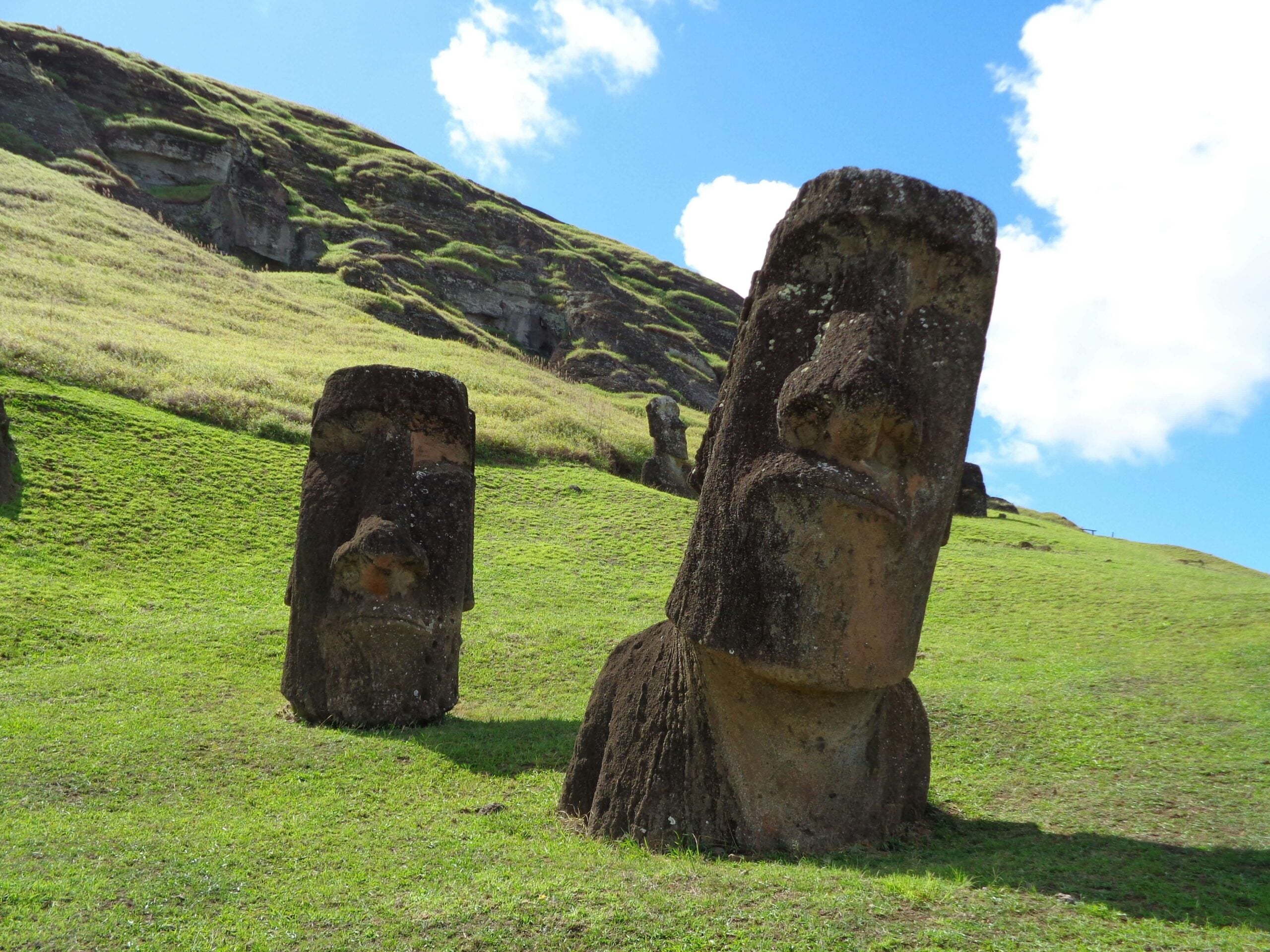
Originally blamed on ecocide, new analysis suggested that Europeans brought diseases that devastated the island’s population, making cultural collapse secondary to epidemiological catastrophe. The textbook narrative of native peoples destroying their own environment was complicated by the reality of foreign contact.
Easter Island’s history became a story about invasive disease as much as resource depletion.
The Truth Beneath the Surface
The pattern is consistent: every time archaeologists find new evidence, textbooks must shift. Lucy changed what we thought about evolution.
Göbekli Tepe changed what we thought about civilization’s origins. The Antikythera Mechanism changed what we thought about ancient technology.
What remains constant is not the facts themselves but the certainty with which we hold them. Future discoveries will likely prove us wrong again.
More from Go2Tutors!

- The Romanov Crown Jewels and Their Tragic Fate
- 13 Historical Mysteries That Science Still Can’t Solve
- Famous Hoaxes That Fooled the World for Years
- 15 Child Stars with Tragic Adult Lives
- 16 Famous Jewelry Pieces in History
Like Go2Tutors’s content? Follow us on MSN.