28 Cars From the ’70s Nobody Sees on the Road
The 1970s produced an unusually large share of cars that simply did not last, a combination of new fuel-economy regulations, rushed engineering, and rust-prone bodywork that caught up with entire model lines within a decade or two of the showroom floor. Some of these cars sold in huge numbers when new, which makes their near-total absence from today’s roads even more noticeable.
A handful survive as collector pieces cared for by dedicated owners, but for most drivers born after the era, these models exist only in old photographs and the occasional car show.
AMC Gremlin
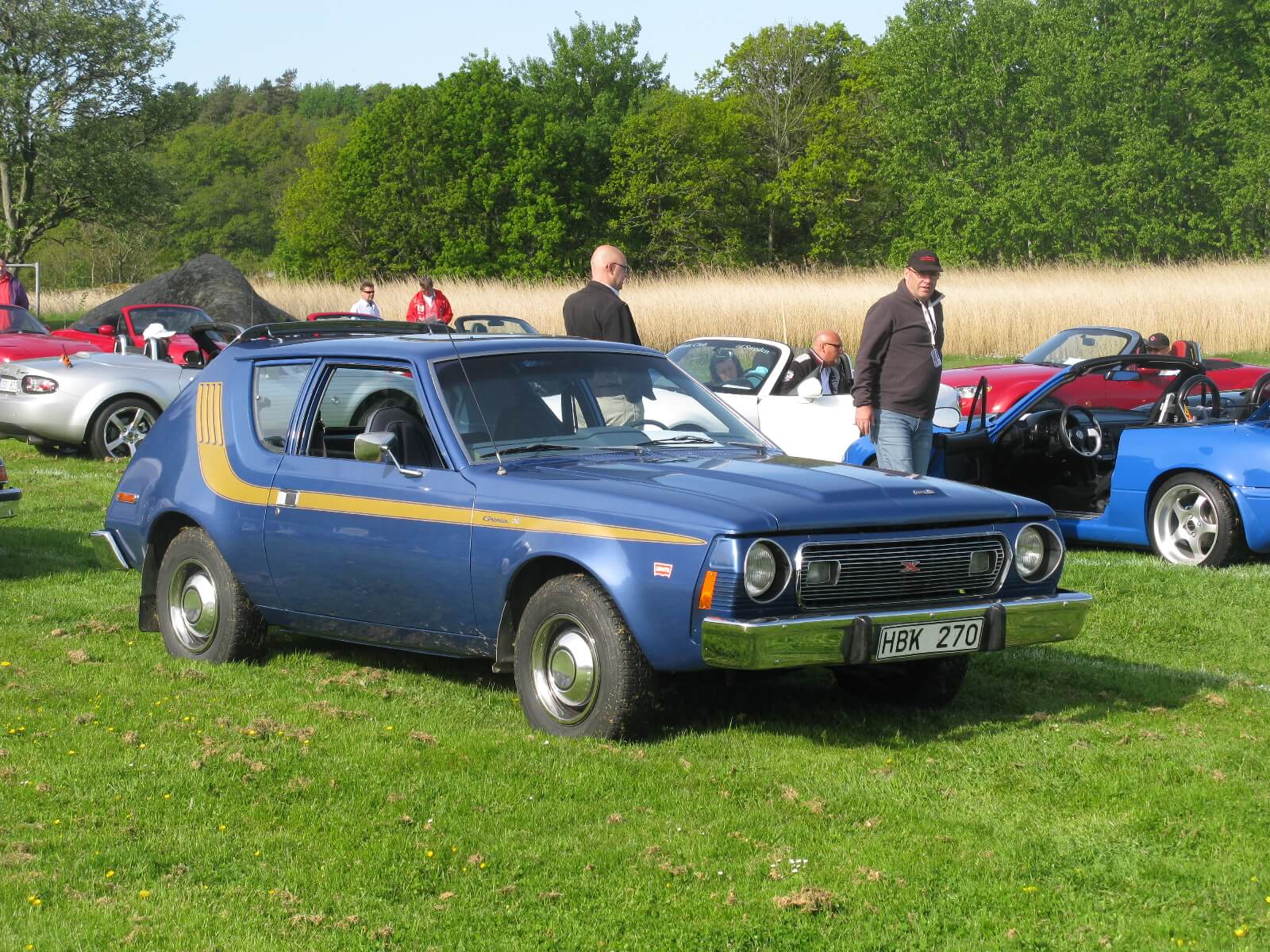
American Motors introduced the Gremlin in 1970 as one of the first American subcompact cars, built with a distinctive chopped-off rear end to cut costs and weight. The unusual proportions made it instantly recognizable but also a frequent target of criticism from car writers of the era.
Production ended in 1978, and surviving examples are now mostly found at AMC-specific car shows.
AMC Pacer
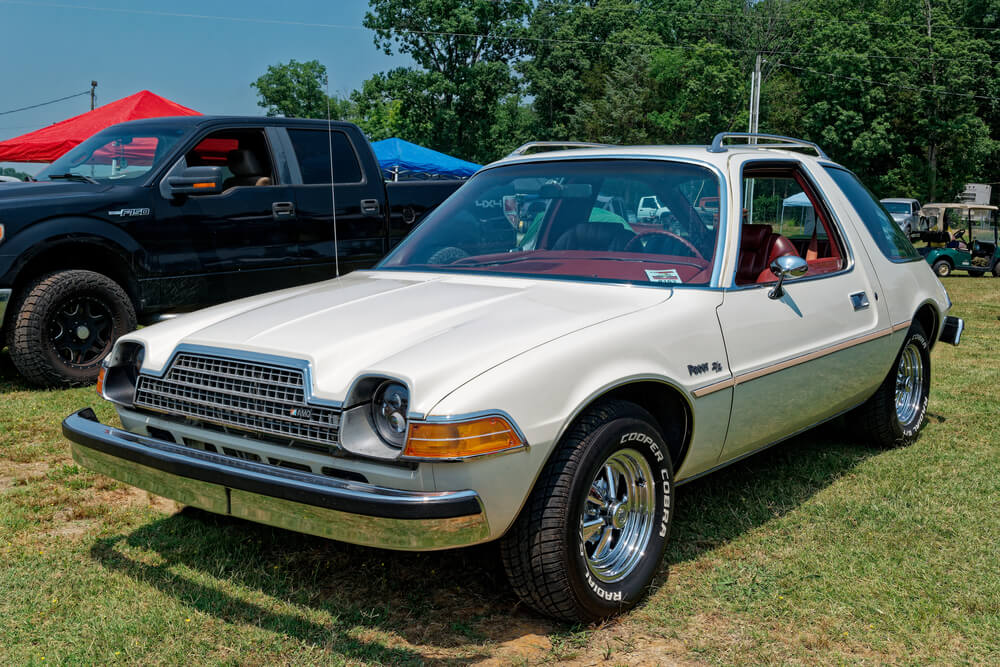
Marketed as the “first wide small car,” the Pacer used an unusually rounded, glass-heavy body shape that stood out sharply from other compact cars of the decade. Its width and unconventional styling made it memorable but also difficult to position clearly against more conventional competitors.
AMC discontinued the model in 1980 after sales failed to match its distinctive design.
Ford Pinto
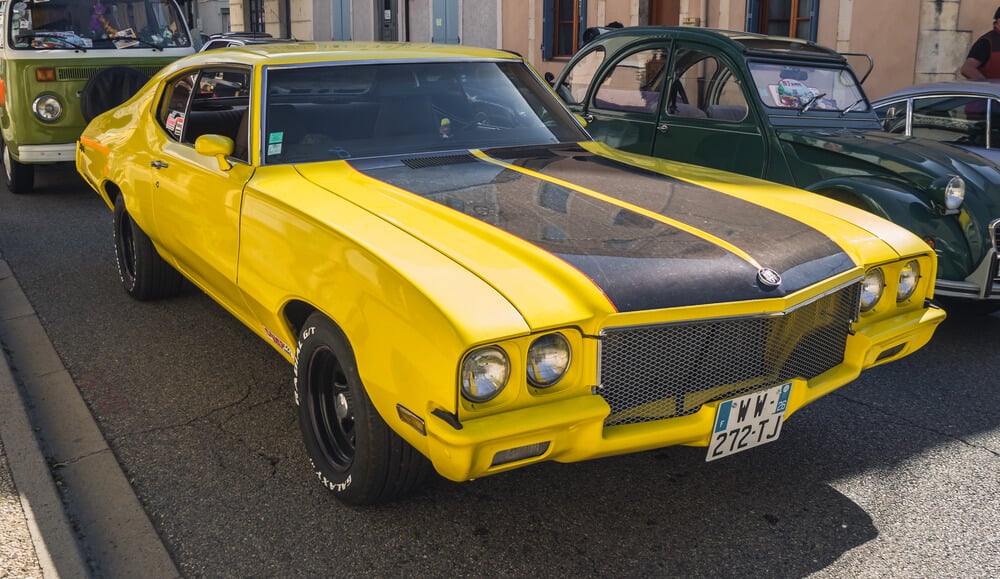
Ford’s Pinto became one of the best-selling subcompacts of the early 1970s before a series of high-profile fuel tank safety concerns damaged the model’s reputation significantly. The controversy led to a major recall and lasting scrutiny of the car’s design.
Production ended in 1980, and the model rarely appears outside of dedicated collector circles today.
Chevrolet Vega
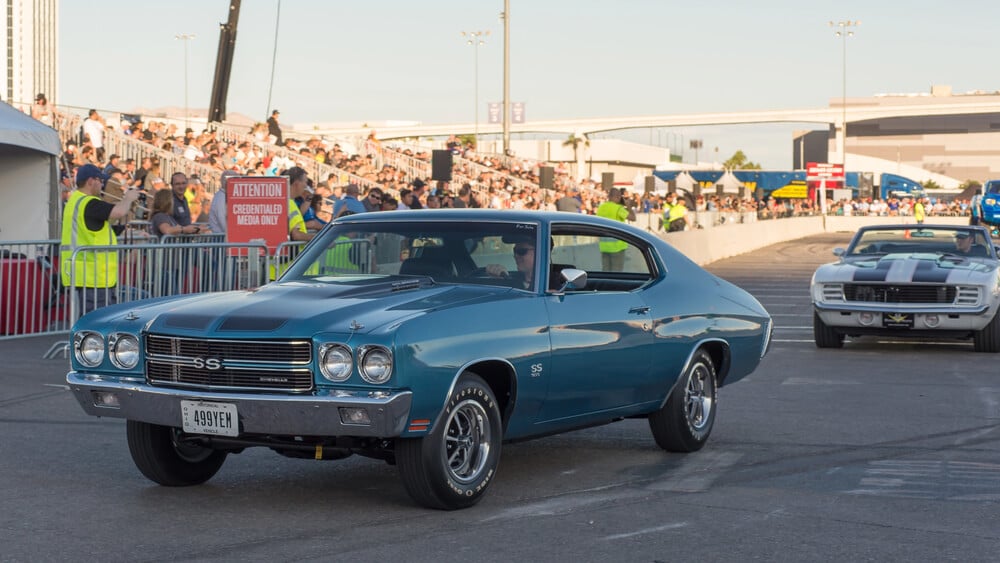
Chevrolet built the Vega as its primary response to smaller, fuel-efficient imports, using an aluminum engine block that was innovative for its time but proved prone to serious durability problems. Widespread engine and rust issues damaged the car’s reputation within just a few years of its 1970 launch.
Very few examples remain on the road today given how quickly many were scrapped.
Plymouth Duster
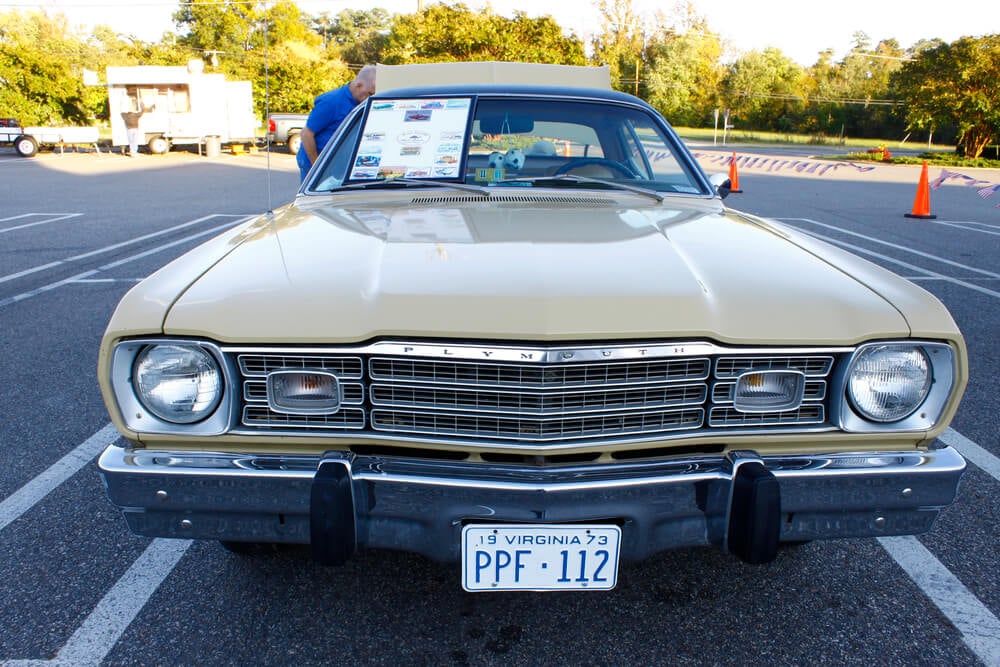
This compact coupe from Plymouth offered a sportier alternative to the more conservative Valiant sedan it was based on, selling well through much of the 1970s. It became a popular budget performance option thanks to available V8 engines in some model years.
Plymouth discontinued the Duster name in 1976, and surviving cars are now firmly in classic car territory.
Dodge Dart
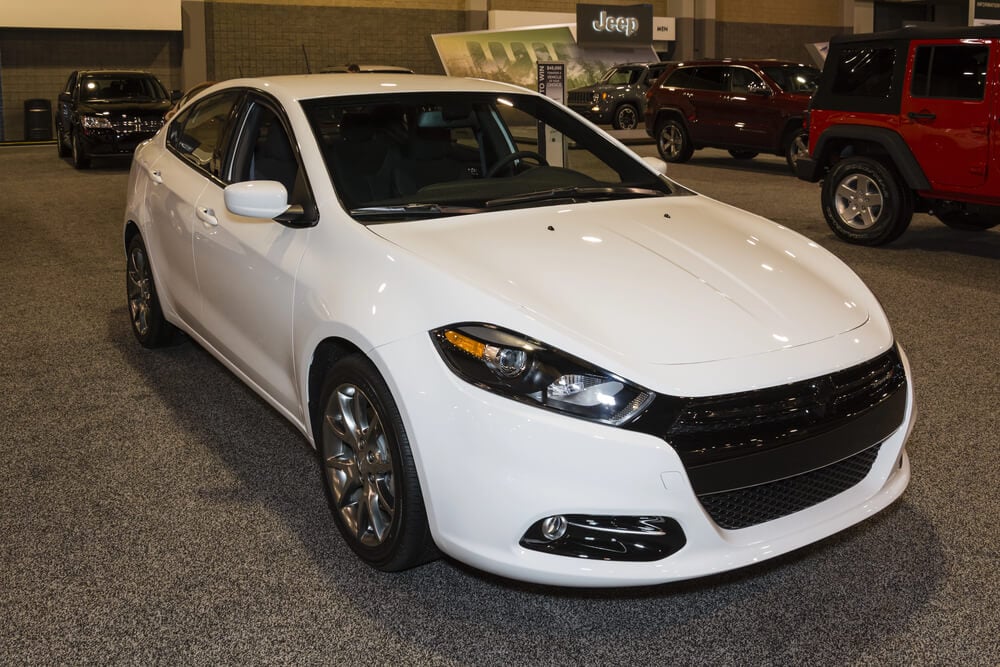
Dodge’s compact Dart built a reputation for mechanical reliability that outlasted most of its rivals from the same era, remaining in production through 1976. Its durable engineering meant many stayed on the road well past when similar cars had rusted away or broken down for good.
Even with that reliability, the sheer passage of time has thinned the surviving population down to mostly dedicated enthusiasts.
Ford Maverick
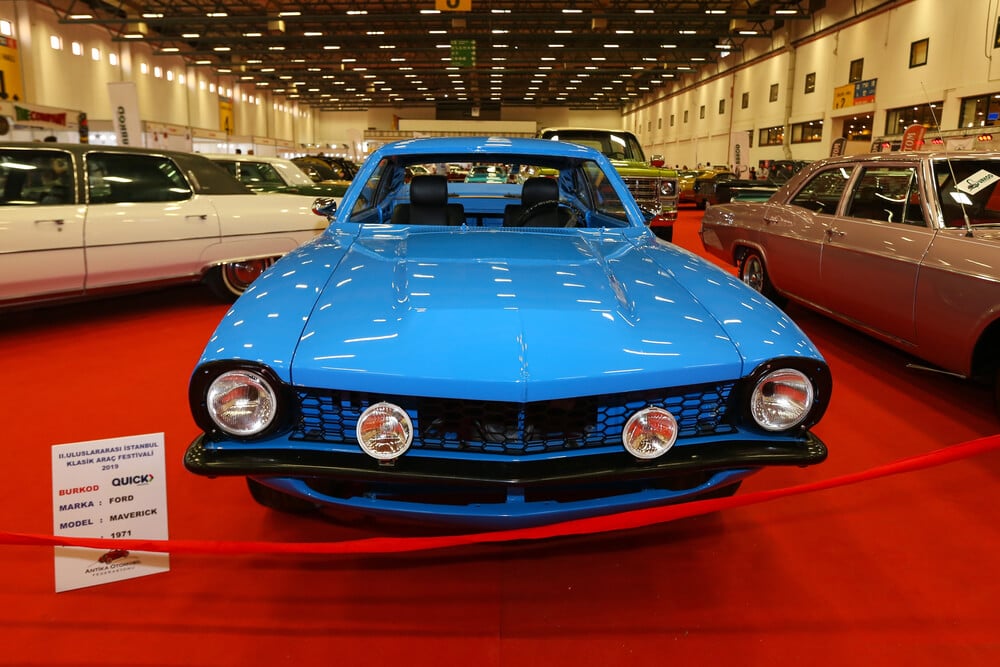
Ford introduced the Maverick as a simple, low-cost compact sedan and coupe in 1969, positioning it as an affordable alternative to costlier imports through the following decade. The car’s straightforward mechanical design kept production costs low but also limited how distinctive it felt compared to competitors.
Production ended in 1977, and few examples remain in regular daily use.
Datsun 510
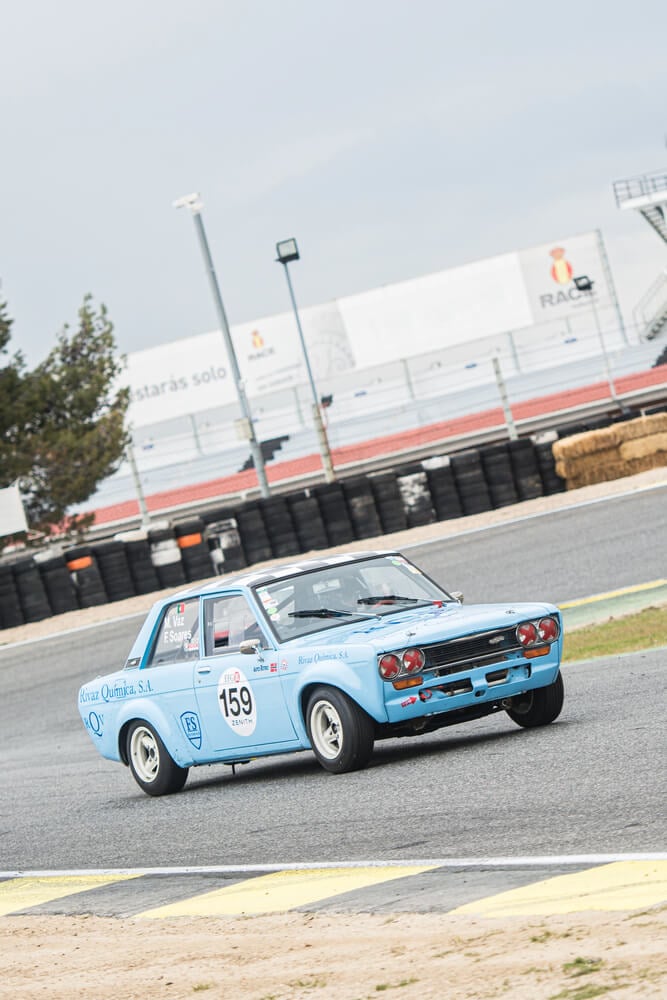
Nissan’s Datsun-branded 510 built a strong reputation among enthusiasts for handling that punched above its price point, drawing comparisons to considerably more expensive European sedans of the same era. It became a favorite for amateur racing modifications during and after its production run.
Rust and heavy modification of surviving examples have made stock, unmolested versions increasingly rare today.
Triumph Spitfire
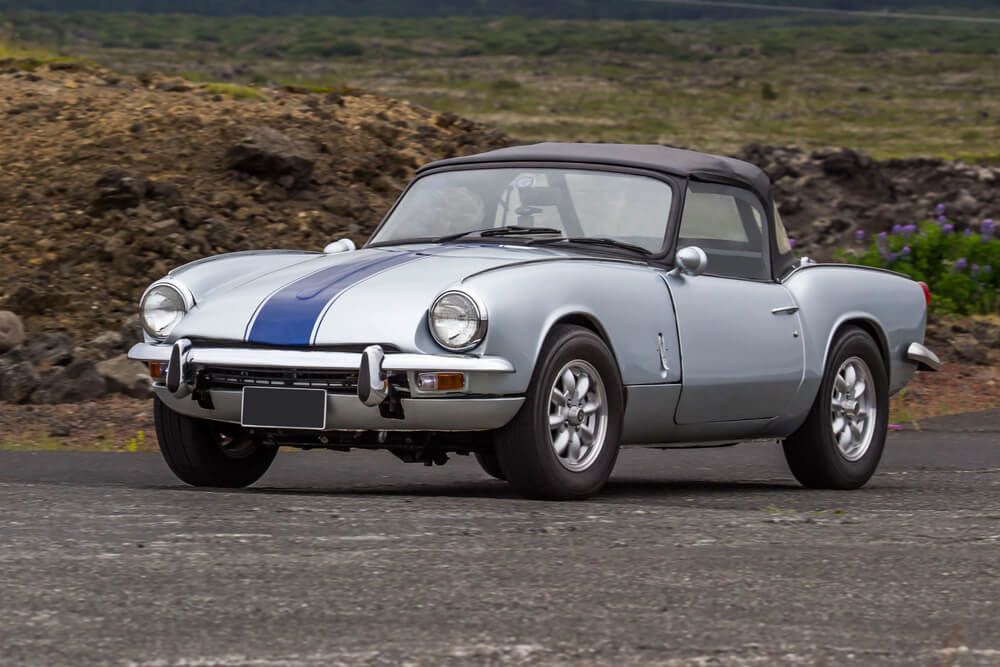
This small British roadster offered an affordable entry into open-top sports car ownership through most of the 1970s, known for nimble handling paired with notoriously inconsistent electrical reliability. Its low production cost came with recurring maintenance issues that discouraged long-term ownership for many buyers.
Triumph ended production in 1980, and surviving cars now belong almost entirely to dedicated British car clubs.
MG Midget
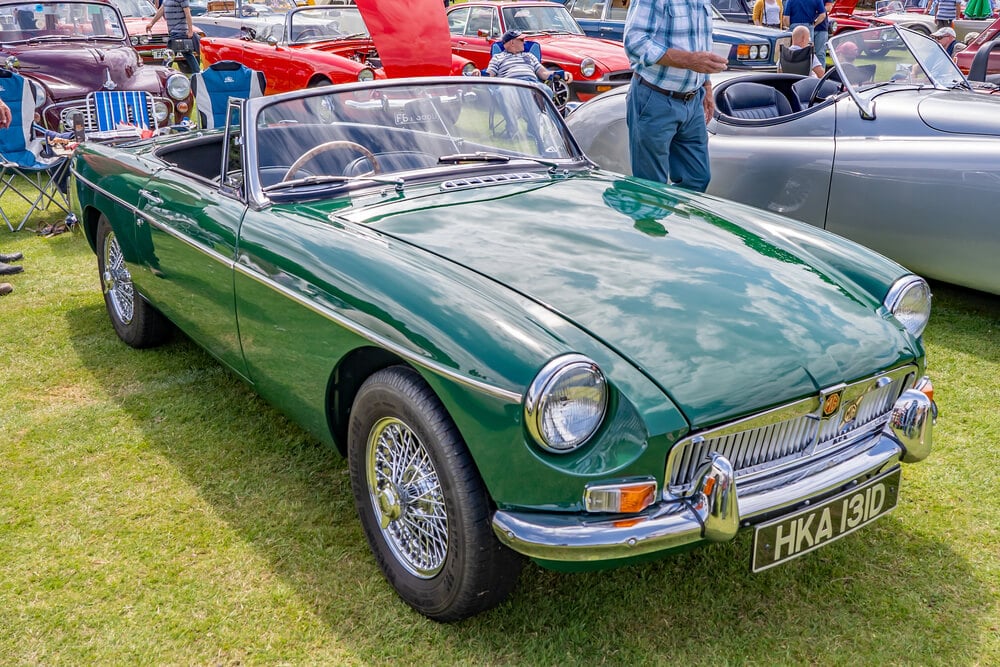
A close competitor to the Triumph Spitfire, the MG Midget offered similarly compact open-top sports car styling with its own set of reliability quirks common to British cars of the era. Emissions regulations through the decade required increasingly awkward styling changes, including larger rubber bumpers, to keep the car legal for sale in the United States.
MG ended production in 1979, and most surviving examples are maintained specifically as collector cars.
Ford Granada
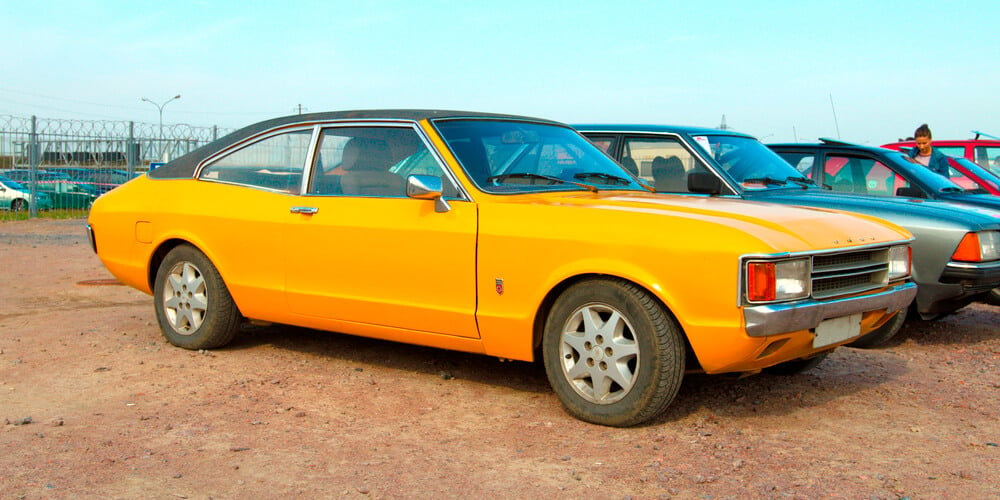
Ford positioned the Granada as a more upscale mid-size sedan option, styled to loosely resemble contemporary European luxury cars at a considerably lower price point. It sold well through the mid-to-late 1970s on the strength of that styling comparison.
The model rarely appears on the road today outside of occasional appearances at classic car gatherings.
AMC Hornet
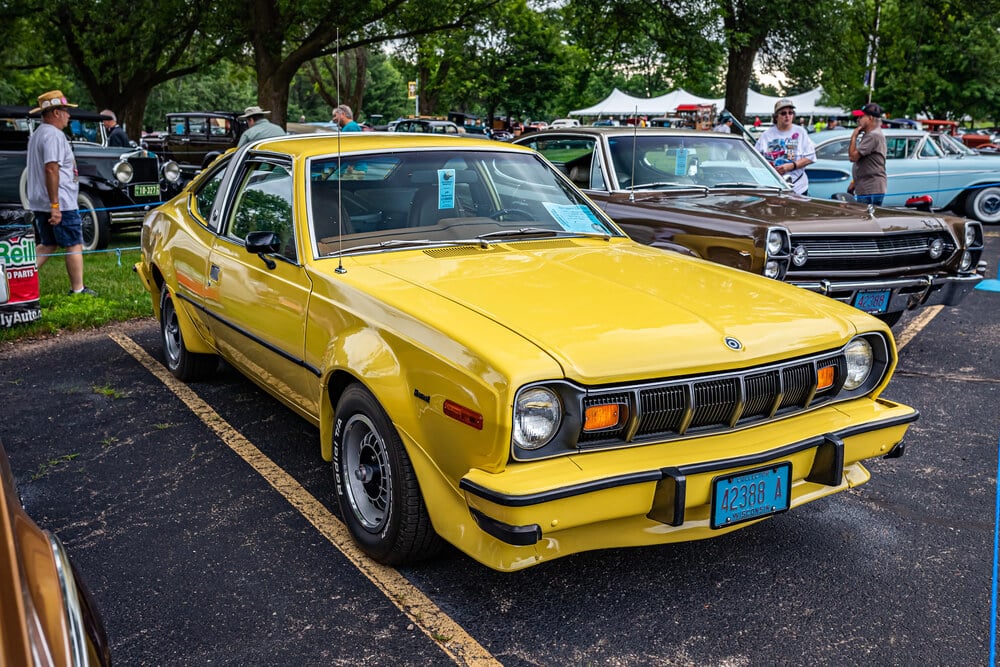
American Motors’ compact Hornet served as the basis for several other AMC models during the decade, including a distinctive Gremlin variant built directly off its platform. It offered straightforward, conventional styling compared to some of AMC’s more unusual designs.
Production ended in 1977, and surviving examples are now largely limited to AMC enthusiast circles.
Plymouth Valiant
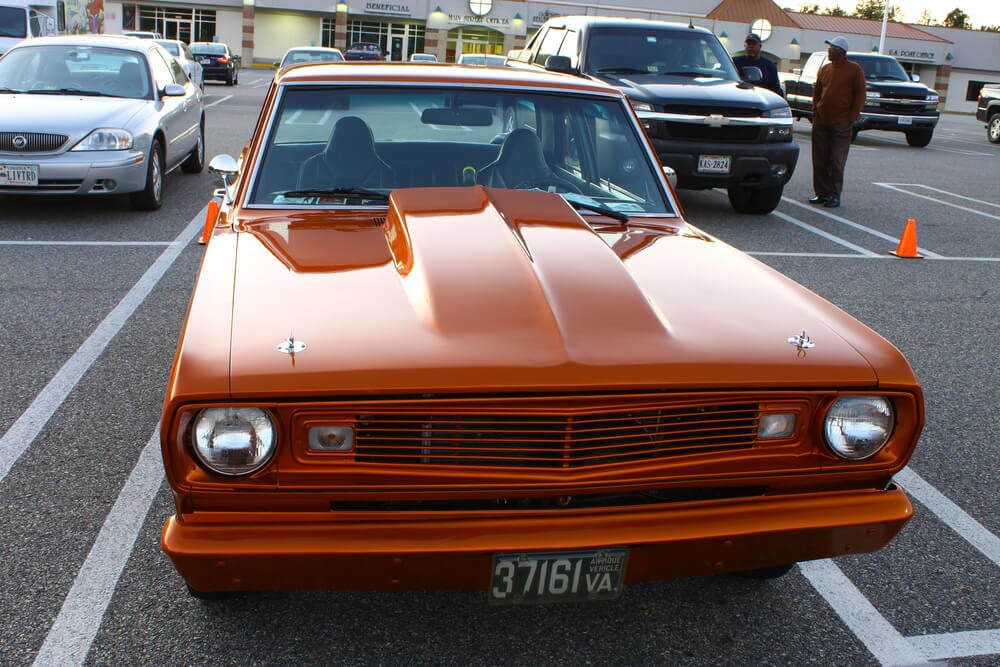
Plymouth’s compact Valiant built a reputation for straightforward mechanical durability through a long production run that stretched into the mid-1970s. Its slant-six engine in particular was known for running reliably well past what many contemporaries could manage.
Despite that reputation, age and rust have reduced the surviving population sharply over the following decades.
Dodge Aspen
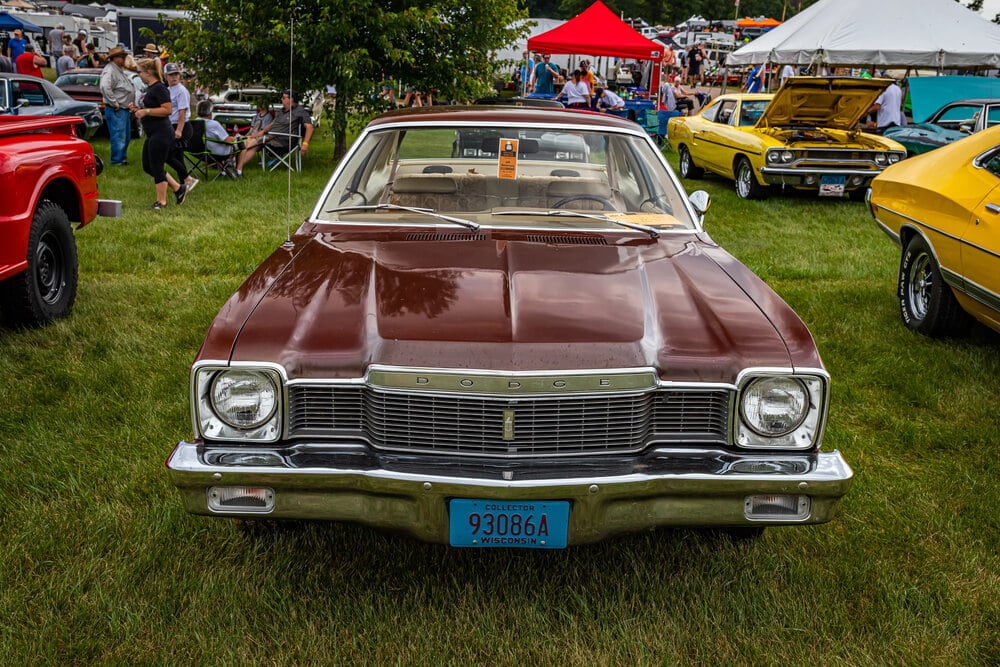
Dodge introduced the Aspen in 1976 as a replacement for the aging Dart, offering more contemporary styling but developing a reputation for early rust and reliability problems that undercut the goodwill built by its predecessor. Recalls covering various mechanical issues followed within the car’s first couple of years on the market.
Production ended in 1980, and few examples remain roadworthy today.
Plymouth Volare
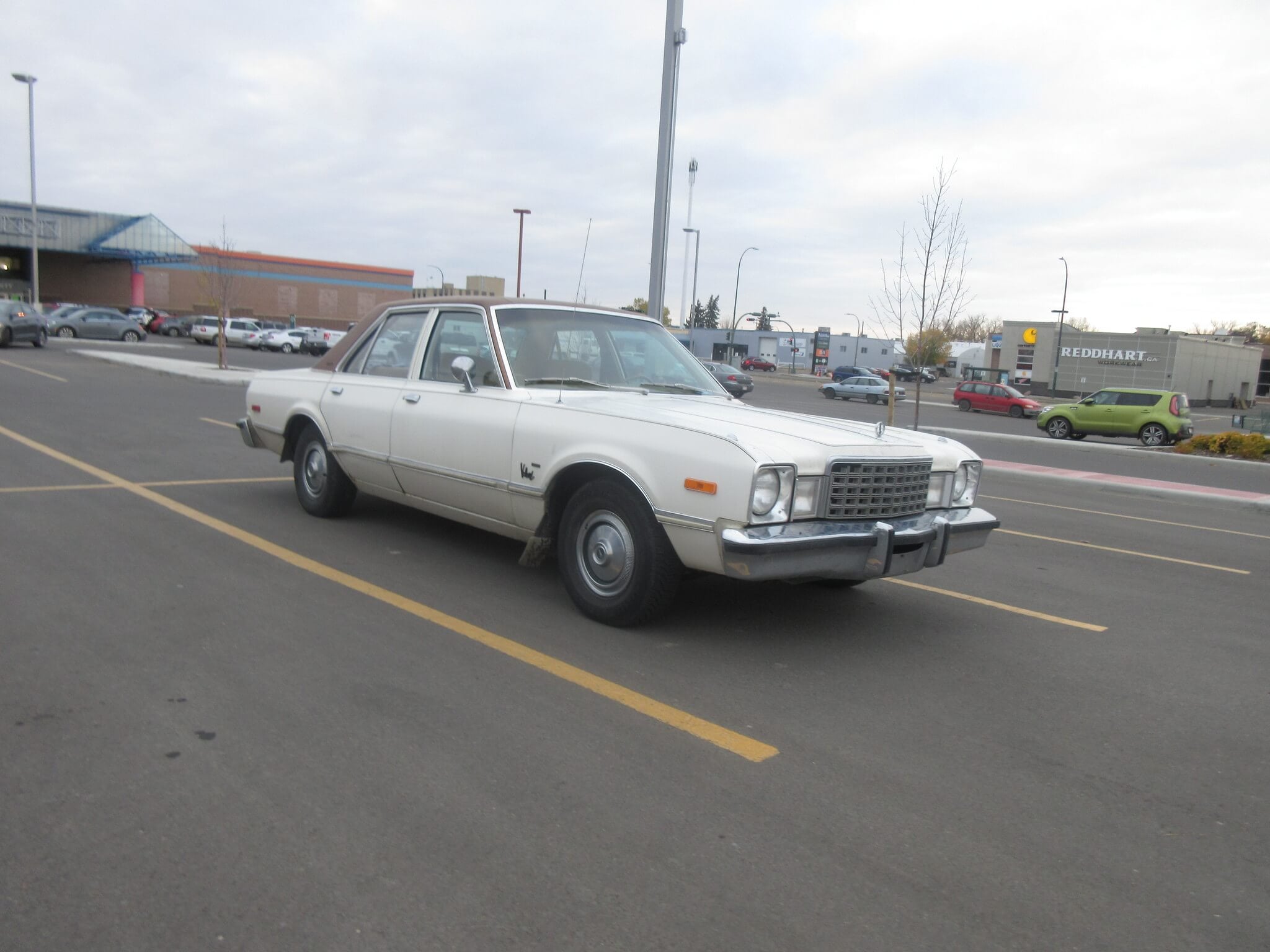
Built on the same platform as the Dodge Aspen, the Volare faced nearly identical rust and reliability issues that damaged both models’ reputations early in their production runs. Despite the problems, the Volare sold in large numbers through the late 1970s.
Plymouth discontinued the model in 1980, and surviving examples are now uncommon outside of collector ownership.
Pontiac Astre
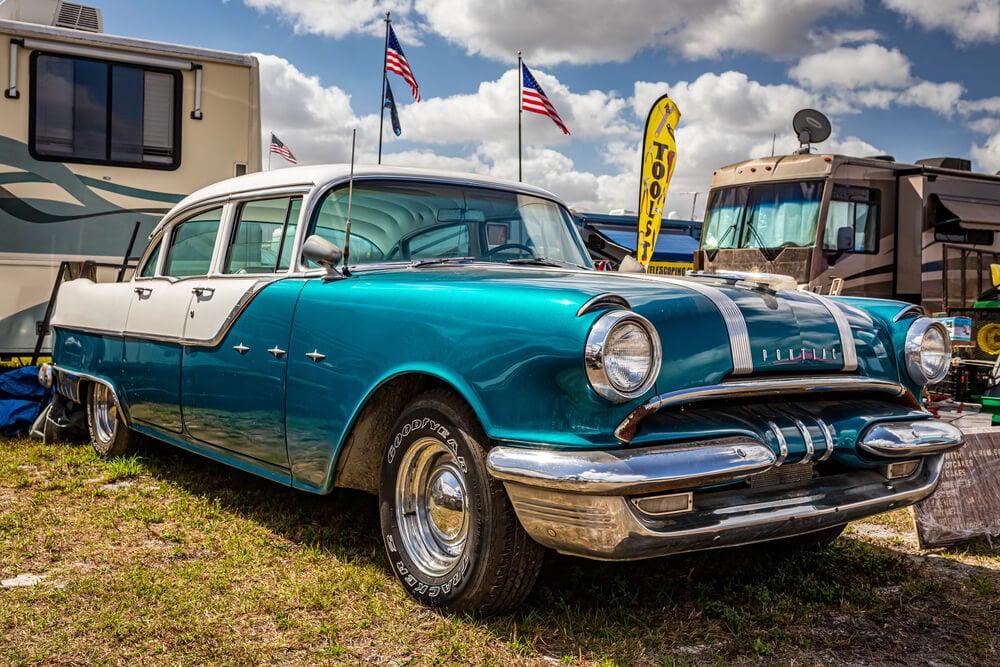
Pontiac’s Astre was essentially a rebadged version of the Chevrolet Vega, sharing most of its mechanical components and, unfortunately, many of the same reliability and rust problems. It sold in far smaller numbers than its Chevrolet counterpart throughout its run.
Production ended in 1977, and the model is now considerably rarer than the already-uncommon Vega it was based on.
Chevrolet Monza
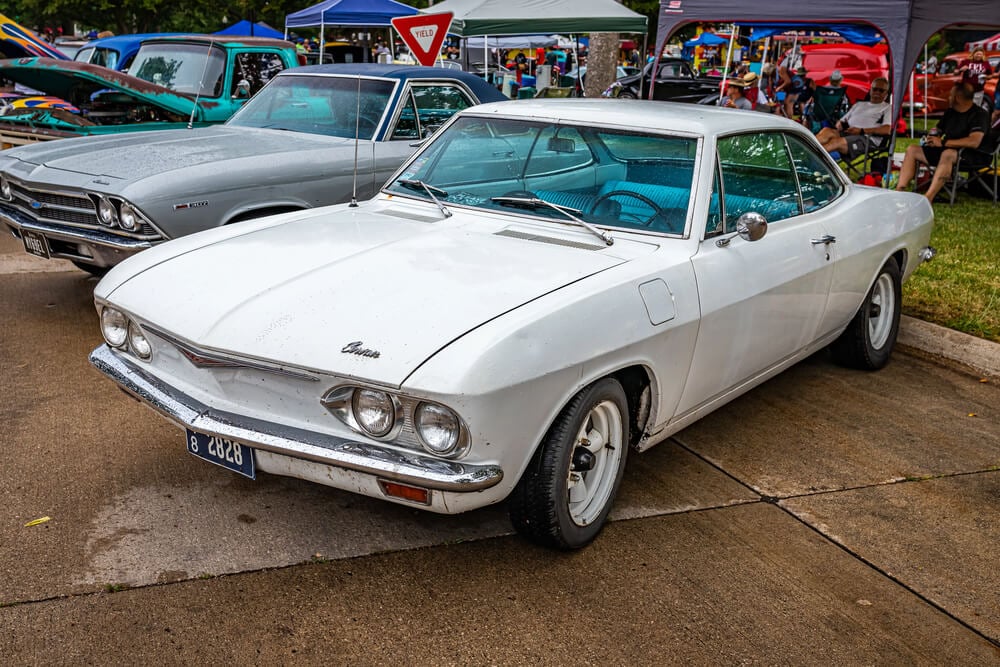
Chevrolet built the Monza on a similar platform to the Vega, offering sportier styling aimed at younger buyers through the mid-to-late 1970s. It inherited some of the Vega’s underlying mechanical issues despite the different bodywork.
Production ended in 1980, and the model largely disappeared from regular use within a couple of decades.
Datsun 240Z
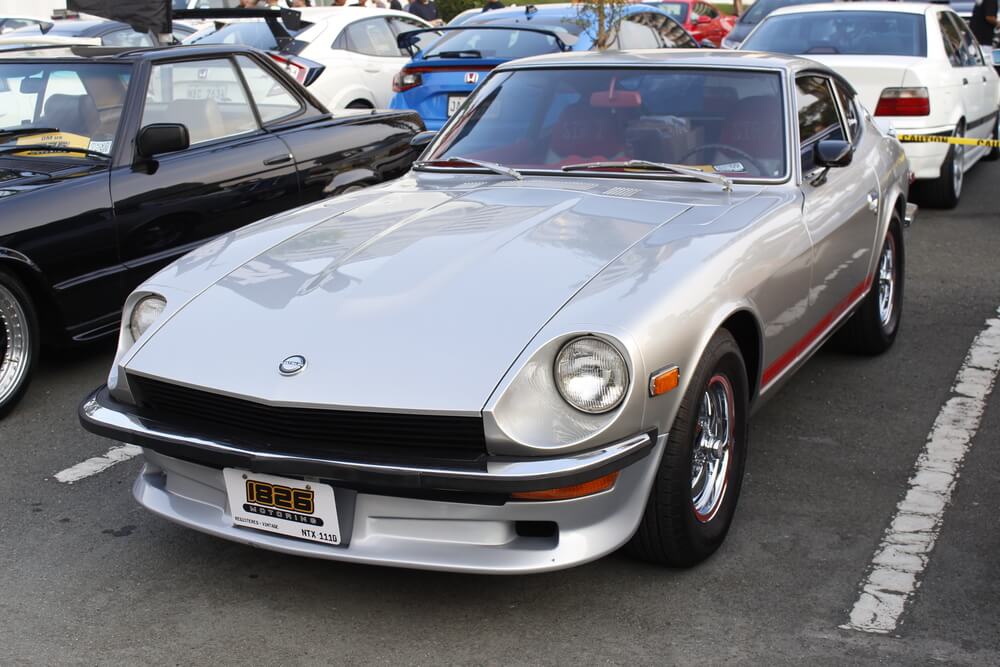
Nissan’s Datsun-branded 240Z offered genuine sports car performance and styling at a price well below comparable European options when it launched in 1969, remaining popular into the early 1970s. It built a devoted enthusiast following that persists strongly today.
Well-preserved examples now command significant prices among collectors, which has pushed most surviving cars out of everyday driving use.
Fiat 128
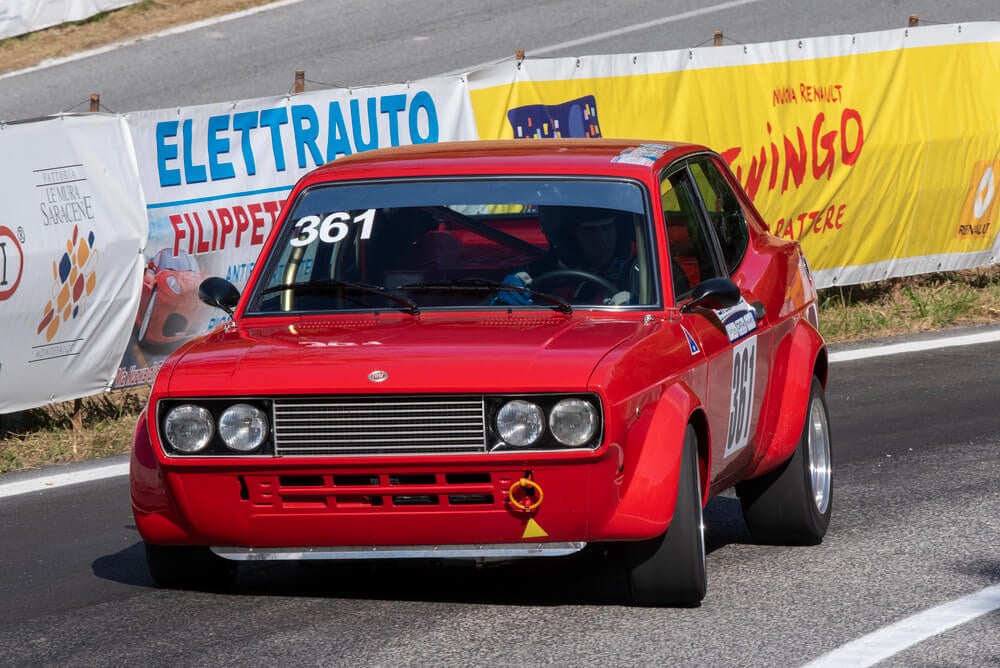
Fiat’s compact 128 introduced a front-wheel-drive layout that influenced small car design well beyond Fiat’s own lineup during the decade. Rust resistance was not a strength of the car’s Italian-built bodywork, particularly in colder climates with road salt.
Very few examples have survived in the United States given how aggressively the bodies corroded.
Fiat X1/9
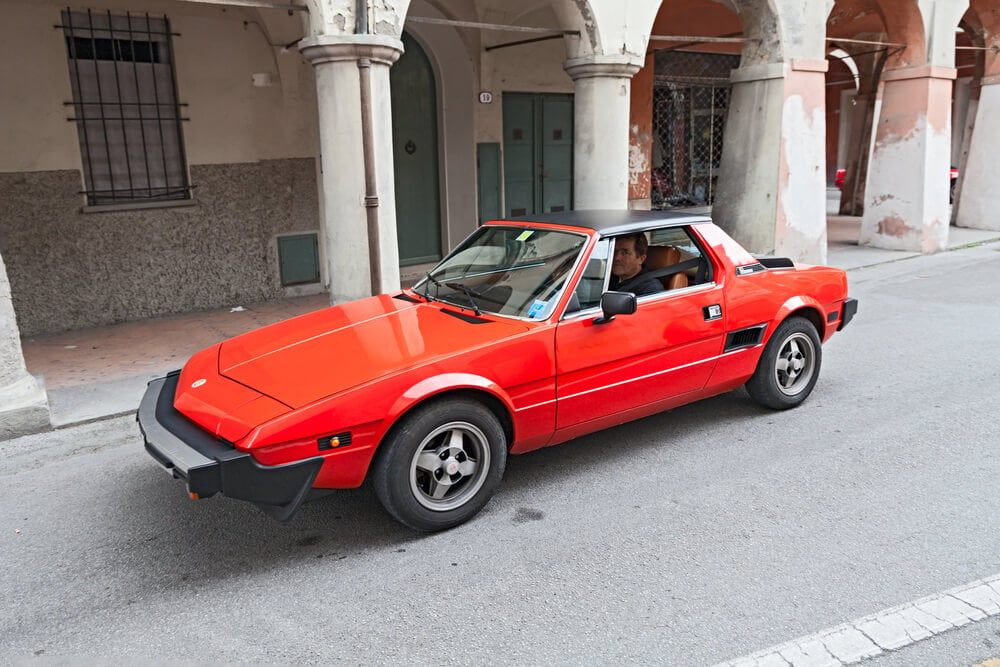
This small mid-engine sports car offered genuine exotic-style handling dynamics at an affordable price point, an unusual combination for its era. Like other Fiats of the decade, rust proved to be the car’s most persistent long-term problem.
Surviving, well-maintained examples are now sought after specifically because so few avoided serious corrosion.
Renault Le Car
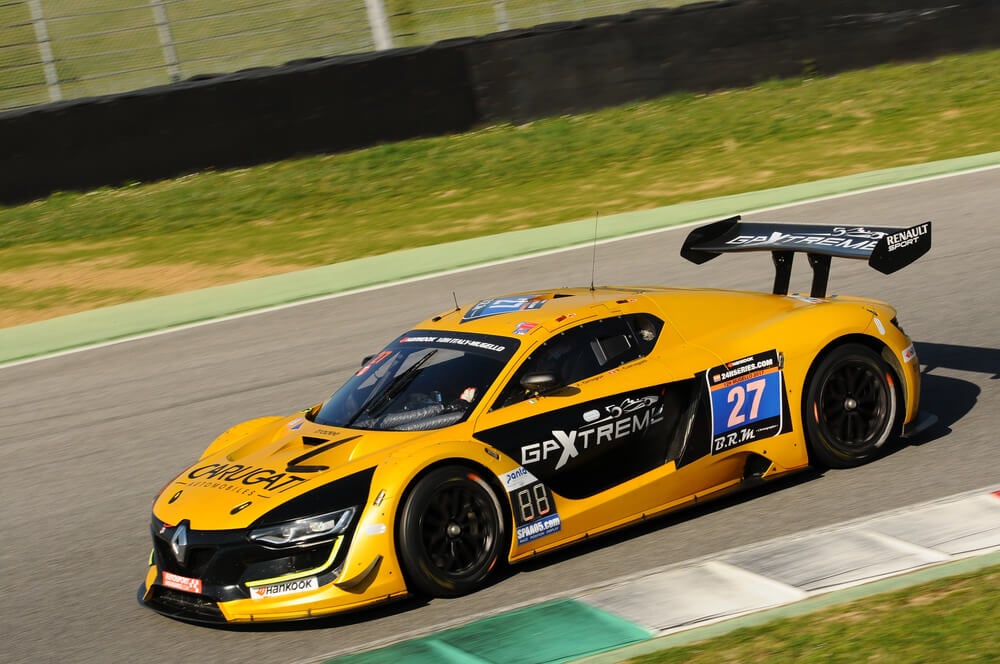
Marketed in the United States as the Le Car, this compact hatchback offered simple, fuel-efficient transportation during a decade when rising gas prices made smaller cars increasingly appealing. Its unconventional styling and modest performance limited its broader appeal against domestic competitors.
Renault’s American sales network shrank considerably in the years that followed, and surviving examples are now genuinely rare.
Volkswagen Type 3
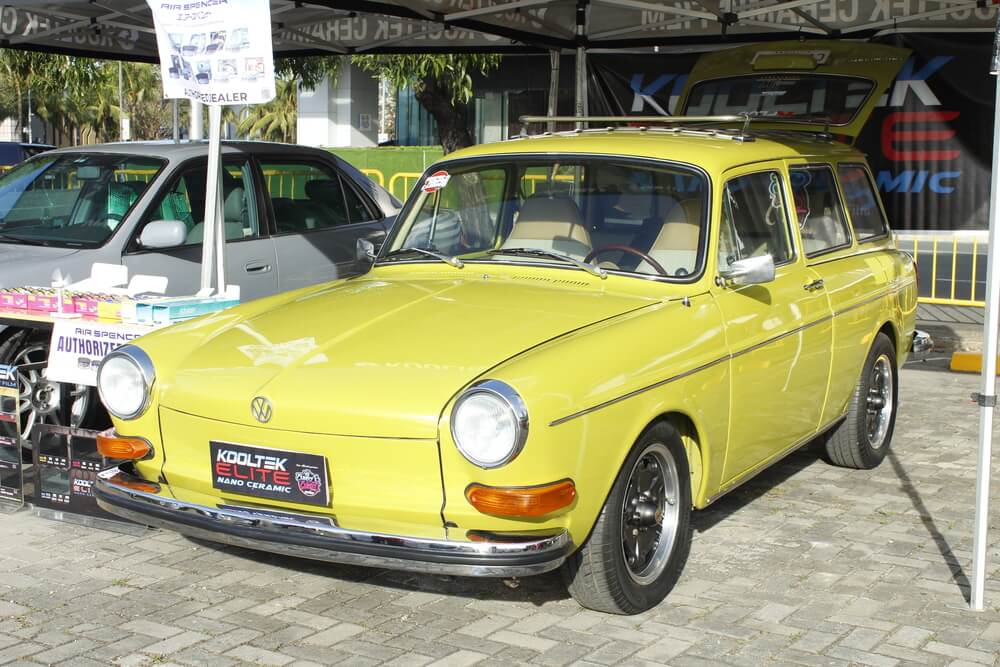
This mid-size Volkswagen offered a more conventional body style than the Beetle while retaining the same air-cooled rear-engine layout the brand was known for. It sold reasonably well through the early part of the decade before Volkswagen shifted toward front-wheel-drive models.
Surviving examples are now considerably less common than the Beetle it was sold alongside.
AMC Matador
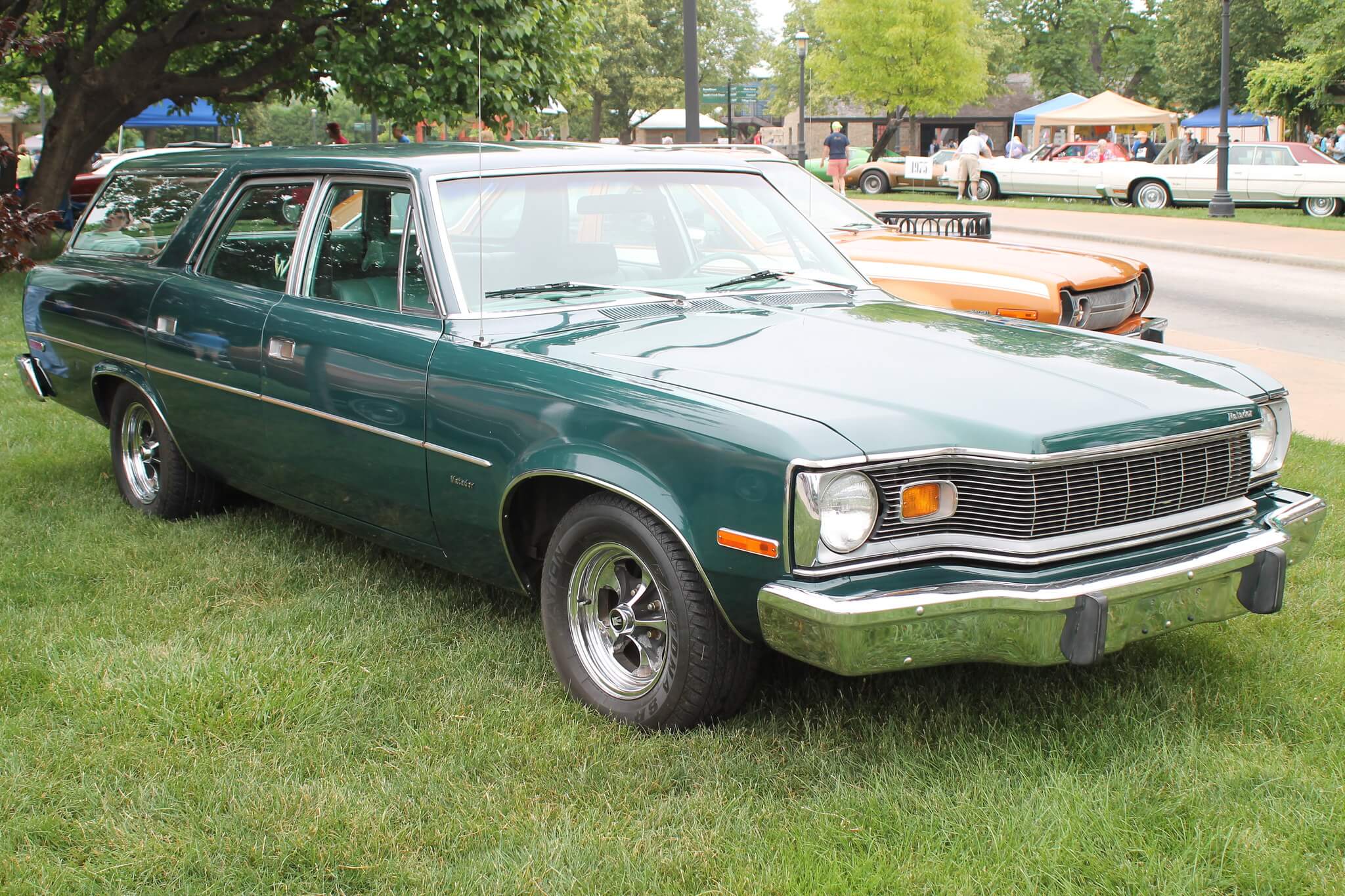
American Motors’ Matador served as the company’s mid-size offering, sold as both a sedan and a distinctively styled coupe through the decade. It found a notable niche appearance in a popular action film series of the era, which gave it more visibility than its modest sales might otherwise suggest.
Production ended in 1978, and surviving examples are now firmly within AMC collector circles.
Mercury Bobcat
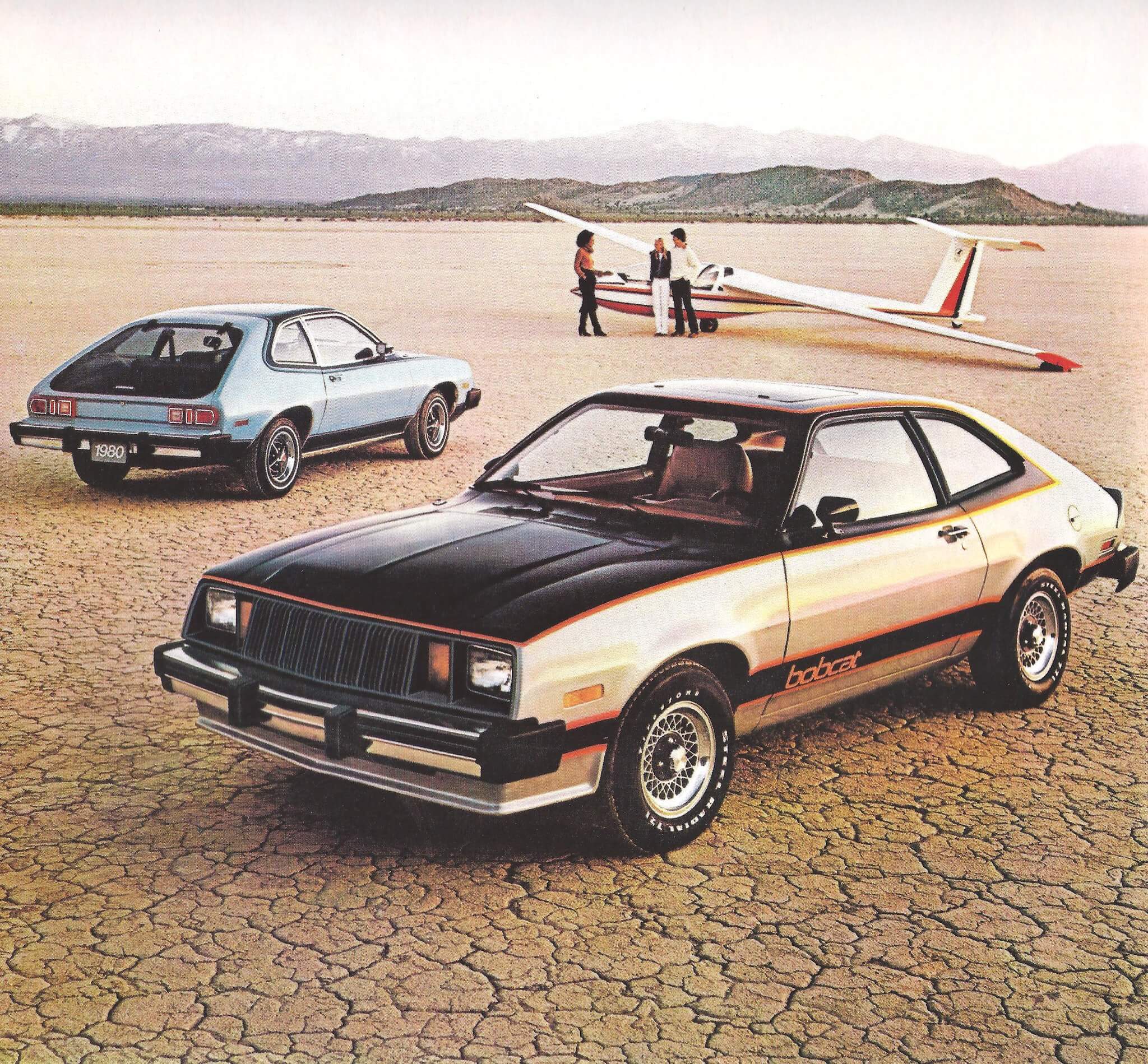
Mercury’s Bobcat was essentially a rebadged version of the Ford Pinto, sold through Mercury’s dealer network with slightly different styling and trim. It inherited many of the Pinto’s mechanical characteristics along with the reputational baggage that came with them.
Production ended in 1980, and the model is now considerably rarer than the Pinto it was based on.
International Harvester Scout
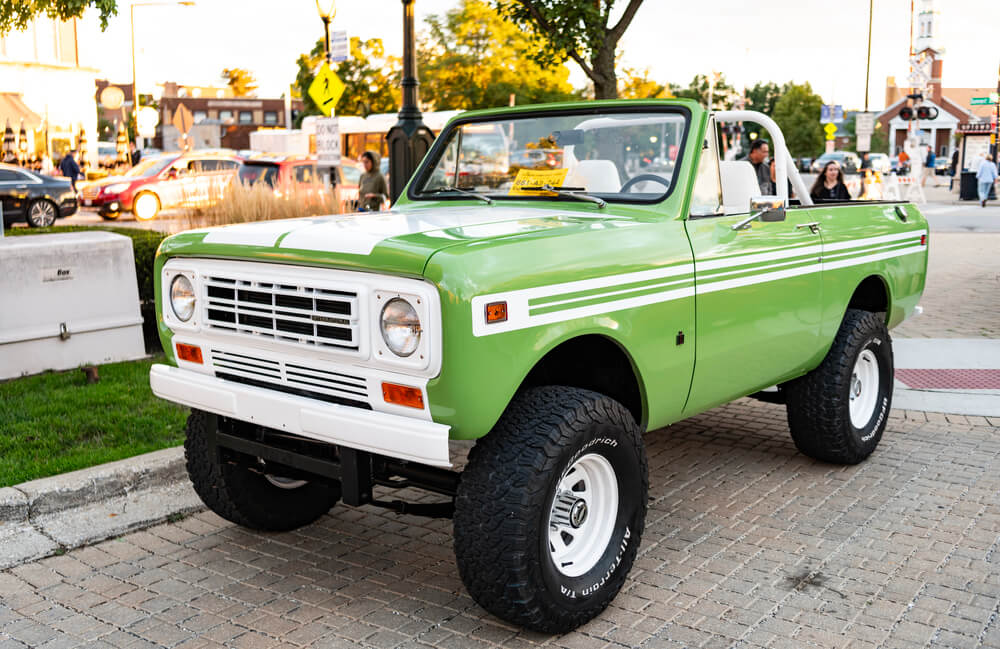
Best known as a farm equipment manufacturer, International Harvester also built the rugged Scout, an early and influential entry into what later became the compact SUV segment. It developed a loyal following among off-road and utility buyers through the decade.
International Harvester exited the consumer vehicle market entirely in 1980, and surviving Scouts are now maintained largely by dedicated restoration enthusiasts.
Saab 99
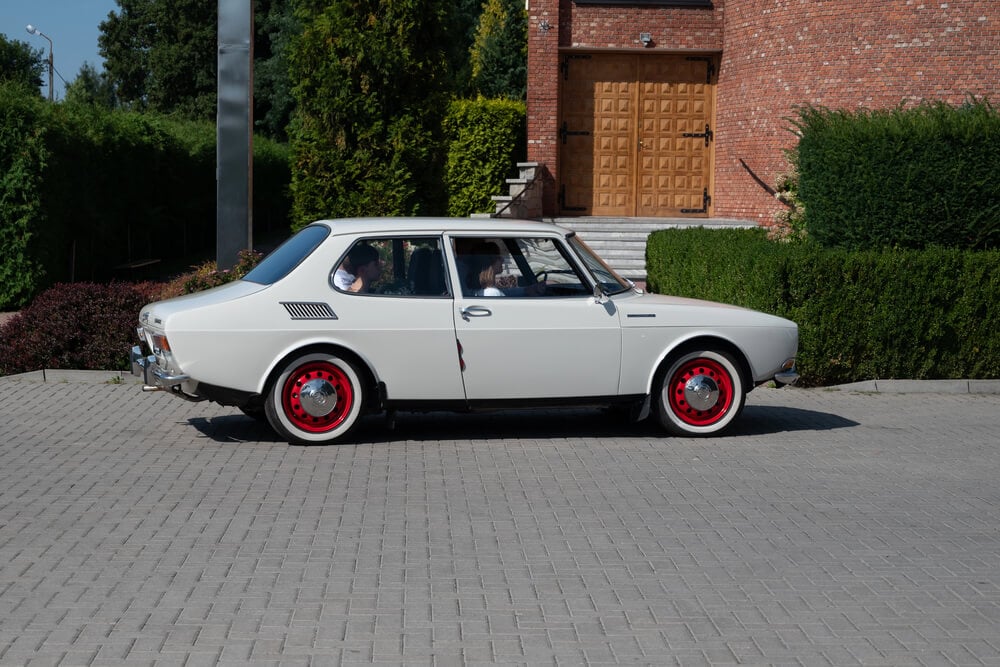
Swedish automaker Saab’s 99 offered distinctive styling and engineering choices, including an ignition switch located on the center console rather than the steering column. It built a small but devoted following among buyers who valued its unconventional approach to design.
Saab’s overall presence in the American market remained modest, and surviving 99s are now uncommon outside enthusiast circles.
Volvo 142
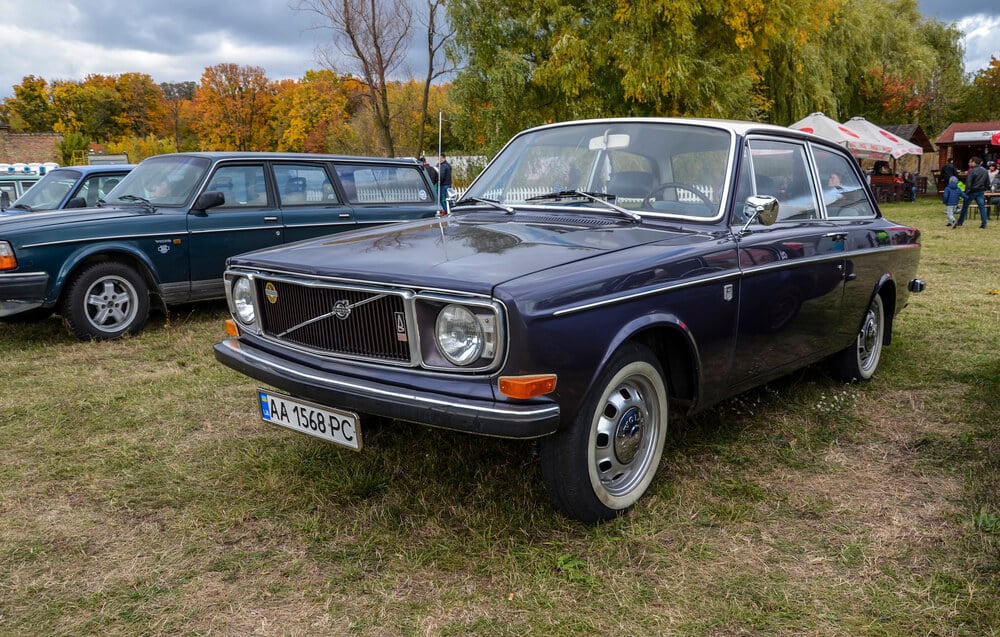
Volvo’s boxy, durable 142 built the brand’s early reputation for safety and longevity in the American market during the decade. Its simple, sturdy engineering allowed many examples to remain on the road for decades after production ended.
Despite that durability, the ordinary wear of time has thinned the surviving population considerably.
Citroën CX
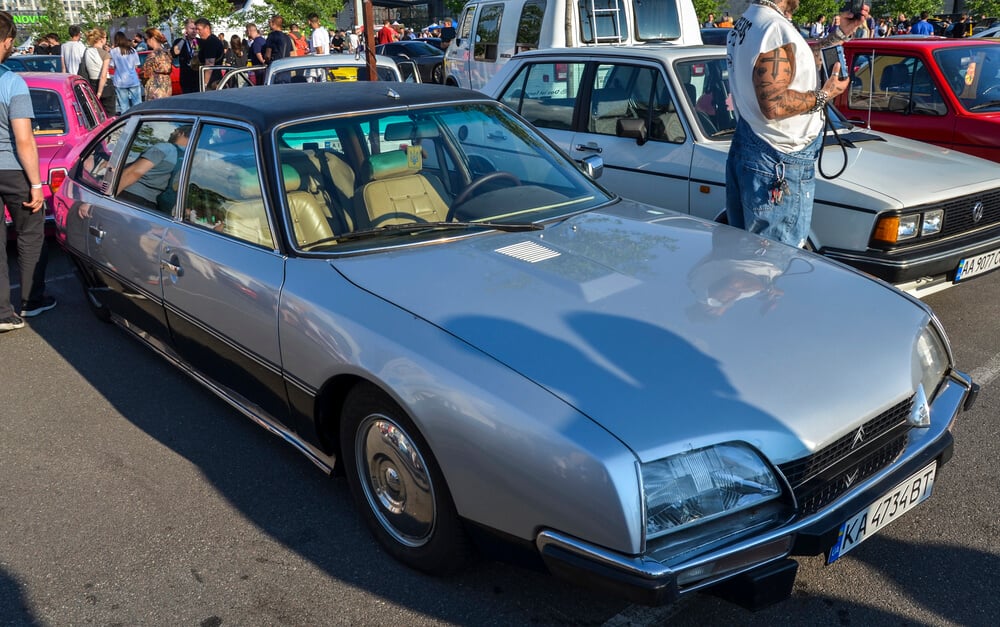
The French-built CX used an unconventional hydropneumatic suspension system that gave it an unusually smooth ride, along with unmistakably angular styling distinct from nearly every competitor. The car never sold in large numbers in the United States due to limited dealer support and later regulatory hurdles.
Surviving examples are now found almost exclusively among dedicated Citroën enthusiasts rather than on ordinary roads.
Why These Cars Disappeared So Completely
A few of these cars fell victim to genuinely poor engineering that caught up with them within a decade, while others were simply ordinary, high-volume vehicles that nobody thought to specifically preserve at the time. Road salt, tightening emissions rules, and the basic economics of scrapping an aging car all worked against survival in roughly equal measure.
What remains is a small population cared for almost entirely by people who specifically sought them out, a reversal of how common these cars once were on ordinary streets. The gap between how many were built and how few are left says less about the cars themselves than about how quickly an entire decade of ordinary transportation can vanish once nobody has a practical reason to keep it running.
More from Go2Tutors!

- The Romanov Crown Jewels and Their Tragic Fate
- 13 Historical Mysteries That Science Still Can’t Solve
- Famous Hoaxes That Fooled the World for Years
- 15 Child Stars with Tragic Adult Lives
- 16 Famous Jewelry Pieces in History
Like Go2Tutors’s content? Follow us on MSN.