15 Camps, Shelters, or Bases That Slowly Became Full Towns
Human settlements often emerge in unexpected ways. Temporary outposts established for specific purposes sometimes take root and flourish beyond their intended lifespan.
These transformations reveal fascinating stories about community development and adaptation to changing circumstances. Here is a list of 15 camps, shelters, and bases that gradually evolved into established towns, each following its own unique path from provisional outpost to thriving community.
Fort Worth
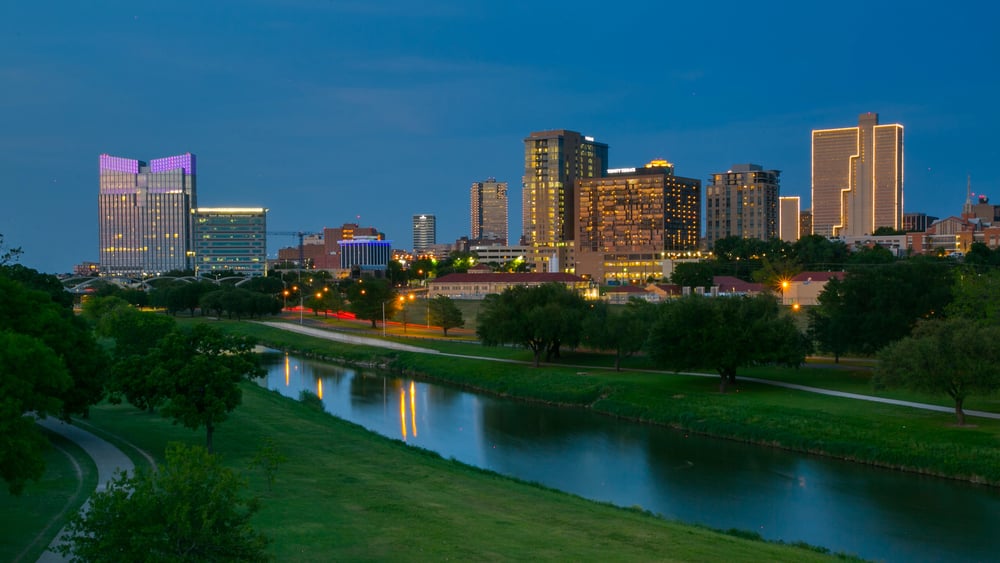
Established in 1849 along the Trinity River, Fort Worth began merely as a military outpost protecting the American frontier. Nobody expected much permanence from the simple fort – yet settlers recognized its strategic value for trade and cattle driving operations.
After the Civil War ended, the settlement became a crucial stop on the Chisholm Trail, transforming from a quiet outpost into a bustling cattle town. This former military camp now stands as Texas’ fifth-largest city with nearly a million residents, though it hasn’t forgotten its ‘Cowtown’ roots.
Anchorage
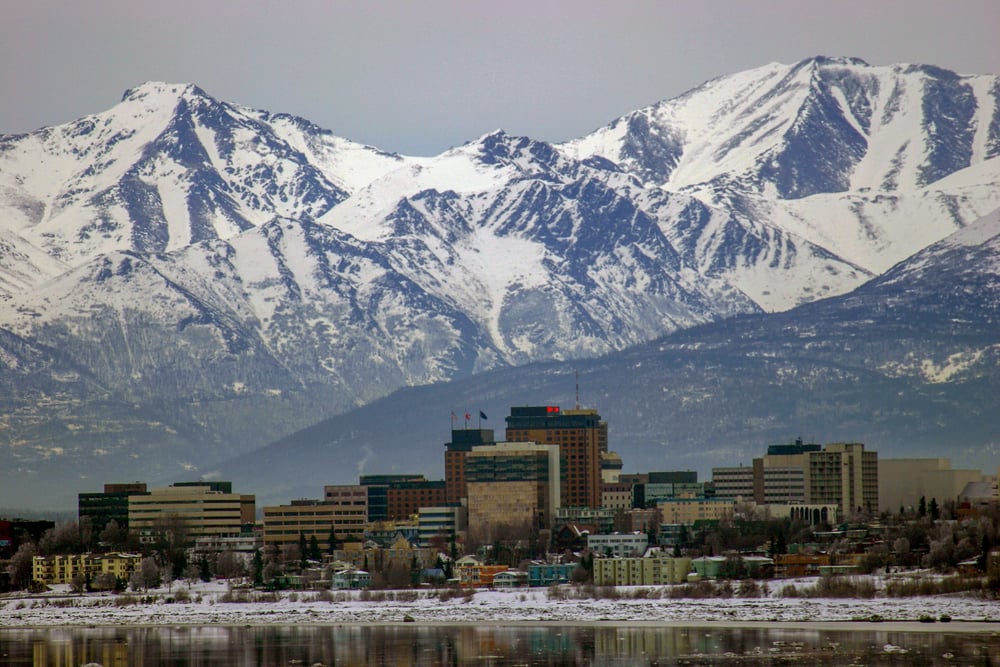
A modest railroad construction camp sprouted along Ship Creek in 1914 – destined to become Alaska’s largest city. The workers initially lived in makeshift tents and hastily constructed wooden structures while building the Alaska Railroad.
What should’ve been a temporary work site became something more lasting, thanks to its favorable port location and abundant natural resources. The early tent city gradually acquired proper streets, businesses, and permanent housing, expanding from a few hundred railroad workers to a metropolitan area exceeding 290,000 residents today.
Hooverville, Seattle (Now Part of Industrial District)
During the Great Depression, unemployed folks built a makeshift settlement on tidal flats south of downtown Seattle. They sarcastically named it after President Herbert Hoover – and it grew into one of America’s largest, most organized shantytowns.
Residents constructed shelters from whatever materials they could scavenge, creating their own governance system and even maintaining communal services. Though demolished in 1941, this particular Hooverville left its mark; the area developed into part of Seattle’s Industrial District, while the term ‘Hooverville’ permanently entered national vocabulary.
Dawson City
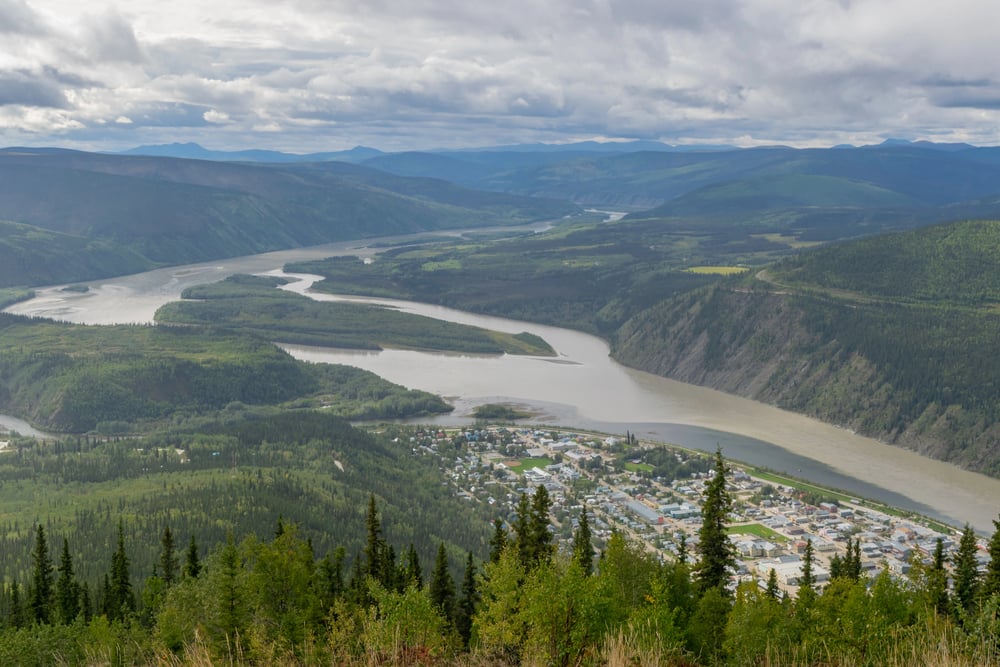
The Klondike Gold Rush of 1896 transformed a tiny fishing camp into a booming gold city practically overnight. Fortune seekers flooded this remote Yukon Territory location – setting up tents and crude cabins alongside the Yukon River.
At its height, the population reached nearly 40,000, making it the largest Canadian city west of Winnipeg. When gold fever eventually cooled, many left – though enough stayed to establish a lasting community.
Modern Dawson City maintains its distinctive gold rush character with approximately 1,400 year-round residents, functioning as a living museum of that frenzied era.
Churchill Downs
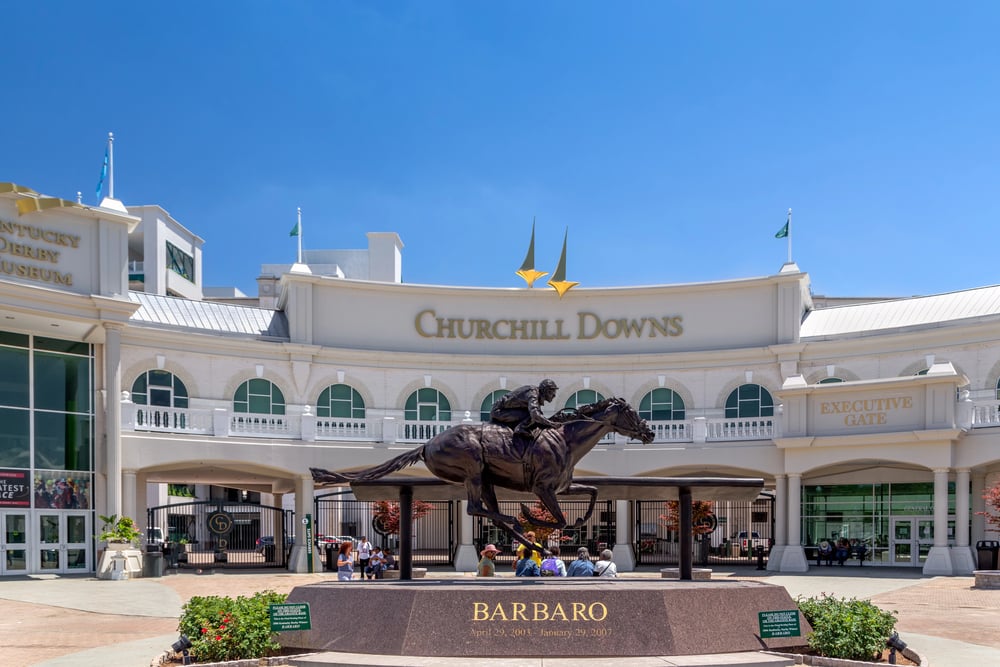
The first Kentucky Derby in 1875 required temporary structures that eventually evolved into Louisville’s most iconic landmark. Churchill Downs started as just a racetrack with improvised viewing stands and stables – more of a seasonal gathering place than a permanent settlement.
Over the decades, the surrounding area developed into a distinct neighborhood with year-round residents and businesses supporting the racing industry. What began as a seasonal race camp gradually morphed into a permanent district of Louisville – with those famous twin spires symbolizing how a temporary sporting venue can anchor an entire community’s identity.
Virginia City
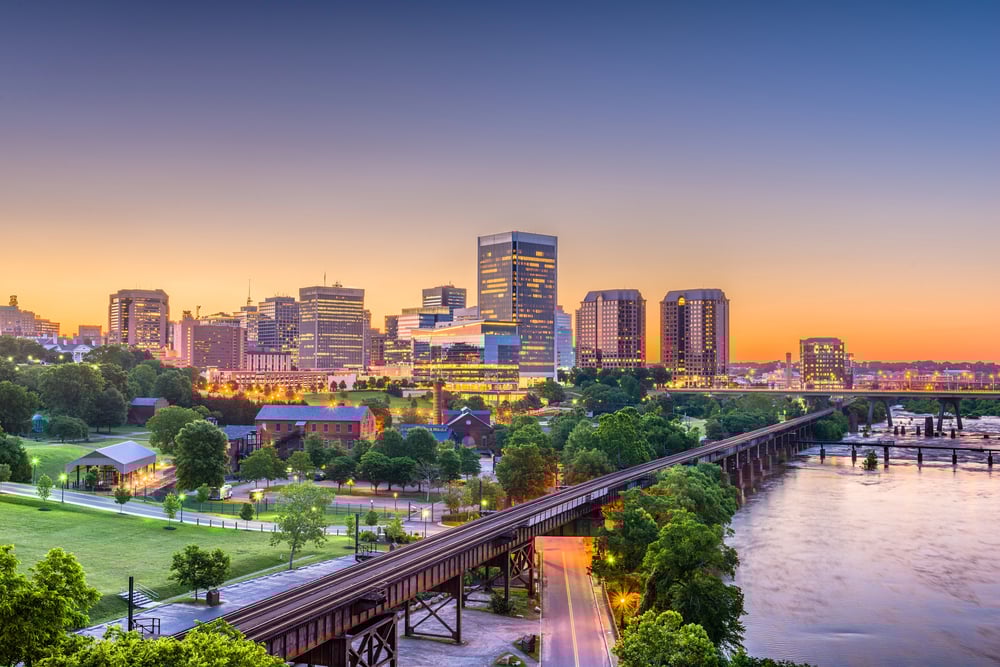
Silver’s discovery in Nevada’s Mount Davidson in 1859 prompted prospectors to establish mining camps throughout the region quickly. The legendary Comstock Lode attracted thousands who initially survived in tents and basic shelters – then watched as Virginia City rapidly evolved from these humble beginnings into a sophisticated town.
Grand hotels, theaters, and mansions soon stood directly above the mining tunnels below. While much smaller today, Virginia City survives as well-preserved evidence of how quickly valuable resources can transform a mining camp into a proper town.
Los Alamos
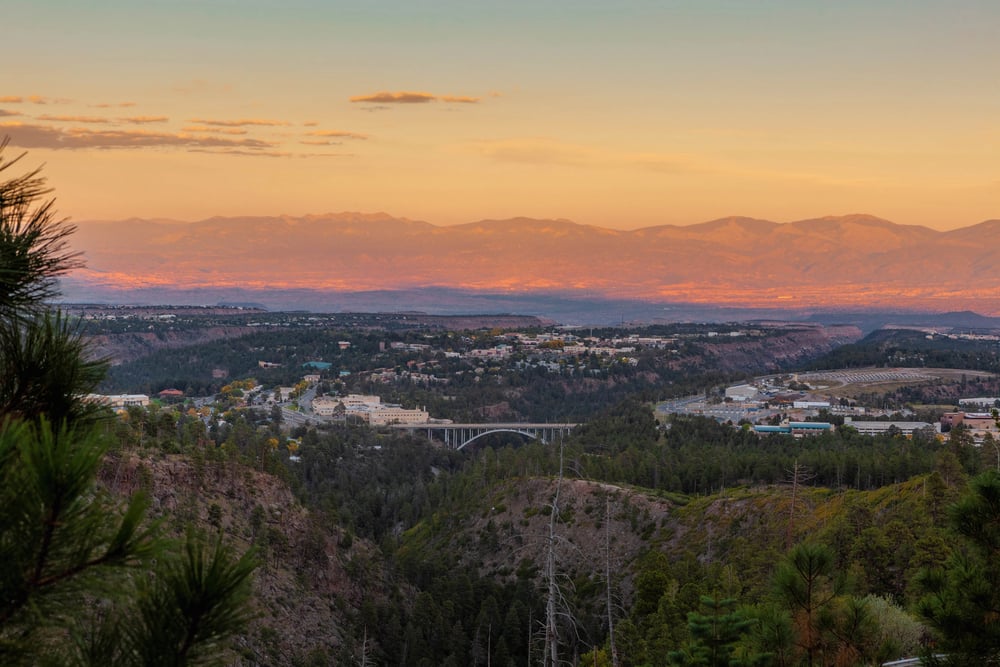
This New Mexico town originated in 1943 as a classified government facility for the Manhattan Project. Scientists and their families occupied hastily constructed buildings on a remote mesa – fully expecting to return to normal lives after wartime.
The secret camp featured dormitories, prefabricated housing, and communal dining facilities behind security fences. After World War II concluded, many researchers stayed as Los Alamos National Laboratory continued operations – converting what was designed as a temporary installation into a permanent community.
Modern Los Alamos remains deeply connected to the laboratory while functioning as a full-fledged town with approximately 13,000 residents.
Ausable Chasm
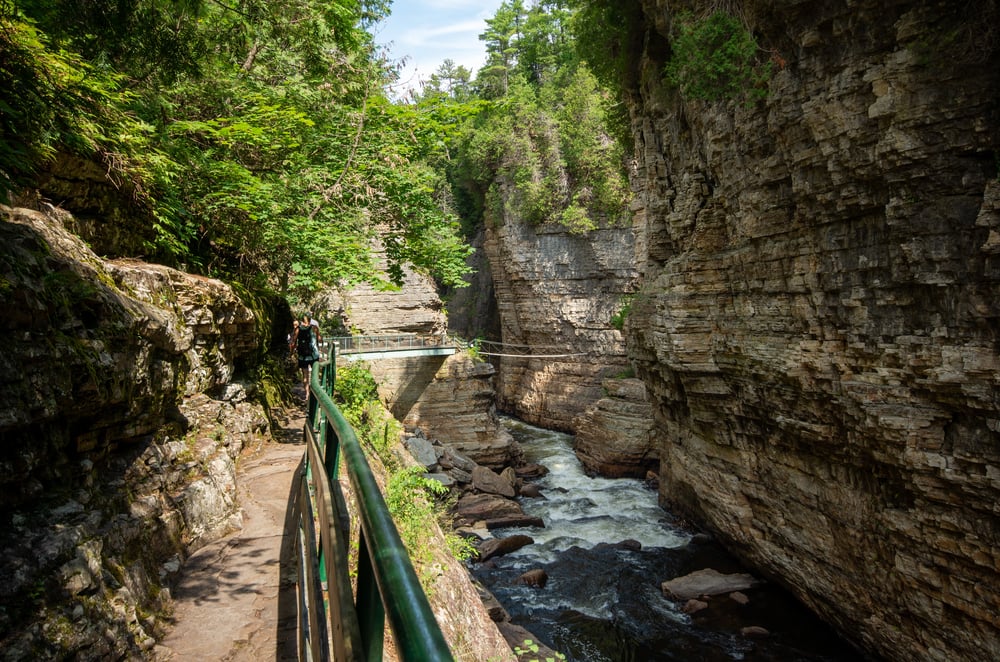
Unexpectedly, a lumber camp in the Adirondack region of New York became a town focused on tourism. In order to harvest the plentiful timber supplies in the 1800s, early woodcutters set up temporary houses close to the chasm.
The breathtaking natural gorge, which is frequently referred to as the “Grand Canyon of the East,” quickly drew tourists, leading residents to build observation platforms and provide tour services. Accommodations for seasonal workers increasingly gave way to year-round residences bolstered by expanding tourism.
People who came for timber or to lead early tourists chose to establish permanent roots around what was once just a magnificent workplace, which is how the town came to be.
Palm Springs
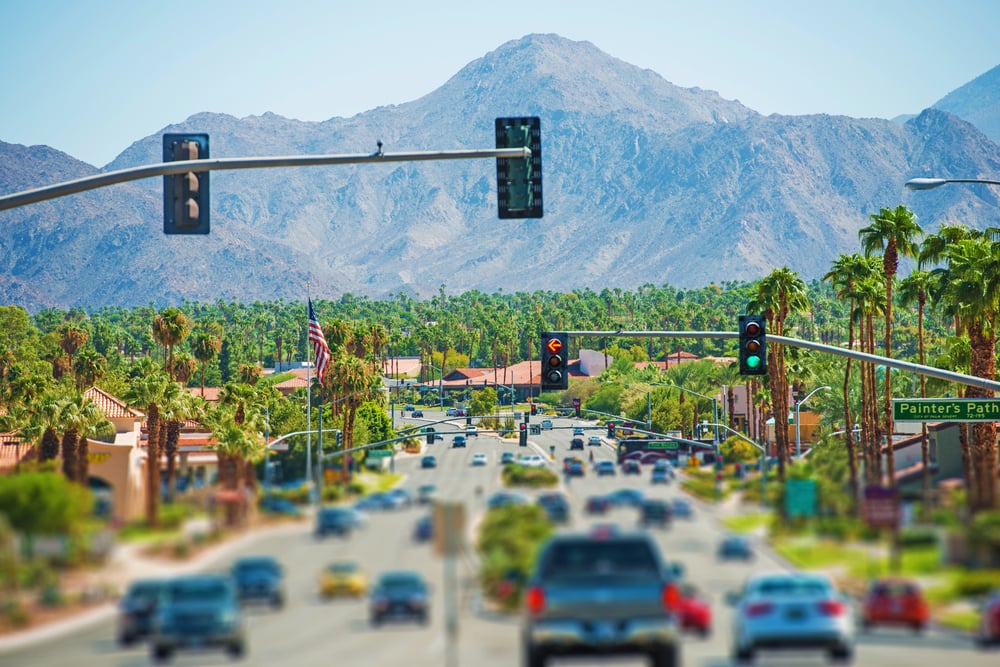
This desert gem started as a health sanitarium camp in the late 1800s when tuberculosis patients sought relief in the warm, dry climate. Primitive tent colonies housed those seeking therapeutic treatments – barely qualifying as a proper settlement.
The reputation of the natural hot springs drew more permanent residents, and by the 1920s, Hollywood celebrities had discovered the area’s charm. A simple health camp transformed into a glamorous getaway, then a permanent community.
Contemporary Palm Springs blends its therapeutic origins with resort-town luxury while supporting about 45,000 year-round residents.
Oak Ridge
Known as the ‘Secret City,’ Oak Ridge emerged in 1942 as a hastily assembled facility for the Manhattan Project in Tennessee. The government constructed temporary housing for workers who weren’t told they were helping develop the atomic bomb.
Pre-fabricated homes, dormitories, and shopping centers rapidly appeared on former farmland – creating an instant community where none had existed before. This wartime installation eventually transitioned to a permanent energy research center.
Oak Ridge officially incorporated as a city in 1959, completing its evolution from a classified government camp to an established town with approximately 30,000 residents today. This is just a template and this text should be replaced in your post.
Levittown
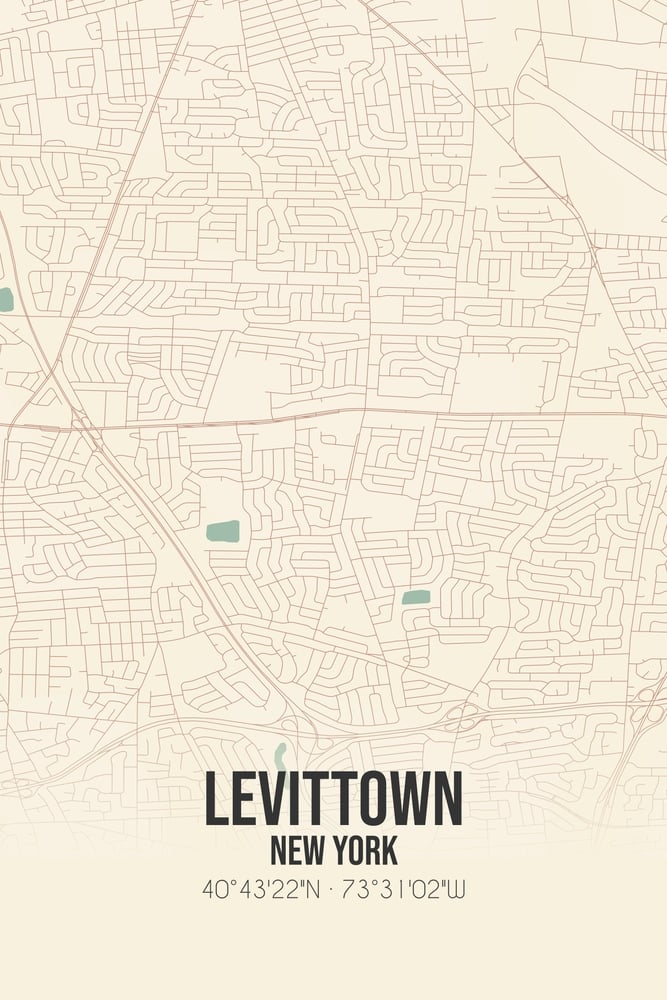
Though not officially a camp, this famous planned city in New York started as a large building site with temporary worker housing. After World War II, developer William Levitt used production line-style home building, with construction teams residing on-site in temporary housing.
As thousands of identical houses rose from ex-potato fields, builder barracks soon gave way to America’s quintessential suburb. Remarkably fast, the change from farm to building site to completed town.
Ultimately, Levittown reflected a new kind of American community formed by mass manufacturing methods usually linked with industry rather than residential projects.
Slab City
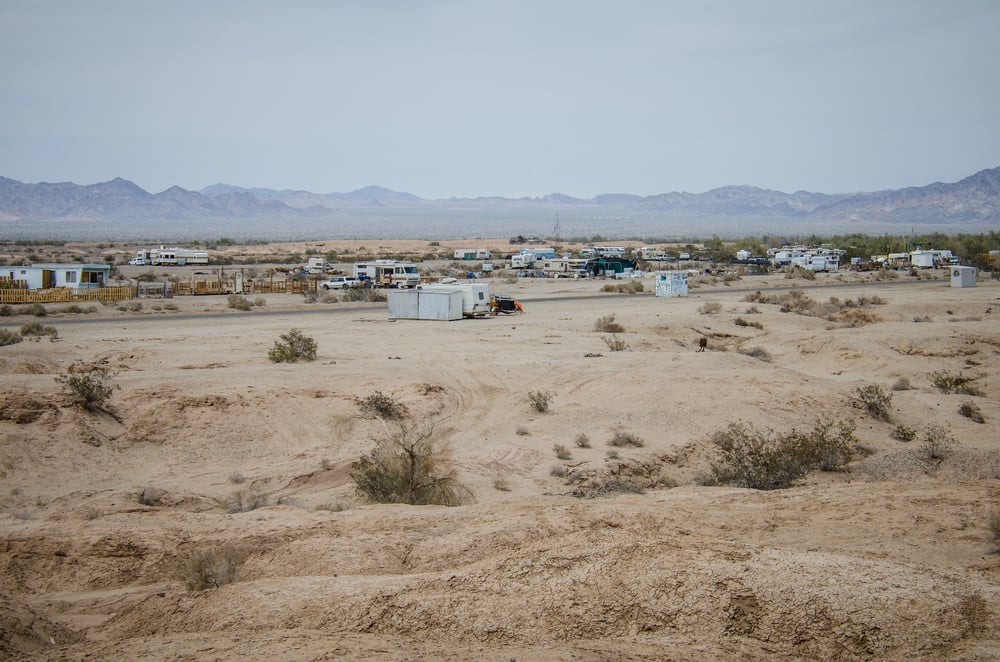
This unusual community in the California desert began as Marine Corps barracks during World War II. After the military abandoned Camp Dunlap in the 1950s, only concrete foundations remained—giving the place its distinctive name.
Snowbirds, artists, and people seeking off-grid lifestyles started camping on these slabs, forming an unofficial community without government services. Despite lacking running water, electricity, and sewage systems, Slab City evolved from temporary camping area to a semi-permanent settlement.
Many residents now live there year-round in various dwellings ranging from RVs to elaborate homemade structures, creating a distinctive community that proudly calls itself ‘The Last Free Place in America.’
Page
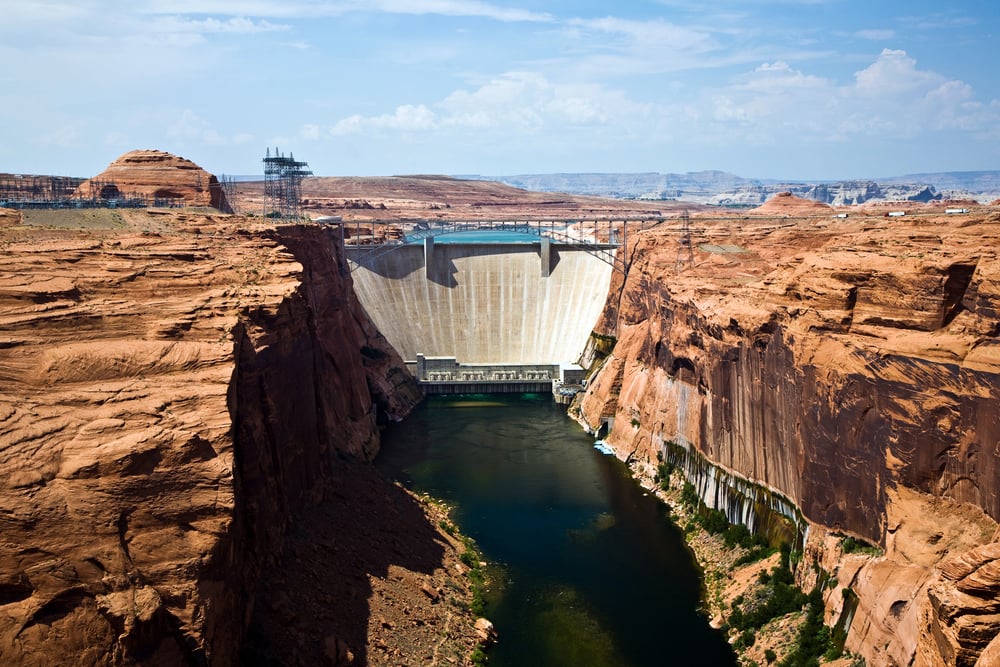
When construction of the Glen Canyon Dam began in 1957, workers established a temporary camp in northern Arizona near the Colorado River. This short-term housing solution for construction crews included trailer parks and prefabricated buildings scattered across the desert landscape.
As the massive dam project progressed, infrastructure improved and families joined the workers. The government initially planned to dismantle the camp after construction was finished, but residents successfully petitioned to incorporate it as a permanent town.
Today, Page has approximately 7,500 residents and serves as a gateway community to Lake Powell, with an economy based primarily on tourism rather than construction.
Rocky Flats (Now Superior)
This Colorado community began as worker housing for the Rocky Flats nuclear weapons plant in the 1950s. Temporary barracks housed the initial workforce for what was planned as a secretive industrial facility outside Denver.
As operations expanded, more permanent housing emerged nearby, creating unplanned residential areas around the plant. Though the original facility closed amid environmental controversy in the 1990s, the surrounding community had already taken root and evolved into the town of Superior.
Today, with over 13,000 residents, this suburb bears little resemblance to the utilitarian camp that spawned it.
Like Go2Tutors’s content? Follow us on MSN.
Richland
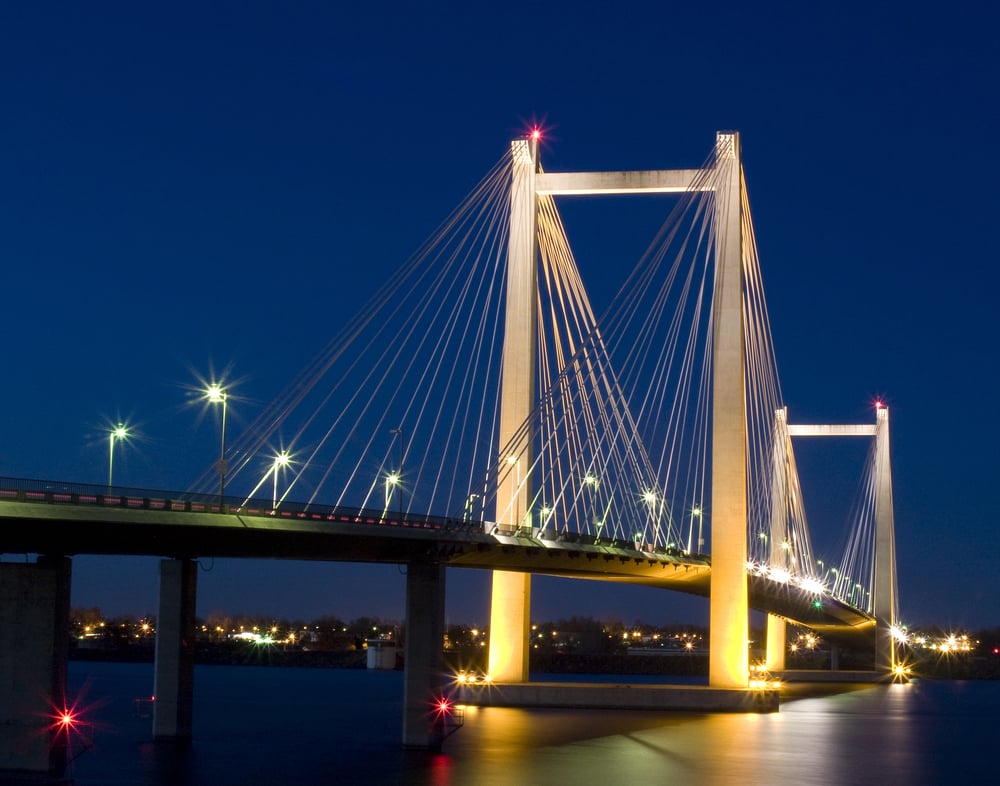
Originally a small agricultural settlement in Washington state, Richland transformed dramatically when the government selected it as a site for the Manhattan Project in 1943. Thousands of workers moved into hastily constructed housing, expanding the town from approximately 300 residents to nearly 25,000 virtually overnight.
The government owned every building and controlled all aspects of daily life in what was essentially a federal camp. After World War II, Richland transitioned from government control to private ownership, becoming an incorporated city in 1958.
With about 60,000 residents today, Richland demonstrates how quickly a temporary government installation can evolve into a thriving community.
From Temporary to Timeless

These communities showcase humanity’s remarkable ability to establish roots in locations initially intended as temporary solutions. Each settlement tells a unique story of adaptation and persistence, transforming from makeshift accommodations to established towns through decades of organic development.
The evolution from camp to community often preserves distinctive characteristics from those early days, whether in street layouts, architectural styles, or local traditions. These towns remind us that sometimes our most enduring places begin with the simplest intention—providing basic shelter until something better comes along.
More from Go2Tutors!

- The Romanov Crown Jewels and Their Tragic Fate
- 13 Historical Mysteries That Science Still Can’t Solve
- Famous Hoaxes That Fooled the World for Years
- 15 Child Stars with Tragic Adult Lives
- 16 Famous Jewelry Pieces in History
Like Go2Tutors’s content? Follow us on MSN.



