22 Historic Trials That Changed the Law Afterward
A courtroom is usually where existing law gets applied, not made, but a handful of trials in modern history have done both at once. The verdicts below reshaped statutes, constitutional interpretation, or international law itself, often because the case exposed a gap the legal system had never been forced to address directly.
The Salem Witch Trials
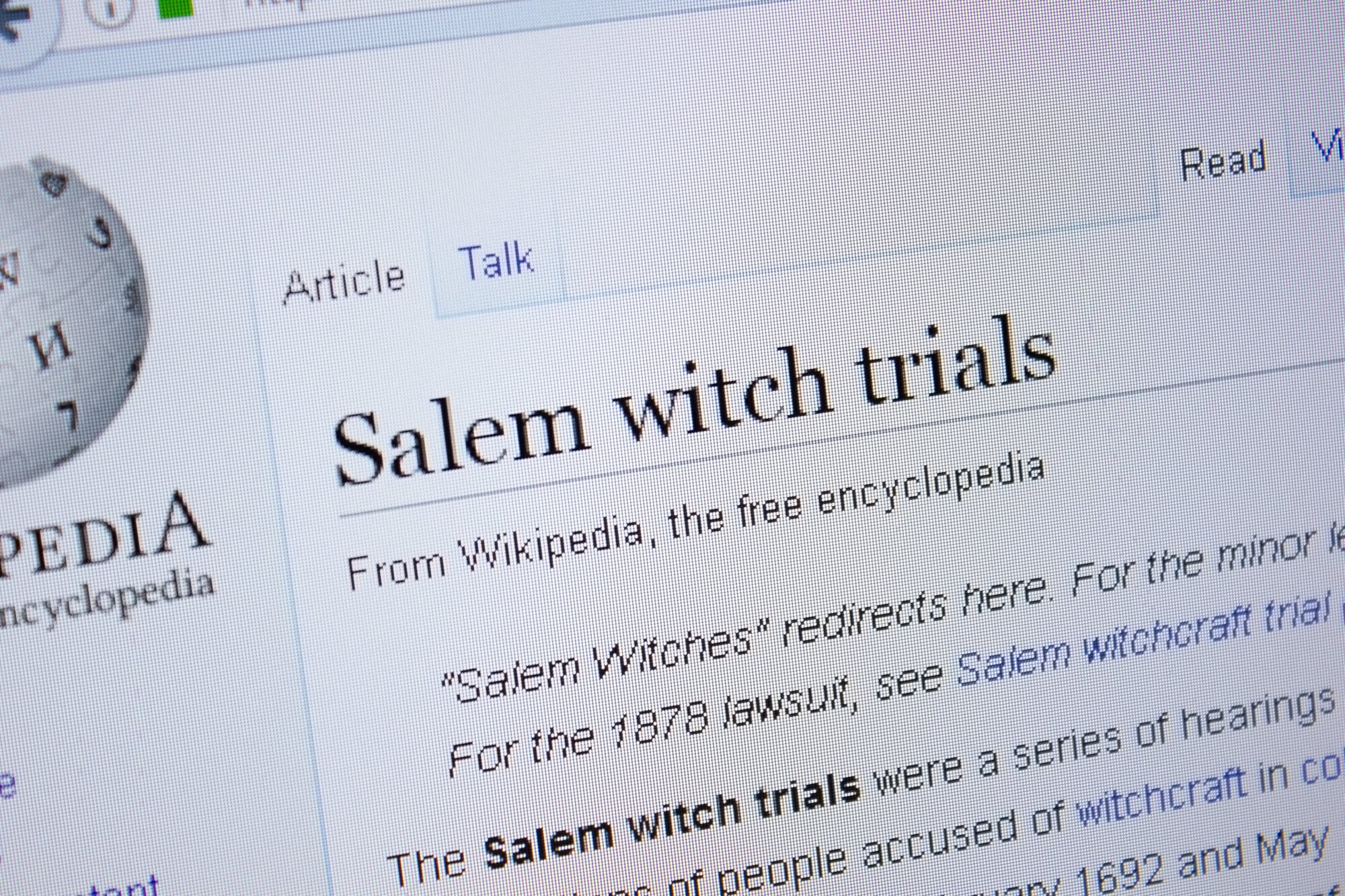
The 1692 Massachusetts trials that resulted in the execution of twenty people relied heavily on so-called spectral evidence, testimony that a victim had been harmed by a defendant’s invisible specter, a standard colonial authorities themselves later repudiated. Massachusetts formally reversed the convictions and offered restitution to victims’ families beginning in the years immediately following the trials, and the episode became a foundational cautionary example cited in later American legal debates over evidentiary standards and due process.
Legal historians continue to cite Salem when discussing the dangers of testimony that cannot be independently verified.
The Trial of John Peter Zenger
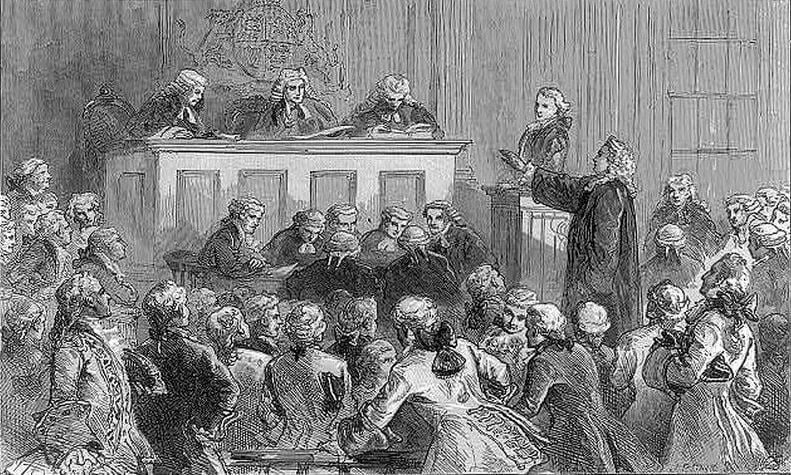
Colonial printer John Peter Zenger was tried for seditious libel in 1735 after publishing articles critical of New York’s royal governor, and his acquittal, argued by lawyer Andrew Hamilton on the then-novel claim that true statements could not be libelous, is widely credited by legal historians as an early foundation for American press freedom protections. The case predated the First Amendment by more than half a century but was frequently invoked during later debates over its drafting.
Zenger’s acquittal remains a standard reference point in American legal education on freedom of the press.
Marbury v. Madison
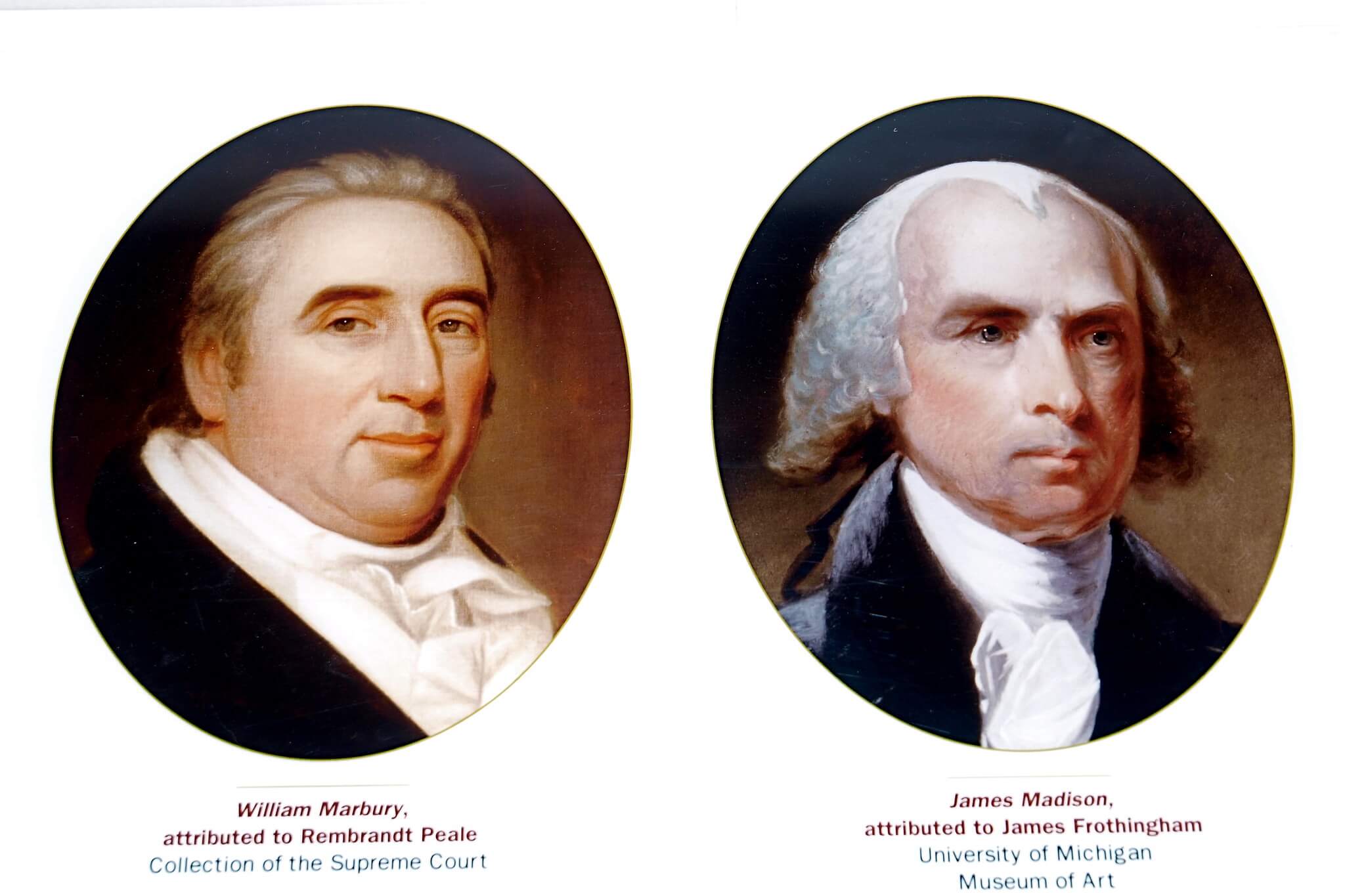
This 1803 United States Supreme Court case, arising from a dispute over a last-minute judicial appointment, established the principle of judicial review, giving federal courts the power to strike down laws they find unconstitutional. Chief Justice John Marshall’s opinion in the case has shaped the structure of American constitutional law ever since, even though the immediate political dispute that triggered it was relatively minor.
It remains one of the most frequently cited cases in American legal history.
The Dred Scott Case
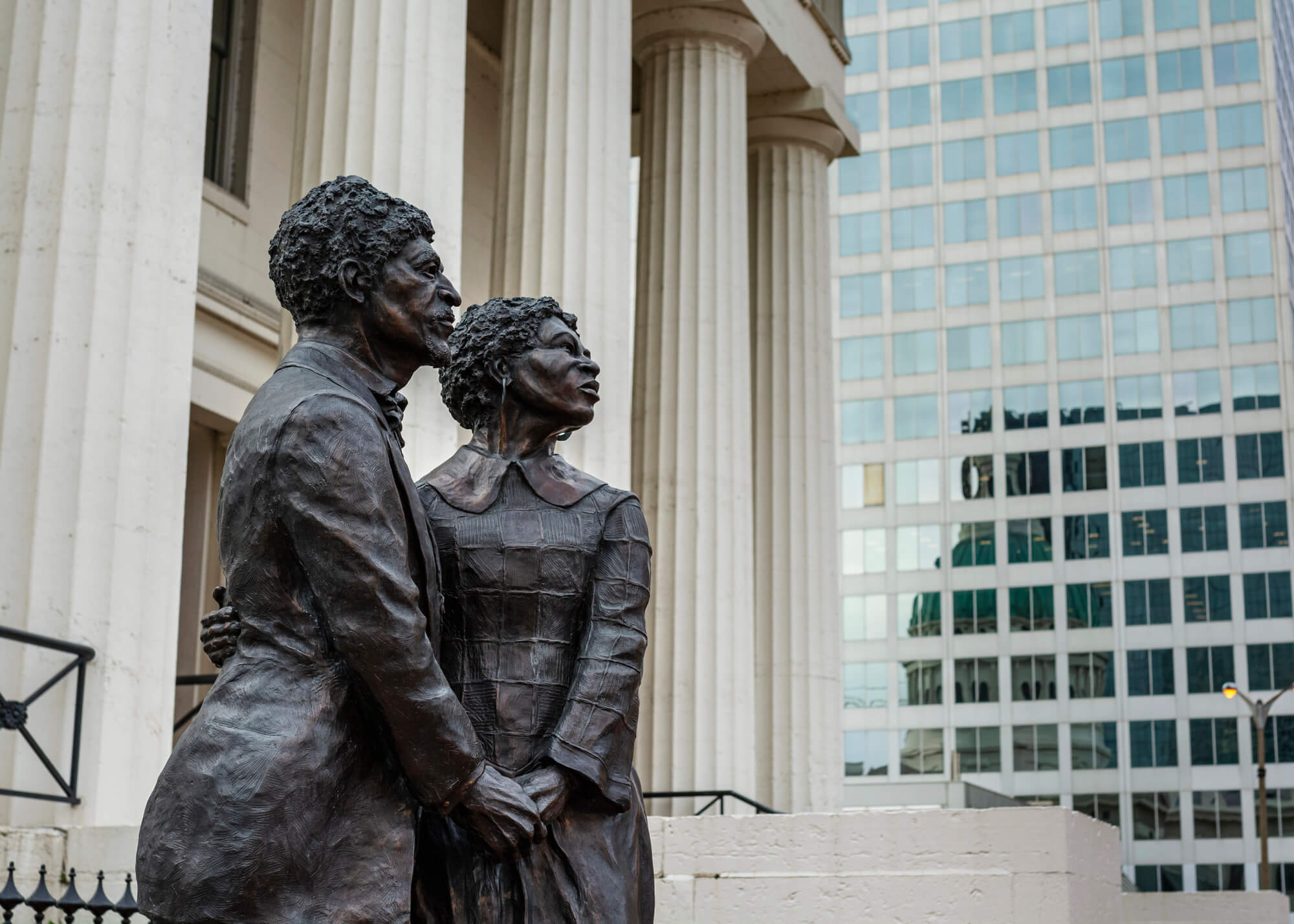
The Supreme Court’s 1857 ruling that Dred Scott, an enslaved man who had sued for his freedom after living in free territory, could not be considered a citizen and had no standing to sue, is widely regarded by historians as among the most consequential and heavily criticized decisions in the Court’s history. The ruling intensified national divisions over slavery in the years immediately preceding the Civil War.
It was effectively overturned by the Thirteenth and Fourteenth Amendments following the war.
The Nuremberg Trials
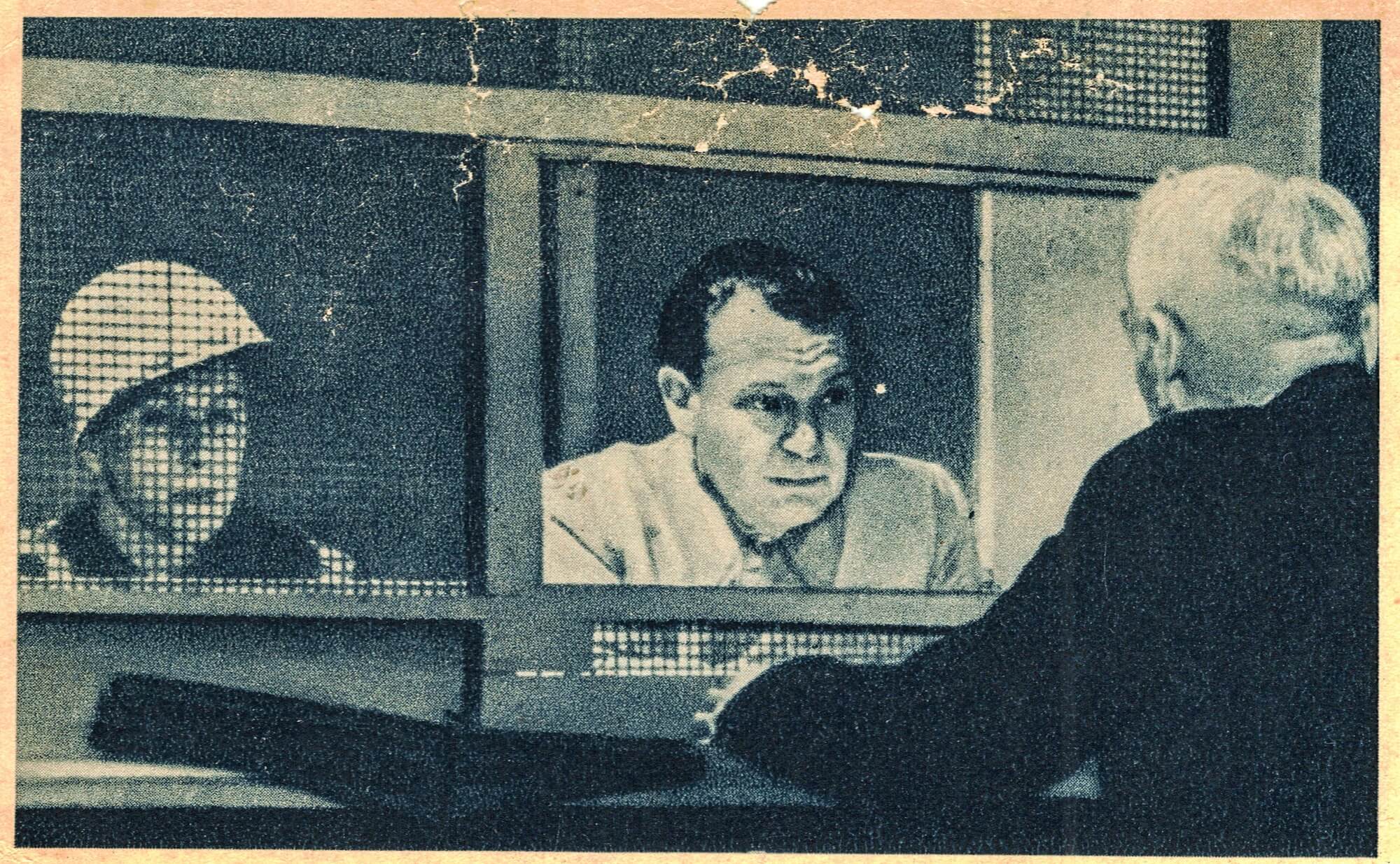
Held between 1945 and 1949, the Nuremberg trials prosecuted senior Nazi officials for war crimes and crimes against humanity before an international tribunal, establishing legal precedents, including individual criminal responsibility for state-sponsored atrocities, that continue to underpin international humanitarian law. The trials also produced the Nuremberg Code, a set of research ethics principles developed after evidence emerged of medical experimentation on prisoners, which shaped later international standards for consent in medical research.
The tribunal’s structure influenced the later creation of the International Criminal Court.
The Trial of Adolf Eichmann
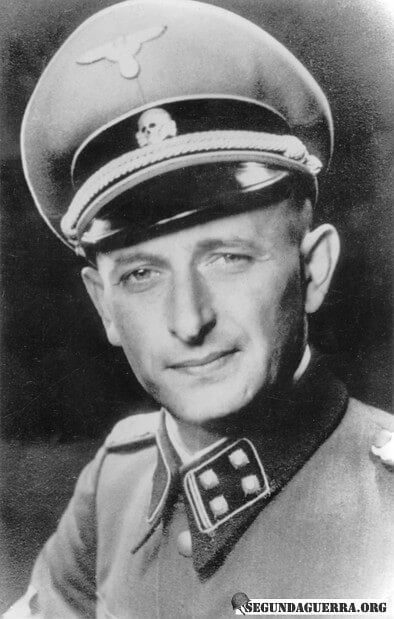
Israel’s 1961 trial of Adolf Eichmann, a senior organizer of the Holocaust who had been captured in Argentina by Israeli intelligence agents, established a significant precedent for a national court asserting jurisdiction over crimes against humanity committed outside its own territory before the state of Israel itself existed. The trial was extensively broadcast and documented, shaping public understanding of the Holocaust for a generation that had not directly witnessed it.
Political philosopher Hannah Arendt’s coverage of the trial introduced the widely debated concept of the banality of evil into broader public discussion.
Brown v. Board of Education
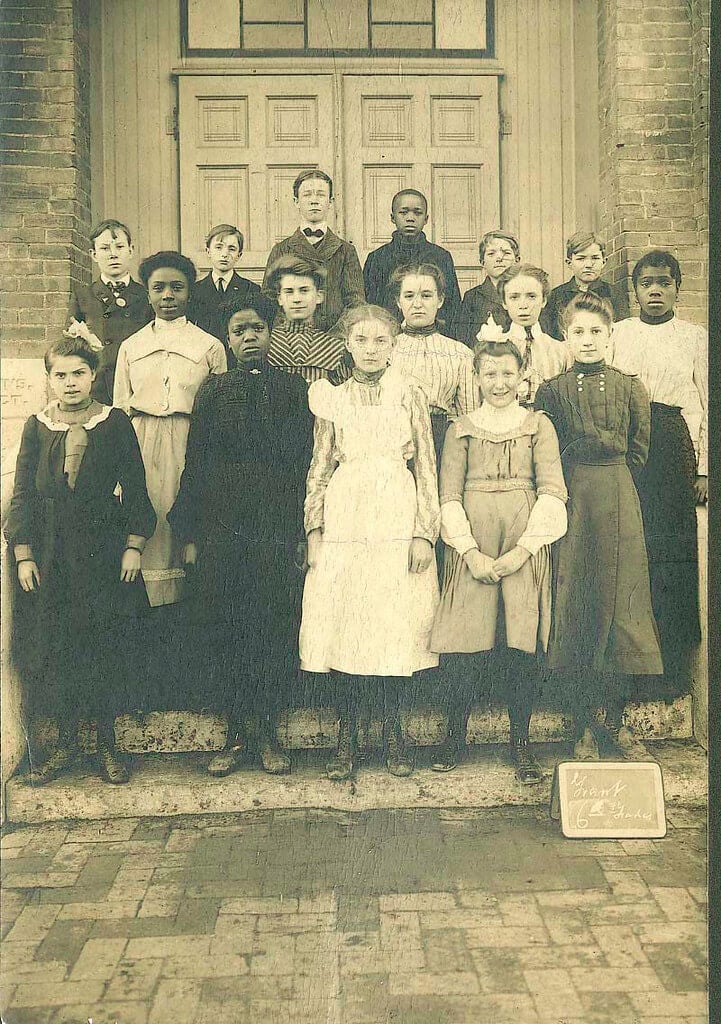
The Supreme Court’s unanimous 1954 ruling that racially segregated public schools violated the Constitution’s equal protection guarantee overturned the “separate but equal” doctrine established decades earlier and became a central legal foundation of the American civil rights movement. Implementation of the ruling faced significant resistance across the South for years afterward, prompting further litigation and federal intervention.
It remains one of the most widely cited Supreme Court decisions in American constitutional law.
Miranda v. Arizona
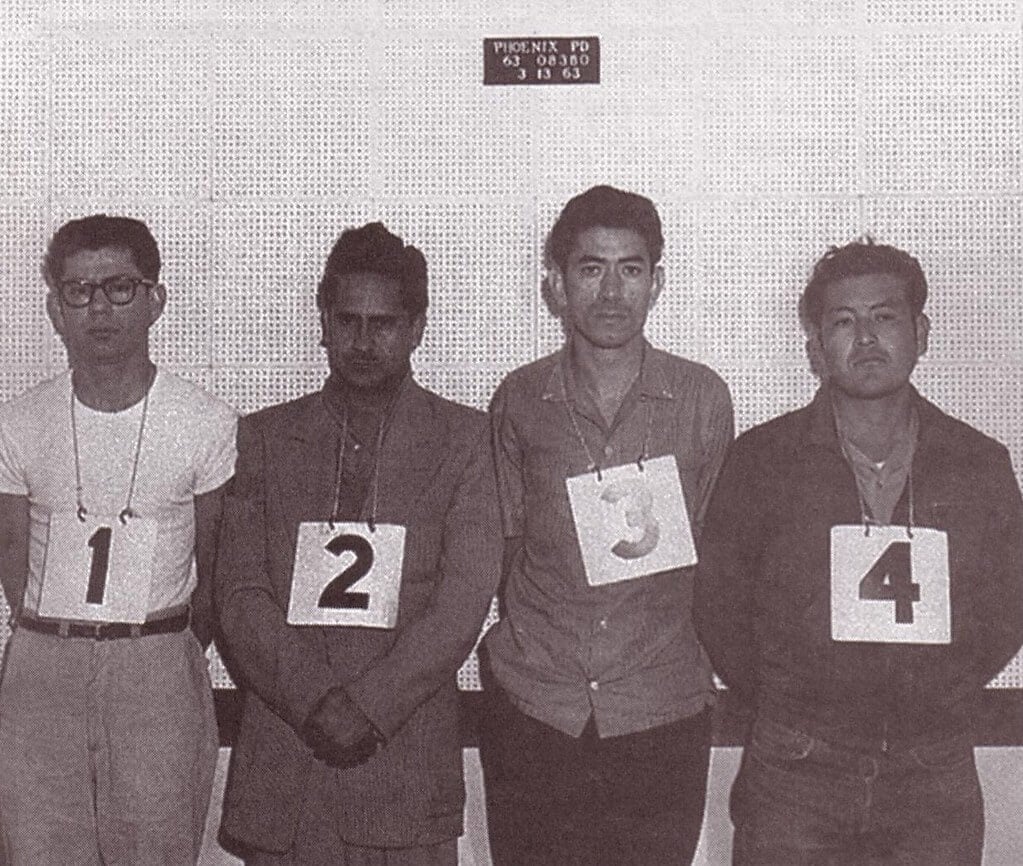
This 1966 Supreme Court case, arising from the interrogation of a suspect who was not informed of his right to remain silent or to an attorney, established the requirement that police inform suspects of these rights before custodial interrogation, a practice now commonly known as reading someone their rights. The ruling reshaped police procedure nationwide and remains a standard part of American law enforcement training.
The word “Miranda” itself became shorthand for these constitutional warnings in everyday legal language.
Gideon v. Wainwright
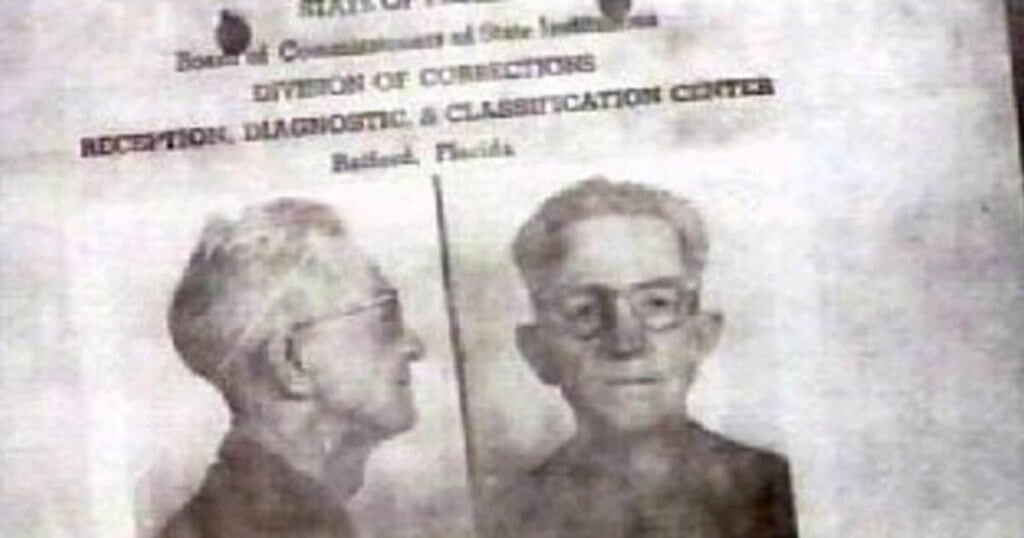
Clarence Earl Gideon, a Florida man convicted without legal representation because he could not afford a lawyer, successfully argued to the Supreme Court in 1963 that the Constitution required states to provide counsel to defendants who could not afford one in serious criminal cases. The ruling led directly to the expansion of public defender systems across the United States.
Gideon’s own handwritten petition to the Supreme Court, filed from prison, is frequently cited as a notable example of a pro se filing shaping major constitutional law.
Loving v. Virginia
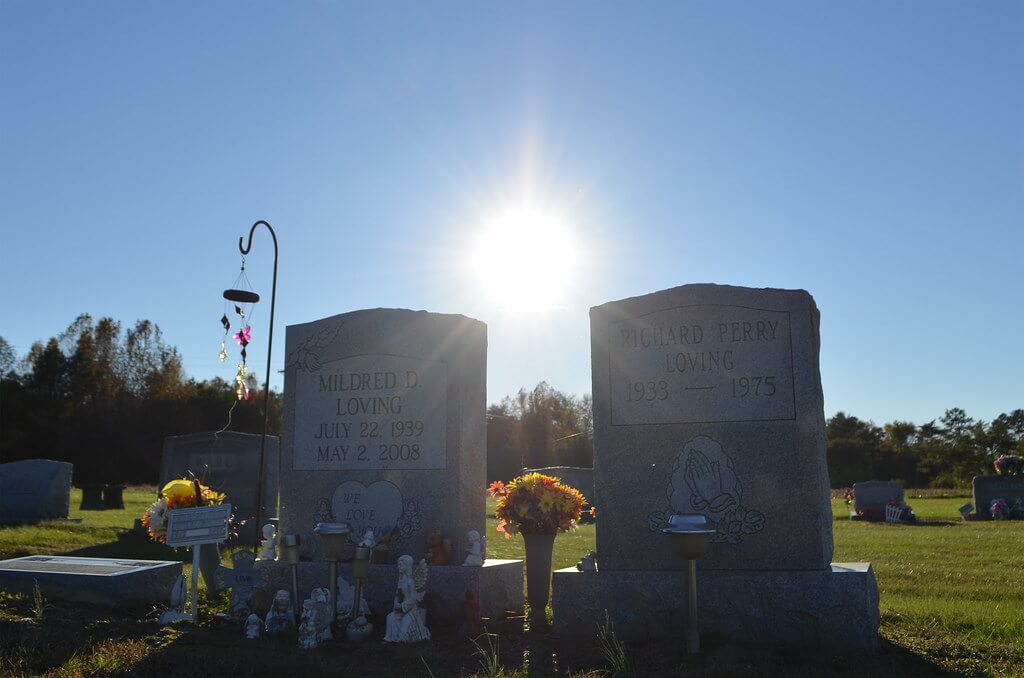
The Supreme Court’s 1967 ruling in the case of Richard and Mildred Loving, an interracial couple prosecuted under Virginia’s anti-miscegenation law after marrying out of state, struck down all remaining state bans on interracial marriage nationwide. The case is frequently cited in later legal arguments concerning marriage rights more broadly.
The Lovings’ surname has since become closely associated with the broader legal principle the case established.
Mapp v. Ohio
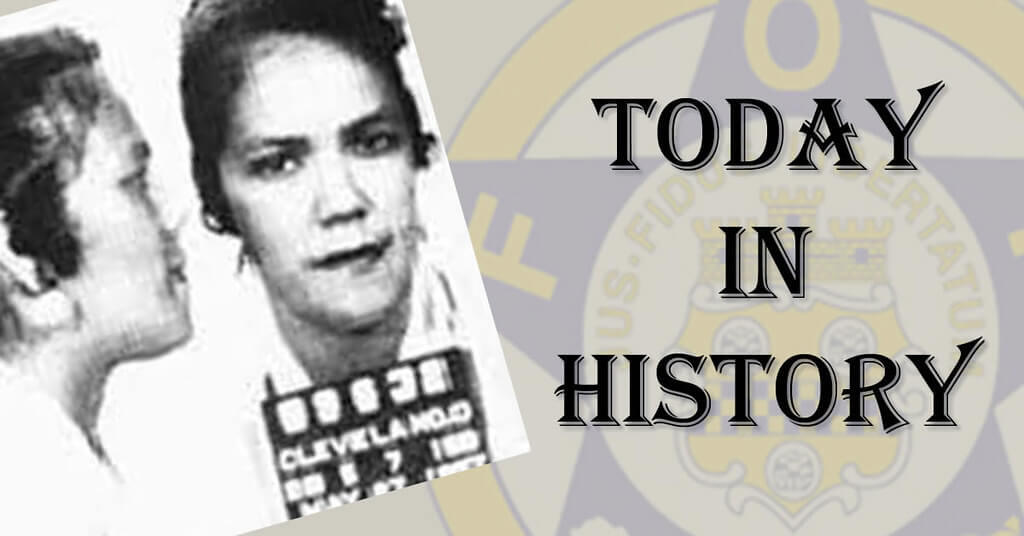
This 1961 Supreme Court case, arising from a warrantless police search of Dollree Mapp’s home, established that evidence obtained through unconstitutional searches could not be used in state criminal trials, extending what is known as the exclusionary rule to state as well as federal proceedings. The ruling significantly reshaped police search procedures across the country.
It remains a foundational case in American criminal procedure and Fourth Amendment law.
Tinker v. Des Moines
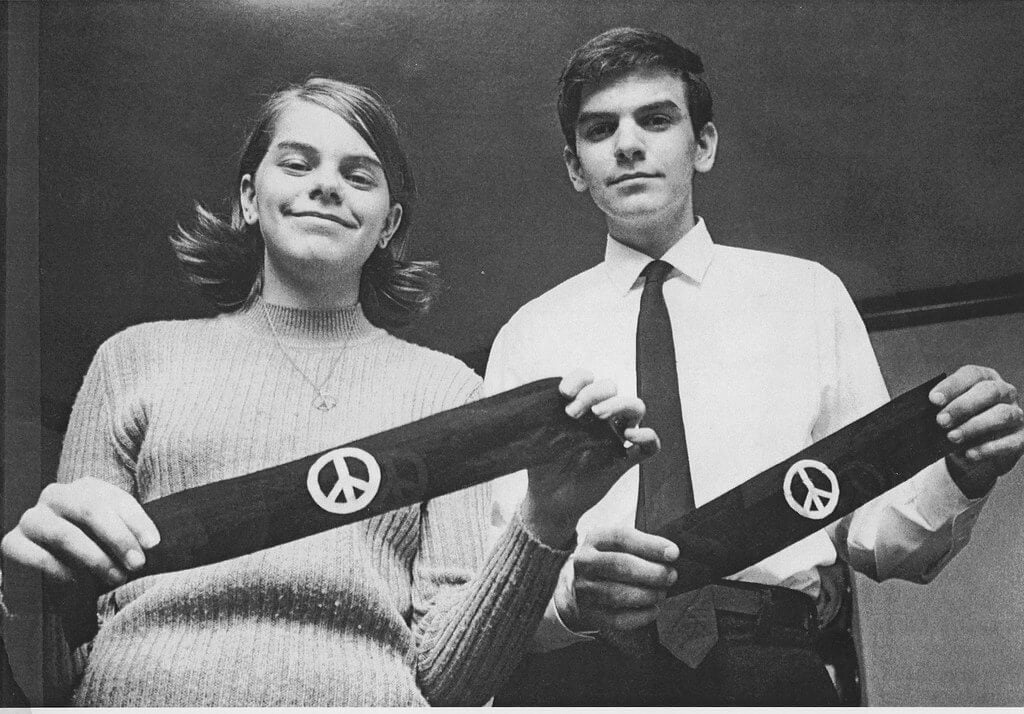
The Supreme Court’s 1969 ruling in favor of students who had been suspended for wearing black armbands to protest the Vietnam War established that public school students retain constitutional free speech rights, subject to certain limits, while on school grounds. The case remains the primary legal standard cited in disputes over student expression in American public schools.
Its central holding, that students do not shed their constitutional rights at the schoolhouse gate, remains a frequently quoted legal principle.
Furman v. Georgia
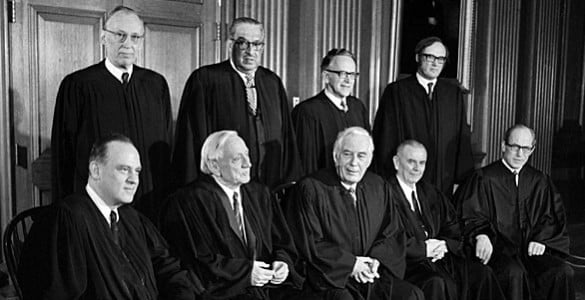
This 1972 Supreme Court decision found that the death penalty, as then administered across most states, was being applied in an arbitrary and inconsistent manner that violated constitutional protections, effectively halting capital punishment nationwide for several years. States subsequently rewrote their capital sentencing statutes to address the Court’s concerns, leading to the 1976 case Gregg v. Georgia, which allowed executions to resume under revised procedures.
The case remains central to ongoing legal debate over capital punishment in the United States.
Roe v. Wade
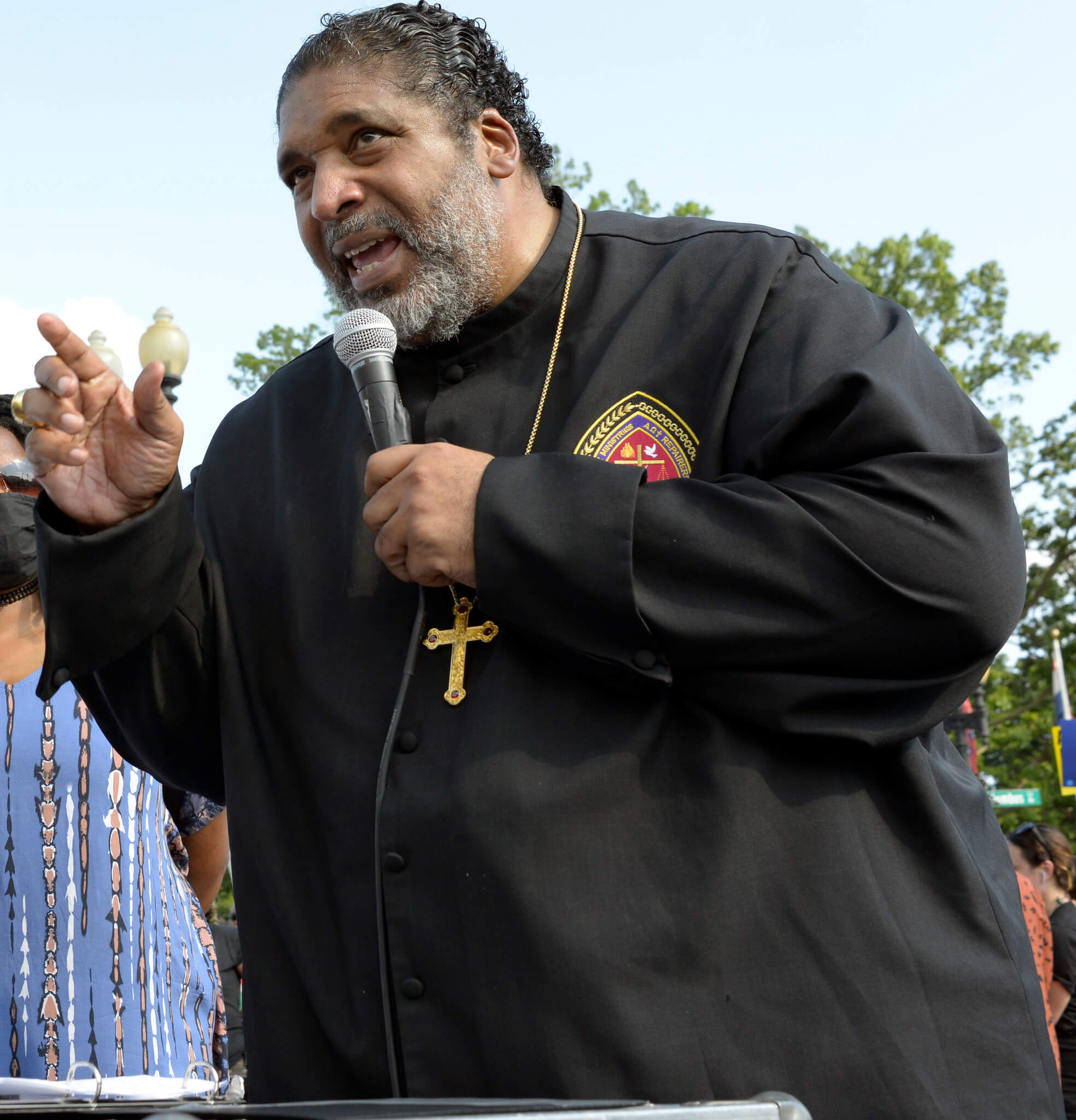
The Supreme Court’s 1973 ruling establishing a constitutional right to abortion access, later modified by subsequent rulings including 1992’s Planned Parenthood v. Casey, shaped American reproductive rights law for nearly fifty years before the Court’s 2022 decision in Dobbs v. Jackson Women’s Health Organization overturned it entirely. The case remains among the most litigated and politically consequential in American constitutional history.
Its overturning returned regulatory authority over the issue to individual states.
The Scopes Trial
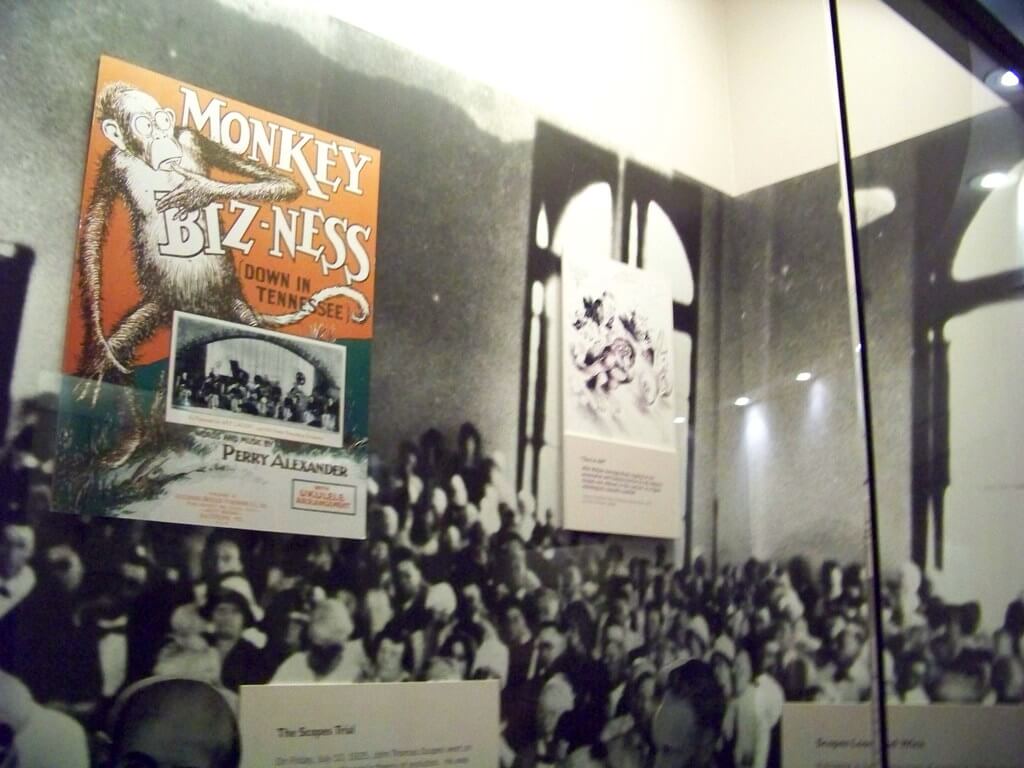
Tennessee schoolteacher John Scopes was prosecuted in 1925 for violating a state law banning the teaching of evolution in public schools, in a trial that drew national attention through the courtroom clash between prosecutor William Jennings Bryan and defense attorney Clarence Darrow. Though Scopes was convicted, the trial’s extensive press coverage shifted public opinion and legal debate over curriculum laws for decades afterward, and Tennessee’s underlying law was eventually repealed in 1967.
The case remains a frequently cited reference point in ongoing debates over science curriculum and religious influence in public education.
The Amistad Case

The 1841 Supreme Court case involving Africans who had seized control of the Spanish schooner La Amistad after being illegally kidnapped and were subsequently tried after landing in the United States resulted in a ruling affirming their status as free individuals rather than property, a significant early legal blow to arguments defending the international slave trade. Former President John Quincy Adams argued the case before the Court on the captives’ behalf.
The ruling is frequently cited by historians as a notable, if narrow, legal victory for abolitionist arguments decades before the Civil War.
Plessy v. Ferguson
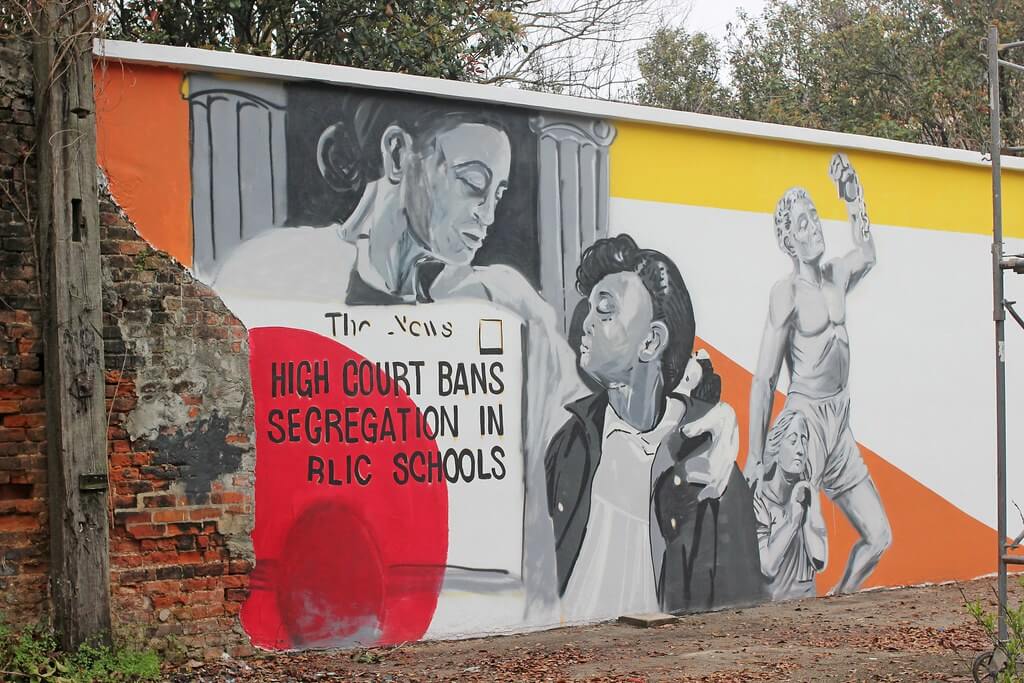
The Supreme Court’s 1896 ruling upholding racial segregation under the doctrine of “separate but equal” provided the legal foundation for Jim Crow segregation laws across the United States for nearly six decades, until it was overturned by Brown v. Board of Education in 1954. The lone dissent by Justice John Marshall Harlan, arguing the Constitution was colorblind, is now widely regarded by legal historians as prophetic.
The case remains a standard example cited in American law schools of a decision later universally condemned by subsequent courts.
McDonald’s Coffee Case

The 1994 civil trial in which a New Mexico jury awarded damages to a customer who suffered severe burns from McDonald’s coffee became a widely cited example in American debates over tort reform, though legal scholars have noted that popular retellings of the case often omit significant details about the severity of the injuries and the restaurant’s prior complaint record. The case prompted several states to consider legislative caps on civil damage awards in the years that followed.
It remains a frequently misunderstood reference point in discussions of American civil litigation.
The Chicago Seven Trial

The 1969 conspiracy trial of seven activists charged in connection with protests at the 1968 Democratic National Convention became a flashpoint for legal debate over prosecutorial conduct and courtroom procedure, after the presiding judge’s handling of the case, including the shackling and gagging of defendant Bobby Seale, drew widespread criticism. Most of the convictions were later overturned on appeal, and the case remains frequently cited in law school courses on courtroom conduct and free speech during politically charged prosecutions.
It has been the subject of numerous books, documentaries, and a dramatized film.
United States v. Nixon
The Supreme Court’s unanimous 1974 ruling that President Richard Nixon had to comply with a subpoena for White House tape recordings related to the Watergate scandal established firm legal limits on executive privilege, directly leading to Nixon’s resignation weeks later. The case remains the primary legal precedent cited in subsequent disputes over presidential claims of privilege against congressional or judicial demands for information.
It is widely taught as a landmark case on the separation of powers.
Obergefell v. Hodges
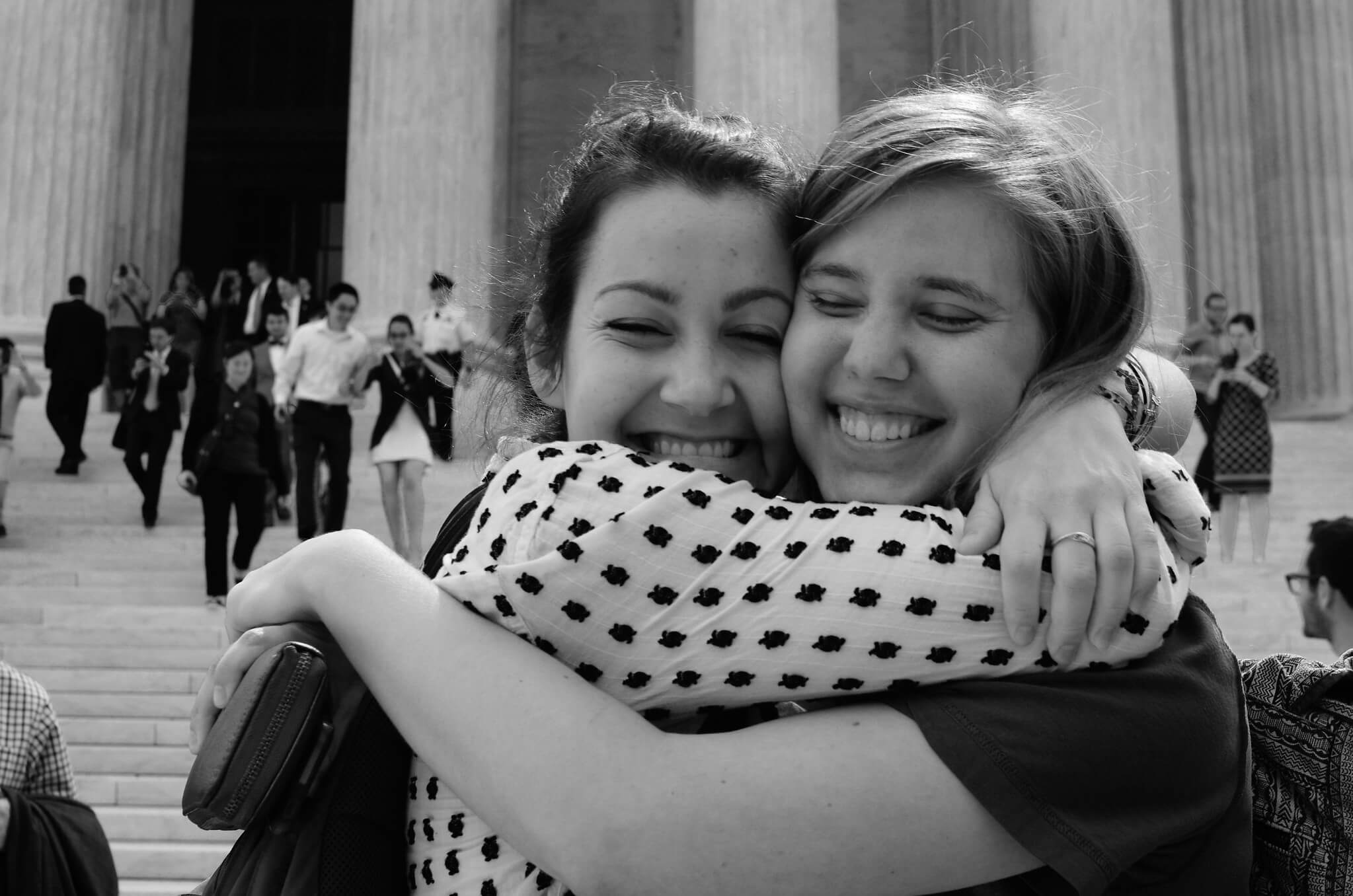
The Supreme Court’s 2015 ruling established a constitutional right to marriage for same-gender couples nationwide, resolving years of conflicting state laws and lower court rulings on the issue. The case consolidated several individual lawsuits, including one brought by Ohio resident Jim Obergefell after his home state refused to recognize his marriage on his husband’s death certificate.
It remains one of the most significant civil rights rulings of the twenty-first century.
The Nuremberg Doctors’ Trial
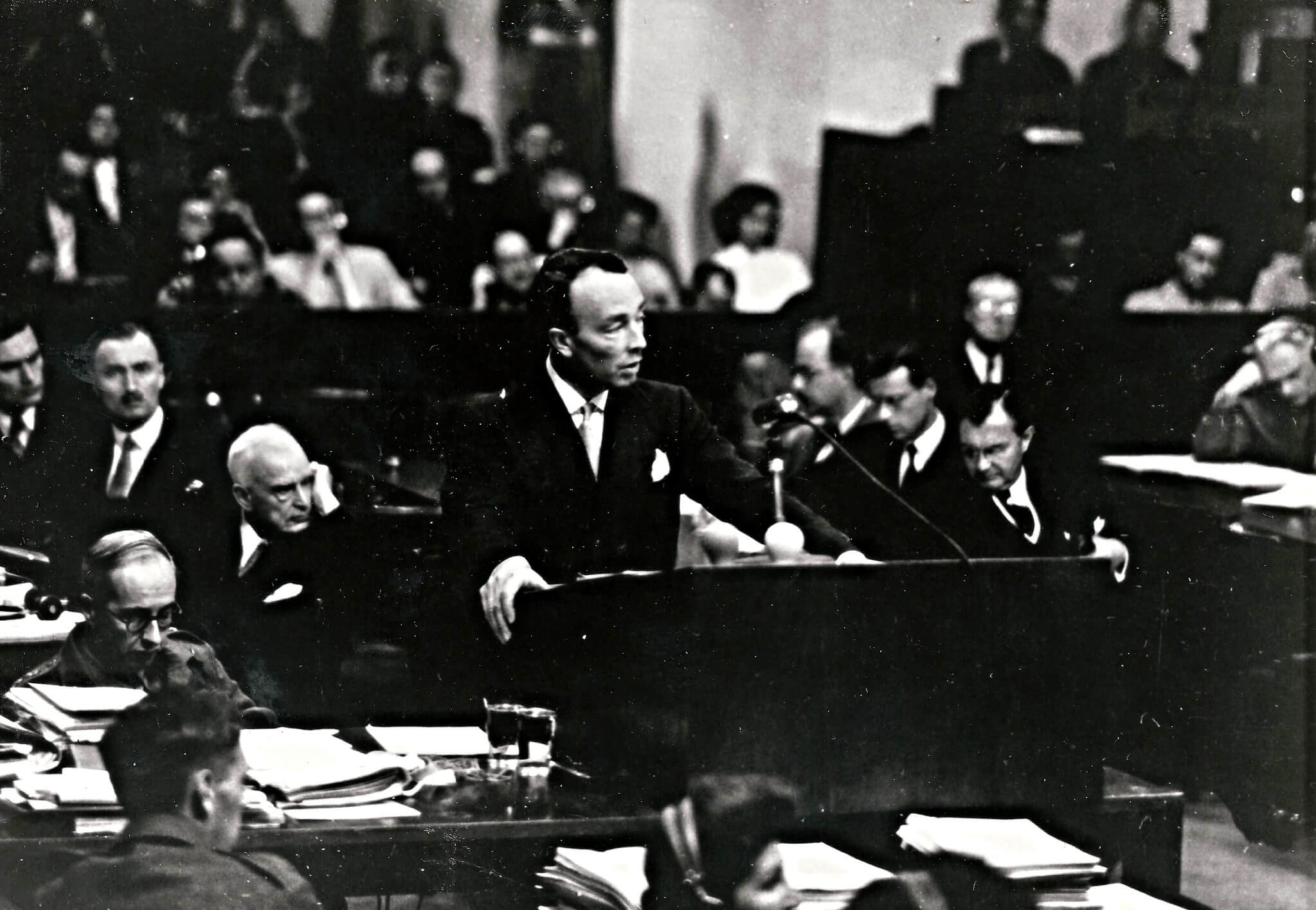
Distinct from the main Nuremberg trials of senior Nazi political and military leaders, this 1946 to 1947 trial specifically prosecuted physicians accused of conducting experiments on concentration camp prisoners without consent, resulting in the creation of the Nuremberg Code, a foundational set of ethical principles for human medical research that continues to inform international research ethics standards today. Several defendants were sentenced to death, while others received lengthy prison terms.
The code produced by the trial remains a reference point cited in modern medical ethics education worldwide.
The Weight of a Single Verdict
A trial only reaches this list when the ruling stopped being confined to the two parties in the courtroom and started reshaping how the law applied to everyone else. That kind of reach is rare, and it usually requires a case that exposes a gap the legal system had never been forced to close before.
What connects these cases across three centuries is less the specific law at stake than the pattern of how legal change actually happens, not through sweeping legislative reform alone, but through one dispute, argued by people who often had no idea their case would become a landmark, forcing a court to finally say what the law had always implied but never stated outright.
More from Go2Tutors!

- The Romanov Crown Jewels and Their Tragic Fate
- 13 Historical Mysteries That Science Still Can’t Solve
- Famous Hoaxes That Fooled the World for Years
- 15 Child Stars with Tragic Adult Lives
- 16 Famous Jewelry Pieces in History
Like Go2Tutors’s content? Follow us on MSN.