18 Everyday Phrases That Came From Aesop’s Fables
Ever wonder where those common sayings your grandmother used came from? Many of the phrases we use every day actually started with a Greek storyteller named Aesop over two thousand years ago.
His simple stories about talking animals taught important life lessons that people still remember and repeat today. Let’s explore some of the most popular expressions that came straight from these ancient tales.
Don’t count your chickens before they are hatched

This famous saying comes from “The Milkmaid and Her Pail,” where a farmer’s daughter carried milk on her head while daydreaming about her future. She planned to sell the milk, buy eggs with the money, raise chickens, and then buy a fancy dress for the county fair.
While imagining all the attention she would get in her new dress, she tossed her hair excitedly and spilled all the milk. Her dreams crashed to the ground along with the pail.
Sour grapes

When someone calls something “sour grapes,” they mean a person is putting down something they can’t have. This phrase comes from “The Fox and the Grapes,” where a hungry fox spotted some juicy grapes hanging high on a vine.
He jumped and jumped but couldn’t reach them no matter how hard he tried. As he walked away disappointed, he muttered to himself that those grapes were probably sour anyway.
Slow and steady wins the race

Everyone knows this one comes from “The Tortoise and the Hare.” The speedy rabbit got so confident about beating the slow turtle that he decided to take a nap during their race.
While the hare slept, the turtle kept moving forward at his steady pace and crossed the finish line first. The story shows that being consistent and not giving up often beats natural talent when that talent gets lazy.
A bird in the hand is worth two in the bush

This saying means it’s better to keep what you have than risk losing it for something that might be better. It comes from “The Hawk and the Nightingale,” where a nightingale begged a hawk to let him go so the hawk could hunt bigger birds instead.
The hawk replied that he would be foolish to give up the food he already had for birds he might never catch. The nightingale became the hawk’s dinner that day.
Look before you leap
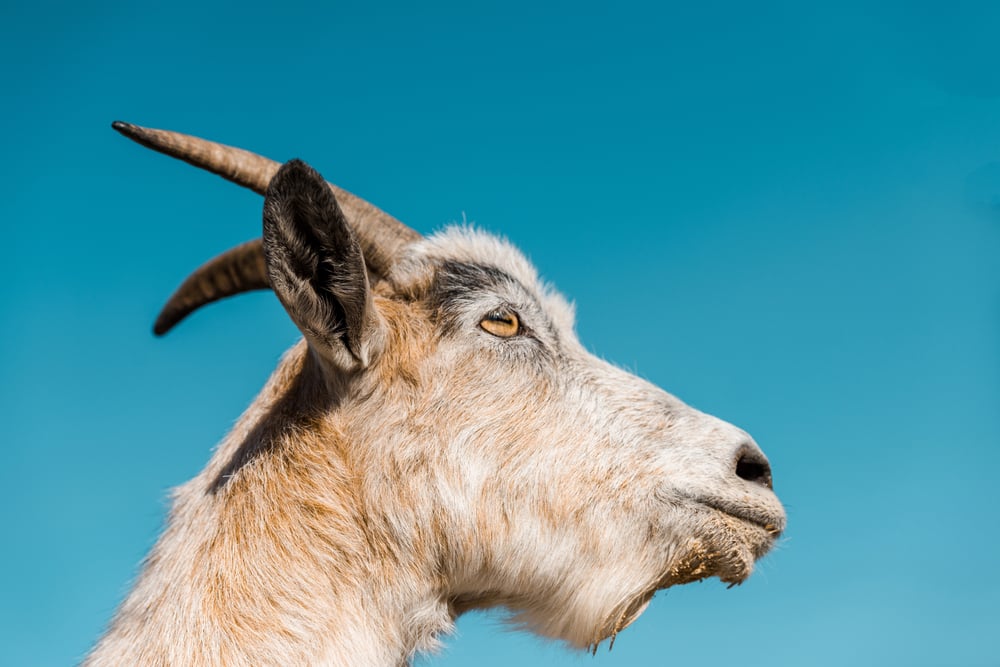
A fox who fell into a well learned this lesson the hard way in Aesop’s story. When a thirsty goat came by, the clever fox convinced him to jump down for a drink.
Once the goat was trapped at the bottom, the fox climbed on his back and escaped, leaving the goat stuck. The goat should have thought about how he would get out before jumping in.
Quality, not quantity

From “The Lioness and the Vixen,” this phrase came about when two mothers were bragging about their babies. The fox boasted about having many cubs while the lioness only had one.
When the fox pointed this out smugly, the lioness simply replied, “But that one is a lion.” Her single cub was worth more than all the fox’s babies put together.
Don’t make a mountain out of a molehill

This expression warns against overreacting to small problems. It comes from “The Mountain in Labor,” where a mountain shook and groaned so loudly that crowds gathered, expecting something terrible to happen.
Everyone waited nervously for a disaster, but when the mountain finally opened up, only a tiny mouse came out. All that worry and excitement was for nothing.
Honesty is the best policy

A woodsman learned this lesson when he dropped his axe in a river. Mercury, the messenger god, appeared and offered him a silver axe and a gold axe, but the honest man said neither belonged to him.
As a reward for his honesty, Mercury gave him all three axes. When the woodsman’s dishonest friend heard this story, he threw his own axe in the river and lied about the golden one being his.
One good turn deserves another

This phrase about returning favors comes from “The Serpent and the Eagle.” A countryman helped an eagle escape from a deadly snake’s grip.
Later, the snake put poison in the man’s drinking cup, but the grateful eagle knocked the cup from his hands before he could drink. The eagle saved the man’s life because the man had saved his.
Birds of a feather flock together

This saying means people with similar interests or character often become friends. It comes from “The Farmer and the Stork,” where cranes were stealing from a farmer’s field.
When he caught them in his net, he also trapped a stork who pleaded for mercy, saying he was different from the thieving cranes. The farmer didn’t care about the stork’s excuses and punished him along with the others.
The lion’s share

When someone takes the lion’s share, they take most or all of something. This comes from a hunting trip between a lion, fox, and donkey.
When the donkey divided their catch into three equal parts, the lion ate him for being so presumptuous. The smart fox then gave almost everything to the lion and kept just a tiny bit for himself.
It’s easy to kick a man when he’s down

This phrase means people often attack others when they’re already in trouble. From “The Dogs and the Fox,” some dogs found a dead lion’s skin and were tearing it apart.
A fox told them they were very brave to attack a lion that was already dead, but they wouldn’t dare if it were alive. The phrase criticizes people who pick on others only when those people are weak or helpless.
Pride comes before a fall
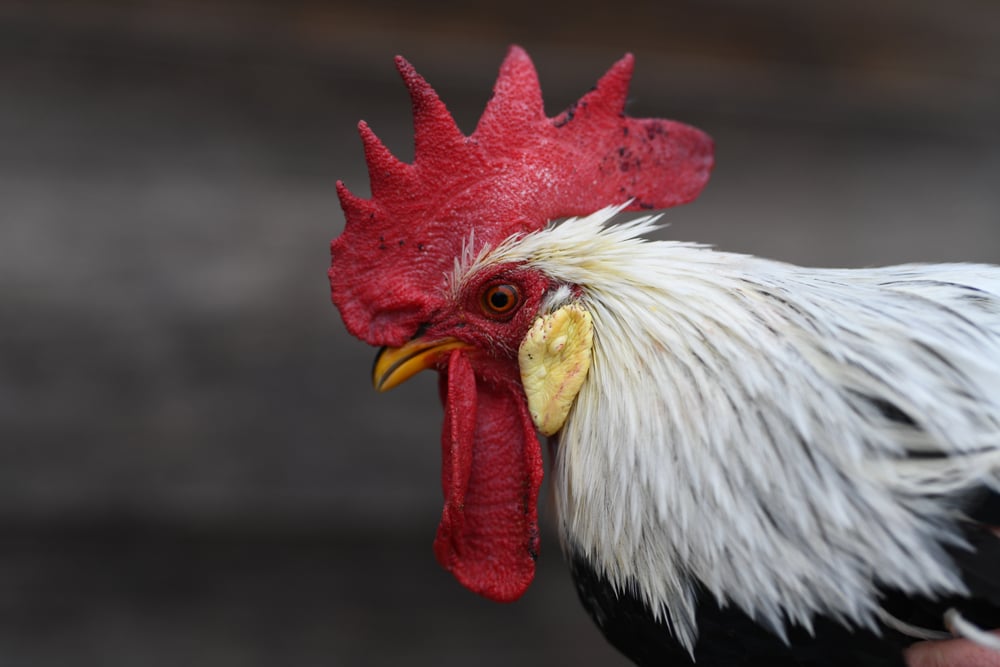
Two roosters fought for control of their henhouse, and the winner climbed high to crow about his victory. An eagle spotted the boastful rooster and snatched him for dinner, leaving the humble loser to rule the roost after all.
The winning rooster’s loud celebration made him an easy target. This phrase warns that being too proud or showy can lead to trouble when you least expect it.
Necessity is the mother of invention

A thirsty crow found water at the bottom of a tall pitcher but couldn’t reach it with his beak. Instead of giving up, he dropped stones into the pitcher one by one until the water rose high enough for him to drink.
When people really need something, they find creative ways to get it. Desperate situations often push us to think of solutions we never would have considered otherwise.
Fair weather friends are not much worth

A swallow and crow argued about whose feathers were prettier. The swallow had beautiful, colorful plumage while the crow was plain black.
But the crow pointed out that while the swallow’s pretty feathers looked nice in summer, they didn’t keep him warm in winter like the crow’s thick, dark feathers did. Friends who only stick around when times are good aren’t real friends.
A man is known by the company he keeps
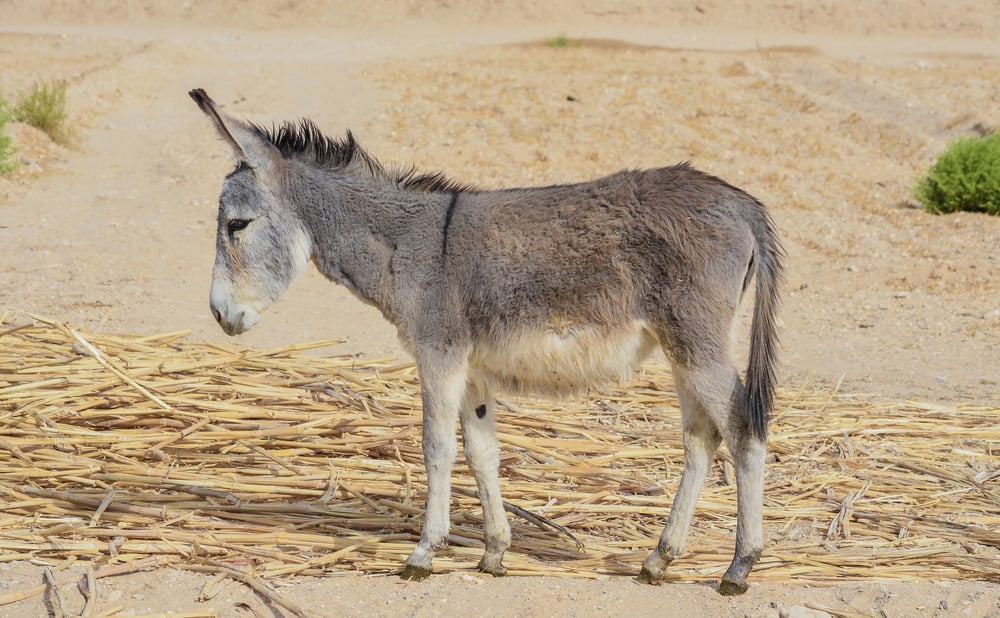
A farmer wanted to buy a donkey and took one home to test him out. He put the new donkey in the field with his other animals and watched to see what would happen.
The new donkey immediately went to the laziest, most worthless donkey in the group and became his best friend. The farmer took the new donkey straight back to the seller, knowing that any donkey who chose such a bad companion would probably be just as lazy.
Out of the frying pan, into the fire

A deer ran from hunting dogs and ducked into a cave to hide. Unfortunately for him, the cave was home to a hungry lion who made a quick meal of him.
The deer escaped one danger only to run straight into a worse one. This phrase describes situations where someone tries to fix a problem but ends up in an even bigger mess.
Nip evil in the bud

This advice about stopping problems early comes from “The Thief and His Mother.” When a boy stole a book from school, his mother didn’t punish him.
He kept stealing bigger and bigger things until he was finally caught and executed as an adult. A neighbor told the grieving mother that if she had stopped her son’s stealing when he was young, he would still be alive.
From ancient wisdom to modern life

These simple animal stories from ancient Greece still make sense today because human nature hasn’t changed much over the centuries. People still get greedy, make poor choices, and need reminders about right and wrong.
Aesop’s tales survived because they capture truths about how people behave that are just as relevant now as they were thousands of years ago. Next time you use one of these phrases, you’ll know you’re sharing wisdom that has helped people understand life for over two thousand years.
More from Go2Tutors!

- The Romanov Crown Jewels and Their Tragic Fate
- 13 Historical Mysteries That Science Still Can’t Solve
- Famous Hoaxes That Fooled the World for Years
- 15 Child Stars with Tragic Adult Lives
- 16 Famous Jewelry Pieces in History
Like Go2Tutors’s content? Follow us on MSN.



