23 Books Banned in America That Are Considered Masterpieces Abroad
The United States has banned numerous works of literature—some at the federal level, others in individual states or schools. Many of these banned books are now considered literary masterpieces, taught in universities worldwide, and awarded prestigious literary prizes.
The attempt to suppress these works reveals how efforts to censor often target genuine artistic achievement and profound social commentary.
Ulysses by James Joyce
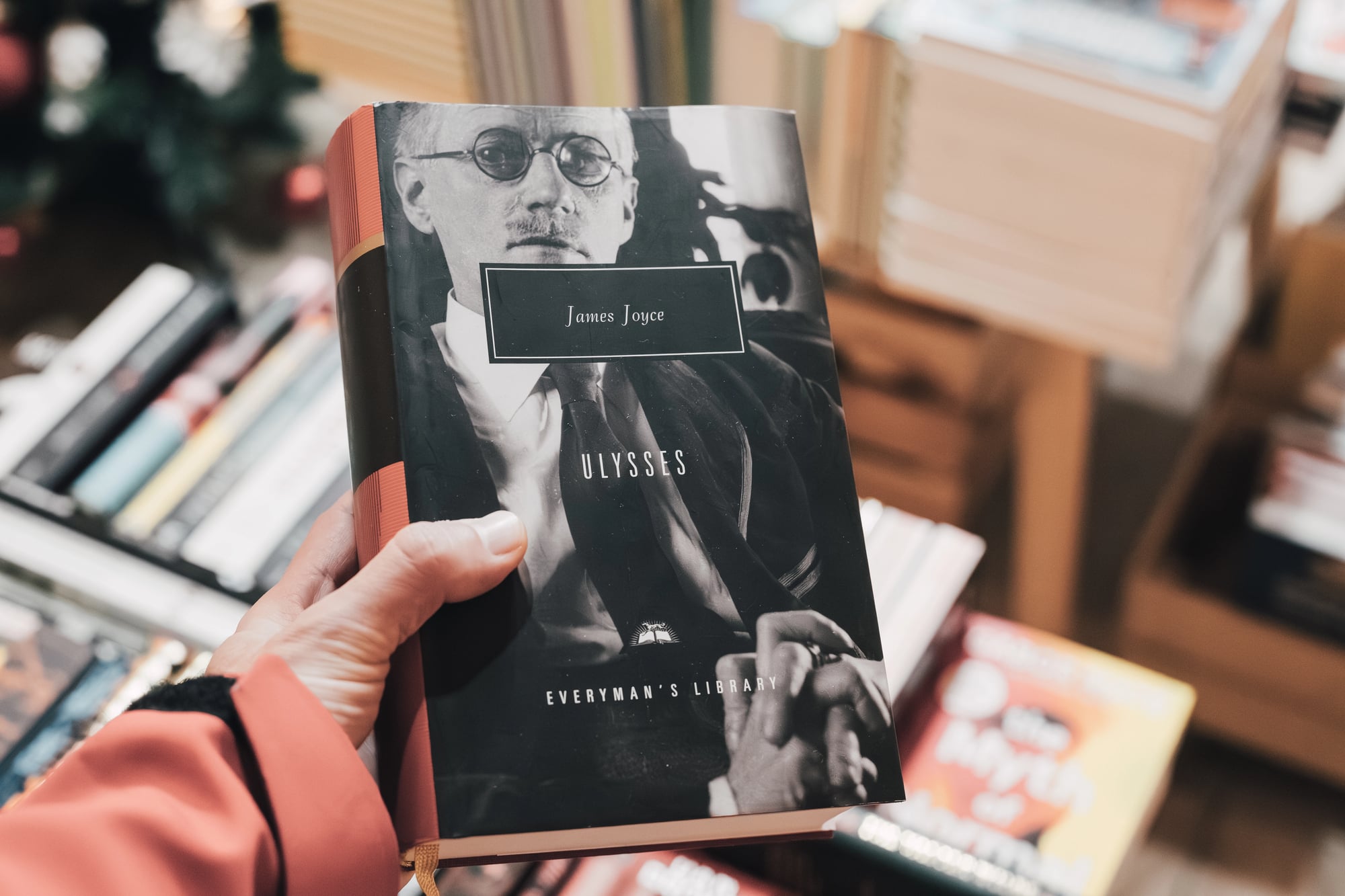
Banned in the U.S. until 1933 for obscenity, this novel is now considered one of the most important literary works of the 20th century. Irish-American groups initially opposed its publication, particularly objecting to frank discussion of bodily functions and identity.
The Catcher in the Rye by J.D. Salinger
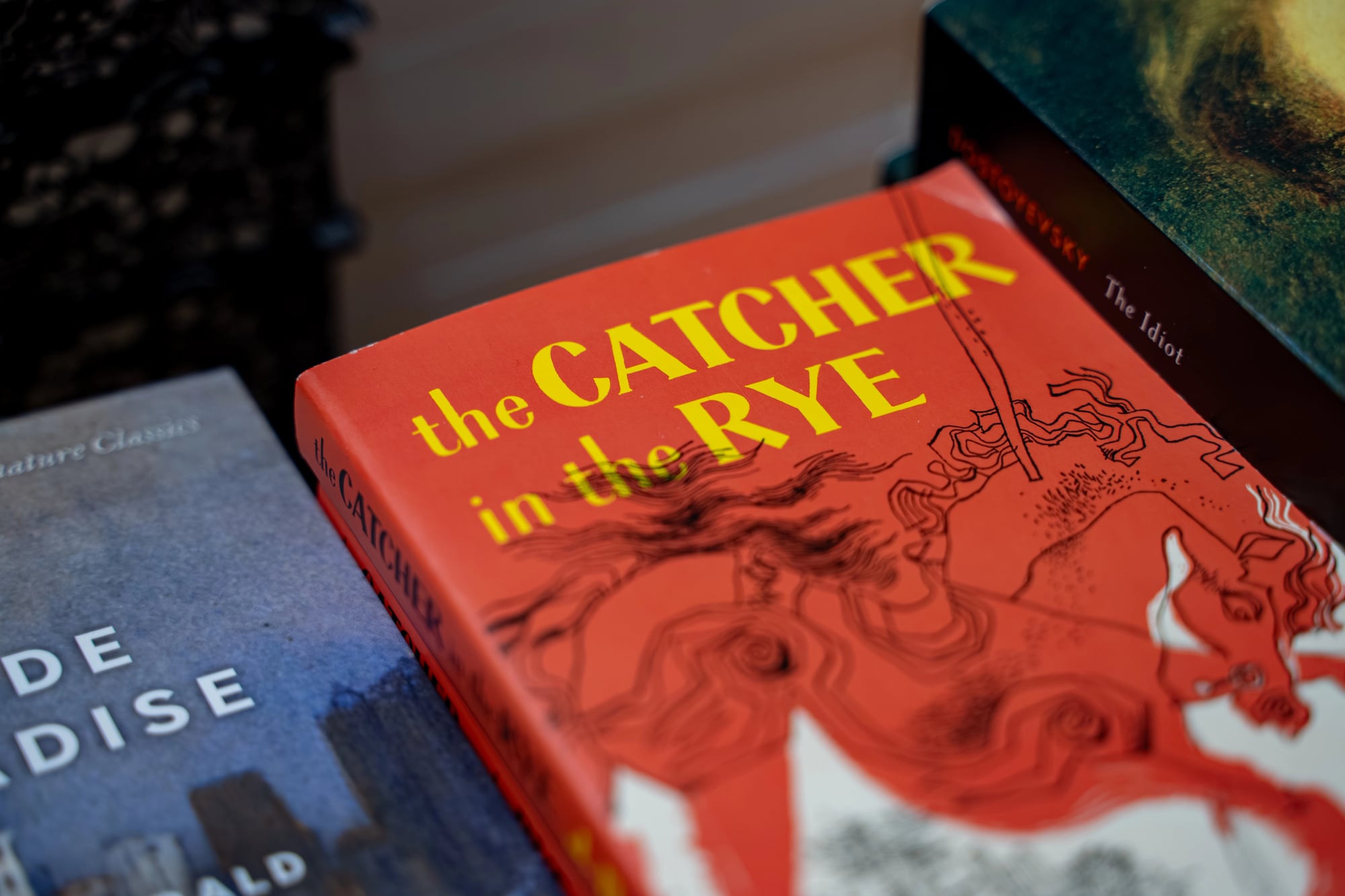
Schools across America banned this novel for profanity and intimate content. The book is now widely taught in high schools as an important work of American literature exploring adolescence and alienation.
Invisible Man by Ralph Ellison
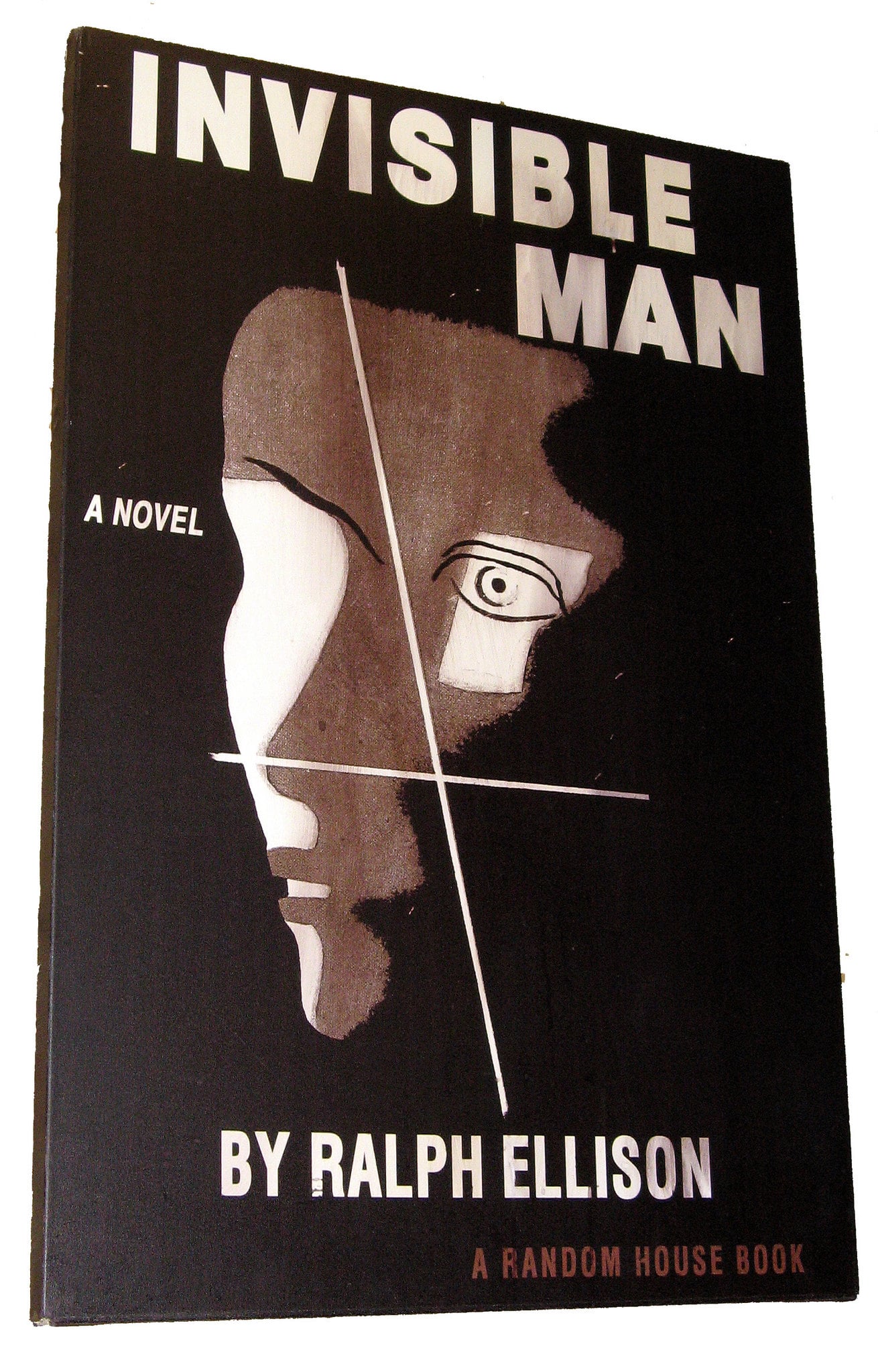
Schools banned this American masterpiece for its depiction of racism and racial violence. The novel won the National Book Award and is taught as essential American literature.
The Bluest Eye by Toni Morrison
Morrison’s debut novel was banned by schools for its discussion of racism, assault, and trauma. Morrison later won the Nobel Prize for Literature.
In Cold Blood by Truman Capote
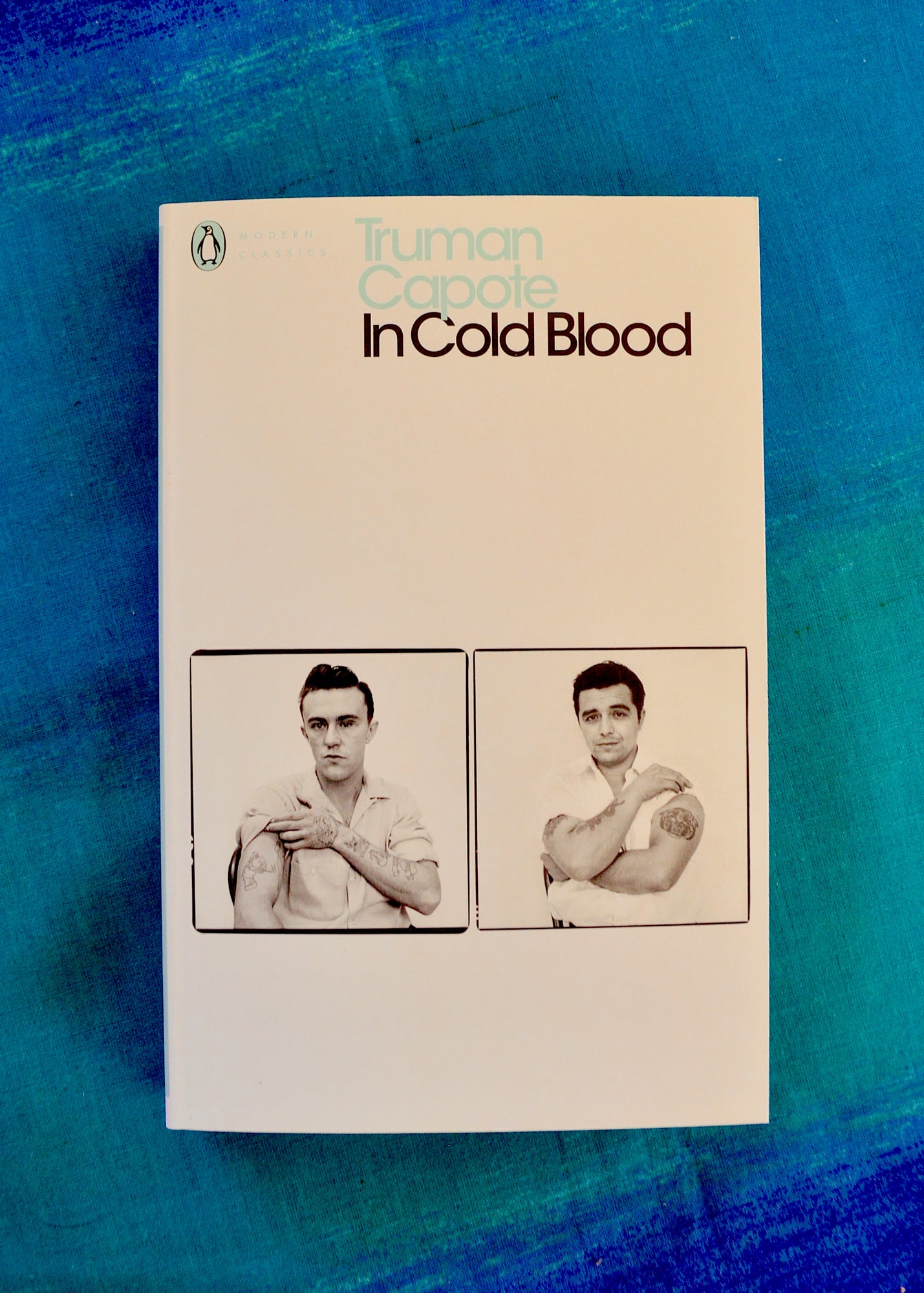
This non-fiction novel about a real murder was banned for graphic violence despite its literary importance and contribution to establishing the true crime genre.
The Satanic Verses by Salman Rushdie
Banned and burned after religious objections, this novel won major literary awards and is studied as an important work of contemporary fiction.
One Hundred Years of Solitude by Gabriel García Márquez
This Colombian masterpiece was initially restricted in some American educational settings for its magical realism and unconventional narrative structure.
The Color Purple by Alice Walker
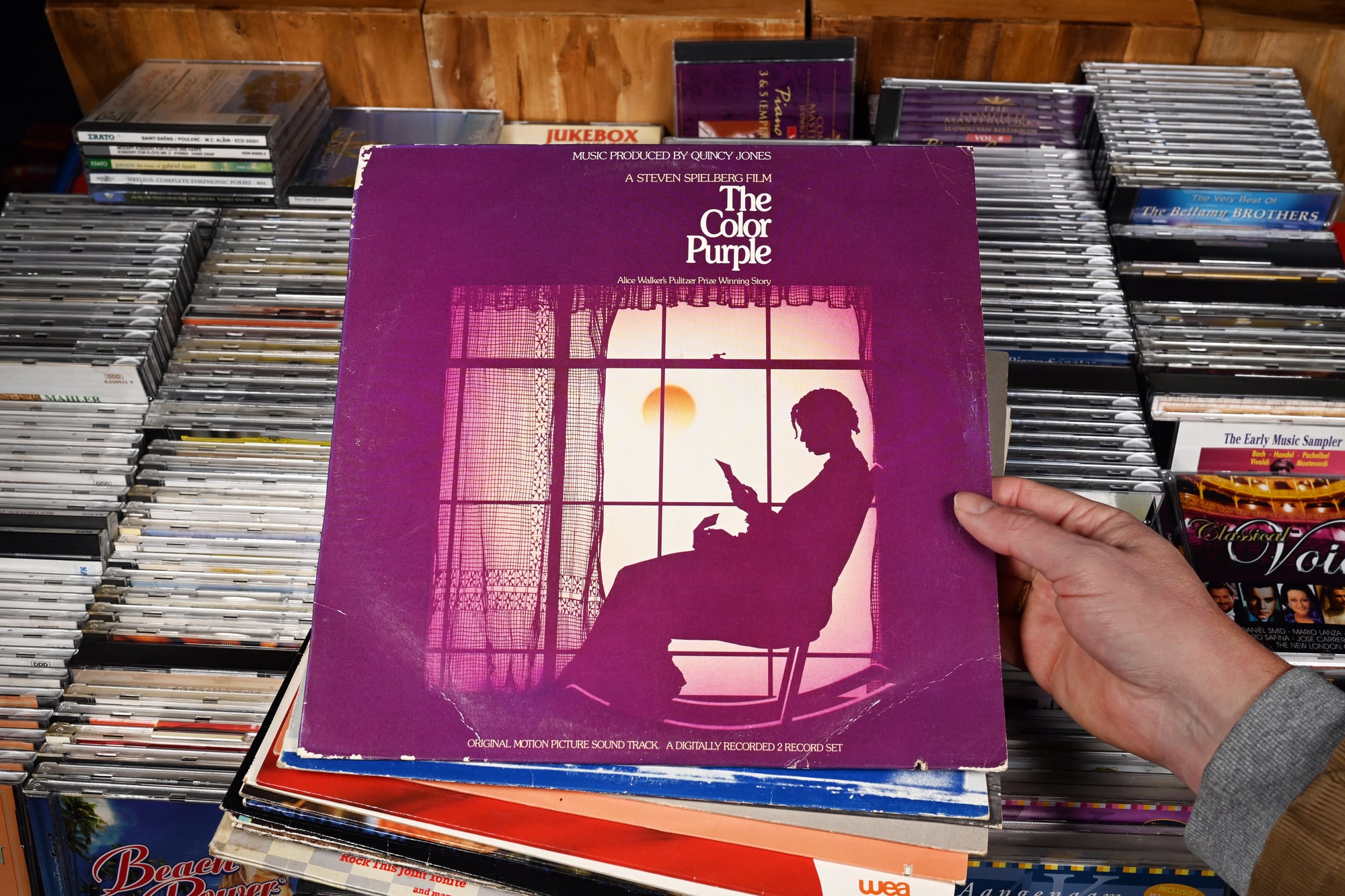
Walker’s Pulitzer Prize-winning novel was banned from schools for intimate content and language, despite its powerful exploration of trauma and transformation.
Beloved by Toni Morrison
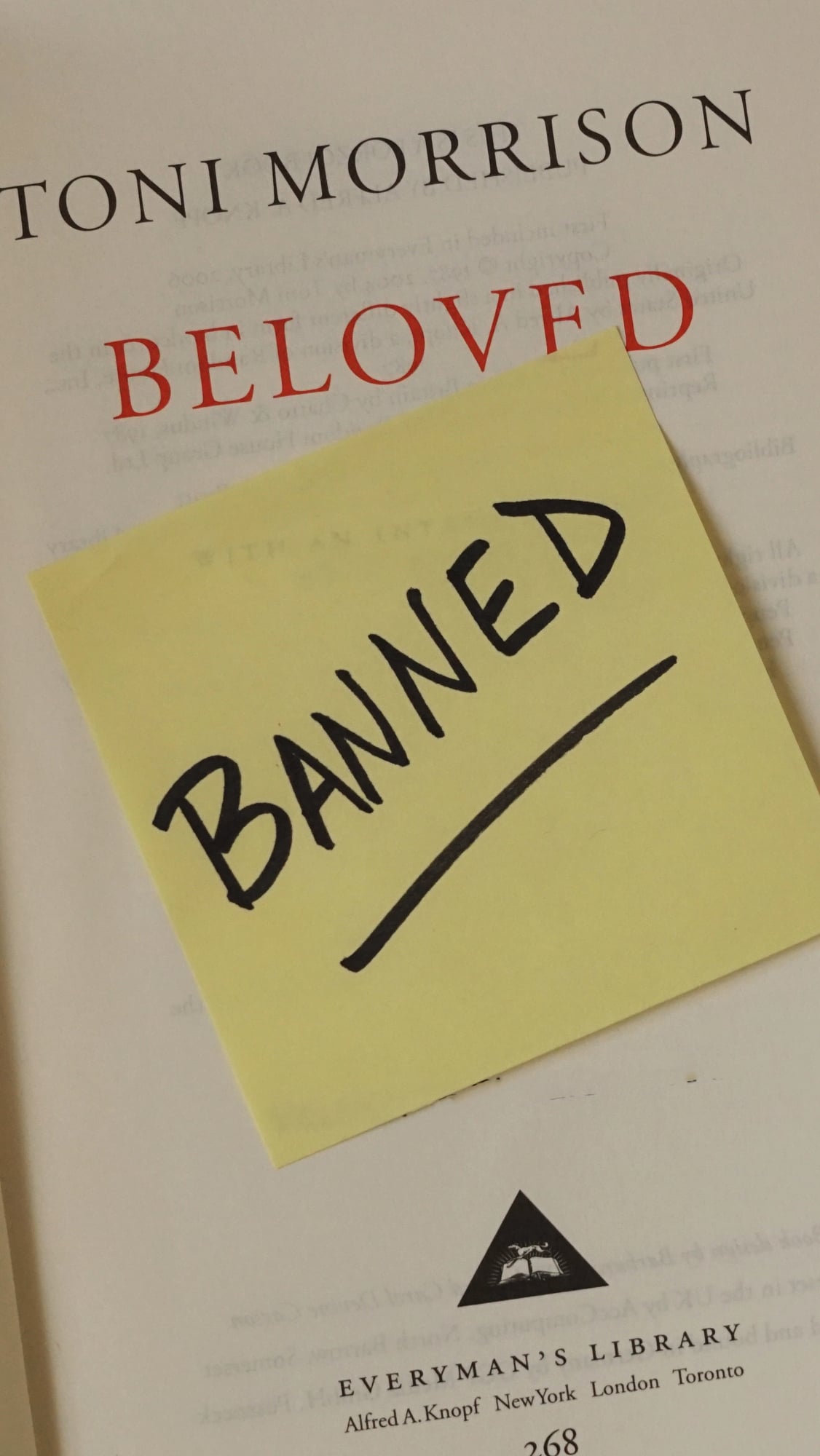
Morrison’s masterpiece depicting slavery was challenged in schools for graphic violence and intimate content, despite winning the Pulitzer Prize and being translated into dozens of languages.
I Know Why the Caged Bird Sings by Maya Angelou

Angelou’s acclaimed autobiography was banned for its discussion of rape and identity despite its recognized importance in African American literature.
The Handmaid’s Tale by Margaret Atwood
Schools banned this dystopian novel for intimate content and anti-religious themes despite Atwood’s literary recognition and the novel’s status as required reading in many universities.
1984 by George Orwell
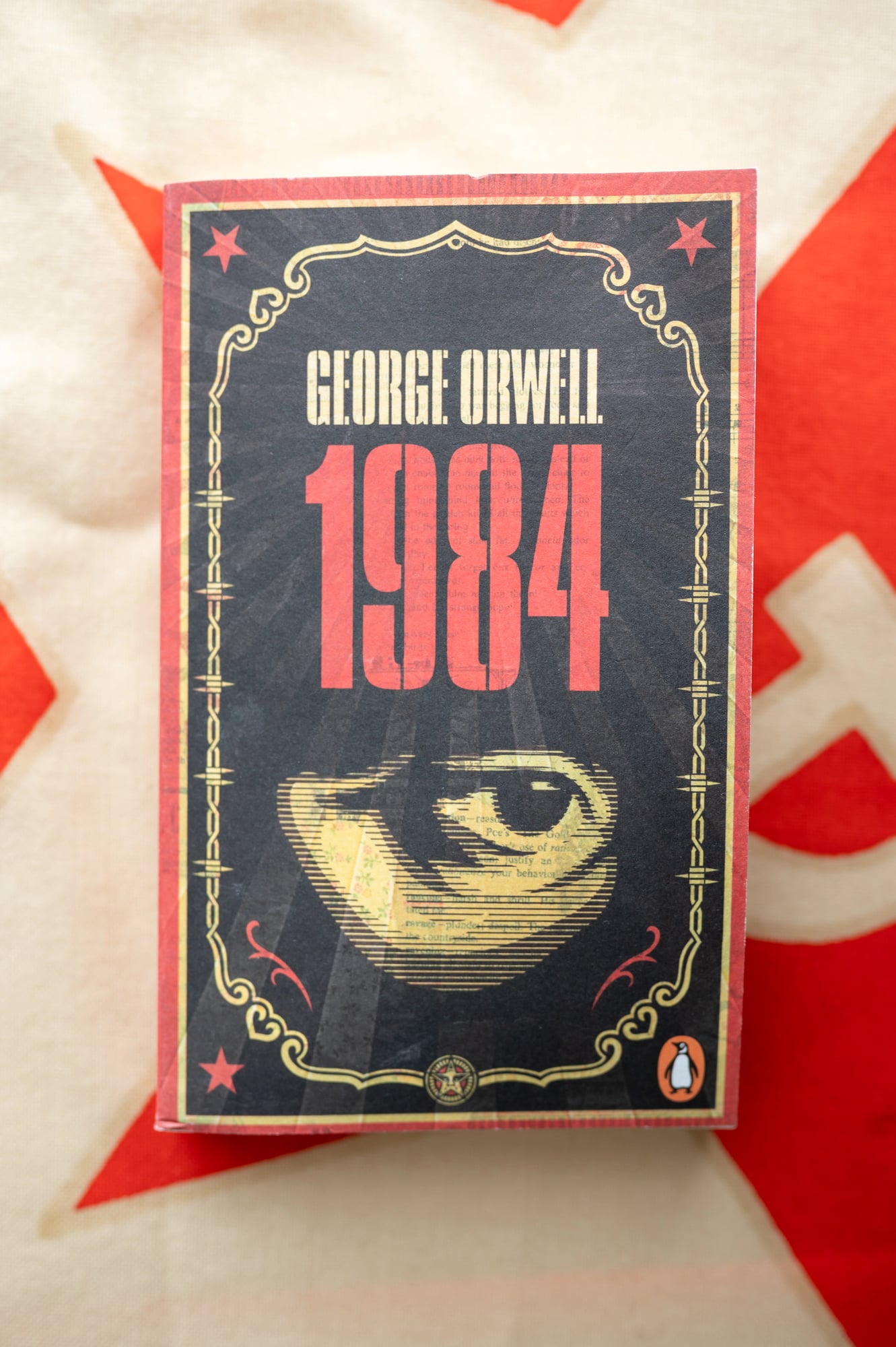
Some schools limited access to this political novel, claiming it was inappropriate for certain ages, despite its status as a fundamental work of political literature.
Of Mice and Men by John Steinbeck
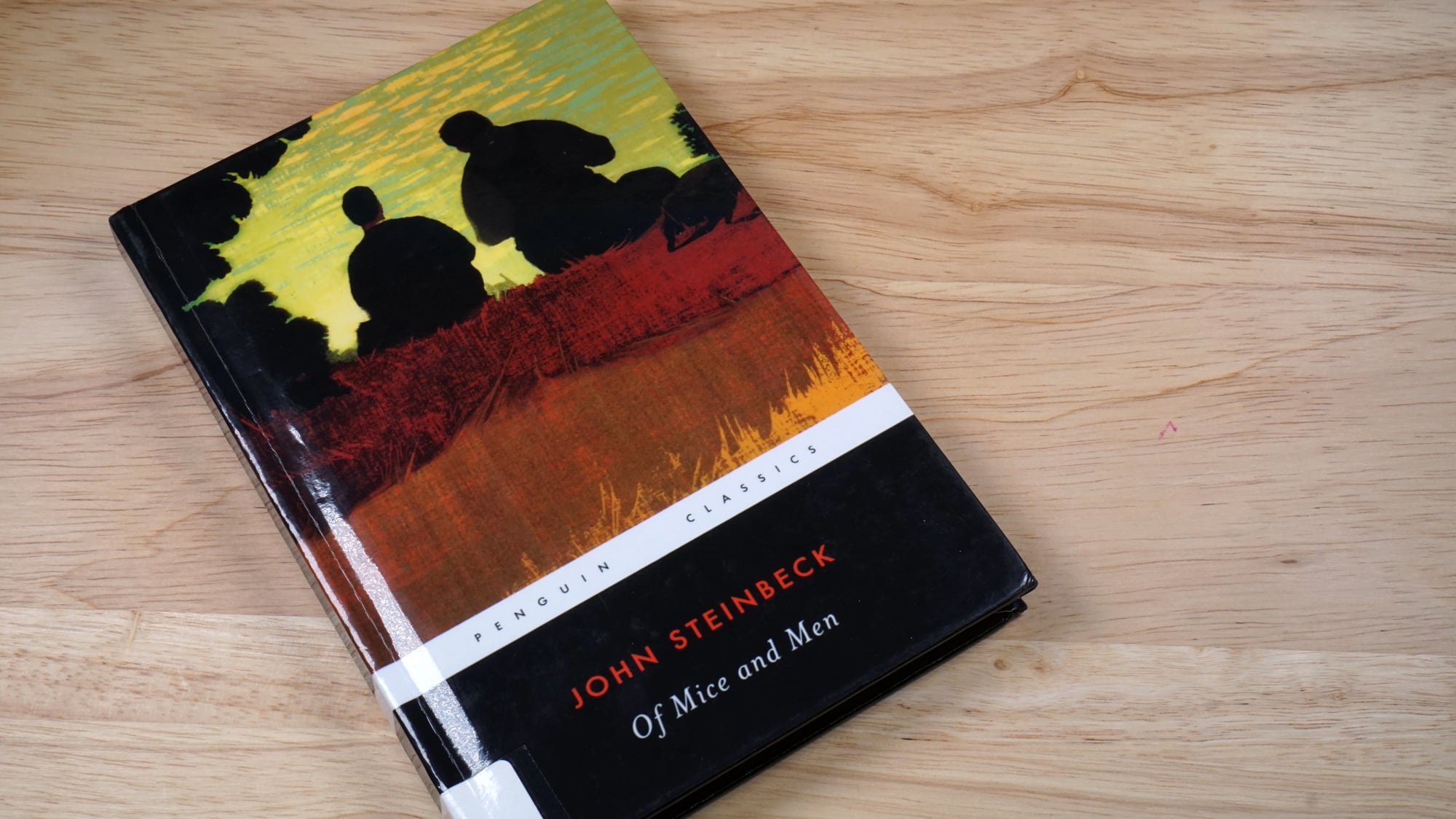
Schools banned this American classic for profanity and discussions of disability and mercy killing despite its literary and historical importance.
Fahrenheit 451 by Ray Bradbury
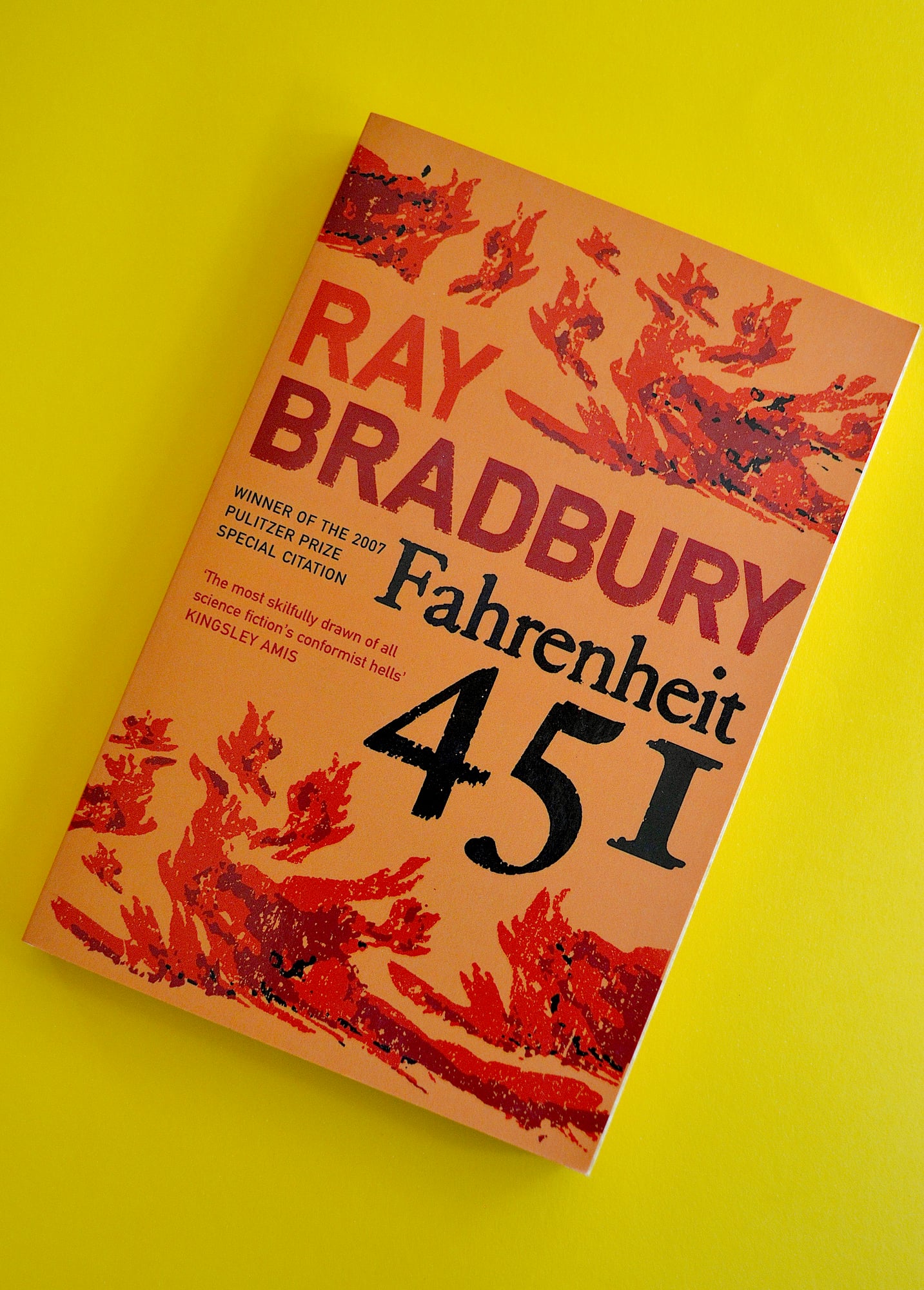
Bradbury’s novel about book burning was ironically banned by schools for language and intimate references.
The Grapes of Wrath by John Steinbeck
This novel depicting Depression-era poverty and migrant workers was banned for language and perceived anti-capitalist sentiment.
Howl by Allen Ginsberg
This groundbreaking poem was prosecuted for obscenity charges in San Francisco despite becoming a defining work of Beat poetry.
Tropic of Cancer by Henry Miller

Banned for obscenity and explicit intimate content, this semi-autobiographical novel is now recognized as an important literary work exploring bohemian life.
Our Bodies, Ourselves
This women’s health information book was banned by schools and libraries for providing comprehensive reproductive and intimate health information.
The Autobiography of Malcolm X
This important historical autobiography was banned despite its significance in African American history and literature.
Native Son by Richard Wright

Wright’s powerful novel depicting racism and violence was banned by schools for its content despite being recognized as a masterwork of American literature.
The Great Gatsby by F. Scott Fitzgerald
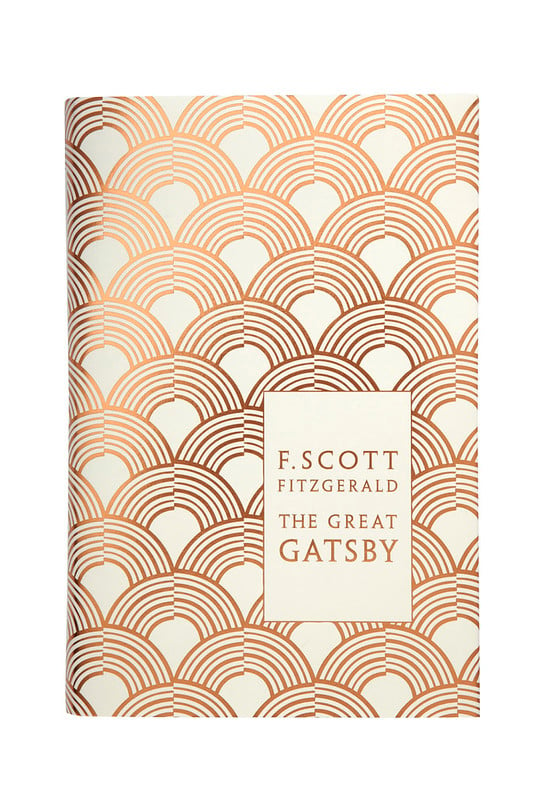
Though less commonly banned than others on this list, some schools restricted this American classic for language and moral content.
Brave New World by Aldous Huxley
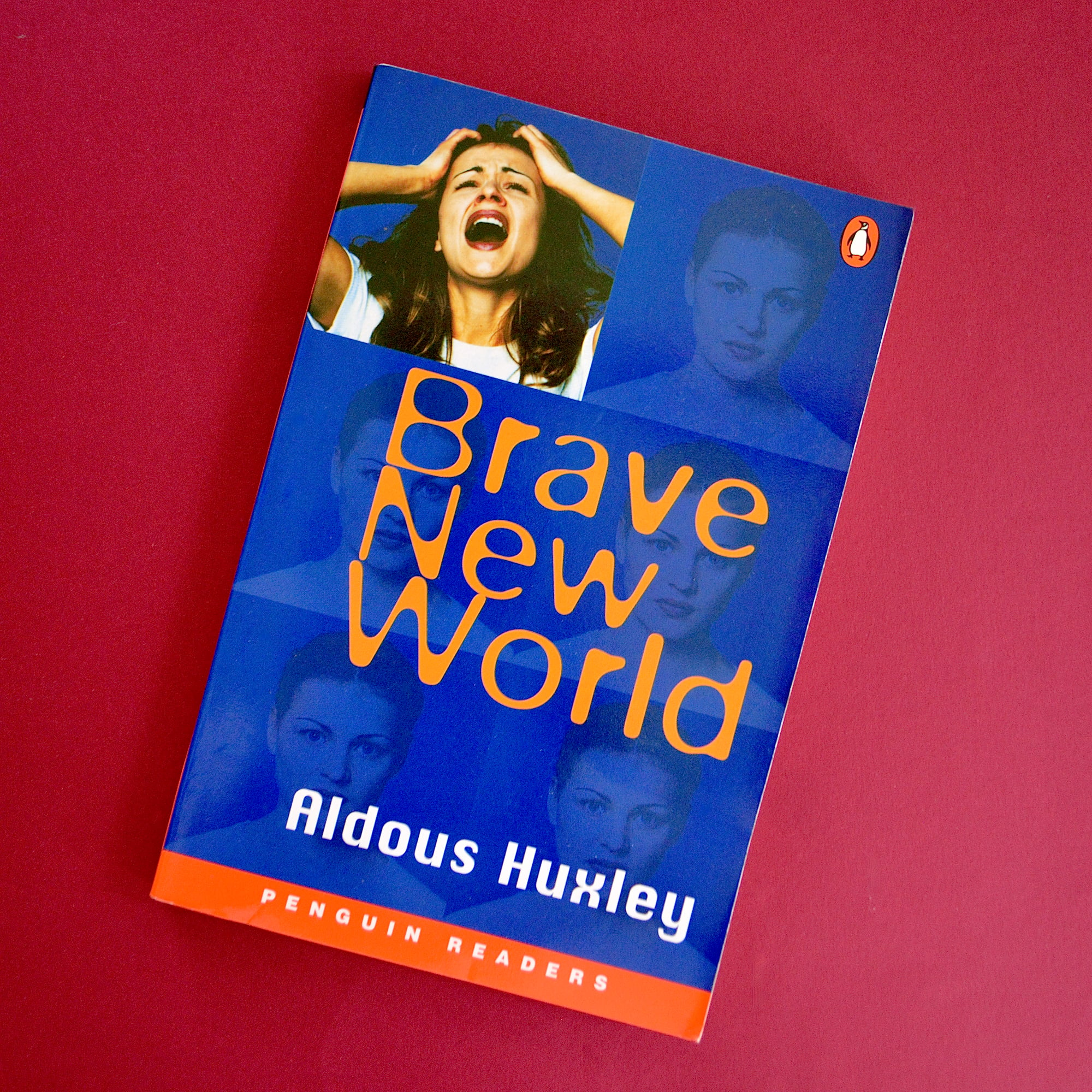
This dystopian novel was challenged in schools for intimate content and perceived anti-religious messages despite being widely taught as important literature.
The American Dream
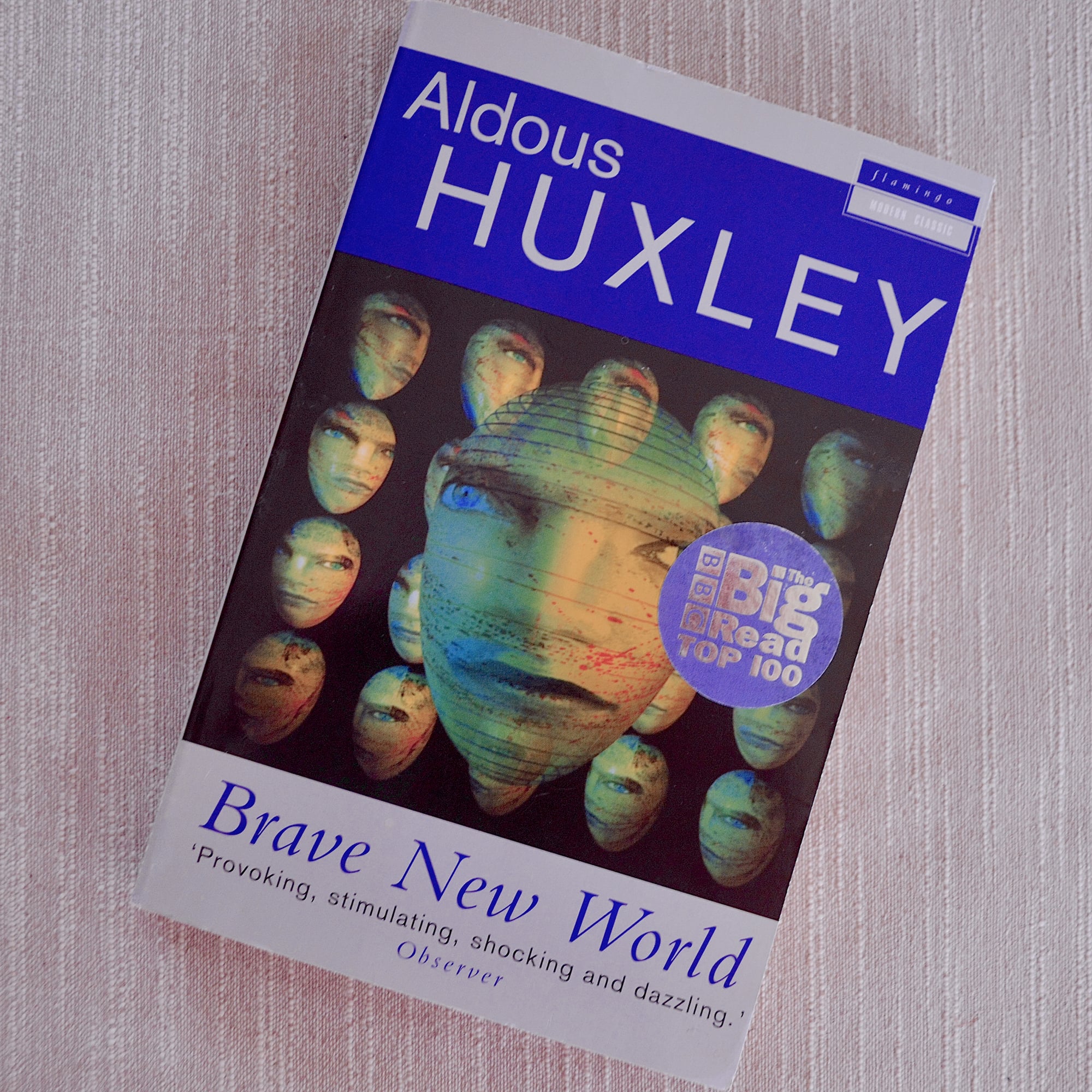
Many works exploring American inequality and racism have faced banning attempts despite their literary merit and historical importance.
The Value of Censorship’s Failures
These bans reveal the failure of censorship efforts. The books authorities attempted to suppress went on to become recognized classics, adopted into curricula worldwide, awarded major literary prizes, and translated into dozens of languages.
The failed bans demonstrate that literary merit, artistic sophistication, and cultural importance ultimately triumph over attempts at suppression. Many of these works are now compulsory reading in American schools—the very institutions that once tried to prevent their circulation.
More from Go2Tutors!

- The Romanov Crown Jewels and Their Tragic Fate
- 13 Historical Mysteries That Science Still Can’t Solve
- Famous Hoaxes That Fooled the World for Years
- 15 Child Stars with Tragic Adult Lives
- 16 Famous Jewelry Pieces in History
Like Go2Tutors’s content? Follow us on MSN



