23 Car Features Drivers Miss
Modern cars are loaded with technology designed to maximize safety, efficiency, and convenience. Yet in the pursuit of digital integration and touchscreen control, automakers have eliminated practical features that drivers relied on for decades.
These absent design elements represent a shift away from mechanical simplicity and tactile control toward systems that prioritize software over substance.
The Pop-Up Headlight

Pop-up headlights were an elegant engineering solution that kept car fronts sleek while providing necessary illumination during night driving. Aerodynamic regulations and LED technology made them obsolete by the early 2000s, replaced by permanently exposed headlight assemblies.
The sound and sight of headlights rising from the hood has become a nostalgic gesture from older vehicles.
Manual Transmission Option
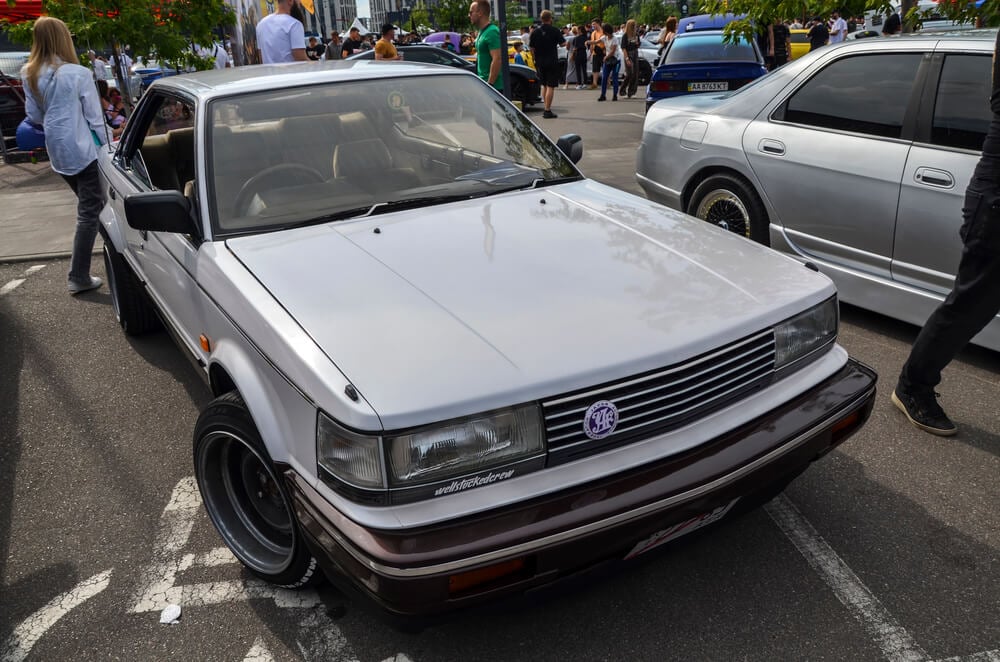
Once standard across the industry, manual transmissions offered drivers direct control over engine power and fuel efficiency. Automatics have become so efficient that manual options disappeared from mainstream sedans and SUVs by the 2010s.
The loss of manual transmissions eliminated a fundamental connection between driver input and mechanical response.
Bench Seat Front Design
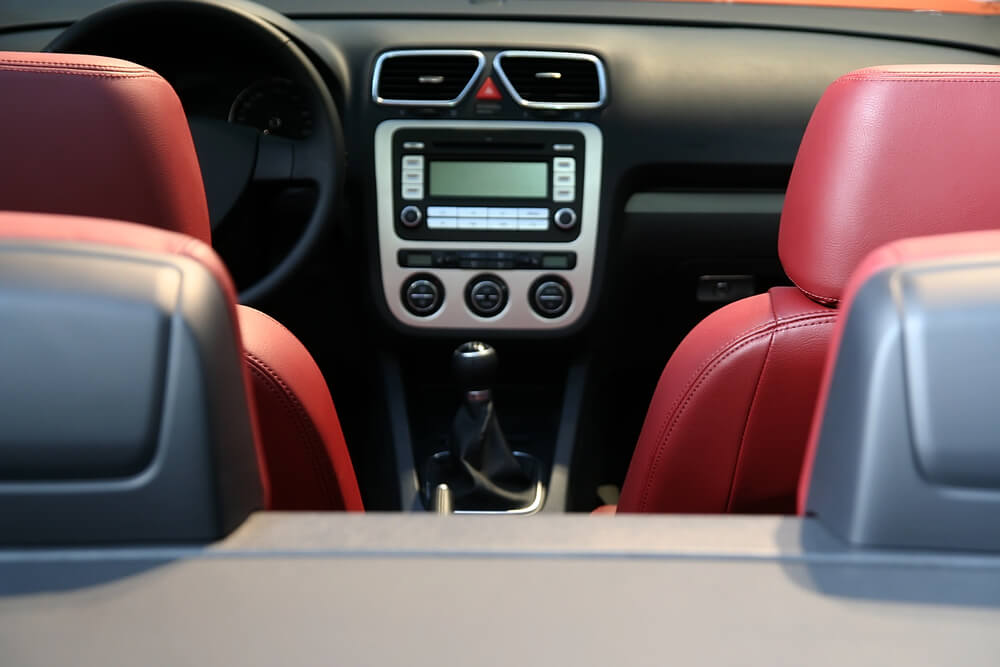
Front bench seats spanning the full width of the cabin were common in American cars through the 1990s, providing three-across seating and closer passenger proximity. Safety standards and individual bucket seats became the universal design, creating isolation between front passengers.
The disappearance of bench seats ended a specific form of social seating arrangement in cars.
Mechanical Parking Brake
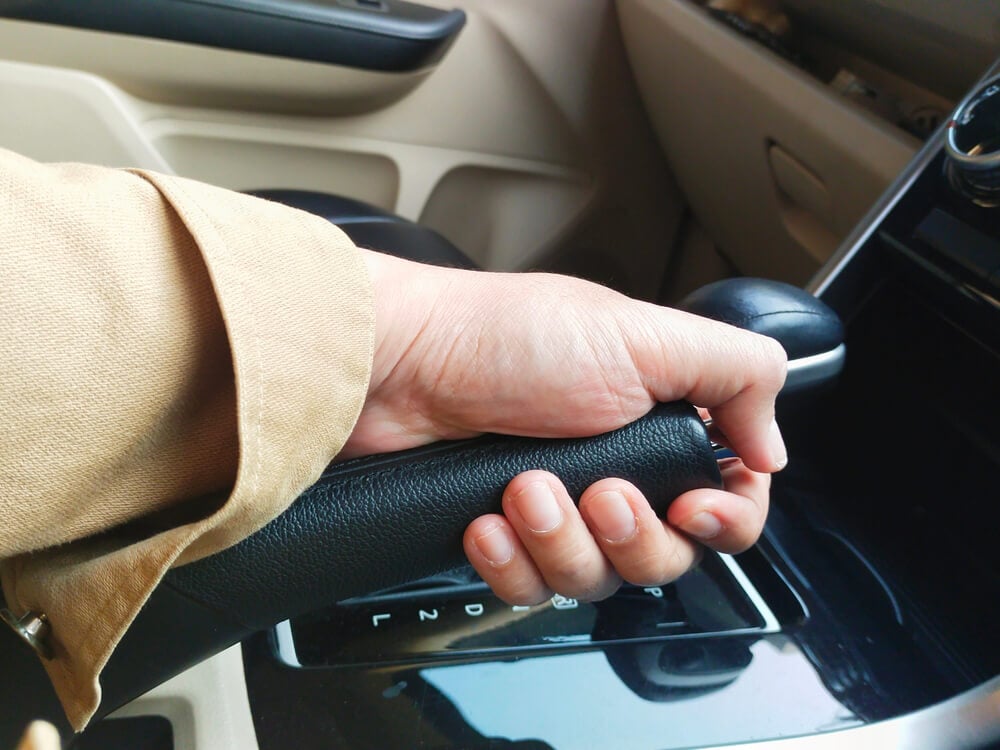
Hand brakes and foot-operated mechanical parking brakes have been replaced by electronic button systems integrated into the dashboard. Electronic systems offer convenience but eliminate the tactile feedback and mechanical reliability of hydraulic systems.
Mechanical parking brakes are now found primarily on enthusiast and older vehicles.
Power Windows with Manual Override
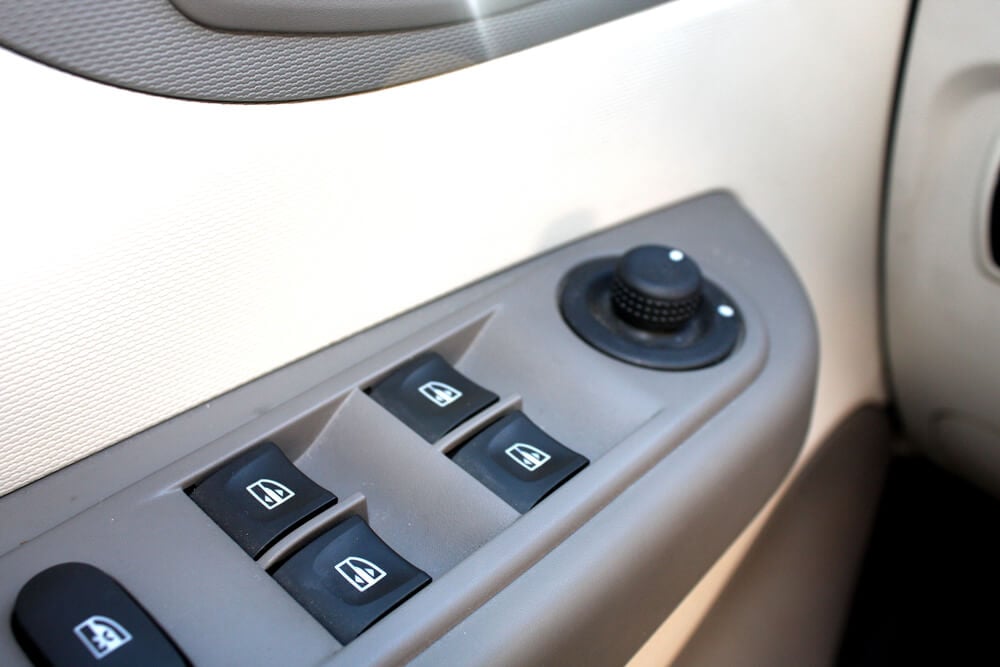
Older power window switches included a manual crank option for situations where power failed, providing redundancy and mechanical simplicity. Modern windows are exclusively electric with no mechanical backup, making them dependent on electrical systems.
The loss of manual overrides represents a shift toward single-point-of-failure design.
Hood Release Lever
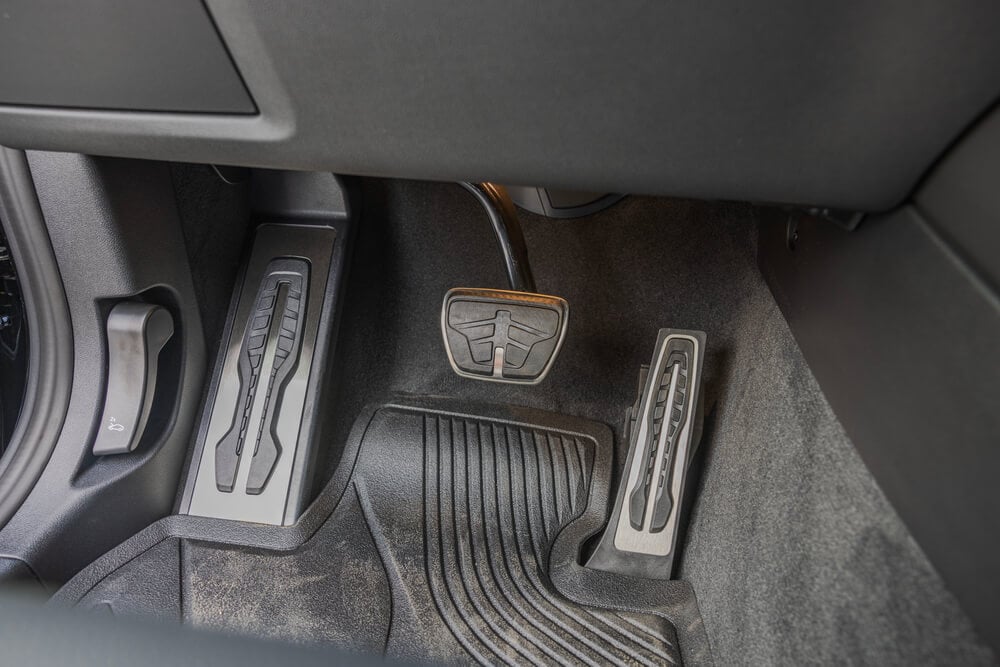
The exterior hood release lever required the driver to reach under the front of the car to fully open the hood, creating a two-step release process. Modern cars use interior release buttons that fully open hoods with a single action.
The exterior lever represented a minor inconvenience that some drivers found endearing and mechanical.
Exterior Temperature Gauge
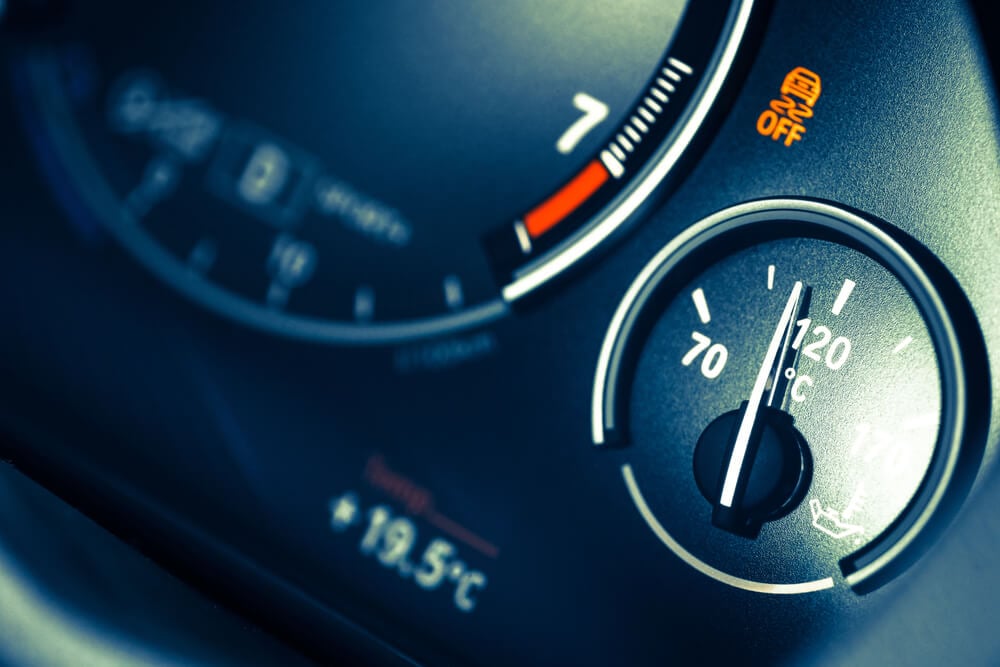
Dashboards once displayed the ambient outside temperature, allowing drivers to anticipate icy conditions or gauge seasonal changes. Digital climate systems now provide precise temperature readings buried in infotainment menus rather than on the main instrument cluster.
The loss of the exterior temperature gauge eliminated a simple continuous awareness tool.
Trunk Release Inside the Cabin
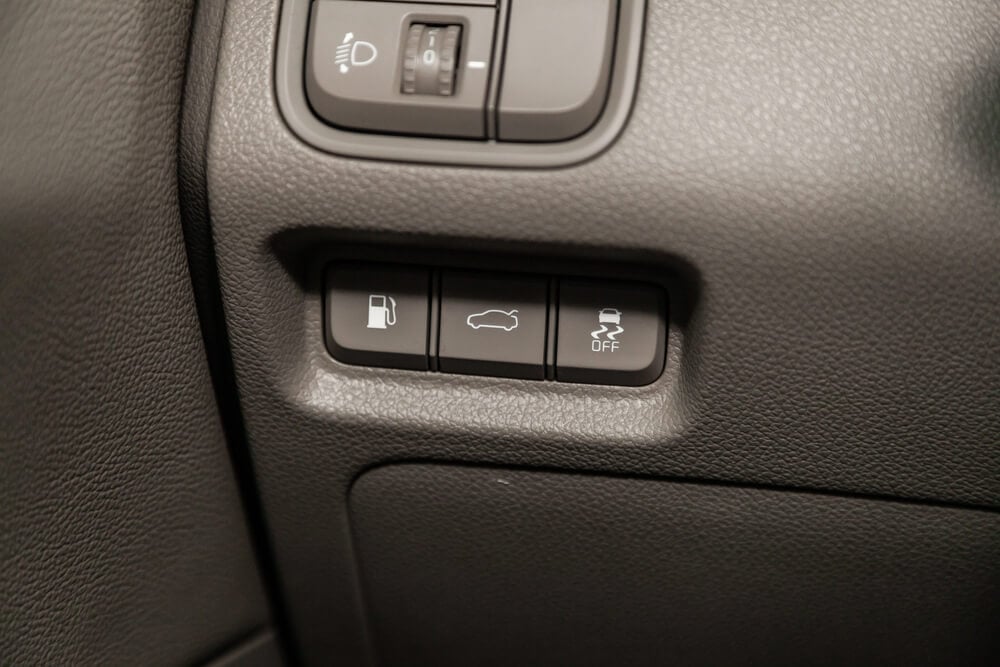
Older cars included a mechanical release lever or button inside the trunk for emergency escape, a safety feature that was especially important before backup cameras existed. Modern trunks use electronic releases tied to central locking systems with no mechanical override.
The interior trunk release represented a practical safety consideration now replaced by electronic redundancy.
Cig Lighter and Ashtray
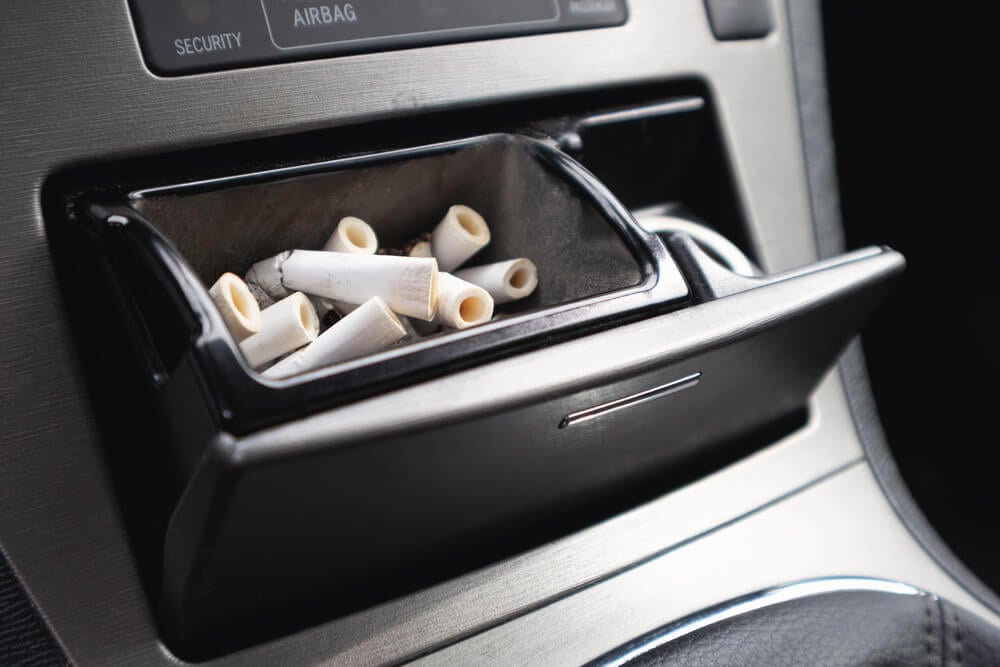
Cars routinely included built-in ashtrays and dashboard-mounted cig lighters as standard equipment through the 1990s. The shift toward smoke-free vehicle interiors eliminated these features entirely, replaced by power outlets and cup holders.
The cig lighter became iconic as a device for powering auxiliary devices before USB ports existed.
AM/FM Radio Tuner Knob
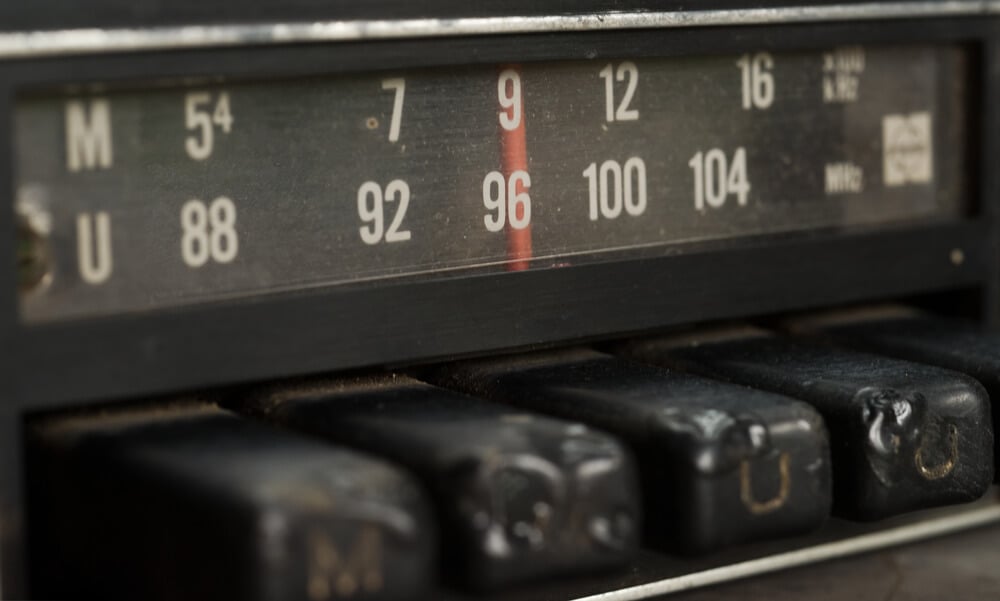
Mechanical tuning knobs allowed drivers to adjust radio stations with tactile precision, replaced by digital tuners integrated into touchscreen systems. The physical knob provided feedback and required no menu navigation, making station adjustment a simple gesture.
Digital tuning offers presets but sacrifices the browsing experience enabled by continuous mechanical tuning.
Adjustable Steering Wheel Column
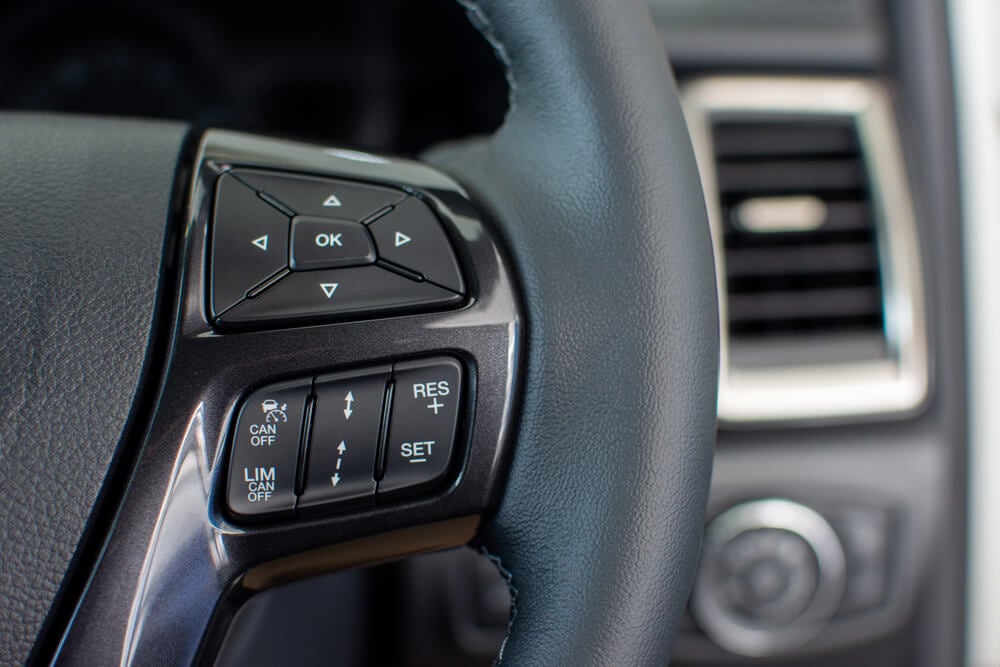
Many older cars featured simple up-down steering wheel adjustment without tilt, or simple two-position telescoping. Modern multi-axis adjustable steering wheels offer more positioning options but require electronic controls and menu access.
The simplicity of mechanical steering adjustment has been replaced by electronic complexity.
Genuine Leather Steering Wheel (as Standard)
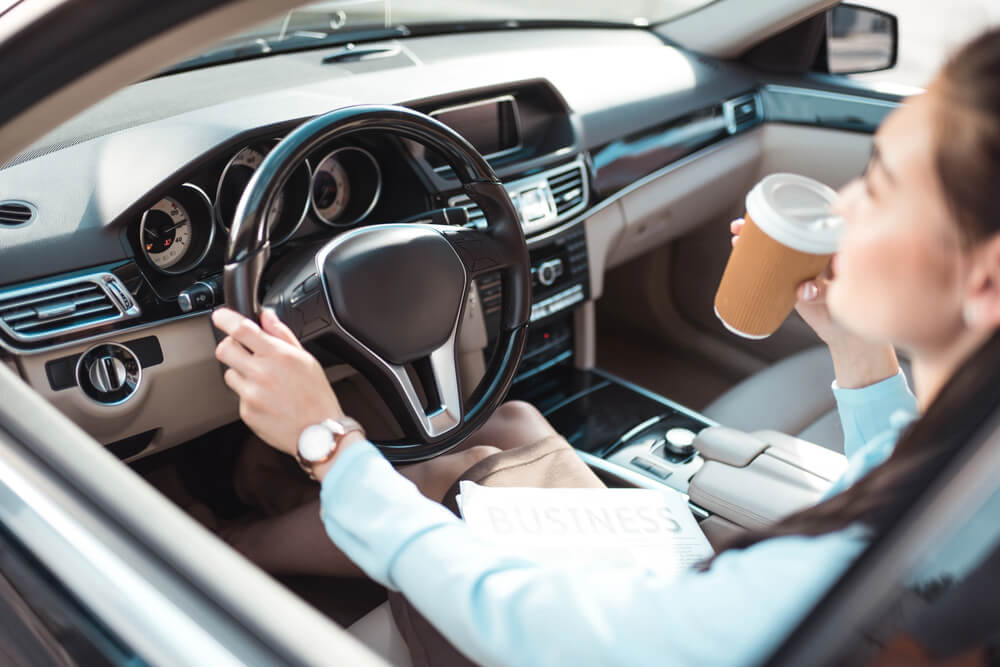
Full leather steering wheels were once standard equipment on mid-range and luxury vehicles, providing comfort and durability. Cost reduction and synthetic material improvements led to leather becoming a luxury upgrade or disappearing entirely.
The tactile experience of genuine leather has been replaced by synthetic materials or wrapped wheels on most vehicles.
Door-Mounted Courtesy Lights
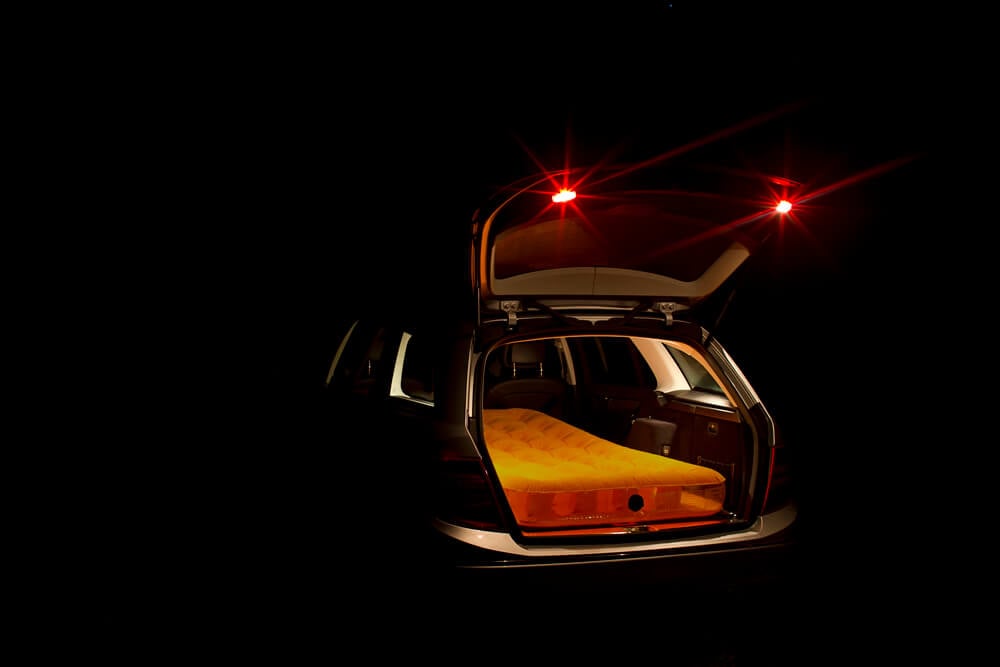
Older cars featured courtesy lights mounted on the door frame that illuminated the interior when doors opened, activated by mechanical switches. LED cabin lighting controlled through central systems has replaced these simple switches.
The disappearance of door-mounted lights eliminated a simple mechanical activation system.
Ignition Key Slot
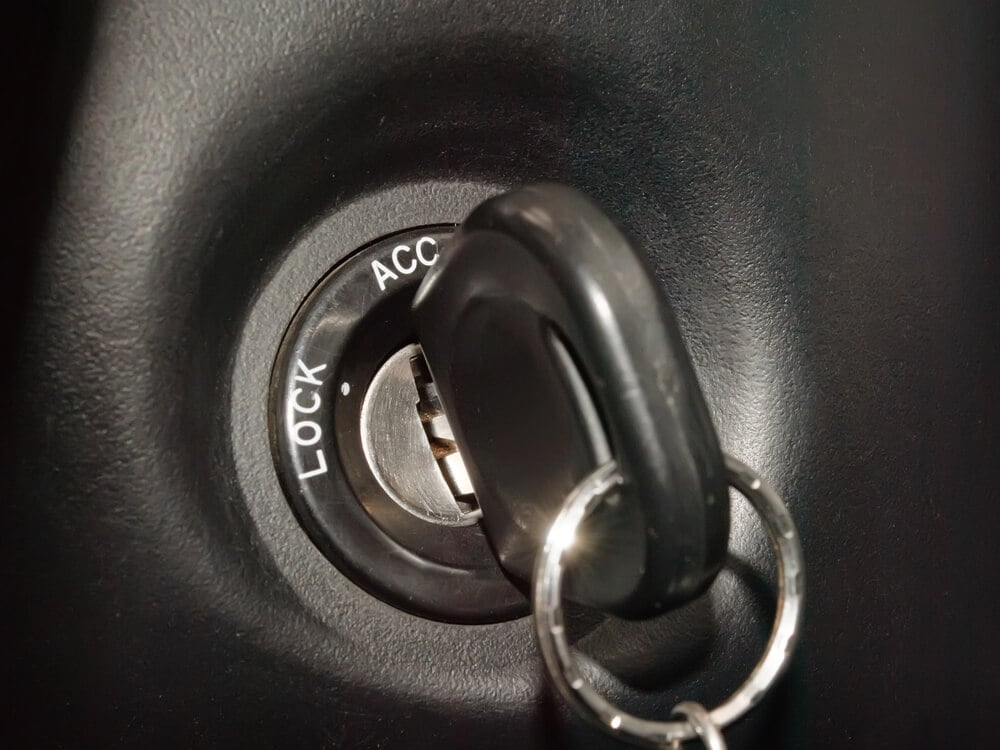
Traditional turn-key ignition systems required drivers to physically insert and turn a key, a tangible mechanical action that defined car operation for over a century. Push-button starts and keyless entry have eliminated the physical key turning action.
The shift away from mechanical keys represents a fundamental change in how cars are activated.
Choke Control
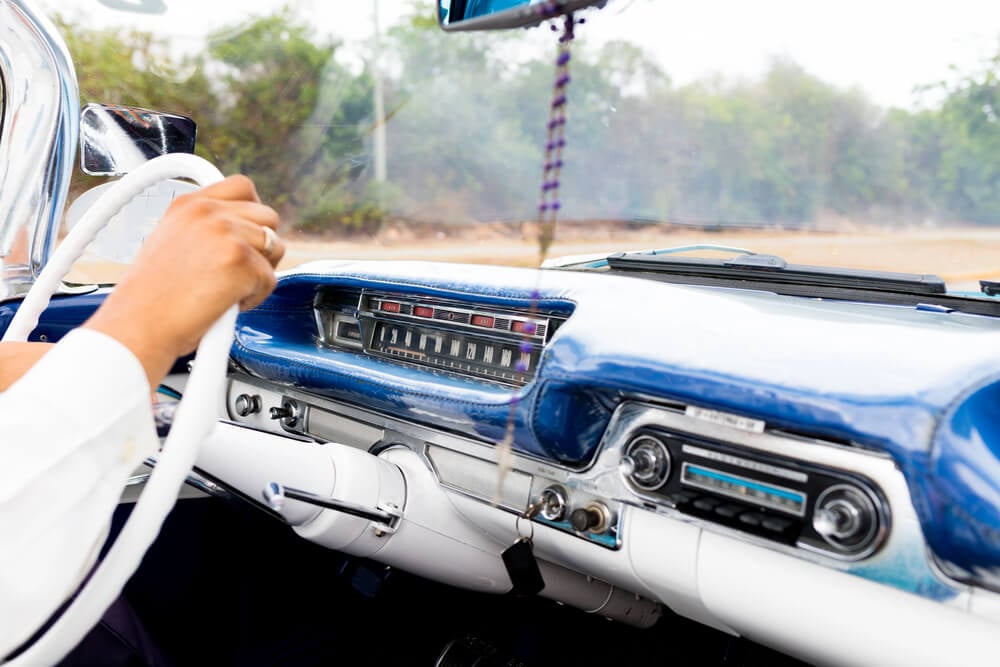
Manual choke controls allowed drivers to adjust fuel mixture for cold starts, requiring mechanical adjustment before driving in cold weather. Fuel injection and electronic engine management eliminated the need for manual choke operation.
The loss of the choke removed a small mechanical understanding requirement from driving.
Wind-Up Windows (Still Useful as Backup)

Hand-crank windows represented pure mechanical simplicity and remained as emergency backups in many vehicles through the 1990s. Complete elimination of manual window operation has made windows entirely dependent on electrical systems.
The absence of backup mechanical windows represents the acceptance of single-point-of-failure design.
Spring-Loaded Door Locks

Older cars featured mechanical door locks that required pushing down a pin or switch on the door panel, with a backup mechanical operation. Centralized electronic locking systems eliminated mechanical redundancy and individual door control.
The loss of mechanical door locks removed a failsafe option for vehicles with dead batteries.
Adjustable Seat Height Lever (Non-Electric)
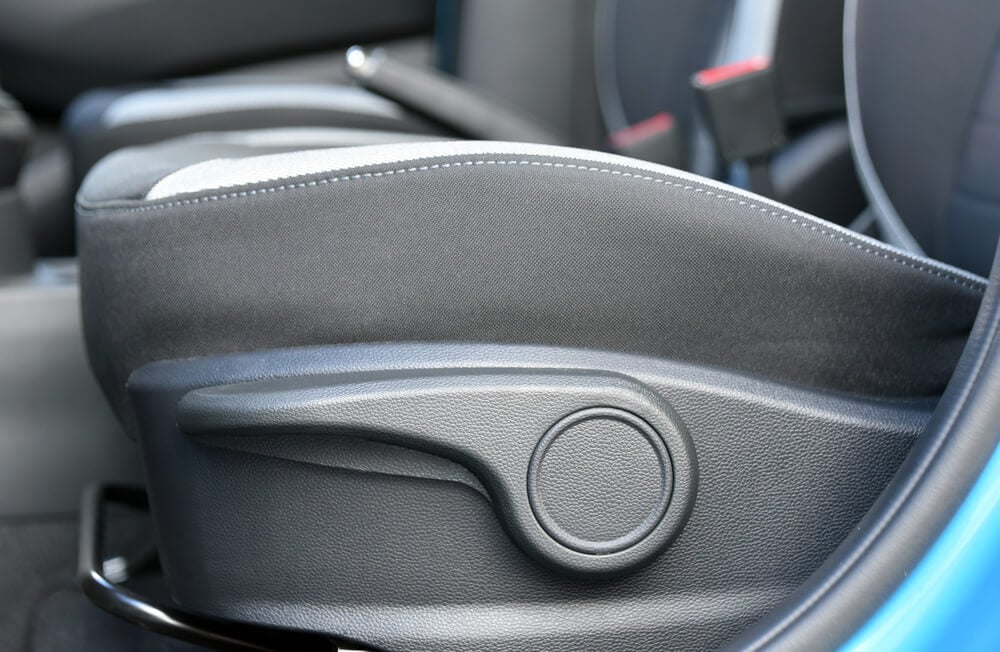
Many older vehicles featured a simple mechanical lever under the seat for adjusting seat height, providing easy adjustment without electronic dependence. Power seats with multiple electronic controls have become standard, requiring battery power and control modules.
The simple mechanical height adjustment has been replaced by electronic systems.
Engine Oil Dipstick
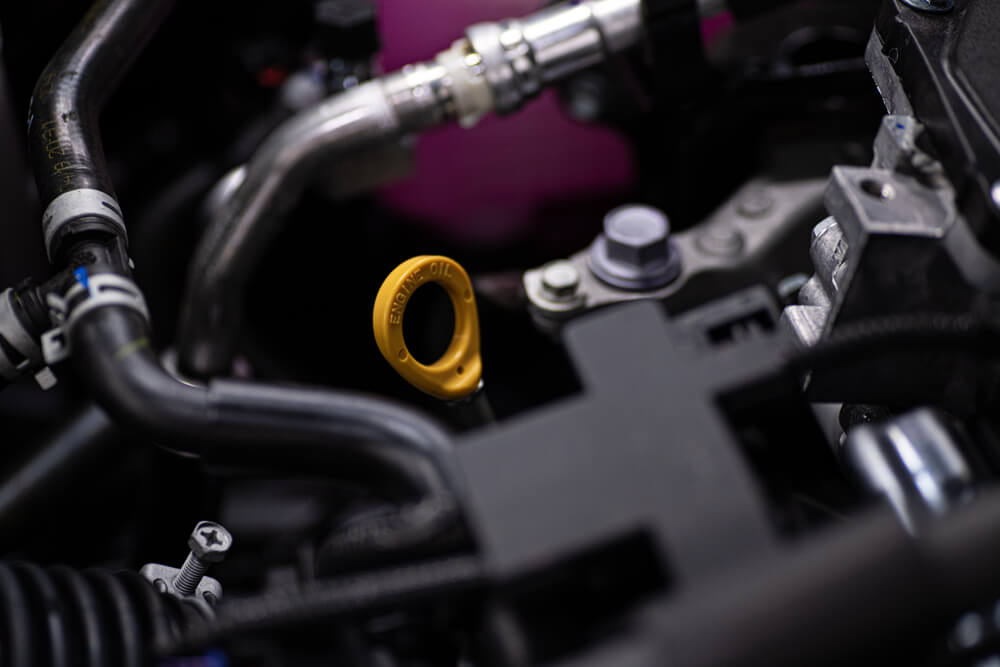
Traditional oil dipsticks allowed drivers to check oil levels directly, a simple mechanical gauge requiring no electronics. Modern vehicles often eliminate the dipstick, forcing drivers to use dashboard menus or dealership scanning for oil level information.
The disappearance of dipsticks represents a shift away from driver-accessible engine monitoring.
Fuel Door Exterior Release
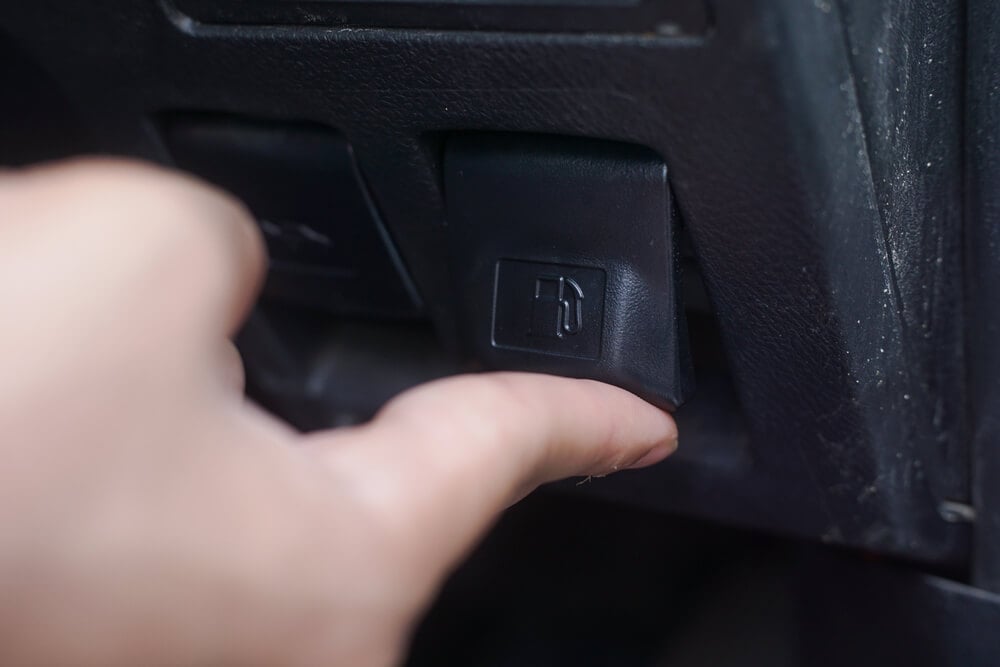
Older vehicles featured exterior fuel door releases that required reaching down to manually open the fuel access door. Interior electronic fuel door releases have become standard, creating complexity for a simple mechanical action.
The loss of exterior fuel door releases removed a minor mechanical interaction.
Daytime Running Light Lever
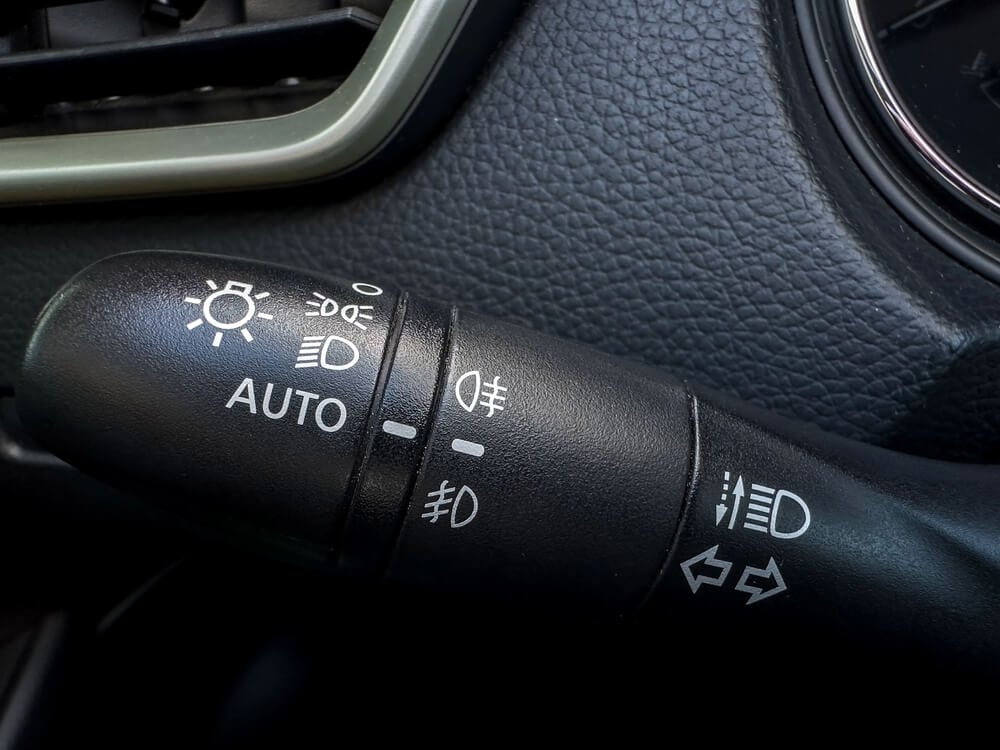
Separate daytime running light controls allowed drivers to activate lights independently of headlights, providing flexibility in lighting control. Modern vehicles integrate running lights into automatic headlight systems with no independent control.
The disappearance of separate DRL controls simplified the lighting interface but reduced user control.
Door Vent Windows (Wing Windows)
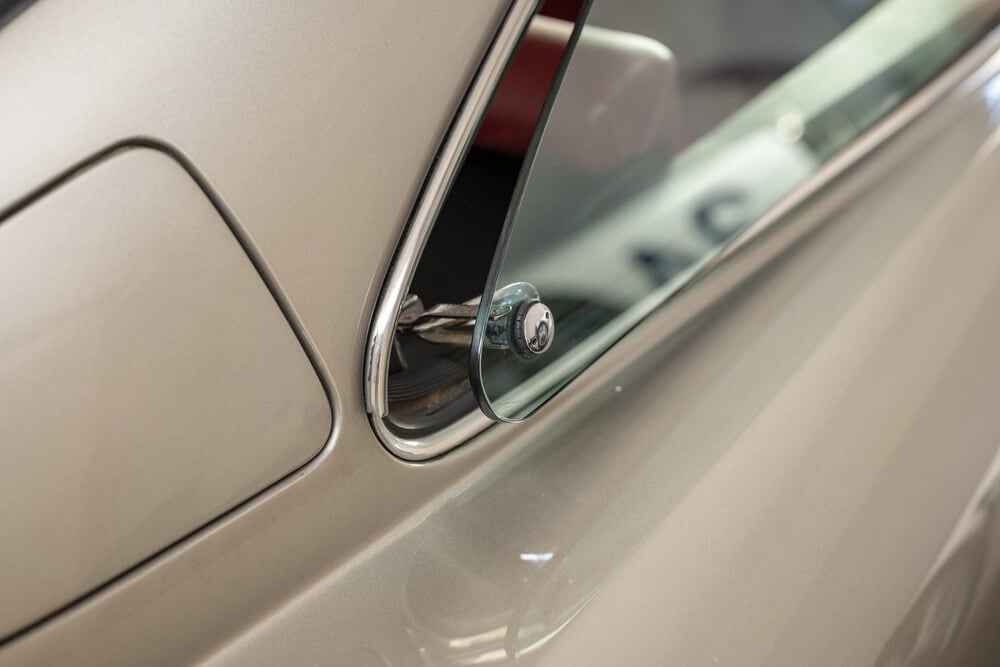
Triangular vent windows on older car doors provided direct, unmediated air circulation without requiring rolling down the main window. Their elimination was driven by aerodynamic efficiency improvements and the ubiquity of air conditioning.
The loss of vent windows eliminated a simple mechanical ventilation option.
Simple Clock Display
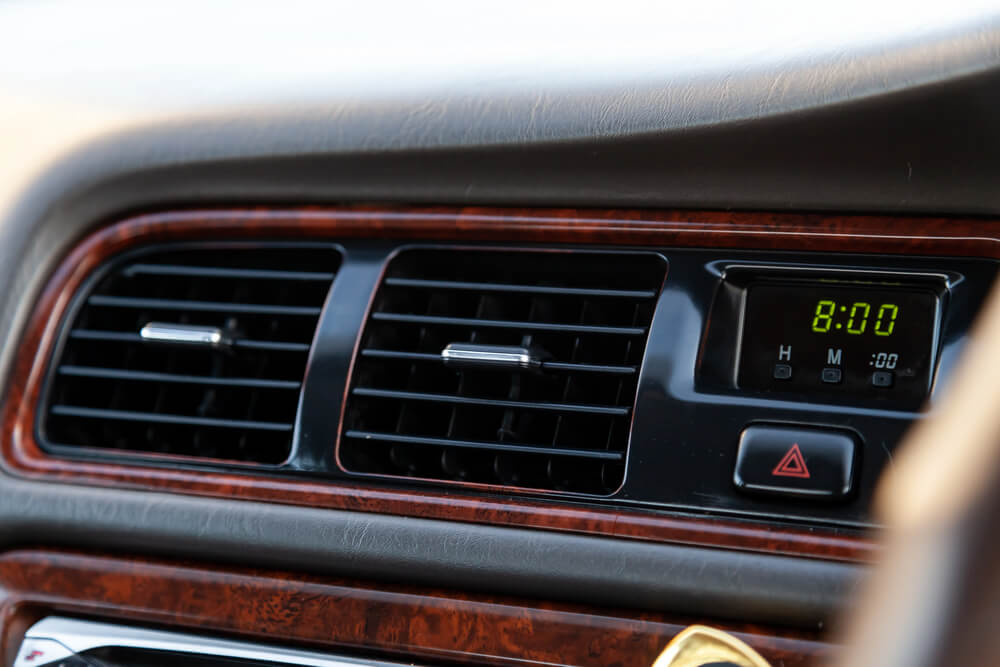
Older dashboard clocks were standalone instruments that required no electrical complexity, with some featuring mechanical wind-up mechanisms. Modern clocks are integrated into digital clusters and dependent on electrical systems for operation.
The disappearance of independent clocks represents the consolidation of functions into electronic systems.
The Minimalist Dashboard

These 23 eliminated features represent a broader shift from mechanical, driver-controlled systems toward integrated electronic management. Modern cars prioritize software efficiency, touchscreen integration, and centralized control at the expense of mechanical simplicity and mechanical redundancy.
Drivers have gained capabilities but lost the tactile, mechanical connection to their vehicles that defined automotive experience for generations.
More from Go2Tutors!

- 16 Historical Figures Who Were Nothing Like You Think
- 12 Things Sold in the 80s That Are Now Illegal
- 15 VHS Tapes That Could Be Worth Thousands
- 17 Historical “What Ifs” That Would Have Changed Everything
- 18 TV Shows That Vanished Without a Finale
Like Go2Tutors’s content? Follow us on MSN.