23 Escapes That Changed Prison Design
Every prison believes it is the one nobody leaves. History disagrees with startling regularity, and each time it does, the blueprint changes.
Bars get thicker, mail gets scanned, helicopters get banned from flying low over certain rooftops, and somewhere a warden writes a report that becomes policy for decades.
The Great Escape

In March 1944, Allied airmen held at Stalag Luft III in occupied Poland finished digging “Harry,” a tunnel nearly nine meters underground that ran more than 100 meters beyond the camp fence. Prisoners disposed of excavated soil by scattering it through bags hidden in their trousers, a technique nicknamed “penguining” for the waddling gait it produced.
Of the 76 men who got out, only three reached safety, and 50 recaptured escapees were executed on Hitler’s orders. The scale of the tunneling operation forced German camp administrators to overhaul subterranean detection methods across the POW system, and it remains a reference point in perimeter security design today.
Alcatraz, 1962

Frank Morris and brothers John and Clarence Anglin spent months chipping through the crumbling concrete around air vents in their cells, hiding the gaps behind cardboard grilles and painted dummy heads made from soap, toilet paper, and real hair swept from the barbershop floor. They slipped out through a utility corridor and paddled into San Francisco Bay on a raft fashioned from raincoats, and were never definitively found dead or alive.
The Federal Bureau of Prisons concluded the men had drowned, but the embarrassment of the breach, combined with the crumbling infrastructure the escape exposed, contributed directly to Alcatraz’s closure the following year.
The Maze Prison Breakout

On September 25, 1983, 38 Provisional IRA prisoners smuggled handguns into HM Prison Maze near Belfast and seized control of H-Block 7, overpowering guards before hijacking a food delivery lorry to reach the outer gate. It stands as the largest prison escape in British history, and nineteen of the escapees were recaptured within days while others made it as far as the United States.
A prison officer died of a heart attack during the seizure, and the fallout triggered an official inquiry that placed blame on both staff lapses and political interference in the prison’s daily running. Category-A security procedures across the United Kingdom were rewritten in its wake.
Pascal Payet’s Helicopter Habit

French inmate Pascal Payet escaped custody by hijacked helicopter on three separate occasions between 2001 and 2007, twice going back afterward to help other prisoners out the same way. His methods were so consistent, and so effective, that French authorities eventually restricted helicopter landings near certain penitentiaries and reviewed rooftop access at high-security sites nationwide.
Payet was recaptured each time, but the string of escapes made him something of a folk anti-hero in French media and a case study in aerial-approach vulnerability for prison architects.
The La Santé Rescue

In 1986, career criminal Michel Vaujour was lifted off the roof of La Santé Prison in Paris by a helicopter piloted by his then-partner, who had taken flying lessons specifically for the job. Guards opened fire as the aircraft lifted away, wounding Vaujour, who nonetheless survived and remained at large for two years.
The episode, following close on other French rooftop extractions, pushed prison administrators in France to install netting, motion sensors, and no-landing zones above exercise yards.
The Colditz Cock

Deep in the attic of Colditz Castle, a fortress prison for repeat-escape Allied officers during the Second World War, prisoners secretly built a full glider from bed slats, floorboards, and cotton sleeping-bag lining, intending to launch it off the roof using a bathtub filled with concrete as a counterweight. The war ended before the glider ever flew, but its existence, discovered only decades later, illustrated how thoroughly determined prisoners could exploit unused space that guards considered inaccessible.
Later restorations and a flying replica proved the design would have worked.
The Libby Prison Tunnel
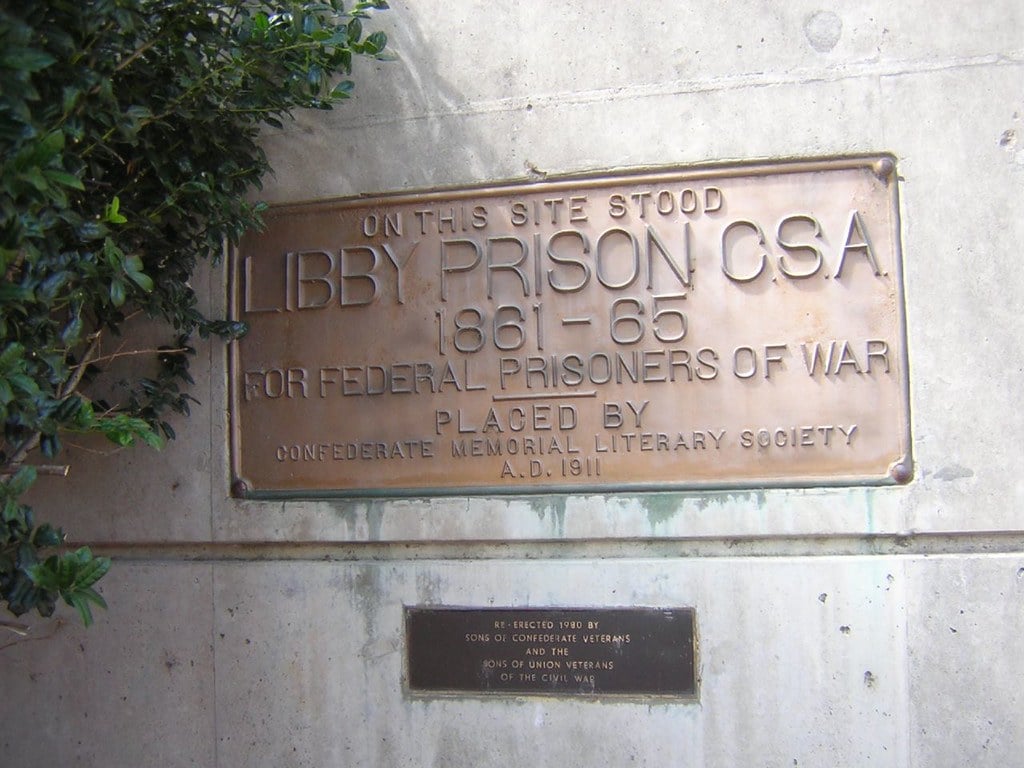
At a Confederate prison for captured Union officers in Richmond, Virginia, a group of inmates spent weeks in early 1864 digging a tunnel from a hidden cellar space they called “Rat Hell” to a nearby warehouse yard. On the night of February 9, 109 officers escaped through the passage before guards noticed anyone missing, making it the largest prisoner escape of the American Civil War.
Roughly half were eventually recaptured, but the breach humiliated Confederate prison administrators and led to tighter nighttime headcounts at other officer-holding facilities.
Dillinger’s Wooden Pistol

In March 1934, bank robber John Dillinger walked out of the Crown Point, Indiana jail, an installation the sheriff had publicly called escape-proof, using a pistol he had carved from a washboard and darkened with shoe polish. He then drove off in the sheriff’s own car, which, because he crossed a state line in it, technically made him a federal fugitive under auto-theft statutes.
The stunt humiliated local law enforcement so thoroughly that it prompted the FBI to take a far more direct hand in interstate manhunts and pushed jails nationwide to reconsider how weapons, real or fake, could reach a cell.
Bundy’s Attic Route

Ted Bundy escaped twice in 1977. The first time, he jumped from a second-story library window during a recess in his own murder trial at the Pitkin County Courthouse in Colorado.
Recaptured after six days, he escaped again in December by losing significant weight to squeeze through a gap he had cut in his cell ceiling into a crawlspace above, then walking out through the jailer’s own apartment while staff assumed he was in his cell. The Garfield County Jail break exposed how poorly older county-level facilities were built above the ceiling line, and Colorado subsequently tightened cell-integrity inspection standards statewide.
El Chapo’s Tunnel Beneath Altiplano

In July 2015, Joaquín “El Chapo” Guzmán vanished from a shower stall inside Mexico’s supposedly impenetrable Altiplano federal prison through a vertical shaft that connected to a mile-long tunnel equipped with lighting, ventilation, and a modified motorcycle running on rails. Construction crews had apparently worked on the passage for more than a year without detection from above.
The breach forced Mexico’s federal prison system to install seismic sensors and expand aerial drone surveillance across its highest-security facilities.
The Laundry Cart Escape

Fourteen years before the tunnel, the same man escaped Puente Grande prison in 2001 hidden inside a laundry cart, reportedly with the cooperation of bribed guards, after years of running much of his business from inside the facility. The escape triggered a purge of prison staff across Jalisco state and a broader Mexican federal review of how much freedom wealthy inmates were quietly permitted behind bars.
The Texas Seven

In December 2000, seven inmates at the Connally Unit near Kenedy, Texas overpowered maintenance workers and guards, stole uniforms, weapons, and a prison vehicle, and drove out the front gate posing as staff. The group remained at large for over a month, during which one member fatally shot a police officer during a robbery, and the case became one of the most closely followed manhunts in Texas history.
The Texas Department of Criminal Justice responded by increasing camera coverage, tightening tool inventories, and revising staffing ratios in maintenance areas across the state system.
Dannemora
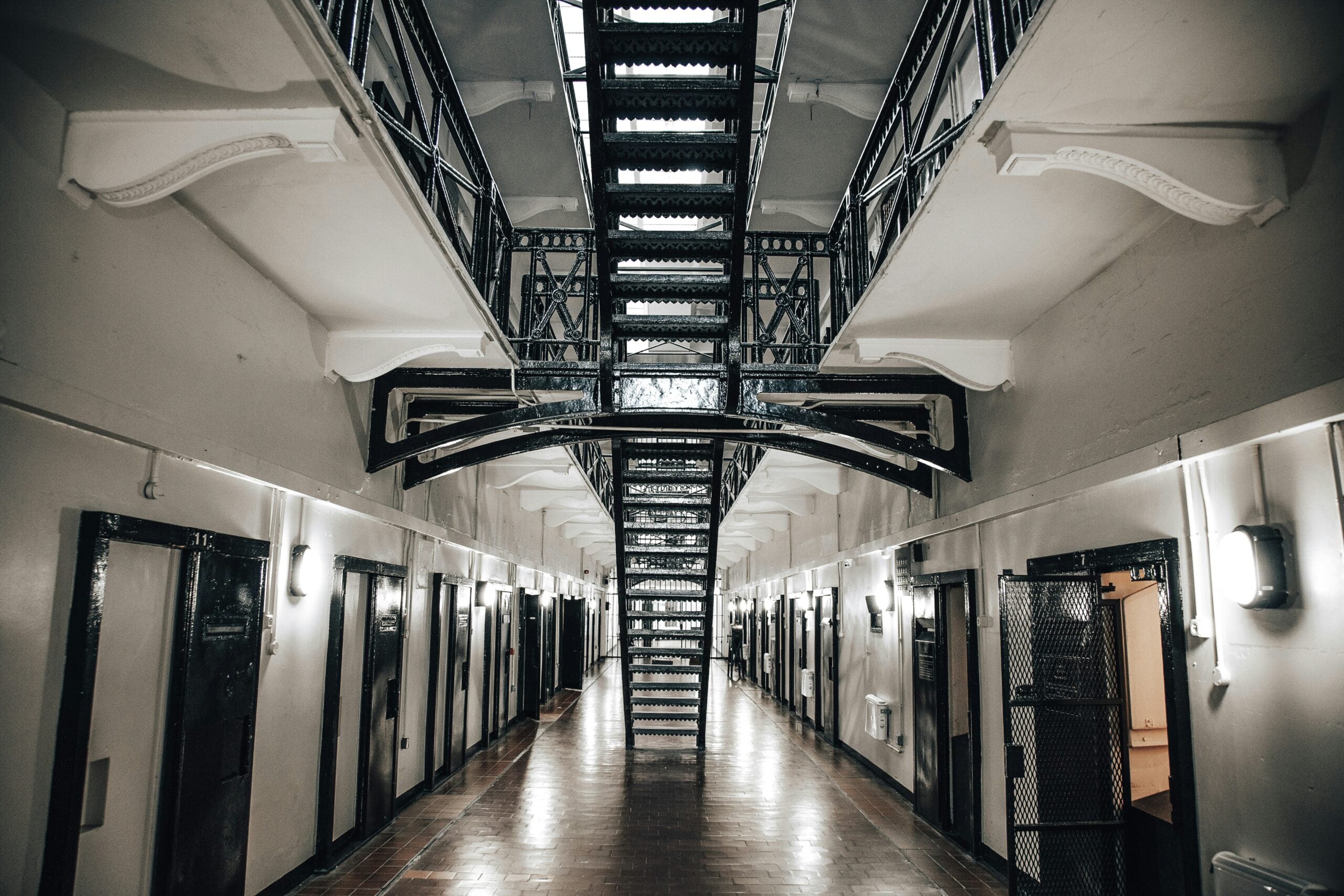
In June 2015, convicted murderers Richard Matt and David Sweat cut through the steel wall of their cells at Clinton Correctional Facility in upstate New York, using power tools smuggled in with the help of a prison tailor-shop employee, and navigated a maze of steam pipes to reach the surface outside the wall. Sweat was recaptured after weeks on the run; Matt was shot and killed by pursuing officers.
New York’s subsequent review overhauled how civilian employees were screened and supervised and restricted inmate access to maintenance tools statewide.
Mailed Out of Pollock
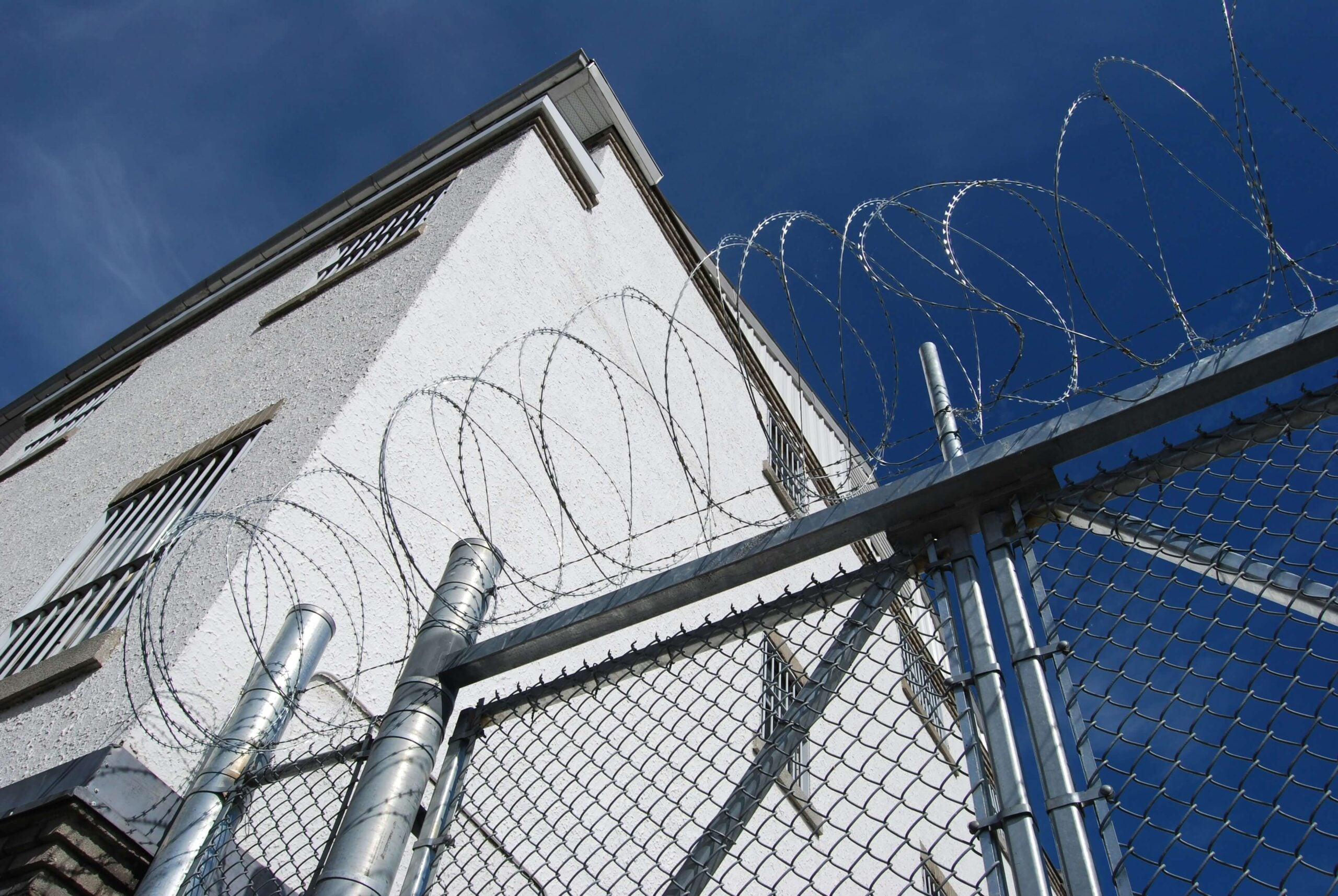
Richard Lee McNair escaped the United States Penitentiary in Pollock, Louisiana in 2006 by hiding inside the prison’s mail-processing area and shipping himself out concealed among outgoing packages on a delivery truck. It was not his first escape from custody, and the low-tech simplicity of the method embarrassed the Federal Bureau of Prisons enough that outgoing mail and package screening procedures were formally tightened at facilities nationwide.
Alfred Hinds, Three Times Over
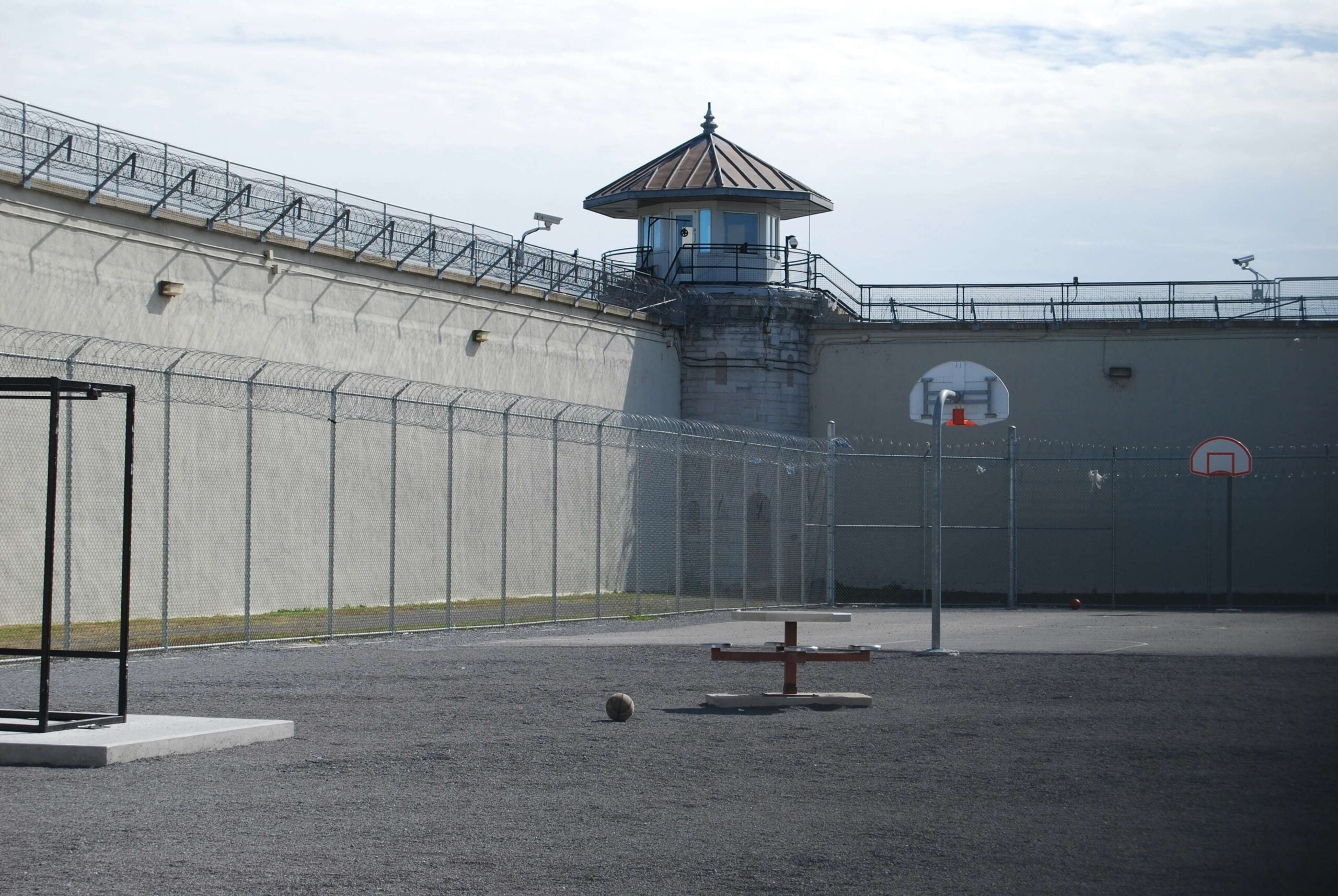
English confidence trickster Alfred Hinds escaped British custody on three separate occasions during the 1950s, once slipping away from a courtroom recess and once picking his way out of Chelmsford Prison using tools he had reportedly smuggled inside a jar of marmalade. Newspapers dubbed him a real-life escape artist, and his repeated success at exploiting gaps in courtroom and transport security led British authorities to formalize prisoner-escort procedures that had previously been left to local discretion.
The Kaplan Helicopter Job

American businessman Joel Kaplan was lifted out of Mexico City’s Santa Marta Acatitla prison by a hired helicopter in 1971 after his family arranged the operation from outside, a story later chronicled in a bestselling book. The audacity of a family-financed aerial extraction embarrassed Mexican prison officials enough that landing restrictions and rooftop obstructions became standard at major penitentiaries in the years that followed.
Ronnie Biggs Goes Over the Wall
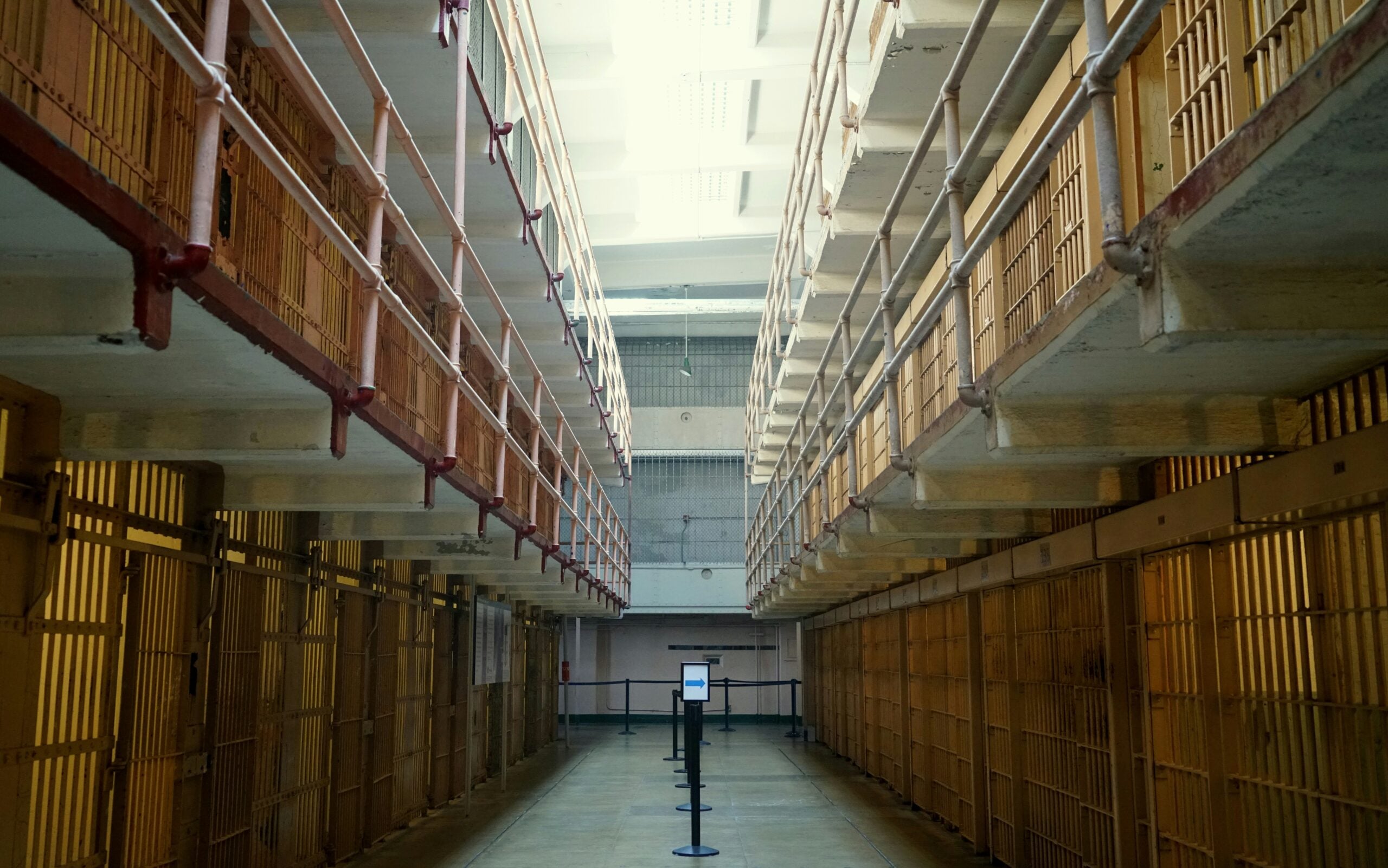
Great Train Robber Ronnie Biggs escaped Wandsworth Prison in London in 1965 by climbing a rope ladder thrown over the perimeter wall from a furniture van waiting outside, dropping into a mattress positioned to break his fall. He spent decades as a fugitive, mostly in Brazil, before voluntarily returning to Britain in 2001.
The wall-scaling method, simple as it was, prompted British prison authorities to reassess exterior wall height and surveillance blind spots at older Victorian-era facilities.
Billy the Kid’s Last Stand at Lincoln County
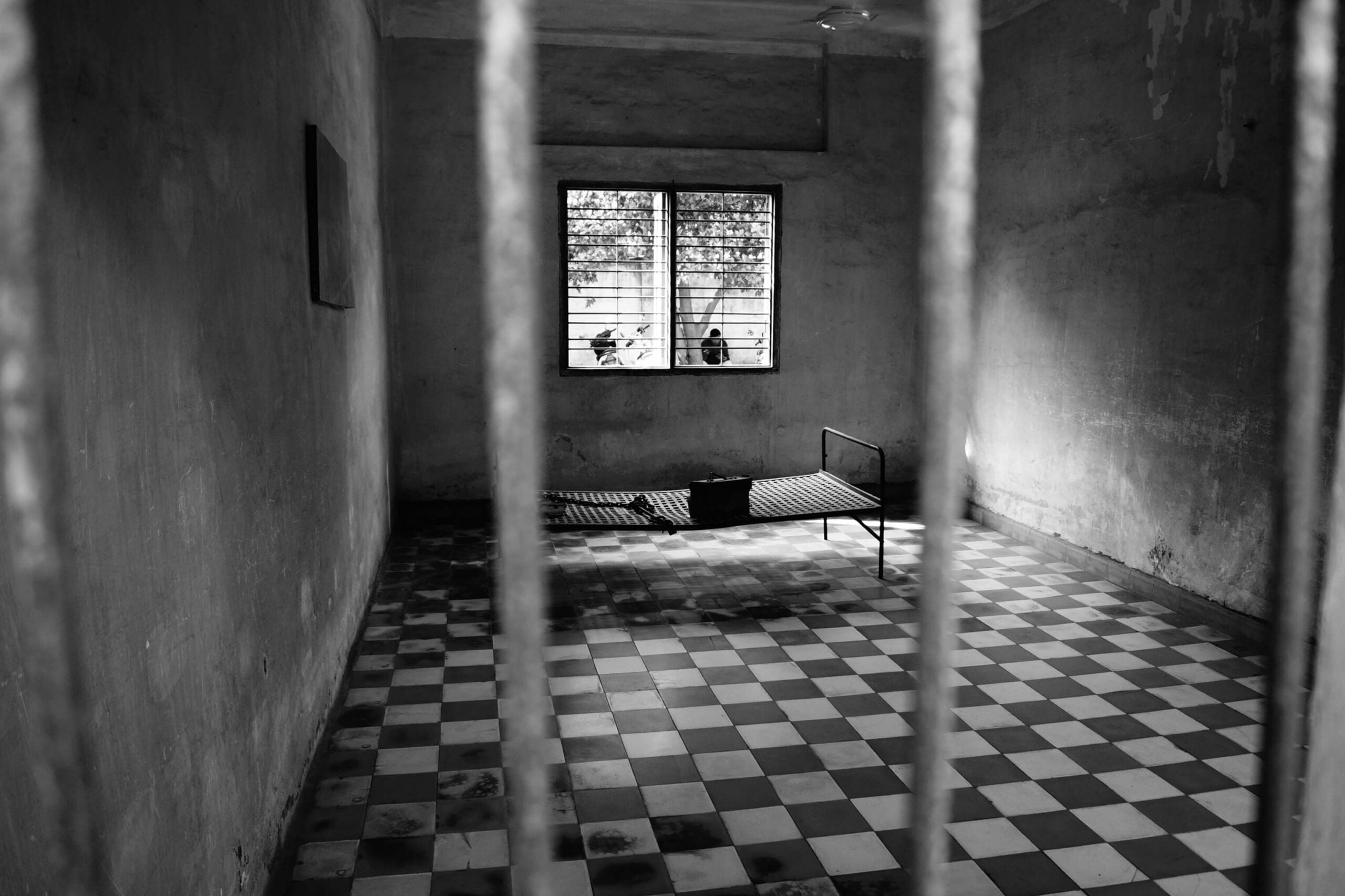
Awaiting execution at the Lincoln County Courthouse jail in New Mexico Territory in 1881, Billy the Kid obtained a firearm, likely left in an outhouse for him by a sympathizer, and killed two deputies during his escape. He remained free for less than three months before being tracked down and killed.
The episode became a cautionary tale about single-guard custody of high-profile prisoners in frontier jails with minimal architectural security.
Willie Sutton’s Tunnel Under Eastern State

In April 1945, bank robber Willie Sutton was one of twelve inmates who escaped Philadelphia’s Eastern State Penitentiary through a 30-meter tunnel dug from inside a cell, reinforced along the way with wood and shored against collapse. Guards caught most of the group within minutes, including Sutton, who was found still in the tunnel.
The breach became a textbook example in the field of the vulnerability of older masonry prisons built without foundations designed to resist below-grade excavation, and it influenced later subterranean-sensor technology.
Parkhurst and the Learmont Report
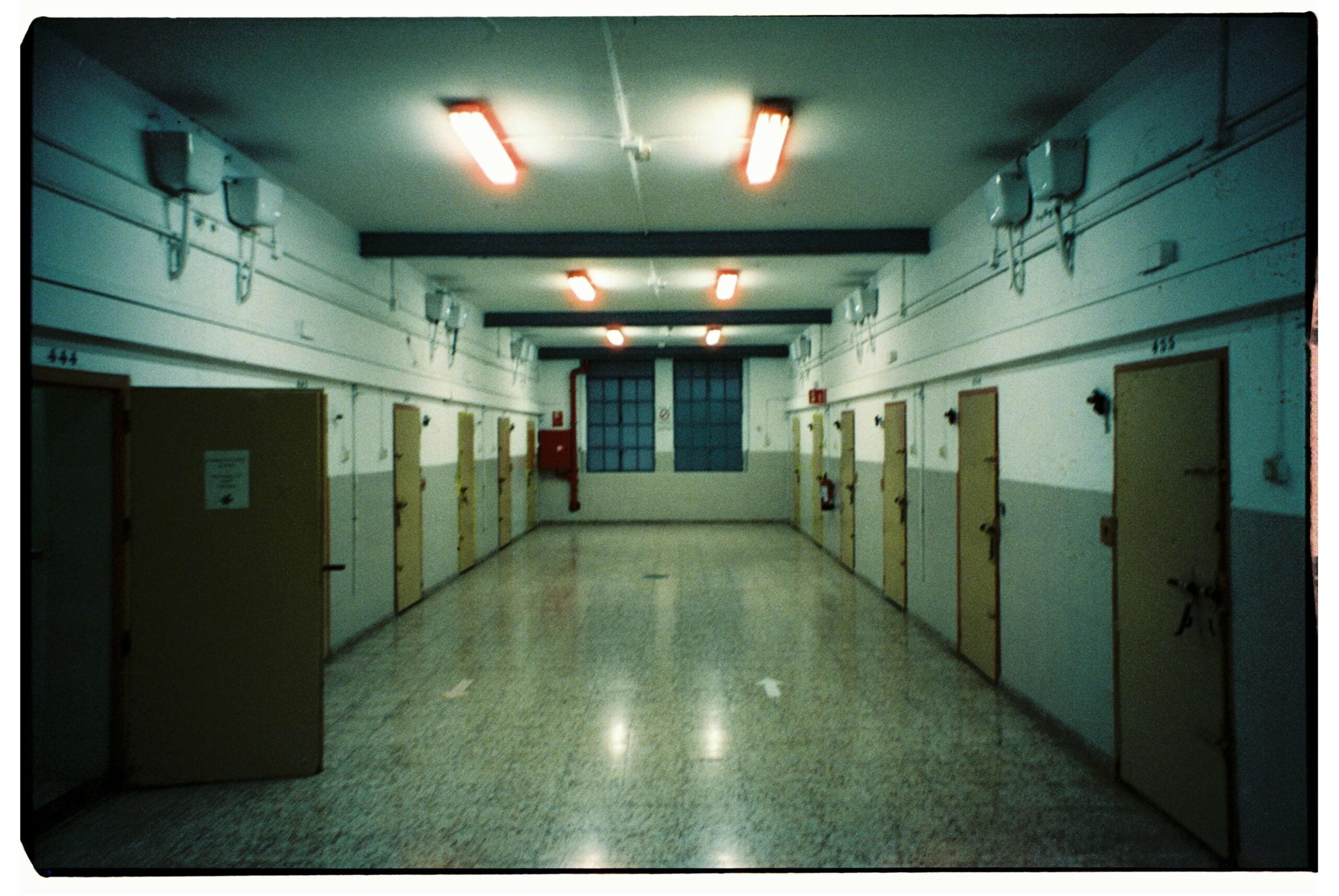
In January 1995, three high-security prisoners, including two convicted of terrorism offenses, escaped HM Prison Parkhurst on the Isle of Wight using a homemade impression of a master key and a rudimentary rope ladder to scale the perimeter wall. The breach triggered the Learmont Inquiry, a sweeping government review that fundamentally restructured how England and Wales categorized and housed the most dangerous prisoners.
Its recommendations remain embedded in UK prison security doctrine.
Whitemoor and the Woodcock Inquiry
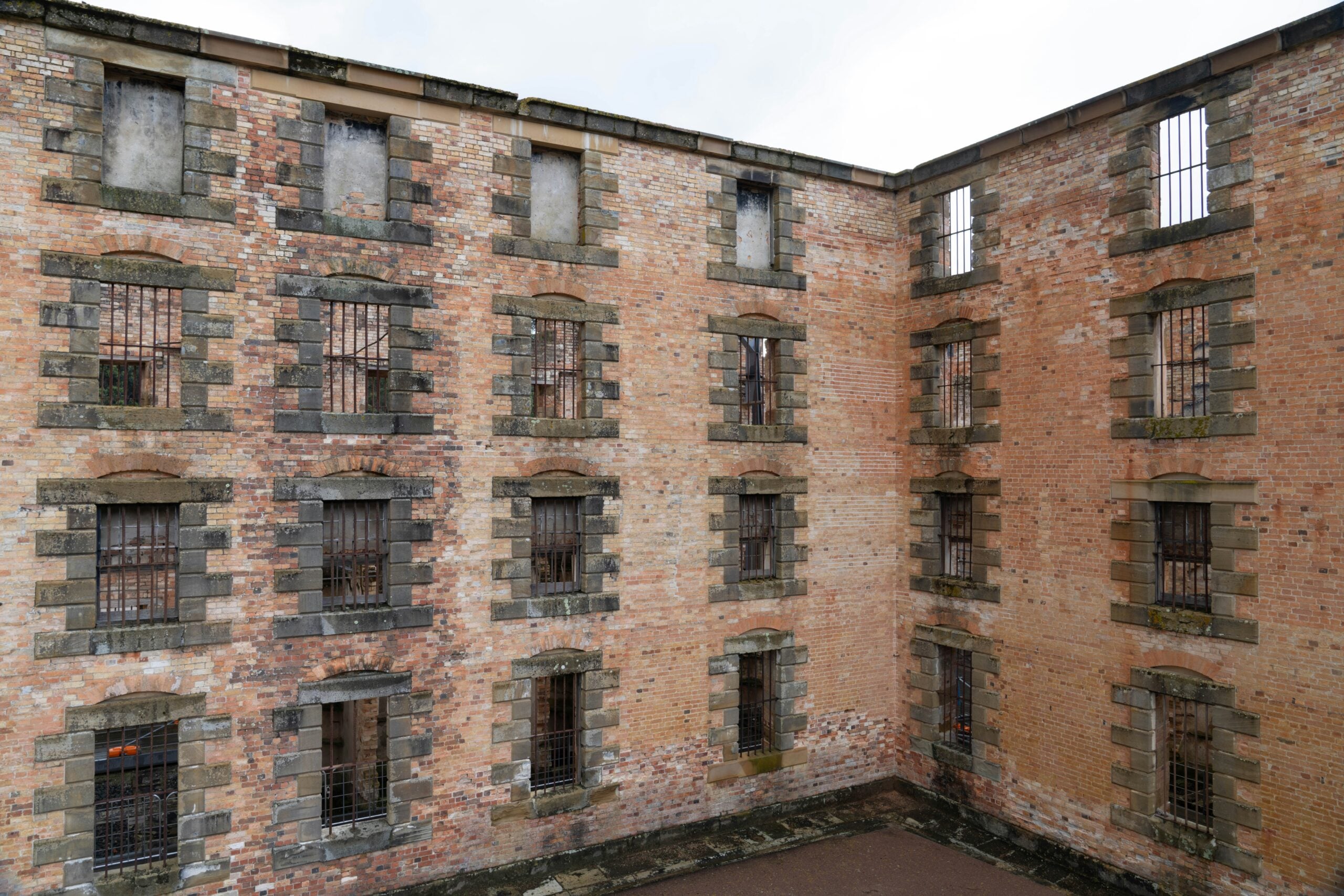
A year earlier, in September 1994, six prisoners including IRA members escaped HM Prison Whitemoor in Cambridgeshire using a firearm smuggled into the high-security wing. The Woodcock Inquiry that followed found serious lapses in how visitors and mail were screened, and its findings led directly to the introduction of airport-style scanning equipment at UK prison entrances, a standard that spread internationally in the years after.
Clément Duval’s Canoe

French anarchist Clément Duval, sentenced to the notorious penal colony on Devil’s Island off French Guiana, escaped by canoe in 1901 and eventually reached New York, where he lived openly for decades under his real name. His account of conditions on the island fed a growing public campaign against the colony’s brutality, contributing to the political pressure that eventually led France to shut the penal system down in 1953.
Few individual escapes did more to change public opinion than his did.
The Bread Crate Break
James Earl Ray, later convicted of assassinating Martin Luther King Jr., escaped the Missouri State Penitentiary in April 1967 by hiding inside a large box of bread destined for the prison bakery’s delivery truck, having spent months working in the bakery to learn the truck’s schedule. The low-effort ingenuity of the method, combined with the magnitude of what Ray went on to do the following year, prompted Missouri corrections officials to formally audit vehicle-based smuggling risks at every state facility.
The Blueprint Keeps Changing

None of these breaks succeeded because prisons were built carelessly. Most succeeded because the people planning them studied the building longer and more patiently than the people guarding it ever expected.
A tunnel takes months; a key impression takes one unattended moment; a helicopter takes money and nerve. What every escape on this list shares is an institution that believed its walls were the whole system, only to discover the real weakness was somewhere nobody had thought to look.
Security, as a result, keeps getting rewritten by the very people it was designed to contain. Scanners, seismic sensors, rooftop netting, and mail-screening protocols now standard at prisons worldwide all trace back to a specific afternoon when someone got out.
The irony is durable: the safest prisons today are safe largely because of the ones that, once, were not.
More from Go2Tutors!

- The Romanov Crown Jewels and Their Tragic Fate
- 13 Historical Mysteries That Science Still Can’t Solve
- Famous Hoaxes That Fooled the World for Years
- 15 Child Stars with Tragic Adult Lives
- 16 Famous Jewelry Pieces in History
Like Go2Tutors’s content? Follow us on MSN.