27 Old Carnival Prizes and Fair Souvenirs Now Sitting in Collector Cases
There’s something quietly stubborn about the objects people won at fairs. They weren’t designed to last.
A goldfish in a plastic bag, a stuffed animal with button eyes, a pressed penny from a midway machine — none of it was meant to end up behind glass seventy years later with a price tag that would make the original carnival barker choke. And yet here they are, outlasting the fairgrounds themselves, the rides, the families who carried them home on sweaty summer evenings.
Collectors have a word for this kind of object: vernacular. Everyone else just calls it junk. Both groups are wrong in interesting ways.
Kewpie Dolls
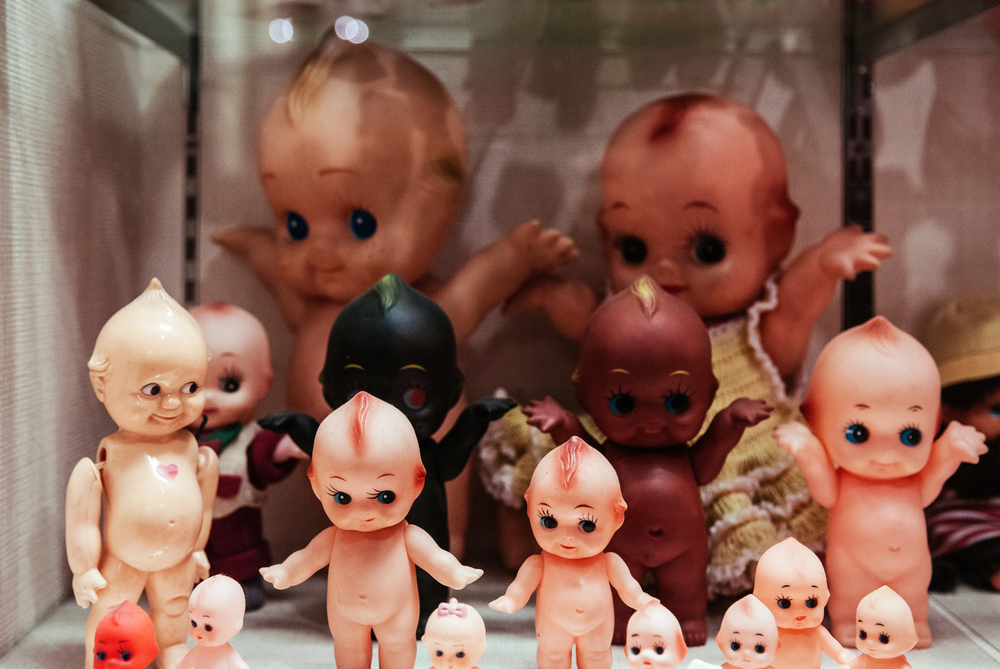
Kewpie dolls are one of the most collected carnival prizes in American history, which is saying something given how aggressively bizarre they look up close. Those wide, blank eyes and chubby limbs were everywhere at early twentieth-century fairs — based on Rose O’Neill’s illustration character first published in Ladies’ Home Journal in December 1909, they became midway staples within a decade.
Bisque versions from the 1910s and 1920s now regularly fetch between $50 and several hundred dollars depending on condition and markings, with the rarest examples — large jointed bisques with original paper hearts — reaching considerably more.
Chalkware Animals
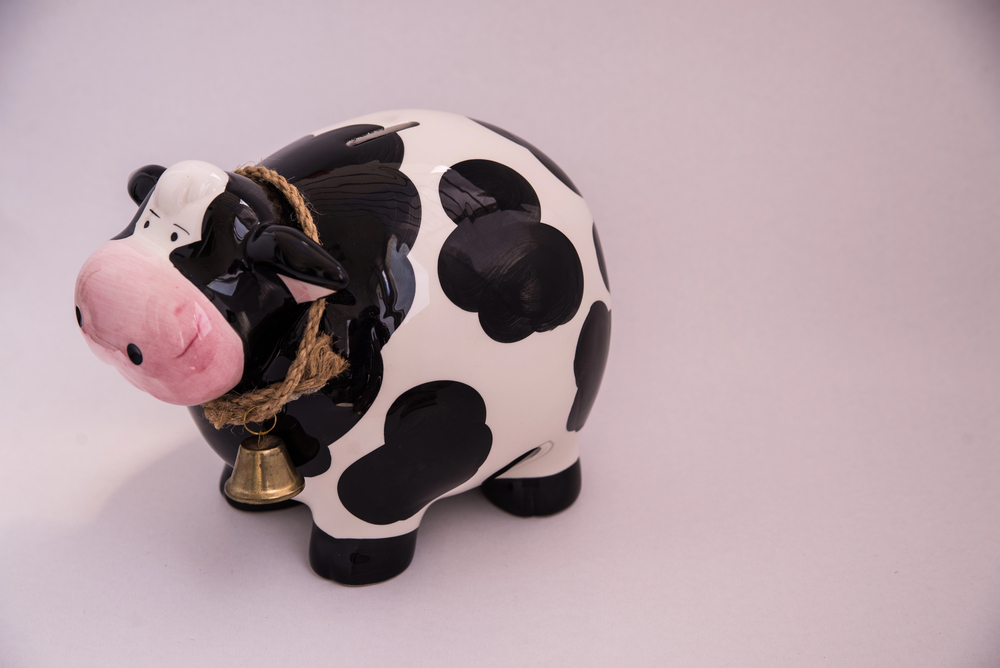
Chalkware figures — painted plaster animals, clowns, and cartoon characters — were the backbone of carnival prize booths from roughly the 1920s through the 1950s. They were cheap to produce, easy to stack, and almost impossible to transport home without snapping an ear or a tail, which is precisely why intact examples carry real value today.
A painted chalkware dog or cat in original condition, with no repairs and vivid pigment, sits in serious folk art collections now — far from the ring toss table where it started life.
Pressed Pennies
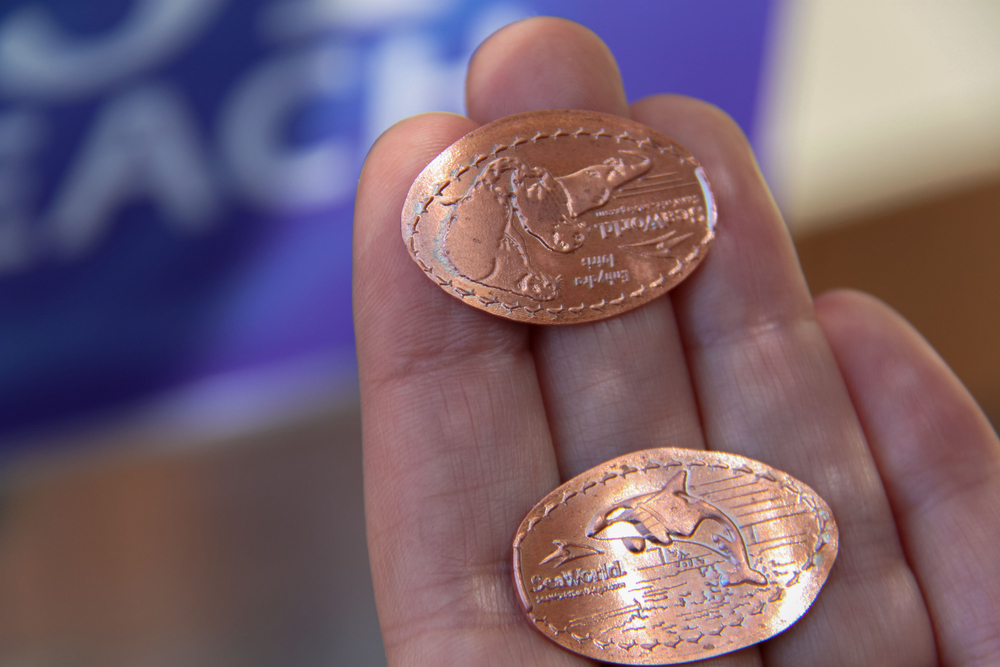
Pressed pennies are a strange little artifact: technically altered currency, technically legal, and somehow one of the most beloved souvenir formats in American fair culture. The machines that flatten and imprint a design onto a cent have been at fairs, amusement parks, and tourist sites since the 1890s, and collectors who pursue vintage pressed coins — particularly those from defunct fairs or World’s Expositions — treat them with the same seriousness as numismatists treat rare silver dollars.
Some early World’s Fair elongated cents from 1893 or 1901 trade for hundreds of dollars at auction.
Tin Whistles and Noisemakers
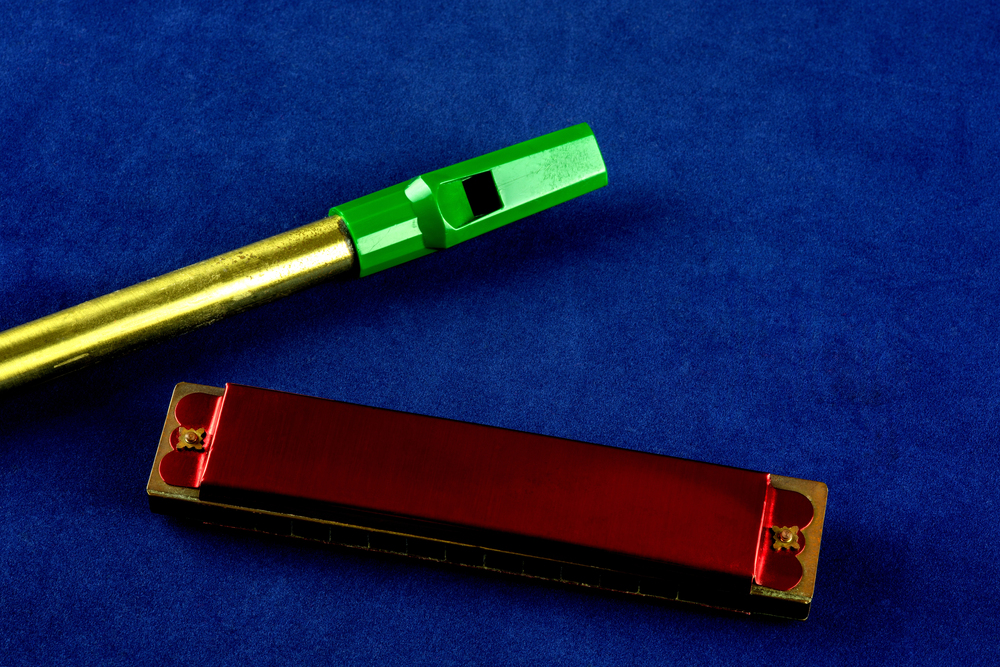
Tin whistles and lithographed noisemakers were handed out at fairground games and carnival booths throughout the early twentieth century, and the surviving ones carry that particular quality of objects that were never supposed to survive. The lithography on vintage tin noisemakers — bright primary colors, circus animals, geometric patterns — was produced by companies like T. Cohn and J. Chein, whose American-made pieces are now tracked by collectors the same way pressed glass is tracked: by manufacturer, by pattern, by era.
Carnival Glass
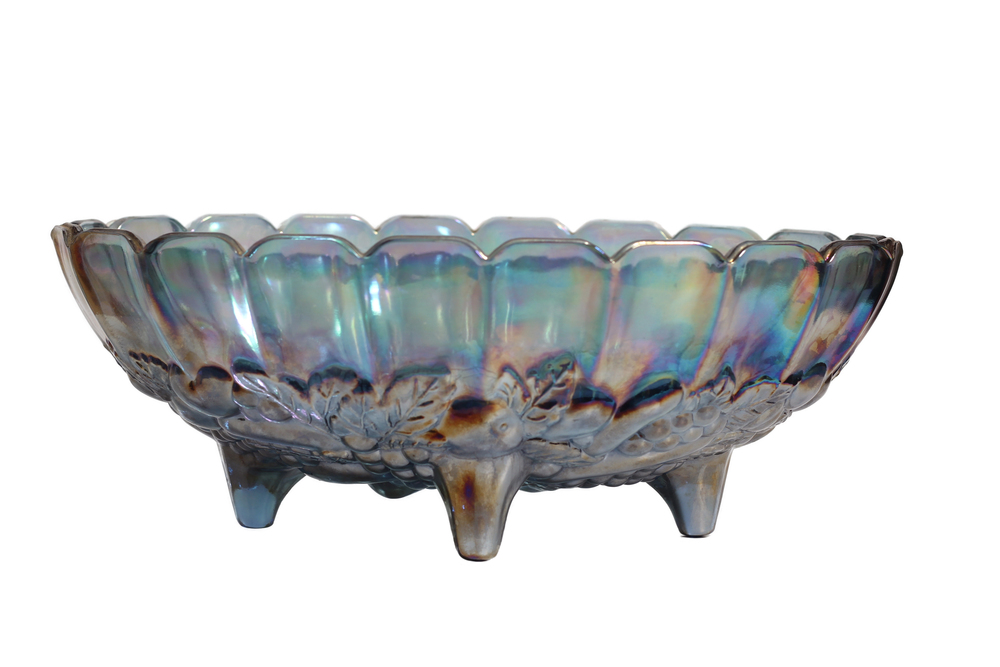
Carnival glass is one of those collecting categories that started as a punchline and became a serious market. Originally called “poor man’s Tiffany,” it was mass-produced iridescent glass given away as prizes at American fairs and carnivals beginning around 1907 — Fenton Art Glass is the most recognized producer, though Northwood, Imperial, and Dugan all made substantial quantities.
Certain rare patterns in unusual colors, like red or ice blue, now command thousands of dollars at specialty auctions.
Steiff-Style Stuffed Animals
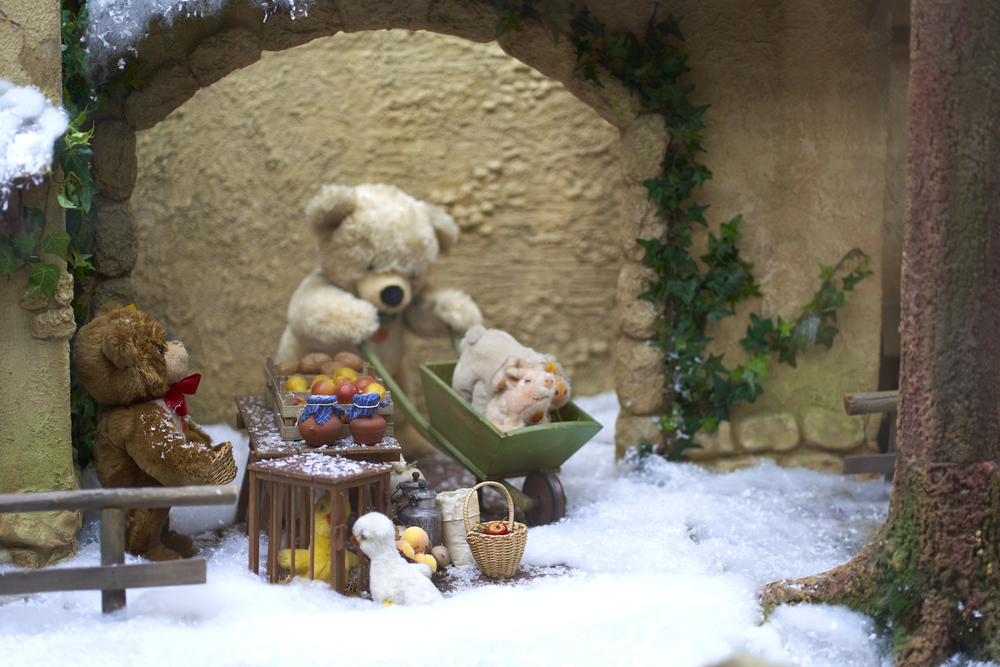
— Photo by JanIsengard
Not every stuffed animal prize at an American fair was a Steiff, but the German manufacturer’s influence on midway plush is hard to overstate — their jointed mohair bears and animals were status symbols among carnival prizes, and cheaper American imitations followed their basic construction closely. Early jointed bears and animals with glass eyes from the 1920s through 1940s are actively collected today, particularly those that retain their original ribbon or paper hang tag.
The tag, almost always the first thing a child removes, is now often worth more than the animal itself.
Souvenir Pennants

Felt pennants from county fairs and state expositions are one of those collecting categories that looks obvious in retrospect — graphic, regional, cheap to produce, and almost never deliberately preserved, which means surviving examples in clean condition feel genuinely rare. State fair pennants from the 1930s through the 1950s carry particularly strong collector interest, especially from fairs that no longer operate or from events tied to specific historical moments.
The wool-felt texture and screen-printed lettering hold up surprisingly well when stored flat.
Souvenir Plates
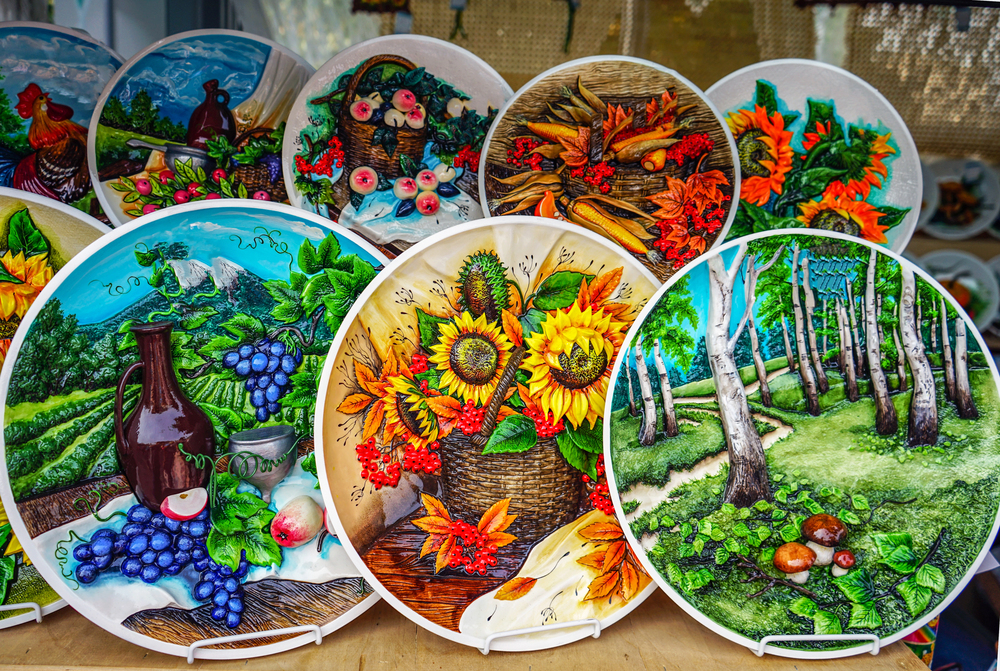
Souvenir ceramic plates from World’s Fairs and state expositions have been collected since the nineteenth century, but the ones that sit in the most interesting cases now aren’t the fine bone china commemorative versions — it’s the cheap tin or earthenware plates handed out as carnival game prizes, painted with garish roses or crude portraits. These were produced in enormous quantities, bought in bulk by carnival operators, and distributed with total indifference to their future.
That indifference is exactly why collectors find them compelling.
Celluloid Novelties
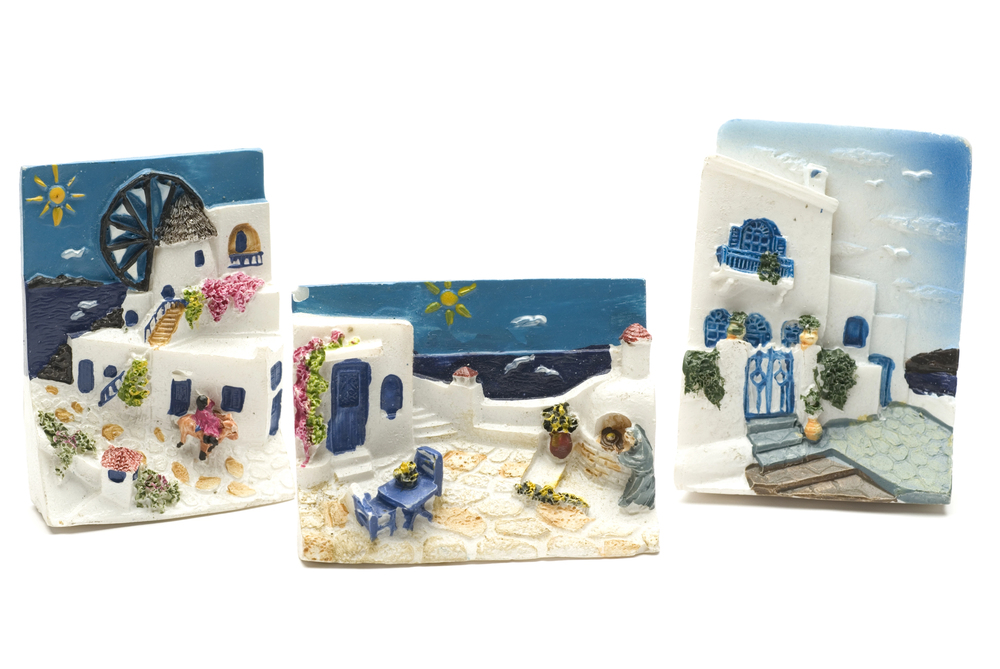
Celluloid — the early plastic material derived from nitrocellulose — was used to make lightweight, colorful novelty items that appeared as fair prizes throughout the 1910s, 1920s, and 1930s. Mirrors, combs, small figurines, and novelty toys in celluloid have a warmth to them that later plastics never matched, both in color saturation and in the way the material catches light.
They’re also mildly flammable, which means serious collectors store them carefully and handle them with a certain respectful wariness.
World’s Fair Ribbons
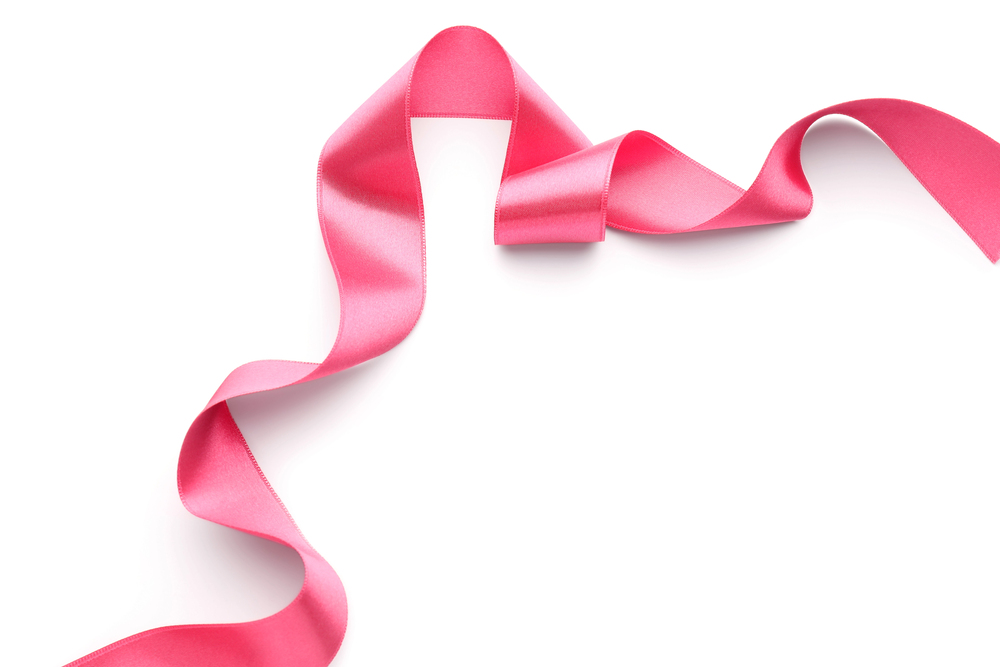
Participation ribbons and commemorative silk ribbons from nineteenth and early twentieth-century World’s Fairs occupy a very specific collector niche that sits somewhere between textile history and ephemera collecting. The 1876 Centennial Exposition in Philadelphia, the 1893 World’s Columbian Exposition in Chicago, and the 1904 Louisiana Purchase Exposition in St. Louis all produced silk ribbons that were given to exhibitors, visitors, and participants — and the ones that surface now carry the particular gravity of objects that have been folded and unfolded by many different hands across many different decades.
Ring Toss Prizes
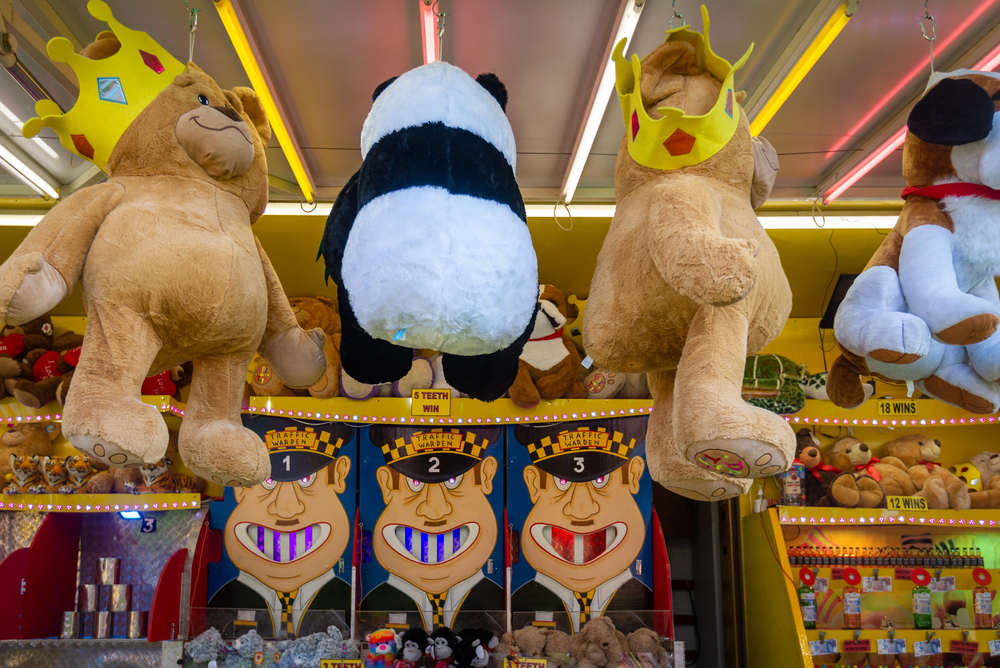
The ring toss booth is one of the oldest midway games, and the prizes associated with it shifted dramatically across the decades — from early chalkware and tin items to glass pieces to the oversized plush animals that became the dominant prize format by the 1970s and 1980s. It’s the earlier prizes that end up in collector cases: the small painted glass vases, the ceramic figurines, the pocket mirrors with lithographed backs.
Objects that nobody thought to save because nobody thought the booth itself was historic.
Cast Iron Mechanical Banks
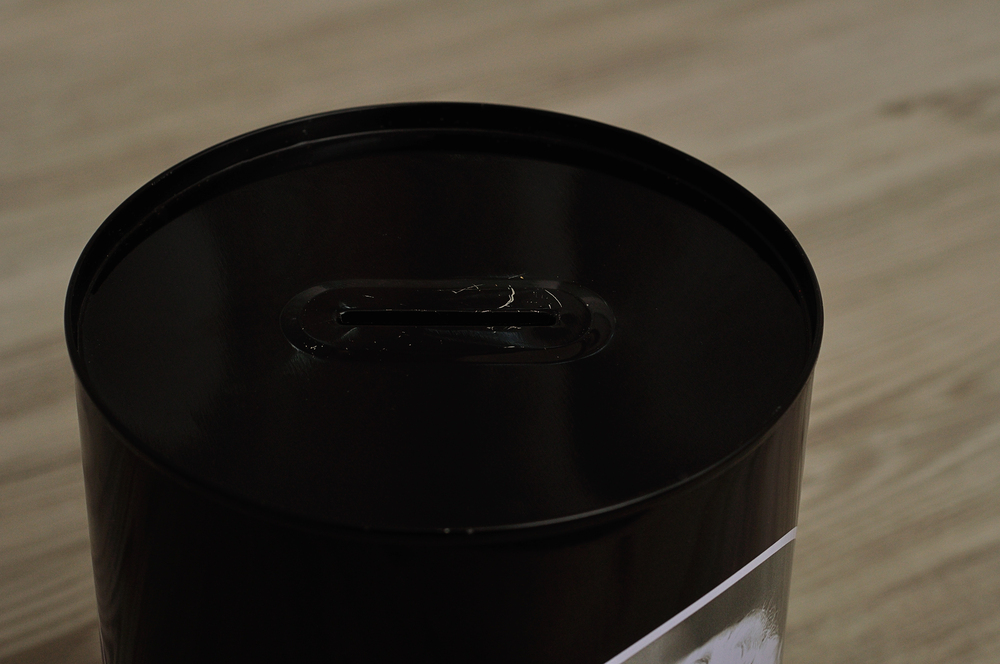
Cast iron mechanical banks were sold and given as prizes at fairs and traveling carnivals from the 1870s onward, and they have since become one of the most seriously pursued categories in American antique collecting. Banks like the Tammany, the Jonah and the Whale, or the Darktown Battery involve mechanisms that reward depositing a coin with some form of movement — a figure tips its hat, a mouth opens, an orb is pitched — and the craftsmanship in the better examples is genuinely impressive.
Original paint in documented condition is everything in this category; a repainted bank can lose ninety percent of its value.
Paper Fans

Lithographed paper fans on wooden sticks were a common summer fair giveaway and prize from the 1880s through the 1940s, and the surviving ones with intact paper and vivid color are as much a record of commercial printing history as they are fair memorabilia. Some were printed with advertisements for local businesses — a pharmacy, a funeral parlor, a soft drink — which gives them a secondary layer of regional historical interest that pure souvenir items lack.
Flat storage and the absence of humidity are the two things that determine whether a paper fan makes it a century intact.
Souvenir Spoons
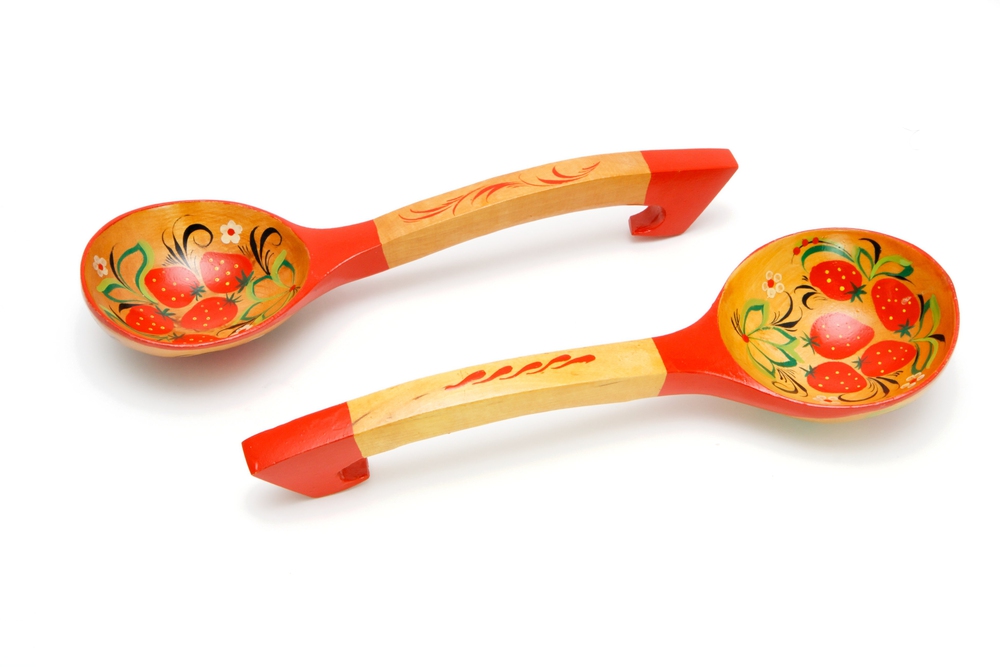
Souvenir spoons from state fairs and expositions were one of the defining collecting categories of the late nineteenth and early twentieth centuries — at the peak of the craze, between roughly 1890 and 1910, they were among the most actively traded small collectibles in the country. Sterling silver spoons from major expositions carry the most value, but the silver-plate versions handed out as fair prizes have their own collector base, particularly those with detailed enamel bowls depicting fairgrounds, machinery halls, or agricultural buildings that no longer exist.
Tin Litho Toys
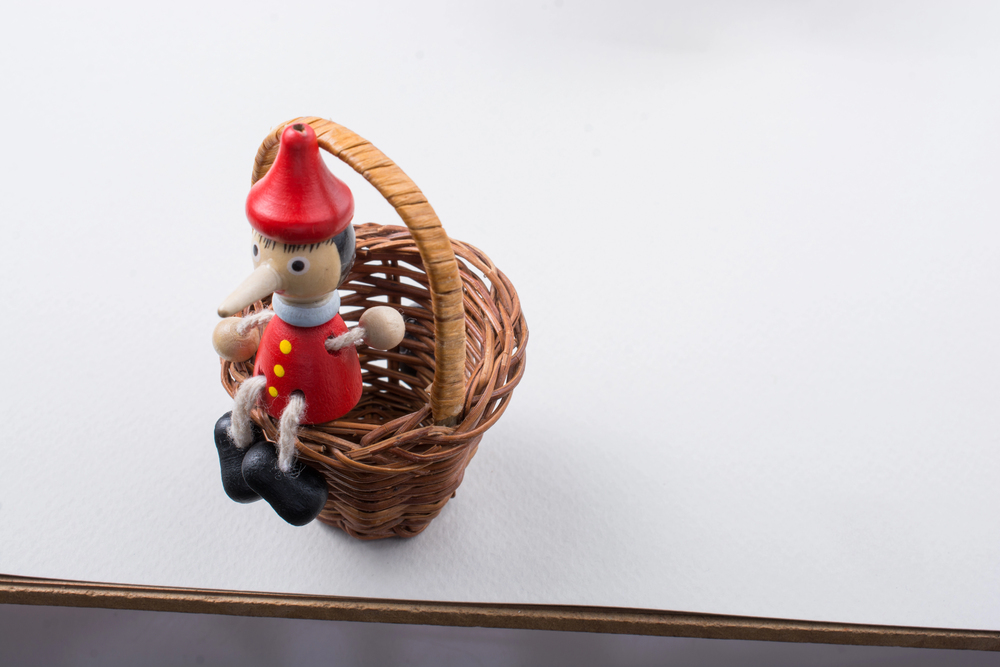
Tin lithographed toys were produced in enormous quantities for the American fair and carnival prize trade from the 1910s through the 1950s, and the surviving pieces function as a kind of accidental archive of mid-century graphic design. Bright, flat, and completely unpretentious — a tin wind-up chicken or a lithographed clown car wasn’t meant to be studied, but the color work on the better examples holds its own against any intentional commercial art of the same period.
Marx, Chein, and Wolverine are the names collectors watch for, and pristine boxes add a premium that sometimes exceeds the toy itself.
Sideshow Banners
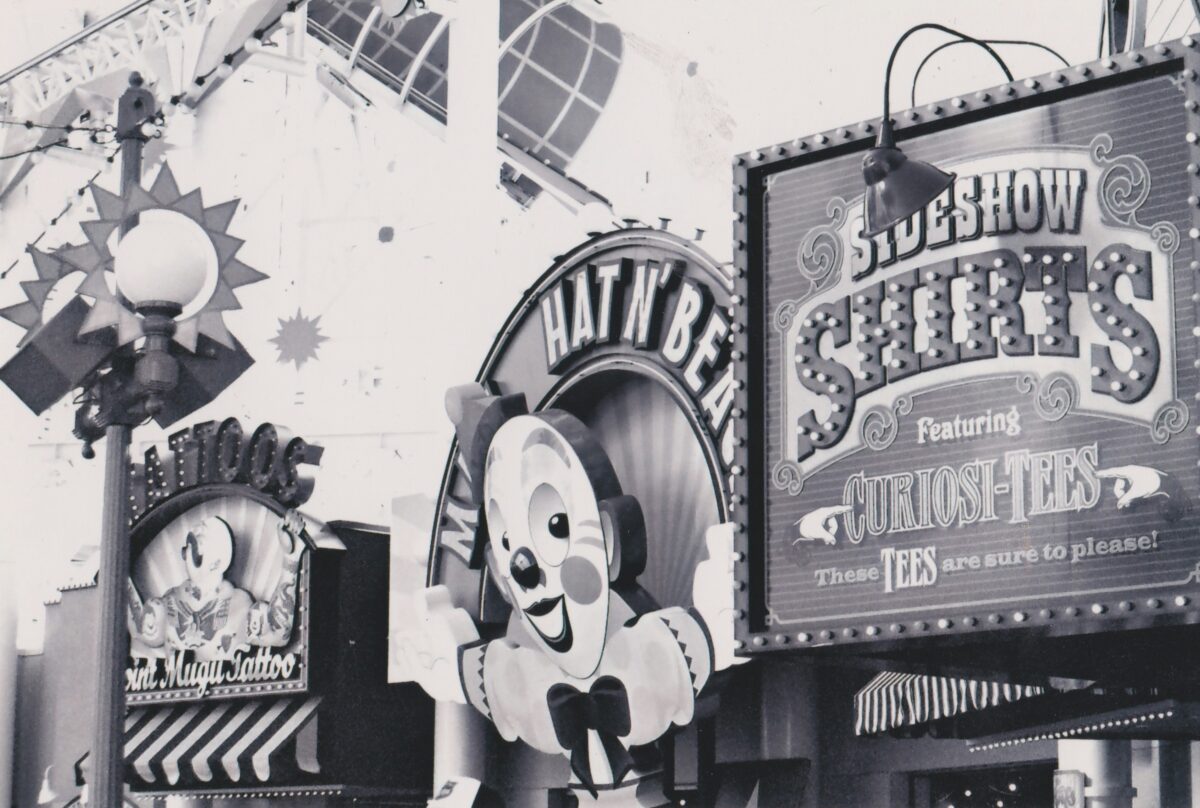
Painted canvas sideshow banners aren’t exactly pocket-sized souvenirs, but they were sold and traded at the edges of carnival culture for well over a century, and the few intact examples that have entered institutional collections or high-end private cases are treated as American folk art without qualification. The banner painters who worked the carnival circuit — artists like Fred Johnson and Snap Wyatt — developed a visual vocabulary that was entirely self-contained, built for legibility from a hundred feet away under variable lighting.
Johnson’s banners, in particular, have sold at major auction houses for five figures.
Pinback Buttons
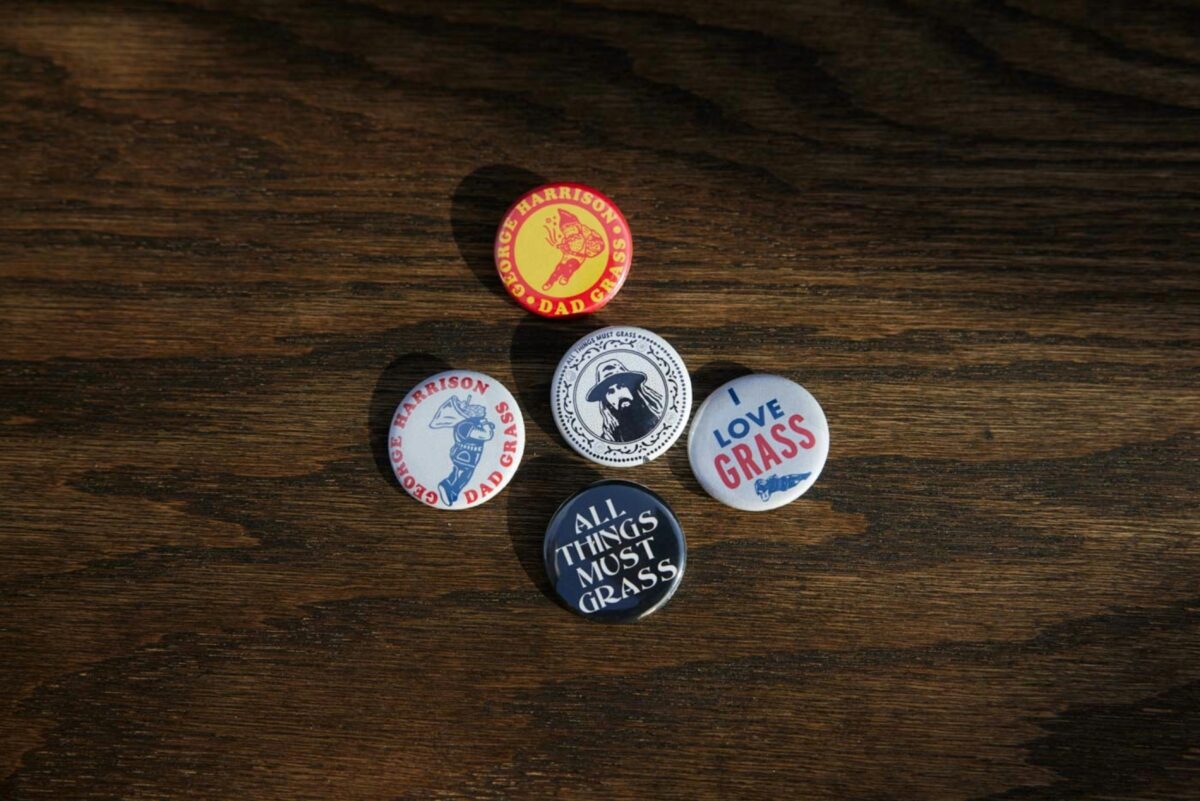
Celluloid pinback buttons from fairs and expositions are among the most accessible entry points into fair memorabilia collecting — they’re small, abundant, relatively affordable at the lower end, and genuinely varied. Early examples from the 1893 and 1904 World’s Fairs feature portrait lithography and decorative borders that hold up as graphic objects completely independent of their commemorative function.
The condition of the celluloid covering and the sharpness of the lithography are the two variables that separate a ten-dollar button from a two-hundred-dollar one.
Carnival Posters
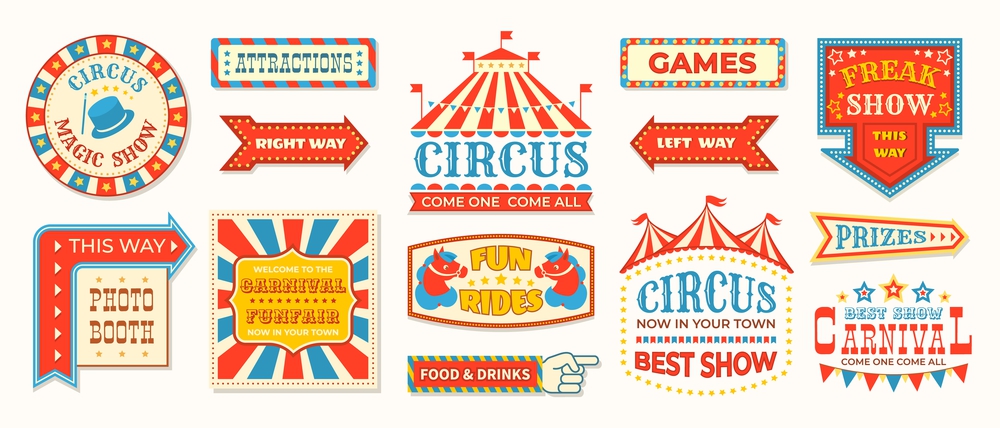
Original stone lithograph carnival and fair posters from the late nineteenth and early twentieth centuries are serious collector items now — produced by firms like Strobridge Lithographing in Cincinnati, these posters were printed in large runs but survived in small numbers because they were wheat-pasted to walls and left to weather. A clean, unrestored example in full color, particularly one featuring circus animals or midway scenes, carries the same visual authority as any period commercial art print.
Restoration is expected at this age; significant overpainting is not.
Graduated Measuring Cups
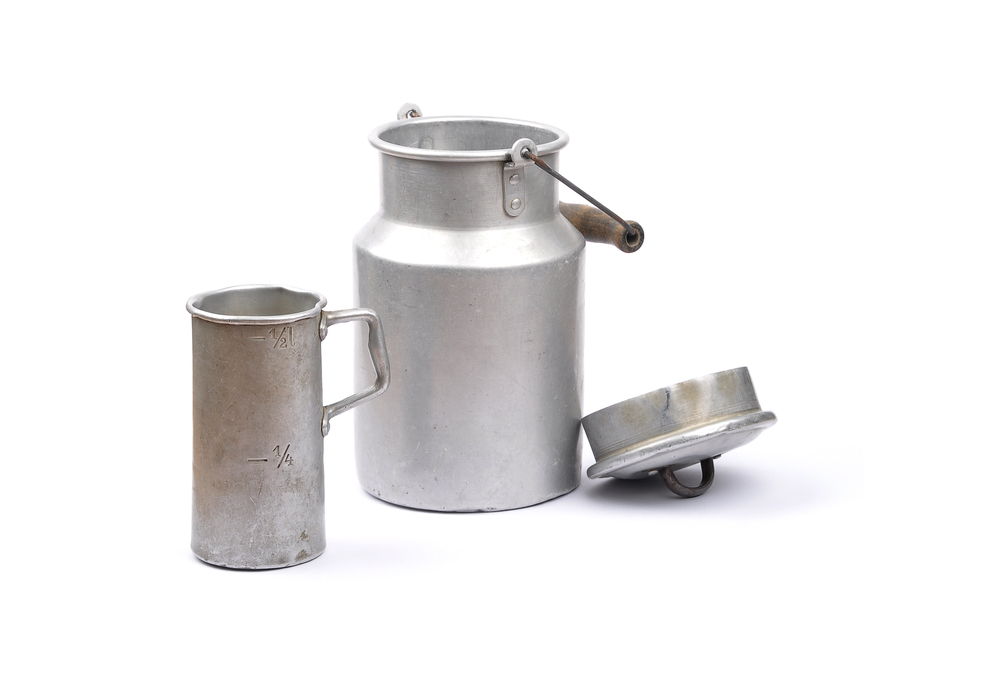
Sets of graduated ceramic or tin measuring cups were among the most practical prizes ever handed out at fair game booths, particularly from the 1940s through the 1960s, and they are among the more underrated items in the broader fair souvenir category. Sets decorated with roosters, cherries, or Pennsylvania Dutch-style hex patterns were given out at ring games and orb tosses across the country, and intact four-piece sets with original paint and no chips are increasingly difficult to find.
They ended up in kitchens, which is precisely why most of them didn’t last.
Souvenir Thimbles
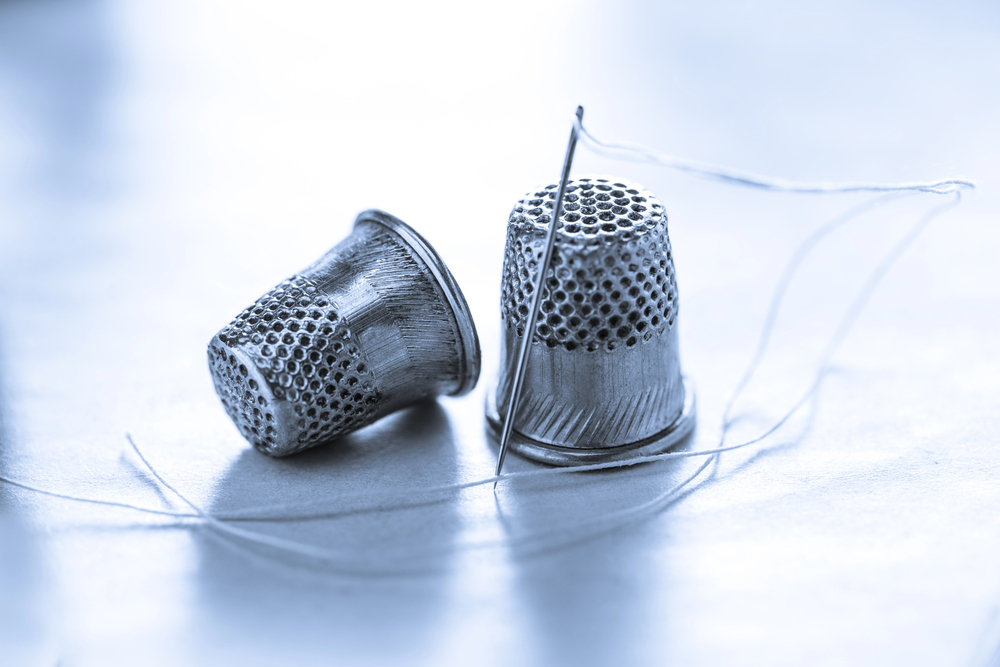
Fair and exposition souvenir thimbles — sterling, silver-plate, brass, or early porcelain — have been collected since the Victorian era, and they occupy the pleasant lower tier of fair memorabilia where a serious collection is still within reach for most budgets. World’s Fair thimbles from the 1893 and 1933 Chicago expositions are the most pursued, with detailed engravings of fair buildings or official logos pressed into the metal.
The thimble is one of those objects that communicates a very specific thing about the person who received it: they sewed, or someone who loved them assumed they did.
Aluminum Souvenir Coins
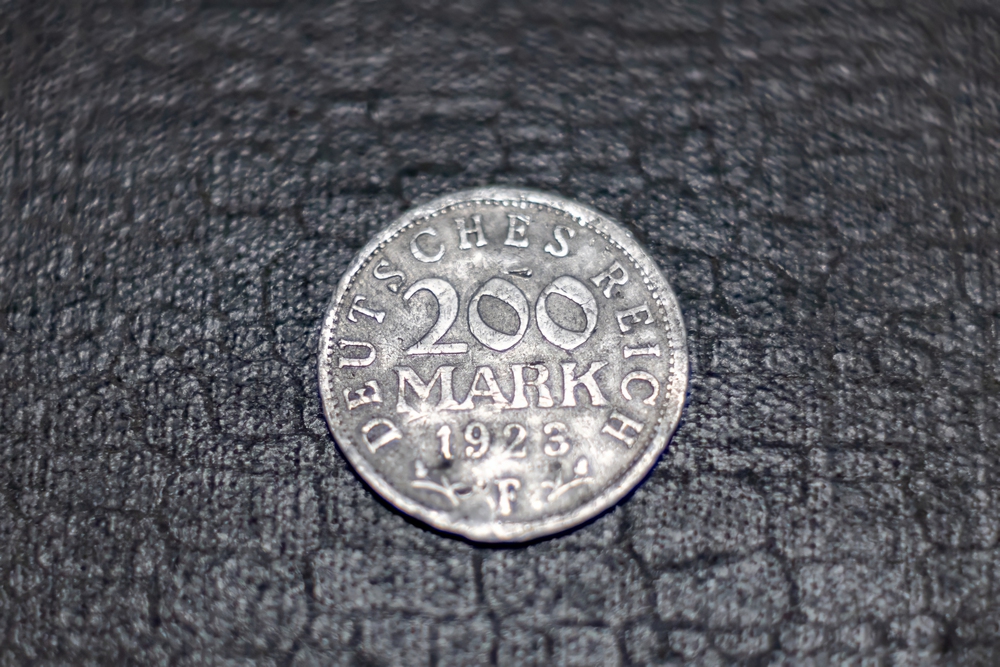
Aluminum souvenir tokens and coins from World’s Fairs and state expositions were produced by the millions — the 1893 World’s Columbian Exposition alone issued enormous quantities of aluminum commemorative pieces, since the metal was still considered a marvel of modern technology at the time rather than the material of disposable cookware. These tokens, sometimes depicting Columbus or exposition buildings, were sold and given as souvenirs and are now common enough that entry-level examples are affordable, while rare variants in documented strikes fetch considerably more from specialist numismatists.
Aluminum that old develops a particular patina: softer and less reflective than new metal, with a quality that reads as worn rather than degraded.
Ribbon Candy Dishes
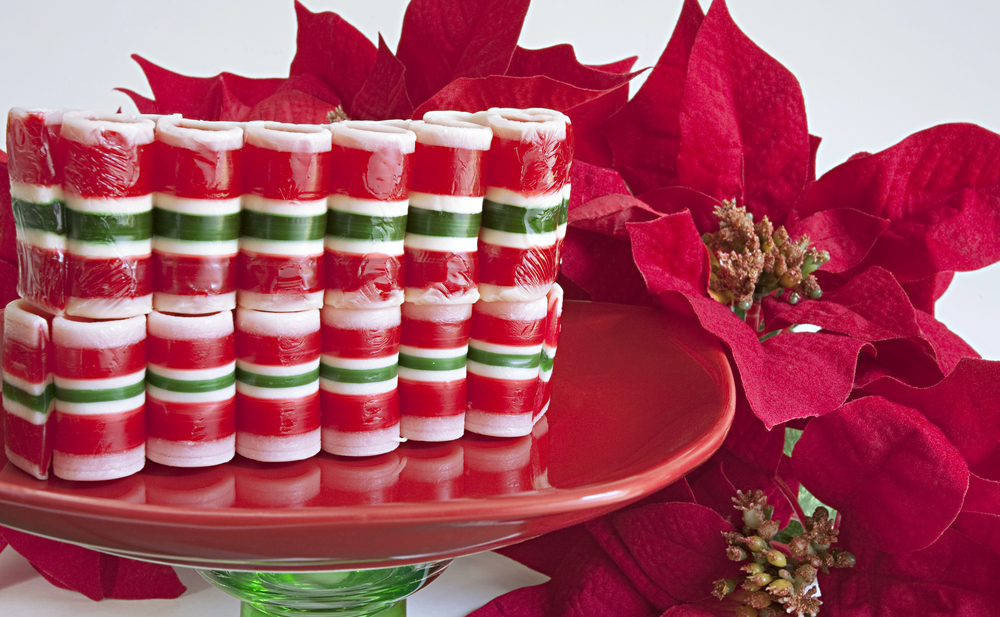
Small pressed glass candy dishes in carnival or Depression glass were given as booth prizes at fairs throughout the 1920s and 1930s — practical enough that recipients used them, decorative enough that some survived the kitchen intact. The Heisey, Fenton, and Jeannette glass companies all produced versions that ended up on midway prize shelves, and the range of colors — pink, green, amber, cobalt — gives collectors a chromatic organizing principle that keeps the category visually interesting.
Finding a dish in the original color associated with a specific manufacturer’s documented carnival distribution is the kind of small forensic satisfaction that makes this hobby what it is.
Carnival Barker Canes
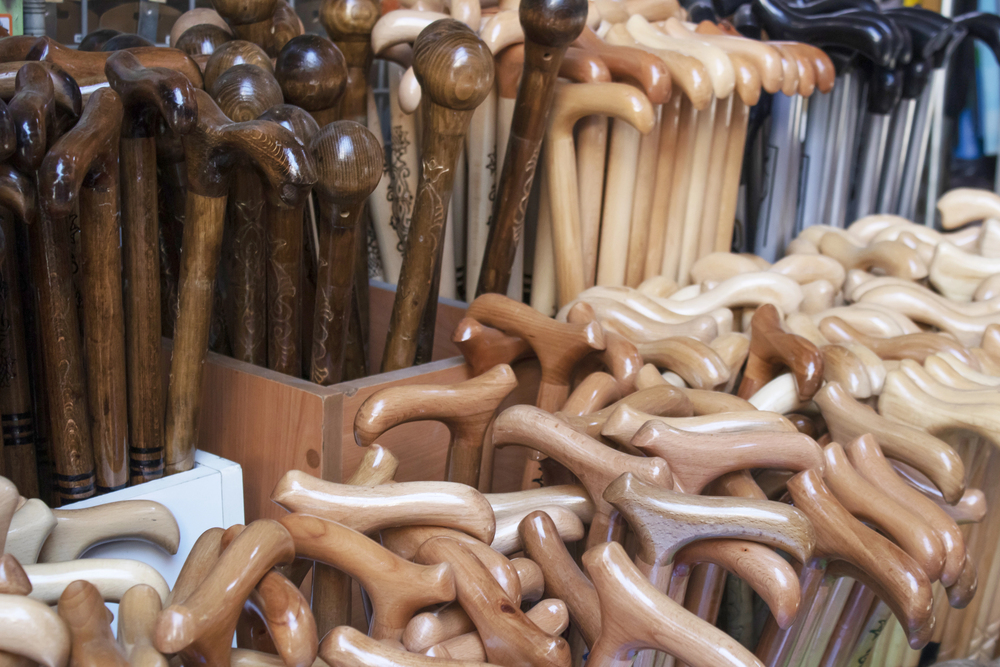
Walking canes decorated with fair and carnival imagery — carved, painted, or covered in souvenir badges and pins collected across multiple seasons — are one of the stranger and more personal categories in fair memorabilia collecting. These were often assembled by the carnival workers themselves or by enthusiastic fairgoers who attended the same event year after year, adding a new pin or ribbon each time, and the cumulative object that results is equal parts autobiography and scrapbook.
A well-documented cane with verifiable provenance from a specific fair circuit tells you more about American itinerant culture between 1900 and 1950 than most published histories manage.
Papier-Mâché Masks

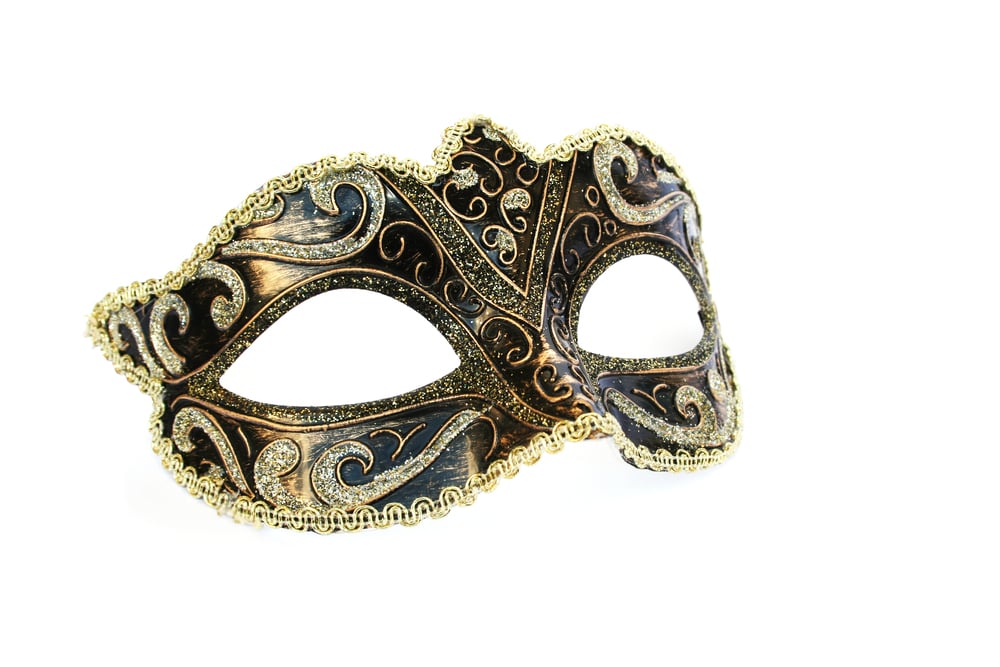
Papier-mâché masks — the kind sold at fair booths and carnival concessions as wearable souvenirs or Mardi Gras adjacent novelties — are among the most genuinely fragile items in the fair memorabilia category, and the ones that have survived a century in anything close to original condition are accordingly scarce. Early twentieth-century examples with original paint, elastic still attached, and no significant structural repair represent a very small fraction of what was once mass-produced.
Most were worn once, then bent, then forgotten in a drawer until they crumbled. The survival rate for paper objects that were expected to be worn on a human face in summer heat is predictably grim, which is precisely why the ones that made it to collector cases are treated with the reverence they are.
What Survives Is Not What Was Meant To
Every object on this list was made to be temporary. The chalkware dog was molded from cheap plaster.
The tin noisemaker was lithographed on thin sheet metal. The pressed penny was a cent.
None of these things were supposed to outlast the fair, let alone the century that followed it. What survived did so by accident — tucked in a box, stored in an attic, moved from house to house without being examined too closely.
The objects that got used didn’t last. The objects that got set aside, forgotten, and eventually found are the ones now behind glass.
It’s a collecting category that runs entirely on the irony of neglect: the less anyone cared about these things when they were new, the more they turn out to matter now that almost all of them are gone.
More from Go2Tutors!

- The Romanov Crown Jewels and Their Tragic Fate
- 13 Historical Mysteries That Science Still Can’t Solve
- Famous Hoaxes That Fooled the World for Years
- 15 Child Stars with Tragic Adult Lives
- 16 Famous Jewelry Pieces in History
Like Go2Tutors’s content? Follow us on MSN.