23 Road Trip Snacks from the ’90s Nobody Makes Anymore
Remember when gas stations were treasure troves of bizarre snacks that seemed designed specifically for long car rides? The ’90s were a golden age of processed food creativity, especially when it came to portable munchies that could survive hours in a hot backseat.
Those fluorescent-lit aisles offered flavors and textures that today’s health-conscious world has mostly forgotten, along with packaging that promised adventure in every crinkly bite.
Dunkaroos
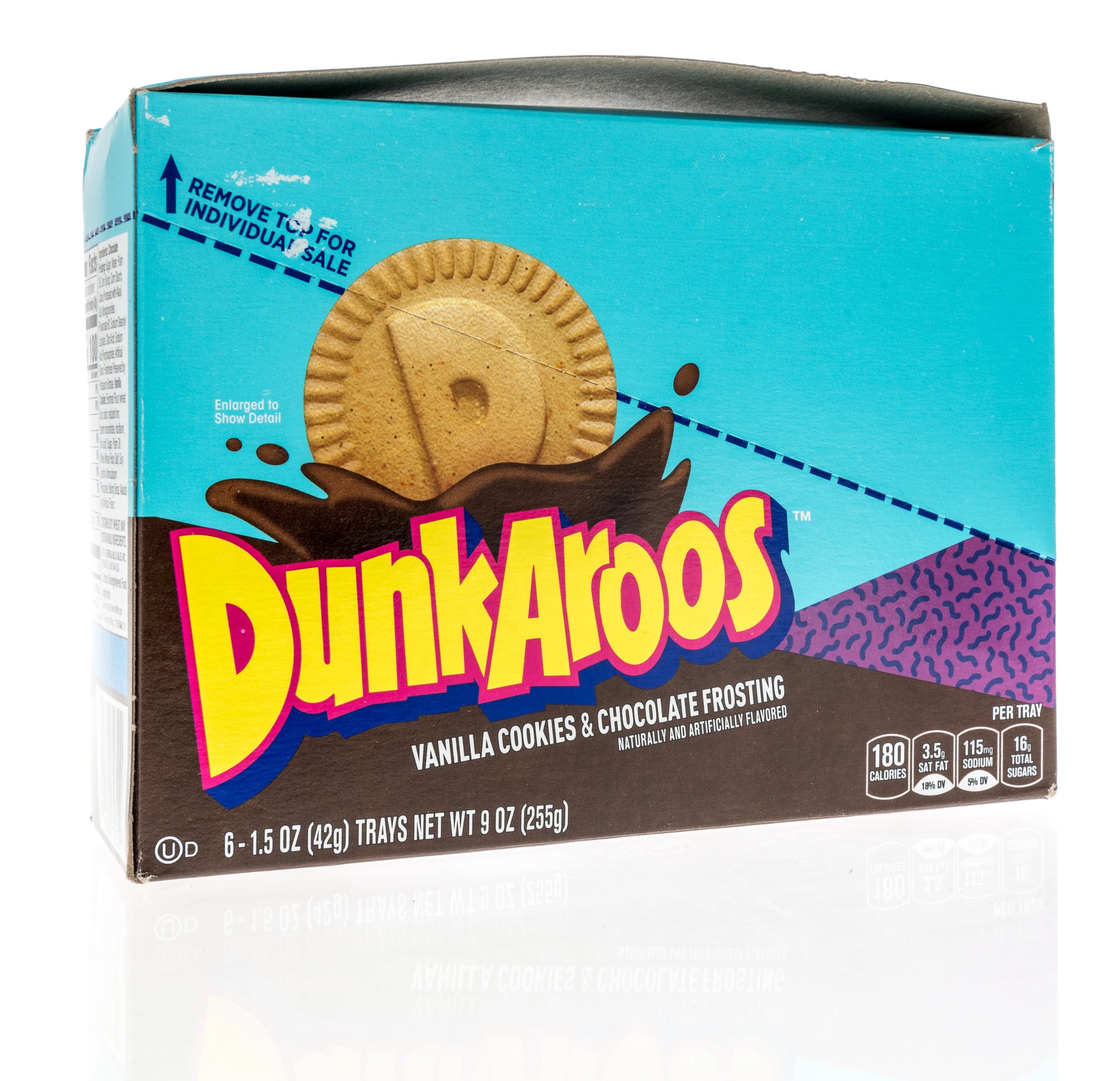
Dunkaroos were basically cookies and frosting in a convenient plastic tray. The whole ritual mattered — scraping every last bit of that rainbow-chip frosting with those tiny kangaroo-shaped cookies.
Nobody cared that the frosting-to-cookie ratio was mathematically impossible to balance correctly.
Bagel Bites Pizza Crackers
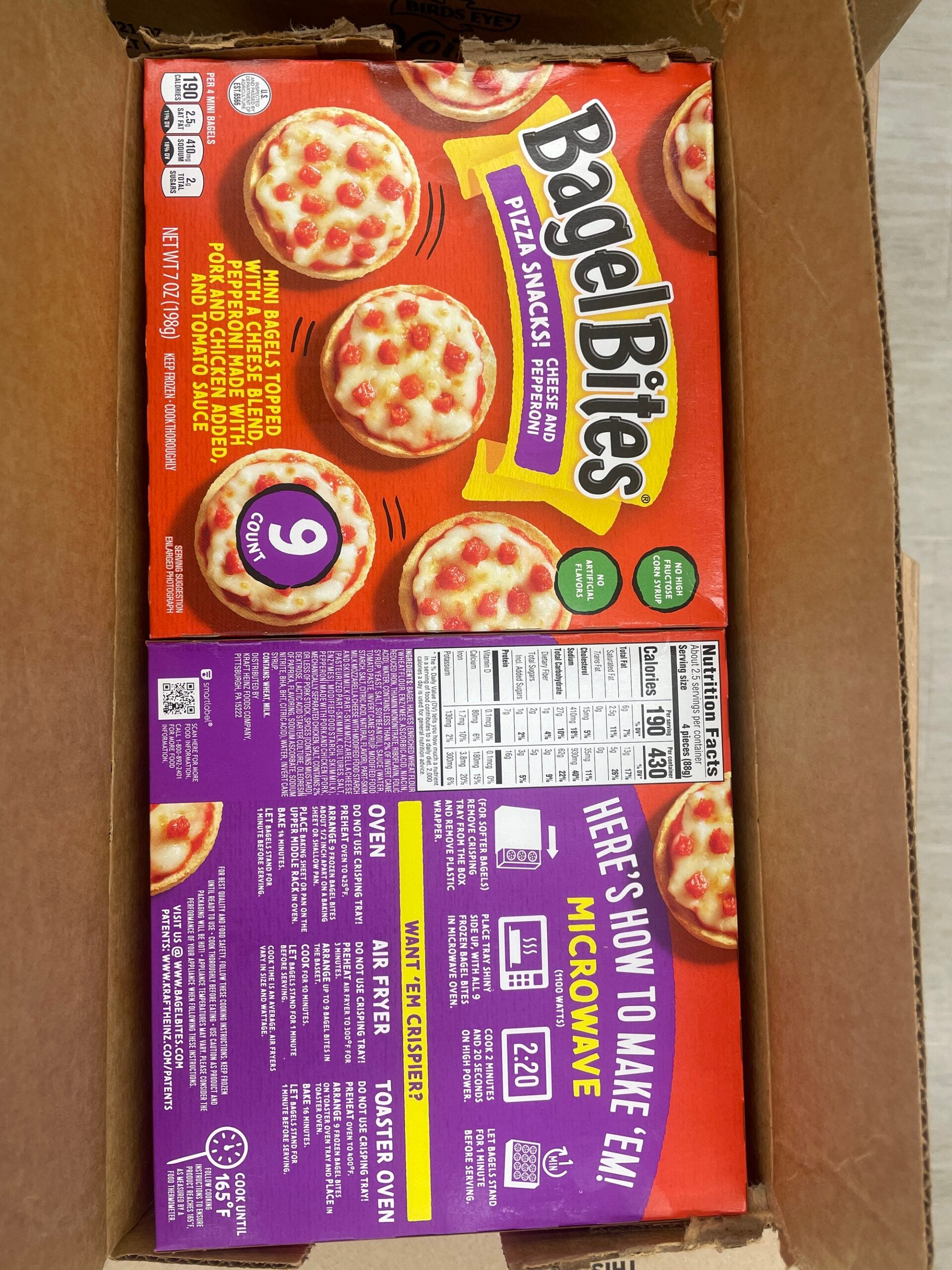
These weren’t the frozen Bagel Bites everyone remembers (which somehow still exist in a watered-down form), but actual crackers that tasted like tiny pizzas — and the flavor was so aggressively artificial it practically announced itself from across the car. The crunch was satisfying in that distinctly ’90s way, where food texture seemed designed to be as loud as possible.
So you’d munch through a whole sleeve while your parents cranked up the radio to drown out the noise.
Cheetos Paws
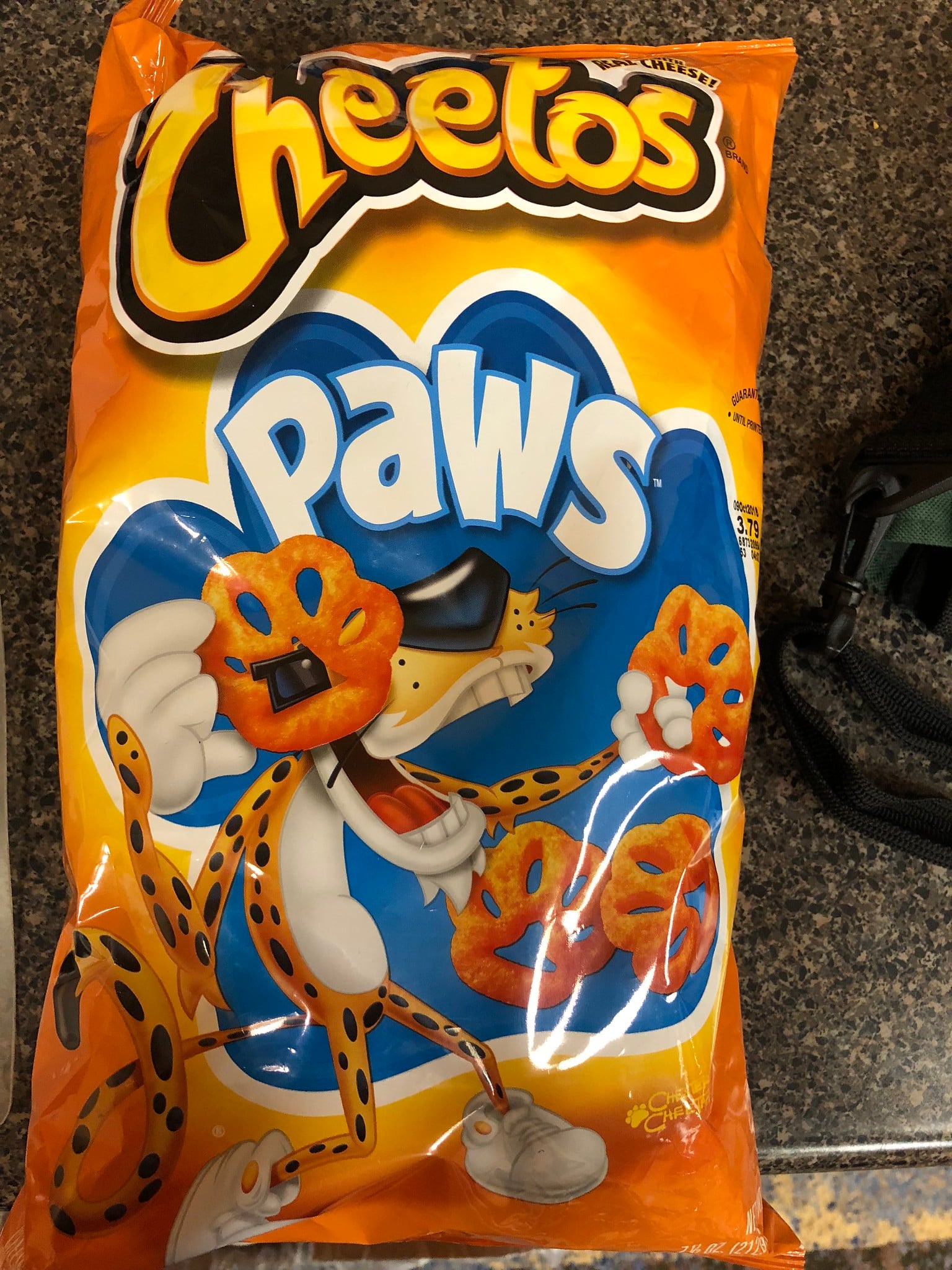
Imagine regular Cheetos, but shaped like little paw prints with multiple cheese-dusted appendages that guaranteed maximum finger coverage. Each piece was engineered to hold more orange powder than physics should allow, which meant every handful turned your fingers into tiny construction cones.
The shape meant they tumbled around snack bags differently too — creating this specific rustling sound that became the unofficial soundtrack of highway travel.
Crystal Pepsi
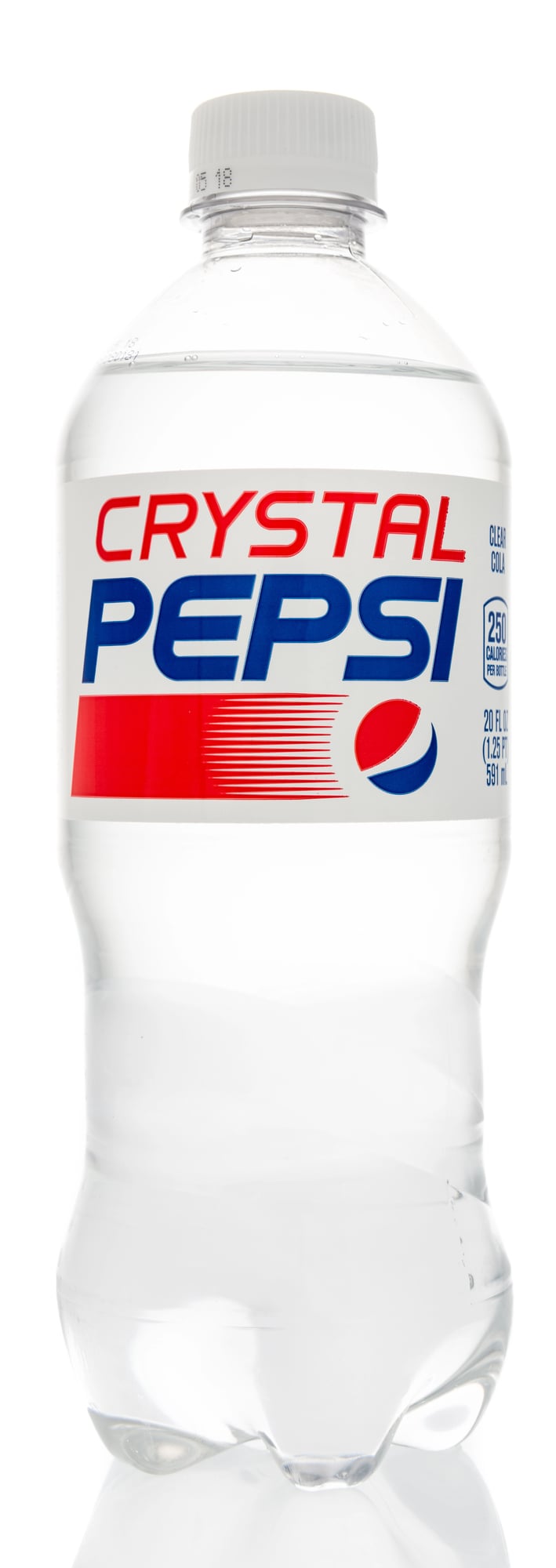
Clear cola was the kind of ’90s experiment that makes perfect sense in hindsight and absolutely none at the time. Van Damme endorsed it in commercials that felt like fever dreams, and somehow that made it seem more legitimate rather than less.
The taste was Pepsi with a psychological twist — your brain kept insisting something was wrong because clear liquids weren’t supposed to be cola-flavored, which made every sip feel like a small rebellion against natural order.
Fruit by the Foot (Original Formula)
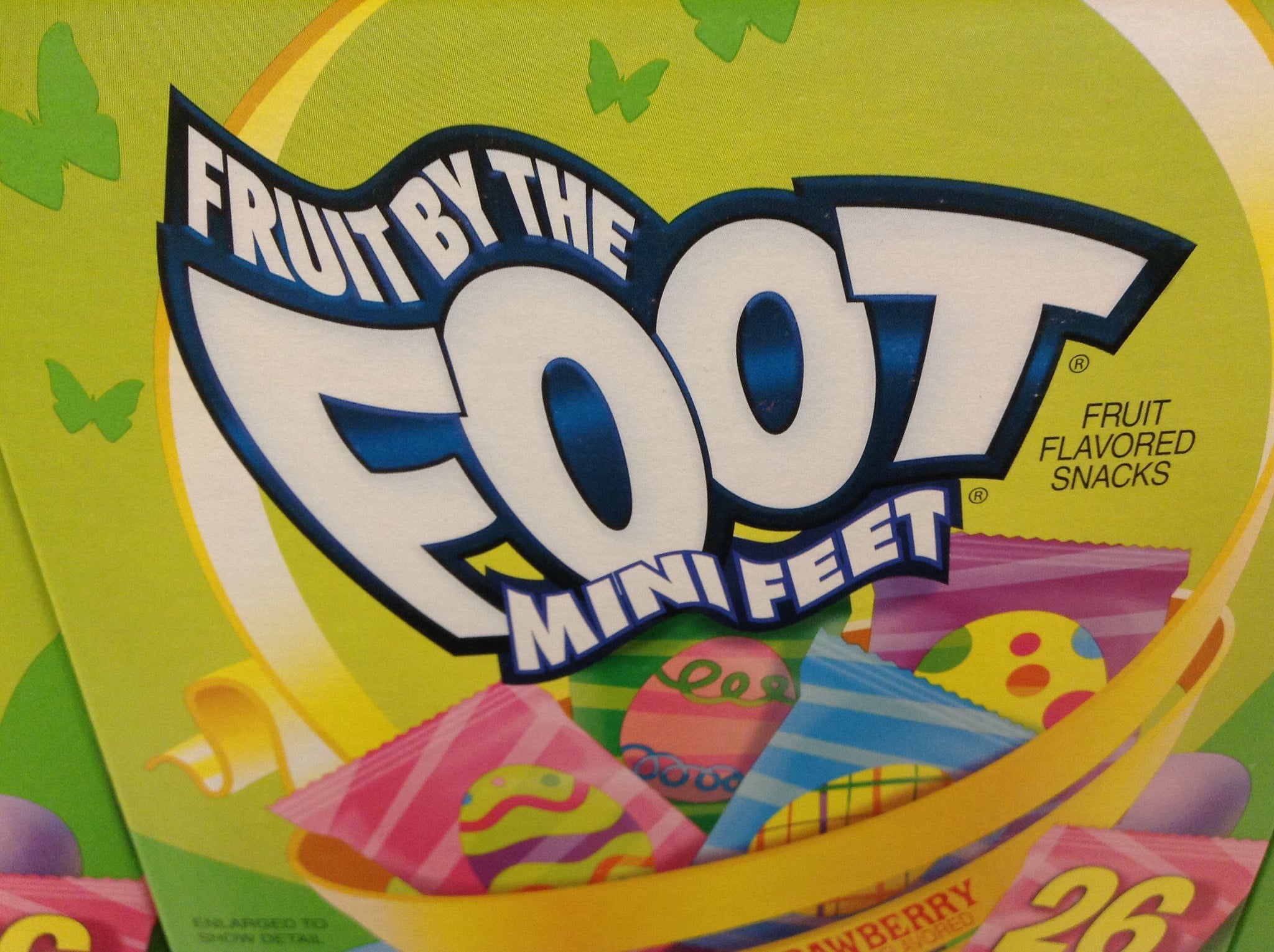
The original version stretched longer and had this slightly waxy texture that the current formula completely abandoned. You could unroll three feet of artificial strawberry and it would maintain structural integrity the entire time.
Back then, the goal wasn’t nutrition or even reasonable portion control — it was engineering a snack that could occupy a restless kid for the maximum amount of highway miles per package.
Hi-C Ecto Cooler
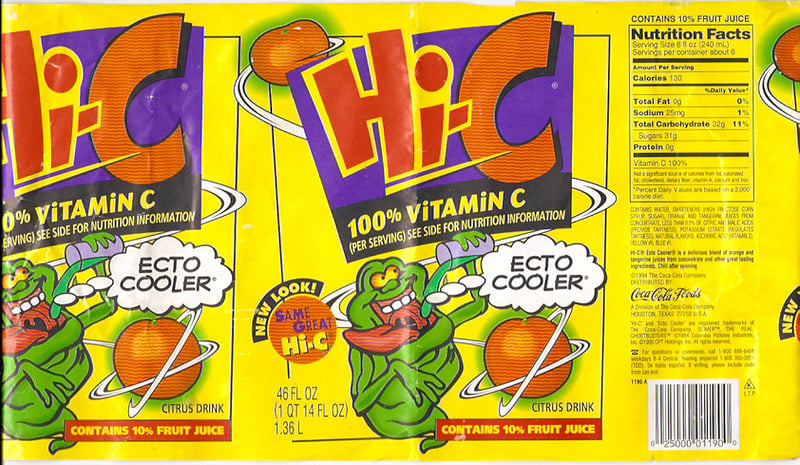
Ecto Cooler disappeared when the Ghostbusters hype died down, which was corporate America’s loss because that electric green color was unmatched in the beverage world. The flavor hit somewhere between orange and citrus with a chemical tang that tasted exactly like childhood sugar rushes should.
And the marketing was genius: they convinced parents to buy radioactive-looking drinks by slapping a cartoon ghost on the box and calling it breakfast-adjacent.
Shark Bites Fruit Snacks
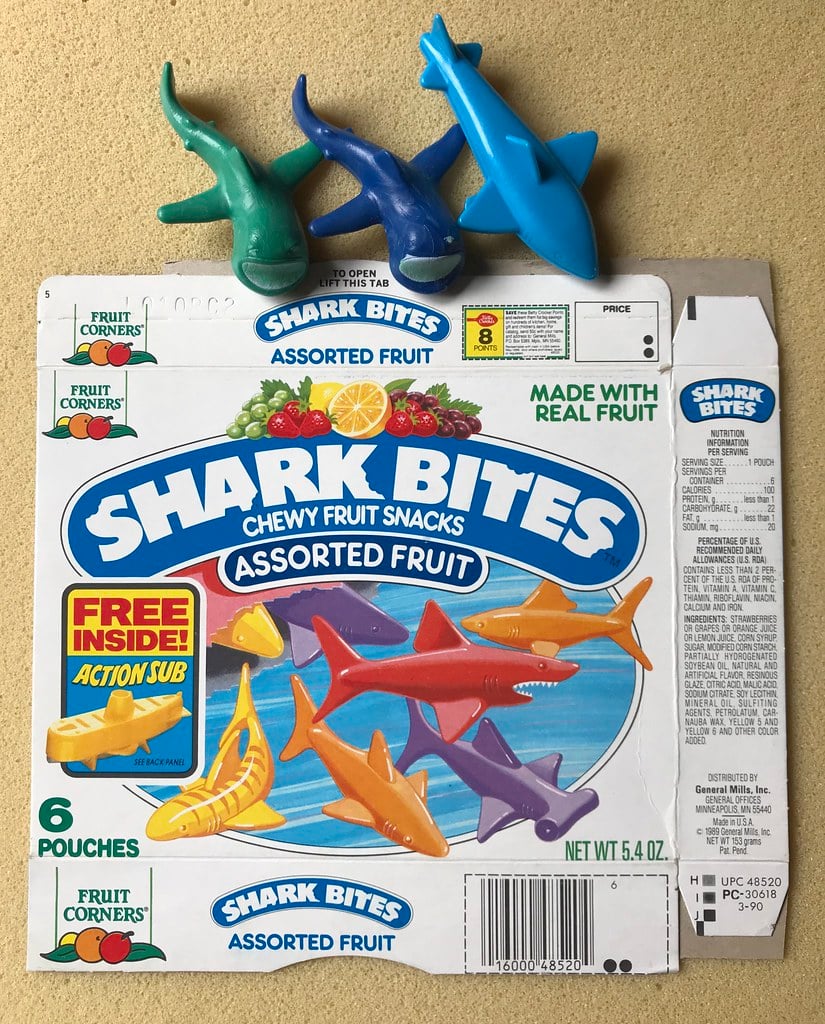
Every pouch contained mostly regular fruit snacks and one white shark that was supposed to taste different but mostly just looked ominous sitting among the colorful fish shapes. The texture was chewier than modern fruit snacks, with a slight resistance that made each bite feel more substantial.
So kids would save the white shark for last, turning every pouch into a tiny jaws narrative played out in processed fruit flavoring.
Pizzarias Pizza Chips
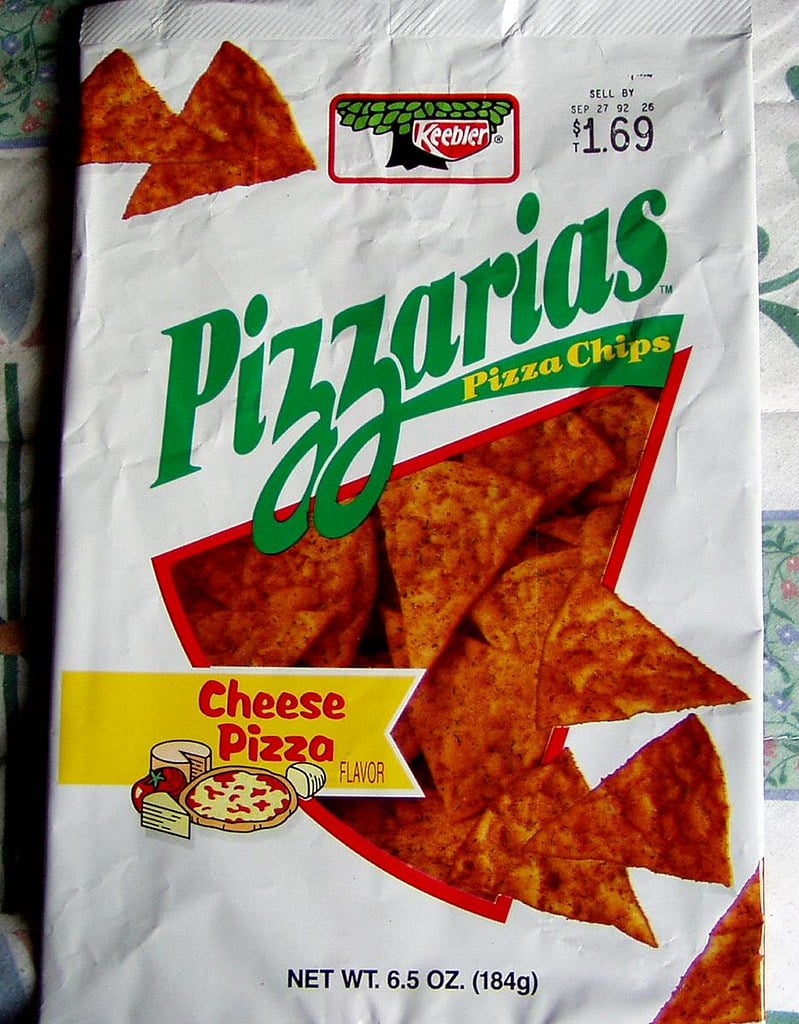
These were Keebler’s attempt to make pizza-flavored chips that actually tasted like pizza rather than vaguely Italian seasoning. The flavor was so aggressive it bordered on offensive — tomato, cheese, and herbs concentrated into a crispy triangle that somehow worked despite violating several principles of good taste.
Each chip delivered a punch of artificial pizza flavor that was both too much and exactly right for long car rides where subtlety wasn’t the point.
Fruitopia
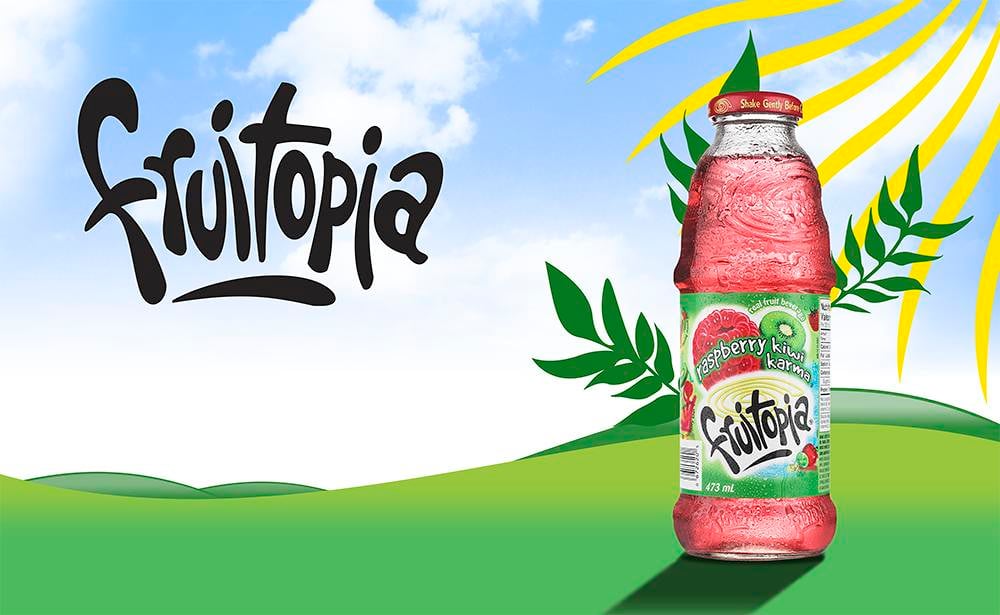
Coca-Cola’s psychedelic beverage line featured flavors like “Strawberry Passion Awareness” and came in bottles decorated with swirling, kaleidoscope artwork that looked like someone had turned a lava lamp into packaging. The drinks tasted like fruit juice mixed with good intentions and a marketing budget that had clearly gotten out of hand.
But the flavors were genuinely different from anything else on the market — complex and layered in ways that regular fruit drinks weren’t attempting, even if the execution sometimes felt like it came from an alternate dimension where focus groups didn’t exist.
String Thing
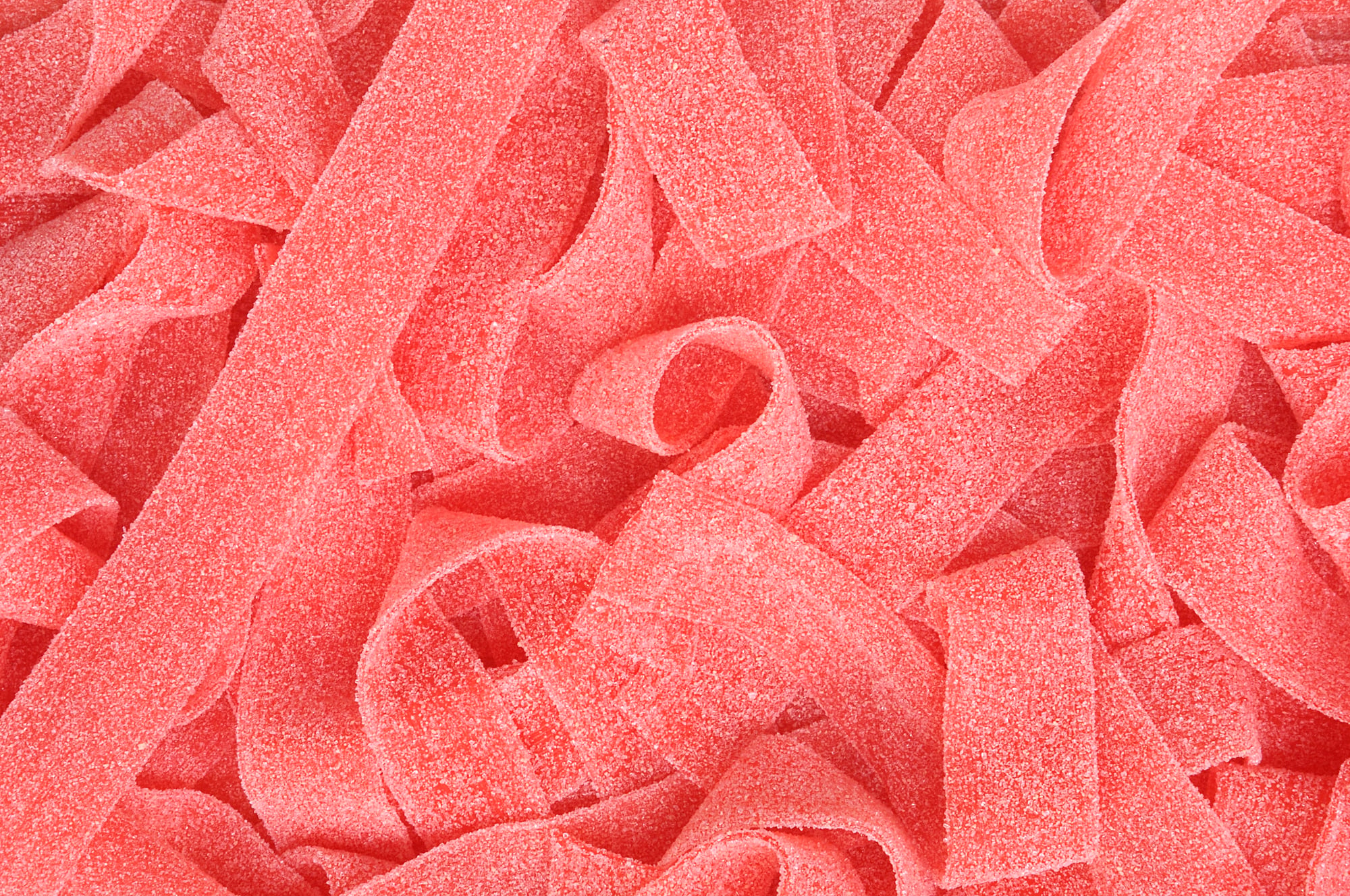
String Thing was Fruit by the Foot’s rebellious cousin that came in a can and had to be pulled apart in stringy segments. The texture was somewhere between candy and rubber, requiring genuine effort to separate each piece while maintaining the structural integrity of what remained.
Opening one in a moving car required the kind of fine motor coordination that turned snacking into a legitimate challenge, which somehow made the payoff more satisfying than it had any right to be.
Butterfinger BB’s
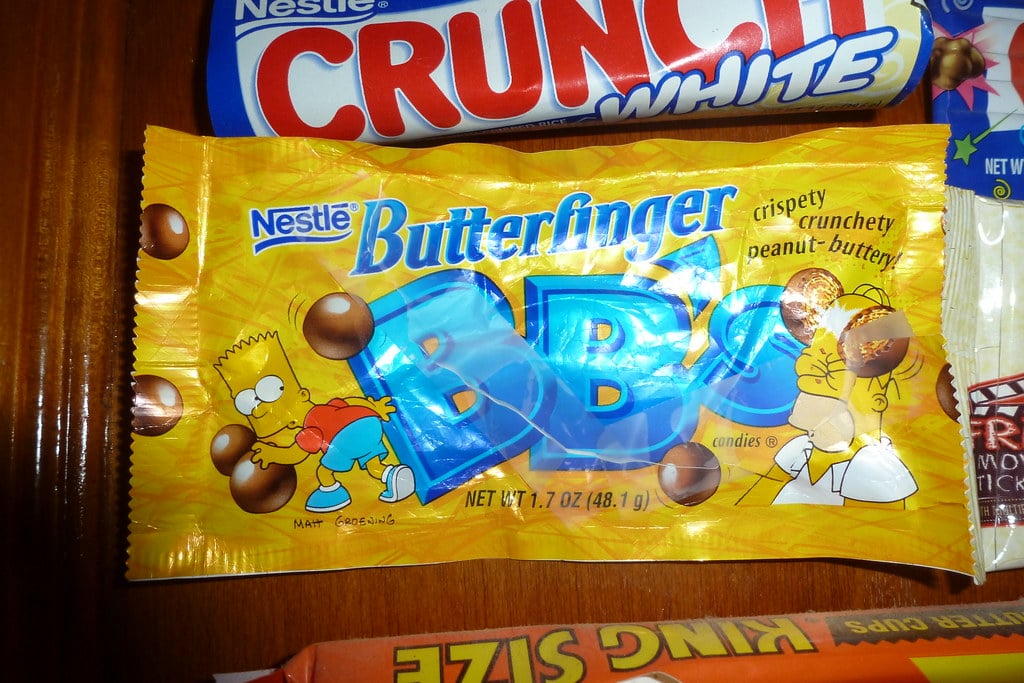
Tiny spherical versions of Butterfinger bars that came in a yellow box and rattled like candy-coated marbles when you shook them. Each piece delivered the full Butterfinger experience — that distinctive peanut butter crunch surrounded by chocolate — but in bite-sized form that made portion control essentially impossible.
The size meant you could pour them directly into your mouth, which encouraged a consumption rate that regular candy bars simply couldn’t match.
Clearly Canadian
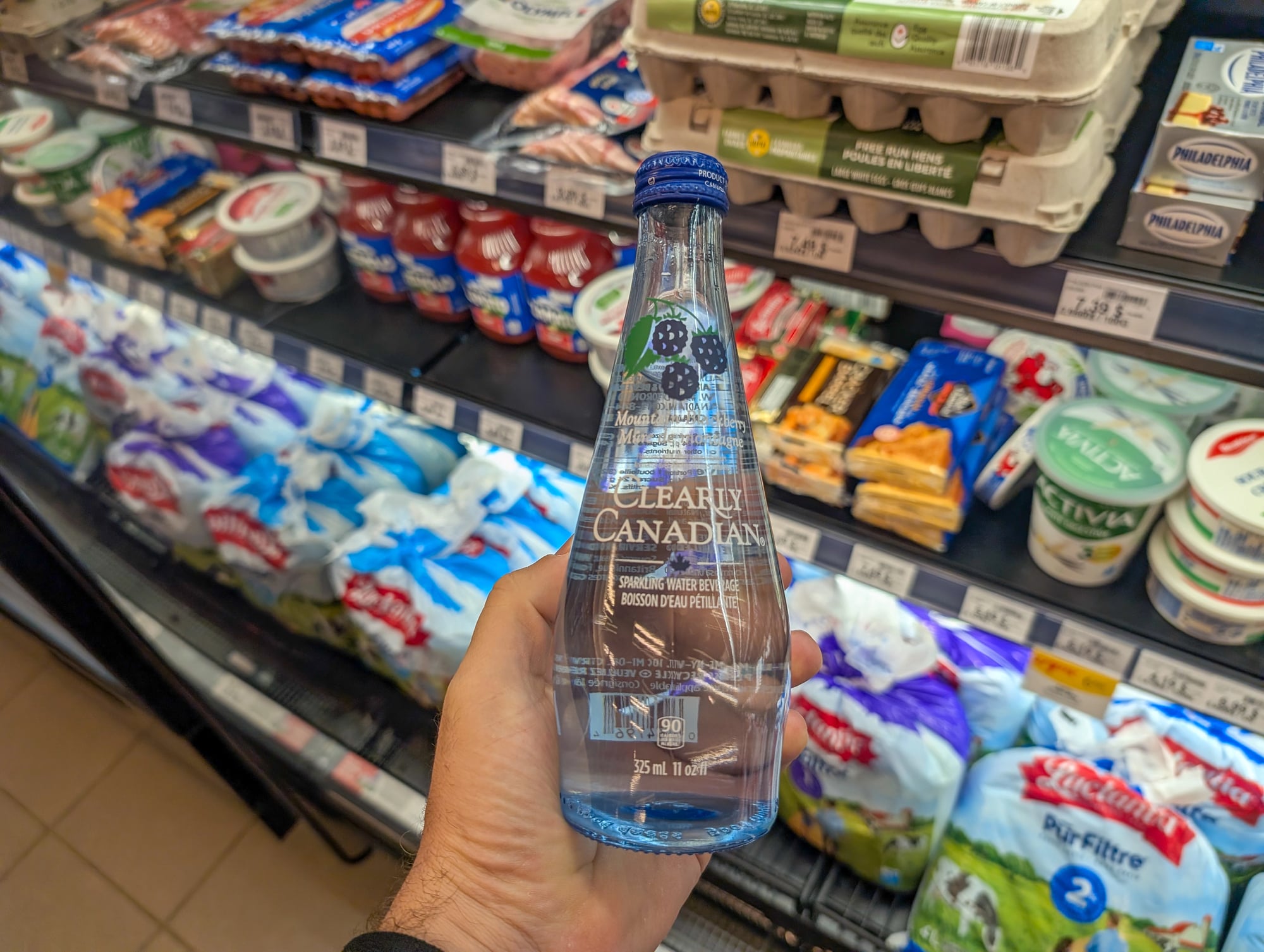
Flavored sparkling water before anyone called it that, served in distinctive glass bottles with labels that somehow made hydration feel like a premium experience. The carbonation was aggressive enough to make your eyes water slightly, and the fruit flavors had this clean, almost medicinal quality that regular sodas couldn’t replicate (which was either refreshing or unsettling, depending on your perspective).
So you’d nurse one bottle for miles, partly because they were expensive and partly because the glass made them feel too sophisticated to chug like regular road trip beverages.
Pop Rocks
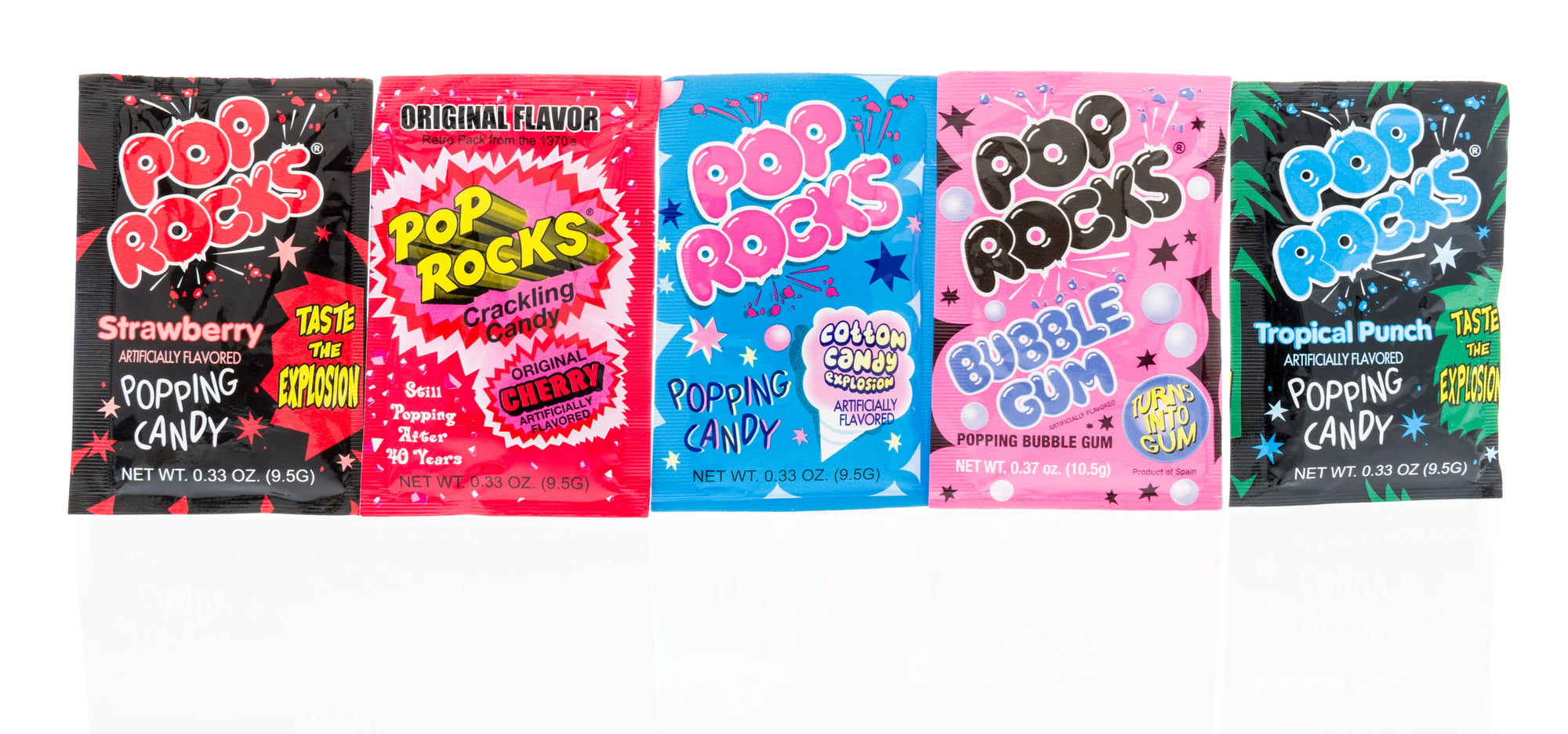
The original exploding candy that turned your mouth into a tiny fireworks display with every spoonful. The carbonation was real enough to create actual popping sensations on your tongue, accompanied by crackling sounds that were audible to anyone sitting close enough.
Back then, the urban legend about mixing them with soda was still circulating widely enough that eating them felt slightly dangerous, which added an element of rebellion to what was essentially just candy with a chemistry experiment built in.
Squeezit
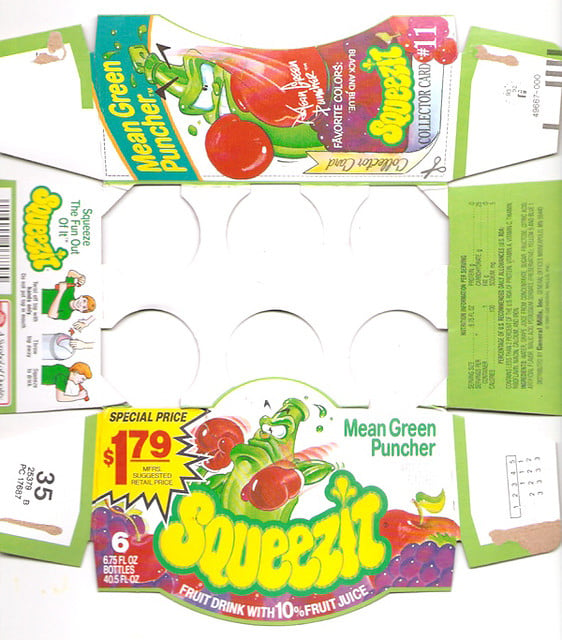
Plastic bottles shaped like accordions that you had to squeeze to drink, which meant consuming the beverage required physical effort that somehow made it more engaging than regular drinks. The flavors were aggressively artificial — colors that didn’t exist in nature paired with tastes that approximated fruit in the same way that cartoon characters approximated real animals.
The bottles were reusable too, which meant they’d end up rattling around car cup holders long after the original contents were gone, serving as colorful reminders of snacks past.
Teenage Mutant Ninja Turtles Pies
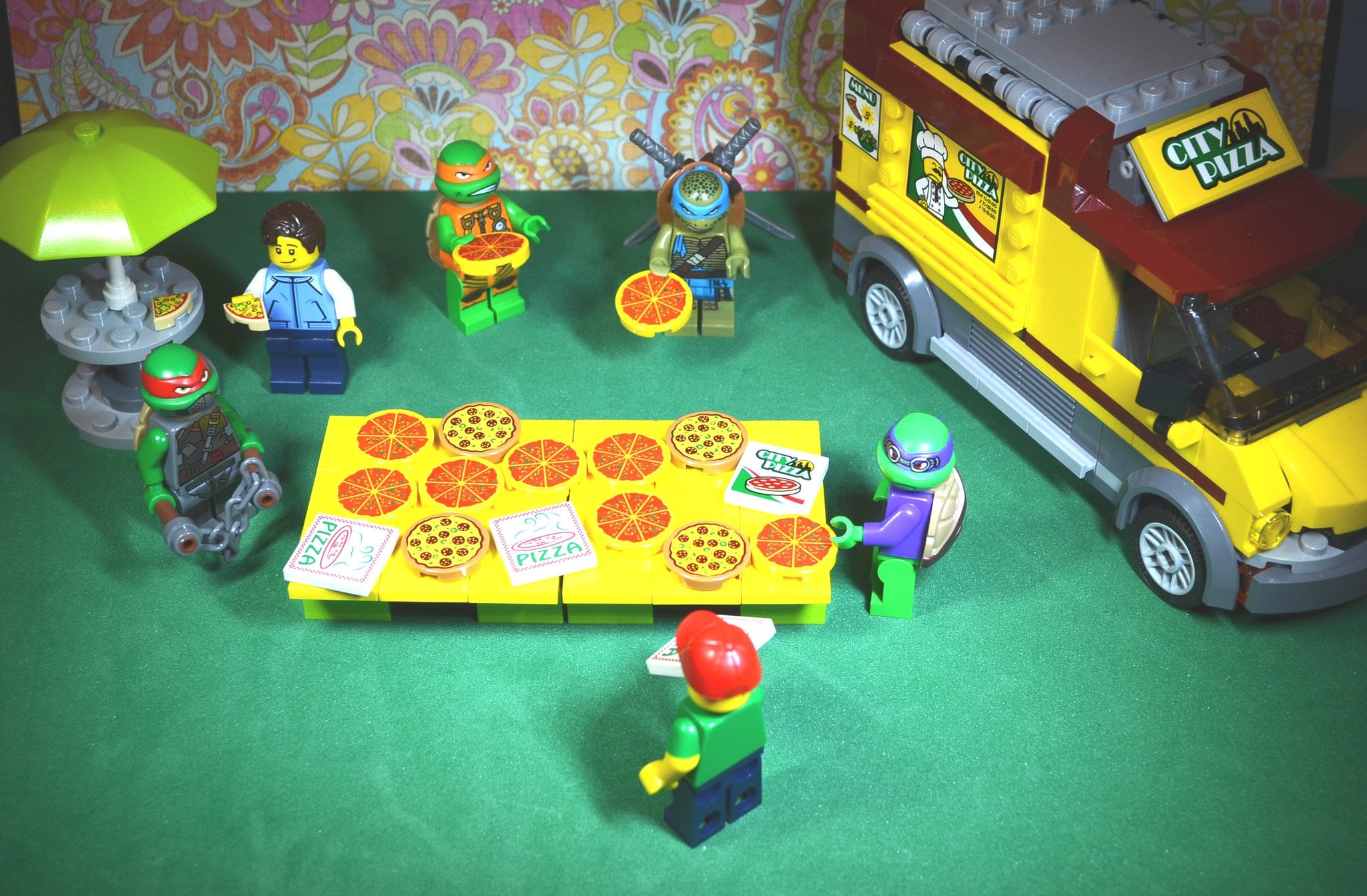
Hostess made these green-tinted vanilla pudding pies that were basically regular fruit pies with food coloring and turtle power branding. The filling had this artificial vanilla flavor that was sweet enough to make your teeth ache, surrounded by the standard Hostess pastry crust that somehow managed to be both flaky and dense simultaneously.
The green color was so unnatural it looked radioactive, which was probably the point given the whole mutant turtle theme, but it also made each bite feel like consuming edible special effects.
Orbitz
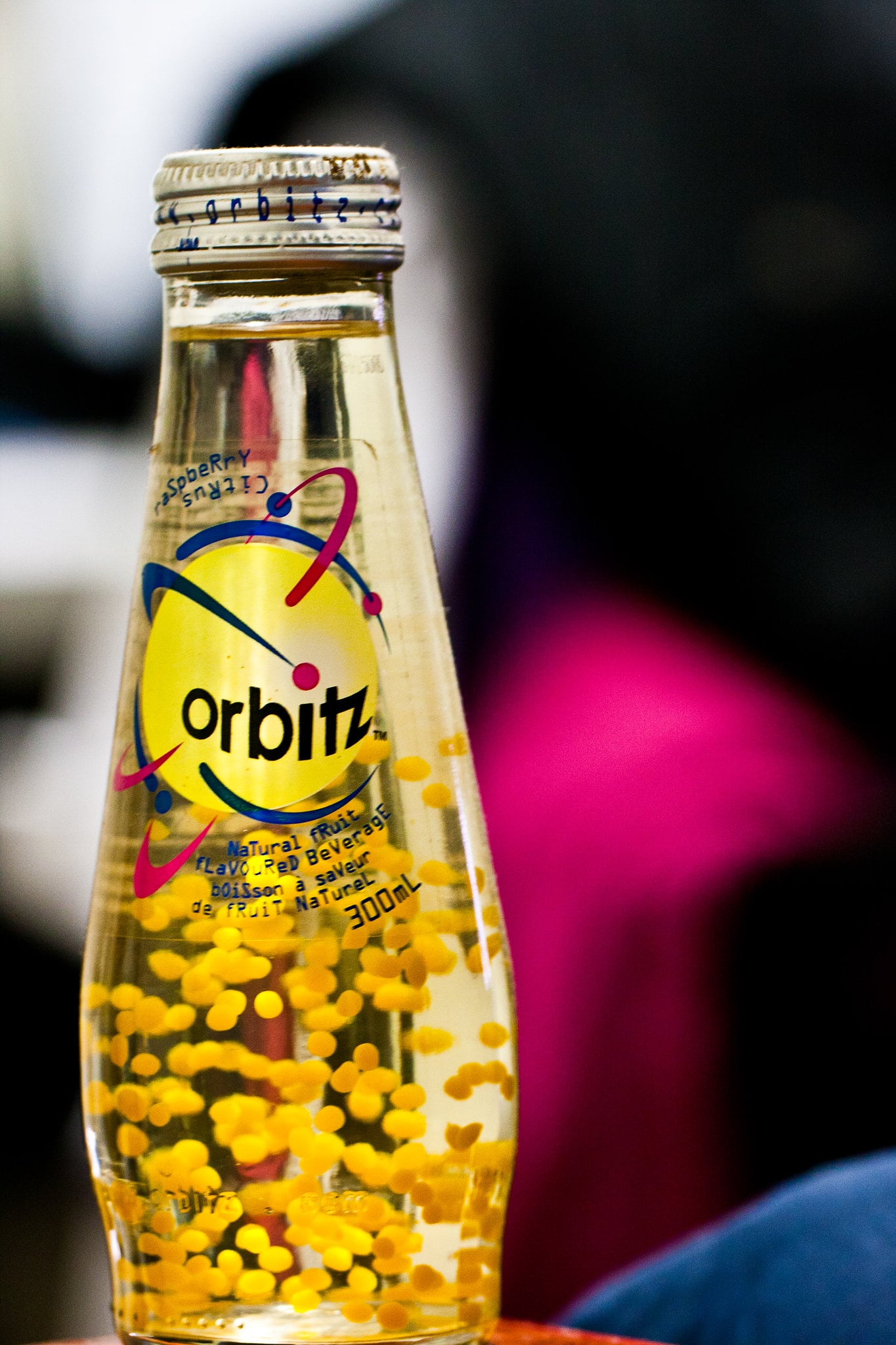
The drink with floating edible orbs that looked like a lava lamp you could consume, created by clearly Canadian in what appeared to be a moment of inspired madness. The orbs had no flavor but added texture, creating a drinking experience that required both sipping and light chewing.
And the novelty factor was undeniable: cracking open a bottle of Orbitz felt like drinking something that had been imported from the future, even if that future apparently had questionable ideas about beverage engineering.
Taco Bell Nacho Cheese Doritos
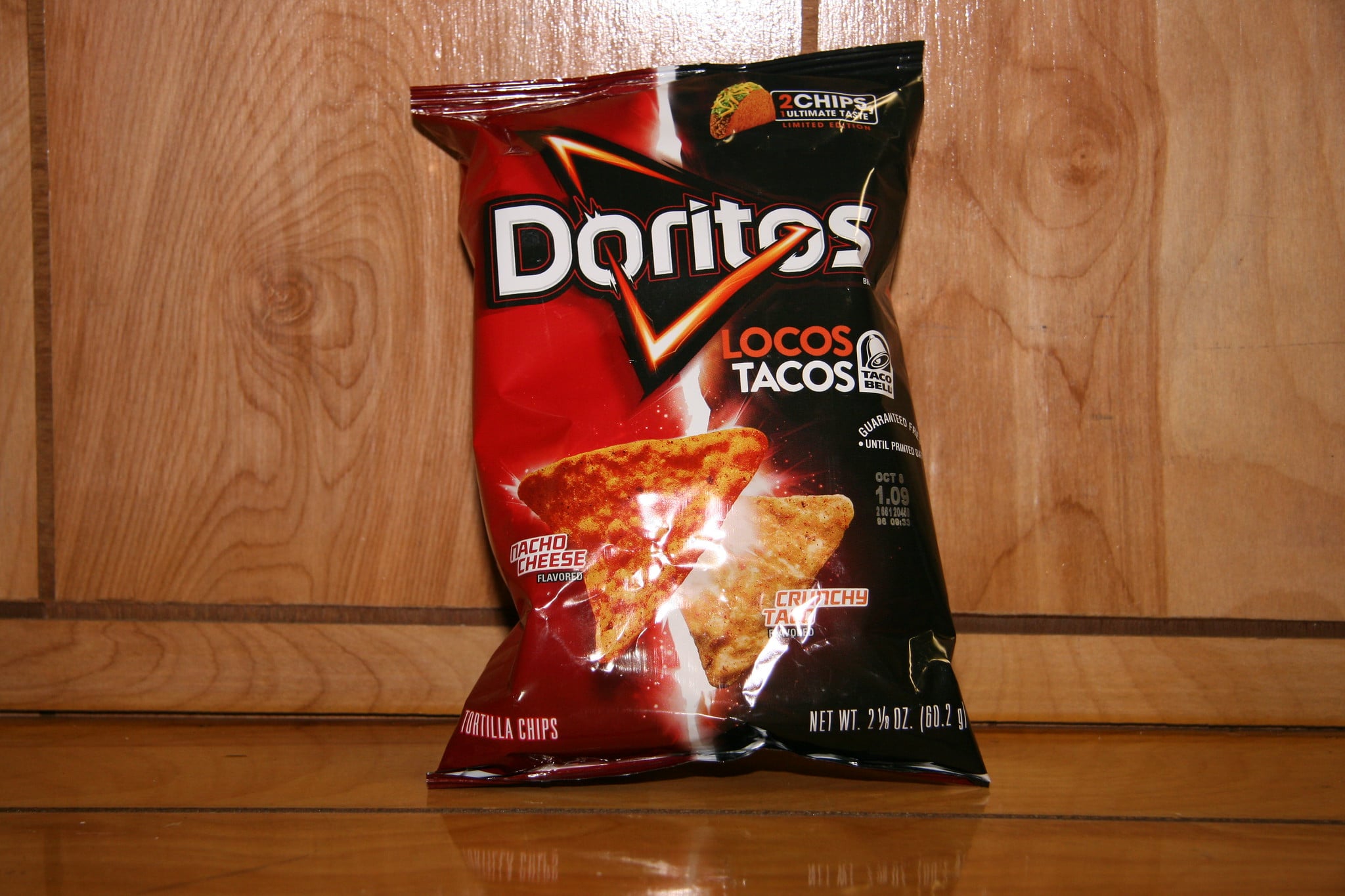
Before Doritos Locos Tacos existed, there was a brief period when Taco Bell licensed their nacho cheese flavor to Frito-Lay for a special Doritos variety that tasted exactly like their restaurant cheese sauce. The flavor was more liquid and tangy than regular Nacho Cheese Doritos, with a distinctive Taco Bell aftertaste that somehow worked better in chip form than it had any right to.
These disappeared quietly when the licensing deal ended, leaving behind only the memory of what fast food flavoring could accomplish when properly applied to corn chips.
Hi-C Boppin’ Berry
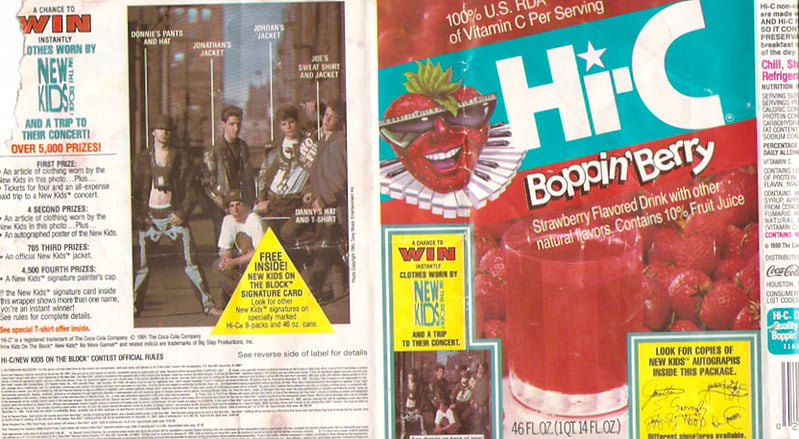
Another casualty of Hi-C’s flavor streamlining, Boppin’ Berry had this deep purple color that looked like it could stain concrete and a berry flavor that was somehow both generic and distinctive. The sweetness was calibrated specifically for the ’90s palate, which apparently demanded sugar levels that would make modern nutritionists weep openly.
But the flavor was complex enough to keep you guessing which berries were being approximated, creating a drinking experience that engaged your brain even as it rotted your teeth.
3D Doritos
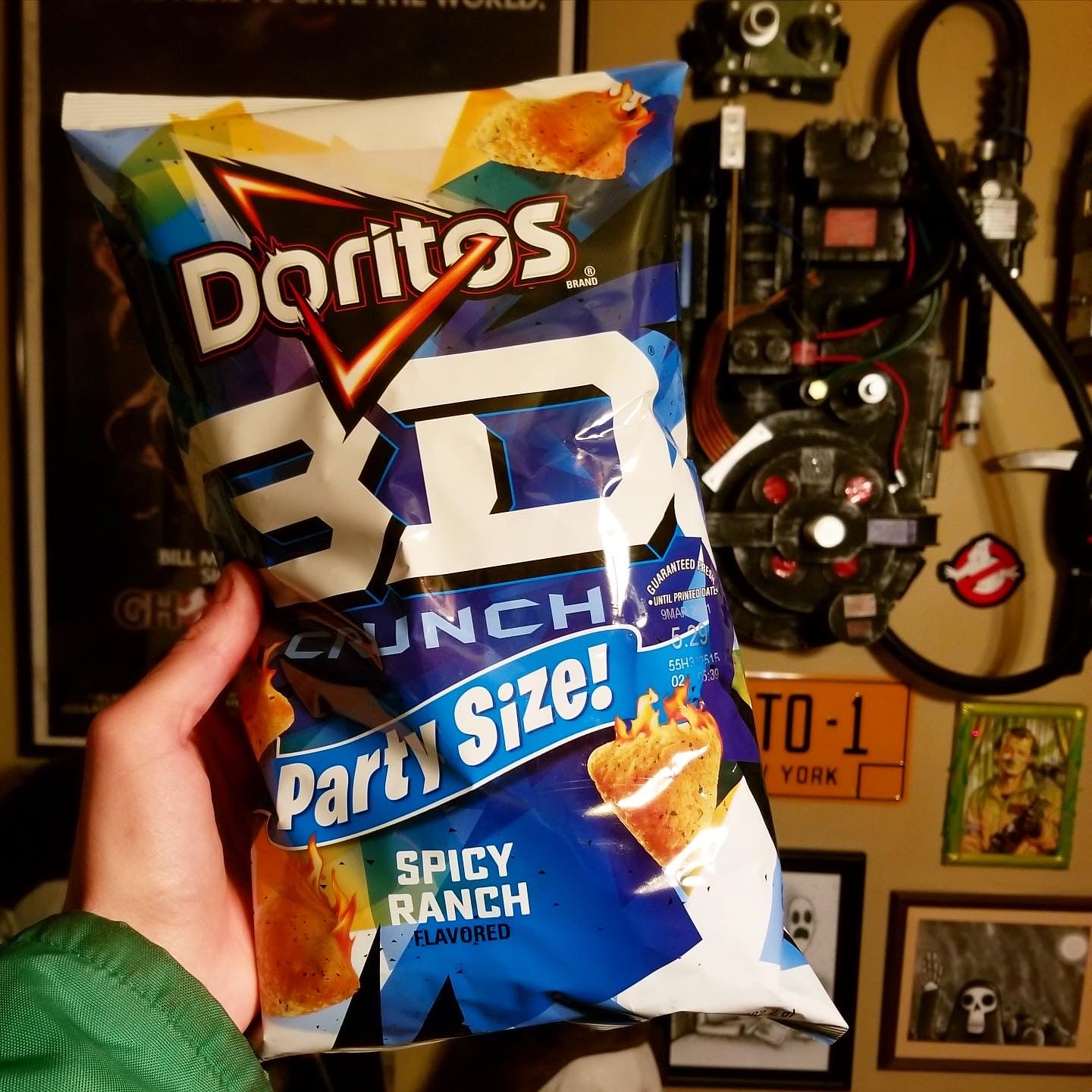
Puffy triangular chips that were hollow inside, creating a texture that was part chip, part cheese puff, and entirely unlike anything else in the snack aisle. The nacho cheese flavor was concentrated on the exterior, so each bite started with an intense hit of artificial cheese that mellowed as you chewed through the airy interior.
The shape meant they took up more space in the bag relative to their actual volume, which was either brilliant marketing or a cruel joke depending on how hungry you were when you opened the package.
Snapple Elements
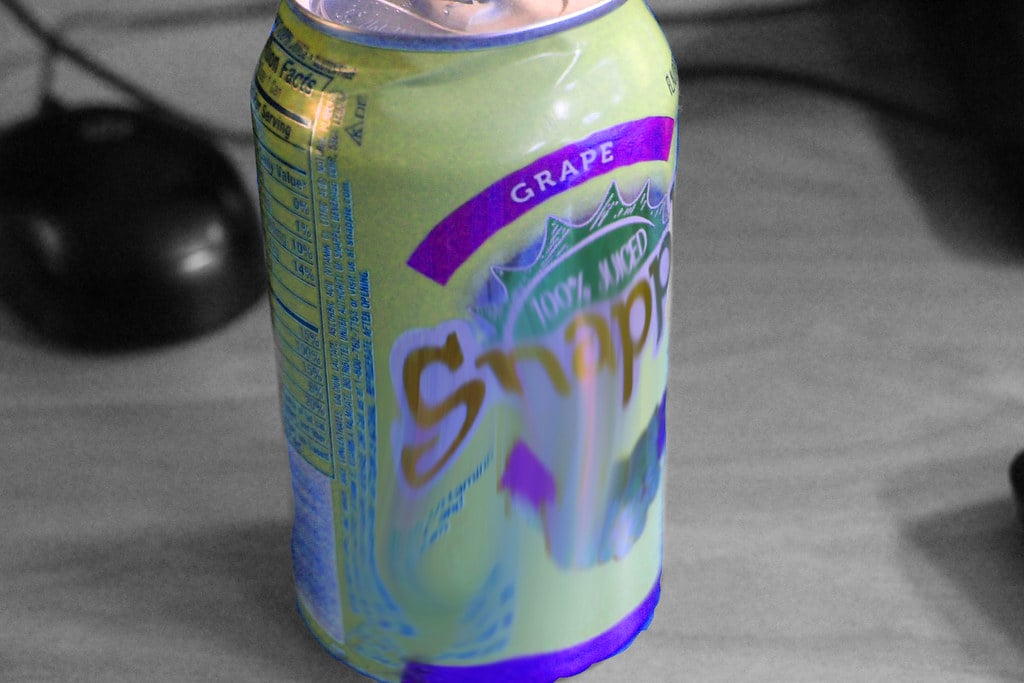
Snapple’s attempt at elemental-themed beverages with names like “Fire” and “Rain” that came in glass bottles with labels designed to look like they’d been weathered by actual natural forces. The flavors were more complex than regular Snapple varieties, with layered tastes that developed as you drank rather than hitting you all at once.
Fire was cinnamon-heavy enough to create actual heat, while Rain had this clean, almost mineral quality that made it taste like enhanced water before enhanced water became a mainstream category.
Hubba Bubba Bubble Jug
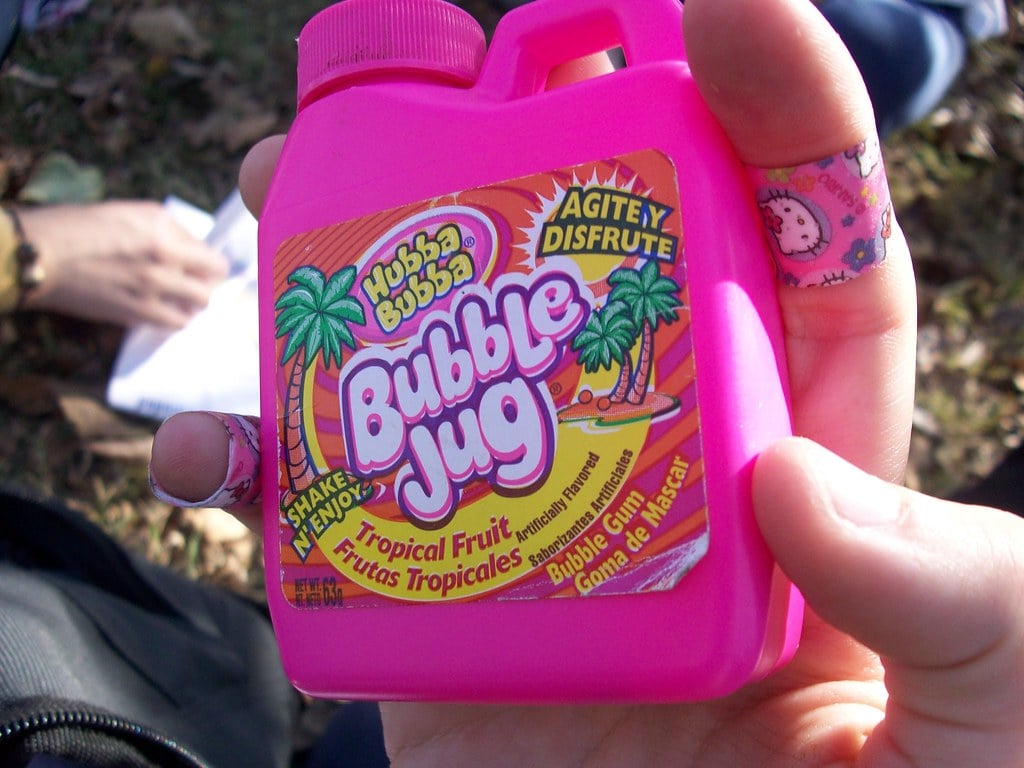
Powdered bubble gum that came in a small plastic jug and had to be poured directly into your mouth, where it would dissolve into an actual chewable gum consistency. The process felt like conducting a chemistry experiment in your mouth — the powder would react with saliva to create a gum-like substance that somehow retained the ability to blow bubbles despite starting as dust.
And the flavors were concentrated enough in powder form to create an initial taste explosion that regular gum couldn’t match.
Josta
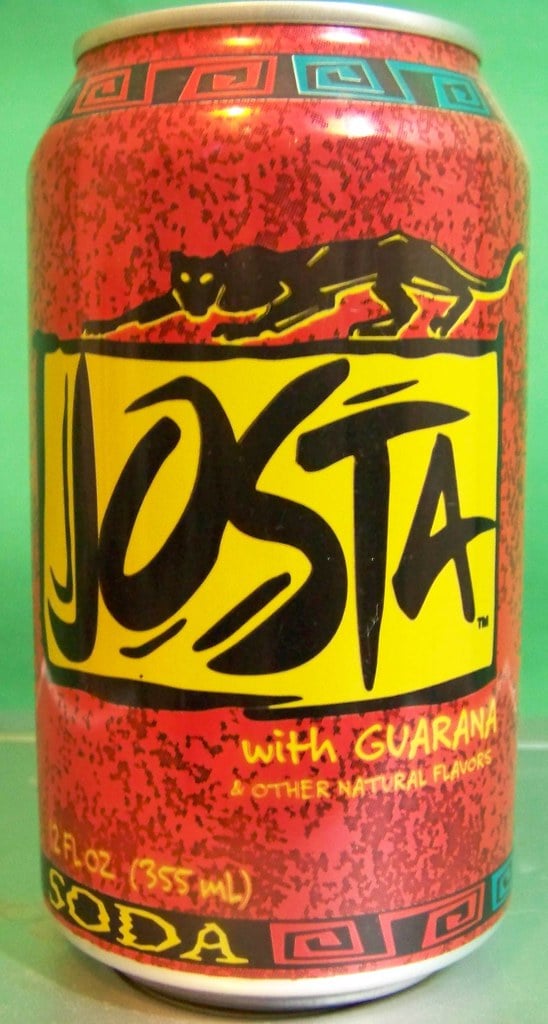
Coca-Cola’s first energy drink, flavored with guarana and packaged in dark bottles that made it look more like medicine than refreshment. The taste was complex and slightly bitter, with an herbal quality that set it apart from both regular sodas and the energy drinks that would follow years later.
The caffeine content was higher than regular Coke but the marketing focused more on the exotic ingredients than the stimulant effects, positioning it as sophisticated fuel for people who were too cool for regular soft drinks.
Mondo
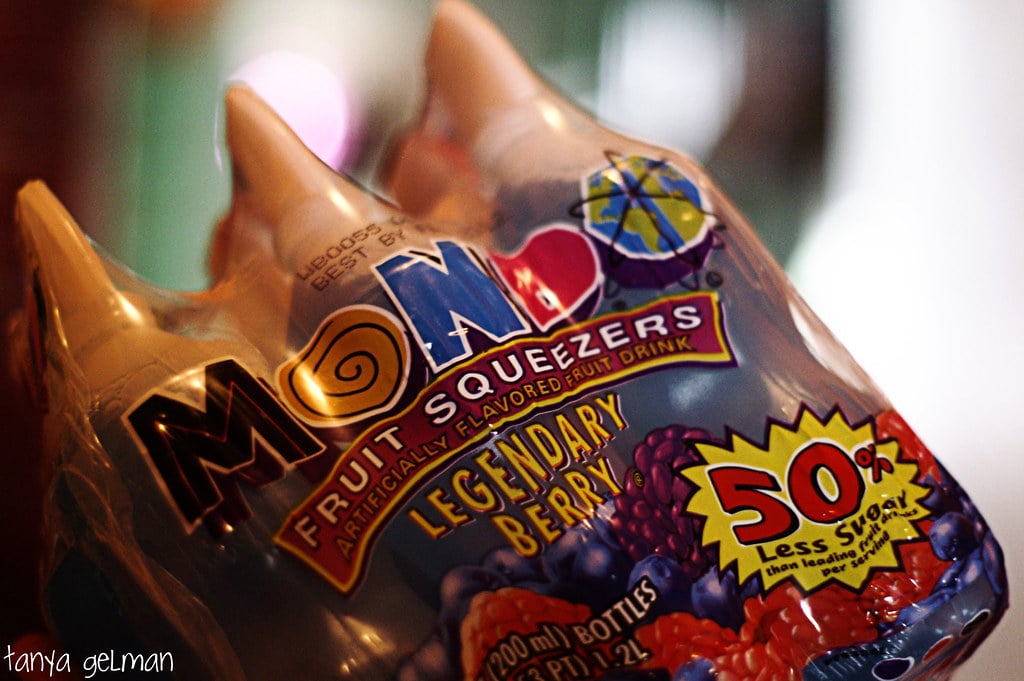
Fruit-flavored drinks that came in plastic bottles shaped like grenades, which was either brilliant or deeply inappropriate depending on your perspective on beverage marketing. The flavors were intensely artificial — colors and tastes so far removed from actual fruit that they seemed to exist in their own category of beverage science.
The bottle design meant they were impossible to drink gracefully, requiring you to tip your head back and squeeze while hoping the liquid would cooperate, which turned every sip into a minor performance that was visible to everyone else in the car.
Looking Back on Snack History
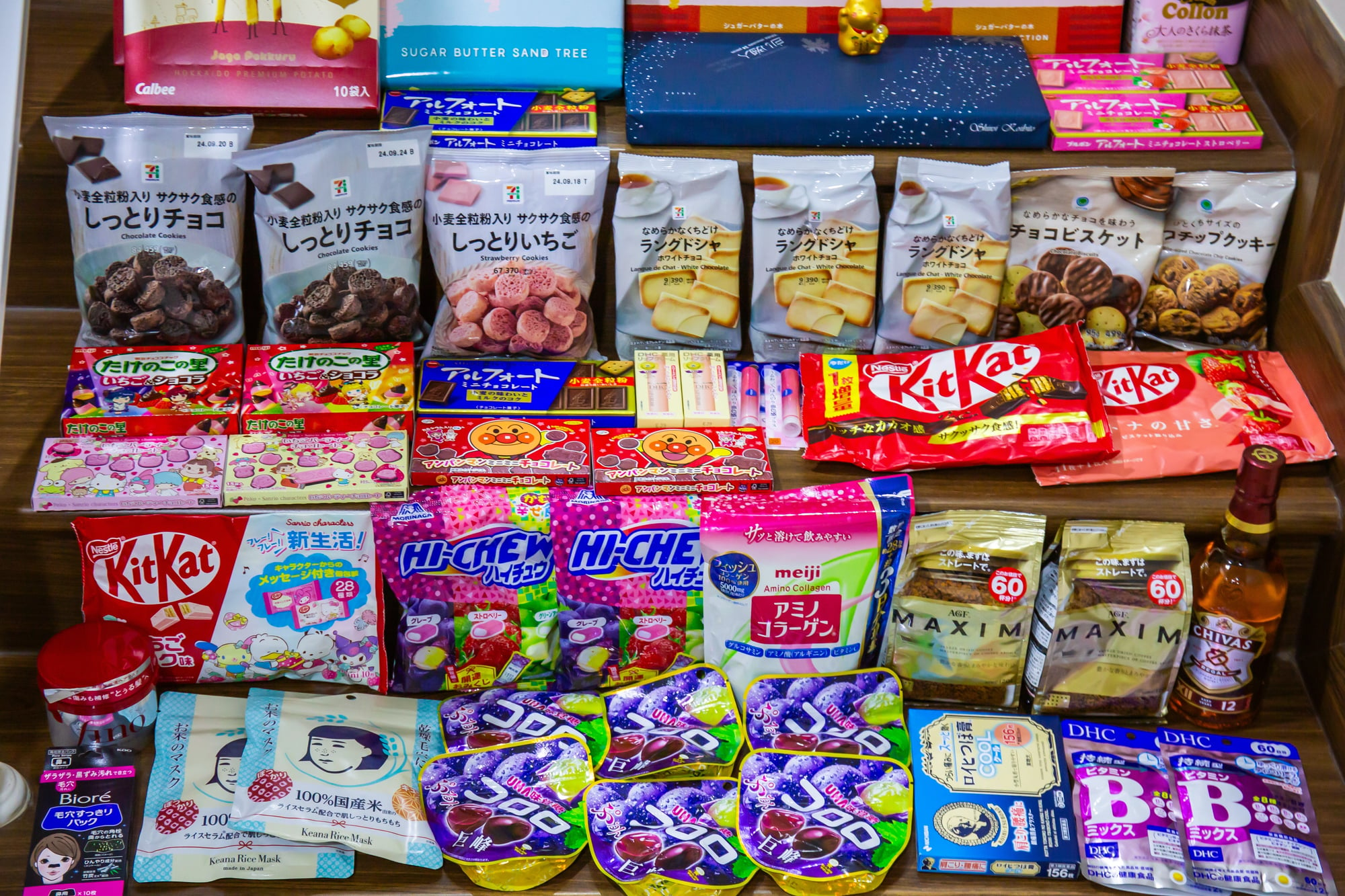
These disappeared snacks represent more than just corporate decisions and changing tastes — they’re artifacts of a time when food companies were willing to experiment with textures, flavors, and concepts that feel almost impossibly bold by today’s standards. The ’90s snack aisle was a place where someone could greenlight clear cola or drinks with floating orbs, where the goal seemed to be creating experiences rather than just delivering calories.
Road trips will never taste quite the same without that particular brand of processed food creativity riding shotgun.
More from Go2Tutors!

- The Romanov Crown Jewels and Their Tragic Fate
- 13 Historical Mysteries That Science Still Can’t Solve
- Famous Hoaxes That Fooled the World for Years
- 15 Child Stars with Tragic Adult Lives
- 16 Famous Jewelry Pieces in History
Like Go2Tutors’s content? Follow us on MSN.