24 Archaeological Discoveries That Rewrote What We Thought We Knew
Some of the most important moments in human history didn’t happen in labs or lecture halls — they happened when someone’s shovel hit something that wasn’t supposed to be there. A farmer plowing a field.
A construction crew breaking ground. A cave explorer squeezing through a gap nobody had bothered to check before.
The discoveries that followed didn’t just add footnotes to the historical record. They erased whole chapters and forced scholars to start over, sometimes with considerable embarrassment.
These 25 finds didn’t just surprise us. They fundamentally changed what we thought we knew about who we are and how long we’ve been at it.
Göbekli Tepe
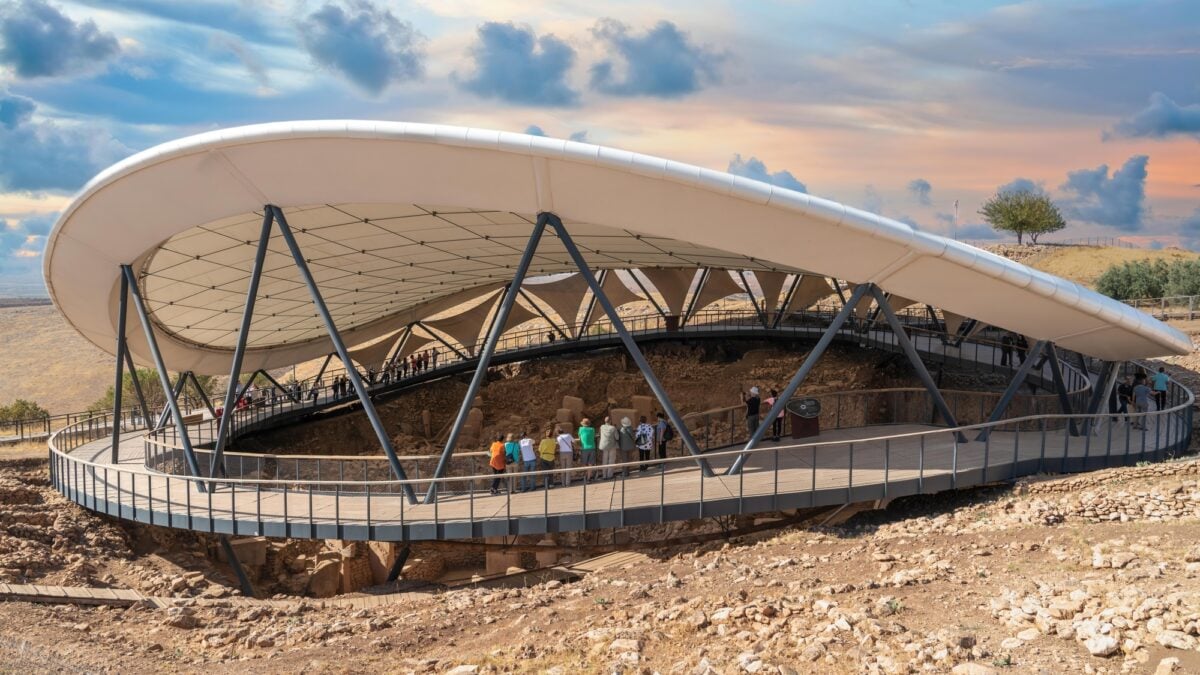
Nobody was supposed to build a temple 11,600 years ago. That was the working assumption, anyway — civilization came first, then religion, then monumental architecture, in that tidy order.
Göbekli Tepe in southern Turkey dismantled that sequence without apology: massive carved pillars, organized ritual spaces, and zero evidence of permanent settlement anywhere nearby, which means hunter-gatherers built it, suggesting that complex spiritual belief may have preceded agriculture rather than followed it. Go figure.
The Antikythera Mechanism
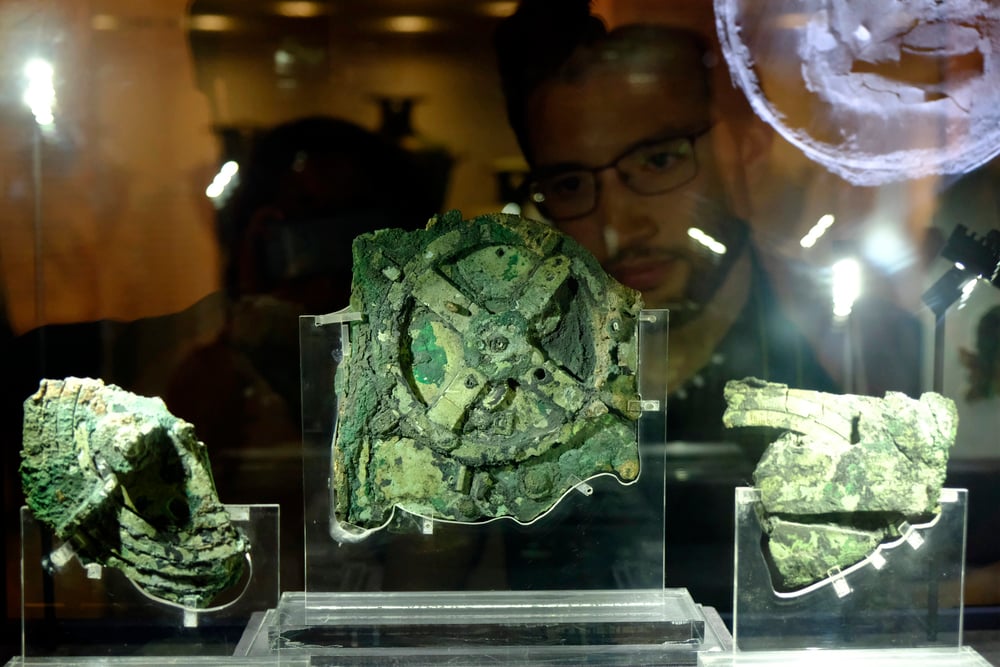
This is a 2,000-year-old analog computer, and that sentence still sounds wrong no matter how many times you read it. Pulled from a Roman-era shipwreck off the Greek island of Antikythera in 1901, the corroded bronze device contained at least 30 interlocking gears capable of predicting astronomical events, tracking the Olympic cycle, and modeling the irregular orbit of the moon — the kind of mechanical sophistication that historians had assumed didn’t exist until the 14th century.
It rewrote the story of ancient Greek engineering in one waterlogged chunk of metal.
Sacsayhuamán
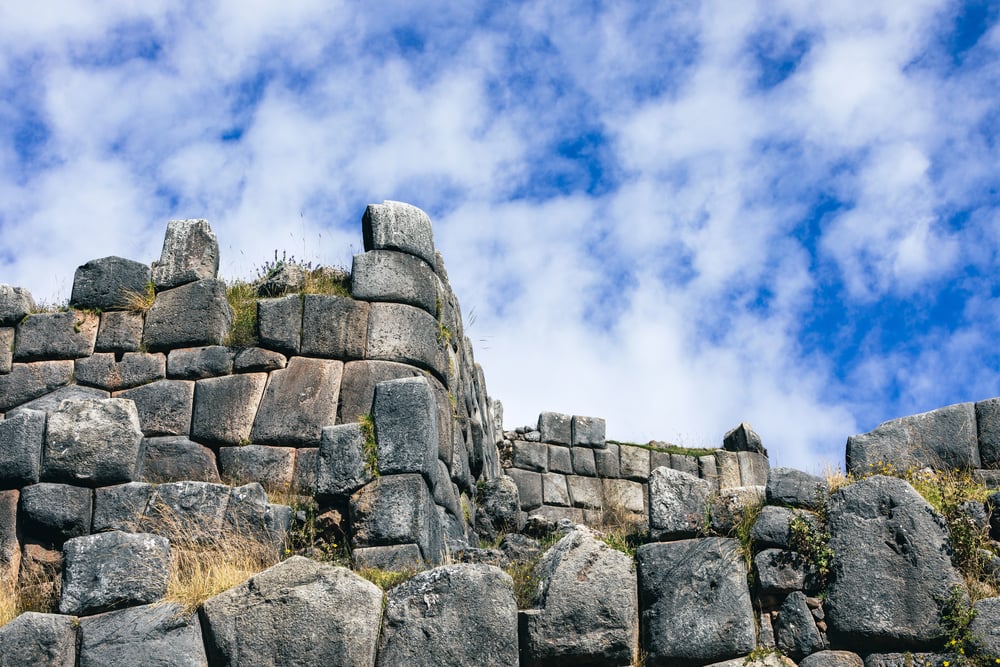
The stones at Sacsayhuamán weigh up to 200 tons apiece, and they fit together so precisely that a piece of paper won’t slide between them. The Inca moved them — without the wheel, without iron tools, without draft animals capable of that kind of load — across terrain that would terrify a modern crane operator.
Archaeologists are still not entirely settled on the method, which is either humbling or fascinating depending on your tolerance for unanswered questions.
The Terracotta Army

When Chinese farmers dug a well outside Xi’an in 1974, they found a hand. Then an arm.
Then an entire buried army — over 8,000 life-sized clay soldiers, each with distinct facial features, arranged in battle formation to guard the tomb of Emperor Qin Shi Huang. The sheer organizational and artistic scale of it rewrote assumptions about Qin-dynasty statecraft and funerary practice, and the excavation is still ongoing, because the emperor’s actual burial mound remains unopened.
What’s inside is, for now, still his.
Çatalhöyük
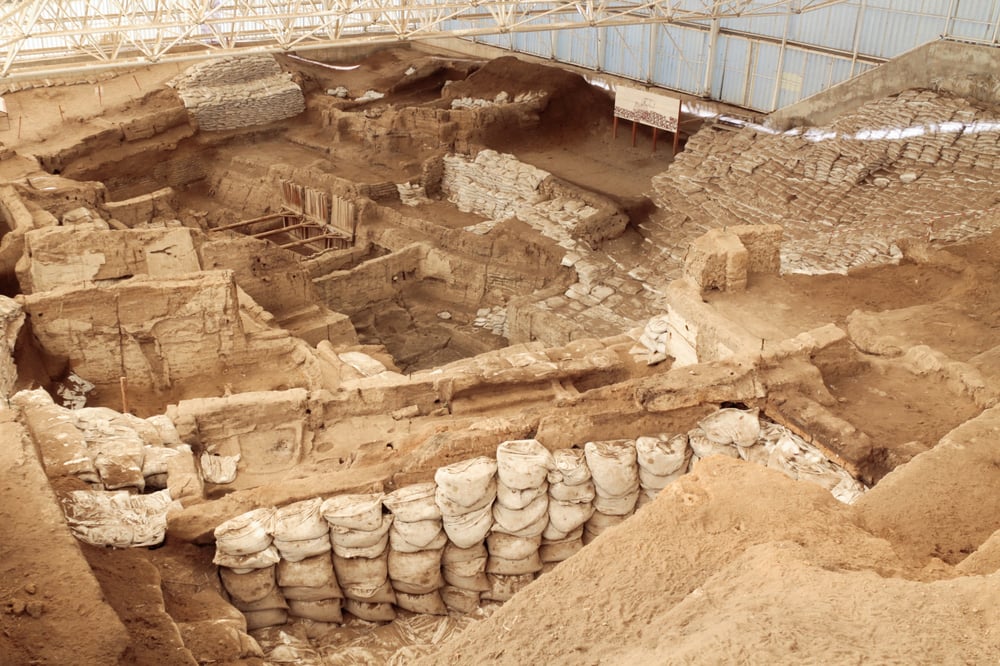
Çatalhöyük is a 9,000-year-old Neolithic settlement in Turkey where approximately 8,000 people once lived in mud-brick houses so tightly packed that residents entered through pits in the roof rather than doors in the walls. What unsettled scholars most, though, wasn’t the architecture — it was the near-total absence of social hierarchy: no palaces, no monuments to rulers, no clearly stratified burial sites, suggesting that large, organized human communities existed long before anyone assumed they needed a chief to function.
Homo naledi
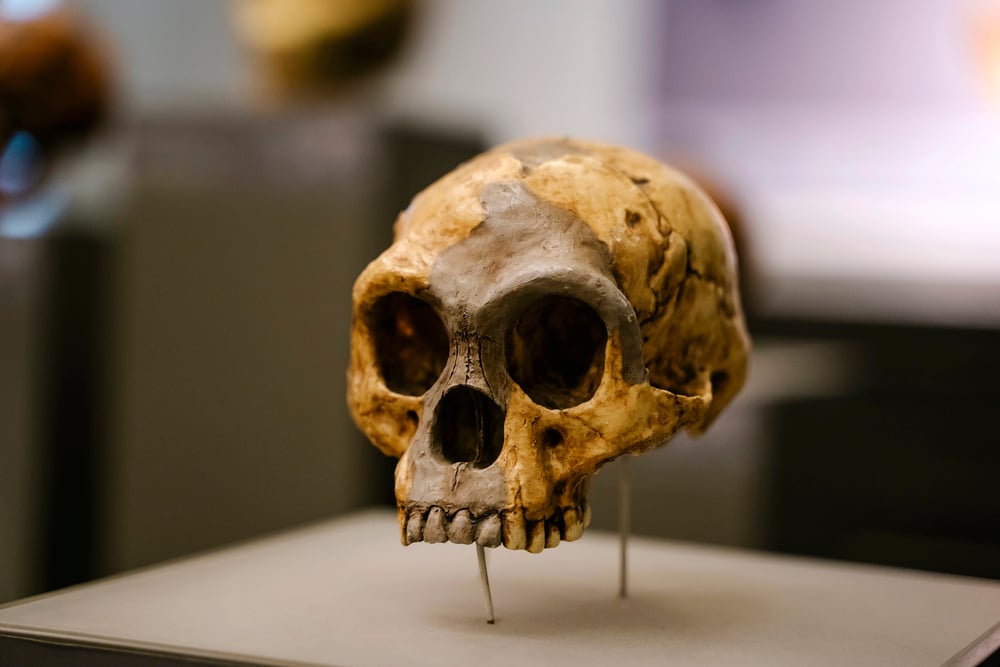
Homo naledi — discovered deep inside the Rising Star Cave system in South Africa in 2013 — shouldn’t have been burying its dead. It had a brain roughly the size of an orange.
And yet the bones of at least 15 individuals were found in a chamber so remote and so deliberately inaccessible that researchers could only conclude the bodies had been placed there intentionally, which (if confirmed) means that ritual behavior around death didn’t originate with big-brained modern humans the way the textbooks had been claiming for decades.
The Dead Sea Scrolls

The Dead Sea Scrolls are the oldest known manuscripts of the Hebrew Bible, discovered by a Bedouin shepherd in the Qumran caves in 1947 when he threw a rock into a dark opening and heard something shatter. They pushed the known age of these texts back by roughly 1,000 years and revealed textual variations that complicated long-held assumptions about the uniformity of ancient scriptural transmission.
Some scrolls contained texts that didn’t make it into any canonical Bible — which opened questions that theologians are still quietly negotiating.
Stonehenge’s Origins
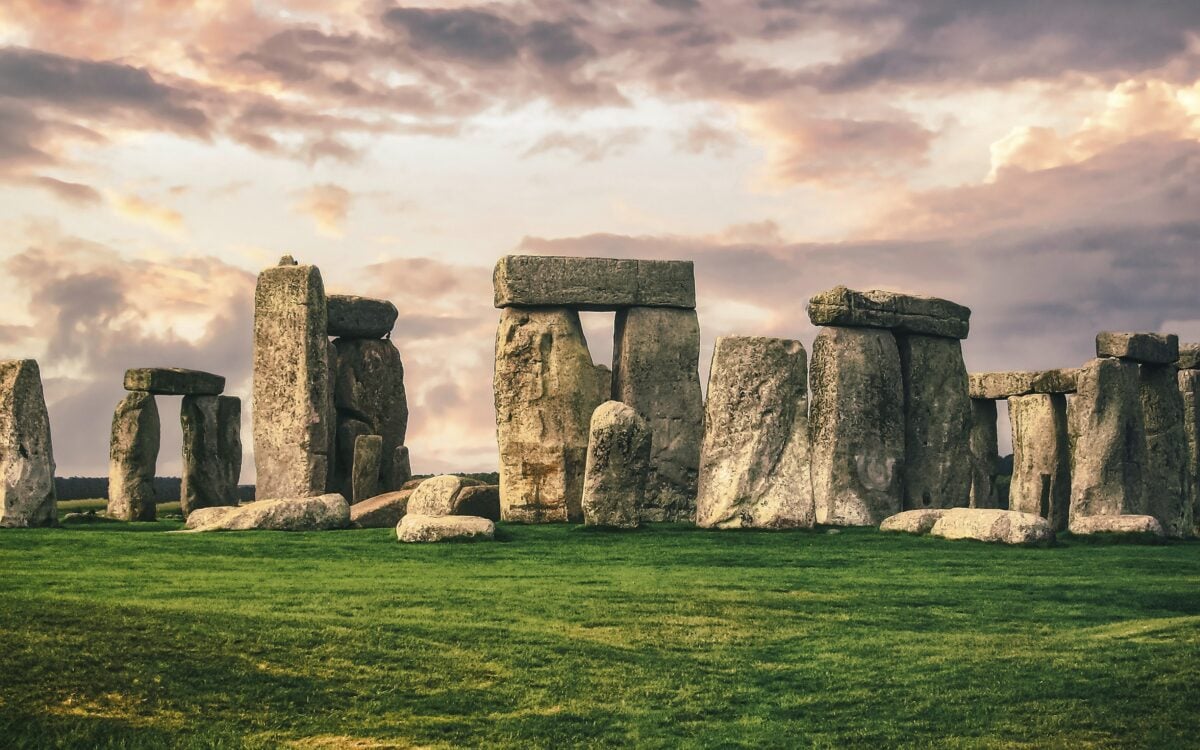
For a long time, Stonehenge was treated as a local project — people nearby, stones nearby, monuments built here. Then geological sourcing confirmed that the bluestones in the inner ring were quarried at Preseli Hills in Wales, roughly 150 miles away, and had been standing somewhere else entirely before being dismantled and relocated to Salisbury Plain around 2500 BCE.
Moving an already-ancient monument to build a newer, larger one is the kind of behavior that rewrites the story of Neolithic ambition almost entirely.
Denisova Cave
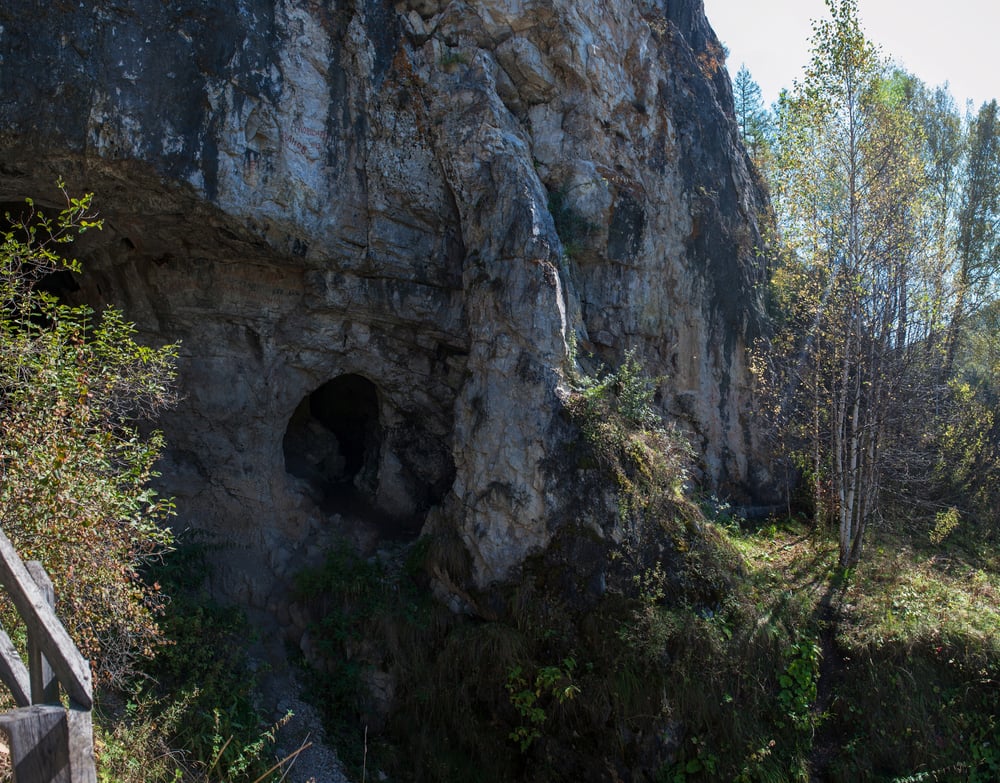
Denisova Cave in Siberia gave up a finger bone so small it barely filled a thimble, yet the DNA extracted from it described a previously unknown human species — the Denisovans — who interbred with both Neanderthals and early modern humans, and whose genetic legacy survives today in Aboriginal Australians and people across Southeast Asia. The discovery didn’t just add a branch to the human family tree.
It revealed that the tree itself was far more tangled and crowded than anyone had drawn it.
Tlaltecuhtli
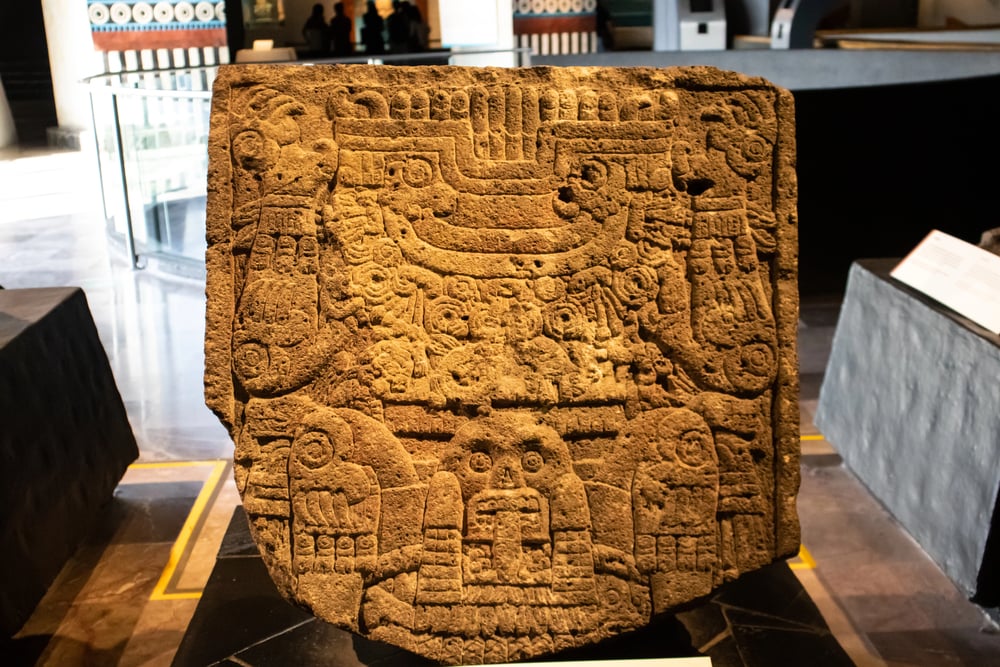
In 2006, construction workers in downtown Mexico City uncovered a monolithic carved stone — eight feet wide, weighing 12 tons — bearing the image of Tlaltecuhtli, the Aztec earth goddess. Beneath it, in a shaft excavated down through layers the Aztecs themselves had filled with ritual offerings, archaeologists found what they believe to be the burial of Emperor Ahuitzotl.
It was the first imperial Aztec burial ever discovered, in a civilization that had been studied intensively for over a century, hidden under the sidewalks of a modern metropolis.
The Nazca Lines
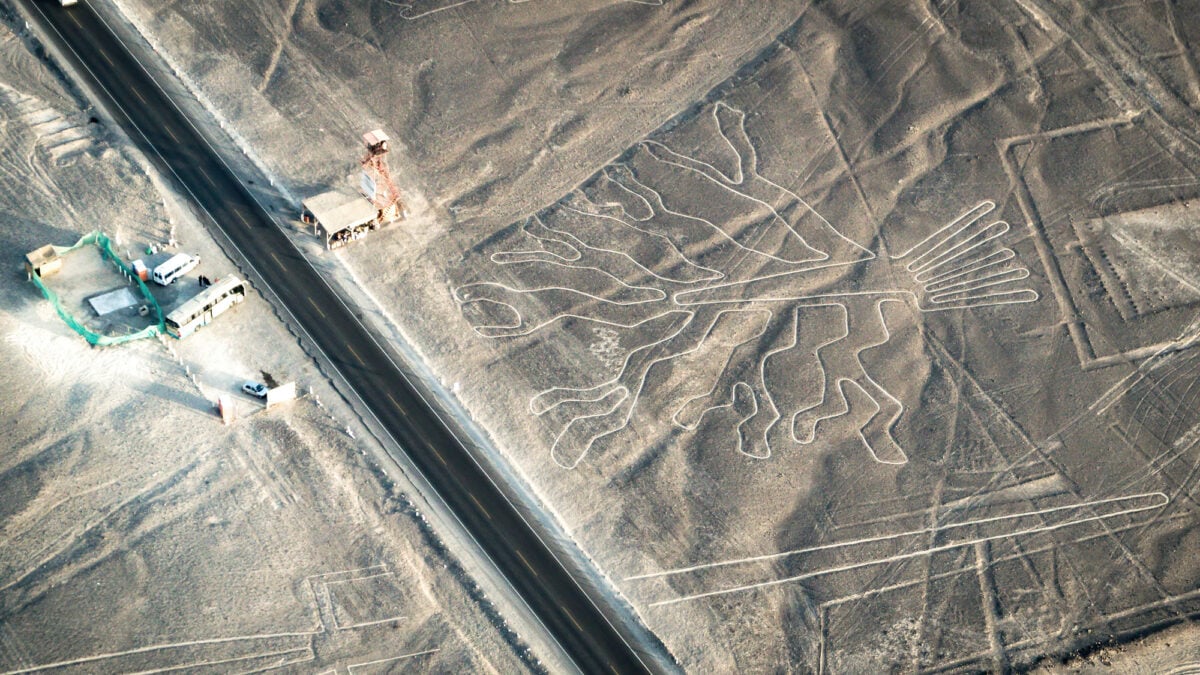
The Nazca Lines are enormous. Some of the geoglyphs etched into the Peruvian desert stretch for miles and can only be fully perceived from the air — which is, to put it gently, a problem when you’re designing something in 500 BCE.
Recent LiDAR surveys have revealed hundreds of previously unknown figures beyond the famous hummingbird and spider, some depicting animals not native to the region, some showing signs of procession routes rather than astronomical alignments, quietly discarding the theories that had held the most popular ground for decades.
Caral
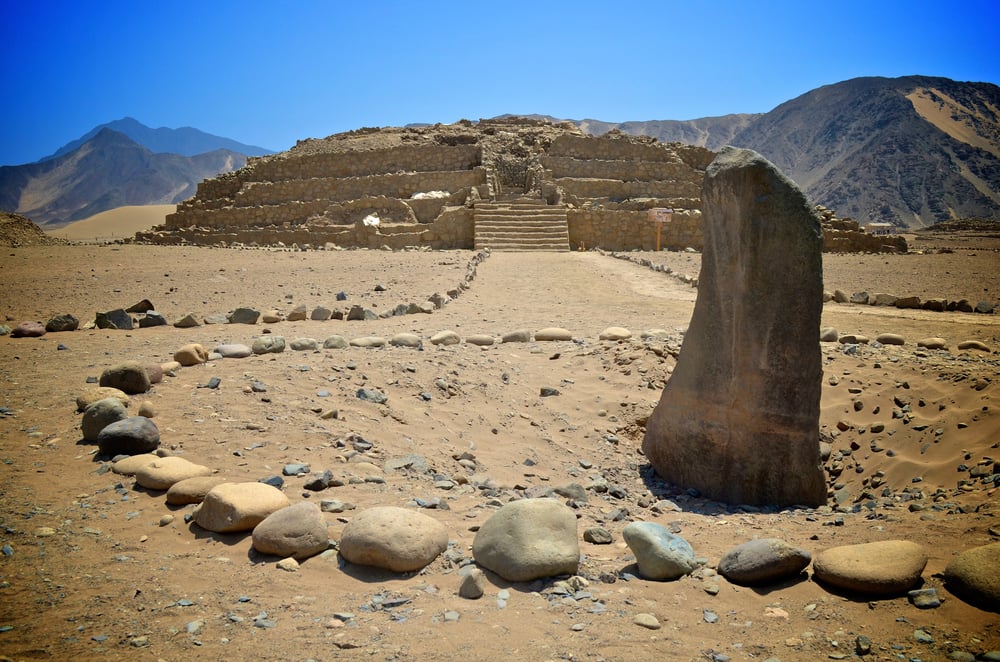
Caral, in coastal Peru, was a fully functioning city around 2600 BCE — contemporaneous with ancient Egypt’s Old Kingdom, complete with pyramids, plazas, amphitheaters, and a complex irrigation system feeding the surrounding desert. That timeline pushed the emergence of civilization in the Americas back by at least 1,000 years from what had been the accepted date.
Caral had all of this with no evidence of warfare, no weapons, no defensive architecture — which is a detail that archaeological theorists are still chewing on with visible discomfort.
Lascaux Cave
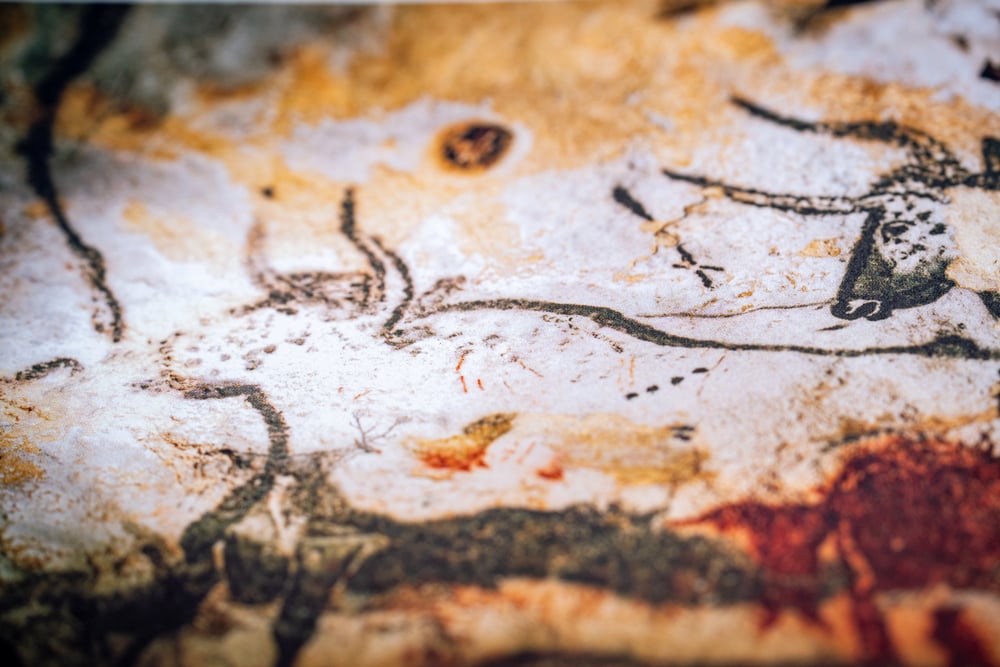
The Lascaux cave paintings in France are roughly 17,000 years old, and they are astonishing — not just in their preservation but in their sophistication. Whoever painted them understood perspective, movement, and the deliberate use of the cave’s natural contours to give the animals the illusion of three-dimensionality.
They are not the crude scratchings of people who had barely figured out language. They are, by any serious measure, art — and they pushed back the confirmed timeline of human symbolic and aesthetic thought by thousands of years when they were discovered in 1940.
The Sunken City of Heracleion
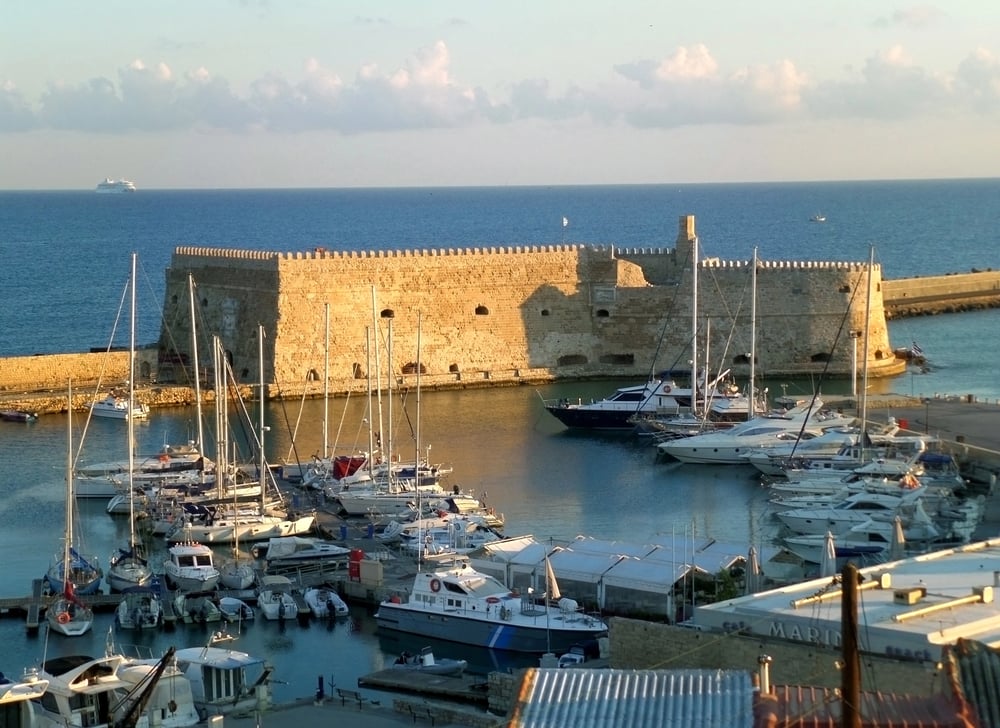
Heracleion — once one of ancient Egypt’s most important port cities, mentioned by Herodotus and reportedly visited by Helen of Troy — slipped beneath the waters of Abu Qir Bay and was essentially forgotten for 1,200 years. Underwater archaeologist Franck Goddio found it in 2000, largely intact, with colossal statues, golden artifacts, and temple foundations still standing on the seabed.
The discovery confirmed historical accounts that scholars had quietly been treating as exaggeration, which is a reminder that ancient writers occasionally just meant what they wrote.
The Voynich Manuscript
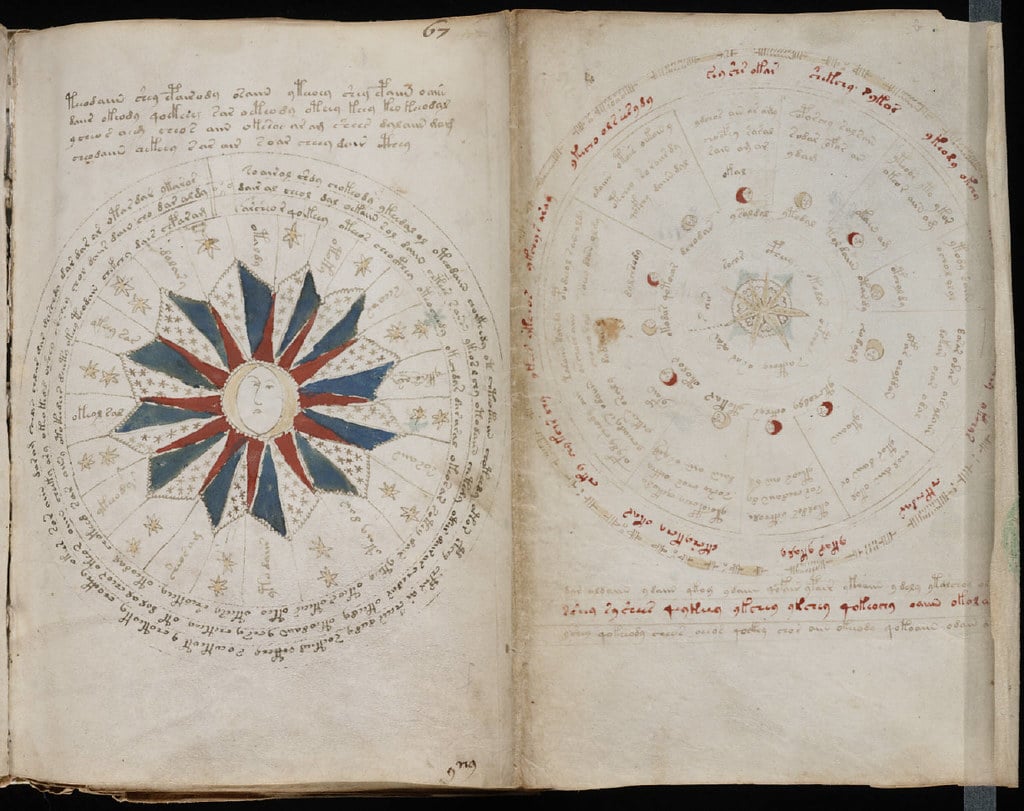
The Voynich Manuscript doesn’t get to escape this list on a technicality just because it hasn’t been decoded. Discovered in a Jesuit library in Italy in 1912, this 240-page illustrated codex — written in an unidentified script in an unidentified language, filled with drawings of unidentified plants and cosmological diagrams — has defeated cryptographers, linguists, and artificial intelligence systems for over a century.
Whether it’s a hoax, an encoded language, or something else entirely, its existence rewrote assumptions about medieval European book production and what we imagine “the known world” of that period actually contained.
Skara Brae

Skara Brae is a 5,000-year-old Neolithic village on the coast of Orkney, Scotland, preserved almost intact beneath a sand dune until a storm exposed it in 1850. What emerged were stone-built houses with built-in furniture — shelving, hearths, storage areas, bed frames — all constructed in stone because the Orkney Islands have almost no trees.
The houses are connected by covered passageways, suggesting a community that had thought carefully about communal living in a brutal climate. It predates Stonehenge and the pyramids, and it looks, stubbornly, like a neighborhood.
Pompeii’s New Excavations
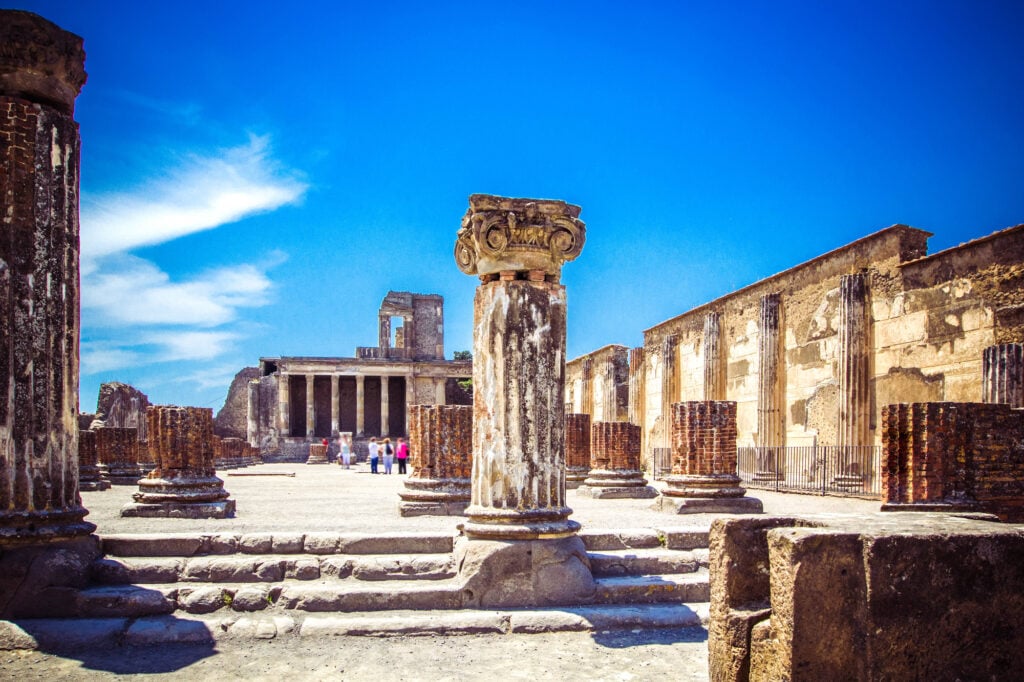
Pompeii was never fully excavated after Vesuvius buried it in 79 CE — roughly a third of the city remained untouched for centuries. The ongoing Pompeii Archaeological Park project, ramping up significantly after 2018, has produced room after room of preserved frescoes, a street-food thermopolium with intact menu paintings still on the counter, the remains of horses in a stable, and, in 2023, a ceremonial room with mythology scenes of extraordinary quality.
Each find adjusts what was already a detailed picture, and the corrections keep coming.
Monte Verde
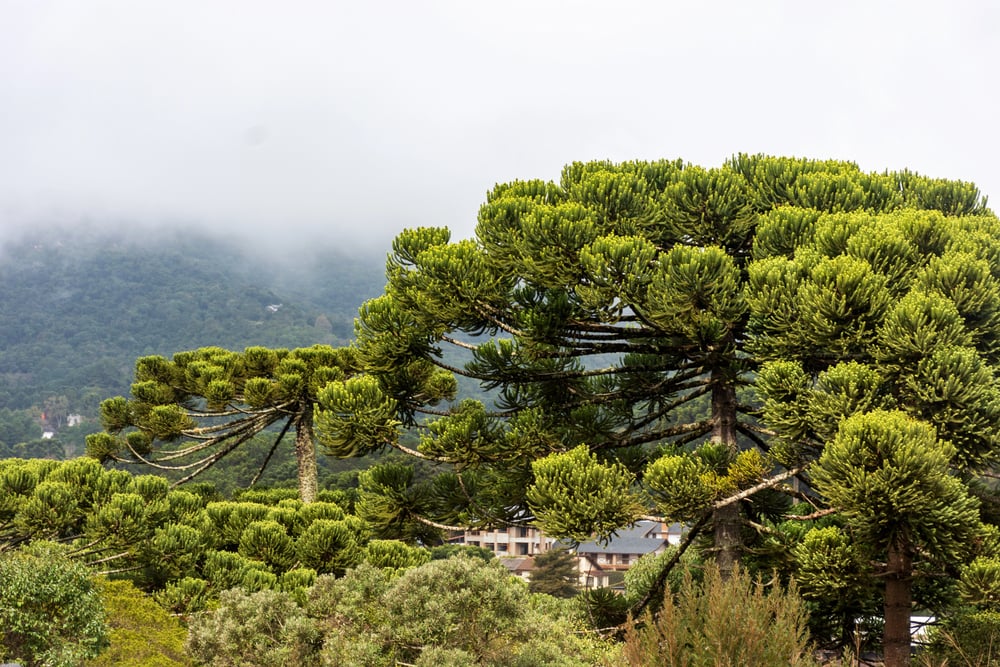
Monte Verde, a site in southern Chile, contained evidence of human occupation dating to at least 14,500 years ago — roughly 1,000 years before the Clovis people, who were considered the original Americans with a stubbornness that bordered on dogma. When archaeologist Tom Dillehay first proposed the site’s age in the 1970s, the academic response was hostile enough that it set a cautionary example for any researcher who discovers something the consensus doesn’t want to hear.
Monte Verde was eventually accepted, and the Clovis-first model collapsed.
The Antelope Springs Trilobite Fossil
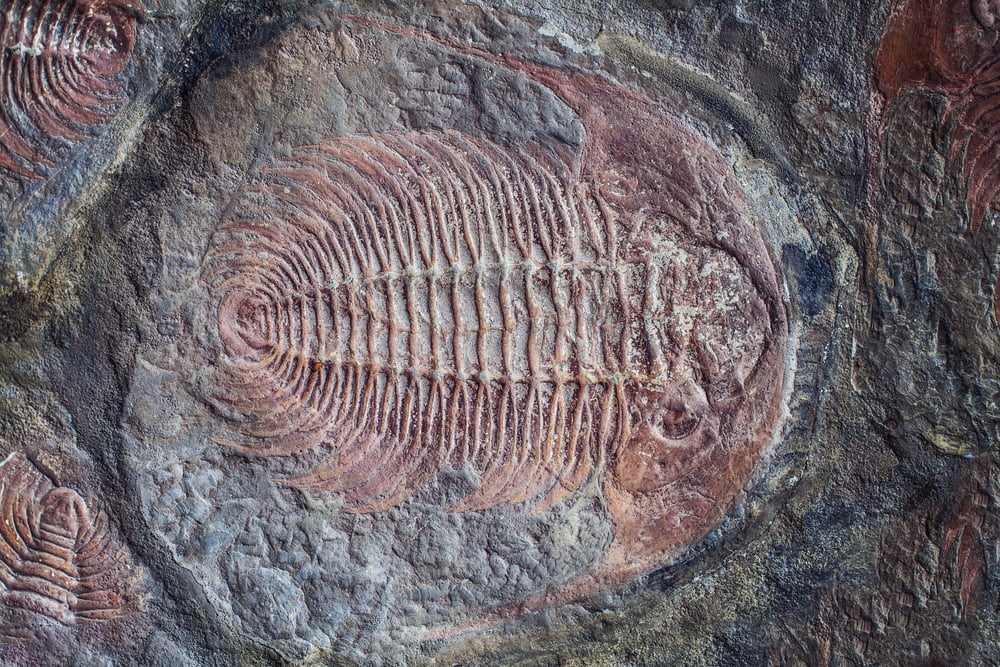
In 1968, William Meister cracked open a chunk of shale at Antelope Springs, Utah, and found what appeared to be a human sandal print with a trilobite crushed inside it. Trilobites went extinct 252 million years ago.
The footprint, if genuine, would have dismantled the entire framework of evolutionary biology and geology simultaneously. Subsequent analysis concluded it was a natural erosion feature, not a human imprint — but the discovery still forced a more systematic review of how fossil anomalies are assessed and classified, which turned out to be a useful exercise regardless.
The Library of Ashurbanipal
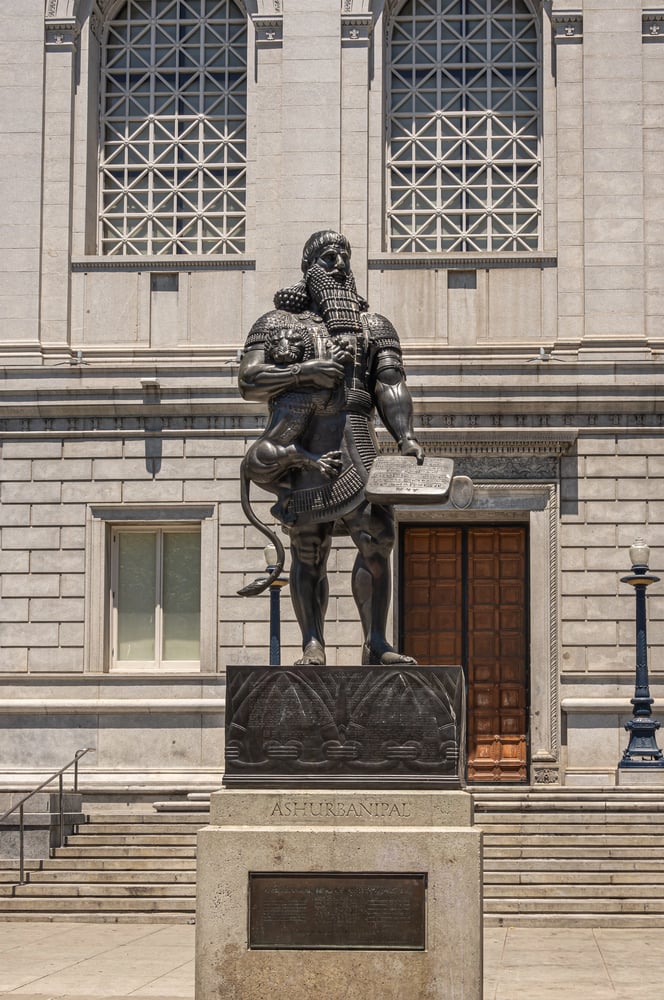
The Library of Ashurbanipal — the 7th-century BCE Assyrian king who assembled over 30,000 clay tablets at Nineveh — was excavated by Austen Henry Layard and Hormuzd Rassam in the mid-1800s and yielded, among other things, the Epic of Gilgamesh: a flood narrative written centuries before the Book of Genesis that described a great deluge, a boat, animals saved in pairs, and a bird sent out to find land. The discovery didn’t destroy biblical scholarship, but it permanently altered the conversation about the origins of ancient Near Eastern mythology.
The Ain Ghazal Statues
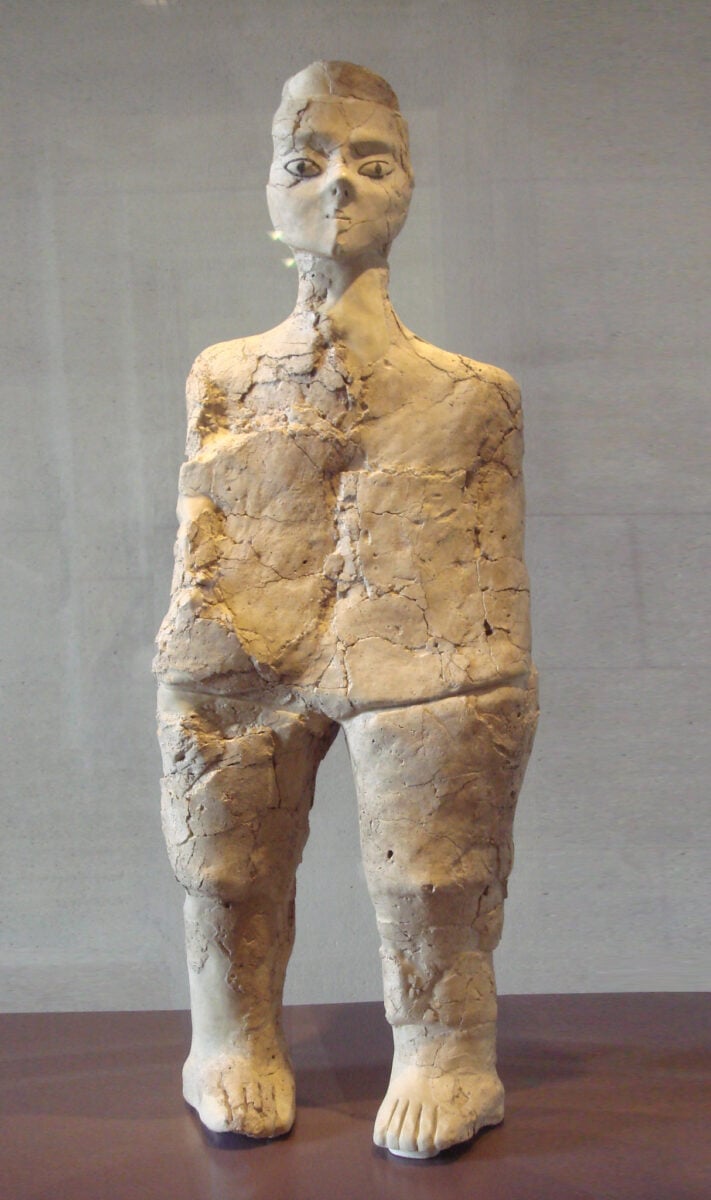
The Ain Ghazal statues — 32 plaster human figures unearthed in Amman, Jordan, in 1983 during road construction — are the oldest large-scale human sculptures in the world, dating to around 9650–8650 BCE. They stand up to three feet tall, with inlaid bitumen eyes, and were deliberately buried in two caches as if being ritually interred.
They predate anything else in their category by centuries, and their quality suggested a level of artistic tradition and continuity that nobody had mapped for that region of the ancient world at that point in time.
Machu Picchu’s True Purpose
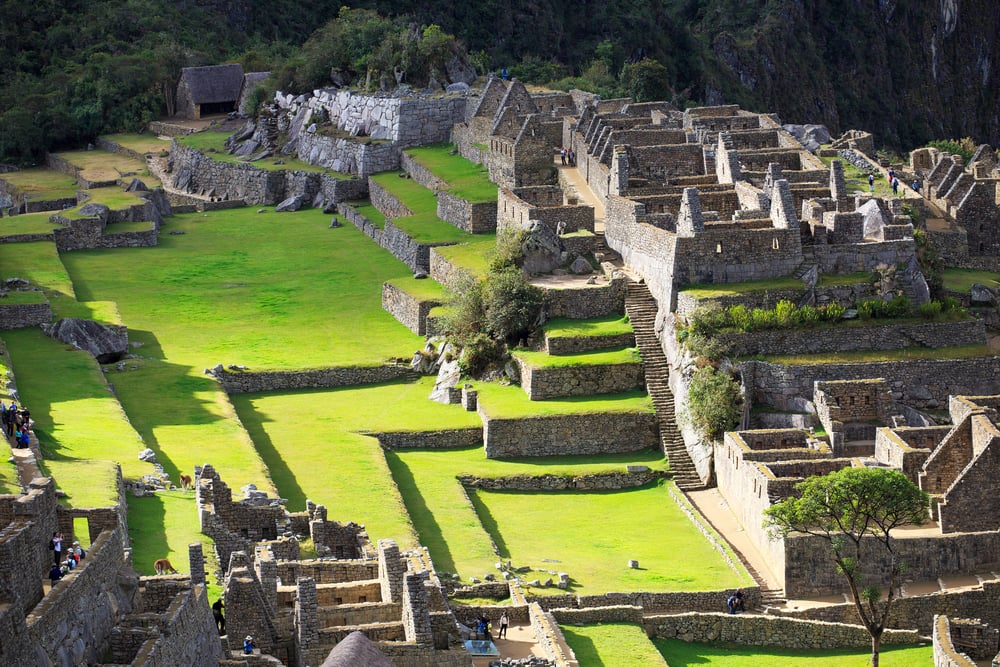
Machu Picchu was not a city. That framing took hold early and held for most of the 20th century, partly because Hiram Bingham, who publicized the site in 1911, called it “the lost city of the Incas.”
Detailed analysis of the skeletal remains, the architectural layout, and the Inca administrative records has since established it as a royal estate — a seasonal retreat built for Emperor Pachacuti around 1450 CE — occupied by a small staff and visited periodically by the royal court. The “lost city” framing was always more poetic than accurate, which is saying something for one of the most visited places on Earth.
The Dispilio Tablet
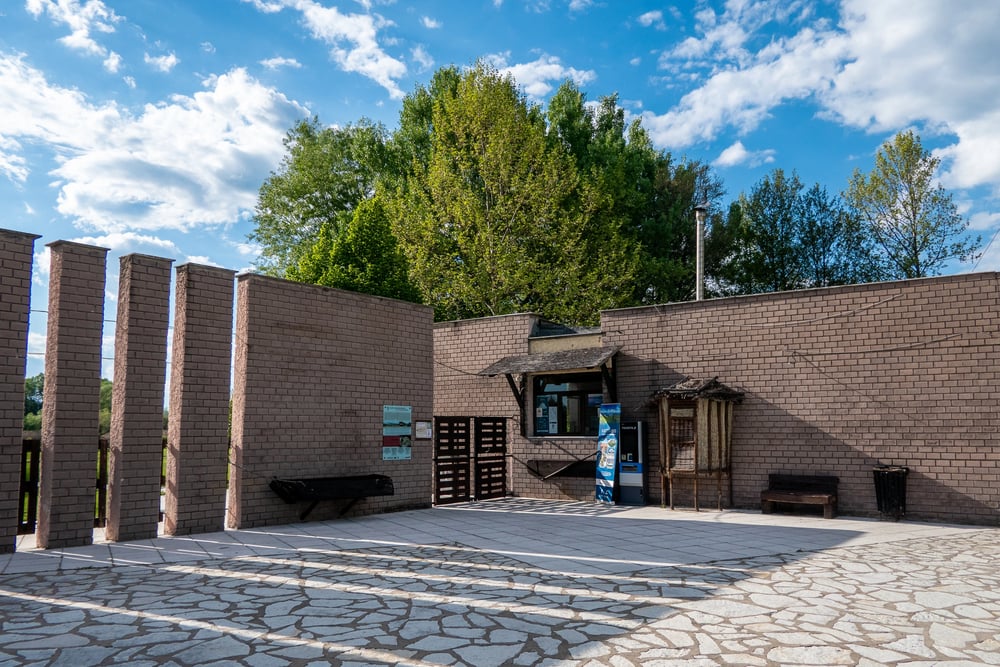
— Photo by Tadzo
The Dispilio Tablet — a wooden plank pulled from the bottom of Lake Kastoria in northern Greece in 1993 — carries an inscription dated to around 5260 BCE, making it one of the oldest known examples of writing in the world, predating the Sumerian tablets that had long claimed that title. The script remains undeciphered, which means it hasn’t been definitively confirmed as “writing” in the communicative sense — but its mere existence introduced a serious crack in the consensus that organized symbolic notation began in Mesopotamia and nowhere else.
The Flores Hobbit

Homo floresiensis — nicknamed “the Hobbit” after its discovery on the Indonesian island of Flores in 2003 — stood roughly three and a half feet tall and had a brain smaller than a chimpanzee’s, yet made sophisticated stone tools and may have hunted pygmy elephants. It lived until at least 50,000 years ago, which means it was contemporary with anatomically modern humans.
The discovery didn’t just add a species to the catalog — it suggested that the human story outside of Africa was far more crowded and complicated than the existing models had left room for.
The Stones That Changed Everything
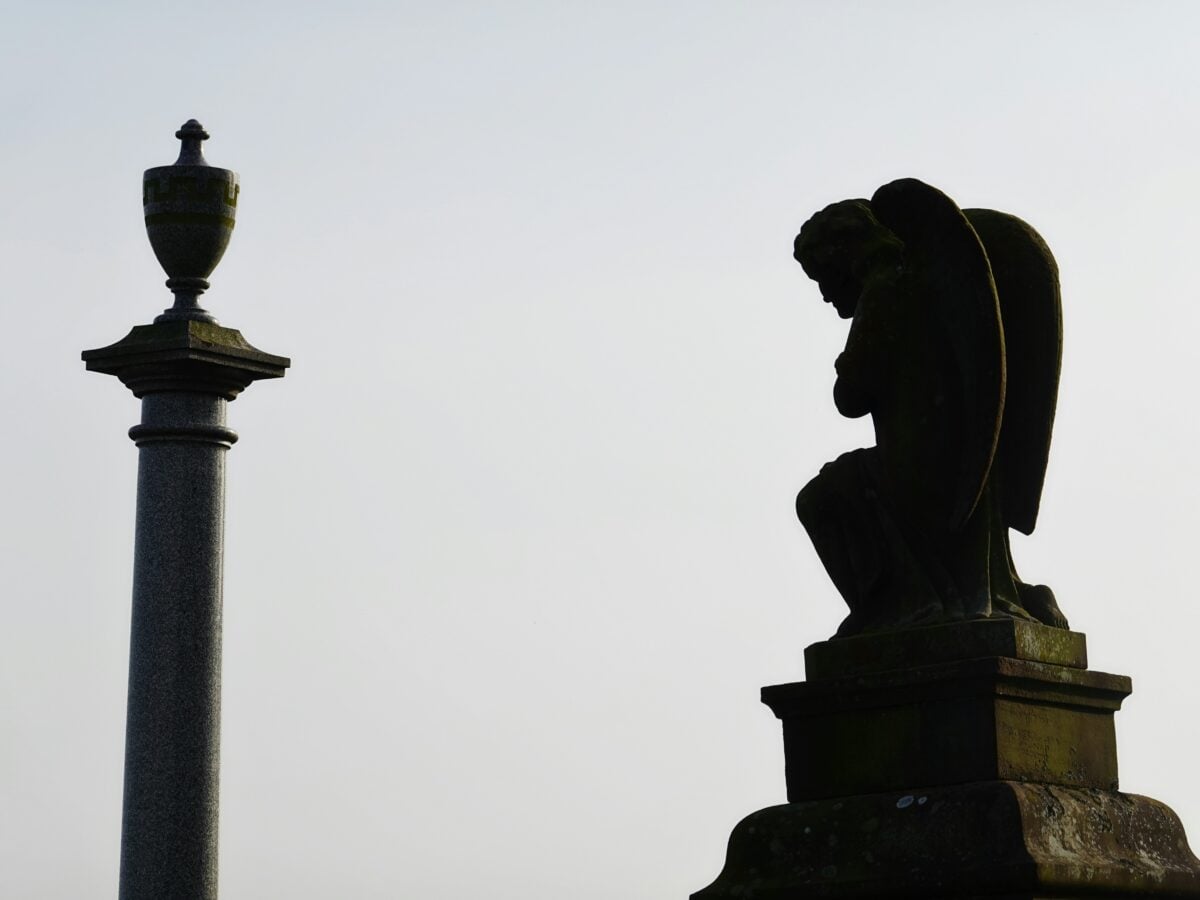
There is something almost stubborn about the ground — the way it holds onto these things for thousands of years, indifferent to the theories being built above it, and then gives them up at random, to a farmer, a shepherd, a road crew who just needed to pour a foundation. Every discovery on this list arrived without warning, in the middle of something else entirely.
And every single one of them forced someone, somewhere, to look at a textbook they’d trusted for years and quietly set it aside. That’s not a failure of scholarship.
That’s how knowledge actually moves — not in smooth lines, but in sudden, irreversible lurches forward every time the earth decides to speak.
More from Go2Tutors!

- The Romanov Crown Jewels and Their Tragic Fate
- 13 Historical Mysteries That Science Still Can’t Solve
- Famous Hoaxes That Fooled the World for Years
- 15 Child Stars with Tragic Adult Lives
- 16 Famous Jewelry Pieces in History
Like Go2Tutors’s content? Follow us on MSN.