24 Bands That Formed in School Before Anyone Knew the Name
The basement, the garage, the school hallway—these are where many of the world’s most iconic bands took their first chaotic breaths. Long before sold-out stadiums and platinum records, future superstars were sitting in classrooms beside the people who would become their collaborators for decades.
Many of the biggest names in music history owe their very existence to proximity and shared teenage boredom. School is an unlikely but remarkably fertile breeding ground for musical partnerships.
When you spend eight hours a day surrounded by the same people, share similar musical influences, and possess the kind of unguarded creativity that adolescence provides, the conditions for forming a band are ideal. These 24 bands all share the same origin story: friendship forged in school, ambition kindled in youth, and a leap from educational institution to the world stage.
The Beatles
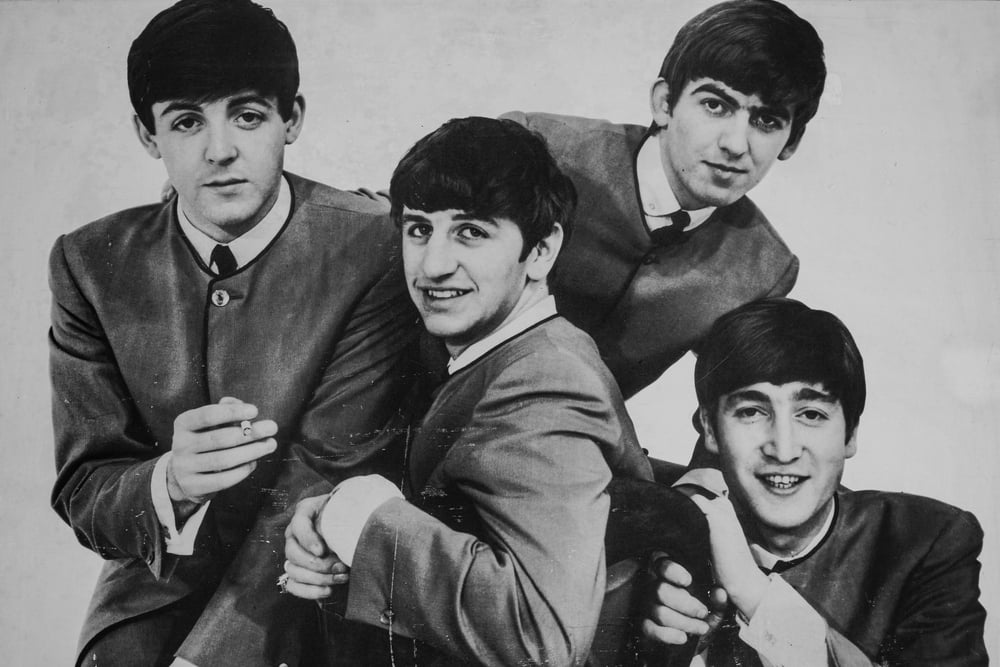
John Lennon formed The Quarrymen in 1956 while attending Quarry Bank High School in Liverpool, taking the name from a line in the school song. Paul McCartney joined in 1957 after meeting John at a church fete, and George Harrison came aboard in 1958, all while still in school.
They played skiffle music at school dances, parties, and local venues, drawing crowds who had no idea these teenagers would eventually revolutionize popular music.
Queen
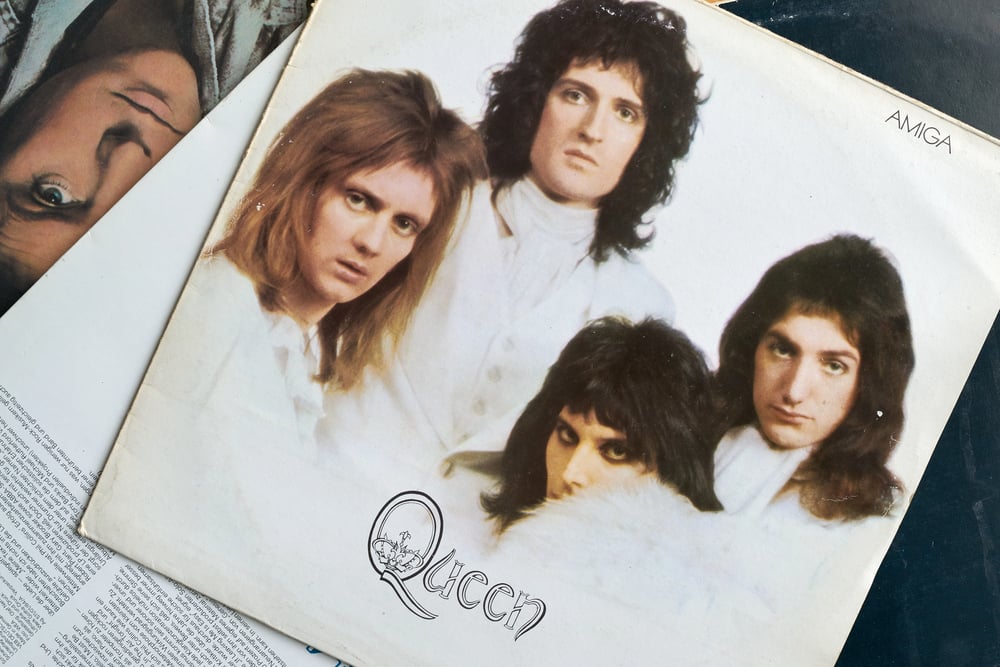
Brian May, Tim Staffell, and Roger Taylor formed Smile at London’s prestigious Imperial College in 1967. Farrokh Bulsara, already a fan of the group, was introduced by Staffell and eventually joined after his own band dissolved.
He would become Freddie Mercury, and when the group rechristened themselves Queen, they added bassist John Deacon and began their path to legendary.
Green Day
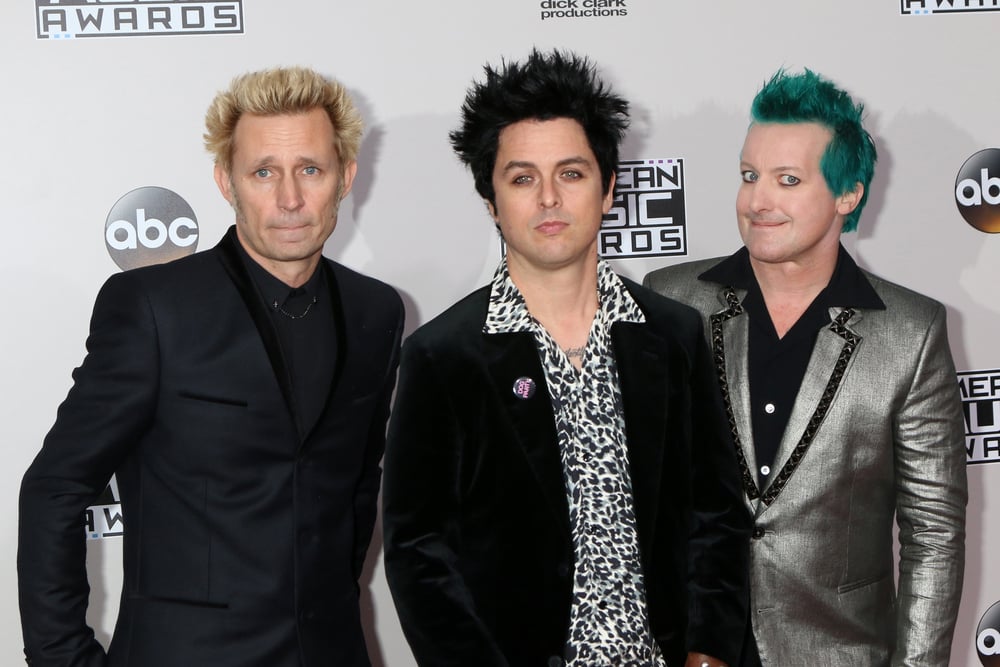
Billie Joe Armstrong and Mike Dirnt met in middle school in California and immediately bonded over music. They formed their first band, initially called Sweet Children, and played their first show in 1986 when Armstrong was just 14 years old.
After recruiting drummer Tré Cool, they eventually shortened their name to Green Day and would go on to pioneer the pop-punk explosion of the 1990s.
Radiohead
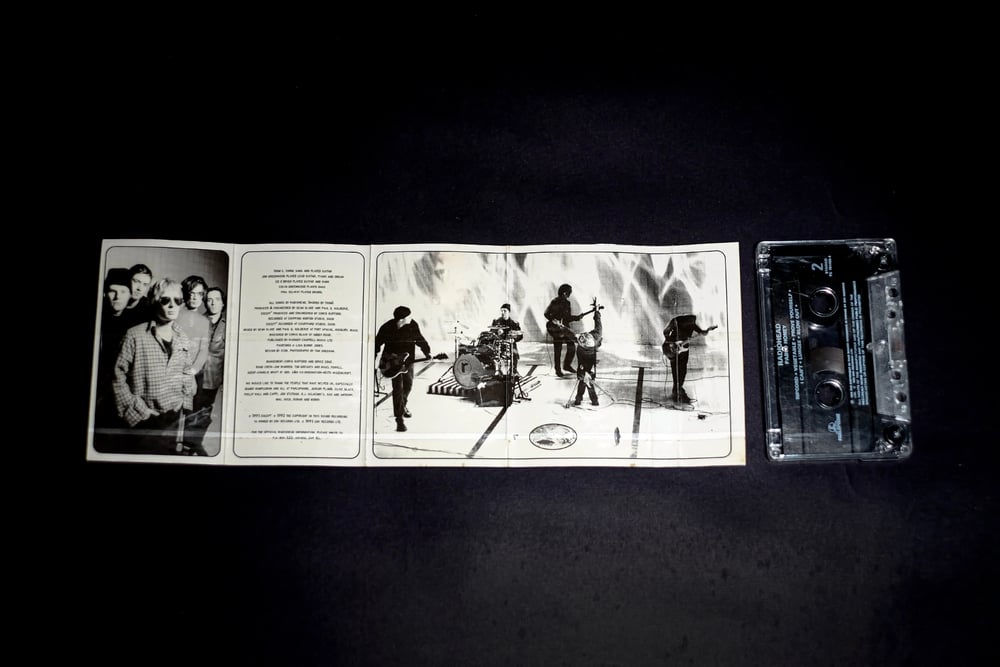
All five members of Radiohead—Thom Yorke, Colin Greenwood, Jonny Greenwood, Ed O’Brien, and Phil Selway—met at Abingdon School, an all-boys institution in Oxfordshire, England.
Though they attended in different years and were split between different classes, the school created the constellation that would later orbit around one of alternative rock’s most innovative bands.
Red Hot Chili Peppers
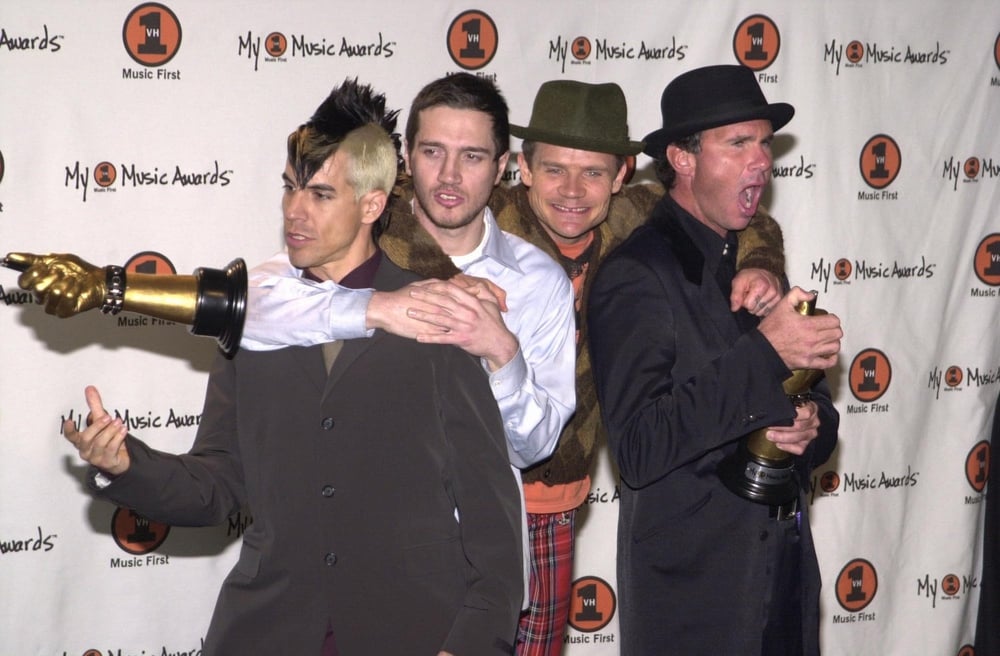
Anthony Kiedis, Hillel Slovak, Flea, and Jack Irons formed their first incarnation at Fairfax High School in Los Angeles during the mid-1980s under the unwieldy name Tony Flow and the Miraculously Majestic Masters of Mayhem.
After a streamlining of the moniker, they evolved into one of funk rock’s defining forces, selling over 80 million records worldwide.
U2
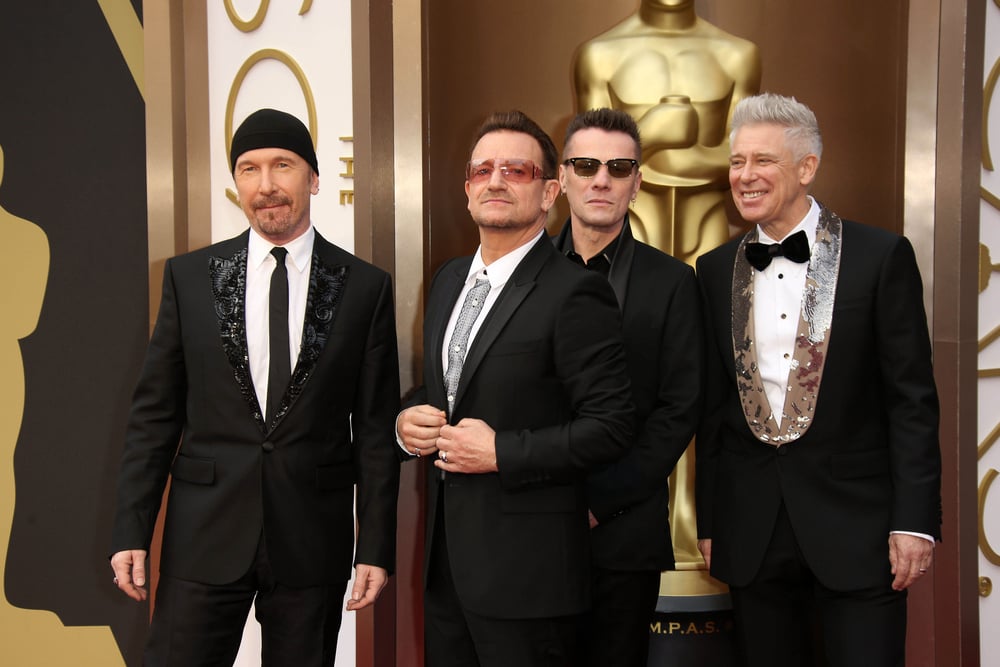
Larry Mullen Jr. posted a notice on the bulletin board at Mount Temple Comprehensive School in 1976, asking if anyone wanted to start a band. Six students responded, and through various iterations, the lineup eventually solidified as Bono, The Edge, Adam Clayton, and Larry Mullen Jr., all united by their school connection and Irish roots.
Boyz II Men
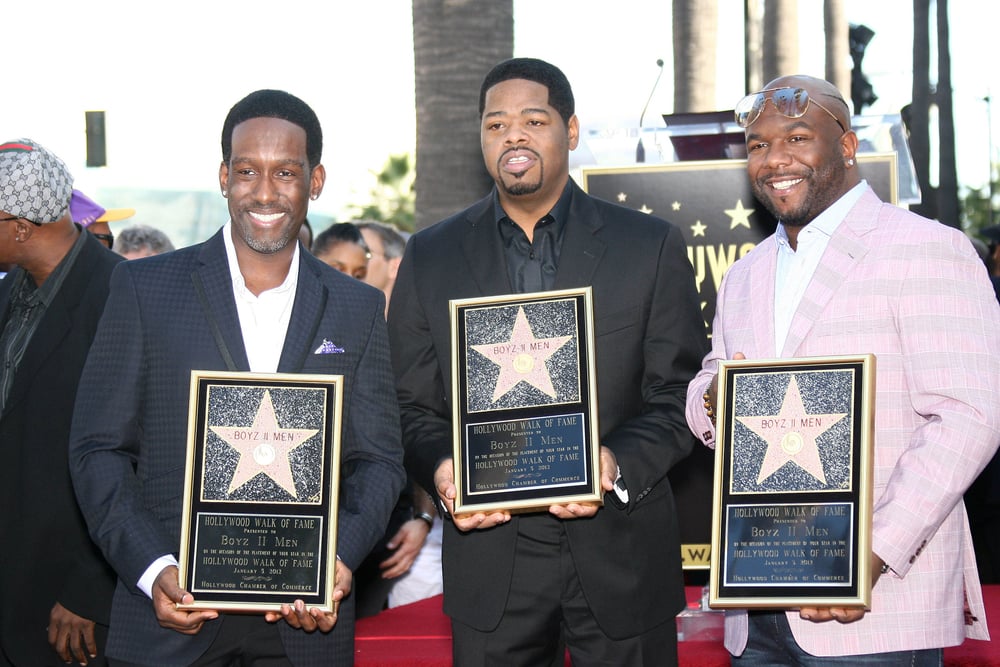
This R&B group originally called Unique Attraction was formed in 1988 at Philadelphia’s High School for the Creative and Performing Arts (CAPA), where all four original members belonged to the school choir. Their 1992 single “End of the Road” would break Elvis’s chart record, and the band helped usher R&B into mainstream radio dominance.
Linkin Park
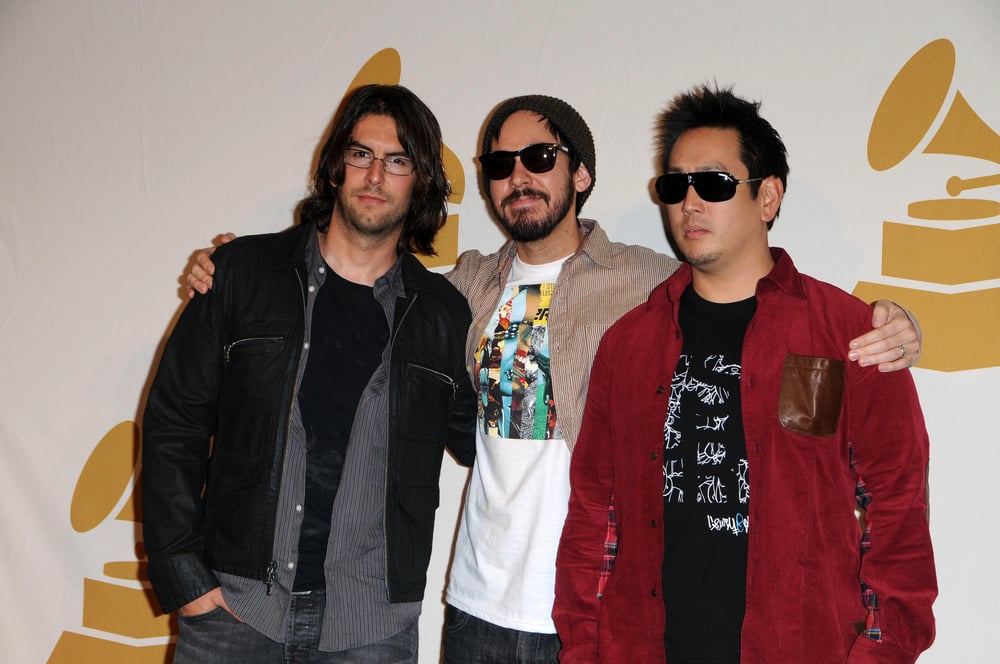
Mike Shinoda, Rob Bourdon, and Brad Delson formed the nucleus of what would become Linkin Park during their high school years. They named the band as a tribute to Lincoln Park in Santa Monica and would eventually pioneer the rap-metal fusion that defined early-2000s rock radio.
The Strokes

Julian Casablancas, Nick Valensi, and Fab Moretti all met at the Lycée Français de New York, while Albert Hammond Jr. attended a different school but connected through the Manhattan music scene. Despite their privileged background, these high school friends would spearhead the garage rock revival of the late 1990s.
Blink-182
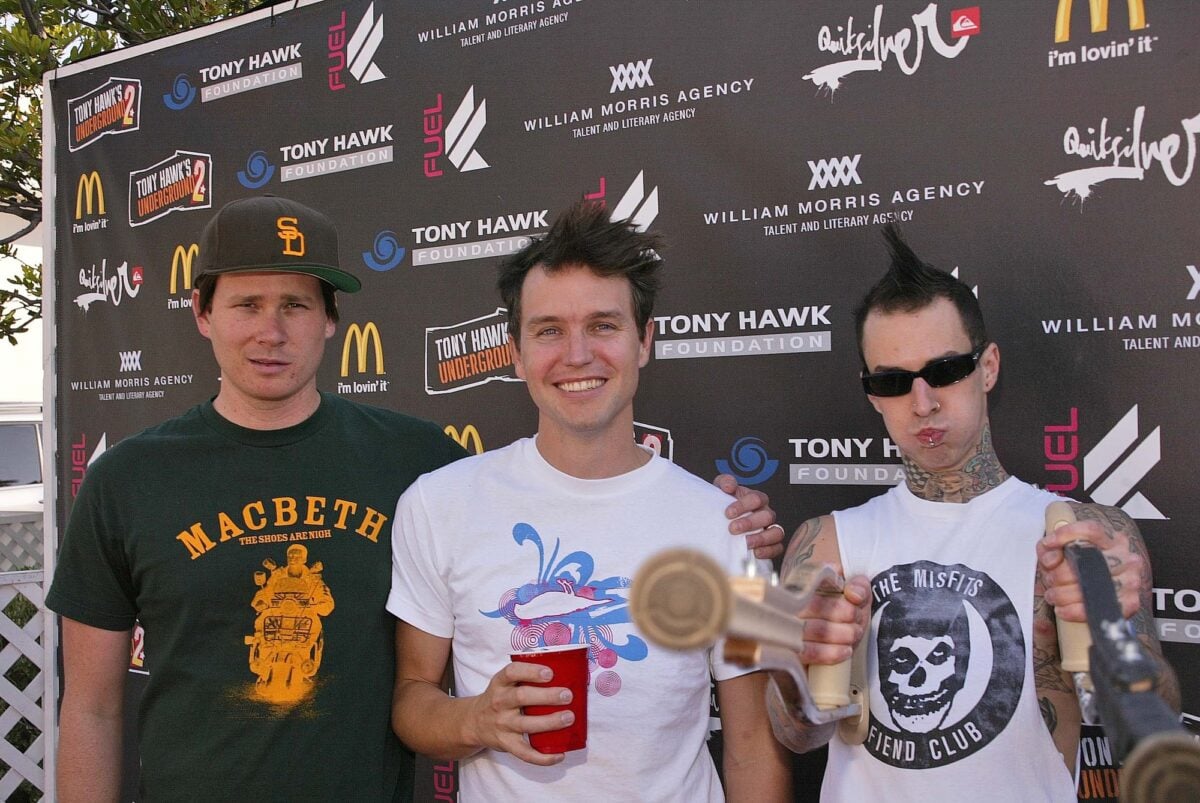
Tom DeLonge and Mark Hoppus met at Poway High School in the San Diego suburbs and immediately formed a musical partnership that would define a generation of pop-punk listeners. When drummer Scott Raynor joined, the band’s lineup solidified into the irreverent trio that would dominate MTV and alternative radio.
The Cure
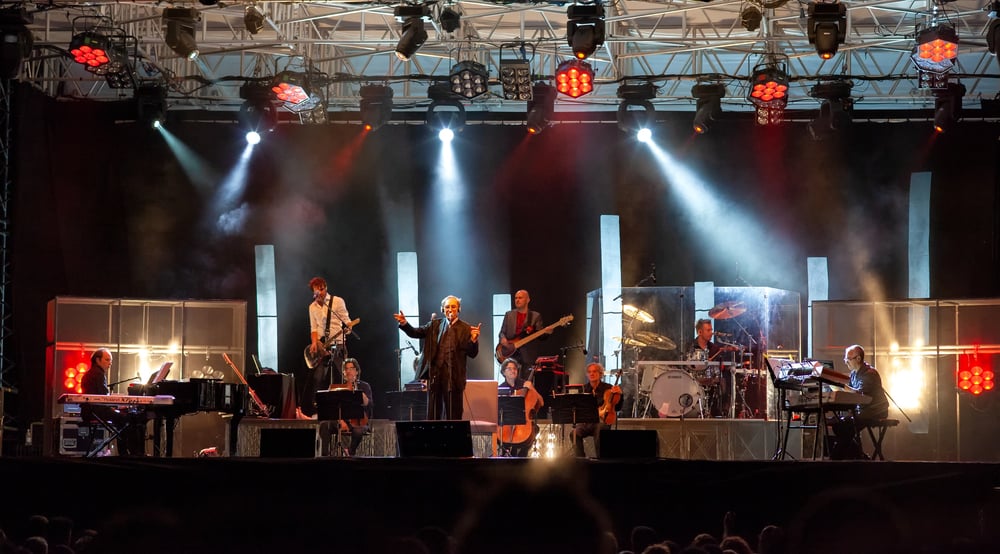
Robert Smith founded The Cure at St. Wilfrids Comprehensive School in 1976 alongside his schoolmates. The band went through multiple name changes and lineup adjustments until settling on The Cure in 1978, but the school provided the foundation for one of alternative rock’s most enduring and influential acts.
Joy Division
Bernard Sumner and Peter Hook were high school friends in Manchester who both independently attended a Pistols concert at the Lesser Free Trade Hall in June 1976. Inspired by the performance, they reunited and formed the band that would pioneer post-punk, forever changing the trajectory of rock music.
Arctic Monkeys
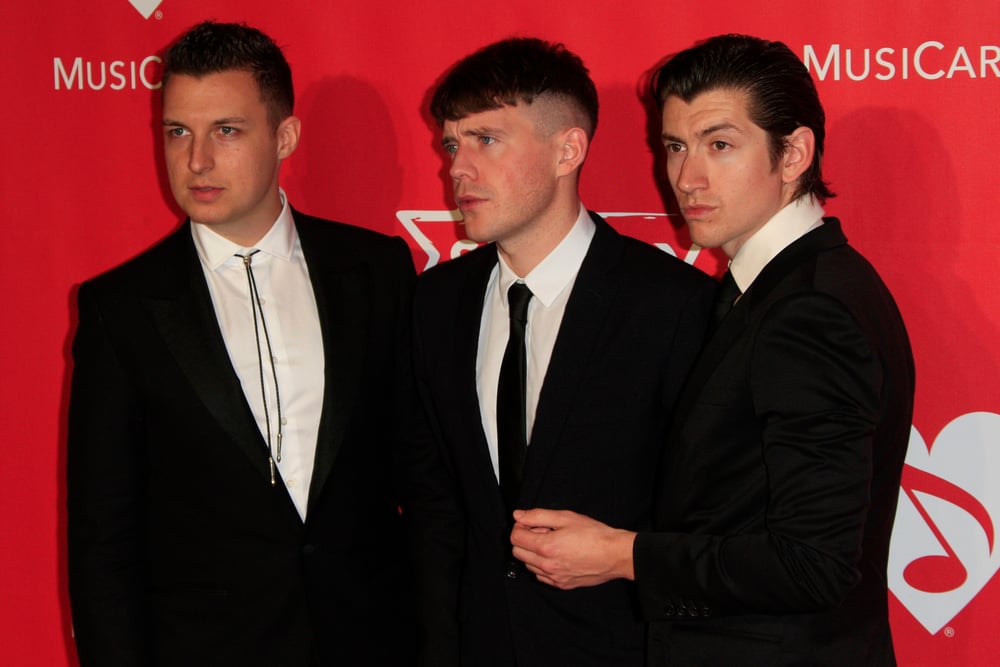
In 2002, school friends Alex Turner, Jamie Cook, Matt Helders, and Andy Nicholson decided to form a band in Sheffield after receiving guitars one Christmas. These teenagers from High Green had no formal musical training and were more interested in football than fame, yet they would become one of the defining rock bands of the 21st century.
Jimmy Eat World
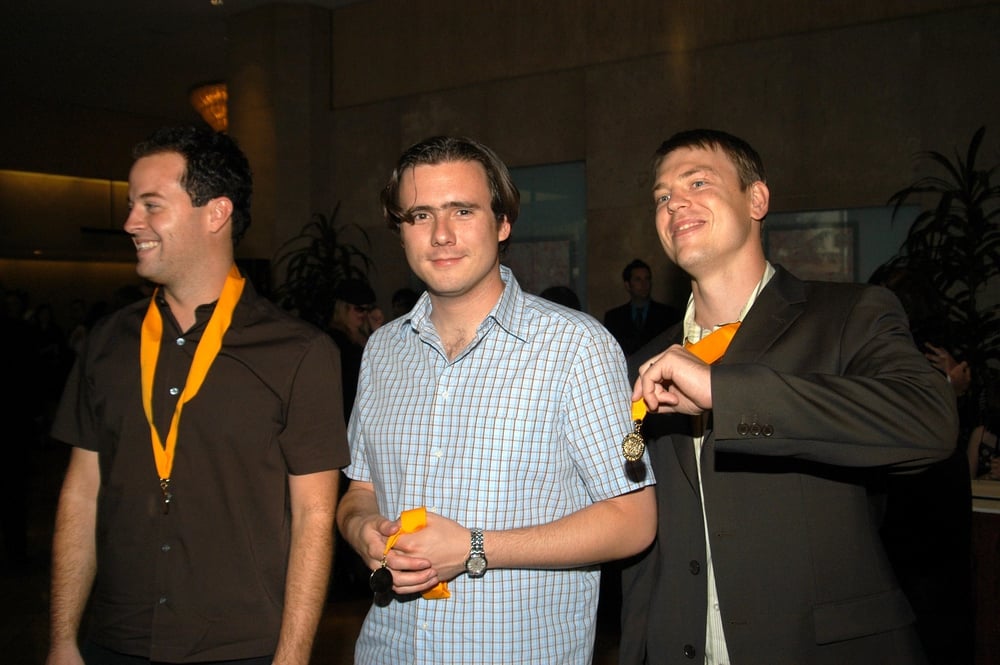
Jim Adkins and Zach Lind had known each other since pre-school but didn’t form a band until high school. They recruited Mitch Porter on bass and Tom Linton on guitar, and Jimmy Eat World’s 2001 single “The Middle” would eventually reach number seven of the Billboard Hot 100, proving that school friendships could breed genuine commercial success.
Coldplay
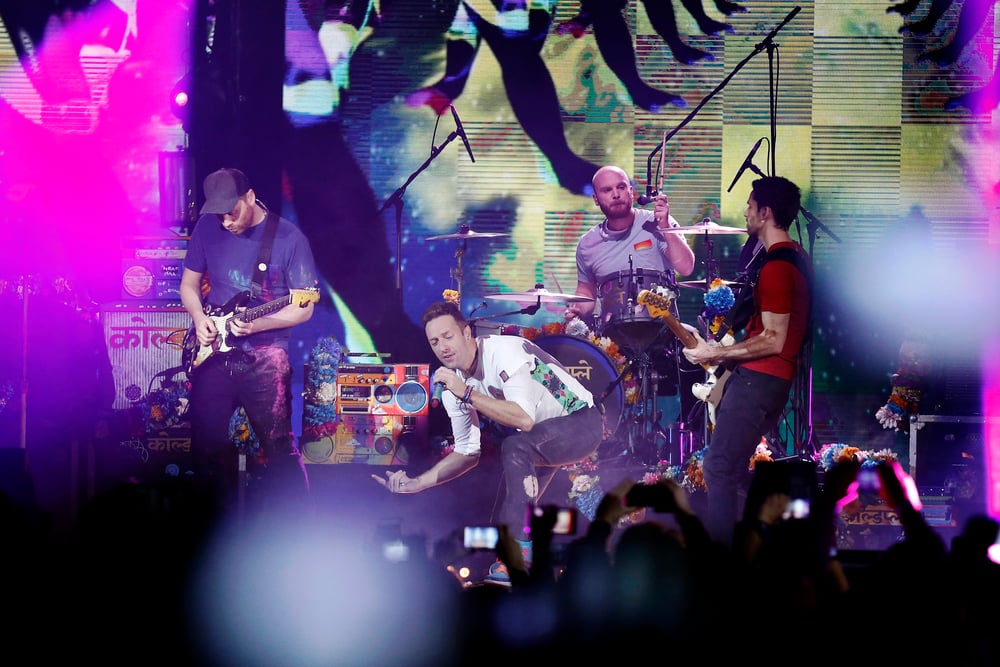
This British band was formed when two students met during orientation week at a London university. After several name changes and lineup adjustments, they eventually became Coldplay and would go on to become one of the world’s best-selling acts, all because two strangers happened to meet on their first day of higher education.
MGMT

Andrew VanWyngarden and Ben Goldwasser became friends during their freshman year at Wesleyan University in Connecticut. With zero intention of forming a musical group, they were simply hanging out and showing each other songs when the chemistry became undeniable, resulting in a synth-pop project that would captivate indie listeners worldwide.
Panic! at the Disco
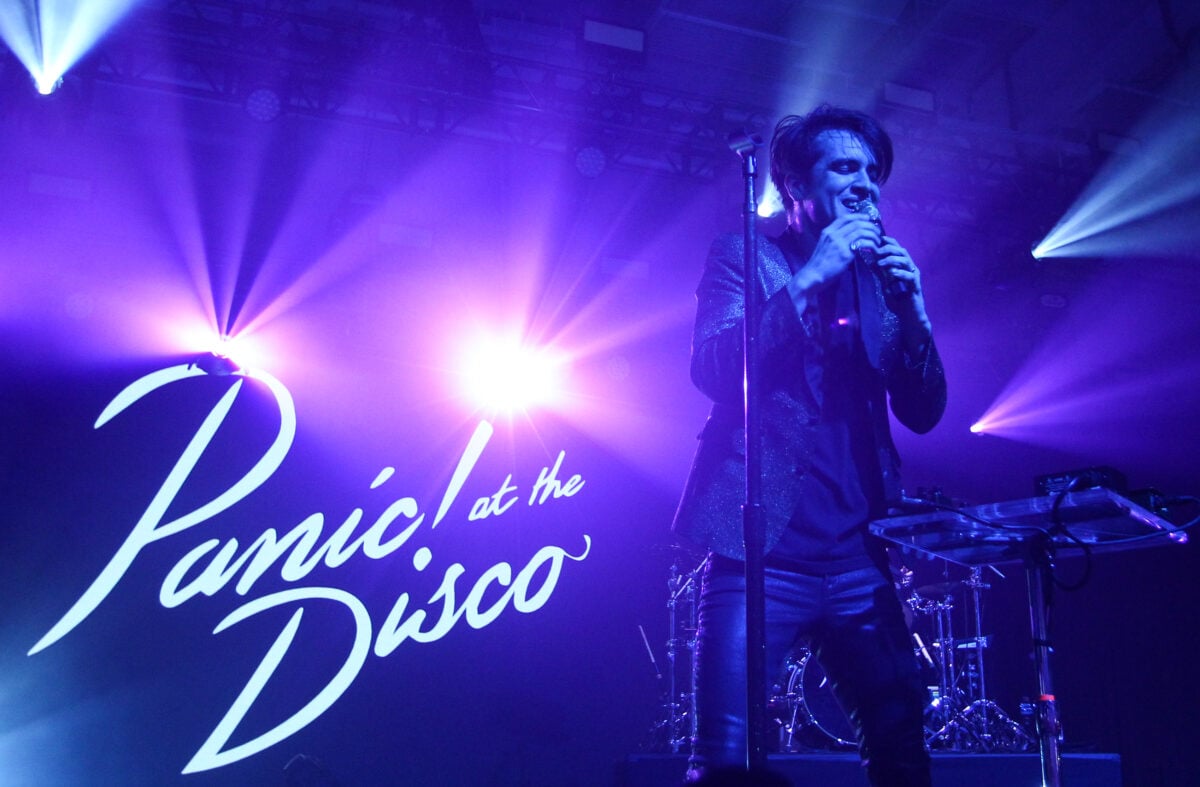
Ryan Ross and Spencer Smith were childhood friends who started writing music together, eventually recruiting Brent Wilson on bass and Ryan Walker on keyboards to complete their Las Vegas lineup. What began as a teenage creative outlet evolved into a theatrical, maximalist rock band that broke through in the 2000s emo scene.
The Rolling Stones
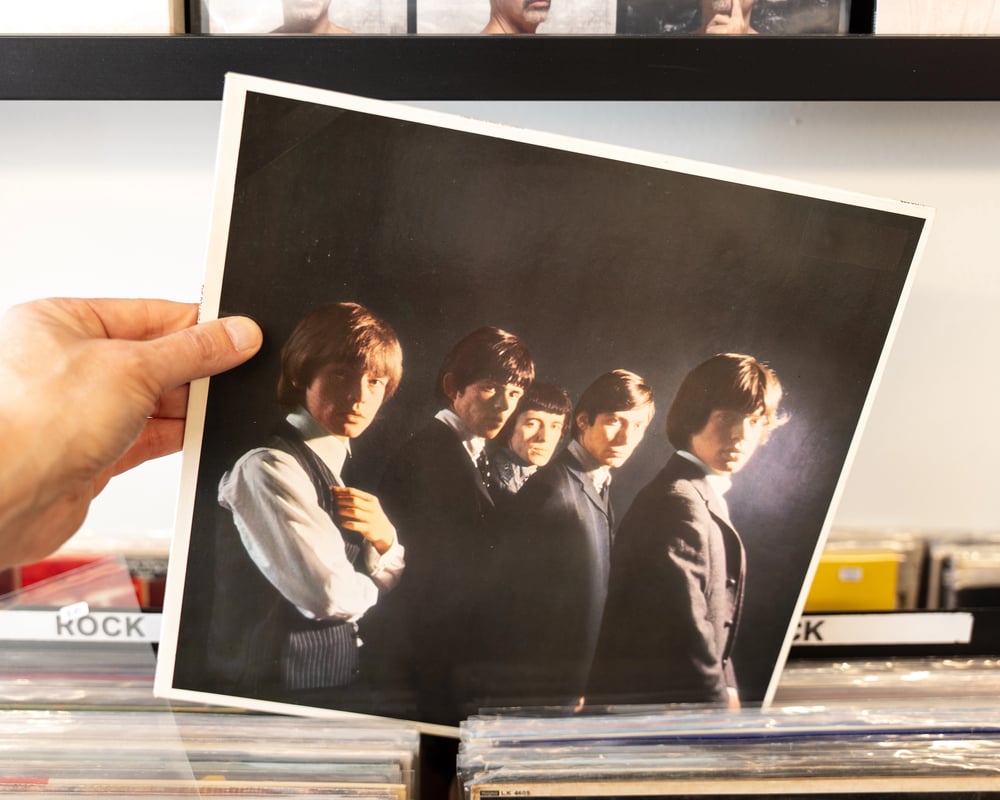
Mick Jagger and Keith Richards first met at Dartford Maypole County Primary School but reconnected a decade later in 1960 at Dartford railway station. When Jagger was carrying Chuck Berry and Muddy Waters albums and Richards was carrying a guitar, the conversation that ensued would launch one of rock music’s most durable partnerships.
Pink Floyd
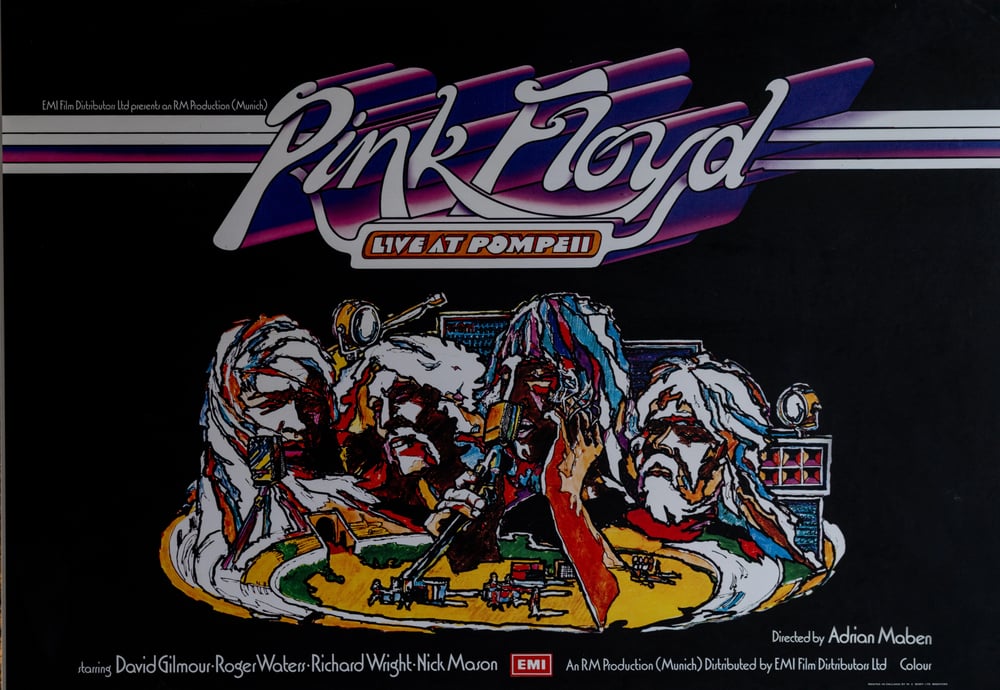
Three of the band’s founding members—Roger Waters, Nick Mason, and Richard Wright—studied architecture at London’s Regent Street Polytechnic School of Architecture. Their collective art school experience influenced their innovative, experimental approach to rock music that would define progressive rock.
Metallica
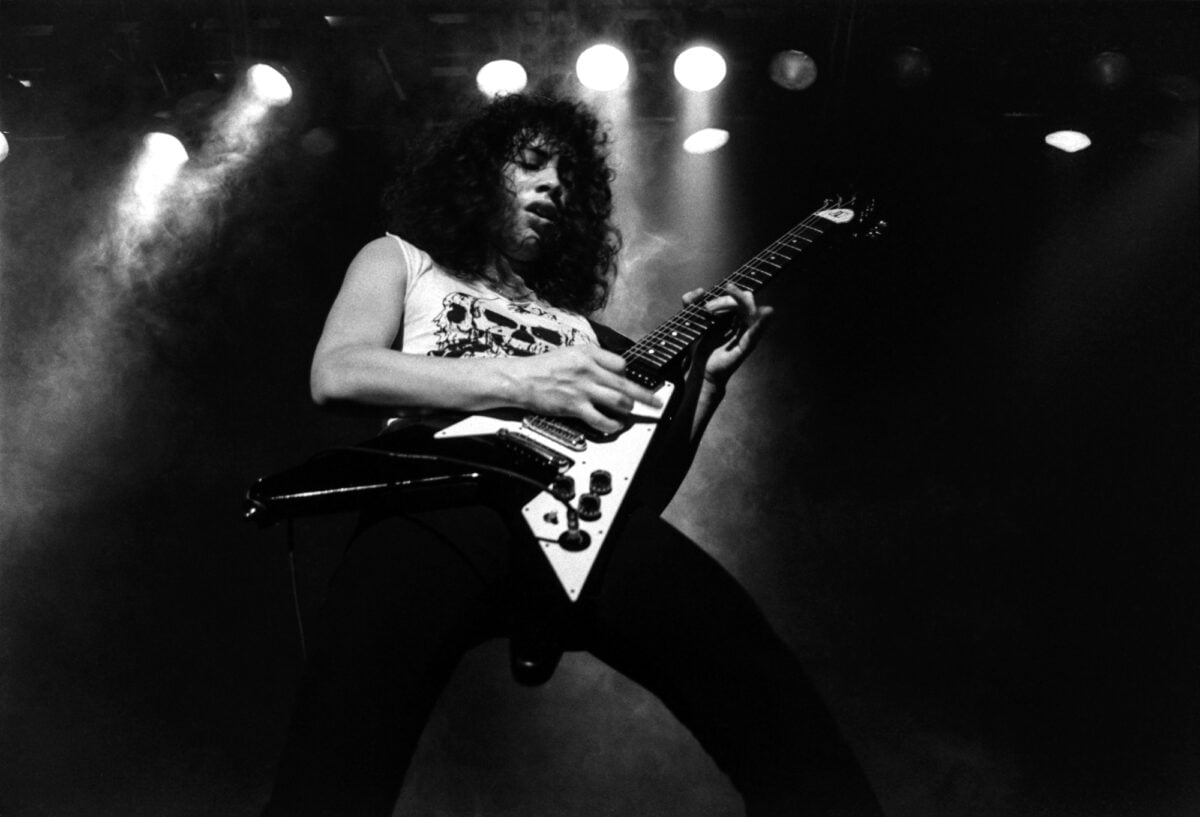
Lars Ulrich and James Hetfield formed Metallica shortly after both finished high school in Los Angeles in 1981. Their musical foundations came entirely from their teenage years, with Hetfield developing his signature heavy guitar style while dealing with a strict religious upbringing, and Ulrich placing ads in local papers seeking musicians interested in heavy metal.
Sonic Youth
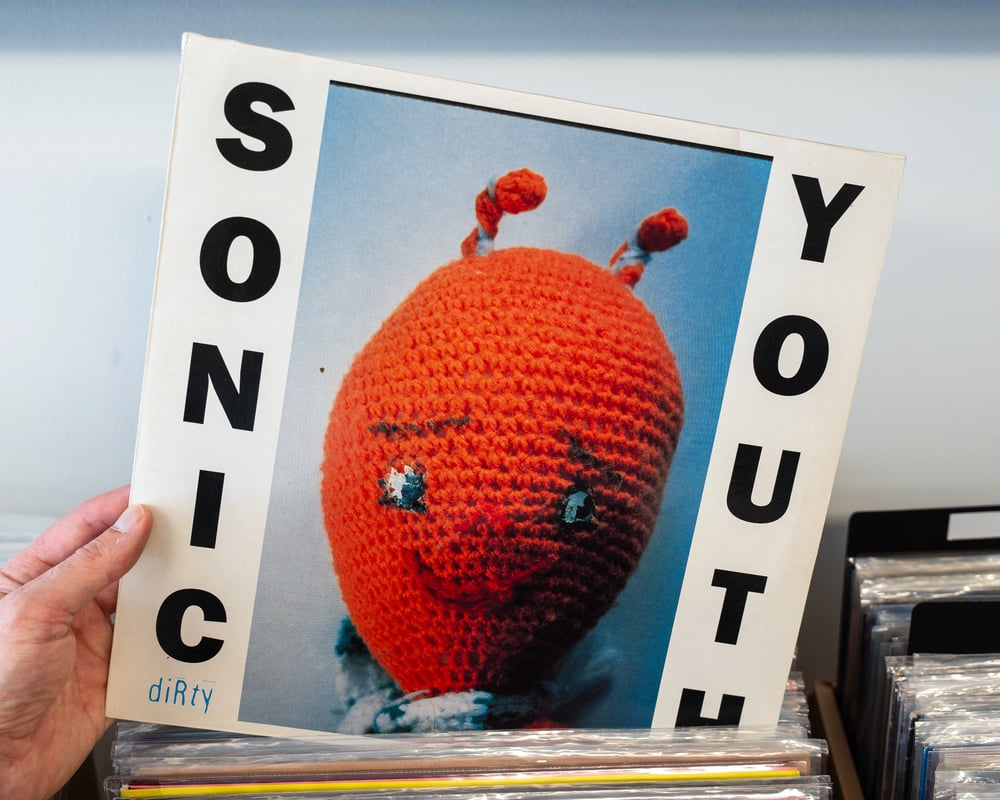
This influential experimental rock band formed when bandmates met through the New York arts school scene. Their collective education in avant-garde music theory and contemporary art shaped their willingness to deconstruct rock music and push its boundaries in ways that influenced generations of musicians.
New Order

Bernard Sumner, Peter Hook, and Stephen Morris were school friends who came together after Joy Division’s tragic end in 1980. Though they had previously known each other from school, they reformed as New Order and created one of the most commercially successful and artistically innovative bands of the 1980s, proving that school friendships could survive even tragedy and transmutation.
De La Soul
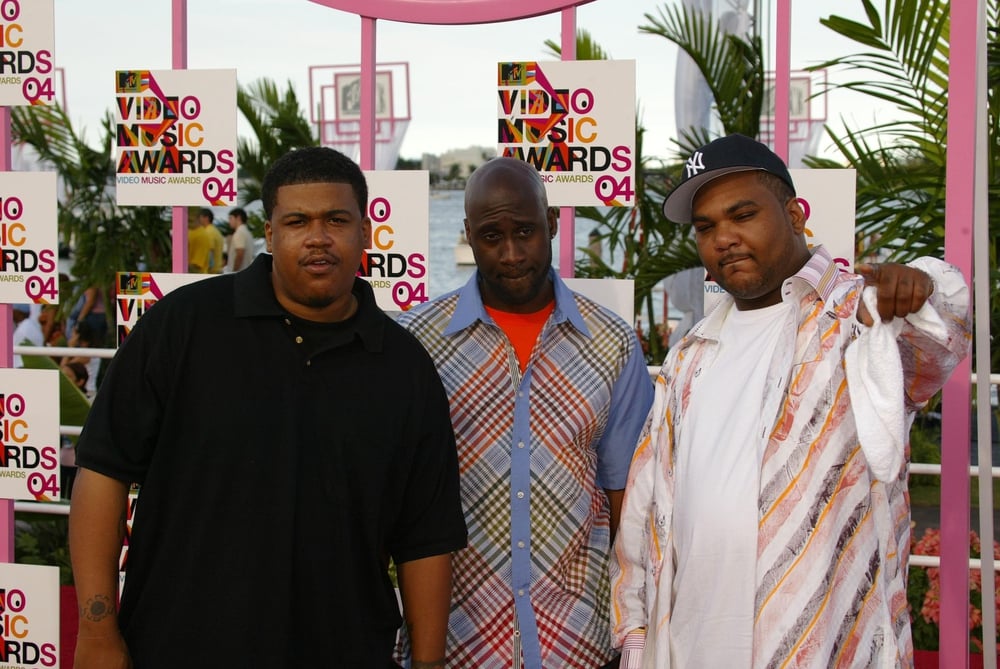
Dave, Trugoy, and Maseo met through the Long Island school and neighborhood music scene, connecting over a shared love of hip-hop and a determination to create something distinct from the then-dominant gang culture narratives in rap. Their afrocentric, playful approach to hip-hop emerged from friendships forged in their local community during their youth.
Arcade Fire
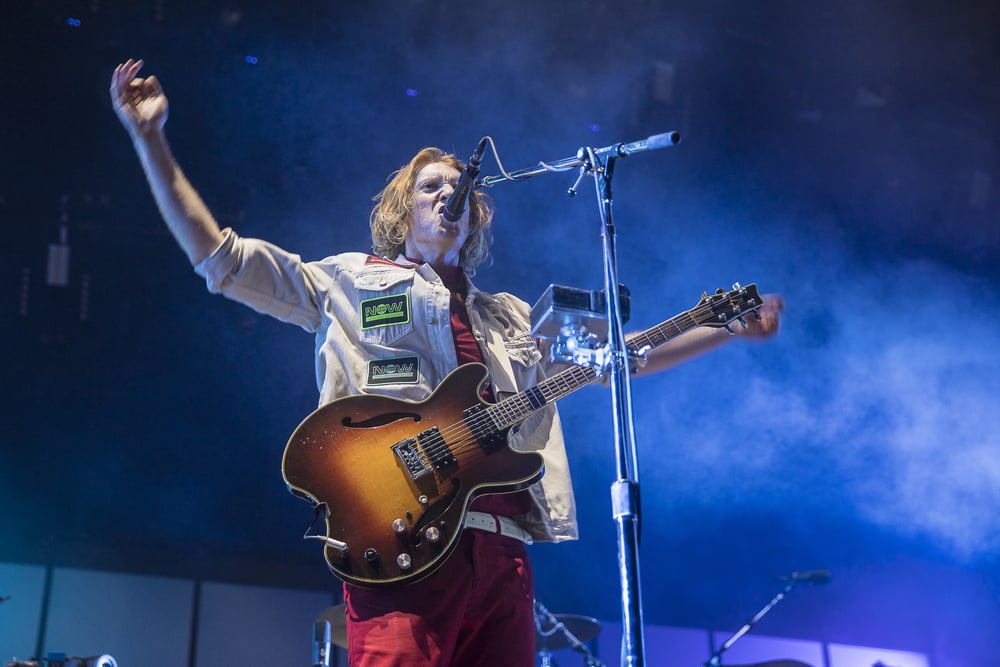
This Canadian indie rock band consisted of members who had known each other through the Montreal underground music scene since their school years. Win Butler, Régine Chassagne, and the supporting cast of musicians created a baroque pop sound that drew on their collective arts education and shared creative vision.
From Classroom to Coliseum
School friendships possess a unique chemistry that rarely translates into sustained professional collaboration. The combination of proximity, shared cultural moment, and the psychological safety of youth allows for a kind of creative vulnerability that becomes harder to access later in life. A random seating arrangement or hallway encounter between teenagers can set in motion decades of musical partnership, touring, arguing, reconciling, and creating together.
What unites all these bands is not just that they formed young, but that they formed together—in the same place, at the same time, before the world had any claim on them. The bands started as school projects and somehow never stopped, transforming adolescent enthusiasm into an international phenomenon.
They carry their school origins with them even now, a reminder that the best creative partnerships often begin not with ambition but with accident, not with plans but with proximity.
More from Go2Tutors!

- The Romanov Crown Jewels and Their Tragic Fate
- 13 Historical Mysteries That Science Still Can’t Solve
- Famous Hoaxes That Fooled the World for Years
- 15 Child Stars with Tragic Adult Lives
- 16 Famous Jewelry Pieces in History
Like Go2Tutors’s content? Follow us on MSN.