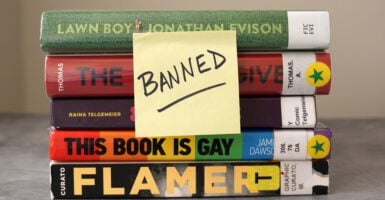
24 Banned Books From History That Readers Risked Serious Punishment Just to Own
Owning a book rarely feels dangerous today. For long stretches of history, though, the wrong volume on a shelf could bring a fine, a prison cell, exile or worse, and the authorities often cared less about who wrote it than about who was reading it.
The books below were hunted, burned and smuggled. Their readers hid them in bales of cloth, sewed them into coats and copied them by hand, which is exactly why so many survived.
Classics Burned Under the First Emperor of China
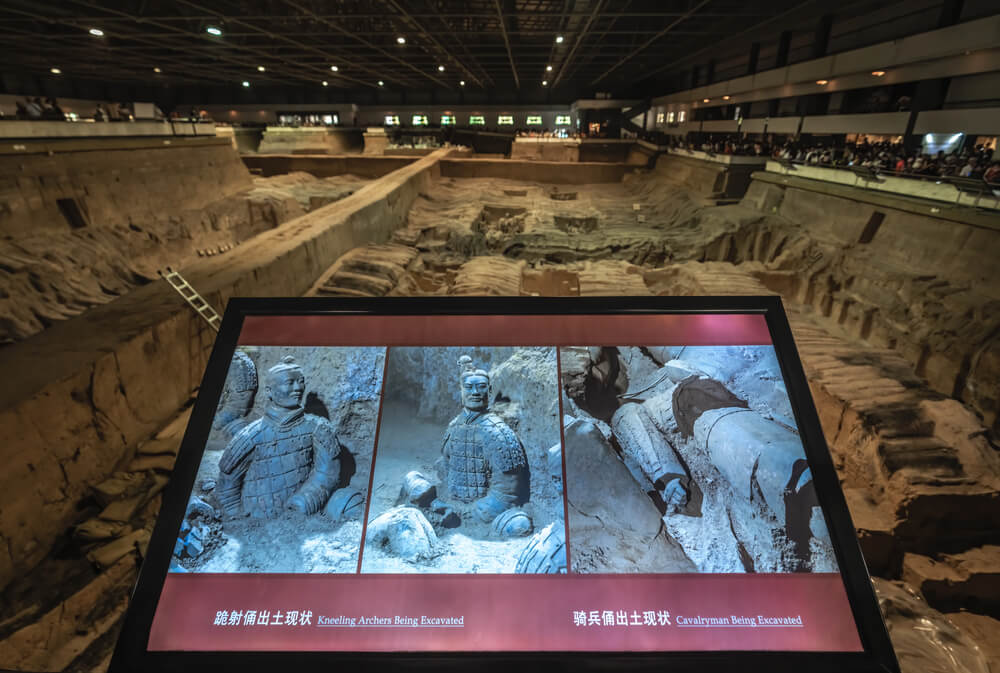
In 213 BC, on the advice of his minister Li Si, the first emperor of the Qin dynasty ordered the destruction of histories other than those of Qin, along with copies of classic poetry and philosophy held by private citizens. Works on medicine, divination and farming were spared.
According to the historian Sima Qian, anyone discussing the banned classics could be executed, and people who failed to hand in their books within 30 days faced branding and forced labor on the walls. Some scholars hid texts inside the walls of their homes, and several of those hidden copies resurfaced during later dynasties.
Talmud Carted Into the Flames in Paris
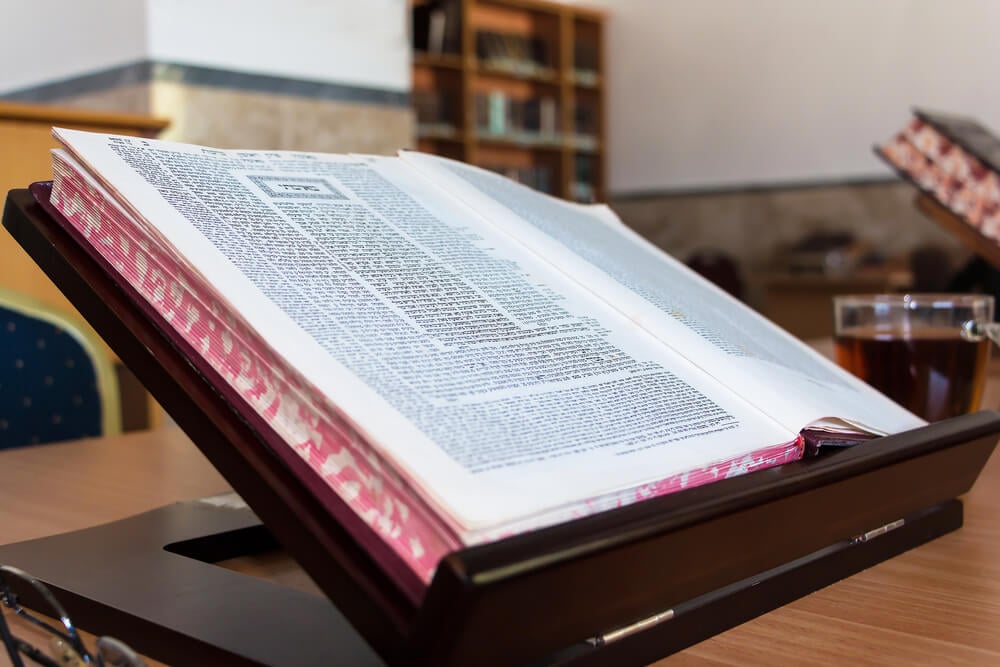
After a public disputation in Paris in 1240, church authorities condemned the Talmud, the central text of rabbinic Judaism, as blasphemous. In 1242, about two dozen cartloads of handwritten copies were burned in the city, amounting to many thousands of volumes.
Because every copy had to be written by hand, the loss was devastating for Jewish communities in France. Popes and kings issued further orders to seize the Talmud over the following centuries, and Jewish households were repeatedly searched.
Some copies survived only because families concealed them or carried them across borders.
Wycliffe Bible Outlawed in English Homes
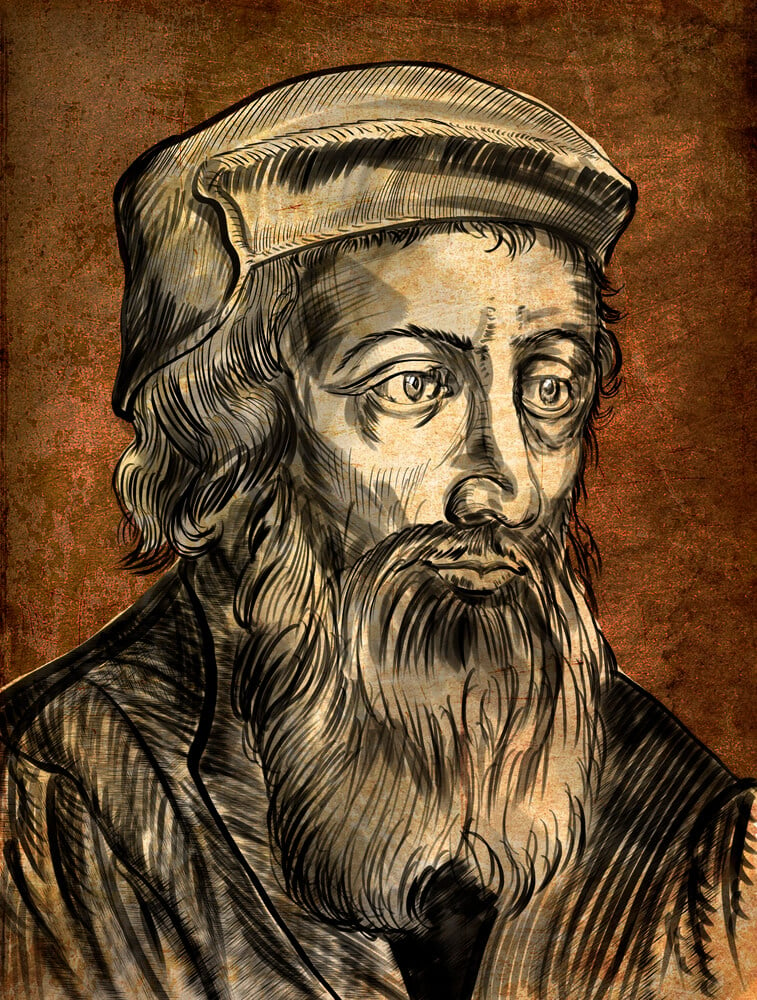
Followers of the Oxford theologian John Wycliffe produced the first complete Bible in English in the late 14th century. In 1409, the Constitutions of Oxford, issued under Archbishop Thomas Arundel, forbade anyone from translating scripture into English or owning such a translation without church approval.
Possession of English scripture could be used as evidence of heresy against the Lollards, as Wycliffe’s followers were called. Some were burned at the stake.
Despite the danger, around 250 manuscript copies of the Wycliffe Bible survive, showing how widely the text circulated in secret.
Martin Luther Banned by the Edict of Worms
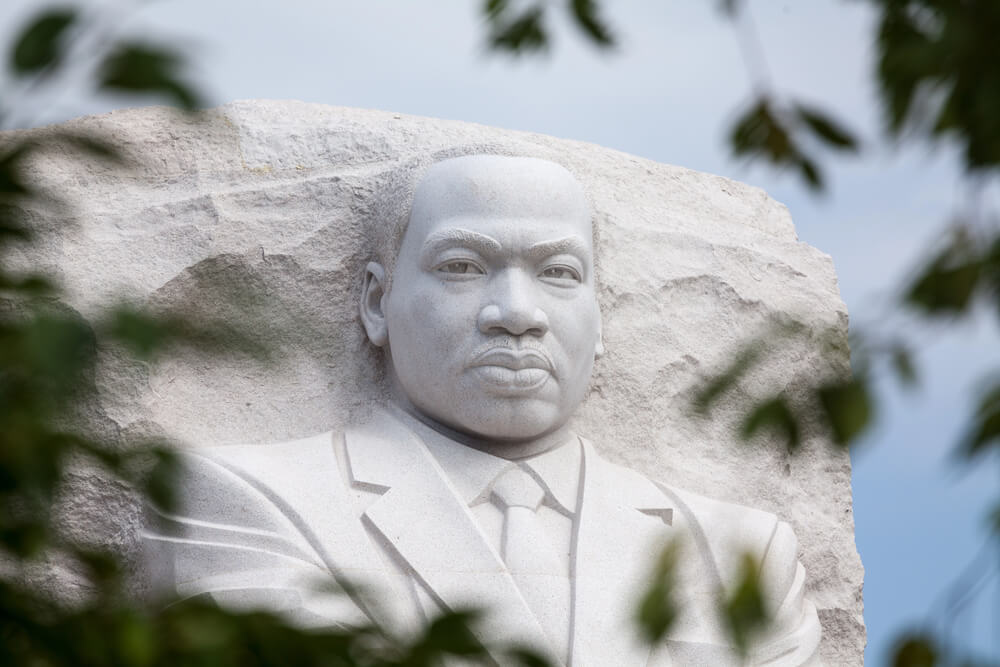
After refusing to recant his writings before the Diet of Worms, Martin Luther was declared an outlaw in 1521 by Emperor Charles V. The Edict of Worms banned his books and ordered them destroyed, making possession a crime within the empire.
Yet the printing press meant his pamphlets were already circulating in huge numbers. Printers produced so many copies that suppression proved nearly impossible.
Luther himself was hidden at Wartburg Castle, where he translated the Greek scriptures of the Bible into German, a book that spread just as quickly as the ones already banned.
Tyndale’s English Gospels Smuggled in Cloth
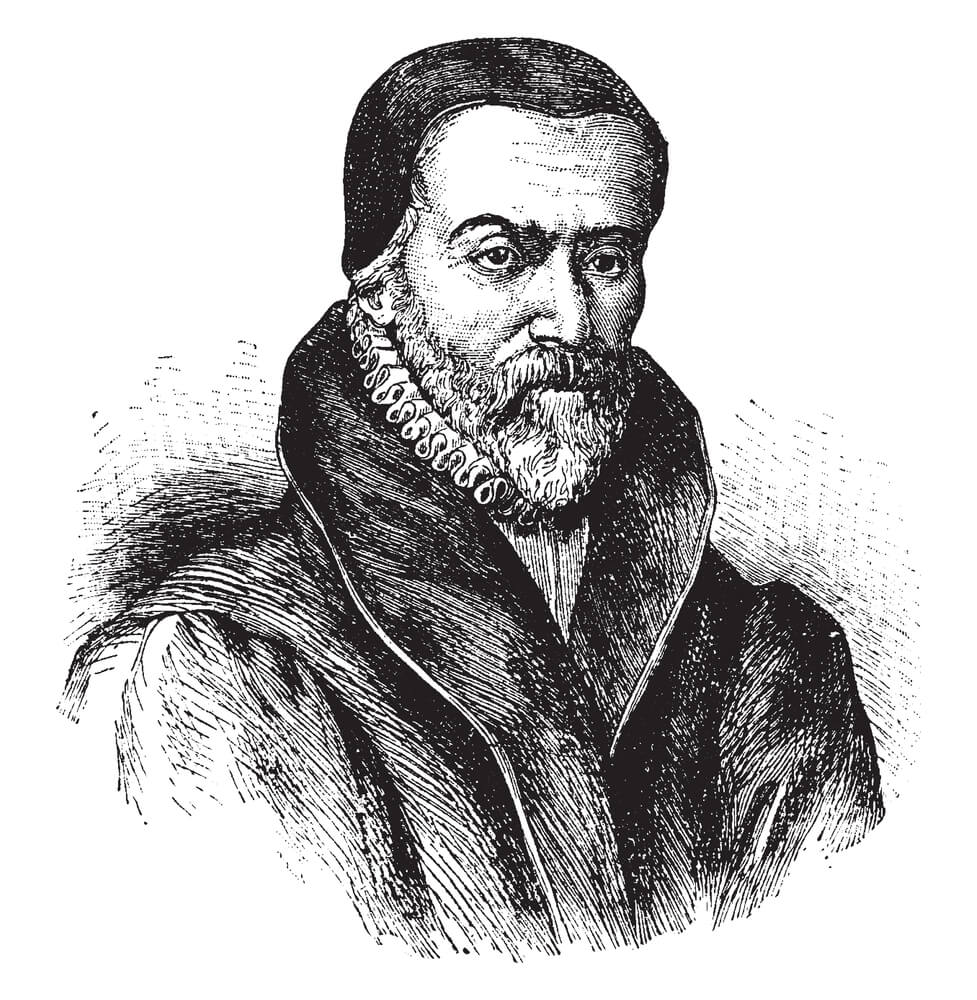
William Tyndale printed his English translation of the Gospels and the rest of the Greek scriptures in Germany in 1526, since doing so in England was illegal. Copies were smuggled into the country hidden in bales of cloth and other goods.
The Bishop of London, Cuthbert Tunstall, bought up copies to burn them, which unintentionally funded further printing. Owners caught with the book could be forced to publicly recant or face harsher penalties.
Tyndale was eventually arrested near Brussels and executed in 1536. Much of his wording carried over into the King James Bible nearly a century later.
Galileo’s Dialogue on the Index
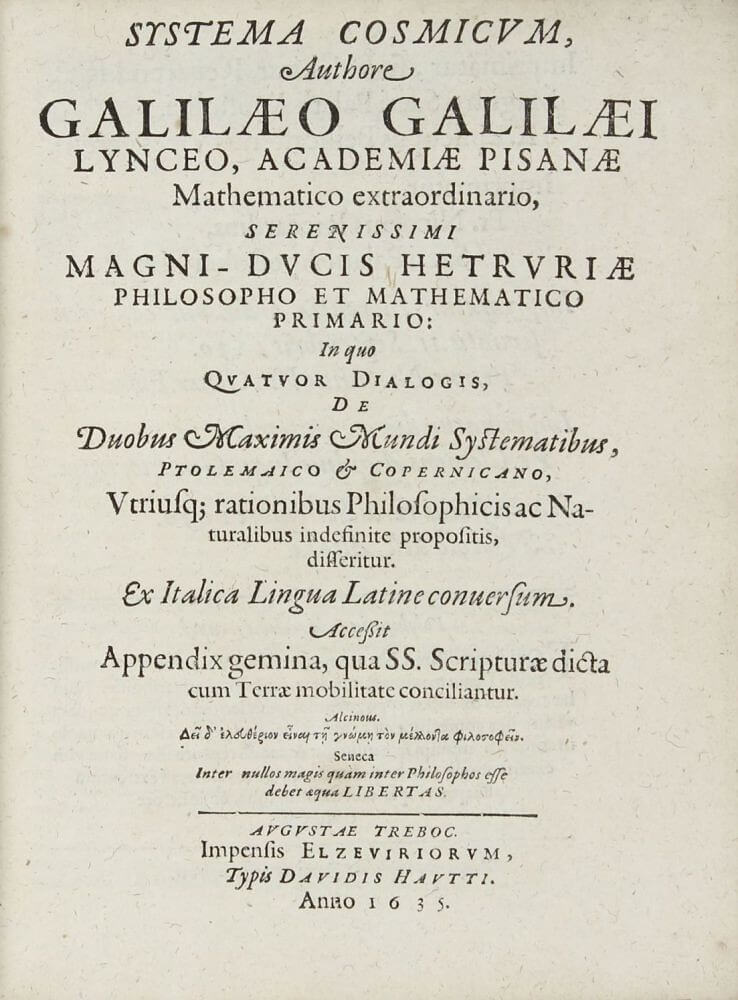
Galileo Galilei published his Dialogue Concerning the Two Chief World Systems in 1632, presenting arguments for the idea that the Earth moves around the sun. The following year, the Roman Inquisition found him vehemently suspect of heresy, sentenced him to house arrest and banned the book.
It was placed on the Index of Forbidden Books, meaning Catholics were prohibited from reading or owning it without permission. Copies still traveled to Protestant countries, where they were translated and reprinted.
The Dialogue did not disappear from the Index until the 1835 edition, more than two centuries after publication.
Book of Common Prayer Outlawed by Parliament
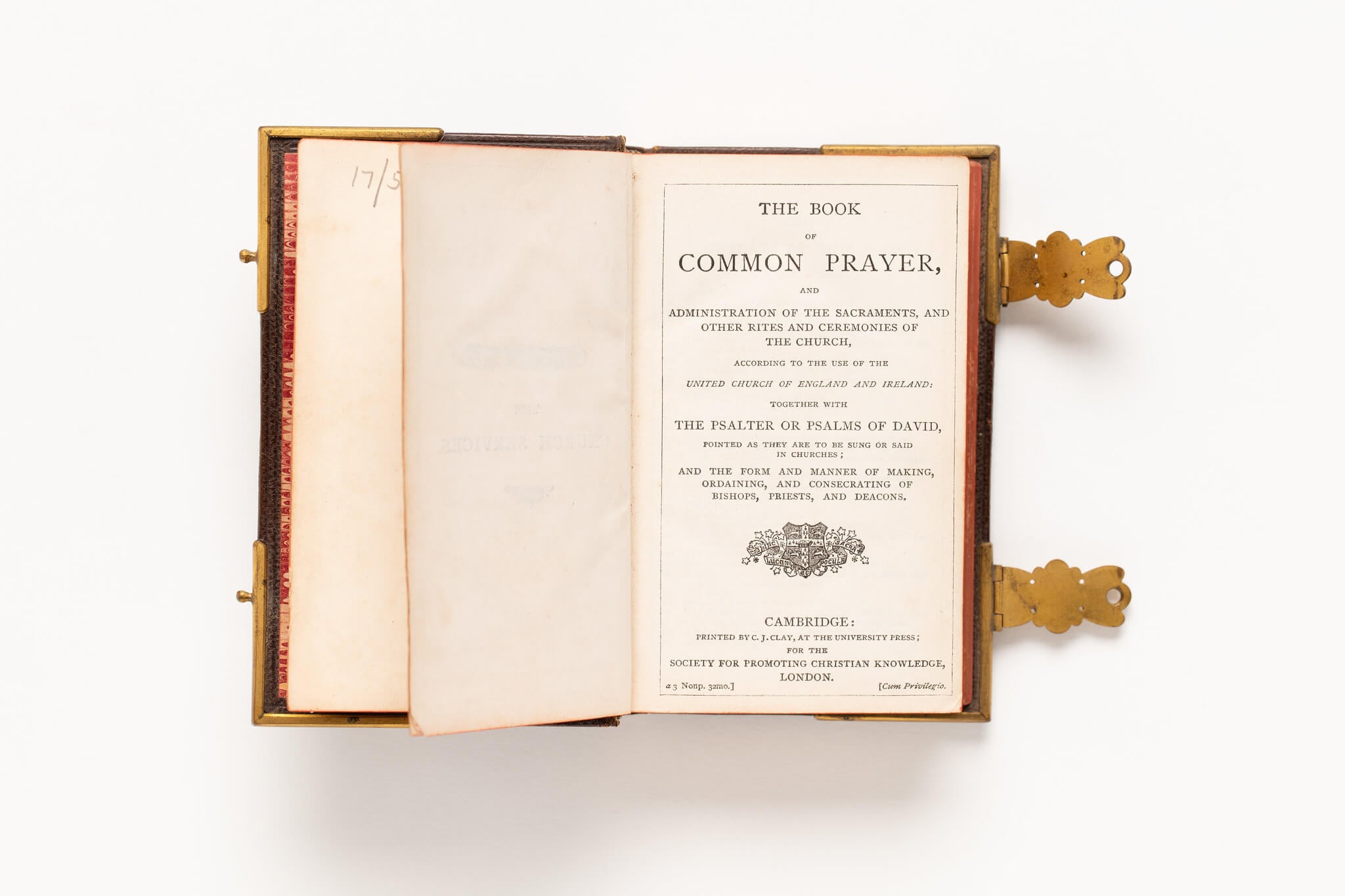
During the English Civil War, Parliament replaced the Book of Common Prayer with a new Directory for Public Worship in 1645. Using the old prayer book, even in private, became an offense punishable by fines, and repeat offenders could be jailed for a year.
Many Anglican clergy lost their posts, and some continued holding services quietly in homes. Families kept their prayer books hidden and used them for baptisms, weddings and funerals out of sight of officials.
When the monarchy returned in 1660, the prayer book was restored and a revised version appeared in 1662.
Pynchon’s Pamphlet Burned in Boston

William Pynchon, a founder of Springfield, Massachusetts, published a theological work in London in 1650 that challenged Puritan teaching on how Christ’s death redeemed sinners. When copies reached the Massachusetts Bay Colony, the General Court declared it heretical.
Authorities ordered it burned in the Boston marketplace, making it one of the first books burned in what would become the United States. Pynchon was summoned to answer for his views and eventually returned to England.
Only a handful of copies of the original edition are known to survive today.
Spinoza’s Treatise and the Fake Title Pages
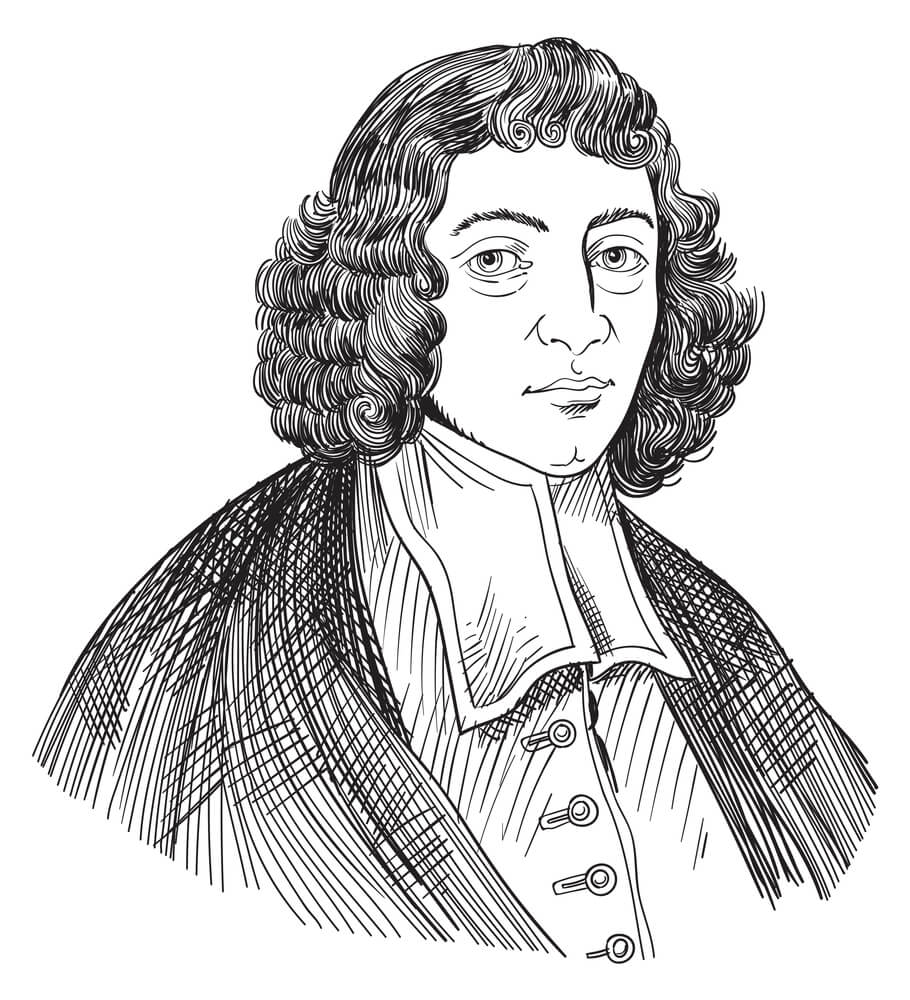
Philosopher Baruch Spinoza published his Theological-Political Treatise anonymously in 1670, arguing for freedom of thought and questioning the traditional authorship of scripture. Despite the relative tolerance of the Dutch Republic, the book was formally banned in 1674, alongside Hobbes’ Leviathan.
Printers responded by issuing copies with false title pages disguising it as works on medicine or history. Readers across Europe acquired it this way, sometimes without knowing the author.
Spinoza had already been expelled from Amsterdam’s Jewish community in 1656 for his views, and he chose not to publish his major work, the Ethics, in his lifetime.
Candide Seized in Geneva and Paris
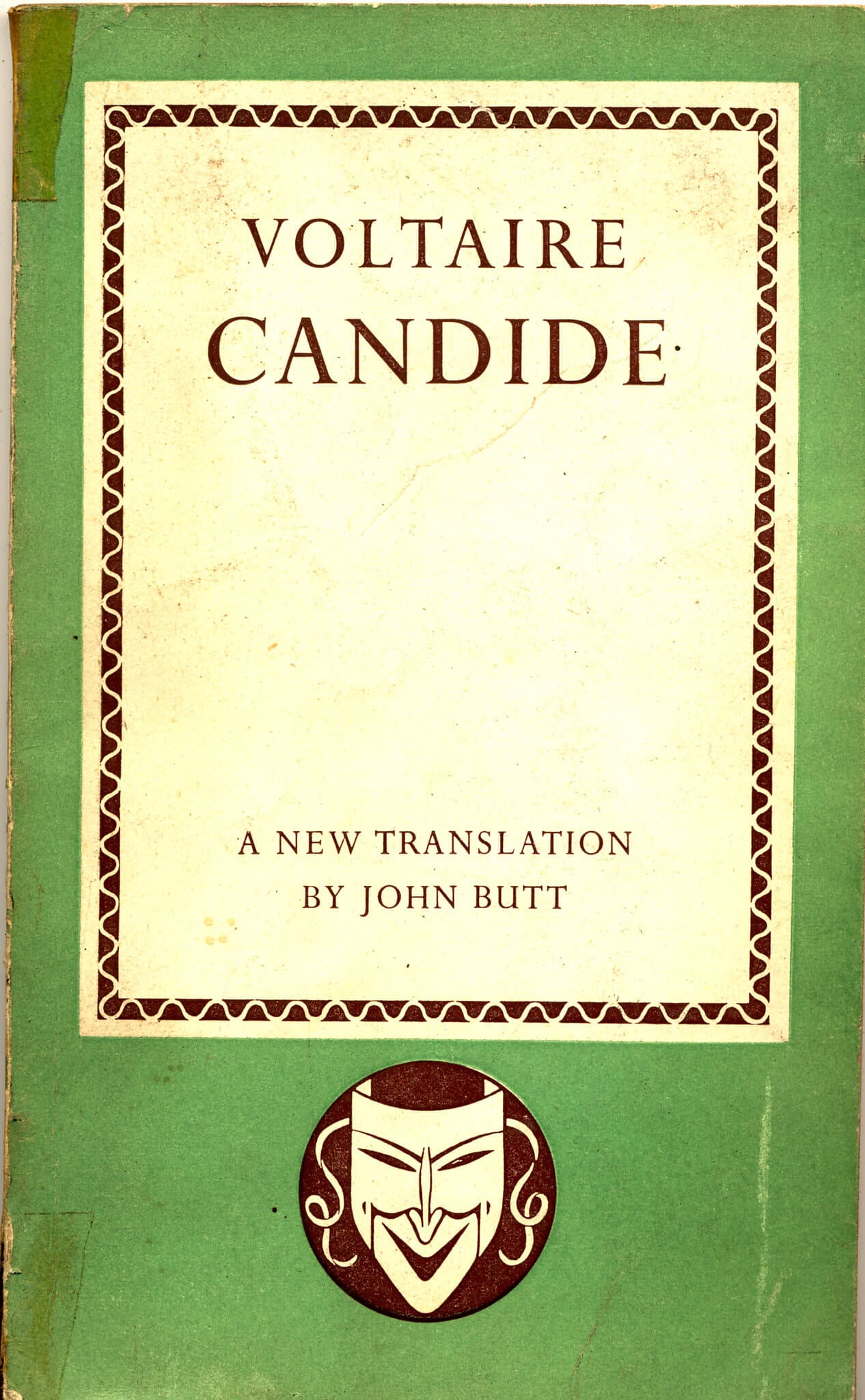
Voltaire published Candide in 1759 without his name on it, and he denied writing it for as long as he could. Authorities in Geneva and Paris moved quickly to seize copies, and it was later placed on the Catholic Index.
None of that slowed it down. Thousands of copies were sold within weeks, and editions multiplied across Europe.
The satire mocked optimism, religious authority and war with such speed and humor that censors struggled to explain their objections without sounding ridiculous. The book’s final advice, to cultivate one’s garden, became one of the most quoted lines in French literature.
Encyclopedie Pulled From Legal Sale
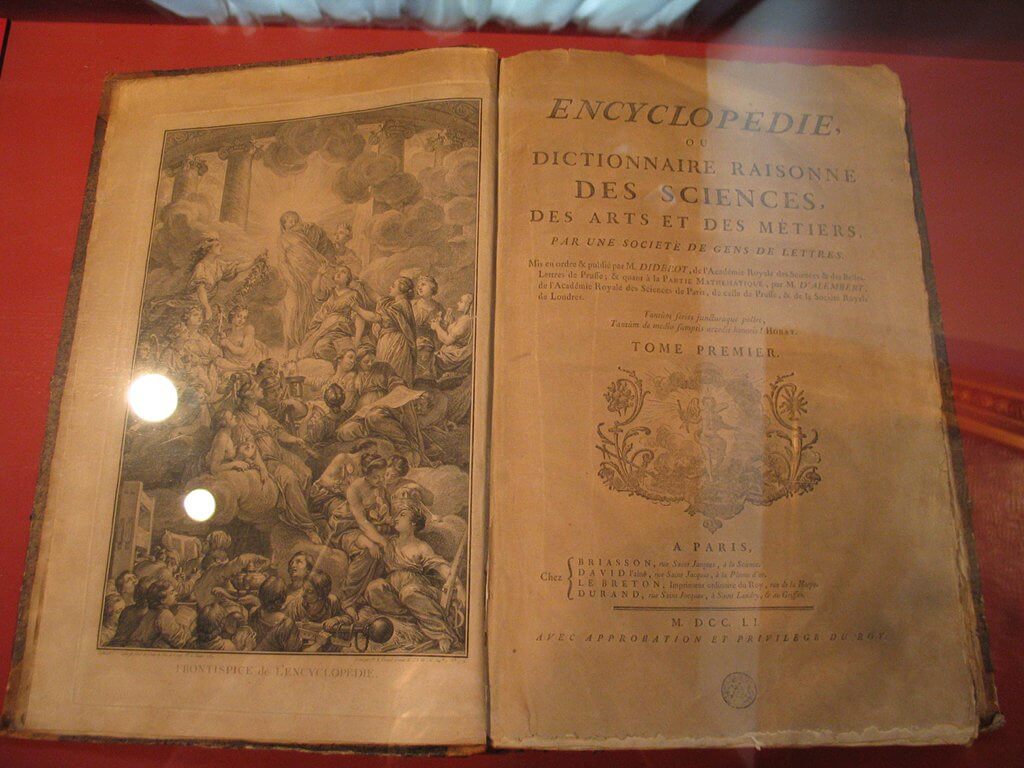
Denis Diderot and Jean le Rond d’Alembert launched the French Encyclopedie in 1751, aiming to gather all human knowledge in one work. Its skeptical treatment of religion and authority angered church and crown, and in 1759 the government revoked its license to publish.
The pope also condemned it and ordered Catholics owning volumes to have them burned by a priest. Diderot continued editing in secret, and the remaining volumes were issued with a false place of publication.
Remarkably, Malesherbes, the royal official in charge of censorship, quietly helped protect the project.
Radishchev’s Travel Book Enraged Catherine the Great
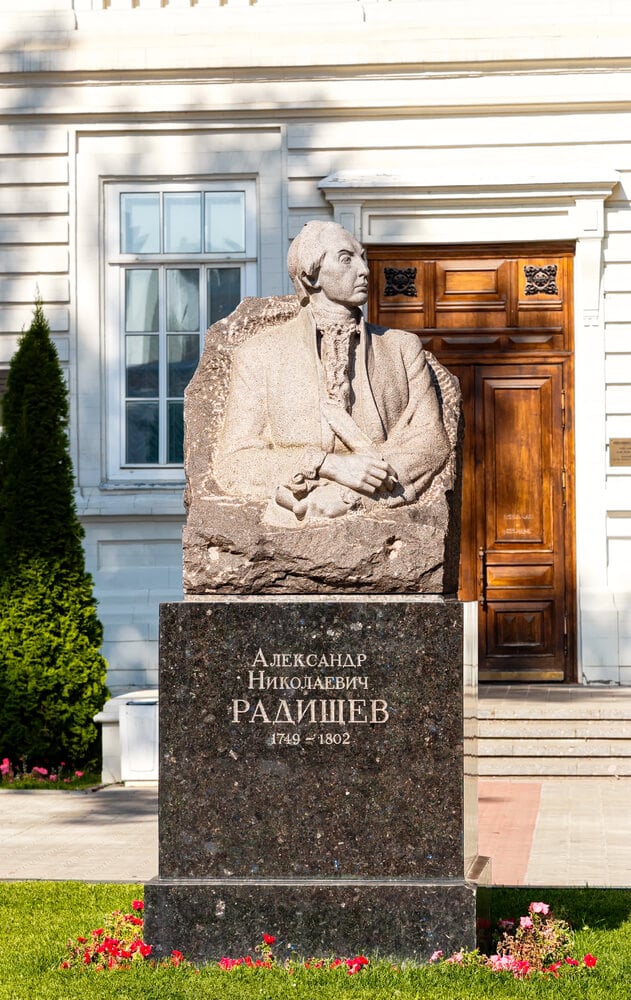
Alexander Radishchev published an account of travel between St. Petersburg and Moscow in 1790, describing the cruelty of serfdom along the way. Empress Catherine the Great read it with growing anger and called the author a rebel worse than Pugachev, who had led a major peasant uprising.
Radishchev was arrested and sentenced to death, a sentence commuted to exile in Siberia. Most copies were destroyed, and the book remained officially banned in Russia for over a century.
Readers circulated handwritten copies instead, keeping the text alive.
Rights of Man and the Seditious Libel Trials
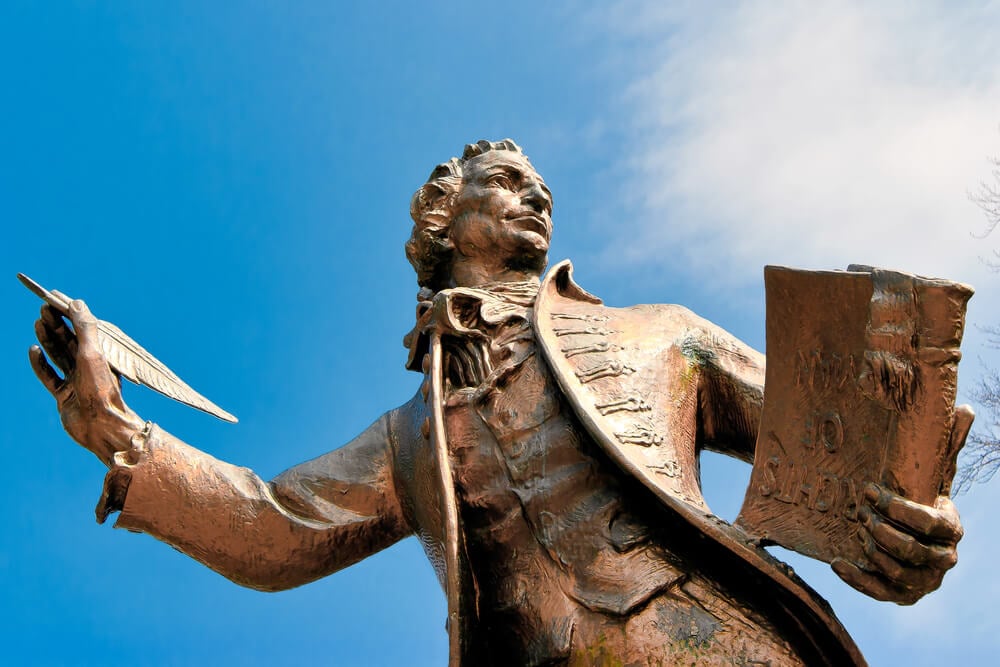
Thomas Paine published Rights of Man in two parts in 1791 and 1792, defending the French Revolution and attacking hereditary government. The British government charged him with seditious libel, and he was convicted in absentia after fleeing to France.
Booksellers and printers who sold the work were prosecuted and jailed, and in some towns crowds burned Paine in effigy. Despite this, the book sold in enormous numbers across Britain, especially in cheap editions aimed at working people.
It remained a symbol of radical politics for decades.
Qianlong’s Literary Inquisition
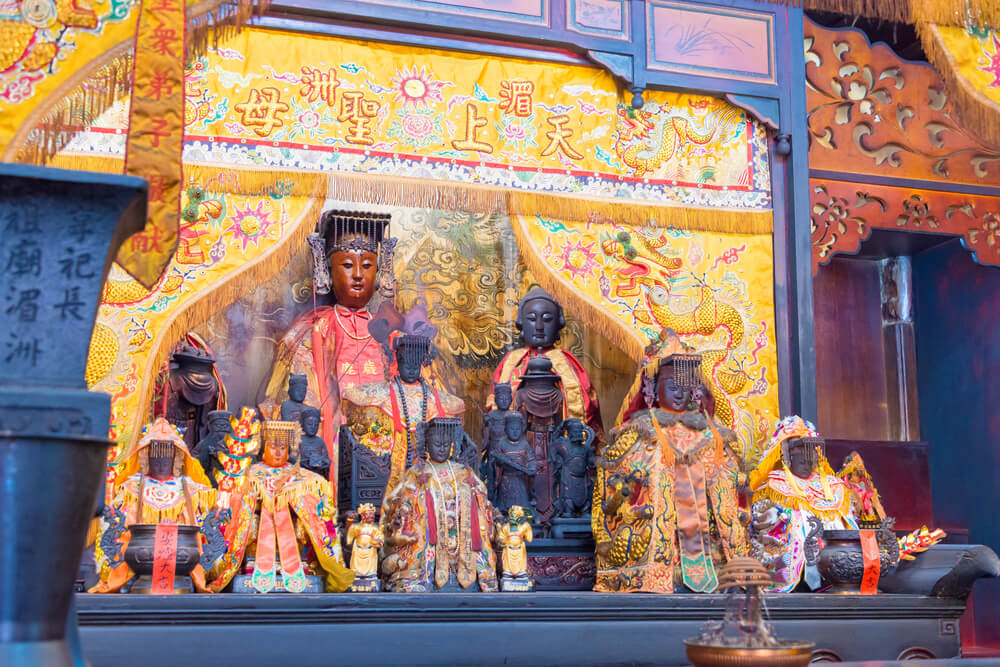
While compiling the vast Siku Quanshu library in the 1770s and 1780s, the Qianlong Emperor of the Qing dynasty also ordered searches for books considered disloyal. Officials combed private collections for works that criticized the Manchu rulers or praised the fallen Ming dynasty.
Thousands of titles were destroyed or altered. Owners and authors of offending books faced severe punishment, and some were executed along with their relatives.
Collectors responded by burning suspect volumes themselves, fearing that a single phrase could doom a household. Many works from the period now survive only in altered or partial form.
Walker’s Appeal Sewn Into Sailors’ Clothes
David Walker, a free Black man running a clothing store in Boston, published an appeal in 1829 urging enslaved people to resist their bondage. He distributed it partly by sewing copies into the pockets of clothing sold to sailors heading to Southern ports.
Several Southern states passed laws against circulating such writings, and some officials offered rewards for Walker’s capture. Enslaved and free Black people found with the pamphlet risked brutal punishment.
Walker died in 1830, but his appeal influenced later abolitionists. Its circulation helped push several Southern states toward stricter laws on Black literacy.
Helper’s Impending Crisis Banned in the South
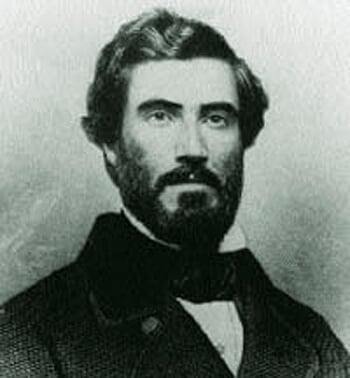
Hinton Rowan Helper, a white North Carolinian, published The Impending Crisis of the South in 1857, arguing that slavery was ruining the Southern economy for nonslaveholding whites. The book was banned across much of the South, and copies were burned publicly.
In 1860, Daniel Worth, a minister in North Carolina, was convicted of circulating it and sentenced to a year in jail. He fled north while out on bond.
The book became so notorious that Republicans who endorsed an abridged version found themselves under attack in Congress.
Samuel Green and Uncle Tom’s Cabin
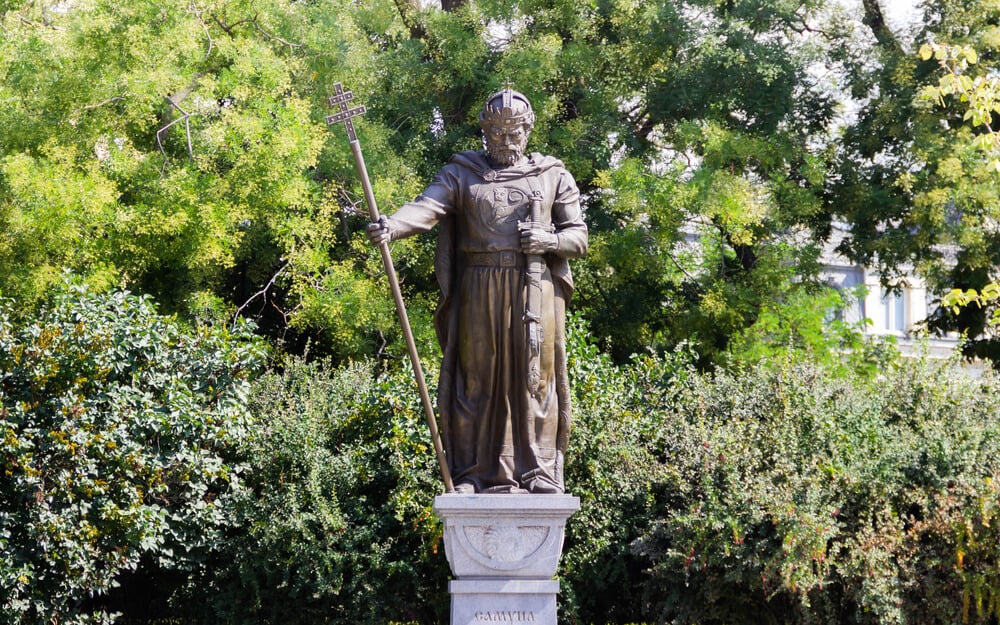
Samuel Green, a free Black minister in Maryland, was arrested in 1857 after authorities searched his home and found a copy of Uncle Tom’s Cabin along with abolitionist materials. He was convicted and sentenced to ten years in the state penitentiary.
His case showed how dangerous it was merely to own antislavery literature in slave states. Supporters campaigned for his release for years, and he was pardoned in 1862, on the condition that he leave Maryland.
Harriet Beecher Stowe’s novel had sold hundreds of thousands of copies in the North by then.
Hind Swaraj Seized by British India
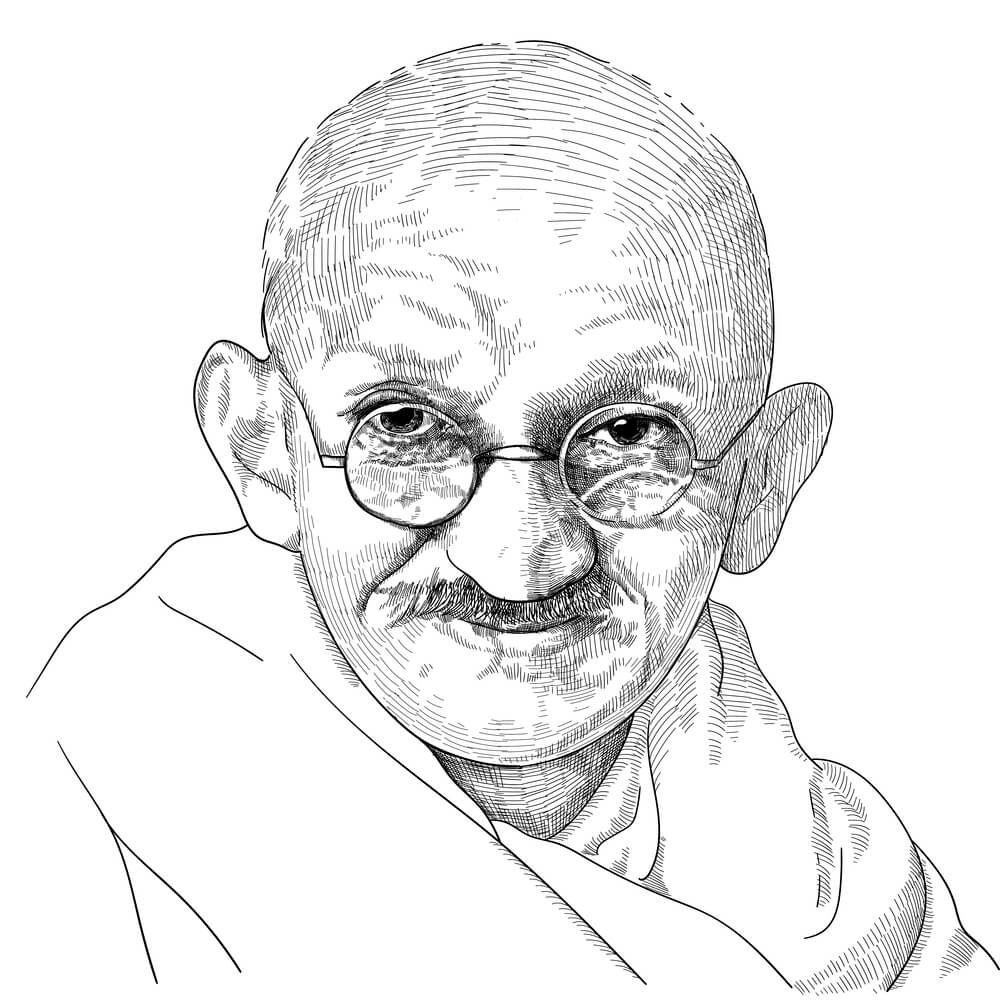
Mohandas Gandhi wrote Hind Swaraj in Gujarati in 1909 while sailing from London to South Africa, setting out his vision of self-rule for India. The British authorities in Bombay banned the work in 1910 as seditious, and copies were seized.
Gandhi responded by publishing an English translation, which was not banned in the same way. The book became a foundational statement of his philosophy of nonviolent resistance.
Its ideas about rejecting modern industrial society still spark debate today. The ban on the Gujarati edition was not lifted until 1938.
All Quiet on the Western Front in the 1933 Fires
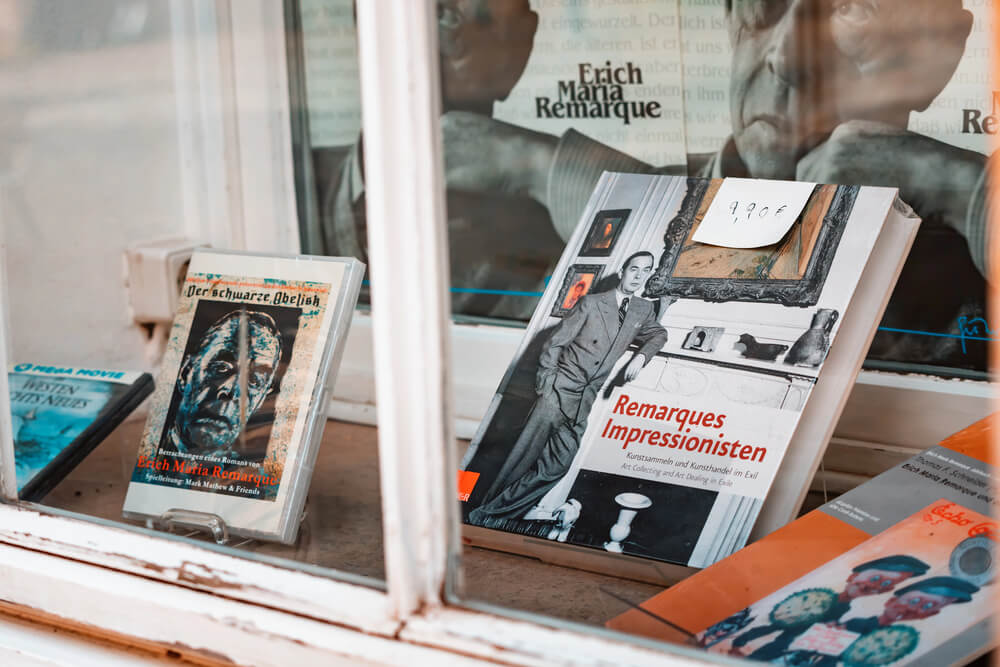
Erich Maria Remarque’s war novel sold millions of copies after its publication in 1929, portraying the First World War through the eyes of ordinary soldiers. The Nazis condemned it as unpatriotic, and it was among the books thrown into the flames during the student-organized book burnings in May 1933.
Remarque had already left Germany, and his citizenship was later revoked. Owning banned books in the Third Reich carried serious risks under a regime that searched homes and relied on informers.
His sister, Elfriede Scholz, was executed in 1943, partly because of the family connection to Remarque.
Doctor Zhivago Printed by the CIA
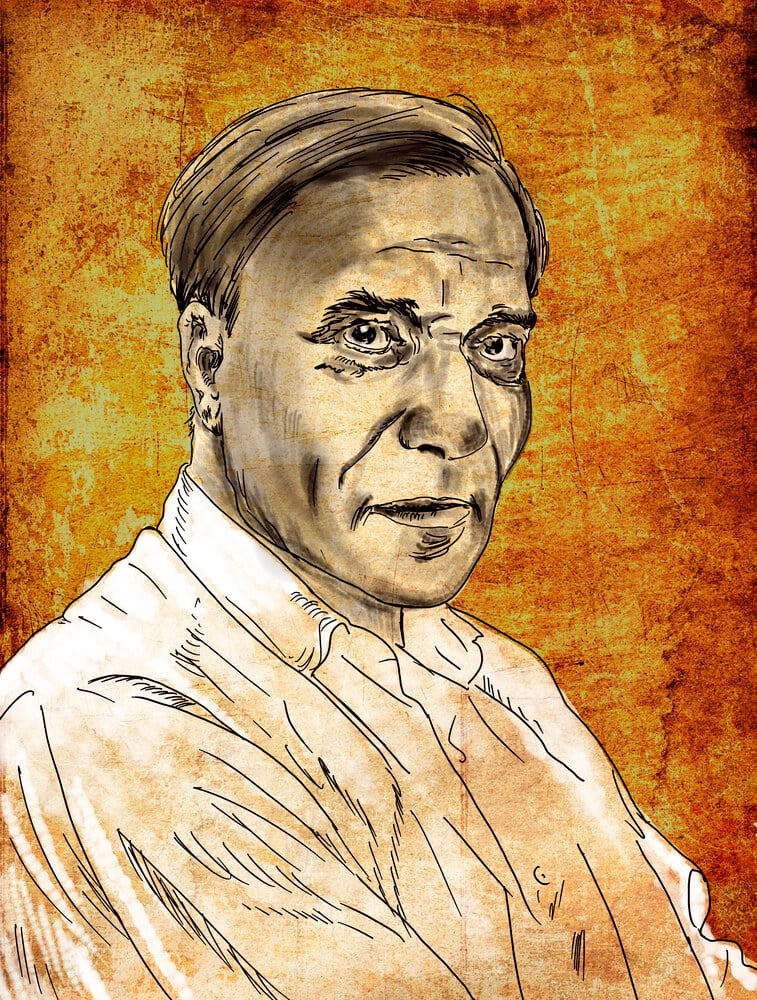
Boris Pasternak’s novel was rejected for publication in the Soviet Union, so the manuscript was smuggled to Italy and published by Giangiacomo Feltrinelli in 1957. The CIA then arranged a Russian-language edition and distributed copies to Soviet visitors at the 1958 World’s Fair in Brussels.
Pasternak was awarded the Nobel Prize in Literature that year but was pressured into declining it. Possessing the book in the Soviet Union could bring serious trouble, so copies passed quietly between trusted friends.
It was not officially published in the USSR until 1988.
Orwell’s 1984 in Soviet Samizdat
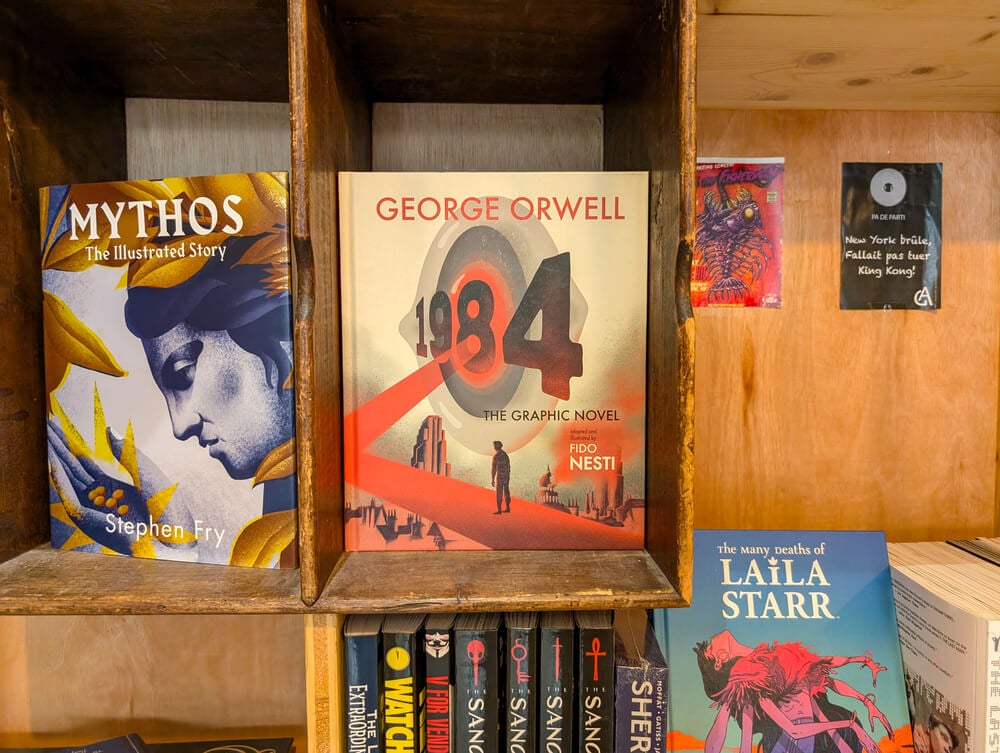
George Orwell’s novel about a surveillance state was banned in the Soviet Union for decades, which surprised nobody who had read it. Copies traveled through samizdat, the underground practice of copying forbidden texts by hand or typewriter and passing them along.
Being caught with the book could lead to arrest under laws against anti-Soviet agitation. Readers often had a single night to finish a copy before handing it to the next person.
The novel was finally published legally in the Soviet Union in the late 1980s.
Solzhenitsyn’s Gulag Archipelago
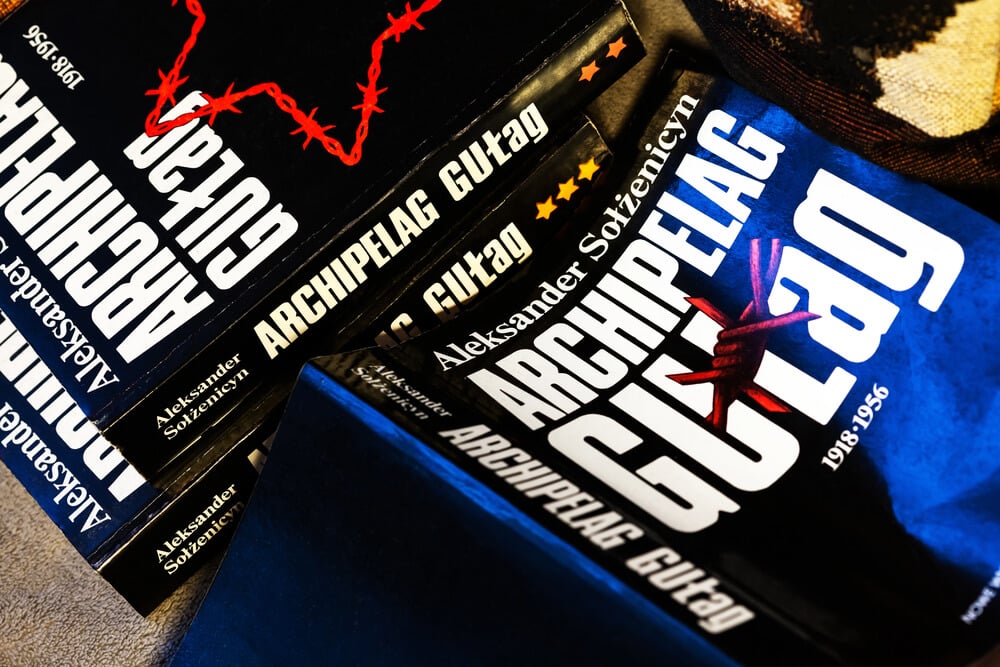
Aleksandr Solzhenitsyn documented the Soviet prison camp system in The Gulag Archipelago, drawing on his own years as a prisoner and testimony from hundreds of others. Its first volume was published in Paris in 1973, and he was arrested and expelled from the Soviet Union the following year.
Inside the country, people caught with copies could be prosecuted and sent to the very camps the book described. Readers relied on smuggled editions and retyped pages.
The book was not officially published in the Soviet Union until 1989.
Satanic Verses and a Fatwa
Salman Rushdie’s novel appeared in 1988 and was quickly banned in India, Pakistan and a number of other countries. In February 1989, Iran’s supreme leader issued a fatwa calling for the death of Rushdie and those involved in publishing the book.
The danger reached far beyond the author. His Japanese translator, Hitoshi Igarashi, was killed in 1991, and other translators and publishers were attacked.
Rushdie spent years under police protection, and in 2022 he was severely injured in a knife attack in New York. The book remains banned in several countries.
Burger’s Daughter Under Apartheid

South Africa’s apartheid government ran a censorship system that banned thousands of books, films and publications. In 1979, Nadine Gordimer’s novel Burger’s Daughter, about the daughter of an anti-apartheid activist, was banned by the Publications Control Board.
Possessing banned material could lead to prosecution. After an outcry, the ban was lifted within months.
Gordimer, who won the Nobel Prize in Literature in 1991, later published the censors’ report, drawing attention to how arbitrary the process could be. Her earlier novels had also been banned for years at a time.
Forbidden Pages Travel Farther
Censorship has a strange record of success. Nearly every book on this list survived the ban placed on it, and many became more famous precisely because someone powerful tried to erase them.
Burning a book tends to advertise it. The real cost fell on readers, who faced fines, prison and exile for a volume on a shelf.
Their willingness to hide, copy and share those pages is the reason many of these works exist today. A banned book depends less on its author than on the stubborn people who refuse to hand it over.
More from Go2Tutors!

- The Romanov Crown Jewels and Their Tragic Fate
- 13 Historical Mysteries That Science Still Can’t Solve
- Famous Hoaxes That Fooled the World for Years
- 15 Child Stars with Tragic Adult Lives
- 16 Famous Jewelry Pieces in History
Like Go2Tutors’s content? Follow us on MSN.