Coins That Are Not Made of Metal
Most folks think coins need copper, nickel, or another gleaming metal. That idea’s logical.
For ages, money meant pressing images into rare or common metals dug up from earth. Still, the past shows something else.
Need, creativity, even crisis led communities to make coins outta stuff you’d never guess. Folks used wood, yet sometimes leather, now and then porcelain – even squashed coal – as money back in the day.
Most folks think coins need copper, nickel, or another gleaming metal. That idea’s logical.
For ages, money meant pressing images into rare or common metals dug up from earth. Still, the past shows something else.
Need, creativity, even crisis led communities to make coins outta stuff you’d never guess. Folks used wood, yet sometimes leather, now and then porcelain – even squashed coal – as money back in the day.
Things like this popped up whenever regular supplies dried up or leaders wanted cash quickly without spending much.
Porcelain Coins From Germany

Post-WWI, Germany hit a financial wall plus wild inflation spiked hard. Officials reached out to pottery makers instead – to craft temporary cash known as Notgeld.
A bulk of those clay tokens came from Meissen’s ovens during ’21 and ’22. Ceramic stood up stronger than flimsy banknotes yet cracked when tossed down.
Folks carried them slow and steady. The designs usually included regional landmarks or national symbols.
These days, collectors cherish such coins – not because they’re worth much money, but due to their clever use during tough post-war times.
Wooden Nickels in America

The phrase “don’t take any wooden nickels” suggests these coins were worthless. That’s partly true.
Most wooden nickels were promotional tokens. But some communities did issue wooden currency during the Great Depression.
The town of Tenino, Washington issued the first wooden currency in 1931, printed on thin wooden shingles. Blaine, Washington followed in 1933 with actual wooden coins.
The coins were typically made from birch or maple, stamped with denominations and town names. They circulated locally and merchants accepted them as payment.
The wood wore down quickly, and many coins became illegible within months. Still, they kept local economies moving when banks failed and standard currency was scarce.
Leather Money in Russia
Russia experimented with leather currency in medieval times. Evidence exists of leather pieces used as money dating back to the 14th through 16th centuries.
These weren’t just leather tokens. They were stamped with state seals and served as official payment methods.
The leather came from cattle hides, cut into small pieces and marked with official stamps. During periods when silver supplies were disrupted, leather provided an alternative form of currency.
The leather coins eventually fell out of use as metal supplies stabilized, but they proved that currency doesn’t need to be metal to function.
Cardboard Tokens During Emergencies
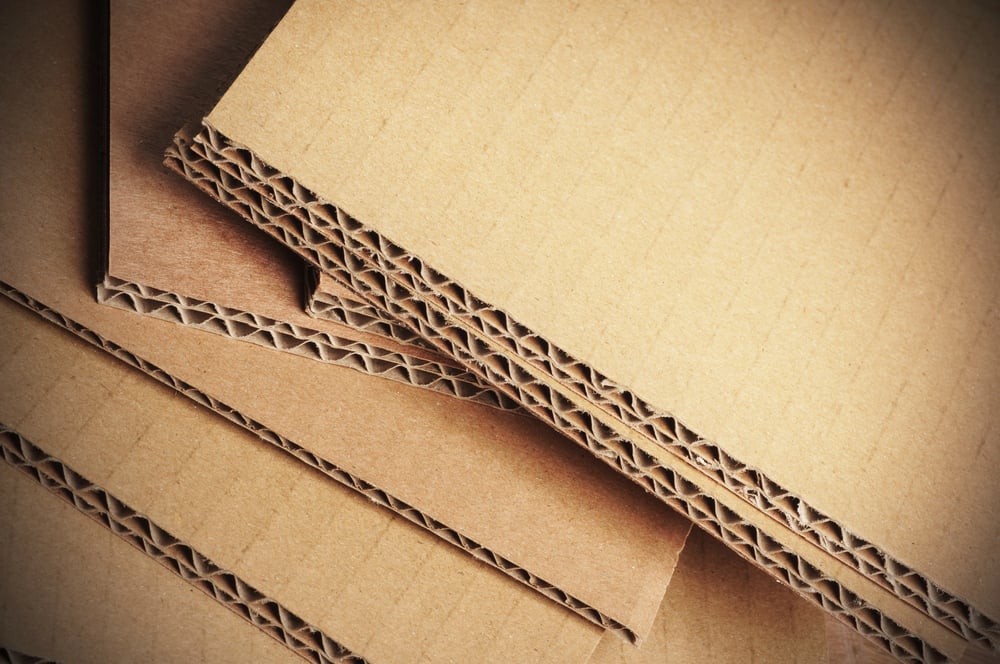
Multiple countries have issued cardboard coins during crises. Italy used them during World War I.
Spain produced them during the Civil War. The cardboard was thick, almost like a pressboard, and coated to resist moisture.
These coins were always meant as temporary solutions. Governments promised to redeem them for proper currency once the emergency ended.
Some kept that promise. Others didn’t.
The cardboard usually lasted only a few months before falling apart, but that was long enough to keep commerce functioning.
Plastic Coins in Modern Times
Several nations have experimented with polymer coins in recent decades. These aren’t cheap plastic tokens.
They’re engineered polymers designed to last longer than standard coins. Romania issued plastic coins in the 1990s.
Vietnam has used them. The plastic resists corrosion and doesn’t tarnish.
It’s also lighter, which reduces transportation costs for banks. The main drawback is public perception.
People don’t trust plastic currency the same way they trust metal. Most plastic coin programs have been discontinued, though the technology keeps improving.
Compressed Coal Coins

Belgium produced coins from compressed coal dust during World War I. The country’s coal mines were still operating, but metal resources had been seized for the war effort.
Engineers developed a process to compress coal dust into hard disks. The coins were black, surprisingly durable, and felt heavy despite containing no metal.
They worked well enough for local transactions. The coal left residue on hands, which people complained about, but merchants accepted them.
Once the war ended, the coal coins were quickly withdrawn and replaced with traditional currency.
Bone Tokens Used as Currency

Prisoner-of-war camps during various conflicts used bone tokens as internal currency. Guards made them from animal bones left over from kitchen operations.
The tokens allowed prisoners to buy goods from camp stores or trade among themselves. The bone was carved with denomination marks and camp identifiers.
These weren’t official government currency, but they functioned as money within the closed camp economies. Museums now display them as examples of improvised monetary systems.
Fiber Coins From Plant Material

Some emergency currencies were made from compressed plant fibers, similar to very thick paper but more durable. Austria produced fiber coins during economic crises.
The material could be molded into shapes and stamped with designs just like metal. The coins absorbed moisture easily, which caused them to swell and warp.
Merchants had to inspect them carefully before accepting payment. The fiber coins were never popular, but they served their purpose during shortages.
Rubber Emergency Currency
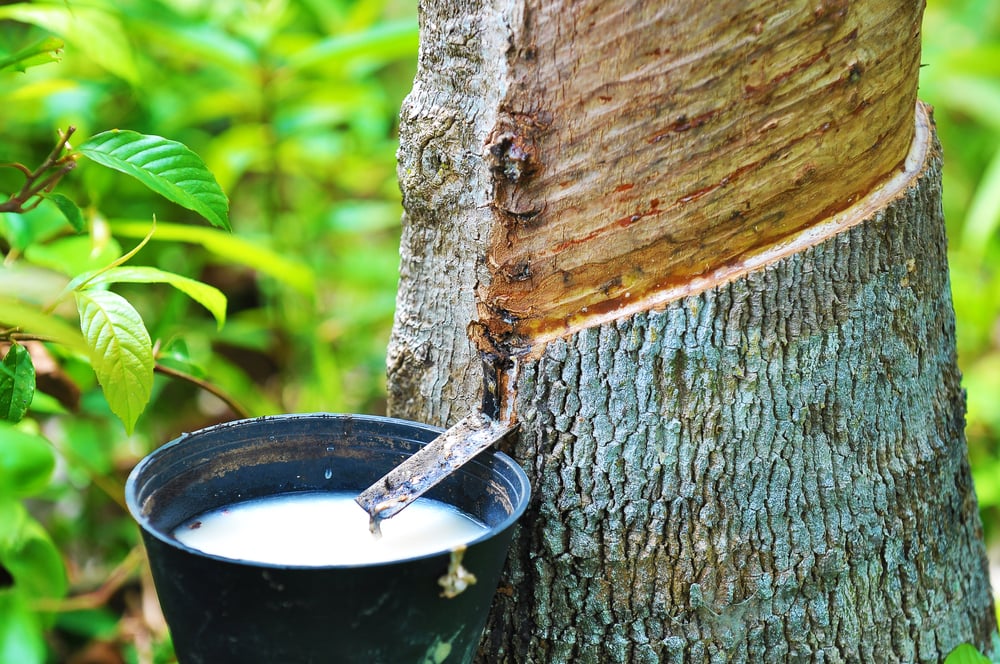
The Netherlands East Indies issued rubber coins during Japanese occupation in World War II. Rubber plantations were abundant in the region, but metal was impossible to obtain.
The rubber was vulcanized to make it harder and more durable. These coins didn’t look like traditional currency.
They were dark, slightly flexible, and had a distinct smell. The tropical climate caused them to degrade faster than expected.
Still, they circulated for several years before being phased out.
Glass Tokens as Money
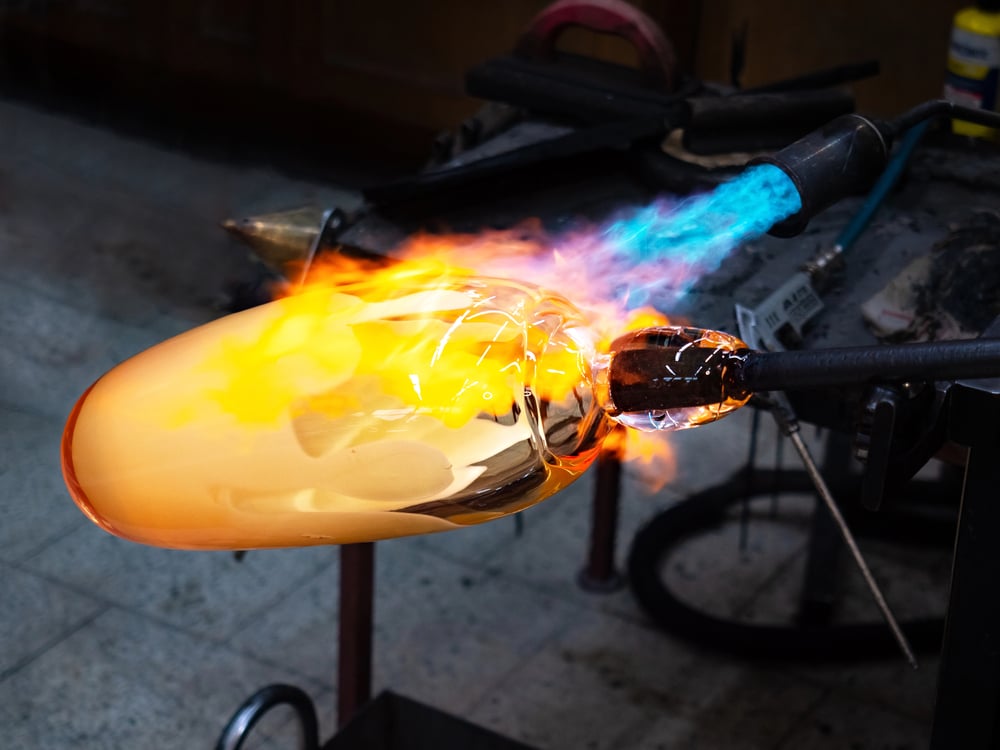
Glass factories in Europe occasionally produced glass tokens that functioned as local currency. The glass was molded into coin shapes and often colored to indicate different denominations.
These tokens were fragile and broke easily, which limited their usefulness. Most were used only within factory towns where the glass company controlled the economy.
Workers received them as wages and spent them at company stores. The practice was controversial, as it kept workers tied to their employers.
Silk Coins in Ancient China

China experimented with silk currency long before paper money appeared. Officials cut silk into standardized squares and stamped them with government seals.
Silk was valuable, portable, and widely accepted in trade. The coins didn’t last as long as metal, but they were easier to produce in large quantities.
This system worked well in regions where silk production was abundant. The silk currency eventually evolved into paper money as printing techniques improved.
Aluminum Foil Emergency Tokens
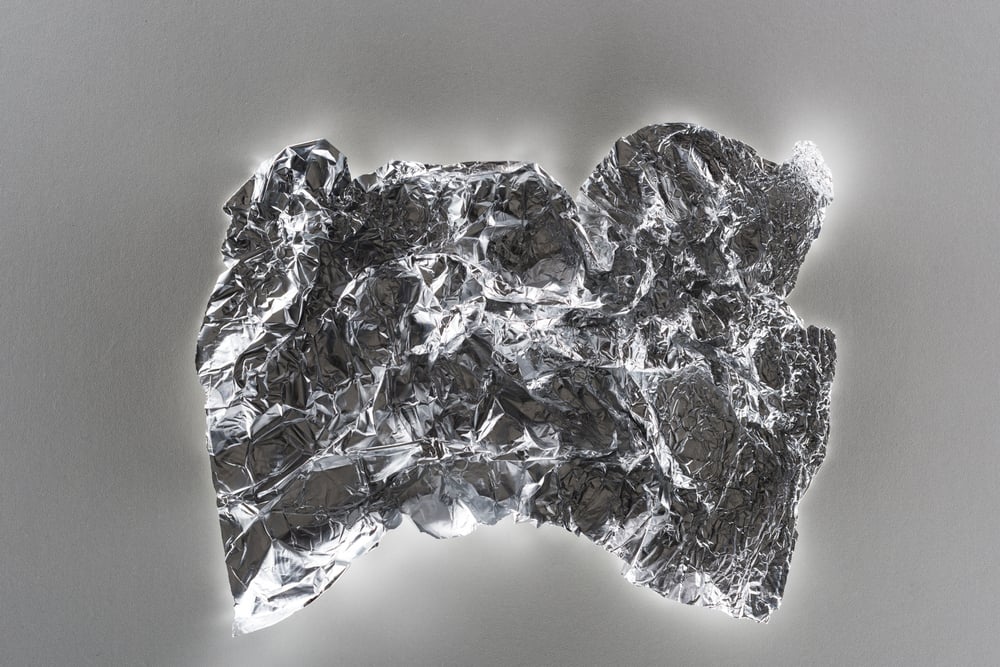
In tough times, certain areas made money using layered aluminum foil. Designs plus values got stamped onto the metal sheets.
Super lightweight, these coins tore easily or bent out of shape. Still, they worked short-term – rarely more than a couple weeks.
The aluminum slowly broke down over time, so the markings faded away. Even though they were weak, these bits let people trade stuff when there wasn’t any real money around.
Bakelite Currency Experiments

Bakelite, an early plastic, was used for currency experiments in the 1930s and 1940s. The material was hard, durable, and could be molded into precise shapes.
Several countries tested bakelite coins as alternatives to metal. The coins were lighter and didn’t corrode.
But bakelite was more expensive to produce than expected, and the material became brittle over time. Most bakelite currency programs were abandoned after short trials.
Collectors now seek these coins as examples of early synthetic materials in currency.
What These Coins Teach About Value
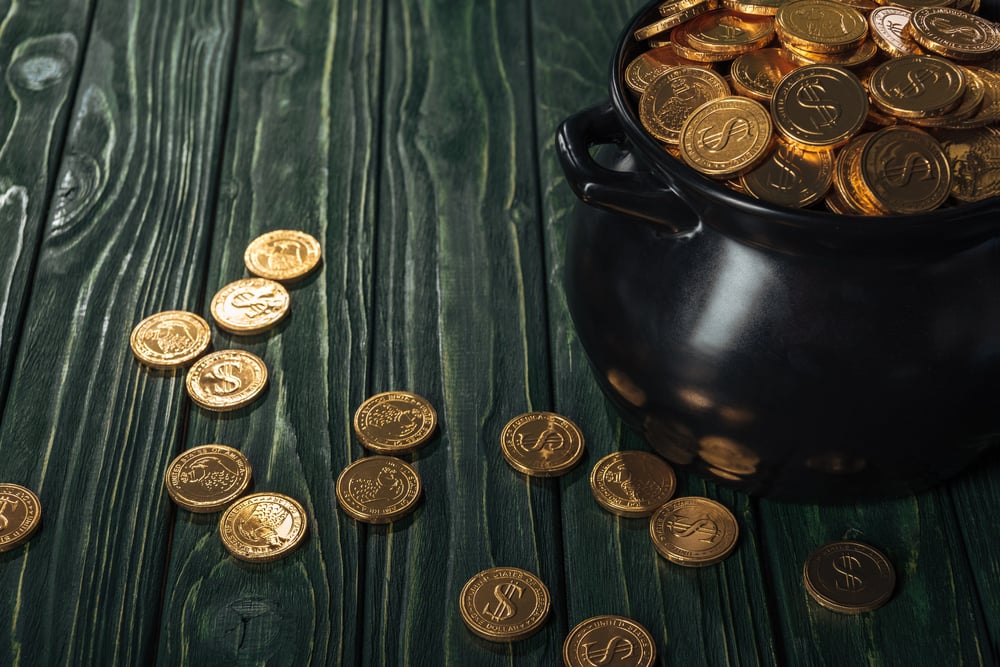
Currency functions when folks believe it will. Trust counts more than what it’s made of.
Coins of metal seem solid, lasting – this reassures users. Still, coin-like items without metal show worth depends on agreement, not stuff.
Each different material showed up because there was a need. When leaders wanted cash, old supplies ran out – so they made do.
Certain fixes held up for ages. A few crumbled fast.
These trials prove coin value comes from shared belief, not how heavy a metal feels in hand.
More from Go2Tutors!

- The Romanov Crown Jewels and Their Tragic Fate
- 13 Historical Mysteries That Science Still Can’t Solve
- Famous Hoaxes That Fooled the World for Years
- 15 Child Stars with Tragic Adult Lives
- 16 Famous Jewelry Pieces in History
Like Go2Tutors’s content? Follow us on MSN.



