24 Historic Photos of Presidential Campaign Trains
For roughly a century, the quickest way to meet American voters was to roll through their towns and speak from the back of a railcar. Candidates waved from rear platforms, crowds gathered beside the tracks, and photographers captured both on glass plates and film.
The photographs below tell of those tours, from Populist orators to a First Lady’s four-day journey through the South. Each stop reveals a candidate trying to look at ease on a swaying platform while a town tried to decide whether to cheer.
William Jennings Bryan, the First Campaign by Rail
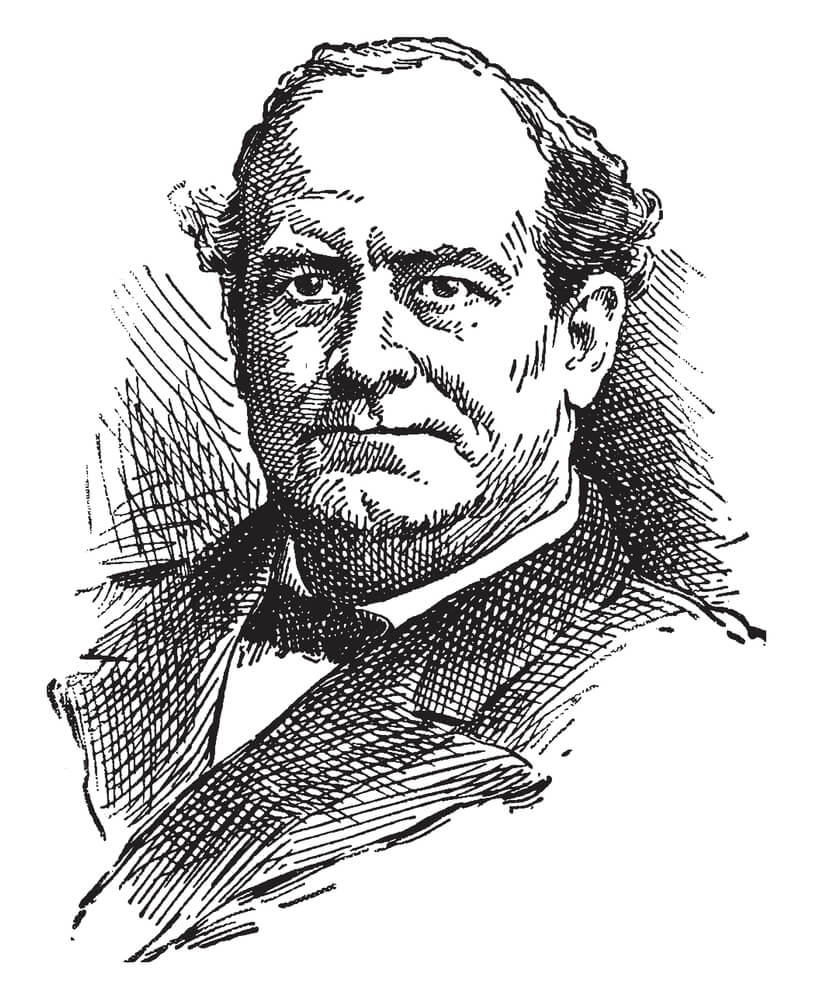
The 1896 contest between William McKinley and William Jennings Bryan is often described as the first presidential campaign conducted by rail. Bryan, who ran a feverish campaign, delivered as many as 600 speeches, many of them from the back of a train. The photographs of those stops show a young orator facing crowds in small towns that rarely saw national figures.
Theodore Roosevelt’s Marathon Train Tour
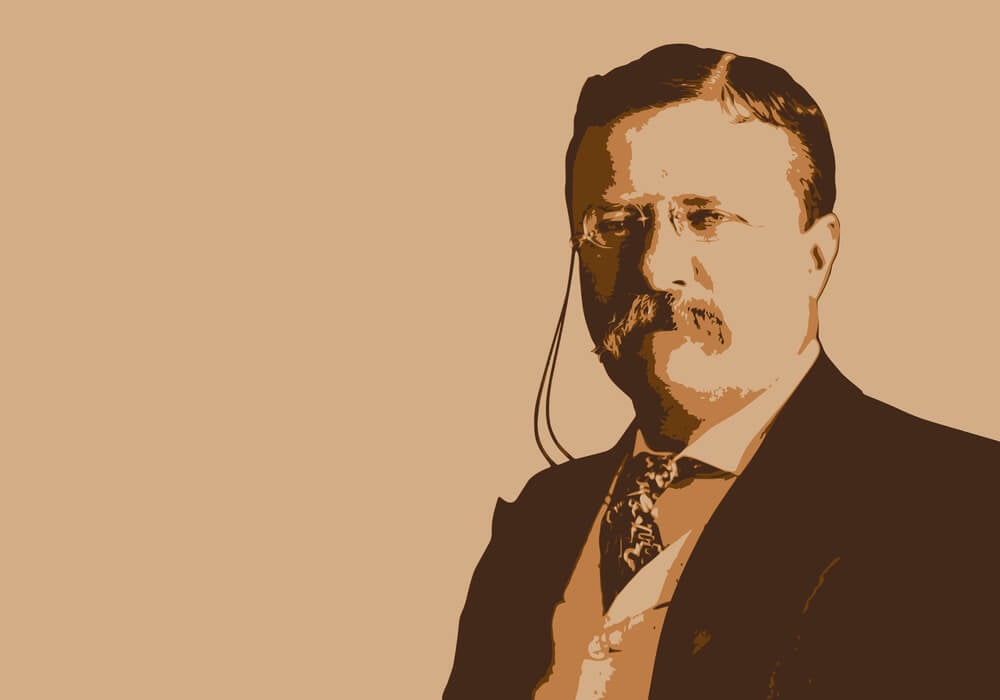
Theodore Roosevelt delivered 673 speeches while traveling more than 21,000 miles by rail during the 1900 campaign, when he was William McKinley’s running mate. He was among the first to use an entire train dedicated to campaign staff. Images of Roosevelt at rear-platform stops capture the energy that made him one of the most vigorous campaigners of his time.
Woodrow Wilson Rides Through Urbana
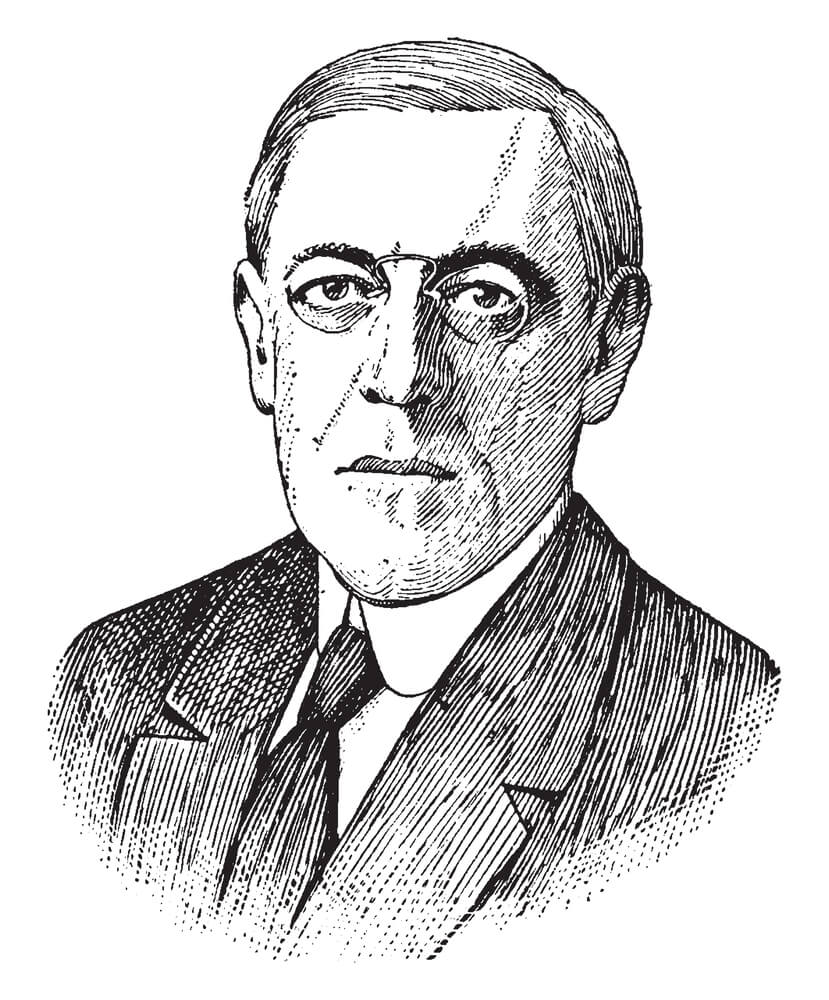
When Woodrow Wilson’s 1912 campaign passed through Urbana, Illinois, reporters noted that he was aggravated with the logistics of a rail campaign. He told the Associated Press that he wanted no more private cars unless better arrangements could be made. The episode shows that even a successful rail campaign could be tiring for the person at its center.
The Ferdinand Magellan, Armored Pullman for the President
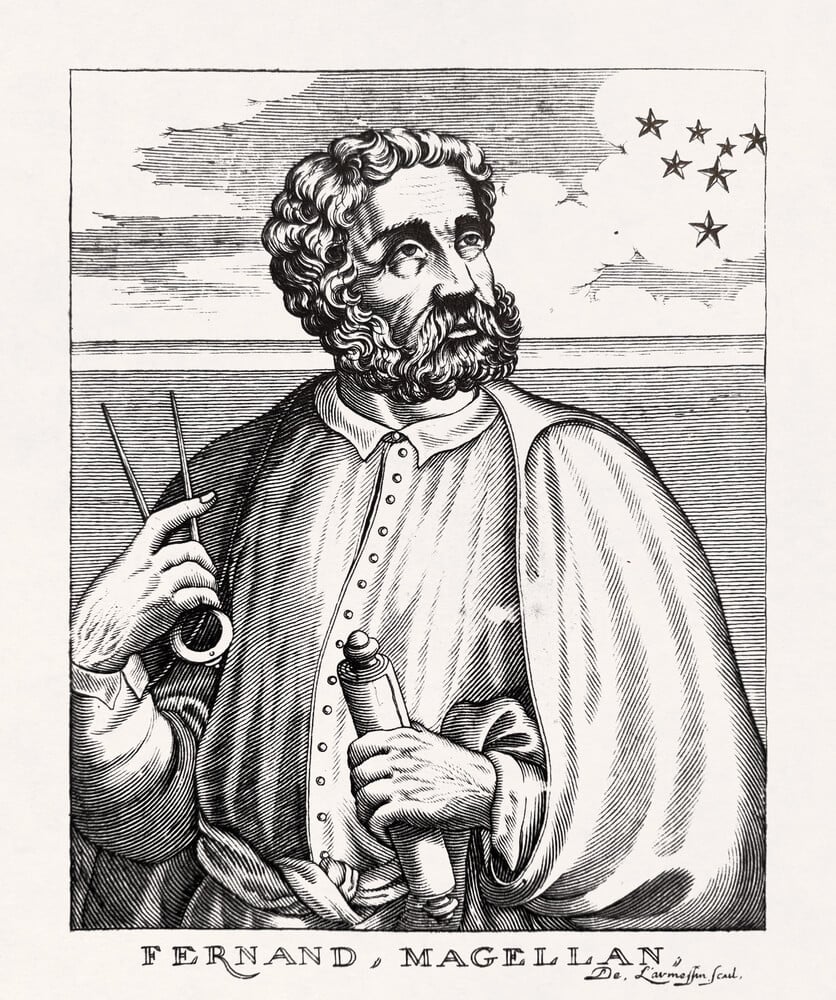
The Ferdinand Magellan was a Pullman car originally designed for President Franklin Roosevelt, heavily armored and weighing 285,000 pounds, which made it the heaviest car in the world. Inside it held sleeping quarters, a galley and dining room, a bath, and a walnut-paneled sitting room, along with a speaker system for addressing crowds from the rear. Truman, Eisenhower, and Reagan all later rode in it, and photographs of its rear platform are among the best-known images of American campaigning.
Truman’s Nonpolitical Trip of June 1948
Harry Truman’s first major tour of 1948, billed as nonpolitical, covered 9,504 miles and included 73 speeches at stops in small towns and cities. At each stop he criticized what he called the do-nothing Congress. By the time he returned to Washington, the trip had become a rehearsal for the fall campaign.
The Birth of the Whistle-Stop
Truman boarded the Ferdinand Magellan on September 17, 1948, for his first major campaign tour of the fall. When Republican Senator Robert Taft complained about a president attacking Congress at every whistle-stop, the Democratic campaign pounced on the remark. The mayors of small towns reacted with indignation, and one huffed that their whistles never stopped blowing.
Pacific Junction, Iowa
A man who was a 14-year-old high school student recalled Truman’s campaign stop at Pacific Junction, Iowa, a railroad and farming community of about 500 people thirty-five miles north of the Missouri border. The stop was one among many in tiny towns that a candidate could reach only by rail. Such recollections show how a few minutes at a depot could become a lifelong memory.
Dexter, Iowa, and the National Plowing Match
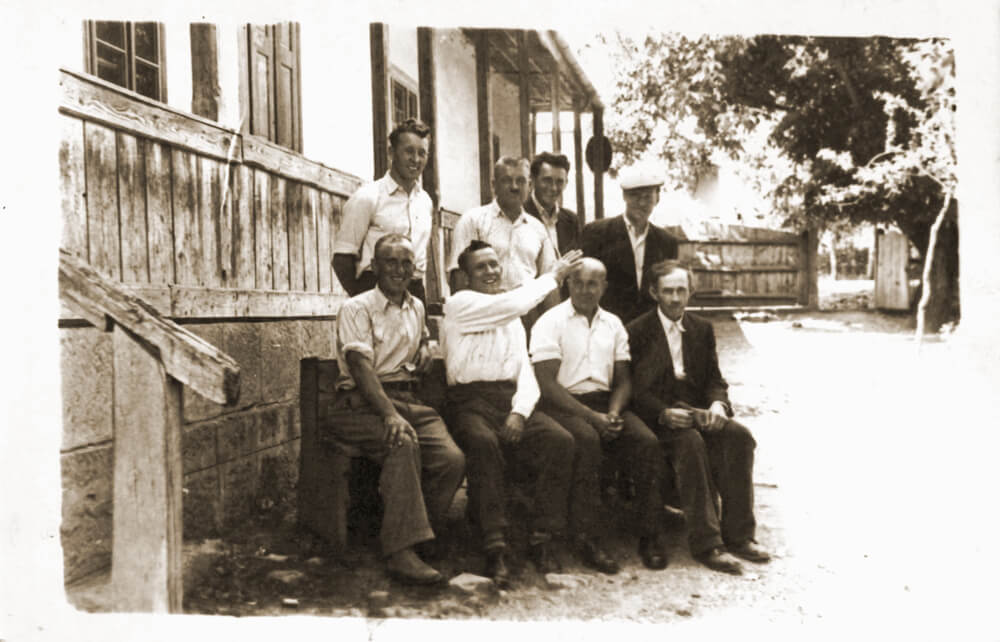
Truman’s train, with an engine supplied by the Rock Island Railroad and the Ferdinand Magellan at its end, took him to the 1948 National Plowing Match near Dexter, Iowa. After the president made his way to the show site, the train was backed into Des Moines, where the group reboarded and headed south into Missouri. The stop shows how a campaign train had to be shuffled around rail yards just like freight.
Elroy, Wisconsin, and a Stop for Water
On October 14, 1948, Truman’s train approached Elroy, Wisconsin, and he told the crowd that the stop was supposed to be only to take on water. He added that he wished he had time to discuss the issues, and that they should read his speeches. Photographs from the tour show crowds gathered in small towns across the Midwest, where trains made short, quick stops.
The Speedometer in the Magellan
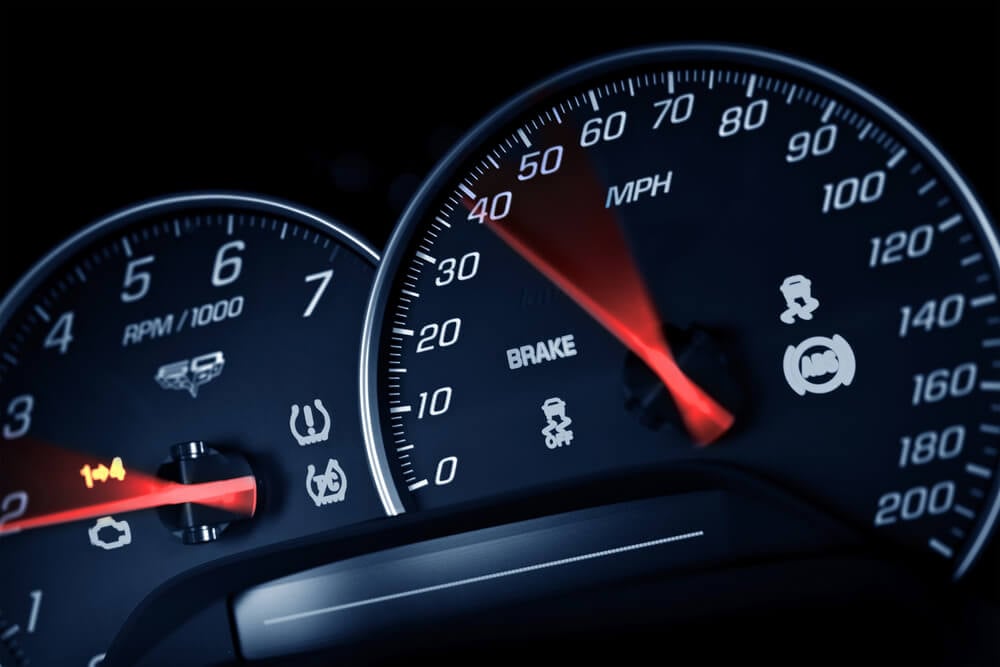
The Ferdinand Magellan was fitted with a speedometer connected to the engine so that people in the rear could see how fast the train was traveling. A relative of the Truman family recalled that the train’s engineer worried about braking suddenly at 85 miles per hour. The device illustrates the mix of showmanship and safety that came with presidential rail travel.
Dewey Defeats Truman at Union Station
On November 4, 1948, Truman held up a copy of the Chicago Daily Tribune with its erroneous Dewey Defeats Truman headline at Union Station in St. Louis. The photograph, held by the Truman Library, shows him on the back of the train beside the city’s postmaster. It has become one of the most famous images in American political history.
The Dewey Victory Special at Warrensburg
A photograph from the Truman Library shows Thomas Dewey and his wife waving to the crowd from the rear platform of the Dewey Victory Special at a campaign stop in Warrensburg, Missouri. The Republican nominee’s train was a counterpart to Truman’s, and it made similar stops in towns across the country. The image preserves a moment when many observers thought the man on the platform was a sure winner.
Dewey’s Train Lurches at Beaucoup
On October 12, 1948, Dewey was preparing to speak at Beaucoup, Illinois, when his train suddenly lurched backward a few feet toward the crowd. No one was hurt, but Dewey, standing at the microphone, joked that the engineer should be shot at sunrise. Democrats seized on the remark, and they chalked “Lunatic Engineers for Truman” on trains.
Dewey in Springfield, Missouri
A Truman Library photograph shows Governor Dewey and his wife Frances in Springfield, Missouri, during the 1948 campaign. The picture was donated by a man named Kenneth Sender. It is one of several photographs in the library’s collection showing the Republican nominee’s tour through Missouri.
The Donkey With a Republican Banner
Another Truman Library photograph captures Dewey at a microphone on the back of his train while a donkey nearby wears a Republican campaign banner. The scene is a small piece of campaign theater, using a symbol of the Democratic Party to poke fun at the rival camp. It captures how local crowds sometimes added their own humor to the whistle-stop ritual.
Dewey’s Train in Washington State
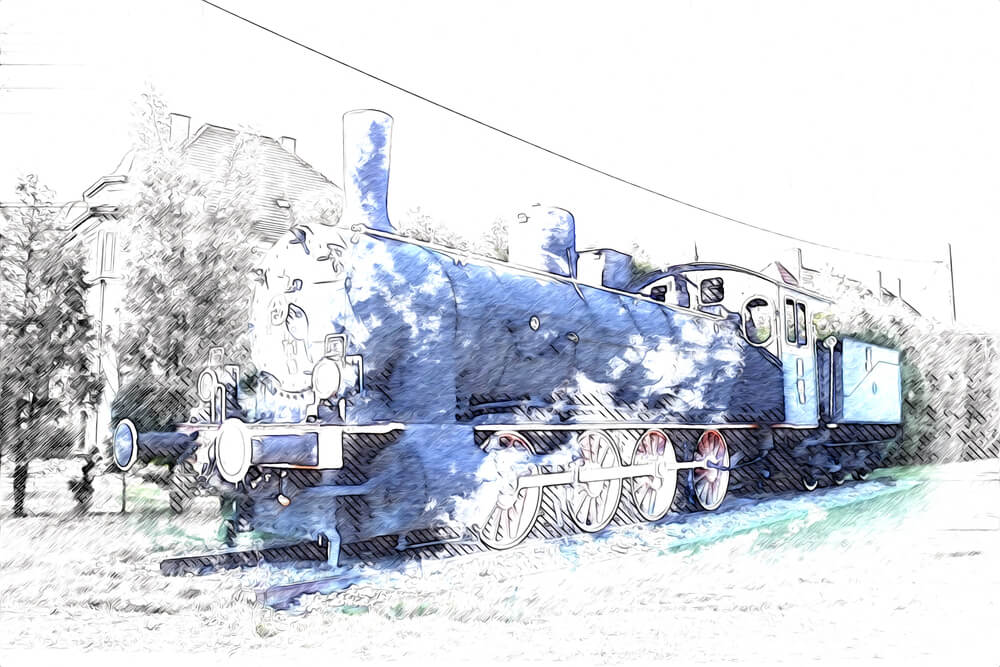
A photograph from September 28, 1948, shows Milwaukee Road 4-8-4 locomotive No. 250 moving out of Othello, Washington, with Dewey’s 17-car presidential campaign train. The 1930 Baldwin locomotive had taken over from an electric engine at that point. Images like this show the staggering logistics behind a campaign train.
A Ladder on the Dewey Line
A newspaper report from September 1948 noted that two rocks, a ten-foot ladder, and a bag were found on the railway line over which Dewey’s train would travel. Police took special precautions in response. The incident is a reminder that security was a concern even in the age of the whistle-stop.
Eisenhower’s Rail-and-Air Campaign
Dwight Eisenhower was the last president to make regular use of train travel, and during his 1952 campaign he traveled more than 51,000 miles and made 232 stops. Many of those miles were by air, but his wife Mamie stayed on the train the entire time because she disliked flying. His campaign marked the moment when planes began to take over from railcars.
Nixon’s Downstate Illinois Stop
In 1960, Vice President Richard Nixon brought a train tour to downstate Illinois, speaking in Danville about his parents rising before sunrise to bake pies in their country grocery store. The stop shows how the train allowed a candidate to tell personal stories in small towns. It also shows a campaign in transition, since by then airplanes were becoming the main mode of travel.
The Lady Bird Special Departs Union Station
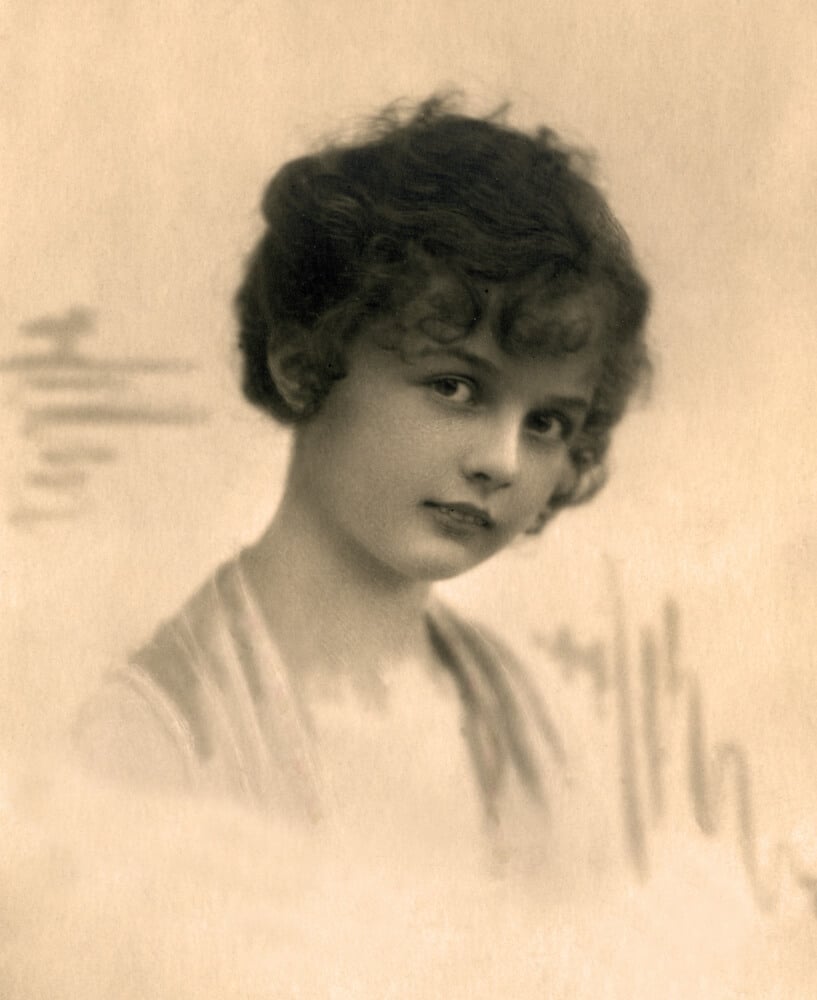
Just before dawn on October 6, 1964, the 19-car Lady Bird Special pulled away from Track 12 at Union Station in Washington, carrying First Lady Lady Bird Johnson south. President Johnson joined her for the short ride to Alexandria, Virginia, and then left her to continue alone. The journey was the first time a First Lady campaigned by rail without her husband.
The Lady Bird Special Reaches New Orleans
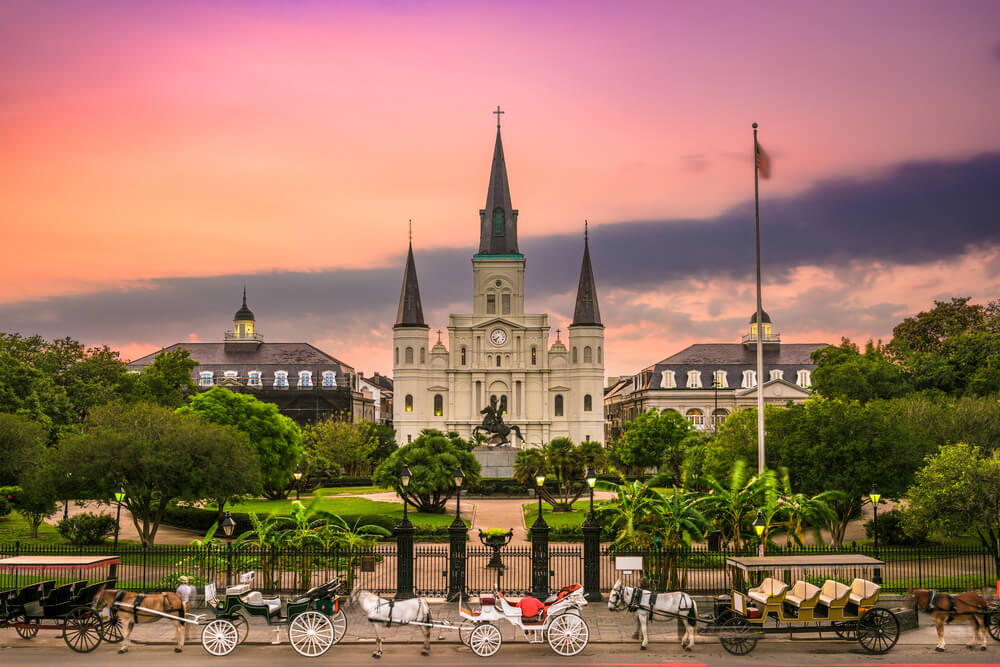
After four days, eight states, and 1,682 miles, the Lady Bird Special arrived at Union Station in New Orleans on October 9, 1964, where President Johnson met her. Along the way a report that the train might be bombed reached the Secret Service as it crossed into northern Florida. Photographs from the tour show Mrs. Johnson posing with groups of women aboard the train.
Reagan’s One-Day Whistle-Stop
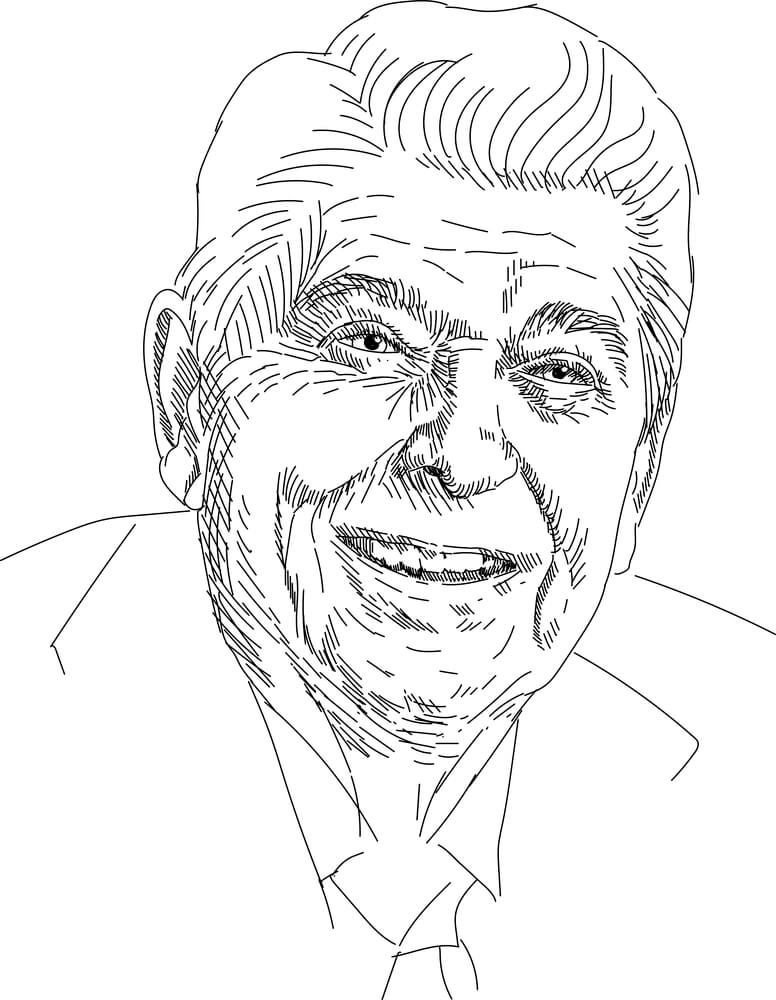
On October 12, 1984, Ronald Reagan borrowed the Ferdinand Magellan for a one-day tour from Dayton to Toledo, Ohio, stopping five times along a 150-mile route. Truman had traveled more than 21,000 miles in the same car during his 1948 campaign. After Reagan’s trip, the car returned to its owner, the Gold Coast Railroad.
Clinton’s 21st Century Express
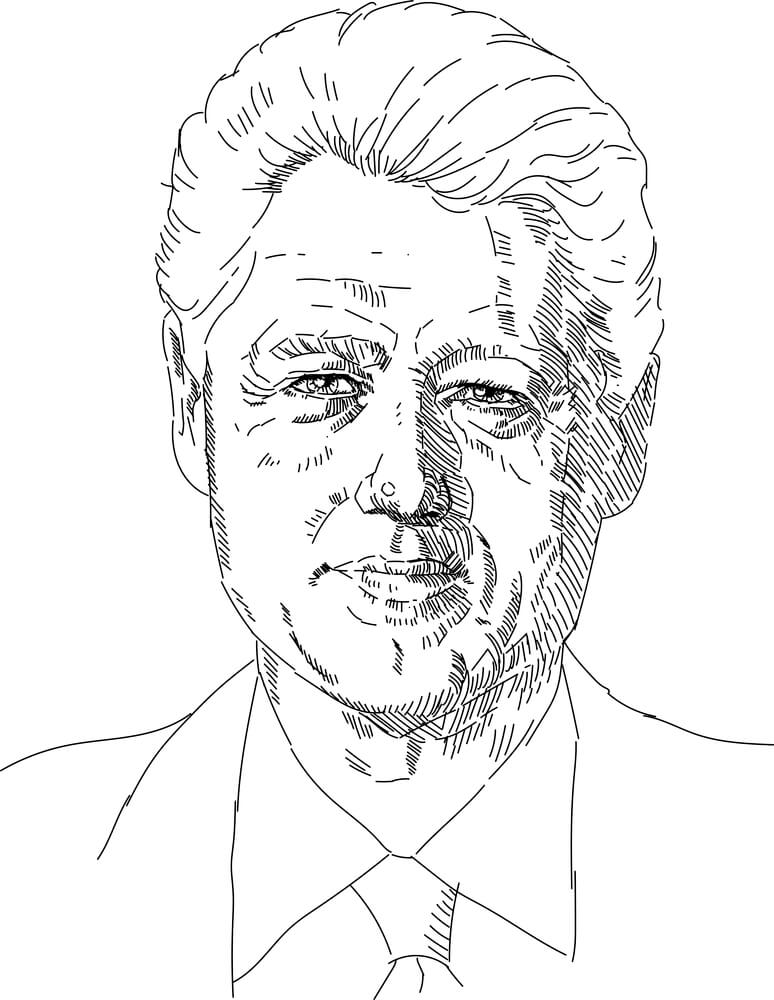
President Bill Clinton began the 21st Century Express at the old C&O station in Huntington, West Virginia, on August 25, 1996, and rode through Kentucky, Ohio, Michigan, and Indiana on his way to the Democratic convention in Chicago. The train, operated as an Amtrak special, carried Superliner cars and a rear platform decorated with red, white, and blue bunting and the presidential seal. A Chicago Sun-Times photograph shows workers preparing the train for the tour.
Michigan City and the End of the Line
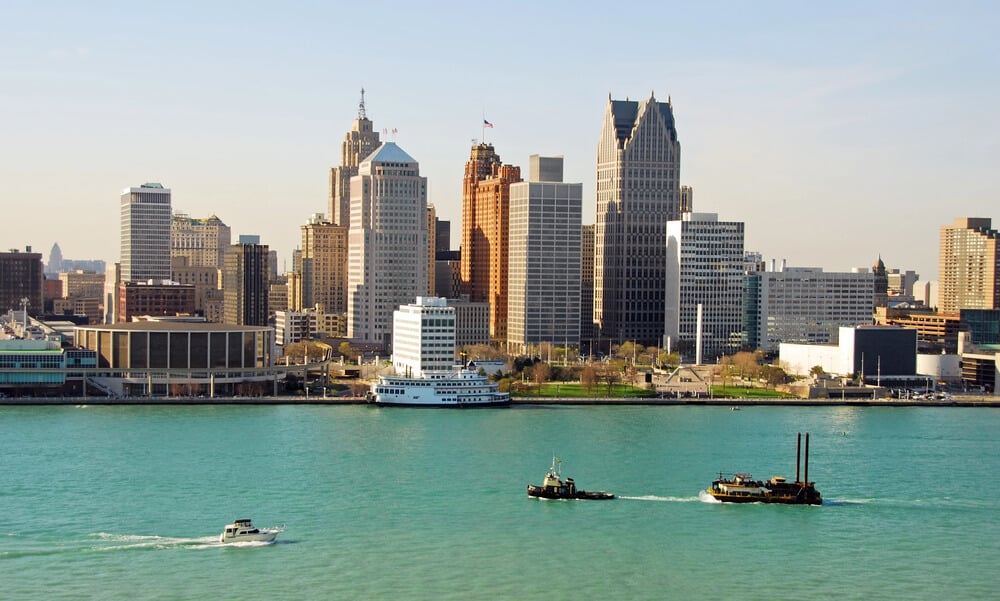
Clinton’s train tour ended in Michigan City, Indiana, with the President speaking near the old lighthouse after riding through Ohio and Michigan. He told crowds that the train was on the right track to Chicago and to the 21st century. The stop closed the last major whistle-stop tour of a presidential campaign that drew on the old rail tradition.
The Back of the Train as Public Square
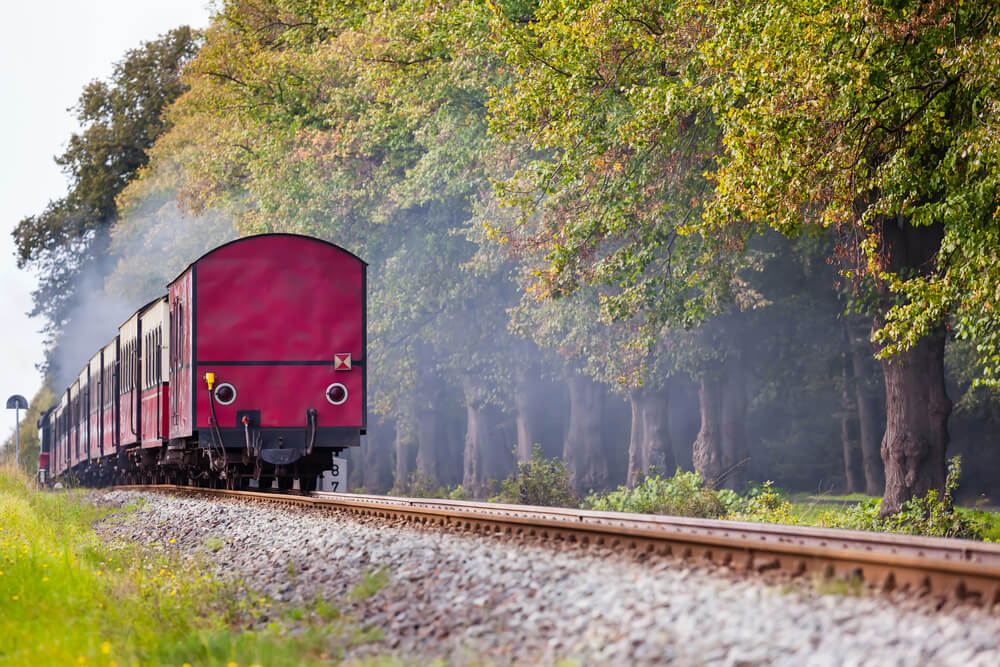
The rear platform gave candidates something modern campaigns struggle to supply: a place where a national figure stood close enough for a farmer to hear and a child to see. Photographers drawn to those platforms recorded not only candidates but also the crowds that shaped the stops. Those pictures show how politics once depended on timetables, depots, and the patience of towns.
By the 1950s, airplanes and television had begun to replace the whistle-stop, and the Lady Bird Special and the Clinton train were revivals as much as continuations. Yet the images persist, because a candidate on a platform and a crowd on a depot lawn make a picture that needs no explanation. The best of them still carry the feeling of a country meeting its leaders one small stop at a time.
More from Go2Tutors!

- 27 Silver Dollars and Half Dollars Worth Keeping
- 28 Restaurant Menu Items Nobody Orders Anymore
- 17 Places Built in Seemingly Impossible Spots
- 27 Vintage Rings Worth More Than They Look
- 25 Restricted Sites Tourists Can’t Enter
Like Go2Tutors’s content? Follow us on MSN.