24 Laws From History That Are Hard to Believe
Legal systems reveal what societies feared and valued. Some laws seem bizarre now because they addressed real dangers—others because they perpetuated absurdities.
These 24 laws come from different eras and cultures, but they share a quality: reading them today, you wonder how any society could have thought them reasonable. Some were enforced ruthlessly.
Others were routinely ignored. But all of them were once considered legitimate expressions of governmental authority.
Law of Primogeniture—Medieval Europe
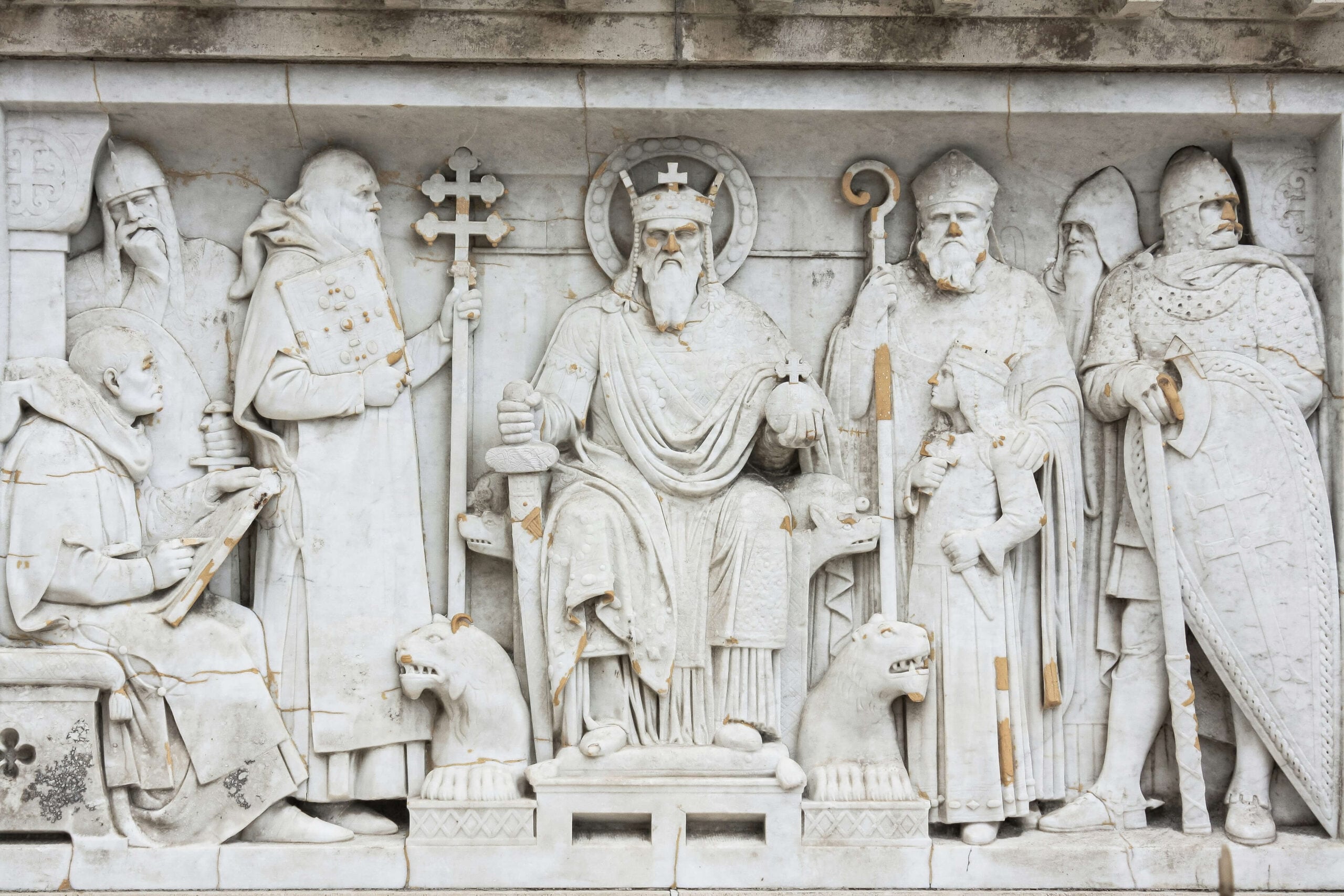
In medieval Europe, eldest sons inherited all family property, leaving younger sons with nothing. A nobleman’s second son had two options: join the clergy or become a mercenary.
The law meant that vast wealth concentrated in single hands while entire families faced poverty. It persisted for centuries, creating inequalities that structured society itself.
The Poor Laws—England, 1601

England’s Poor Laws criminalized poverty itself. Able-bodied poor people who couldn’t find work could be whipped, branded, or imprisoned.
Children as young as five were put to work as punishment for being poor. The laws assumed poverty was moral failing rather than economic circumstance.
They remained on the books for 250 years.
Droit Du Seigneur—Medieval Europe
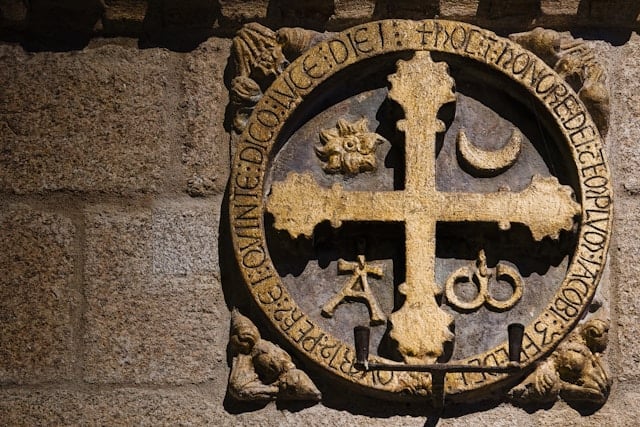
Lords claimed the right to have intimate relations with peasant women on their wedding night before the husband could. While scholars debate how often this was actually enforced, its formal existence codified violence as aristocratic privilege.
The law embodied the principle that nobility had power over the bodies of commoners.
The Witchcraft Act—England, 1604

Witchcraft wasn’t just illegal; practicing it was punishable by death. The law assumed witches had supernatural powers and could be tried and executed for their alleged collaboration with demons.
Over 300 people were hanged under this act before it was finally repealed in 1735. The law created a legal framework for executing people for beliefs society didn’t understand.
Japanese Law Against Laughing—Edo Period

During the Edo period, Japan actually had laws prohibiting unseemly laughter in public places. The laws reflected rigid hierarchies and control over behavior.
Laughing too loud or inappropriately could result in punishment. The laws showed a government attempting to regulate the most basic human expressions.
The Prohibition of Left-Handedness—Medieval Europe

Some schools and governments actively punished left-handedness, attempting to force children to use their right hands. Left-handed people were considered unnatural or even evil.
Teachers would strike left-handed children’s hands with rulers or whips. The practice persisted into the 20th century in some regions, reflecting deep superstitions about natural variation.
Sumptuary Laws—Renaissance Europe

Governments tried to control what people wore based on social class. Only nobility could wear purple.
Only certain ranks could wear silk. Peasants caught wearing fine clothing could be fined or whipped.
Governments were attempting to make status visible and unchangeable through clothing. The laws assumed that preventing social mobility would prevent disorder.
Byzantine Law Against Castration—Justinian’s Code

Castration was both forbidden and practiced. Eunuchs were common in Byzantine courts, yet the law theoretically prohibited castration.
This contradiction persisted for centuries, reflecting tension between law and practice. Powerful people violate the law openly while others are punished for lesser violations.
Laws Against Alchemy—Medieval Europe

Creating gold through alchemy was illegal in some regions because successful alchemy threatened the stability of currency. The law assumed that if someone created gold, it would devalue existing coins.
Alchemists could be hanged for succeeding at what was also illegal to attempt. The law tried to prevent an economic catastrophe that alchemy never actually created.
The Corn Laws—England, 1815

, via Flickr, licensed Public Domain Work
England’s Corn Laws prohibited importing grain unless domestic grain reached artificially high prices. The laws kept food prices artificially inflated, ensuring poverty and starvation for working people while protecting landowners’ profits.
Riots erupted over the laws. They lasted 30 years before being repealed.
The laws proved that governments would starve citizens to protect wealth.
Laws Against Contraception—Various Nations

Well into the 20th century, many countries banned the sale or distribution of contraception. Women had no legal right to control their own fertility.
These laws remained in effect in the United States until 1965. Governments were literally regulating women’s bodies through law, making women’s reproductive autonomy a criminal matter.
Victorian Laws Against Indecency

Showing an ankle was illegal in some contexts. Women who exposed their legs faced legal consequences.
Men could be prosecuted for obscene behavior that might today be considered normal. The laws regulated the human body, creating criminal liability for natural biology.
Enforcement was arbitrary and often reflected the prejudices of particular judges.
The Statute of Laborers—England, 1351

After the Black Death killed half of England’s population, the Statute of Laborers made it illegal for workers to ask for higher wages. Employers could refuse to pay more even as labor became scarce.
The law criminalized economic negotiation, forcing workers to accept poverty wages. It remained on the books for over 200 years.
Laws Against Spreading Rumors—Medieval Europe

Some kingdoms made it illegal to spread rumors about the monarch or government. People could be executed for gossip about political affairs.
The law criminalized speech itself, creating a framework for silencing dissent. Free speech didn’t exist in these legal systems.
The Malleus Maleficarum—1487 Legal Framework

This legal text on prosecuting witches became foundational to European witch hunts. It was used as evidence that witches posed a supernatural threat justifying execution.
The text combined law, theology, and pseudoscience to authorize mass killing. Tens of thousands died under legal systems that used this book as a reference.
Laws Against Vagrancy—Global

Many societies made it illegal simply to be homeless or poor and traveling. Vagrants could be whipped, imprisoned, or enslaved.
Some places required visible marks identifying vagrants. The laws criminalized desperation, turning poverty into crime.
These persisted into the 20th century in many places.
Laws Requiring Sunday Attendance—Colonial America

Many colonial governments made church attendance mandatory, usually for Protestants. Failure to attend could result in fines or imprisonment.
Governments were literally requiring religious participation under threat of law. Religious freedom didn’t exist in these legal systems.
The Hays Code—American Film Industry, 1930

While not technically law, this industry-wide censorship code had legal force through economic enforcement. Films couldn’t depict intimacy, violence, profanity, or religious criticism.
The code criminalized artistic expression through economic pressure. The code persisted until 1968, essentially censoring American cinema.
Laws Against Interracial Marriage—United States, Until 1967

Many U.S. states criminalized marriage between people of different races. Interracial couples could be arrested and imprisoned.
These laws persisted into the 1960s, making love a criminal act. The Supreme Court didn’t strike down these laws until Loving v. Virginia in 1967.
Ottoman Laws on Inheritance—Sharia-Based

Ottoman inheritance laws gave women half the inheritance of men. While this was codified as law, it reflected deeper inequalities.
Women couldn’t inherit at equal rates, and wealth concentrated further along gender lines. The law perpetuated gender inequality through the inheritance system.
Laws Against Bathing—Medieval Europe

Some municipalities actually had laws restricting how often people could bathe. Bathing was considered dangerous to health in medieval thought.
The laws reflected medical ignorance and resulted in widespread disease. People who followed the law were dying from preventable infections.
Sedition Acts—Various Nations

Sedition laws made it illegal to criticize the government. Saying the king was unjust could result in execution.
Journalists, politicians, and ordinary citizens could be prosecuted for speech. These laws created totalitarian control through the legal system, making dissent impossible.
The Edict of Nantes Revocation—France, 1685
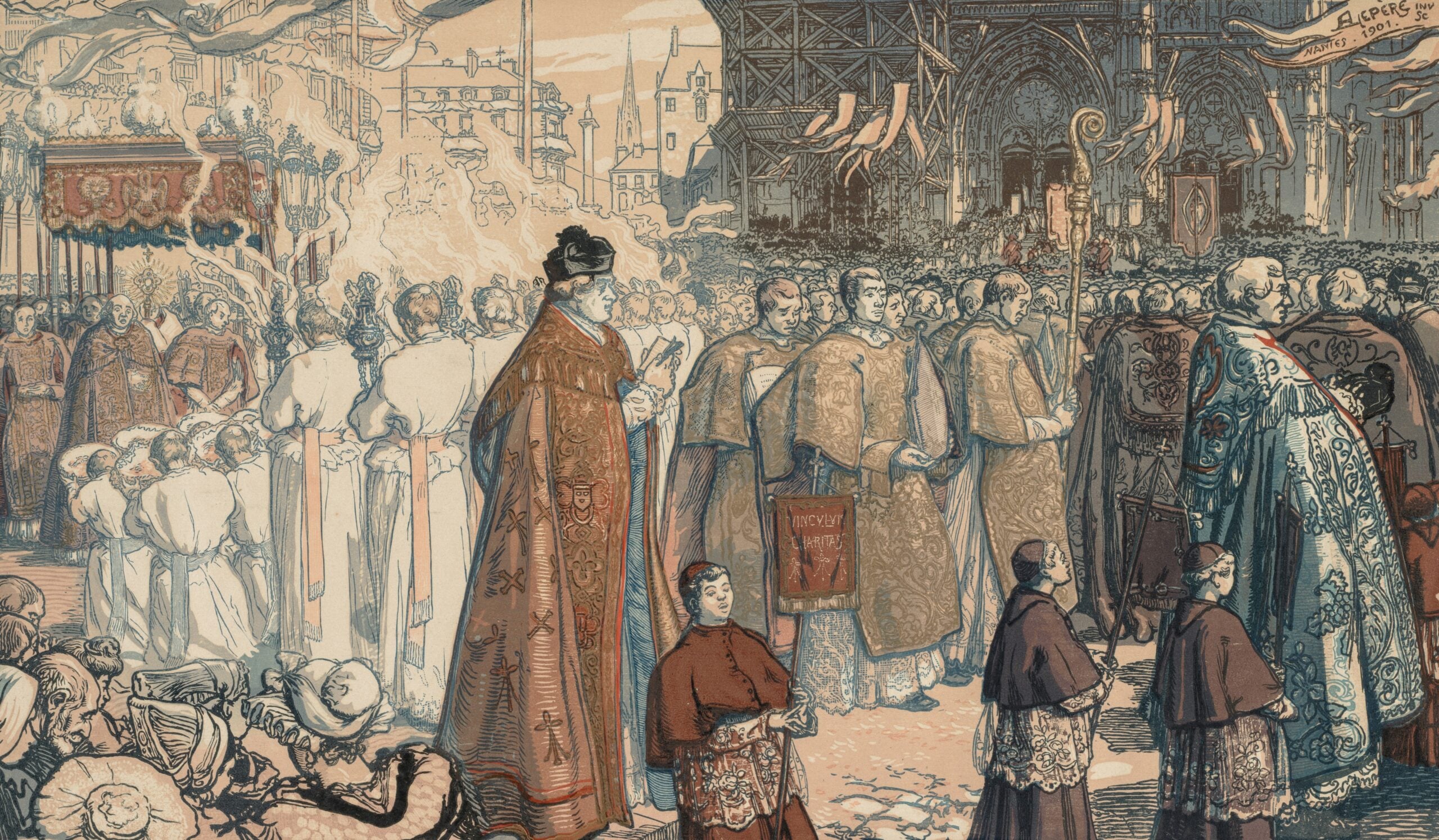
King Louis XIV revoked protections for Protestants, making Protestant religious practice illegal. Hundreds of thousands fled France to escape religious persecution authorized by law.
The revocation showed how governments could use law to force religious conformity through violence and exile.
Laws Against Reading—Saudi Arabia

Some interpretations of Islamic law in certain regions made it illegal for women to read books without permission. Knowledge itself was criminalized for women.
The law reflected the principle that controlling access to information maintains control over populations. These restrictions persisted into the late 20th century in some regions.
When Laws Reveal Society’s Cruelty

What these laws share is that they were once considered reasonable expressions of authority. Governments believed they had the right—even the obligation—to regulate every aspect of human life.
Each law reflected what that society feared: social mobility, religious difference, autonomy, economic negotiation, or free thought. Looking at these laws, we might wonder: which of our current laws will future generations find equally shocking?
More from Go2Tutors!

- The Romanov Crown Jewels and Their Tragic Fate
- 13 Historical Mysteries That Science Still Can’t Solve
- Famous Hoaxes That Fooled the World for Years
- 15 Child Stars with Tragic Adult Lives
- 16 Famous Jewelry Pieces in History
Like Go2Tutors’s content? Follow us on MSN.