24 Mall Food Court Chains Shoppers Miss
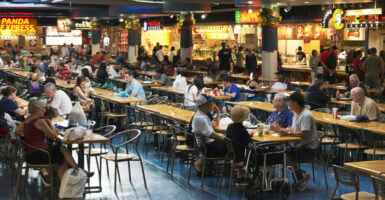
The food court was the reward at the end of a shopping trip, a ring of neon counters where a family could split up, order four different cuisines, and reconvene at a plastic table bolted to the floor. For a few decades it was also a laboratory for restaurant chains that existed almost nowhere else.
Most of those chains are gone now, folded into competitors or simply closed when the malls around them emptied. The ones below are the names that still come up when people talk about what the mall used to smell like.
Hot Sam Pretzels
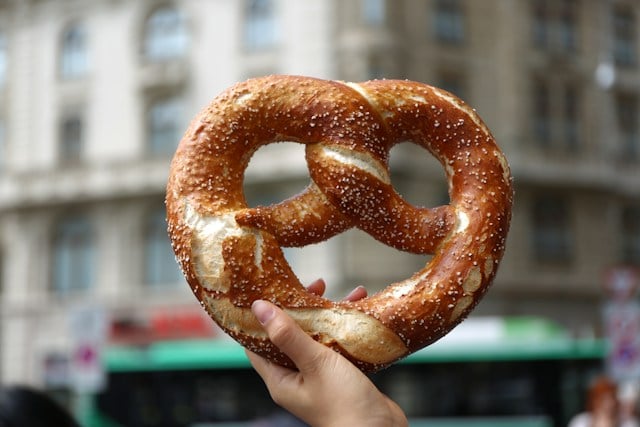
Hot Sam was founded in 1966 at the Livonia Mall outside Detroit and grew to more than 175 locations by the mid-1980s. Its pretzels were larger and chewier than the competition, and the toppings went well beyond mustard, with fudge and cream cheese among the unusual options.
Mrs. Fields bought the chain in 1995 and converted the stores to Pretzel Time, and the last Hot Sam signs came down in the mid-2000s.
Orange Julius
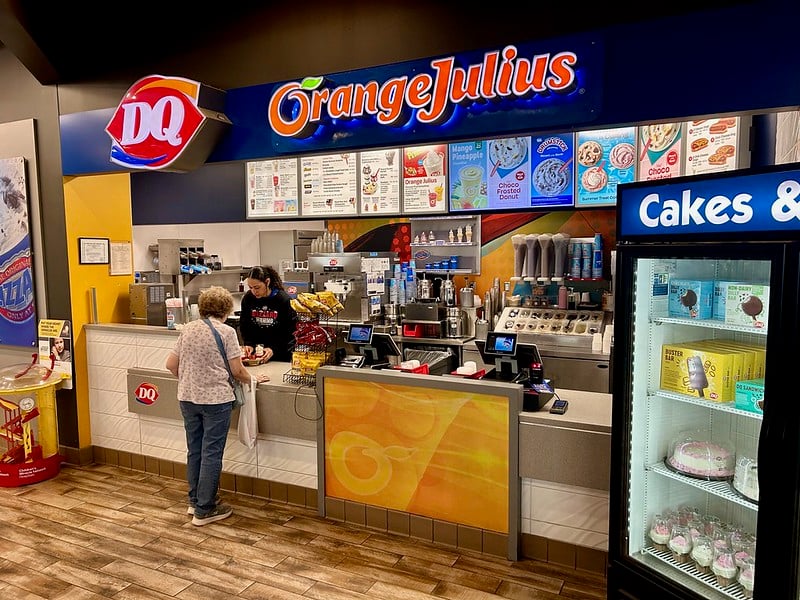
The frothy orange drink dates to a 1920s Los Angeles juice stand, and by the mall era Orange Julius stands were a fixture near the center court with a pyramid of fresh oranges on display. The signature drink blended orange juice with ice, sugar, and a powdered mix that gave it a creamy texture.
Dairy Queen acquired the brand in 1987 and gradually folded it into its own stores, and the standalone counters have nearly vanished.
Karmelkorn
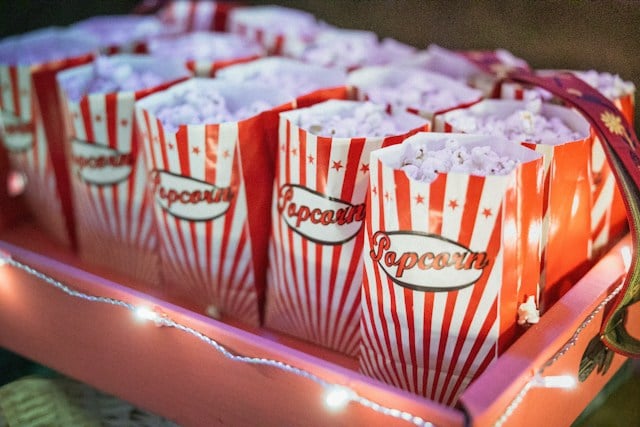
Karmelkorn shops filled the mall concourse with the smell of caramel popcorn being made in copper kettles behind the counter. The chain dated to 1929 in Casper, Wyoming, and at its height had hundreds of franchised stores, most of them in malls.
Dairy Queen bought it in 1986, and the stores were absorbed into combination DQ locations until the name all but disappeared.
Pretzel Time
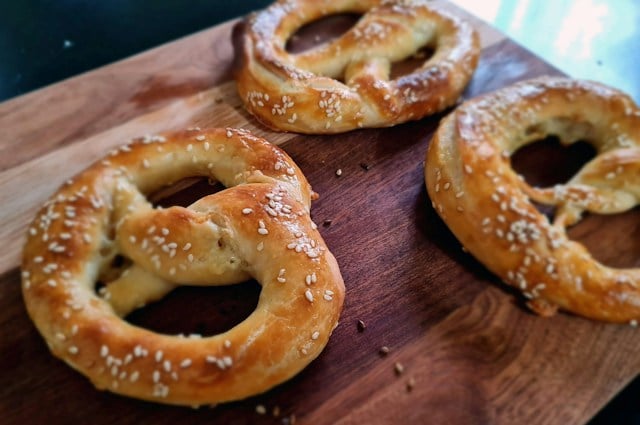
Pretzel Time was the chain that replaced Hot Sam, and many shoppers who remember it recall watching the pretzels being rolled and baked right at the counter. It was acquired by Mrs. Fields in the 1990s, and in 2007 the brand was sold along with Pretzelmaker to NexCen Brands, which eventually merged the two concepts.
Fans of the chain insist it was better than the pretzel brand that dominates malls today.
Arthur Treacher’s Fish and Chips
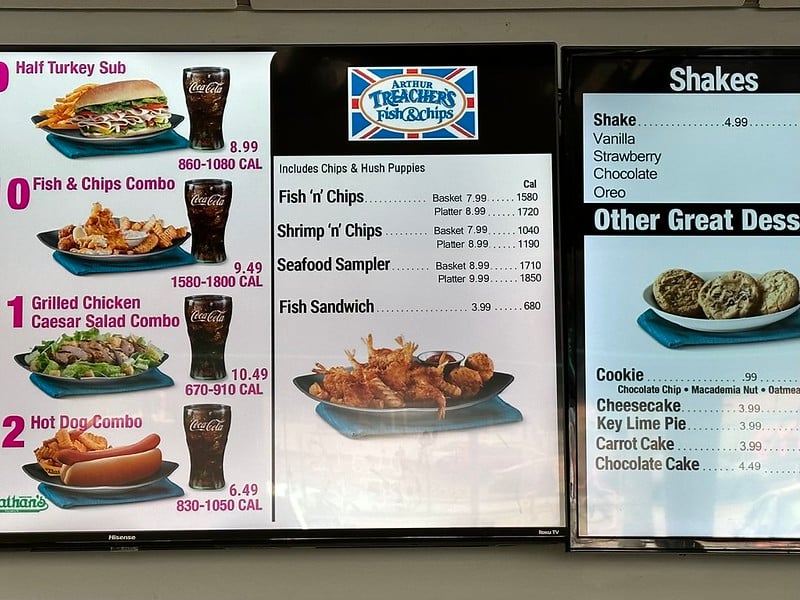
Arthur Treacher’s brought British-style fried fish to American malls in the 1970s, served in a paper boat with chips and a side of hush puppies. Named for an English character actor, the chain had hundreds of locations at its peak before a supply crisis and ownership changes shrank it over the following decades.
Only a tiny number of stores survive, mostly in Ohio.
The Original Cookie Company
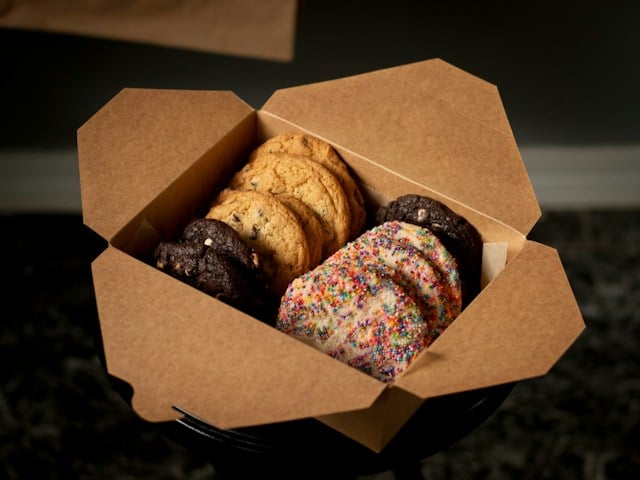
The Original Cookie Company was founded in 1977 and grew into a nationwide mall chain that competed directly with Mrs. Fields for the warm-cookie trade. Its counters sold cookies by the dozen and giant cookie cakes decorated with frosting messages.
The brand was eventually absorbed by Mrs. Fields, and the name faded from food courts by the 2000s.
York Steak House
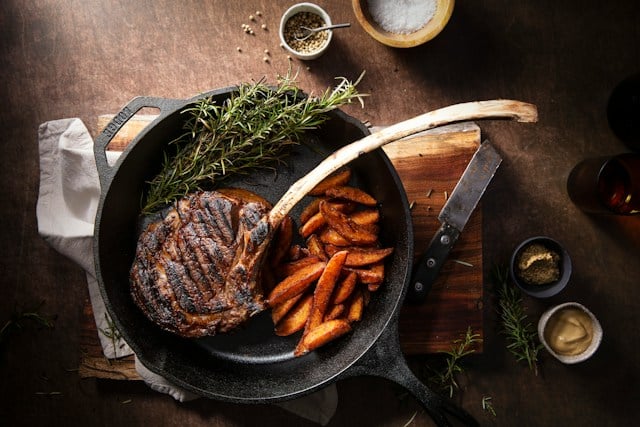
York Steak House was the sit-down steak restaurant that anchored many mall dining areas in the 1970s and 1980s, with a cafeteria-style line where customers picked a cut and watched it grilled. It was owned by General Mills for a time and had nearly 200 locations at its height.
The chain contracted sharply after a sale in the 1980s, and a single location in Columbus, Ohio became the last survivor.
Morrison’s Cafeteria
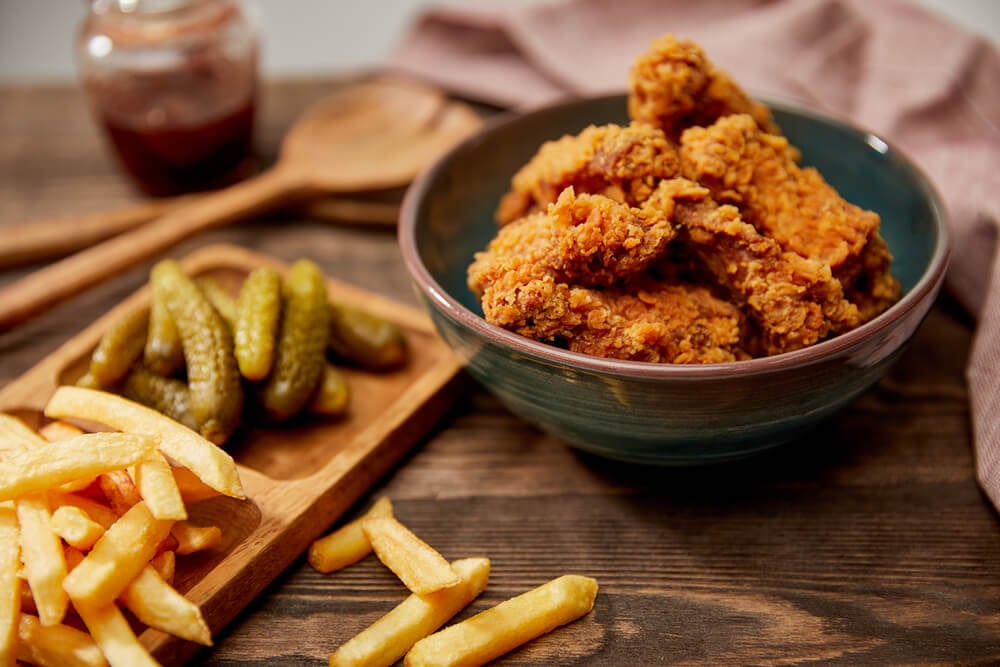
Morrison’s was a Southern cafeteria chain that dated to 1920 in Mobile, Alabama, and its mall locations served fried chicken, congealed salads, and pie off a steam line. The company was once a major restaurant group that also owned Ruby Tuesday.
Piccadilly acquired the cafeterias in 1998 and gradually retired the Morrison’s name.
Piccadilly Cafeteria
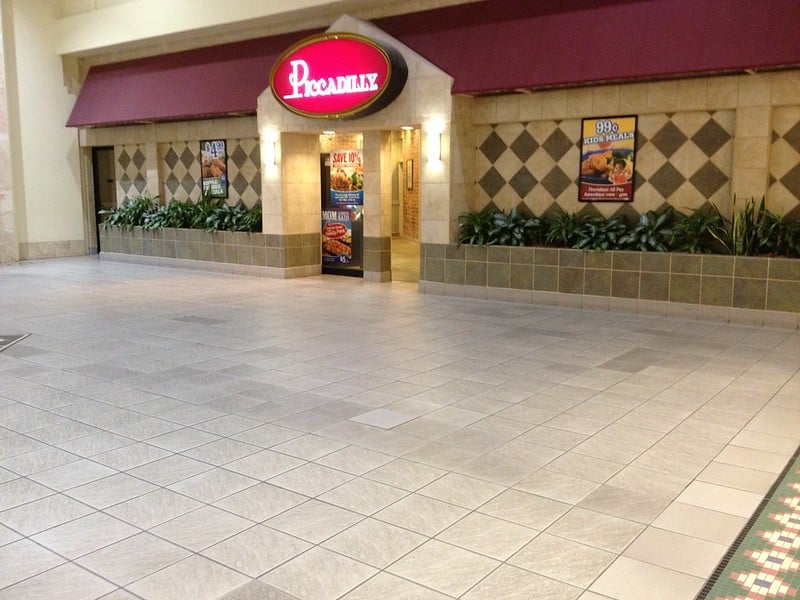
Piccadilly grew out of a 1944 cafeteria in Baton Rouge and spread through malls and shopping centers across the South. The trays, the carpeted dining rooms, and the carrot souffle were all part of the experience.
The chain has shrunk to a few dozen locations, and most of the mall units closed as the anchor stores around them went dark.
Kenny Rogers Roasters
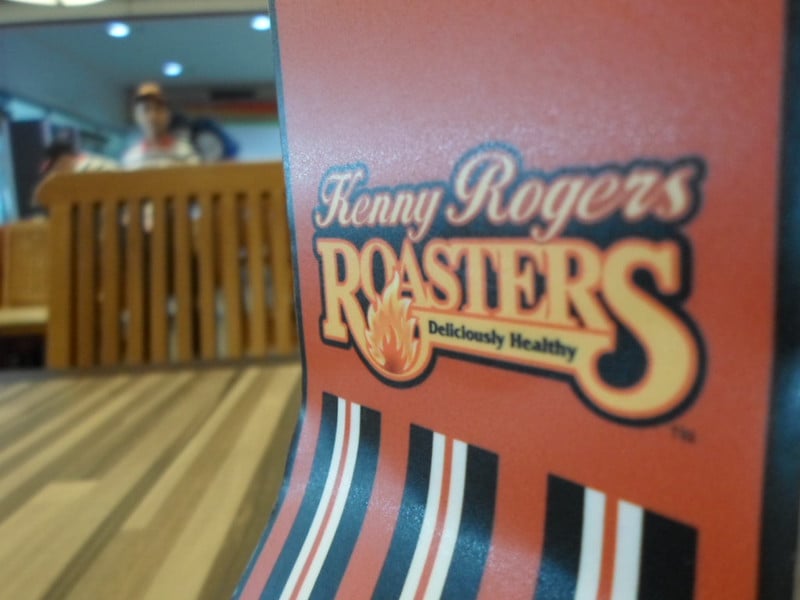
The rotisserie chicken chain co-founded by the country singer opened in 1991 and expanded quickly into malls and strip centers. It became a pop culture reference after a 1996 sitcom episode, but the American business struggled and the last stateside location closed in 2011.
The brand continues to operate in Asia, where it has a substantial presence in mall food courts.
Bresler’s 33 Flavors
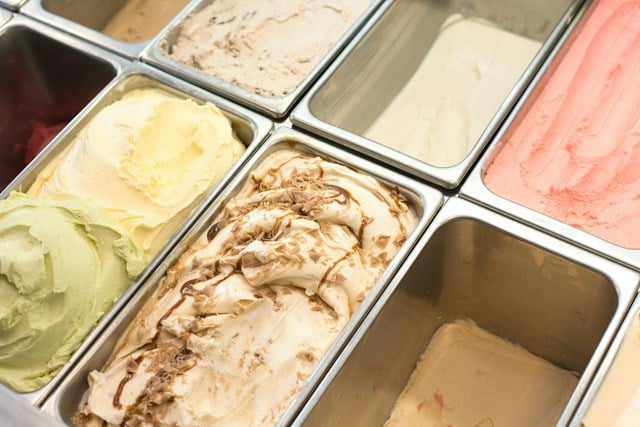
Bresler’s was a Chicago ice cream chain that offered 33 flavors, two more than the better-known competitor, and its mall scoop shops were a Midwestern staple. After founder William Bresler died in 1985 the chain changed hands several times.
It was eventually folded into Yogen Fruz locations, and the Bresler’s name disappeared.
TCBY
TCBY was the original frozen yogurt chain, and in the 1980s it rode the low-fat diet trend into malls across the country with its “The Country’s Best Yogurt” slogan. The counters offered soft-serve in a cup or a waffle cone with a bar of toppings.
The brand survives, but the number of locations is a fraction of its peak and most food court units are long gone.
I Can’t Believe It’s Yogurt
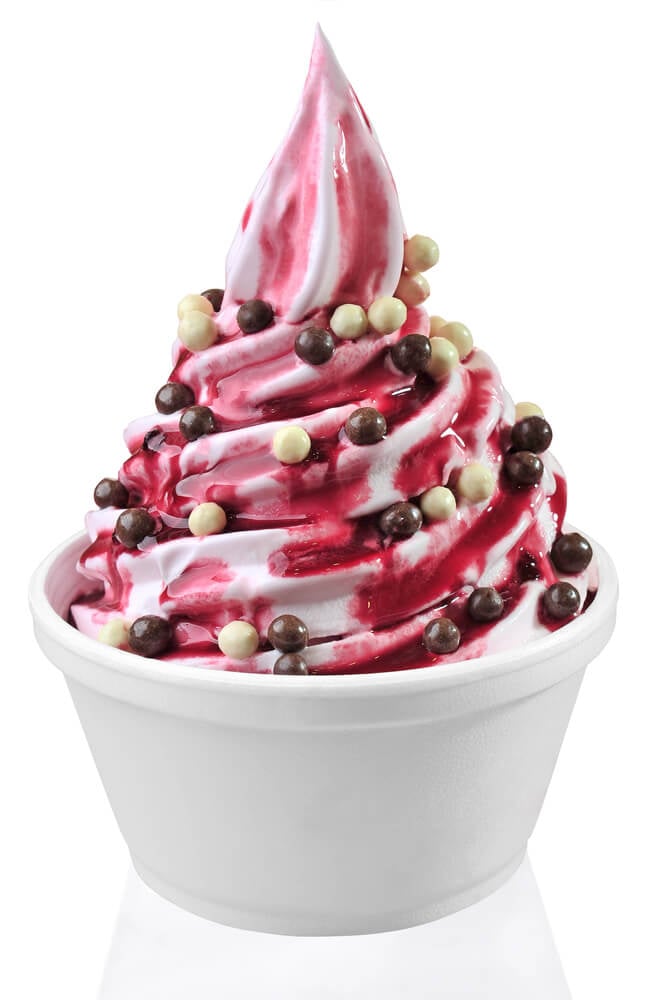
Known to regulars as ICBIY, this Dallas-based chain was TCBY’s main rival through the 1980s and 1990s. The soft-serve yogurt was marketed as a guilt-free dessert, and the stores were often tucked next to a cookie counter for maximum temptation.
The chain contracted sharply in the 2000s, and only a handful of locations remain.
Everything Yogurt
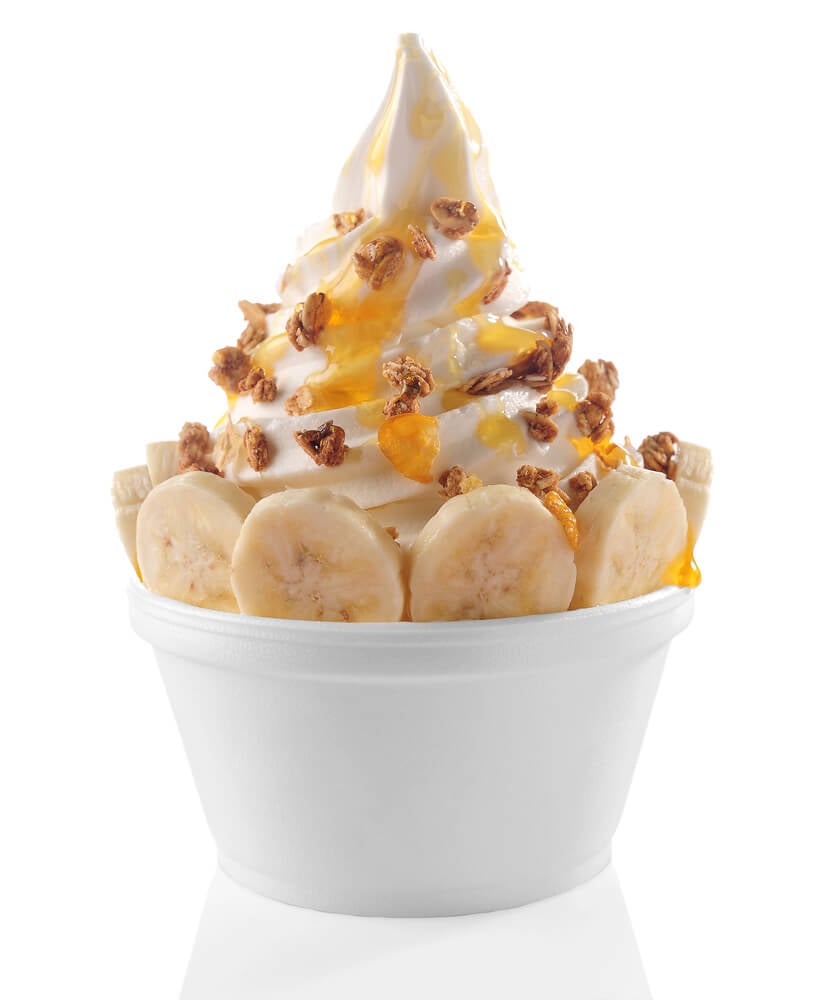
Everything Yogurt was a New York-based chain that expanded through East Coast malls with a menu of frozen yogurt, salads, and baked potatoes. It was positioned as the healthier option in a food court full of pizza and fries, which worked for a while.
The concept faded as the frozen yogurt boom cooled, and the stores closed through the 1990s and 2000s.
Chicken George
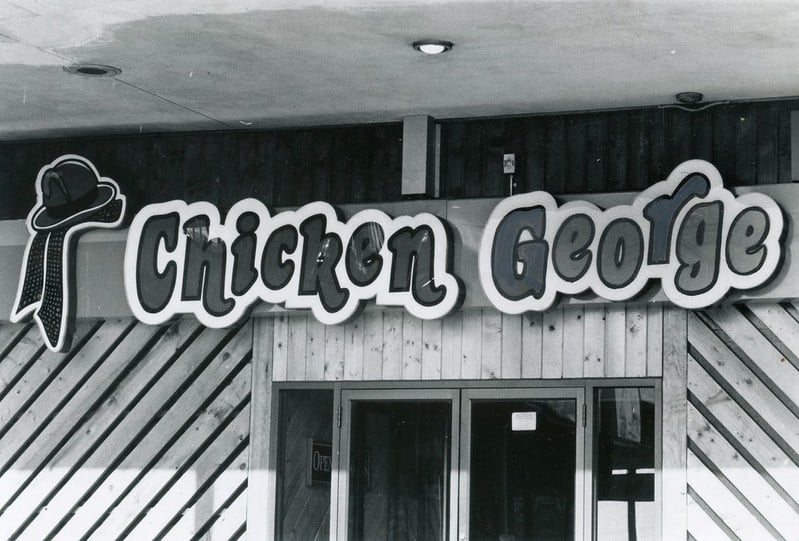
Chicken George opened its first location in Baltimore’s Mondawmin Mall and expanded along the East Coast as the largest Black-owned fast food chain in the country at the time. The fried chicken had a loyal following, and the chain was a point of pride in the communities it served.
Financial troubles forced it into bankruptcy in 1991, and it closed.
Sbarro
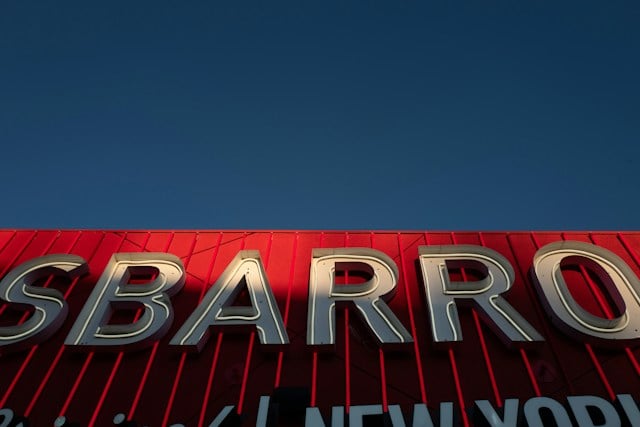
Sbarro is not gone, but the giant slices under heat lamps are no longer the universal food court presence they once were. The chain began in Brooklyn in 1956 and grew into the default mall pizza option, with pasta and stromboli served cafeteria-style.
Two bankruptcies in the 2010s closed hundreds of mall locations, and the brand has shifted much of its growth to airports and convenience stores.
Flamers Charbroiled Hamburgers
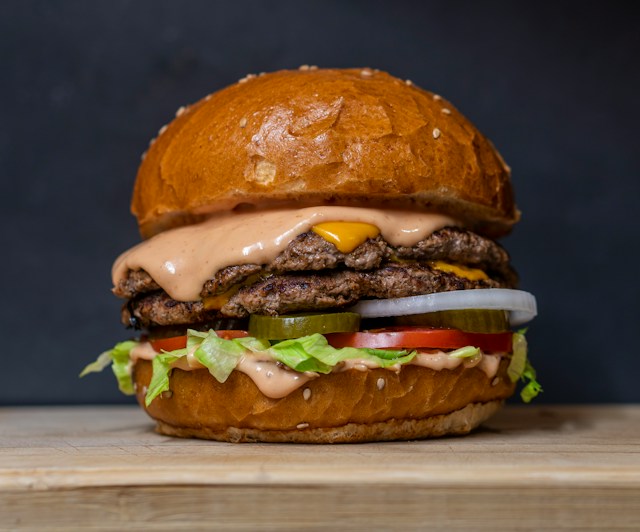
Flamers was the mall burger chain that cooked over an open flame grill visible from the concourse. It grew through the 1990s in food courts and airports, offering a higher-priced burger than the fast food giants.
The chain shrank steadily through the 2000s, and the surviving locations are rare enough that finding one feels like a discovery.
Corn Dog 7
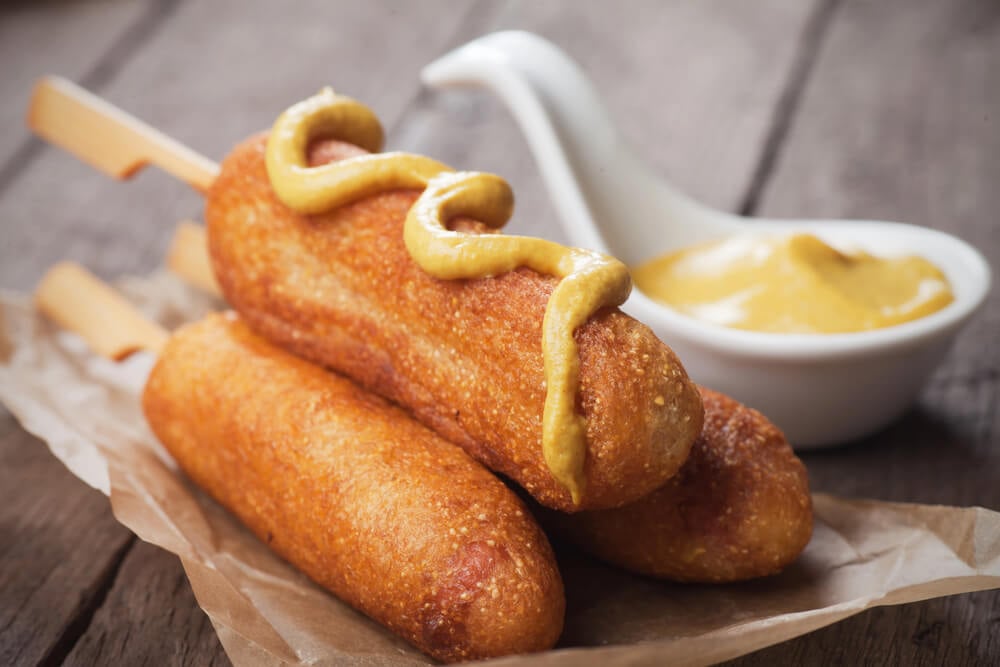
Corn Dog 7 was a Texas-based chain that dipped and fried corn dogs to order in mall food courts across the South and Southwest. The batter was sweet, the lemonade was fresh-squeezed, and the stores were a reliable stop for anyone with a few dollars.
The chain has dwindled to a small number of locations, and most of the mall units closed as foot traffic declined.
Hot Dog on a Stick
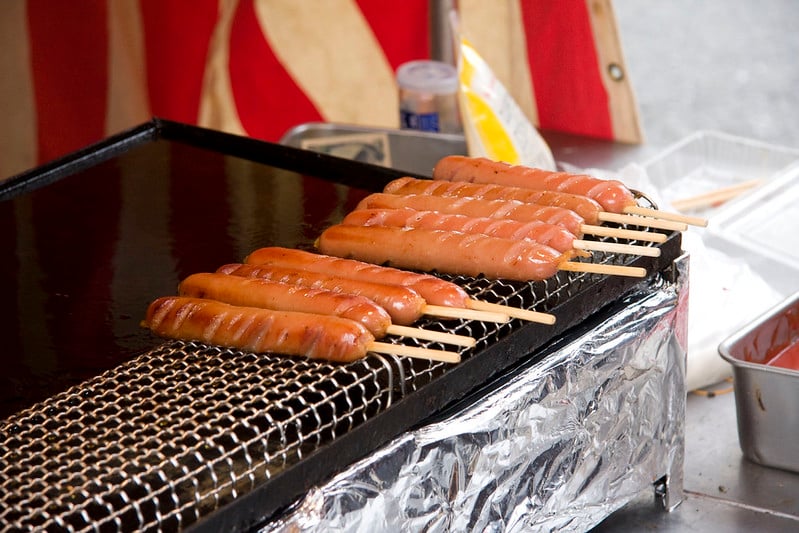
Hot Dog on a Stick began at Muscle Beach in Santa Monica in 1946 and became a mall institution with its striped uniforms and hand-stomped lemonade. The corn dogs were dipped and fried in view of the customer, and the employees’ tall striped hats were part of the show.
The chain still exists but has shrunk sharply from its 1980s and 1990s peak, and the mall counters are increasingly hard to find.
Swensen’s
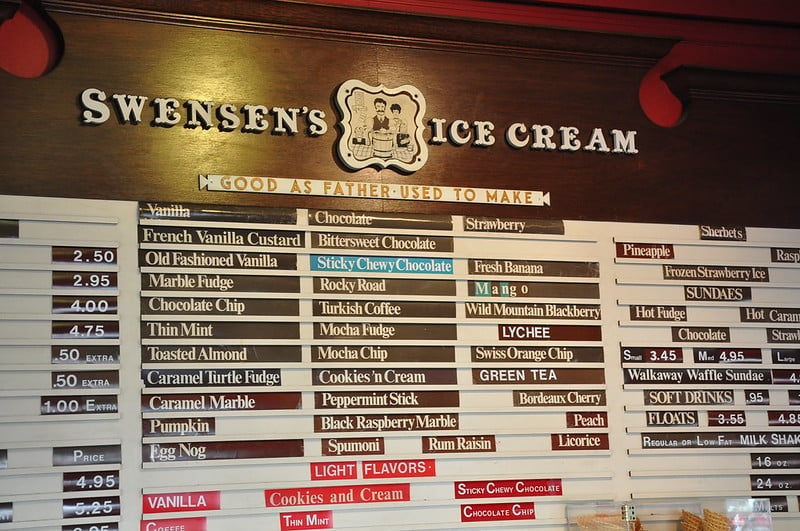
Swensen’s was a San Francisco ice cream parlor that expanded into malls with a menu of sundaes, sandwiches, and towering specialty desserts. The stores had a Victorian look with stained glass and marble, which made them a step up from the scoop counter.
The American chain contracted sharply, while the brand found a second life in Southeast Asia, where it remains popular.
Steak Escape
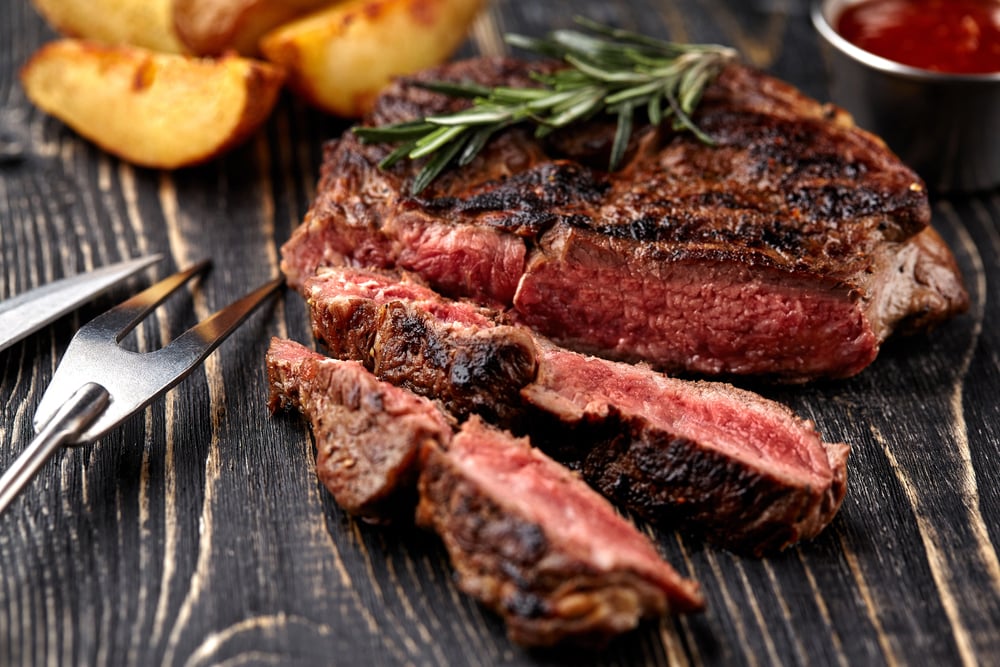
Steak Escape was founded in Columbus, Ohio in 1982 and spread through food courts with grilled-to-order cheesesteaks and fresh-cut fries. The grill was visible from the counter, and customers watched their sandwich assembled.
The chain has shrunk to a small footprint, and many of the mall locations shoppers remember have closed.
Gloria Jean’s Coffees
Gloria Jean’s was the mall coffee counter before the big chains arrived, selling flavored beans by the pound and espresso drinks from a kiosk. It was founded in Illinois in 1979 and grew to hundreds of locations, many of them in food courts and concourses.
The American business contracted, and the brand is now far larger in Australia than in its home country.
Manchu Wok
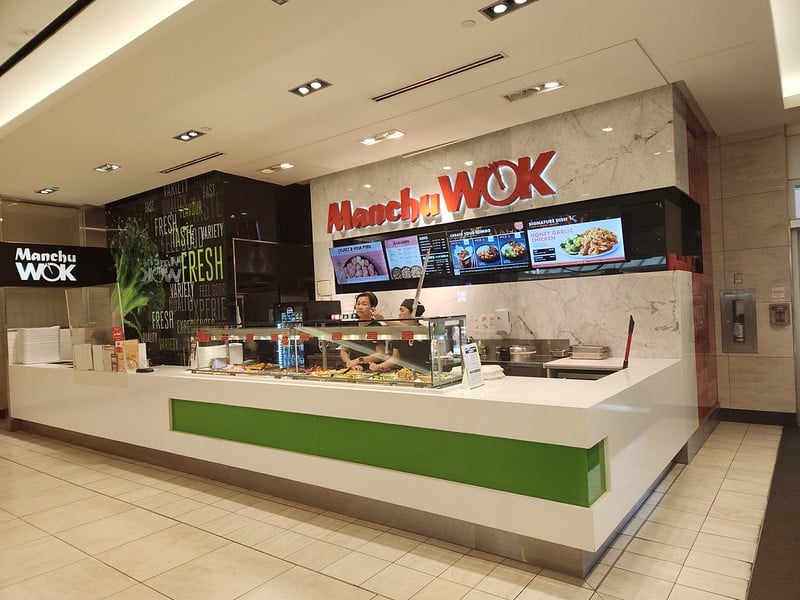
Manchu Wok was the Chinese food court counter in countless malls, serving sweet and sour chicken and fried rice from a steam table. The chain began in Ontario in 1980 and expanded through North American malls, airports, and military bases.
It still operates but has retreated from many of the suburban malls where shoppers first encountered it.
The Woolworth’s Lunch Counter
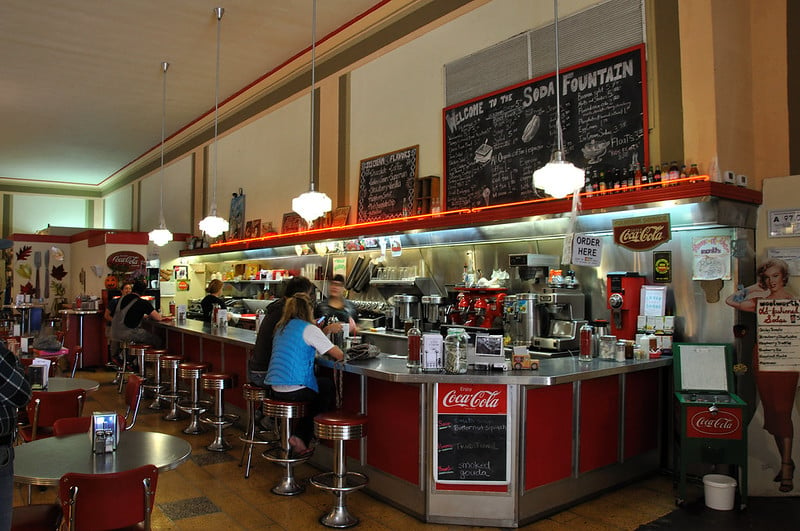
Many malls were built around a Woolworth’s, and the store’s lunch counter served grilled cheese, club sandwiches, and milkshakes to shoppers and employees alike. The counters were a holdover from the dime store era, and they survived into the mall age with their swivel stools intact.
The company closed its remaining American stores in 1997, and the lunch counters went with them.
The Smell That Sold the Mall
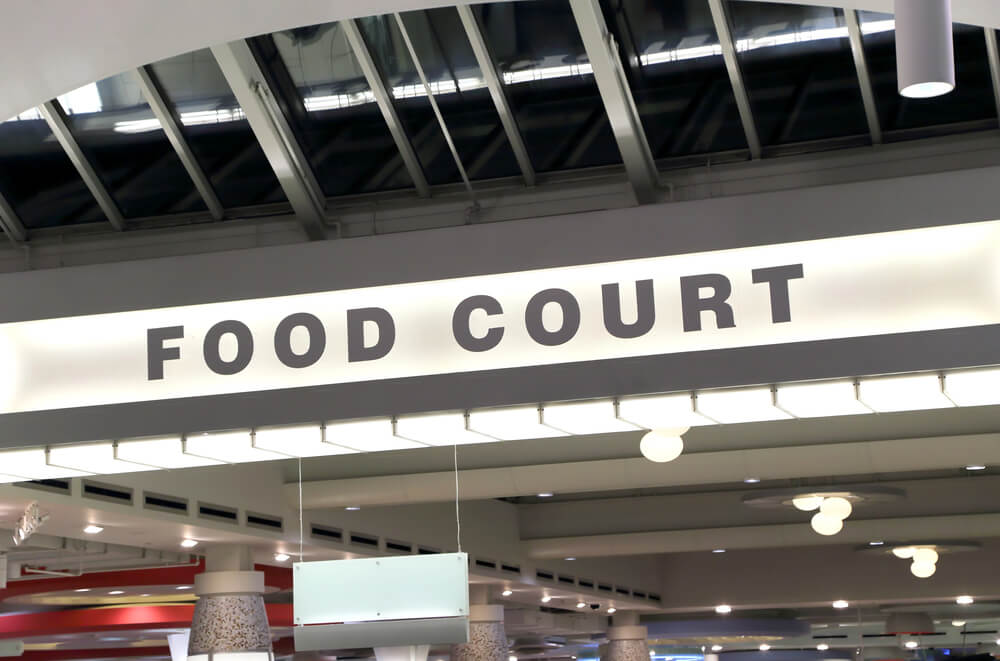
The food court was never really about the food, which was mostly fine and occasionally forgettable. It was about the combination of cinnamon, fried batter, and caramel corn drifting through a climate-controlled building, and the way those smells marked a Saturday afternoon as different from the rest of the week.
Most of these chains died because the malls around them did, and the ones that survive did so by moving to airports, overseas markets, or strip centers. The counters themselves have been replaced by national brands that could be anywhere.
What shoppers miss is the specific, slightly odd mix of regional chains that made each mall’s food court recognizably its own.
More from Go2Tutors!

- The Romanov Crown Jewels and Their Tragic Fate
- 13 Historical Mysteries That Science Still Can’t Solve
- Famous Hoaxes That Fooled the World for Years
- 15 Child Stars with Tragic Adult Lives
- 16 Famous Jewelry Pieces in History
Like Go2Tutors’s content? Follow us on MSN.