Everyday Things That Are Riskier Than They Look
Most of the things that a person does every day seem to be routine and harmless. For instance, getting a quick bite to eat, driving to work, or even walking on the street does not seem to be something to worry about.
In most cases, this is because of the routine nature of these activities. However, this does not necessarily mean that routine is safe.
In most cases, there are common activities that are not as safe as they seem, especially when precautions are not taken. Most accidents that happen in our daily lives are not a result of big mistakes.
Most of them happen when a person thinks that a situation is completely safe. Let’s take a closer look at some of the things that are not as safe as they seem.
Driving Short Distances

Many people feel safest when driving only a few miles from home. Short trips to the grocery store or a nearby café seem less dangerous than long highway journeys.
Yet accident statistics consistently show that a large number of crashes occur within a short distance of a person’s home. One reason is familiarity.
Drivers tend to relax their focus on roads they travel frequently because the route feels predictable. Small distractions, such as adjusting the radio or glancing at a phone notification, become more tempting when the drive seems routine.
Still, the roads themselves do not become safer simply because they are familiar. Other drivers, changing weather conditions, and sudden stops can create unexpected hazards even during a five-minute drive.
Household Ladders

Using a ladder at home rarely feels dramatic. Climbing a few steps to change a light bulb or clean a gutter appears simple enough.
However, ladder-related injuries occur far more often than many people expect. Most accidents happen when ladders are placed on uneven surfaces or when people stretch beyond a comfortable reach.
Instead of climbing down and repositioning the ladder, many individuals lean too far to one side, which shifts the center of balance. Even a fall from a relatively low height can cause significant injury.
Taking time to stabilize the ladder and maintaining three points of contact while climbing greatly improves safety.
Cooking with Hot Oil

Cooking is a daily activity that most people perform without hesitation. Still, working with hot oil introduces risks that are often underestimated.
Oil heats quickly and can splatter if food contains moisture. Small droplets can cause painful burns within seconds.
This often happens when frozen or damp ingredients are placed directly into hot oil, causing sudden bubbling and popping. In addition, overheated oil can ignite under certain conditions.
Using a thermometer, keeping a lid nearby, and monitoring the stove carefully can help prevent kitchen accidents. Even experienced cooks benefit from staying attentive during these moments.
Crossing Busy Streets

Crossing the street may feel like the most basic of daily tasks. Yet pedestrian accidents remain a serious concern in many cities around the world.
Urban intersections often involve multiple layers of movement. Vehicles may be turning, cyclists may be passing through bike lanes, and buses may be approaching stops at the same time.
Even when traffic signals indicate it is safe to cross, distracted drivers sometimes fail to notice pedestrians. Still, pedestrians can reduce risk by staying alert and avoiding distractions such as phone screens or headphones.
Making eye contact with drivers when possible helps ensure visibility.
Using Power Tools

Power tools are designed to make work easier and faster, but that efficiency can also increase the potential for injury. Tools such as drills, saws, and sanders are common in home workshops and garages.
Many accidents occur when users rush through tasks or remove protective guards. In some cases, individuals attempt to cut materials that are not properly secured, causing the tool to kick back unexpectedly.
Still, power tools remain safe when handled carefully. Wearing safety glasses, securing materials firmly, and following manufacturer guidelines greatly reduces the risk of accidents.
Carrying Heavy Bags

Lifting or carrying heavy bags might not seem particularly dangerous, especially when the task only lasts a few minutes. Yet improper lifting can strain muscles and cause long-term back problems.
People often twist their bodies while lifting or carry weight unevenly on one shoulder. This uneven pressure can place stress on the spine and surrounding muscles.
Still, simple adjustments can make a significant difference. Bending at the knees, keeping the load close to the body, and distributing weight evenly help protect the back from unnecessary strain.
Using Your Phone While Walking

Smartphones have become constant companions, often used while walking down sidewalks or through busy public spaces. At first glance, sending a quick message while walking may appear harmless.
Still, focusing on a screen reduces awareness of surroundings. Pedestrians distracted by phones are more likely to trip, bump into obstacles, or step into traffic unexpectedly.
Many cities have even reported an increase in minor injuries related to distracted walking. Simply lifting one’s eyes from the screen for a few seconds can make a noticeable difference in awareness.
Cleaning with Household Chemicals

Many cleaning products are designed to eliminate bacteria and remove stains, but some contain strong chemical ingredients. When used incorrectly, these substances can create unexpected hazards.
Mixing certain cleaners together may produce irritating or dangerous fumes. For example, combining bleach with other household products can release gases that affect breathing and eye comfort.
Still, many accidents occur simply because labels are ignored. Reading instructions carefully and ensuring proper ventilation makes cleaning tasks significantly safer.
Riding a Bicycle in Traffic
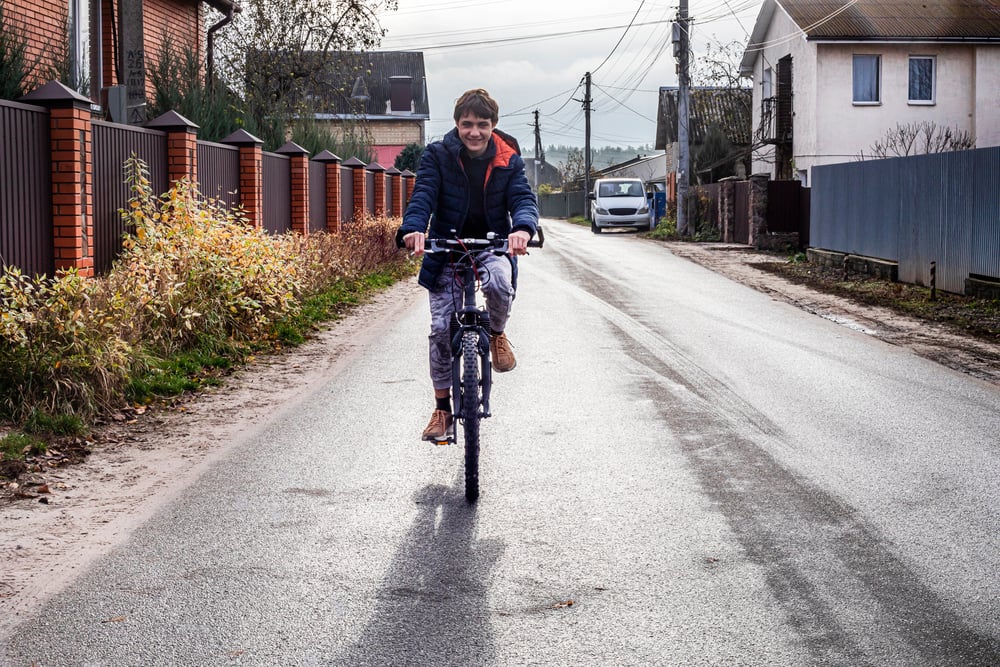
Cycling offers a healthy and environmentally friendly way to travel. However, sharing roads with larger vehicles introduces risks that may not be immediately obvious.
Cyclists are far more exposed than drivers in enclosed vehicles. Busy streets, sudden lane changes, and limited visibility can increase the chance of collisions.
Still, cyclists who follow traffic signals, wear bright clothing, and use lights during low visibility conditions improve their chances of being seen. Awareness from both drivers and cyclists plays an important role in preventing accidents.
Using Extension Cords
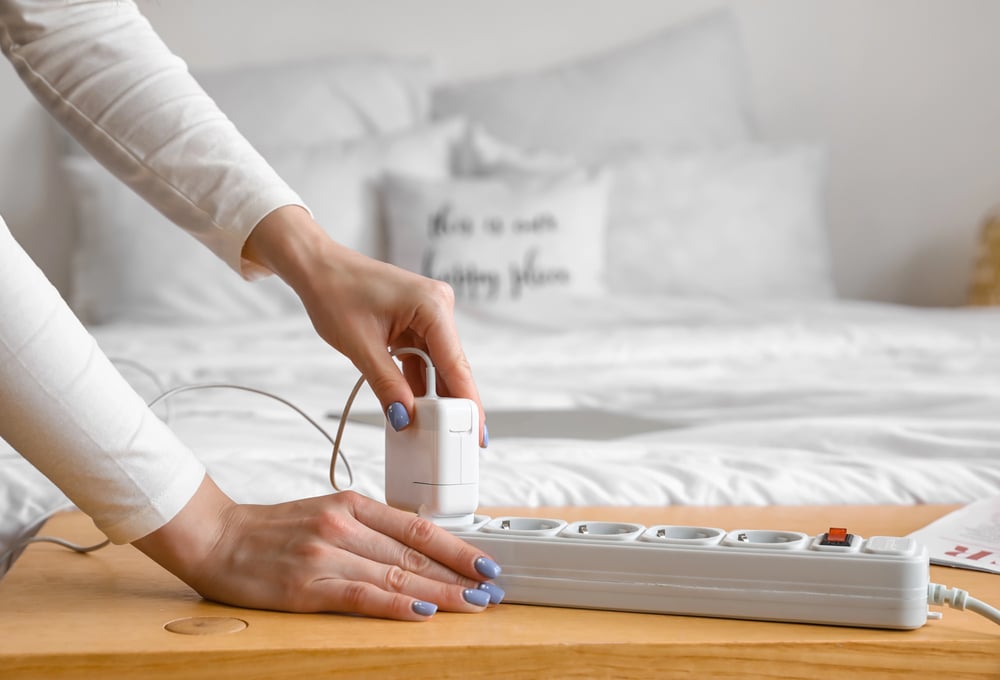
Extension cords are common tools in homes and workplaces, often used when outlets are out of reach. Yet improper use can create electrical hazards that many people overlook.
Overloading a cord with several high-power devices may lead to overheating. In some cases, cords placed under carpets or furniture trap heat and increase fire risk.
Still, choosing cords designed for the appropriate electrical load and keeping them visible helps reduce potential danger. Small details in electrical safety often prevent larger problems later.
Wet Bathroom Floors

Bathrooms may seem like one of the safest rooms in the house, yet they are also common locations for slips and falls. Water from showers or sinks often spreads across smooth tile surfaces.
When floors become wet, traction decreases quickly. A single misstep can lead to a sudden fall, especially when someone is moving quickly through the space.
Still, simple measures such as non-slip mats and wiping up standing water can greatly reduce the chance of accidents. Maintaining awareness of floor conditions helps prevent unexpected slips.
Why Awareness Matters in Everyday Life

There are many risks in life, but people are not aware of them because these risks are attached to their daily activities. Being aware of these risks does not mean people should avoid their daily activities.
It only requires them to make slight changes to their daily activities to avoid accidents. By being aware, people can avoid many accidents before they happen.
Finally, it is clear that the main factor influencing safety is not avoiding risk but being aware of its presence. This awareness can help people change their daily activities to safe activities, thus improving their health and well-being.
More from Go2Tutors!

- The Romanov Crown Jewels and Their Tragic Fate
- 13 Historical Mysteries That Science Still Can’t Solve
- Famous Hoaxes That Fooled the World for Years
- 15 Child Stars with Tragic Adult Lives
- 16 Famous Jewelry Pieces in History
Like Go2Tutors’s content? Follow us on MSN.



