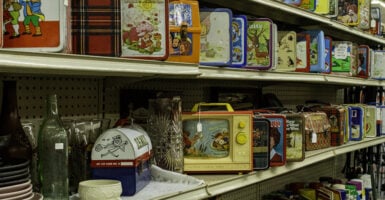
24 Summer Jobs Teenagers No Longer Have
The American summer job is an institution in decline, having fallen from 50-60% of teenage employment in the 1970s-1990s to barely 30% in recent years. This transformation represents more than demographic shifts or economic recessions—it reflects fundamental changes in how American adolescents navigate work, family expectations about education, and the economic structures that once depended on teenage labor.
The jobs that once defined summer and provided first experiences with responsibility and money have largely vanished, replaced by academic enrichment programs or unpaid internships for the privileged.
Newspaper Delivery

Gone are the days of rolled-up newspapers landing on front stoops while paperboys rang bells on bicycles before speeding off through neighborhoods. Newspaper delivery was once one of the most common jobs for children and teens, providing entrepreneurial opportunity through building personal customer lists.
The rise of internet journalism made the physical service obsolete, with adult drivers now handling deliveries or customers reading online instead of purchasing tangible papers.
Lawnmowing

Operating independent lawn care businesses required teenagers to push heavy mechanical mowers across hot suburban yards every weekend. This entrepreneurship demanded maintaining personal equipment while hauling fuel cans and green waste bags down neighborhood sidewalks to establish client lists.
While lawns still require mowing, the informal teenage entrepreneur model gave way to professional landscaping services, with neighborhood kids no longer finding ready customers.
Paper Route Administration

Before digital classified advertising, newspaper want ads created informal job marketplaces where kids advertised babysitting, chores, mowing, and miscellaneous service offerings. The physical newspaper job board connected teenagers with community members needing temporary help for various tasks.
The entire informal job network depended on newspapers existing as primary advertising medium, disappearing with digital classified platforms.
Babysitting

Watching neighborhood toddlers gave teenagers massive responsibility as they managed chaotic living rooms filled with popular action figures and retro board games. Sitters spent evenings supervising playtime while keeping wireless telephones close by for emergency check-in calls from parents.
Contemporary parents increasingly hire professional childcare services rather than relying on teenage neighborhood sitters without formal background checks.
Car Washing

Spending hot summer afternoons wearing heavy rubber gloves to scrub dirty vehicles was thoroughly wet and exhausting work compensated primarily through cash tips. Attendants at manual self-service stations worked in teams applying soapy industrial sponges before utilizing high-pressure water hoses to rinse mud and road grime.
Professional car washes and automation have largely eliminated the opportunity for teenagers to earn through manual car washing services.
Drive-In Movie Theater Work

— Photo by lucidwaters
Drive-in restaurants used to be all the rage with teens finding employment as carhops delivering food to vehicles, sometimes while wearing roller skates. The combination of service and physical comedy made carhop work memorable employment, though skill-based compensation through tips meant earnings varied significantly.
The near-complete disappearance of drive-in restaurants eliminated this employment niche almost entirely.
Movie Theater Concession Workers

Teenagers staffed theater concession stands selling popcorn, candy, and beverages to moviegoers, creating visible teenage employment that was part of cinema culture. The work involved cash handling, inventory management, and customer service that provided genuine employment experience.
Automation and reduced theater attendance have eliminated many of these entry-level positions.
Movie Theater Projectionists

Digital projection began rolling out in the early 2000s and eliminated the need for human projectionists who threaded film reels and managed projection booth operations. The booth is still there in most theaters but runs itself now, and no teenager is threading anything.
The technical skill of film projection represented genuine mechanical expertise that contemporary technology has automated entirely.
Fast Food Entry-Level Positions
— Photo by madvideos.gmail.com
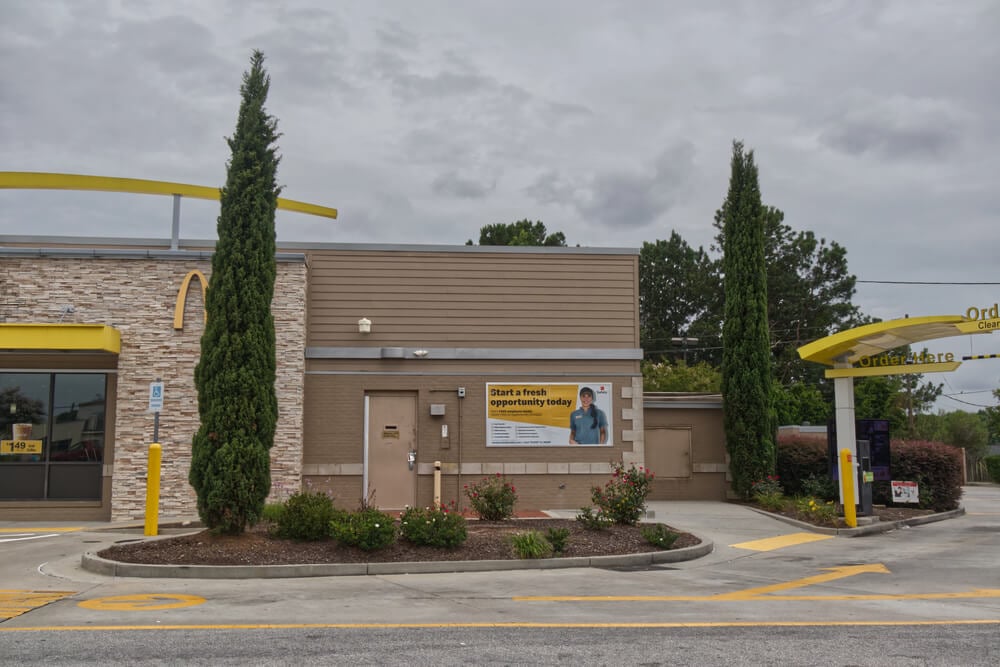
Fast food restaurants once represented primary teenage employment, with positions in food preparation, counter service, and drive-through operations providing accessible work. Contemporary immigration patterns and wage pressure have shifted many fast food positions to adult workers, reducing typical teenage employment opportunities.
Advancement within fast food also became less likely, reducing career motivation even for those who found positions.
Retail Store Floor Workers

Department stores and retail shops employed teenagers as cashiers, floor restockers, and sales associates, creating natural entry points to employment. The retail experience taught customer service, cash handling, and merchandising skills within structured hierarchical environments.
E-commerce and retail consolidation have eliminated countless retail positions that once provided teenage employment.
Lifeguard Services

— Photo by alvarobueno
Supervising swimming pools and beach areas required teenagers to obtain certifications and maintain vigilance while earning reasonable summer compensation. The position combined physical presence, responsibility, and active safety monitoring that provided meaningful work experience.
Contemporary liability concerns and professional requirements have elevated barriers to entry for teenage lifeguard positions.
Summer Camp Counselor

— Photo by Antares_N
Working with younger children as overnight camp counselors provided teenage employment that combined childcare with recreational leadership. The position required responsibility, adaptability, and genuine care for program participants in ways that created memorable work experiences.
Quality camps still employ teenagers, though the number of available positions has declined as camp enrollment has shifted.
Yard Work and Landscaping Assistance

Beyond traditional lawnmowing, teenagers performed various yard tasks including hedge trimming, garden preparation, and general landscaping assistance. The informal nature of yard work provided opportunities for teenagers to work without formal applications or extensive documentation.
Professionalization of landscaping through service companies has eliminated most informal yard work opportunities.
Candy Striper Hospital Volunteer Positions

Teen volunteers wore distinctive pink and white striped uniforms while providing clerical support and patient assistance in hospital settings. These positions, though often unpaid or minimally compensated, provided healthcare exposure and community service opportunities that were widely available.
Contemporary hospital liability policies and professional staffing requirements have largely eliminated volunteer positions for teenagers.
Grocery Store Bagger and Stock Clerk
— Photo by junpinzon
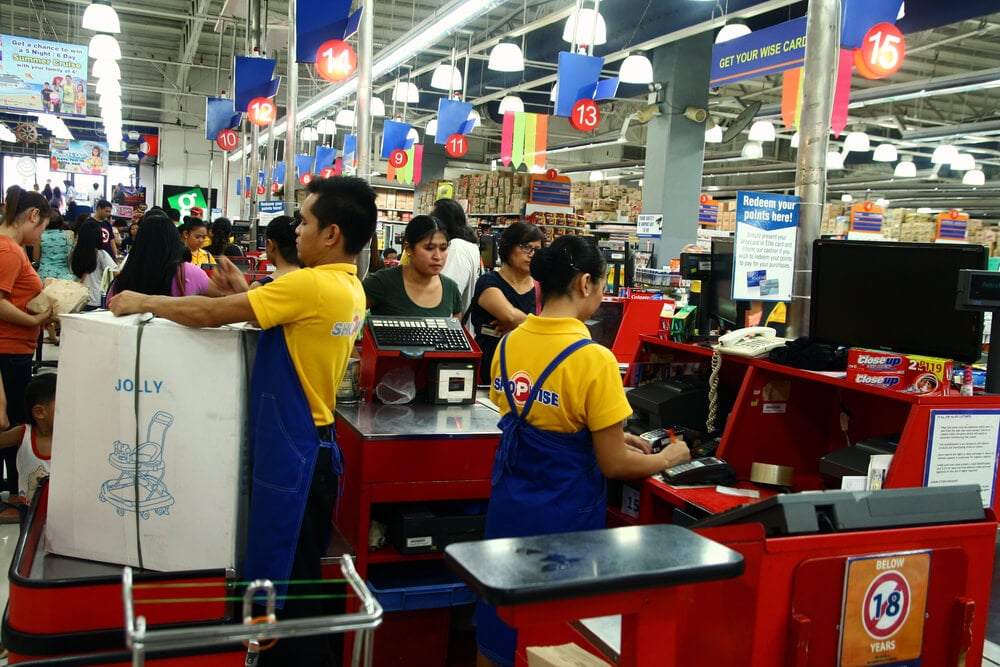
Supermarkets employed teenagers to bag groceries and stock shelves, teaching retail operations through entry-level positions that were accessible without prior experience. The work provided physical activity, customer interaction, and inventory management experience within controlled retail environments.
Automation and reduced hiring have made these traditional entry-level positions increasingly scarce.
Soda Fountain and Ice Cream Shop Staff

Working at ice cream parlors and soda fountains provided iconic teenage employment involving food service, cash handling, and customer interaction. The visual appeal of the jobs and social nature of ice cream shops made positions appealing despite modest compensation.
Contemporary refrigeration technology and franchise consolidation have eliminated many independent ice cream shops that hired local teenagers.
Amusement Park Seasonal Workers
— Photo by Semiglass
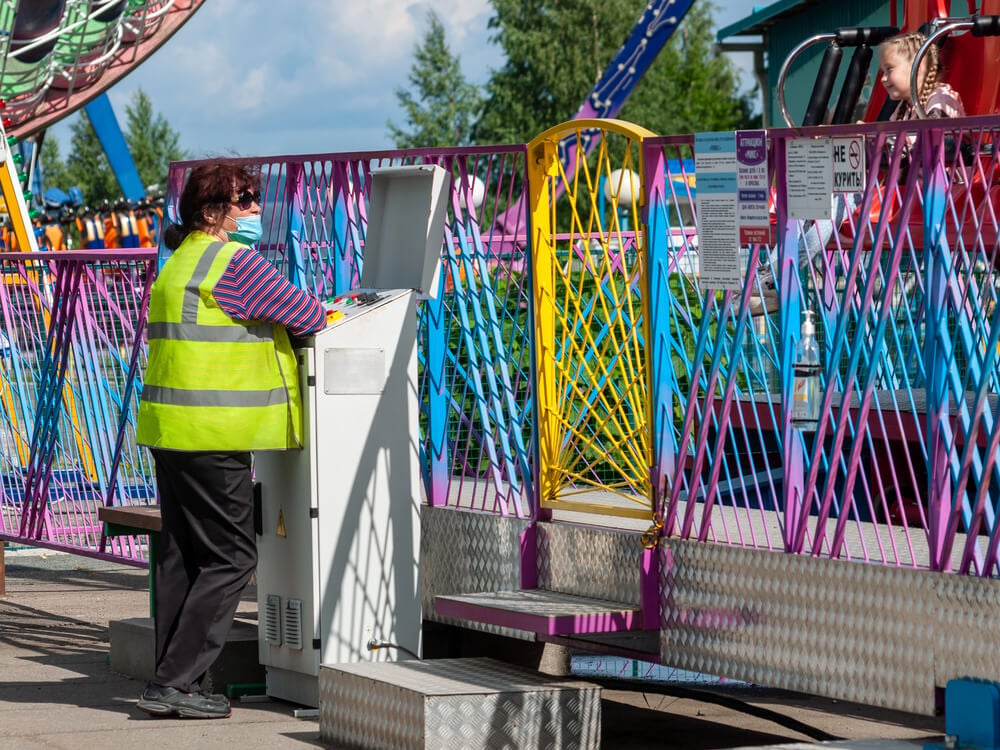
Summer amusement park employment provided seasonal work within entertainment settings, combining hospitality, maintenance, and customer service. Teenagers earned money while experiencing the energetic park environment during peak operating season.
Contemporary economic pressures and workforce shifts have reduced the number of seasonal entry-level positions parks historically offered.
Hotel and Motel Housekeeping

Teenagers worked as housekeeping staff and maintenance help at seasonal hospitality properties, gaining experience with facility operations and customer service. Contemporary immigration patterns and labor consolidation have shifted most housekeeping positions toward adult workers.
The formal employment structure and wage requirements have eliminated many positions that once hired teenagers.
Restaurant Dishwashers and Kitchen Prep

Working in restaurant kitchens as dishwashers and food prep assistants provided entry-level hospitality experience for teenagers willing to work in physically demanding positions. The positions were relatively accessible and provided steady work throughout summer and into the school year part-time.
Automation and changing restaurant economics have eliminated many of these entry-level positions.
Telephone Survey and Research Participant

Conducting surveys by phone and participating in market research studies provided teenagers with flexible income opportunities requiring minimal equipment. The work was often repetitive and frustrating but accessible to those willing to follow scripts and documentation requirements.
Digital research and automation have largely replaced human telephone survey positions.
Gas Station Attendant

In states requiring attendant-operated pumping, teenagers worked at gas stations helping customers and managing payment processing. The work involved customer service, transactions, and facility maintenance within relatively structured operations.
Full-service gas stations have largely disappeared outside specific states, eliminating this employment category.
Bookstore and Library Assistant

Working at bookstores and public libraries provided teen employment involving shelving, customer service, and inventory management. The environment attracted teenagers interested in reading and intellectual pursuits, creating self-selected workforces.
Publishing disruption and library budget reductions have eliminated many positions that once employed teenagers.
Photography and Portrait Session Assistant

Photo studios employed teenagers as assistants helping with session setup, customer management, and basic editing tasks. The work provided exposure to small business operations and customer service within creative environments.
Digital photography and reduced demand for professional portraits have eliminated many studio-based positions.
Telemarketing and Direct Sales

Teenagers worked in telemarketing centers and door-to-door sales positions, learning sales techniques and persuasion through direct customer interaction. Contemporary regulations and public resistance to unsolicited marketing have dramatically reduced these employment opportunities.
Consumer hostility to telemarketing specifically has made these positions less common and less respected.
When Summer Meant Work

The disappearance of these teenage jobs represents a fundamental transformation in American adolescent experience and economic structure. Contemporary teenagers either pursue unpaid internships that signal college applications or don’t work at all, creating class divisions in how different teenagers navigate career preparation.
What previous generations gained through summer employment—responsibility, money management, workplace social skills, and economic independence—contemporary teenagers must obtain through other means or go without entirely.
More from Go2Tutors!

- 16 Historical Figures Who Were Nothing Like You Think
- 12 Things Sold in the 80s That Are Now Illegal
- 15 VHS Tapes That Could Be Worth Thousands
- 17 Historical “What Ifs” That Would Have Changed Everything
- 18 TV Shows That Vanished Without a Finale
Like Go2Tutors’s content? Follow us on MSN.