24 Vintage Toys in Original Packaging That Resellers Scramble to Get Their Hands On
The packaging makes the difference. A loose 1978 Star Wars Darth Vader figure is a $20 flea market find.
The same figure, still sealed on its original card with the unpunched hang tab and all the original insert material, is a potential four-figure sale. Add a double-telescoping lightsaber mechanism — a feature discontinued almost immediately after production began — and you’re talking about something that collectors will track for years and pay $25,000 or more to acquire.
The vintage toy market operates on a specific and counterintuitive logic: the toys worth the most money are the ones that nobody played with. Every hour a toy spent in a child’s hands made it worth less.
The ones that survived in original packaging did so because parents bought two — one to play with, one to keep — or because the toy was a gift that never got opened, or because it sat at the bottom of a storage box for thirty years while the people who owned it forgot about it. Those are the ones resellers dream about finding.
Condition is everything here, and prices depend significantly on it. What follows covers the categories where the gap between played-with and mint-in-package is largest, and where authenticated original examples continue to command serious attention at auction.
Kenner Star Wars 12-Back Cards (1978)
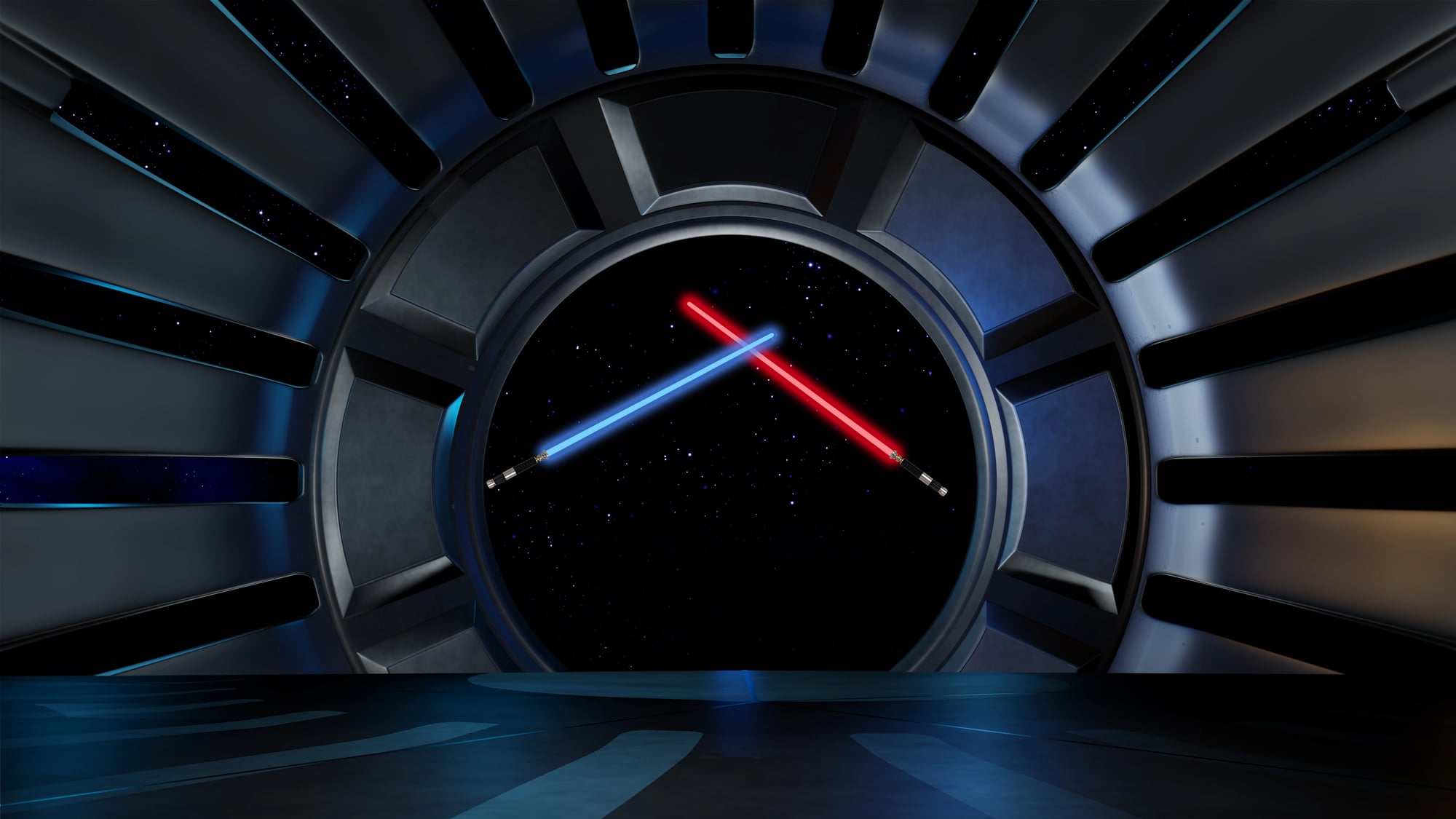
The first wave of Kenner Star Wars action figures — released in early 1978 after the famous Christmas 1977 “Early Bird Certificate Package” gap — came on card backs showing twelve available figures. These “12-back” cards are the original first-release packaging and are among the most valuable items in the entire Star Wars collecting universe.
Standard characters like Luke Skywalker, Princess Leia, or R2-D2 on authenticated 12-back cards in high-grade condition can command thousands of dollars. The specific character matters, as does the condition of the bubble, the card, and whether the hang tab has been punched.
Unpunched examples — meaning the card was never hung on a display hook — carry an additional premium.
Kenner Star Wars Double-Telescoping Figures (1978)

The original 1978 Luke Skywalker figure was produced with a double-telescoping lightsaber — a two-stage extending mechanism that was quickly replaced with a simpler single-extension design when the tooling proved difficult. The same double-telescoping feature appeared briefly in Darth Vader and Obi-Wan Kenobi figures before the change.
A carded, unpunched double-telescoping Luke Skywalker in high-grade condition sold for $25,000 at auction. Darth Vader’s black cardback shows wear and edge damage more readily, making clean examples even scarcer.
These are the most sought-after pieces in vintage Star Wars collecting — small plastic figures with a discontinued mechanism, worth what they are because of a decision made fifty years ago in an Ohio factory.
The Kenner Early Bird Certificate Package (1977)

In Christmas 1977, Kenner had no Star Wars figures ready. Their solution was the Early Bird Certificate Package: an empty box containing stickers, a display stand, and a mail-away certificate that promised the first four figures (Luke, Leia, Chewbacca, and R2-D2) would be delivered by post in early 1978.
Complete Early Bird kits with all components — the certificate, stickers, display stand, and original outer box — have sold for $3,000 to $8,000 in sealed condition. Sealed examples are particularly rare because opening the box was the point.
The Original No. 1 Barbie (1959)
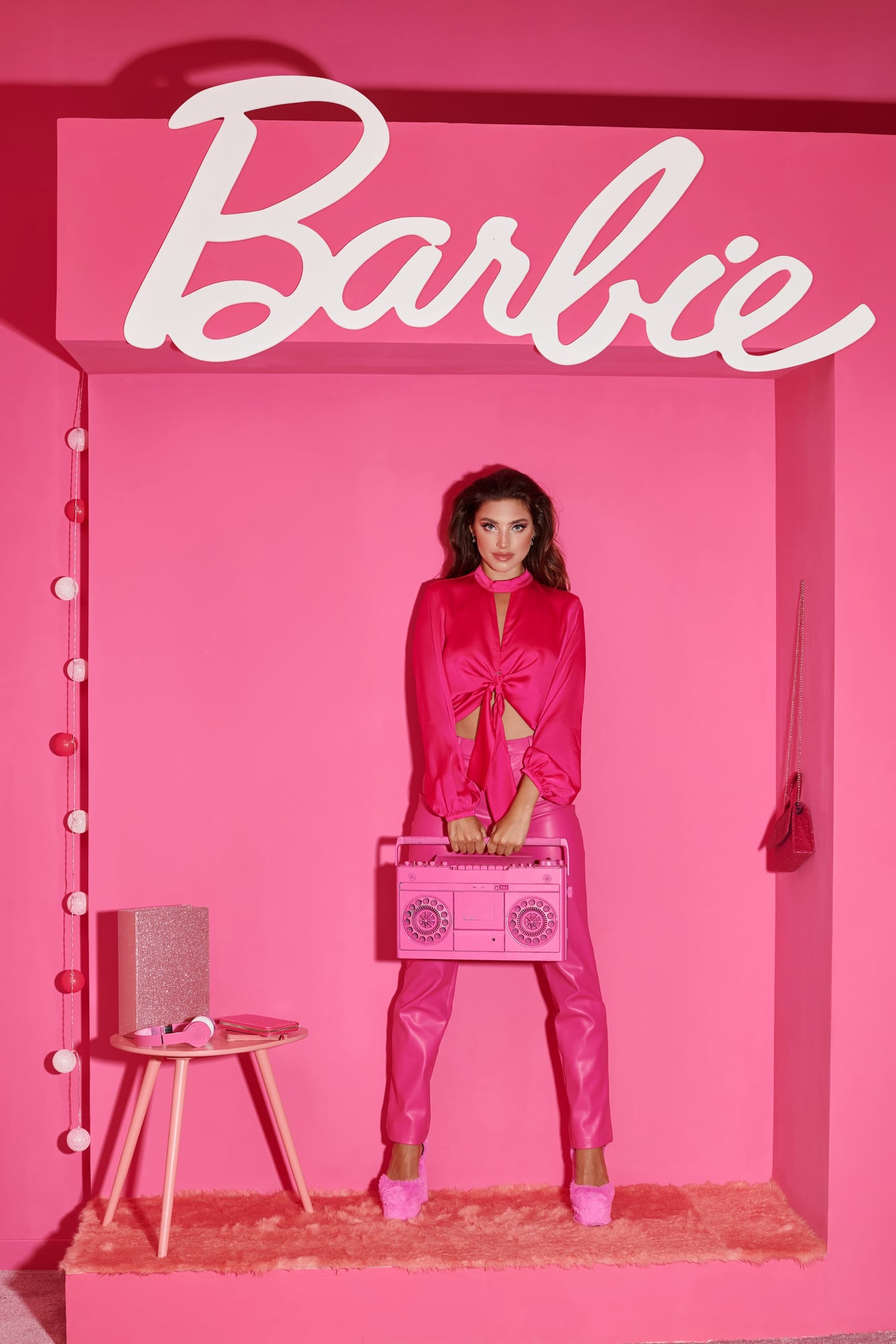
The first Barbie doll, released at the American International Toy Fair in February 1959 and sold at $3, is identifiable by marks in the bottom of her feet — a feature used in the first production run only to attach her to her display stand. An original Number 1 Ponytail Barbie in pristine boxed condition has sold for over $23,000.
Even out-of-box examples in excellent condition can command $15,000 or more. The combination of historical significance, extreme age for a mass-market toy, and the immediate cultural impact of the Barbie line makes these the most valuable Barbie dolls in existence.
Later 1960s Barbie dolls in original boxes remain collectible in the $500–$2,000 range.
Pink Rear-Loading Beach Bomb (1969)
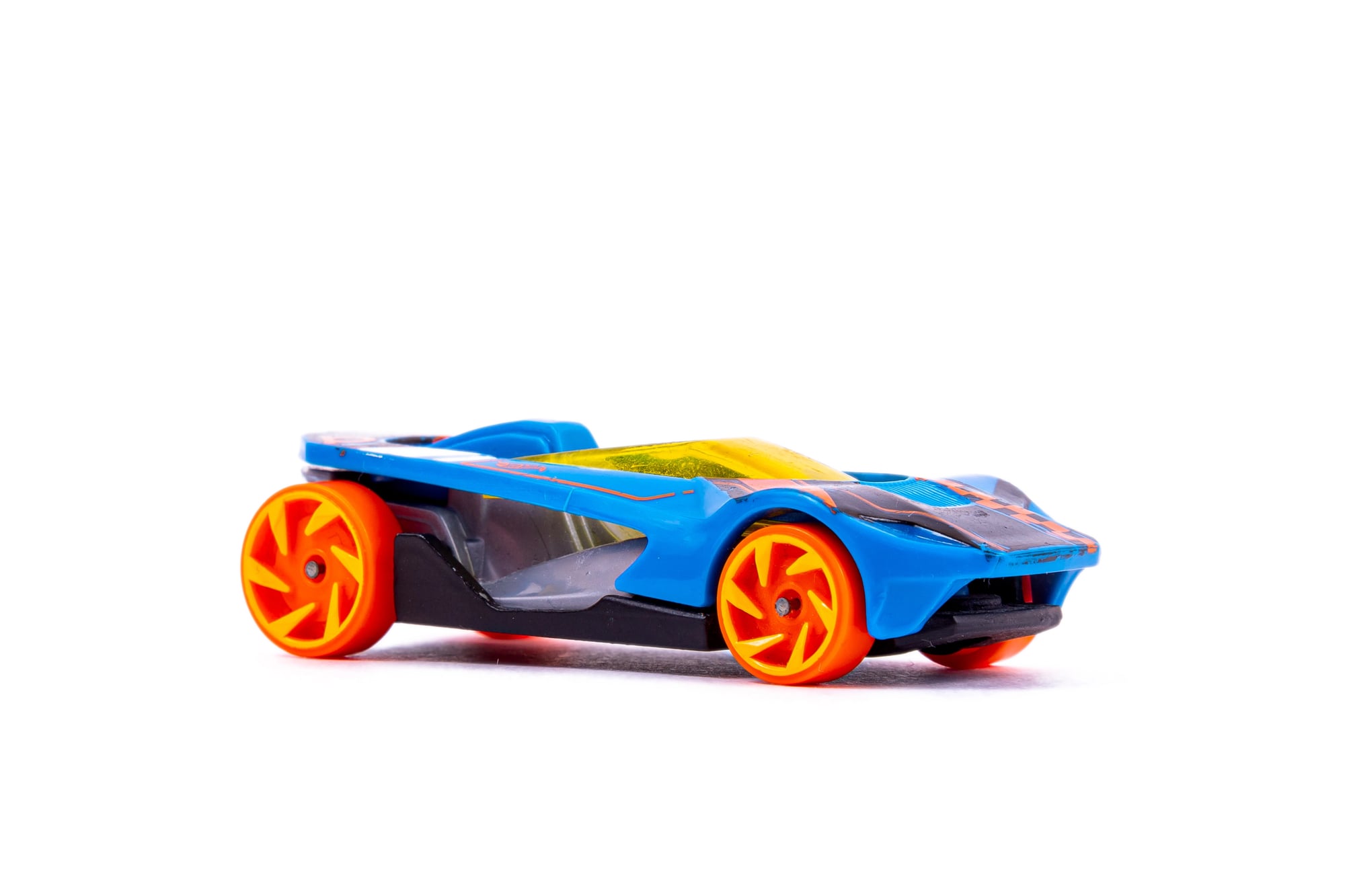
The Hot Wheels Beach Bomb was a van designed with slots in the rear to carry small surfboards. In prototype testing, the rear-loading design was found to be too narrow and unstable for the Mattel track system.
The side-loading version was produced for retail. Only two known examples of the pink rear-loading prototype are documented, and estimates of their value range from $70,000 to over $175,000.
The standard Redline-era Beach Bomb in side-loading configuration in good condition commands $1,000–$3,000 depending on colour and condition. The pink rear-loader is the holy grail of Hot Wheels collecting — a mistake that was corrected before most people could own one.
Hot Wheels Redline Custom Camaro (1968)
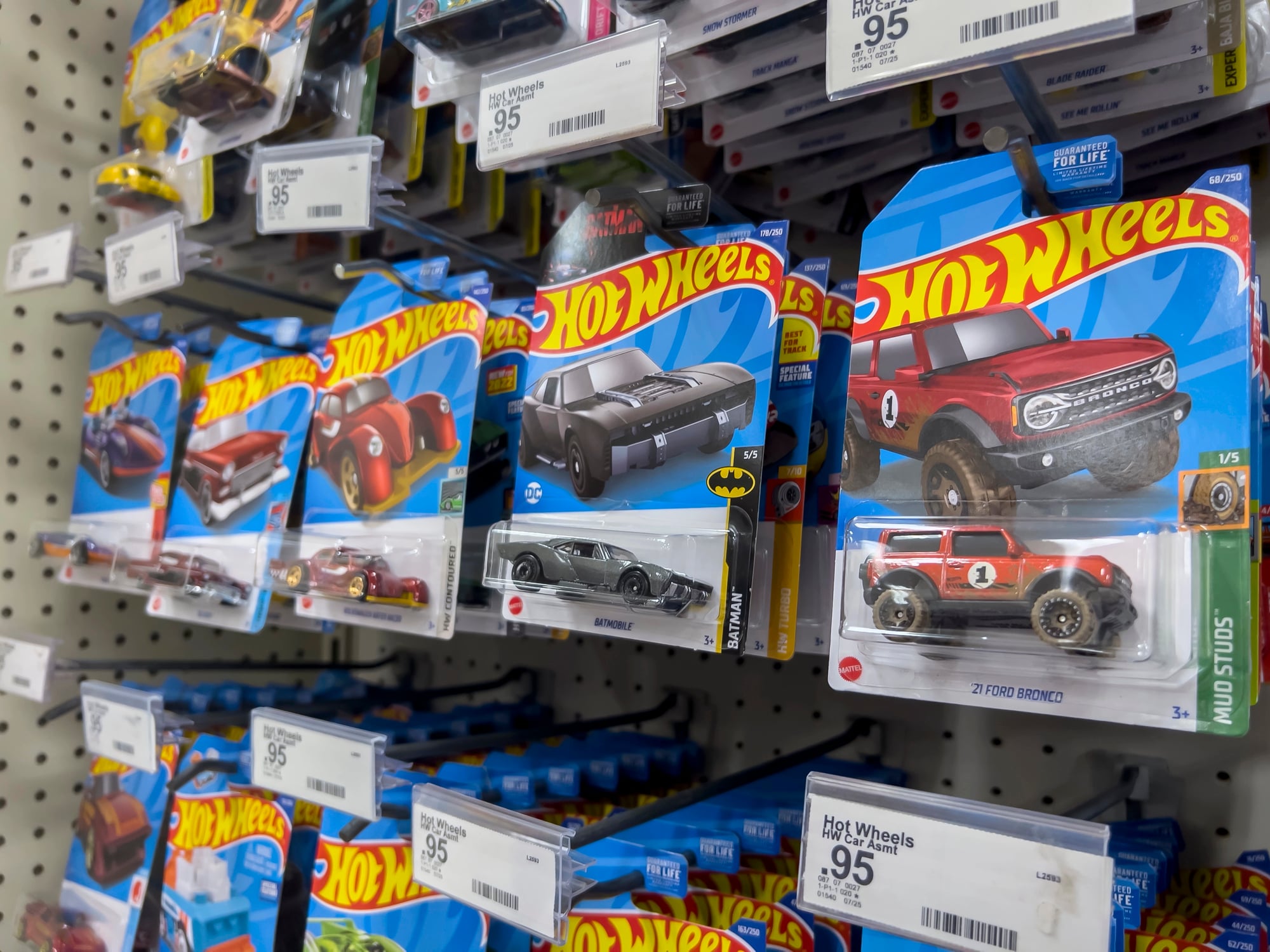
The first car released from the original Hot Wheels “Sweet 16” collection in May 1968, the Custom Camaro established the brand. Redline-era Hot Wheels — identified by the thin red stripe around the tyres, produced between 1968 and 1977 — are the most collected die-cast cars in the world.
Common Redline models in good condition sell for $100–$500. Rare colour variants, production errors, and unusual models from the period can reach significantly higher: $1,000–$5,000 for exceptional examples, and considerably more for genuine rarities.
An unopened blister-pack example from the period is worth several times the value of the same car loose.
G.I. Joe Navy Seal Prototype (1964)
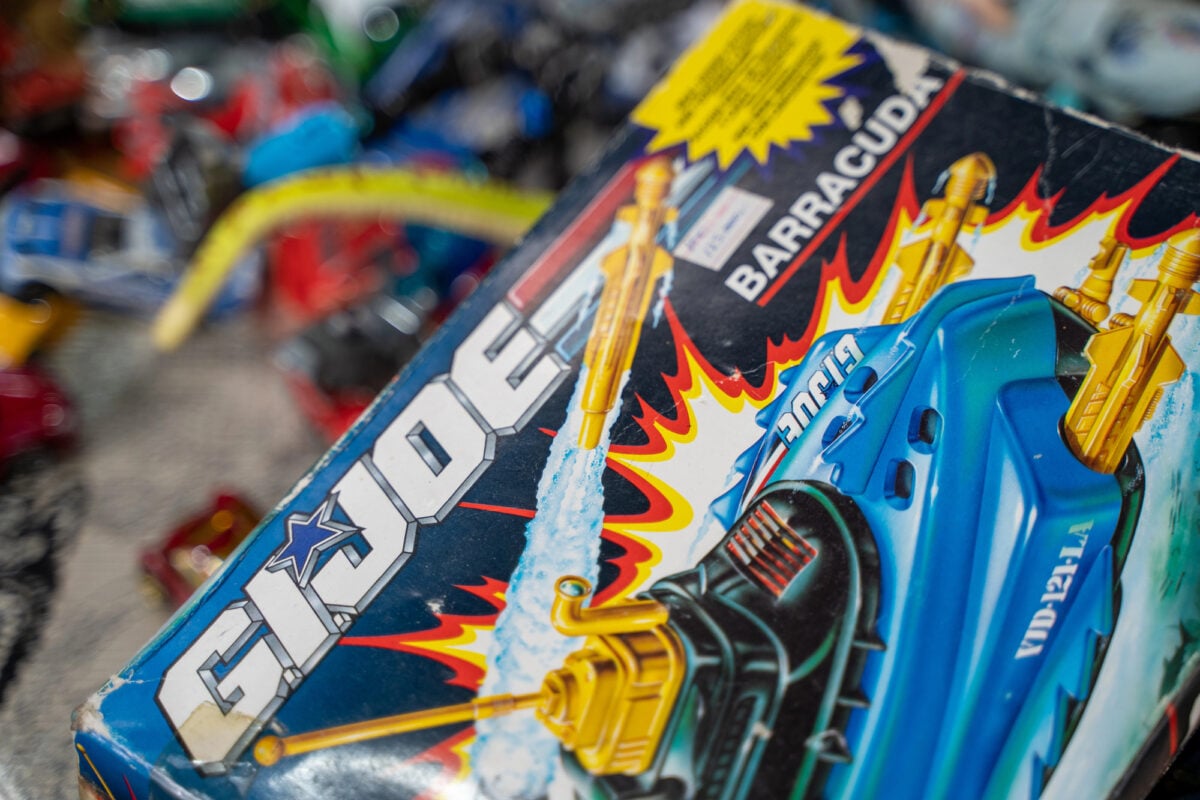
G.I. Joe was the first action figure ever marketed — an important distinction in the toy industry because “dolls” were for girls, and Hasbro needed a new category name when they launched a twelve-inch articulated soldier figure in 1964. Rare prototypes and early production variants of the original 1964 G.I. Joe line have achieved remarkable prices: a Navy Seal prototype sold for more than $200,000 at auction in 2003.
Standard original 1964 G.I. Joe figures in original packaging are considerably more accessible, with values typically in the hundreds to low thousands depending on condition.
G.I. Joe: A Real American Hero (1982–1994) Carded Figures
The relaunched 3¾-inch G.I. Joe line from Hasbro is among the most systematically collected 1980s toy lines. Figures that remain sealed on their original card backs — particularly early releases, mail-away exclusives, and short-production-run characters — command premiums from $100 to several thousand dollars depending on the figure and card condition.
Snake Eyes, the mute commando in black, is among the most sought-after characters. Certain Cobra villain figures with limited retail runs are particularly prized because they were in stores for shorter periods.
Transformers Generation 1 Optimus Prime MISB (1984)
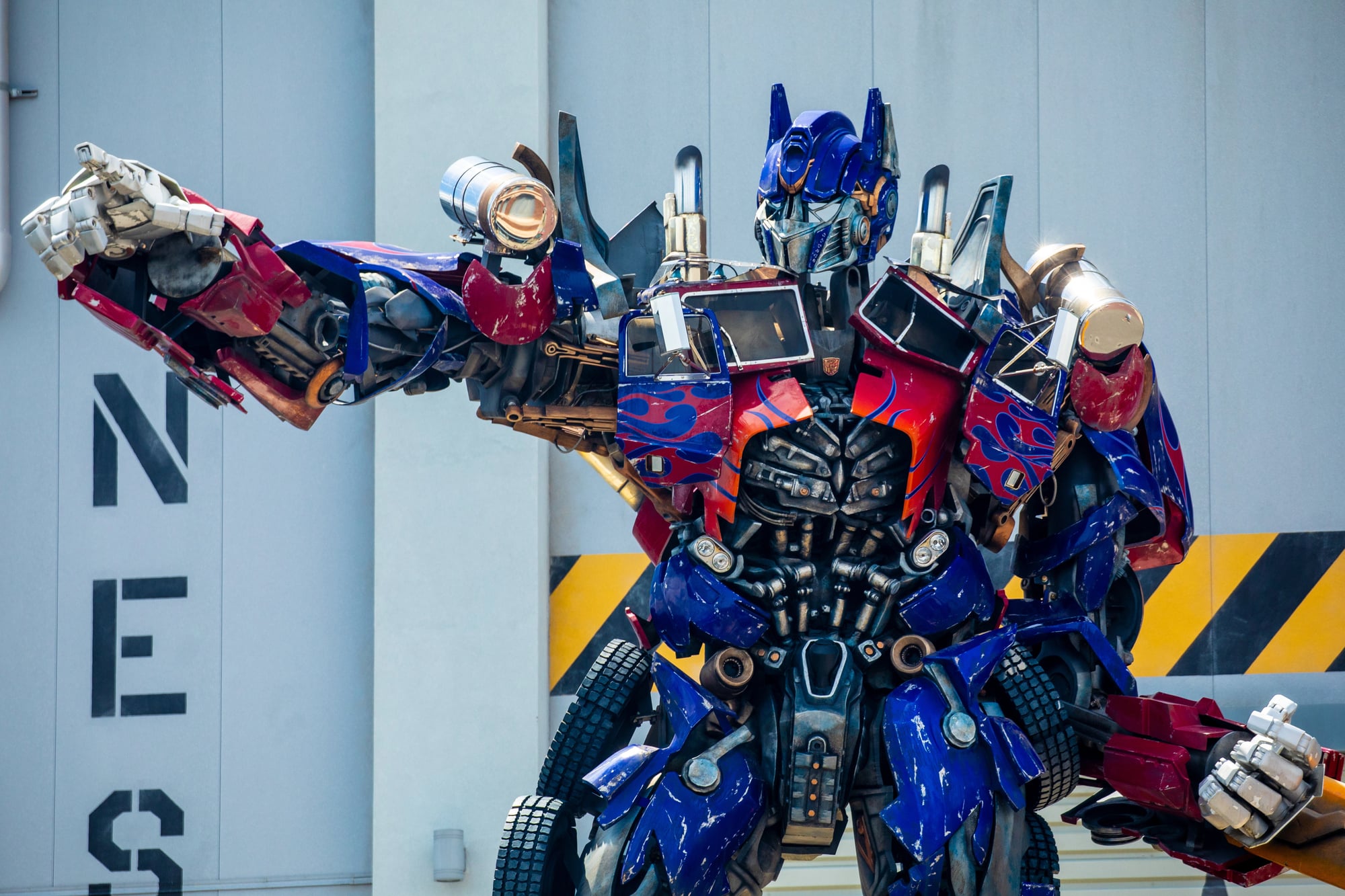
The Generation 1 Transformers line from Hasbro, launched in 1984, is one of the most actively traded 1980s toy lines. Optimus Prime in Mint in Sealed Box condition — meaning the original box has never been opened and retains all factory tape — is a foundational piece in 1980s collecting.
Values depend heavily on the specific box version (there are multiple packaging variants across the production run) and the box condition; sealed G1 Optimus Prime examples in excellent box condition have sold in the range of $1,000–$5,000. Jetfire, which was based on a Macross toy design and was produced in smaller quantities than Optimus, is among the rarer early Transformers figures.
Other highly sought G1 pieces include the Predacons and Dinobots gift sets.
He-Man Masters of the Universe Early Cards (1982–1987)
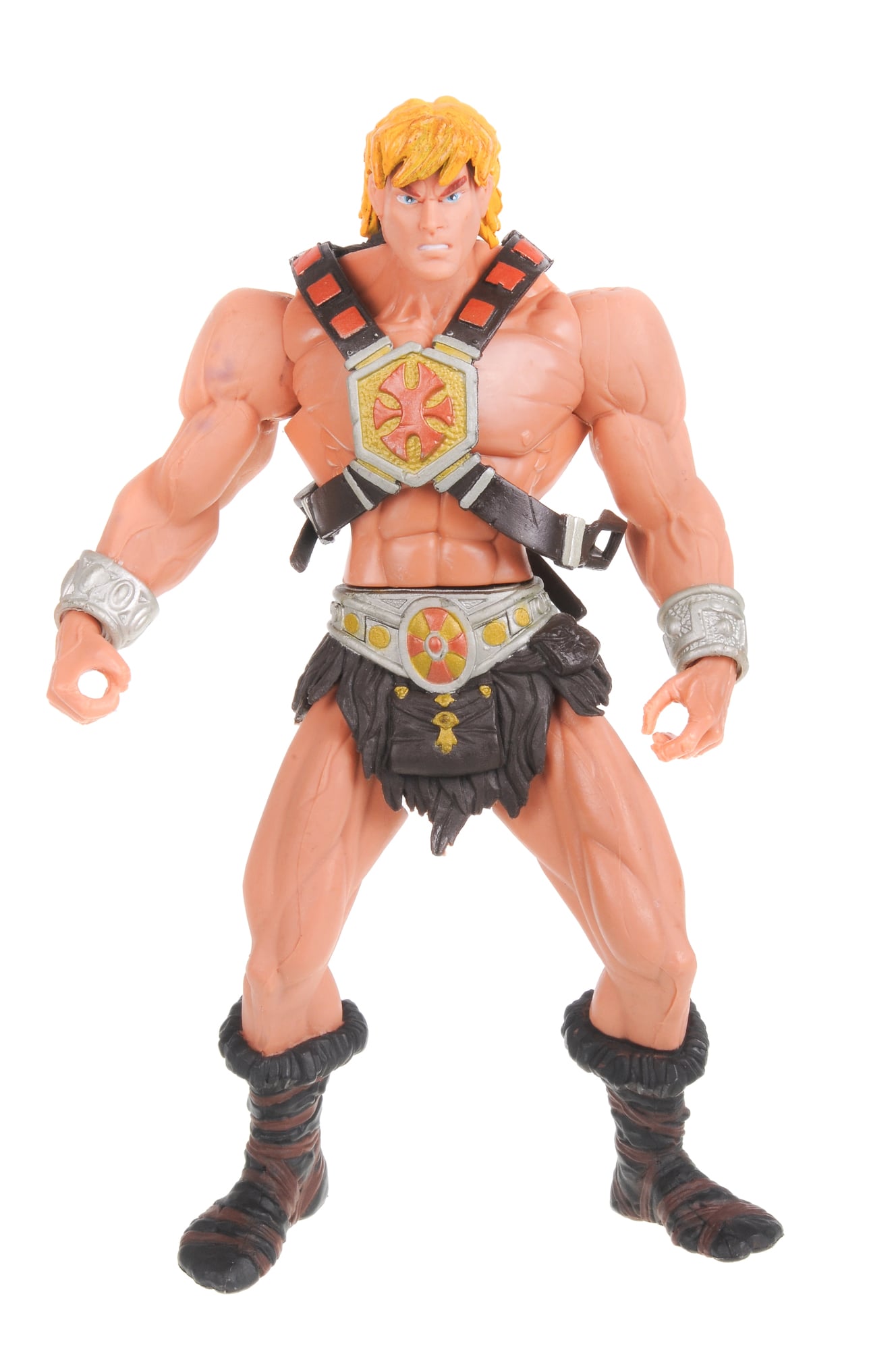
The Masters of the Universe line from Mattel produced He-Man as the first figure in 1982. Early production figures on their original card backs — particularly the initial releases with specific card artwork versions — are collected actively.
Rare figures like the Wonder Bread He-Man, a promotional variant available exclusively through a bread company offer, have sold for over $10,000. Standard condition original card-back He-Man figures command $200–$1,500.
Complete gift sets in sealed boxes are rare enough that authentic examples regularly appear at specialist auction houses.
Teenage Mutant Ninja Turtles Original 1988 Set
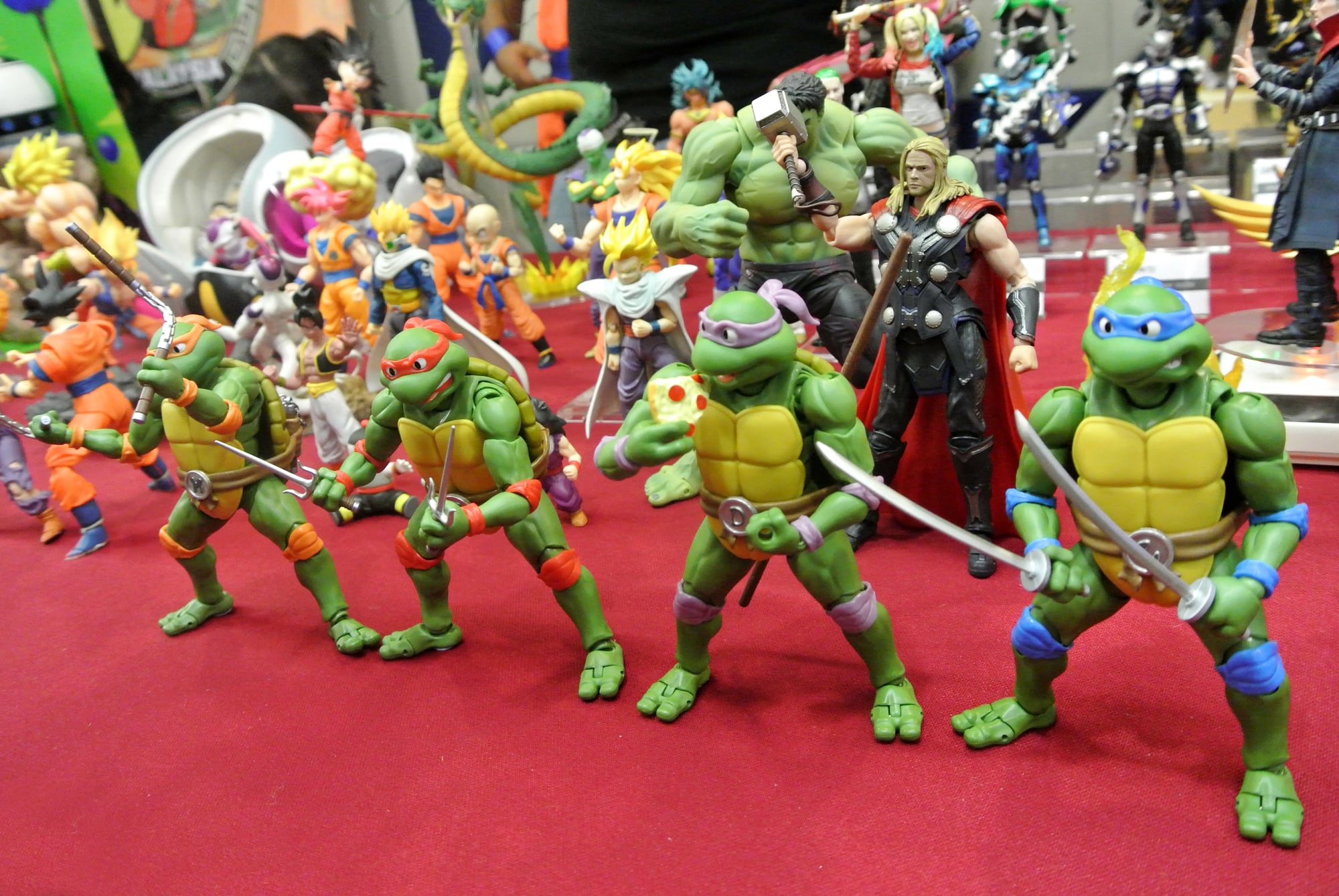
The first wave of Playmates TMNT figures from 1988 on their original ten-back card packaging — named for showing ten available characters on the reverse — has become one of the more actively traded 1980s toy lines. Individual figures from the first release year in high-grade sealed condition sell for $200–$500.
Complete first-wave collections in original packaging are rare enough that assembled lots command attention at specialist auctions. The turtles themselves are less valuable than certain supporting characters produced in smaller quantities.
Super Mario Bros. for NES — Sealed (1985)
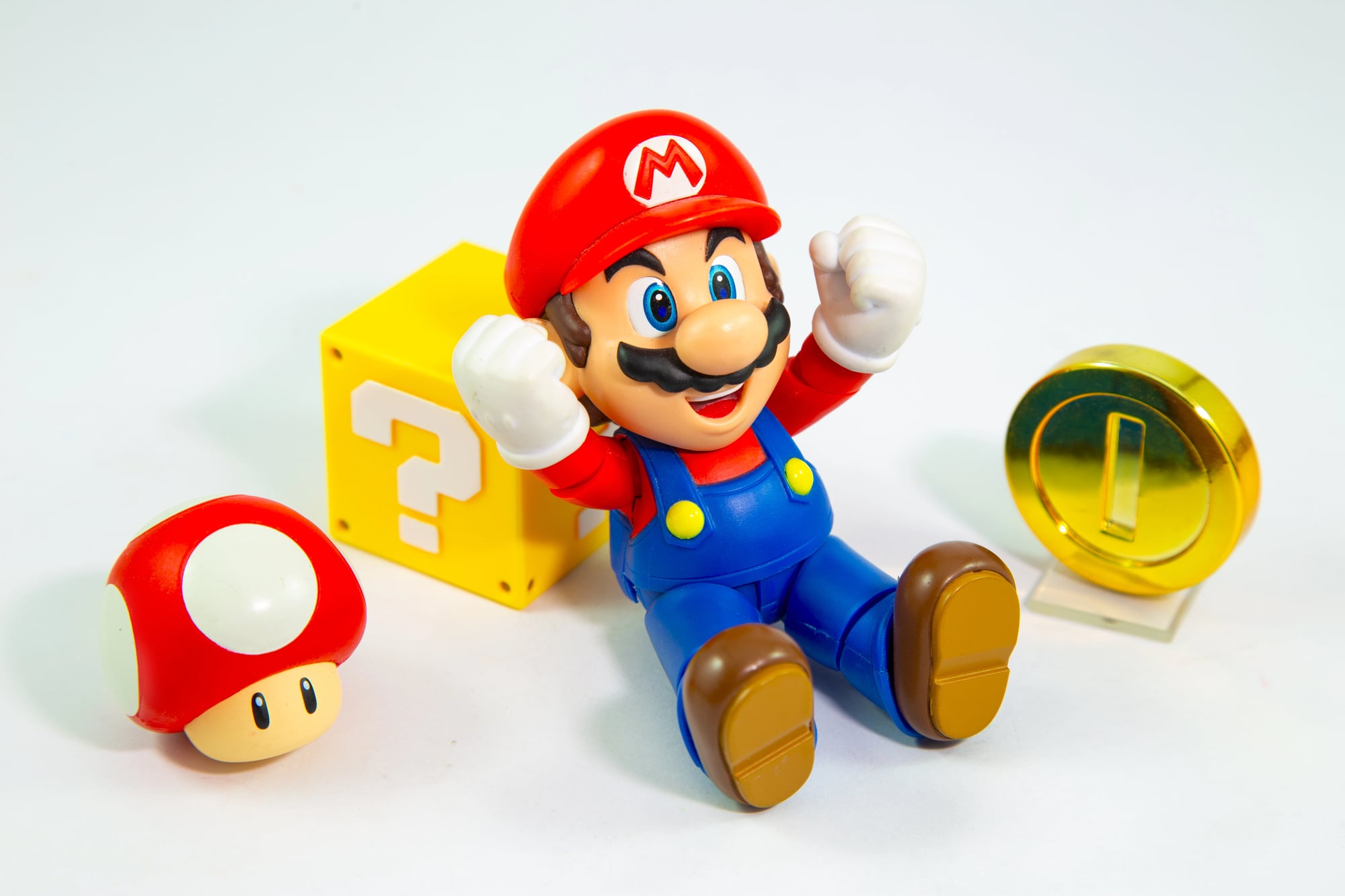
A factory-sealed copy of Super Mario Bros. for the Nintendo Entertainment System sold for a then-record $660,000 in 2021. That specific sale involved a particularly well-graded example with a specific production variant, and prices for other sealed copies have ranged more typically in the thousands to tens of thousands depending on the production variation and grading.
The NES Stadium Events cartridge — produced before a licensing change caused it to be recalled — is even rarer in sealed condition, with estimates ranging from $30,000 to over $100,000. Condition grading for sealed video games follows similar standards to sports cards, with specific grading companies authenticating copies.
The Legend of Zelda for NES — Sealed
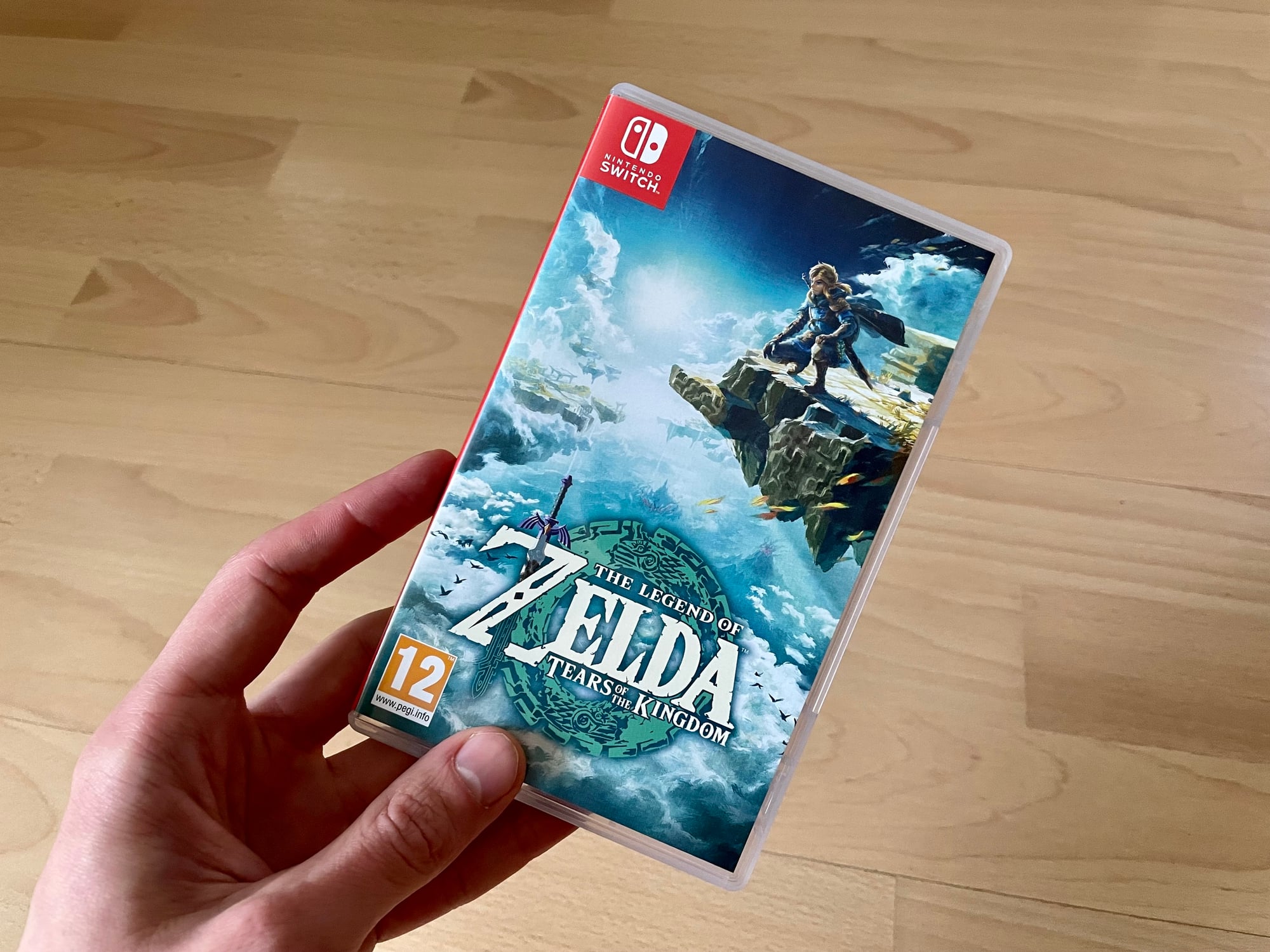
Sealed original NES copies of The Legend of Zelda command premiums approaching those of Super Mario Bros., with the gold cartridge design making them among the most recognisable gaming artefacts of the 1980s. Heritage Auctions regularly handles sealed NES titles in the thousands to tens of thousands dollar range.
The key distinction for sealed games is between the different production variants — early production runs can be distinguished from later pressings by copyright dates, label designs, and the specific shrinkwrap type used — and certified grading from established companies adds significantly to value.
My Little Pony First Generation (1982–1992)
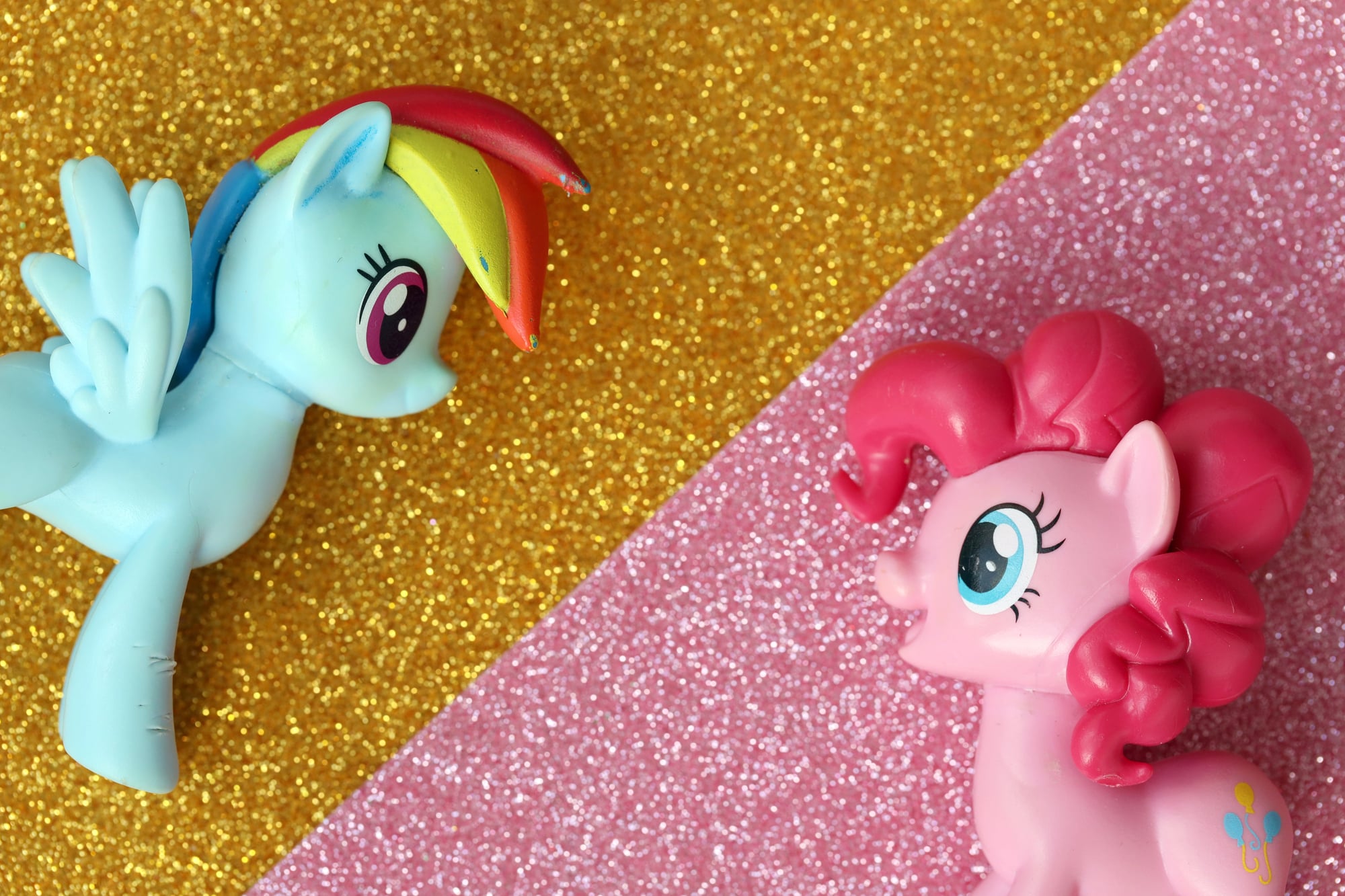
The original My Little Pony figures from the 1982 first generation are collected both by nostalgic adult collectors and by specialists in the line. Rare foreign releases — particularly Greek variants, which were produced in smaller quantities and show different paint applications — can sell for $1,500 and above.
The Rapunzel mail-order pony, available only through a special offer in the mid-1980s, is among the most sought-after pieces in the line. Standard first-generation ponies in good condition with original accessories typically sell for $50–$200; the rarest variants in exceptional condition reach considerably higher figures.
Polly Pocket First Generation (1989–1994)
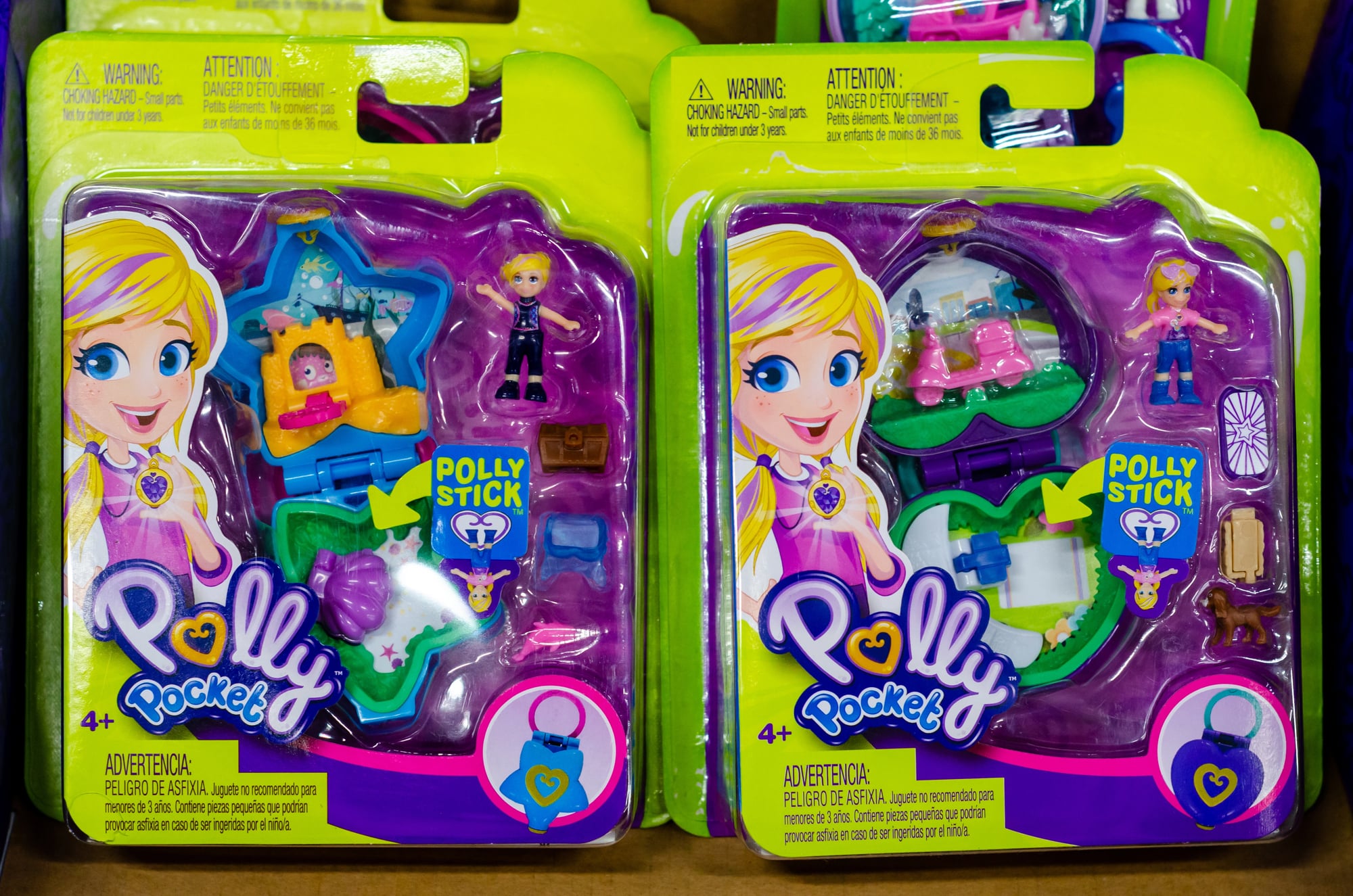
Original Bluebird Toys Polly Pocket compacts from the late 1980s and early 1990s — the period before Mattel acquired the brand and enlarged the scale — have experienced strong collector interest. First-generation sets, particularly rare or limited-edition compact designs with complete accessories and working hinges, can sell for $200–$500.
Sealed examples in original packaging are uncommon because these were specifically designed to be opened and played with, and most parents either opened them immediately or put them where they were found.
Fisher-Price Little People Wooden Sets (1960s–1970s)
— Illustration by mcdowalljh
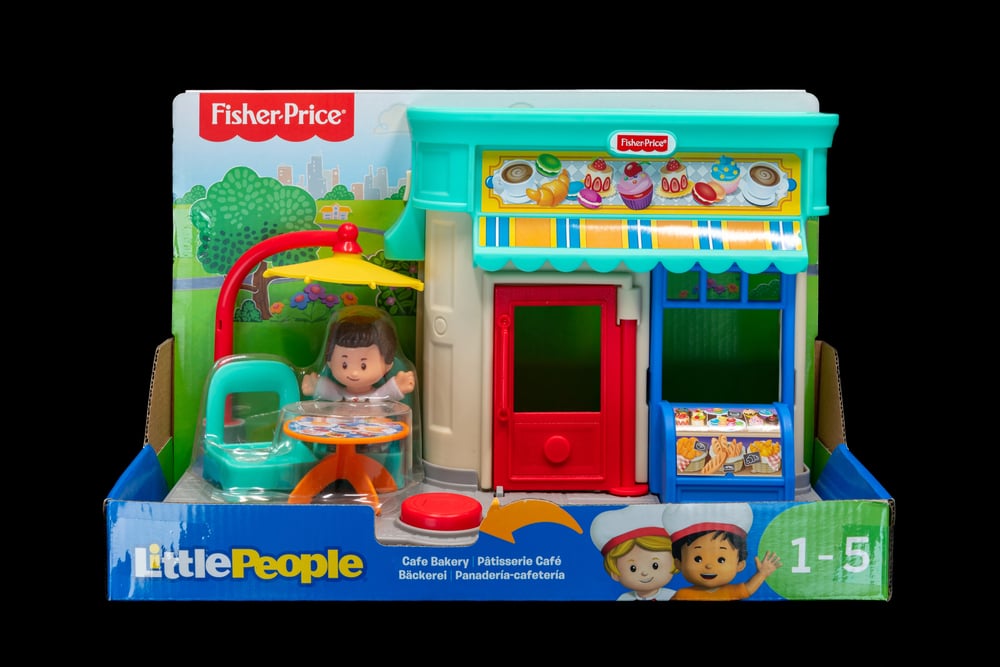
The original Fisher-Price Little People figures, made of wood and sold in sets that included farms, schools, and houses, are among the more actively collected vintage toys from the 1960s. The Play Family A-Frame house with complete components is one of the harder sets to find complete.
Complete sets in near-original condition sell in the $100–$300 range; the rarest and best-preserved examples command more. Wooden Little People from before the transition to plastic in the mid-1970s are distinguished by condition of the paint and the wood itself, and original set packaging adds considerable value.
Vintage LEGO Train Sets (1960s–1970s)

Original LEGO train sets from the 1960s and early 1970s — before the hobby acquired its current massive collector base — are among the more significant pieces in vintage LEGO collecting. The 1966 train set with a 4.5-volt motor is particularly prized, as is the LEGO Town Plan set from the early 1960s.
Sealed vintage LEGO sets from this period are extremely rare because the entire premise of LEGO is to be opened and built. Sets found sealed in original boxes from this period command premiums that make their original retail prices look improbable.
Cabbage Patch Kids Xavier Roberts Originals (1983)
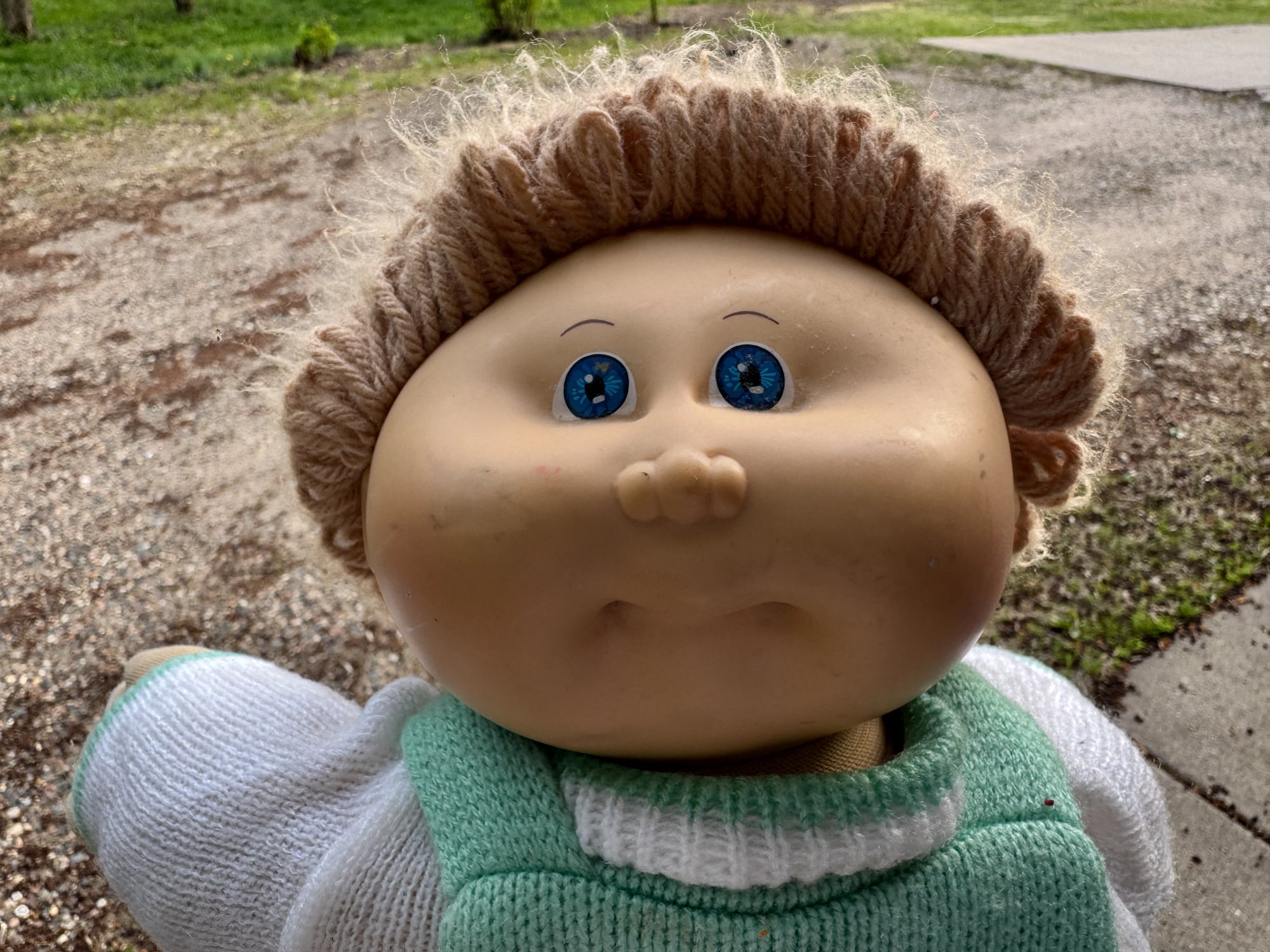
The hand-stitched original Cabbage Patch dolls produced by Xavier Roberts before the mass-market Coleco license were sold individually through craft fairs and, later, the Babyland General Hospital in Cleveland, Georgia. These pre-mass-production dolls from 1983 are distinguished by their soft-sculpture construction and individual signatures.
Original Xavier Roberts soft sculptures in good condition have sold for thousands of dollars. The mass-market Coleco Cabbage Patch Kids from the 1983–1985 frenzy have more modest values even in original boxes, although certain year-one examples in excellent condition attract collector interest.
Pokémon First Edition Cards (1999)
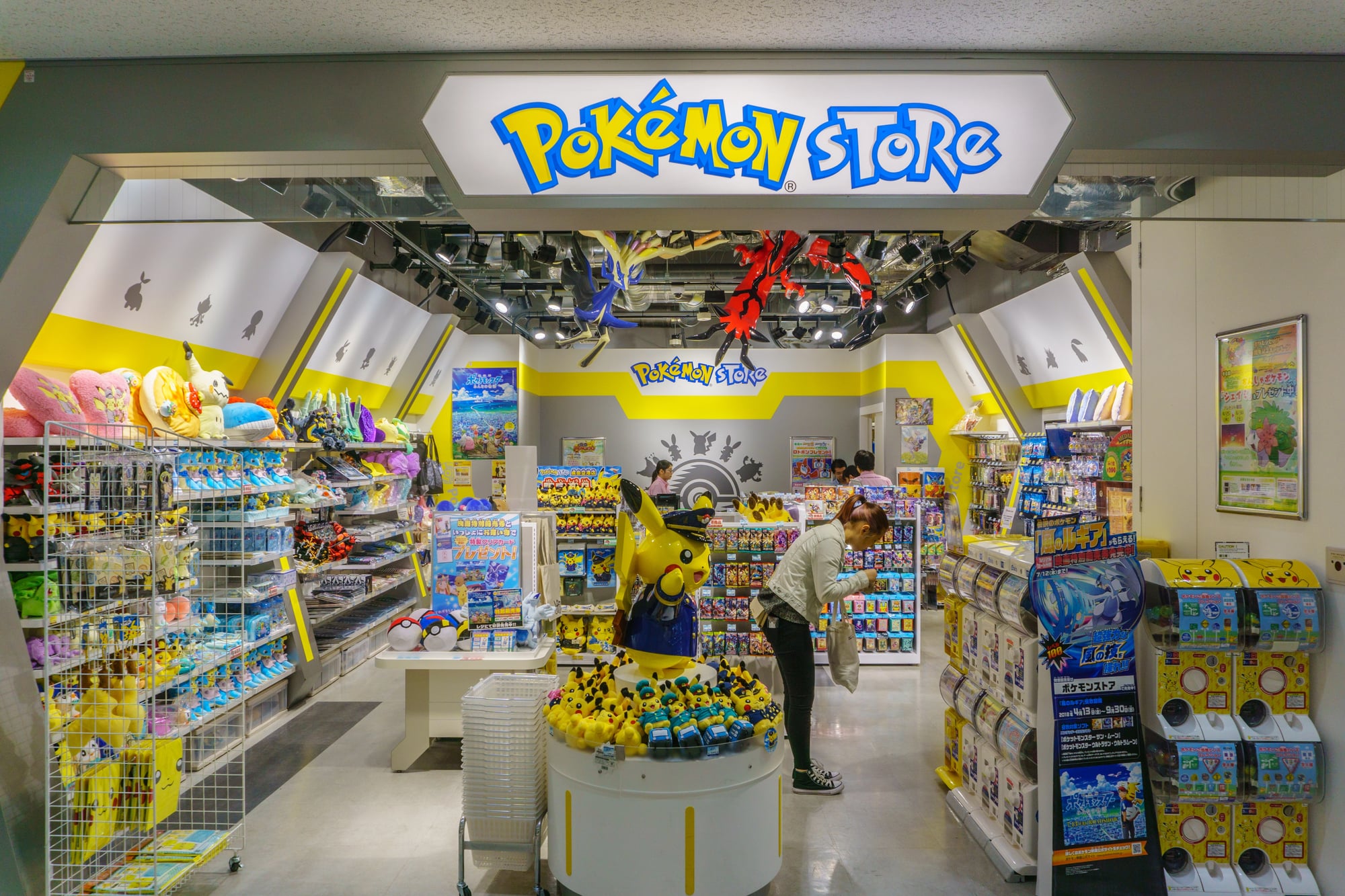
The 1999 first edition Pokémon base set cards, produced during the initial North American release, carry a first edition stamp on the left side of each card below the image. Holographic first edition cards in high grades are among the most actively traded trading card collectibles.
A PSA 10 (professionally graded perfect condition) first edition Charizard sold for $420,000 in 2022. More accessible first edition common and uncommon cards in graded condition range from tens to hundreds of dollars.
Sealed first edition booster boxes from 1999 have sold for six-figure sums. The specific condition, card variant, and grading all determine value in ways that require specialist knowledge.
PEZ Dispensers — Original 1950s Examples
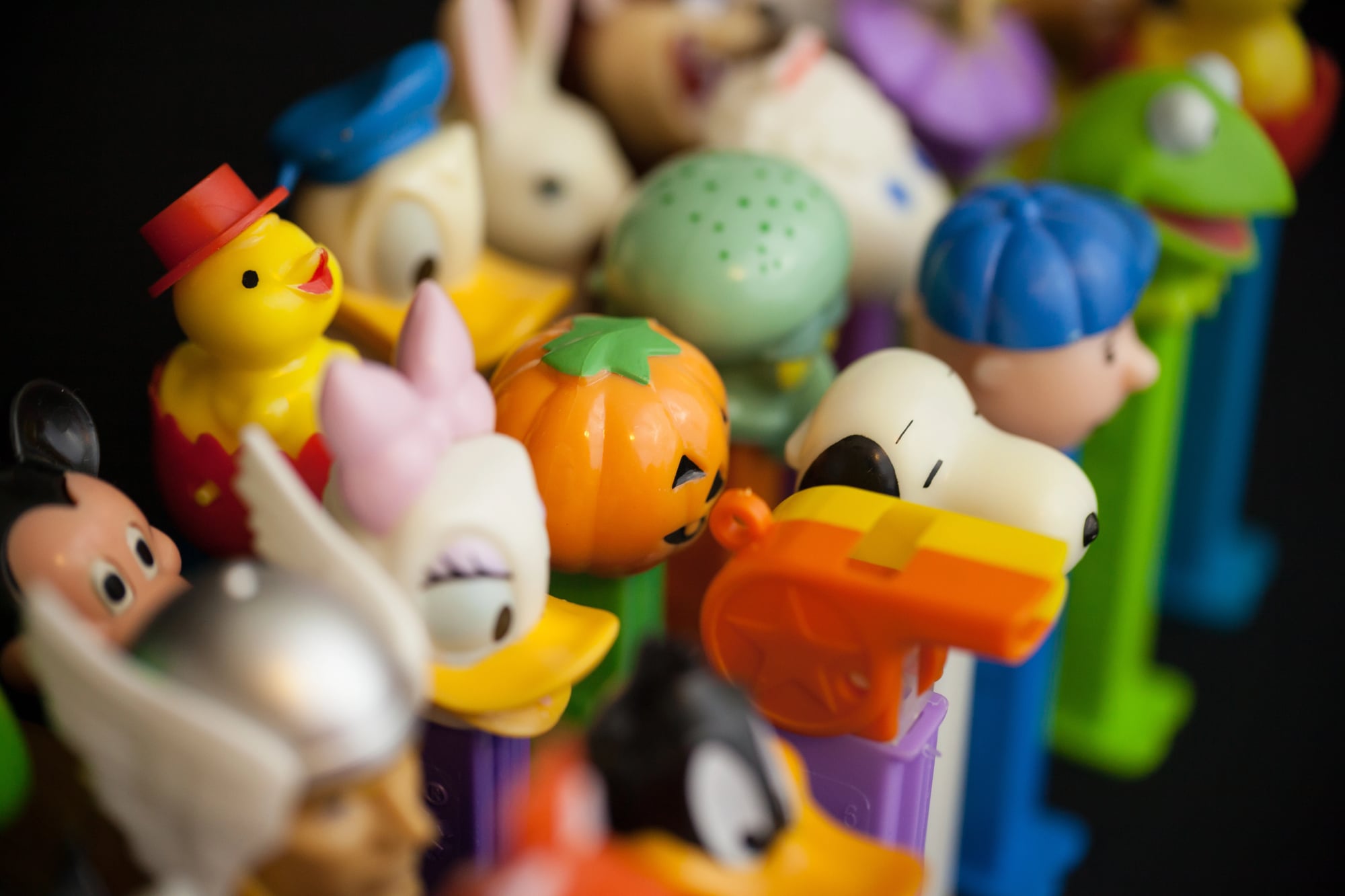
PEZ dispensers first appeared in the United States in the early 1950s as adult breath mints in a novelty dispenser without a character head. The addition of character heads in the mid-1950s — beginning with a Santa Claus and a robot — created the basis for the collector market.
Original 1950s and early 1960s dispensers in original packaging are rare enough that authenticated examples command significant premiums. Discontinued characters, production variants, and pre-feet dispensers (made before a foot was added to the base in 1987) are the specific categories that attract the most serious collector attention.
Common dispensers with original packaging from the 1980s and 1990s sell for $10–$100; rare vintage examples with their original box can reach into the thousands.
American Girl Samantha and Molly (First Edition)
The first American Girl dolls — Samantha, Kirsten, and Molly — were released in 1986 through a catalogue by Pleasant Company. First-edition examples in original boxes with complete accessories sell for $1,000–$5,000 depending on the doll, condition, and how complete the accessories are.
The original catalogue versions were made with different materials and slightly different construction than later production runs, which specialists can identify. Samantha was officially archived by Mattel in 2009 and later brought back; original first-edition examples command premiums that the later reissues cannot replicate.
Beanie Babies Princess Diana Bear (1997)
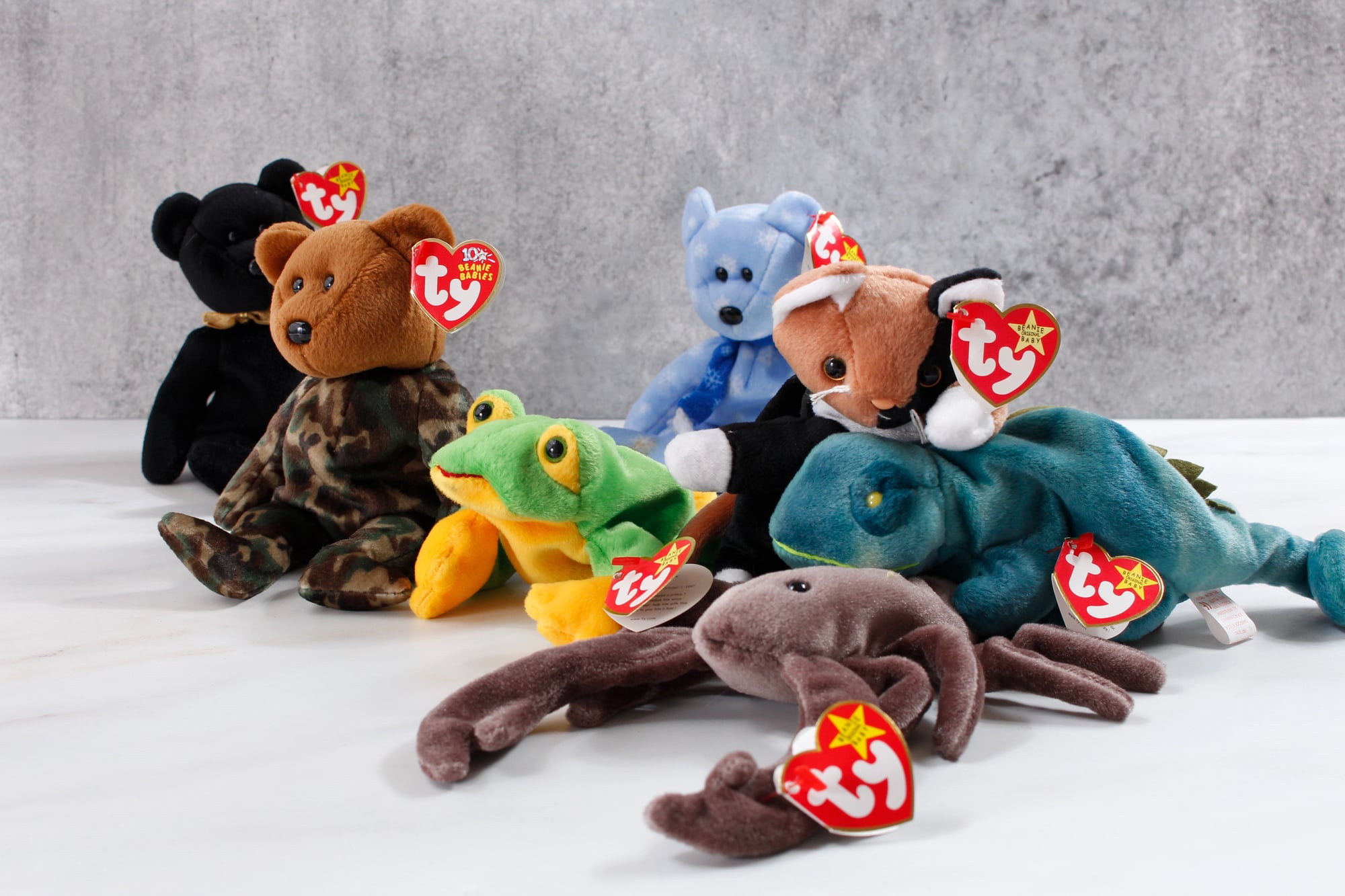
The purple Princess Diana Beanie Baby, produced by Ty and released in 1997 with proceeds to the Diana, Princess of Wales Memorial Fund, became one of the most hoarded small toys in the history of the category — millions of people bought multiple examples with the intention of resale. Most of those examples are worth between $5 and $50 today.
However, rare production variants — specifically first-generation examples with specific tag versions, made in Indonesia rather than China, with a PVC pellet interior rather than the later PE pellets — are genuinely valuable. Authenticated rare variants with all original tags in excellent condition have sold for hundreds of dollars; a very small number of the rarest variants have reached higher.
The Beanie Baby market contains more misinformation about rarity and value than almost any other collecting category, so authentication by a specialist is critical before assuming any example is the valuable version.
Vintage Steiff Teddy Bears (Pre-1950)
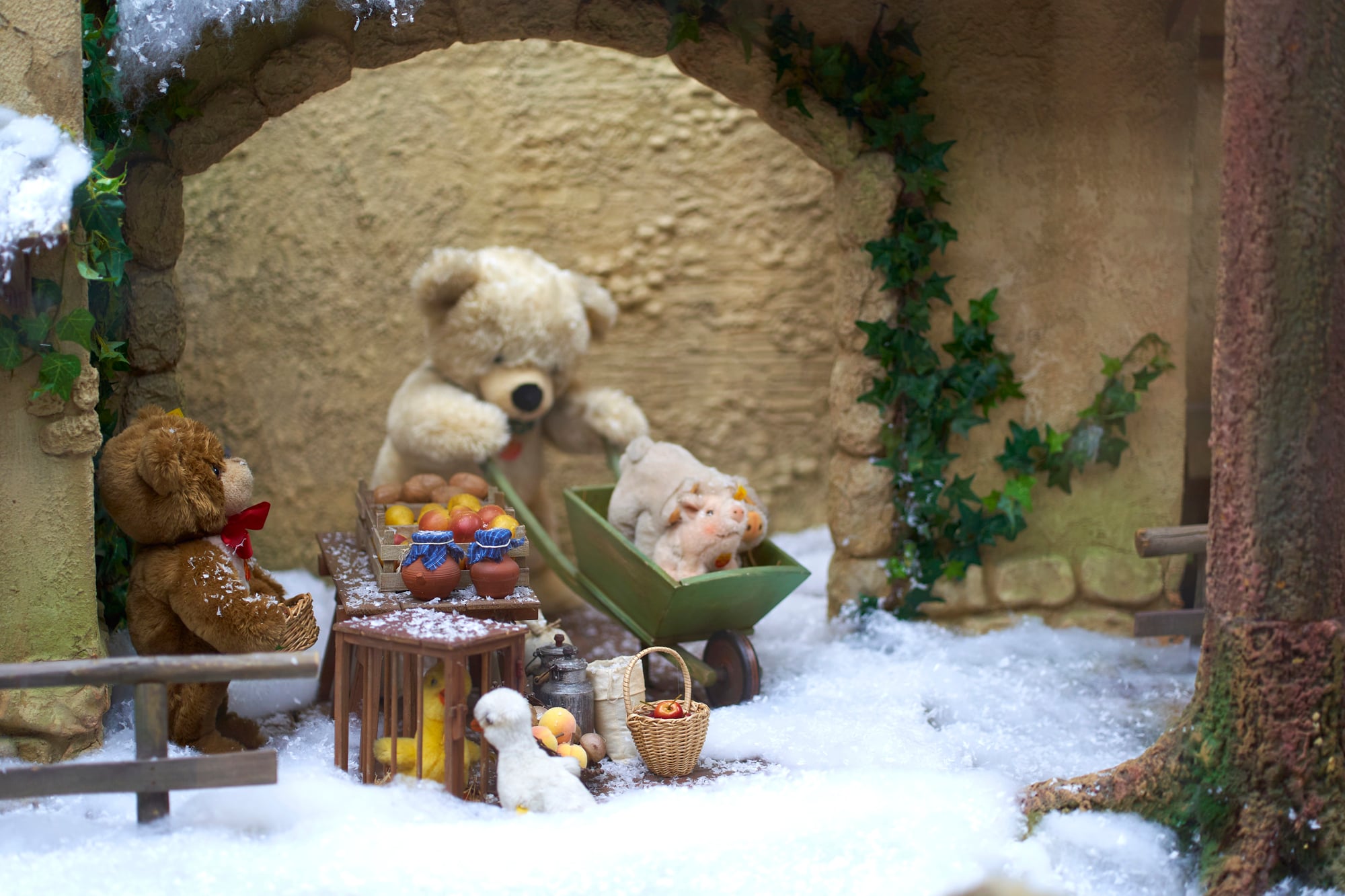
German Steiff bears from before the Second World War — identifiable by the distinctive metal “button in ear” and the specific tag variations of different production periods — are among the most valuable vintage toys in any category. A 1902 Steiff Richard Steiff bear, the earliest verified example of the iconic design, is a museum-level piece.
Pre-war examples in good condition with original growlers, button, and tag intact regularly sell for $1,000–$20,000 depending on size, age, and condition. The Steiff Titanic Mourning Bear from 1912, produced in black mohair to commemorate the disaster, is particularly rare and has sold for very high sums at specialist auctions.
Condition dependency is severe — worn mohair, missing buttons, and replaced growlers all significantly reduce value.
Masters of the Universe Wonder Bread He-Man
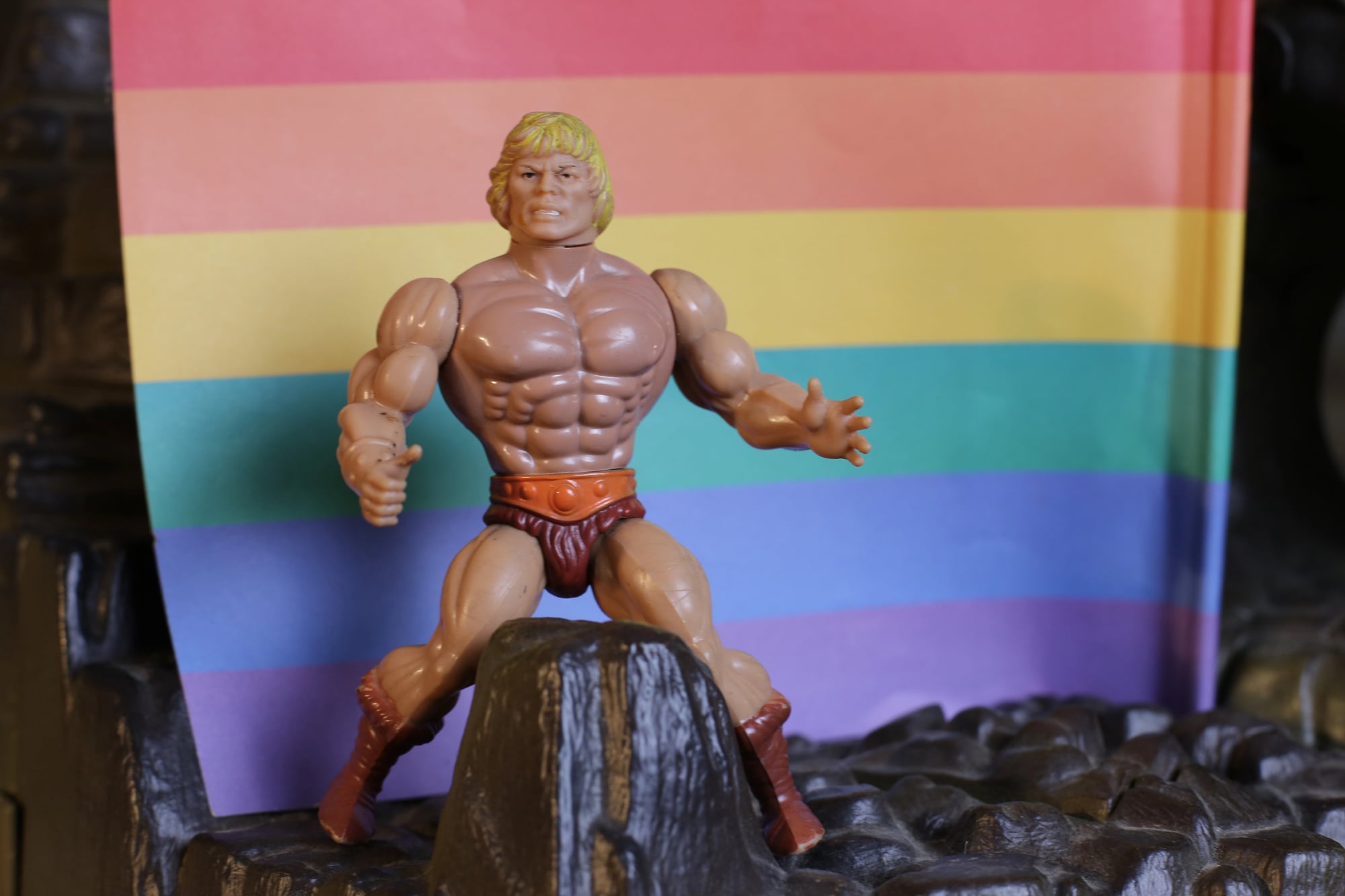
The Wonder Bread He-Man was a promotional figure available only through a purchase redemption offer from the American Wonder Bread brand in the early 1980s. He is physically identical to the standard He-Man but comes in distinctive plain promotional packaging rather than the Mattel blister card.
The packaging specificity makes authenticated examples immediately recognisable, and the limited distribution means far fewer survive in good condition than standard retail figures. Documented sales of Wonder Bread He-Man in promotional packaging have reached $10,000.
The principle here applies broadly across the collecting world: limited distribution promotional items, particularly those tied to a single regional brand, are often rarer than officially limited editions because nobody was specifically told to keep them.
The Packaging Is the Product
What every item on this list has in common is that the original packaging is doing more work than the toy itself. A loose Star Wars figure is a nostalgic object.
That same figure, still sealed on its original 12-back card with the full graphic presentation that a child in 1978 would have seen in a toy store, is something else: a preserved moment in manufacturing and cultural history, a specific artefact of what the toy industry was doing at a specific time with a specific technology on a specific afternoon in a production run that nobody expected to matter five decades later.
The resellers who specialise in this market are not primarily toy enthusiasts — they are people who understand that sealed examples were preserved by accident, that the market for them is driven by people who remember and want, and that finding a genuine one in someone’s attic is a rarer event every year. The window for these discoveries is still open.
It just gets smaller every time someone cleans out their storage unit without looking at what’s inside first.
More from Go2Tutors!

- The Romanov Crown Jewels and Their Tragic Fate
- 13 Historical Mysteries That Science Still Can’t Solve
- Famous Hoaxes That Fooled the World for Years
- 15 Child Stars with Tragic Adult Lives
- 16 Famous Jewelry Pieces in History
Like Go2Tutors’s content? Follow us on MSN.



