25 After-School Routines That Shaped How an Entire Generation Spent Their Afternoons
The hours between the final school bell and dinner were a world unto themselves. For kids who grew up in the 1970s, 80s, and 90s, that stretch of afternoon was unscheduled, unsupervised, and entirely their own — and somehow more formative than most adults gave it credit for.
What happened in those hours didn’t show up on any report card, but it shaped how a generation learned to entertain themselves, solve their own problems, and exist without being managed.
Nobody planned these routines. They just happened, repeated until they became ritual, and then one day stopped — usually without anyone noticing at the time.
Here are 25 of the patterns that defined those afternoons.
Dropping Everything at the Door

The school bag hit the floor the moment the front door closed. Not a deliberate act of rebellion — just pure muscle memory.
Whatever was in it could wait. The transition from school mode to home mode required shedding the backpack the same way a worker sheds a hard hat at the end of a shift, and the clunk it made on the hallway floor was its own kind of relief.
The After-School Snack Ritual

Before any homework, before any TV, before anything — the kitchen. Kids who grew up in this era developed a precise snack sequence that rarely varied: cereal poured dry into a bowl, peanut butter spread thick on white bread, apple slices fanned out on a plate like someone was going to photograph them.
The snack wasn’t just food. It was the decompression that made the rest of the afternoon possible.
Turning On the TV the Second You Got Home
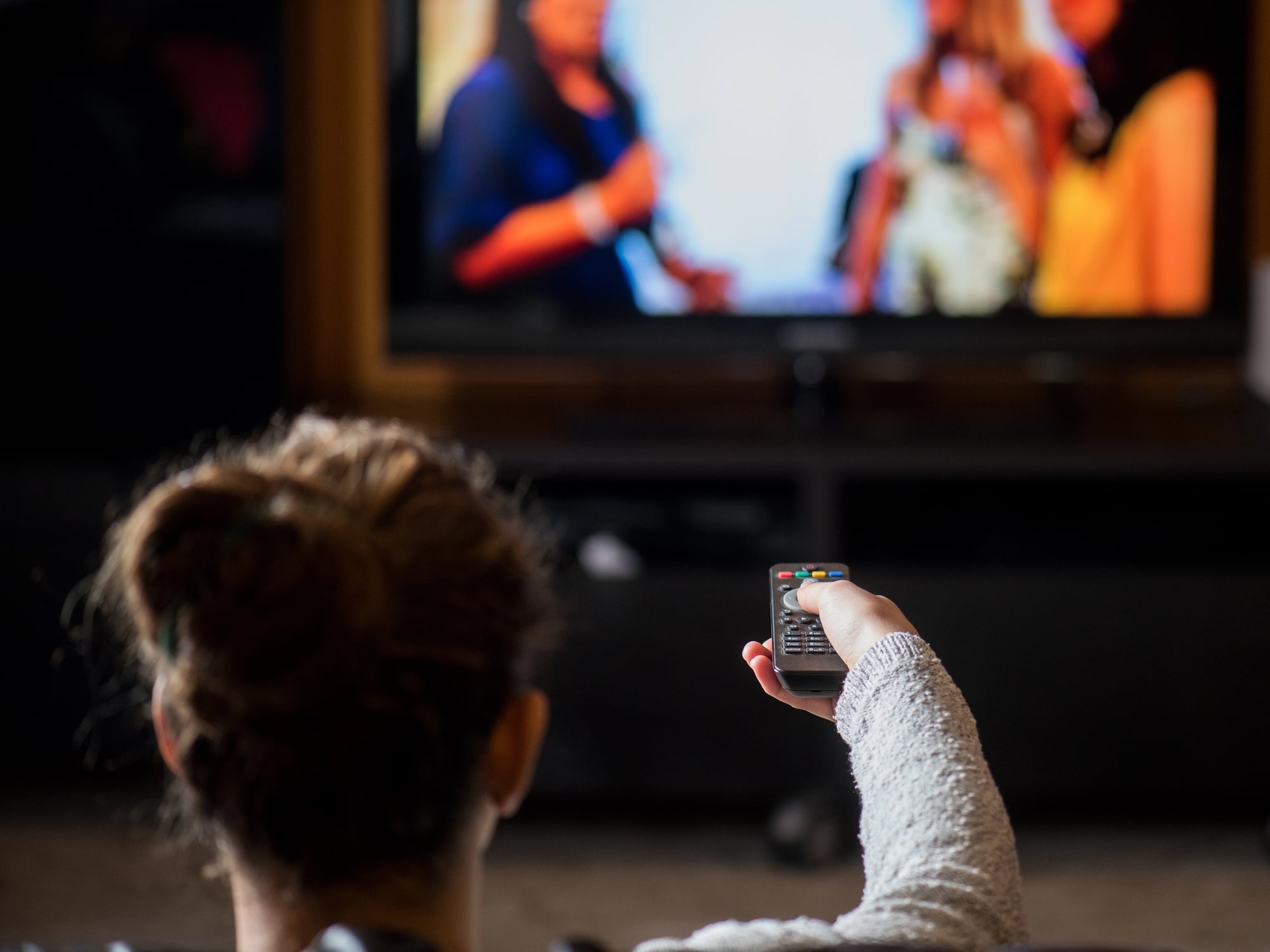
The television went on before coats were off, before shoes were untied, sometimes before the door was fully closed. Not because there was something specific to watch — just because the sound of it made an empty house feel occupied.
Cartoons played to an audience of one who was simultaneously eating, staring at the ceiling, and occasionally watching.
Calling a Friend on the Landline

There was a specific kind of hope attached to dialing a friend’s number on a rotary or push-button phone. You didn’t know if they’d be home.
You didn’t know if their mom would answer and hold you hostage with small talk for three minutes before fetching them. But you called anyway, because that was the only option, and if they picked up, the next hour could go anywhere.
Riding Bikes Until the Streetlights Came On
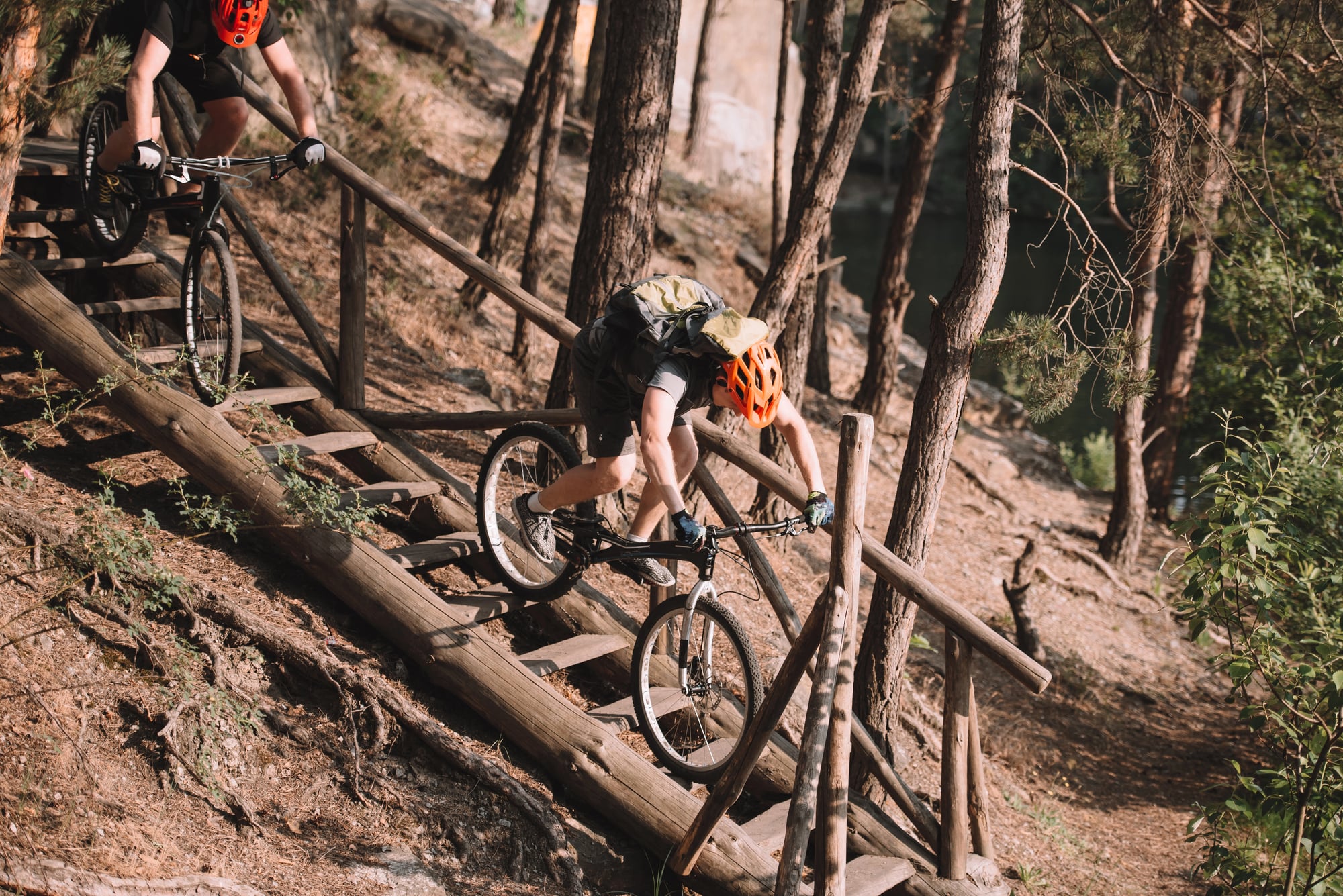
The rule was simple and universally enforced: be home when the streetlights turned on. Nobody wore helmets.
Nobody told parents where they were going. They just went — down streets they’d ridden a hundred times, through shortcuts they’d discovered on the weekends, occasionally somewhere they weren’t supposed to be. The streetlight rule was the original curfew, and it worked better than most.
Watching Cartoons in a Specific After-School Block
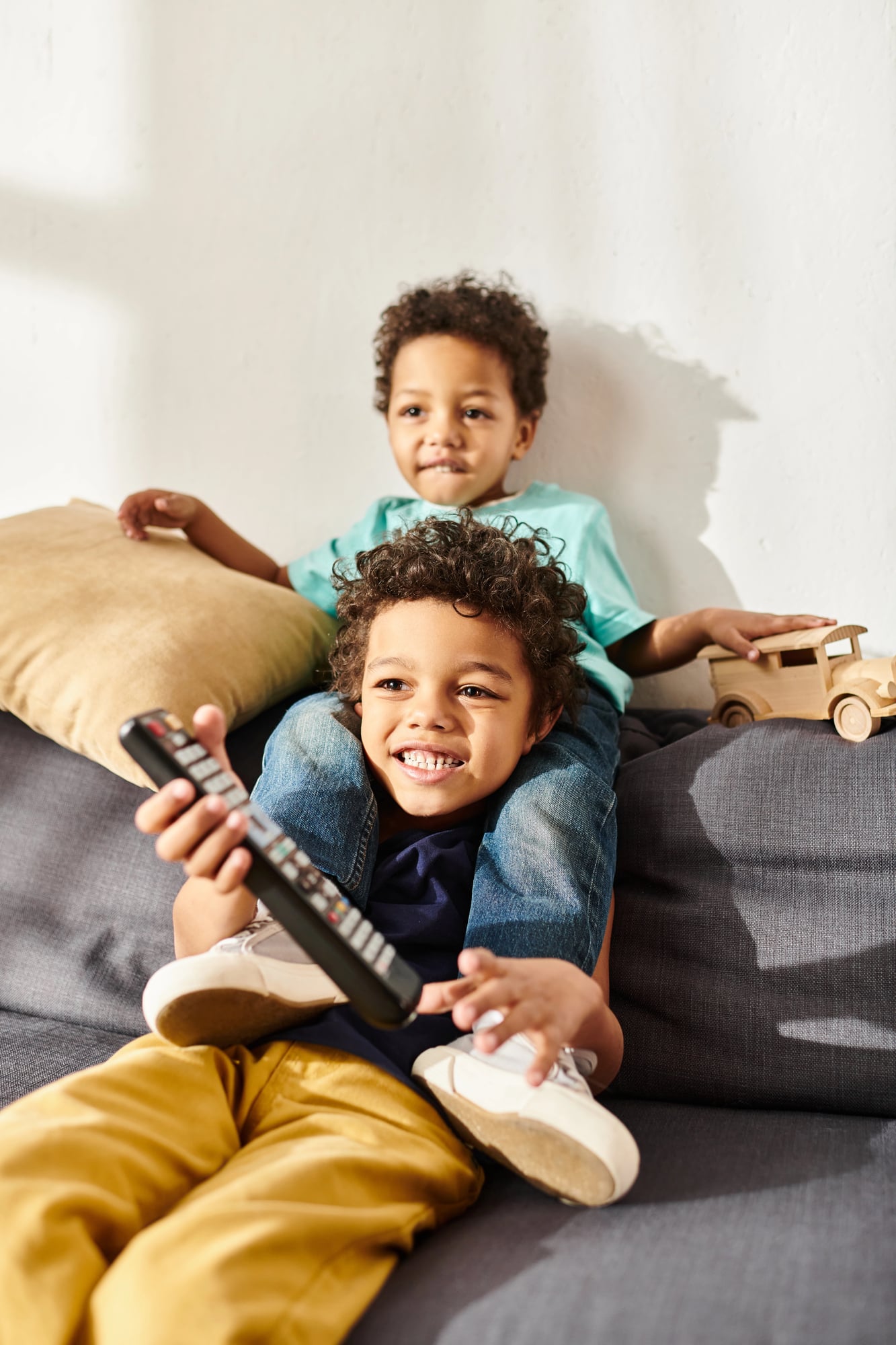
Networks in the 80s and 90s programmed after-school cartoons like appointment television, and kids treated them that way. Missing He-Man or DuckTales because you were late home felt like a genuine loss — there was no rewinding, no streaming, no second chance until the next broadcast.
You either watched it live or you didn’t watch it at all.
Doing Homework at the Kitchen Table While the TV Played in the Other Room
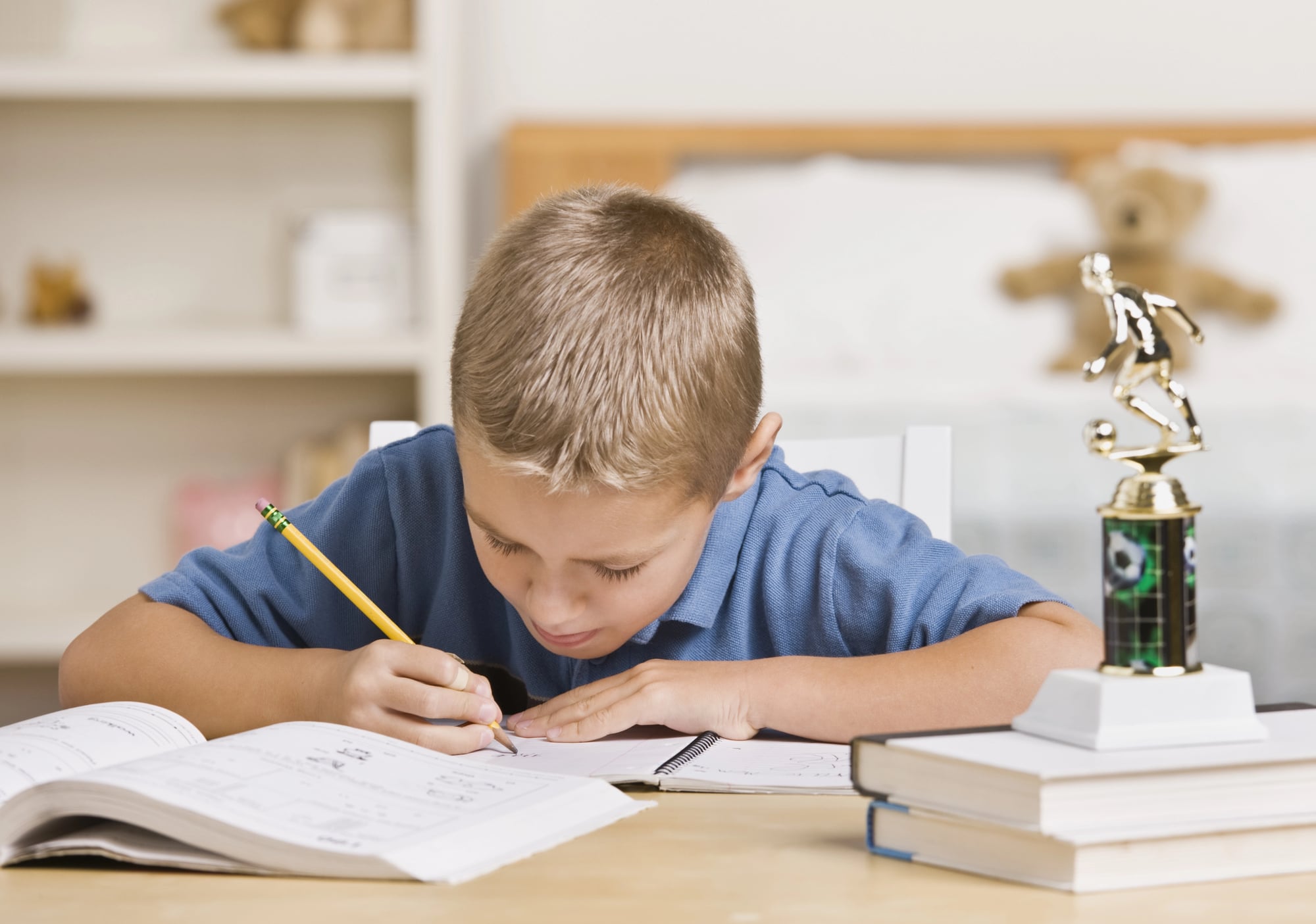
The homework was technically being done. The TV could be heard but not seen.
Occasionally a particularly loud laugh track or theme song would pull focus entirely, and the math problem half-solved on the page would wait. This was not efficient studying. It produced an entire generation of people who cannot work in silence.
Checking the Fridge Repeatedly for Something New

Between the front door and the couch, the route passed the kitchen, and the fridge got opened three, sometimes four times in the first twenty minutes. Nothing new appeared.
The same leftovers, the same half-empty juice container, the same mysterious covered dish. But checking again cost nothing, and there was always the possibility — however remote — that something worth eating had materialized since the last inspection.
Watching the ABC Afterschool Special

The ABC Afterschool Special ran from 1972 to 1997 and tackled peer pressure, family conflict, and substance use in the most melodramatic way possible. Kids watched partly out of boredom and partly because the subject matter was genuinely adult, and nobody had told them they shouldn’t.
CBS ran its own version called Schoolbreak Special. By the time the credits rolled, no one was entirely sure whether they’d just been entertained or quietly lectured.
Playing Nintendo or Atari Until Your Eyes Ached

The console was on, the cartridge was in, and time stopped mattering. What made it a routine rather than just an activity was the repetition — the same game, the same level, the same stretch of afternoon, day after day.
Kids who played Super Mario Bros. after school could eventually get through the first three worlds on autopilot, the same way some people drive home from work and don’t remember a single turn.
Reading Whatever Was in the House

Before smartphones filled every idle moment, books did. Not always great books — the back of a cereal box, a dog-eared paperback someone left on the coffee table, the encyclopedia opened to a random page out of pure curiosity.
Kids who read after school often didn’t think of themselves as readers. They were just bored.
Knocking on the Neighbor’s Door
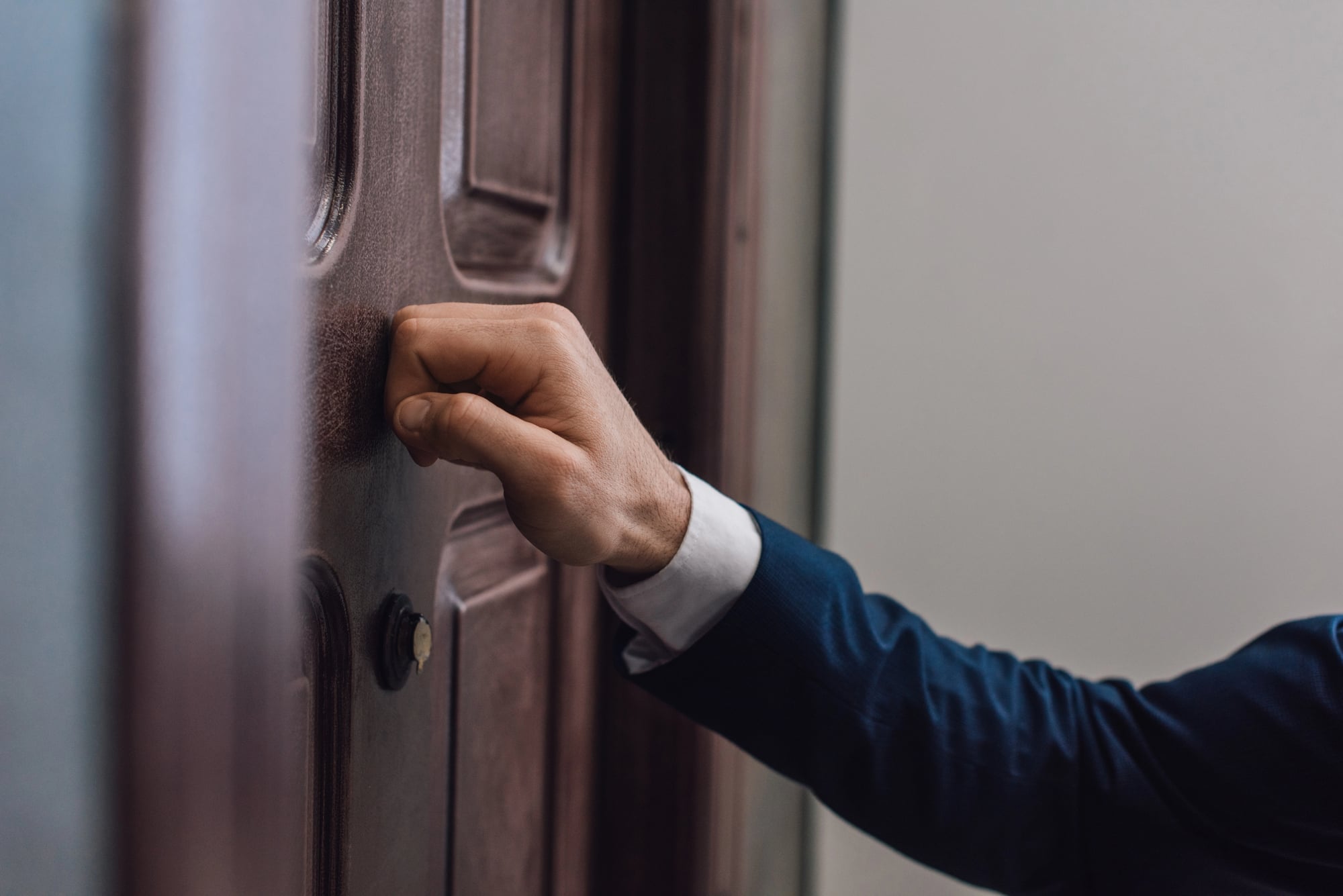
The social logistics were simple: walk to the neighbor’s house, knock, and see what happened. No text ahead.
No pre-arranged plans. Either someone was home and the afternoon changed shape, or nobody answered and you tried somewhere else. The social courage required to knock on a door uninvited is now a lost skill, quietly retired sometime around 2005.
Watching Music Videos on MTV

Before MTV filled its schedule with reality programming, it played music videos in heavy rotation, and kids who got home from school in the mid-80s to early 90s could drop onto the couch and watch an hour of them without planning to.
You never knew what was coming next. That randomness was part of the appeal — sometimes you discovered a band, sometimes you sat through something you hated, and both felt worthwhile.
Making a Snack You Were Technically Not Allowed to Make Alone

The toaster was one thing. The stove was another.
A certain breed of after-school kid pushed that boundary slightly every day — heating soup on the stovetop because the microwave wasn’t fast enough, making grilled cheese with the burner turned too high, operating appliances with the confidence of someone who had watched adults do it once and considered themselves trained. Most of these experiments worked. A few did not.
Calling the Parent at Work to Check In

The check-in call was a transaction. You called the office number, the receptionist answered, you asked for your mom or dad, you said “I’m home,” they said “good,” and you both hung up within ninety seconds.
There was no warmth in it particularly — it was procedural. But the obligation to make that call meant someone expected it, and the act of making it was a small daily reminder that the afternoon had a shape and a boundary.
Building Something Outside for No Particular Reason
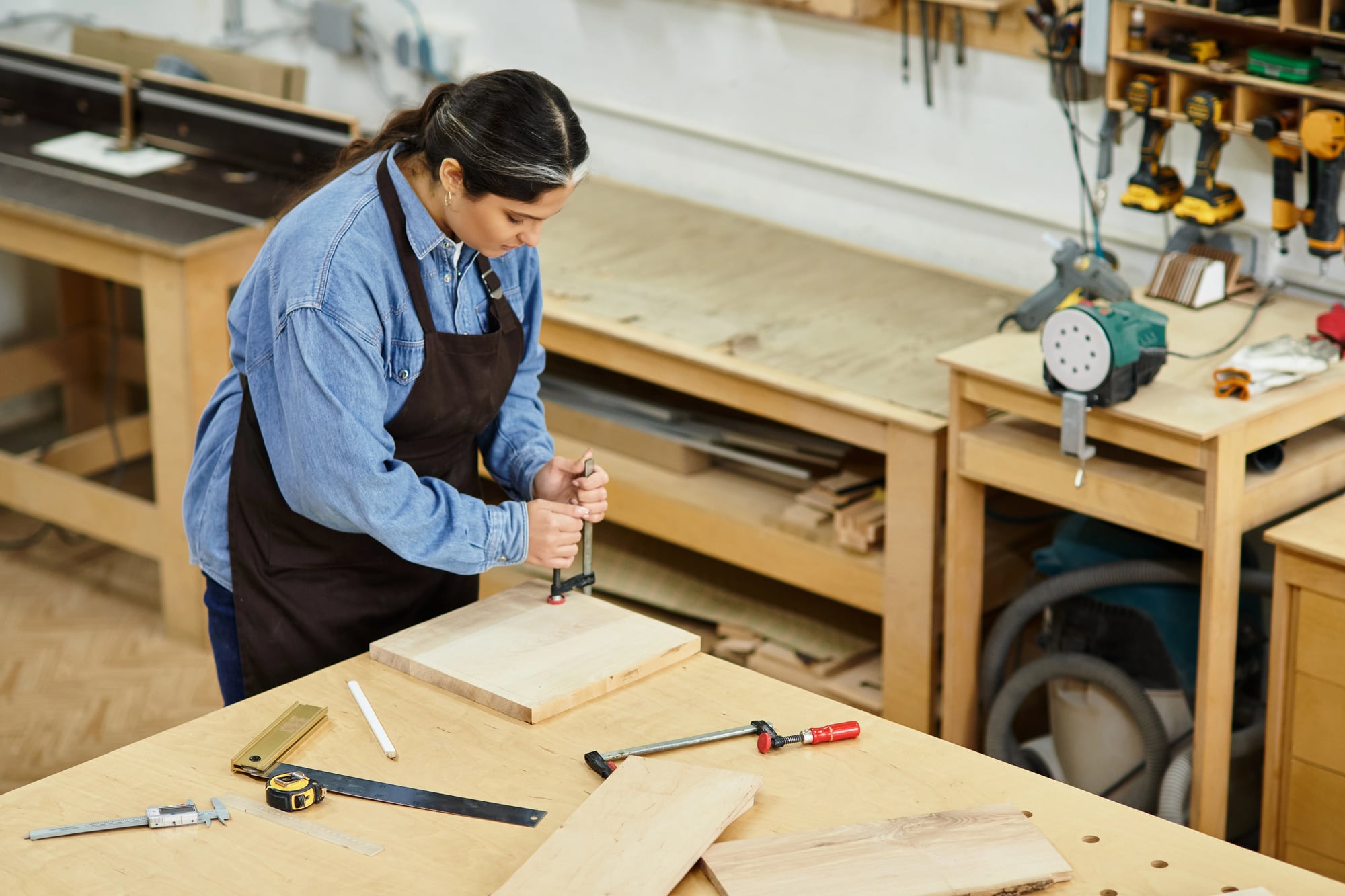
Forts made of sticks, ramps constructed from found wood and old bricks, tunnels dug in the backyard with garden tools pressed into service beyond their intended purpose. These projects rarely finished.
The point was never the finished product. Kids who built things after school were mostly just managing time with their hands, and the scrap wood in someone’s garage was a better resource than any structured activity program.
Rewatching the Same Rented VHS Tape for the Third Day in a Row

Video rental stores charged by the night, and the same movie sometimes came home Tuesday and stayed through Thursday. By the third viewing, you stopped watching and started inhabiting it — quoting lines before they happened, checking your watch to confirm how long was left, enjoying it less as a film and more as an old companion you no longer needed to pay attention to.
Wandering the Neighborhood Without a Destination
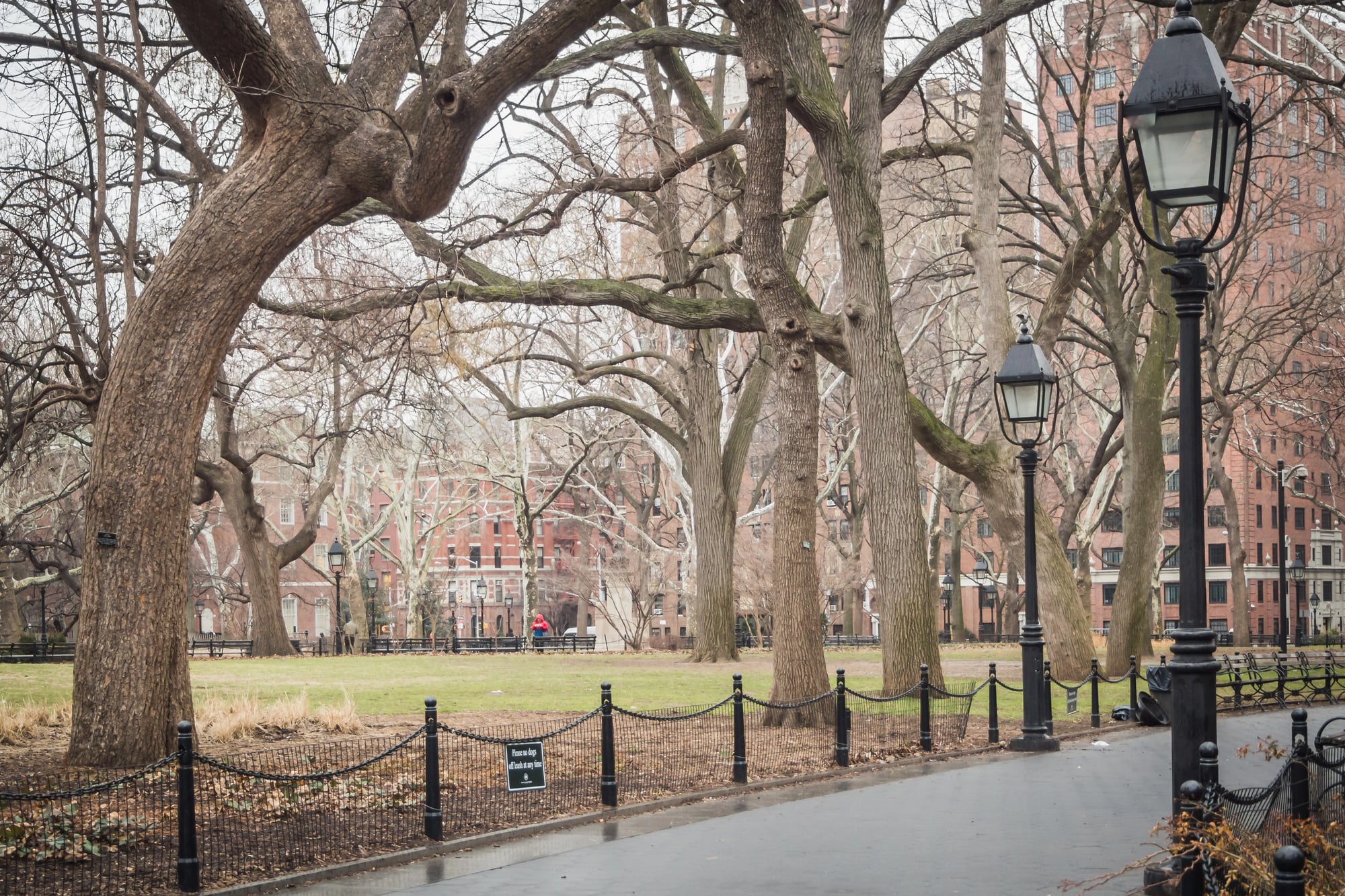
There was a specific kind of afternoon aimlessness that felt almost meditative — not riding bikes with purpose, not heading to a friend’s house, just walking with no destination in mind.
Whole neighborhoods got learned this way: which yards had dogs, which driveways had basketball hoops, which corner store had the candy display closest to the door. This was urban geography acquired on foot, one slow afternoon at a time.
Starting Homework, Stopping, and Starting Again

The homework sat on the table for two hours before it was properly touched. The first attempt was abandoned after five minutes.
The second attempt, started after a snack, lasted longer. The third attempt — usually triggered by a parent’s imminent arrival — was the one that actually produced results. This three-stage approach was standard across most households and produced homework that was technically complete.
Organizing a Bedroom for No Particular Reason
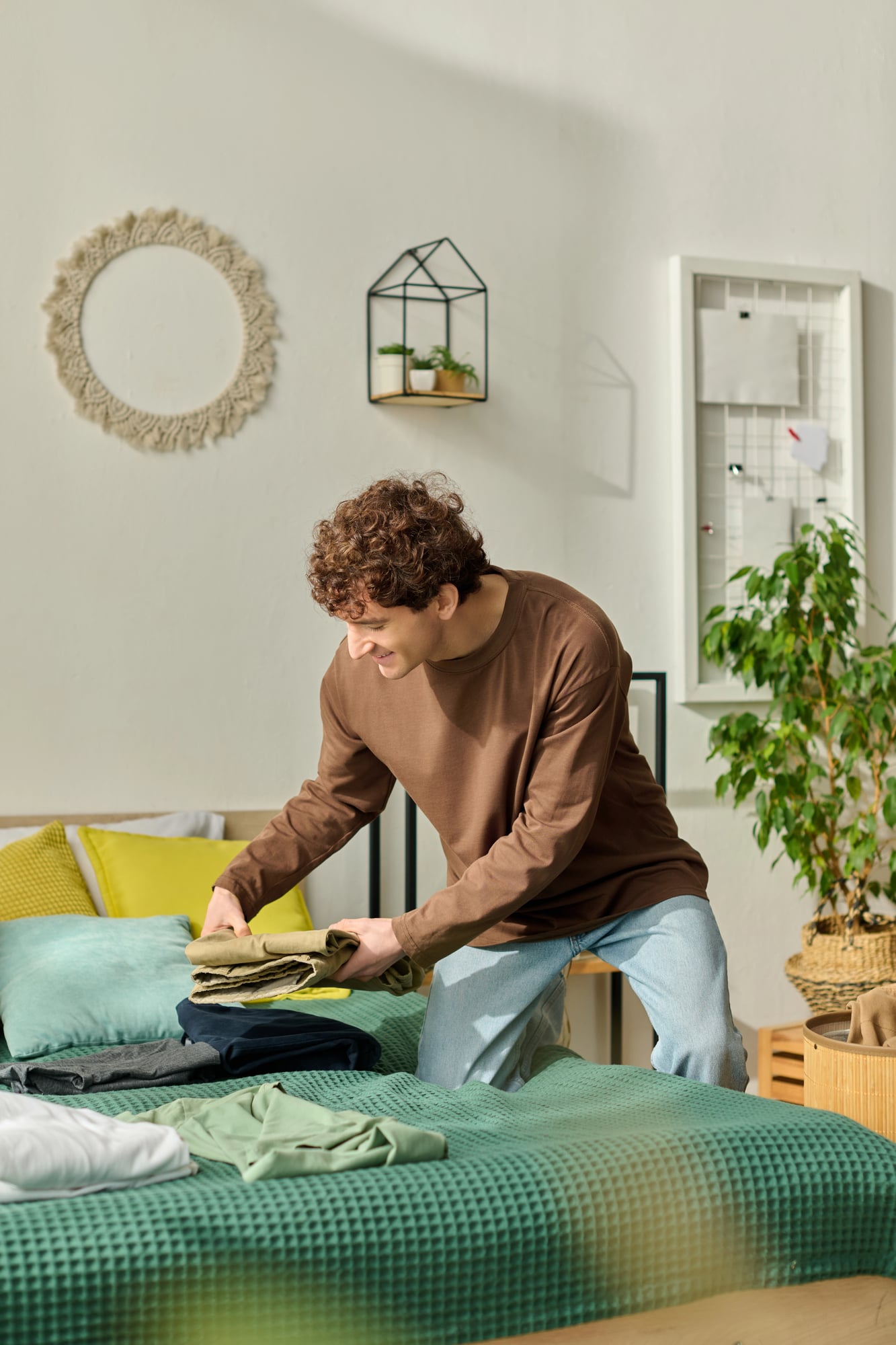
Not cleaning it, exactly. Reorganizing.
Moving the desk to a different wall. Rearranging the posters. Sorting the cassette tapes or baseball cards into a system that made sense for approximately one afternoon before entropy returned. Bedroom reorganization was the after-school version of restlessness made productive — something to do with the hands when the brain was too flat for anything requiring thought.
Watching the Soaps With an Older Sibling or Grandparent
Days of Our Lives ran on NBC at 1 PM, but its storylines were explained to afternoon audiences by older siblings and grandparents with remarkable clarity and no apparent shame.
Kids who grew up watching soap operas after school received a very specific education in adult dramatic behavior — affairs revealed at the worst possible moment, paternity secrets kept for decades, characters returning from the dead with suspicious frequency.
Playing Outside in Ways That Would Make Modern Parents Nervous
Climbing trees that were too tall. Building fires in backyards.
Wading through drainage ditches in rubber boots. Using rope swings of questionable structural integrity over ponds of uncertain depth. The risk assessment was done in the moment, by children, with no adult input. The fatality rate was not zero, but the outcome for most was a childhood that felt genuinely physical in a way that later generations find difficult to replicate.
Listening to the Radio While Doing Everything Else

The radio played in the background of most after-school afternoons — not as the primary activity, but as ambient company. Top 40 stations repeated the same dozen songs in rotation, and kids who spent enough afternoons in that rhythm knew every word to things they’d never consciously learned.
The hits of any given year sound the way they do in part because of how many times they played between 3 and 6 PM into empty rooms.
Eating Dinner at Whatever Time a Parent Came Home
Dinner had no fixed time. It happened when the working parent arrived, which meant it could be 5:30 or it could be 7:00, and the afternoon snack expanded or contracted accordingly.
Kids who grew up with this schedule developed a flexible relationship with hunger — able to wait longer than expected, willing to eat later than ideal — which is a surprisingly useful life skill that nobody thought to list as a benefit.
Going to Bed Still Thinking About What Happened That Day at School

The final routine of the afternoon wasn’t an activity at all. It was the way that after all the TV and snacks and bike rides and phone calls, the brain eventually circled back to whatever had actually happened at school.
The comment someone made. The test returned with a grade better or worse than expected. The moment of awkwardness at lunch. The day processed itself during those hours without anyone explicitly trying, and by bedtime, most of it had found its place.
What the Afternoon Hours Actually Taught
Those after-school routines weren’t filler time between school and sleep. They were the hours when kids learned how to be alone without falling apart, how to entertain themselves without being handed something, how to manage small responsibilities before anyone was watching.
The homework got done or it didn’t. The snack got made. The bike came home when the streetlights flicked on. None of it felt like a lesson at the time.
The generation that grew up in those unsupervised afternoons largely turned out fine — a conclusion so obvious it gets overlooked. What they developed wasn’t academic or measurable, but it was real: a tolerance for boredom, a capacity for self-direction, and the quiet confidence of people who spent years figuring out their own afternoons one snack and one TV show at a time.
More from Go2Tutors!

- The Romanov Crown Jewels and Their Tragic Fate
- 13 Historical Mysteries That Science Still Can’t Solve
- Famous Hoaxes That Fooled the World for Years
- 15 Child Stars with Tragic Adult Lives
- 16 Famous Jewelry Pieces in History
Like Go2Tutors’s content? Follow us on MSN.



