19 Photographs That Changed Public Opinion
Some photographs do more than document a moment; they redirect the course of public sentiment entirely, turning abstract policy debates into something viscerally undeniable. The images below did not just capture history, they altered how millions of people understood it.
The Napalm Girl, Vietnam, 1972
Nick Ut’s photograph of nine-year-old Phan Thi Kim Phuc fleeing a napalm attack near Trang Bang, taken on June 8, 1972, ran on front pages worldwide despite initial hesitation from editors over its unclothed depiction of a child. The image is widely credited with accelerating American public opposition to the Vietnam War during its final years and won Ut the Pulitzer Prize.
Migrant Mother, California, 1936

Dorothea Lange’s photograph of Florence Owens Thompson, taken at a pea pickers camp in Nipomo, California in 1936, became the defining visual symbol of the Great Depression after its publication in the San Francisco News. The image directly prompted the federal government to send emergency food aid to the camp within days of publication.
Tank Man, Tiananmen Square, 1989
An unidentified man standing before a column of tanks near Tiananmen Square on June 5, 1989, was captured by several photographers simultaneously, including Jeff Widener of the Associated Press, from a hotel balcony overlooking the avenue. The image became an enduring global symbol of individual defiance against state power, despite the man’s identity and fate remaining unknown to this day.
Earthrise, Apollo 8, 1968

Astronaut William Anders photographed the Earth rising over the lunar horizon on December 24, 1968, during the Apollo 8 mission, producing an image that is widely credited with helping galvanize the environmental movement of the following decade. Nature photographer Galen Rowell later described it as among the most influential environmental photographs ever taken.
Raising the Flag on Iwo Jima, 1945
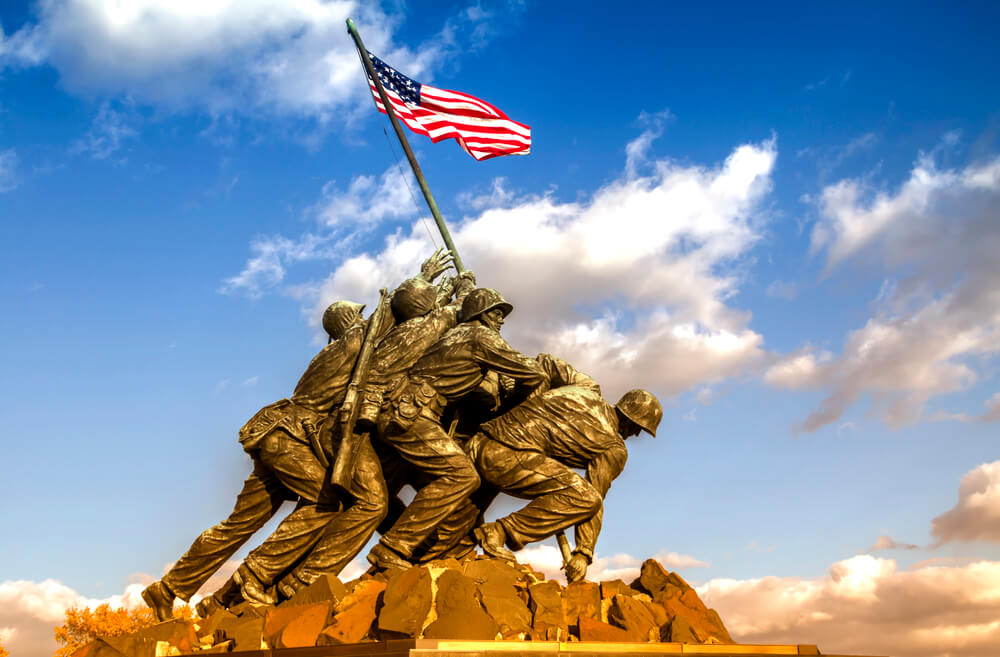
Joe Rosenthal’s photograph of six U.S. Marines raising the American flag atop Mount Suribachi on February 23, 1945, was taken almost by chance after an earlier, smaller flag had already been raised that morning. The image became the basis for the Marine Corps War Memorial in Arlington, Virginia and remains one of the most reproduced photographs in American history.
The Falling Man, September 11, 2001

Richard Drew’s photograph of a man falling from the World Trade Center’s North Tower on September 11, 2001, generated intense controversy after publication, with many newspapers pulling it from later editions due to reader complaints. The image is now widely studied as a case study in how photojournalism navigates the tension between historical documentation and public sensitivity.
Bloody Sunday, Selma, 1965
Photographs taken by multiple photojournalists during the March 7, 1965 attack on civil rights marchers crossing the Edmund Pettus Bridge in Selma, Alabama, were broadcast and published within hours, directly pressuring the Johnson administration to accelerate passage of the Voting Rights Act. The televised and photographed brutality is widely cited by historians as a turning point in northern public support for the civil rights movement.
The Vulture and the Little Girl, Sudan, 1993
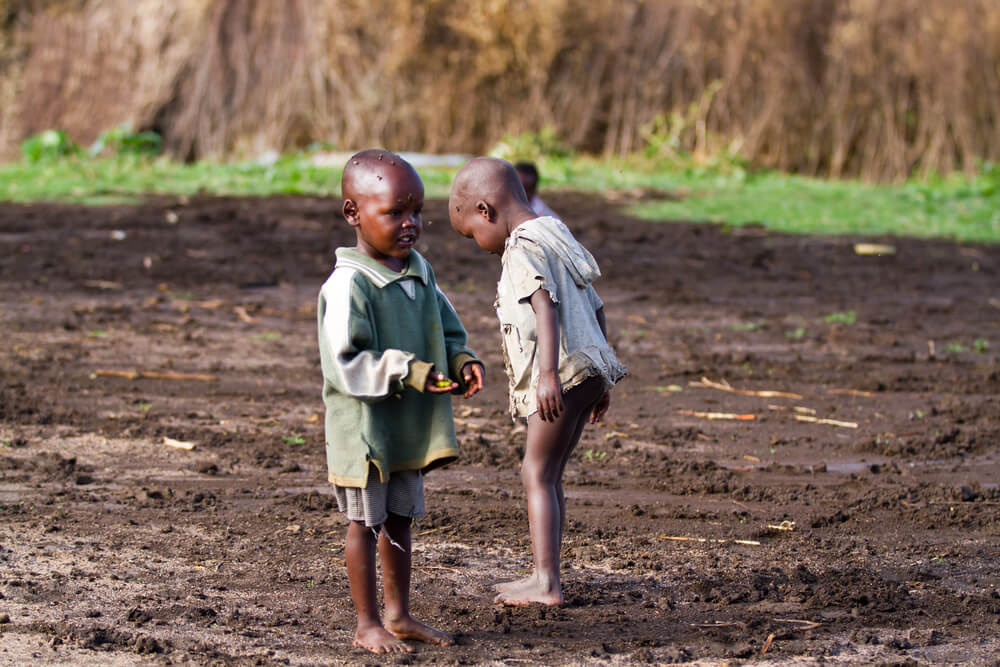
Kevin Carter’s photograph of a starving Sudanese child with a vulture in the background, taken in March 1993 and published in the New York Times, won the Pulitzer Prize but also drew intense criticism over whether Carter should have intervened before photographing. Carter died the following year, and the photograph remains a central case study in the ethics of humanitarian photojournalism.
Che Guevara, Guerrillero Heroico, 1960
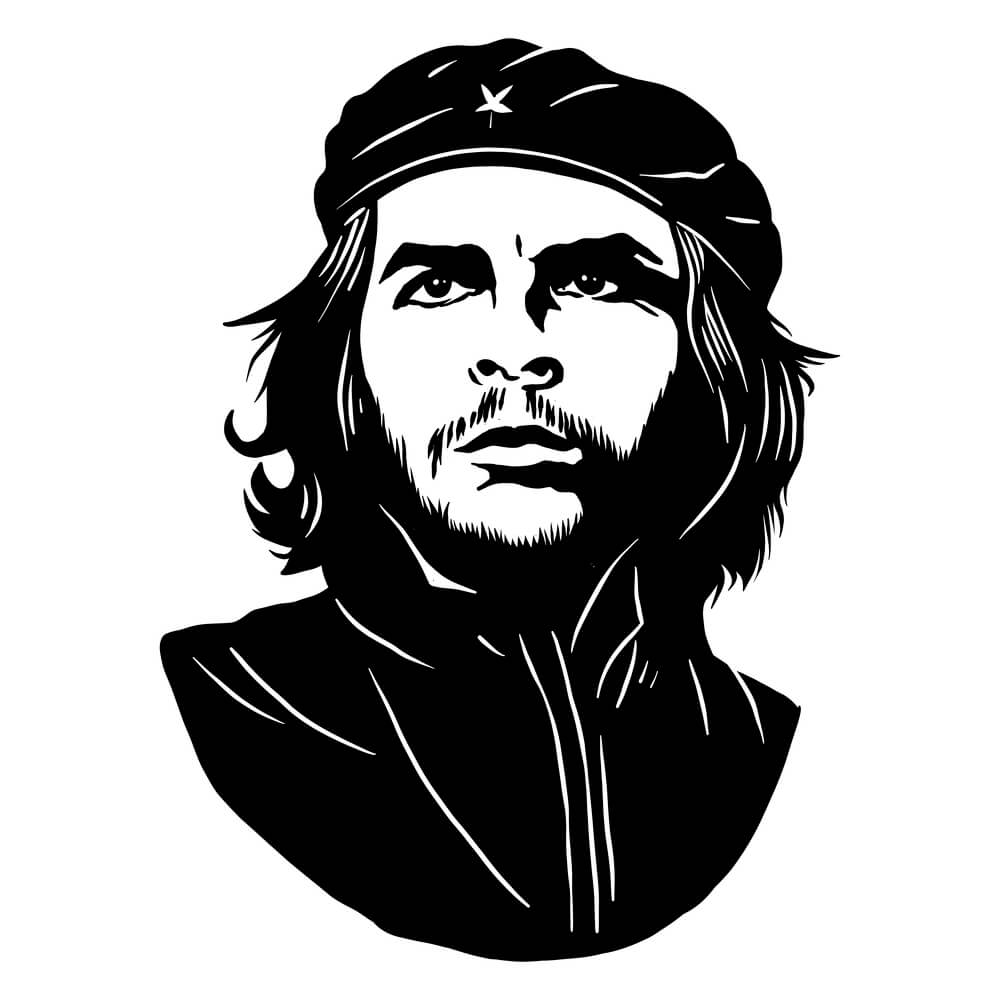
Alberto Korda’s photograph of Che Guevara, taken on March 5, 1960 at a memorial rally in Havana, has been reproduced more times than perhaps any other photograph in history, transforming Guevara into a global symbol of revolutionary politics decades after his death. Korda never collected royalties for most reproductions, having stated he took the photo for ideological rather than commercial reasons.
The Death of Neda Agha-Soltan, Iran, 2009

Bystander video and photographs of Neda Agha-Soltan’s death during protests following Iran’s disputed 2009 presidential election spread rapidly via social media, becoming one of the earliest instances of citizen-captured footage shaping international opinion on a foreign government’s actions in near real time. Time magazine later described the footage as among the most witnessed deaths in human history.
The Hindenburg Disaster, 1937
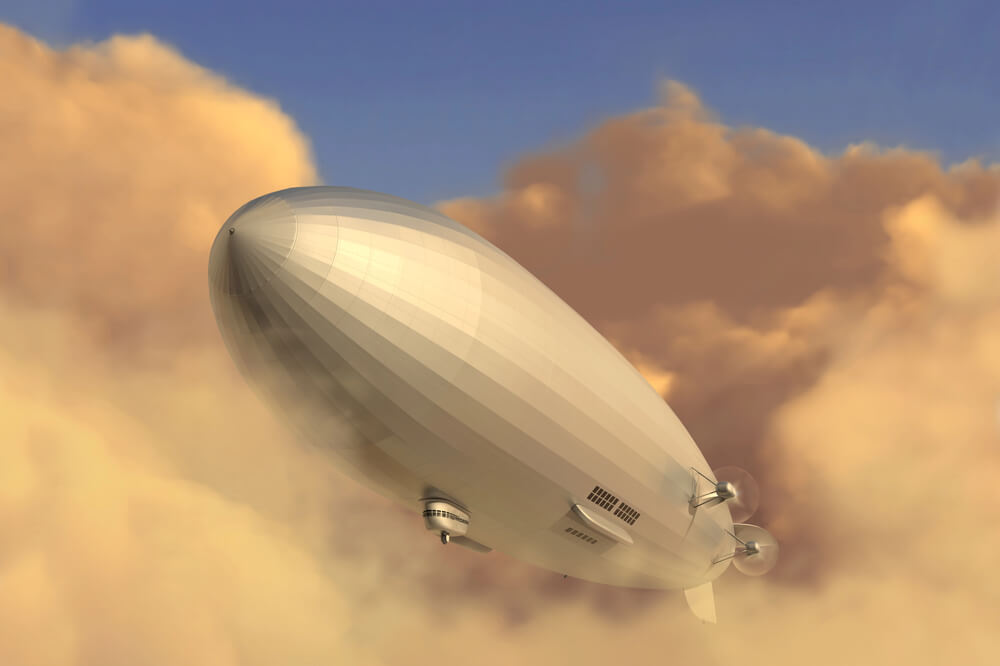
Sam Shere’s photograph of the Hindenburg airship bursting into flames while landing at Naval Air Station Lakehurst, New Jersey on May 6, 1937, effectively ended the era of passenger airship travel by turning a rare accident into an unshakeable public symbol of the technology’s danger. The disaster killed 36 people and was one of the first major accidents captured on both film and still photography simultaneously.
Alan Kurdi, Turkey, 2015

The photograph of three-year-old Alan Kurdi’s body on a Turkish beach, taken by photojournalist Nilufer Demir on September 2, 2015, was credited by multiple European governments with shifting public opinion enough to prompt expanded refugee acceptance policies in the weeks following its publication. The image circulated globally within hours, driven largely by social media rather than traditional print distribution.
Behind the Wire, Abu Ghraib, 2004
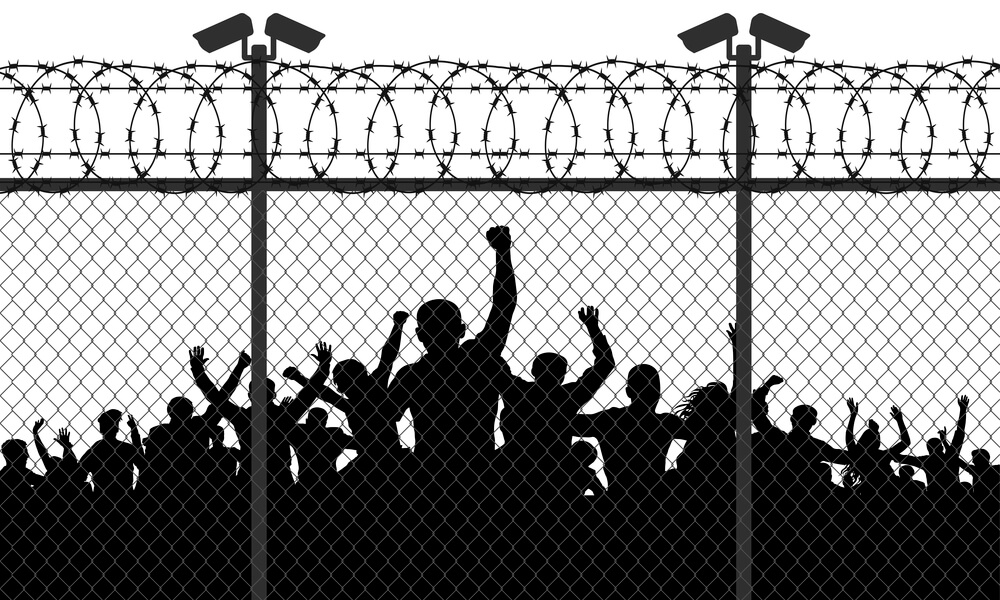
Photographs documenting prisoner abuse at Abu Ghraib prison in Iraq, taken by U.S. military personnel and made public in April 2004, triggered congressional hearings and significantly damaged American public support for the Iraq War’s conduct. Unlike most photographs on this list, these images were not taken by professional journalists but by soldiers themselves, later leaked to CBS News and The New Yorker.
The Burning Monk, Saigon, 1963
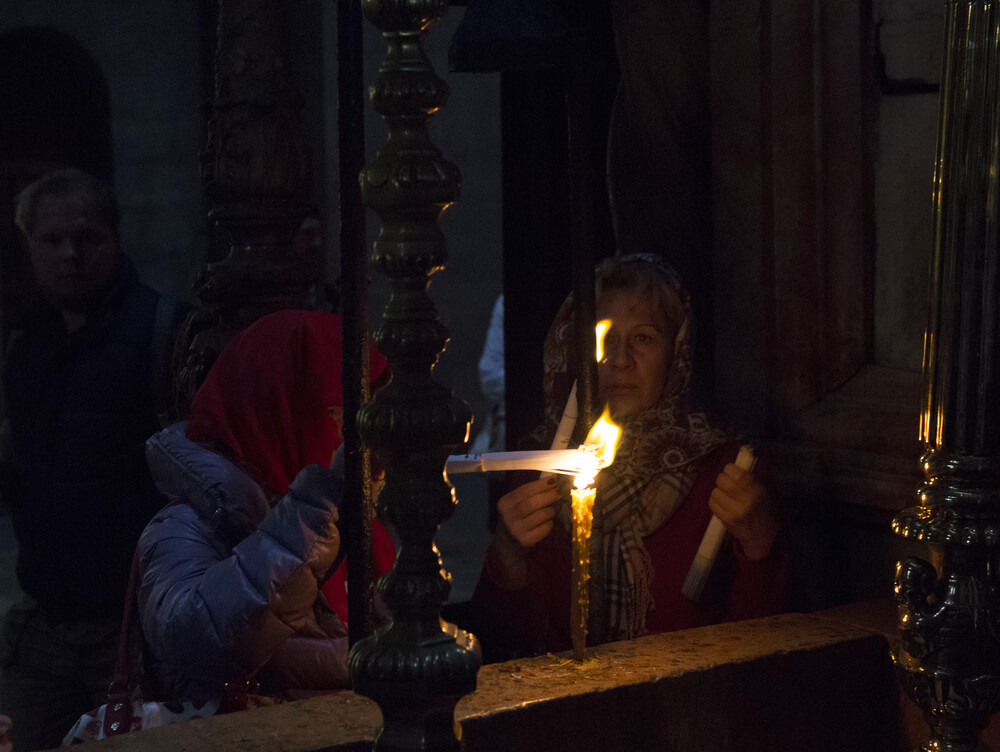
Malcolm Browne’s photograph of Buddhist monk Thich Quang Duc’s self-immolation in protest of South Vietnamese government persecution, taken in Saigon on June 11, 1963, shocked international audiences and is credited with drawing sustained American media attention to the political crisis in South Vietnam. President Kennedy reportedly remarked that no photograph in history had generated as much emotional impact worldwide.
Elizabeth Eckford at Little Rock, 1957

Will Counts’s photograph of fifteen-year-old Elizabeth Eckford walking alone toward Little Rock Central High School on September 4, 1957, surrounded by a jeering white crowd, became one of the defining images of resistance to school desegregation following the 1954 Brown v. Board of Education ruling. The photograph ran in newspapers internationally and is credited with building northern public support for federal intervention in the crisis.
Rescue at the World Trade Center, 2001
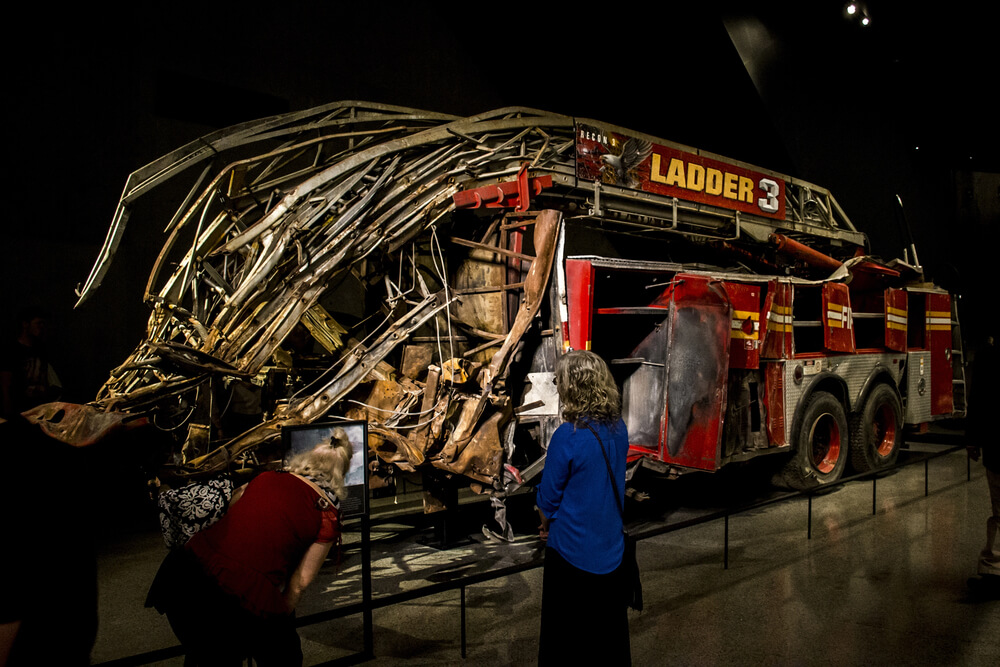
Firefighter photographs documenting rescue efforts at the World Trade Center on September 11, 2001, including widely circulated images of exhausted first responders, shaped American public perception of the emergency response in ways that shifted public policy discussions around first responder funding and equipment for years afterward. Thomas Franklin’s image of three firefighters raising a flag at Ground Zero became a particularly enduring symbol.
The Blue Marble, Apollo 17, 1972
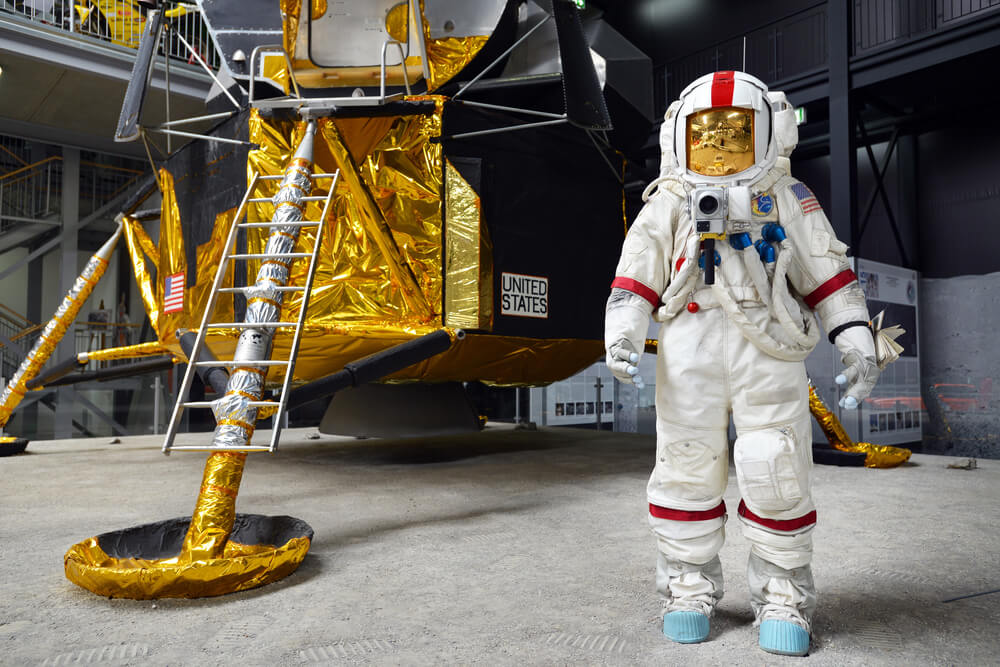
Photographed by the Apollo 17 crew on December 7, 1972, The Blue Marble remains one of the most reproduced photographs in history and is widely credited alongside Earthrise with reinforcing the emerging environmental movement’s argument for viewing the planet as a single, fragile system. It remains the last photograph of the fully illuminated Earth taken by a human crew during a moon mission.
The Situation Room, 2011

The White House photograph of President Obama and senior officials watching the raid on Osama bin Laden’s compound on May 1, 2011, became one of the most widely circulated images of the decade, shaping public understanding of the operation despite showing no direct footage of the raid itself. The image’s release sparked debate about what national security imagery the public is shown versus what remains classified.
Kent State Shooting Aftermath, 1970
John Filo’s photograph of fourteen-year-old Mary Ann Vecchio kneeling over the body of a student killed during the May 4, 1970 Ohio National Guard shooting at Kent State University became a defining image of the anti-Vietnam War movement’s escalating domestic cost. The photograph won the Pulitzer Prize and is credited with intensifying nationwide student protests in the weeks that followed.
The Weight a Single Frame Can Carry

What separates these photographs from the millions taken alongside them is not always technical skill; it is timing colliding with circumstance in a way that makes abstraction impossible to sustain. A policy debate about famine, war, or displacement can be argued indefinitely in the language of statistics, but a photograph forecloses that argument the instant it is seen.
That is also why so many of these images carry a cost their subjects never agreed to. The ethical weight of photographing suffering, rather than intervening in it, runs through more than half the list, and it remains one of the most contested questions in journalism.
The photographs endure because they worked. Whether that justifies how they were taken is a debate that has never fully settled.
More from Go2Tutors!

- The Romanov Crown Jewels and Their Tragic Fate
- 13 Historical Mysteries That Science Still Can’t Solve
- Famous Hoaxes That Fooled the World for Years
- 15 Child Stars with Tragic Adult Lives
- 16 Famous Jewelry Pieces in History
Like Go2Tutors’s content? Follow us on MSN.



