25 Buildings Torn Down That Cities Now Wish They Kept
Demolition always feels rational in the moment: a building is old, expensive to maintain, or standing in the way of something newer and more profitable. Decades later, the calculation often looks very different.
The following buildings were all real, standing structures, and their loss became a rallying point for the preservation movements that followed.
Penn Station, New York City

The original Pennsylvania Station, a Beaux-Arts landmark completed in 1910 with a soaring glass-and-steel train shed modeled partly on Rome’s Baths of Caracalla, was demolished in 1963 to make way for Madison Square Garden and a smaller underground replacement station.
Public outrage over the demolition directly led to the creation of the New York City Landmarks Preservation Commission in 1965, which later helped save Grand Central Terminal from a similar fate.
The Euston Arch, London

London’s Euston Arch, a massive Doric propylaeum completed in 1837 as the gateway to Euston railway station, was demolished in 1962 despite a public campaign led by figures including poet John Betjeman.
Decades later, campaigners located roughly 60 percent of the arch’s original stones, which had been used as landfill in a London riverbed, and as of recent years there have been active plans to rebuild the arch using the recovered material.
The Chicago Federal Building
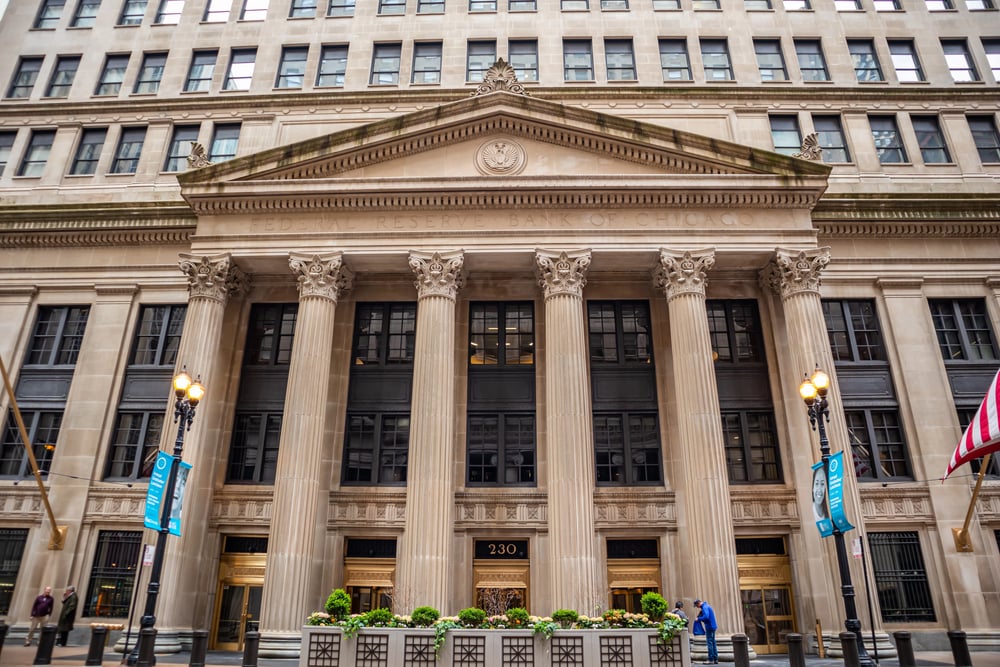
Chicago’s original Federal Building, a domed Beaux-Arts structure completed in 1905 and considered one of the city’s grandest public buildings, was demolished in 1965 after only 60 years of use to make way for a modern federal complex designed by Ludwig Mies van der Rohe.
Preservationists at the time argued the building was structurally sound and could have been renovated, and its loss is frequently cited in Chicago architectural histories as a preventable one.
The Hotel Astor, New York City
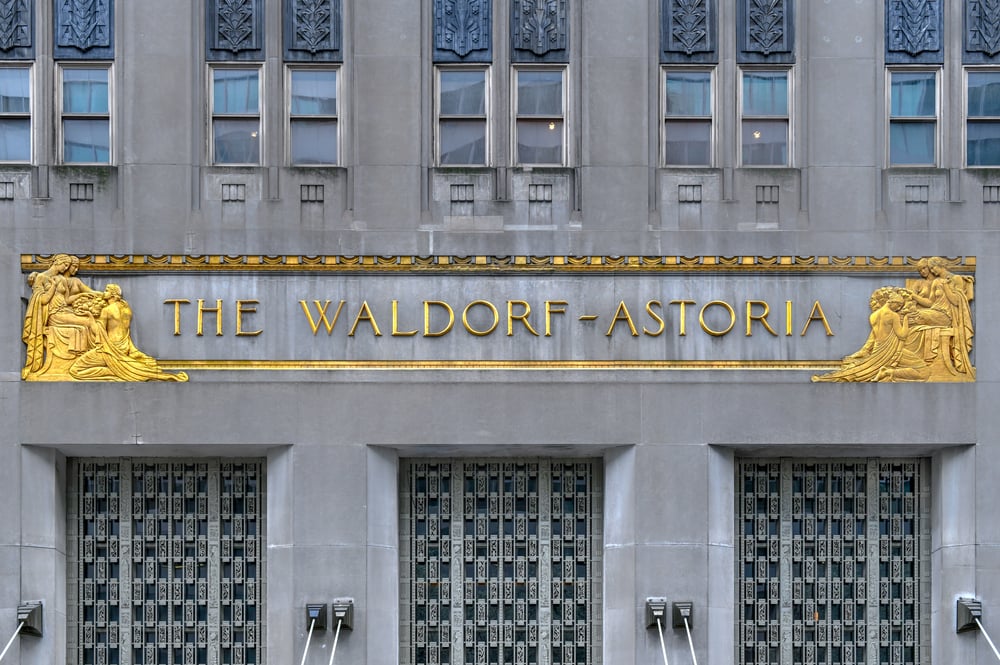
The Hotel Astor on Times Square, opened in 1904 and known for its elaborate rooftop gardens and grand ballrooms that hosted decades of high-profile events, was demolished in 1967 to make way for an office tower. Its demolition is often grouped with Penn Station’s as one of the key losses that galvanized New York’s modern landmarks preservation movement.
The Larkin Administration Building, Buffalo
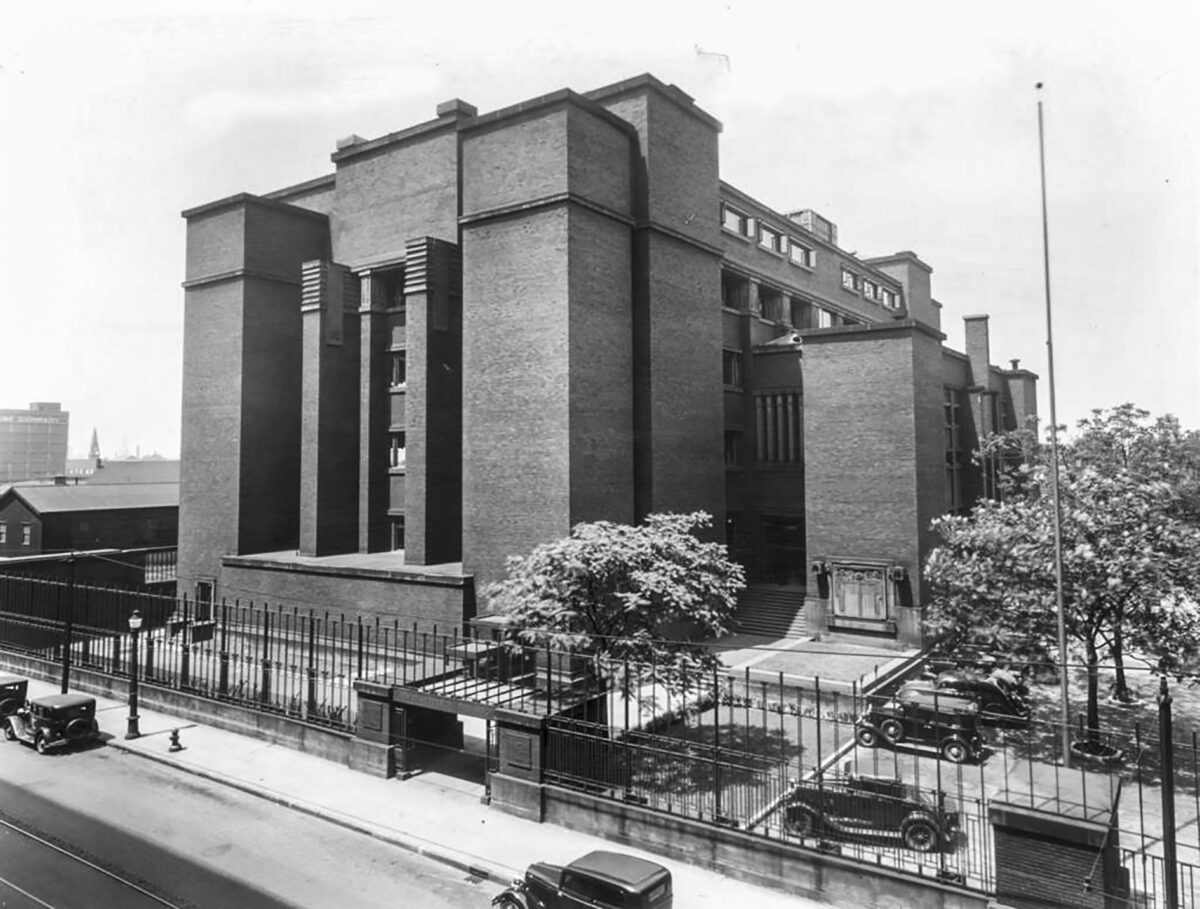
Frank Lloyd Wright’s Larkin Administration Building, completed in 1906 and considered one of the first fully air-conditioned office buildings in the United States, was demolished in 1950 after the Larkin Company that occupied it went bankrupt. Architectural historians regard it as one of Wright’s most significant lost works, and its demolition is frequently cited as one of the greatest losses in American architectural history.
The Coliseum Theatre, London
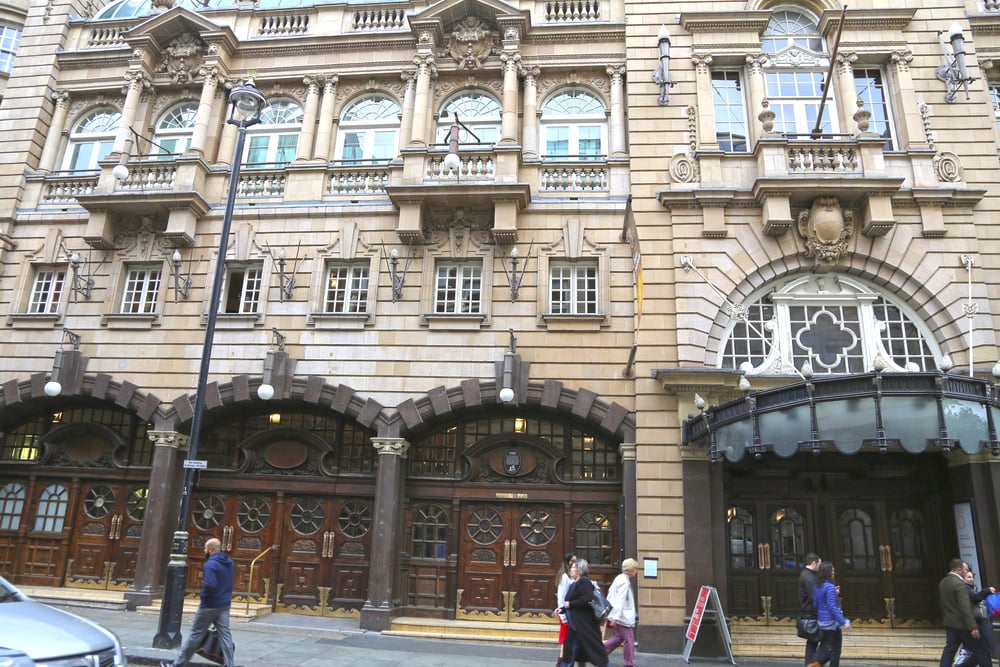
London’s Camden Town once hosted numerous grand Victorian and Edwardian theaters, several of which, including a number of cinema palaces built in the 1920s and 1930s, were demolished during postwar redevelopment waves as attendance declined and land values rose. Preservation groups in London have since flagged the wholesale loss of the city’s early cinema architecture as a significant and largely unrecorded cultural loss.
The Bristol Hotel, Warsaw’s Prewar Neighbors
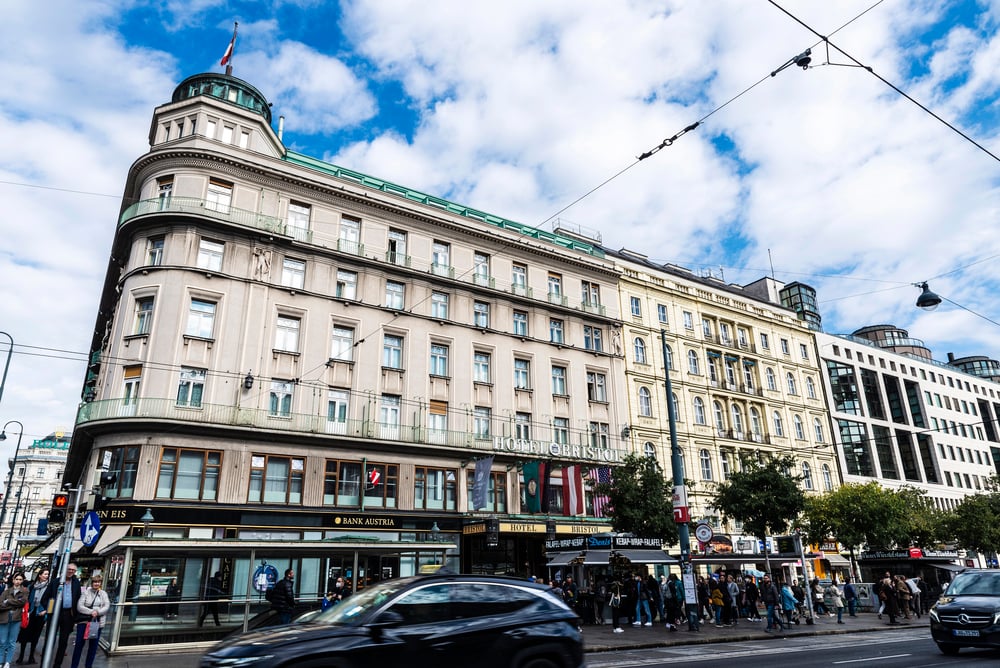
Much of prewar Warsaw’s architecture was destroyed during the Second World War, but in the postwar decades several surviving historic buildings that could have been restored were instead demolished by Soviet-influenced planners pursuing a modernist reconstruction vision. Some, like the ornate 19th-century structures along parts of the former Marszalkowska district, were leveled specifically to build wide, standardized socialist-era apartment blocks rather than being repaired.
The Rossiya Hotel, Moscow
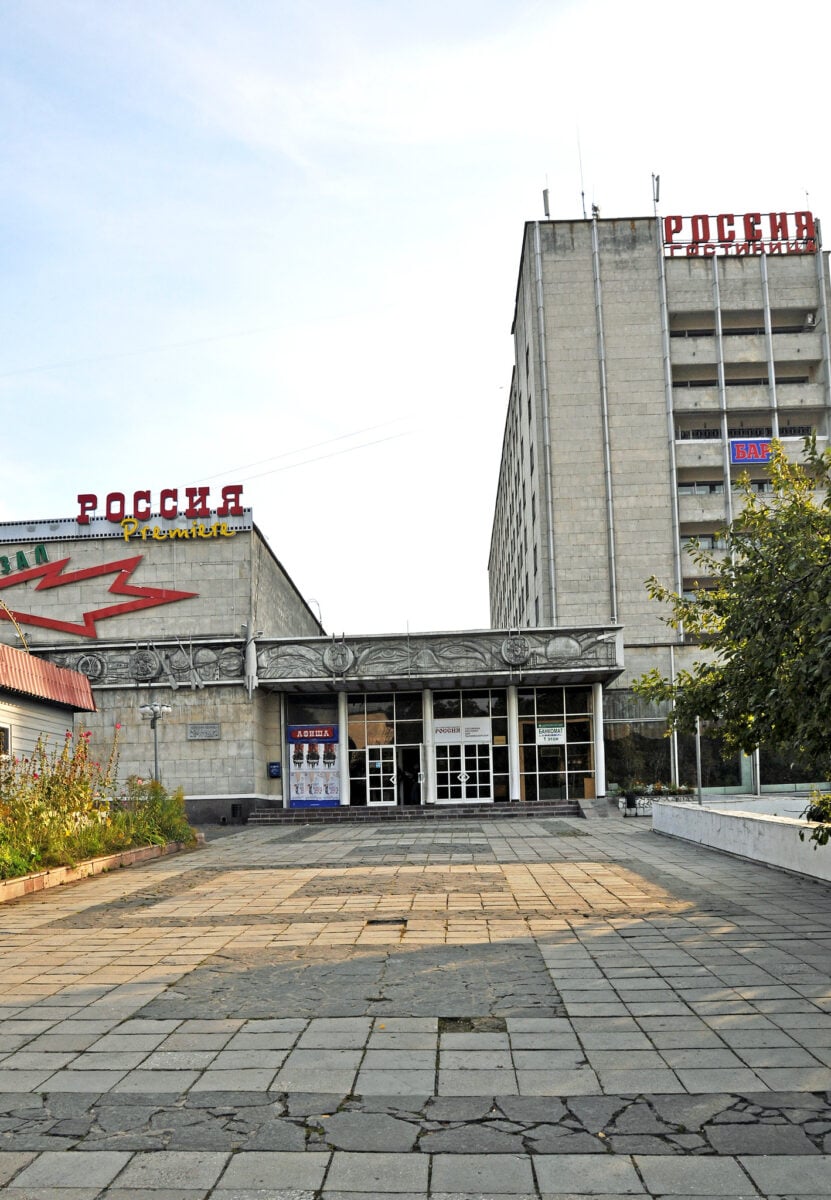
The Rossiya Hotel, completed in 1967 as one of the largest hotels in the world at the time, was demolished in 2006 to make way for a redevelopment project that stalled for years afterward, leaving the site as a large vacant lot in central Moscow near Red Square for over a decade. The prolonged emptiness of the site became a point of public frustration and was frequently cited by Moscow residents as a demolition that produced nothing in return.
The Bon Marche Department Store Original Facade, Seattle
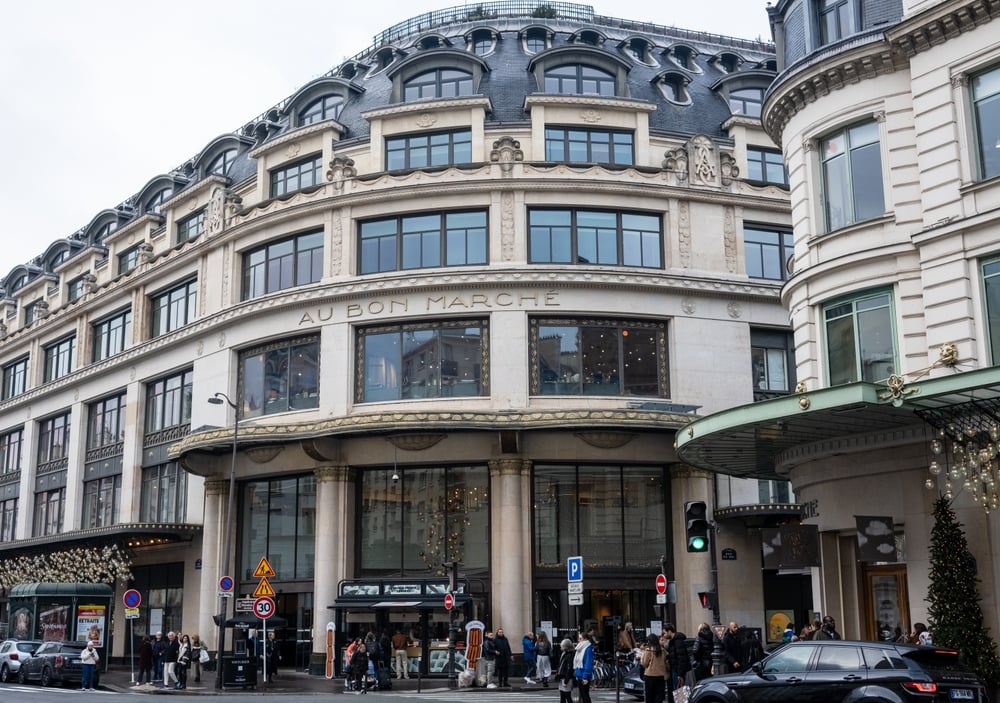
Seattle’s original Frederick & Nelson and several early 20th-century department store buildings downtown were significantly altered or demolished during mid-century urban renewal pushes, with ornate terra cotta facades removed in favor of plainer modern storefronts. Seattle preservationists later cited the losses as part of what prompted the city’s more aggressive landmark protections beginning in the 1970s.
The Garrick Theatre, Chicago
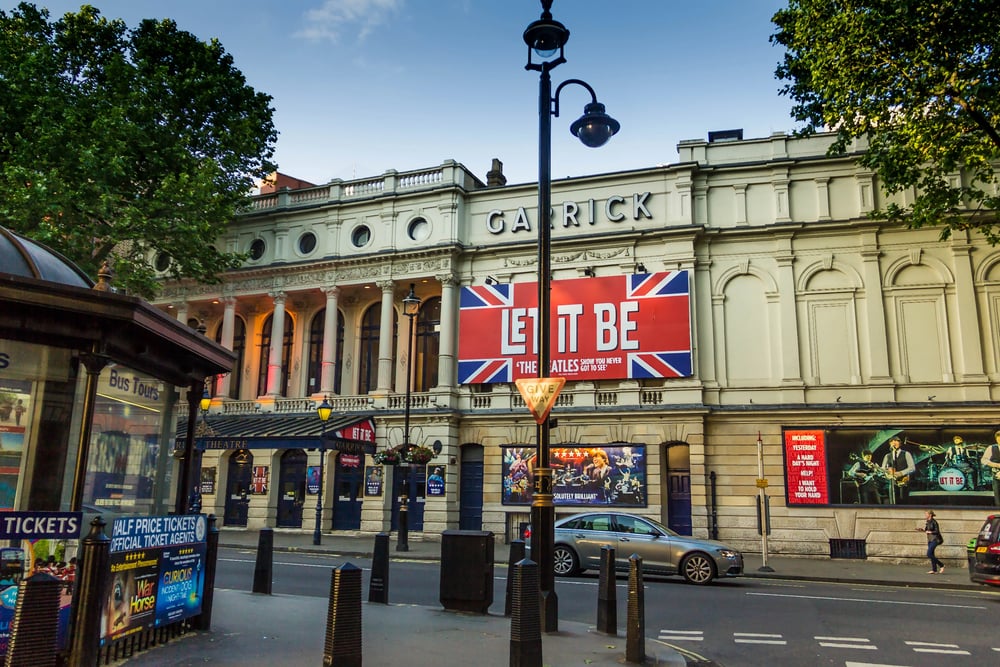
Adler and Sullivan’s Garrick Theatre, completed in 1892 and considered an important early work by architect Louis Sullivan, was demolished in 1961 to build a parking garage despite an active preservation campaign. Its demolition, occurring shortly before Chicago’s later landmark protections were established, is frequently cited in architectural history courses as a formative loss for the American preservation movement.
The Imperial Hotel, Tokyo (Original Wright Building)

Frank Lloyd Wright’s original Imperial Hotel in Tokyo, completed in 1923 and famously the only major building in the area to survive that year’s Great Kanto earthquake largely intact, was demolished in 1968 due to postwar land value pressures and structural subsidence issues. The hotel’s ornate main entrance was preserved and relocated to the Meiji-mura architectural museum outside Nagoya, but the rest of the structure was lost.
The Metropolitan Opera House, New York City
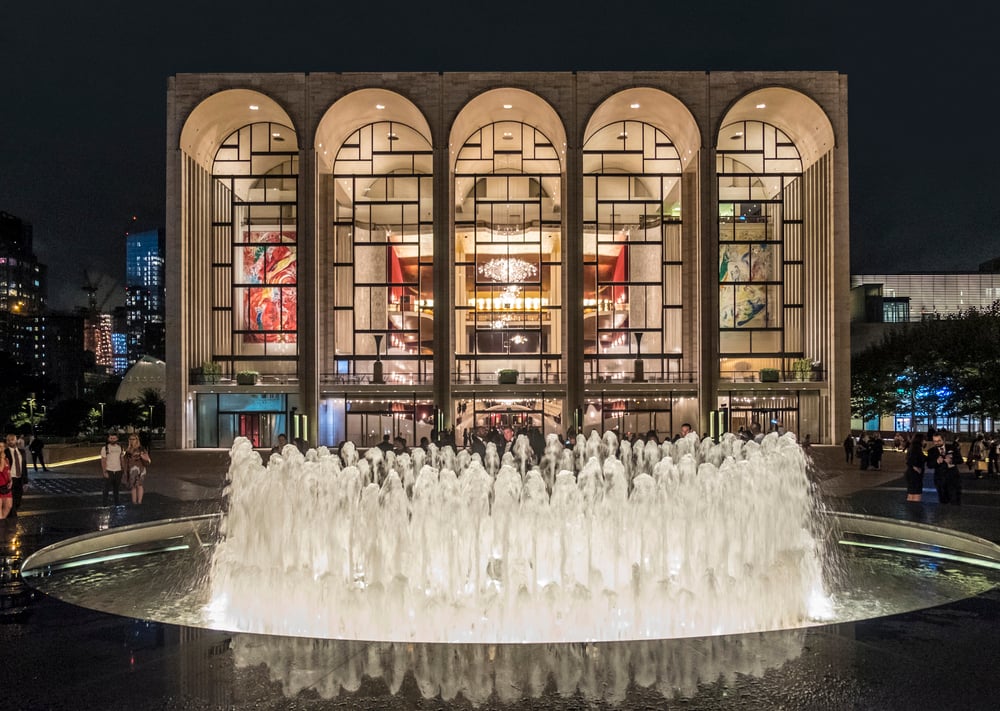
The original Metropolitan Opera House on Broadway, opened in 1883 and home to the company for more than 80 years, was demolished in 1967 shortly after the Met relocated to Lincoln Center. Preservation advocates at the time argued the historic building could have found a second life as a concert or civic venue, and its loss is often mentioned alongside Penn Station’s in accounts of 1960s New York demolitions.
The Rialto Theatre, New York City
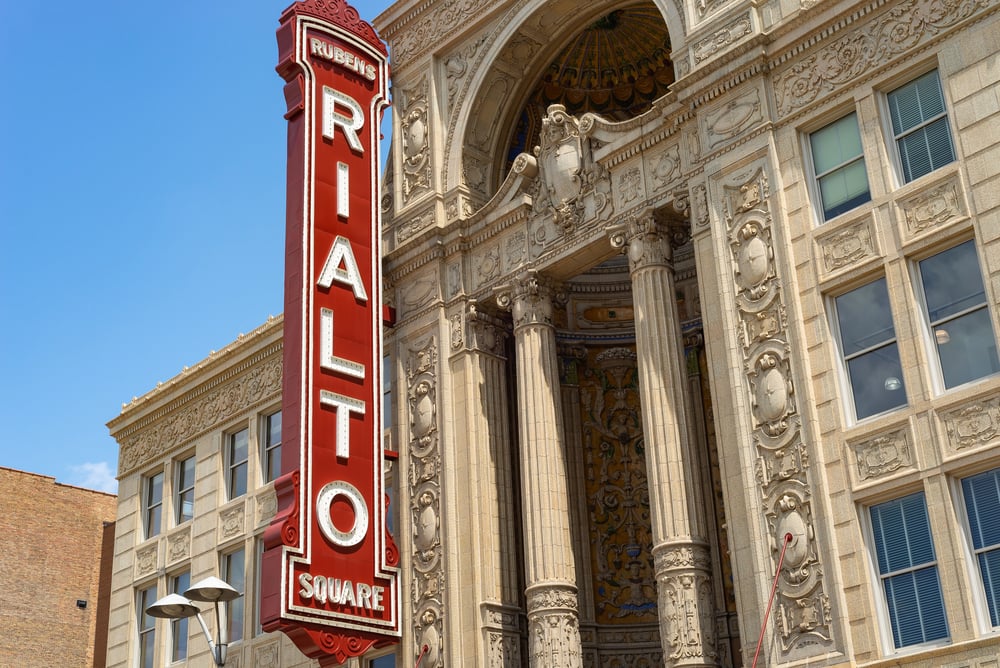
The Rialto, opened in 1916 on Times Square and considered one of the first purpose-built movie palaces in the United States, was demolished decades later as the neighborhood’s grand early cinemas were steadily replaced by office towers and smaller multiplexes. Film historians frequently cite its loss, alongside many similar early movie palaces nationwide, as erasing a significant chapter of American cinema architecture.
The Camden Town Deep Level Shelter Surface Buildings, London
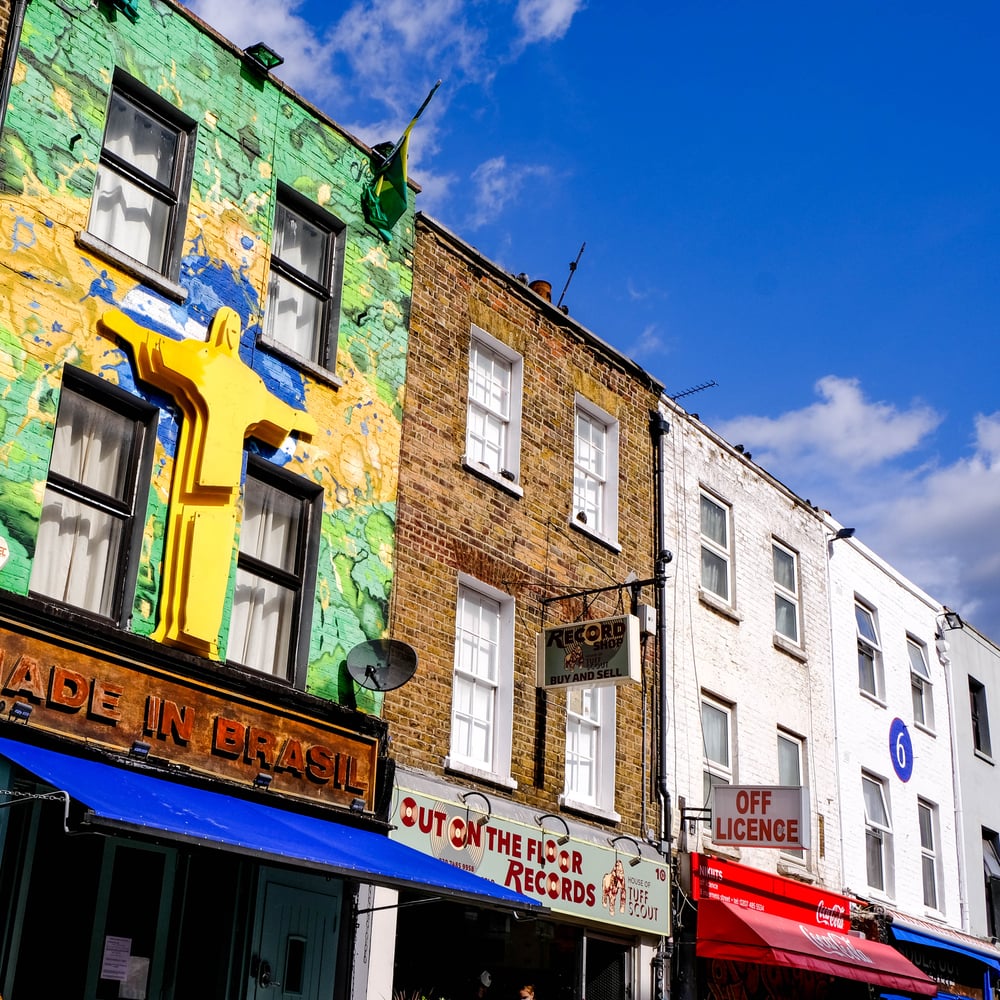
Several World War II-era civil defense structures across London, including above-ground entrance buildings to deep shelters, were demolished in the postwar decades as the city rebuilt, despite their unique engineering and historical significance. Heritage groups have since pushed to protect the small number of surviving examples, arguing the wider demolition erased physical memory of the Blitz-era civilian experience.
The Fourth Avenue Historic Cast-Iron District Buildings, Seattle
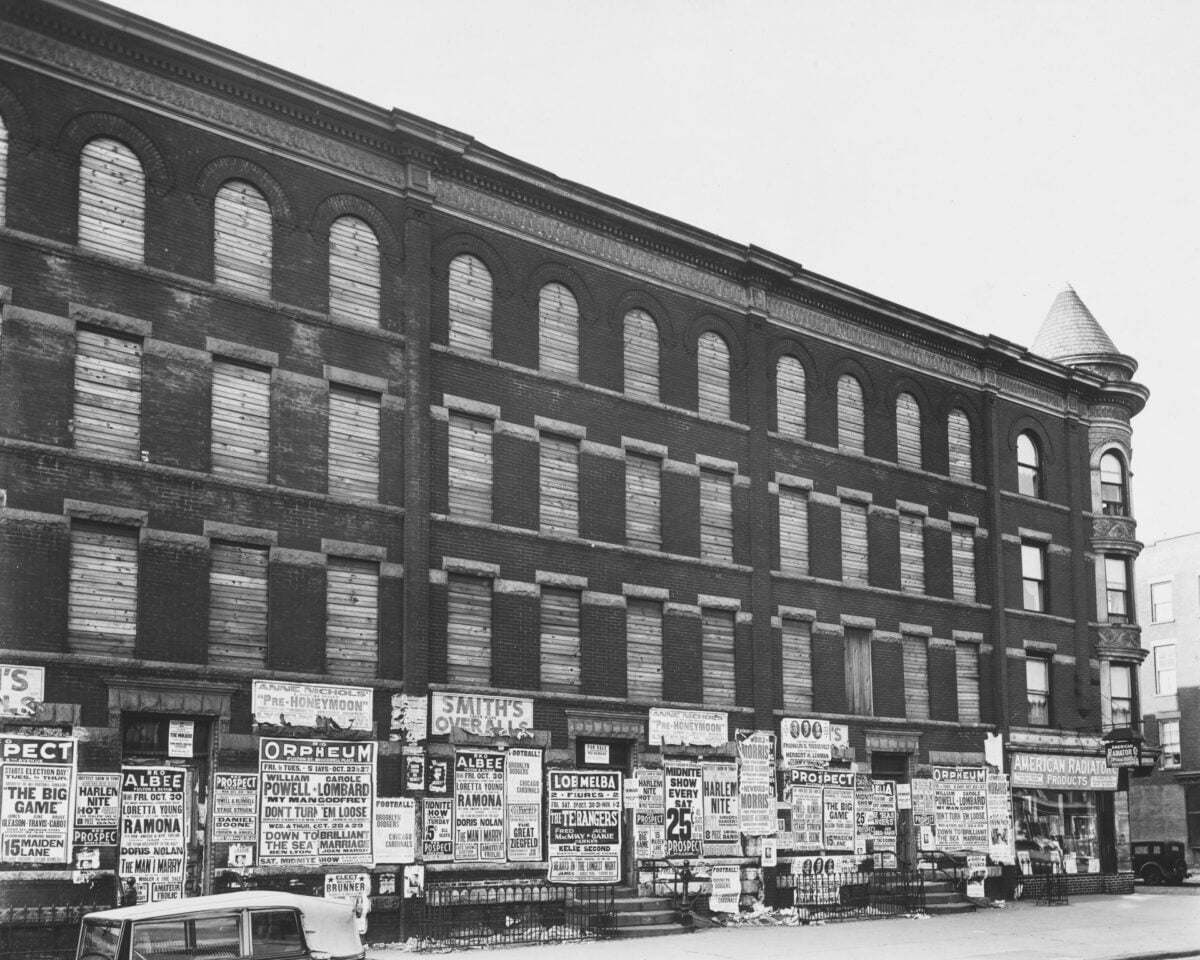
Portions of Seattle’s Pioneer Square-adjacent cast-iron commercial buildings, constructed after the 1889 Great Seattle Fire, were demolished throughout the mid-20th century for parking and modern office construction before a 1970 city ordinance finally protected the remaining historic district. Preservationists note that a substantial share of the original cast-iron storefront buildings were lost in the decades before that protection took effect.
The Grand Central Palace, New York City
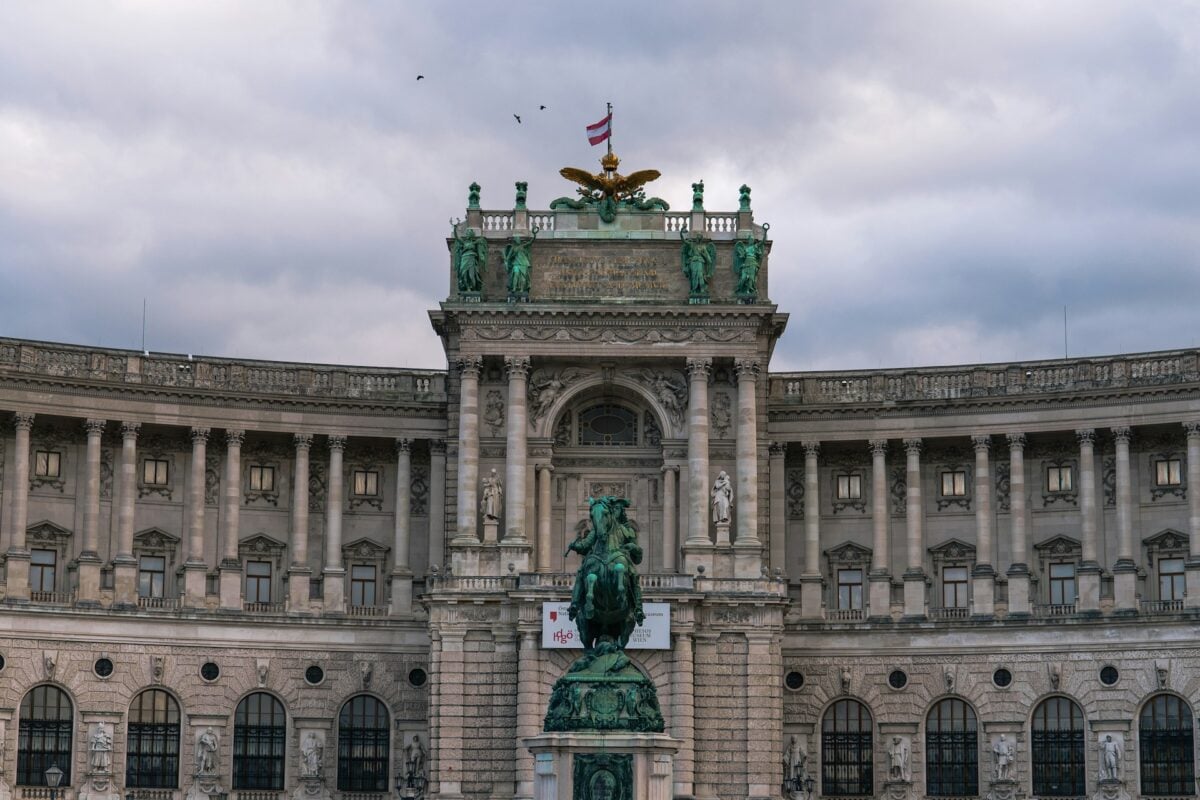
Not to be confused with Grand Central Terminal, the Grand Central Palace exhibition hall, completed in 1911 and used for major public expositions including early automobile and aviation shows, was demolished in 1964 to make way for an office tower. It is less well remembered than Penn Station’s demolition but is cited by New York historians as part of the same wave of losses that eventually galvanized landmark protections.
The Trocadero Palace, Paris
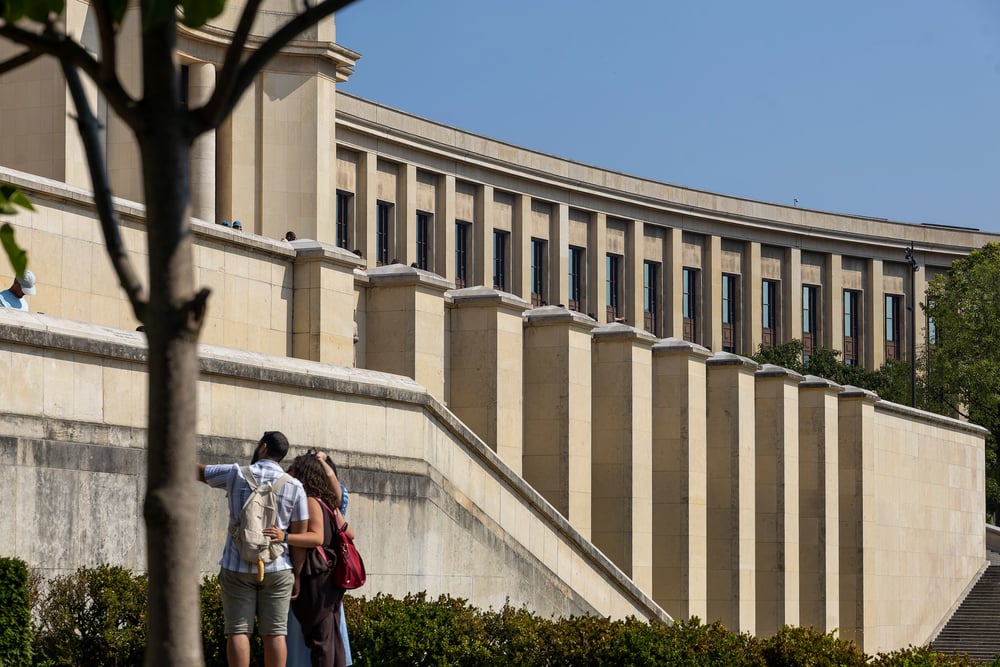
The original Palais du Trocadero, built for the 1878 Exposition Universelle in an ornate Moorish Revival style, was demolished in 1935 to build the Palais de Chaillot for the 1937 exposition. French architectural historians have periodically revisited the demolition as an example of one world’s fair structure being sacrificed to make room for the next, a recurring pattern in exposition architecture.
The Original Astrodome Neighbors, Houston’s Demolished Sports Venues
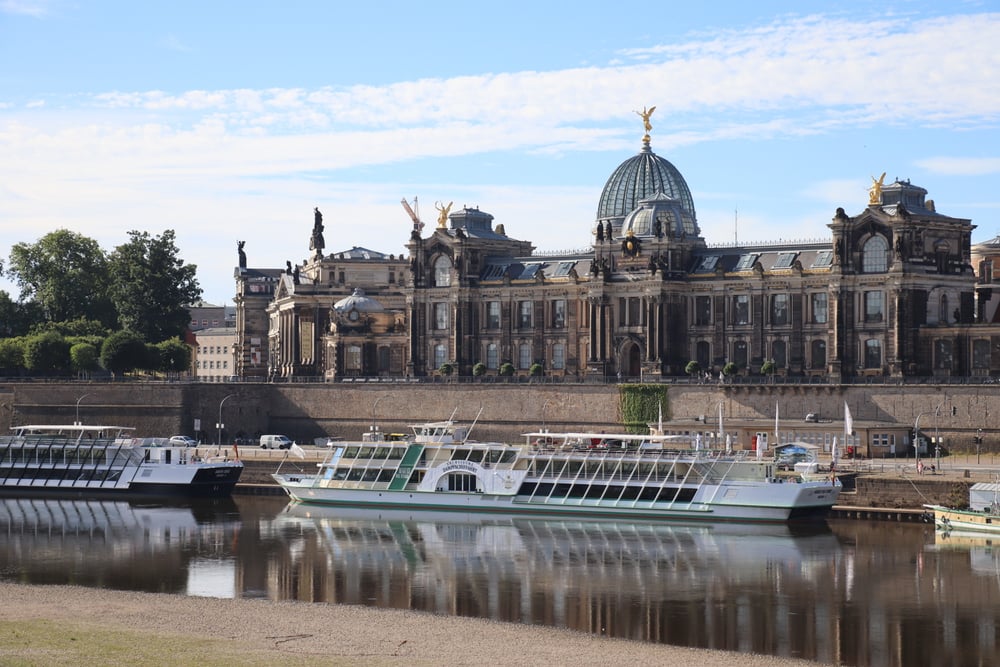
Several of Houston’s early 20th-century sports and civic venues that predated the Astrodome were demolished during the city’s rapid mid-century growth, with little formal preservation review given the relative youth of Houston’s building stock at the time. Local historians have noted that Houston’s fast development left the city with fewer surviving early 20th-century civic landmarks compared to older American cities.
The Bijou Theatre, Boston
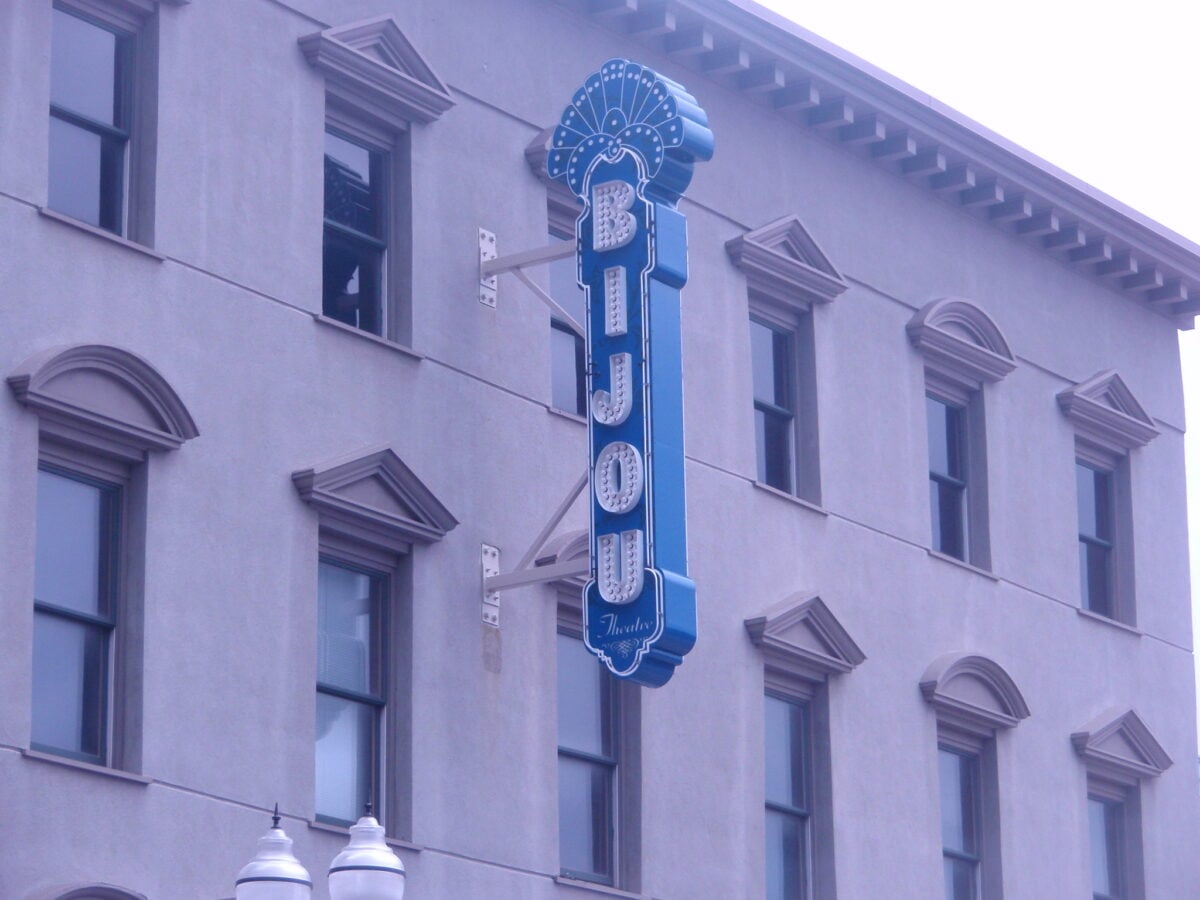
Boston’s Bijou Theatre, which opened in 1882 and is credited by theater historians as the first American theater lit entirely by electric light, was demolished in the 20th century as the city’s theater district was reshaped by new construction. Its historical significance as an early electric-lighting landmark is frequently cited in the same conversations as other lost American theaters of the era.
The Original Yankee Stadium Facade Elements, New York City

The original Yankee Stadium, opened in 1923 and known for its distinctive copper-colored frieze along the roofline, was substantially demolished during a 1970s renovation that preserved the name and site but removed most of the original architectural fabric, and the full original structure was later demolished entirely in 2010 after a new stadium opened next door. Preservationists have specifically mourned the loss of the frieze detailing, small portions of which were salvaged and displayed elsewhere.
The Second Cincinnati Music Hall Annex
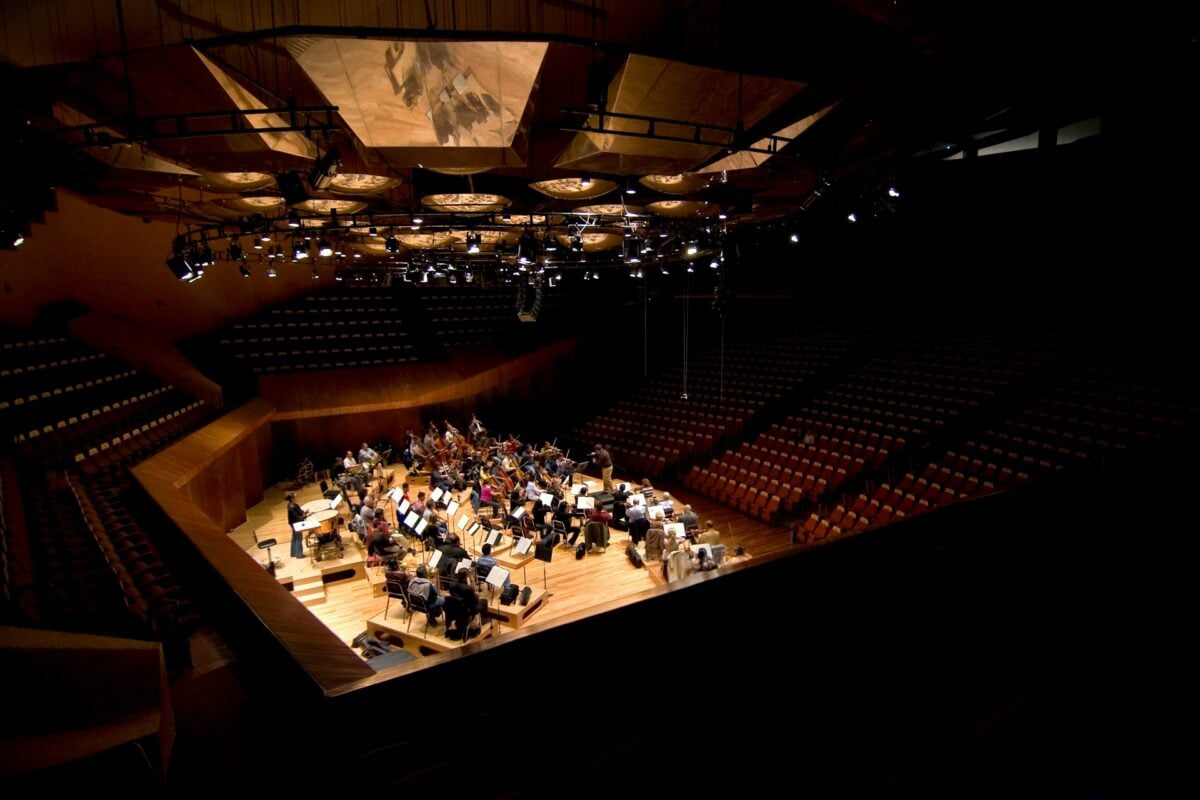
Structures adjoining Cincinnati’s landmark Music Hall, built during the same 1878 construction campaign, were demolished piecemeal over subsequent decades as the surrounding Over-the-Rhine district changed use, even as the main hall itself was preserved and later restored. Local preservation groups have pointed to the loss of the surrounding ensemble as diminishing the full historic context of the surviving building.
The Fort Worth Northern Texas Traction Depot
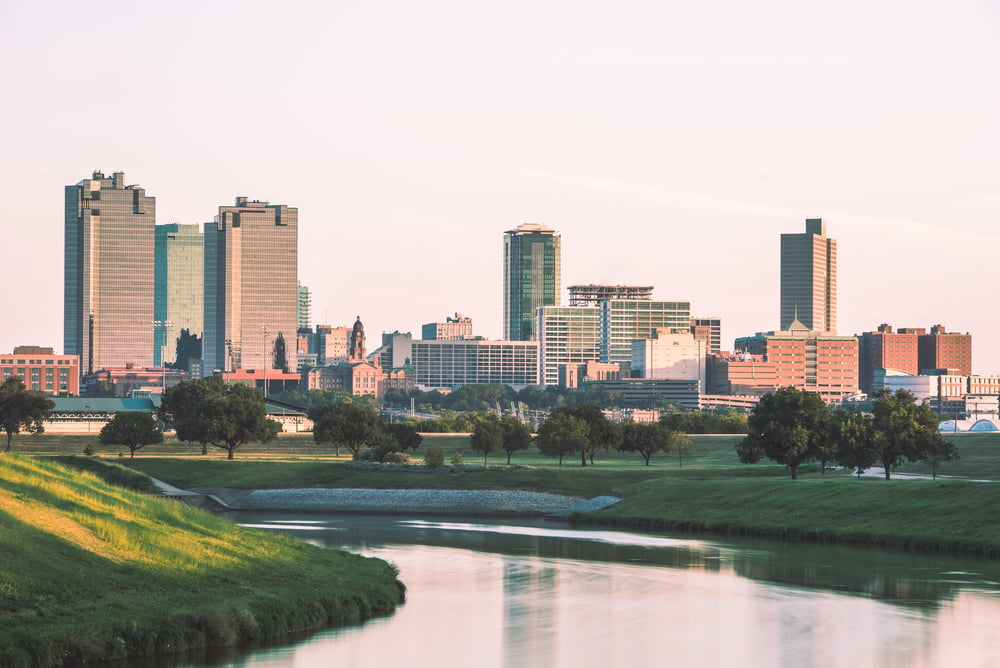
Fort Worth’s early 20th-century interurban rail depot, once a hub connecting Texas cities before the rise of the automobile, was demolished as regional rail travel declined and the site was redeveloped for other commercial use. Regional historians note that few comparable interurban depots survive anywhere in Texas today, making the loss part of a broader regional pattern rather than an isolated case.
The Original Cleveland Union Terminal Concourse Details
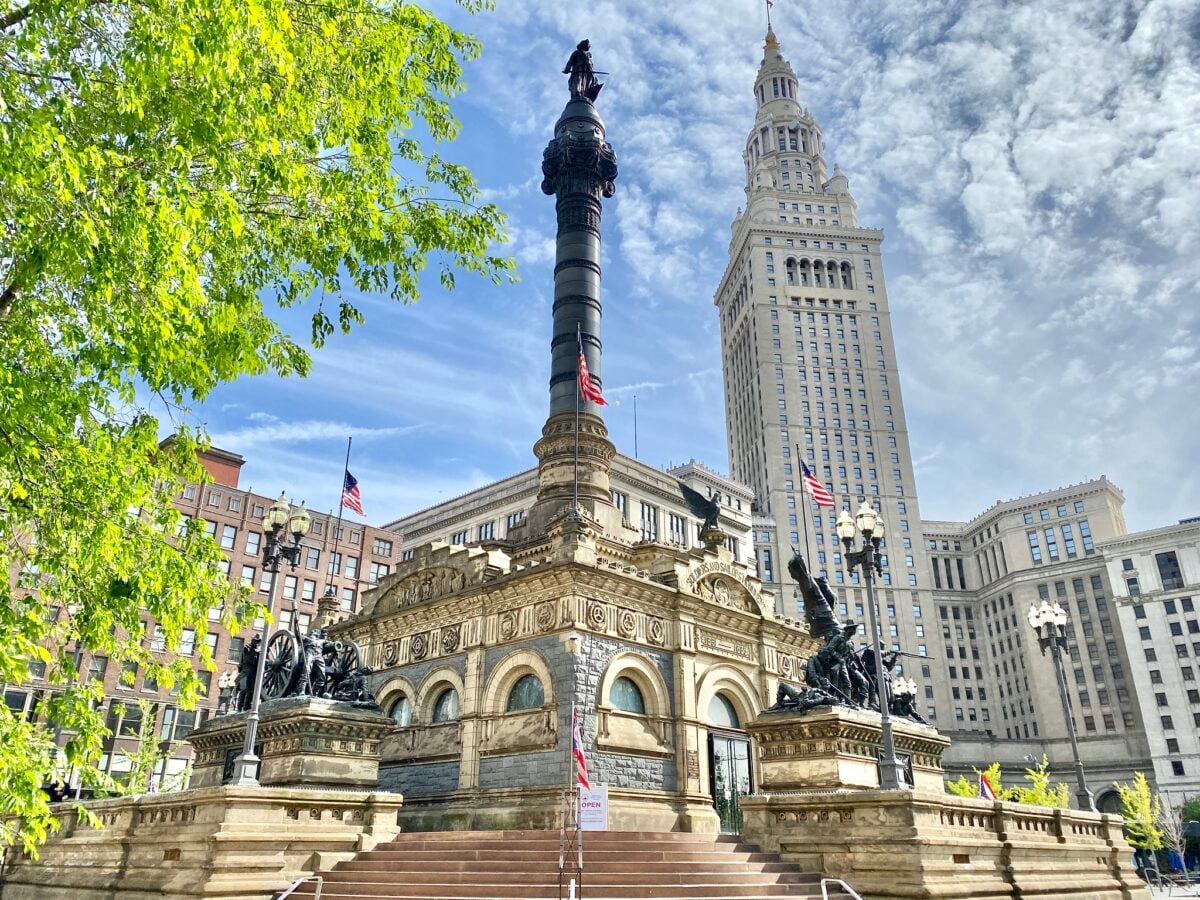
While Cleveland’s Terminal Tower complex itself was preserved, several ancillary structures and interior concourse details from the original 1930 Union Terminal complex were altered or demolished during later 20th-century renovations as train travel through the station declined. Cleveland preservation advocates have cited the piecemeal losses as diminishing the coherence of what was once one of the country’s most architecturally unified transportation hubs.
The Weight of What Gets Cleared Away
Almost none of these demolitions happened without warning or without someone objecting at the time. Architects, preservationists, and ordinary residents raised concerns before nearly every building on this list came down, and in nearly every case, the economic argument for clearing the site won anyway.
It took the loss of buildings like Penn Station to convince cities that architectural history needed legal protection rather than good intentions. What makes these losses sting decades later is not just their beauty, but what replaced them: parking structures, generic office towers, and vacant lots that sat empty for years.
The buildings that got the strongest protective laws afterward are, in a real sense, the ones that survived because something more important was already gone.
More from Go2Tutors!

- The Romanov Crown Jewels and Their Tragic Fate
- 13 Historical Mysteries That Science Still Can’t Solve
- Famous Hoaxes That Fooled the World for Years
- 15 Child Stars with Tragic Adult Lives
- 16 Famous Jewelry Pieces in History
Like Go2Tutors’s content? Follow us on MSN.



