25 Candy Brands Pulled from Shelves Quietly
Nobody announces the end of a candy bar. It just stops showing up on the shelf where it always sat, and by the time anyone notices, the distributor has already moved on to something newer.
These twenty-five names disappeared with no send-off at all.
Necco Wafers
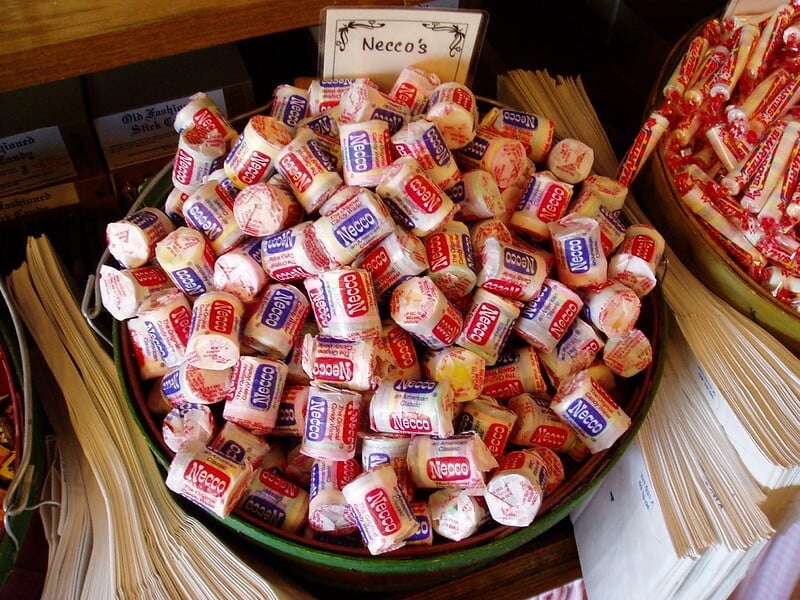
The chalky, pastel discs had been in continuous production since 1847, making them one of the oldest candy brands in the country, until the New England Confectionery Company filed for bankruptcy in 2018. Production stopped entirely for a period after the bankruptcy sale, leaving longtime fans searching resale sites for old rolls at inflated prices.
The brand has changed hands more than once since, and the original formula’s future remains unsettled.
Mary Jane
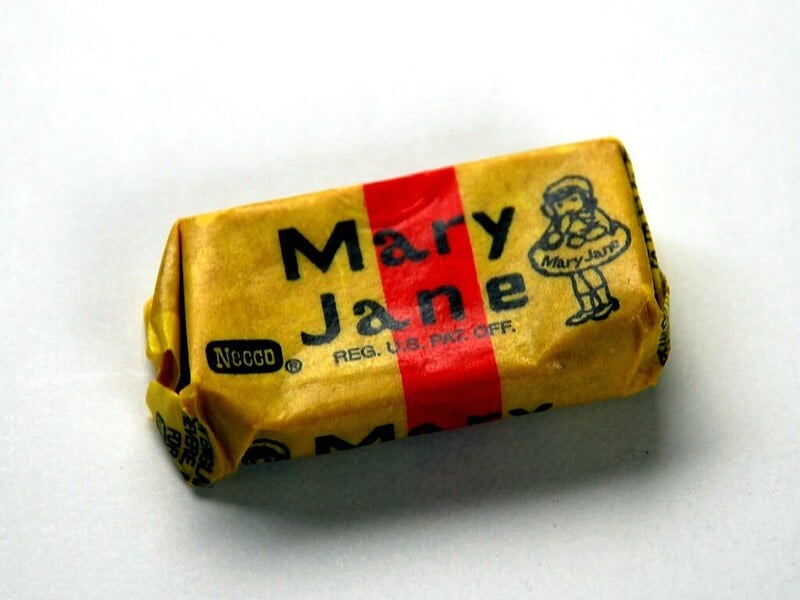
The chewy peanut butter and molasses candy, wrapped in yellow paper with a red stripe, survived multiple ownership changes over more than a century before NECCO’s 2018 collapse took it down with the rest of the company’s lineup. A bankruptcy auction briefly kept a few NECCO products alive under new owners, but Mary Jane lost its dedicated production line in the process.
The candy’s disappearance barely made news outside of dedicated candy blogs.
Sky Bar
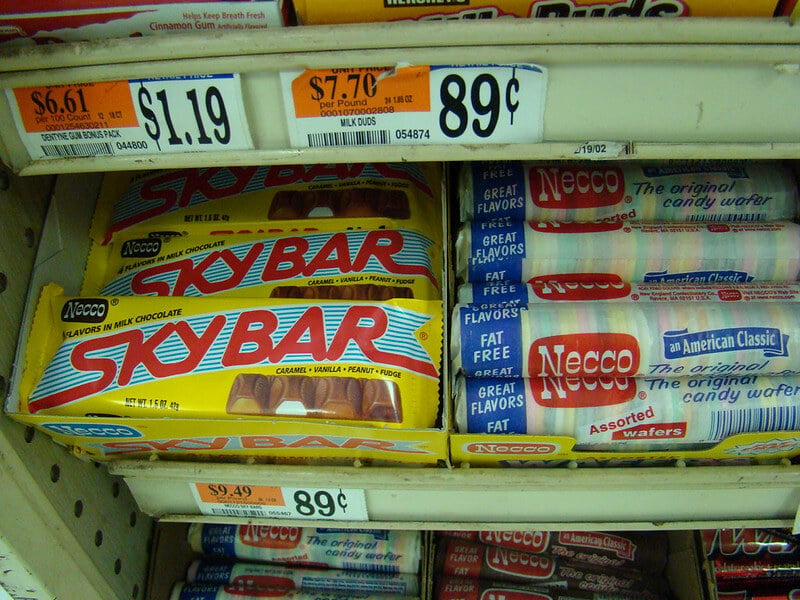
Four distinct fillings, caramel, vanilla, peanut, and fudge, sat in individual segments under one chocolate bar, a format NECCO introduced in 1938 and never really changed. It went down with the rest of the NECCO portfolio in 2018, one of the more mourned losses among longtime New England candy buyers.
Small-batch revival attempts have surfaced since, but nothing has matched the original’s shelf presence.
Clark Bar
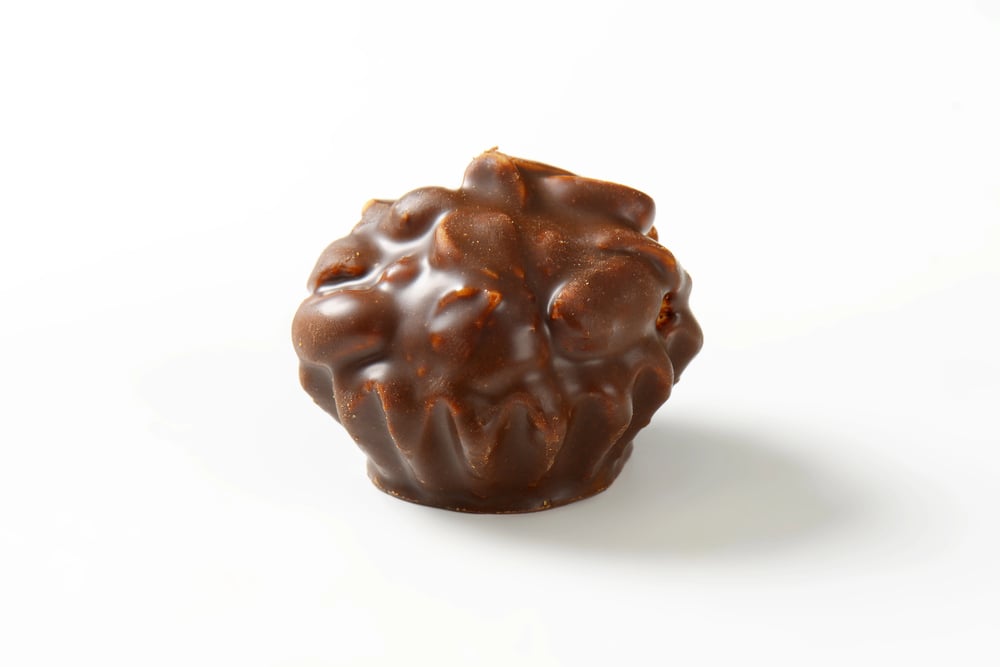
A crunchy peanut butter center coated in chocolate, the Clark Bar was invented in Pittsburgh in 1917 and stayed a regional favorite for a century. NECCO’s bankruptcy pulled it from most shelves in 2018 along with the company’s other properties.
Ownership of the Clark name has bounced between smaller candy companies since, with availability limited mostly to specialty retailers.
Candy Buttons
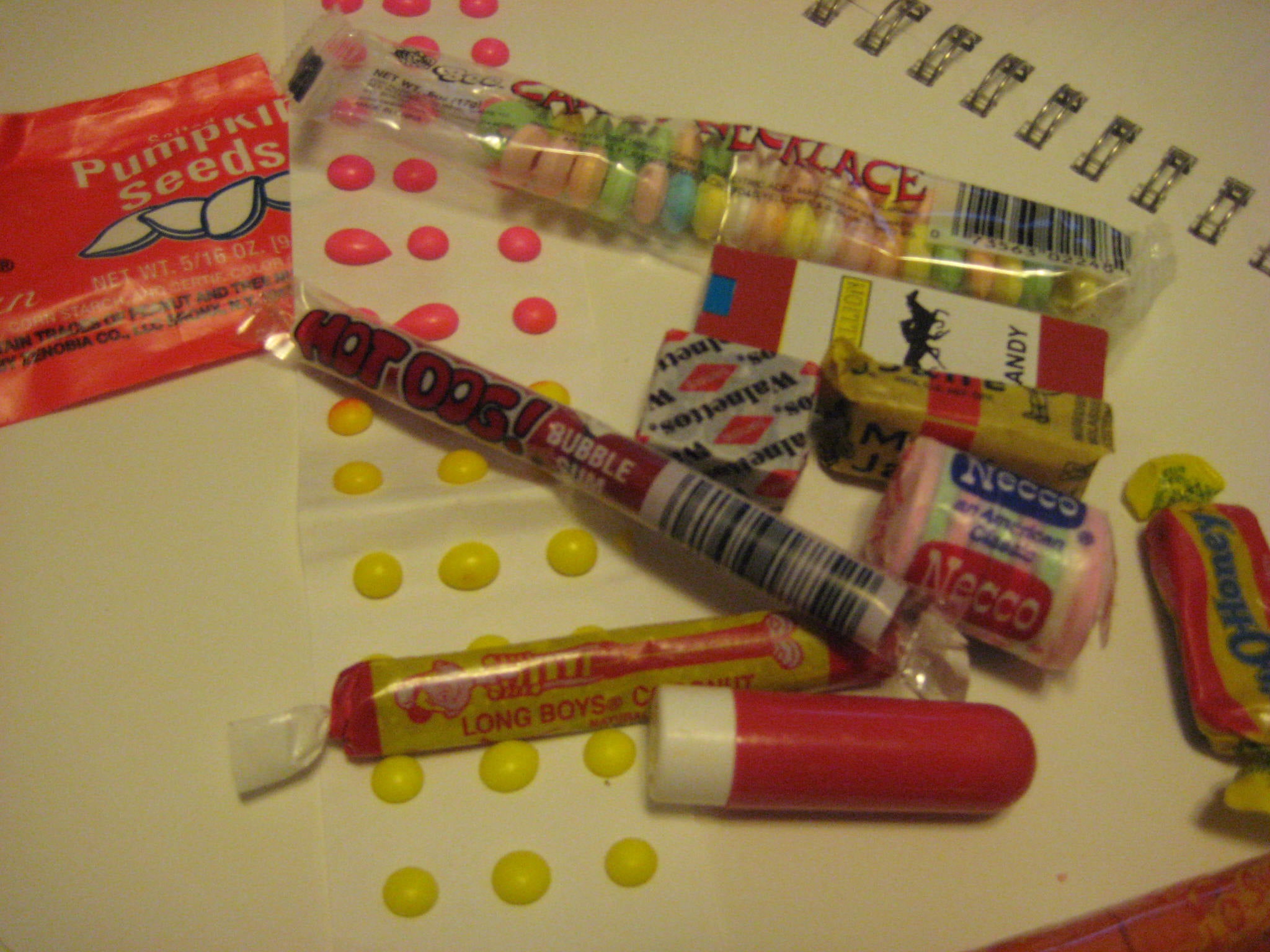
Rows of colored sugar dots pressed onto strips of paper were a checkout-lane staple for generations of children, requiring no wrapper and costing next to nothing. Like the rest of NECCO’s catalog, production halted with the 2018 bankruptcy, and the strips vanished from the impulse-buy racks near cash registers almost overnight.
Later production runs under new ownership have been inconsistent, appearing and disappearing from stores without warning.
Altoids Sours
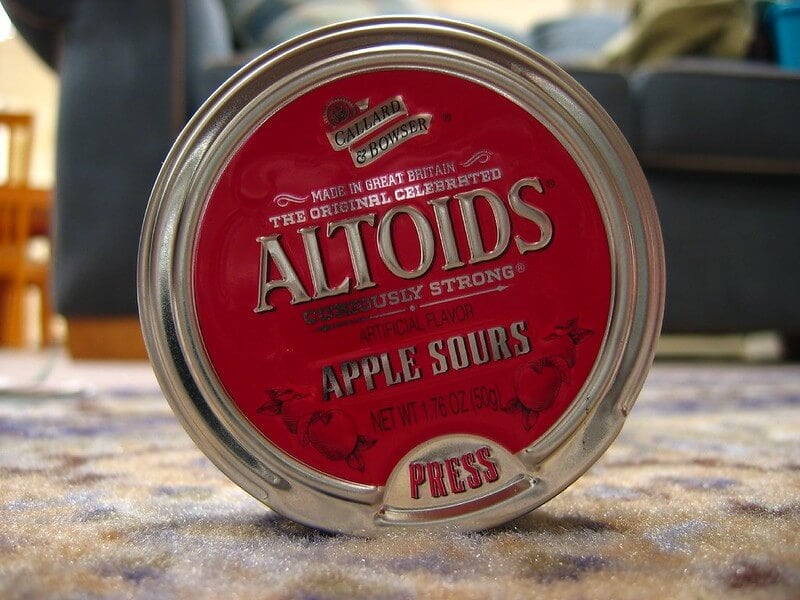
Wrigley launched this intensely sour spinoff of the classic mint tin in the early 2000s, and it built a small but devoted following among people who liked the shock of the first bite. Declining national demand led Wrigley to discontinue the line in February 2010.
A resale market for unopened tins persists online, with some sellers charging well above the original retail price.
Hershey’s S’mores Bar
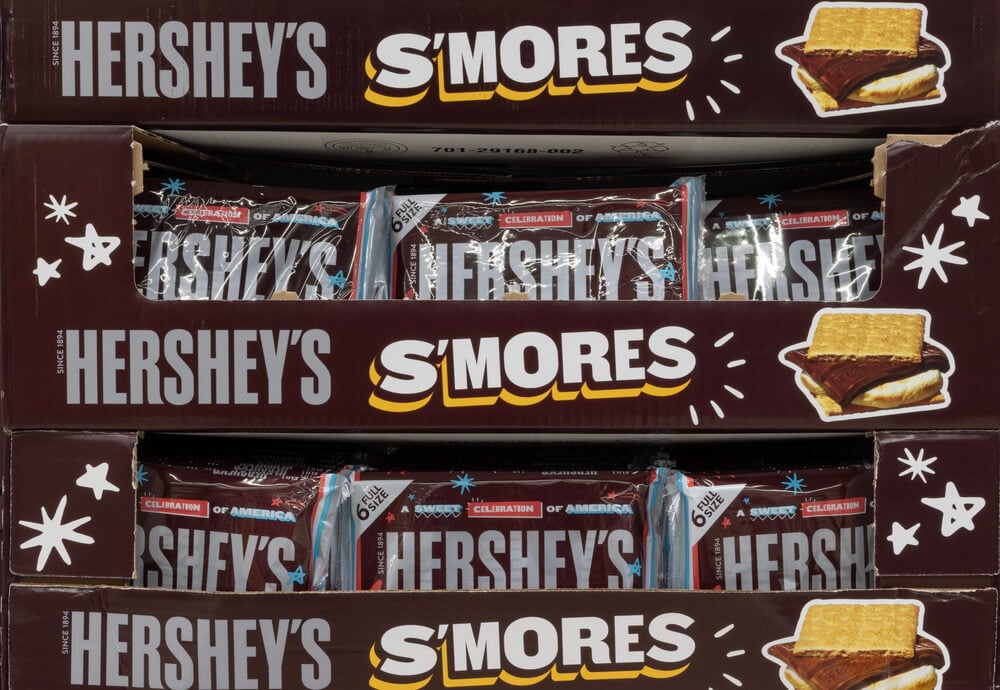
Introduced on January 1, 2003, the bar combined graham cracker pieces and marshmallow filling inside milk chocolate to mimic the campfire treat without the fire. It lasted eleven years on shelves before Hershey quietly discontinued it in 2014.
No official statement explained the decision, and the bar simply stopped appearing in reorder shipments to stores.
Hershey’s Air Delight
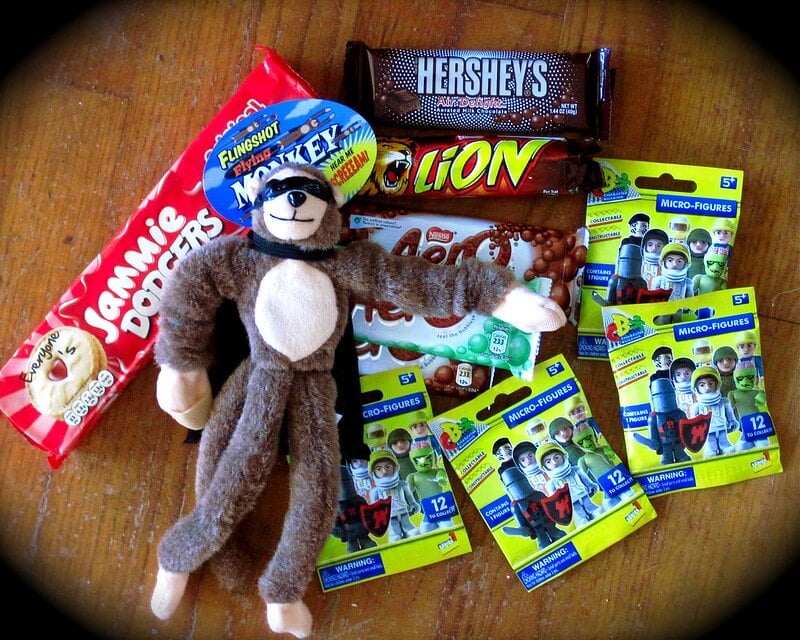
An aerated chocolate bar with a lighter, bubblier texture than standard Hershey bars, Air Delight tried to compete with European aerated chocolate brands that had built strong followings overseas. The experiment never found a large enough American audience, and Hershey pulled it from distribution by 2014.
Most shoppers who remember it assumed it was a regional or limited product rather than a full national release.
Good & Fruity
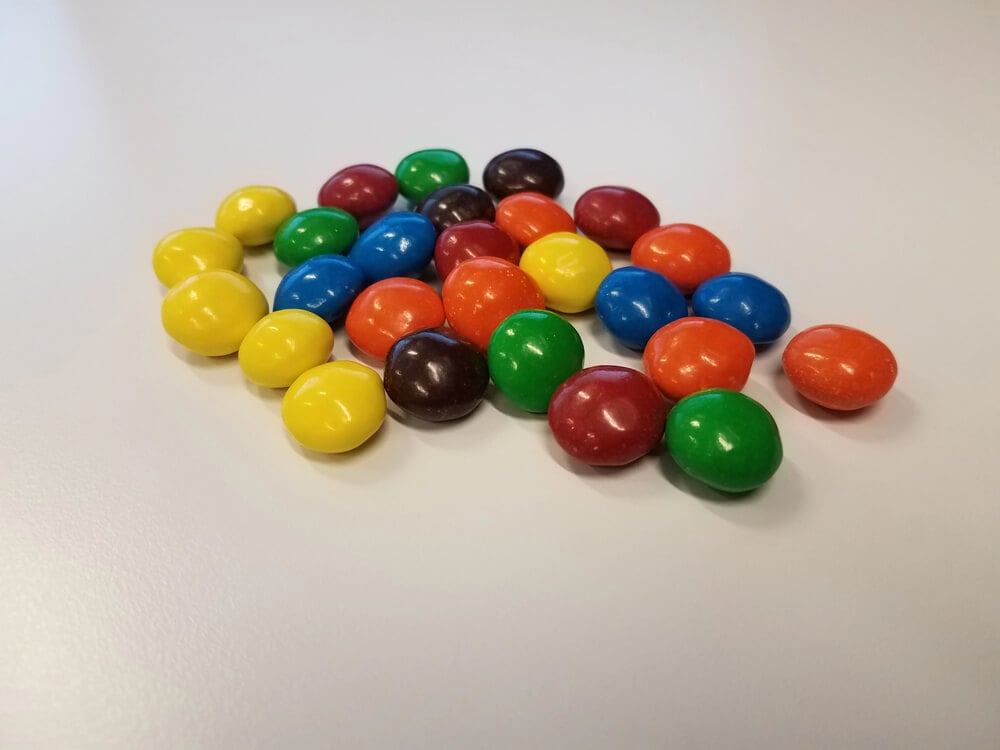
Hershey built this fruit-flavored sibling to its licorice candy Good & Plenty back in the 1960s, offering the same pill-shaped candy shell without the licorice taste inside. It disappeared from shelves, came back briefly in 2008, and was discontinued again by 2018.
The two discontinuations a decade apart make it one of the few candies on this list that got a second chance and still didn’t survive.
Hershey’s Thingamajig
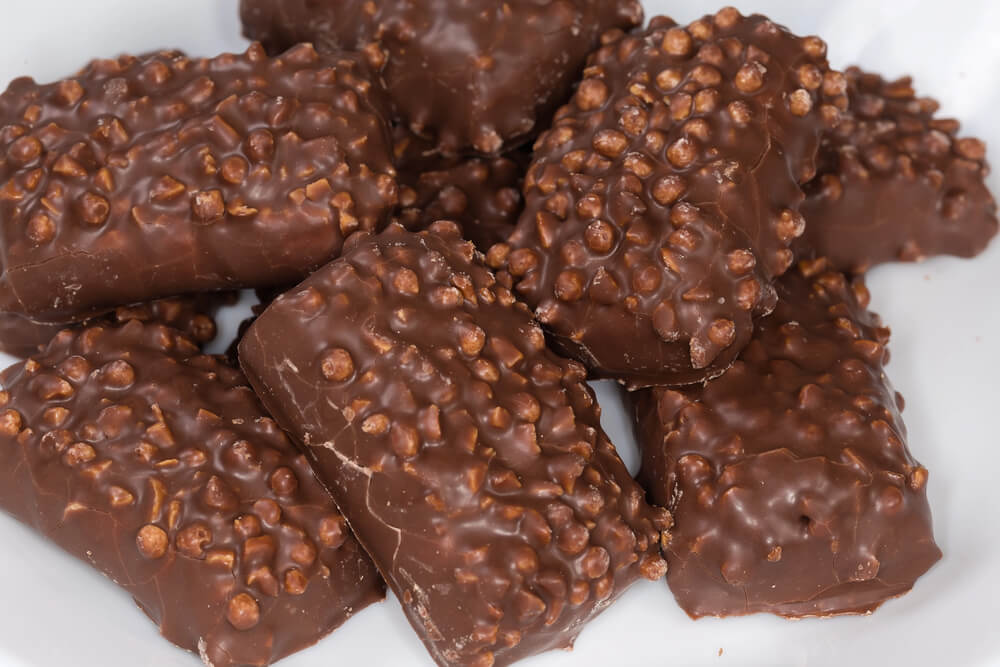
A combination of peanut butter, crisped rice, and chocolate, Thingamajig entered the crowded candy bar market with an unusual, hard-to-market name that made it difficult for shoppers to ask for by name. Hershey discontinued it a few years after launch as sales failed to justify continued shelf space.
It remains a footnote even among dedicated Hershey historians.
Brach’s Butterscotch Disks
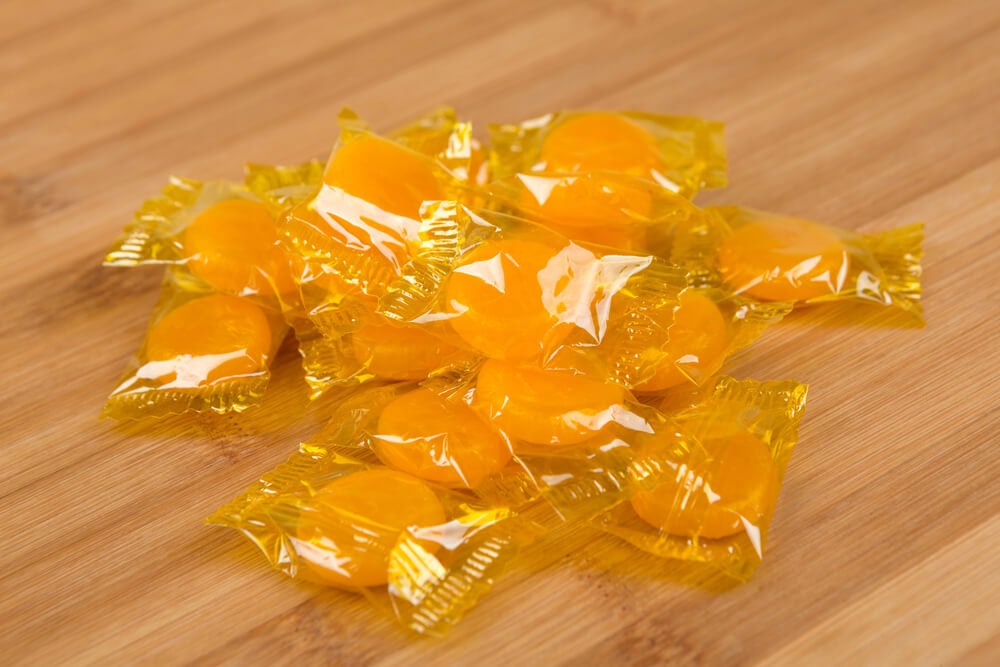
The gold-wrapped hard candy disks were a fixture of candy dishes and grandparents’ end tables for decades before Brach’s discontinued them in 2019. The company gave no public explanation, and the disks simply stopped appearing in the bulk candy bins where they had been sold by weight for years.
Butterscotch fans have had to settle for competitor brands since.
Beemans Chewing Gum
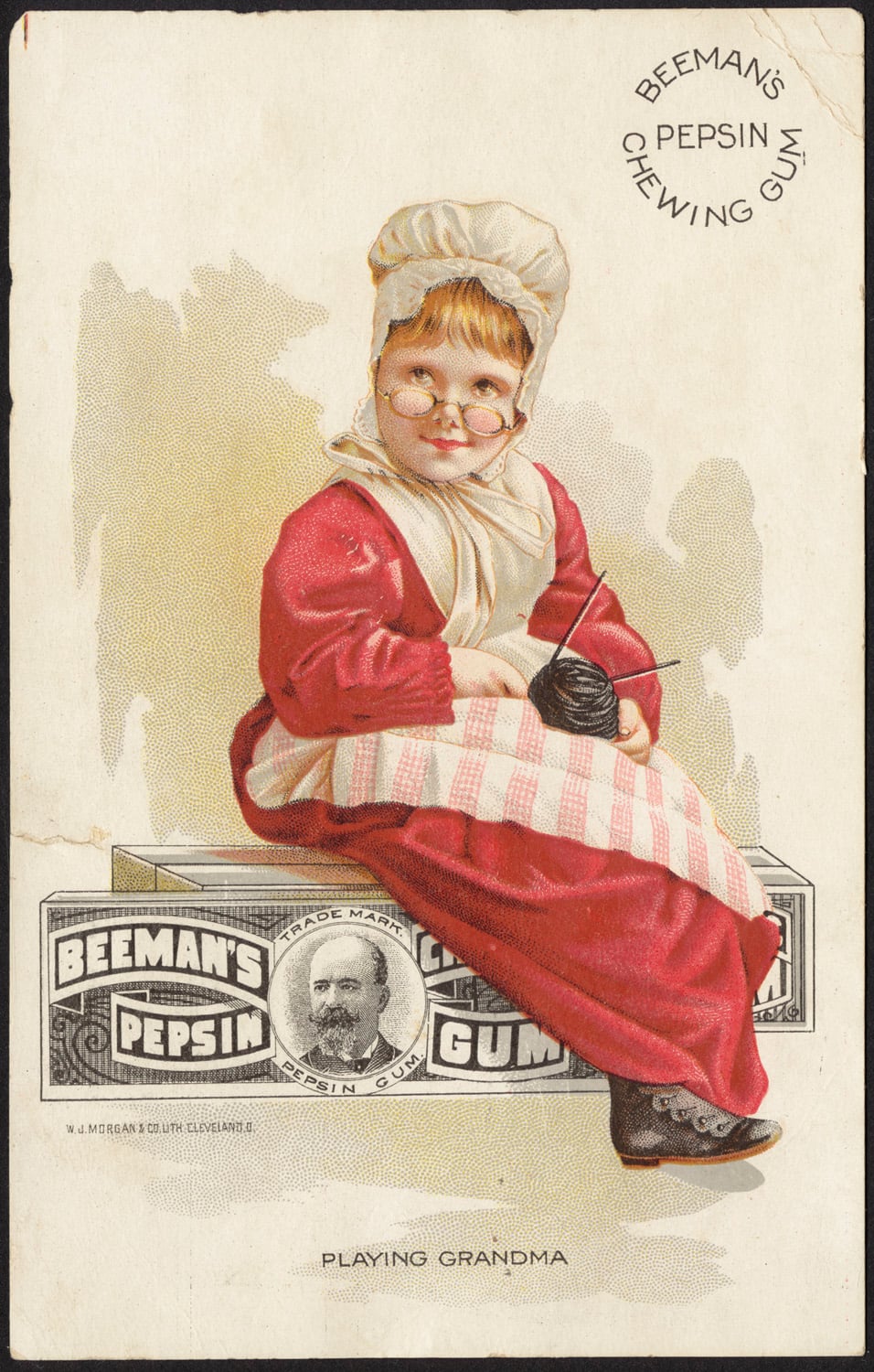
A pepsin-flavored gum dating back to the 1890s, Beemans built a loyal following among truck drivers and older chewers who preferred its distinct taste to modern spearmint and cinnamon gums. It disappeared from mainstream shelves for years before the Gerrit Verburg Company purchased the brand and reintroduced it in 2018.
For most of the 2000s and early 2010s, though, it was gone without any announcement.
Blackjack Chewing Gum
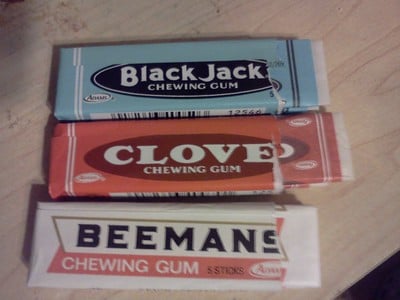
A licorice-flavored gum with roots in the 1880s, Blackjack survived on drugstore shelves well into the twentieth century before quietly vanishing from national distribution. Like Beemans, it returned in 2018 under Gerrit Verburg Company ownership after years of unavailability.
The gap between disappearance and revival left an entire generation unaware the flavor had ever existed.
Clove Chewing Gum
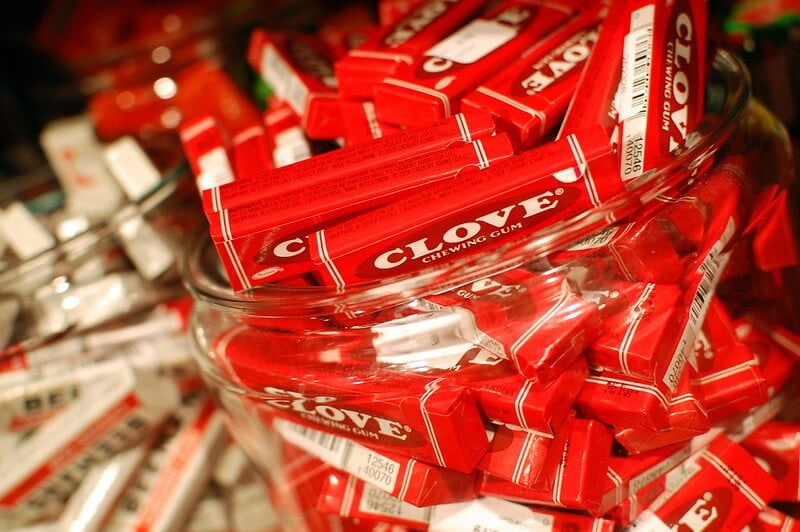
A spiced, clove-flavored gum that occupied the same shrinking niche as Blackjack, this brand also went dark for years before its 2018 relaunch. During its absence, the only way to find a pack was through candy specialty shops that stockpiled old inventory.
Its return alongside Beemans and Blackjack came as a surprise to candy collectors who had assumed all three were gone permanently.
Reggie! Bar
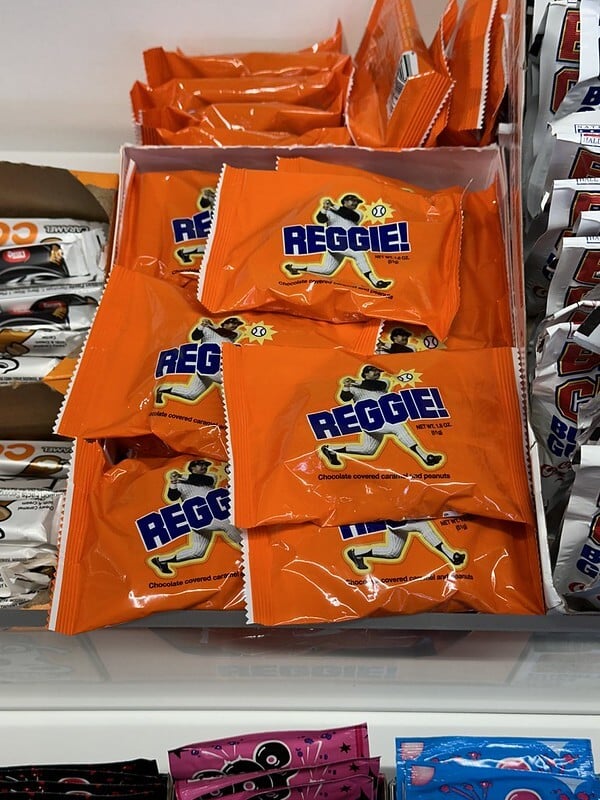
Standard Brands launched this chocolate, peanut, and caramel bar in 1978, named for New York Yankees outfielder Reggie Jackson after his standout performance in the 1977 World Series. The bar sold well initially but lost momentum once the novelty faded, and it disappeared from shelves within a few years.
It remains one of the more famous athlete-branded candy failures in American marketing history.
Marathon Bar
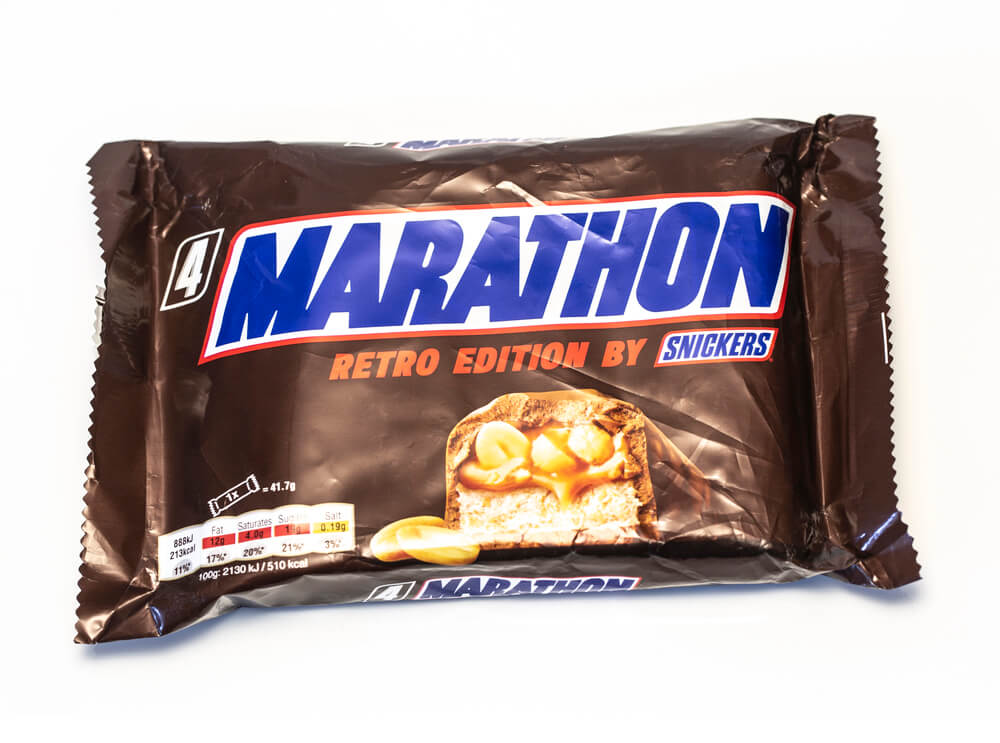
Mars introduced this braided caramel bar covered in chocolate in 1973, marketed on its unusual length compared to standard candy bars of the era. It struggled against more established chocolate bars and was discontinued in 1981.
Its packaging, which included a ruler printed on the wrapper to measure the bar’s length, remains a favorite among vintage candy wrapper collectors.
Seven Up Bar
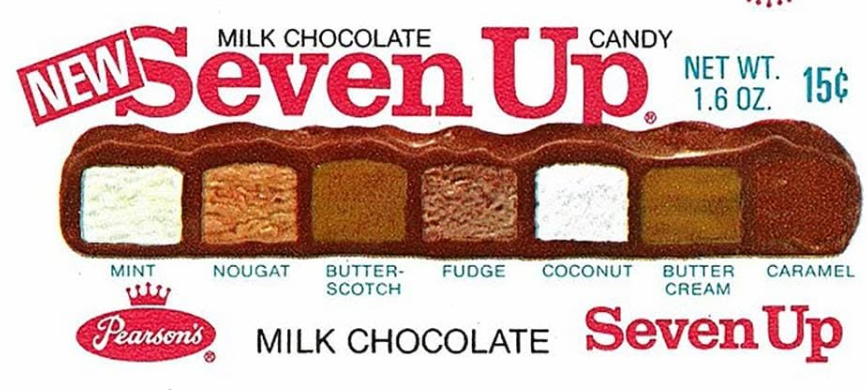
Made by Pearson’s Candy Company and unrelated to the soda of the same name, this bar divided seven small segments among different fillings, including coconut, caramel, and nougat. The variety format never built the following of simpler single-filling bars, and Pearson’s discontinued it in 1979.
Its name causes confusion to this day among people assuming it was a soft drink tie-in.
Summit Bar
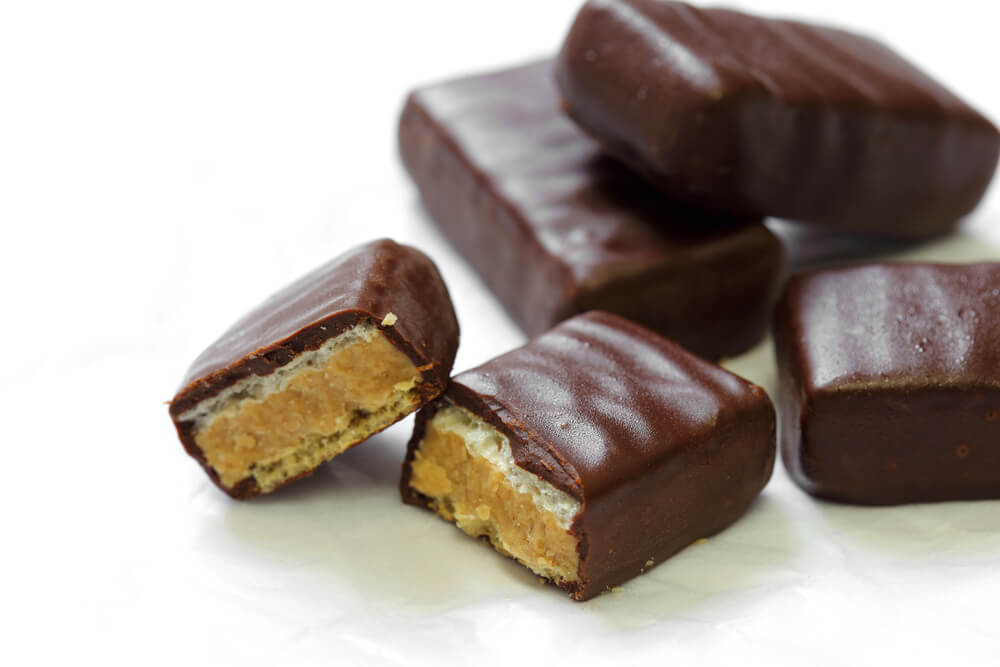
Mars released this cookie, peanut, and caramel bar covered in chocolate during the 1970s, aiming for a market segment between candy bar and cookie. It never established a strong enough identity to survive Mars’s periodic portfolio trims, and the company discontinued it in 1989.
Few records of its original marketing survive outside vintage advertisement archives.
PB Max
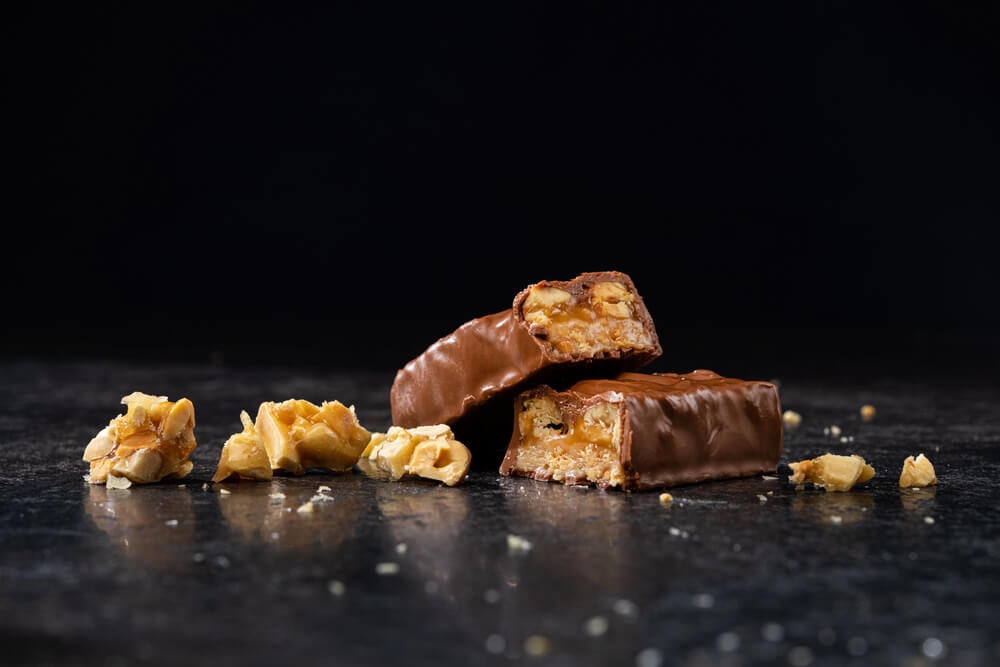
Mars combined a peanut butter cookie base with a whole peanut and chocolate coating for this bar, launched in 1989 with an unusually large marketing budget for a new product. Despite strong early sales, Mars discontinued PB Max in 1993, a decision widely attributed at the time to internal competition with the company’s other peanut-based candies.
It remains one of the most frequently cited “why did they kill this” candies among snack food enthusiasts.
Butterfinger BB’s
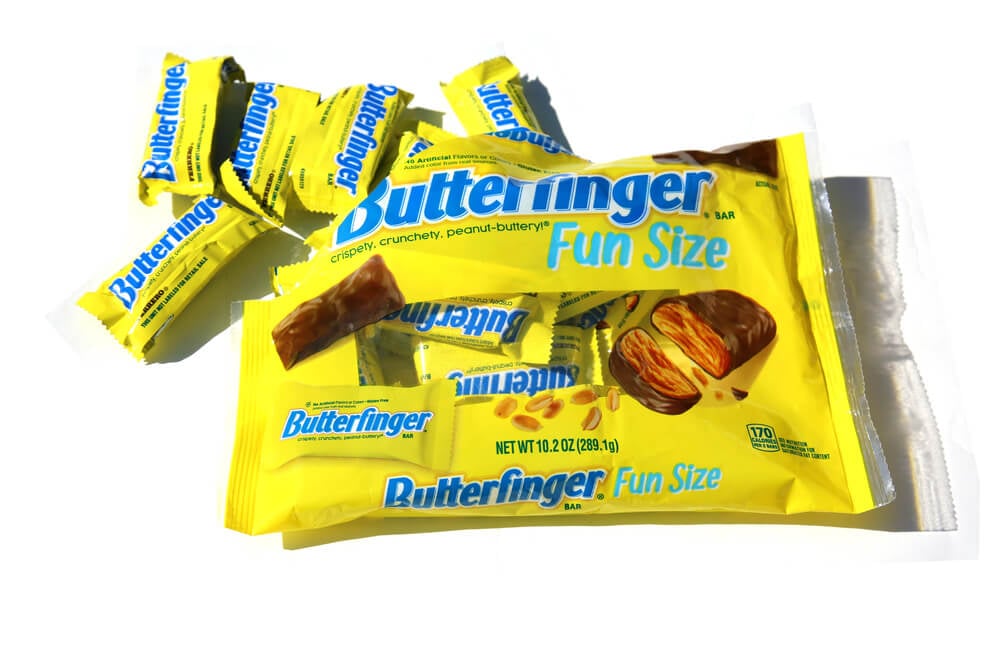
Nestle shrank the classic Butterfinger bar into bite-sized pieces for this spinoff, sold in a bag similar to other bite-sized candy lines. It performed reasonably well for a period before Nestle discontinued it in 2006 as part of a broader lineup consolidation.
The larger Butterfinger bar survived the same reshuffling untouched.
Bar None
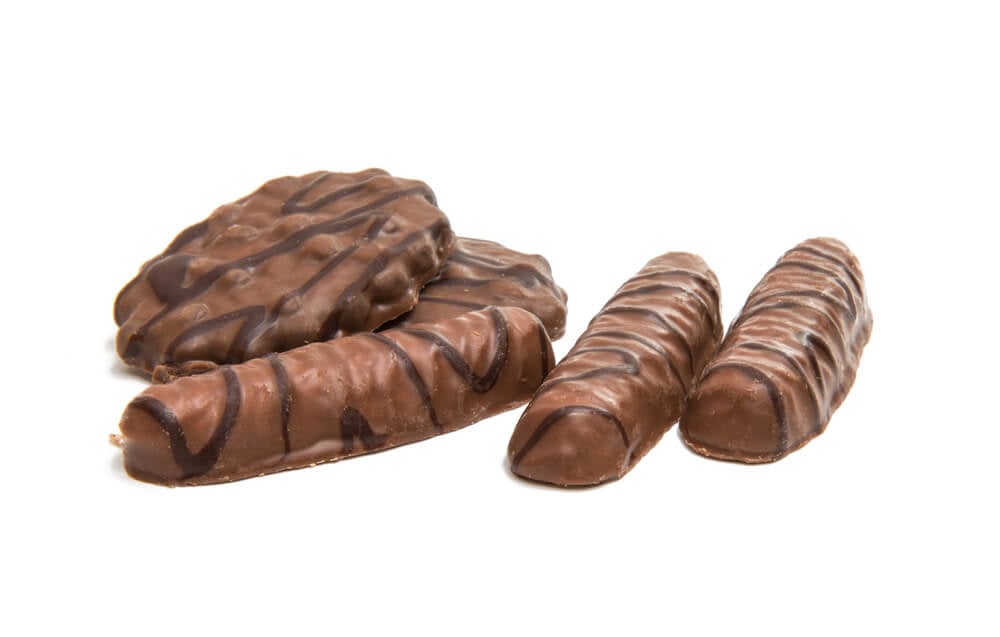
Hershey’s entry into the layered wafer-and-chocolate category combined a chocolate cake-like center with crisped rice and a chocolate coating. It built a modest but loyal following through the 1990s before Hershey discontinued it in 1997.
Online petitions asking Hershey to bring it back have circulated periodically ever since, without success.
Chicken Dinner Candy Bar
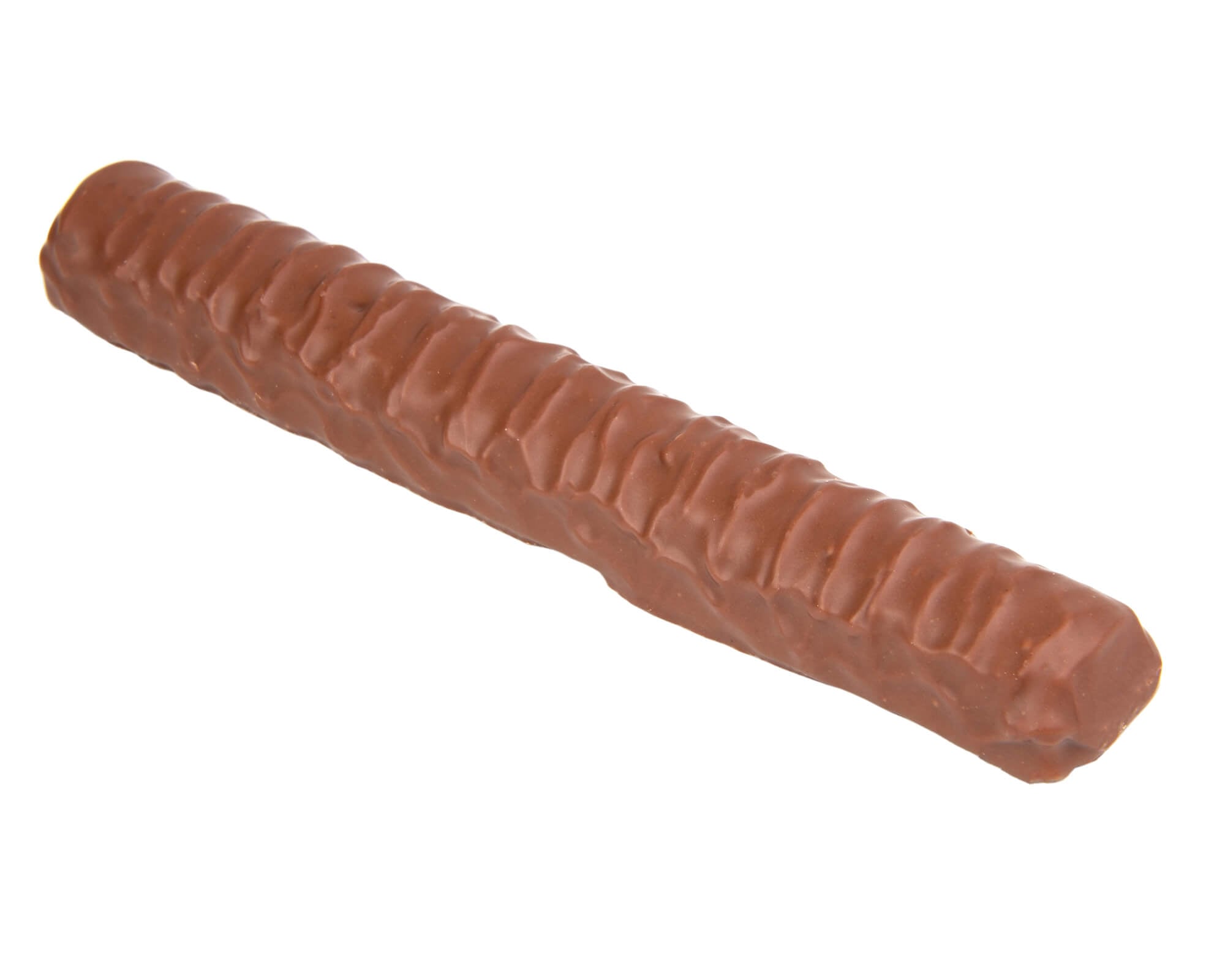
Despite the unusual name, this bar contained no meat at all. It featured a peanut roll covered in caramel and chocolate, with a picture of a roast chicken dinner on the wrapper to suggest wholesome, hearty value during the Great Depression era when it launched.
Production continued for decades before the Sperry Candy Company ceased making it around 1962, and it now survives mainly as a curiosity among vintage candy wrapper collectors.
Hershey’s Cookies ‘n’ Mint
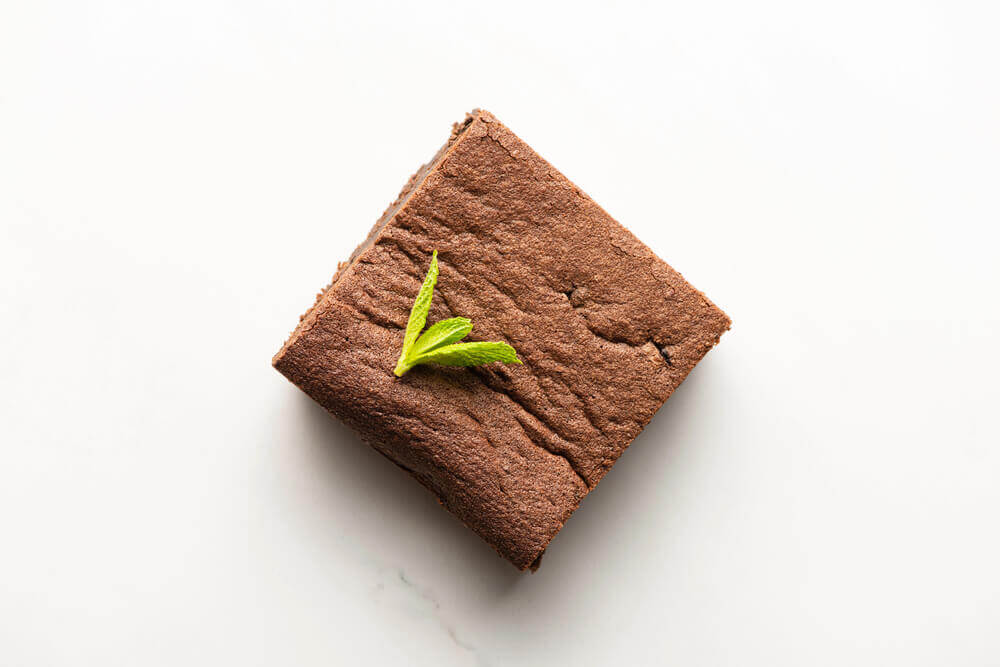
Hershey launched this bar in 2000, combining cookie pieces with a mint-flavored chocolate coating in an attempt to extend the success of its Cookies ‘n’ Creme line. Consumer response was lukewarm at best, and Hershey pulled it from shelves within about a year.
Candy industry writers still cite it as an example of a flavor combination that looked good on paper but never connected with buyers.
Wonka’s Oompas
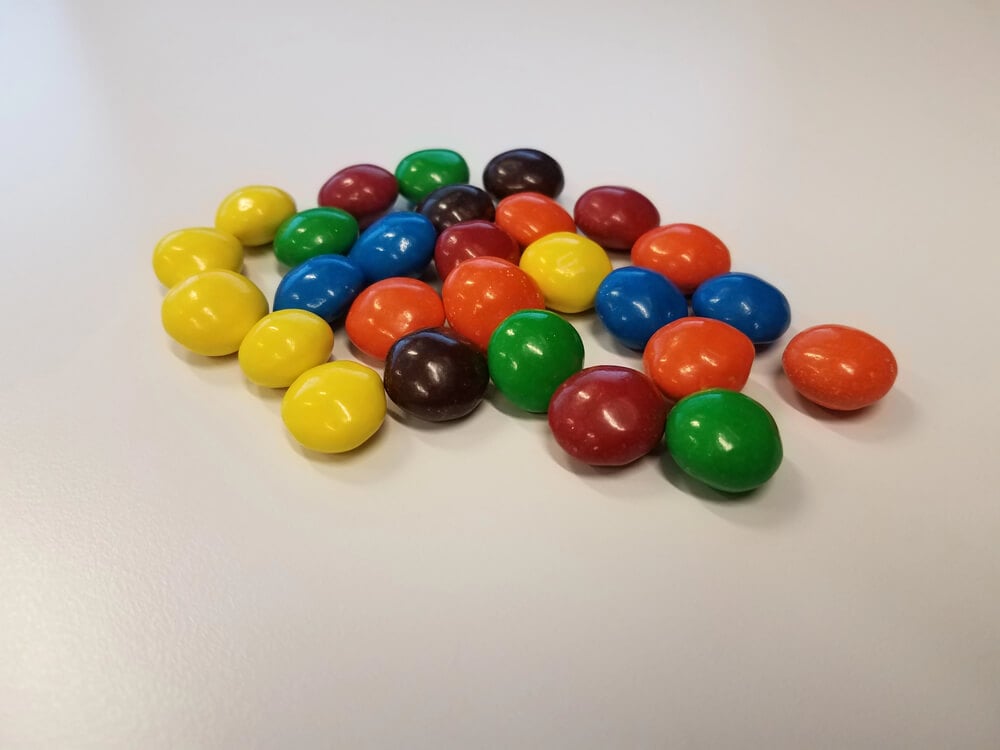
Named after the fictional Oompa-Loompas from the Willy Wonka franchise, these small fruit-flavored candies were part of Nestle’s Wonka product line through the 2000s. They disappeared from shelves by the mid-2000s as Nestle trimmed the Wonka lineup down to its best-selling core items like Nerds and Gobstoppers.
Few press releases marked the change, and most shoppers noticed only when the shelf tag disappeared.
Whistle Pops

A lollipop molded with a hollow, whistle-shaped handle that let children blow a note once the candy was gone, Whistle Pops were a novelty checkout item for much of the twentieth century. Changing safety standards around small candy parts, combined with declining novelty candy sales generally, pushed the product out of mainstream distribution over time.
It now survives mostly in candy museum displays and nostalgia shops rather than on store shelves.
The Wrapper Is the Only Thing Left
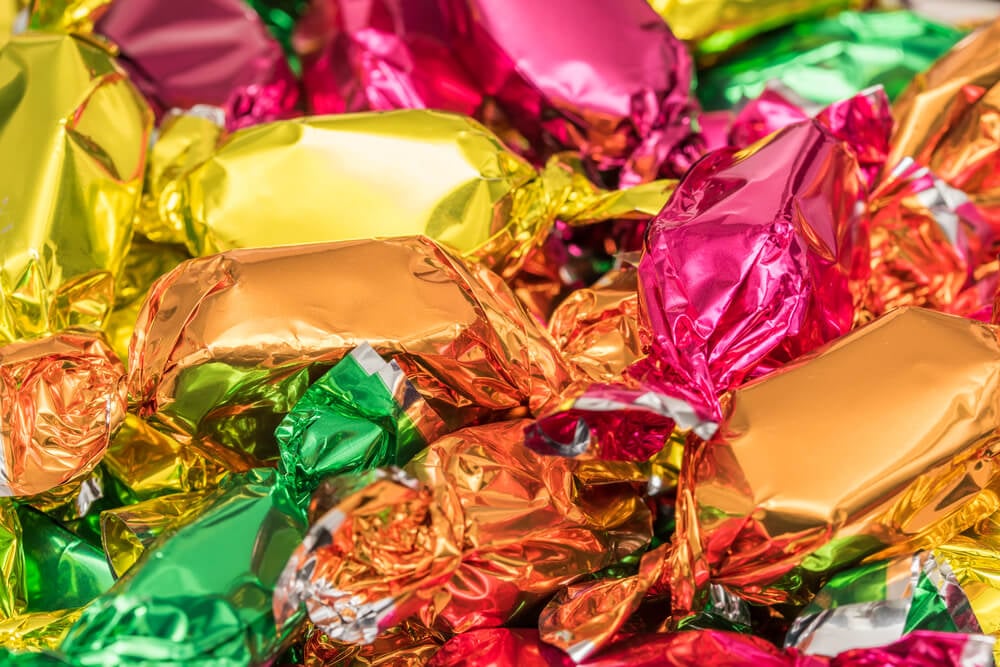
Candy companies rarely explain themselves. A product performs below some internal threshold, a factory line gets reassigned to something more profitable, and the decision gets made in a spreadsheet long before any customer notices a gap on the shelf.
By the time enough people are asking where something went, the ingredients list and the machinery that made it are usually already gone.
What lingers instead is the wrapper, folded in someone’s keepsake box or scanned into an online candy archive by a stranger who remembers the taste better than the name. The candy itself is unrecoverable in any meaningful sense, since flavor is one of the hardest things to reconstruct from memory.
What people are really chasing when they search for these brands isn’t the sugar. It’s the specific version of themselves who was eating it.
More from Go2Tutors!

- The Romanov Crown Jewels and Their Tragic Fate
- 13 Historical Mysteries That Science Still Can’t Solve
- Famous Hoaxes That Fooled the World for Years
- 15 Child Stars with Tragic Adult Lives
- 16 Famous Jewelry Pieces in History
Like Go2Tutors’s content? Follow us on MSN.



