The Most Powerful Submarines Ever Built
Floating deep below, unseen by eyes above, these craft glide like shadows in water. Not marked on any screen, they pass without sound or signal.
Armed to erase whole regions from maps, their strength hides in silence. Each one built not just to dive, but to reshape what fear means at sea.
Machines listed here rewrote the rules – where force moves quietly now, and balance shifts beneath currents.
Russia’s Typhoon-Class: The Largest Ever Built

Imagine a sub bigger than most warships above water. At 574 feet, it rises like a building once it breaks the surface.
Built by Soviet designers in tense Cold War years, it carried two dozen missile tubes. Each of those weapons held several nuclear warheads ready for launch.
These weren’t just subs – they were underwater fortresses shaped by rivalry. Big isn’t just big here – it changes how things work.
Instead of one chamber, there are two side by side, so space opens up plus safety improves if water gets in. Weighing 48,000 tons underwater, the Typhoon hits triple the mass of today’s usual attack subs.
Today, these vessels continue guarding the Arctic, but just a single one is now on duty. Above everything else, their shape was built around survival – so Moscow would strike back if bombs wiped out its silos.
Ohio-Class: America’s Nuclear Deterrent

Eighteen Ohio-class submarines form the backbone of American strategic defense. Each boat carries 20 Trident II D5 missiles, and each missile holds up to eight independently targeted warheads.
Do the math and you realize a single submarine commands more destructive power than most nations’ entire military arsenals. The noise reduction technology on these boats changed submarine warfare.
Earlier generations of nuclear subs made enough sound that Soviet hydrophone arrays could track them across the Atlantic. The Ohio-class runs so quietly that detection becomes nearly impossible once the boat leaves port.
Four of the original fleet converted to a different role. Instead of nuclear missiles, these boats carry 154 Tomahawk cruise missiles and can deploy Navy SEAL teams through special lockout chambers.
The conversion extended their service life and gave the Navy a flexible platform for conventional strikes.
Borei-Class: Russia’s Modern Answer
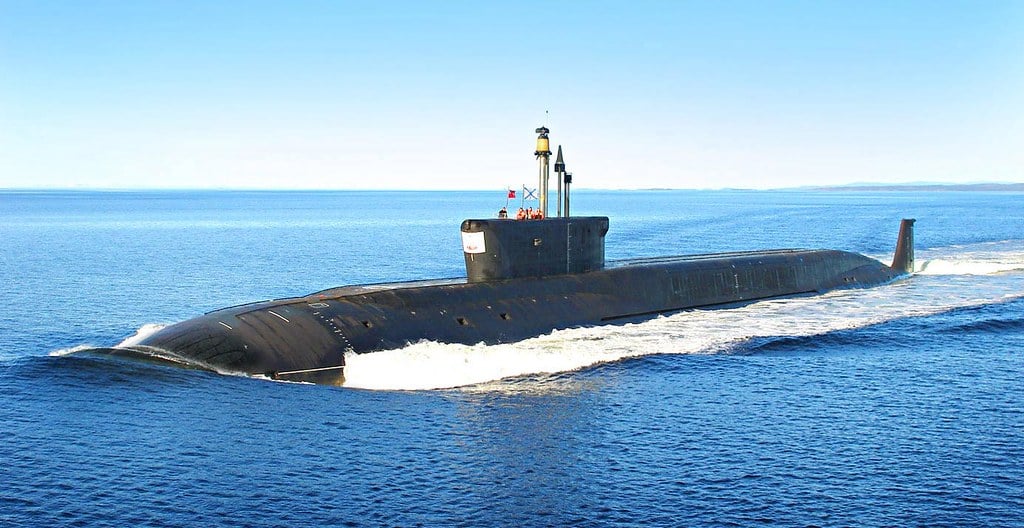
Russia needed a replacement for its aging fleet, and the Borei-class submarines delivered exactly that. These boats combine modern technology with proven design principles, creating a platform that matches Western capabilities at a fraction of the cost.
The Bulava missile system gives these submarines their punch. Each boat carries 16 missiles, and while that sounds like less than older designs, the improved accuracy and multiple warhead capability mean the total striking power actually increased.
The missiles launch from submerged depth, making the firing sequence faster and harder to detect. Russia built these submarines specifically to operate under Arctic ice.
The reinforced sail cuts through ice packs, and the navigation systems handle the unique challenges of polar waters. This capability matters because the Arctic provides natural protection from satellite surveillance and surface ships.
Virginia-Class: The Attack Submarine Redefined
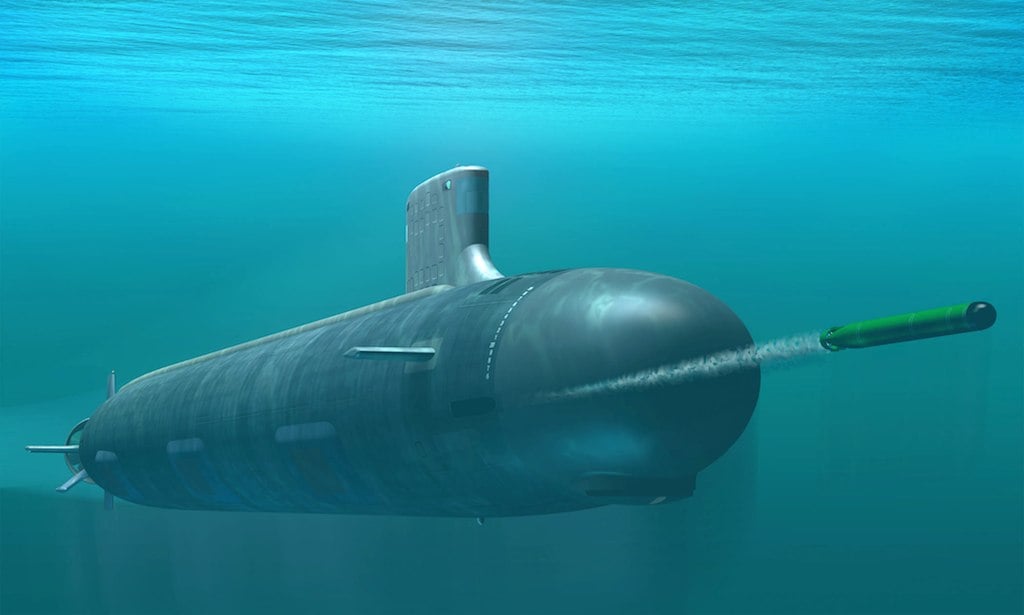
Attack submarines hunt other submarines and surface ships instead of launching strategic missiles. The Virginia-class boats represent the current state of the art in this role, combining stealth with unprecedented offensive capability.
These submarines pack 12 vertical launch tubes for Tomahawk cruise missiles, plus four torpedo tubes that can fire both torpedoes and more Tomahawks. The total payload reaches 37 weapons, and future modifications will increase that number even further.
The sensor suite on a Virginia-class boat processes more information than entire submarine fleets did 30 years ago. Advanced sonar arrays detect threats at extreme range, while the photonics mast replaces traditional periscopes with high-resolution cameras and thermal imaging.
The captain sees everything without raising a physical tube through the hull. Production costs keep dropping as builders refine the construction process.
This matters because the Navy plans to build at least 66 of these boats, making them the most numerous nuclear attack submarines in American history.
Yasen-Class: Russia’s Silent Hunter

Western naval analysts called earlier Russian attack submarines noisy and easy to track. The Yasen-class changed that assessment completely.
These boats incorporate advanced sound dampening that brings noise levels down to Western standards, making them genuine threats in the open ocean. Eight torpedo tubes and 32 vertical launch cells give these submarines serious striking power.
The weapons mix includes anti-ship missiles, land-attack cruise missiles, and torpedoes designed specifically to kill other submarines. A single Yasen-class boat threatens surface ships, submarines, and land targets equally well.
The reactor design produces more power than previous Russian boats, pushing the Yasen-class to speeds above 35 knots submerged. This speed advantage matters in combat because it determines who controls the engagement and who can escape if things go wrong.
Seawolf-Class: Built to Win the Cold War

Congress funded only three Seawolf-class submarines because the Cold War ended before production ramped up. These boats represent what happens when designers ignore cost and focus purely on performance.
The Seawolf carries eight torpedo tubes instead of the standard four, and the weapons capacity reaches 50 torpedoes and missiles. This loadout allows sustained combat operations without returning to port for resupply.
The anechoic coating absorbs sonar pulses so effectively that the Seawolf earned a reputation as the quietest submarine ever built. Speed capabilities remain classified, but reliable estimates put the top speed above 35 knots submerged.
The reactor produces enough power to run the boat at high speed indefinitely, giving the Seawolf tactical flexibility that slower submarines lack. The third boat in the class, USS Jimmy Carter, received a 100-foot hull extension containing special equipment for intelligence gathering and underwater operations.
The exact capabilities remain secret, but the Navy considers this boat uniquely valuable.
Astute-Class: British Engineering Excellence

Britain operates a small submarine fleet, but the Astute-class boats punch well above their weight. These submarines combine traditional British attention to detail with modern technology that matches or exceeds anything American or Russian designers produce.
The reactor core lasts the entire service life of the submarine, eliminating the need for refueling. This sounds like a minor detail until you consider the complexity and cost of cutting open a submarine to replace reactor fuel.
The Astute-class boats serve for 25 years without ever entering dry dock for reactor maintenance. The weapons suite carries 38 torpedoes and missiles, launched through six torpedo tubes.
British designers chose proven weapons systems over experimental designs, prioritizing reliability in combat. The Tomahawk missiles give these boats land-attack capability that most attack submarines lack.
Sonar systems on the Astute-class can supposedly detect ships leaving port from the other side of the Atlantic Ocean. That claim sounds exaggerated until you see the processing power dedicated to analyzing acoustic data.
The computers track multiple contacts simultaneously while filtering out background noise.
Type 094 Jin-Class: China’s Strategic Fleet

China kept its submarine development secret for decades, but the Type 094 Jin-class boats reveal how far Chinese naval engineering has advanced. These strategic missile submarines form China’s sea-based nuclear deterrent, giving the country a secure second-strike capability.
Each boat carries 12 JL-2 ballistic missiles with a range exceeding 4,000 miles. This reach allows the submarines to target American cities while remaining in waters near China, reducing the risk of detection by American attack submarines.
Earlier Chinese submarines suffered from excessive noise and poor build quality. The Type 094 shows clear improvement in both areas, though Western analysts still rate these boats as louder than American or Russian equivalents.
China continues building improved versions, suggesting the design meets operational requirements despite the noise concerns.
Type 093 Shang-Class: China’s Attack Capability
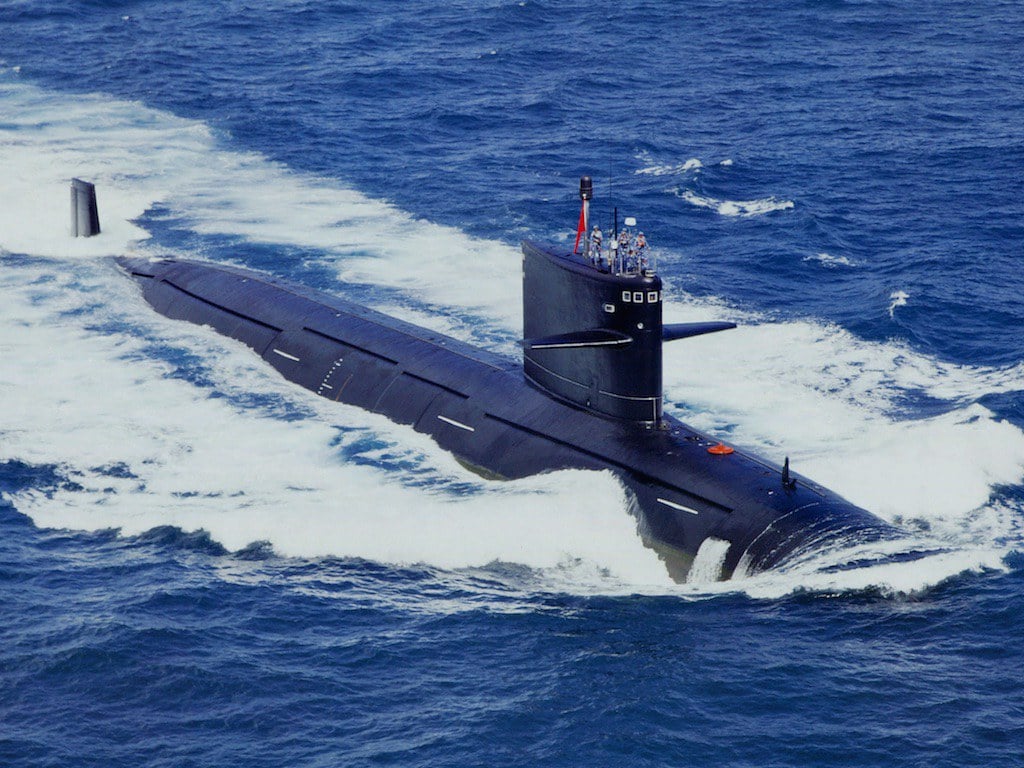
The Type 093 Shang-class attack submarines represent China’s effort to match Western attack boat capabilities. These submarines protect the ballistic missile boats and hunt enemy submarines in waters China considers strategically vital.
Six torpedo tubes provide the offensive armament, supplemented by anti-ship missiles launched from the torpedo tubes. The weapons loadout remains smaller than American or Russian boats, but adequate for the missions China assigns these submarines.
Speed and depth capabilities fall short of Western standards, limiting tactical options in some scenarios. But China operates these boats in familiar waters with extensive support from shore-based assets.
The home field advantage offsets some of the technical limitations.
Le Triomphant-Class: French Independence
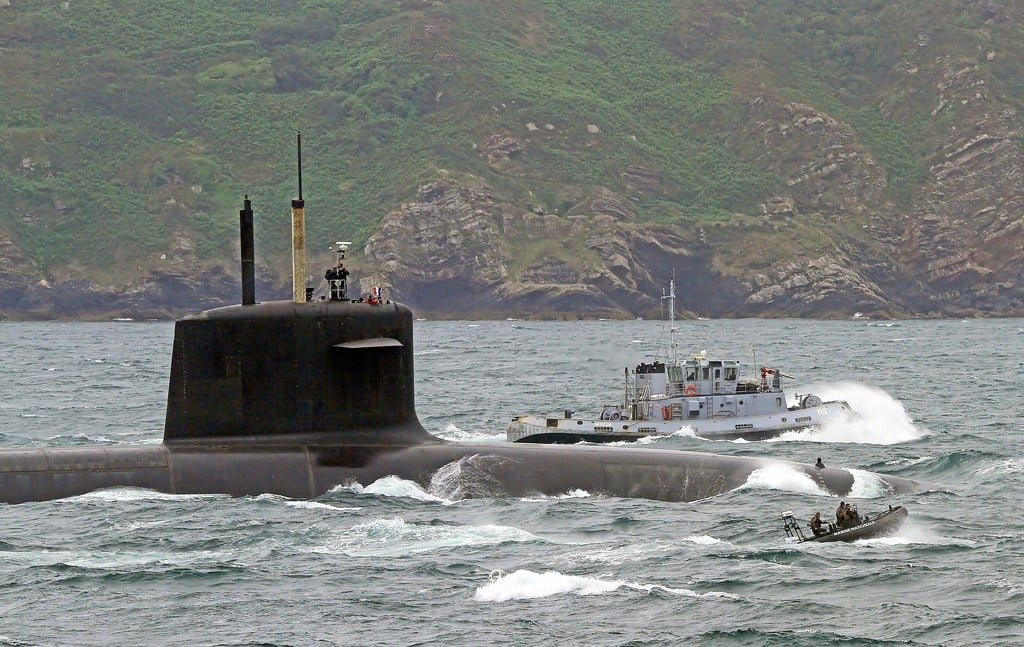
France maintains its own nuclear deterrent separate from NATO command, and the Le Triomphant-class submarines carry that responsibility. These boats patrol constantly, ensuring France always has at least one submarine at sea ready to respond to threats.
Each submarine carries 16 M51 ballistic missiles, developed entirely by French industry. The self-sufficiency costs more than buying American systems, but it guarantees France maintains independent control over its nuclear forces.
The design emphasizes stealth above all other factors. French naval architects developed unique propeller designs and hull coatings that minimize acoustic signatures. Independent testing by other nations confirms these boats run as quietly as anything American or British yards produce.
Soryu-Class: Japan’s Conventional Power

Not every powerful submarine uses nuclear propulsion. Japan’s Soryu-class boats prove that conventional diesel-electric submarines still have a role in modern naval warfare. These boats use air-independent propulsion, allowing them to remain submerged for weeks without surfacing.
The lithium-ion battery technology in newer boats eliminates traditional lead-acid batteries completely. This change increases underwater endurance and speeds up the charging cycle.
When operating on battery power, these submarines make almost no noise. Six torpedo tubes carry a mix of weapons, and the combat systems rival those found on nuclear boats.
The Soryu-class excels in coastal waters and narrow seas where large nuclear submarines struggle to operate effectively.
Improved Kilo-Class: Russia’s Export Success

Out at sea, Russia moves its upgraded Kilo-class subs into global markets – this model now sails under more flags than ever. Not flashy, yet reliable, these diesel-powered vessels offer older tech at lower costs, so tighter budgets do not block access.
Some fleets choose them simply because upkeep fits their limits, without surprise expenses piling up later. Quiet comes first in how it’s built. Running silent, one of these submarines slips below the hush of seawater itself.
That near-invisibility out there gave rise to its NATO label. Firing capability comes from six torpedo launchers, while eighteen armaments fill the vessel’s storage.
Often, these are a blend of torpedoes together with sea-skimming missiles, allowing choices based on what lies ahead. A commander might pick one weapon over another depending on whether the threat swims below or cuts across the surface.
Collins-Class: Australia’s Regional Defender

A vessel like few others, Australia’s fleet includes six Collins-class subs built to roam far across the Pacific and into the Indian Ocean. Stretching beyond typical models, their size allows extra space – fuel stores grow, supplies multiply, all because missions last weeks without resupply.
Underwater, diesel-electric power doesn’t last as long as nuclear power. Yet on the surface, it can go farther than most subs manage.
Months-long missions are normal for Australia’s sailors. Some journeys push even nuclear-powered fleets to their limit.
A half-dozen torpedo launchers, along with space for 22 total ordnance loads, give these subs serious bite. Thanks to sensor-weapon links fused tightly, the Collins design stands shoulder-to-shoulder with later models.
Beneath the Surface

Death follows error when under the sea. Not just missiles give strength – silence does too, hiding vast force that could shift war’s balance.
Better than before comes each new model, reaching deeper into unknown limits below. Secrets stay buried where water swallows sound, and nothing hides truth like these steel beasts do.
More from Go2Tutors!

- The Romanov Crown Jewels and Their Tragic Fate
- 13 Historical Mysteries That Science Still Can’t Solve
- Famous Hoaxes That Fooled the World for Years
- 15 Child Stars with Tragic Adult Lives
- 16 Famous Jewelry Pieces in History
Like Go2Tutors’s content? Follow us on MSN.