25 Fads That Swept Through Schoolyards And Then Vanished Without A Trace
Every generation has a stretch of playground history that feels, in hindsight, completely unhinged. Kids traded flat cardboard discs like currency, strapped plastic bracelets to their wrists like tiny warriors, and begged parents for toys that would be forgotten within a school year.
Looking back at these crazes now, what’s strange isn’t that they happened. It’s how completely they disappeared once they’d run their course.
Pogs
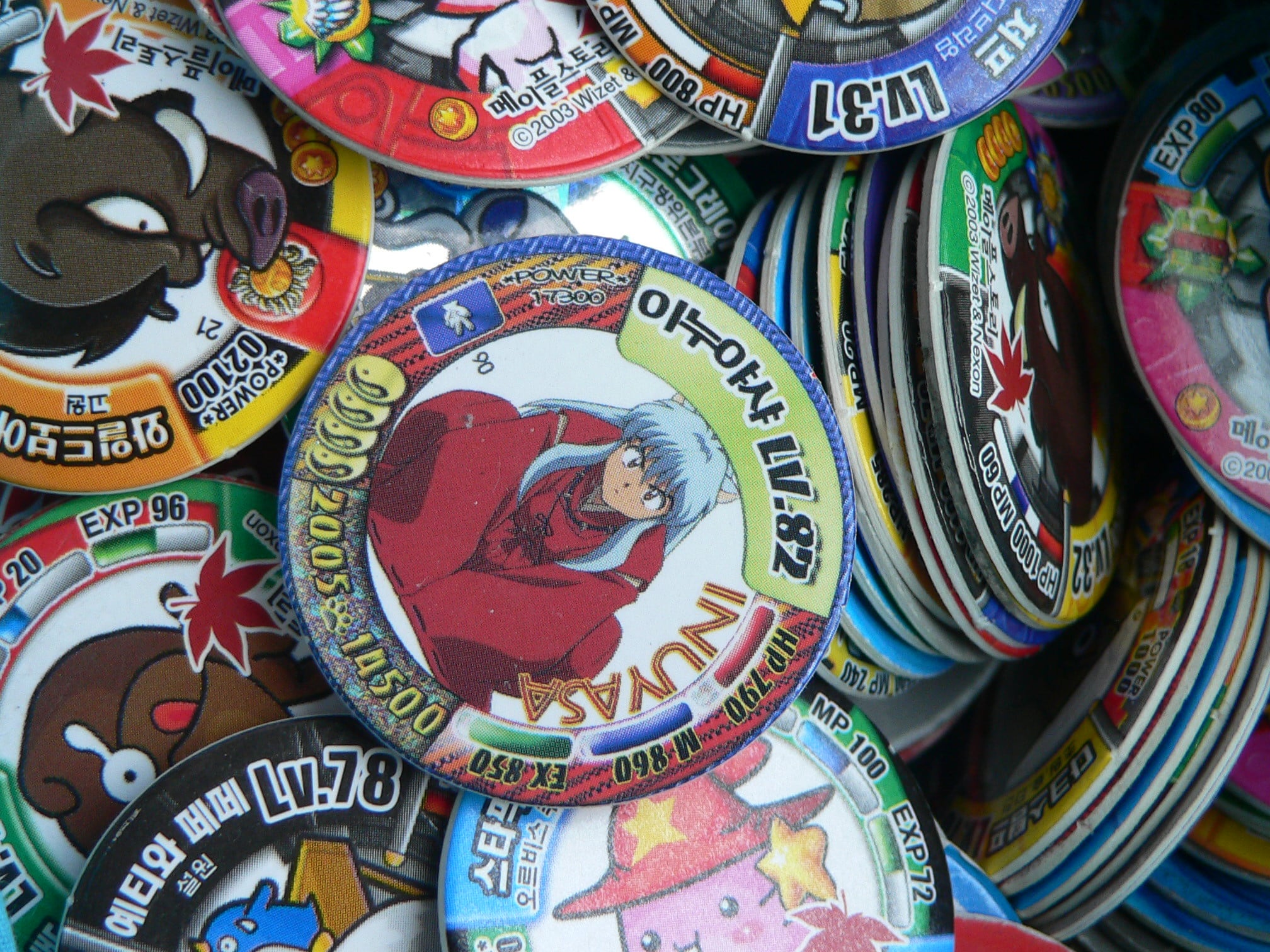
Pogs took over recess for one reason: they turned lunch money into gambling chips without anyone calling it that. Kids stacked cardboard discs, slammed a metal slammer down, and won or lost pieces based purely on chance.
Teachers eventually banned them in droves. Then, almost overnight, nobody cared anymore.
Slap Bracelets

There was a specific satisfaction to a slap bracelet, the kind that came from watching a flat strip of fabric-wrapped metal curl itself around a wrist with a single smack, no clasp, no effort, just physics doing something that felt like magic to an eight-year-old.
Schools panicked over them fast, citing injuries from kids using them like tiny whips instead of jewelry, and within a couple of years the panic and the product both evaporated together. What’s odd is how quickly something so tactile, so satisfying to just hold and snap, can go from essential to forgotten.
Nobody misses them exactly, but plenty of adults still remember the sound.
Tamagotchi
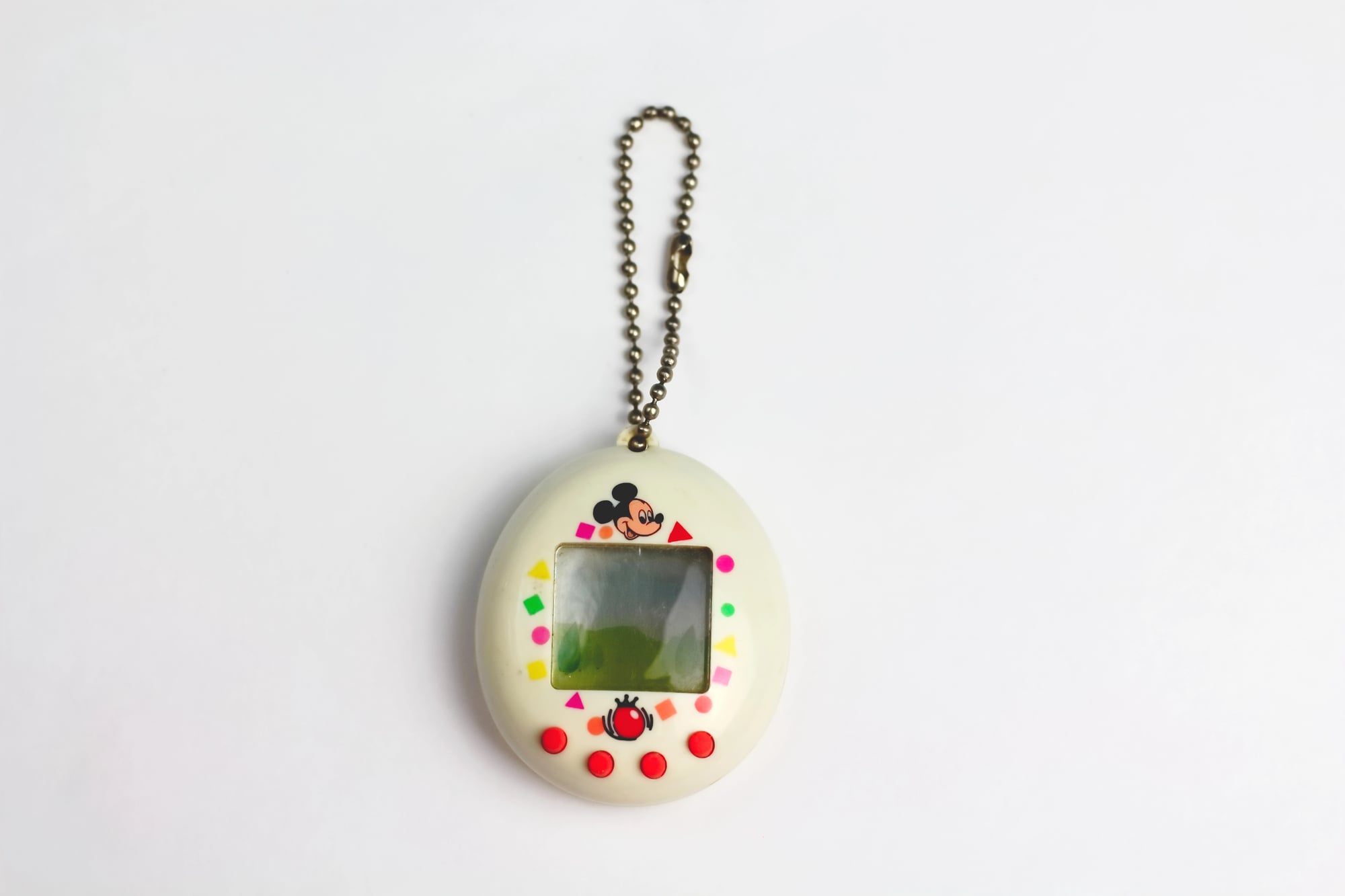
A Tamagotchi asked for something no other toy had asked for before: attention on a schedule, not when convenient, but constantly, urgently, like a tiny digital conscience clipped to a backpack. It fed on neglect the way a plant fed on sunlight, and kids who forgot to check on theirs during class came back to a screen full of tombstones and guilt.
The genius of it, and maybe the cruelty of it too, was that it turned a keychain into something resembling responsibility. Kids don’t forget the ones they let die.
Beanie Babies
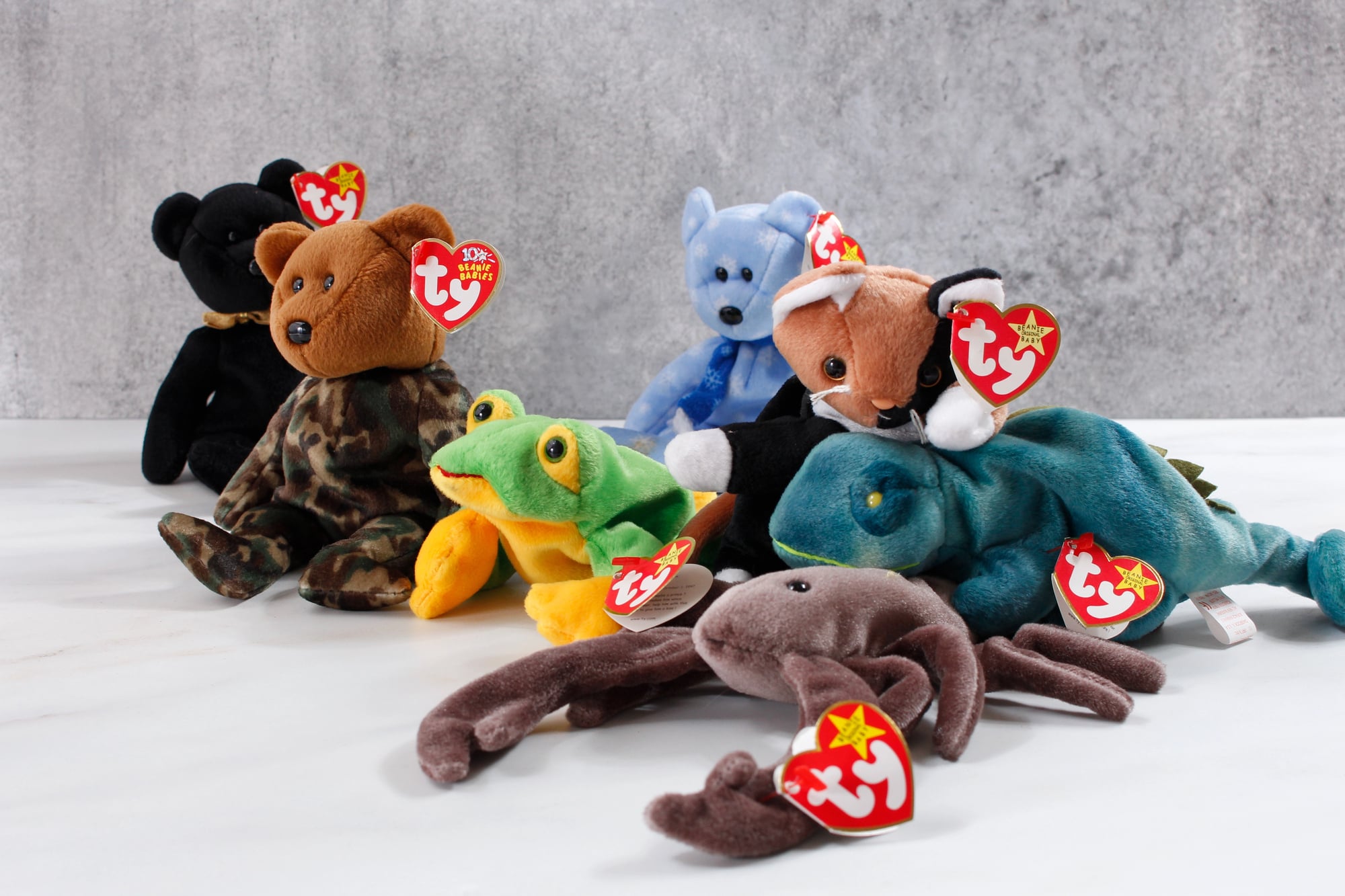
Beanie Babies were never really toys. They were speculative assets marketed to nine-year-olds, and the entire economy behind them collapsed the moment adults figured out that “limited edition” beanbag animals weren’t going to fund anyone’s college tuition.
Kids kept them in plastic cases like they were museum pieces, tags intact, value allegedly climbing. Turns out a stuffed elephant is worth exactly what someone will pay for it, which by 1999 was basically nothing.
Pokemon Cards
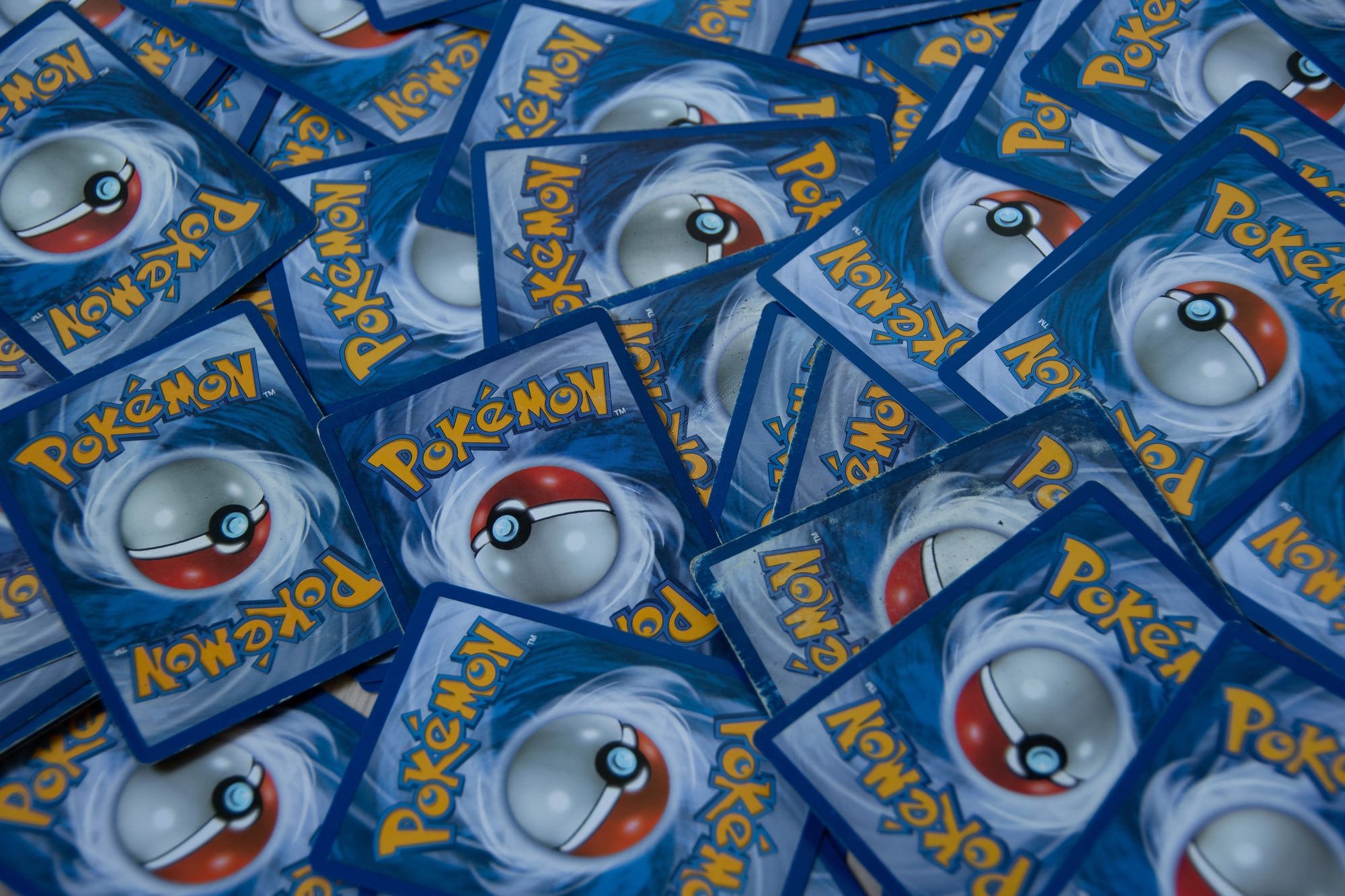
Trading happened at recess with the seriousness of a stock exchange floor. Kids argued over holographic rarity, memorized evolution charts, and occasionally lost a Charizard to a kid who clearly didn’t deserve it.
The game faded from playgrounds for years at a time before resurfacing, proving it never really vanished so much as it went underground and waited.
Rainbow Loom
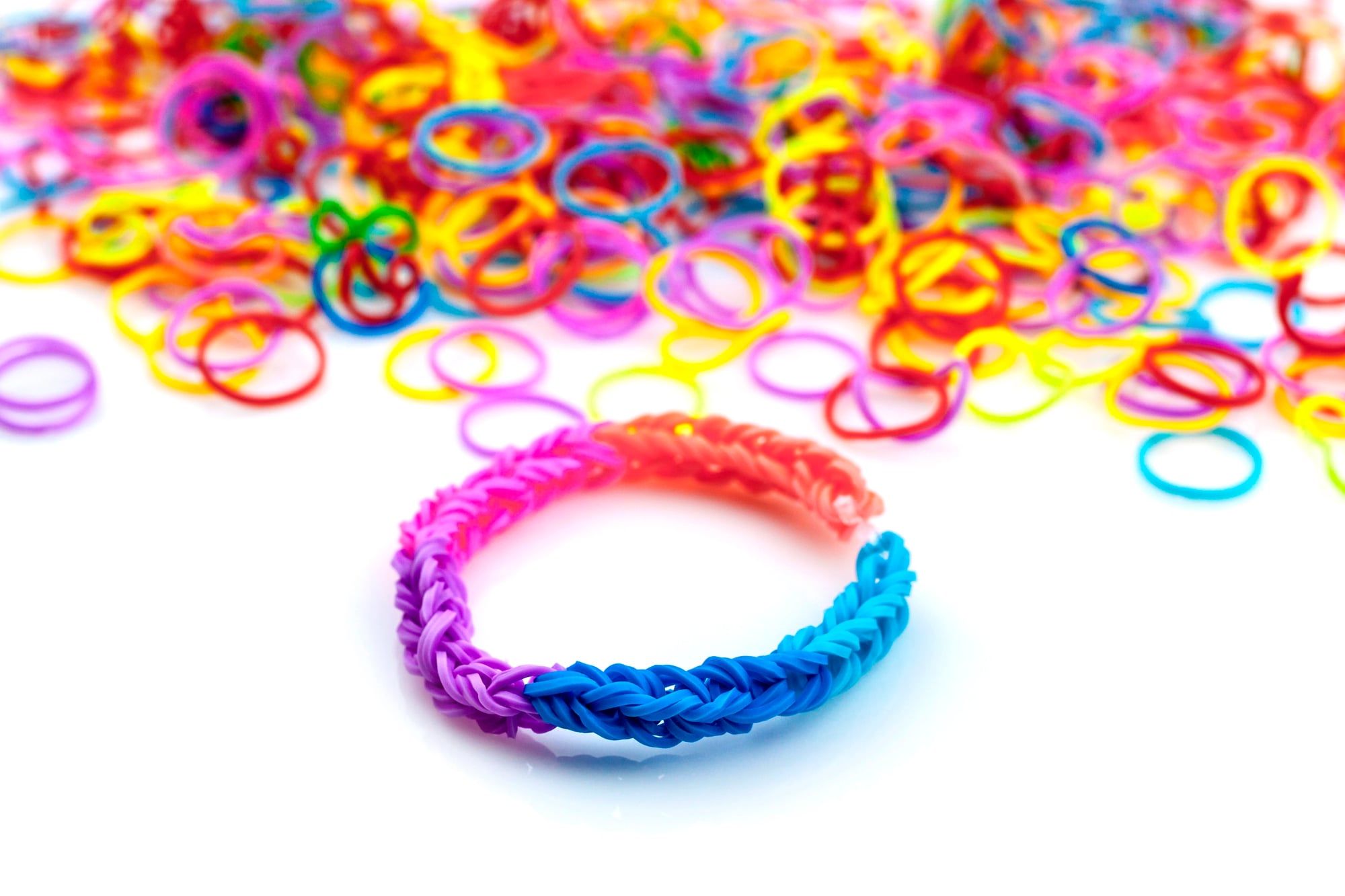
A kid with a Rainbow Loom kit could produce more woven rubber bracelets in a week than an entire classroom could wear, and for one stretch of years that’s exactly what happened, desks covered in tiny bands and hook tools clicking away during free periods, teachers confiscating looms the way they used to confiscate slap bracelets a decade earlier.
The craft itself wasn’t complicated, just repetitive in a way that felt almost meditative, which is probably why it spread so fast through classrooms that had nothing else to do with restless hands. And then, the way these things go, everyone just stopped.
Nobody decided collectively to move on, they just did.
Silly Bandz
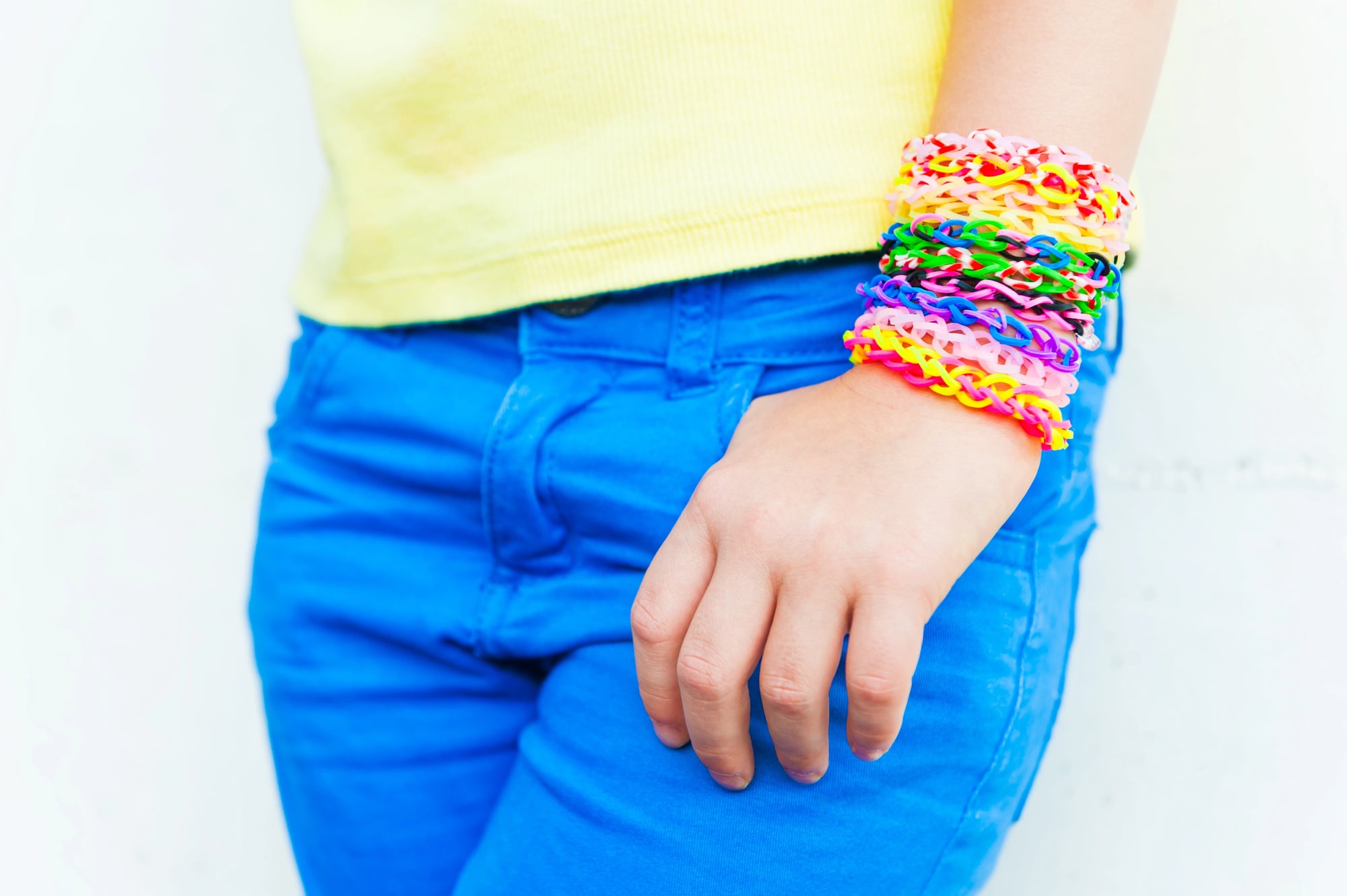
Silly Bandz worked because they solved a problem nobody knew they had: how to make a rubber band interesting. Shaped like animals, letters, and objects, they were traded, stacked dozens deep on a single arm, and treated as genuine social currency.
The appeal wore off exactly the way appeal always does with novelty jewelry. Fast, and without ceremony.
Heelys
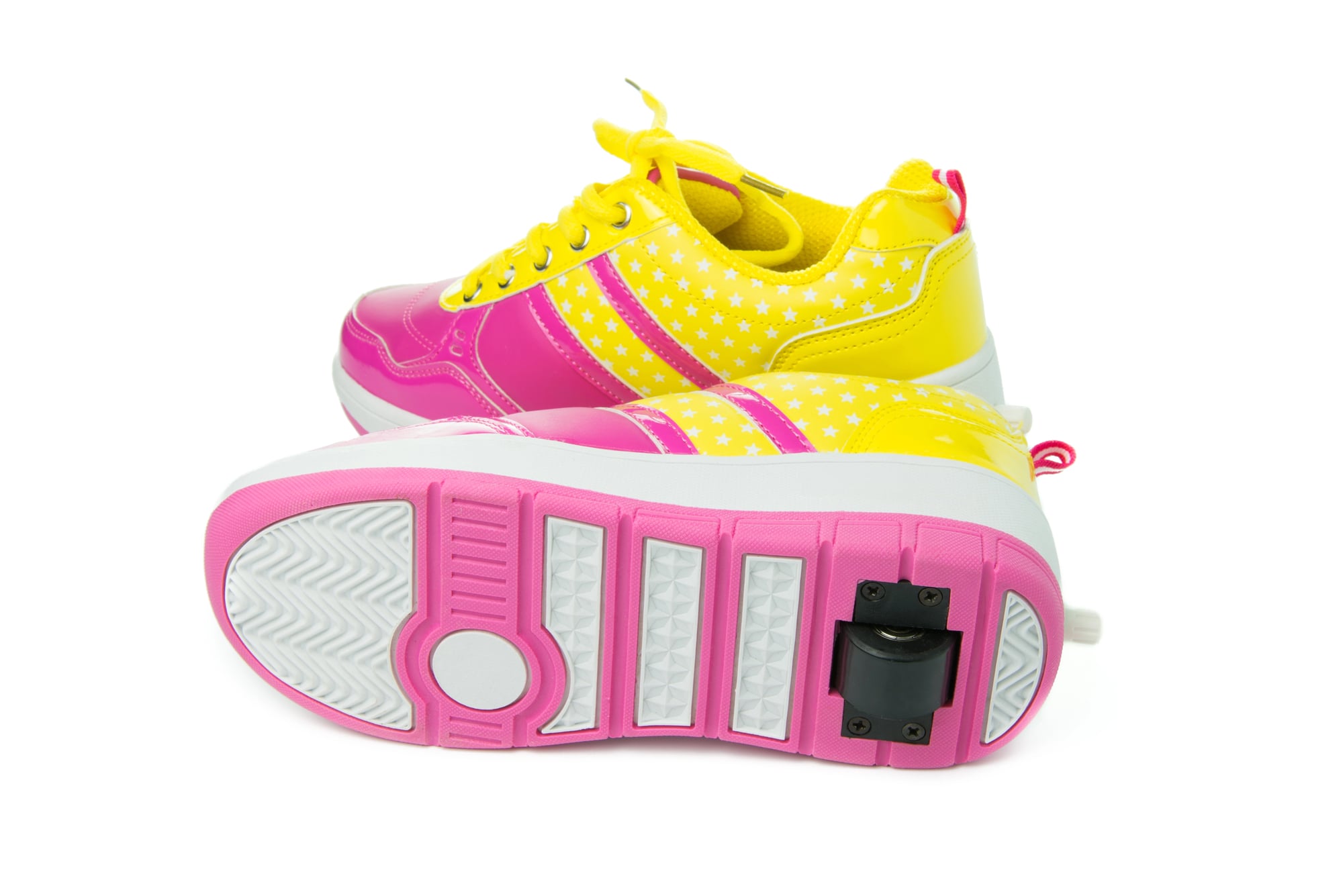
Wheeled sneakers are a genuinely strange idea when you sit with it: shoes that turn a hallway into a skating rink, an idea that delighted kids and horrified nearly every school administrator within driving distance.
Bans followed quickly, entire districts outright refusing to let students wear them on campus, and the backlash killed the momentum faster than any competitor could have. The shoes themselves weren’t bad.
It was the chaos they caused in confined spaces that did them in.
Razor Scooters
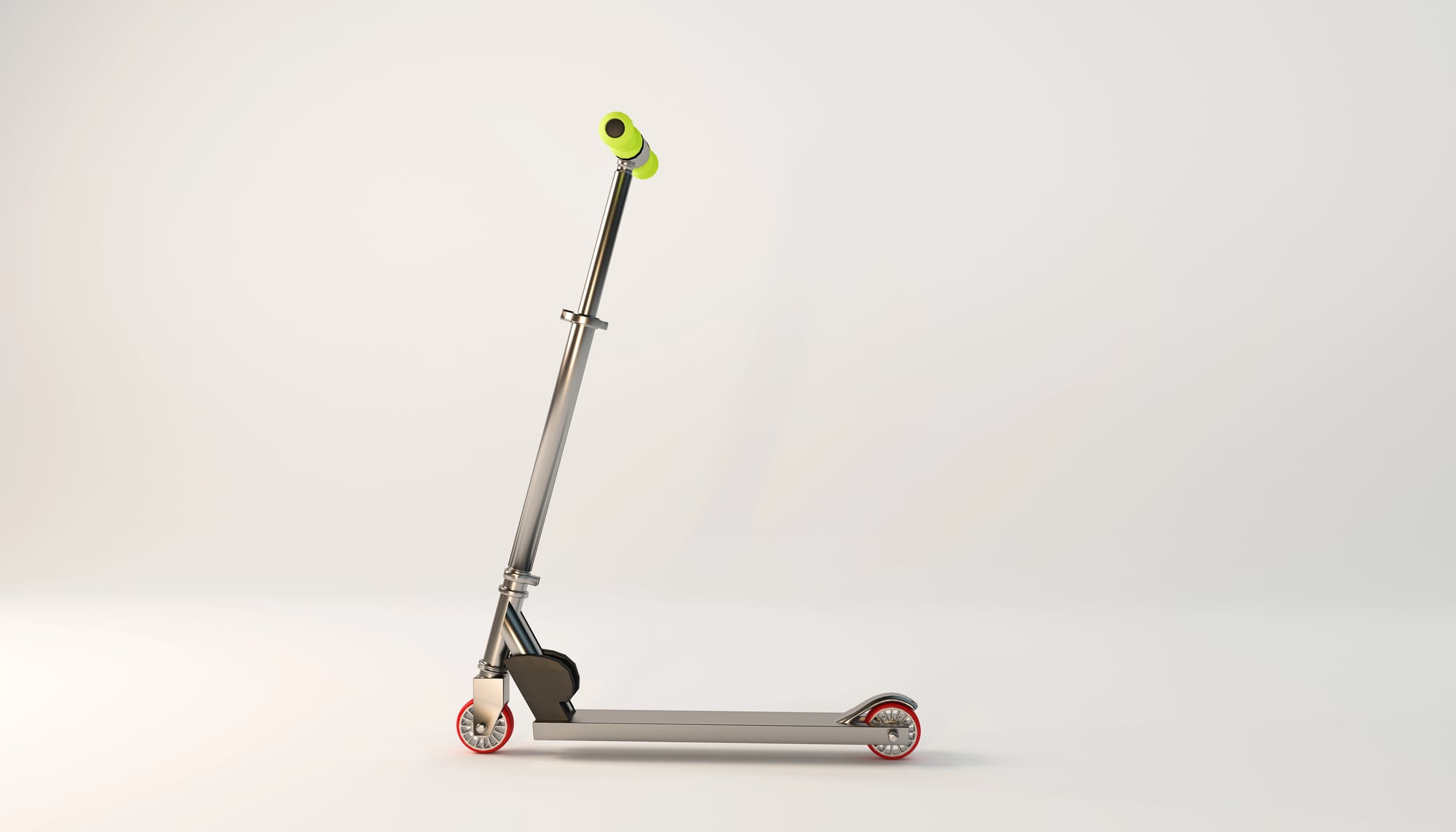
Razor scooters didn’t need convincing. They folded up, fit in a locker, and let kids zip across pavement faster than walking allowed, which is really all a ten-year-old wants from a piece of equipment.
Every driveway in a two-mile radius had one leaning against a garage door for a solid three years straight. Then bikes got cooler again, the way they always do.
Gak
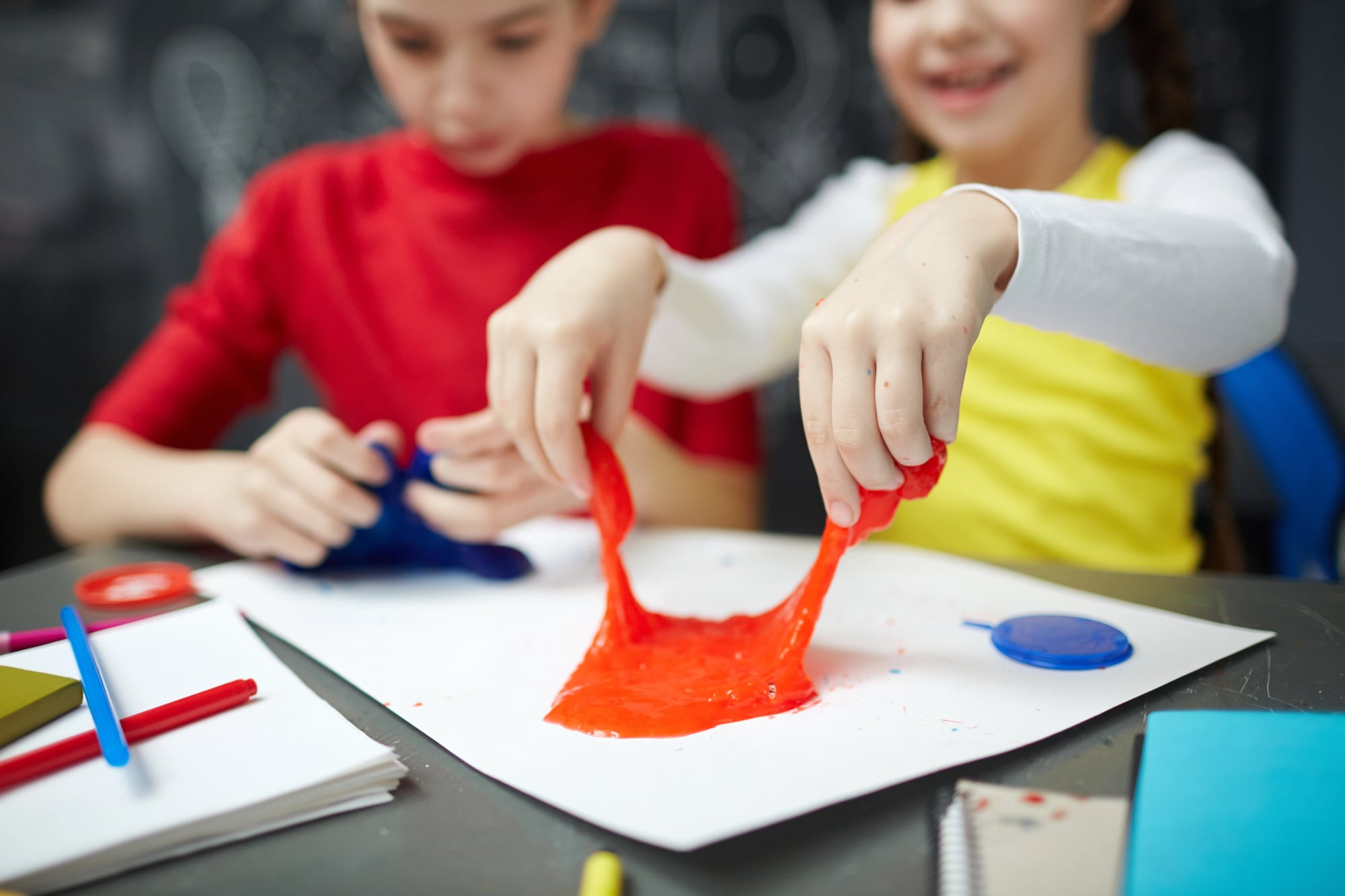
Gak occupied a strange textural category all its own, somewhere between slime and putty, marketed with a sound effect built right into the name, and it managed to be simultaneously disgusting and completely irresistible to anyone under the age of twelve.
It stretched, it made noise, it stuck to hair in ways that horrified parents doing laundry, and for a while that was the entire appeal packed into a plastic egg-shaped container. Nickelodeon sold an enormous amount of it during the 90s, riding the same slime obsession that powered its game shows.
Eventually kids moved on to other things that made noise and ruined carpets.
Skip-It
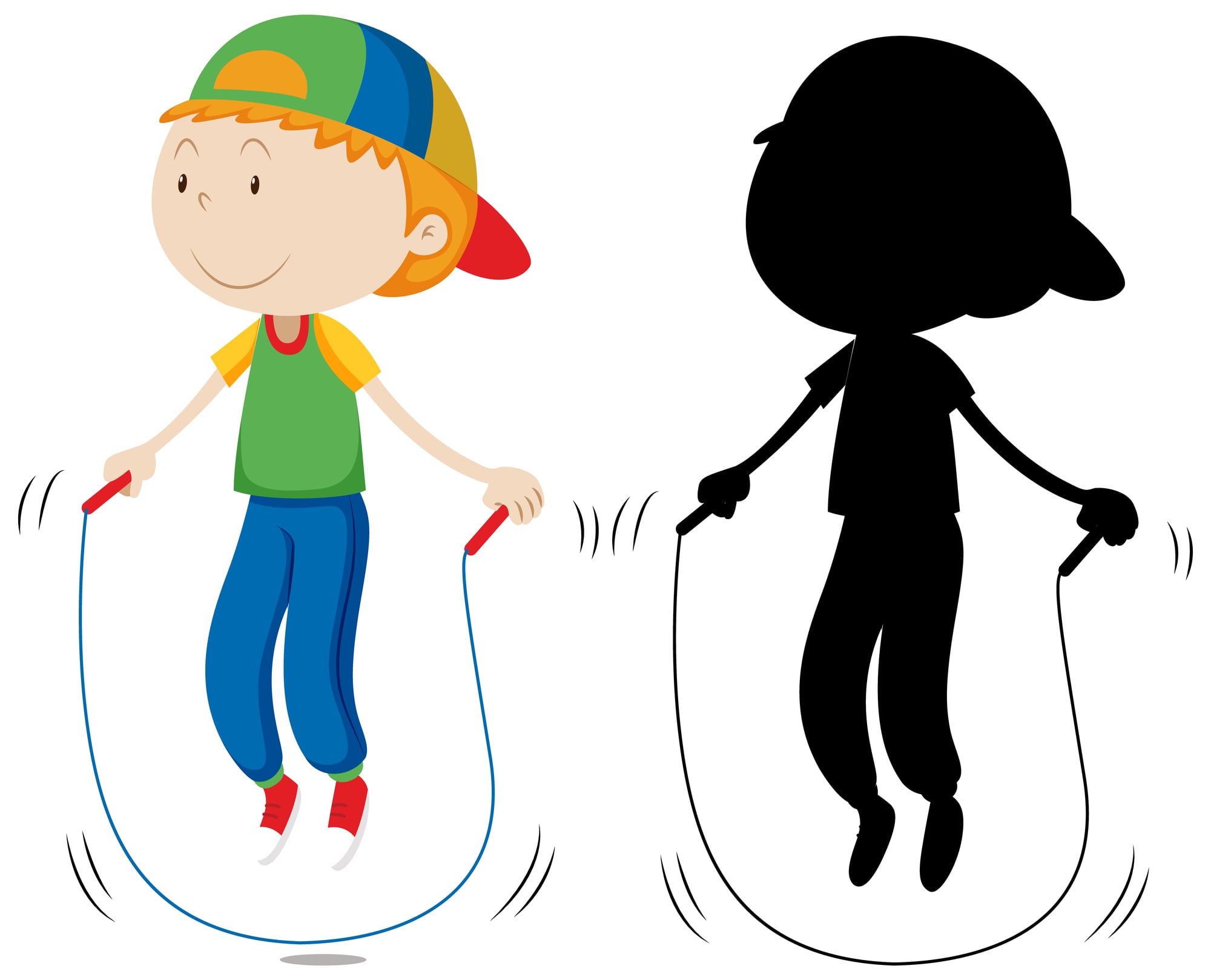
A Skip-It looped around one ankle and required a rhythm most kids took days to master, a counter clicking upward with every successful jump, turning recess into a small competition of coordination and stubbornness.
There was something almost hypnotic about the sound it made, plastic orb swinging in a low arc against pavement, counting up toward a number that meant absolutely nothing outside the schoolyard. Kids who mastered it looked effortless.
Kids who didn’t spent a week limping.
Furby
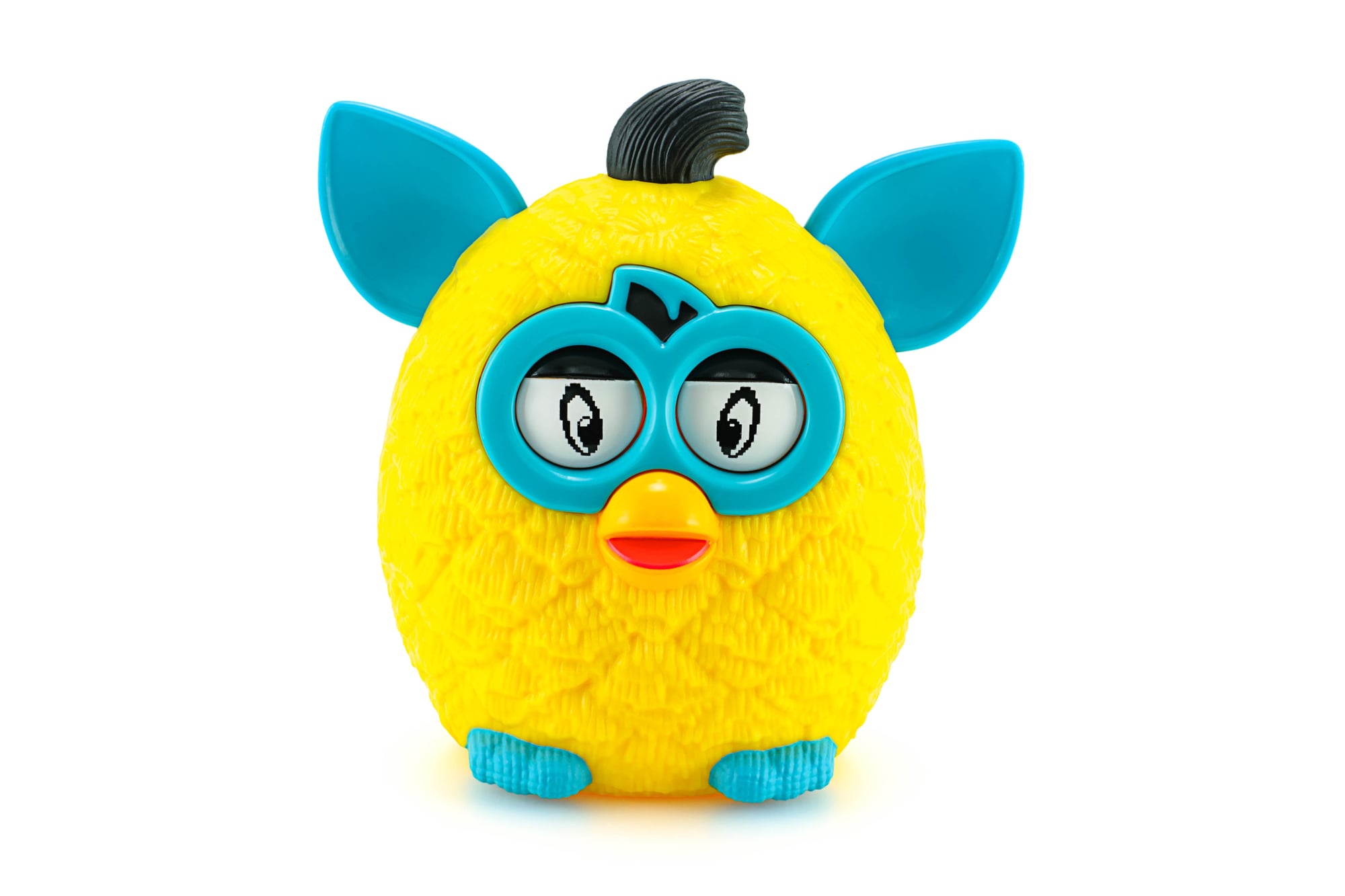
Furby is what happens when a toy company decides a stuffed animal should talk back, and the result unsettled as many adults as it delighted kids, a small furred creature that appeared to learn English the longer you owned it, blinking and chattering in the dark like something that shouldn’t be plugged in overnight.
Parents banned them from bedrooms over rumors they recorded conversations, rumors that were mostly false but persistent anyway. Kids loved the unpredictability of it.
Nobody quite trusted it, and that was sort of the point.
Sea Monkeys
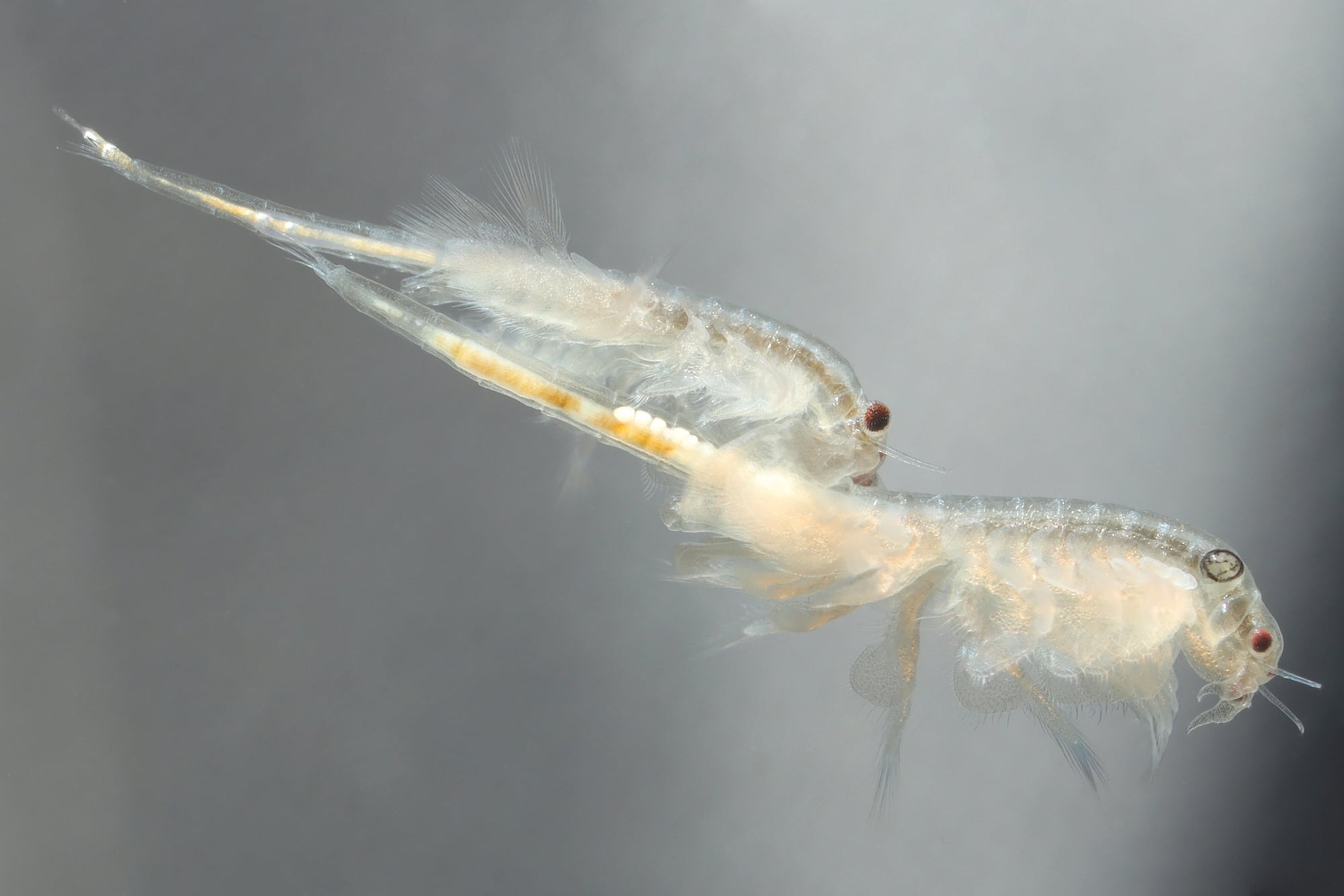
Sea Monkeys were sold with the promise of a tiny underwater civilization, illustrated on the packaging as smiling humanoid creatures with crowns.
What actually arrived, once the eggs hatched in a plastic tank on a windowsill, was a handful of barely visible brine shrimp doing nothing resembling what the advertisement suggested. Kids stared at the water anyway, convinced something interesting was about to happen.
Trapper Keepers
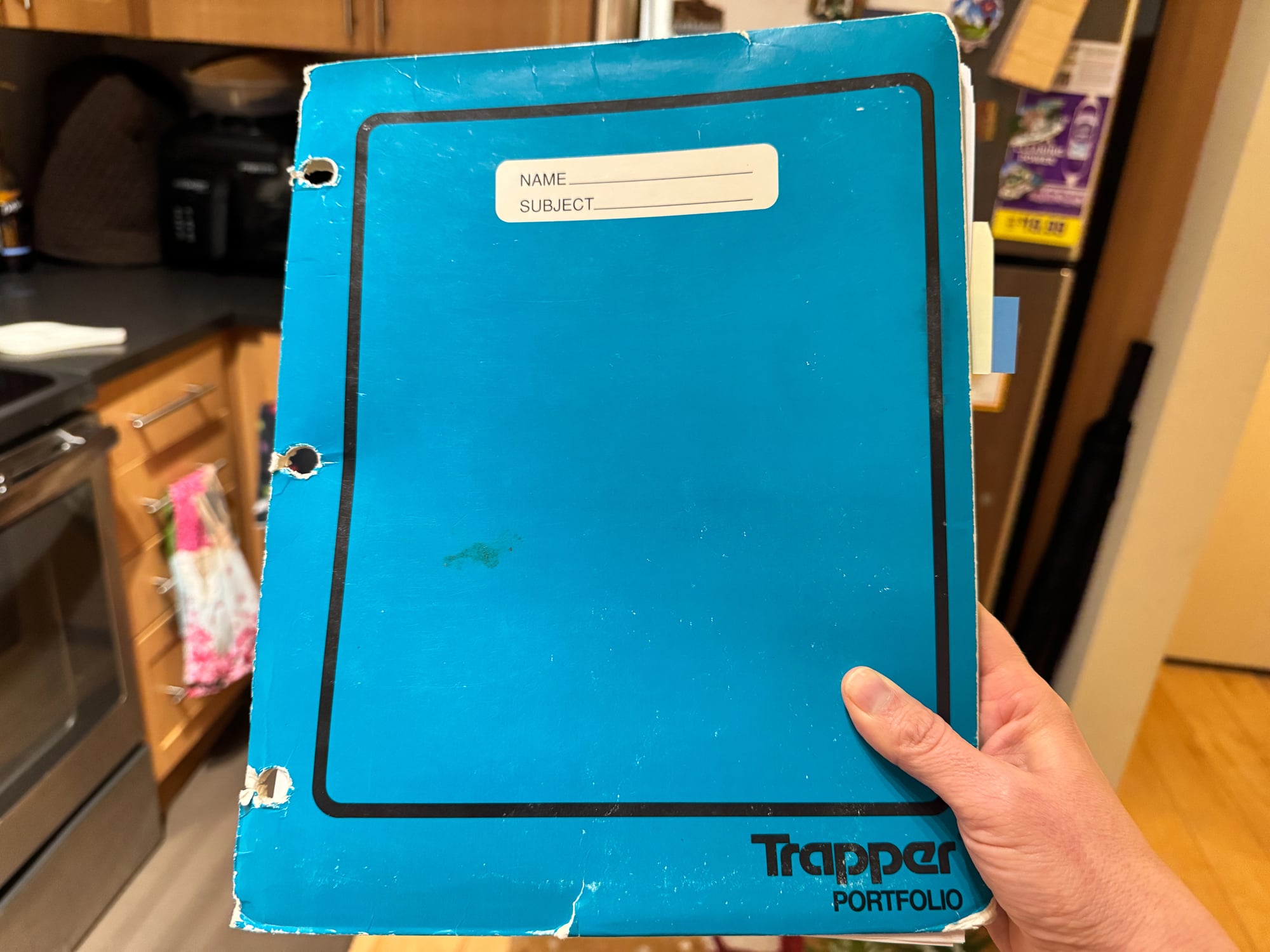
A Trapper Keeper wasn’t a binder so much as a personality statement, velcro flap snapping shut over a stack of folders decorated with unicorns or wolves howling at neon moons, and owning one signaled a kind of social standing that a plain three-ring binder never could.
Teachers hated the velcro sound multiplied across thirty desks, a ripping noise that interrupted every transition between subjects for the better part of a decade. Trends in folder design moved on, the way trends always do, though the sound of that velcro still triggers something in anyone who sat through it.
Zhu Zhu Pets
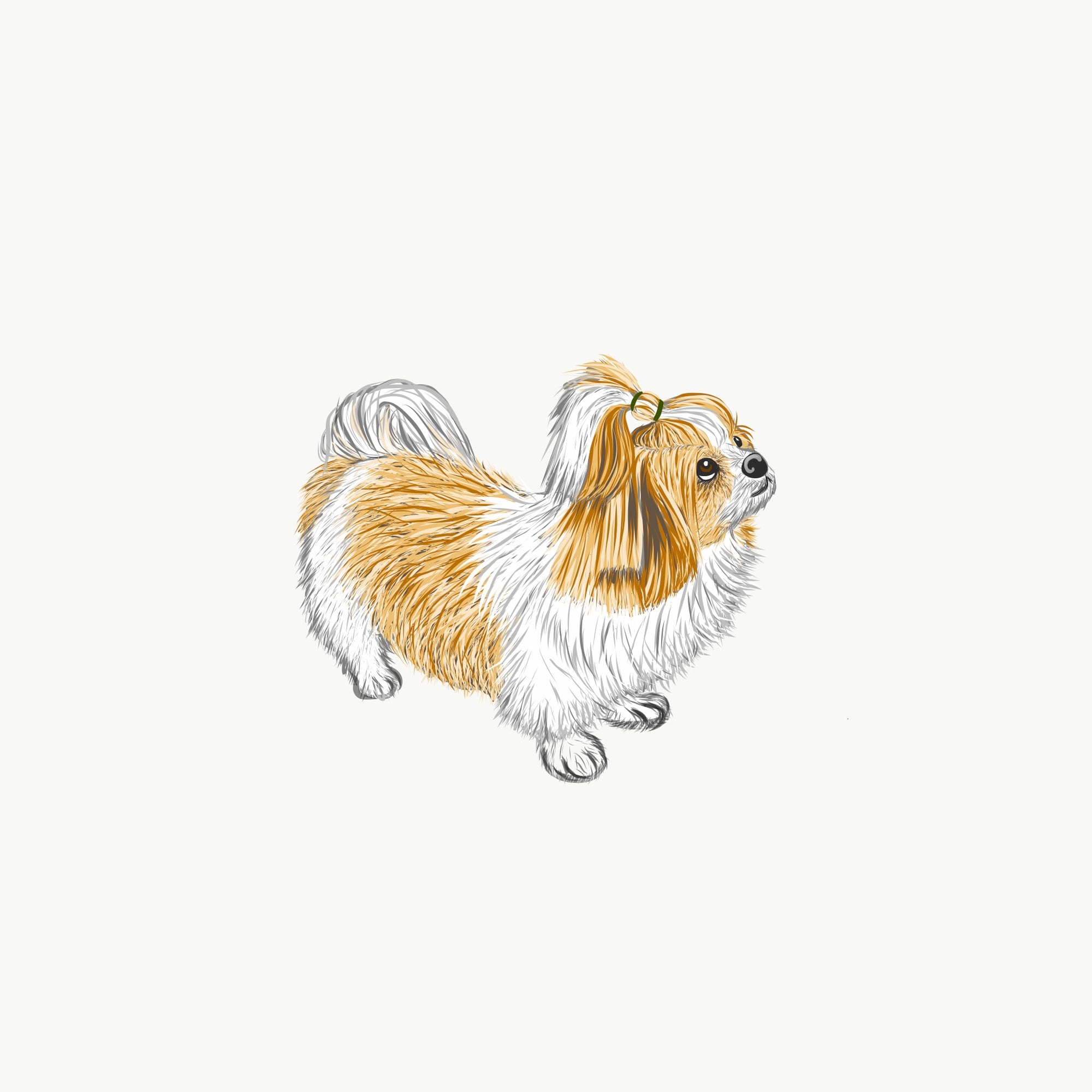
Zhu Zhu Pets showed up right as parents were desperate for something, anything, cheaper than a real animal, and the small motorized creatures scurrying across kitchen floors delivered exactly that.
Kids collected them, built plastic habitats, and treated the vibrating fur-covered gadgets with a level of devotion usually reserved for actual pets. The trend burned hot for about two holiday seasons.
Then the batteries died and so did the interest.
Crazy Bones
Crazy Bones arrived as small plastic figures traded and collected with the same intensity kids once reserved for Pogs, each figure supposedly worth something to somebody, though the actual scoring rules seemed to shift depending on who was explaining them at recess.
They came in packs, hidden inside foil wrappers, which meant the appeal leaned heavily on the same unpredictability that made card packs so addictive. The obsession lasted about as long as the novelty of not knowing what you’d get.
Once kids had duplicates of everything, the trading stopped mattering.
Moon Shoes

Moon Shoes promised the bounce of a trampoline strapped directly to a kid’s feet, and to be fair, they delivered exactly that for about ten minutes before ankles started complaining.
The rebound was real, the coordination required was brutal, and more than a few kids ended up horizontal on a driveway learning that lesson firsthand. Parents who bought them expecting quiet backyard fun got something closer to a minor liability.
Clackers
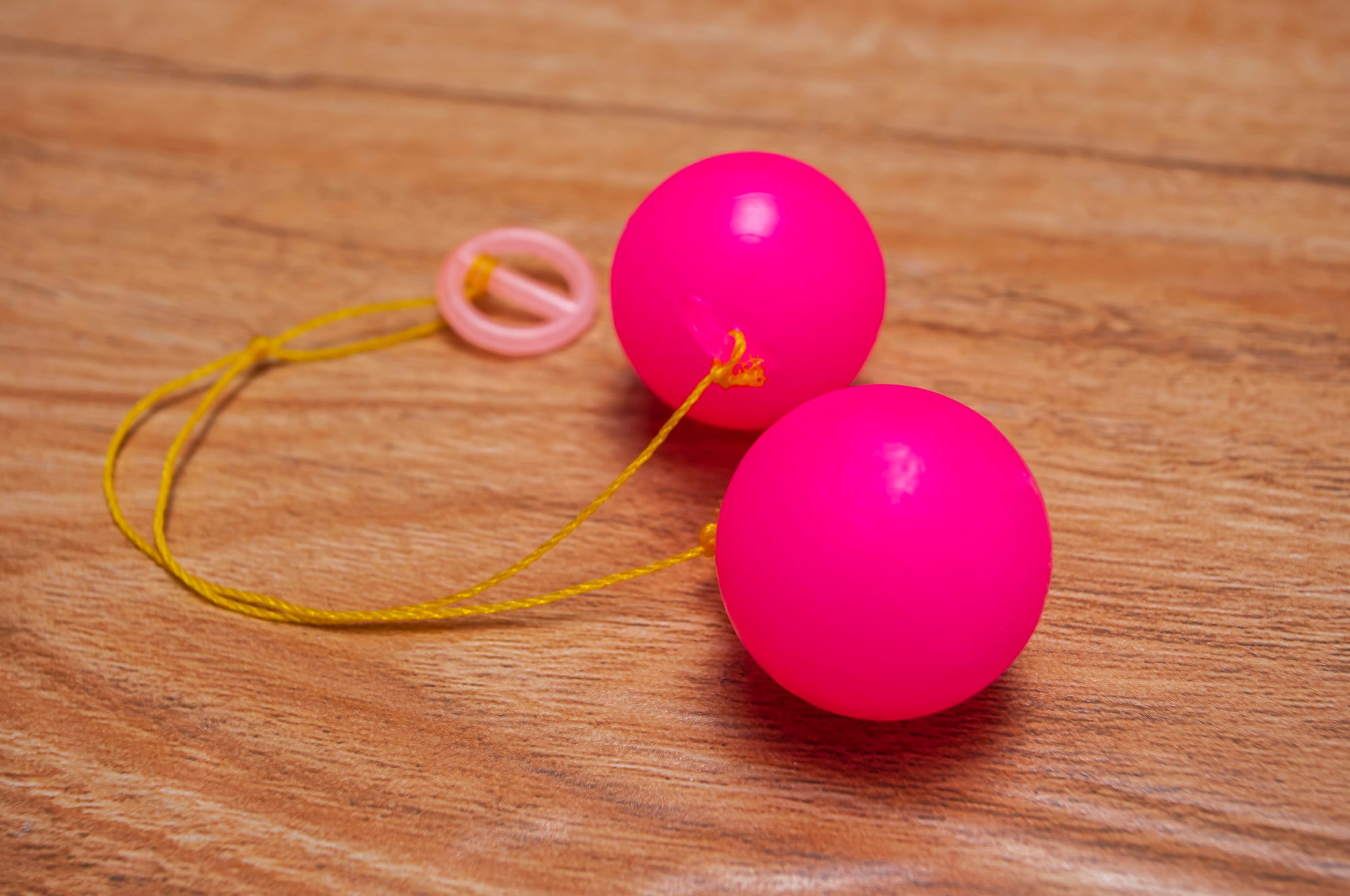
Two hard acrylic spheres on a string, swung to smack together rhythmically in a kid’s hand, clackers made a sound loud enough to be heard through a closed classroom door, which is precisely why teachers despised them: not because the toy itself was complicated, but because the noise never stopped once a kid got the rhythm down.
Injuries followed soon after, the acrylic spheres occasionally shattering under the force of repeated impact, sending small hard fragments flying in directions nobody could predict. Regulators eventually stepped in, and manufacturers quietly reworked the design into something softer and far less interesting.
By then most kids had already moved on anyway.
Yomega Yo-Yos
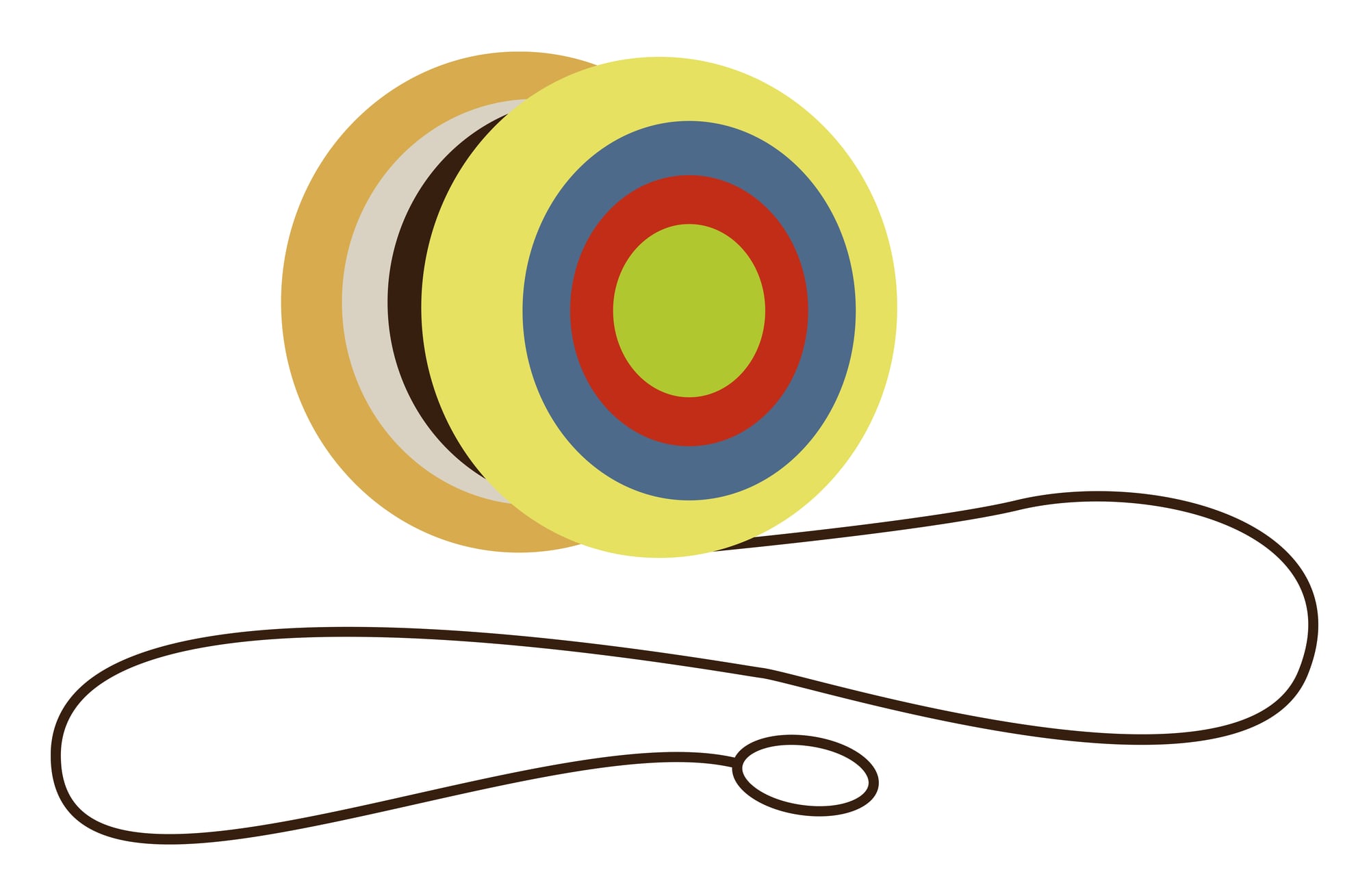
Yo-yos went through one of their periodic revivals in the 90s, driven largely by a specific brand promising a “brain” mechanism that let the yo-yo sleep at the bottom of its string before snapping back with a tug.
Kids who’d never cared about string toys suddenly cared quite a bit, practicing tricks in hallways with the seriousness of athletes training for competition. The trend rode a wave of televised competitions and disappeared just as fast once the novelty of the mechanism wore thin.
Troll Dolls
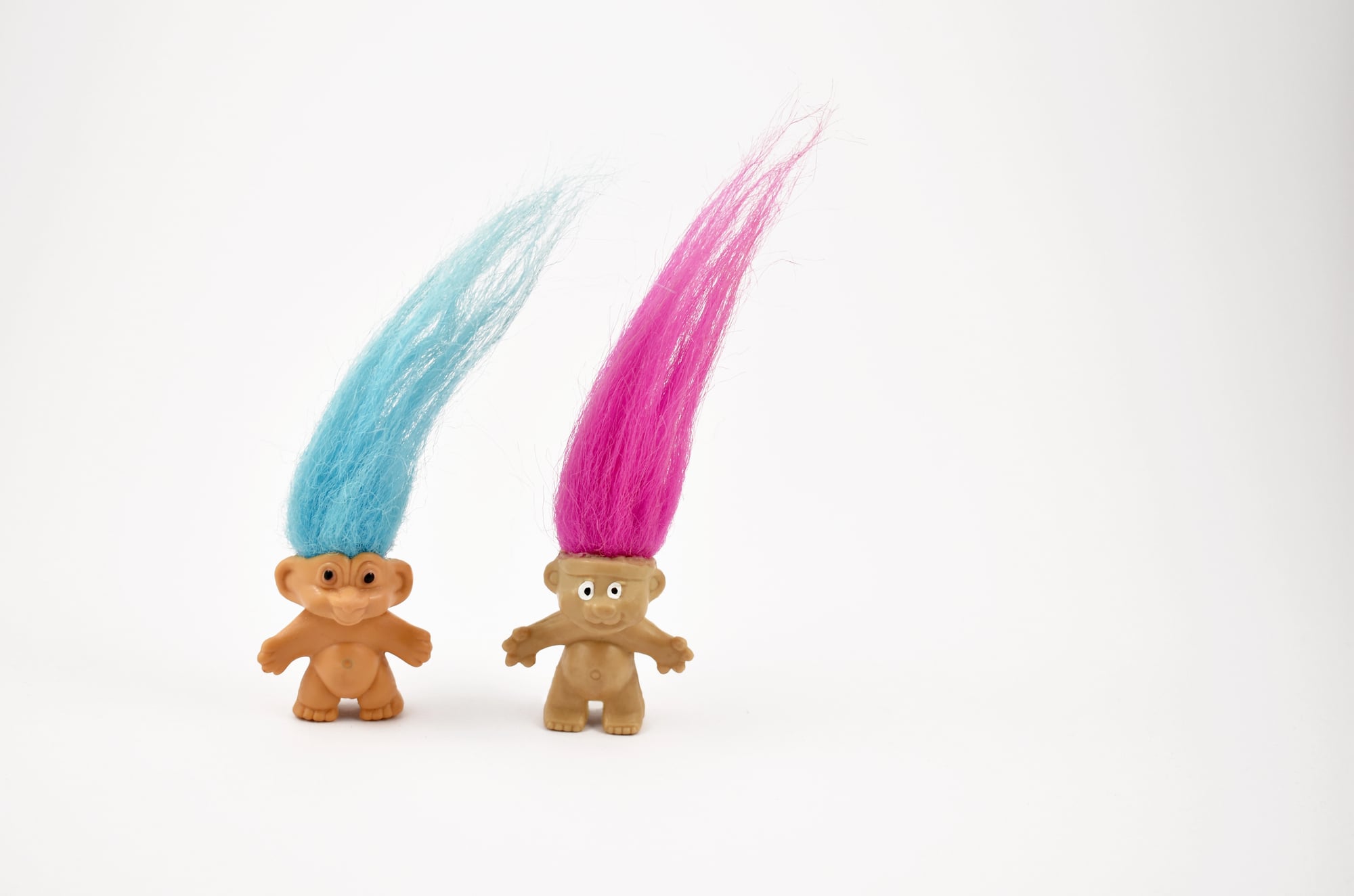
There is something genuinely strange about how attached kids got to troll dolls, these small plastic figures with wild upright hair in colors no human head has ever produced naturally, and yet they ended up clipped to backpacks, lined up on windowsills, treated with an affection that seemed disproportionate to how objectively odd-looking they were.
Maybe that was the appeal exactly, an ugliness so committed it circled back around into charm. Collections grew fast and then just sat there, forgotten in drawers once the trend quietly receded.
Fidget Spinners
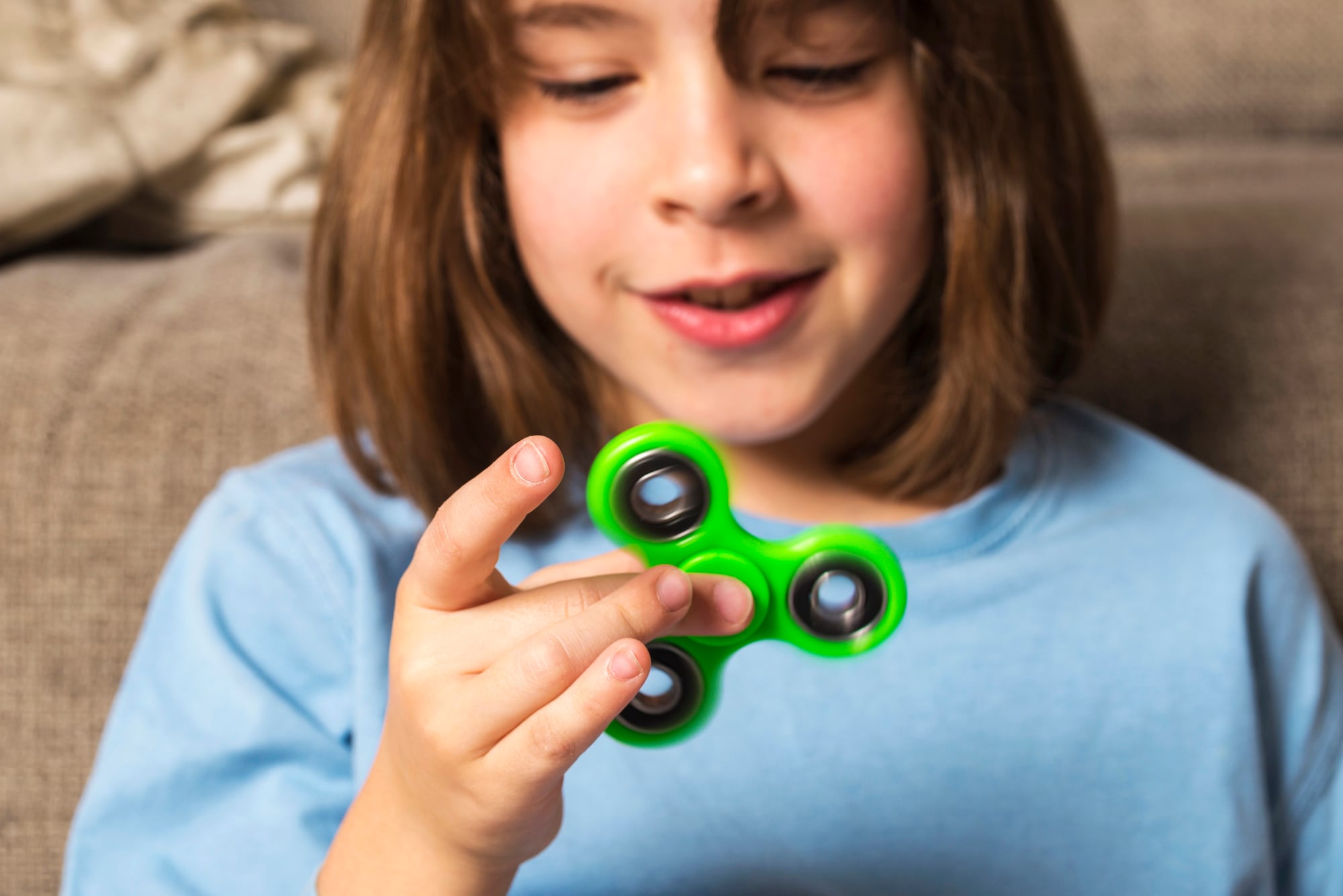
Fidget spinners are proof that a toy doesn’t need a point to become an obsession. They spun, they made a faint whirring noise, and somehow that was enough to get them banned from classrooms across the country within a single school year.
Nobody who bought one could explain, in hindsight, why they needed it, which is arguably the most honest thing anyone’s ever said about the entire trend.
Friendship Bracelets
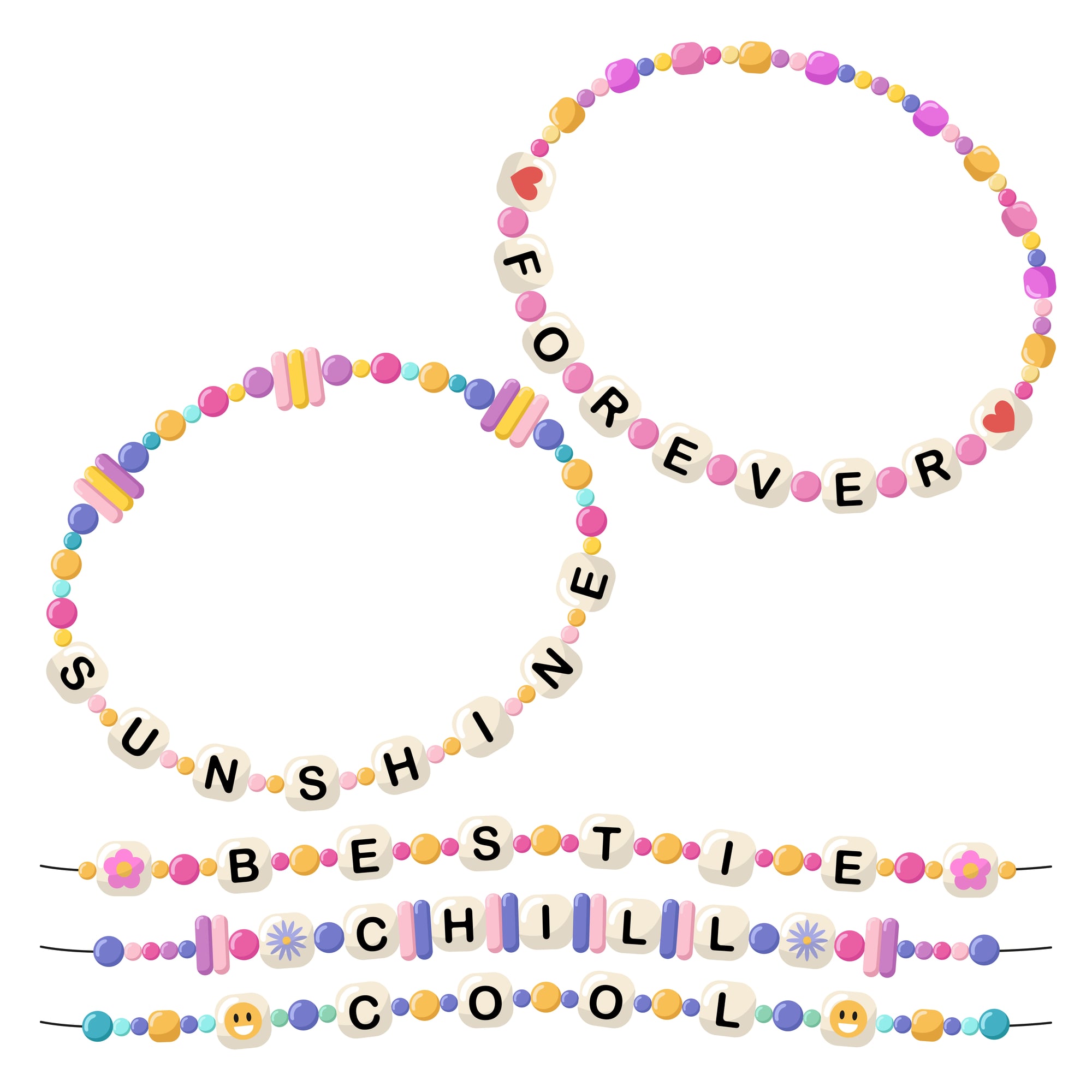
Embroidery floss braided into bracelets carried a specific weight during recess season, each knotted pattern representing hours spent cross-legged on pavement, fingers stained slightly from thread, trading colors and patterns like tiny textile diplomats working out alliances.
Wearing one meant something, usually that whoever made it wanted you to know they’d spent real effort on you specifically, and taking it off before it wore away on its own was considered close to a small betrayal. The patterns got more intricate as skills improved, chevrons and diamonds replacing the simple stripes beginners started with.
Eventually everyone just had drawers full of them, threadbare and half-forgotten.
Marbles
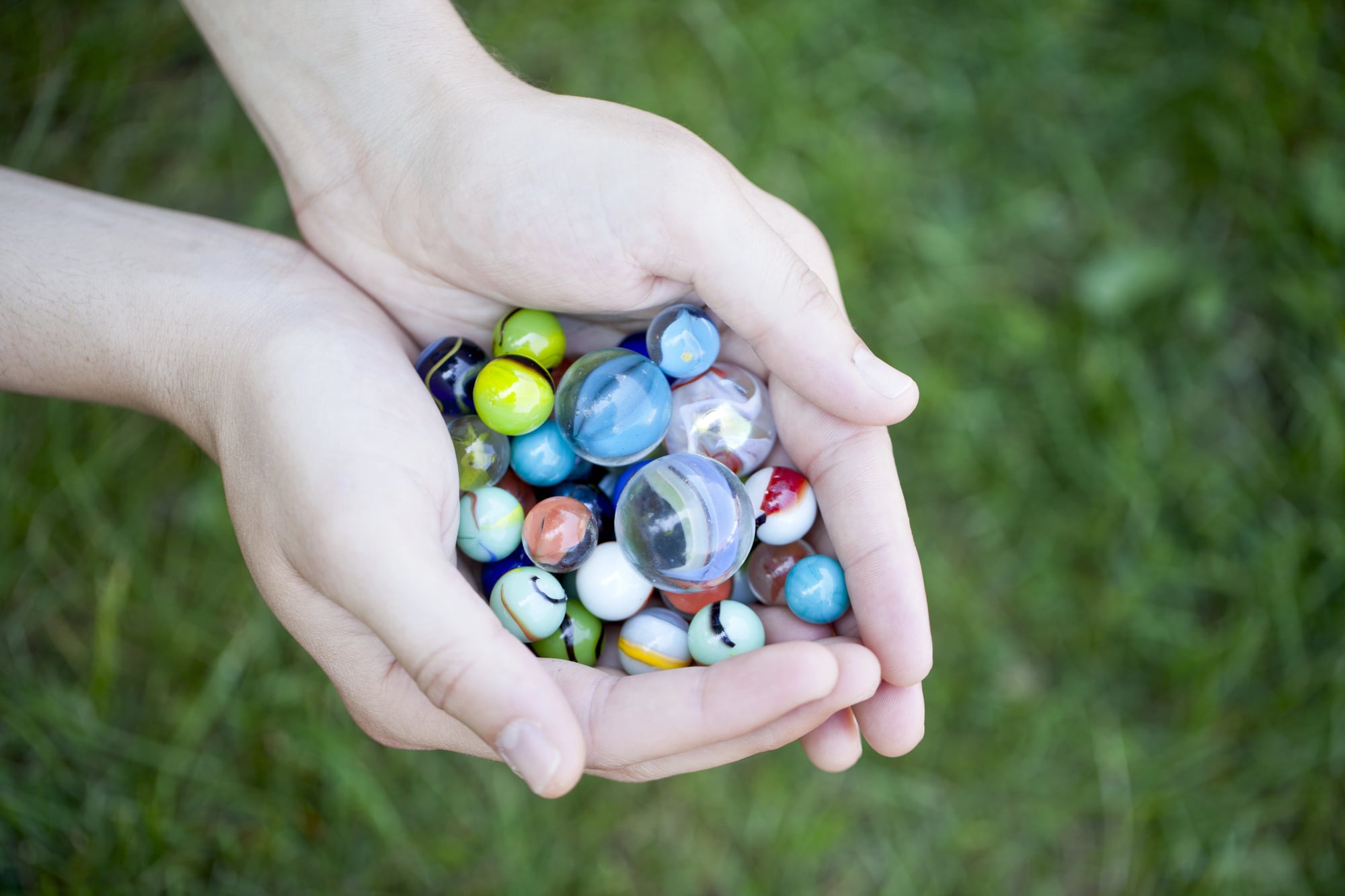
Marbles feel almost ancient compared to everything else on this list, a game passed down through generations of kids kneeling in dirt, flicking a shooter into a ring of smaller glass spheres with a precision that took actual practice to develop.
There was strategy buried in something that looked like pure chance, angle and force mattering more than luck ever did. The game never fully disappeared so much as it got crowded out, one recess trend after another taking up the space marbles used to own.
Bop It

Bop It turned a single plastic device into a full sensory test, shouting commands at kids faster and faster until fingers and wrists couldn’t keep up with twisting, pulling, and pressing on command.
It rewarded quick reflexes and punished hesitation instantly, which made it oddly compelling for a toy with no actual competition attached beyond whoever was standing nearby. Sleepovers ran entire tournaments around it.
Then, like most electronic novelties, it eventually got shoved into a closet and stayed there.
Pet Rocks
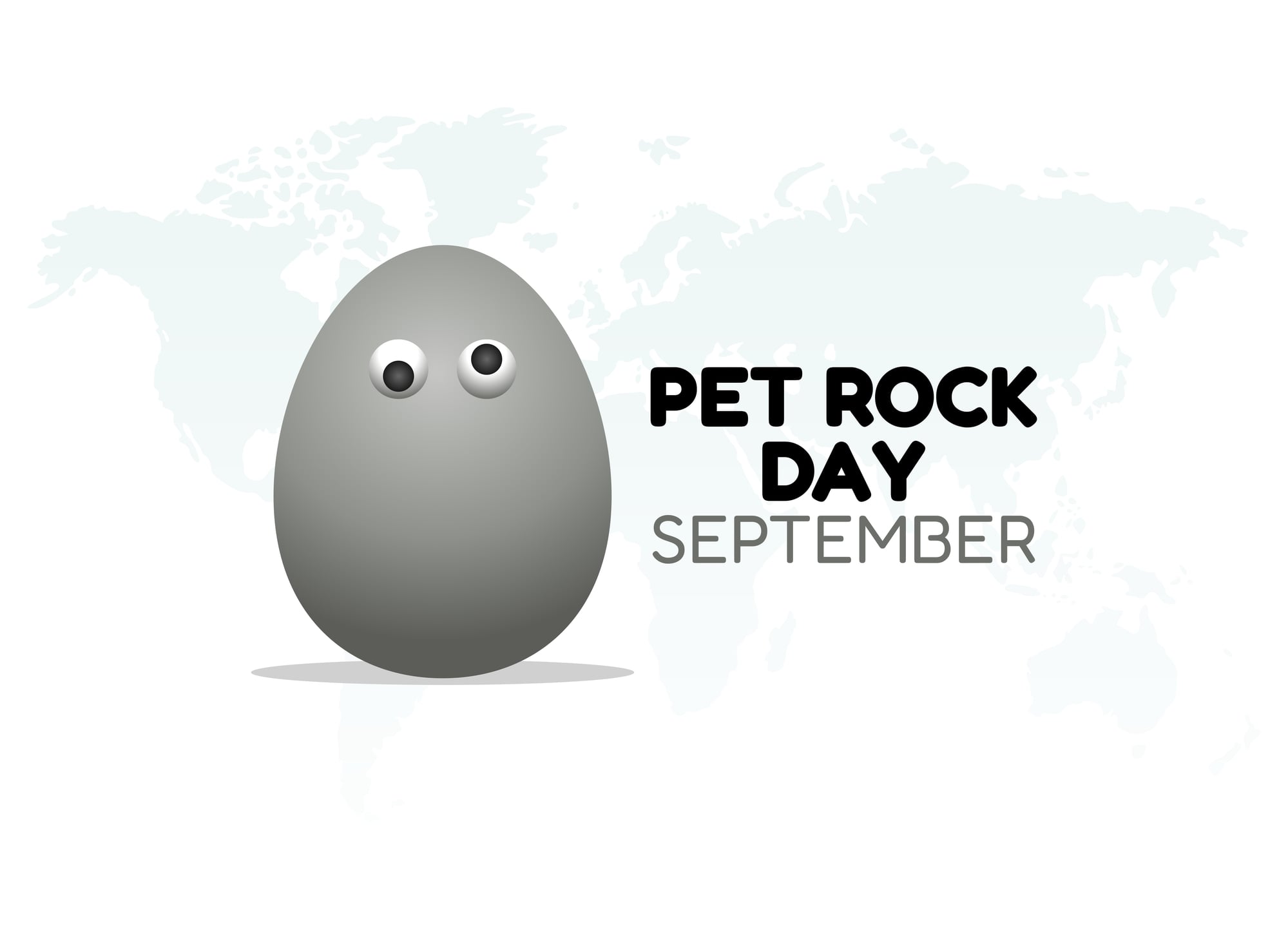
A rock, packaged in a small box with breathing openings punched into the lid and a straight-faced instruction manual, sold to millions of adults and kids alike as a low-maintenance companion, which sounds like satire until you realize it actually happened and made someone an enormous amount of money.
The joke was the entire product, and everyone who bought one seemed to understand that going in, which somehow made it more charming rather than less. It lasted about a year before the novelty wore thin, proving that even the funniest gag has a shelf life.
What Sticks Around Anyway

None of these fads left because they failed exactly. They left because something newer showed up, louder or shinier or slightly more absurd, and kids moved toward it the way attention always moves toward whatever’s next.
What’s left behind isn’t the toy itself so much as the specific memory of owning one: the sound a Trapper Keeper made, the panic of a dying Tamagotachi, the smell of a Gak container left open too long. Nostalgia doesn’t care whether the thing was good.
It just cares that you were there for it.
More from Go2Tutors!

- The Romanov Crown Jewels and Their Tragic Fate
- 13 Historical Mysteries That Science Still Can’t Solve
- Famous Hoaxes That Fooled the World for Years
- 15 Child Stars with Tragic Adult Lives
- 16 Famous Jewelry Pieces in History
Like Go2Tutors’s content? Follow us on MSN.



