33 Names and Traditions With Meanings People Repeat Without Knowing
Language accumulates history the way shorelines accumulate shells. Most of what we say every day carries stories we’ve never heard, derived from practices we’d never recognize, rooted in meanings that evaporated centuries ago but left the words standing.
We inherited these words and phrases from people solving problems we no longer have, making observations that mattered in their moment, engaging in rituals that made perfect sense to them. The original context is gone but the word remains, now divorced from its meaning like a photograph of someone we’ve never met.
What follows are words and traditions whose actual origins contradict, complement, or completely explain what most people assume they mean. Some derive from trade routes and conflict.
Others come from the specific failures of human bodies or institutions. Many are more specific and stranger than their modern usage suggests.
Every one of them was once a literal description before time transformed it into a figure of speech nobody thinks to question.
Salary (From Latin Sal, Salt)

Every paycheck traces back to the value of salt in ancient Rome. Roman soldiers were given an allowance called salarium, specifically to purchase salt—a commodity more essential to survival than gold because it preserved food during long campaigns and winters.
The word soldier itself derives from solde, French for pay, which came from the same root. Today salary is paid in currency, but the word still carries the ghost of the resource that made it necessary.
Bite the Bullet

During battlefield surgery without anesthesia, doctors would give wounded soldiers a bullet to bite down on. The pressure and distraction were the only pain management available.
The practice is documented from military surgeries across centuries, yet most people use the phrase without realizing they’re referencing a form of agony so complete that a block of metal between your teeth seemed like medicine.
Under the Weather (Nautical Origin)

Sailors who felt ill would move to a cabin beneath the bow of the ship, positioning themselves under the bad weather that was making them sicker. This literal positioning—below the foul weather—became the metaphor for feeling unwell.
The phrase carries the geometry of a specific shipboard strategy into modern usage for any minor illness.
Chewing the Fat
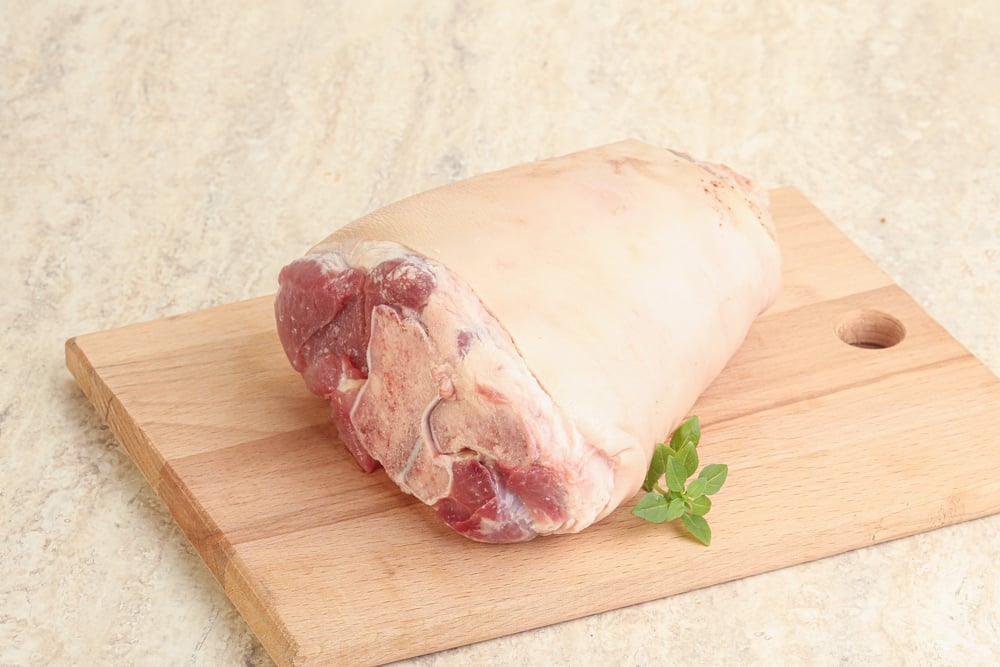
Before refrigeration, sailors ate salted pork fat when other food ran out. The fat was cheap, preserved indefinitely, and deeply unpopular.
Sailors complained constantly while eating it, turning their complaints into idle chatter. The phrase evolved to mean casual conversation, though the origin story is less about chewing gum and more about resigned consumption of inedible protein.
Cold Shoulder
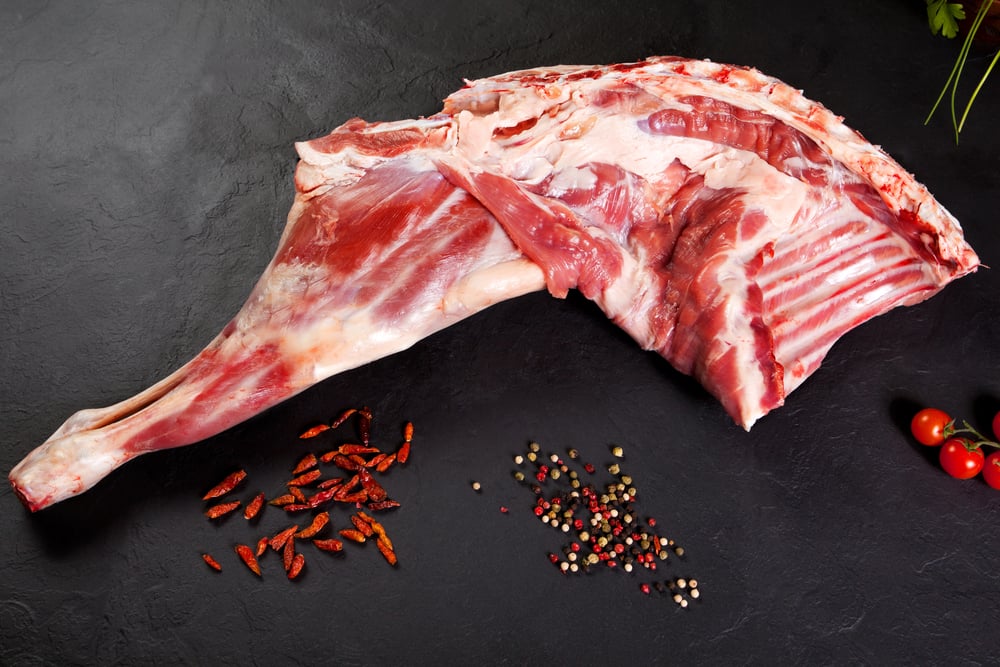
Medieval hosts in England signaled that a feast had ended and guests should leave by serving a cold shoulder of pork or mutton—the least appealing remains. The coldness wasn’t rejection but food protocol.
Serving cold meat at the end of a meal meant everyone understood the message: go home now.
Let the Cat Out of the Bag
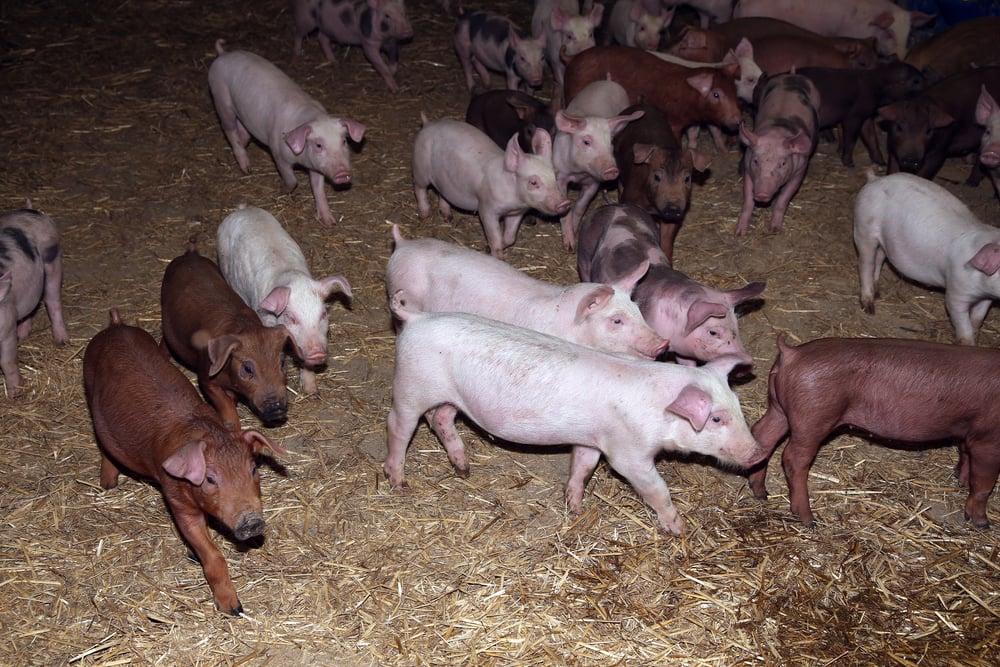
Medieval markets sold live piglets in bags for farmers to carry home. Dishonest merchants would secretly swap the piglet for a cheaper cat.
When a buyer discovered the switch—letting the cat out of the bag—they’d exposed the con in public. The phrase originally described revealing fraud through an accidental or deliberate opening.
Breaking the Ice
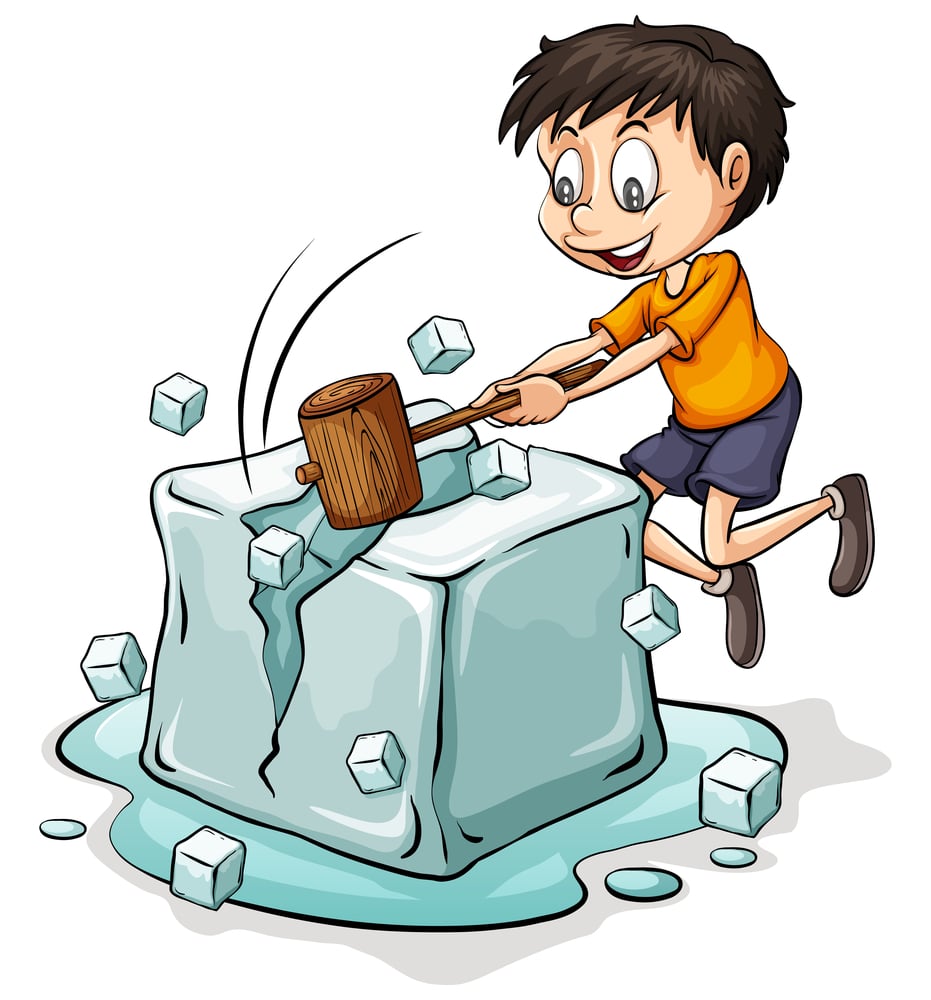
When winter froze shipping routes and halted trade, the country receiving goods would send small ships ahead to break through ice and create a passage for larger vessels. This diplomatic gesture of opening trade routes became the metaphor for initiating contact or starting a conversation.
The phrase is more literal than people assume.
White Elephant

The King of Siam supposedly gave white elephants to people he wanted to ruin. The animals were sacred and expensive to maintain, making them financial burdens disguised as gifts.
The phrase is documented from 19th-century accounts, though whether the practice actually existed is less certain than the metaphor’s persistence.
Bury the Hatchet

Native American tribes literally buried weapons as symbols of peace between rival groups. English colonists documented the practice, and it became so literal that the metaphor is nearly identical to its origin.
Making peace meant physically interring the instruments of conflict.
Spill the Beans

The most common theory traces this phrase to ancient Greek democratic voting. Citizens voted by placing beans in jars—white beans for yes, black beans for no.
If the jar tipped over before the count, the beans scattered everywhere, revealing the results prematurely. The idea of beans spilling and ruining carefully concealed information makes sense, though documentation of the practice is limited.
Turning a Blind Eye

British Admiral Horatio Nelson, who had lost his eye in battle, was given a signal during a naval engagement that he chose to ignore. He literally held his spyglass to his blind eye, claiming he couldn’t see the signal.
The act of willfully refusing to acknowledge something became attributed to him, making deliberate ignorance about his actual vision loss.
Beating Around the Bush

British bird hunters would pay people to walk through bushes and beat them with sticks, scaring birds out into the open where hunters waited. The people doing the beating were literally surrounding the intended target without hitting it directly.
The phrase preserves the strategy of approaching something indirectly.
Nest Egg

Farmers collecting eggs would leave one in the nest to encourage hens to keep laying in the same spot. By the 14th century, the term had become metaphorical—a “nest egg” was money set aside for the future, reserved the way a farmer reserves one egg to encourage future productivity.
With a Grain of Salt

Pliny the Elder documented that King Mithridates VI of Pontus developed immunity to poison by regularly ingesting small, tolerable doses. The doses were made bearable by consuming them “with a grain of salt,” making the poison tolerable enough to consume.
The phrase evolved to mean skepticism, though its origin lies in literally making poison palatable.
Groggy

Sailors drank grog—rum diluted with water—a drink named after Admiral Vernon, whose nickname was “Old Grog” (from his grogram coat). The drink made sailors drowsy and uncoordinated.
Feeling sluggish became synonymous with the drink that caused it.
Bedlam

The Bethlem Royal Hospital in London treated mentally ill patients in conditions so chaotic and violent that “Bedlam” became a synonym for madness itself. The hospital’s actual name, contracted phonetically, became the word for any place of complete disorder.
Posh (Port Out Starboard Home)
The etymology is disputed, but the popular theory claims that wealthy British travelers to India would book cabins on the port side during outbound voyages and starboard side on return trips to avoid harsh sunlight. The acronym POSH supposedly marked such tickets as desirable.
Modern evidence suggests this is probably folk etymology, but it persists regardless.
Soldier (Related to Salary)

The word “soldier” comes from the French “solde,” meaning pay, which itself derives from the Latin “sal”—salt. Every soldier carries the word for salt in their title, a linguistic reminder that compensation originally meant the resource needed to survive during long campaigns away from supply lines.
Sandwich (Named After the Earl of Sandwich)
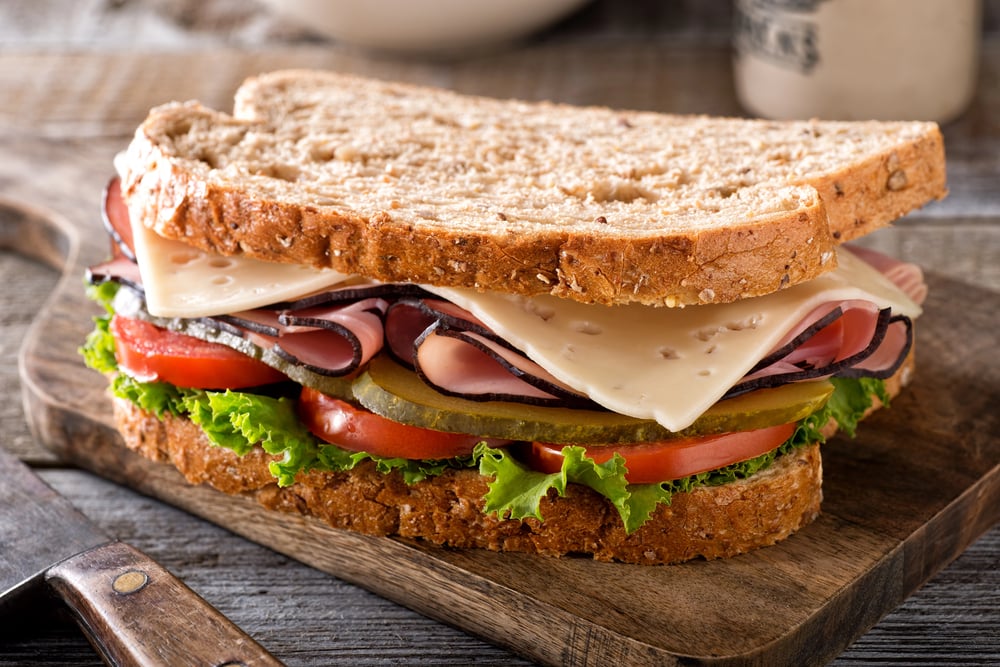
The Earl of Sandwich, an English nobleman, allegedly invented the sandwich by asking for meat between bread so he could eat without leaving the gaming table. Whether he invented it or simply became so famous for eating them that his name stuck, the term is a direct attribution to a person’s eating habit that became universal.
Broadcast (From Scattering Seed)

Before radio transmission, “broadcasting” meant literally scattering seed by hand across fields—spreading it widely and evenly. Radio engineers borrowed the term to describe transmitting signals across a wide area, keeping the metaphor of dispersal intact in our modern vocabulary.
Bankrupt (From Italian “Banca Rotta”)

When Italian merchants couldn’t pay their debts, creditors would literally break their money-changing bench—banca rotta—in the public square. The broken bench became the symbol of financial failure, and the word persists as the term for insolvency in English and other languages.
Shambles (From Meat Counters)
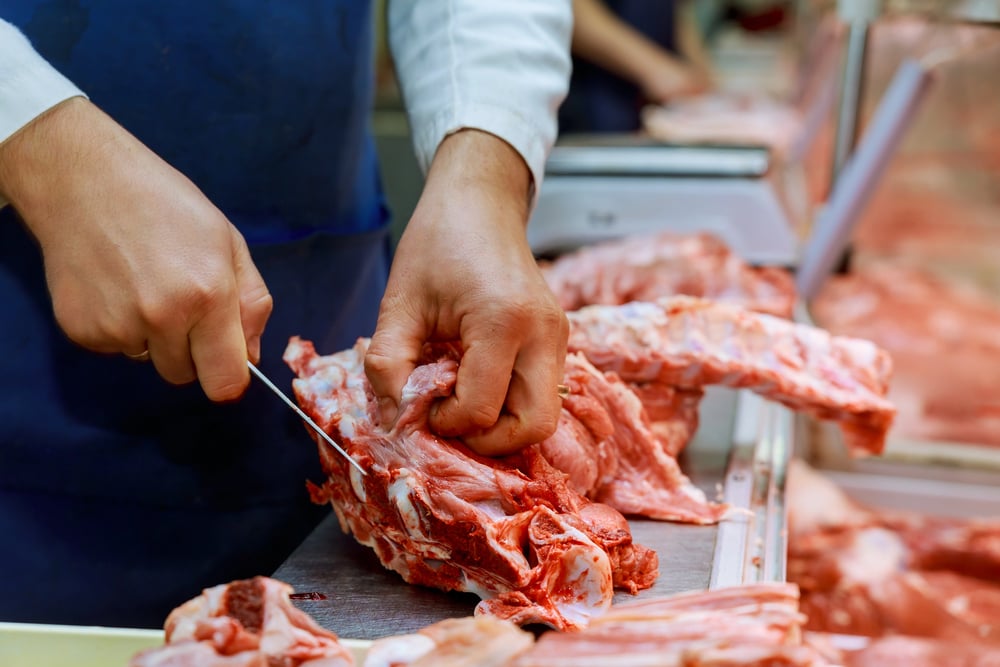
Medieval shambles were the butchers’ quarter of towns—covered shamble (from Old English “shamel,” stall) where meat was sold. Because butchers’ areas were notoriously bloody and disordered, “shambles” became a term for any chaotic or messy situation, preserving the sense of disorder from its marketplace origins.
Heckle (From Hackle, Textile Tool)
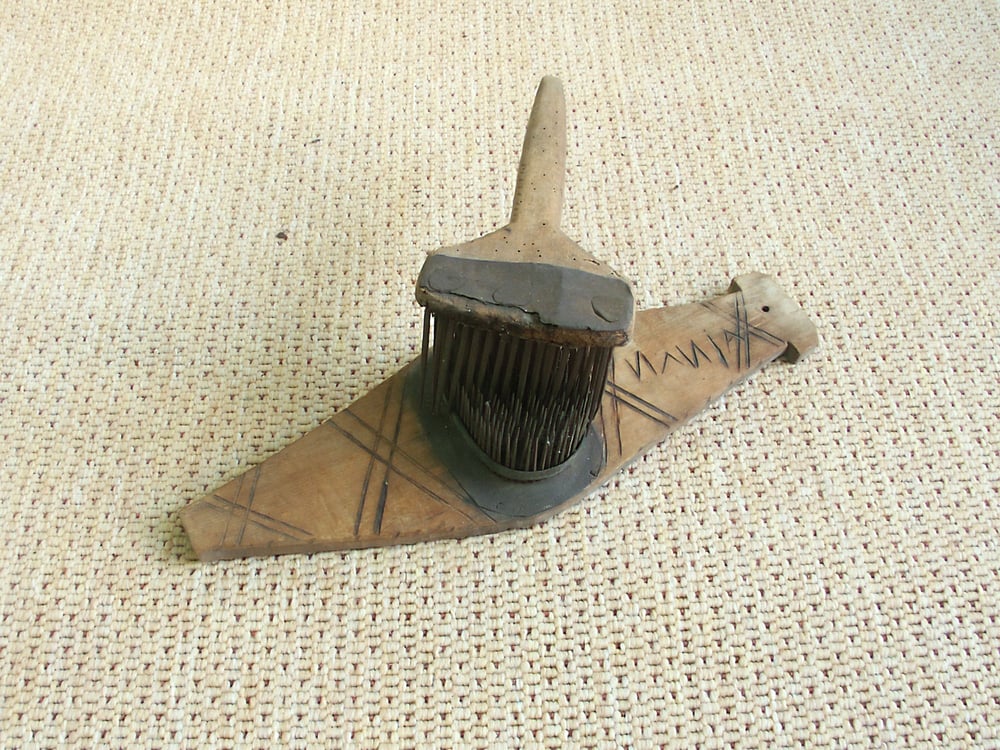
Hackles were tools used to comb and prepare flax for weaving. Heckling—interrupting a speaker—uses the same root, as if combing through someone’s words, pulling at the fibers of their argument.
The textile tool gave the modern word its aggressive connotation of disruption.
Whiskey (From Irish “Uisce Beatha”)

The Irish term “uisce beatha” meant water of life—a poetic name for their distilled spirits. As trade expanded and English speakers encountered the drink, they phonetically Anglicized “uisce” into “whiskey,” preserving the Irish poetry in a Gaelic-English hybrid word.
Curfew (From French “Couvre-Feu”)

Medieval French towns instituted evening fire restrictions by commanding “couvre-feu”—cover the fire. The ringing bell announcing the time to extinguish hearth fires and go to bed eventually became the general word for any evening time restriction, though its origin is specifically about fire management and safety.
Decimate (One in Ten)
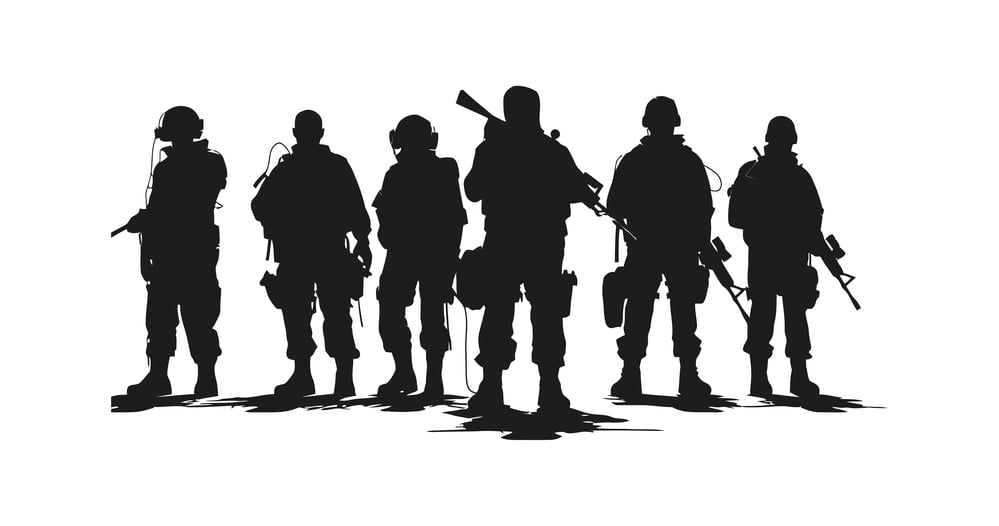
Roman military commanders would execute every tenth soldier in a mutinous unit as punishment—literally decimating (taking one in ten) the group. The word now means general destruction, but it originated as a precise calculation of retribution, one-tenth of a population at a time.
Profane (Outside the Temple)
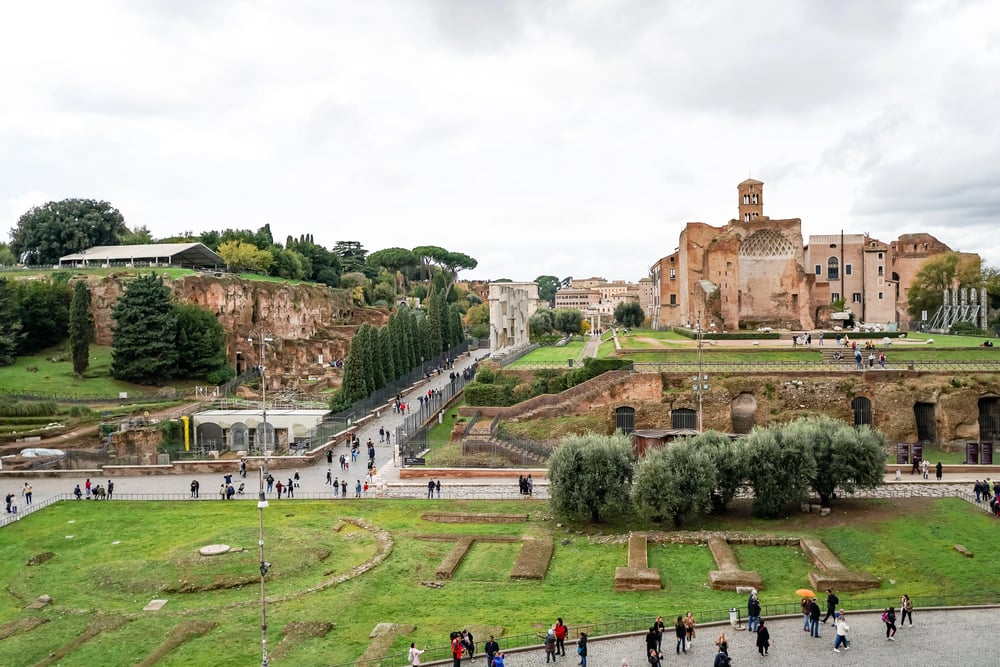
Profane literally means “outside the temple”—pro (outside) + fanum (temple). Anything profane was deemed inappropriate for sacred spaces.
The word carried no moral judgment originally; it simply meant non-sacred. Modern usage added judgment and condemnation over centuries.
Sirloin (From French “Sur” + “Loin”)
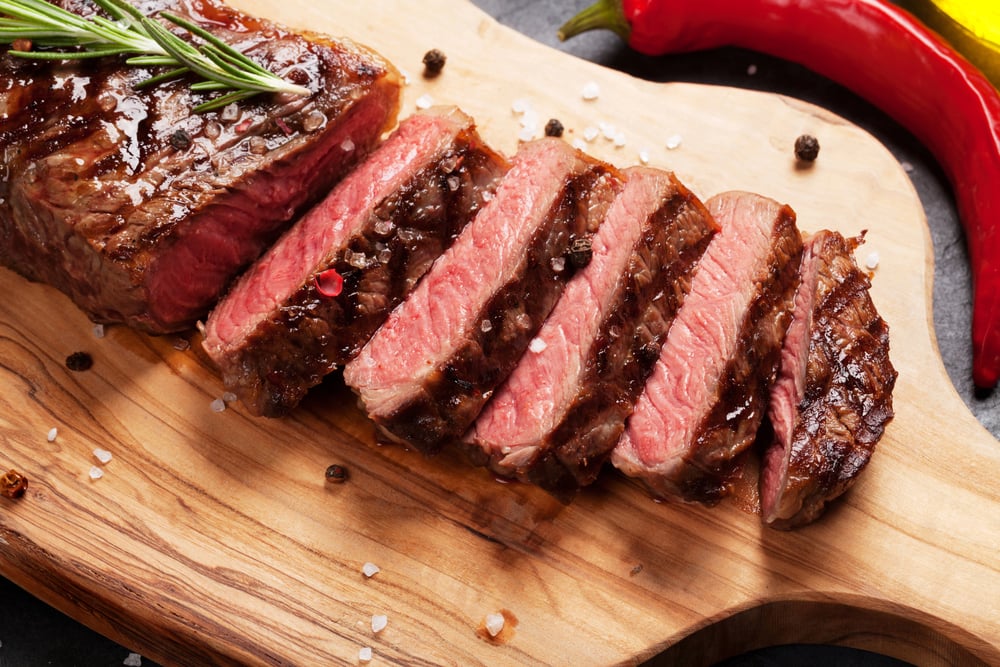
A sirloin steak is the superior loin—”sur” meaning above or superior, combined with loin. Despite the popular story that a king knighted the cut of meat and created “Sir Loin,” the etymology is simply French for “top loin,” a straightforward descriptive term.
Maroon (From Marooning Pirates)
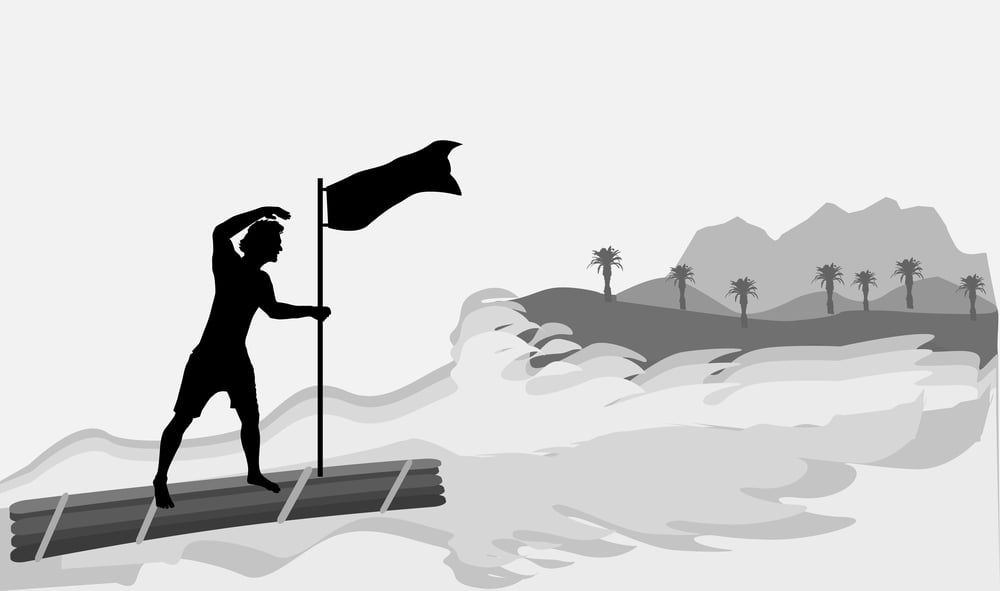
Pirates couldn’t return to port, so they were left abandoned on islands—marooned. The color maroon, dark red like dried blood, became associated with the practice and the desperation of those abandoned.
Leaving someone marooned meant condemning them to isolation and certain death.
Innocent (From Latin “Not Harmed”)

The word innocent literally means “not harmed” from the Latin innocens. Legal innocence was about being unharmed by the charge, undamaged by the accusations.
Modern meaning preserves the literal sense of someone free from damage or harm, though we’ve shifted the meaning toward moral rather than physical integrity.
Champagne (From Region in France)

Champagne isn’t champagne unless it comes from the Champagne region of France—a legal definition rooted in place. Wine makers from the region named their product after their location, and now the word is protected by international agreement.
The name is entirely geographical, though consumers often forget this constraint.
Impressed (From Naval Impressment)

To impress sailors meant to force them into naval service—impressment was the practice of coerced military recruitment. Someone impressed by something else retained this sense of being compelled or struck forcibly, but modern usage has lost the coercion.
The word was originally about involuntary action, now inverted to express delight.
Candidate (From Latin “Candida,” White)

Roman candidates for office wore white togas—candida. Their pristine white clothing announced their status as candidates seeking votes.
Every candidate still carries the whiteness of those togas in their name, though the connection is invisible to modern speakers.
The Ghost of Meaning Past

These 33 words and phrases are linguistic fossils. They preserve specific moments—a merchant’s deception exposed by a cat instead of a piglet, a general’s decision to ignore an unwanted signal, a farmer’s single egg reserved for future productivity.
The context dissolved but the words remained, now carrying meanings we’ve constructed without knowing their foundations. Every time we use them, we invoke these forgotten moments without realizing we’re speaking history compressed into ordinary language.
More from Go2Tutors!

- The Romanov Crown Jewels and Their Tragic Fate
- 13 Historical Mysteries That Science Still Can’t Solve
- Famous Hoaxes That Fooled the World for Years
- 15 Child Stars with Tragic Adult Lives
- 16 Famous Jewelry Pieces in History
Like Go2Tutors’s content? Follow us on MSN.