Movies Filmed in Multiple Countries
Every film production faces a choice about where to shoot. Some stories demand authenticity that only real locations can provide.
When filmmakers pack up their crews and equipment to chase the perfect backdrop across borders, something interesting happens. The movie itself becomes a kind of passport, stamping visuals from different corners of the world into a single narrative.
The Bond Films Set the Standard

James Bond films practically invented the multi-country filming approach. Since Dr. No in 1962, these productions treated the globe as their studio lot.
Casino Royale bounced between the Bahamas, Czech Republic, Italy, and the UK. Spectre took it further, filming in Mexico, Austria, Italy, Morocco, and England. The production logistics alone require military-level planning, but audiences get those sweeping shots that make Bond feel genuinely international.
Lawrence of Arabia Changed Everything

David Lean’s 1962 epic filmed across Jordan, Spain, and Morocco. The desert landscapes weren’t just backgrounds—they became characters in the story.
Lean spent years scouting locations, searching for vistas that could match the scale of T.E. Lawrence’s actual journey. The film proved that authentic locations could elevate a story beyond what any studio backlot could achieve, even with the technology of the time.
The Bourne Series Made Cities Matter

The Bourne Identity filmed in Paris, Prague, and various other European cities. Jason Bourne’s amnesia mirrors the disorientation of constantly waking up in new places.
Director Doug Liman used handheld cameras to capture the texture of each city—the cobblestones, the architecture, the way light hits buildings differently in different countries. Later Bourne films continued this approach, treating each location as essential to the character’s journey rather than just eye candy.
Inception Built Dream Worlds Everywhere

Christopher Nolan filmed Inception in six countries: the US, UK, France, Morocco, Japan, and Canada. Each location represented a different layer of the dream world.
The Paris café scene, where Ellen Page’s character learns about dream manipulation, actually filmed in Paris. The snowy fortress scenes used a real glacier in Alberta.
Nolan’s team coordinated these locations to create a cohesive visual language for each dream level.
The Grand Budapest Hotel Found Its Own Europe
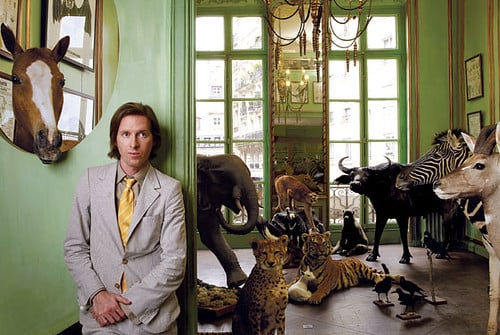
Wes Anderson shot The Grand Budapest Hotel primarily in Germany, with additional scenes in other European locations. The fictional Republic of Zubrowka doesn’t exist, but Anderson built it from pieces of real Central European architecture and landscapes.
The film’s meticulous production design required locations that could support Anderson’s symmetrical, dollhouse aesthetic. Finding the right buildings meant scouting across multiple countries until each frame looked exactly right.
The Motorcycle Diaries Traced a Real Journey
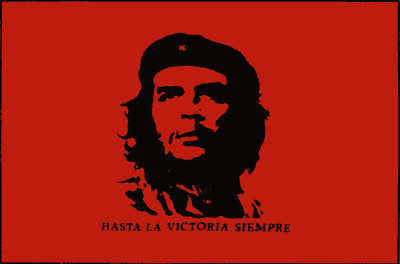
This 2004 film follows Che Guevara’s trip across South America. The production filmed in Argentina, Chile, and Peru, following the actual route Guevara took in 1952.
Director Walter Salles insisted on authenticity, shooting at the same leper colony Guevara visited, using the same roads he traveled. The landscape changes throughout the film—from comfortable cities to harsh mountain terrain—mirror Guevara’s transformation.
Skyfall Mixed Old and New
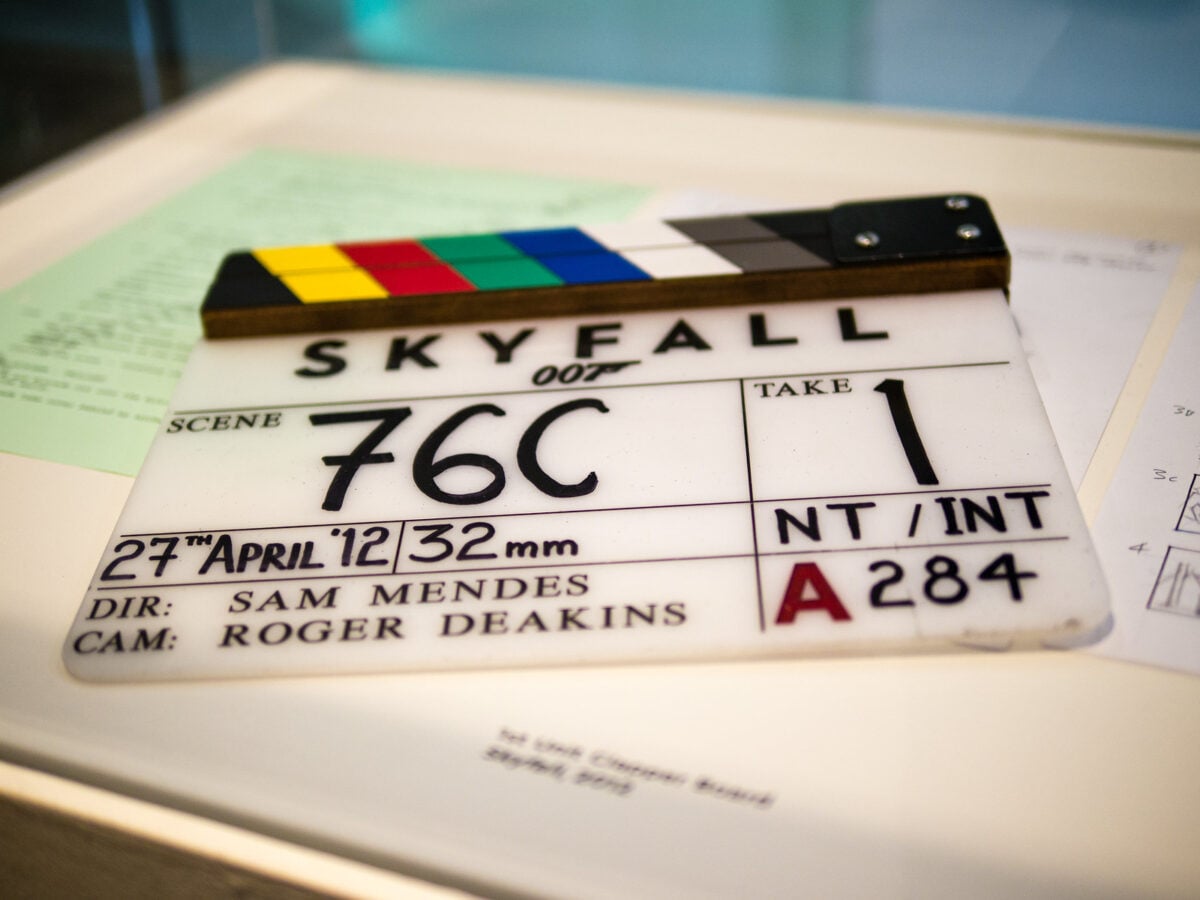
Sam Mendes took Bond to Turkey, China, Japan, and Scotland for Skyfall. The opening sequence in Istanbul used actual rooftops and markets, creating a chase scene that feels visceral rather than staged.
The contrast between the sleek Shanghai skyscraper scenes and the rugged Scottish highlands reinforced the film’s themes about old versus new, tradition versus technology. The crew filmed the Scottish sequences at Glen Etive and Glen Coe, where the landscape’s bleakness matched Bond’s emotional state.
These weren’t just pretty locations—they served the story’s darker turn.
The Beach Showed Thailand to the World

Danny Boyle’s 2000 film put Maya Bay in Thailand on the map—literally and unfortunately. The production filmed across Thailand, capturing the country’s islands, jungles, and urban areas.
What seemed like a celebration of paradise actually triggered such intense tourism that Thai authorities had to close Maya Bay in 2018 to let it recover. The film demonstrates how location shooting can have unintended consequences.
Millions of people saw those pristine beaches and decided they needed to visit them, changing those places forever.
The Darjeeling Limited Rode the Rails

Wes Anderson filmed this 2007 movie almost entirely in India, but the production traveled extensively to capture the country’s railway landscapes. The train itself became a mobile set, filming while actually moving through Rajasthan.
Anderson’s crew scouted locations across the region, finding temples, markets, and villages that fit his visual style while still feeling authentically Indian.
The Talented Mr. Ripley Captured Italy
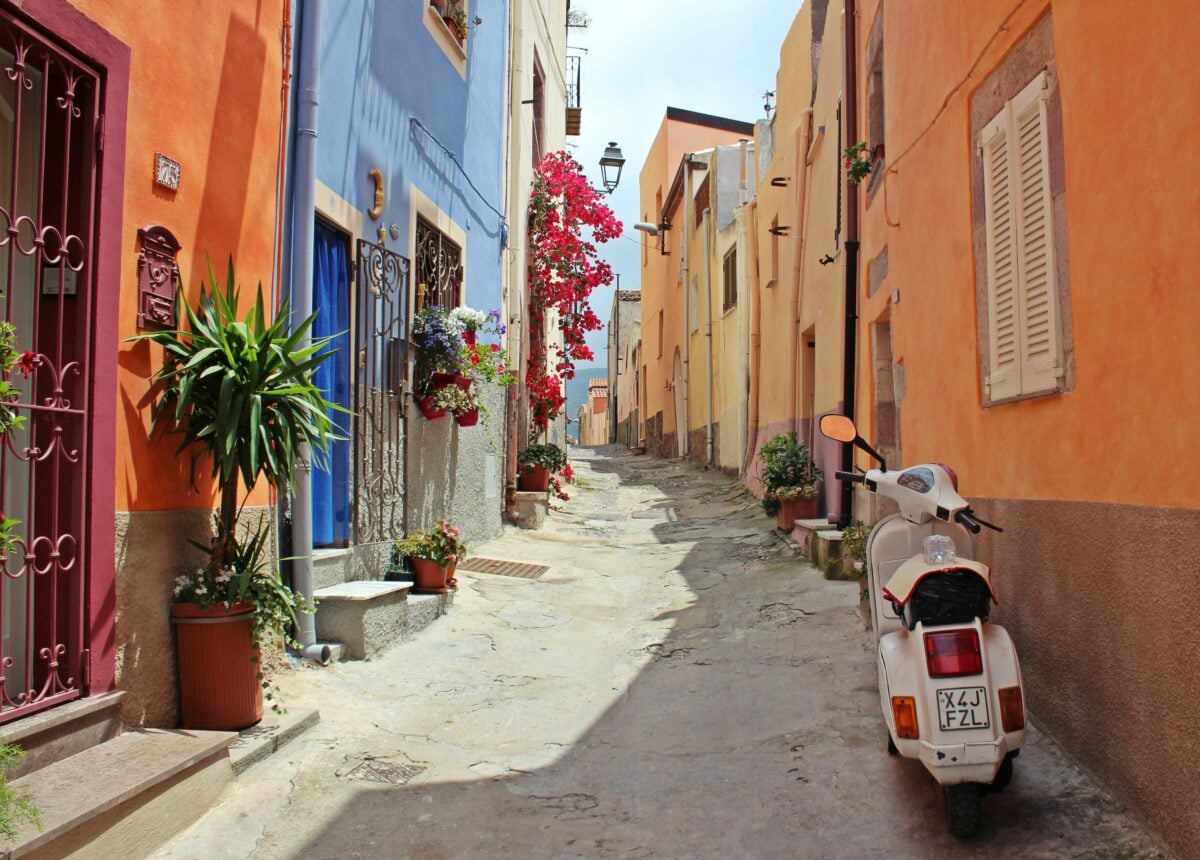
Anthony Minghella filmed this psychological thriller across Italy, using Rome, Venice, Naples, and the Amalfi Coast. Each location reflects Tom Ripley’s journey from outsider to insider in European high society.
The production spent months in Italy, finding specific palazzos, beaches, and cafes that captured the novel’s 1950s setting. The locations aren’t just beautiful—they create the world of wealth and leisure that Ripley desperately wants to inhabit.
Three Billboards Considered Ireland
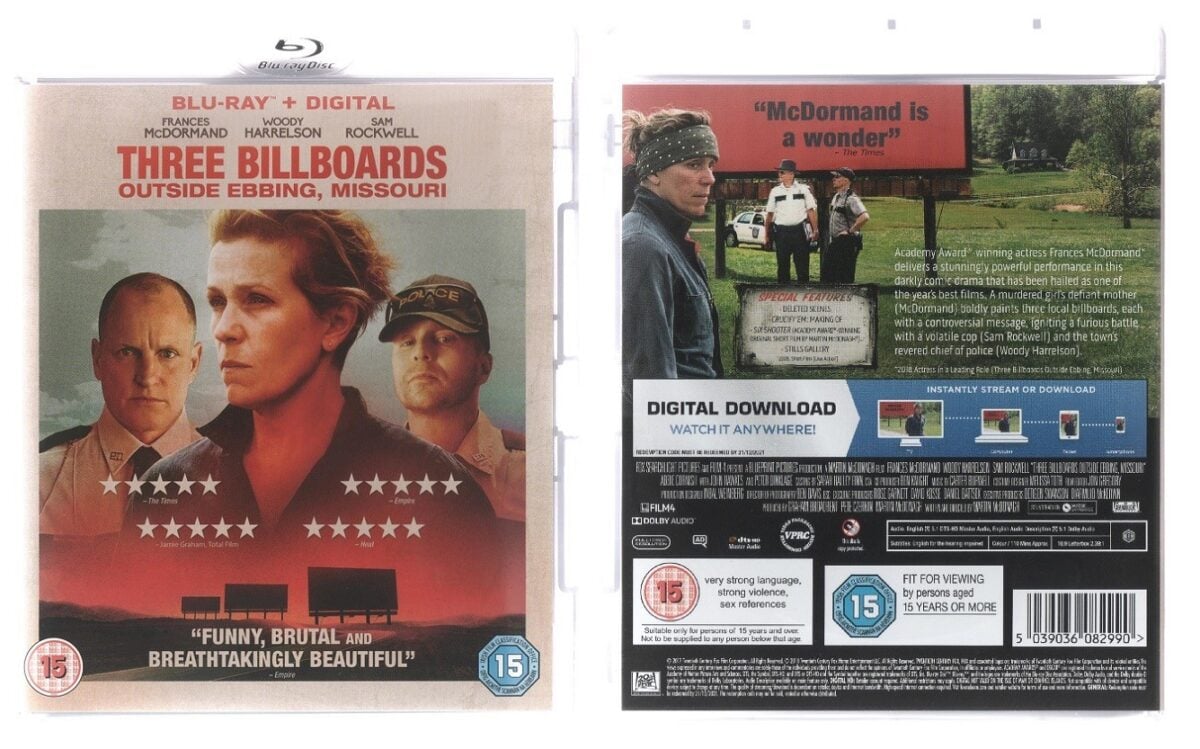
Martin McDonagh originally planned to film Three Billboards Outside Ebbing, Missouri in Ireland or England, then decided to actually shoot in North Carolina to stay true to the story’s American setting. This decision shows how filmmakers sometimes consider multi-country production for practical reasons, then choose authenticity instead.
The reverse happens too. Many films set in America actually shoot in Canada for tax incentives, though they work hard to hide that fact.
The Lord of the Rings Chose New Zealand

Peter Jackson’s trilogy filmed entirely in New Zealand, but the production used locations across both the North and South Islands. From Hobbiton’s rolling hills to Mordor’s volcanic landscapes, the films required such varied terrain that they essentially treated New Zealand as multiple countries.
The production spent years scouting every corner of the islands to find landscapes that matched Tolkien’s descriptions. This approach created a cohesive Middle-earth while showcasing New Zealand’s extraordinary range of natural beauty.
The films turned the country into a tourist destination and demonstrated that you don’t always need multiple countries—sometimes you just need the right one.
Quantum of Solace Never Stopped Moving

This Bond film holds a record for filming locations: Austria, Italy, Chile, Panama, Mexico, Haiti, and the UK. The production schedule required military-level logistics to move cast, crew, and equipment between countries on tight deadlines.
Some locations only appear for minutes of screen time, raising questions about whether constant movement serves the story or just the spectacle.
How It Changes the Final Cut

Films made in several nations carry a distinct texture compared to those built entirely on soundstages. Sunlight shifts subtly when moving from one region to another, buildings speak their own visual language, people in the background wear clothes that belong right there.
When cutting footage shot half a year apart under opposite skies, rhythm gets tricky. Adjusting hues means bridging gaps caused by mismatched gear, aging film rolls, and weather that never repeats itself.
Yet it’s the roughness – the tiny flaws – that gives some movies their grounded weight. Feel how the cast really was there, standing where the scene unfolds, tasting the wind.
Backlots deliver precision. Out there in actual spots, you get honesty instead.
Where Stories Reside
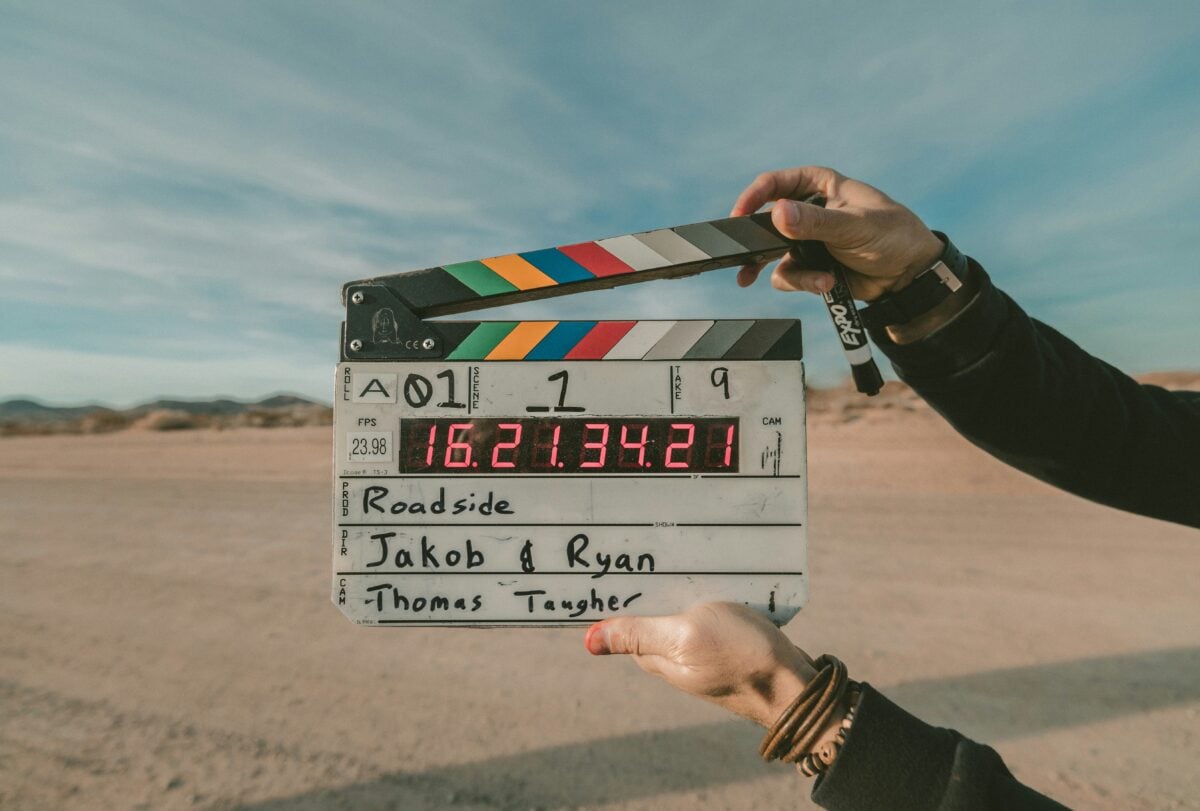
A film shot across distant places shows something deeper than views. Not only landscapes appear on screen, but echoes of past events, shifts in climate, how sunlight touches stone or water differently each morning.
People working behind the camera navigated rules set by towns they barely knew, ate meals shaped by nearby farms, faced delays no script could predict. Performers stood inside real storms, shivered in mountain dawn air, sweated under desert suns.
Out in the open air, films carry the weight of their shooting locations. Where a scene unfolds on camera leaves marks behind – small things you notice only if you’re looking.
Five nations might shape one story without ever being named. Background sounds, light patterns, even silence speak of real ground underfoot.
Fake sets miss these whispers. What stands before the lens sticks around long after editing ends. Realness lingers when everything else fades.
More from Go2Tutors!

- 16 Historical Figures Who Were Nothing Like You Think
- 12 Things Sold in the 80s That Are Now Illegal
- 15 VHS Tapes That Could Be Worth Thousands
- 17 Historical “What Ifs” That Would Have Changed Everything
- 18 TV Shows That Vanished Without a Finale
Like Go2Tutors’s content? Follow us on MSN.



