29 Optical Illusions That Trick the Brain in Ways Scientists Still Can’t Fully Explain
Our brains evolved to make rapid interpretations of visual information, prioritizing speed over accuracy. This trade-off leaves visual perception vulnerable to tricks.
Optical illusions exploit the brain’s shortcuts and assumptions, revealing gaps between what we see and what’s actually there. While scientists understand some mechanisms behind illusions, others remain mysterious, suggesting our understanding of perception is still incomplete.
The Impossible Triangle

Three bars arranged to form a triangle that couldn’t exist in three-dimensional space nonetheless appear to form a coherent object. The brain fills in the missing geometry, creating a shape that violates spatial logic.
Why the brain insists on completing an impossible figure remains incompletely understood.
The Spinning Dancer

An ambiguous silhouette of a dancer rotates. Viewers see her spinning either clockwise or counterclockwise, and switching between these perceptions is possible but challenging.
The ambiguity reveals how actively the brain constructs visual perception rather than passively receiving it.
Rubin’s Vase

A white vase appears against a black background, but flipping attention reveals two black face profiles facing each other. The same image contains two completely different objects depending on which parts the brain designates as figure versus background.
The Kanizsa Triangle
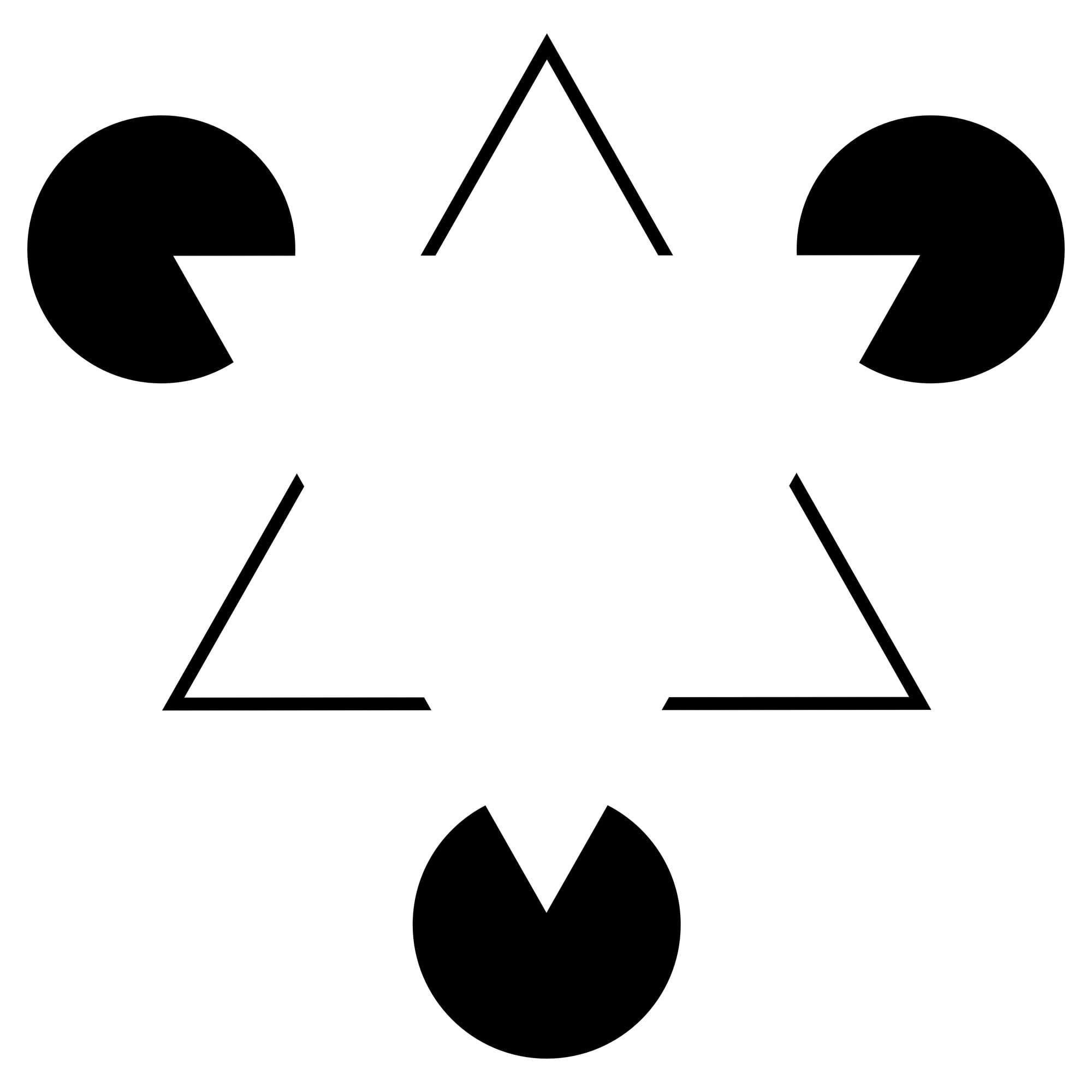
White triangle appears to float atop three black circles, but no actual triangle exists—the brain perceives boundaries that aren’t drawn. This illusion demonstrates how the brain manufactures edges and surfaces that don’t physically exist.
The Müller-Lyer Illusion
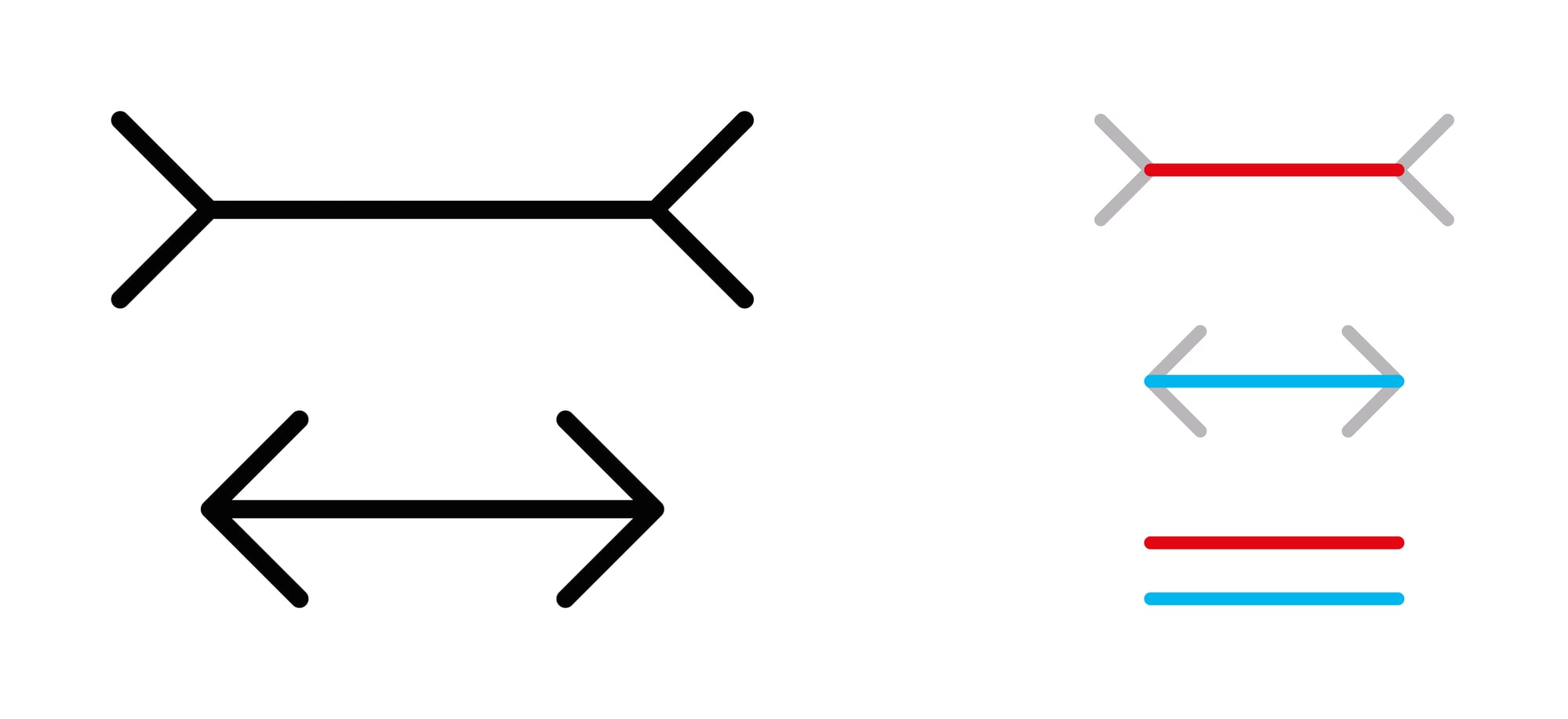
Two lines of identical length appear different because of the angle of lines at their ends. Despite knowing they’re equal, most people continue perceiving them as different.
The illusion persists even with full awareness, suggesting it operates below conscious control.
The Hermann Grid
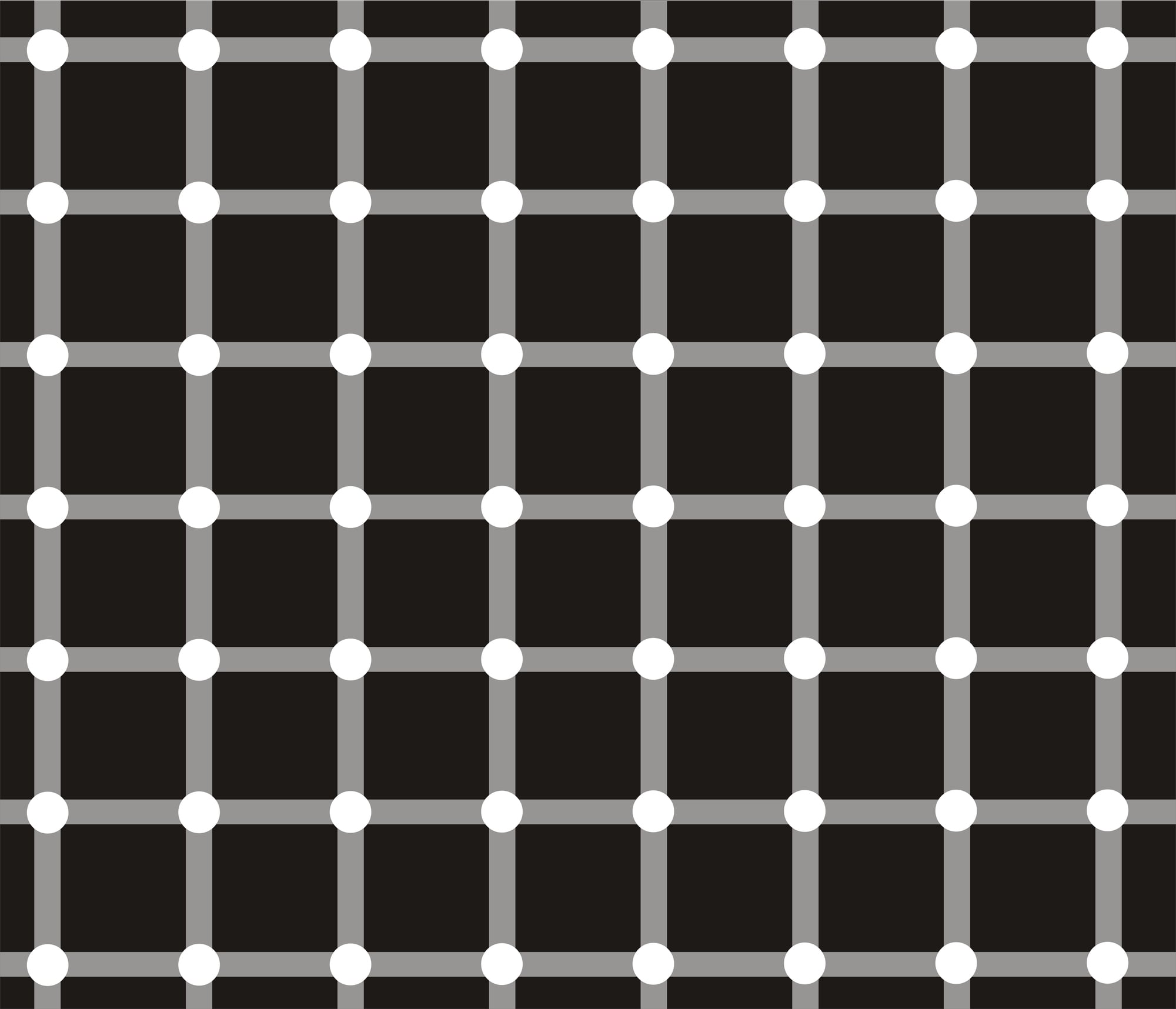
Black squares appear at the intersections of white lines forming a grid, but these squares aren’t actually there. They vanish the moment you look directly at them.
The illusion appears to result from lateral inhibition in the retina, yet details remain contested.
Impossible Waterfall
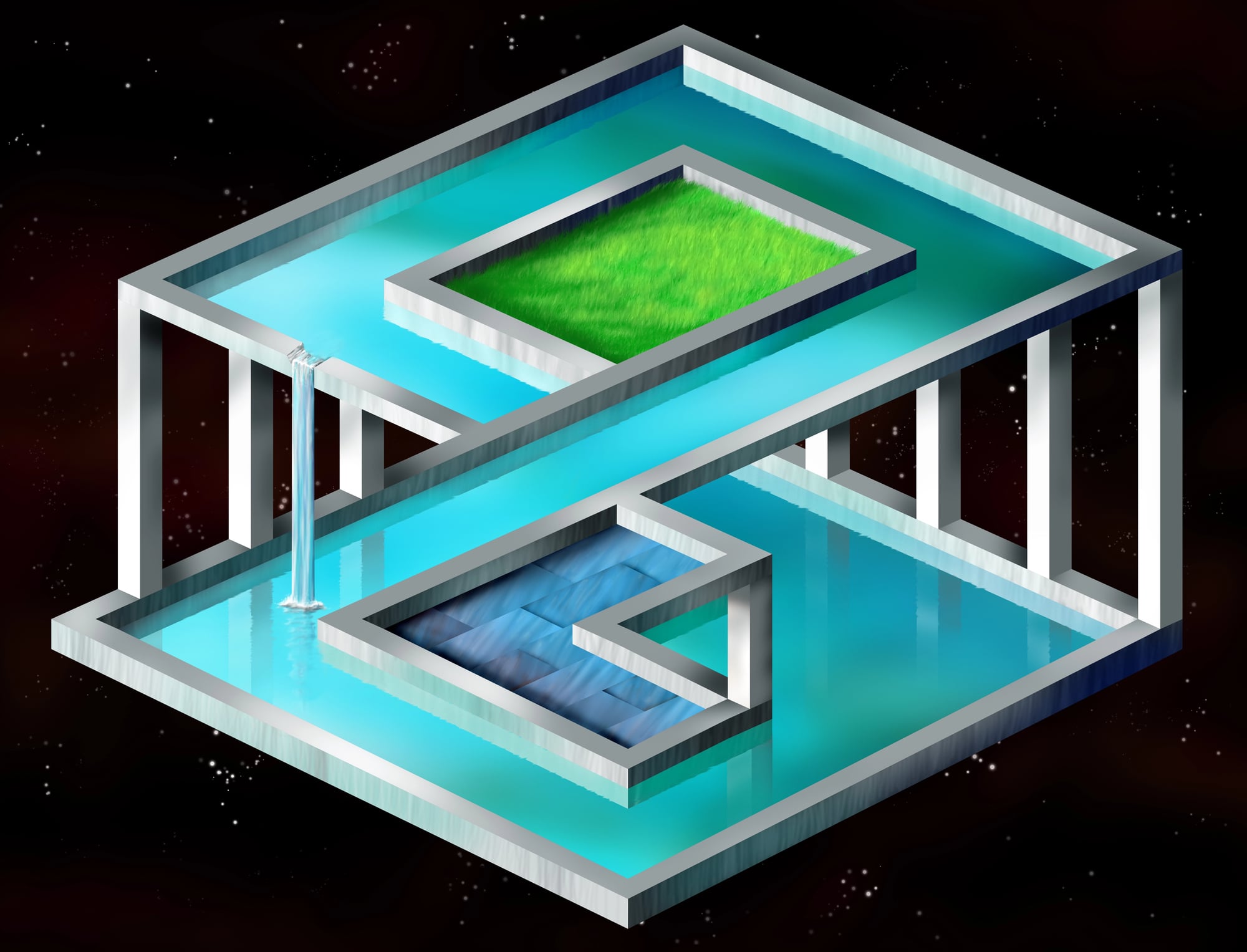
An animated waterfall appears to flow endlessly downward while returning to its starting point, violating conservation of mass. The illusion exploits assumptions about gravity and object continuity.
The Penrose Stairs
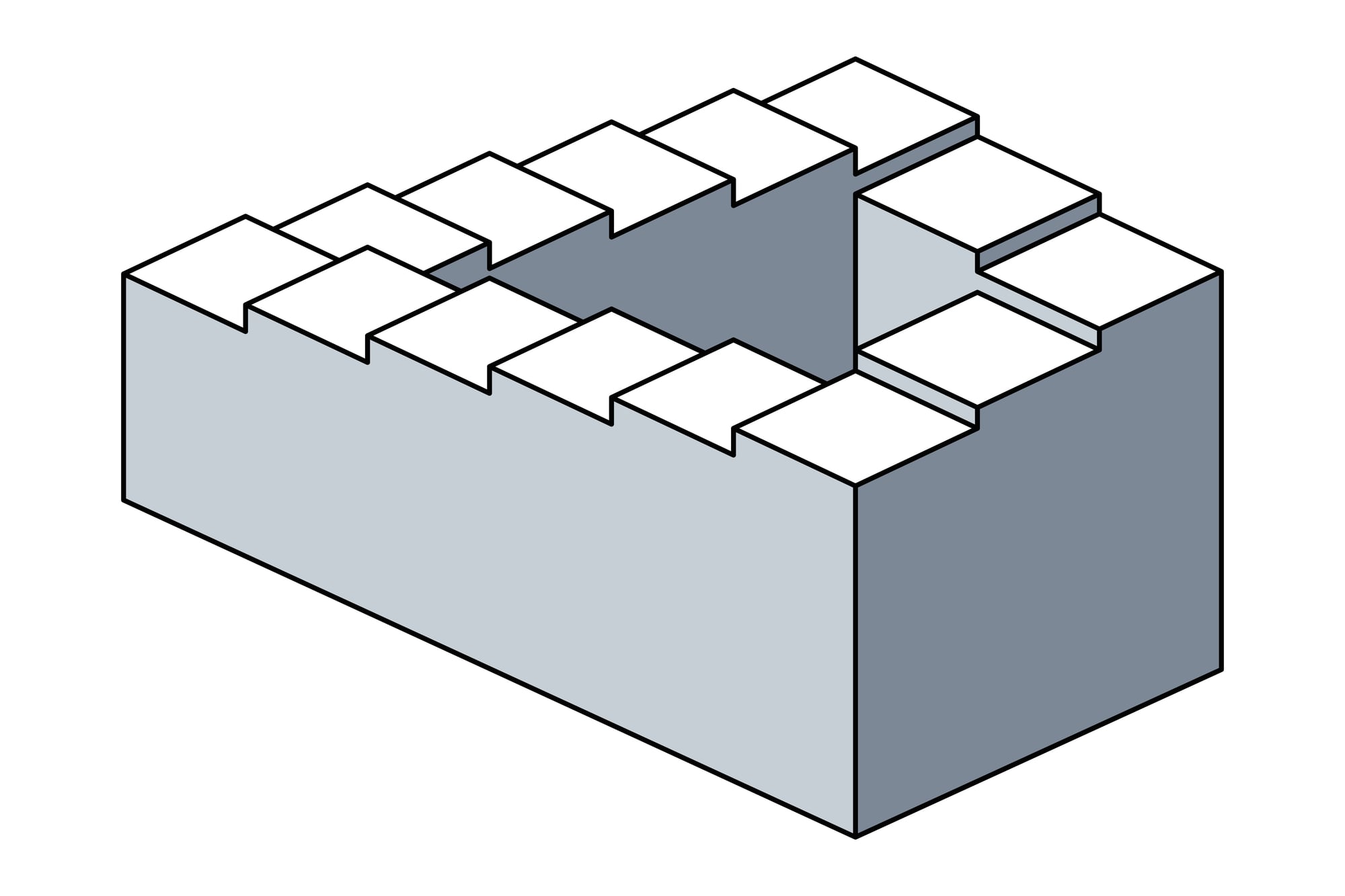
A staircase appears to loop back on itself, with the ascending staircase returning to its starting point. Walking the stairs would be impossible, yet the brain accepts the configuration as valid.
The Shepard Tone
A sequence of tones appears to continuously ascend in pitch yet returns to its starting tone. The illusion persists even for musically trained listeners, suggesting the auditory system shares perception construction mechanisms with vision.
Afterimage Illusions
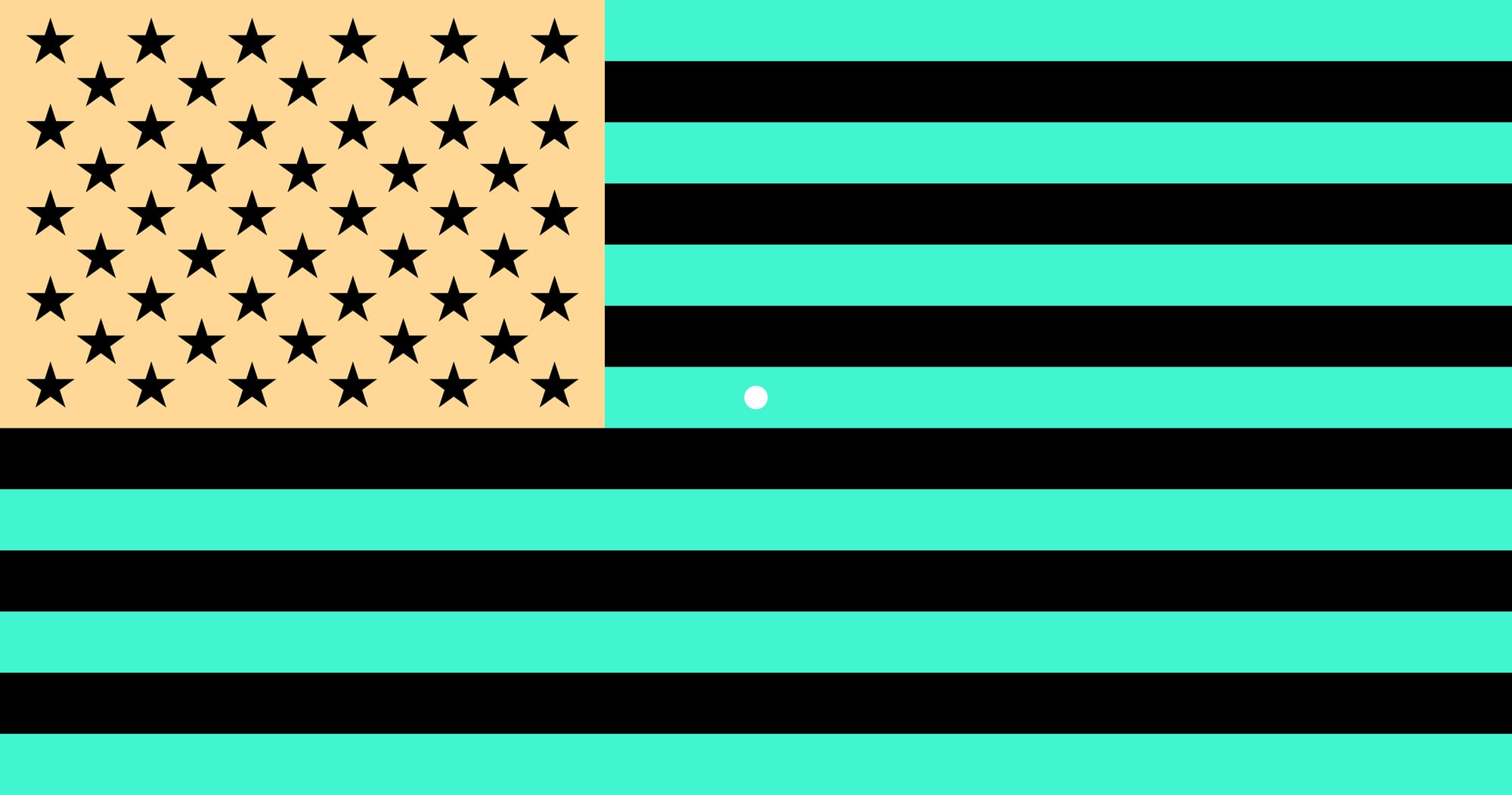
Staring at a bright image then looking at a blank wall produces the opposite-colored image. The mechanism is well-understood as retinal fatigue, yet the vividness of the experience demonstrates how constructed perception is.
Motion Illusions from Static Images
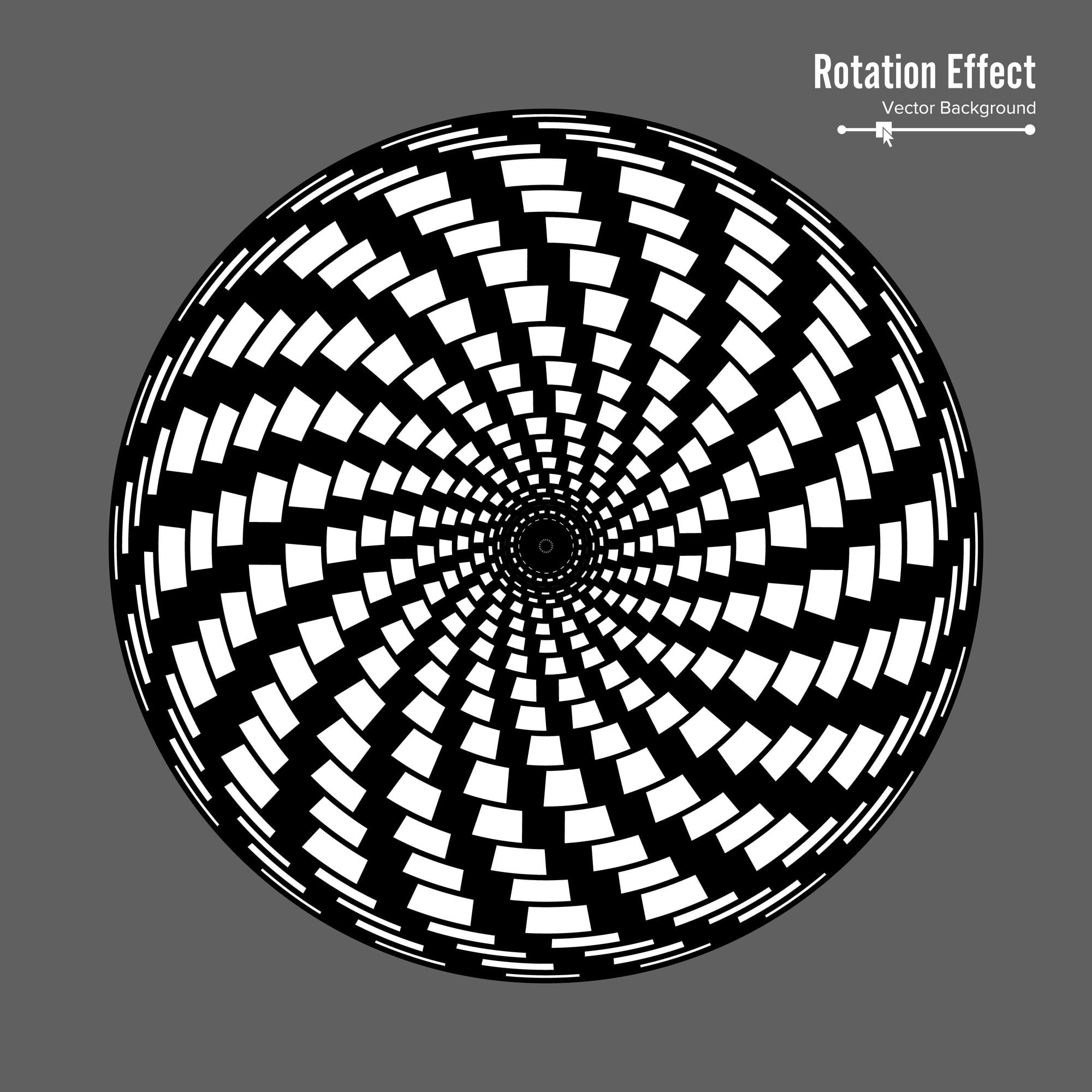
Rotating patterns appear to move despite being completely static. Theories involving edge detection and motion analysis systems suggest an explanation, but why viewing angle and eye movement interact with these illusions remains incompletely modeled.
Impossible Arch
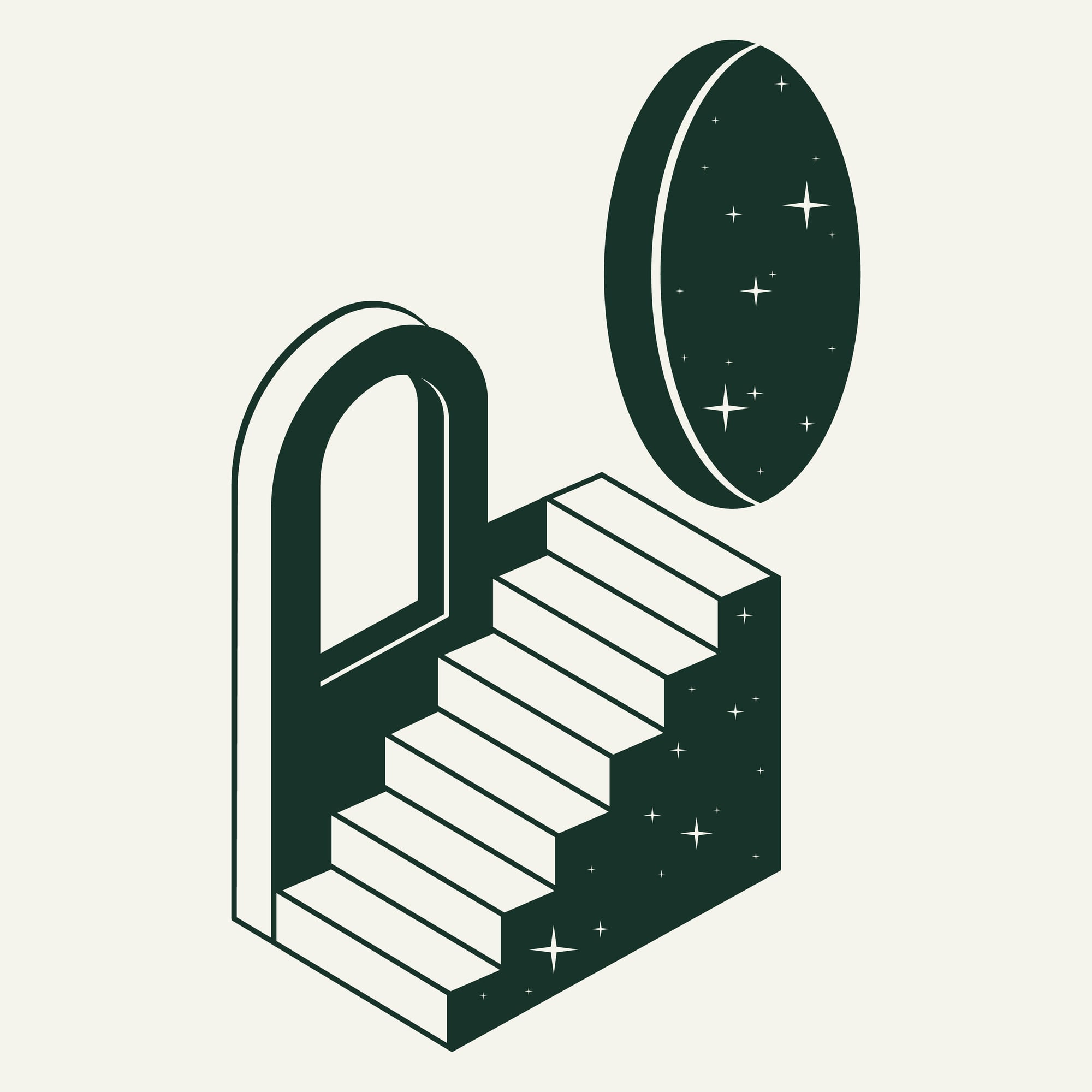
An archway appears to loop back on itself in contradiction to three-dimensional space. The brain accepts this configuration despite its spatial impossibility.
The Café Wall Illusion
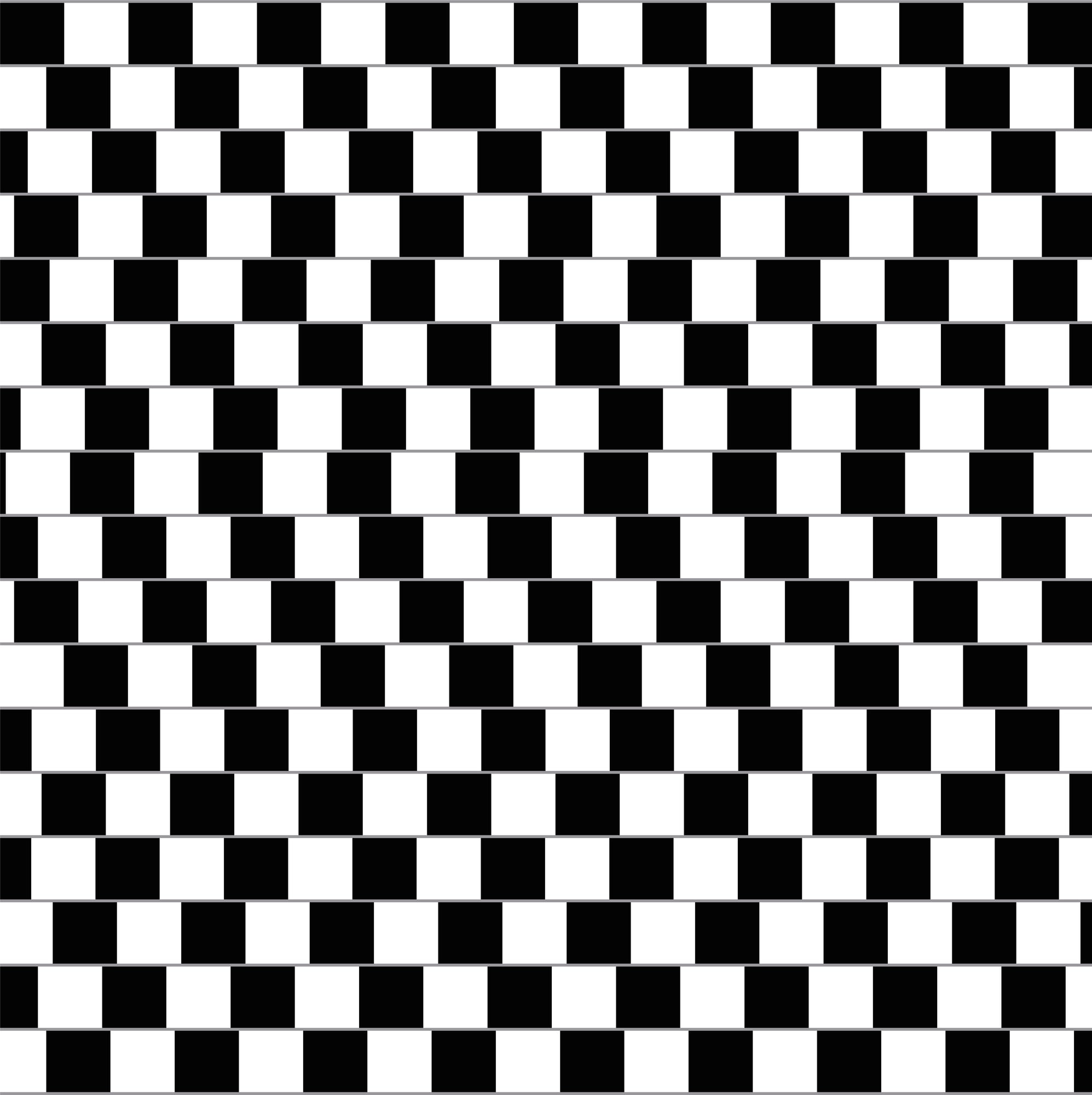
Parallel horizontal lines appear to slope, though measurement confirms they’re perfectly parallel. The interaction between local contrast and edge detection may explain it, yet the illusion seems overpowered even when the explanation is known.
Ambiguous Cylinder

The same cylinder can appear convex or concave depending on viewing angle and lighting cues. The brain switches between interpretations based on which depth perception cues dominate.
The Checkerboard Shadow Illusion
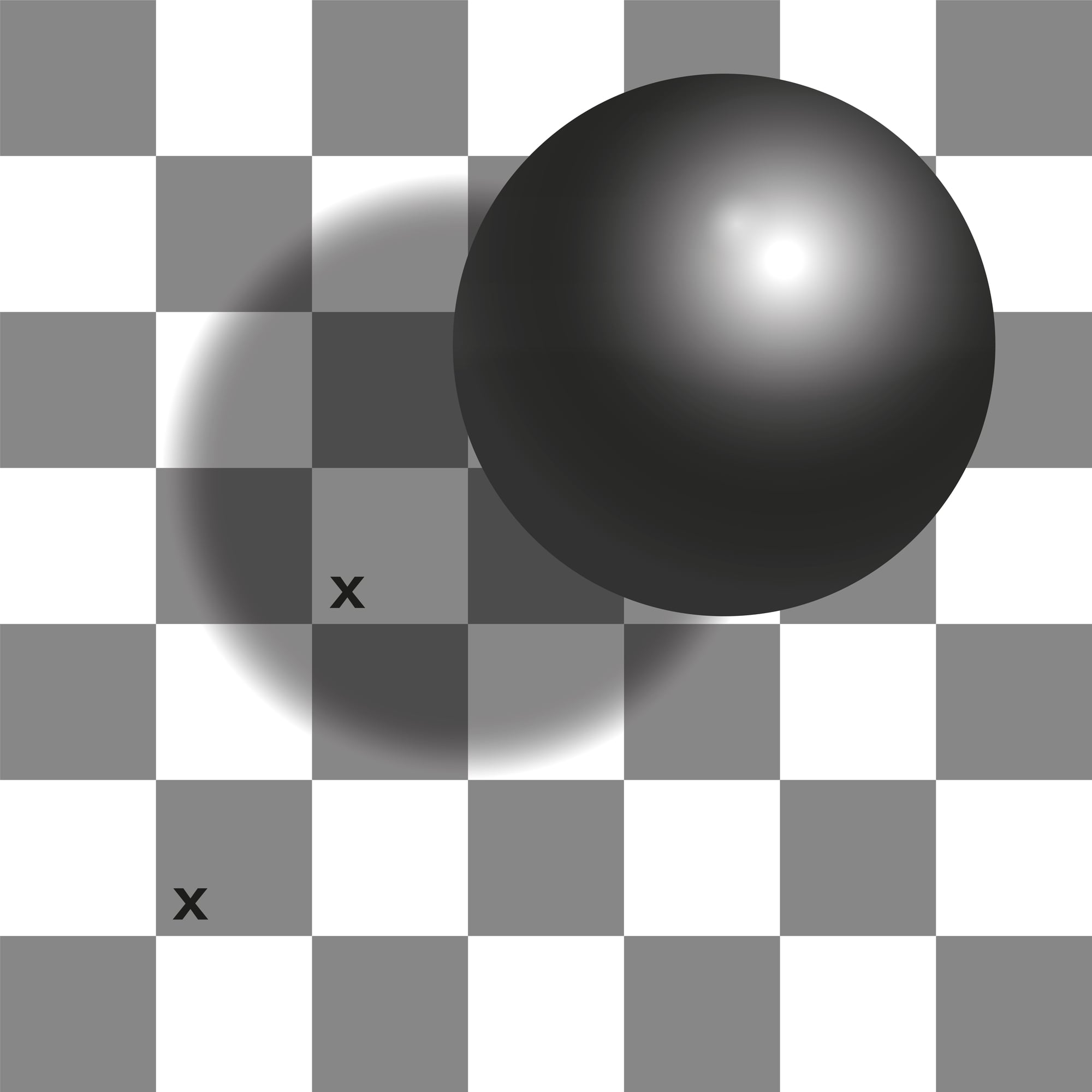
Checkerboard squares in shadow appear darker than identical squares in direct light, yet measurement reveals they’re the same color. The brain compensates for perceived lighting, creating an illusion of shadow.
Invisible Gorilla
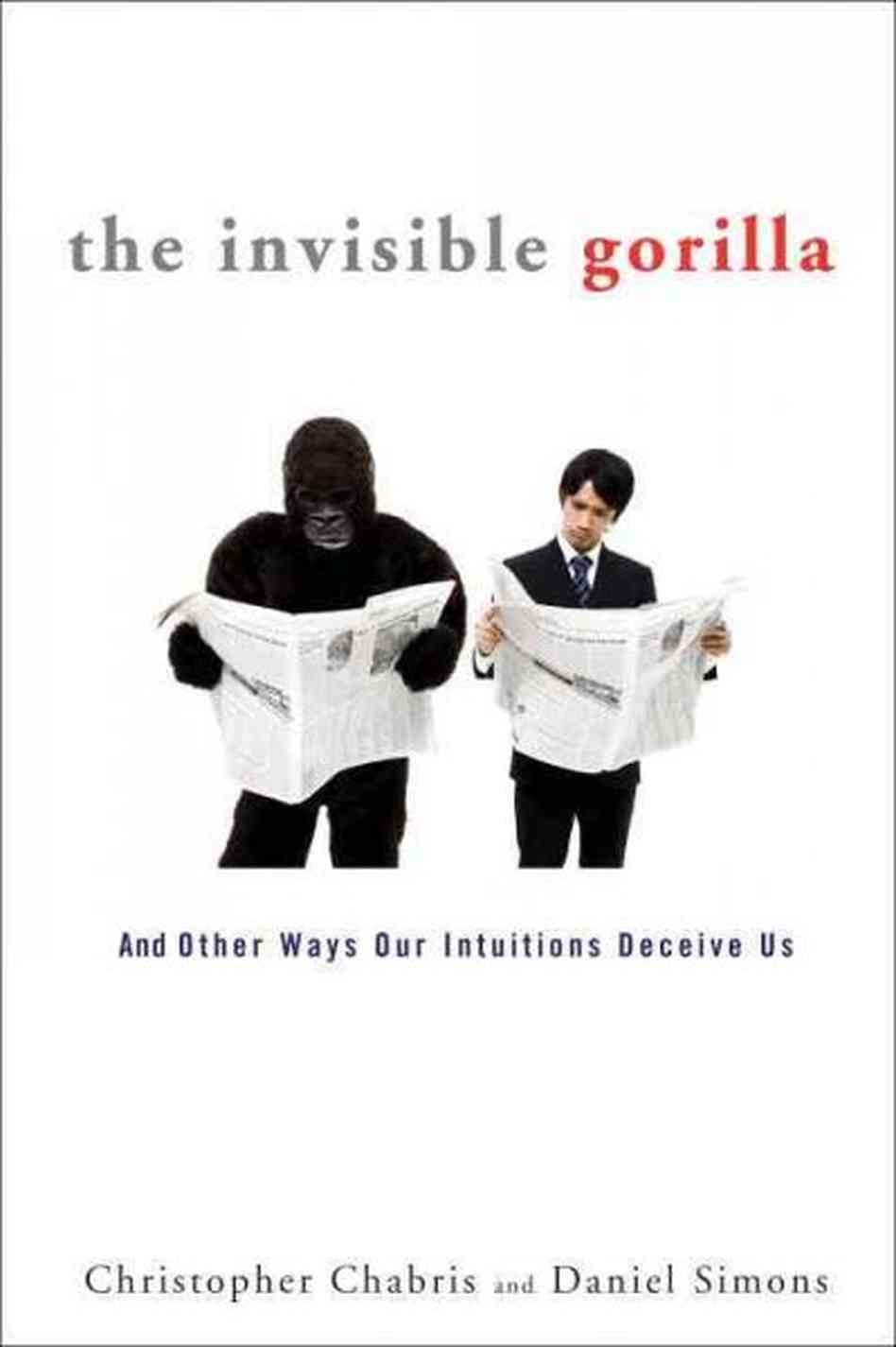
When observers count basketball passes, most fail to notice a gorilla walking across the court. The illusion demonstrates that attention actively selects what gets processed, with unattended information remaining invisible despite arriving at sensory receptors.
The Dress Color Illusion

An ambiguous photograph of a dress sparked international debate about its color. Different viewers perceived it as white-gold or blue-black depending on unconscious assumptions about lighting.
The illusion reveals how much interpretation depends on these implicit assumptions.
The Necker Cube
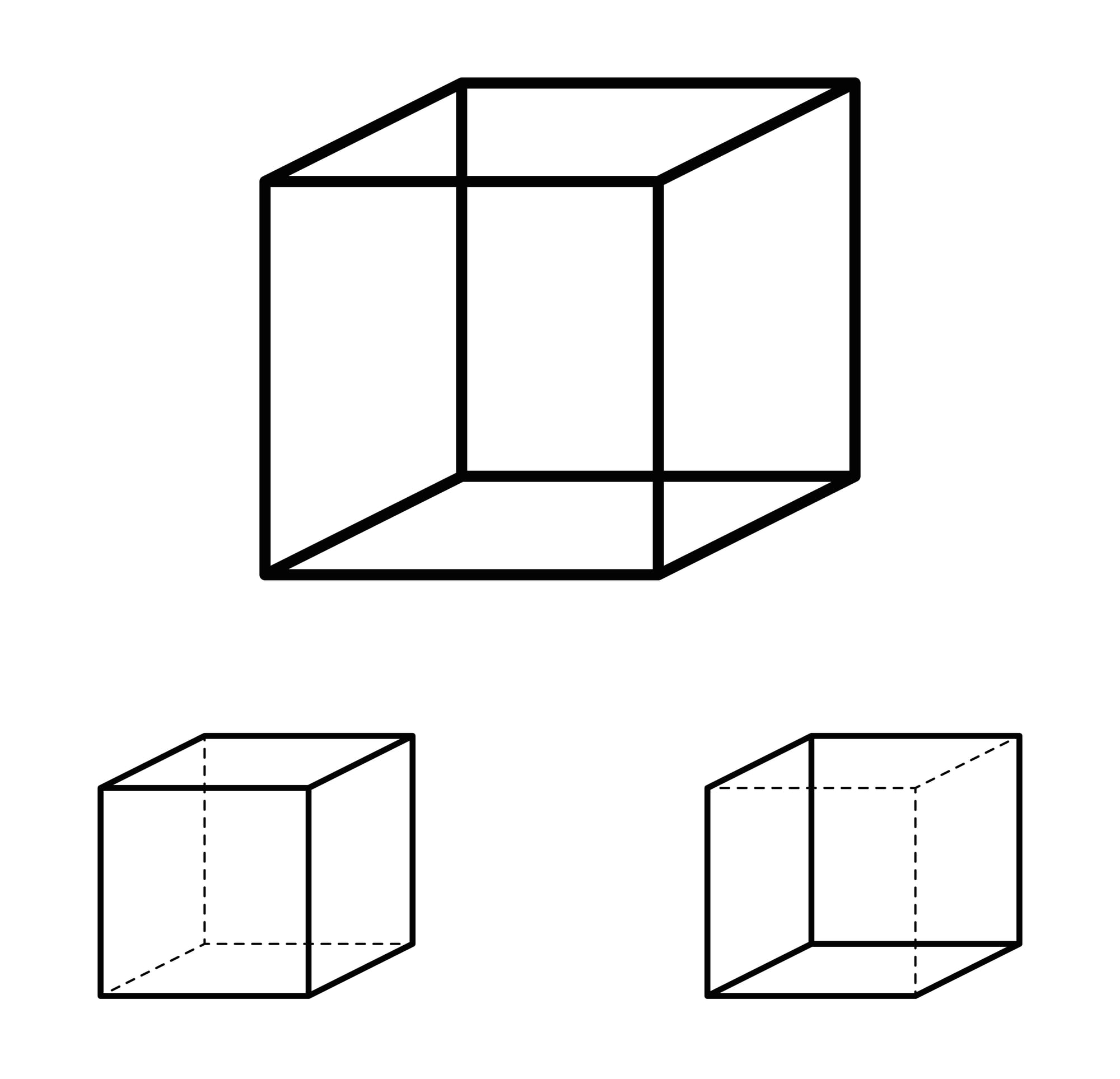
A wireframe cube appears to shift perspective spontaneously, with different facets appearing as front or back. The ambiguity cannot be resolved despite full knowledge of the geometry.
The Rotating Snakes
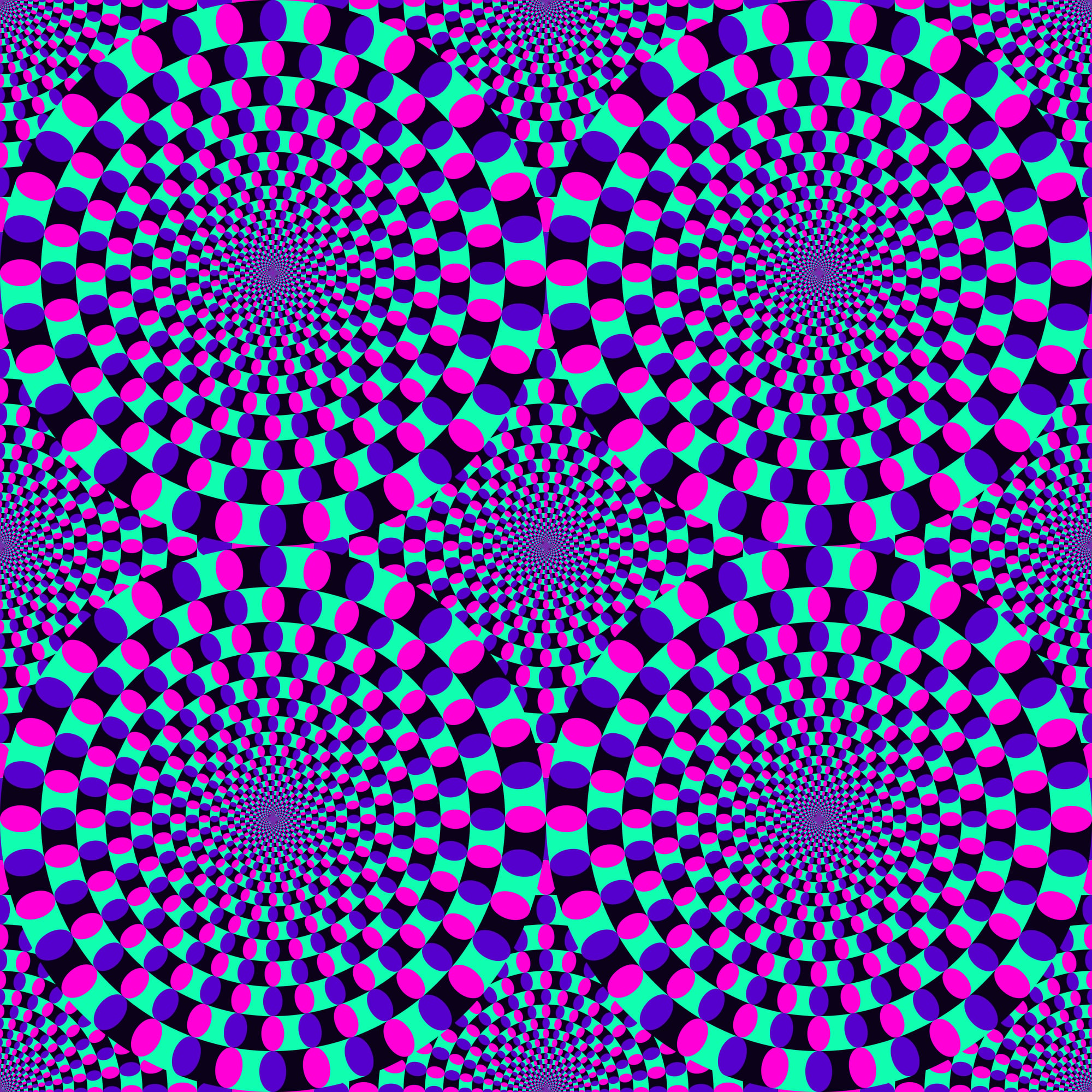
Concentric circles filled with segments appear to rotate despite complete stasis. The illusion appears related to edge detection and smooth pursuit eye movements, but full understanding remains elusive.
Breathing Circles

Stationary concentric circles appear to expand and contract. Some theories propose adaptation in motion-processing systems, yet the mechanism isn’t definitively established.
The Zigzag Illusion
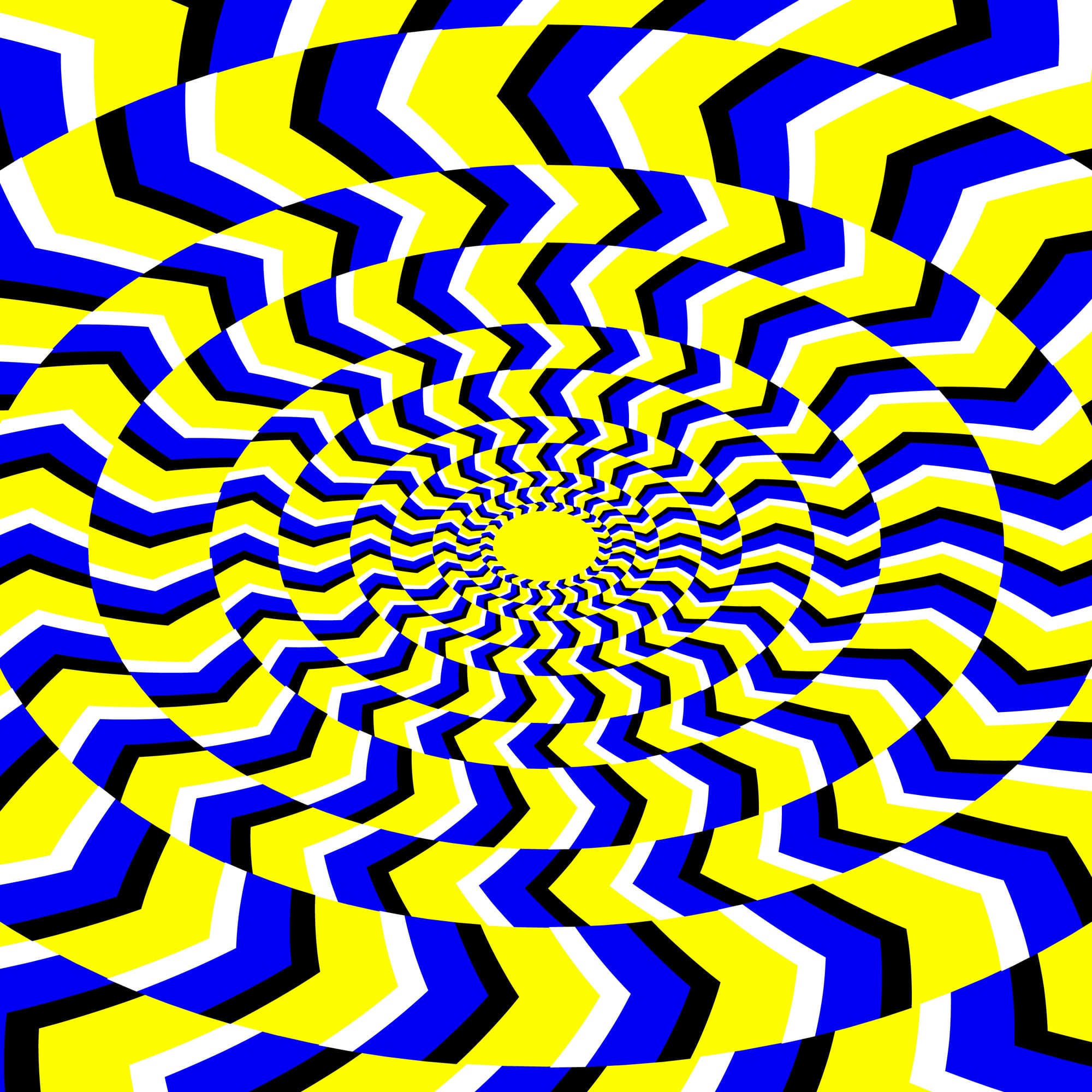
Parallel lines with regular zigzag overlays appear to converge toward one end. The interaction between local orientation and global direction perception generates the effect.
Fractional Objects
Objects partially obscured still appear complete—the brain fills in hidden sections automatically. This economy is useful but creates distortions when the hidden portions don’t match the brain’s assumptions.
The Blind Spot

Each eye has a region where the optic nerve exits the retina, leaving no photoreceptors. We don’t perceive an opening in our vision because the brain fills in the missing area.
Why the brain chooses particular fill-in patterns remains incompletely understood.
The Optical Expansion Illusion
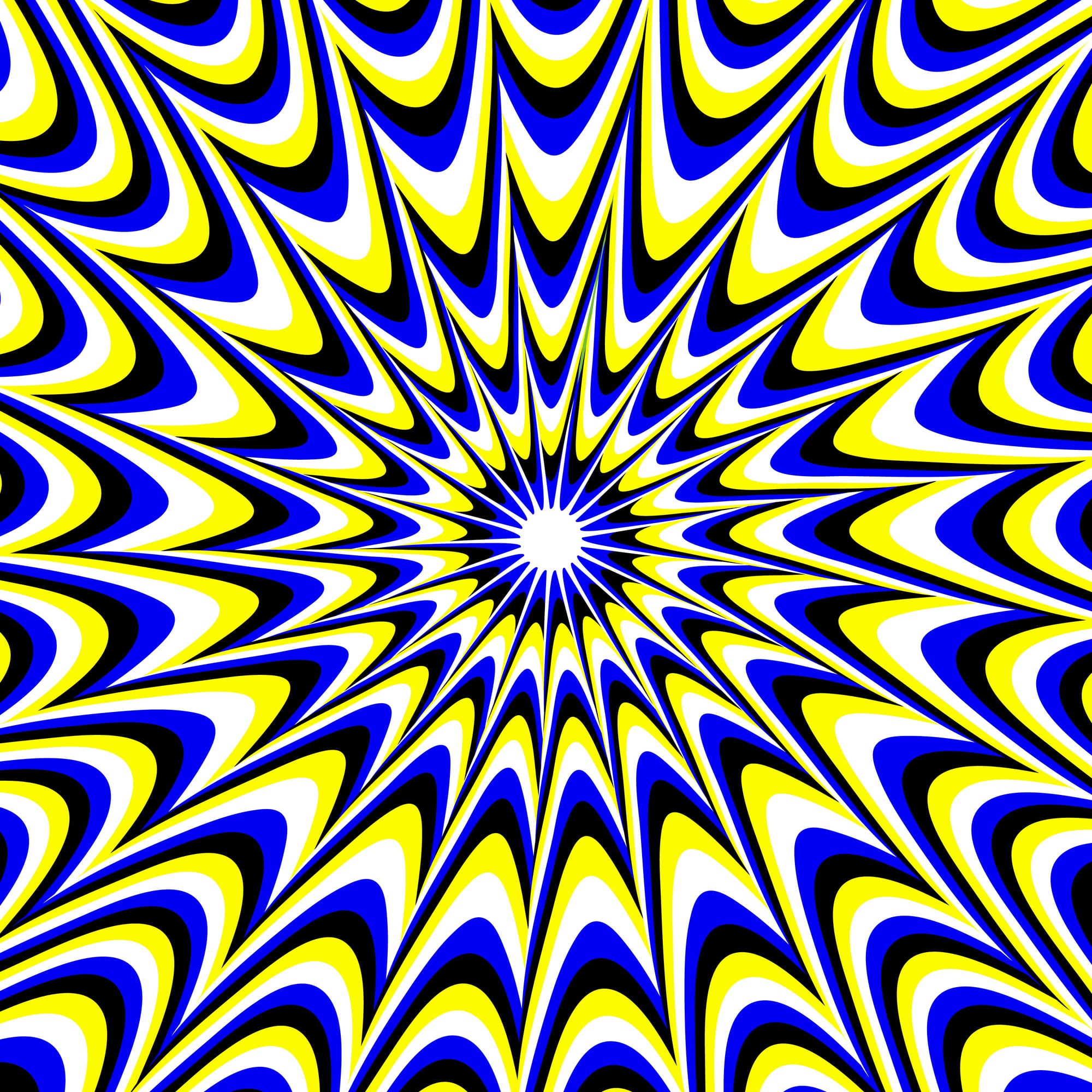
Objects approaching the viewer appear to expand at rates depending on implicit assumptions about distance and speed. When these assumptions conflict with actual motion, perceived size changes don’t match physical reality.
Impossible Orientations
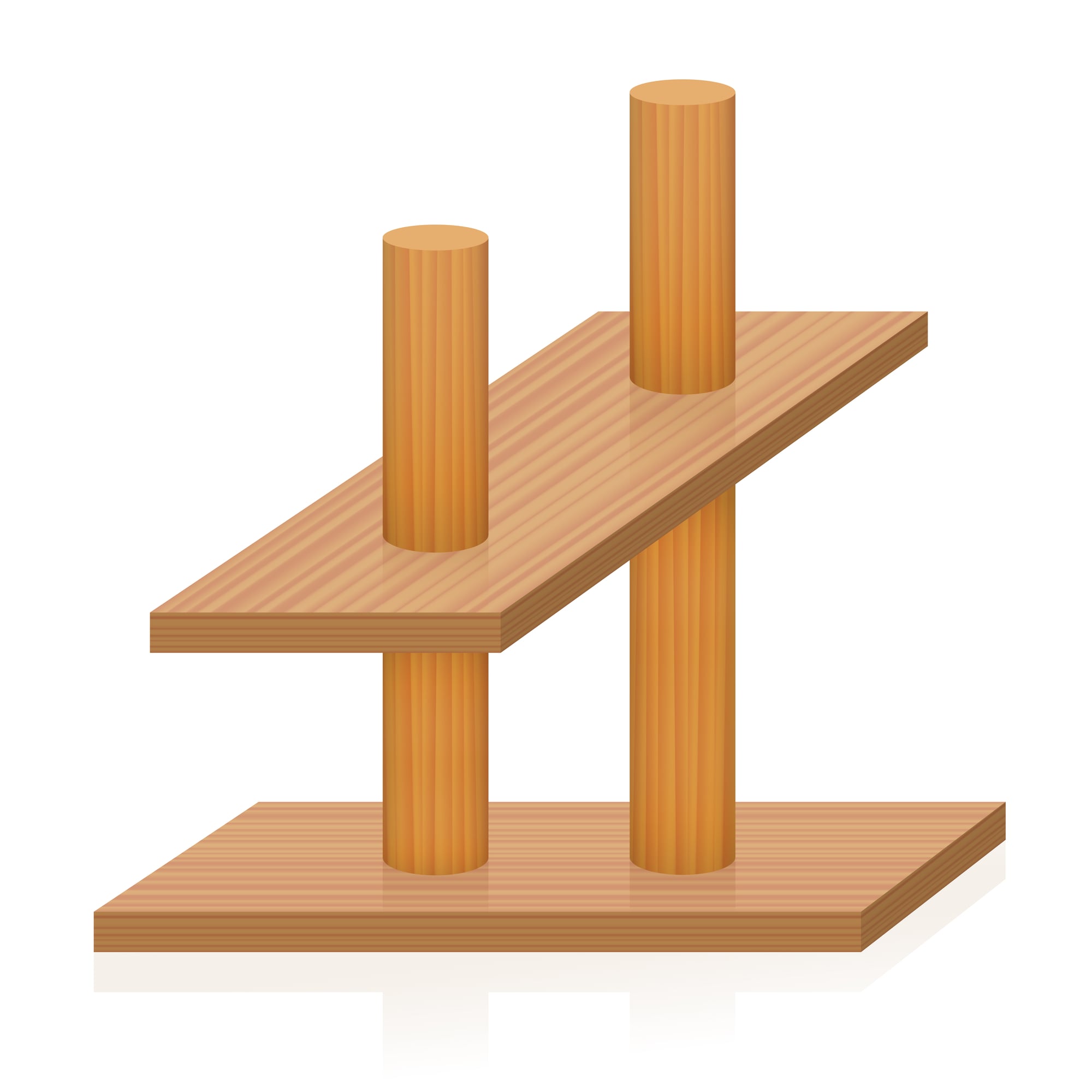
Ambiguous three-dimensional shapes can be perceived in multiple orientations simultaneously. The brain’s 3D reconstruction system produces different solutions depending on bottom-up sensory data and top-down expectations.
Color Constancy Failures

Objects retain apparent color despite dramatic lighting changes, yet color perception fails completely under some lighting conditions. The boundary between successful compensation and perceptual failure remains poorly demarcated.
The Thatcher Illusion

Portrait faces become grotesque when eyes and mouth are inverted while the overall face orientation remains correct. The illusion suggests face processing involves configural analysis disrupted by feature inversion.
Perceptual Pop-Out
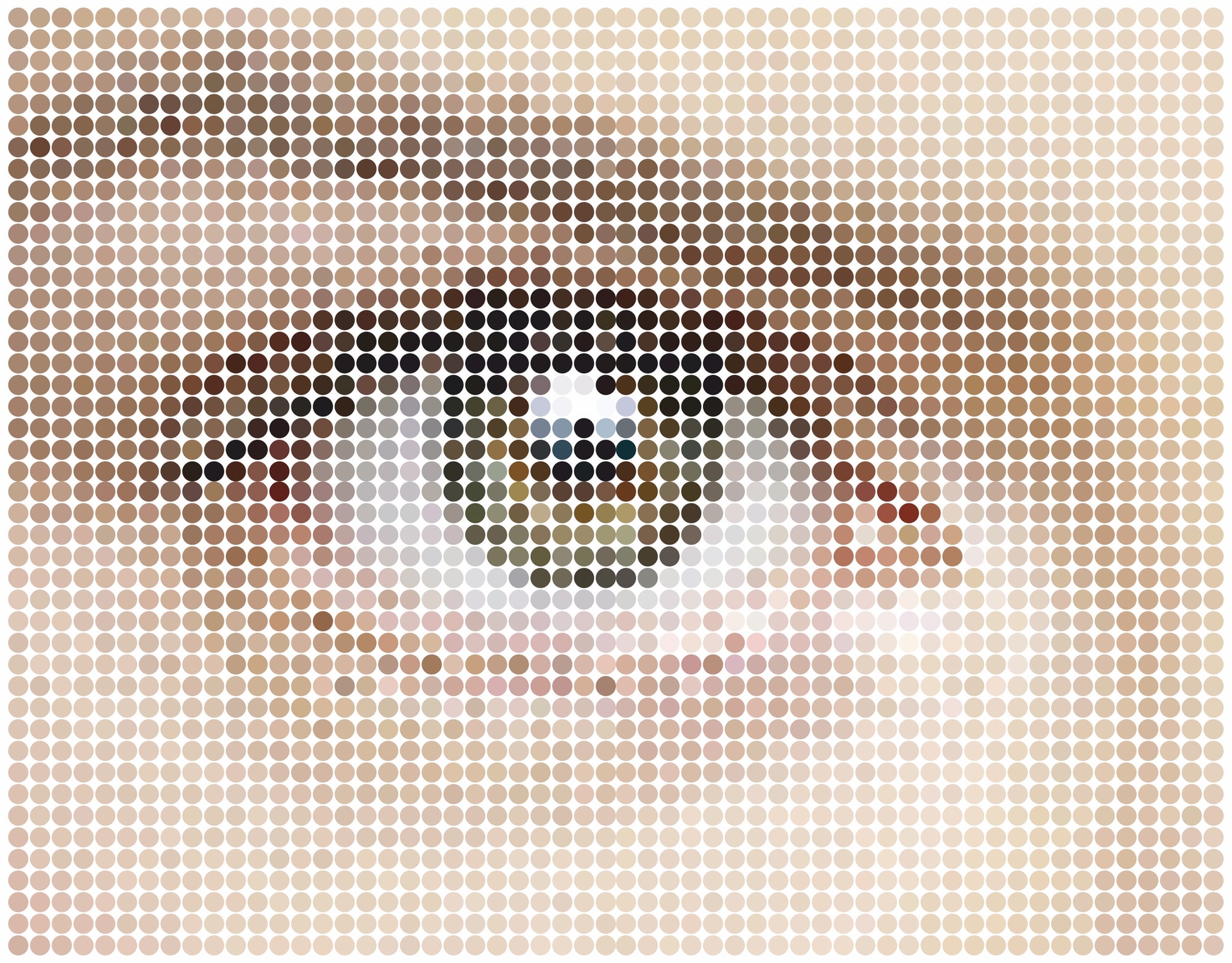
Items with a unique feature among similar items become instantly visible. Yet the mechanism by which a single discrepancy achieves this perceptual priority remains incompletely explained despite being a fundamental attention system.
The Wagon Wheel Effect
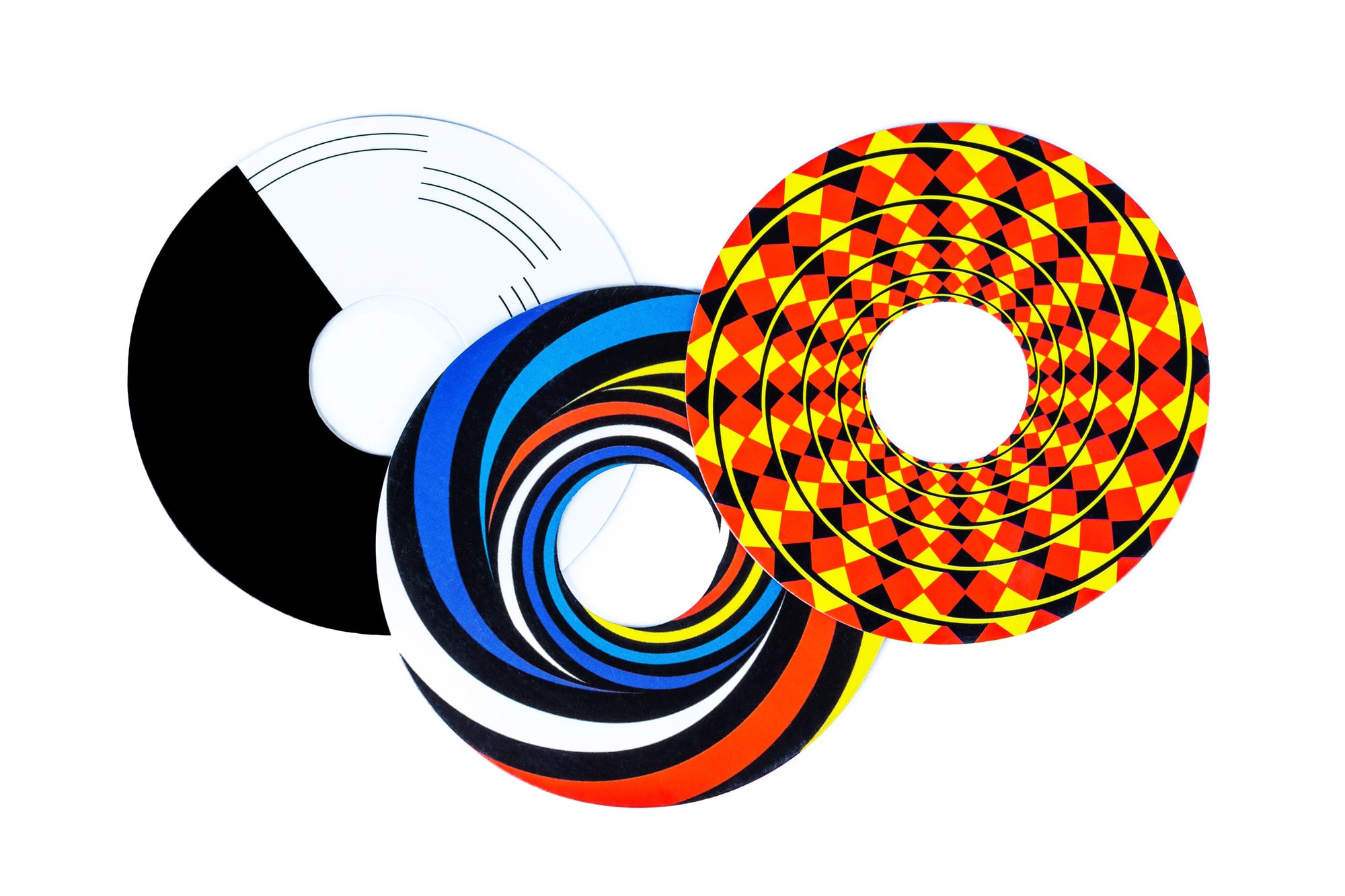
Rotating spoked wheels appear to slow, stop, or reverse rotation at certain speeds despite constant rotation. The illusion results from aliasing interactions between wheel rotation rate and eye movement, yet predicting exactly when the illusion occurs requires detailed calculations suggesting the system operates near its sampling limits.
Why Illusions Persist

Understanding that an illusion is an illusion doesn’t eliminate it—perception operates largely outside conscious control. This persistence suggests visual processing happens in systems evolved for real-world survival that continue functioning regardless of abstract knowledge.
The illusions that remain unexplained represent gaps in that understanding, indicating neuroscience still has fundamental questions to answer about perception.
More from Go2Tutors!

- The Romanov Crown Jewels and Their Tragic Fate
- 13 Historical Mysteries That Science Still Can’t Solve
- Famous Hoaxes That Fooled the World for Years
- 15 Child Stars with Tragic Adult Lives
- 16 Famous Jewelry Pieces in History
Like Go2Tutors’s content? Follow us on MSN.