15 Facts About Sea Lampreys, the Killer Parasite Fish
There’s something deeply unsettling about creatures that attach themselves to other living things and slowly drain them dry. Sea lampreys operate with the kind of efficiency that makes horror movies seem quaint by comparison.
These primitive fish have been perfecting their parasitic lifestyle for over 340 million years, long before sharks roamed the oceans or dinosaurs walked the earth. What makes sea lampreys particularly disturbing isn’t just their feeding method — it’s how remarkably good they are at it.
They’ve survived multiple mass extinction events, adapted to both saltwater and freshwater environments, and developed one of nature’s most effective suction mechanisms. Understanding these ancient predators reveals just how creative evolution can be when it comes to finding ways to survive.
They’re older than dinosaurs

Sea lampreys existed 340 million years ago. Dinosaurs didn’t show up until 230 million years ago.
These fish were already ancient when the first sharks appeared.
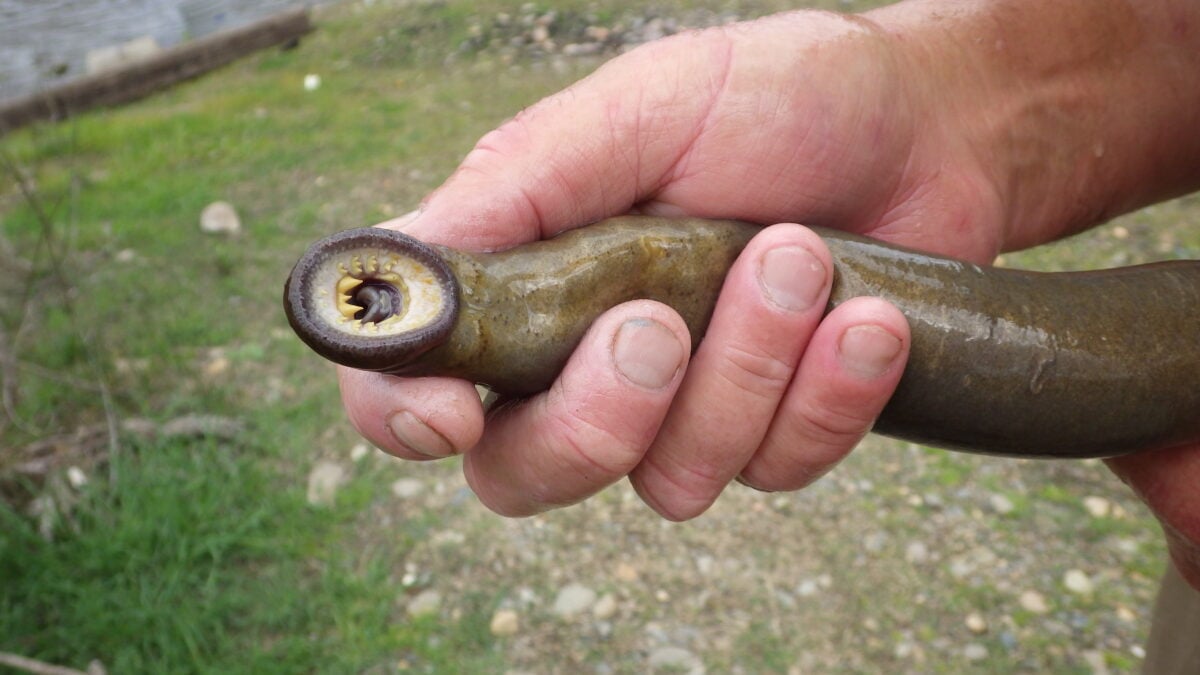
Their circular mouth contains rows of teeth
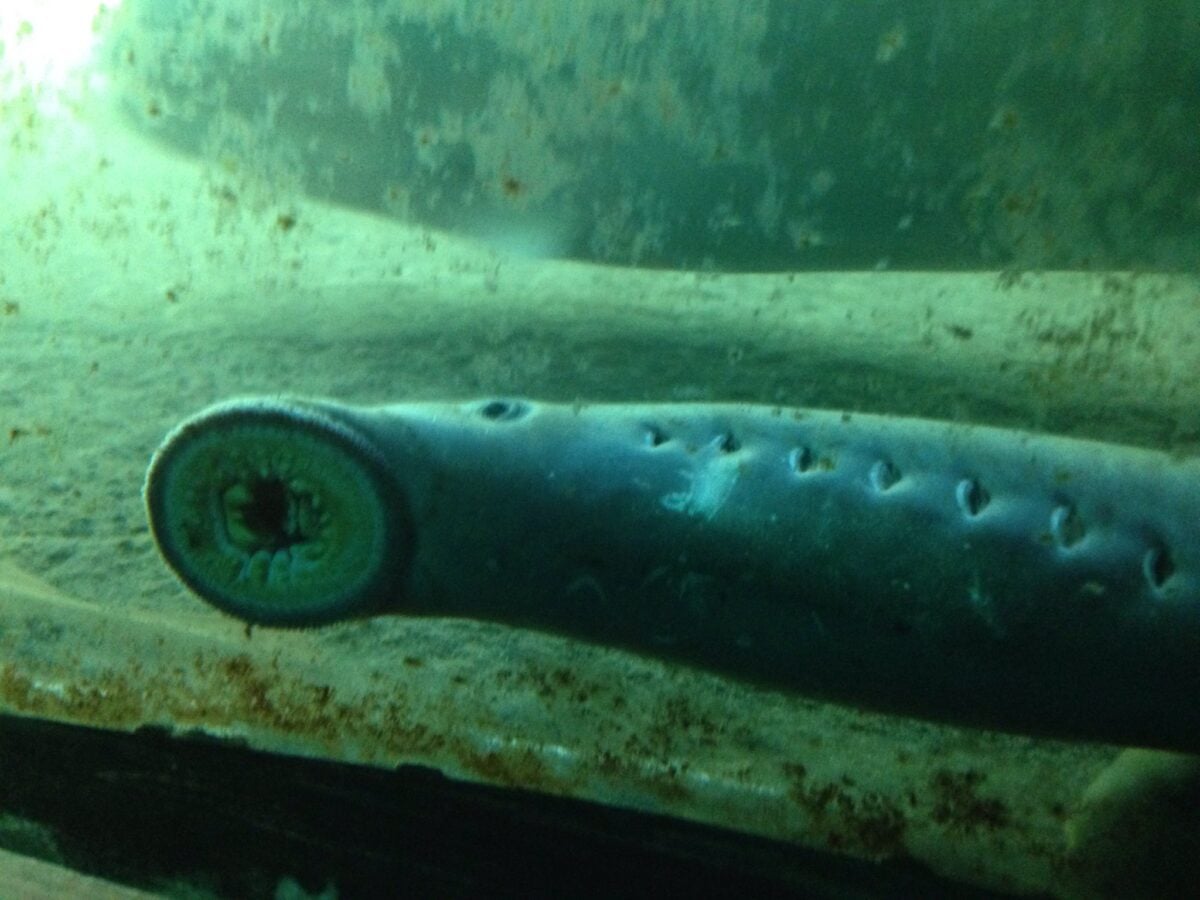
Picture a suction cup lined with concentric circles of razor-sharp teeth — that’s a lamprey’s mouth. The outermost ring has the largest teeth, with smaller ones spiraling inward toward the center.
Over 100 individual teeth work together to create an attachment so secure that removing a lamprey often damages the host’s flesh.
They can grow up to three feet long
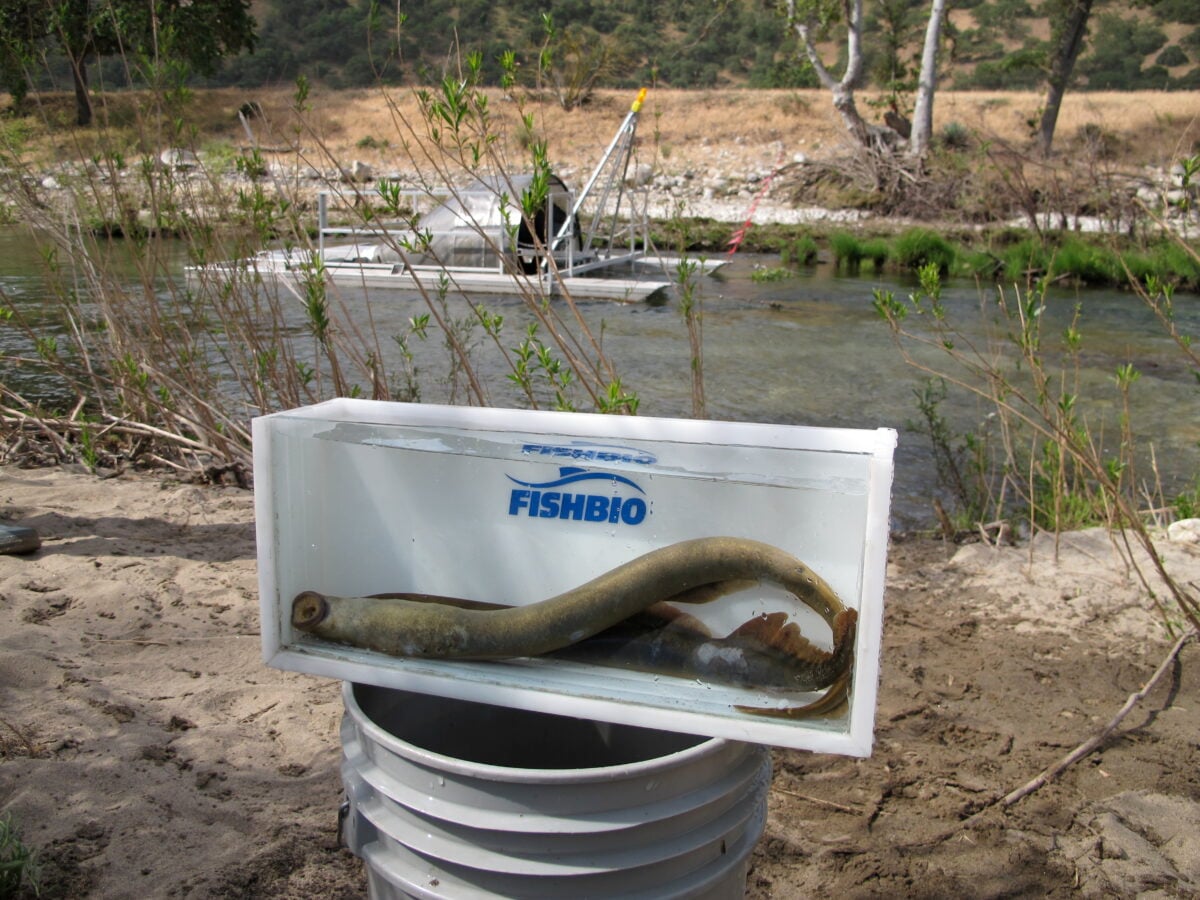
Adult sea lampreys reach lengths of 24 to 36 inches and can weigh up to 5 pounds. That’s not a small parasite clinging to your leg — that’s a substantial creature capable of draining blood from fish much larger than itself.
The suction force is incredibly powerful
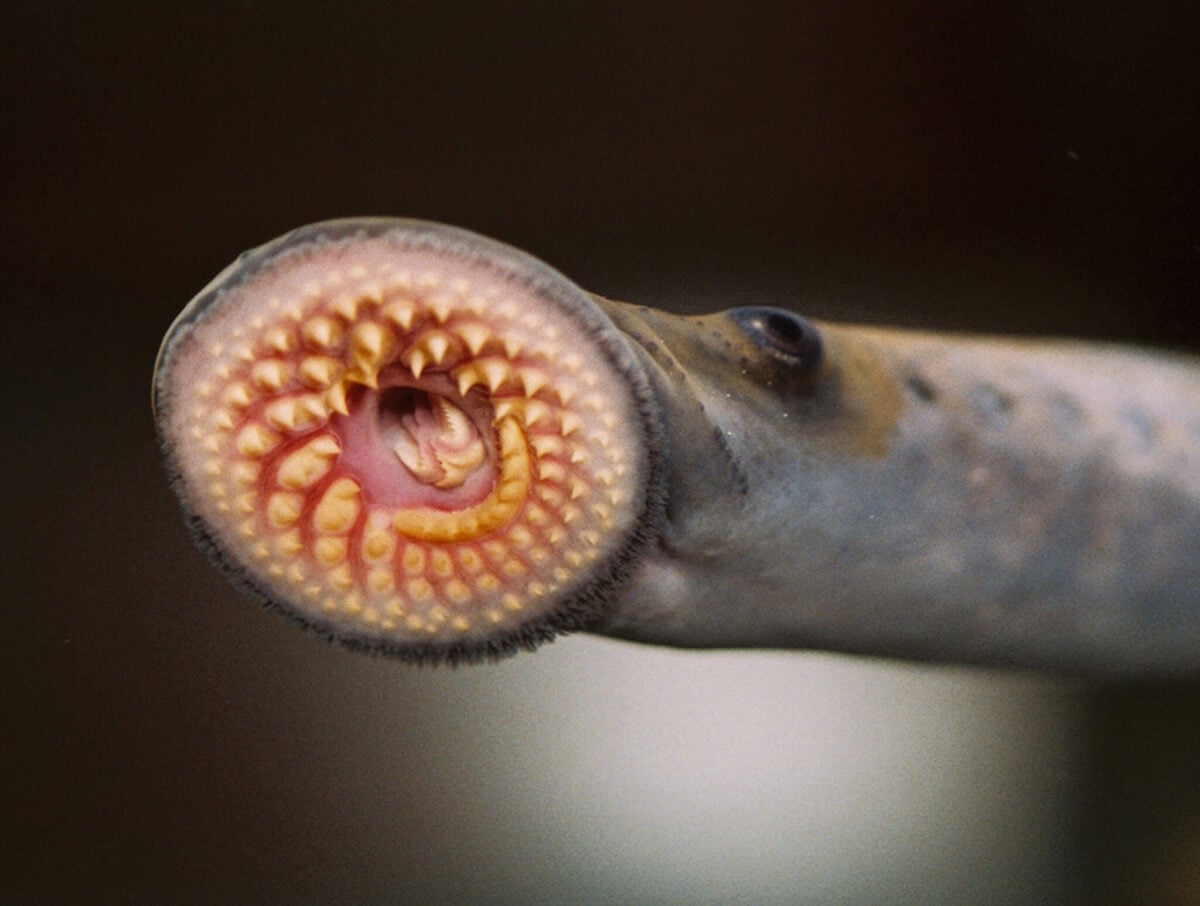
When a sea lamprey clamps onto its host, it creates a vacuum seal that generates tremendous suction force (and this is where the physics gets genuinely disturbing, because the mechanism works so efficiently that the lamprey can maintain its grip even when the host fish thrashes violently or scrapes against rocks). The circular arrangement of teeth doesn’t just pierce the skin — it creates anchor points that distribute the load evenly around the circumference.
But here’s what makes it worse: the lamprey’s tongue. Rough.
They don’t always kill their hosts
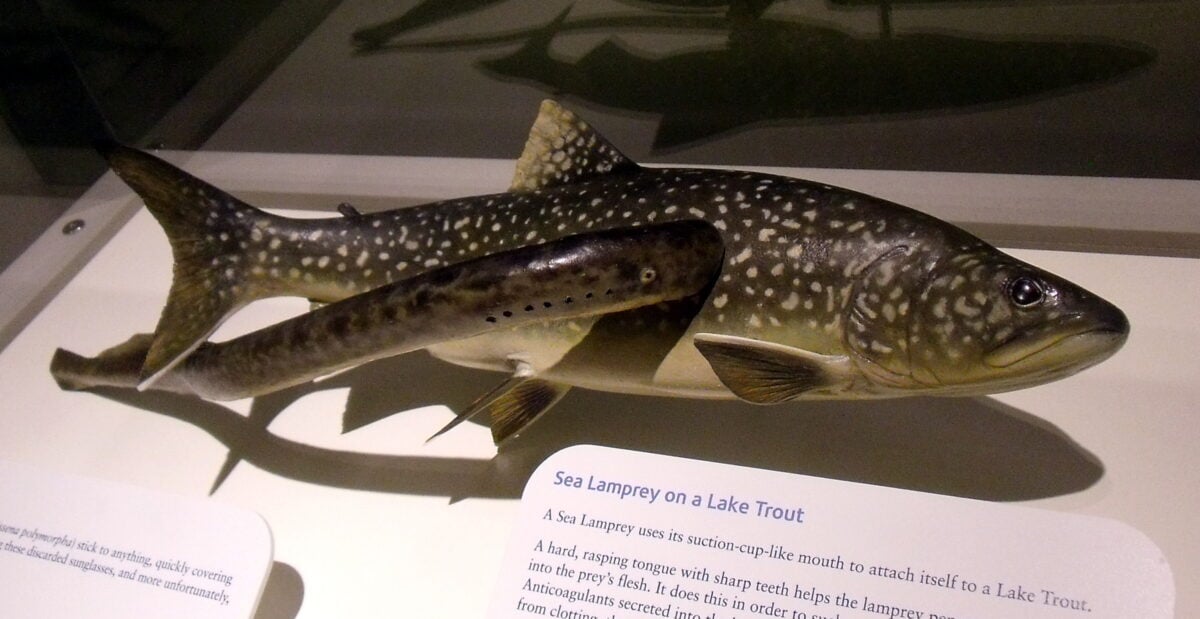
Sea lampreys are parasites, not predators in the traditional sense. Many host fish survive the experience, though they’re left with distinctive circular scars.
The lamprey feeds for months, taking blood and other bodily fluids, then detaches when it’s ready to reproduce.
Baby lampreys are completely different creatures
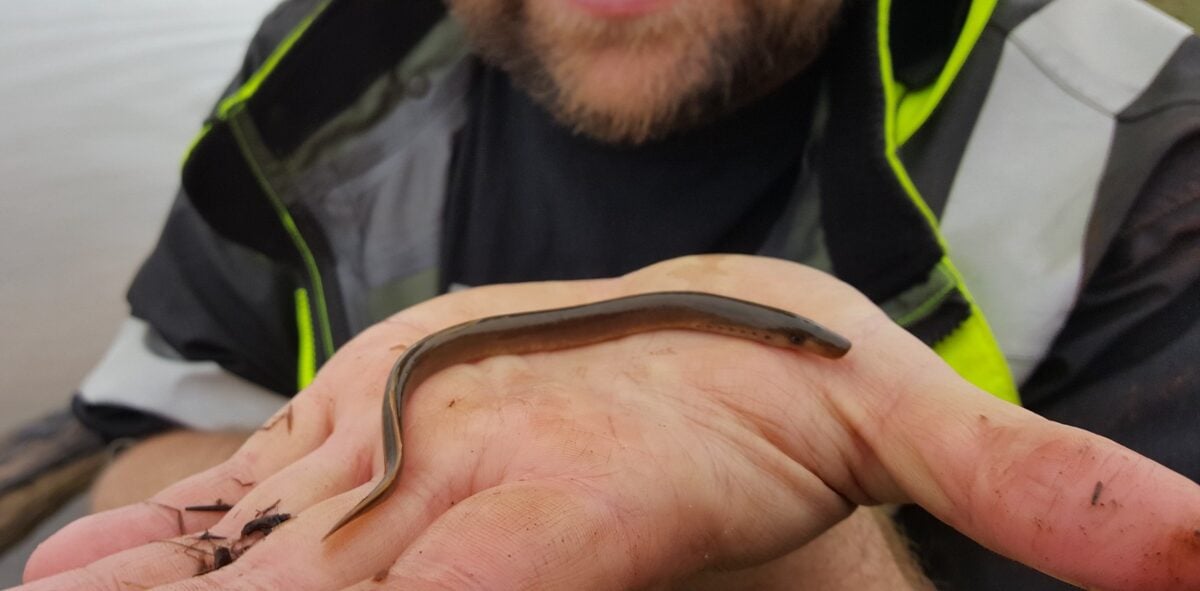
Watching a larval lamprey, you’d never guess what it becomes — the transformation feels like witnessing some elaborate biological deception. Young lampreys, called ammocoetes, spend years buried in river sediment as filter feeders, looking more like translucent worms than future parasites.
They have no teeth, no suction disc, no apparent malevolent intent. Just tiny, eyeless creatures sifting nutrients from mud.
The metamorphosis changes everything. Eyes develop.
The circular mouth forms. The digestive system rewires itself from plant matter to blood. It’s as if evolution kept the monster hidden until the last possible moment.
They’ve devastated Great Lakes fish populations
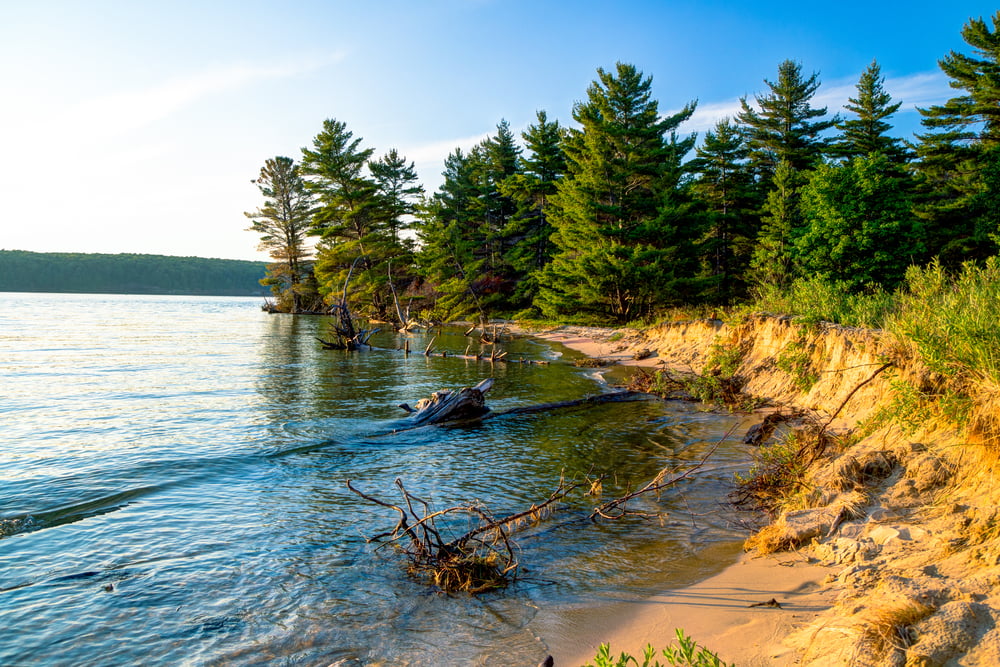
Sea lampreys nearly destroyed commercial fishing in the Great Lakes. After gaining access through shipping canals in the 1800s, lamprey populations exploded.
Lake trout populations crashed by 95% in some areas. Whitefish, walleye, and other native species followed.
The economic damage was staggering — entire fishing communities collapsed. Which makes sense when a single lamprey can kill 40 pounds of fish during its lifetime.
Their invasion route was human-made

The Welland Canal, completed in 1829, gave sea lampreys their pathway into the upper Great Lakes (though they probably didn’t send thank-you cards to the engineers who made it possible, because gratitude requires a level of social awareness that evolution hasn’t bothered installing in parasites). Before the canal, Niagara Falls blocked their migration route — a perfectly good natural barrier that humans helpfully removed. And once they reached Lake Erie, the other lakes were just a matter of time.
So the Great Lakes lamprey invasion wasn’t some mysterious ecological disaster. Humans built the highway.
Control methods involve creative solutions
Fighting sea lampreys requires thinking like a lamprey, which turns out to be both effective and slightly disturbing. Scientists use chemical barriers that block lamprey migration while allowing other fish to pass.
They’ve developed synthetic pheromones that confuse lamprey mating behavior. Some programs involve releasing sterilized male lampreys — a biological trojan horse that wastes female reproductive efforts.
The most direct approach involves electrical barriers and targeted poisoning of lamprey larvae in streams. Not elegant, but it works.
They have a complex life cycle
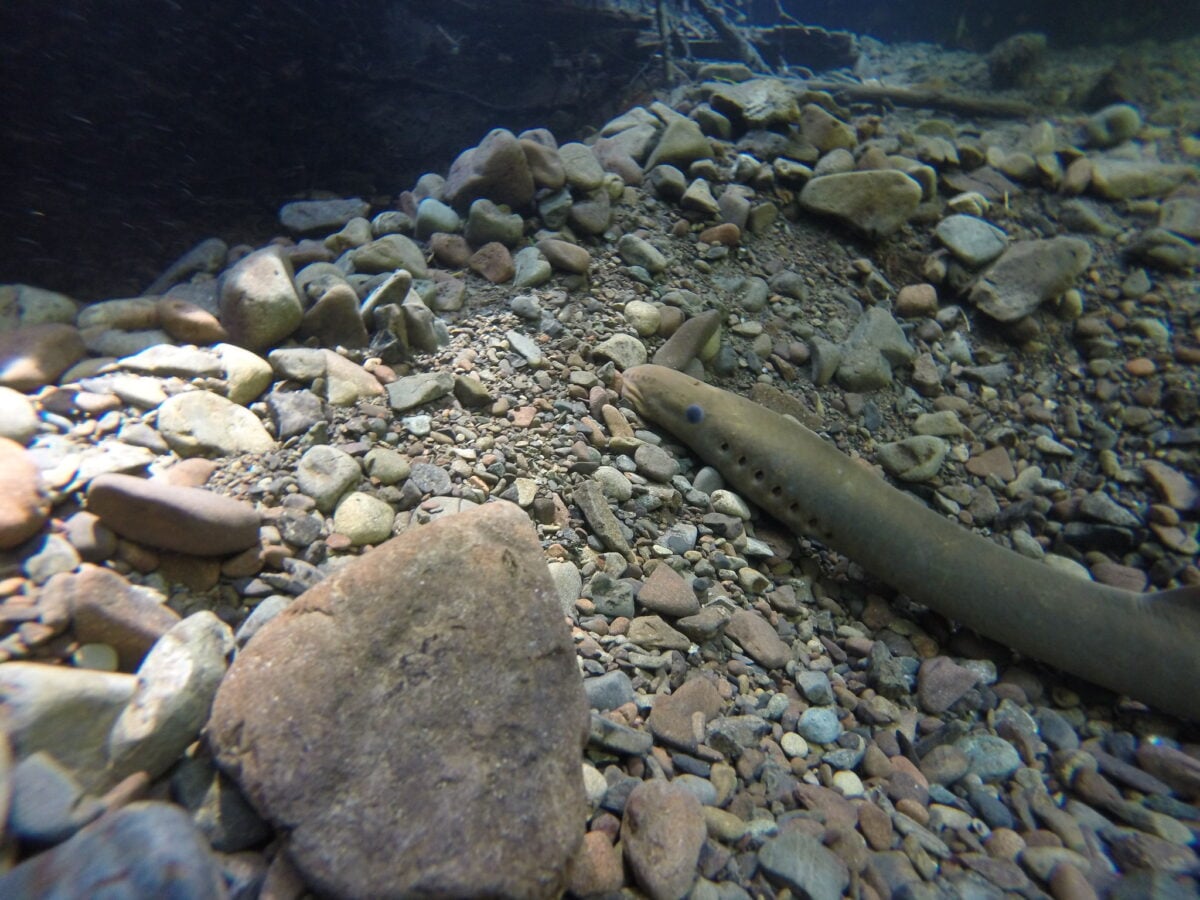
Sea lampreys spend different life stages in completely different environments. Larvae live in freshwater streams for 3-7 years as filter feeders.
After metamorphosis, they migrate to large lakes or oceans to begin their parasitic phase, which lasts 12-18 months. Finally, they return to streams to spawn and die.
This complexity makes them difficult to control — you have to target multiple life stages in different habitats.
Their ancient anatomy lacks paired fins
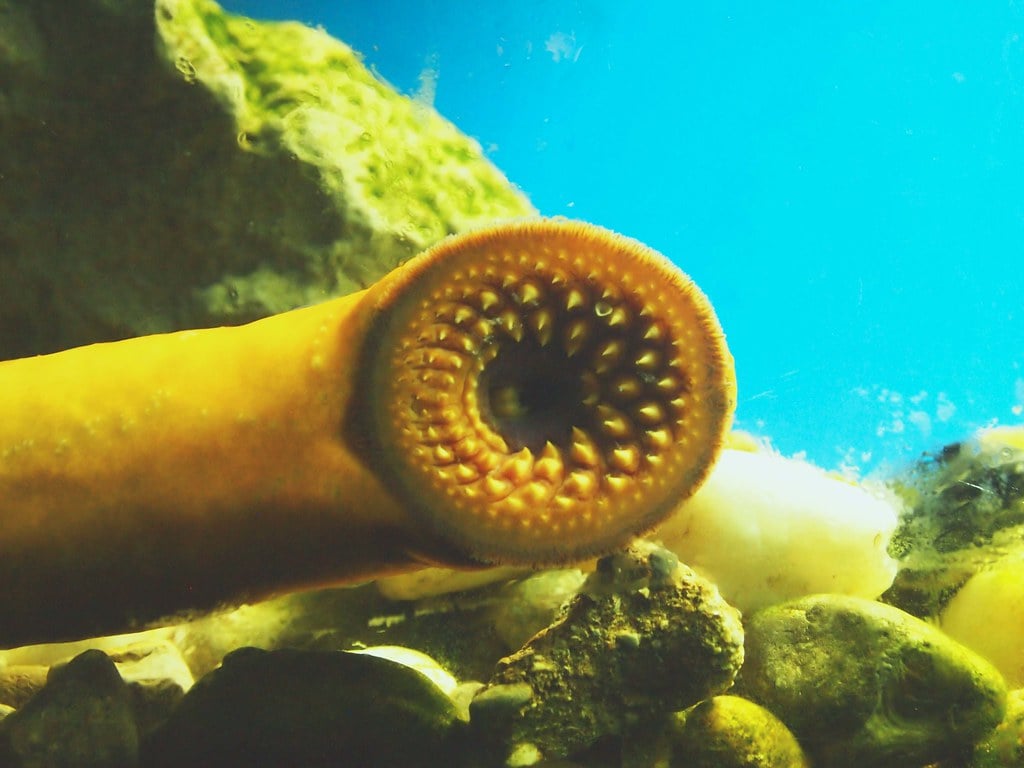
Looking at a sea lamprey reveals what fish were like before they figured out the paired fin arrangement that most fish use today. Lampreys have a single dorsal fin and simple tail fin, but no pectoral or pelvic fins.
They swim with an eel-like motion, undulating their entire body. This primitive body plan works fine for their lifestyle — they don’t need precise maneuvering when they’re attached to another fish.
They can survive in both salt and fresh water
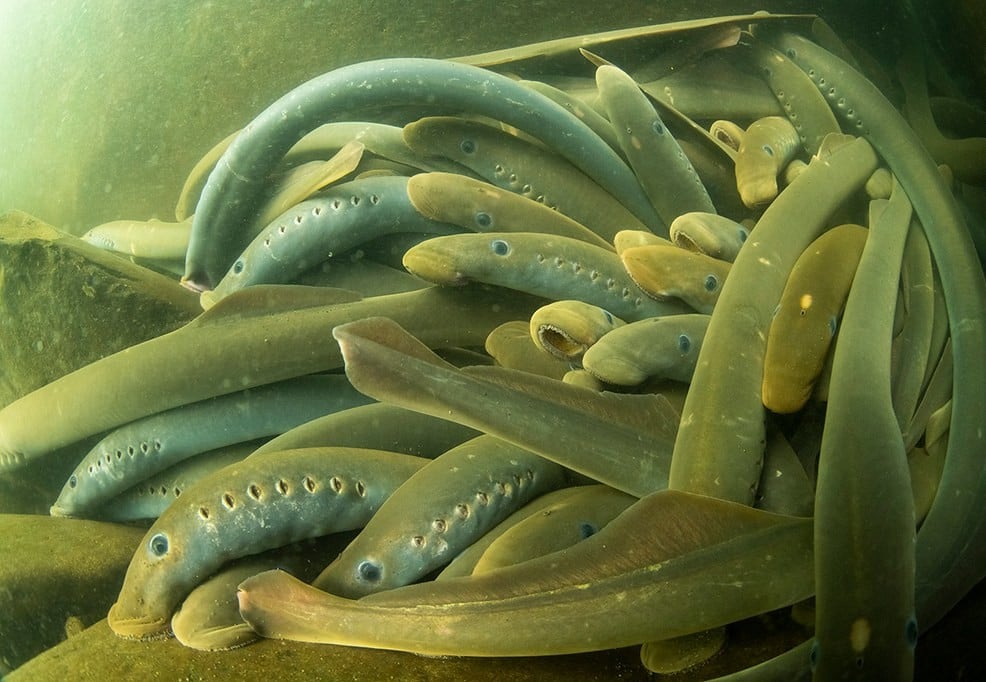
Most fish are restricted to either saltwater or freshwater environments, but sea lampreys handle both with ease. Their kidneys and gills adjust to different salinity levels, allowing them to migrate between rivers and oceans throughout their life cycle.
This adaptability contributed to their success as an invasive species — they weren’t limited by the type of water they encountered.
Medieval people considered them a delicacy

King Henry I of England reportedly died from eating “a surfeit of lampreys” in 1135, though modern historians debate whether the lampreys were actually responsible. Regardless, lampreys were prized food in medieval Europe, often prepared in pies or stewed in wine.
The taste is described as rich and oily, similar to eel. Some European regions still consider lamprey a traditional dish, though it’s become increasingly rare.
They spawn once and die
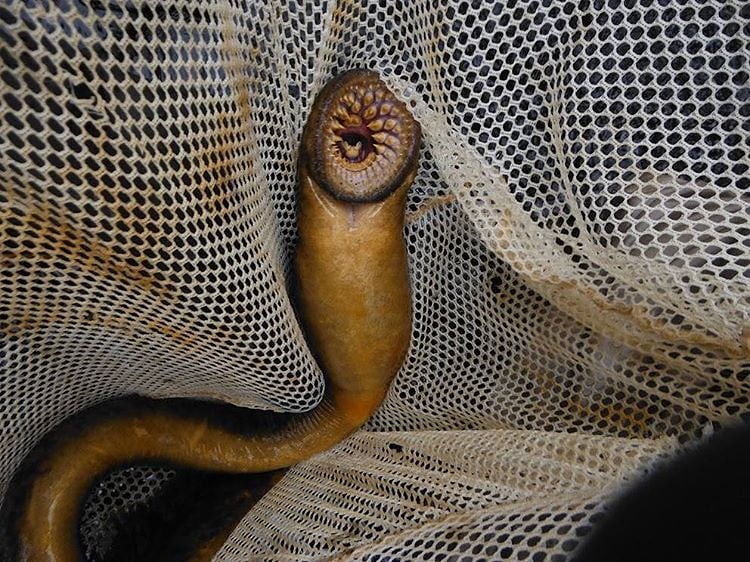
After their parasitic feeding phase, sea lampreys undergo another transformation for reproduction. Their digestive system shuts down completely — they stop feeding and live off stored energy.
Males use rocks to build nests in stream bottoms, females deposit eggs, and both parents die within weeks of spawning. This reproductive strategy means every lamprey gets exactly one chance to pass on its genes.
Modern research reveals surprising complexity

Recent studies show sea lampreys have more sophisticated behavior than their primitive appearance suggests. They can distinguish between different host fish species and show preferences based on size and health.
Some evidence suggests they can recognize and avoid previously parasitized hosts. Their nervous system, while simple, processes sensory information efficiently enough to navigate upstream migrations spanning hundreds of miles.
They’re not just mindless parasites — they’re highly specialized survivors with finely tuned instincts.
Ancient survivors in modern waters
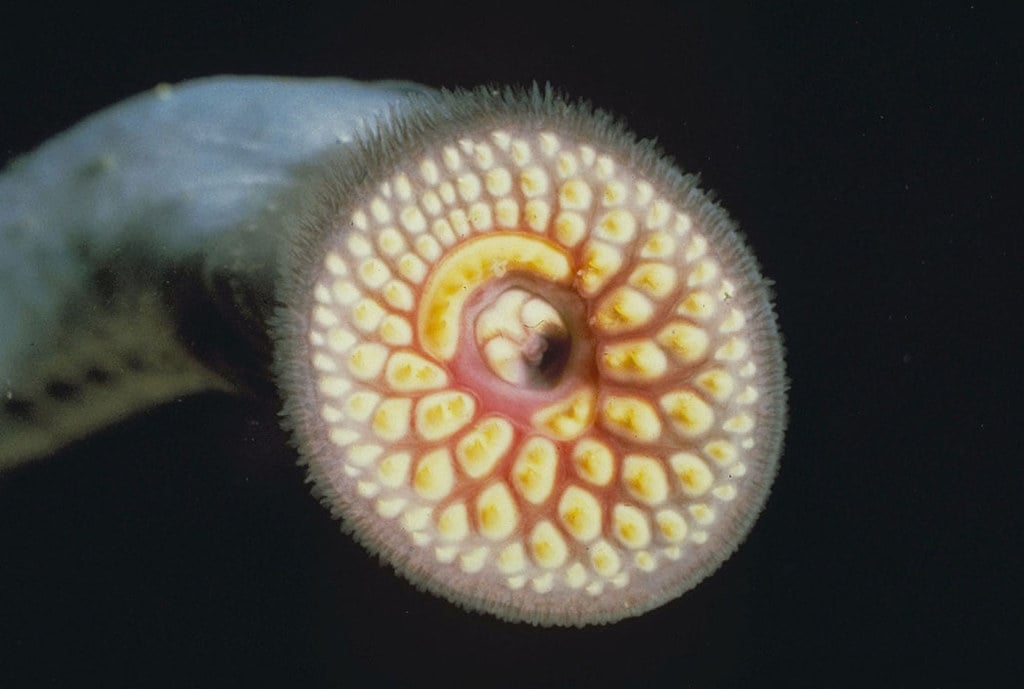
Sea lampreys remind us that evolution doesn’t always favor the charismatic or the complex. Sometimes the most effective design is also the most disturbing — a circular mouth full of teeth and an unshakeable grip.
These creatures have watched entire epochs pass, surviving ice ages and mass extinctions by perfecting a lifestyle that most other animals find abhorrent. Their success in the Great Lakes proves that ancient doesn’t mean obsolete.
Given the right conditions, a 340-million-year-old design can still outcompete modern fish populations. There’s something both impressive and deeply unsettling about that kind of evolutionary persistence.
More from Go2Tutors!

- The Romanov Crown Jewels and Their Tragic Fate
- 13 Historical Mysteries That Science Still Can’t Solve
- Famous Hoaxes That Fooled the World for Years
- 15 Child Stars with Tragic Adult Lives
- 16 Famous Jewelry Pieces in History
Like Go2Tutors’s content? Follow us on MSN.