25 Habits That Have a Surprising Effect on How the Brain Works
Most people know that exercise is good for the brain and that poor sleep is bad for it. That much has made it into popular understanding.
What gets considerably less attention are the habits that affect brain function in ways that are genuinely unexpected — the daily routines that neuroscience has connected to measurable changes in cognition, mood, memory, and neuroplasticity through research that most people have never encountered. Some of these habits seem too small or too mundane to be doing anything.
Others seem like activities with obvious purposes that happen to have secondary effects on the brain that nobody planned for. In nearly every case, the mechanism is more interesting than the habit.
Chewing Gum Boosts Alertness and Blood Flow

Neuroimaging studies have consistently found that chewing activates sensorimotor cortices, the supplementary motor area, the insula, the cerebellum, and the thalamus — a broad network far wider than the act of moving the jaw seems to warrant. fNIRS research has shown that chewing gum increases oxygenated blood flow in the prefrontal cortex, and EEG studies have documented short-lived increases in alpha and beta wave activity associated with alertness.
A 2025 neuroimaging review in a peer-reviewed journal concluded that gum chewing reliably engages circuits tied to attention and stress regulation. Flavored gum produces larger effects than unflavored, suggesting sensory stimulation matters as much as the mechanical act.
Walking in Nature Changes Brain Activity Differently From Walking in Cities

A 2024 randomized controlled trial published in Scientific Reports measured EEG activity in participants who took identical 40-minute walks through either nature or urban environments. The nature walkers showed greater improvements in positive affect, but the urban walkers showed significantly higher frontal midline theta activity during the walk — a neural signature associated with demanding executive attention.
The brain works harder to navigate urban environments. Nature walks allow attentional systems to rest in a way that urban walking does not, which is the neurological basis for what attention restoration theory has predicted for decades.
Speaking Two Languages Restructures Executive Function

Bilingualism does not just add a second language to the brain. It restructures how the brain manages competing information.
Because bilingual speakers constantly manage two active language systems — suppressing one while using the other — the executive control network, particularly the areas managing attention and inhibition, is trained continuously in a way that monolingual speakers do not experience. Research has associated lifelong bilingualism with advantages in attention control, task-switching, and working memory.
It has also been associated with delayed onset of dementia symptoms by several years in some longitudinal studies, though the mechanism is debated.
Adequate Sleep Strengthens Brain Connectivity for Up to Two Weeks

A 2024 study tracked one participant’s brain activity over five months while monitoring daily habits including sleep quality, physical activity, and mood. The researchers found two distinct response patterns in brain connectivity: a short wave lasting under seven days and a long wave lasting up to 15 days.
Quality sleep didn’t just improve cognition the following day — it strengthened brain network connectivity for up to two weeks afterward. Poor or fragmented sleep, by contrast, altered connectivity in areas related to attention and memory in ways that persisted for up to a week.
The cumulative effect of chronic poor sleep on brain connectivity was considerably larger than single-night effects suggested.
Short Cold Water Immersion Alters Brain Network Coupling

A 2022 fMRI study examined brain connectivity before and after a 5-minute cold water immersion at 20 degrees Celsius in participants with no prior cold-water experience. After immersion, participants reported feeling more active, alert, and attentive.
The fMRI data showed that these mood changes were associated with altered coupling between brain areas involved in attention control, emotion, and self-regulation — specifically the medial prefrontal node of the default mode network. The neural mechanisms behind this mood shift are not fully established, but the study provided the first direct neuroimaging evidence that cold-water immersion produces measurable changes in brain network connectivity, not just subjective mood.
Boredom Improves Creative Problem-Solving

Counter to the common assumption that boredom is cognitively empty, research has found that people who are allowed to be bored before completing creative tasks perform better on those tasks than people who engaged in an absorbing activity first. The leading explanation involves the default mode network — the brain’s “resting state” network, which is active during mind-wandering and daydreaming — becoming more engaged during boredom.
This network is associated with imagination, planning, and creative thinking. Deliberately doing nothing, it turns out, is not cognitively idle: the brain uses undemanding states to generate novel connections that structured activity suppresses.
Skipping Exercise Has Measurable Brain Effects for Up to Ten Days
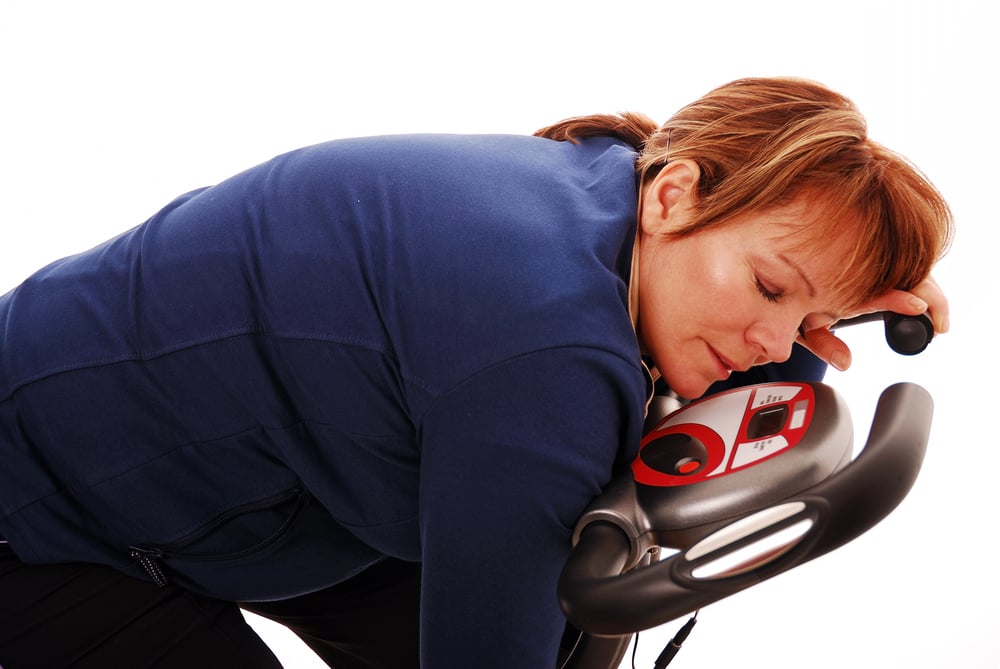
The same 2024 study that tracked sleep effects also found that skipping physical activity reduced connectivity in brain networks tied to memory and attention for up to 10 days after the missed exercise — not just on the day it was skipped. This was one of the more striking findings from the study: the absence of physical activity produced negative effects on brain connectivity that persisted far longer than most people would expect.
A single missed session had effects that lingered nearly two weeks. The implication is that exercise’s brain benefits accumulate and sustain in ways that are not immediately obvious from a day-to-day perspective.
Learning a Musical Instrument Produces Neuroplastic Changes Across Multiple Brain Areas

Learning to play a musical instrument is one of the most cognitively demanding activities available to the adult brain, engaging motor, auditory, visual, and cognitive systems simultaneously. MRI studies have found that trained musicians have measurably greater gray matter in motor, auditory, and visuospatial brain regions compared to non-musicians, and these differences scale with the number of years of practice.
The brain changes associated with musical training are among the most consistently documented structural effects of any educational activity in neuroscience — and they appear to transfer to non-musical cognitive domains, including verbal memory and executive function.
Gratitude Practice Changes Brain Responses to Reward

Gratitude practices — writing down things to be grateful for, or recalling positive experiences — have been studied using neuroimaging and produce changes in the medial prefrontal cortex, a region involved in moral cognition and decision-making. Studies have found that participants who engaged in gratitude practices showed altered patterns of brain activity in response to subsequent reward tasks, and that the effects built over time rather than appearing immediately.
The brain appears to learn from repeated gratitude exercises in a way that generalizes to other positive emotional processing — not simply producing temporary good feelings, but adjusting baseline activity in relevant circuits.
Intermittent Fasting Increases Brain-Derived Neurotrophic Factor

BDNF — brain-derived neurotrophic factor — is a protein that supports the growth, maintenance, and survival of neurons and is essential for learning and memory. Research has found that intermittent fasting induces BDNF signaling and adaptive stress responses, and multiple studies have found correlations between fasting periods and increased BDNF levels.
The mechanism appears to involve metabolic switching: when the brain shifts from using glucose to using ketones as its primary fuel source during fasting, it triggers cellular stress responses that upregulate BDNF. This may be one reason why caloric restriction and intermittent fasting have been associated with cognitive benefits in animal models and, with more mixed results, in human studies.
Mindfulness Meditation Increases Gray Matter Density

Harvard researchers studied long-term meditators and non-meditators and found that the meditators had greater cortical thickness in the prefrontal cortex and right anterior insula — areas associated with attention, interoception, and sensory processing. A separate study at Massachusetts General Hospital found that 8 weeks of mindfulness-based stress reduction produced measurable increases in gray matter concentration in the hippocampus (associated with learning and memory) and decreases in gray matter in the amygdala (associated with stress and anxiety).
These are structural brain changes, not just temporary shifts in activity — meditation was literally changing the physical architecture of the brain.
Reading Fiction Changes How the Brain Processes Perspective

Neuroimaging studies have found that reading literary fiction — as opposed to non-fiction or popular fiction — engages the brain’s theory of mind networks more consistently, activating areas associated with understanding other people’s mental states and emotions. A 2013 study published in Science found that reading literary fiction improved performance on tests of empathy and social cognition immediately afterward.
The effect was not observed for non-fiction or popular genre fiction to the same degree. The proposed mechanism is that literary fiction requires readers to infer character mental states and motivations without explicit guidance, which trains the same cognitive systems used in real-world social interaction.
Writing By Hand Encodes Memory More Effectively Than Typing

Research comparing note-taking by hand versus laptop found that students who took longhand notes consistently outperformed laptop note-takers on conceptual questions in tests conducted later. The proposed explanation involves the pace and depth of encoding: typing is fast enough to allow transcription rather than processing, while writing by hand forces summarization and paraphrase, which engages deeper semantic encoding.
Brain imaging studies have found that handwriting activates more extensive neural networks than typing, including areas associated with reading and language processing. The mechanical constraint of writing slower turns out to be a cognitive advantage, not a limitation.
Daydreaming Activates the Default Mode Network in Ways Linked to Creativity

People who daydream frequently show stronger activation of the default mode network during mind-wandering — but they also show simultaneously stronger activation of executive control networks, suggesting that productive daydreaming involves both generative and regulatory processes working together. This “dual activation” pattern during mind-wandering has been associated with creative problem-solving ability and the generation of novel ideas.
The common perception of daydreaming as inattentive or unproductive conflicts with what the neural data shows: the most creative daydreamers are not just letting their minds go wherever they like — they are doing something more structured and productive than it appears from the outside.
Prolonged Sitting Reduces Brain Blood Flow in the Prefrontal Cortex

A 2020 study found that prolonged uninterrupted sitting reduces cerebral blood flow to the prefrontal cortex — the region responsible for executive function, decision-making, and working memory. The reduction began within a relatively short period of continuous sitting and was reversed by brief standing or walking interruptions.
This finding has implications beyond the well-established cardiovascular risks of sedentary behavior: it suggests that sitting for extended periods directly impairs the region of the brain most involved in complex cognitive work, during the period when most people are trying to do that work. Short movement breaks — even two minutes of walking — have been shown to restore prefrontal blood flow.
Social Isolation Changes Brain Structure in Measurable Ways

Studies on people who have experienced extended periods of social isolation — including astronauts in confined missions and individuals during pandemic lockdowns — have shown reductions in gray matter volume in regions involved in social cognition, including the hippocampus and prefrontal cortex. A 2021 study found that regions involved in recognizing and processing other people’s mental states showed reduced activity after extended isolation.
The brain, treated as a social organ that requires regular input from other humans to maintain certain structural and functional properties, deteriorates in specific measurable ways when that input is removed — and the changes are partially reversible when social contact resumes.
Exposure to Green Space Reduces Amygdala Activity

Urban residents who live near green spaces show lower amygdala activity on neuroimaging — a finding associated with reduced stress reactivity. A 2017 study found that walking in nature for 90 minutes reduced rumination (repetitive self-focused thought associated with depression and anxiety) and decreased activity in the subgenual prefrontal cortex, a region implicated in self-referential rumination.
The same walk through an urban environment produced no such effect. The researchers suggested that natural environments may reduce the neural processing demands associated with urban stimulation, allowing stress-response systems to down-regulate in ways that artificial environments do not support.
Learning New Skills Increases Connections Between Brain Regions

Neuroplasticity — the brain’s capacity to change its structure in response to experience — is not limited to childhood. Adult brains show measurable structural change in response to learning new skills, including new motor skills, languages, navigation routes, and academic subjects.
A landmark study of London taxi drivers, who are required to memorize the city’s thousands of streets for their licensing exam, found that their hippocampi — the brain structures most associated with spatial memory — were measurably larger than those of control subjects, and that hippocampal volume correlated with time spent as a cab driver. Learning does not just fill the brain with information; it changes its physical architecture.
Listening to Music While Working Has Different Effects Depending on the Type

Music with lyrics distracts from tasks requiring language processing — reading, writing, and verbal reasoning — because both the music’s words and the task’s words compete for the same language-processing resources. Instrumental music at moderate tempo produces measurable improvements in mood and can enhance performance on repetitive or creative tasks where language processing is not the primary demand.
Classical music’s hypothesized effect on intelligence — the so-called “Mozart Effect” — has been largely discredited as a lasting effect, but the mood-mediated benefit of enjoyable instrumental music on non-verbal tasks is supported by multiple studies. The genre matters less than whether the music contains words.
Viewing Art Activates the Brain’s Reward Circuitry in the Same Way as Other Pleasures

Brain imaging studies examining responses to visual art have found activation in the same regions associated with reward processing as other pleasurable stimuli, including the orbito-frontal cortex and nucleus accumbens. A 2011 study found that viewing paintings judged as beautiful activated the motor cortex — as if the brain were preparing to move toward the object of beauty.
The experience of aesthetic pleasure appears to be more physically embodied than is commonly assumed, involving not just evaluation of the visual stimulus but a preparatory physical response to it. This may explain why encounters with particularly affecting art can produce a physical sensation that is difficult to describe in purely cognitive terms.
Volunteering and Helping Others Activates Reward Circuits and Reduces Cortisol

MRI studies have found that charitable giving activates the brain’s mesolimbic reward pathway — the same circuit activated by food, social approval, and other primary rewards — producing what researchers have called a “warm glow” effect with measurable neural correlates. Longitudinal studies have also found that people who volunteer regularly show lower cortisol levels (a stress hormone) and greater life satisfaction than matched control groups, with the magnitude of the effect correlated with the frequency of volunteering.
The brain appears to treat prosocial behavior as rewarding in a biological sense, not merely a moral one.
Repeated Stress Exposure Changes the Brain’s Fear Memory Systems

Chronic stress produces measurable structural changes in the brain, particularly in the amygdala, prefrontal cortex, and hippocampus. Under sustained stress, amygdala dendritic branches grow longer and more complex — increasing reactivity to threat — while prefrontal cortex dendrites retract, reducing the regulatory control the prefrontal cortex exerts over emotional responses. This structural shift is reversible in many cases when stress is removed, but the rate of reversal is slower than the rate of change, and early life stress produces more lasting effects than stress experienced in adulthood. The brain, in other words, is changed by what it repeatedly experiences — and not always symmetrically in both directions.
Novelty-Seeking Increases Dopamine Release and Promotes Neural Growth
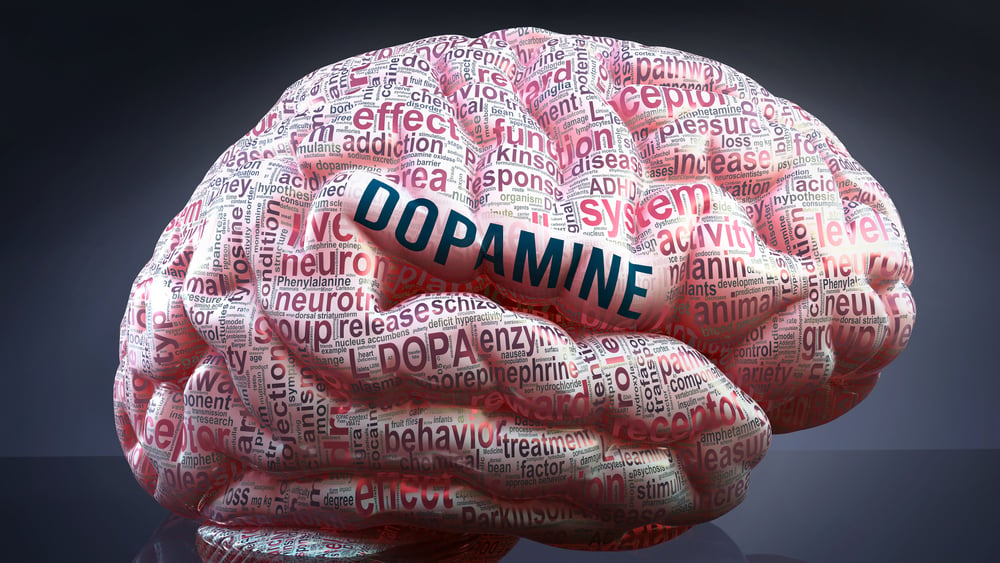
The brain’s dopamine system — central to motivation, pleasure, and learning — is strongly activated by novelty. New environments, new experiences, and new challenges produce dopamine release that is independent of reward: the novelty itself is the trigger, not the outcome.
Research has found that exposure to novel environments increases BDNF levels and promotes dendritic branching in the hippocampus. This is part of the neuroscientific basis for recommendations to vary routine, travel, and engage in new activities — the brain, exposed to the same stimuli repeatedly, adapts to extract less dopamine from them, while new experiences reliably produce the neurochemical conditions associated with learning and memory formation.
Being Bored at a Meeting Is Cognitively Different From Being Bored Alone

Research distinguishes between “reactant boredom” — a frustrated, restless state associated with feeling trapped and underutilized, which is common in meetings and mandatory activities — and “indifferent boredom” — a calm, detached state more associated with mind-wandering. The neural profiles of these states are meaningfully different.
Reactant boredom activates areas associated with frustration and approach-avoidance conflict, while indifferent boredom shows the default mode network activity associated with productive mind-wandering and creativity. Being bored at a meeting is not the same cognitive state as lying quietly in a field.
One produces neural activity associated with tension; the other may be producing your next good idea.
Consistent Sleep Timing Matters as Much as Sleep Duration

Research on circadian rhythms has found that maintaining consistent sleep and wake times — going to bed and getting up at the same time every day — has measurable effects on brain function independent of total sleep duration. Irregular sleep timing desynchronizes the brain’s internal clocks in ways that affect memory consolidation, mood regulation, and cognitive performance even when total hours of sleep are held constant.
Sleeping eight hours with inconsistent timing produces worse cognitive outcomes than sleeping a more modest but consistent amount. The brain’s memory consolidation processes — which happen primarily during slow-wave and REM sleep stages — appear to be more sensitive to timing regularity than to total sleep volume.
The Brain Is More Plastic Than Textbooks Suggested
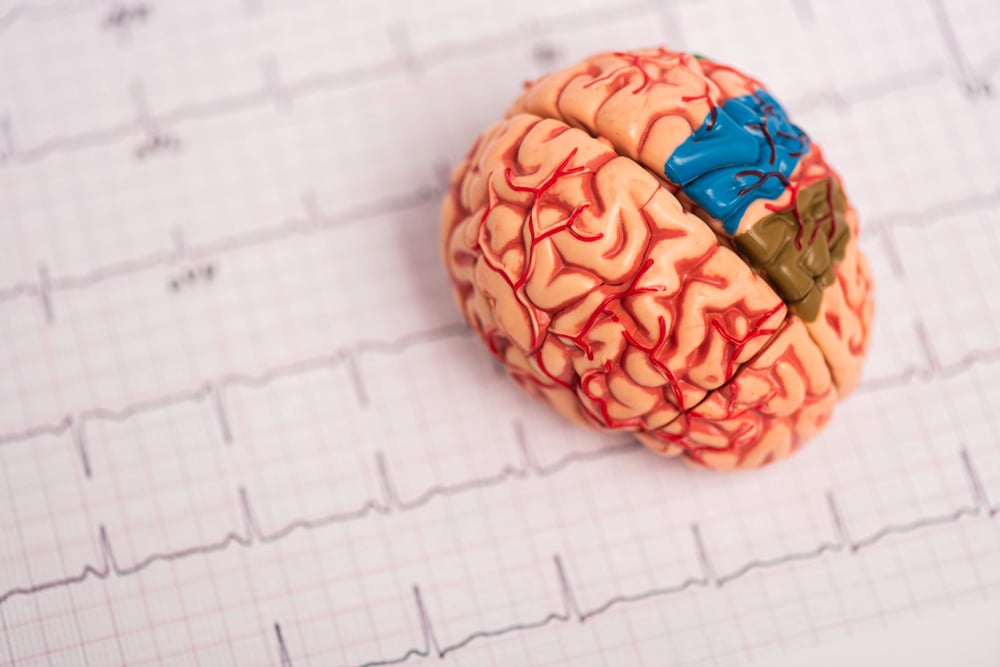
For most of the 20th century, neuroscience held that the adult brain was largely fixed in structure after childhood development concluded. The past 30 years of research have overturned that assumption so thoroughly that it is now the foundational premise of the field rather than the exception: adult brains change in response to experience, learning, stress, environment, and habits across the entire lifespan.
The habits described in this list are not producing superficial effects. They are, in measurable ways, reshaping the physical structure and functional connectivity of one of the most complex objects in the known universe.
That realization cuts both ways. The brain is not just changed by the habits most people think of as serious — exercise, sleep, meditation.
It is changed by everything it encounters repeatedly, including the texture of the environments it inhabits, the social interactions it engages in, and the small, seemingly inconsequential routines that fill most of a day. The unremarkable parts of a life, accumulated over years, turn out to be doing more than most people realize.
More from Go2Tutors!

- The Romanov Crown Jewels and Their Tragic Fate
- 13 Historical Mysteries That Science Still Can’t Solve
- Famous Hoaxes That Fooled the World for Years
- 15 Child Stars with Tragic Adult Lives
- 16 Famous Jewelry Pieces in History
Like Go2Tutors’s content? Follow us on MSN.