30 Classic Arcade Flipper Machines Collectors Still Chase
A flipper machine weighs around 250 pounds, eats a corner of a basement, and needs a steady hand with a soldering iron to keep running. None of that has slowed the collectors, who track production numbers and designer credits the way car buffs track engine codes.
The market rewards specific machines, not the category. A common title in rough shape can sit unsold for months, while a sought-after table with a clean playfield and working toys gets claimed within hours.
Humpty Dumpty and the First Flippers
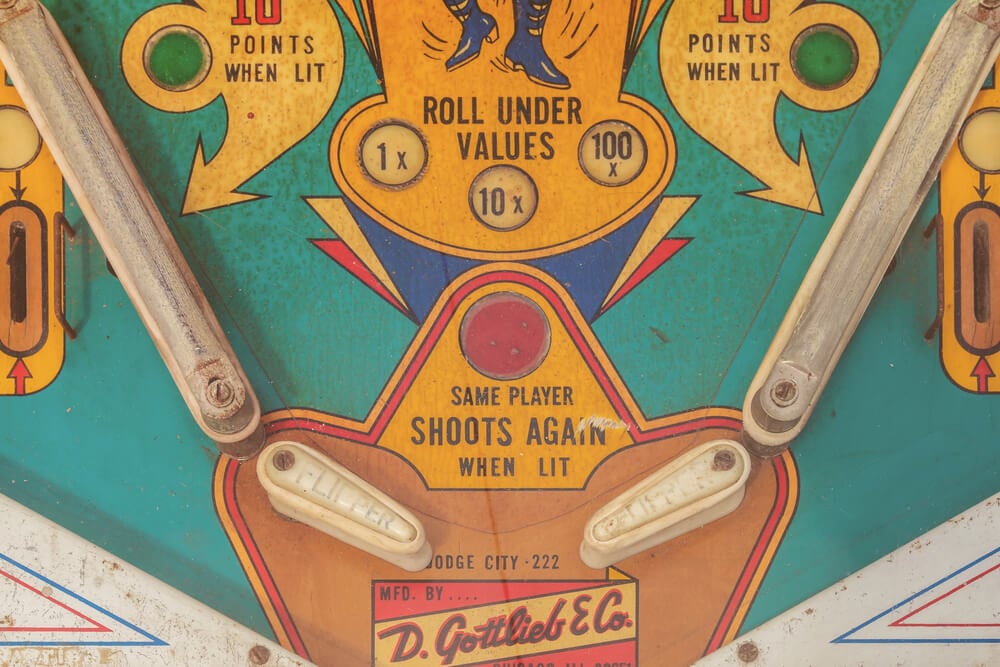
Gottlieb’s Humpty Dumpty, released in 1947, is generally credited as the first coin-operated machine with player-controlled flippers. Designer Harry Mabs placed six small flippers along the sides of the playfield, three on each side, all facing outward in a way that looks odd to modern players.
Before this, players could only nudge the cabinet and hope. The design changed the game from luck into skill almost overnight, and within a year nearly every manufacturer had copied it.
Surviving examples are rare and usually sell to museum-minded collectors, with prices depending heavily on the condition of the wood cabinet and the painted backglass.
Gorgar Learns to Talk
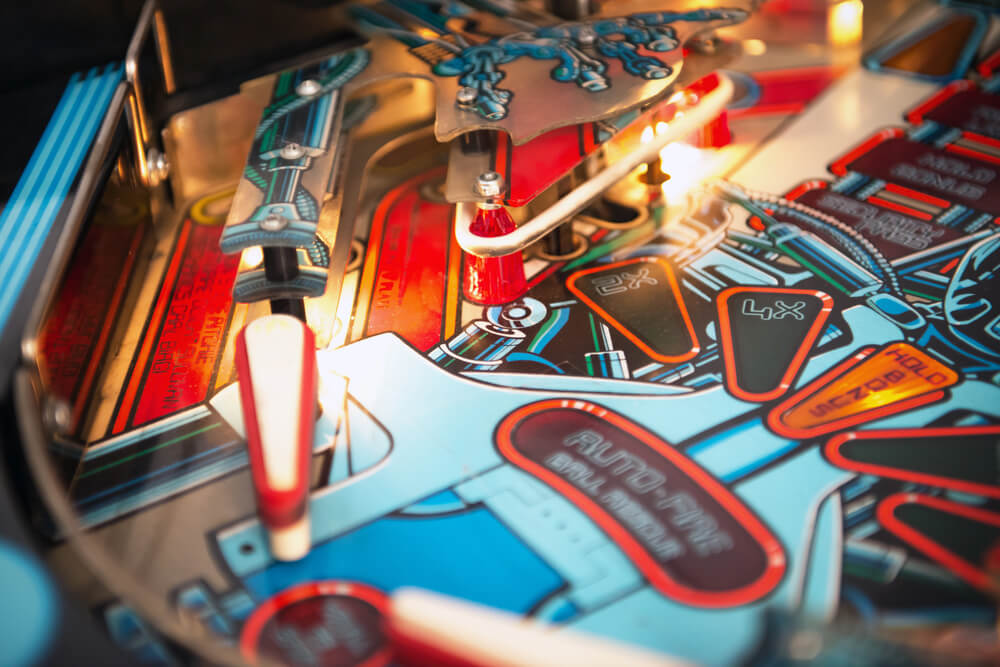
Williams released Gorgar in 1979, and it became the first commercial flipper machine with synthesized speech. Its vocabulary was tiny, just seven words, but phrases like “Me Gorgar” and “Gorgar speaks” cut through the noise of a crowded arcade.
The demon on the backglass and the throbbing heartbeat sound made the machine feel alive in a way no earlier table had. Gorgar is a solid entry point for collectors interested in early solid-state machines.
Clean examples typically sell for about 2,000 to 4,000 dollars, with faded artwork and worn playfield paint pulling prices toward the lower end.
Black Knight and Its Two Levels
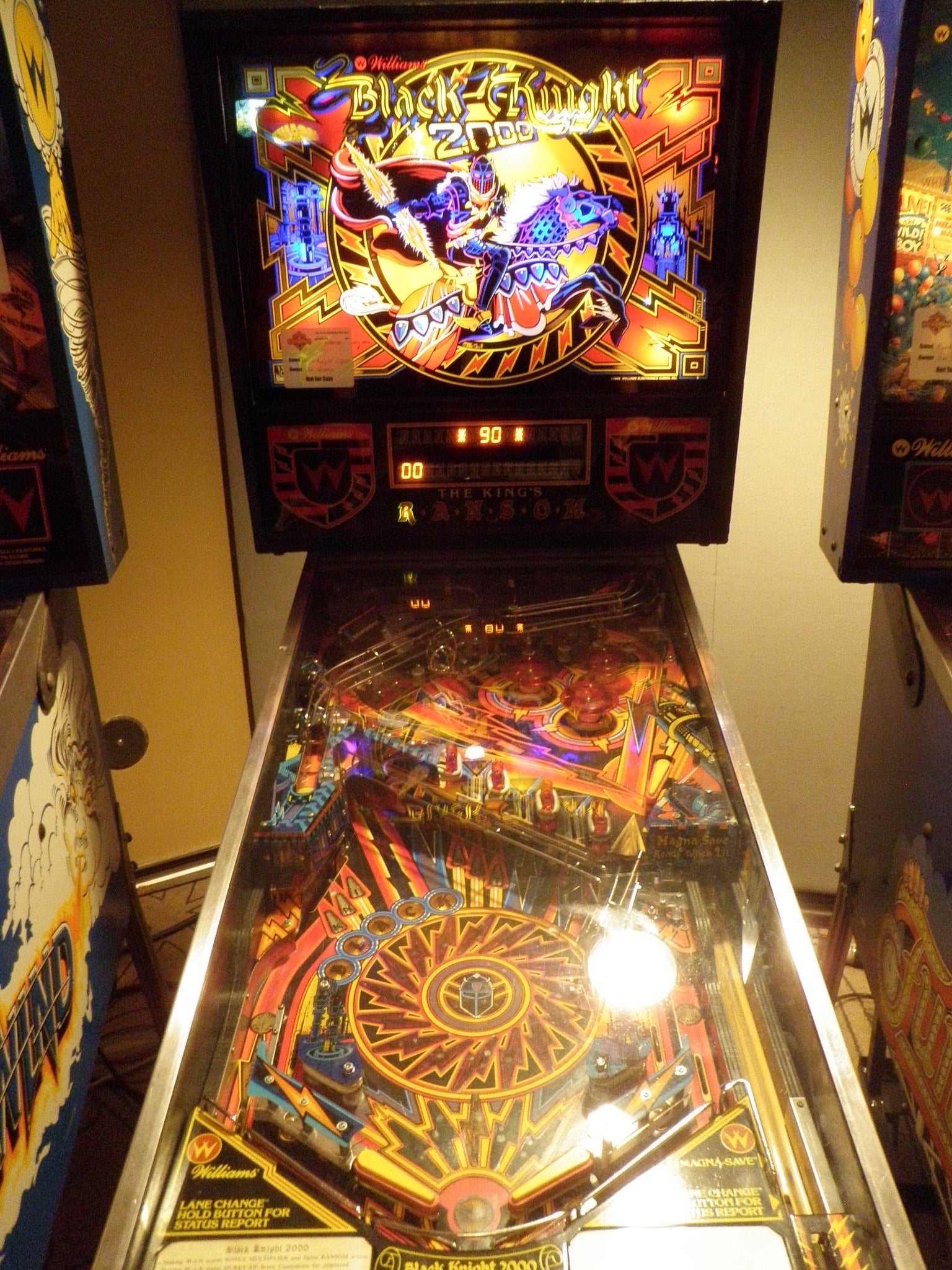
Black Knight, designed by Steve Kirk for Williams in 1980, stacked a second playfield above the main one, giving players two levels of flippers to manage. It also introduced the Magna-Save, a button-activated magnet that could pull a draining steel sphere back into play.
The menacing knight on the backglass and the machine’s taunting voice made it an arcade favorite. Black Knight sold well, and its sequel, Black Knight 2000, followed in 1989.
Original machines in good working order often bring about 3,000 to 5,500 dollars, though water damage or a cracked backglass reduces that sharply.
Xenon and Suzanne Ciani’s Voice
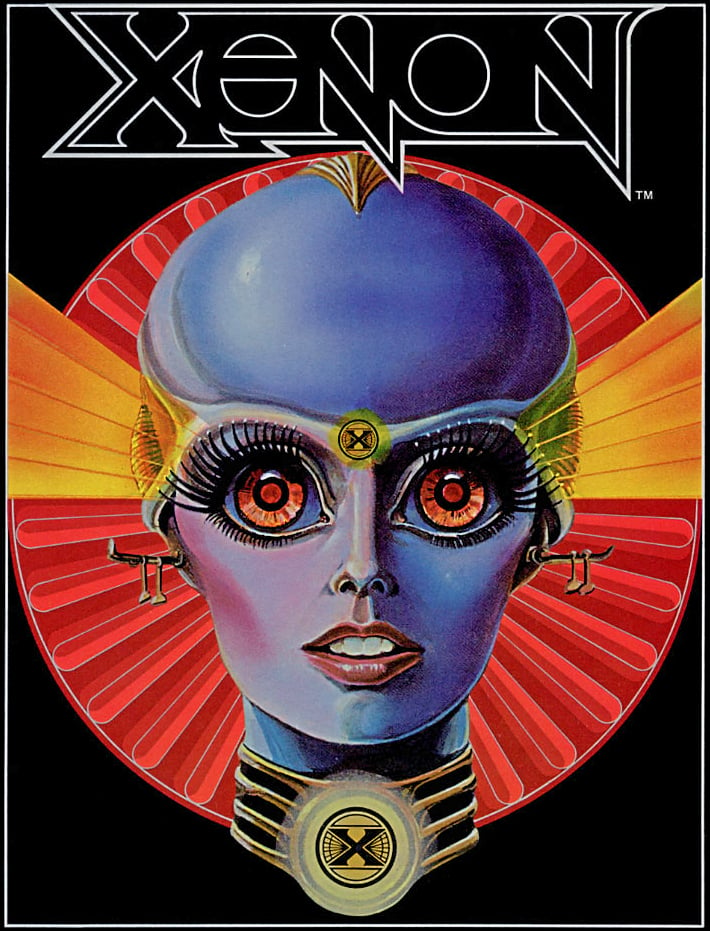
Xenon, released in 1980, featured the voice and sound design of electronic music pioneer Suzanne Ciani, making it one of the first flipper machines with a female voice. Her breathy, synthesized phrases gave the game an eerie personality that players still remember decades later.
The playfield included a clear plastic tube that carried the steel sphere through the air across the table. Xenon’s sound is a big part of its collector appeal.
Machines with fully working audio boards and an intact tube typically sell for about 2,500 to 4,500 dollars, depending on cosmetic wear and how much restoration has been done.
Haunted House and Its Three Playfields
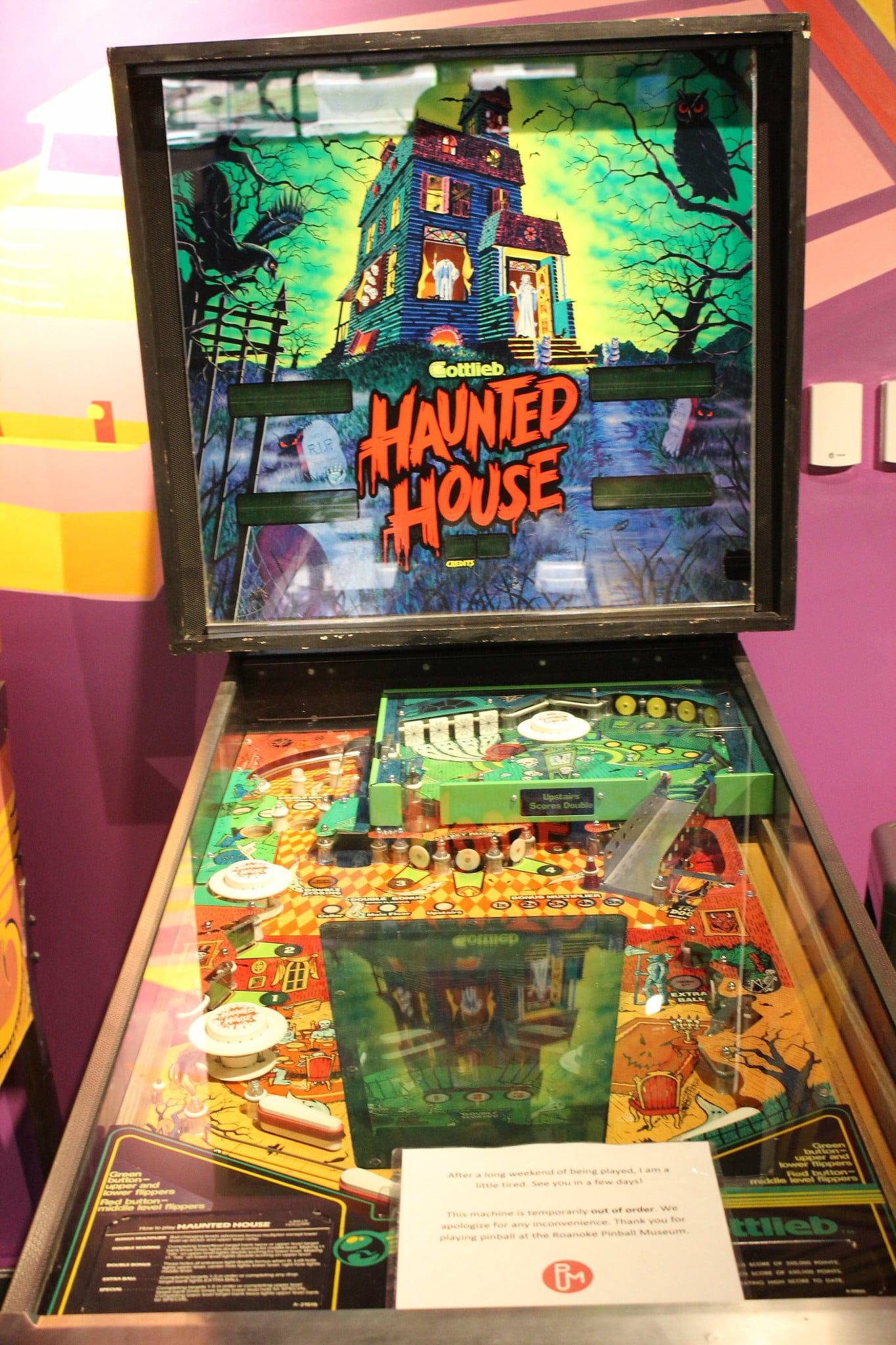
Gottlieb’s Haunted House arrived in 1982 with an ambitious design: three separate playfields, including an attic above and a basement below the main level. Players could drop down through a trap door into the basement, which sat beneath the main playfield and was viewed through the glass.
The spooky music, a minor-key tune that plays continuously, became a signature. Haunted House is a favorite among collectors of Gottlieb’s later solid-state machines.
Working examples often bring about 3,000 to 5,500 dollars, while machines with failing upper or lower playfields need specialized repair work before they are worth top prices.
Taxi and Its Famous Passengers
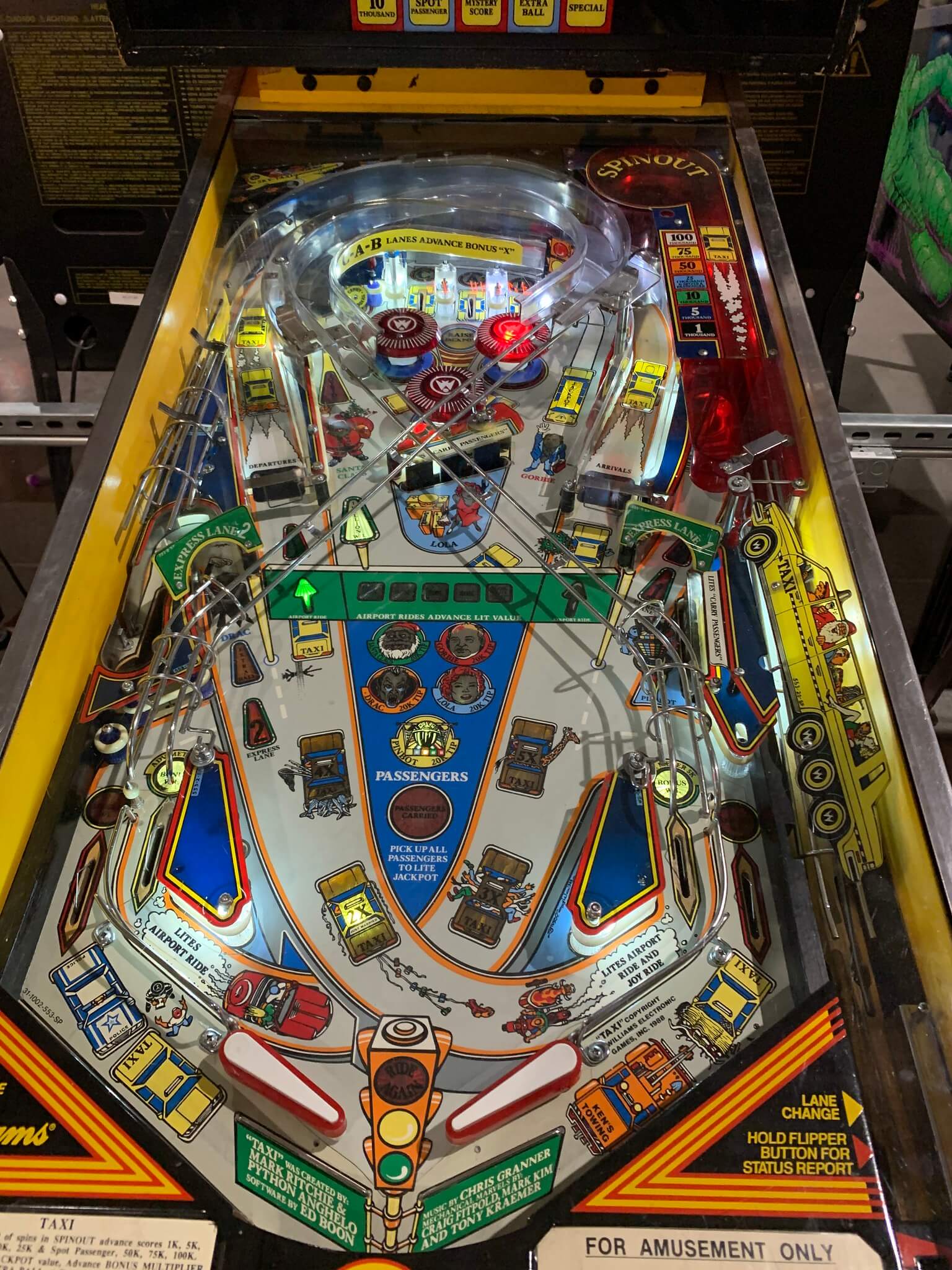
Taxi, released by Williams in 1988 and designed by Mark Ritchie, put players behind the wheel of a cab picking up a cast of celebrity-style passengers. Riders included Santa Claus, a caricature of Soviet leader Mikhail Gorbachev, Dracula and the robot from Pin-Bot.
Early production machines featured a Marilyn Monroe lookalike, who was replaced by a character named Lola in later units, reportedly over likeness concerns. That swap makes the early Marilyn version a small prize for collectors who check the playfield art.
Clean examples typically bring about 3,000 to 5,000 dollars, with faded art and worn inserts lowering the price.
Space Shuttle Saves Williams
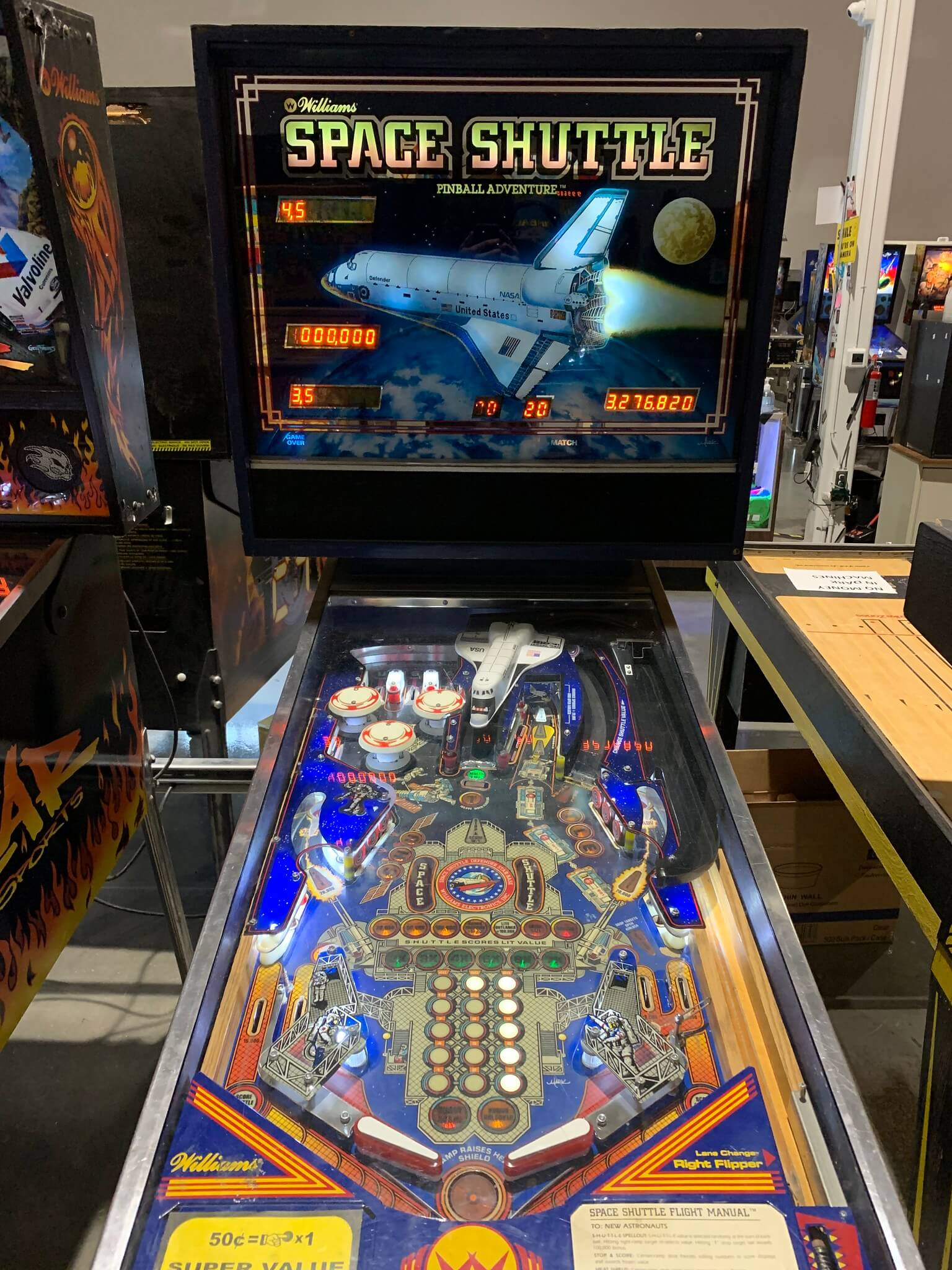
Space Shuttle arrived from Williams in 1984, during a slump when arcade video games had drawn most of the attention and money away from flipper machines. The game featured a small model shuttle on the playfield and a straightforward, satisfying layout.
It sold strongly and is widely credited with helping keep Williams in the flipper business through a difficult period. That reputation gives it a special place in collections built around industry history.
Clean examples often sell for about 2,500 to 4,500 dollars, and machines with an unbroken shuttle toy and minimal playfield wear sit at the high end.
High Speed and a Real Traffic Ticket
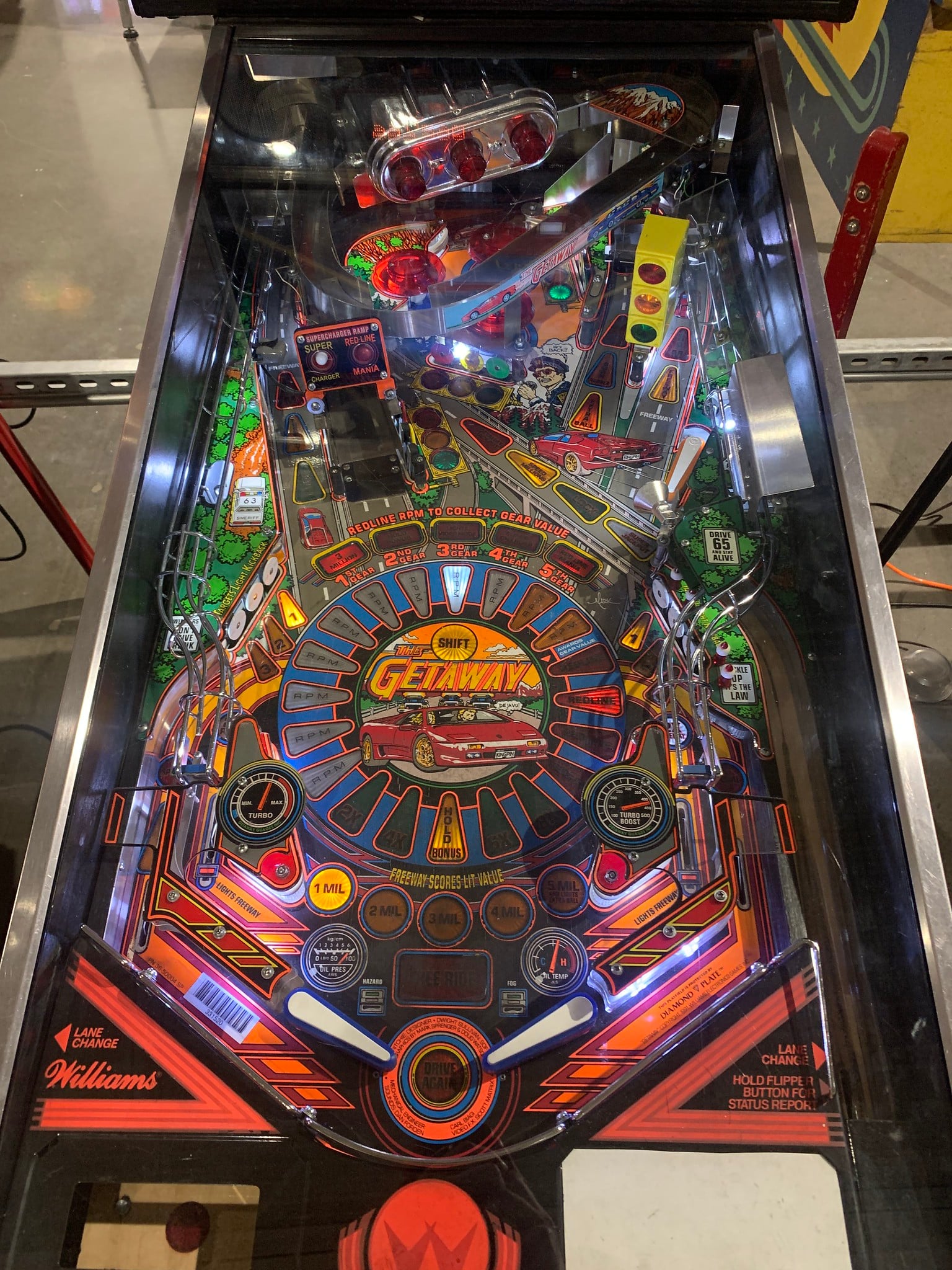
High Speed, designed by Steve Ritchie for Williams in 1986, was inspired by a real high-speed chase involving Ritchie and the California Highway Patrol. The game put a traffic light on the playfield and a police siren in the sound package.
It is often credited with popularizing the jackpot, a progressive score that builds over time and pays off big. High Speed also used a full song in its soundtrack, a novelty then.
Collectors value it for its historical influence. Good examples typically bring about 3,000 to 5,000 dollars, depending on playfield wear and the condition of the backbox lights.
Pin-Bot and Its Opening Visor
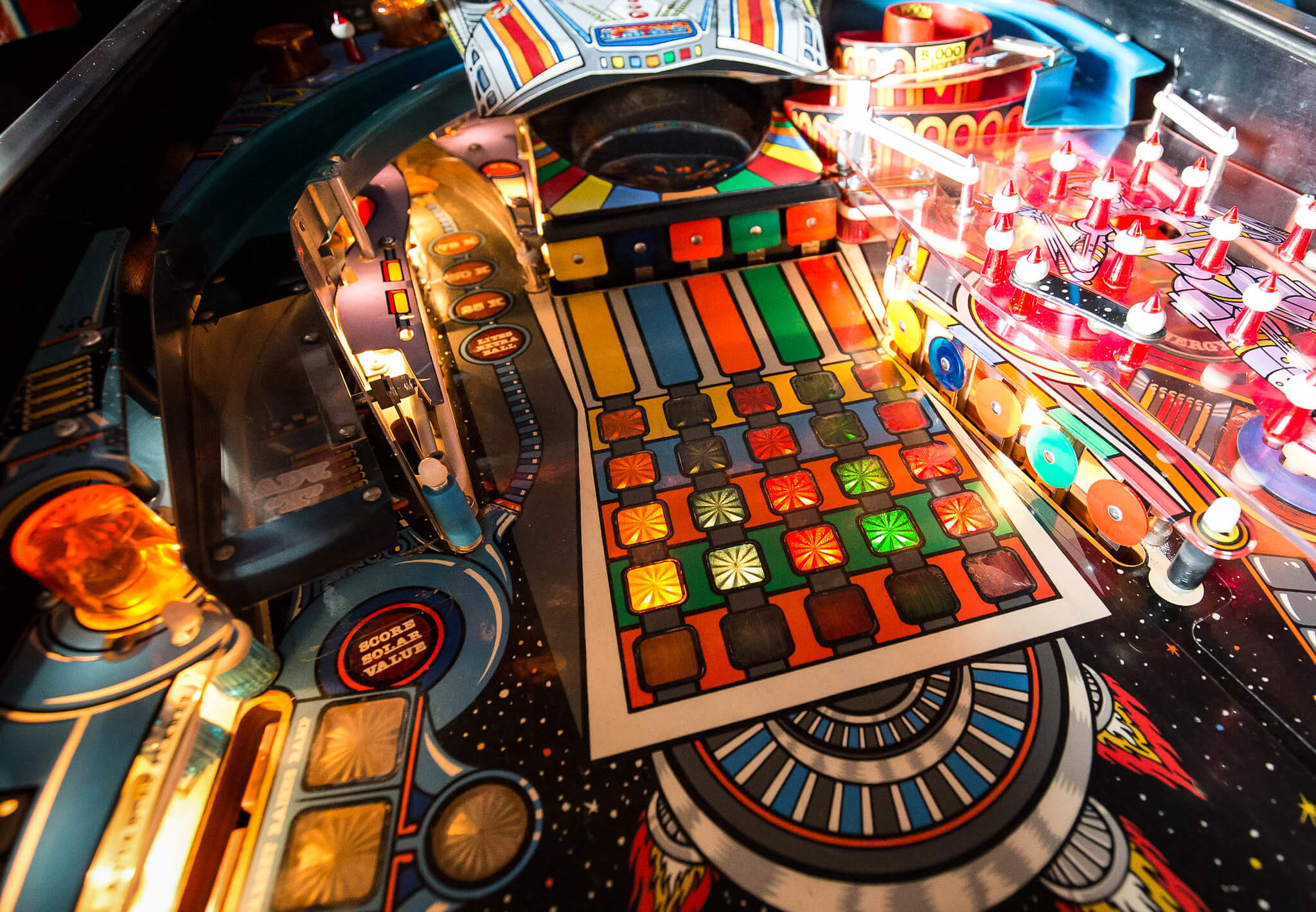
Williams released Pin-Bot in 1986 with a robot face in the upper playfield whose visor slid open to reveal two eye sockets. Landing the steel sphere in those eyes unlocked a bonus round, and the robot’s voice taunted or praised players throughout.
The design came from Python Anghelo and Barry Oursler, and the game became one of the best-selling machines of its era. A sequel, The Machine: Bride of Pin-Bot, followed in 1991.
Original Pin-Bot tables often sell for about 3,000 to 5,500 dollars, though a sticking visor motor is a common and fixable problem.
Bride of Pin-Bot and the Spinning Face
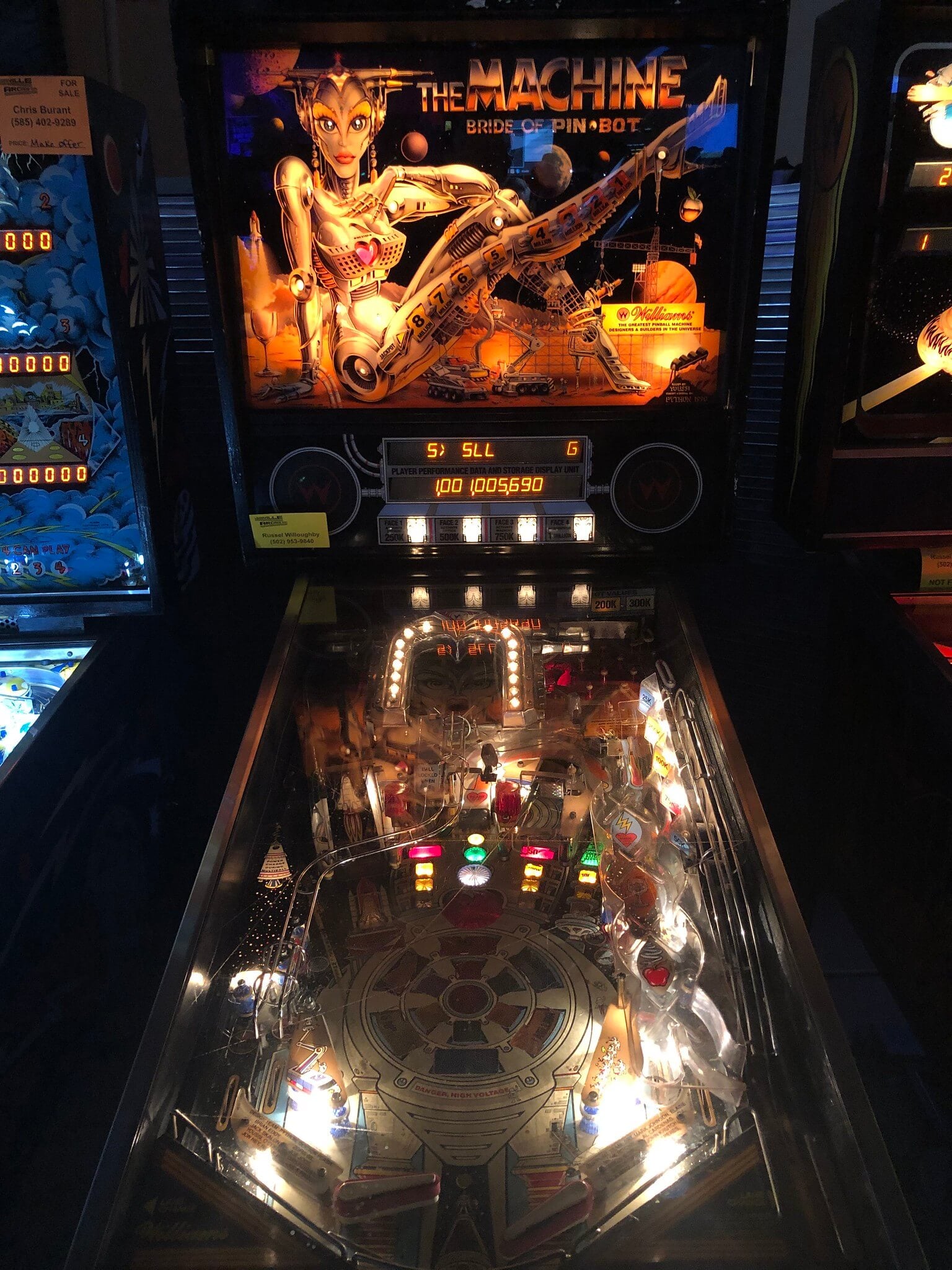
The 1991 sequel to Pin-Bot introduced a female robot whose face sat on a rotating head in the backbox. As players progressed, the face spun to reveal new expressions and finally a human appearance.
The flirtatious voice lines and the head mechanism made the game a showpiece. It was also one of the last Williams machines with an alphanumeric display before dot matrix screens took over.
Collectors pair it with the original Pin-Bot for obvious reasons. Values typically run about 4,000 to 7,000 dollars, depending on whether the head mechanism turns cleanly and the playfield is free of heavy wear.
Cyclone at Coney Island
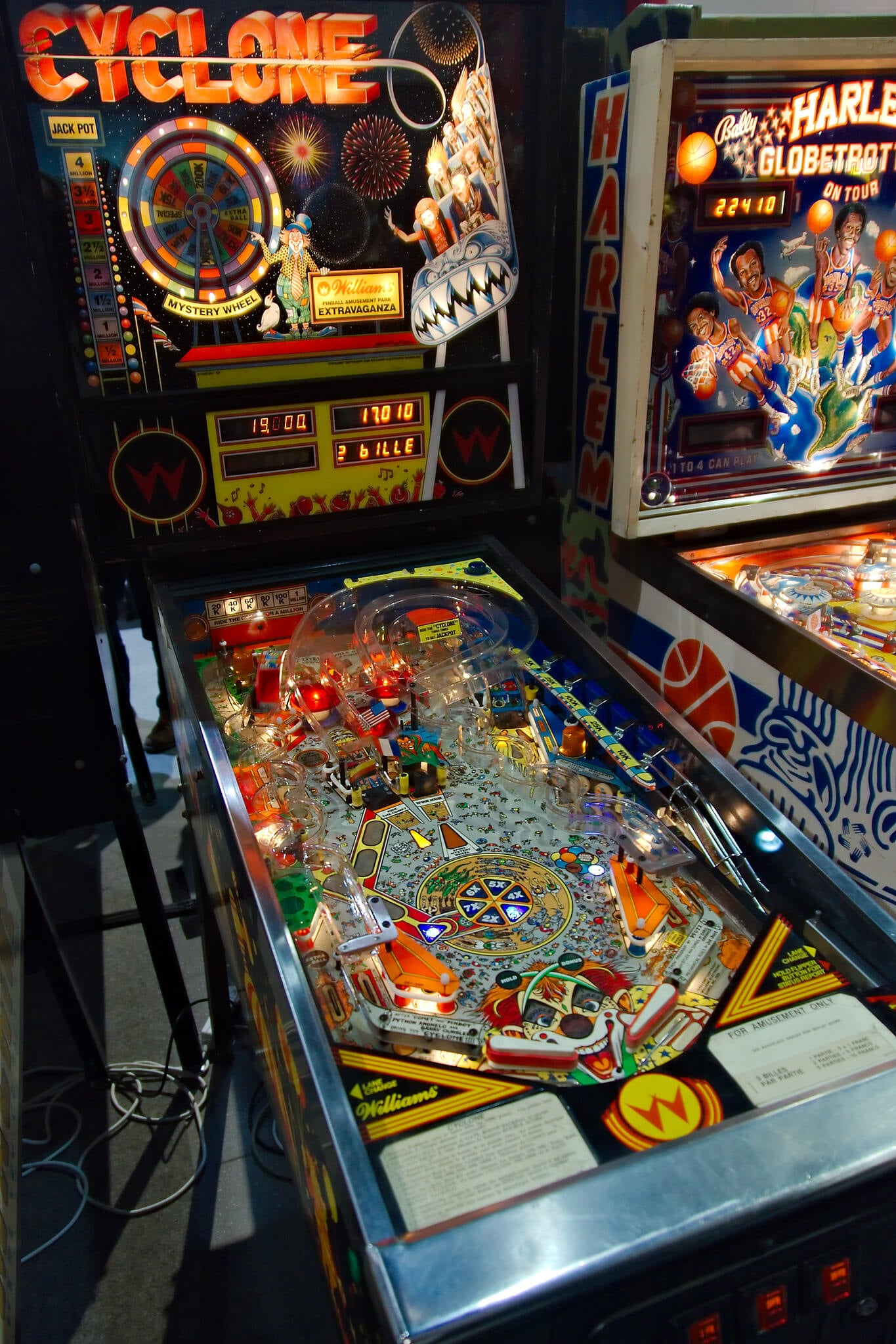
An amusement park theme set Cyclone apart when Williams released it in 1988, with a layout built around Coney Island, the famous New York boardwalk district. A spinning Ferris wheel sat on the playfield and carried the steel sphere through a full rotation.
The carnival music and barker voice gave it a festive atmosphere unlike the sci-fi themes common at the time. Cyclone became a favorite in family game rooms because it appeals to casual players as much as serious ones.
Clean examples often sell for about 3,000 to 5,500 dollars, and a working Ferris wheel is essential to reaching the top of that range.
Earthshaker and Its Rumbling Cabinet
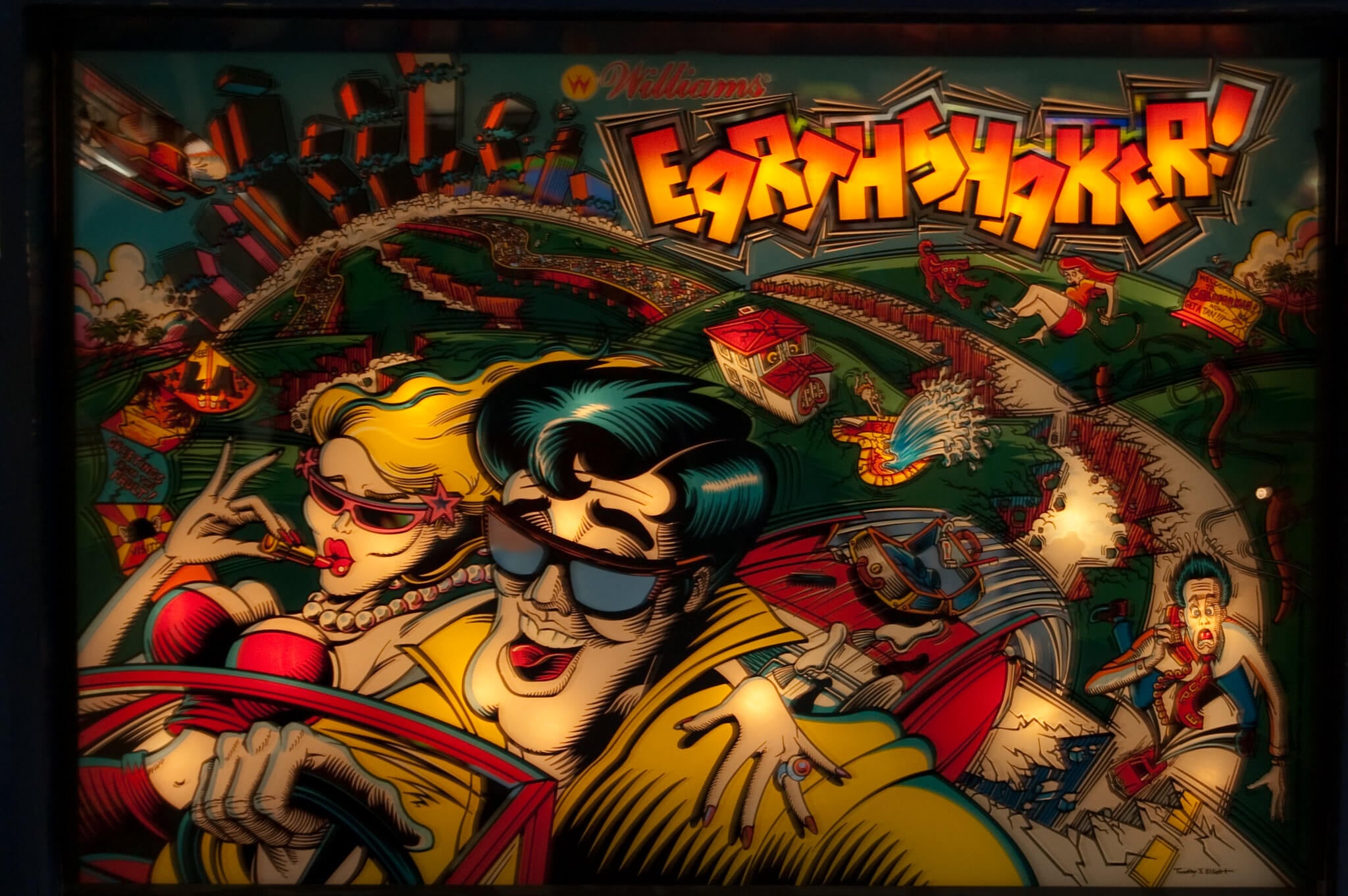
Pat Lawlor designed Earthshaker for Williams in 1989, and it literally shook. A motor inside the cabinet made the entire machine rumble during earthquake sequences, and a fault line on the playfield split open as the game progressed.
The California earthquake theme was timely, since the game reached arcades the same year as the Loma Prieta quake. Earthshaker was an early example of Lawlor’s toy-heavy approach that defined many later classics.
Working machines typically sell for about 3,500 to 6,000 dollars, with a functioning shaker motor and clean playfield art pushing prices higher.
Whirlwind and the Blowing Fan
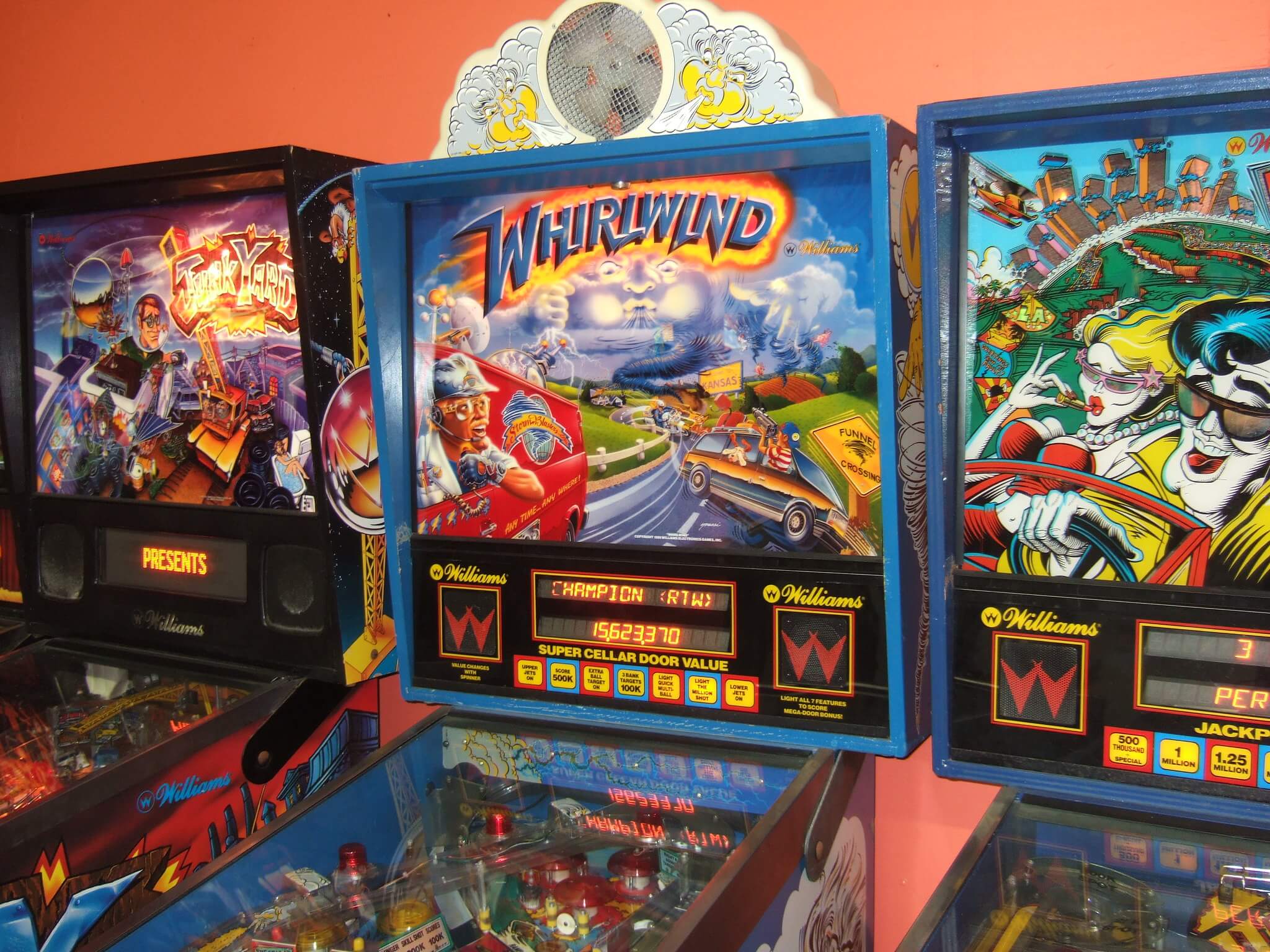
Whirlwind, another Pat Lawlor design for Williams, arrived in 1990 with a storm theme and a fan mounted in the backbox that blew air on the player. Spinning discs on the playfield sent the steel sphere skittering in unpredictable directions during tornado sequences.
The effect was gimmicky and delightful, and players still mention the fan first when describing the game. Whirlwind is a favorite among collectors who prefer physical surprises over screen animations.
Prices usually run about 4,000 to 6,500 dollars, depending on whether the spinning discs and fan work properly and the cabinet artwork is free of fading.
Funhouse and Rudy the Talking Head
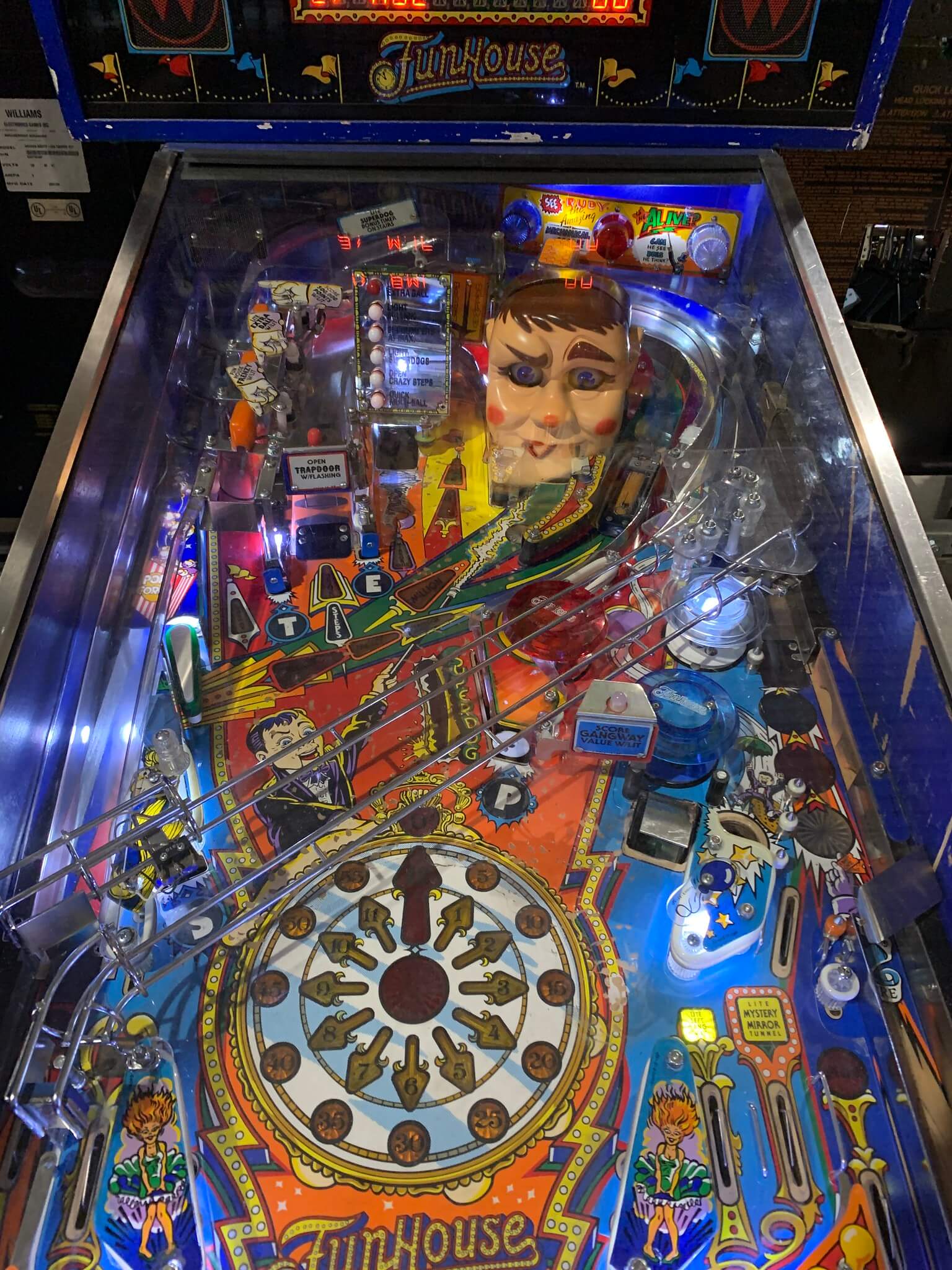
Funhouse, released by Williams in 1990, featured Rudy, a ventriloquist-style dummy head mounted on the playfield whose eyes and mouth moved as he heckled players. Pat Lawlor designed the game around a carnival funhouse, with a clock that advanced toward midnight and changed Rudy’s behavior.
Rudy could even swallow the steel sphere, which drew genuine shrieks from first-time players. The game set the pattern for character-driven tables in the 1990s.
Good examples typically bring about 5,000 to 8,000 dollars, with Rudy’s face condition and mechanism a key factor in value.
Elvira and the Party Monsters
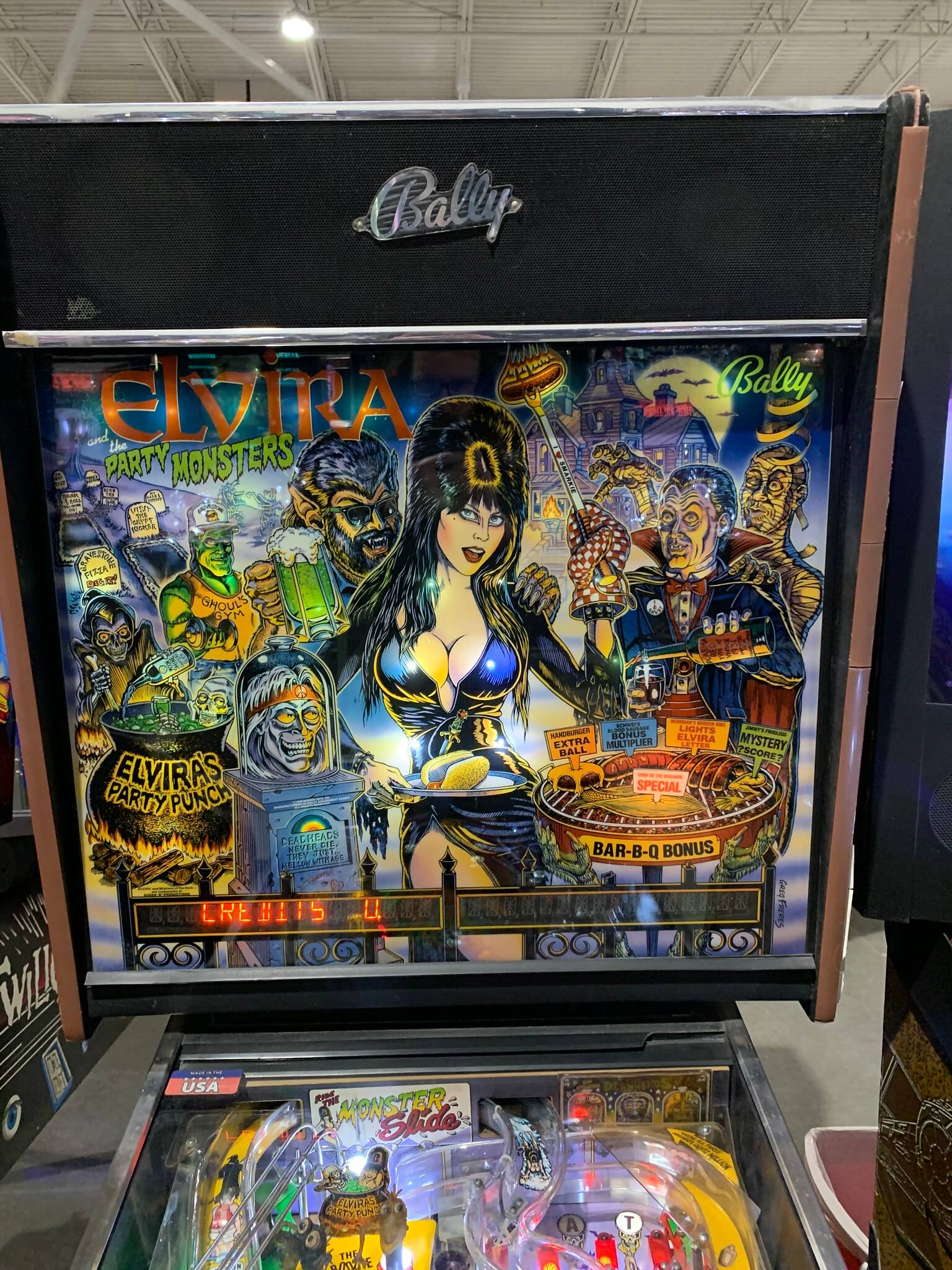
Released in 1989 and designed by Dennis Nordman, Elvira and the Party Monsters starred horror host Cassandra Peterson in her famous character. She recorded the voice lines herself, delivering campy one-liners throughout play.
The playfield included dancing skeleton figures and a monster party theme. The game was popular enough to inspire a sequel, Scared Stiff, in 1996, and a modern third entry decades later.
Collectors love the humor and the personality. Original machines typically sell for about 4,000 to 7,000 dollars, with clean playfield art and working skeleton figures adding to the price.
Terminator 2 Brings the Movie Home
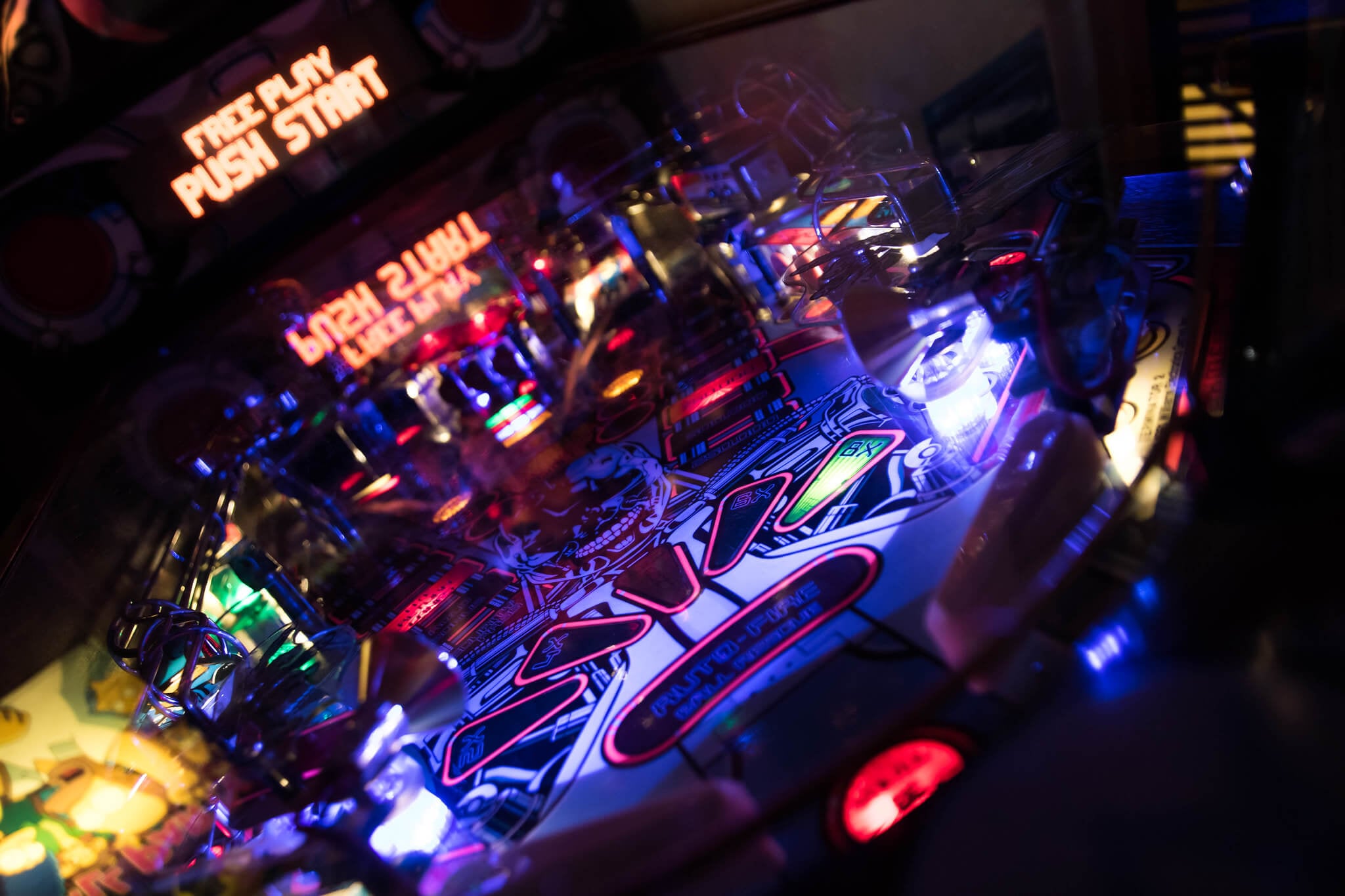
Williams released Terminator 2: Judgment Day in 1991, designed by Steve Ritchie, and it was one of the company’s first machines with a dot matrix display. The screen allowed short animations from the film, which was a big leap from earlier score displays.
A gun-shaped launch handle fired the steel sphere into play with a trigger pull. The game used audio from the movie, including Arnold Schwarzenegger’s voice.
It sold in large numbers, so examples are widely available. Values typically run about 4,000 to 7,000 dollars, depending on playfield condition and the working state of the cannon toy.
Addams Family, the Best Seller of Its Era
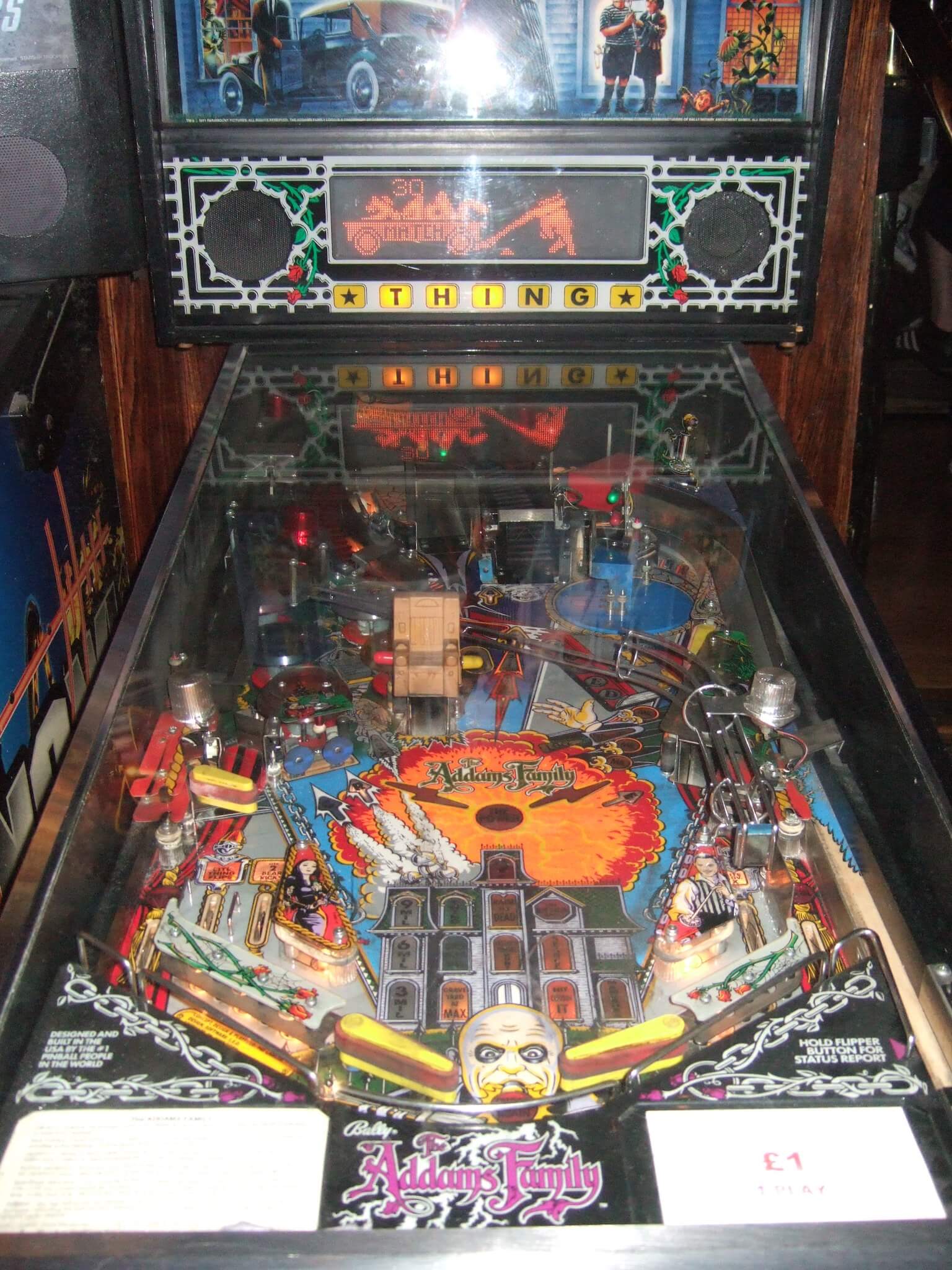
Pat Lawlor’s Addams Family, released in 1992 under a Williams-owned label, sold about 20,000 units, the most of any flipper machine of the modern era. The playfield included Thing, the disembodied hand, which grabbed the steel sphere with a magnet and moved it to a new location.
Voice clips from the 1991 film added to the appeal. Its huge production run means plenty survive, but demand remains strong.
Clean examples typically bring about 7,000 to 11,000 dollars. A worn playfield around the flippers is the most common flaw buyers look for.
Fish Tales and Its Casting Reel
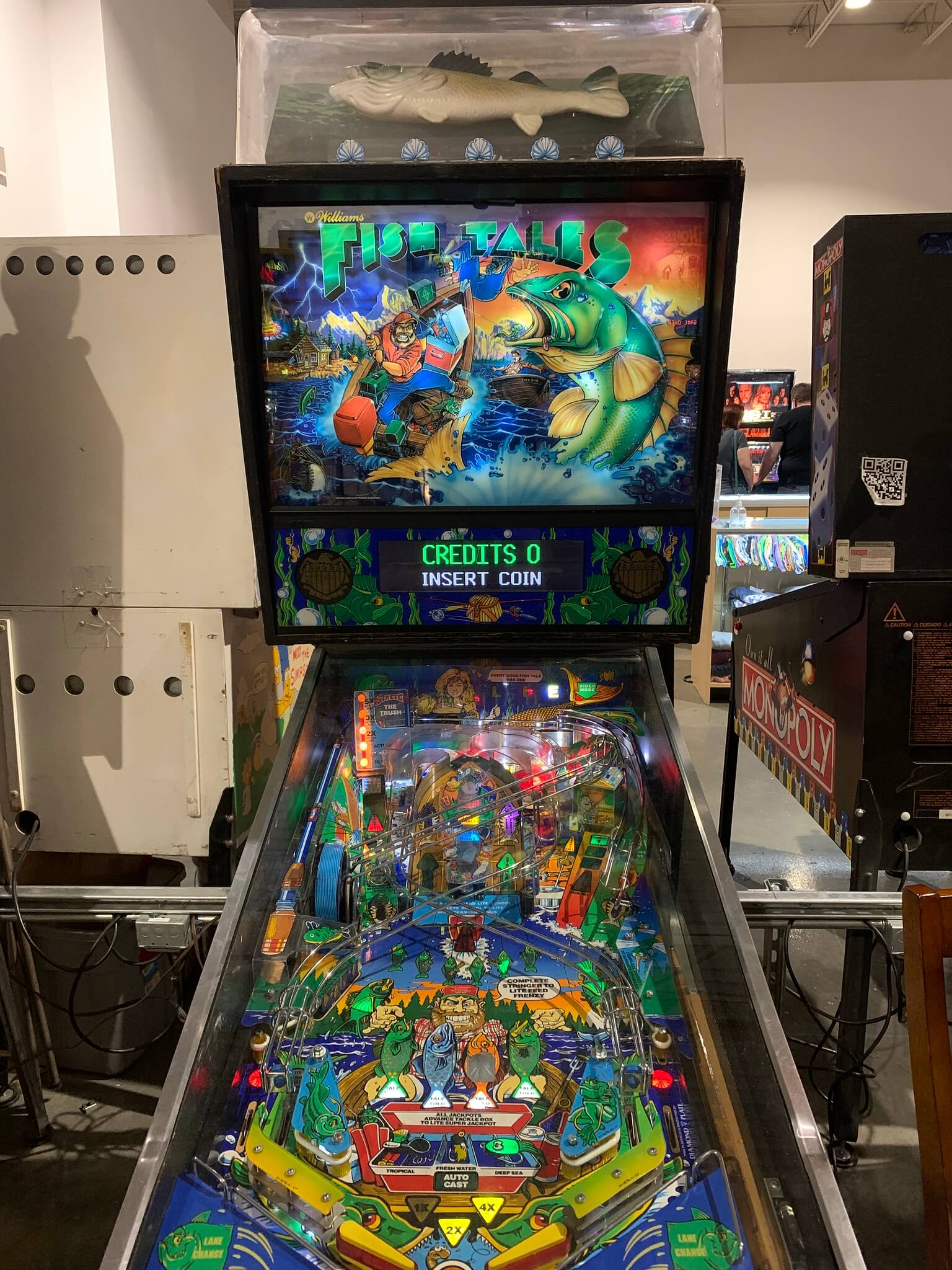
Fishing jokes drive Fish Tales, a 1992 Williams game designed by Mark Ritchie, brother of Steve Ritchie. Its launch mechanism was a reel-style plunger that players spun like casting a line.
A boat toy on the playfield rocked back and forth, and gags about exaggerated catches ran throughout. It was a popular, approachable game in bars and arcades.
Collectors appreciate its sense of humor and solid gameplay. Values usually run about 4,000 to 6,500 dollars, depending on playfield wear and whether the boat and reel mechanisms work properly.
Creature From the Black Lagoon at the Drive-In
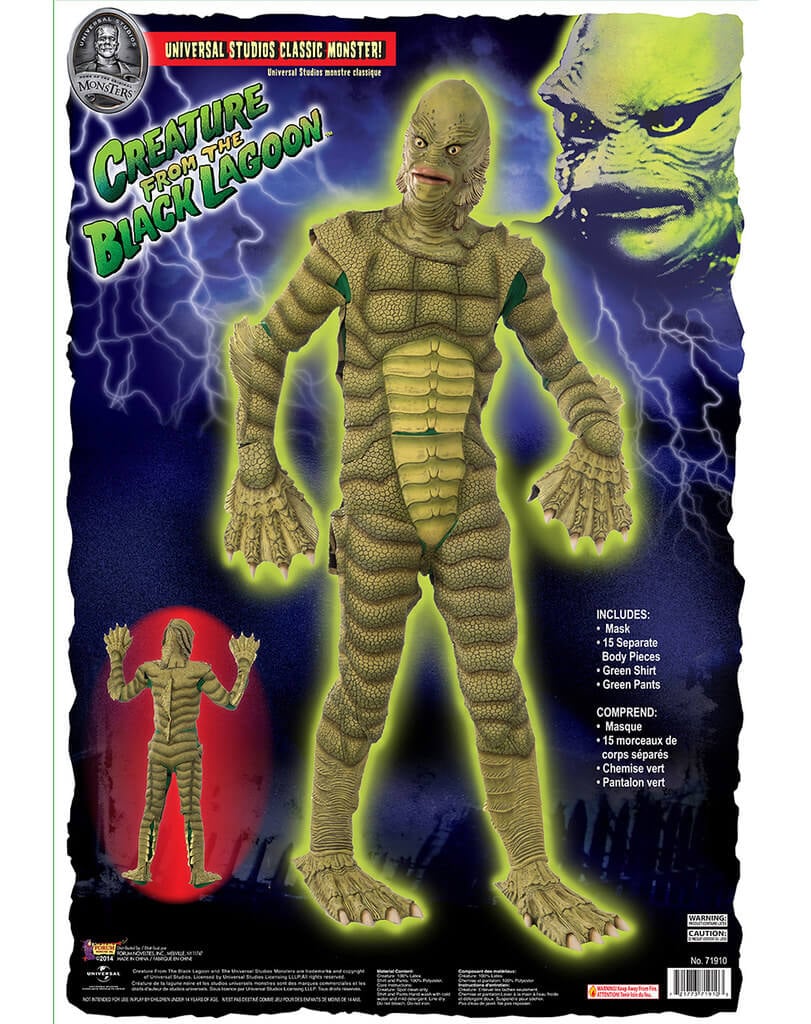
Released in 1992, Creature from the Black Lagoon framed the game as a night at a 1950s drive-in movie theater. A hologram of the creature appeared in a window on the playfield, an unusual effect for its time.
The soundtrack included original songs in a retro rock style, and the playfield featured a snack bar and a projection booth. Collectors love its atmosphere and its classic monster theme.
Prices typically run about 6,000 to 10,000 dollars. Machines with a faded or dim hologram, a common issue, sell for less unless that component has been restored.
Twilight Zone and Its Ceramic Sphere
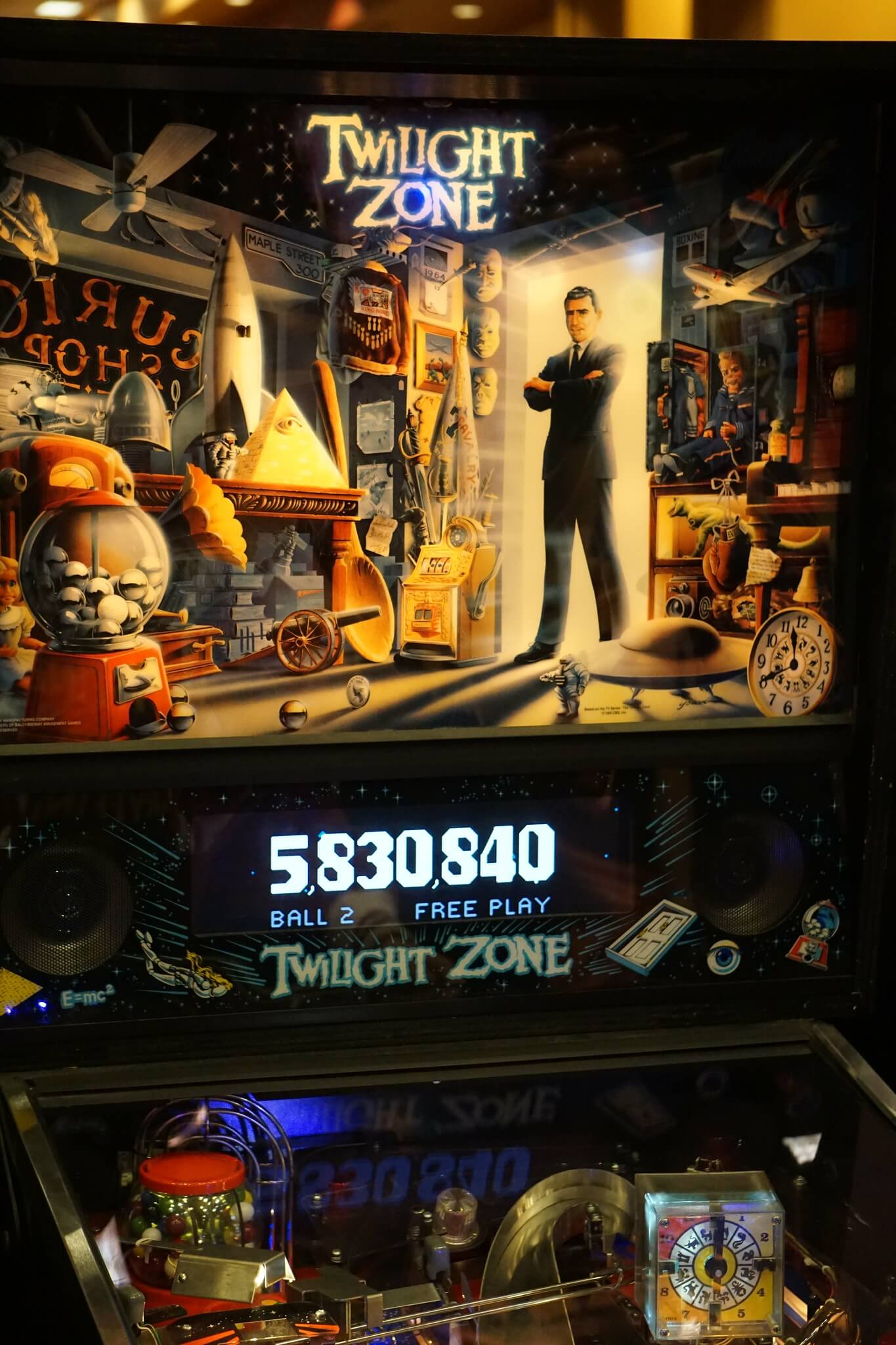
Pat Lawlor’s Twilight Zone, released in 1993, is often called the most complex flipper machine ever built. The playfield included a working clock, a slot machine, a mini-playfield with magnetic flippers and a white ceramic sphere that the machine’s magnets could not grab.
The rules were deep enough to keep serious players busy for years. About 15,000 units were produced.
Collectors prize it for its density of features and its tribute to the original television series. Clean examples typically sell for about 8,000 to 13,000 dollars, with the clock and magnetic mini-playfield key to value.
Star Trek: The Next Generation and Its Cannons
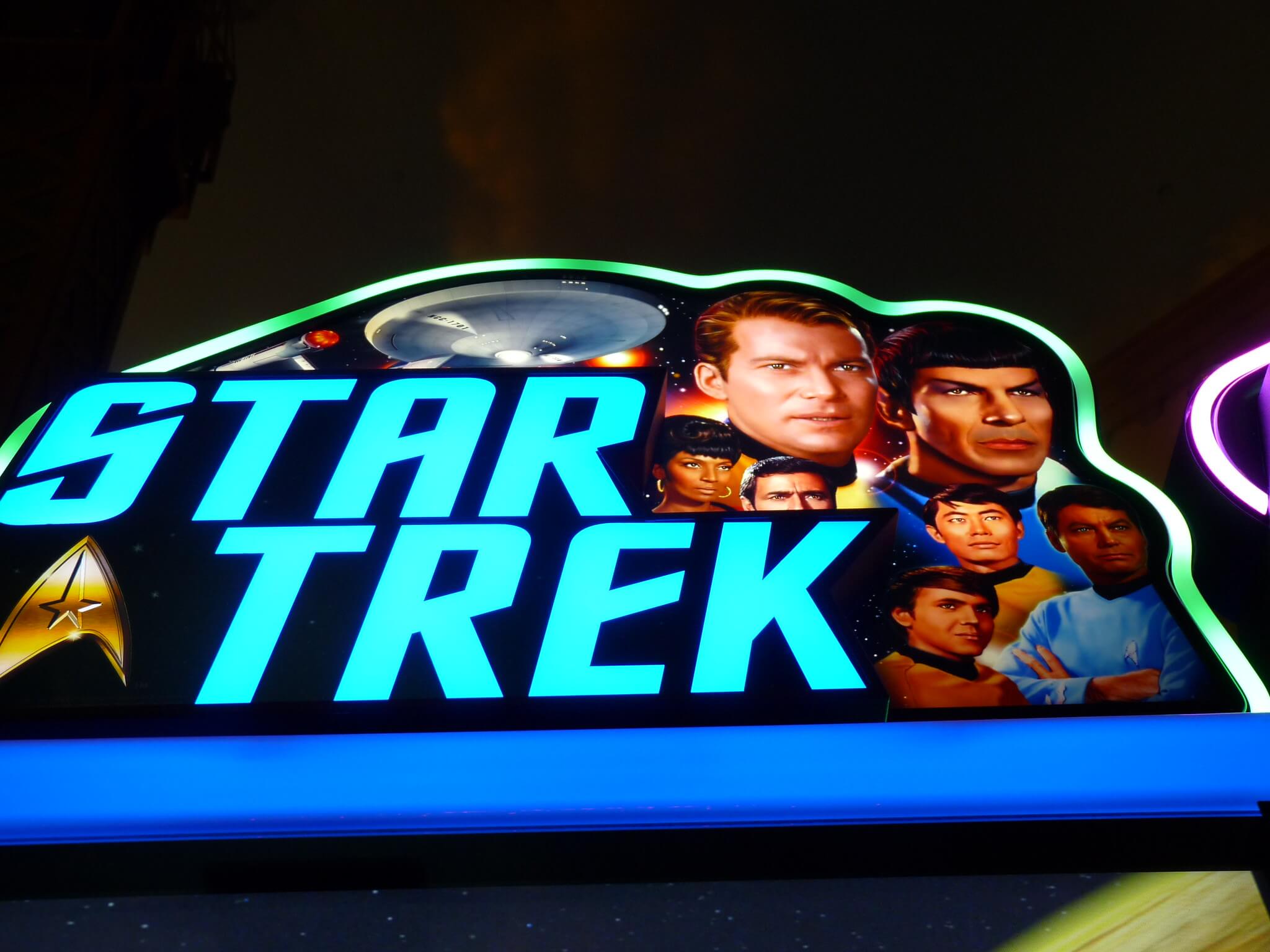
Steve Ritchie designed Star Trek: The Next Generation for Williams in 1993. Two gun-like cannons on either side of the playfield loaded steel spheres and fired them at targets under player control.
The game featured voice work from cast members of the television series. Its wide-body cabinet gave it more playfield space than many contemporaries.
Collectors value its deep rule set and its sheer size. Original machines typically bring about 7,000 to 11,000 dollars, depending on cannon function, playfield wear and the brightness of the dot matrix display.
White Water and Bigfoot
White Water, designed by Dennis Nordman for Williams in 1993, put players on a river rafting trip complete with a three-dimensional mountain on the playfield. The steel sphere could ride a long wire ramp that wound down the mountain like rapids.
A Bigfoot figure in the upper playfield turned to watch the player, a detail that fans still find funny. The game’s rafting theme and sound design make it a family favorite.
Values typically run about 6,000 to 10,000 dollars, depending on the condition of the ramps, which can crack, and the Bigfoot mechanism.
Getaway and the Supercharger
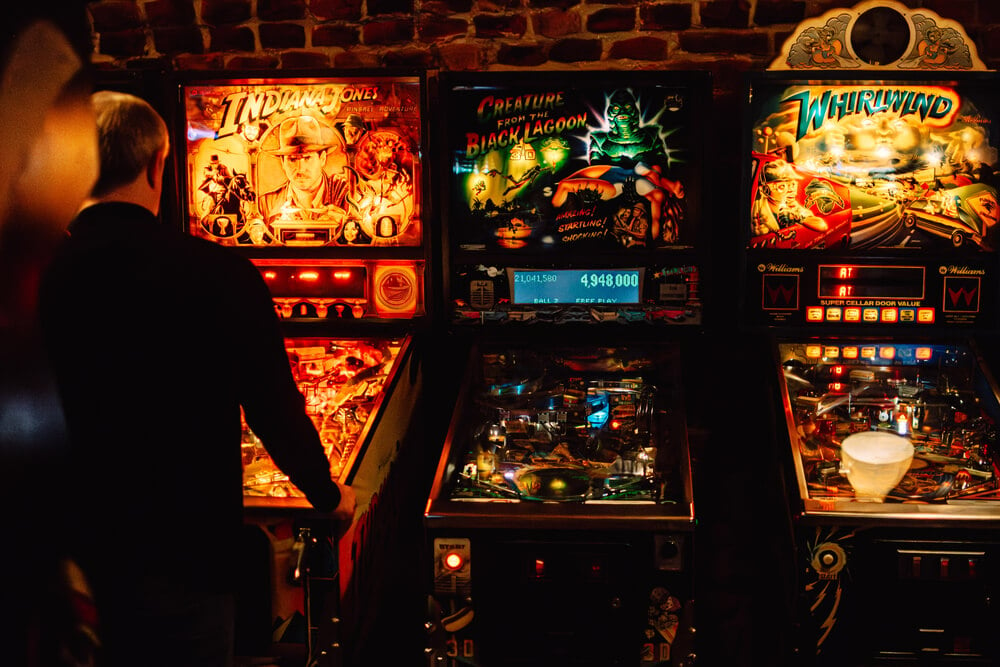
Getaway: High Speed II, released by Williams in 1992 and designed by Steve Ritchie, was a sequel to High Speed. Its signature feature was the supercharger, a magnetic loop that sped the steel sphere around a ring at high velocity with a whooshing sound.
A gear shifter served as the plunger. The soundtrack drew on rock music, and the speed theme carried through every part of the game.
Collectors pair it with the original High Speed. Prices usually run about 4,000 to 7,000 dollars, depending on whether the supercharger works smoothly and the playfield art is intact.
Jurassic Park From Data East
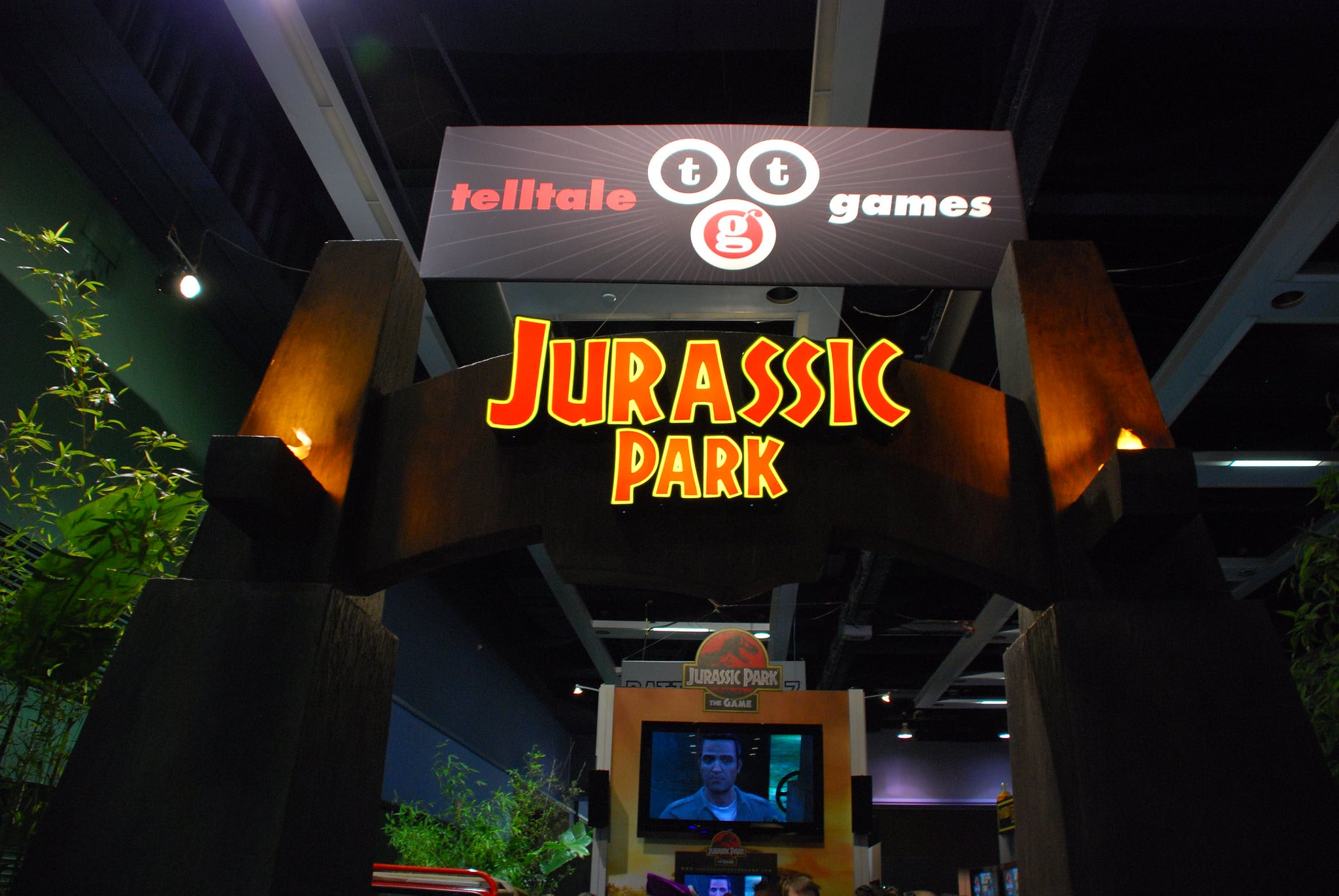
Data East released Jurassic Park in 1993, timed to Steven Spielberg’s film. The playfield featured a Tyrannosaurus rex that grabbed the steel sphere in its jaws and tossed it back into play.
Data East machines often had a slightly different feel from Williams games, with their own approach to rules and toys. The movie theme gave it broad appeal in arcades.
Collectors interested in brands beyond Williams value it highly. Typical values run about 4,000 to 6,500 dollars, with a working T. rex mechanism and clean playfield art essential for top prices.
Attack From Mars and Its Shaking Saucer
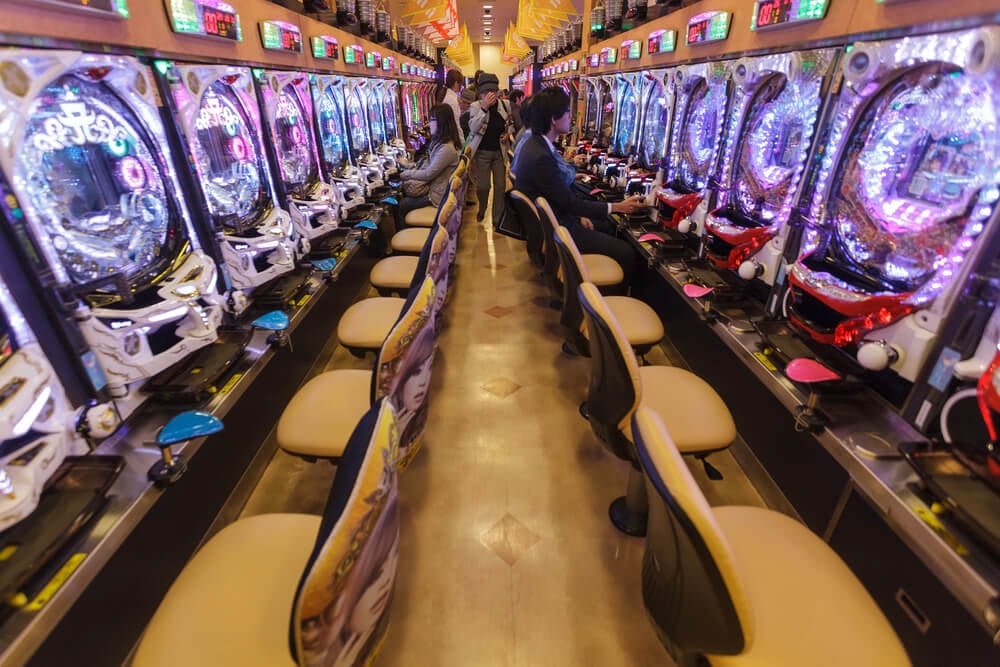
Brian Eddy designed Attack from Mars, released in 1995 under a Williams-owned label, about Martians invading Earth in a 1950s B-movie style. A flying saucer in the center of the playfield shook when hit, and the goal was to destroy it while defending cities.
Only about 3,450 original units were made. Chicago Gaming Company released a remake in 2017, which brought the game to a new generation.
Original machines typically sell for about 10,000 to 15,000 dollars, with a working saucer and clean playfield critical for top value.
Tales of the Arabian Nights
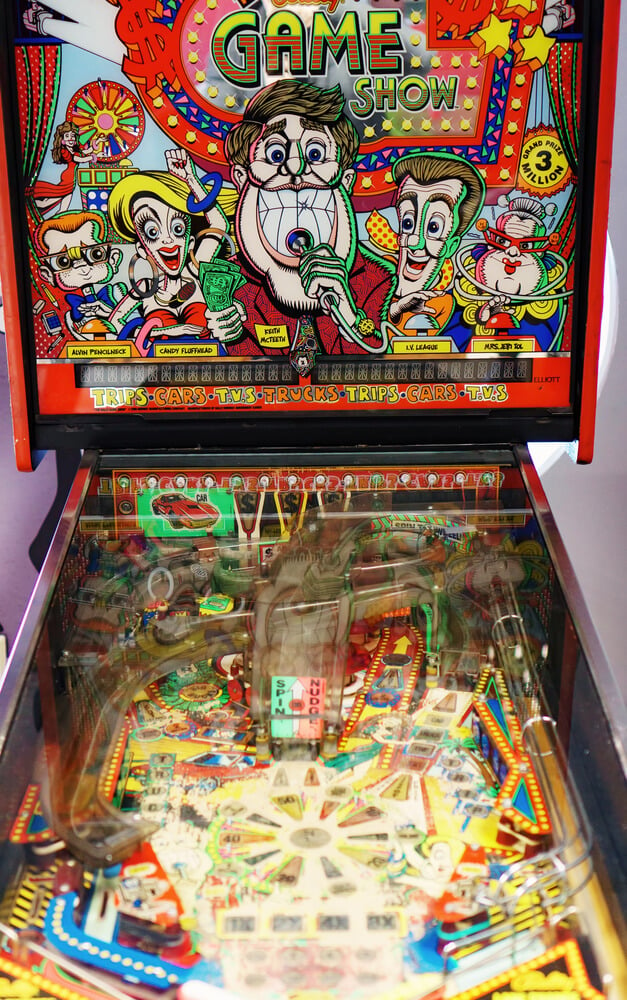
John Popadiuk designed Tales of the Arabian Nights for Williams in 1996, built around the classic stories with a spinning genie lamp on the playfield. Hitting the lamp made it spin, and a genie figure rose from the playfield during special modes.
The artwork and music were lavish, with a richness unusual even for the era. Only about 3,100 units were made, so demand outruns supply.
Values typically run about 8,000 to 12,000 dollars, depending on the condition of the lamp toy, playfield wear and the brightness of the artwork on the cabinet sides.
Safe Cracker and Its Token Dispenser
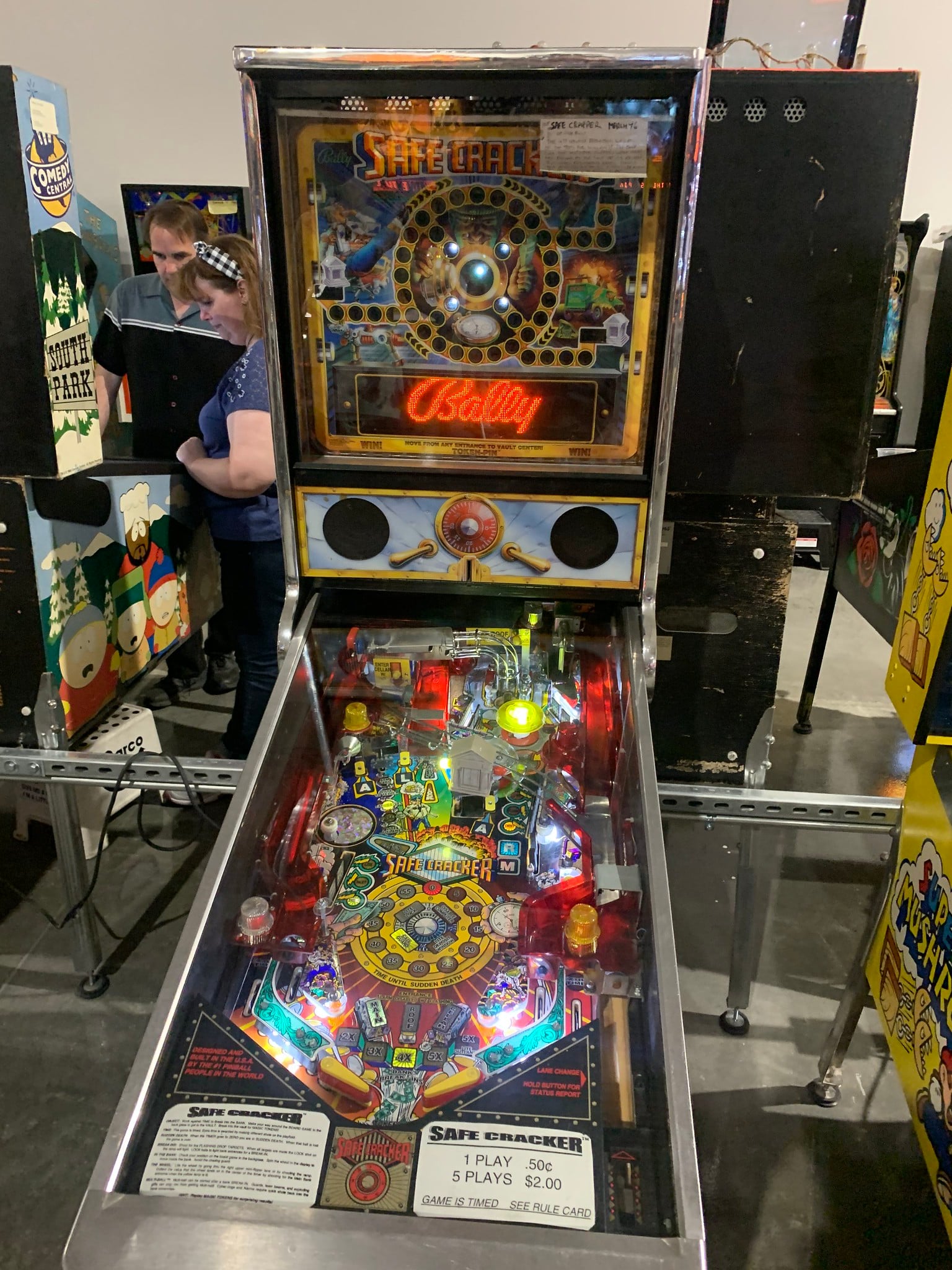
Bank heists inspired Safe Cracker, a 1996 Pat Lawlor design with a twist: skilled players could earn tokens from the machine. Those tokens unlocked a special mode called Assault on the Vault, which was a board-game style challenge played on the machine.
The game also ran on a timer rather than a set number of turns, an unusual design. Production was small, and the token mechanism makes it a curiosity in any collection.
Values usually run about 5,000 to 8,000 dollars, depending on whether the token dispenser works and the playfield art is clean.
Medieval Madness and Its Castle
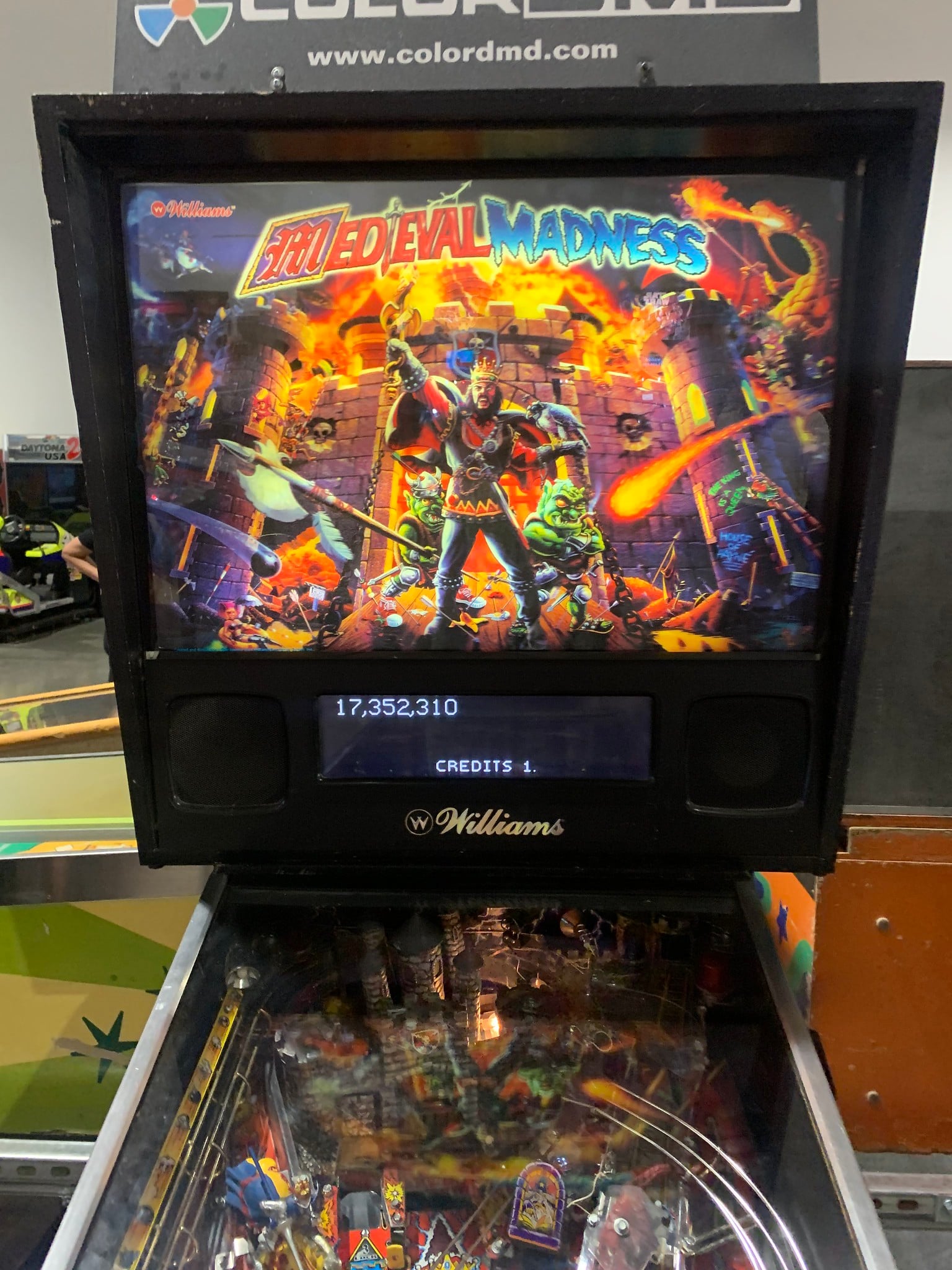
Brian Eddy’s Medieval Madness, released by Williams in 1997, is one of the most sought-after machines ever made. Players attacked a castle on the playfield whose drawbridge lowered and whose gate could be destroyed with repeated hits.
The voice work included trolls, a damsel and a sarcastic king. Only about 4,000 original units were produced.
Chicago Gaming Company released a remake in 2015 because demand was so high. Original machines typically sell for about 12,000 to 20,000 dollars, and a fully working castle with intact artwork is essential for the top of that range.
Monster Bash and Its Monster Band
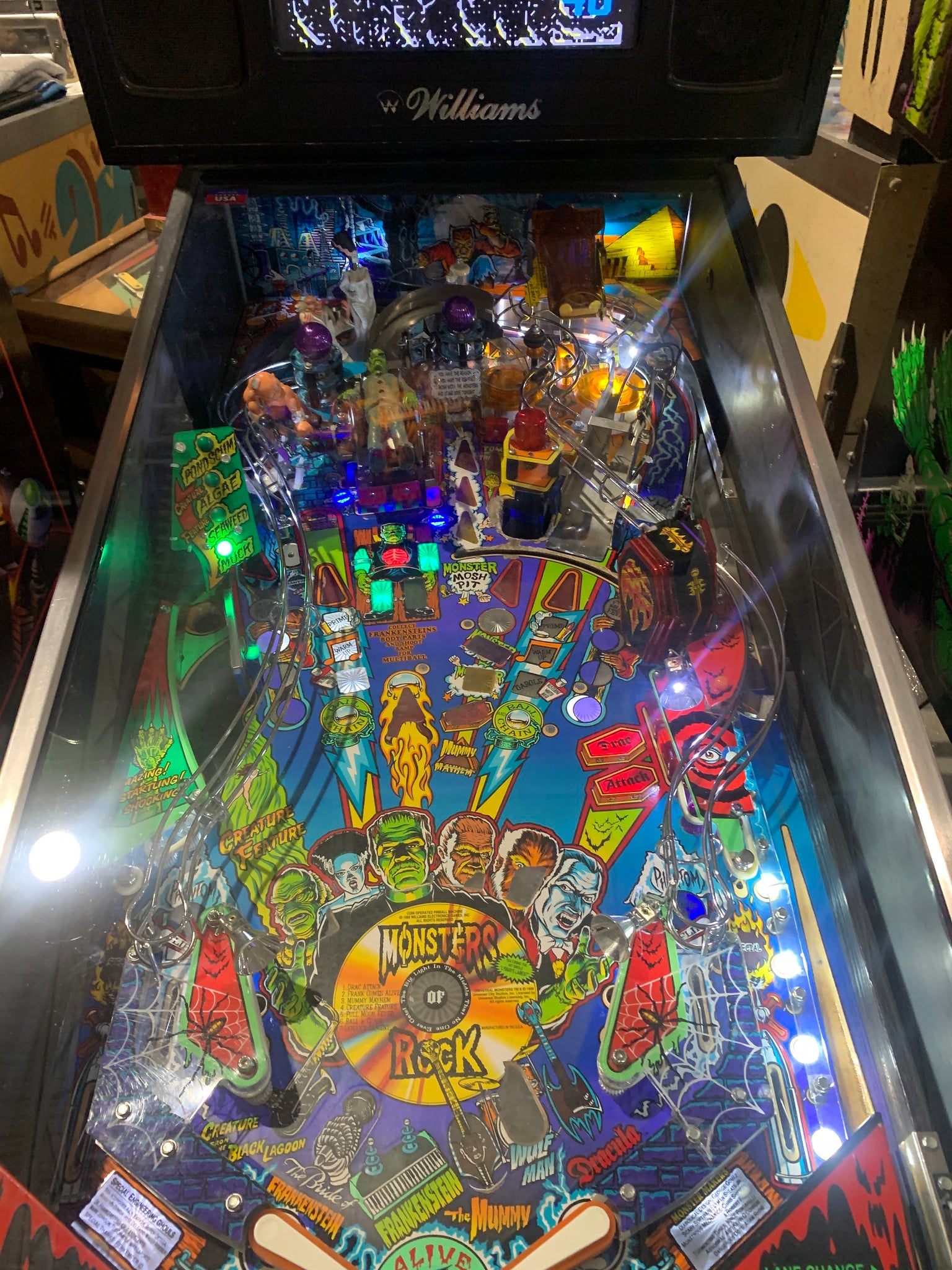
George Gomez designed Monster Bash for Williams in 1998, gathering Universal’s classic movie monsters into a rock band. Dracula, the Wolfman, the Mummy and Frankenstein’s monster each had their own modes, and the ultimate goal was assembling the band to play together.
A Frankenstein figure rose up from the playfield during the game. About 3,300 units were made.
Chicago Gaming Company remade it in 2019. Original machines typically bring about 9,000 to 15,000 dollars, with the moving figures and playfield condition the biggest factors in value.
Cactus Canyon, Unfinished and Rare
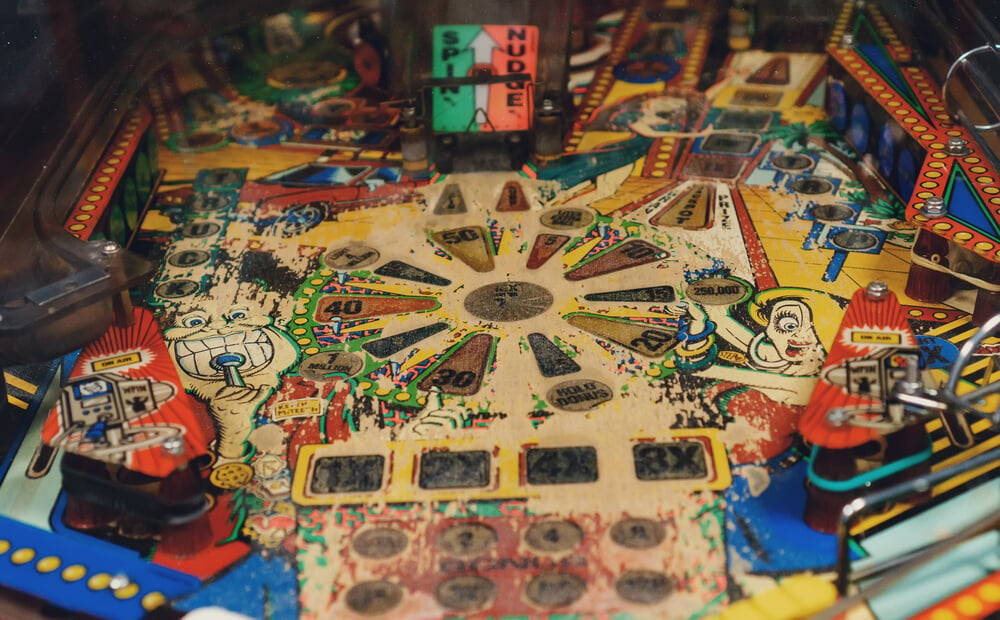
Cactus Canyon, designed by Dennis Nordman and released in 1998, was one of the last games from the Williams family of brands before the company exited the business in 1999. It shipped with incomplete software, and only about 900 units were produced.
That rarity made original machines highly collectible. Chicago Gaming Company released a remake in 2021 with the rules finally completed.
The western theme included a mine cart, a train and a bandit shootout. Original units typically sell for about 9,000 to 15,000 dollars, depending heavily on cosmetic condition and whether the toys work.
Steel, Glass and Grown-Up Money
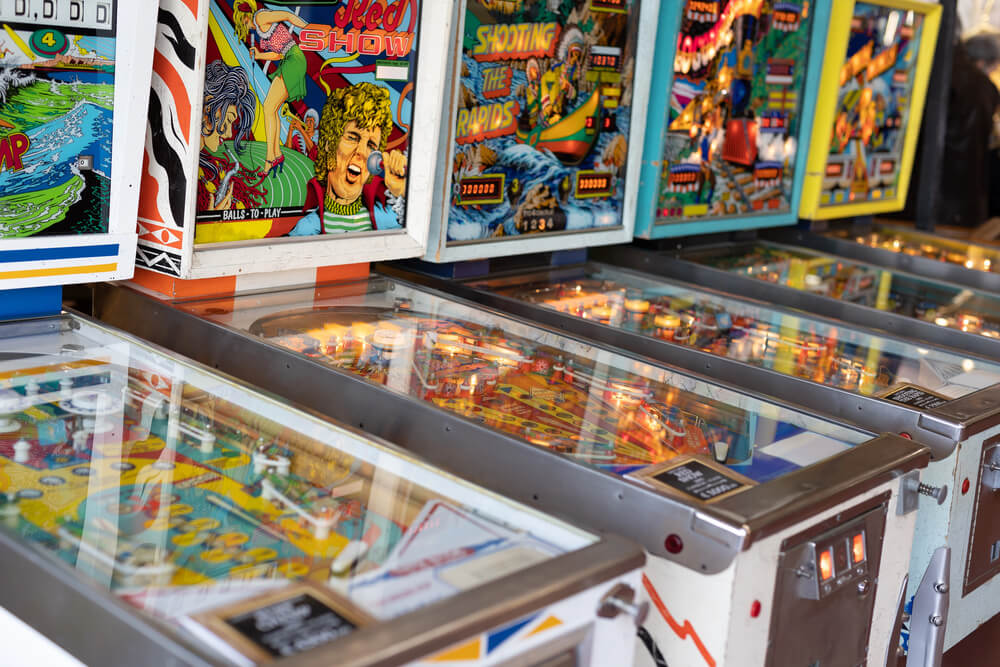
Flipper machines were built to earn quarters in public and wear out within a few years. Nobody at Williams or Gottlieb expected these tables to end up in finished basements, insured like jewelry and restored with the care of a classic car.
The machines that survived did so because someone decided they were worth saving. That decision is easier to understand once a game is turned on.
The toys move, the voices crack jokes, the lights flash in patterns designed decades ago by a handful of people in Chicago. Collectors are not paying for wood and wire so much as for the chance to stand in front of a moment that cannot be replicated on a screen.
More from Go2Tutors!

- The Romanov Crown Jewels and Their Tragic Fate
- 13 Historical Mysteries That Science Still Can’t Solve
- Famous Hoaxes That Fooled the World for Years
- 15 Child Stars with Tragic Adult Lives
- 16 Famous Jewelry Pieces in History
Like Go2Tutors’s content? Follow us on MSN.