The Titanic Then And Now: What The Wreck Looks Like Today
More than a century has passed since the RMS Titanic slipped beneath the Atlantic’s surface on that April night in 1912, taking with her over 1,500 souls and becoming history’s most famous maritime disaster. The ship that was once called “unsinkable” now rests in two main pieces on the ocean floor, 12,500 feet below the surface, where she has been slowly surrendering to the sea’s relentless embrace.
When Robert Ballard first located the wreck in 1985, the world got its first glimpse of what remained of the magnificent vessel. The images were haunting yet fascinating – a ghost ship preserved in the deep, her grand staircase collapsed, her decks scattered with debris, yet still recognizable as the luxury liner that had captured imaginations around the globe.
Today, after decades of exploration, scientific study, and the passage of time, the Titanic looks dramatically different than she did in those early discovery photographs.
The deep ocean is not kind to human artifacts.
Metal-eating bacteria, crushing pressure, and corrosive seawater work together in a slow but inexorable process of destruction.
What visitors to the wreck site see today tells a story not just of that tragic night, but of time itself – how even the mightiest creations eventually return to the elements from which they came.
The Bow Section’s Deteriorating Grandeur
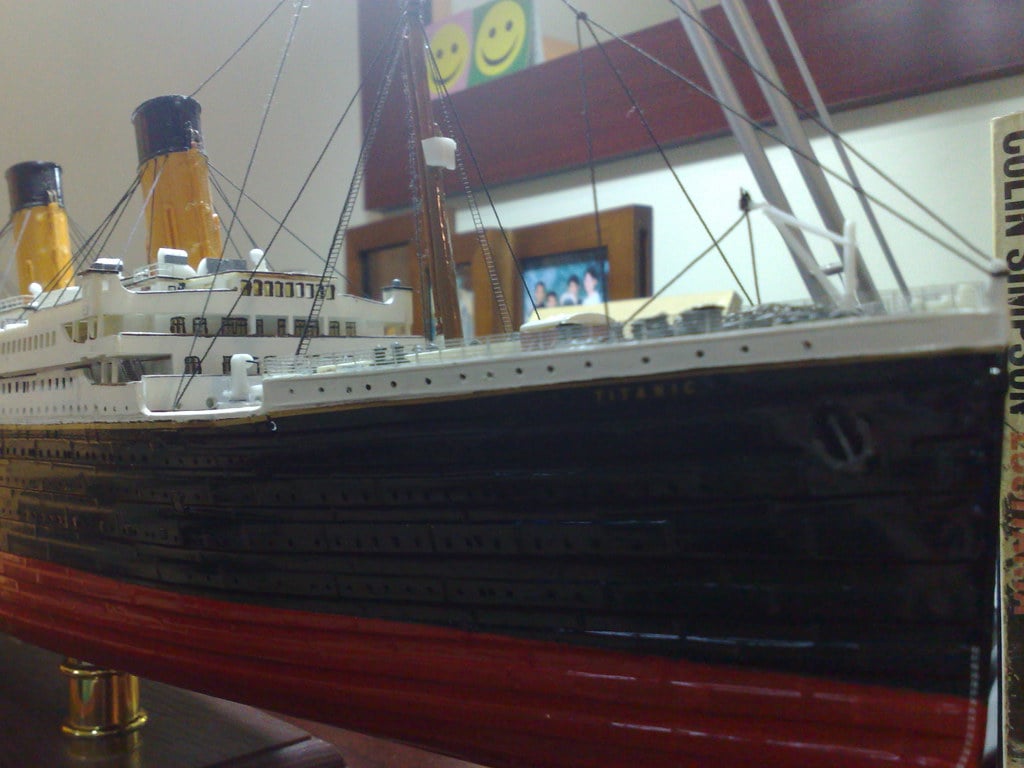
The bow section remains the most recognizable portion of the wreck. It sits upright on the seafloor, still commanding respect despite more than 110 years underwater.
But the changes are undeniable and accelerating.
The ship’s iconic railings have begun collapsing at an alarming rate. Where once they stood as elegant barriers along the promenade decks, many sections now drape downward like metallic curtains or have disappeared entirely.
The bridge, where Captain Smith spent his final hours, shows significant deterioration.
The bronze telemotor that once controlled the ship’s steering has been slowly dissolving, its intricate mechanisms succumbing to the ocean’s chemistry.
What strikes many researchers most is how the bow’s stately profile – the part that still looks most like the Titanic people remember from photographs – masks the extensive damage occurring throughout the structure.
The hull plates are separating, and entire sections of the superstructure have begun folding inward under their own weight.
The Stern’s Violent Transformation
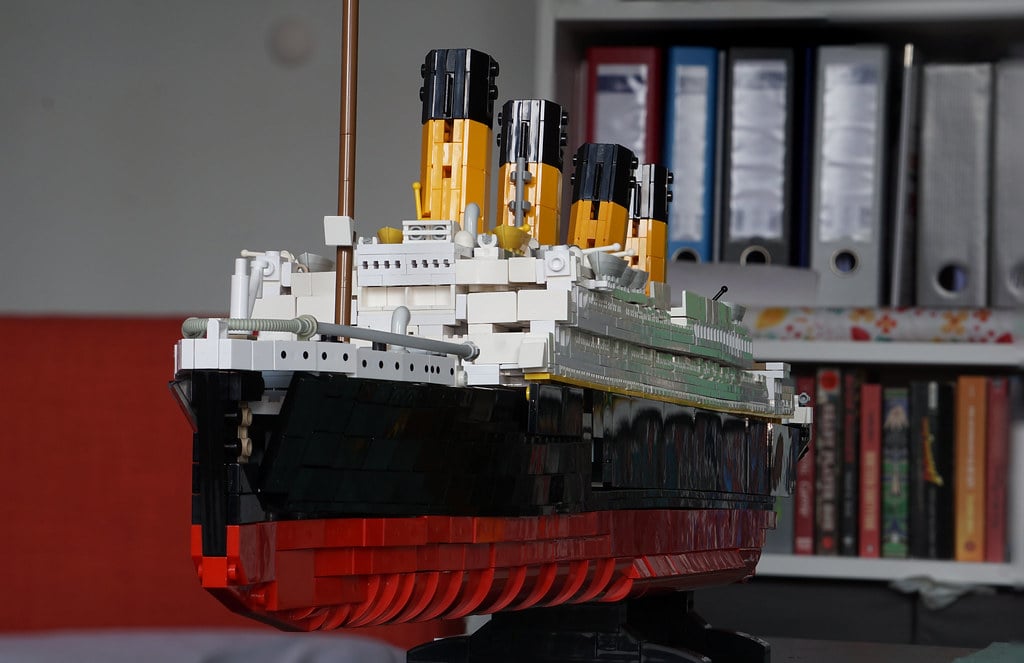
The stern section tells a more violent story than the bow. When the ship broke apart during her sinking, this portion twisted and imploded as it fell, creating a debris field of unrecognizable wreckage that continues to change shape.
Recent expeditions have documented how pieces of the stern continue to shift and collapse (the pressure down there is crushing, literally and figuratively), and what was once identifiable as parts of the ship’s engine rooms, third-class accommodations, and crew quarters has become an increasingly abstract sculpture of twisted metal.
So much of the stern has been reduced to fragments that archaeologists now spend more time cataloging what’s been lost than what remains.
And yet somehow, even in this chaos, personal artifacts occasionally surface from the sediment – a leather boot here, a piece of ceramic there – reminders that this twisted metal was once home to human hopes and dreams.
The Grand Staircase’s Haunting Absence
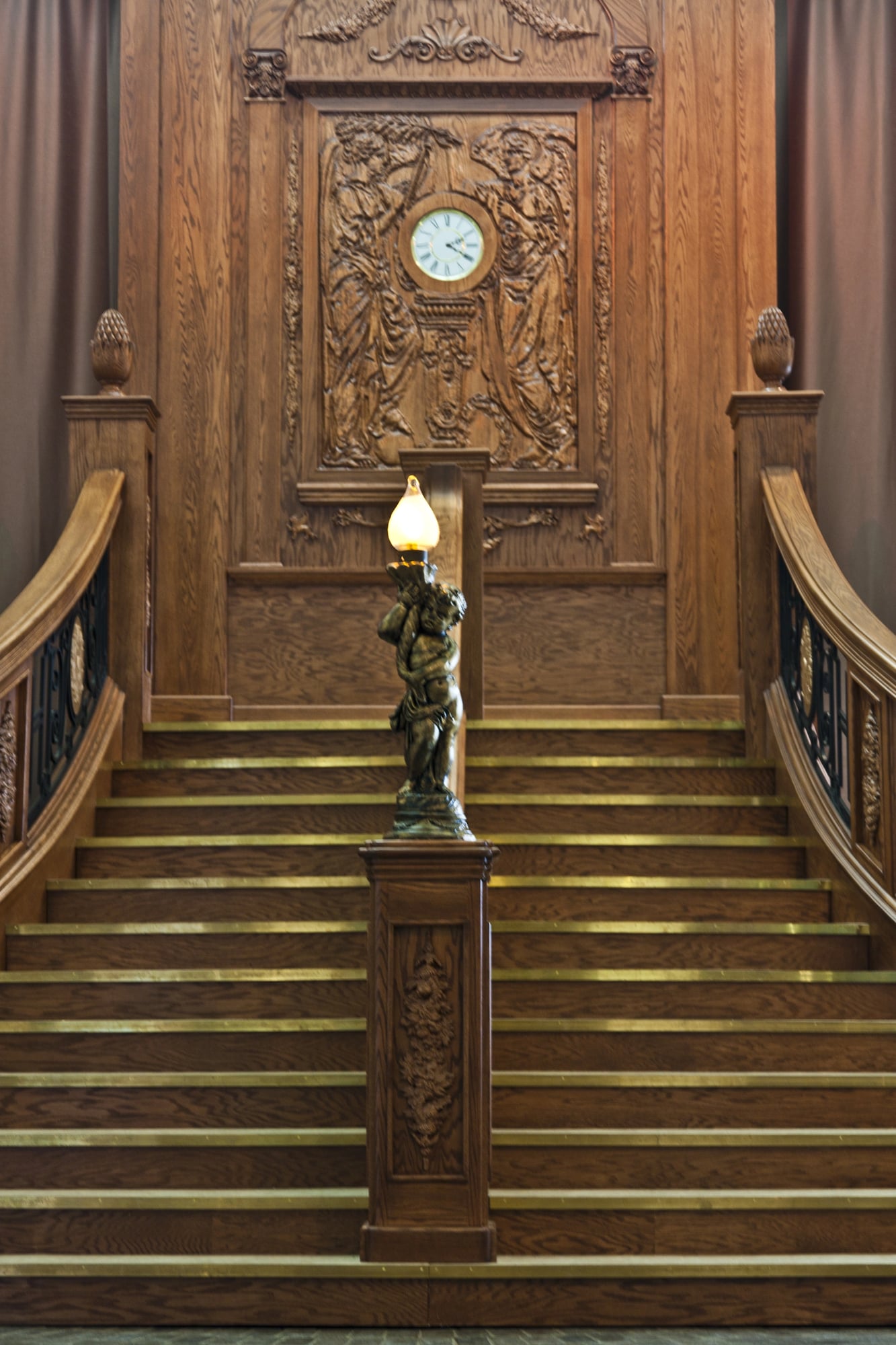
Perhaps no single feature captures the Titanic’s transformation more poignantly than the grand staircase – or rather, where it used to be. The ornate centerpiece of first-class luxury, with its carved oak paneling and elaborate dome, has vanished almost entirely, leaving behind only the skeletal framework and a gaping void where opulence once reigned.
Some researchers believe the wooden staircase was consumed by wood-eating organisms decades ago.
Others theorize that it was destroyed during the sinking itself, ripped apart by the tremendous forces acting on the ship as she broke apart.
What remains is a hollow space that feels like the absence of memory itself – you can see the shape of where grandeur lived, but the substance is gone.
Standing water now fills the space where passengers once descended in evening gowns and tailcoats.
The bronze cherub that once held aloft the staircase’s clock has long since disappeared, leaving behind only mounting brackets and the ghostly outline of where beauty once resided.
It’s a reminder that some things are too delicate for the deep ocean’s harsh embrace.
Rusticles: The Ship’s New Inhabitants
The Titanic has developed its own ecosystem of decay. Rusticles – those icicle-like formations of rust and bacterial byproducts – hang from every surface like organic stalactites, giving the wreck an almost cave-like appearance that grows more pronounced each year.
These aren’t just rust formations.
They’re living communities of bacteria that literally eat the ship’s iron, converting it into these delicate, flowing structures.
Touch a rusticle and it crumbles to powder – the iron that once formed the ship’s mighty hull transformed into something as fragile as tissue paper.
The rusticles have become so extensive that they’ve fundamentally changed how the ship looks.
Where once clean lines and purposeful engineering were visible, now organic-looking growths cascade down the hull like a frozen waterfall.
The ship is being consumed from within by microscopic life forms, turned into an underwater reef that will eventually leave nothing behind but a stain on the ocean floor.
The Debris Field’s Scattered Stories
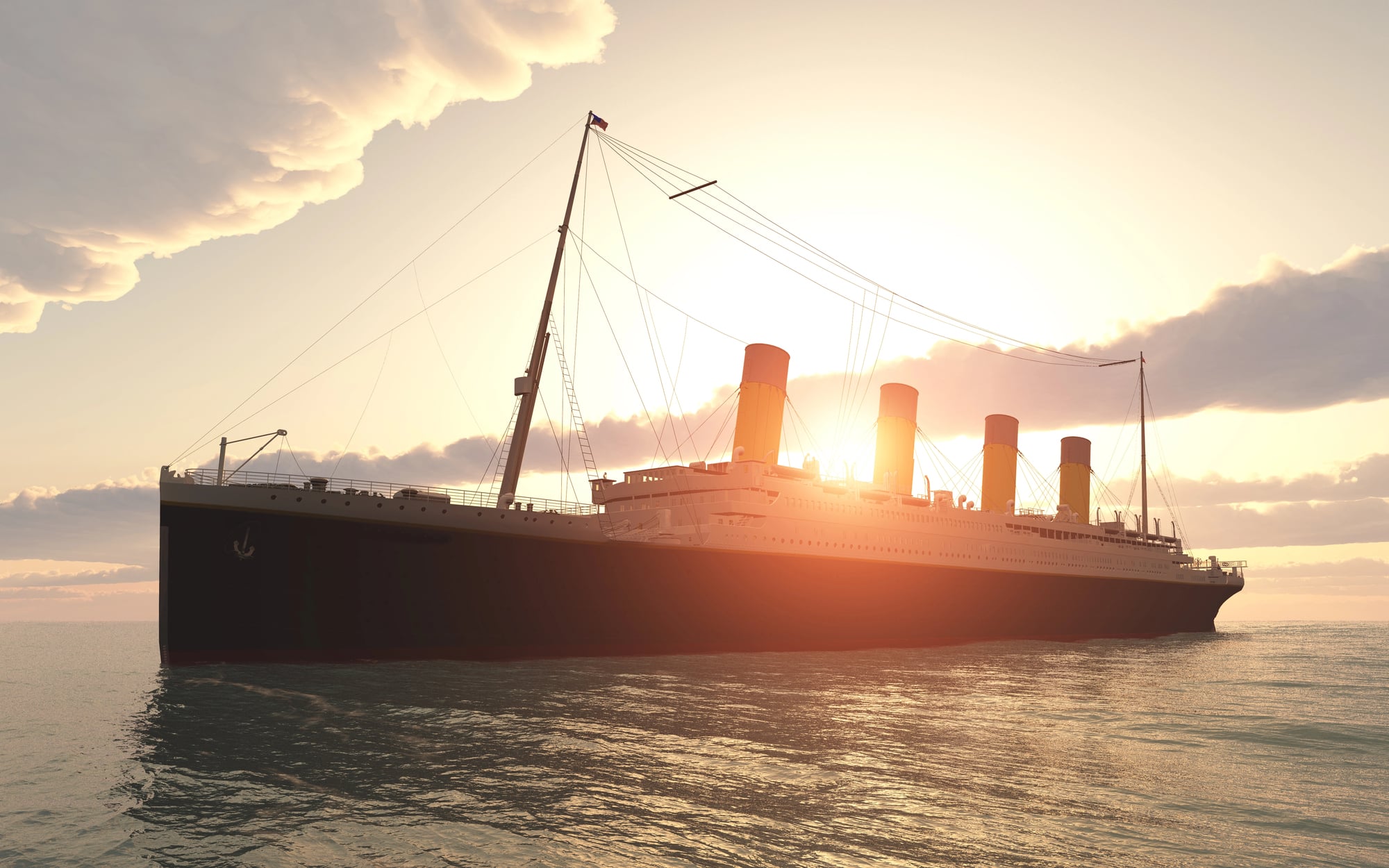
Between the bow and stern sections lies a debris field roughly 2,000 feet long, filled with the scattered remnants of lives interrupted. This area continues to reveal and conceal artifacts as ocean currents shift the sediment, creating an ever-changing museum of personal effects and ship components.
Here, the mundane and the tragic intermingle without ceremony (a deck chair sits next to a child’s shoe, a porthole rests near a stack of dishes, a piece of the ship’s hull cradles a passenger’s suitcase that will never be claimed).
The debris field serves as the wreck’s memory bank, holding thousands of items that tell individual stories of that final night.
Some artifacts disappear under shifting silt for years before reemerging in a different location, as if the ocean itself is rearranging the evidence.
But time is running out for these personal effects too – leather goods are dissolving, metal objects are corroding, and even the ship’s coal is slowly dispersing across the seafloor.
The Promenade Decks’ Slow Surrender
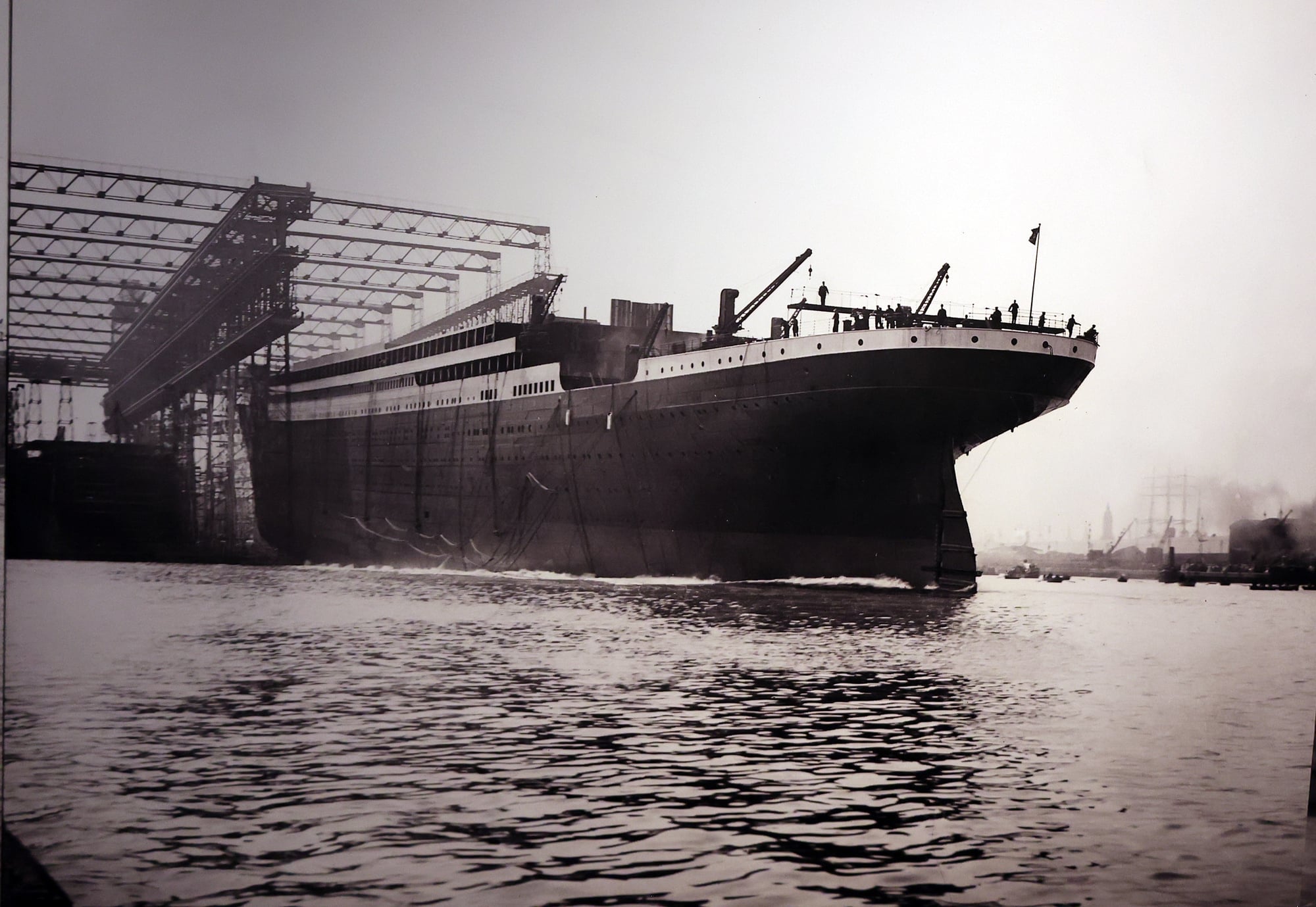
The Titanic’s promenade decks, where passengers once strolled and took in the ocean air, now serve as platforms for the ship’s gradual dissolution. The wooden decking has long since disappeared, consumed by marine organisms, leaving behind only the steel framework that once supported it.
What’s particularly striking about the promenade decks is how they demonstrate the ship’s structural failure in slow motion.
The decks are sagging under their own weight, no longer supported by the internal bulkheads and supports that have corroded away.
Windows that once offered views of the Atlantic now frame only darkness, their glass long since shattered or dissolved.
The boat deck, where the lifeboats once hung and where so many passengers spent their final moments, has become a forest of rusticles and twisted metal.
The davits that once held lifeboats now stand empty, their mechanical components seized by corrosion and their purpose rendered heartbreakingly moot.
The Officer’s Quarters And Bridge Equipment
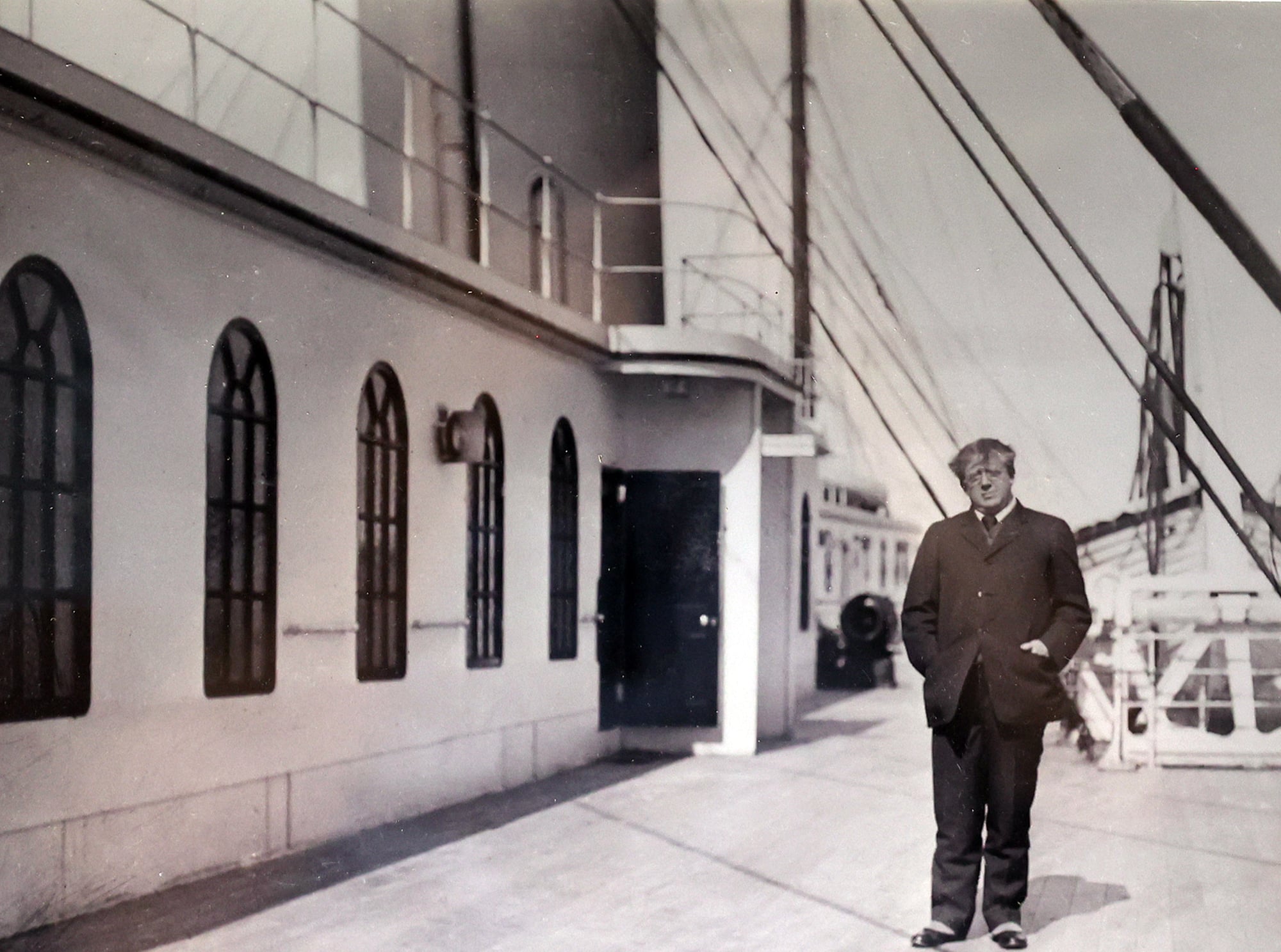
The bridge and officer’s quarters, once the command center of this floating city, now represent some of the most deteriorated sections of the bow. The brass fittings that once gleamed under polish have turned green with verdigris before dissolving entirely into the surrounding water.
Navigation equipment that guided the ship through her brief life now sits corroded beyond recognition.
The engine order telegraph, which transmitted crucial commands between the bridge and engine room during those final desperate hours, has been reduced to a skeletal frame of its former self.
Even the ship’s wheel – that iconic symbol of maritime authority – has suffered significant damage, its spokes bent and its hub partially collapsed.
Recent expeditions have noted that the roof of the bridge is beginning to cave inward, and the walls of the chart room and radio room are buckling under the immense pressure.
The wireless room, where operators Jack Phillips and Harold Bride sent out desperate distress calls, is becoming increasingly unrecognizable as its internal structure gives way to decades of corrosion.
The Engine Rooms’ Industrial Decay
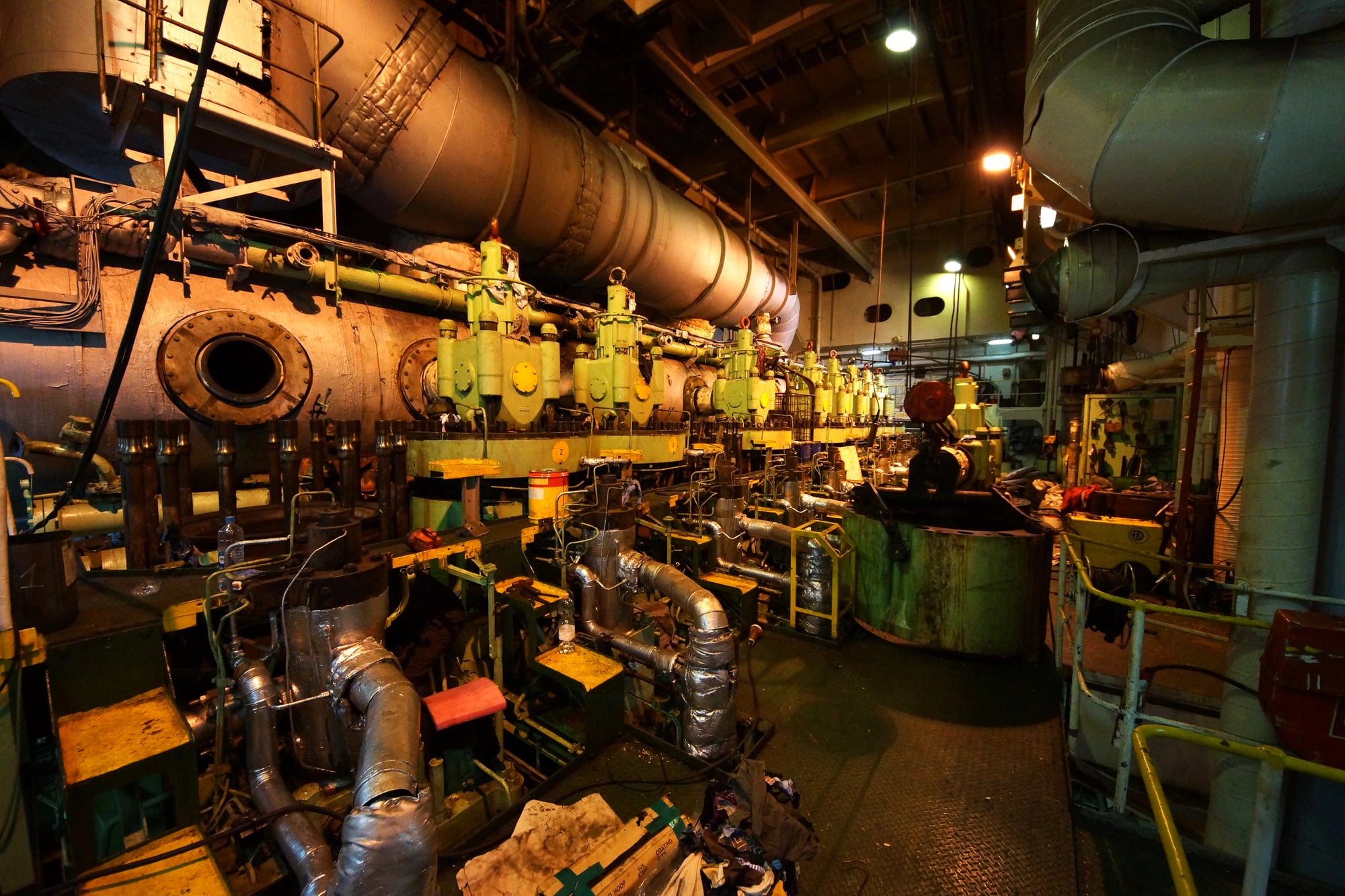
Deep within the ship’s hull, the engine rooms present a landscape of industrial archaeology unlike anywhere else on Earth. The massive reciprocating engines, once the mechanical heart that drove the Titanic through the Atlantic, now stand as monuments to engineering ambition frozen in corrosion.
The engine rooms showcase decay on an almost incomprehensible scale – imagine a cathedral-sized space filled with machinery the size of buildings, all slowly dissolving into rust and sediment.
The low-pressure turbine, which helped propel the ship at her maximum speed, has been gradually buried under debris and marine growth.
Pipes that once carried steam throughout the ship now hang broken and twisted, their connections dissolved by decades of chemical action.
What makes the engine rooms particularly haunting is their sheer size and the evidence of human presence still visible within them.
Tools left behind by engineers and stokers remain scattered among the machinery, and the control stations where crew members worked to keep the ship running show the intimate scale of human activity within these industrial spaces.
The First-Class Accommodations’ Faded Luxury
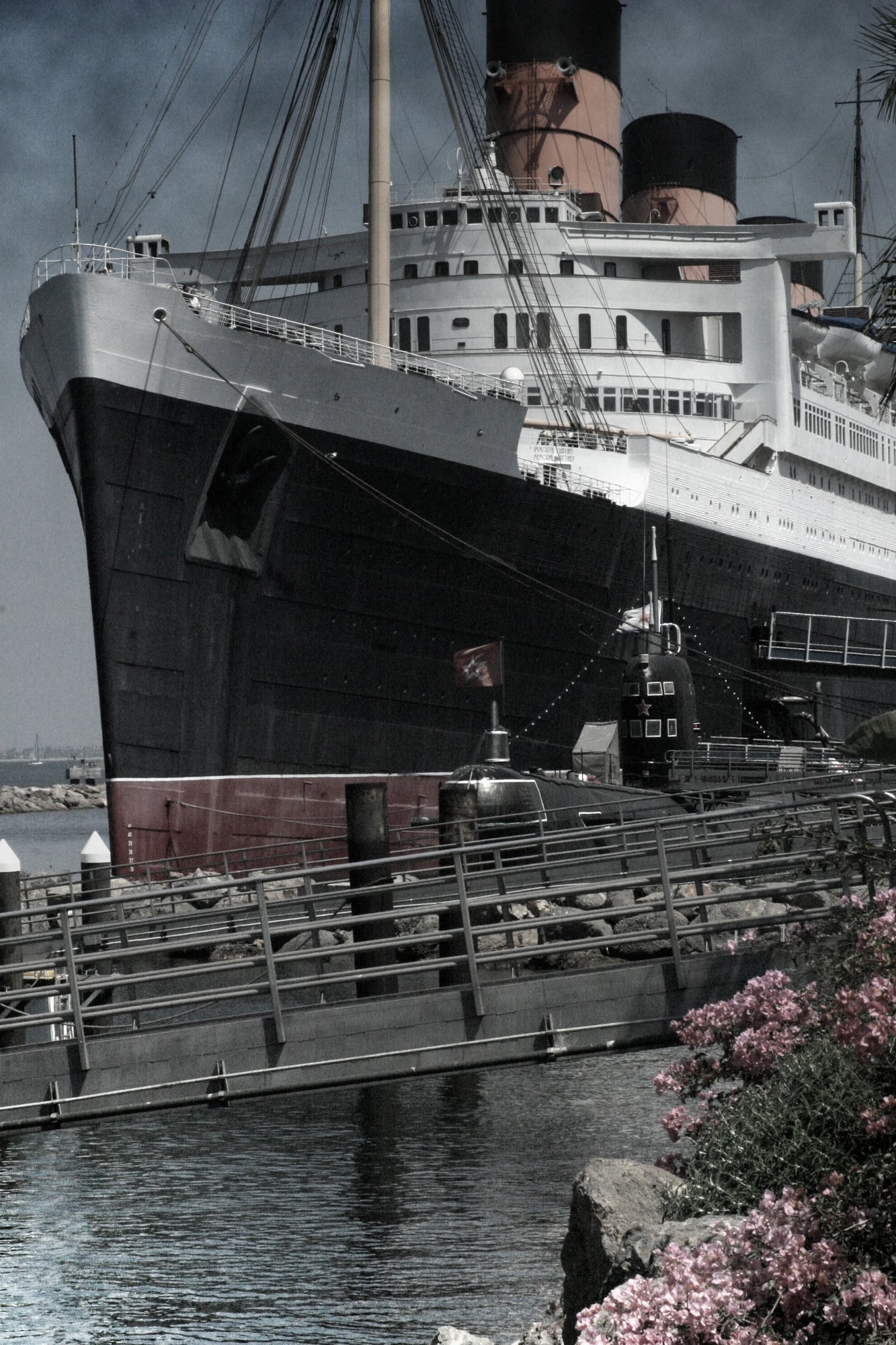
The first-class sections of the Titanic, once the height of maritime luxury, now serve as underwater museums of vanished opulence. The suites where millionaires and celebrities spent their final nights have been stripped of their grandeur, leaving behind only the skeletal framework of privilege.
Cabin walls have collapsed or disappeared entirely, allowing ocean currents to flow freely through spaces that were once private sanctuaries for the wealthy.
The elaborate plumbing systems that provided hot and cold running water – a luxury on ships of that era – now hang exposed and corroded, their brass fittings dissolved into the surrounding seawater.
Perhaps most poignantly, the remnants of the first-class dining saloon show how completely the ocean has claimed these spaces.
The room where passengers enjoyed their last meals now hosts only marine life and debris.
The ornate light fixtures have long since fallen and shattered, and the tables and chairs have either dissolved or been buried under decades of sediment.
Even the ship’s famous à la carte restaurant, where the wealthy paid premium prices for gourmet meals, has been reduced to twisted metal framework and scattered debris.
The Crew Quarters And Third-Class Areas
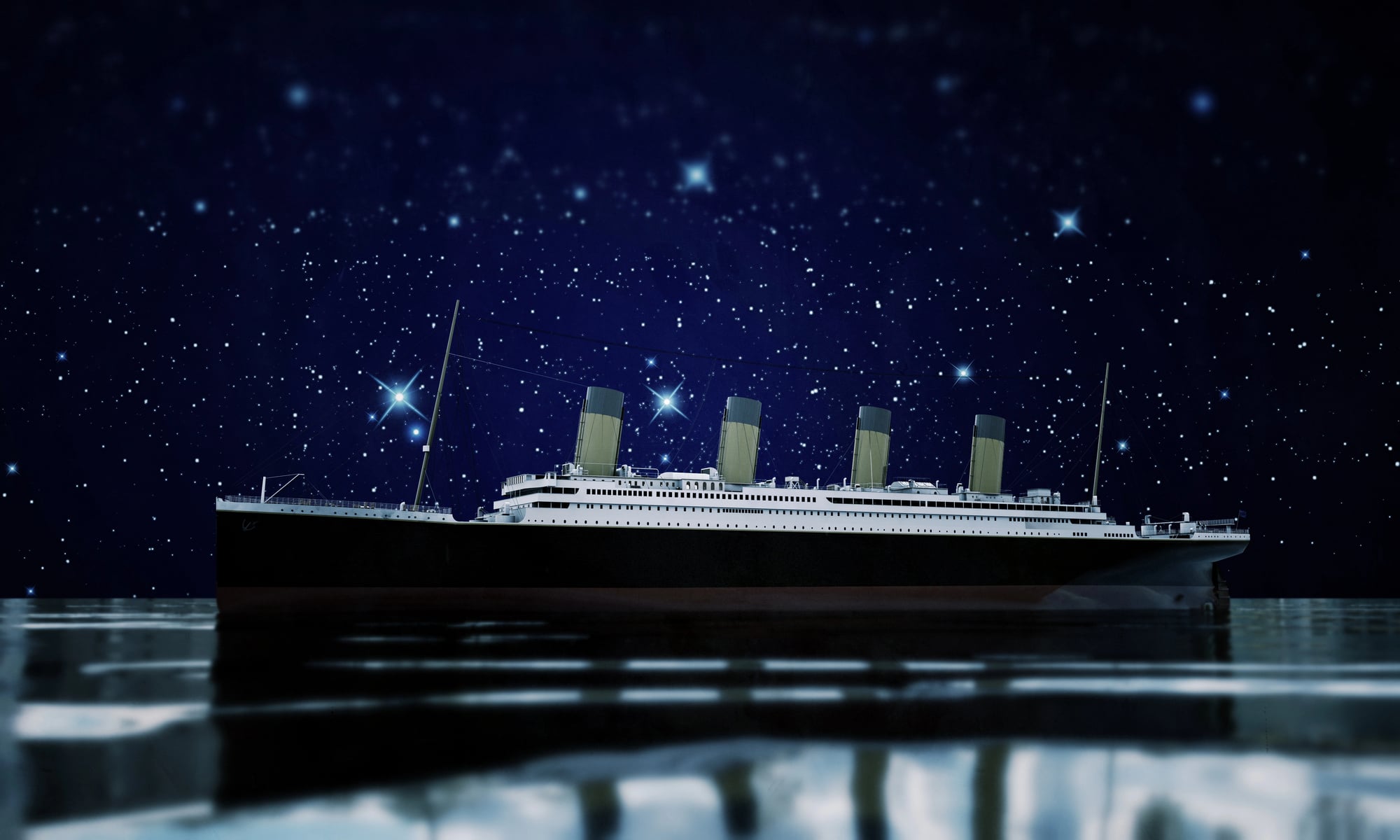
The areas of the ship where crew members and third-class passengers lived and worked tell their own story of decay and loss. These sections, located lower in the ship and built with less expensive materials, have deteriorated at different rates than the more luxurious areas above.
The crew’s mess halls and sleeping quarters, once bustling with the activity of hundreds of workers who kept the ship running, now stand empty and collapsing.
The bunks where stokers, trimmers, and deckhands slept between shifts have been reduced to metal frames, their mattresses and bedding consumed by marine organisms decades ago.
Third-class accommodations, while more spartan than first-class luxury, housed families and individuals seeking new lives in America.
These areas of the ship show perhaps the most human-scale evidence of the tragedy – personal effects scattered among the wreckage, children’s toys embedded in sediment, and the simple furnishings that represented hope for a better future now slowly dissolving into the ocean floor.
The Bow’s Iconic Profile Changes
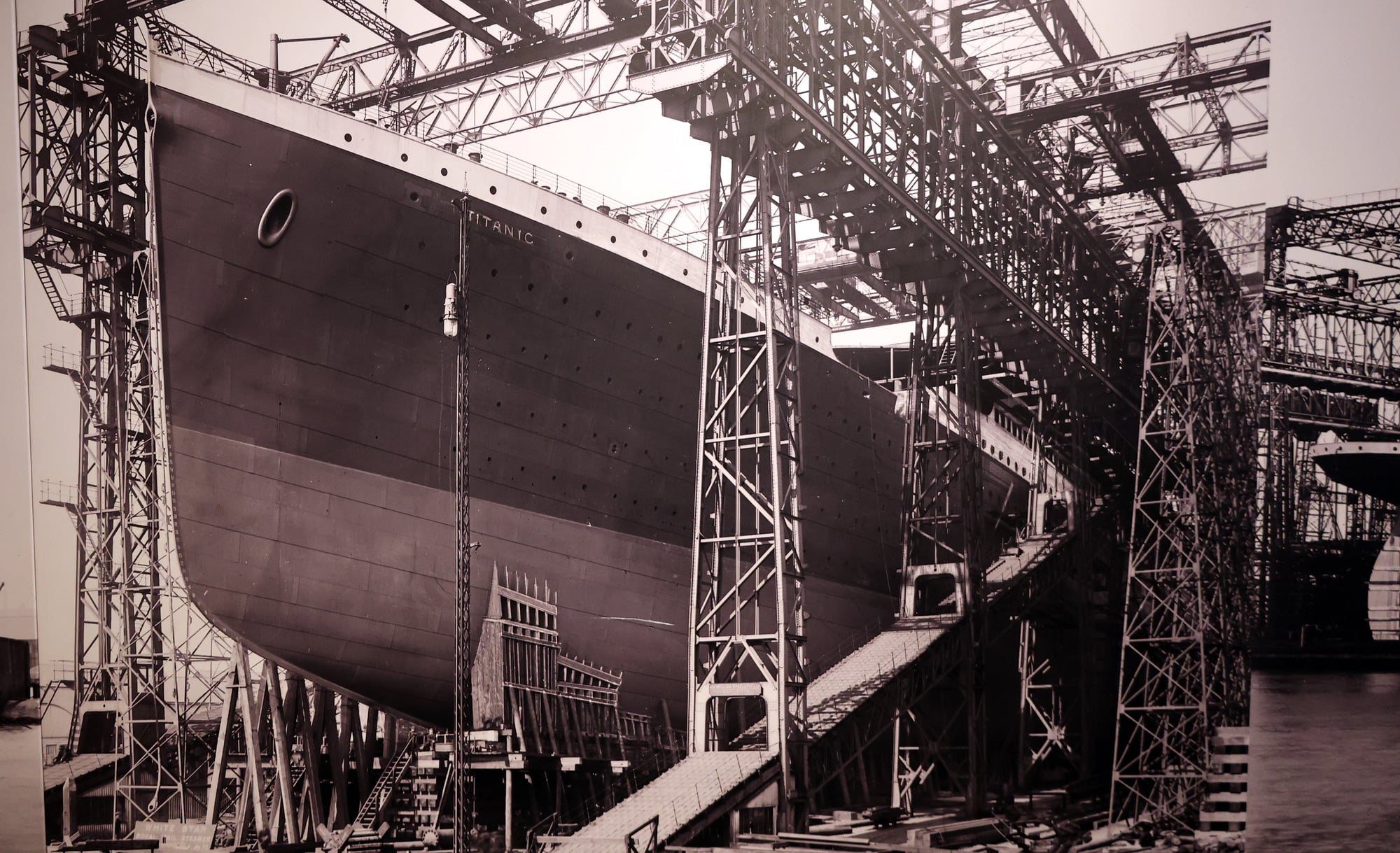
The Titanic’s bow, still the most photographed and recognizable part of the wreck, continues to change in ways both subtle and dramatic. The graceful curve of the hull that once cut through Atlantic waters now shows significant stress fractures and metal fatigue that worsen with each passing year.
The ship’s name, once painted proudly on her hull, has long since disappeared, leaving behind only faint outlines and the occasional letter visible under the right lighting conditions.
The anchor chains, massive links of forged steel that once held the ship in port, have begun to separate and scatter across the seafloor.
Most significantly, the bow’s structural integrity is failing in measurable ways.
The hull plates are separating along their seams, and the forward mast has begun to lean at an increasingly pronounced angle.
Naval architects who study the wreck estimate that the bow’s collapse may accelerate dramatically in the coming decades as key structural supports finally succumb to corrosion and metal fatigue.
The Swimming Pool And Recreation Areas
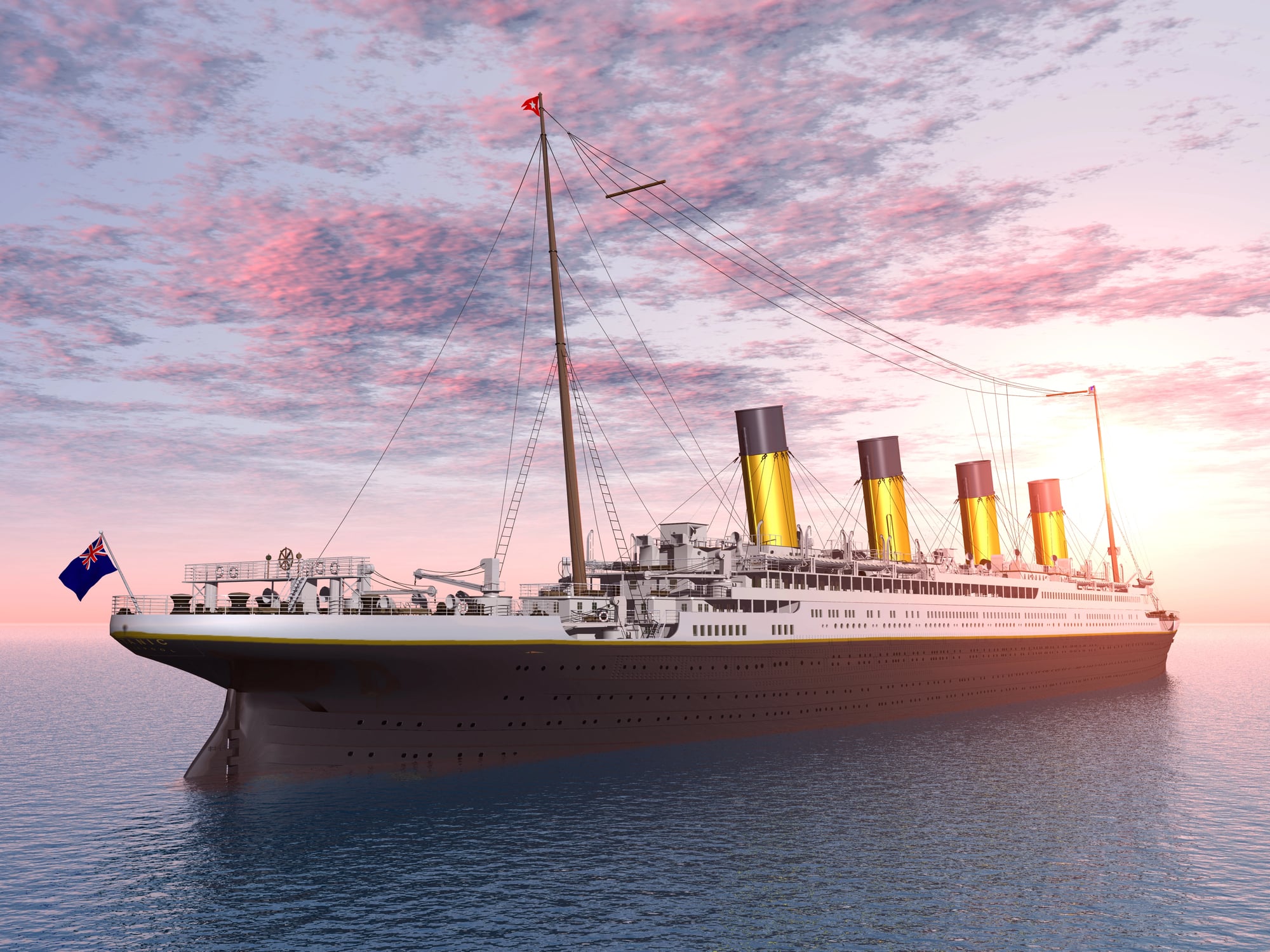
Among the more surreal sights on the wreck are the remains of the Titanic’s recreational facilities, including the swimming pool and gymnasium. The pool, ironically, still holds water – though it’s the same water that surrounds the entire ship on the ocean floor.
The pool’s tiled walls have lost most of their decorative elements, but the basic structure remains intact, creating an almost surreal scene of a swimming pool 12,500 feet underwater.
The changing rooms and associated facilities have collapsed, leaving behind only foundations and fragments of what were once luxury amenities.
The gymnasium, where passengers could exercise on rowing machines and stationary bicycles, has been stripped of its equipment, but the mounting points and floor layouts still show where these amenities once stood.
It’s a reminder that the Titanic wasn’t just a means of transportation – it was a floating resort where passengers expected to maintain their normal routines even while crossing the ocean.
The Deterioration Timeline And Future Predictions
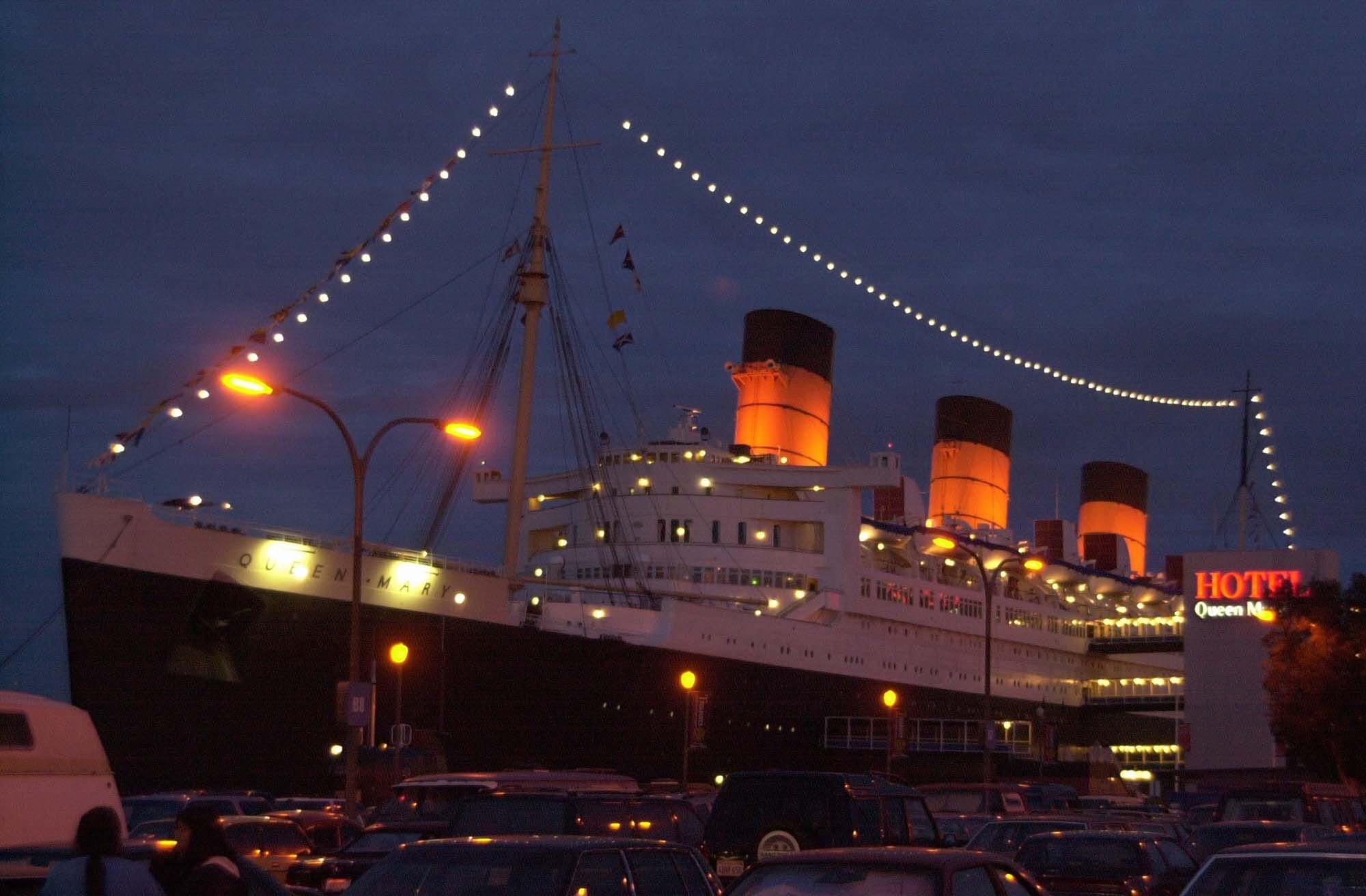
Scientists who study the Titanic’s decay have developed models predicting how the wreck will continue to change. The consensus is troubling: the ship is deteriorating at an accelerating rate, and the most recognizable features may be unrecognizable within decades.
The rate of decay appears to be increasing as the ship’s structural integrity fails.
As key supports collapse, the remaining structure bears more stress, leading to cascading failures throughout the wreck.
The bow section, which has maintained its basic shape for over a century, may finally succumb to complete structural collapse within the next 50 years.
Marine biologists have identified several factors accelerating the decay: deep-sea mining activities that disturb sediment, changing ocean chemistry due to climate change, and the introduction of new bacterial strains through human visitation.
Each expedition to the wreck, while advancing scientific knowledge, also potentially introduces new contaminants that may speed the ship’s destruction.
A Monument Returning To The Sea
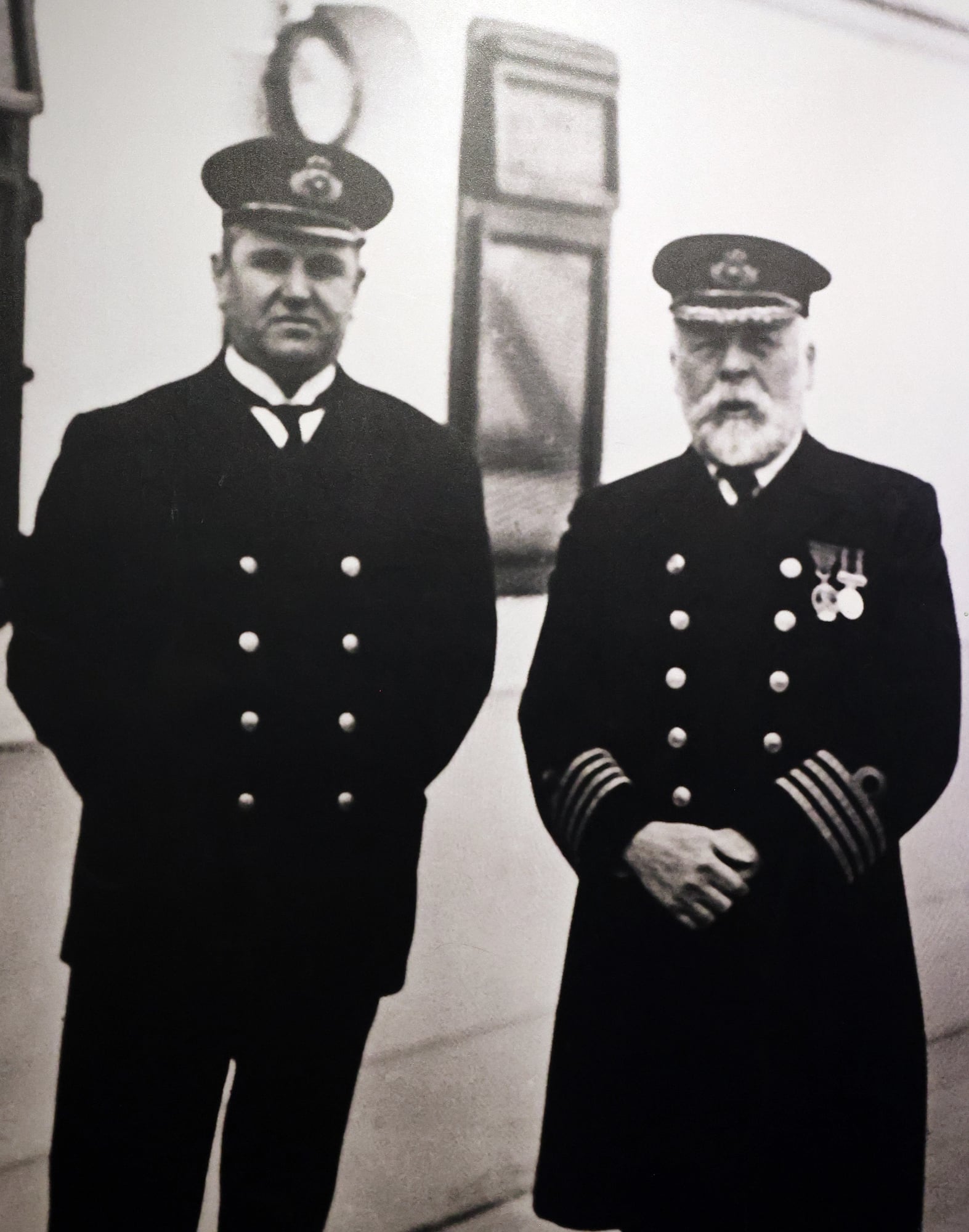
The Titanic today bears little resemblance to the magnificent ship that left Southampton in April 1912. Where once there was opulence, now there is decay.
Where once there was engineering precision, now there is organic dissolution.
The ship has become something entirely new – not quite vessel, not quite ruin, but a hybrid creation of human ambition and natural reclamation.
Yet perhaps there’s something fitting about the ship’s slow surrender to the ocean.
The Atlantic that claimed the Titanic in one catastrophic night is now claiming her again, slowly and methodically, returning the iron to the earth and the dreams to memory.
In becoming a reef, in hosting new life, in serving as a laboratory for deep-sea science, the Titanic continues to serve purposes her designers never imagined.
The ship that was meant to conquer the ocean has instead become part of it, transformed into something both more and less than she once was.
More from Go2Tutors!

- The Romanov Crown Jewels and Their Tragic Fate
- 13 Historical Mysteries That Science Still Can’t Solve
- Famous Hoaxes That Fooled the World for Years
- 15 Child Stars with Tragic Adult Lives
- 16 Famous Jewelry Pieces in History
Like Go2Tutors’s content? Follow us on MSN.