24 Photographs That Look Edited but Are Real
Some of the most striking photographs ever taken appear too surreal, perfectly composed, or dramatically lit to be genuine. Yet these images are unmanipulated captures of real moments or real scenes.
They document reality that seems artificially constructed because nature and circumstance aligned in ways that defy coincidence. Photographers who captured these moments were simply in the right place, with a camera, at the impossible moment.
The Crater Lake Reflection
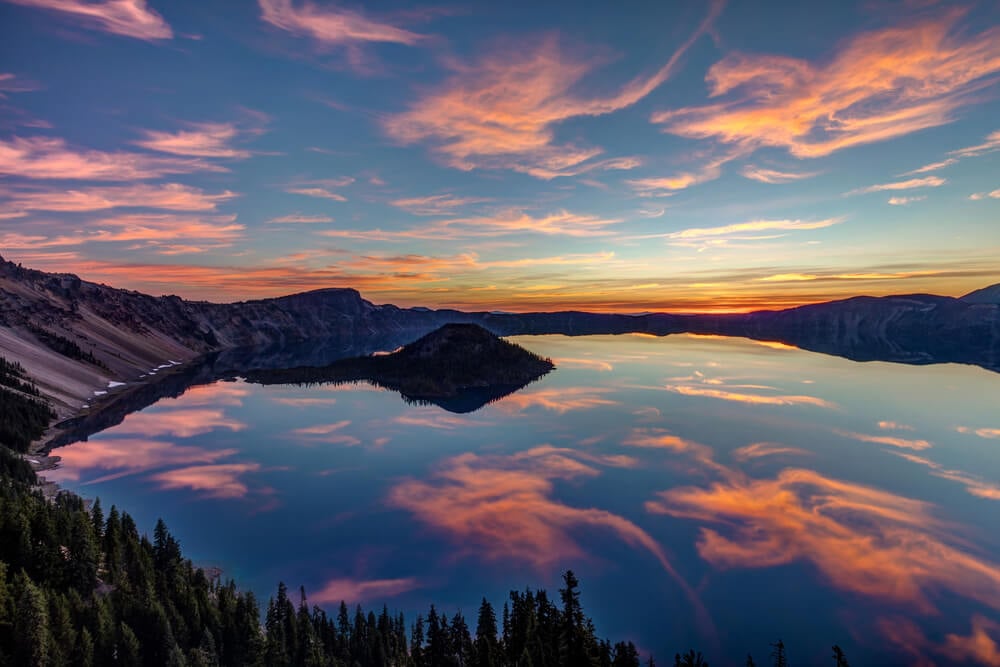
Photographs of Crater Lake showing Mount Mazama’s reflection so perfectly mirrored in the water that the image appears to be a digitally perfect duplicate appear fake due to their symmetry. The lake’s extraordinary depth and stillness on certain days create reflections that seem computer-generated.
No editing required—just ideal conditions and perfect timing.
The Bioluminescent Waves of Vieques, Puerto Rico
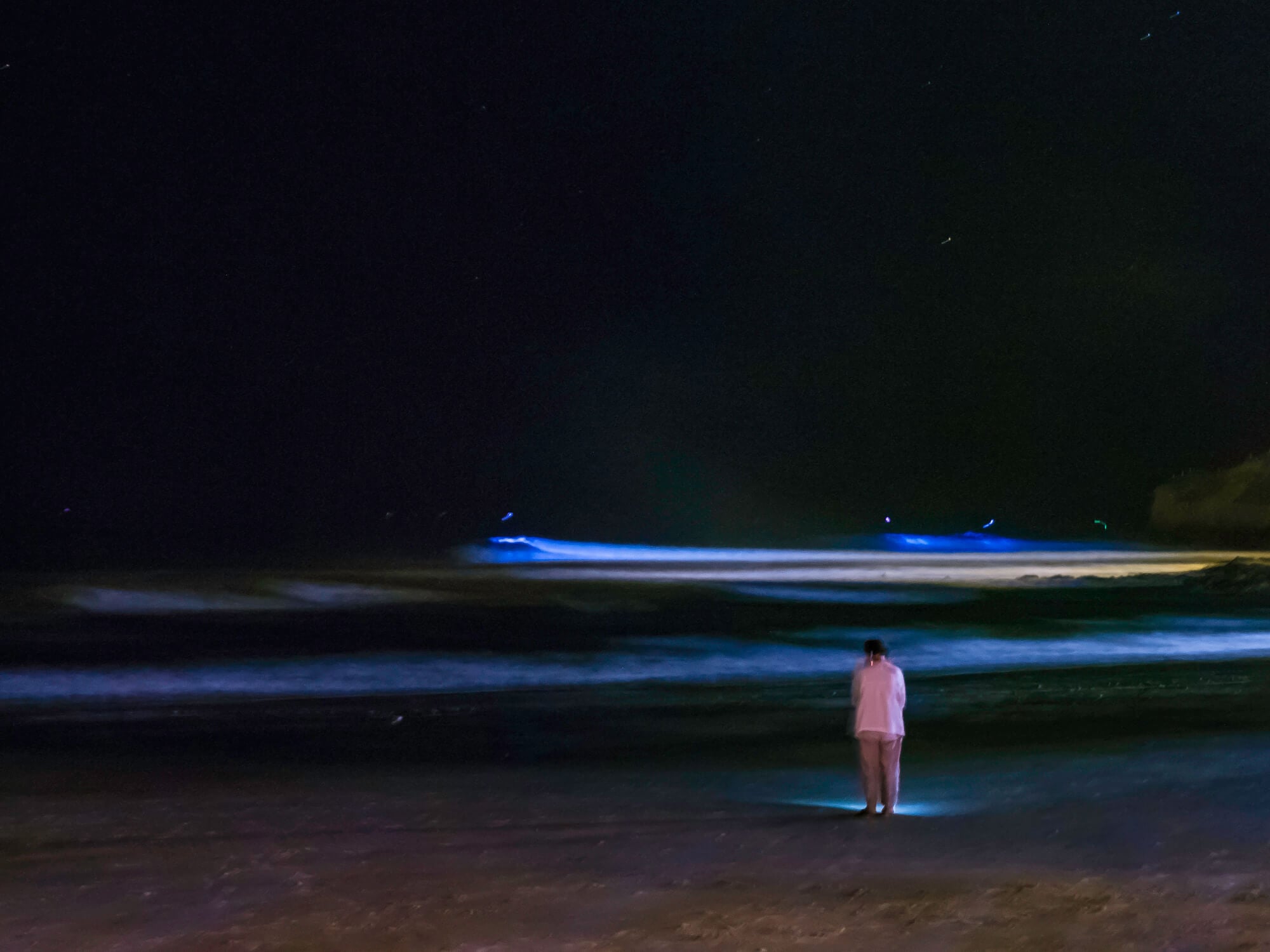
Photographs showing glowing blue water during nighttime wave crashes appear heavily color-enhanced or artificially brightened. These images capture real bioluminescence caused by dinoflagellates reacting to disturbance, creating a genuine blue glow.
Long exposures gather enough light to make the phenomenon visible to cameras when it appears much dimmer to human eyes.
The Turquoise Glacial Lake of Jökulsárlón, Iceland
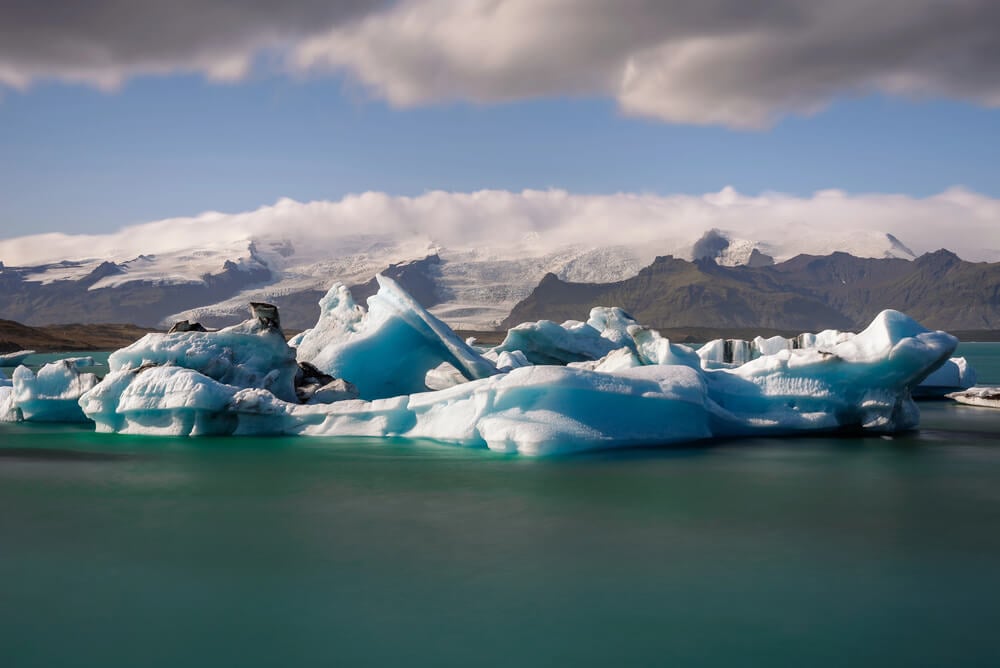
The surreal turquoise coloring of Iceland’s glacial lakes appears to be oversaturated in photographs. The color comes from glacial silt (flour-fine mineral particles) suspended in meltwater, which scatters light wavelengths in ways that create an otherworldly blue-green.
No filters or saturation needed—the water genuinely glows.
The Pillars of Creation in Visible Light
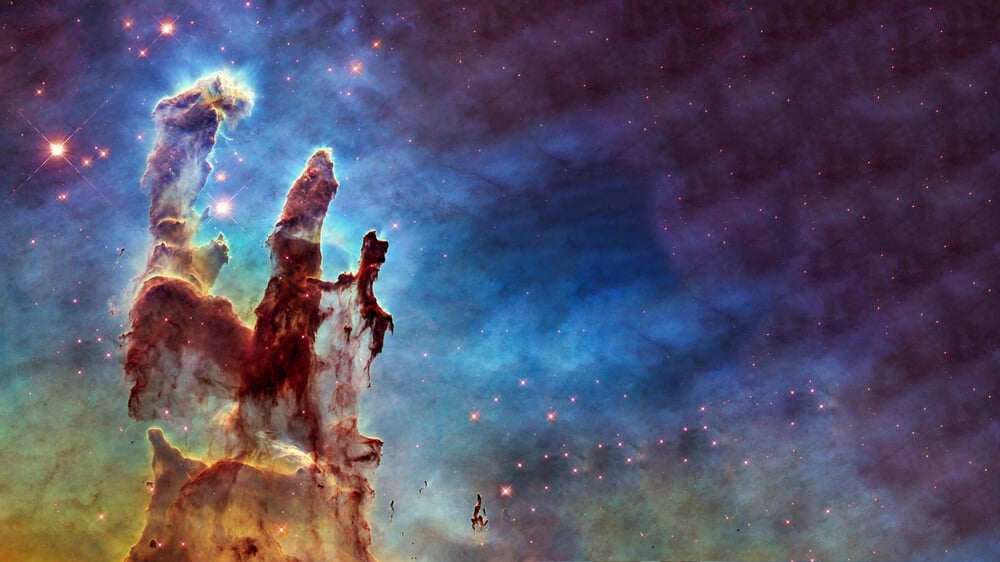
The famous Hubble photograph of the Pillars of Creation appears too perfect and dramatic to be real. When captured in visible light (not false-color infrared), the actual nebula shows the same stark geometry and gradation between light and dark that Hubble documented.
The Bismuth Crystals in Nature
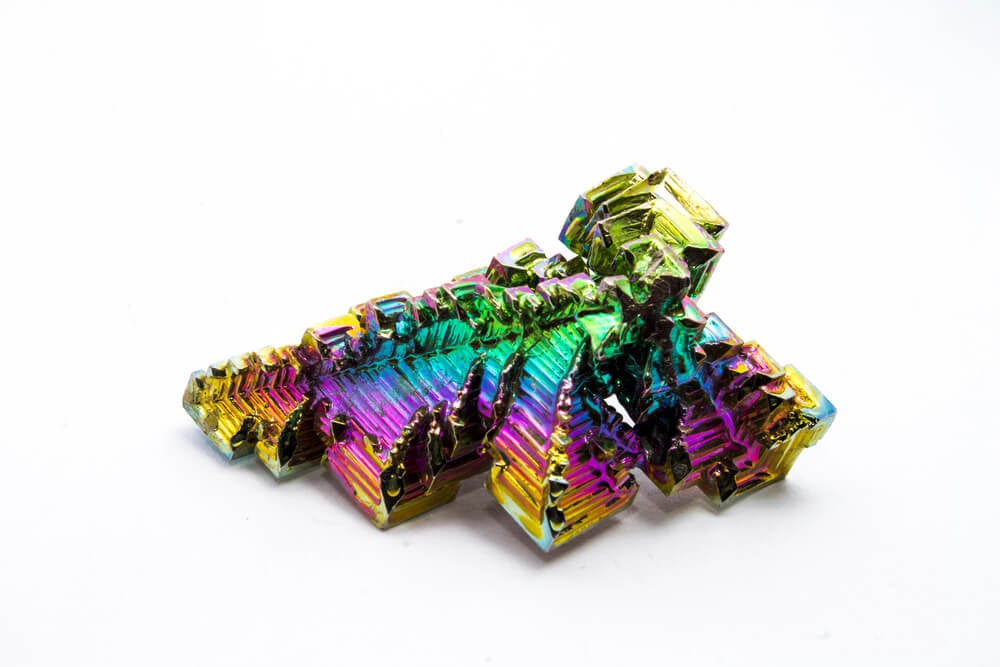
Photographs of naturally occurring bismuth crystals in certain formations look digitally rendered due to their perfect geometric staircase pattern. While most bismuth is refined industrially, naturally formed bismuth can create these structures through specific geological conditions.
The Sólfataras Geothermal Field
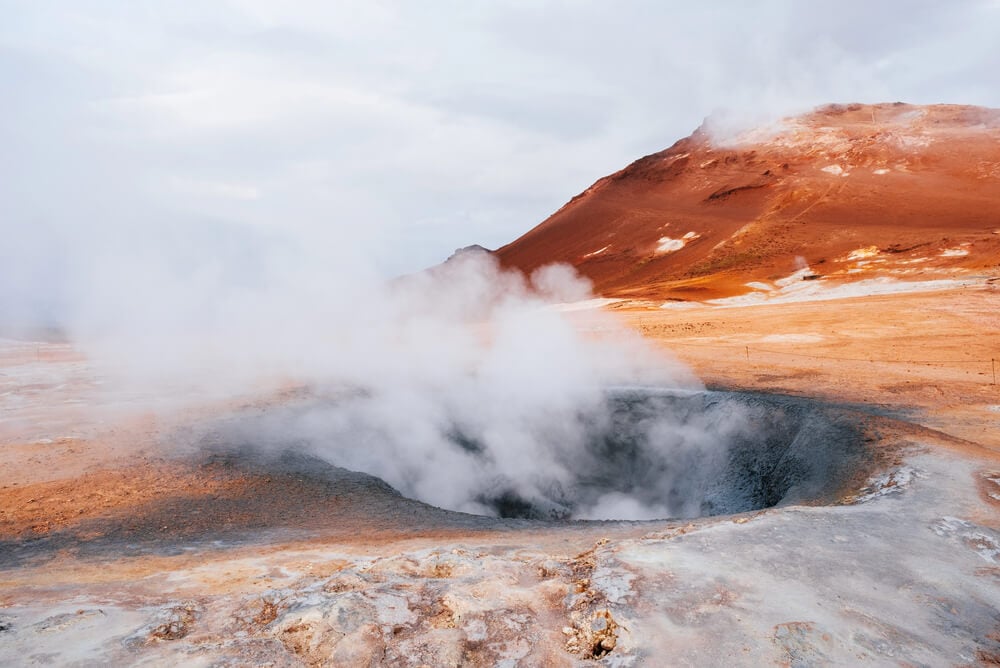
Photographs from Iceland’s geothermal areas showing impossibly vivid yellow, orange, and red mineral deposits with steam vents appear hyper-saturated or false-colored. The colors result from sulfur compounds and iron oxide concentrations that genuinely display these vivid hues in strong sunlight.
The Zhangye Danxia Mountains of China
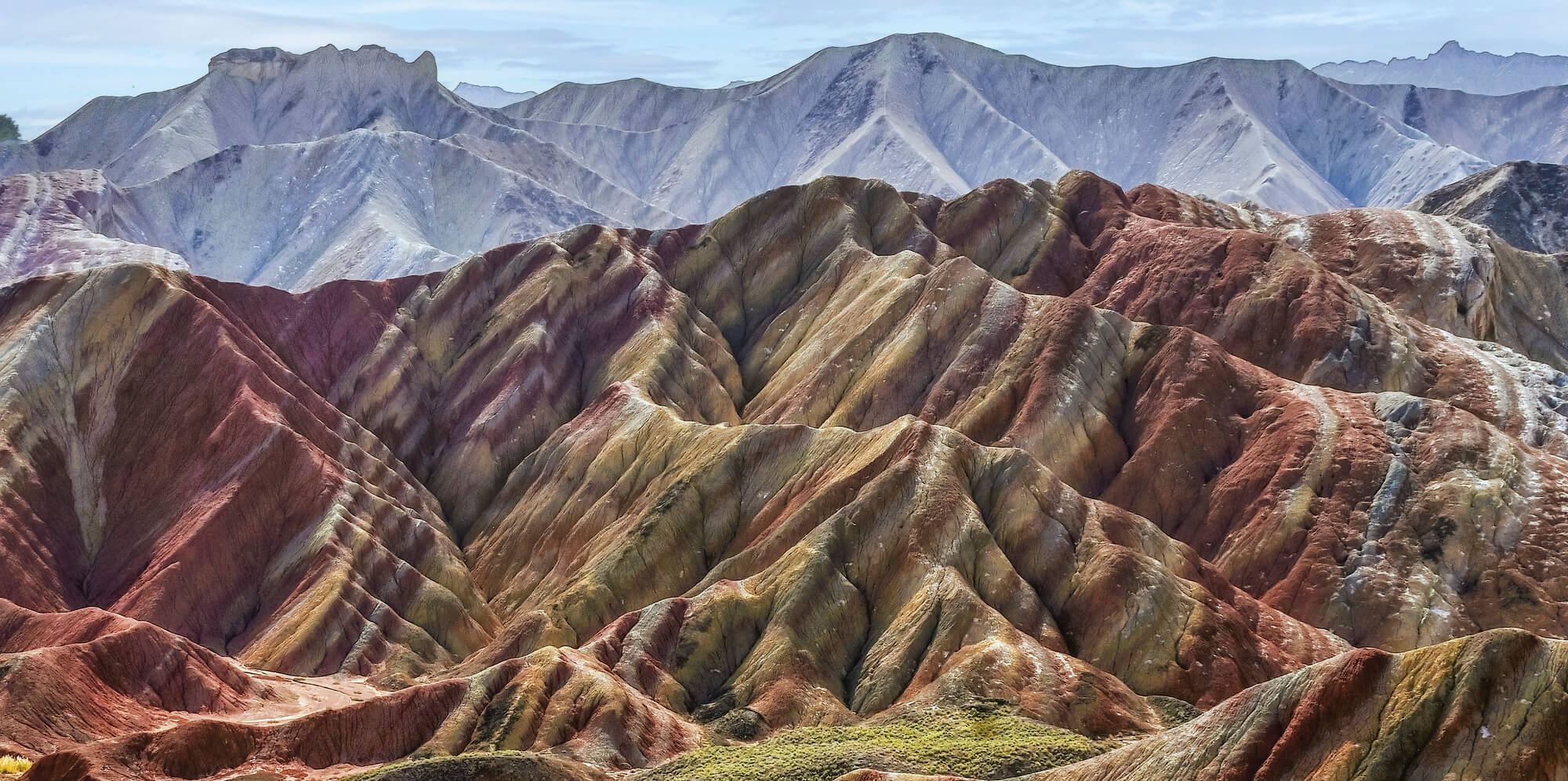
These layered mountains displaying every color from purple to yellow to deep red across their faces appear to be digital artwork or heavily color-graded photographs. The rainbow striation results from iron oxide compounds and mineral deposits that genuinely create these hues in natural rock formations.
The Antelope Canyon Slot
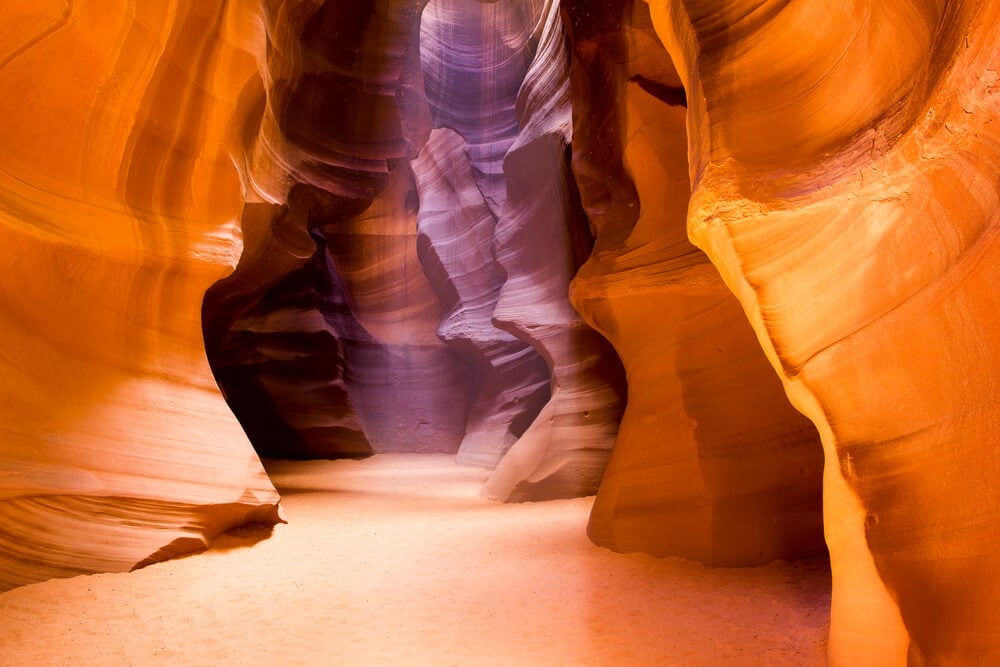
Photographs of light beams streaming through Antelope Canyon’s narrow passage appear to have beam effects added digitally. When sunlight hits the canyon at the correct angle and time of year, dust particles in the air scatter light into visible columns.
No effects needed—just the right atmospheric conditions.
The Asperatus Cloud Formation
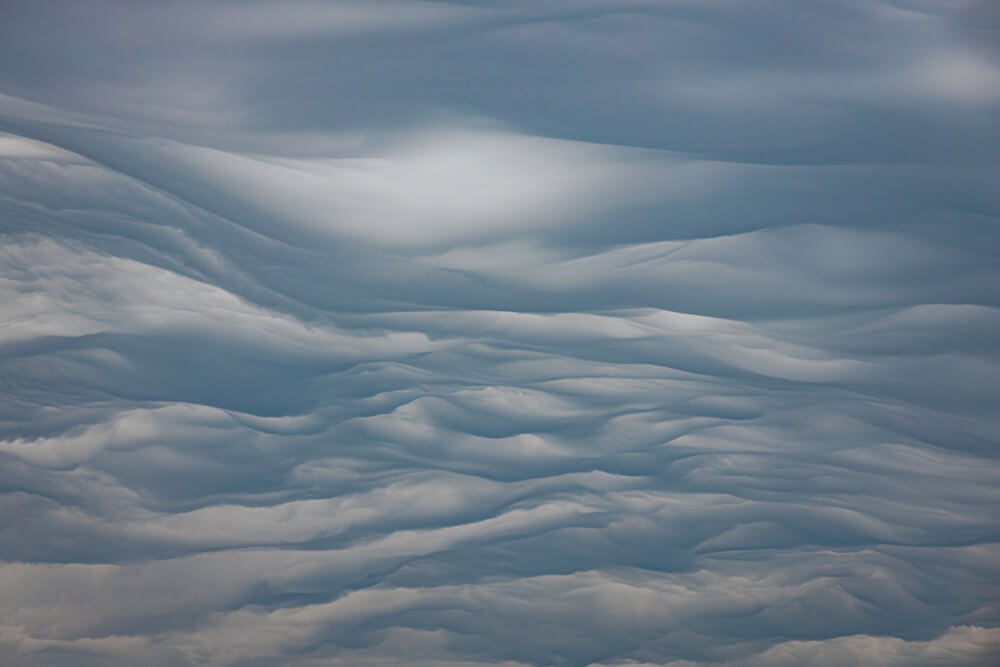
Photographs of rare asperatus clouds (the only cloud type officially designated in the 21st century) show undulating wave patterns so perfect they appear digitally rendered. These dramatic formations occur when wind shear creates waves in cloud formations, producing genuine undulating patterns visible from the ground.
Mammatus Clouds After Storms
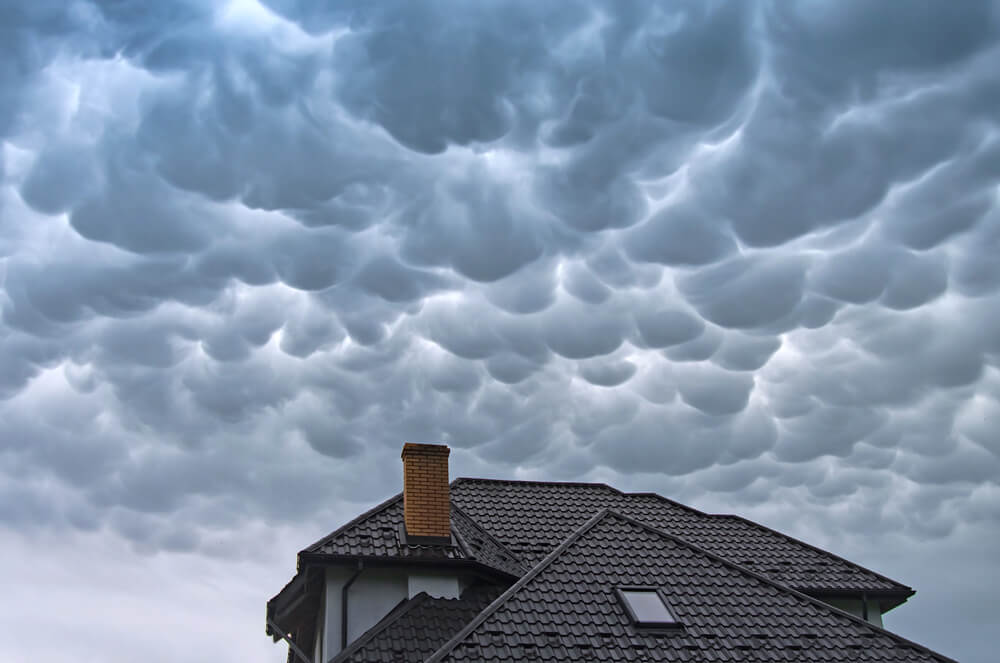
Mammatus clouds form after severe thunderstorms and display pouch-like formations that look computer-generated or artificially colored in photographs. The formations result from real atmospheric instability and look even more dramatic in photographs than to observers on the ground.
The Bridge of Sighs in Flood (Venetian)
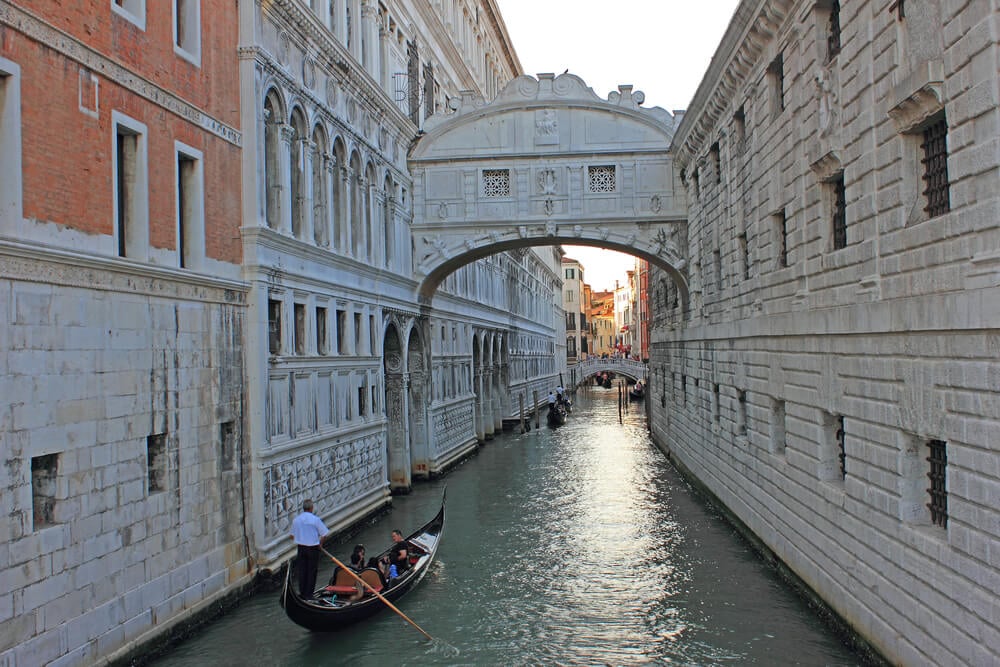
Photographs showing the Bridge of Sighs flooded during Acqua Alta storms appear digitally manipulated to show water levels that shouldn’t be possible. Venice actually experiences extreme tidal flooding, and these photographs document real water levels, even if they appear impossible.
Aurora Borealis Photography
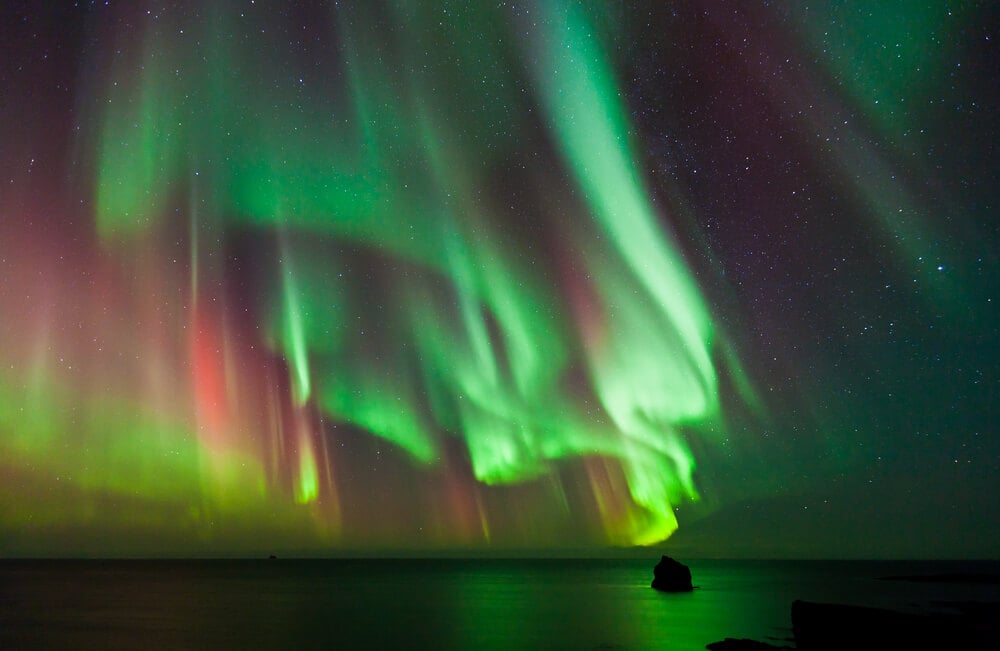
Photographs of the northern lights displaying impossible color saturation, brightness, and clarity appear heavily edited. Long-exposure cameras gather light that the human eye cannot perceive in real-time.
Cameras can capture details and brightness that appear exaggerated compared to what observers actually see.
The Milky Way Over the Desert
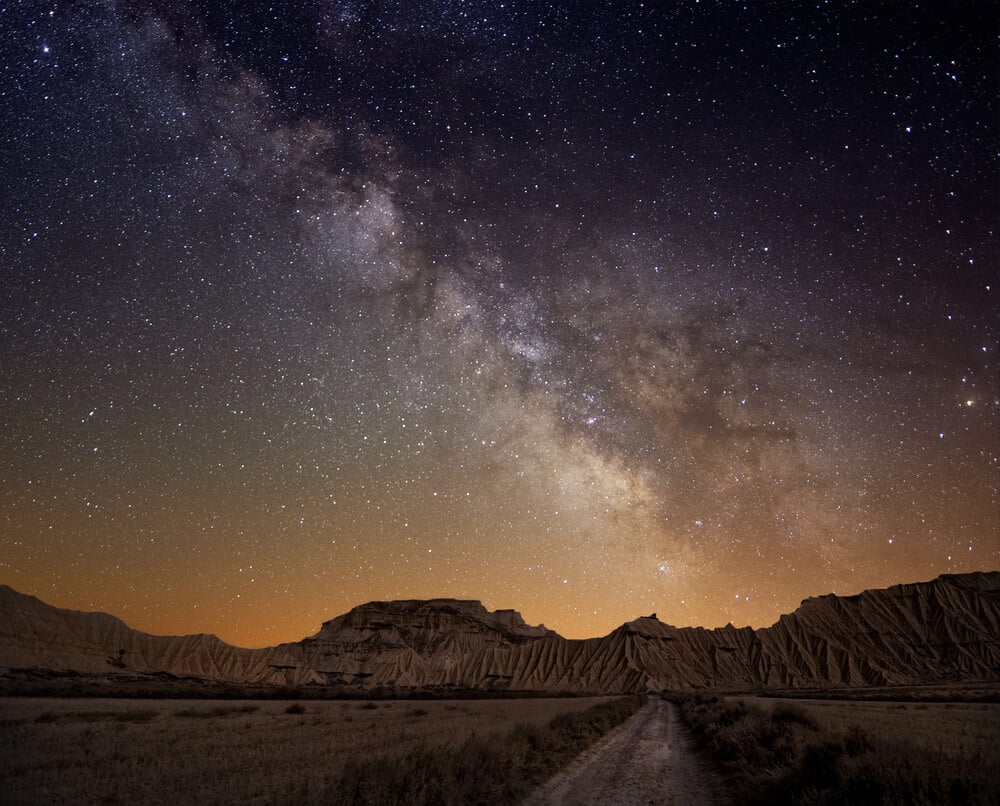
Photographs of the Milky Way showing such vivid color and brightness that they appear false-colored appear exaggerated because our eyes cannot perceive the galaxy the way long-exposure cameras can. The images are real—our eyes simply don’t see starlight the way cameras do.
The Honeycomb Brain Coral
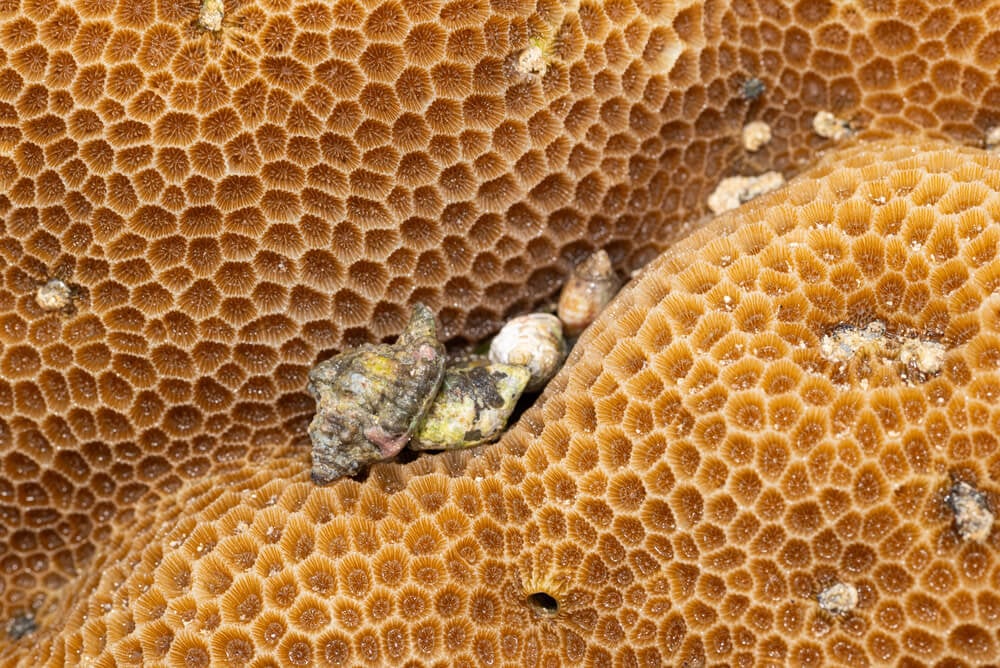
Underwater photographs of perfectly geometric brain coral colonies appear to be computer graphics or extreme close-ups of manufactured objects. These organisms genuinely form these precise hexagonal and geometric patterns through their growth.
The Wave-Like Dunes of Namibia
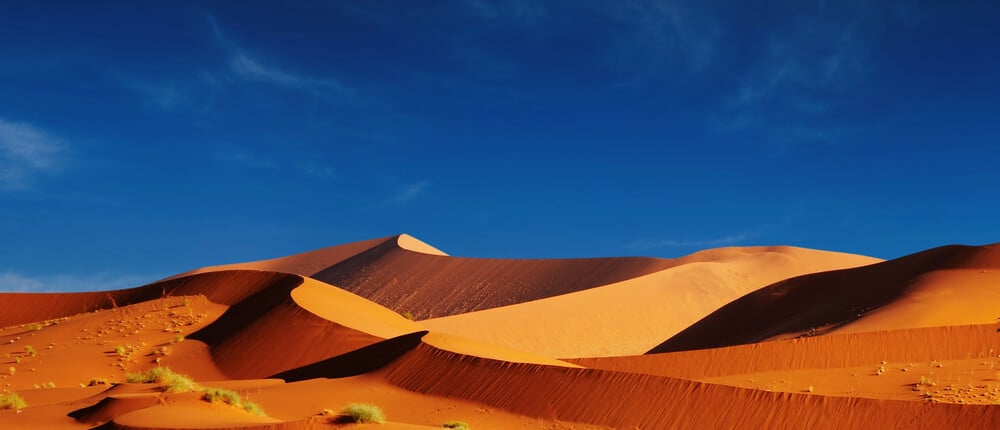
Photographs of the Namibian desert showing wavelike sand dune patterns appear to be computer-generated topography or aerial art installations. These formations result from natural wind patterns and sand composition that create these perfect undulations.
The Frozen Methane Bubbles of Abraham Lake
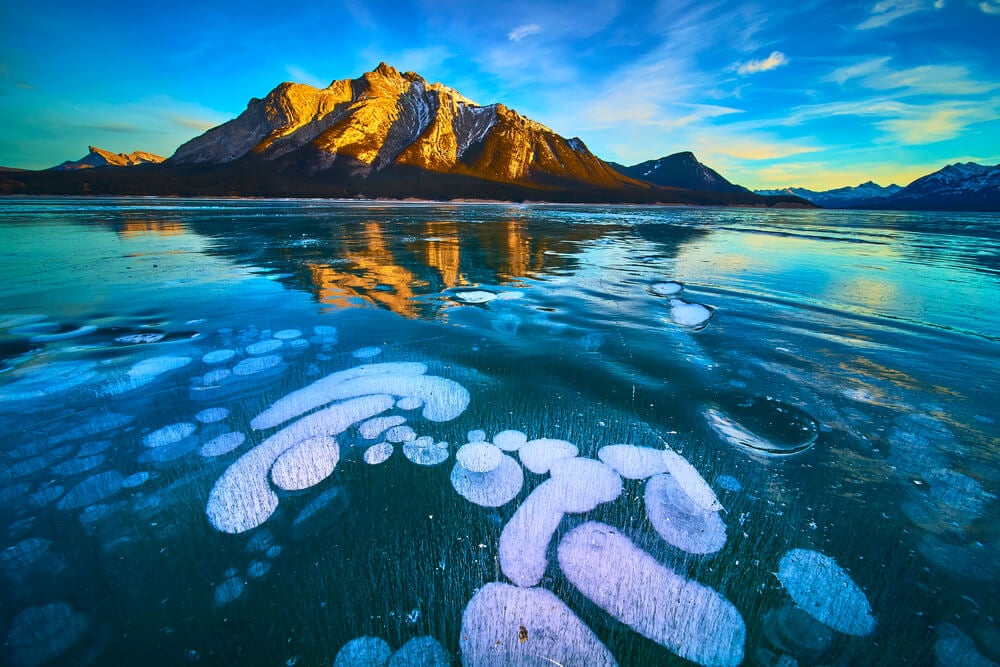
Photographs showing perfectly formed ice-encased methane bubbles frozen in a Canadian lake appear to be artistic installations or digital renderings. These genuine frozen gas bubbles form when methane seeps from lake sediment and freezes during winter.
The Blue Pools of New Zealand
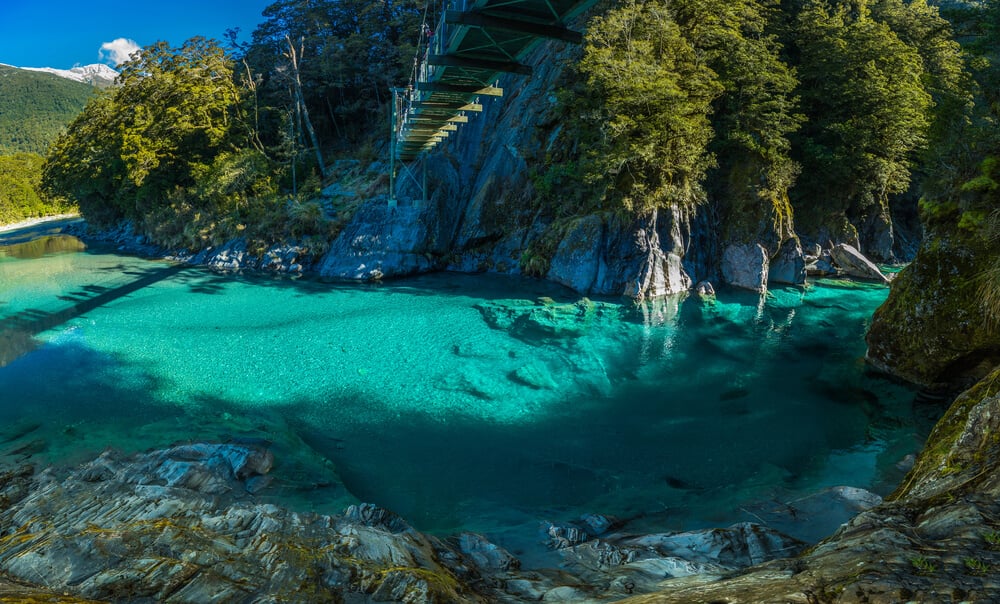
Photographs of impossibly vibrant blue pool water in New Zealand glacial regions appear to have saturation cranked artificially. The blue coloring results from glacial flour suspended in water, creating genuine vivid blue that requires no editing.
The Mirror Effect of the Atacama Salt Flat
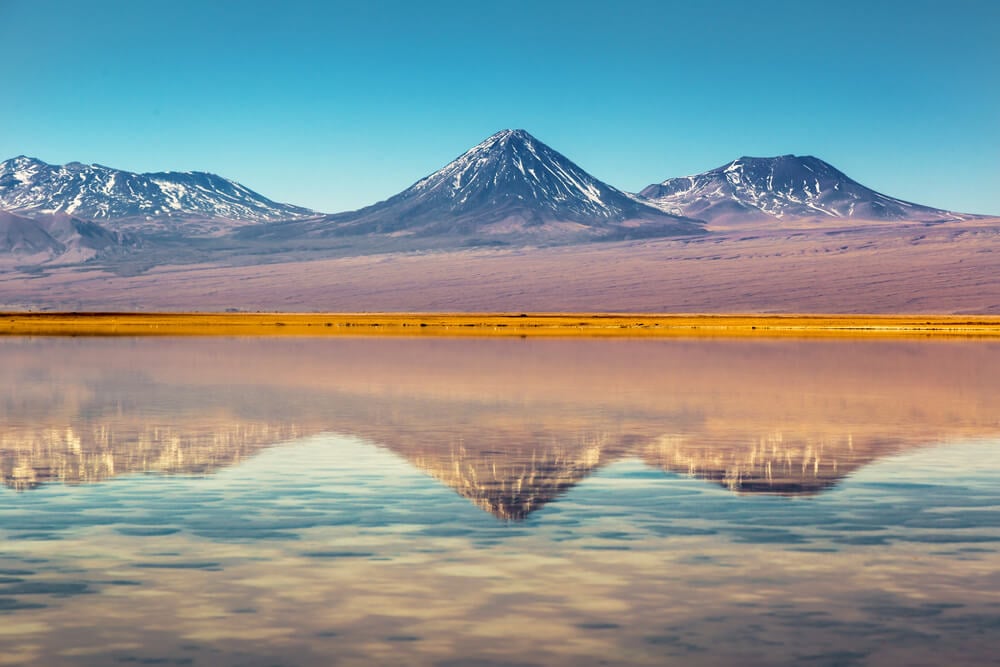
Photographs of what appears to be a perfect reflection in the Atacama Desert after rain appear digitally mirrored or symmetrically edited. When the salt flat floods after rare rains, the perfectly flat surface creates an actual mirror effect, requiring no manipulation.
The Lava Meets Ocean Photography
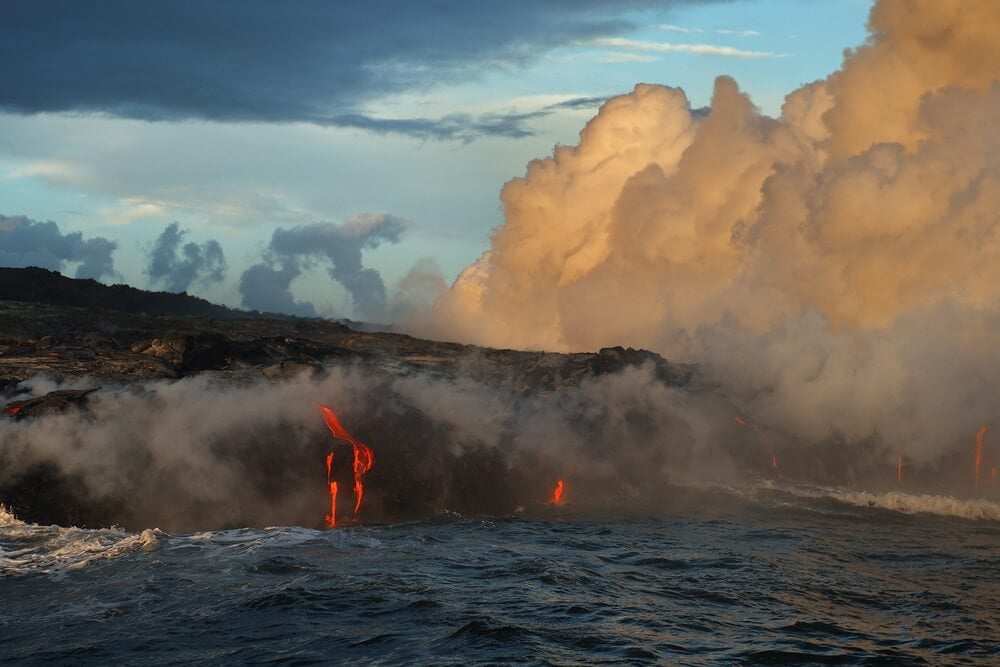
Photographs showing lava flowing into the ocean and creating dramatic steam clouds and color contrasts appear digitally enhanced or artificially colored. These real moments of lava-water interaction create genuine vivid colors and dramatic effects.
The Clouds Filling Valleys (Inversion)
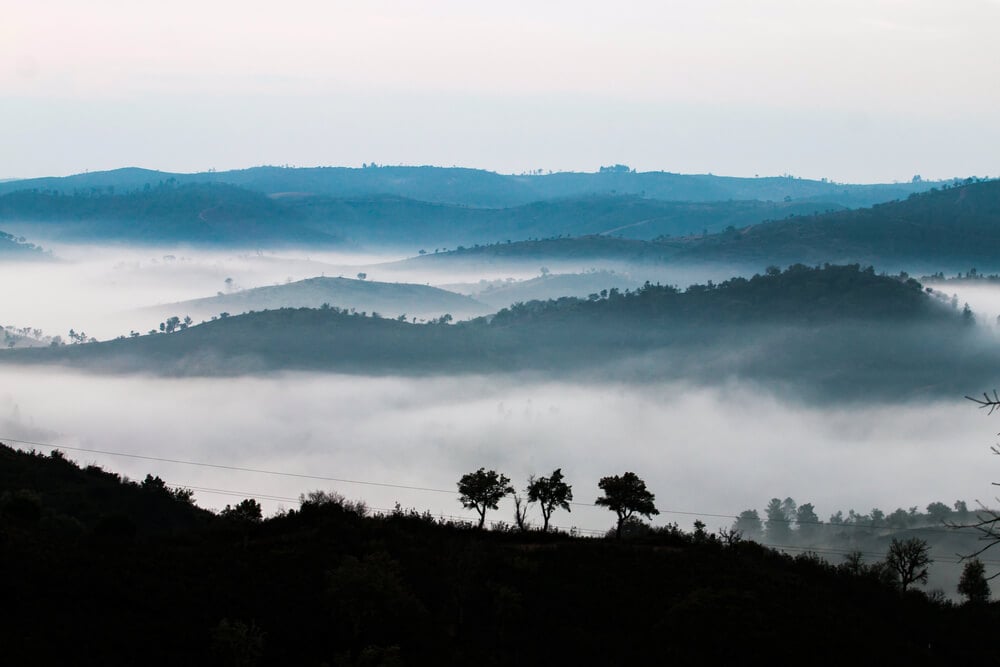
Photographs showing thick cloud layers perfectly contained within a valley like water filling a container appear digitally created. Temperature inversions genuinely create these effects where clouds settle in low areas and don’t overflow the valley edges.
The Cactus Forest of Sonoran Desert
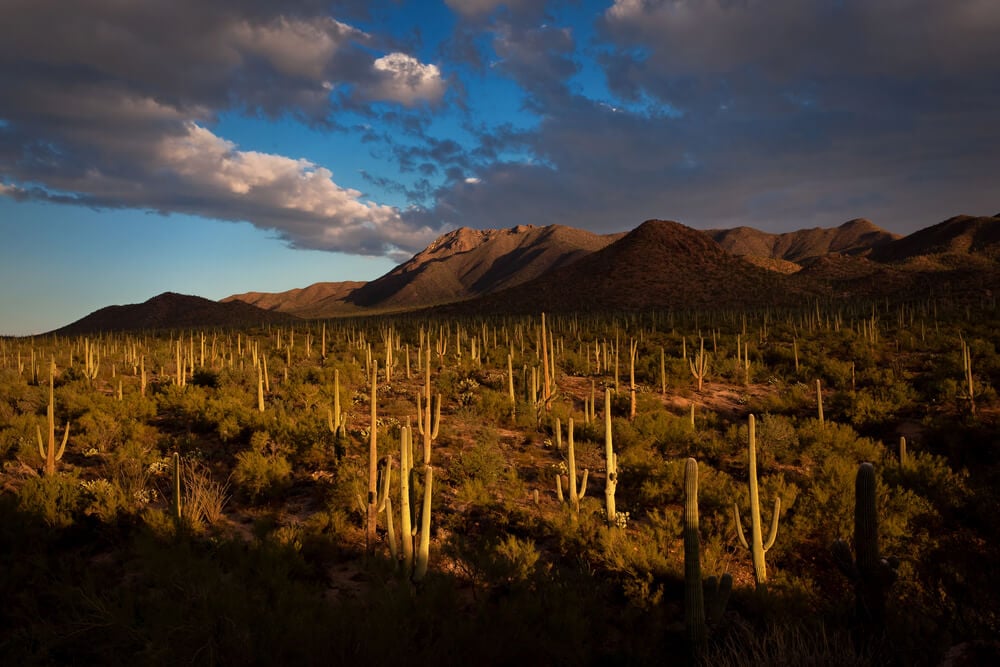
Certain photographs of the Sonoran Desert showing such dense cactus distribution that the landscape appears artificial appear hyper-edited. In peak areas, the cactus density genuinely creates these crowded, almost artificial-looking landscapes.
The Brine Pools of the Dead Sea
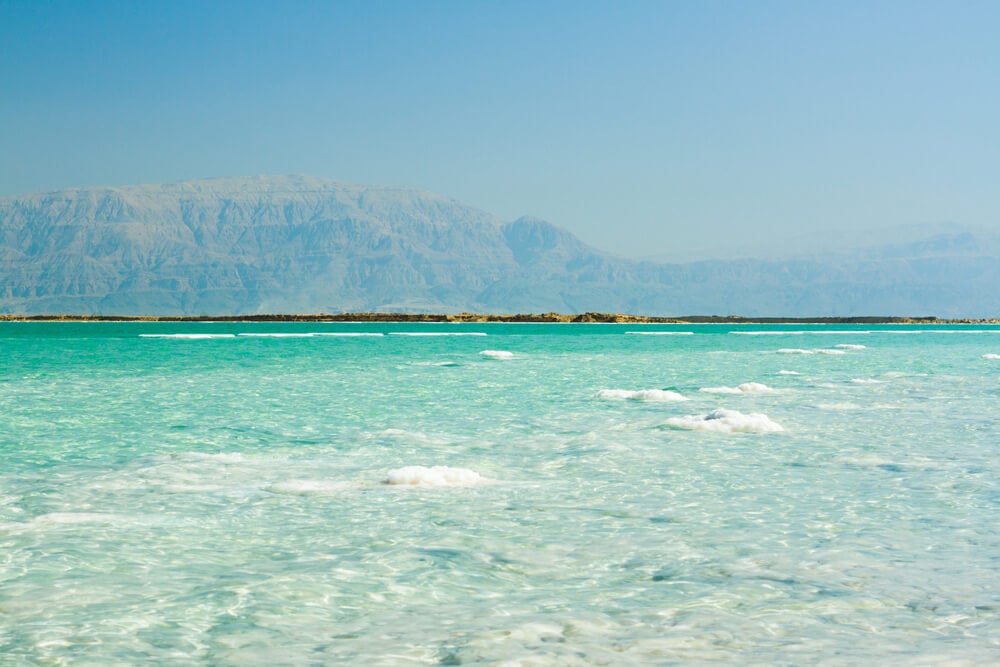
Photographs showing distinct layering of water with different colors appear false-colored or artificially enhanced. These pools result from different mineral concentrations and temperatures, creating genuine visible layering without any digital manipulation.
The Noctilucent Clouds
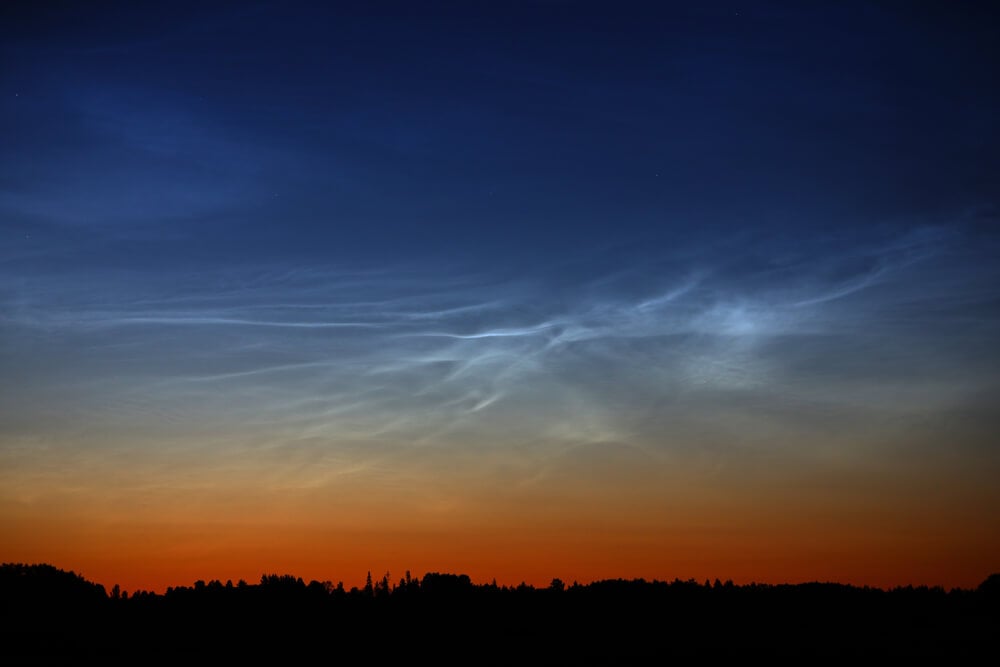
Photographs of these rare upper-atmosphere clouds showing almost metallic or holographic coloring appear digitally manipulated. These genuine clouds form at extreme altitudes and reflect sunlight in ways that create otherworldly coloration and appearance.
The Eucalyptus Oil Refracting Light
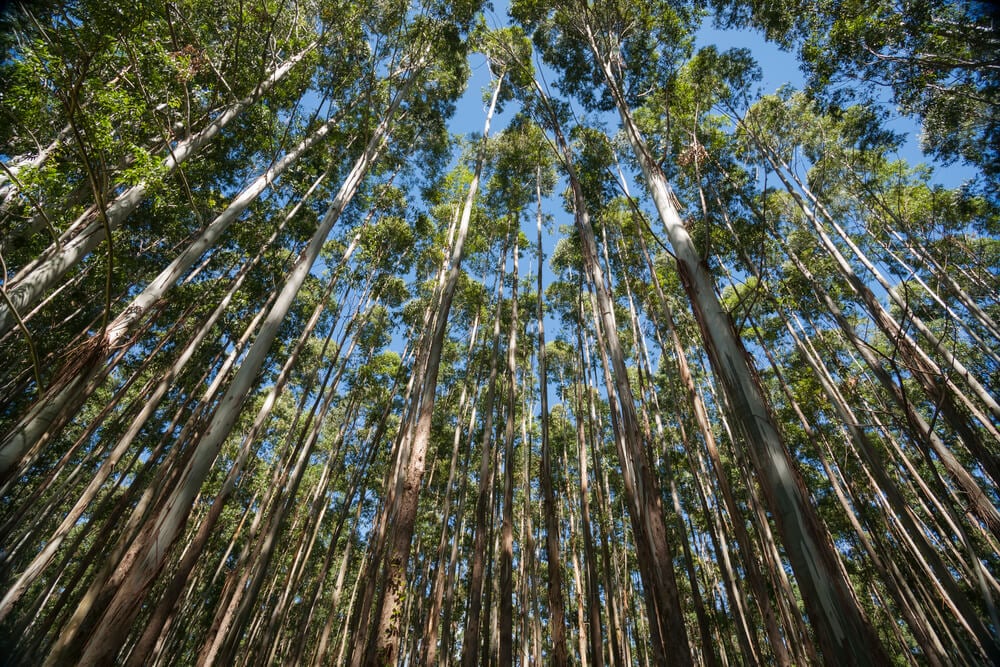
Aerial photographs of areas with high eucalyptus tree density showing an ethereal blue haze appear digitally created. Eucalyptus trees release aromatic oils that refract sunlight, creating a genuine visible haze.
When Reality Looks Fabricated
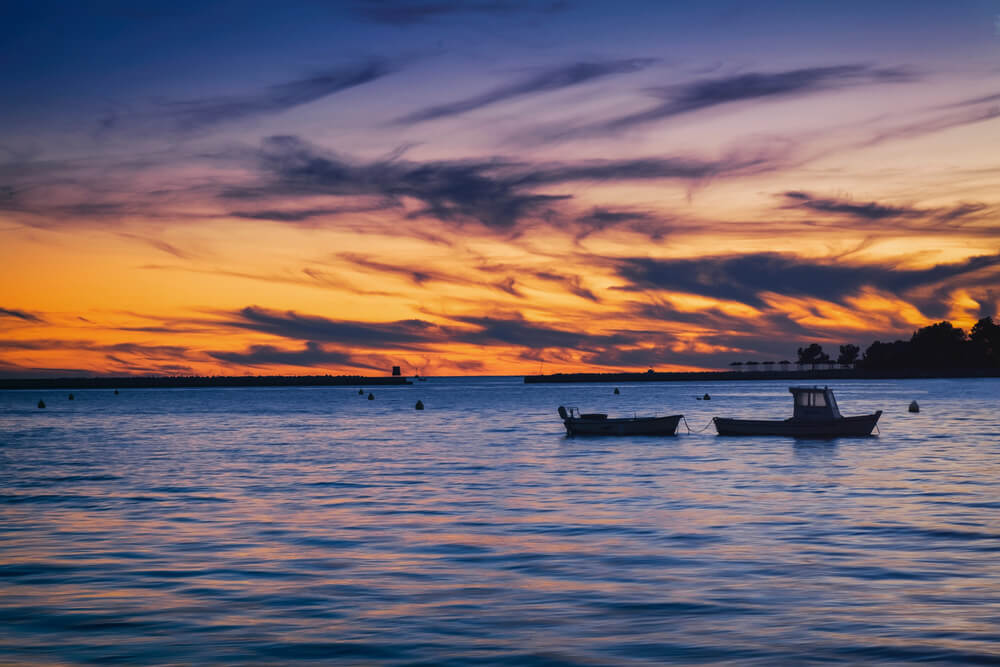
These photographs prove that nature can be stranger and more perfect than digital artistry. A camera, the right moment, and natural phenomena can create images that surpass human imagination.
Assuming these images must be edited reflects how our brains struggle to accept reality that exceeds our expectations of what nature should look like. The most surreal photographs are often the most authentic.
More from Go2Tutors!

- The Romanov Crown Jewels and Their Tragic Fate
- 13 Historical Mysteries That Science Still Can’t Solve
- Famous Hoaxes That Fooled the World for Years
- 15 Child Stars with Tragic Adult Lives
- 16 Famous Jewelry Pieces in History
Like Go2Tutors’s content? Follow us on MSN.