25 Old School Photos That Capture Traditions Long Since Retired
Photographs freeze moments that cultures eventually abandon, creating archival evidence of customs so thoroughly displaced that younger generations struggle to understand their purpose. What appears in sepia-toned images as normal behavior—children working in factories, women wearing restrictive corsetry, families gathered around radios—becomes historically shocking once context and time distance us from the practices.
These photographs serve as windows into lives structured by rituals, technologies, and social expectations that have vanished almost entirely.
Women in Restrictive Garments as Daily Requirement

Photographs spanning the nineteenth through mid-twentieth century document women performing demanding activities—factory work, agriculture, laundry—while wearing tight corsets, trains, and multiple petticoats that restricted breathing and movement. Social convention mandated these garments regardless of working conditions, as restrictive fashion served as a visible marker of propriety and class status across all social classes.
The gradual casualization of women’s fashion during the twentieth century represented liberation from this burden, though fashion-driven discomfort would persist in modified forms.
Children in Formal Dress for Casual Occasions
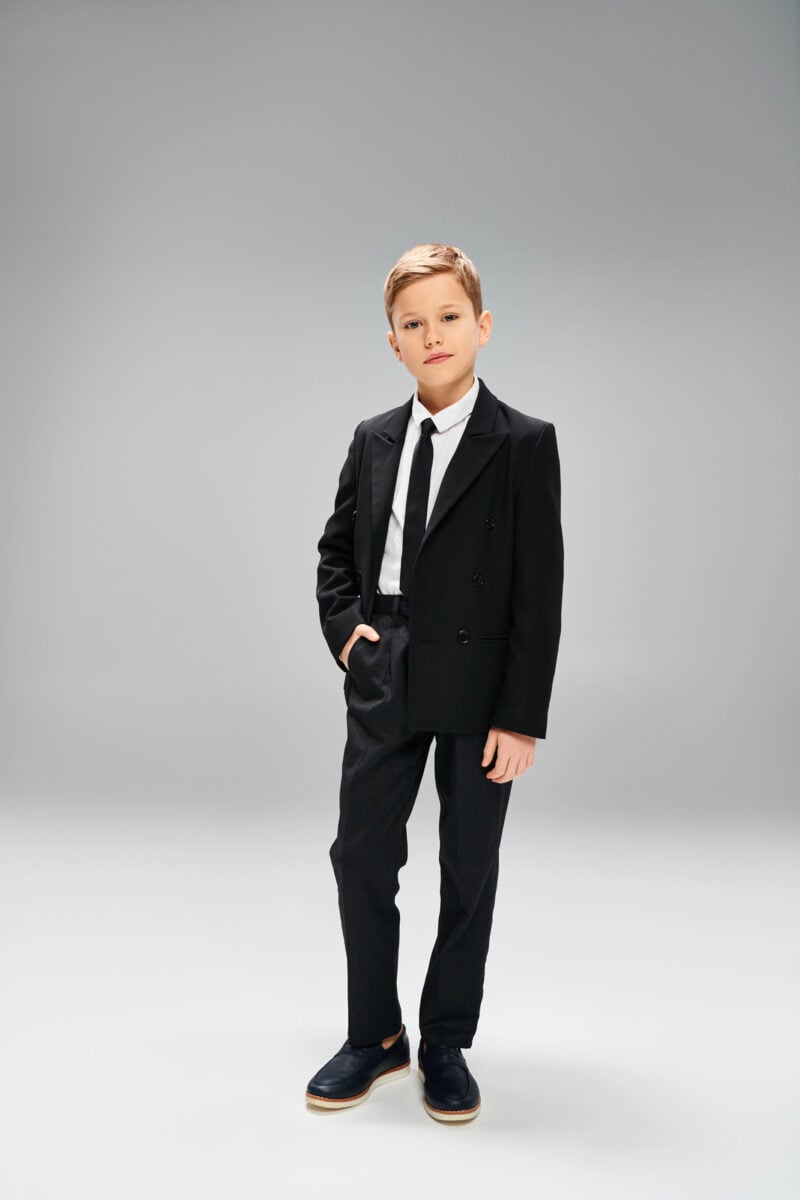
Photographs from the early to mid-twentieth century show children dressed in formal attire—elaborate dresses, suits, and hats—for activities that modern children undertake in casual clothing. Going to school, visiting relatives, or attending community events required children to wear formal dress as standard practice.
The tradition reinforced social hierarchies through visible class distinction while simultaneously restricting children’s freedom of movement and play. Modern casualization of dress codes for children occurred gradually, reflecting changing attitudes about childhood and social formality.
Multi-Generational Family Portraits
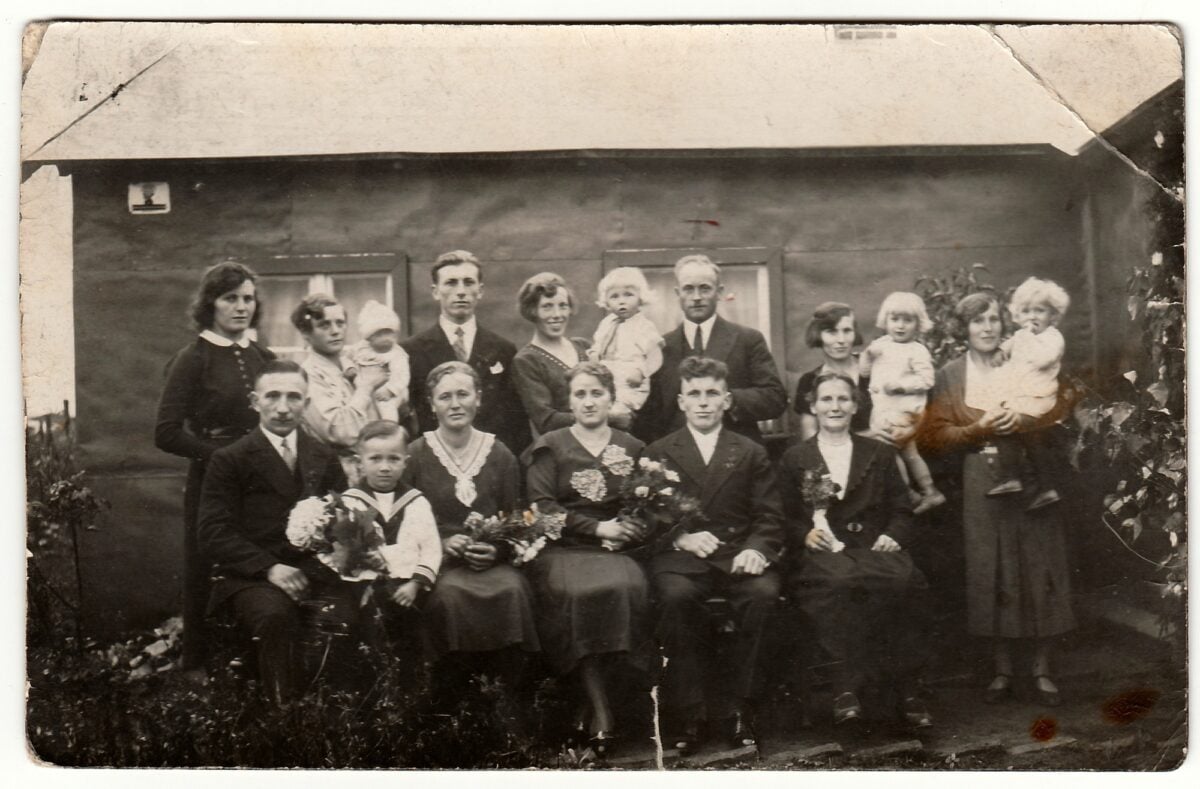
Studio photographs from the nineteenth and early twentieth centuries show formal family poses with three or four generations present. These portraits were expensive and rare events, occurring perhaps once per decade.
The photograph served as a permanent family record, with specific poses and positioning conveying social messages. The tradition of creating family photographs has persisted, though digital technology has made them vastly more common and casual.
Modern family photos often number in the thousands per year, compared to perhaps one formal studio portrait per decade in earlier eras.
Covered Carriages and Horse-Drawn Transportation
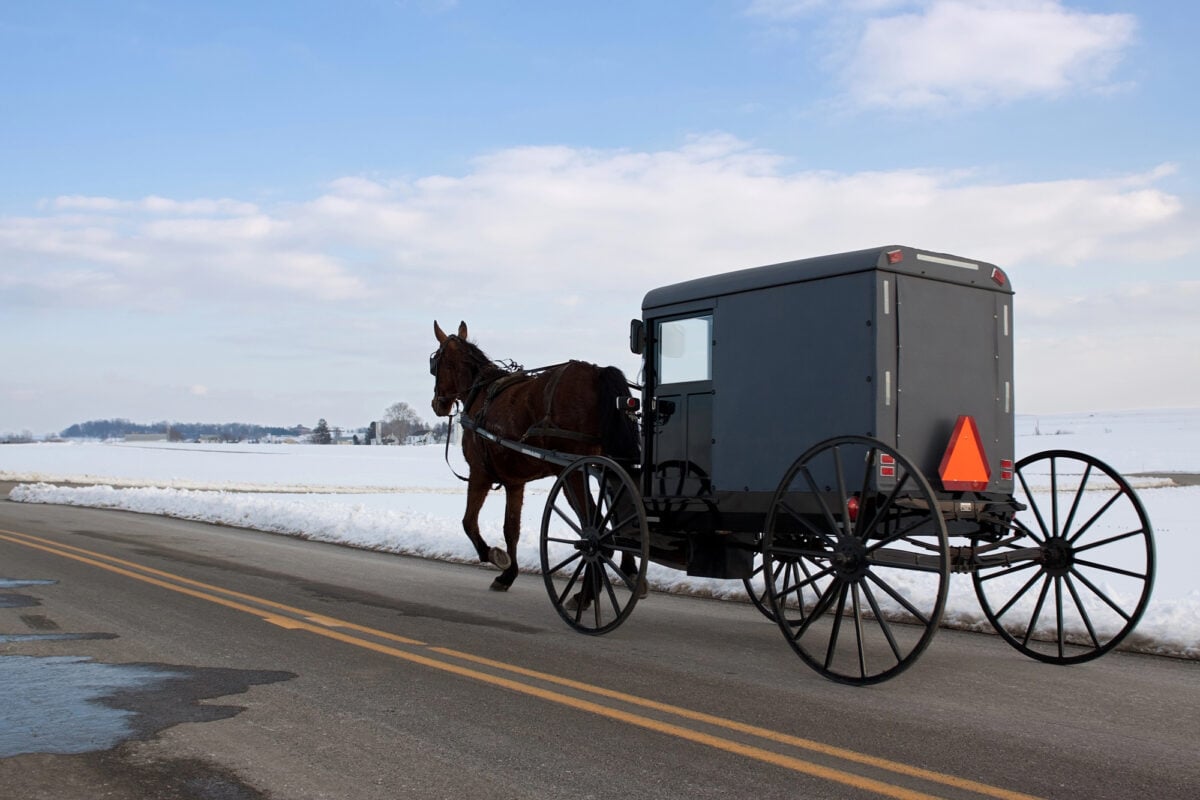
Photographs documenting city streets, rural roads, and social events show elaborately covered carriages as the primary transportation. The design of these vehicles reflected concern with weather protection and social display, with covered structures preventing rain exposure and elaborate ornamentation signaling wealth status.
The transition to automobiles displaced this tradition entirely within a few decades. Horses themselves became nostalgic rather than practical, relegated to ceremonial uses rather than transportation.
Afternoon Tea as Daily Ritual
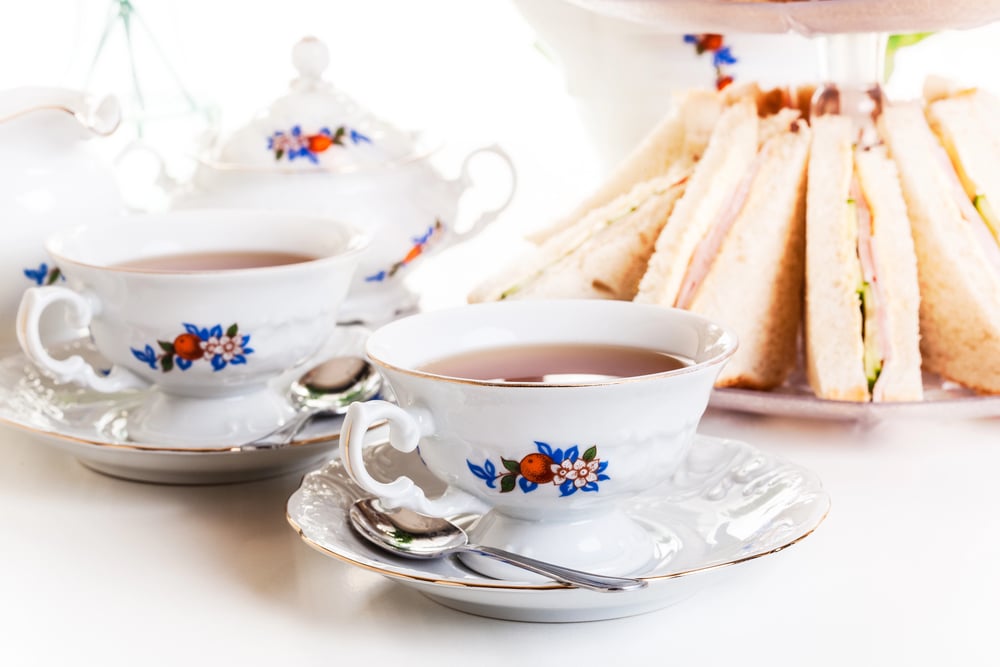
Photographs of Victorian and Edwardian society show formal afternoon tea as a structured social event occurring daily for certain classes. The tradition involved specific ritual—designated times, specific foods, formal dress—and served primarily social functions related to creating and reinforcing relationships among women of leisure.
The tradition declined as women entered the workforce in large numbers and as informality increasingly characterized social interaction. Modern tea culture survives in some contexts but has lost its position as a central social institution.
Street Vendors and Market Hawkers
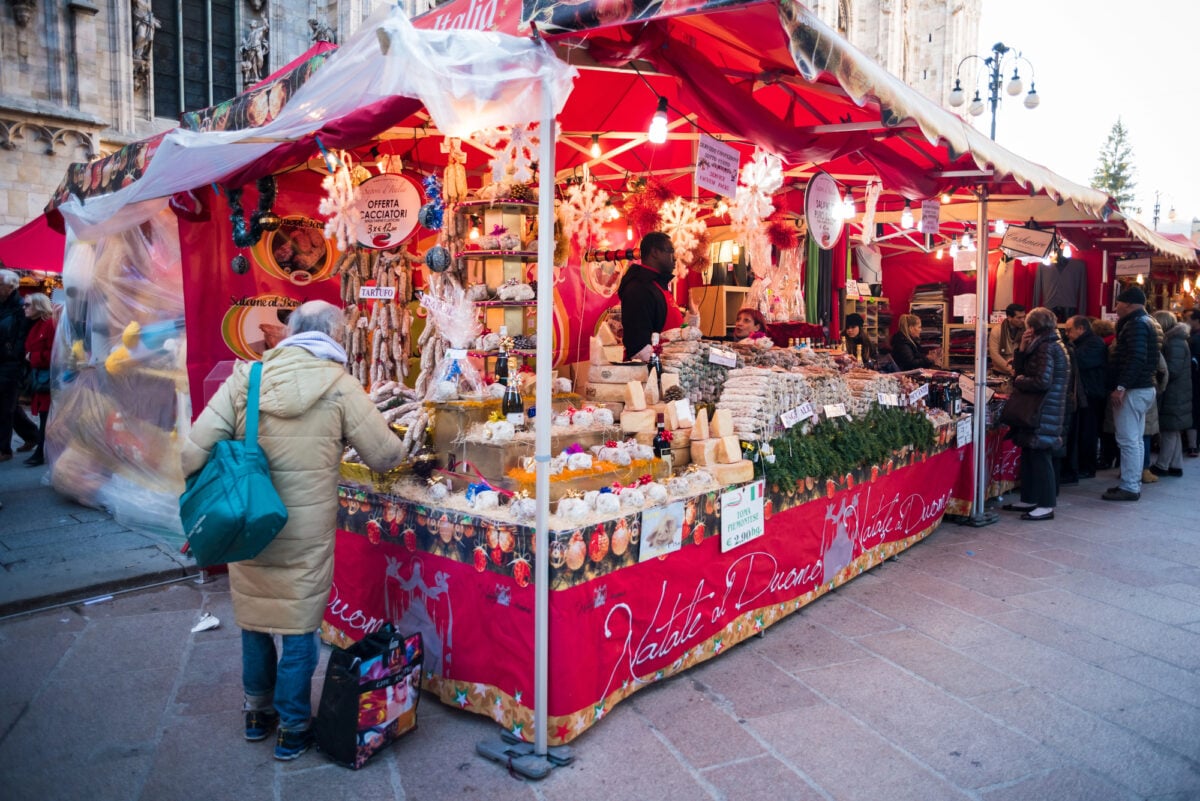
Early twentieth-century urban photographs show crowded streets filled with individual vendors selling produce, fish, bread, and other goods from pushcarts or displayed goods. The tradition of street vending represented a crucial food distribution system for urban populations without refrigeration or modern supermarkets.
Photographs document vendors competing for position, customers selecting produce directly from displays, and the chaos of commerce conducted in public streets. Modern supermarkets and food distribution systems have almost entirely replaced this tradition, pushing food commerce into enclosed spaces with standardized displays.
Public Bathing and Swimming Areas
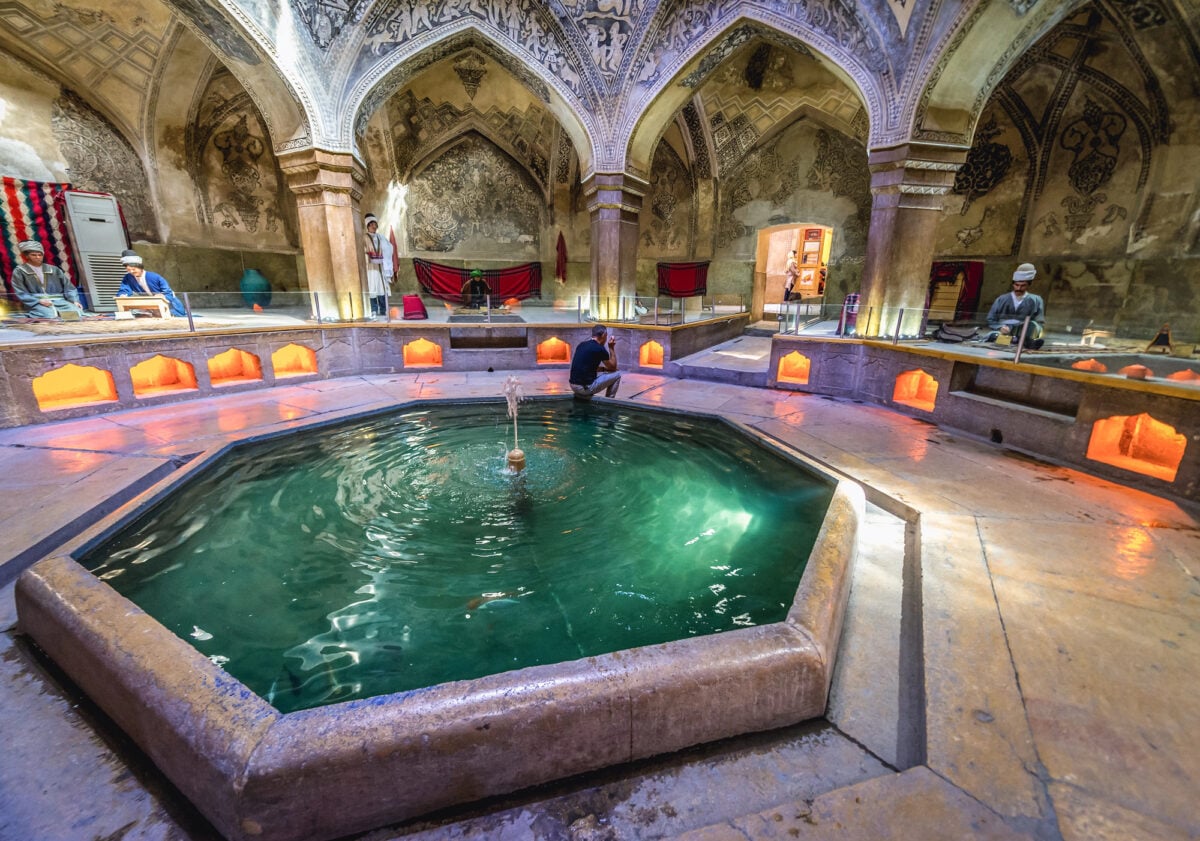
Photographs from the late nineteenth and early twentieth centuries show segregated public bathing areas—separate sections for men and women, often involving enclosed changing structures and strict behavioral codes. The tradition of public bathing represented a solution to housing without indoor plumbing.
Photographs show densely packed swimming areas, with individuals separated by gender and age groups. The widespread installation of indoor plumbing in private homes gradually displaced this public bathing tradition, transforming bathroom use from communal ritual to private practice.
Formal Hat Wearing as Daily Necessity

Photographs from the Victorian era through the mid-twentieth century show nearly universal hat wearing—men in bowlers, fedoras, and straw hats; women in elaborate bonnets and feathered creations. Hats were not optional accessories but required components of proper dress for public appearance.
The tradition began losing force during the 1960s, with hat wearing becoming increasingly optional and eventually relegated to specific contexts. Modern head-covering norms have shifted dramatically, with going bareheaded in public now considered completely acceptable for both genders.
Segregated Seating and Separate Facilities

Photographs documenting the Jim Crow South show separate entrances, water fountains, and seating areas marked for different races. The tradition of enforced segregation was photographed as normal, unremarkable practice.
These photographs now serve as historical documentation of legalized racism, though they represent attitudes and practices that were routine at the time. The legal abolition of segregation transformed these practices within a few decades, though informal segregation persisted in many contexts.
Public Hangings and Execution as Spectacle
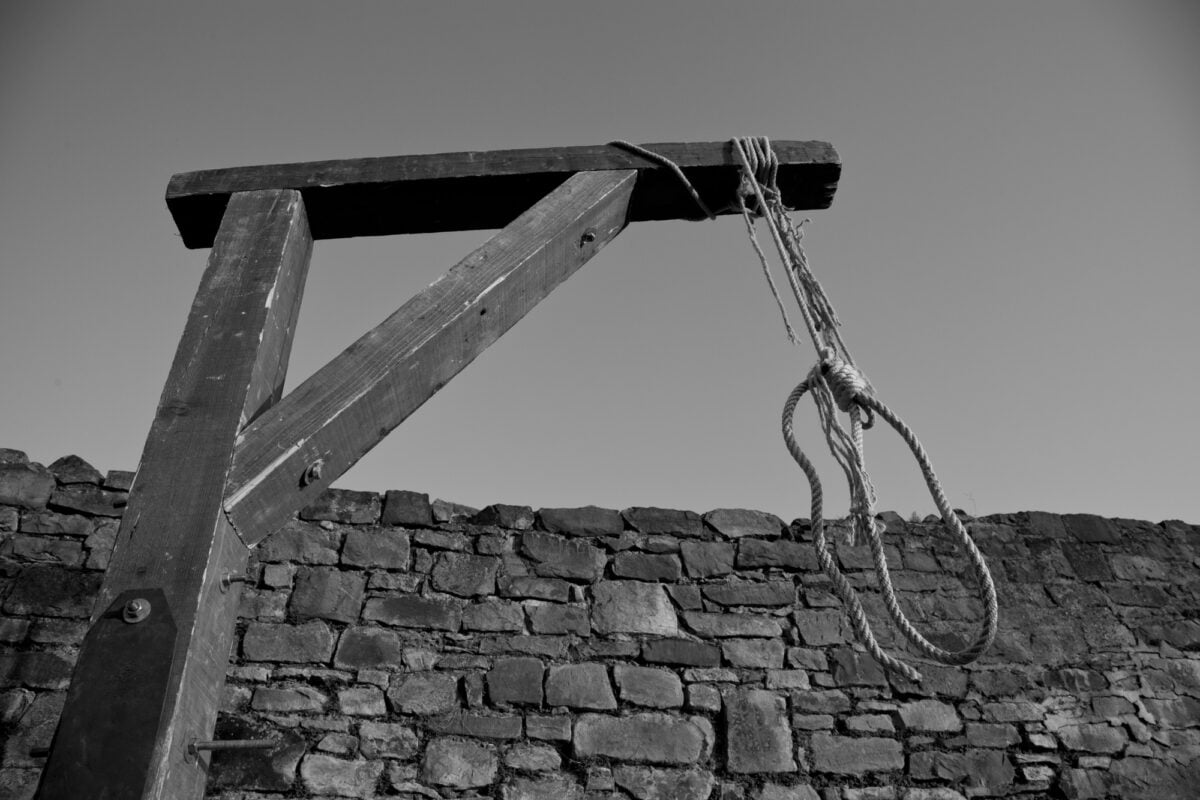
Nineteenth-century photographs document public executions attended by crowds that numbered in the thousands. The tradition of execution as public spectacle served multiple purposes—punishment, deterrence, and public entertainment.
The gradual move toward private executions reflected changing attitudes about punishment and the appropriateness of public violence. Modern execution practices, where they continue, are conducted away from public view, representing a dramatic shift from this historical tradition.
Servants in Domestic Service Uniforms
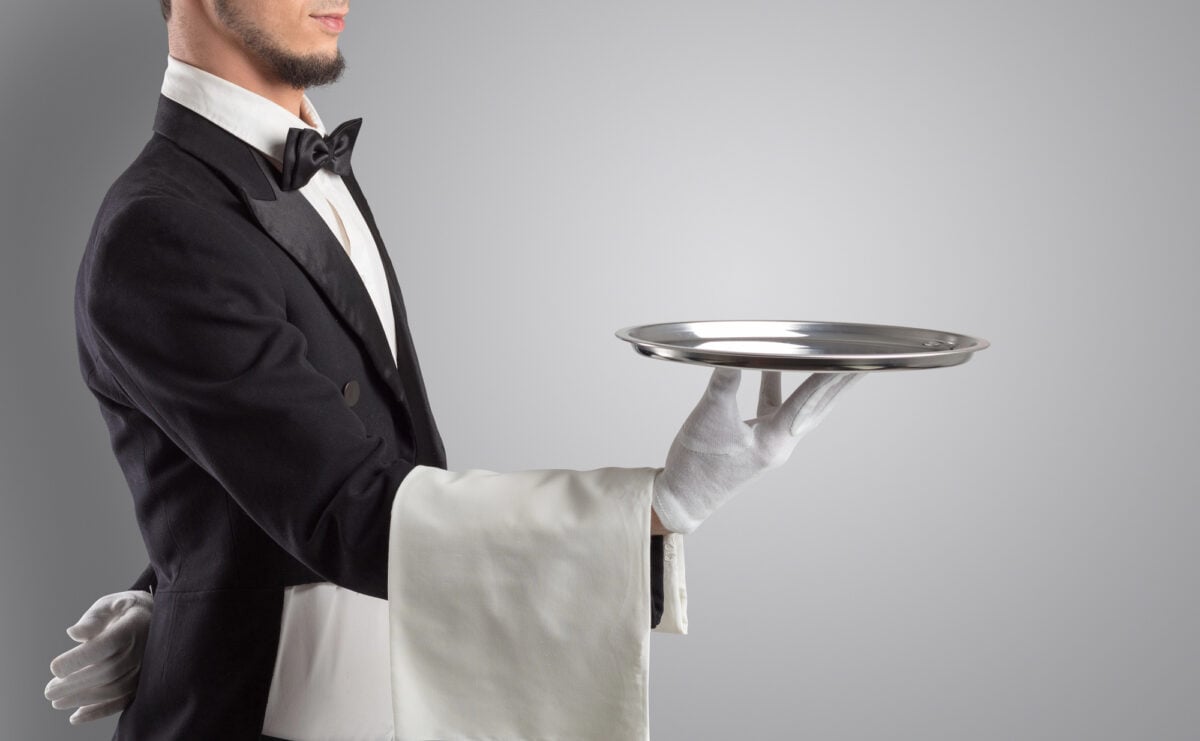
Photographs show domestic servants in distinctive uniforms performing visible labor in the homes of the wealthy. The tradition of live-in domestic service created complicated social relationships, with servants residing in employer homes and occupying distinct social space.
The decline of domestic service during the twentieth century reflected both labor cost increases and changing attitudes about social hierarchy. Modern domestic work tends to be day-labor rather than live-in arrangement, reducing the visibility of class distinctions in household management.
Formal Dining with Multiple Courses
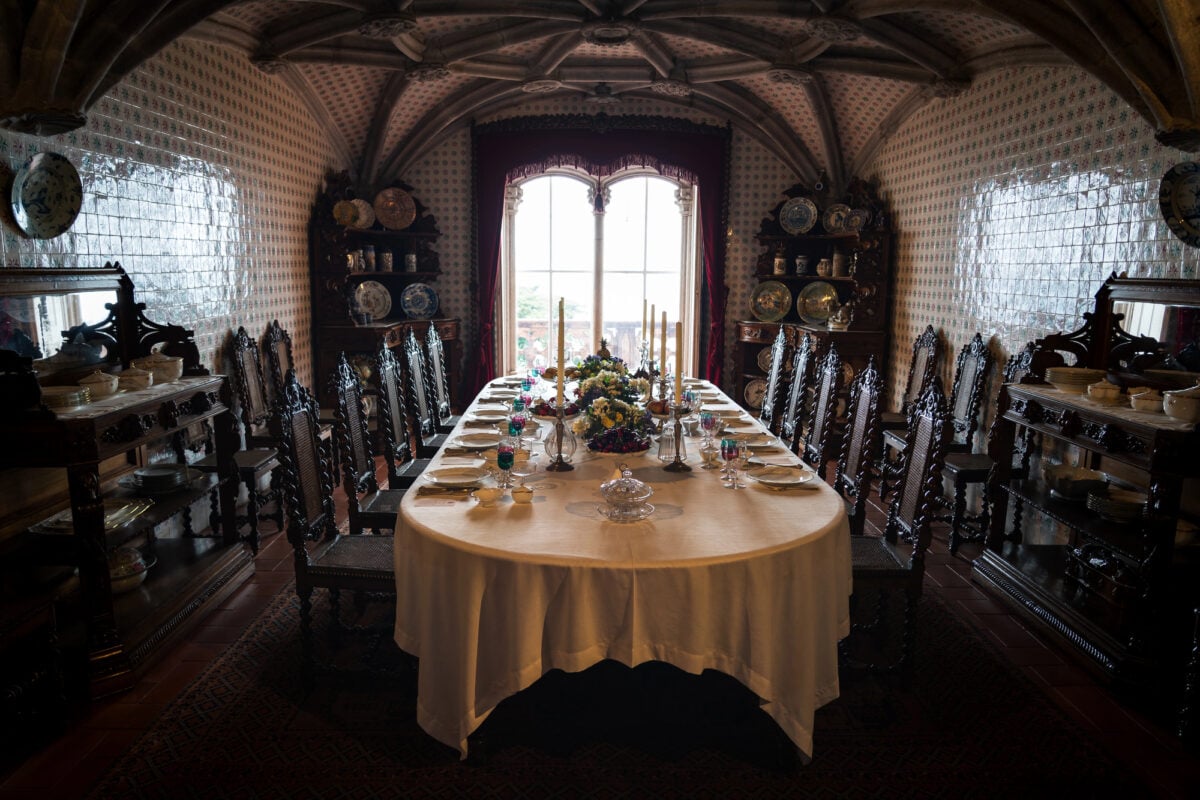
Photographs of formal dinners show elaborately set tables with multiple place settings, multiple courses, and formal servant attendance. The tradition of formal dining represented displays of wealth and status, with the number of courses and elaborateness of presentation conveying social messages.
The tradition persists in specific contexts but has lost its centrality in social life. Modern meals are typically simpler and less formal, reflecting both changed attitudes and practical constraints.
Newsboys and Street Newspaper Sales

Photographs document young children and teenagers selling newspapers on street corners, representing a tradition of street commerce by minors. The newsboy tradition provided income for poor families while maintaining public awareness of current events.
The tradition declined as child labor laws strengthened and as newspaper distribution modernized. The iconic image of the newsboy became nostalgic rather than practical, relegated to historical re-enactments and themed restaurants.
Formal Calling Cards and Social Visits

Photographs and diary entries document the tradition of leaving calling cards during social visits—a formal practice indicating one’s social status and network. The tradition involved specific rules about timing, card design, and calling protocols.
The tradition declined as social interaction became less formal and as telephone communication replaced face-to-face calling. Modern social interaction has largely abandoned the formality and ritualization that characterized earlier calling practices.
Parlor Mourning and Elaborate Funeral Customs
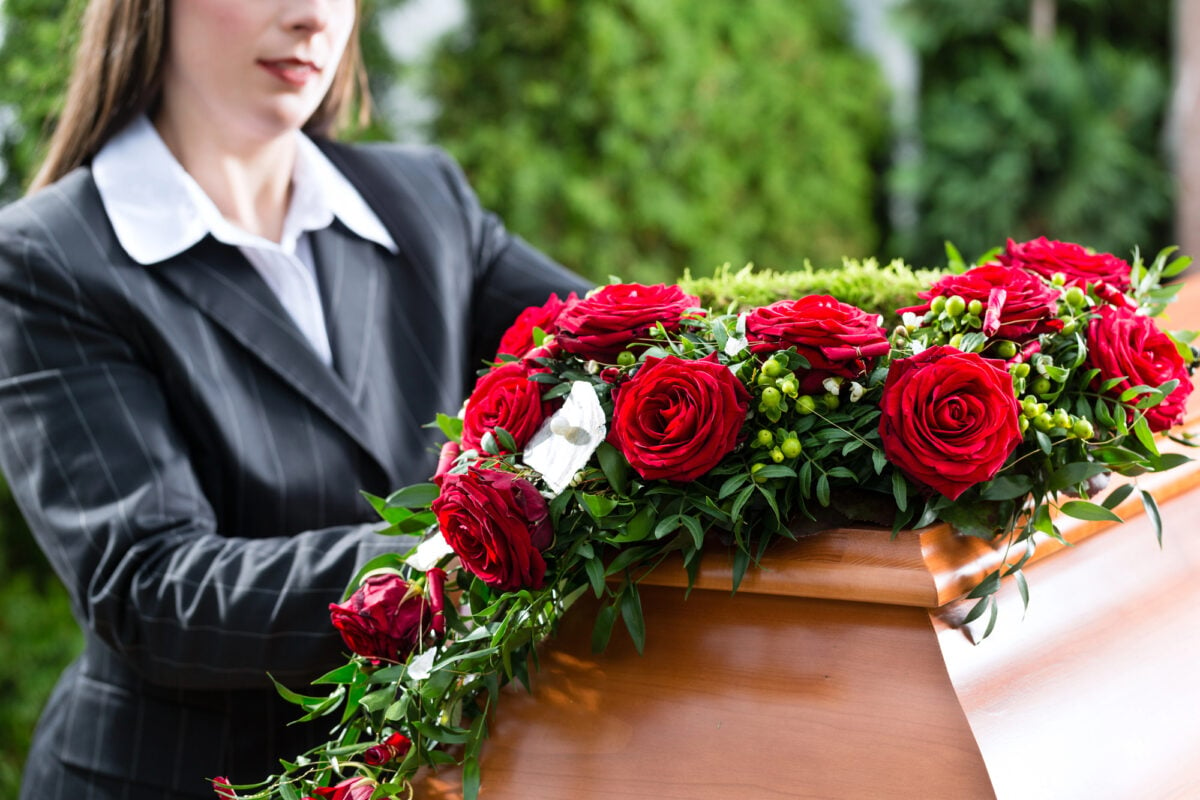
Photographs document Victorian mourning practices involving darkened rooms, specific clothing, and extended isolation periods. The tradition of elaborate mourning customs served to publicly demonstrate grief and respect for the deceased.
The tradition declined gradually through the twentieth century as mourning became less visible and less ritualized. Modern funeral practices tend to be simpler and shorter, reflecting changed attitudes about public grief display.
Whitewall Tires and Elaborate Car Ornamentation
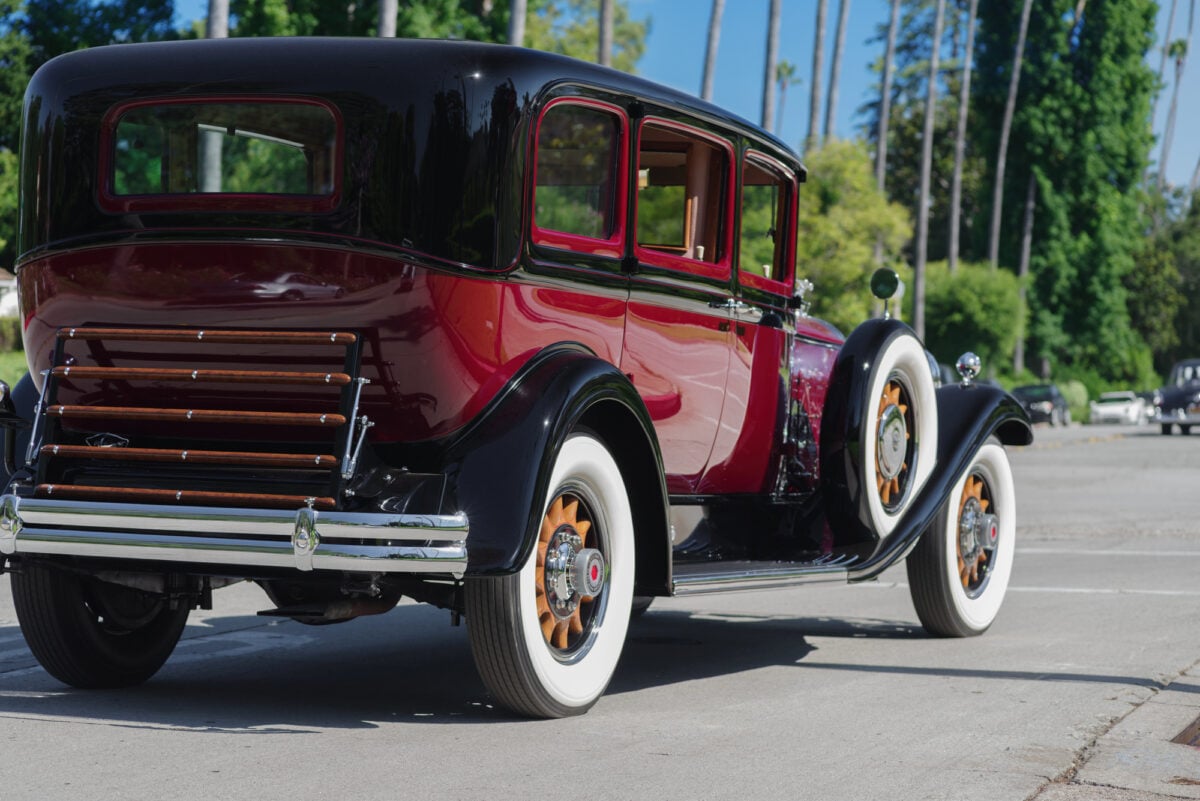
Photographs of mid-twentieth-century automobiles show elaborate ornamentation—hood ornaments, whitewall tires, chrome details, and decorative paint schemes. The tradition of car customization reflected both practical function and aesthetic preference.
The shift toward more streamlined, practical automotive design gradually displaced this ornamentation tradition. Modern car customization persists but operates within narrower parameters than the elaborate ornamentation of earlier eras.
Formal Guest Books and Calling Conventions

Photographs of social events show guests signing elaborate guest books, representing a formal tradition of documenting social participation. The tradition served to create records of who attended events and to commemorate social gatherings.
The tradition has largely persisted only at weddings and formal events, while more casual gatherings no longer incorporate this practice. Digital documentation has partially replaced physical guest books in modern contexts.
Correspondence as Daily Practice

Photographs show individuals surrounded by papers, writing desks, and letter-writing materials, representing a tradition when written correspondence was daily practice for many. The tradition of handwritten letters served crucial communication functions before telephone technology became ubiquitous.
Photographs document elaborate desk arrangements and writing implements, suggesting the centrality of correspondence in social and business life. Modern email and digital communication have largely displaced handwritten correspondence.
Bonfire Gatherings and Community Fire Events
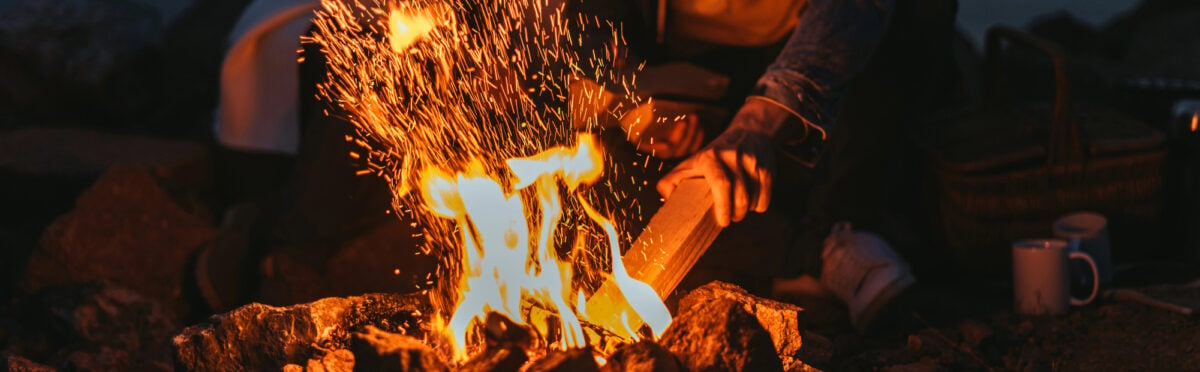
Photographs document community gatherings around bonfires, representing a tradition of fire-centered social events. The tradition reflected both practical needs for heat and light and social functions as community gathering points.
Modern lighting and heating have displaced bonfires for practical purposes, though the tradition persists for recreational campfires and bonfire celebrations. The centrality of fire in social gathering has diminished as alternative technologies have provided practical alternatives.
Formal Introductions and Chaperon Customs

Photographs of social events show formal introduction protocols and the presence of chaperons, representing traditions that regulated courtship and social interaction. The tradition of chaperoned interactions was designed to protect young women’s reputations and family honor.
The tradition declined significantly during the twentieth century as social restrictions on women loosened and as informal interaction became more acceptable. Modern courtship lacks the formality and regulation that characterized earlier practices.
Children Performing Labor as Normal
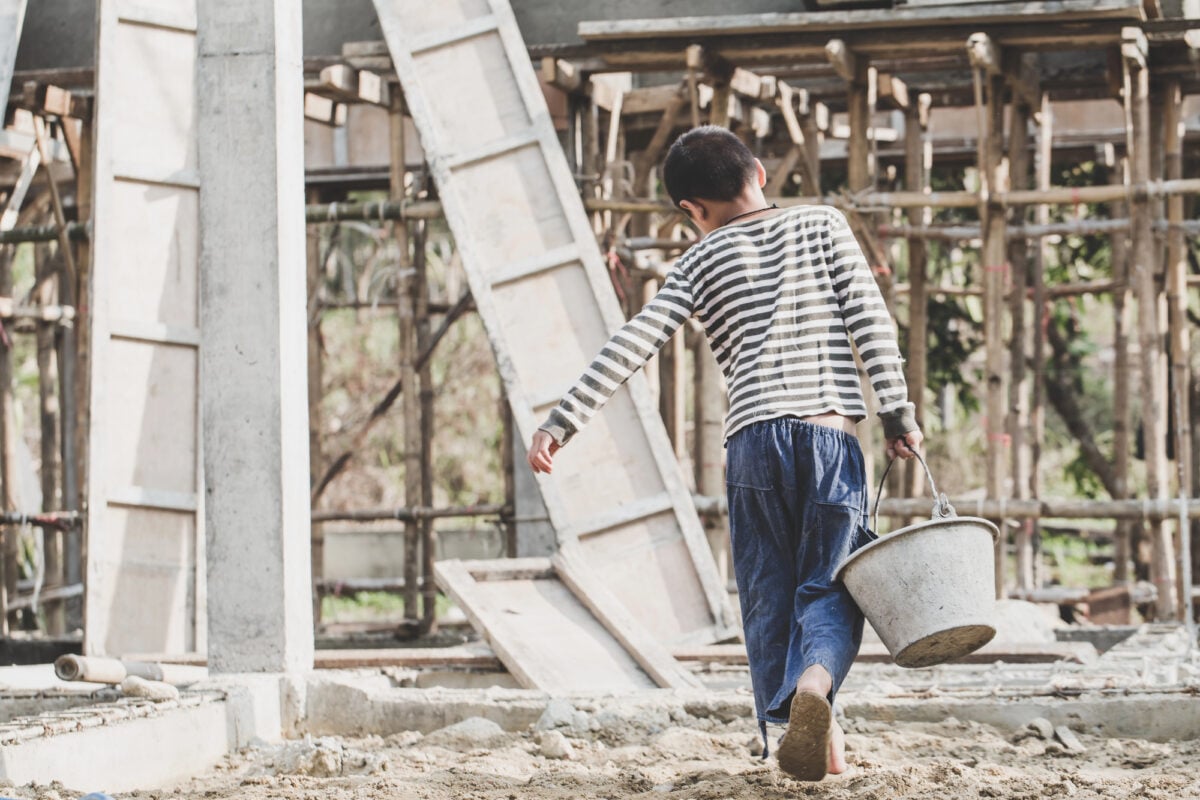
Photographs document children working in factories, mines, fields, and domestic situations, representing a tradition when child labor was routine and expected. The tradition reflected economic necessity and cultural attitudes about childhood that prioritized family income over childhood development.
Child labor laws gradually displaced this tradition, though formal reform lagged behind changing attitudes about childhood. Modern prohibition of child labor represents one of the significant ethical transformations of recent history.
Public Transportation Without Modern Comfort
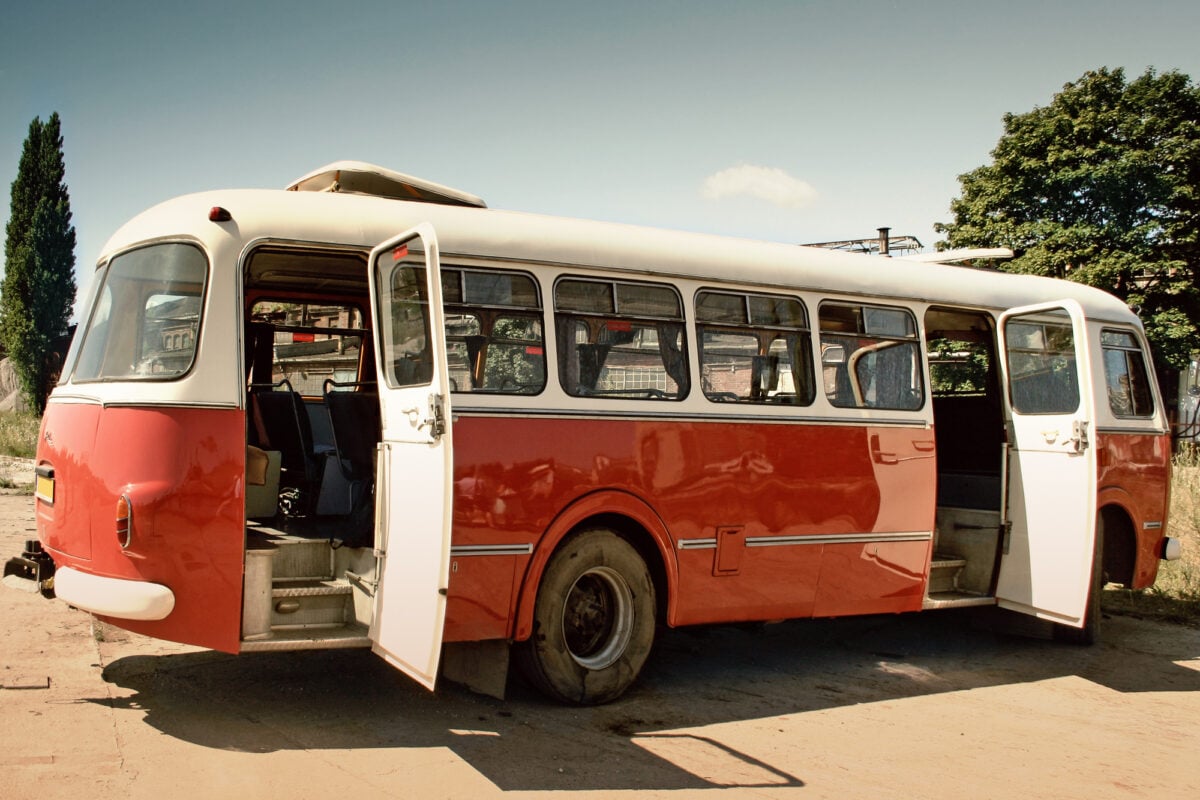
Photographs of early trains, streetcars, and buses show crowded, often uncomfortable transportation that passengers accepted as normal. The tradition of accepting substantial discomfort during travel reflected both practical necessity and different standards for what constituted acceptable conditions.
Modern transportation standards emphasize comfort and efficiency in ways that would have seemed luxurious to earlier travelers. The gradual improvement in transportation comfort reflected both technological advance and changed expectations about what passengers deserved.
Elaborately Decorated Homes for Holiday Celebrations

Photographs of Victorian and Edwardian holiday celebrations show homes decorated with elaborate natural materials—garlands, wreaths, and fresh flowers. The tradition of extensive holiday decoration required significant effort and was performed primarily by household members.
Modern holiday decoration persists but often relies on manufactured decorations rather than natural materials. The commercialization of holiday decoration has transformed the tradition from household labor to consumer practice.
Hand-Laundering and Washing Day Rituals

Photographs document women performing hand-laundry on washing boards and hanging wet clothes to dry on lines. The tradition of hand-laundry represented significant weekly labor, often consuming an entire day.
The tradition declined as washing machine technology became widely available, transforming laundry from daily labor-intensive activity to routine household task. Modern laundry practices bear little resemblance to the extensive labor documented in photographs from the hand-laundry era.
The Photograph as Evidence of Transformation
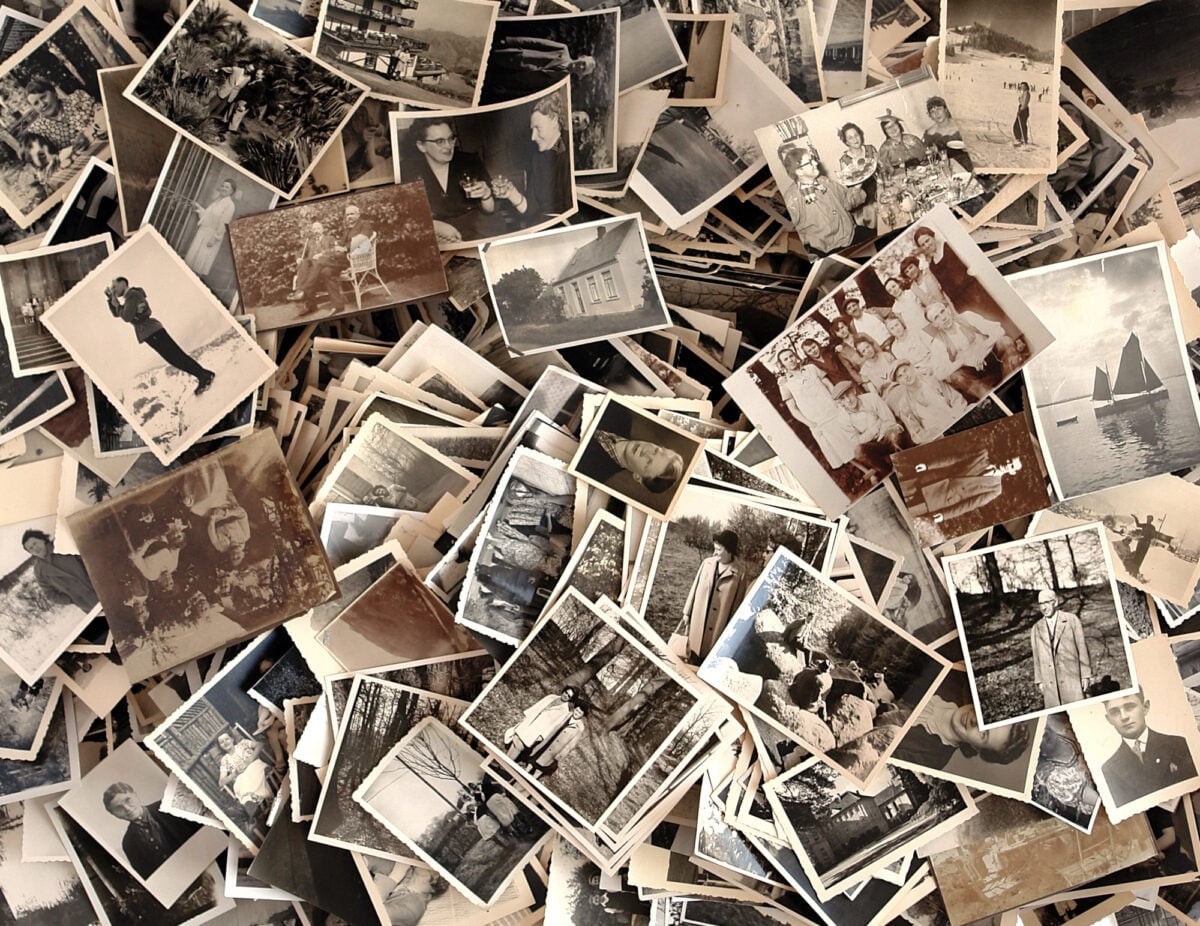
These images collectively demonstrate that nearly every aspect of daily life considered normal in one era becomes unthinkable in the next. The photograph freezes moments when societies were still performing practices they would abandon within decades.
A woman in a corset working in a factory, a child selling newspapers, families gathered around a radio—these images shock modern viewers because they document behaviors and expectations that have completely vanished.
Entire social systems appear in photographs as ordinary and inevitable, yet all have been fundamentally restructured or abandoned. The camera becomes an unintentional witness to both the fragility and the inevitability of social change.
The archive of images from past eras proves that nearly everything considered permanent is ultimately temporary.
More from Go2Tutors!

- The Romanov Crown Jewels and Their Tragic Fate
- 13 Historical Mysteries That Science Still Can’t Solve
- Famous Hoaxes That Fooled the World for Years
- 15 Child Stars with Tragic Adult Lives
- 16 Famous Jewelry Pieces in History
Like Go2Tutors’s content? Follow us on MSN.



