Conservation Lessons On World Pangolin Day
Every year on the third Saturday of February, people around the world turn their attention to one of the planet’s most trafficked mammals. Pangolins look like they wandered out of a fantasy novel—scaly, solitary, and oddly endearing.
But these creatures face a reality that’s anything but fantastical. Their story teaches us hard lessons about wildlife conservation, human behavior, and what happens when we value tradition over survival.
The Scale of the Problem

Pangolins wear armor made of keratin—the same material in your fingernails. Those scales make them look tough, but they’ve become the reason these animals can’t catch a break.
When threatened, a pangolin rolls into a tight orb. This defense works against predators in the wild.
Against poachers, it just makes them easier to pick up and carry away. Eight species of pangolins exist across Asia and Africa.
All eight are in trouble. Some face extinction within our lifetimes if current trends continue.
The numbers tell a grim story: over a million pangolins have been taken from the wild in the past decade. That makes them the most trafficked mammal on Earth.
Understanding the Trade Networks

The illegal wildlife trade operates like any other criminal enterprise—it follows money. Pangolin scales fetch high prices in certain markets where people believe they have medicinal properties.
The meat is considered a delicacy in some regions. Neither use has any basis in science, but demand persists.
Traffickers move pangolins across continents, from Africa to Asia, using sophisticated smuggling routes. They hide them in shipping containers, luggage, and vehicles.
When authorities crack down in one area, the trade shifts to another. This adaptability makes enforcement incredibly difficult.
Habitat Loss Changes Everything

Even if poaching stopped tomorrow, pangolins would still face a major problem: they’re losing the places they live. Forests get cleared for agriculture, logging, and development.
Grasslands turn into farmland. The insects that pangolins eat—ants and termites—need specific conditions to thrive.
When those conditions disappear, so does the pangolin’s food source. You can’t protect an animal without protecting its home.
This lesson applies across conservation efforts, but it hits particularly hard with pangolins. These animals have specific habitat needs.
They can’t just adapt to any environment you offer them.
Community Involvement Makes or Breaks Success

Conservation programs that ignore local communities tend to fail. People who live near pangolin habitats need reasons to protect these animals rather than profit from their capture.
Some programs offer financial incentives for reporting poachers. Others create ecotourism opportunities that bring in steady income.
In parts of Africa, villages have established pangolin monitoring networks. Local residents receive training and compensation for tracking populations and alerting authorities to suspicious activity.
This approach works because it aligns conservation goals with community interests.
Technology Fills Gaps That Humans Can’t

Tracking pangolins in the wild presents unique challenges. These animals are nocturnal, secretive, and spend much of their time underground or in tree hollows.
Camera traps help, but they only capture moments when an animal crosses a specific spot. Scientists have started using GPS collars on rehabilitated pangolins before release.
The data reveals movement patterns, preferred habitats, and survival rates. Drones equipped with thermal imaging can spot pangolins in dense vegetation.
These tools don’t replace boots-on-the-ground conservation work, but they make that work more effective.
Education Shifts Cultural Practices

Changing deeply held beliefs about medicinal properties or status symbols takes time. In some Asian countries, consuming pangolin meat signals wealth and prestige.
Traditional medicine practitioners prescribe pangolin scales despite zero scientific evidence of their efficacy. Education campaigns target multiple audiences: consumers, traditional healers, and the general public.
When people understand that pangolin scales are just keratin—no more medicinal than chewing your own fingernails—demand starts to drop. When wealthy individuals face social pressure for consuming endangered species, behavior changes.
Slowly, but it changes.
Legal Frameworks Need Teeth

Pangolins gained the highest level of international trade protection in 2016 when all eight species were listed in CITES Appendix I. This means international commercial trade in pangolins is banned.
On paper, that sounds definitive. In practice, enforcement varies wildly between countries. Strong laws mean nothing without prosecution.
Some nations have increased penalties for pangolin trafficking to match those for drug smuggling. Others barely enforce existing regulations.
The lesson here applies beyond pangolins: conservation law requires consistent, serious enforcement to matter.
Rehabilitation Centers Offer Second Chances
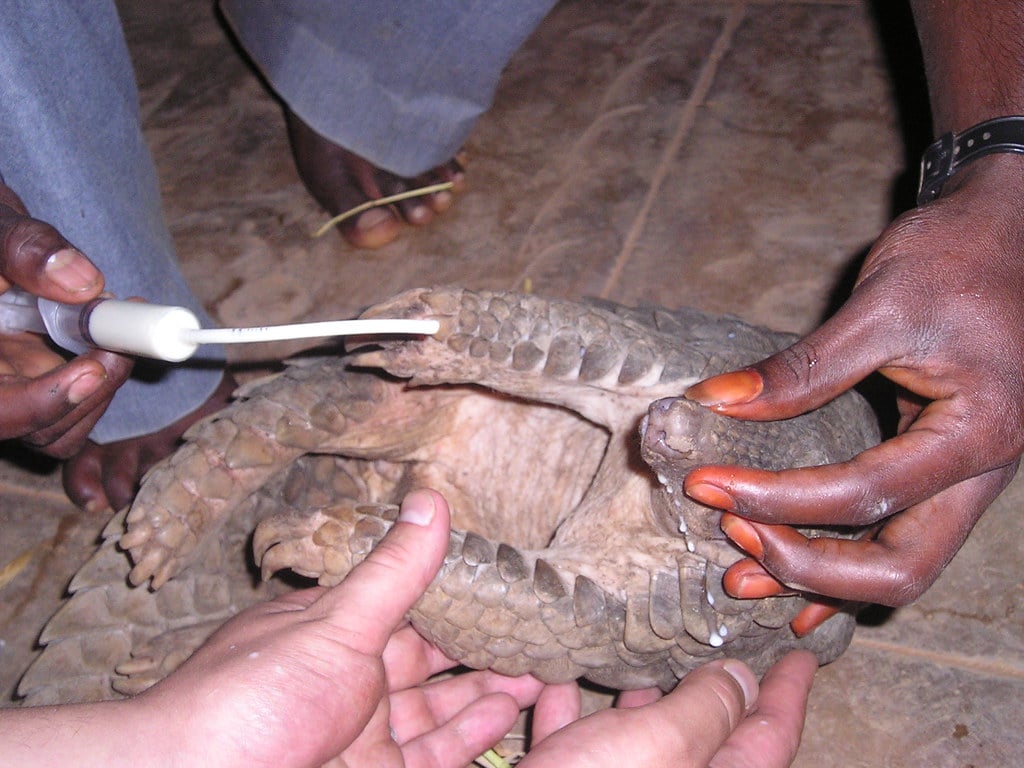
Rescued pangolins often arrive at wildlife centers in terrible condition—dehydrated, stressed, sometimes injured. These animals have specialized dietary needs that make them notoriously difficult to care for in captivity.
They eat specific types of ants and termites, consuming massive quantities daily. Successful rehabilitation centers have learned through trial and error.
They create artificial termite mounds. They supplement diets carefully.
They minimize human contact to preserve the pangolin’s natural wariness. The goal isn’t to create pets—it’s to return healthy animals to protected habitats.
Some pangolins can’t be released. They’re too injured or too habituated to human care.
These individuals become ambassadors, helping researchers understand pangolin biology and behavior in ways that wild observation can’t provide.
Cross-Border Cooperation Matters

Pangolins don’t recognize political boundaries. Neither do the criminal networks that trade them.
Effective conservation requires countries to work together, sharing intelligence, coordinating enforcement, and standardizing penalties. When African nations collaborate with Asian countries on anti-trafficking operations, they disrupt supply chains at multiple points.
Joint task forces have seized shipments and arrested members of trafficking rings operating across continents. This cooperation took years to build and requires ongoing diplomatic effort.
Reducing Demand at the Source

Supply-side enforcement alone won’t save pangolins. As long as people want to buy pangolin products, someone will find a way to supply them.
Demand reduction campaigns address the root cause. These campaigns use celebrities, social media, and public awareness events to shift perceptions.
In Vietnam, for example, high-profile figures have publicly pledged to reject pangolin consumption. Young people, particularly in urban areas, increasingly view wildlife consumption as outdated and harmful rather than prestigious.
The effectiveness of demand reduction takes years to measure, but early indicators look promising. Surveys in key markets show declining interest in pangolin products among younger generations.
Traditional Medicine Can Evolve

Many traditional medicine systems existed for centuries before modern science emerged. Practitioners developed genuine expertise in using plants and other materials for healing.
The challenge comes when those systems cling to ingredients that threaten species with extinction. Progressive traditional medicine practitioners have started advocating for alternatives to pangolin scales.
They point out that historical texts often listed multiple options for achieving similar therapeutic goals. Some have embraced the idea that traditional medicine can honor its heritage while adapting to modern conservation realities.
This shift won’t happen overnight, and it won’t happen everywhere. But the conversation has started, and that matters.
Small Victories Add Up

In 2020, China removed pangolin scales from its official list of approved traditional medicine ingredients. In 2019, Singapore increased maximum penalties for pangolin trafficking to one million dollars and two years in prison.
Several African countries have strengthened anti-poaching patrols in key pangolin habitats. These victories seem small against the scale of the crisis.
But conservation rarely moves in dramatic leaps. It advances through accumulated small wins—each policy change, each successful prosecution, each hectare of protected habitat.
Individual Actions Have Ripples

Pangolins might never cross your path – unless you’re near their home or involved in protecting nature. Still, what you do has weight.
Traveling? Pick guides who back real conservation work.
Skip buying anything made from wild animals. Stand behind groups focused on saving pangolins.
What really matters might be how you share what you know. Not many folks are familiar with pangolins.
Talking about them – and the dangers they’re up against – pulls more people into that conversation. Change often starts when enough voices speak up, not just experts.
Survival Ahead

Not one path will save pangolins. Saving them means guarding forests while stopping illegal trade at the same time.
Crackdowns on smuggling matter just as much as shrinking consumer desire. Local people must be part of the process instead of left out.
Injured animals need care so they can return to the wild. Scientists keep learning more, which shapes what comes next.
Survival past the 100-year mark depends less on nature and more on human choice. Worthless to many, yet prized by others for harmful motives – this is where pangolins stand.
Still, a quiet shift has started; faces light up when their name comes up. Mention them in conversation, watch interest grow almost instantly.
Pangolins have a day because voices for them are rare. When any creature vanishes, it takes more than itself – it carries away secrets no lab can rebuild.
Gone too is the quiet work it did among roots and soil. A gap forms, unseen but real, where life once moved without notice.
Pangolins teach more than just their own survival story. What unfolds reveals tangled problems in today’s wildlife efforts – patchwork fixes fall short.
Still, one truth stands clear: guarding species means showing up long after the spotlight fades.
More from Go2Tutors!

- The Romanov Crown Jewels and Their Tragic Fate
- 13 Historical Mysteries That Science Still Can’t Solve
- Famous Hoaxes That Fooled the World for Years
- 15 Child Stars with Tragic Adult Lives
- 16 Famous Jewelry Pieces in History
Like Go2Tutors’s content? Follow us on MSN.