15 Universities That Started as Trade Schools
College wasn’t always about books and theory. Many of today’s big-name universities started as basic training schools where students learned real jobs and useful skills.
These schools focused on hands-on work, getting people ready for jobs in America’s growing factories and businesses in the 1800s and early 1900s. The change from trade school to university shows how America’s schools had to change with the times.
Here is a list of 16 universities that started as trade schools before becoming the big schools we know today.
Massachusetts Institute of Technology
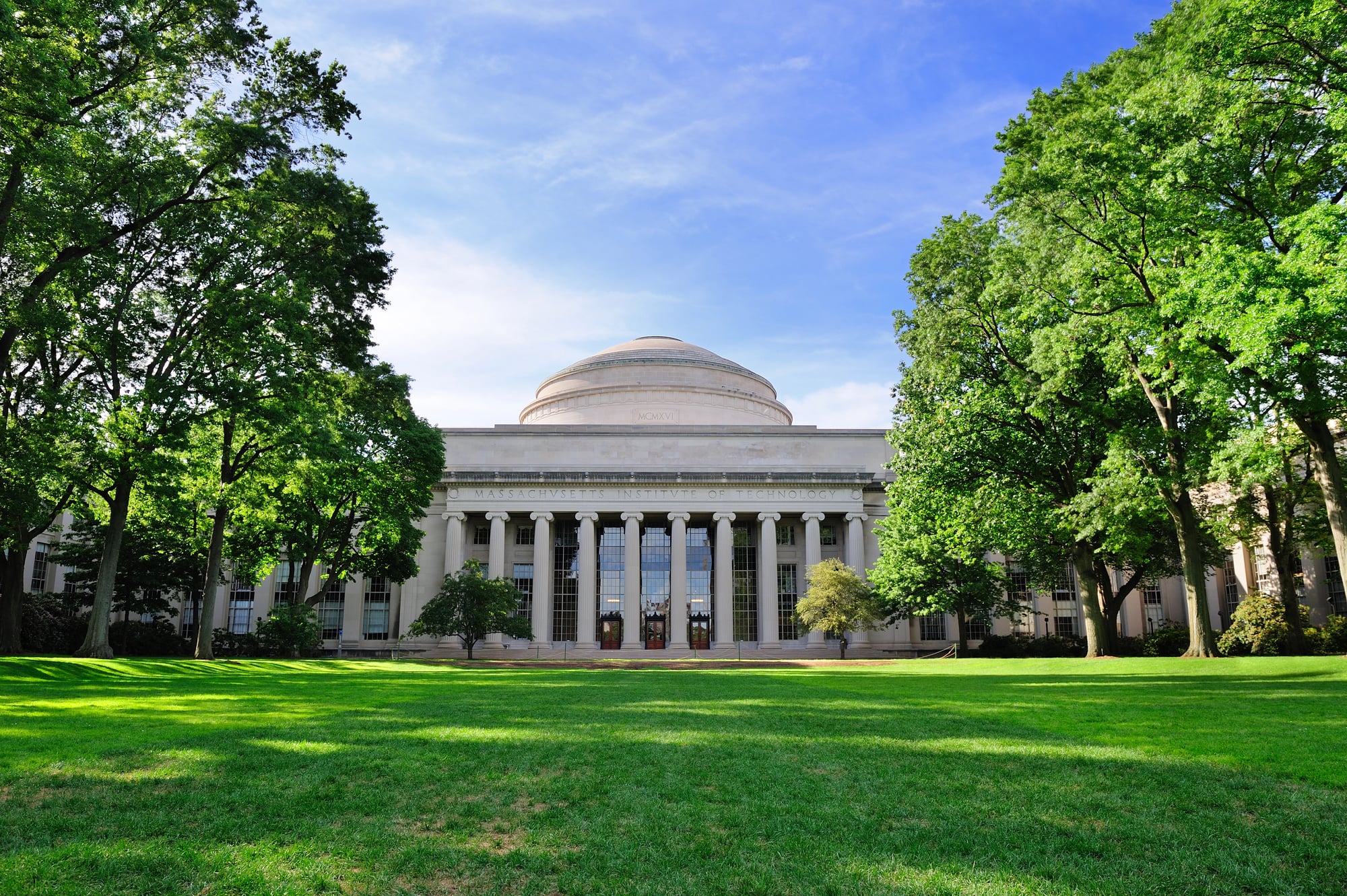
MIT opened in 1861 as a school for real-world job training instead of old-school classical studies. William Barton Rogers started it because he wanted to train engineers and scientists for America’s growing factories and industries.
The school focused on lab work and hands-on learning instead of just sitting in lectures, which was pretty new back then.
Carnegie Mellon University
Andrew Carnegie started the Carnegie Technical Schools in 1900 to give working-class students useful job training. The school taught engineering, fine arts, and home skills that Pittsburgh’s factory workers needed.
Carnegie thought education should help people find jobs right away, not just fill their heads with random facts.
Georgia Institute of Technology
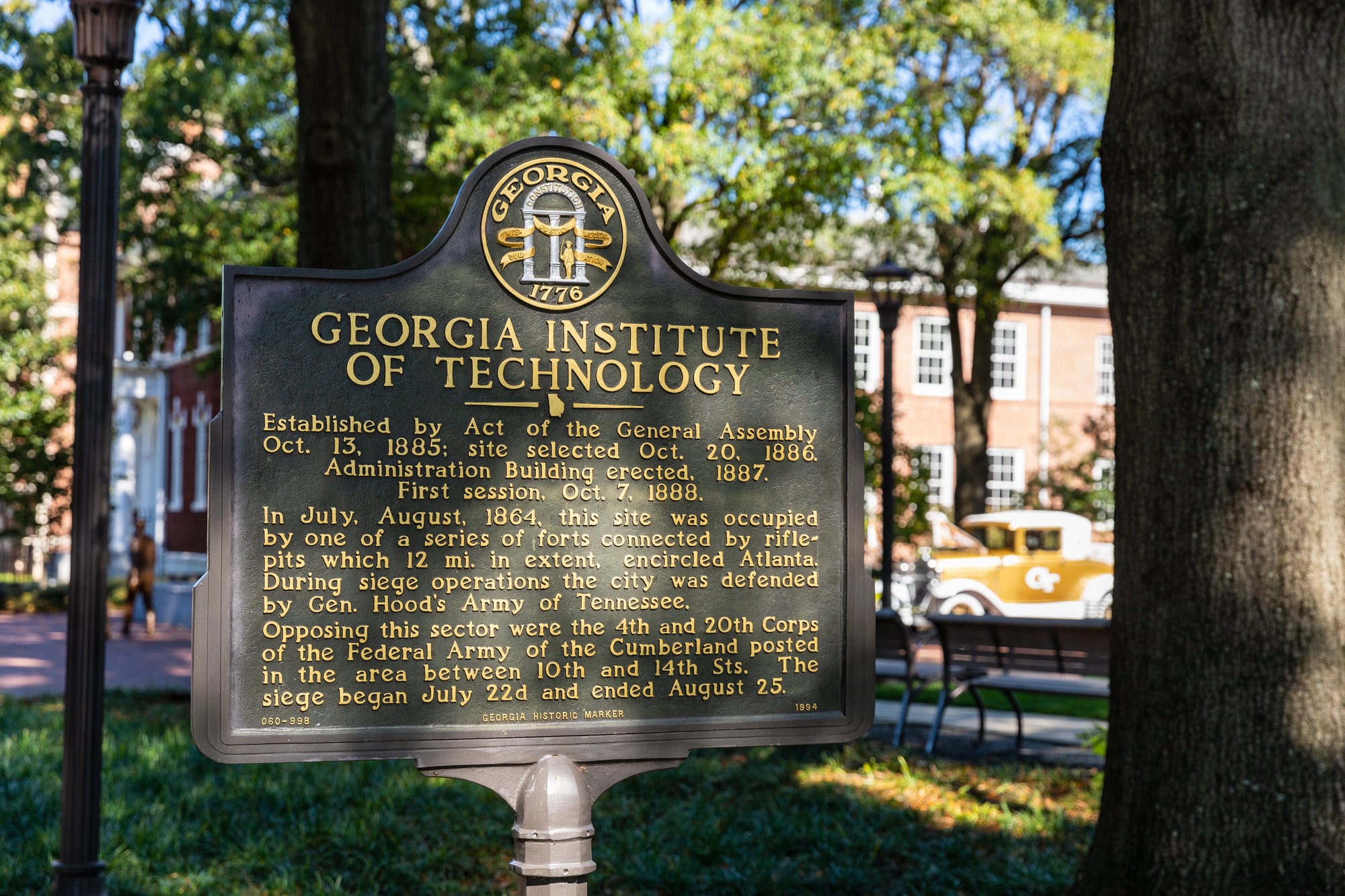
Georgia Tech began in 1885 as the Georgia School of Technology to help the South get back on its feet after the Civil War. The school taught mechanical engineering and textile work, two big industries that Georgia needed.
Students spent lots of time in workshops and factories, learning real work alongside their studies.
Case Western Reserve University
The Case School of Applied Science opened in 1881, paid for by Leonard Case Jr. to teach useful science skills. The school focused on chemistry, engineering, and applied sciences instead of classical subjects like Latin and philosophy.
Students worked a lot in labs and workshops, getting ready for jobs in Cleveland’s growing factories.
Worcester Polytechnic Institute
WPI started in 1865 as one of America’s first tech schools, focusing on useful engineering education over pure science. The founders wanted an alternative to regular colleges, teaching skills that would help manufacturing and industry.
Students spent half their time in classrooms and half in workshops, learning to solve real problems.
Rensselaer Polytechnic Institute
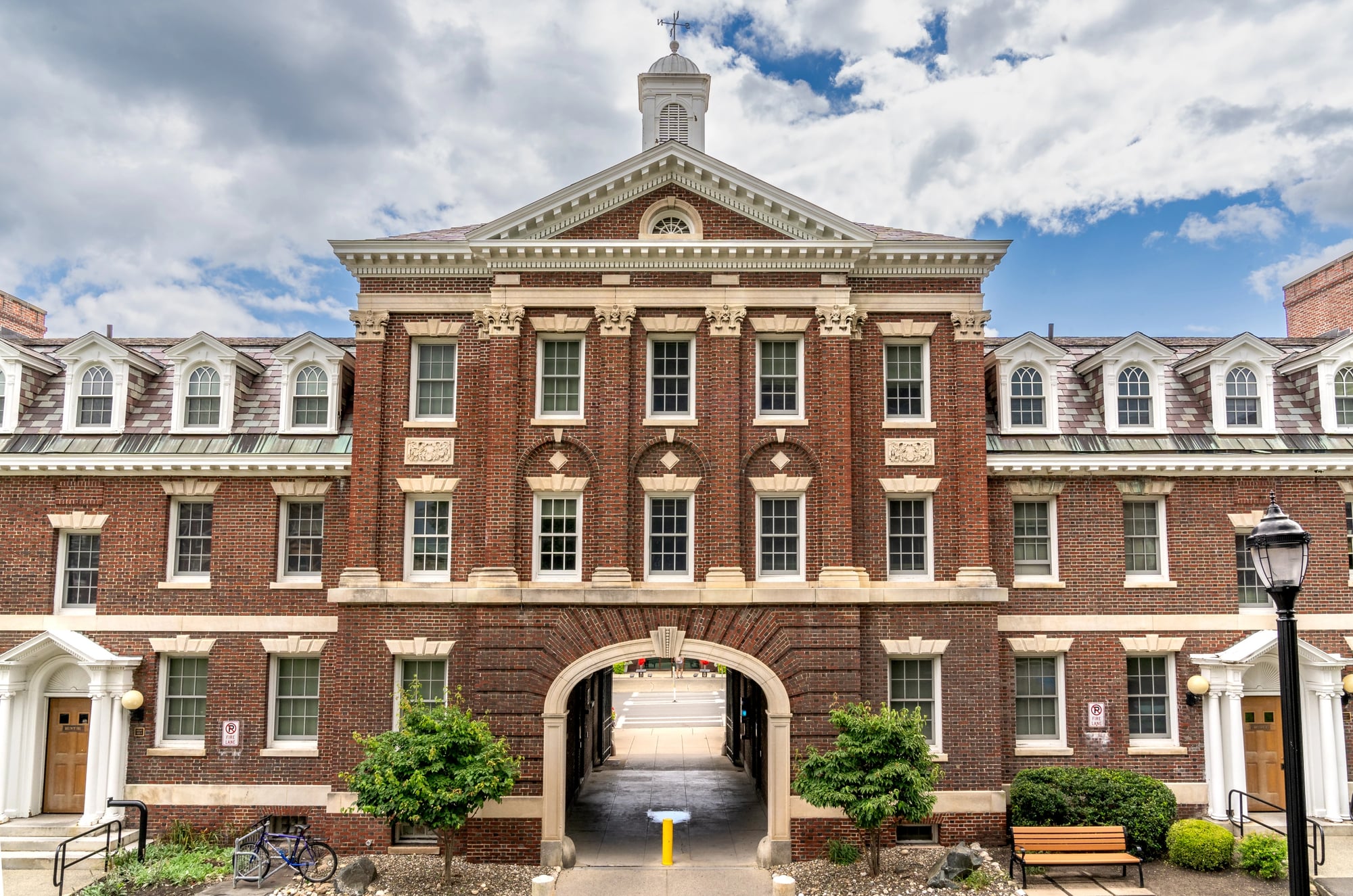
Founded in 1824, RPI was set up to teach students how to use science and technology in real life instead of just studying theory. Stephen van Rensselaer created the school to train teachers and workers who could apply science to everyday problems.
Students learned surveying, civil engineering, and practical math.
Rochester Institute of Technology
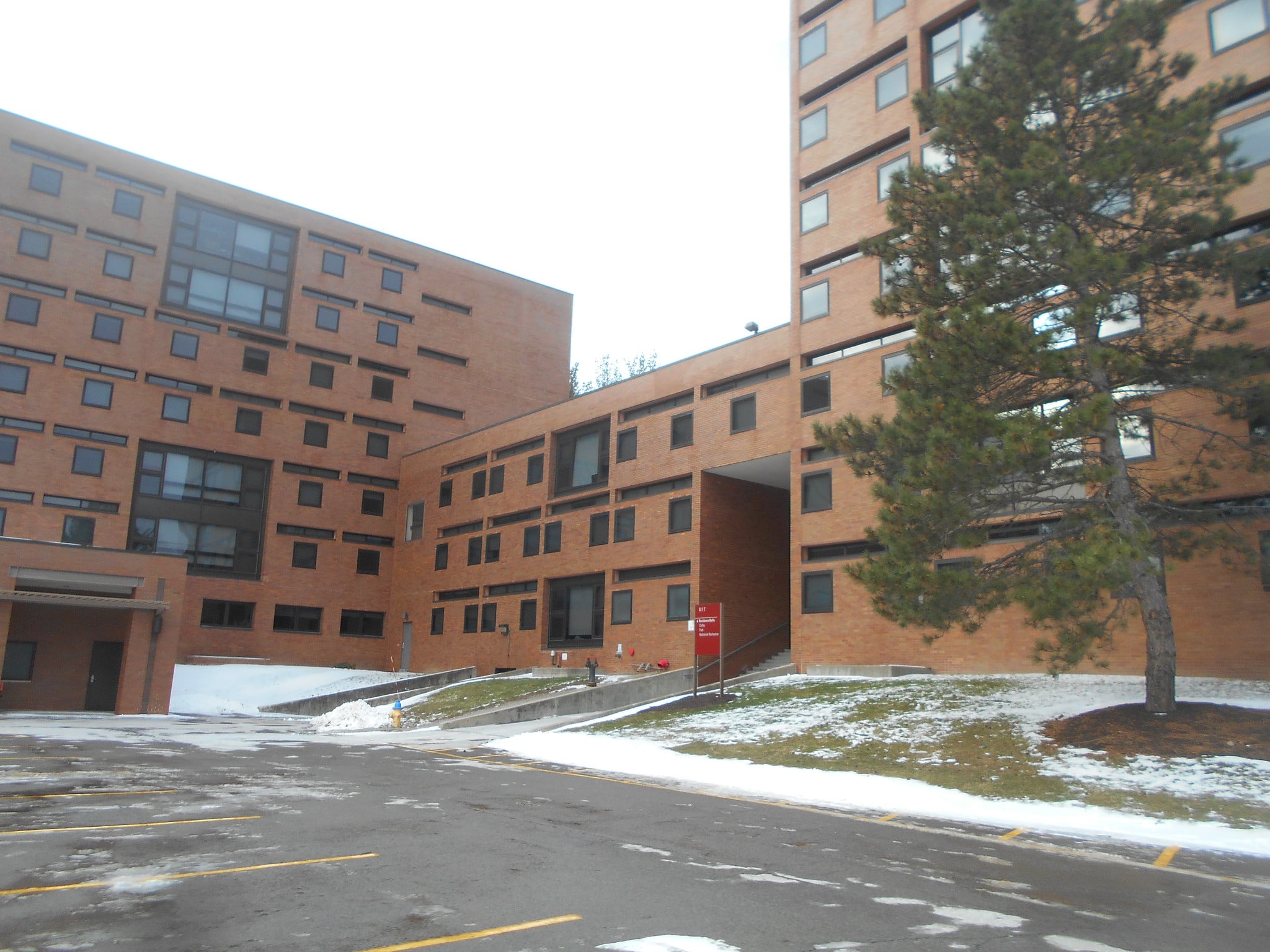
RIT began in 1829 as the Rochester Athenaeum, a school for practical arts and applied sciences. It joined with the Mechanics Institute in 1891, creating a complete technical training center.
Students learned trades like printing, photography, and mechanical work through hands-on training and apprenticeships.
Drexel University
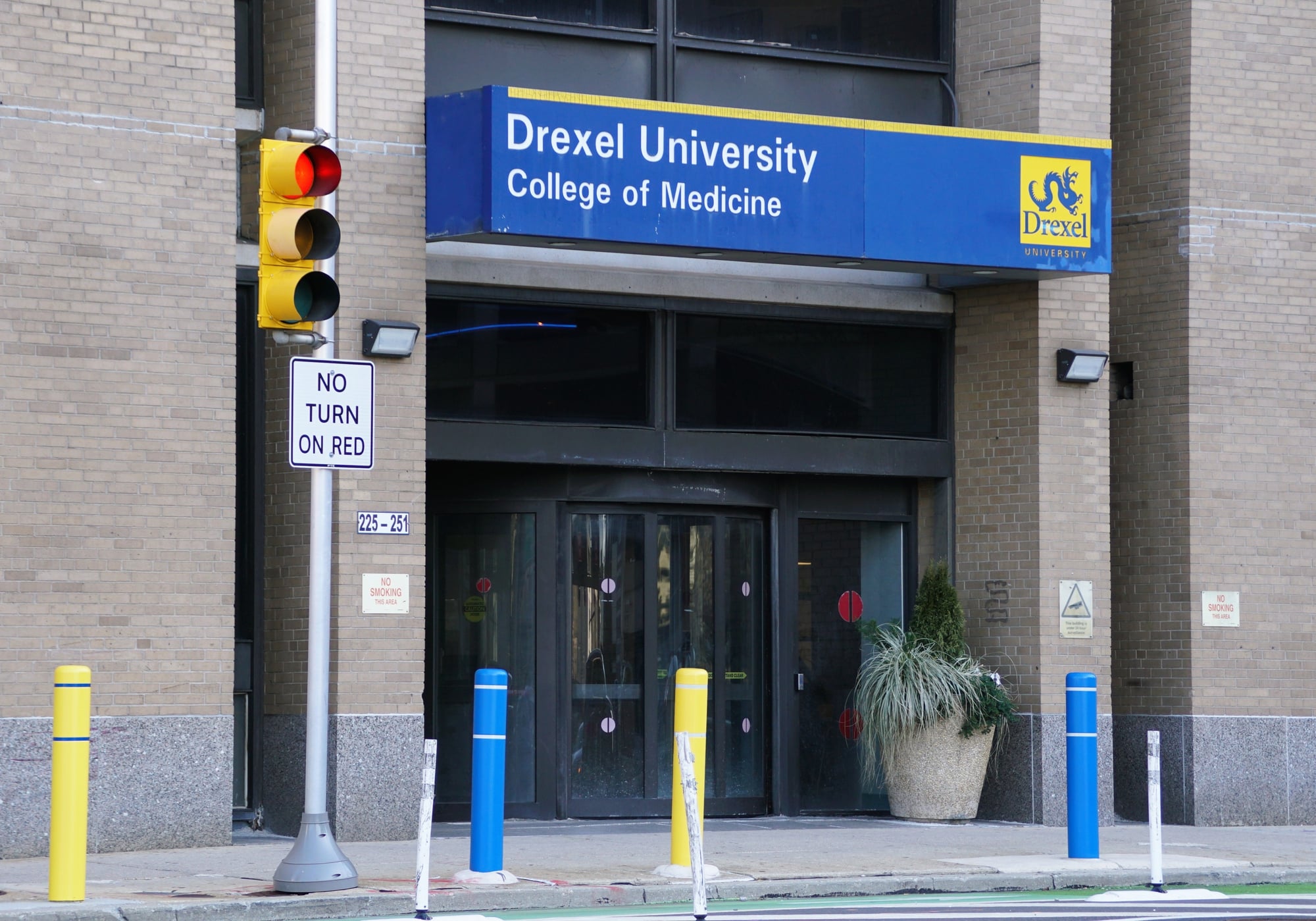
Anthony Drexel started the Drexel Institute of Art, Science and Industry in 1891 to give Philadelphia’s working class useful education. The school offered engineering, home arts, and business programs that led straight to jobs.
Students spent lots of time in workshops and labs, learning by doing instead of just studying books.
Illinois Institute of Technology

IIT formed in 1940 when Armour Institute and Lewis Institute merged, both started as technical schools in the 1890s. Armour Institute focused on engineering and applied sciences, while Lewis Institute taught practical arts and technical training.
Both schools served Chicago’s factory workers, providing education that led straight to jobs.
University of Cincinnati
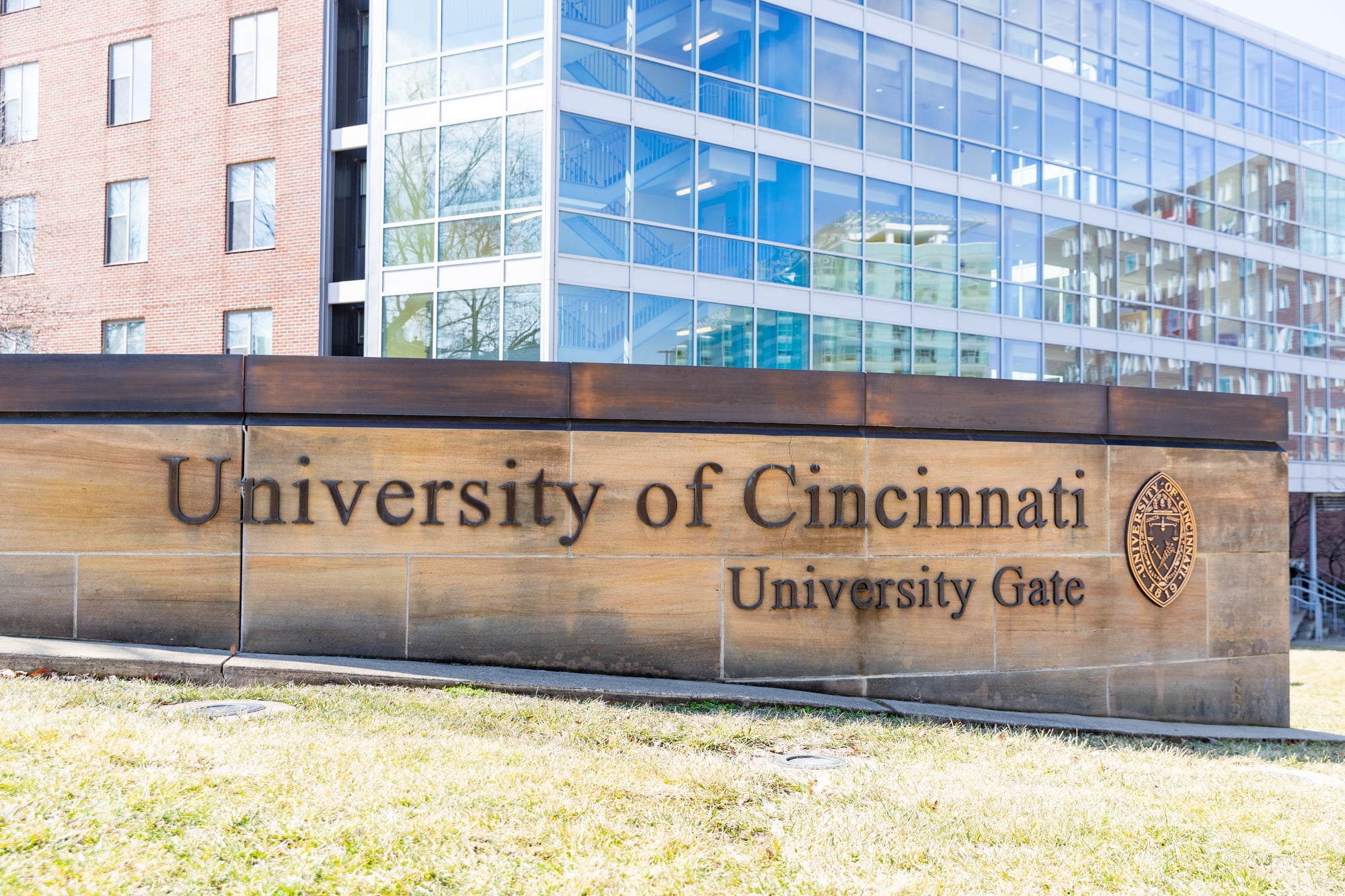
The University of Cincinnati’s engineering school began as the Ohio Mechanics Institute in 1828. This school focused on practical training for craftsmen and mechanics, offering evening classes for working adults.
The institute focused on hands-on learning and direct use of mechanical ideas to real-world problems.
Purdue University
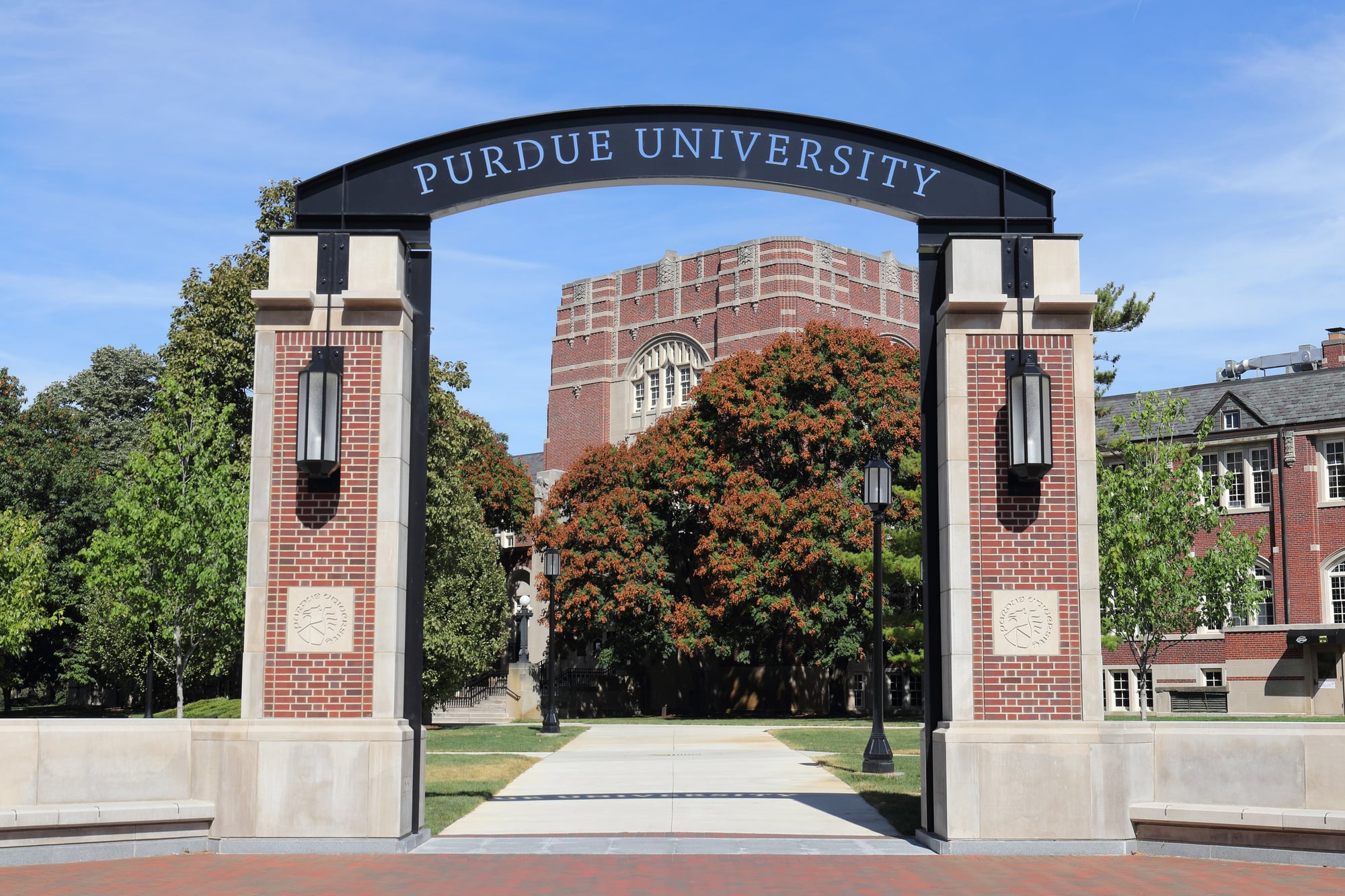
While Purdue began as a land-grant school in 1869, it quickly focused on practical and applied education. The university emphasized agriculture, engineering, and industrial arts instead of classical subjects.
Students learned through lab work, field experience, and direct use of science principles to farming and manufacturing.
Virginia Tech
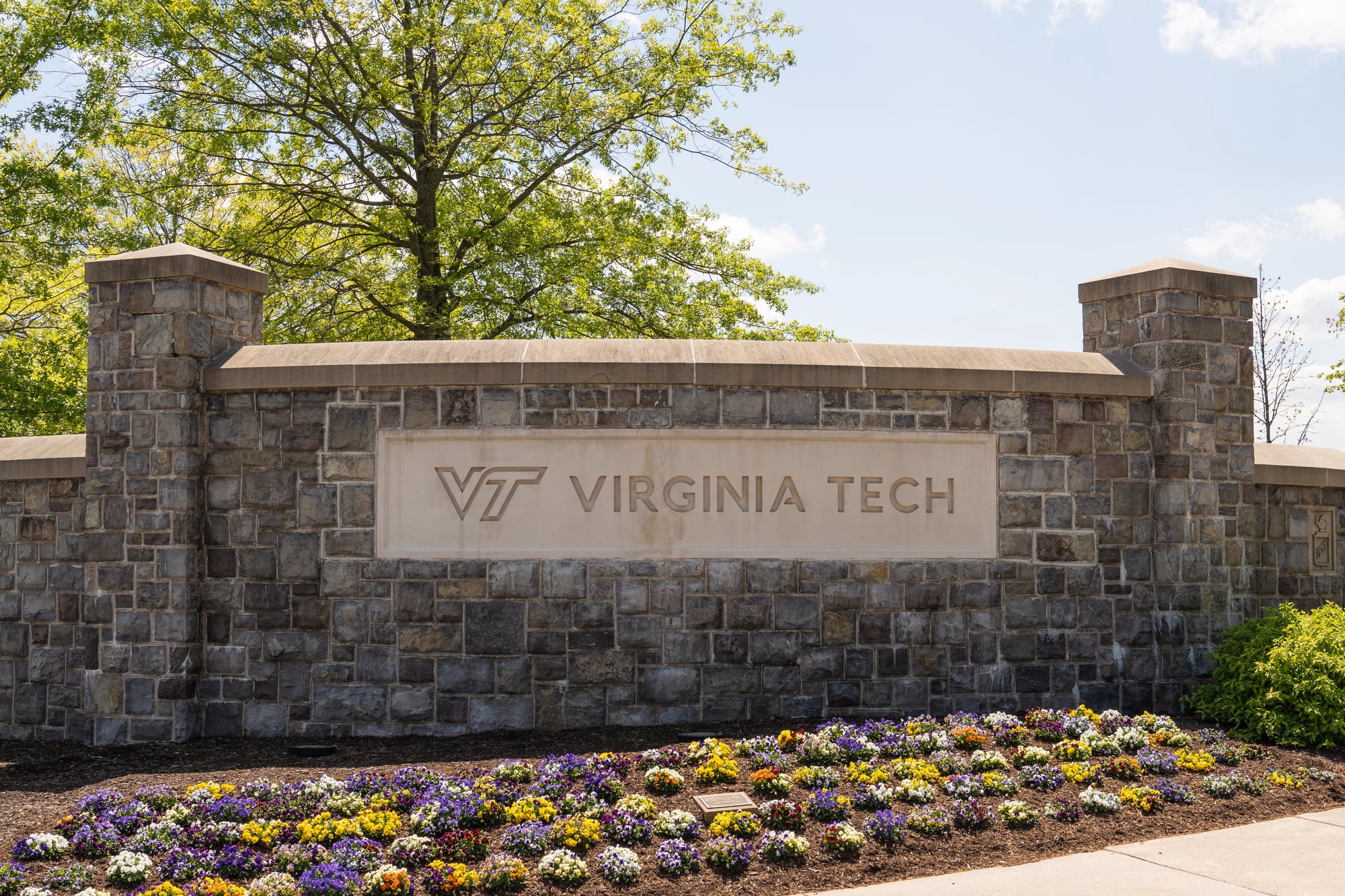
Virginia Polytechnic Institute began in 1872 as a land-grant school focused on agriculture and mechanical arts. The school served Virginia’s rural population, providing practical training in farming techniques, engineering, and applied sciences.
Students worked on the campus farm and in mechanical shops, learning skills they could use right away.
Texas A&M University
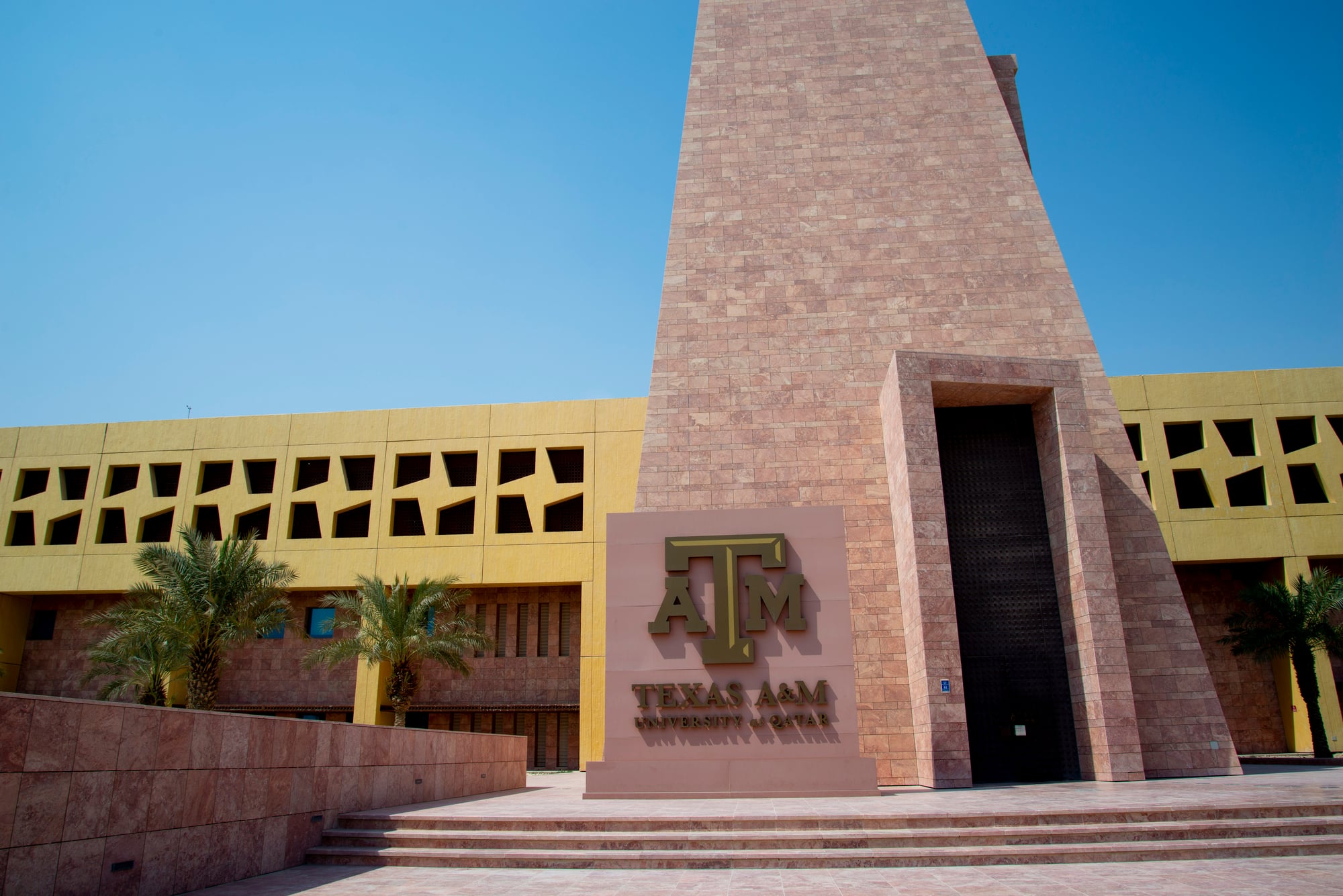
Founded in 1876 as the Agricultural and Mechanical College of Texas, this school focused completely on practical education for the state’s agricultural and industrial needs. Students learned farming techniques, mechanical skills, and applied sciences through direct experience instead of just theory.
The college required all students to do manual labor as part of their education.
Iowa State University
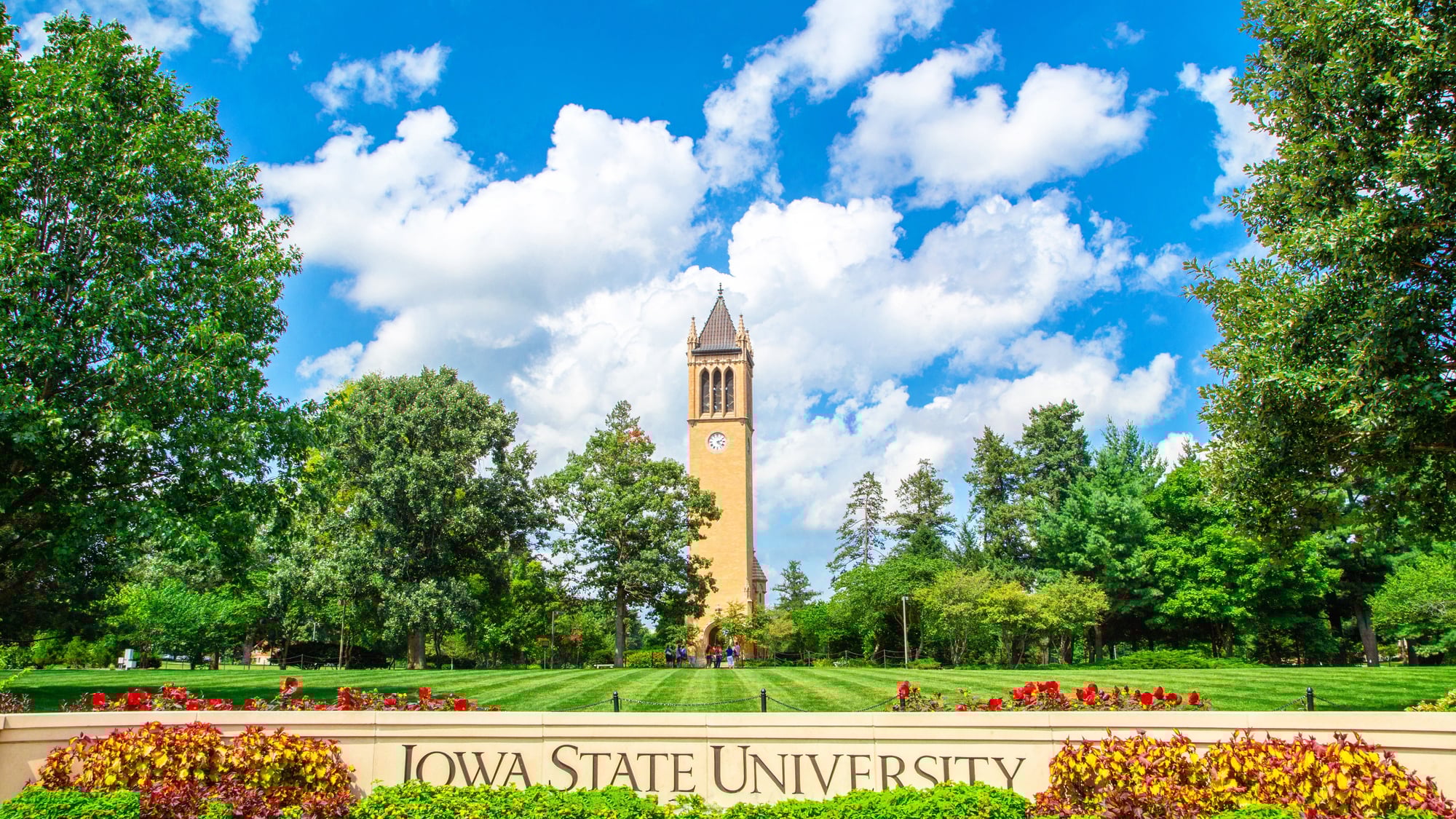
Iowa State began in 1858 as the Iowa Agricultural College and Model Farm, created specifically to provide practical agricultural education. The school focused on scientific farming methods, veterinary science, and domestic arts, serving Iowa’s mostly agricultural population.
Students worked on the campus farm and learned through direct use of science principles to agricultural problems.
Colorado School of Mines
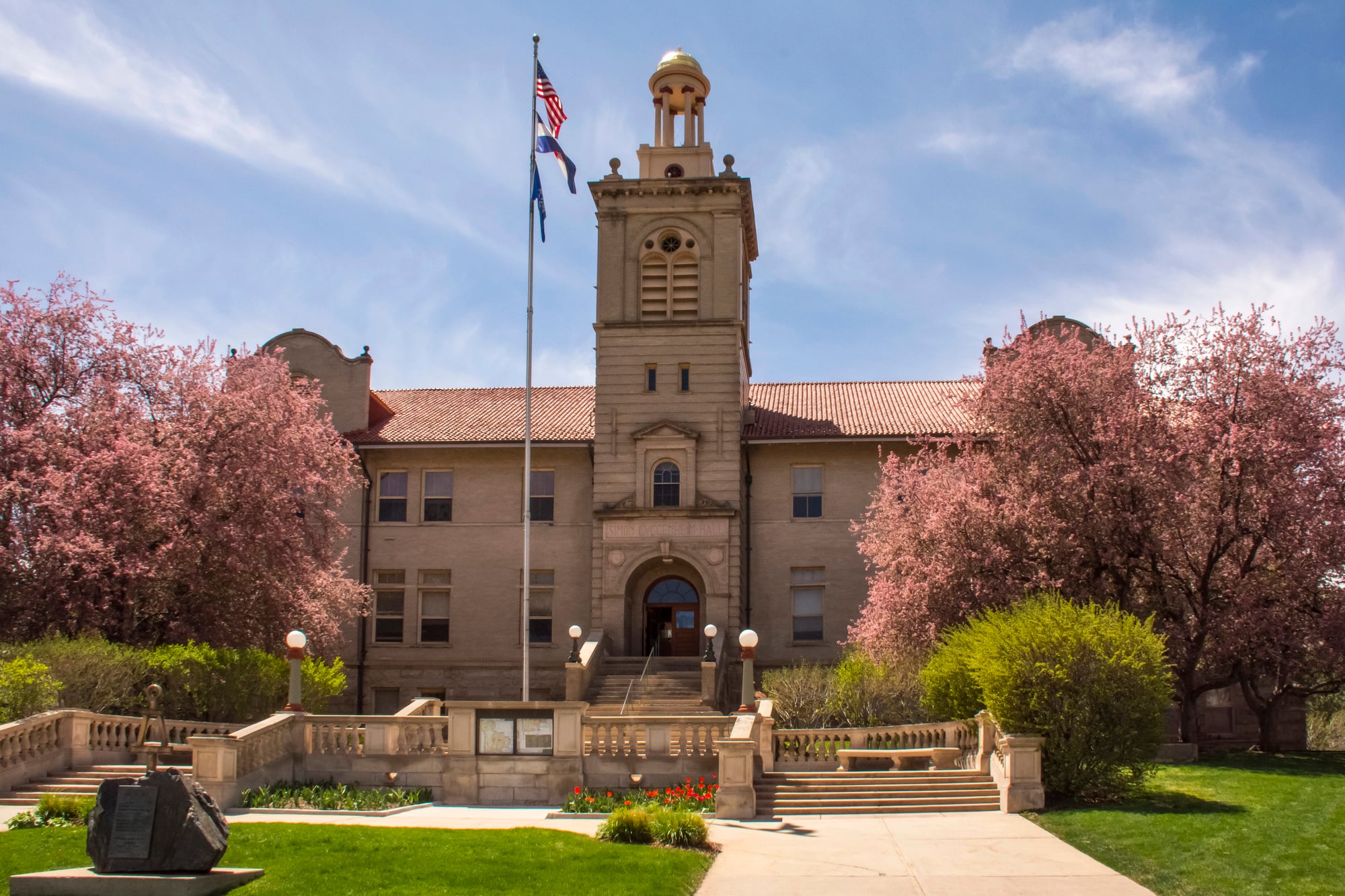
Founded in 1874, the Colorado School of Mines began as a specialized school focused on mining engineering and geology. The school served Colorado’s booming mining industry, providing practical training in extraction techniques, geology, and metallurgy.
Students learned through field work in actual mines and hands-on lab experience with mining equipment.
From Workshop Training to Major Universities

These schools show how American colleges had to change to meet the nation’s job needs. What started as practical training centers grew into complete universities without losing their focus on applied learning and industry partnerships.
Their success shows that the best education mixes book knowledge with practical experience.
More from Go2Tutors!

- The Romanov Crown Jewels and Their Tragic Fate
- 13 Historical Mysteries That Science Still Can’t Solve
- Famous Hoaxes That Fooled the World for Years
- 15 Child Stars with Tragic Adult Lives
- 16 Famous Jewelry Pieces in History
Like Go2Tutors’s content? Follow us on MSN.