25 Records in Basements That Collectors Still Buy
Vinyl records disappeared from most households when CDs arrived in the 1980s, and parents donated decades-old collections to thrift stores for tax deductions. Few people realized they were throwing away potential fortunes.
The resurgence of vinyl over the past decade transformed dusty basement boxes into legitimate treasure hunts, where the difference between a worthless common pressing and a five-figure rare edition often comes down to label color, pressing plant notation, or whether a cover was withdrawn from circulation. Most vinyl records have no significant value, but early pressings, limited runs, withdrawn covers, and small printing differences can transform ordinary albums into something worth serious money.
A basement collection inherited from music-loving parents becomes particularly valuable if those parents purchased records when they were first released. Limited pressings from the 1960s and 1970s are worth substantially more than their reissued counterparts from decades later.
Condition matters enormously—pristine records in original sleeves with minimal surface noise command premiums over played copies, even when the recordings are identical.
The Beatles’ “Please Please Me” (1963)
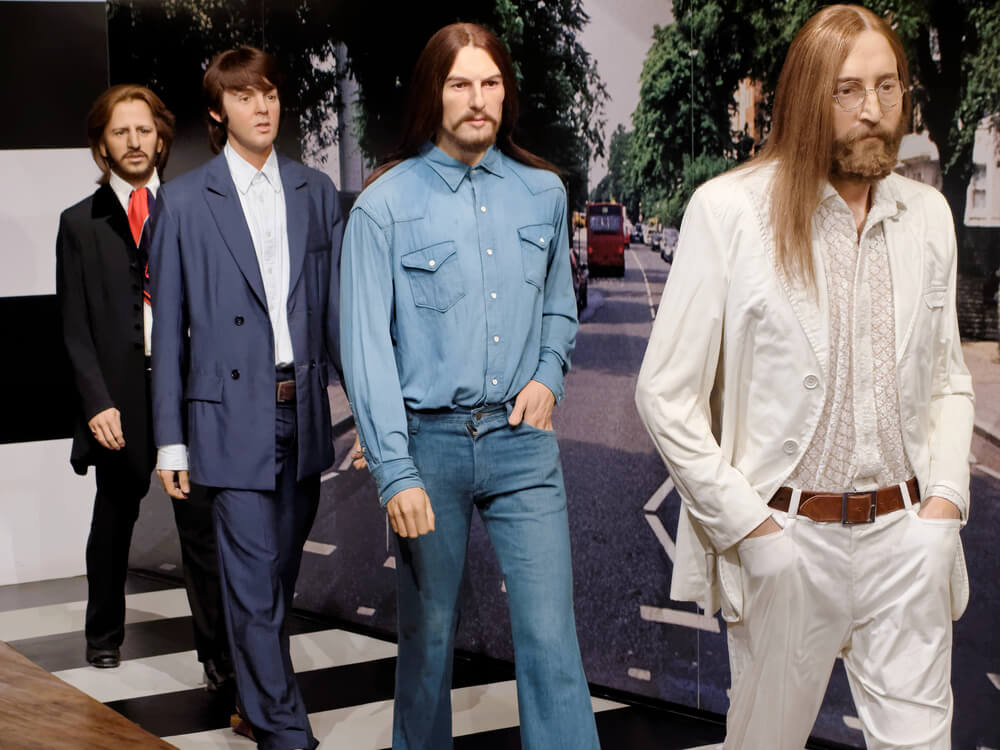
The Beatles’ debut album featuring the original black and gold label on Parlophone was produced in limited quantities initially. This original pressing remains one of the most valuable vinyl records in existence, with clean copies commanding thousands of dollars.
The Beatles’ “The White Album” (1968)
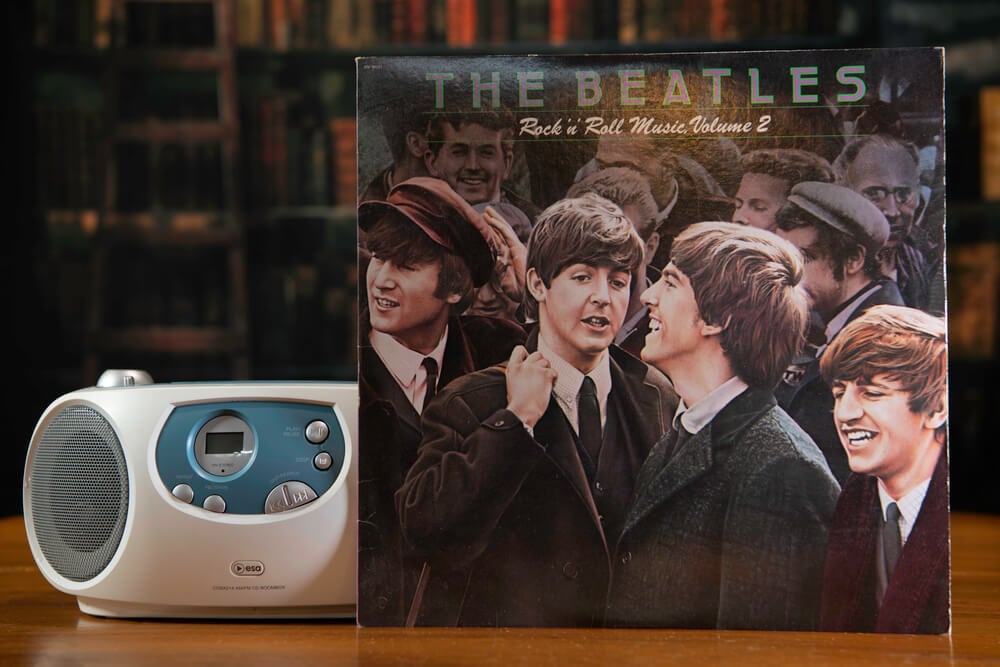
The original pressings were individually numbered, and collectors love that kind of uniqueness. Some copies carry ultra-rare serial numbers like A0000001, making them particularly prized.
Even common numbered copies hold substantial value.
The Beatles’ “Yesterday and Today” (1966 – Butcher Cover)
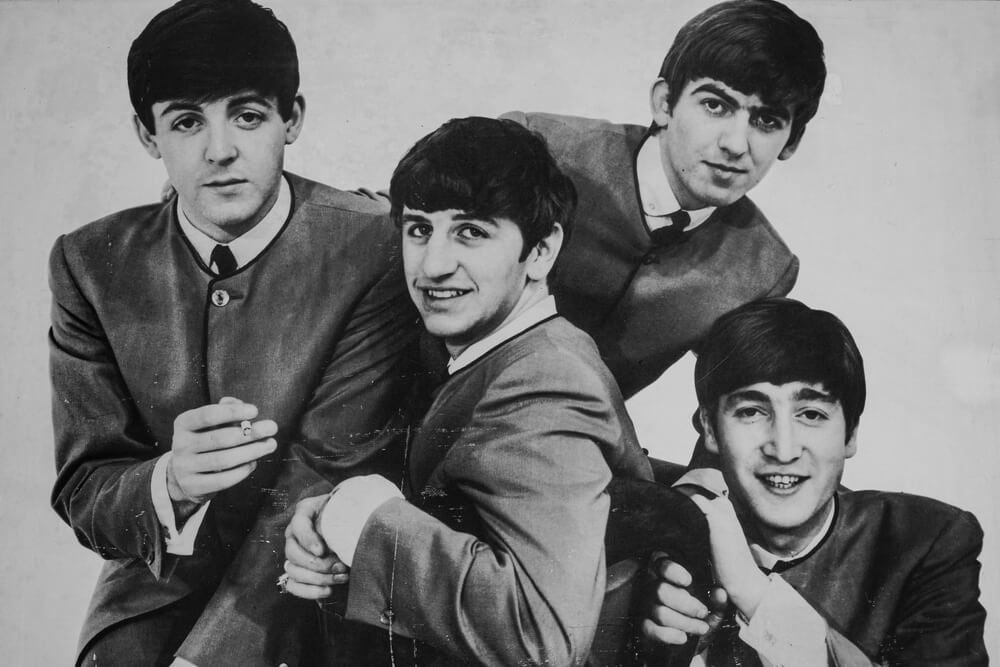
This original pressing was withdrawn due to its controversial imagery of the band covered in raw beef. Only a few thousand copies entered circulation before being replaced with a more conventional design, making the original cover incredibly rare.
Pink Floyd’s “The Piper at the Gates of Dawn” (1967)
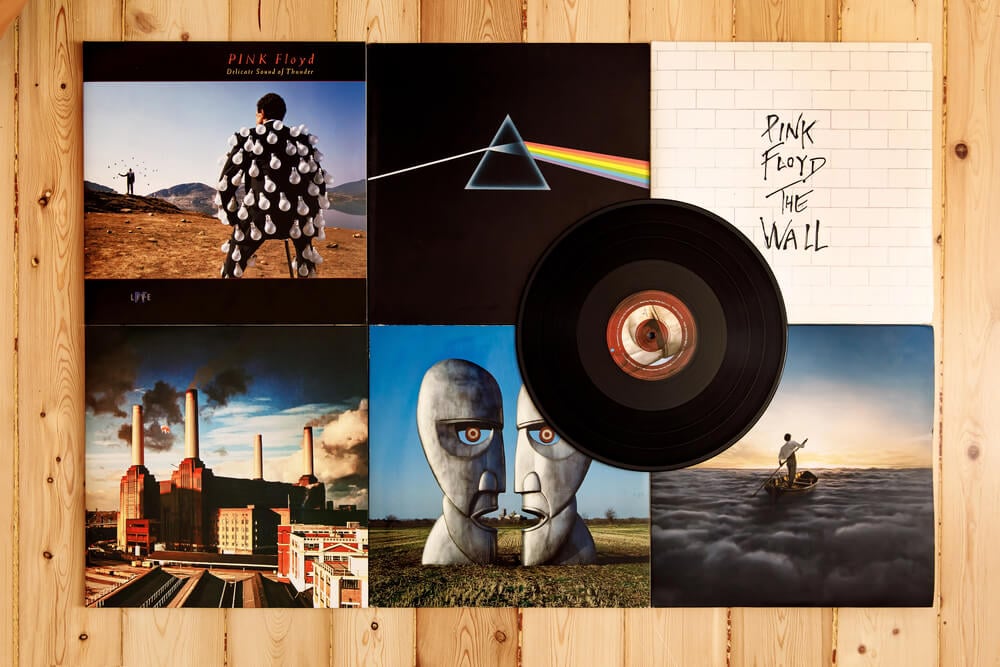
Original UK pressings with the black cover typography feature superior audio quality and have become significantly more valuable. The album’s original version with alternate mixes exists on limited copies.
The Velvet Underground & Nico (1967)

A misplaced acetate of this debut can fetch $25,000, while standard vinyl pressings in good condition command substantial premiums. The original factory packaging with peelable banana sticker adds considerable value.
The Doors’ Debut Album (Red Vinyl Pressing)
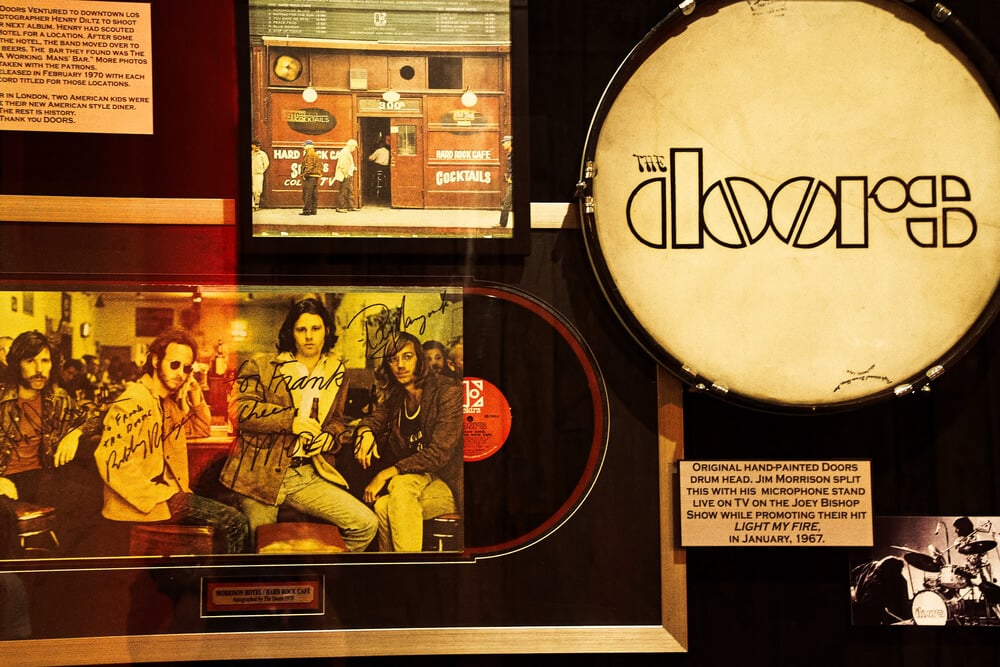
Elektra accidentally pressed some copies on red vinyl instead of black, creating instant collectibles worth $1,500-3,000 today. These accidental pressings became more sought-after than intentional color variants.
Bob Dylan’s “The Freewheelin’ Bob Dylan” (1963)
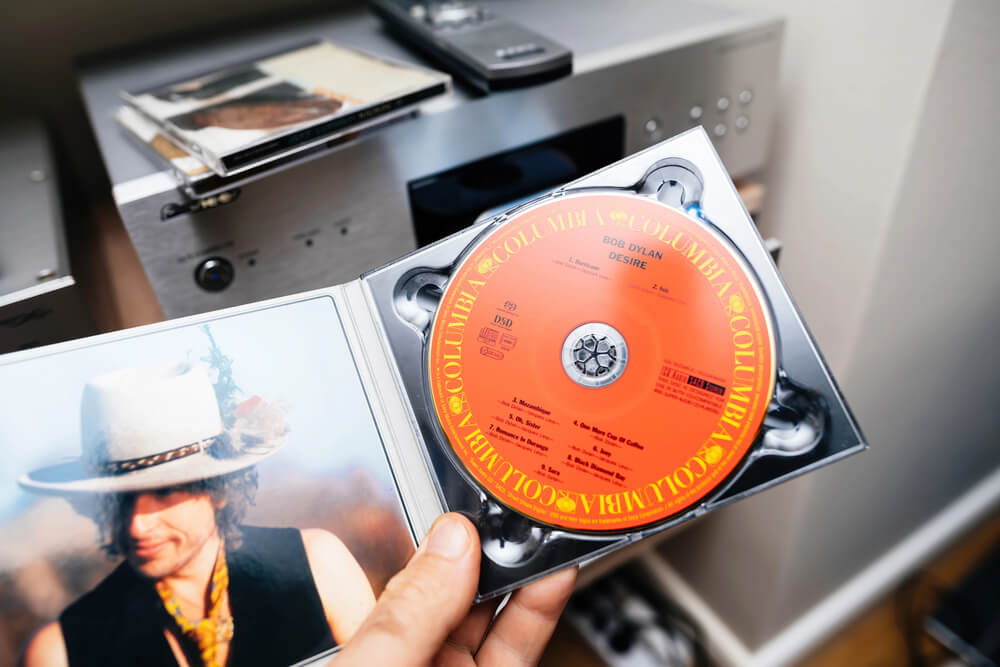
The original pressing included four tracks that were pulled before release due to political concerns. Copies that slipped through with “Talkin’ John Birch Paranoid Blues” and other banned songs are particularly valuable.
The Rolling Stones’ “Sticky Fingers” (1971)
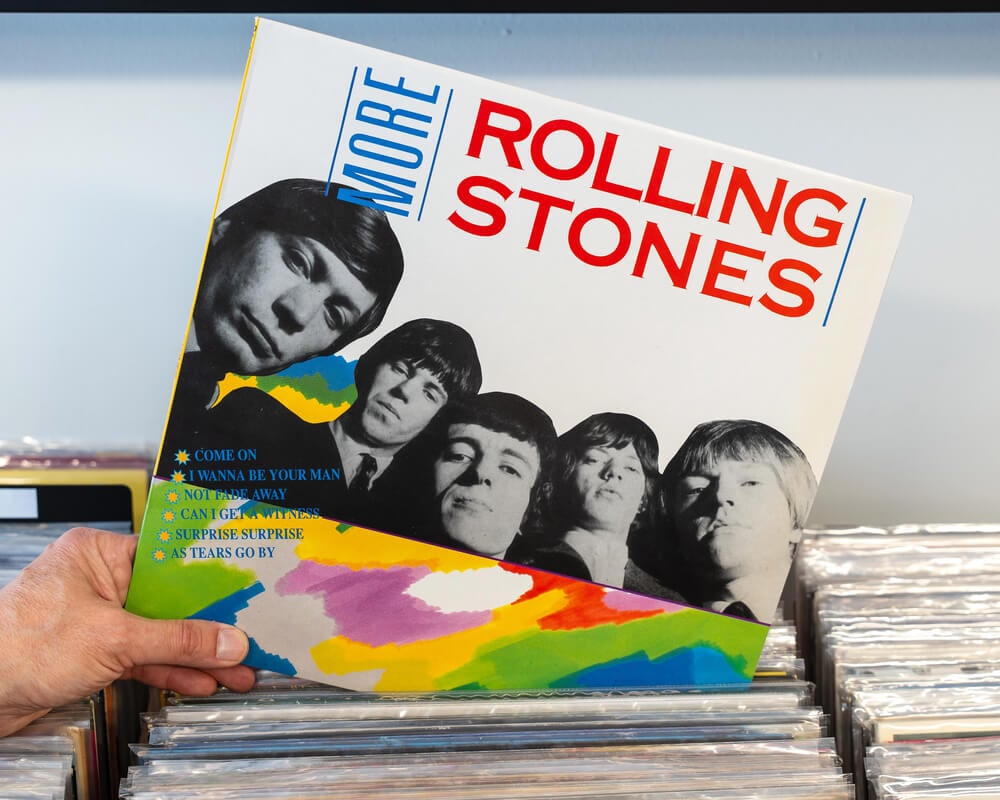
Original pressings feature the Andy Warhol-designed zip cover that could actually unzip. These original pressings remain significantly more valuable than later reissues without functional zippers.
Led Zeppelin IV (1971)
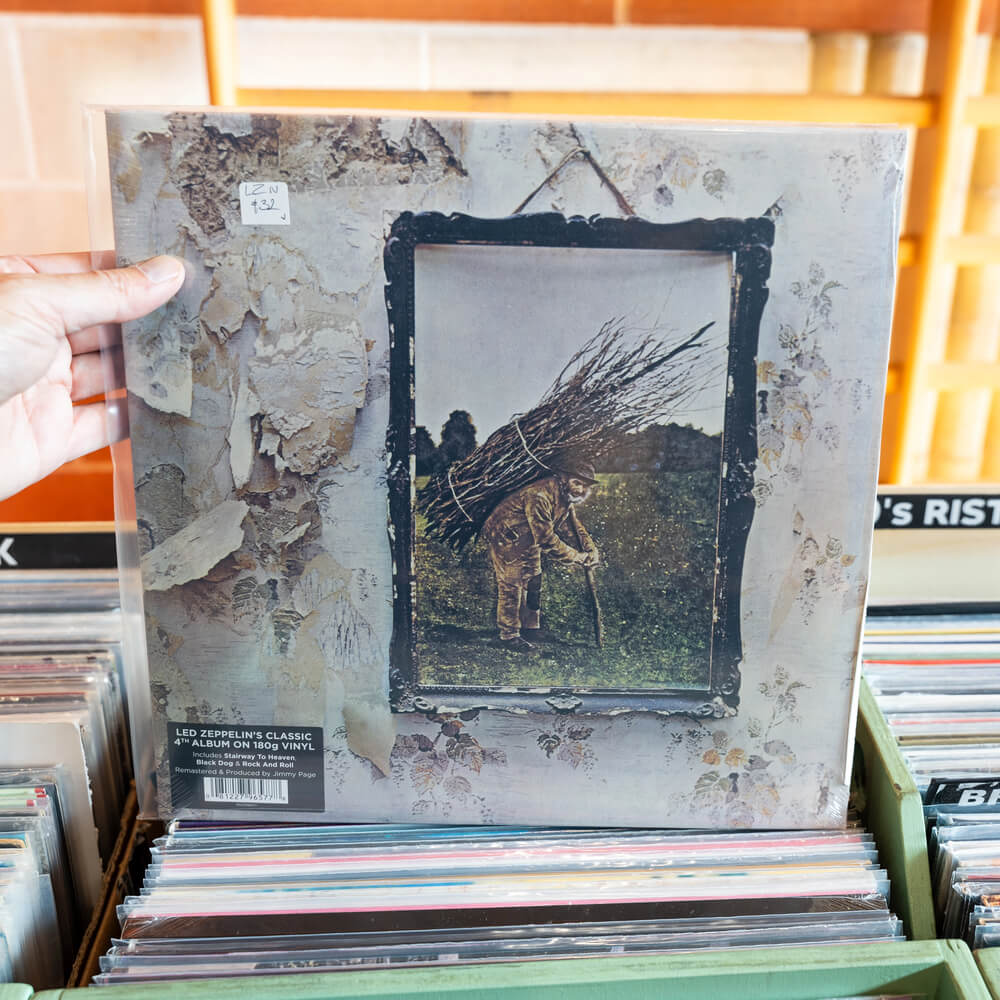
Original pressings with the correct label design and matrix numbers hold substantial value among collectors. First pressings differ significantly from later versions in both sound and packaging.
David Bowie’s “The Rise and Fall of Ziggy Stardust” (1972)
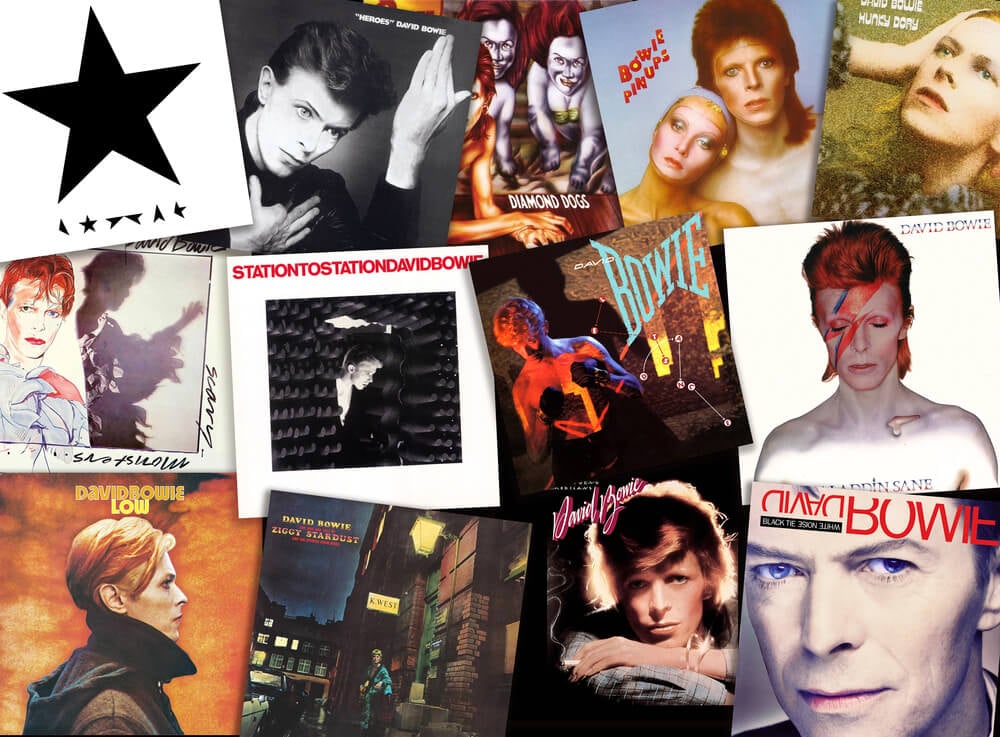
The original UK pressing on black vinyl holds premium value compared to later releases. Clean copies in original gatefold sleeves command substantial collector interest.
Black Sabbath’s “Paranoid” (1970)
Original UK pressing on black vinyl from the first release remains significantly more valuable than later pressings. The original packaging with poster features prominently in value determination.
Jimi Hendrix Experience’s “Are You Experienced” (1967)
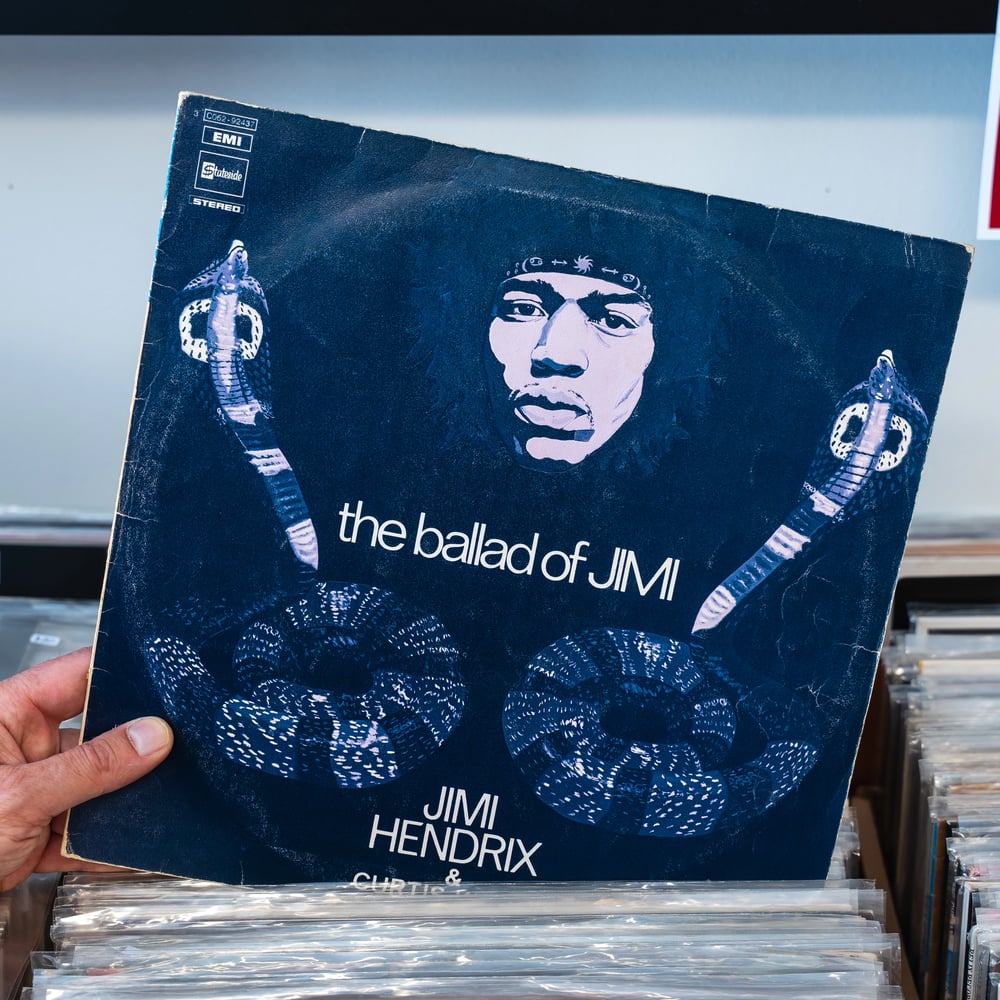
Different pressings exist with subtle variations, and collectors actively hunt specific label variations. Original mono pressings command premium prices over stereo versions.
The Who’s “Tommy” (1969)

The original gatefold sleeve with complete packaging holds substantially more value than later reissues. Some copies include original inserts that add significant premium value.
Fleetwood Mac’s “Rumours” (1977)
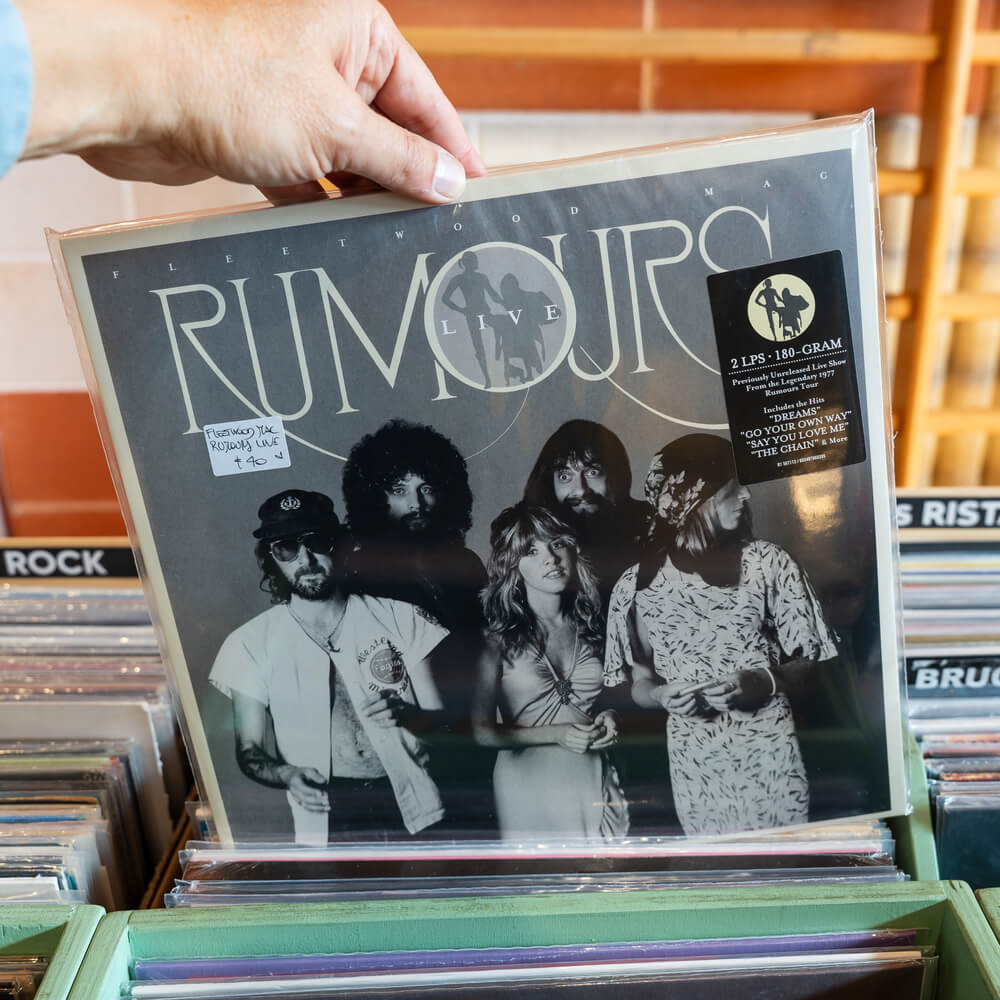
While not rare in standard form, specific pressings and mint condition copies hold collector value. Original shrink-wrapped copies with sealed plastic fetch premiums.
Nirvana’s “Bleach” (Original Sub Pop Pressing, 1989)
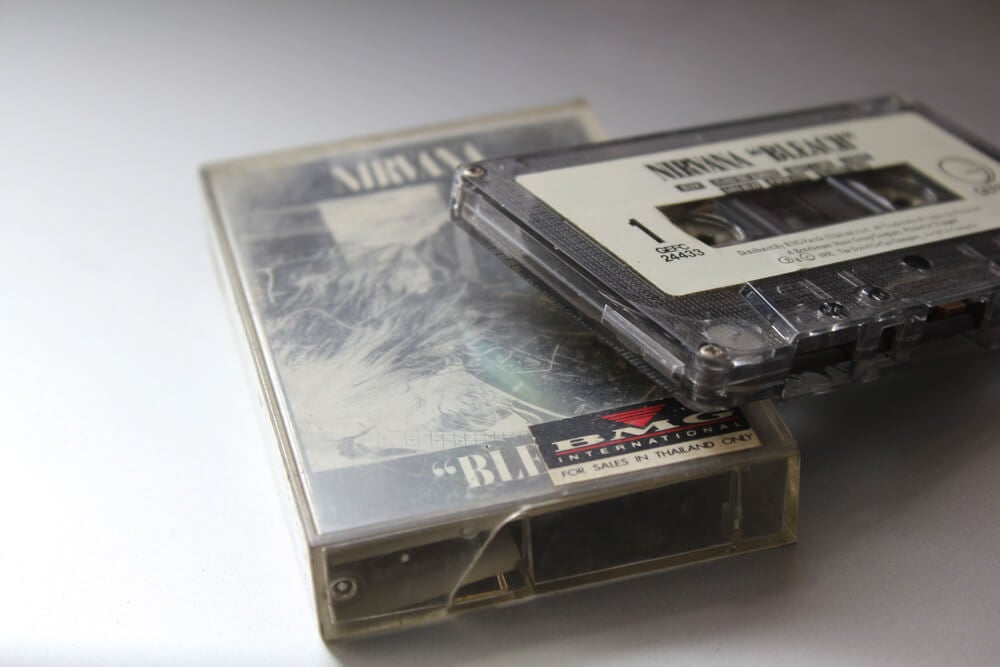
The original white vinyl pressing limited to just 1,000 copies captures raw Nirvana energy before mainstream breakthrough. Some copies came with Nirvana/Sub Pop posters, making them especially rare.
Frank Wilson’s “Do I Love You” (1965)
A promotional copy of this soul record on Soul label (S 35019) recently commanded $37,000 on Discogs, reflecting extreme rarity and collector desperation.
Original Pressing with Manufacturing Error
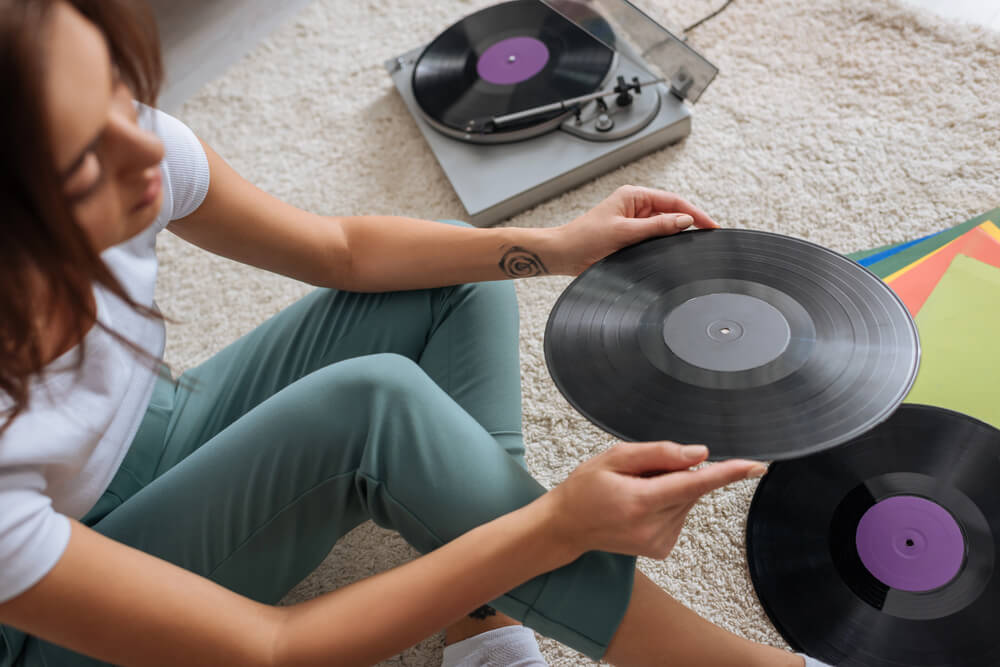
Sometimes a printing mistake makes a record exponentially more valuable. Misaligned labels, wrong catalog numbers, or color variations accidentally created during manufacturing drive collector premiums.
Radiohead’s “Pablo Honey” (1992)
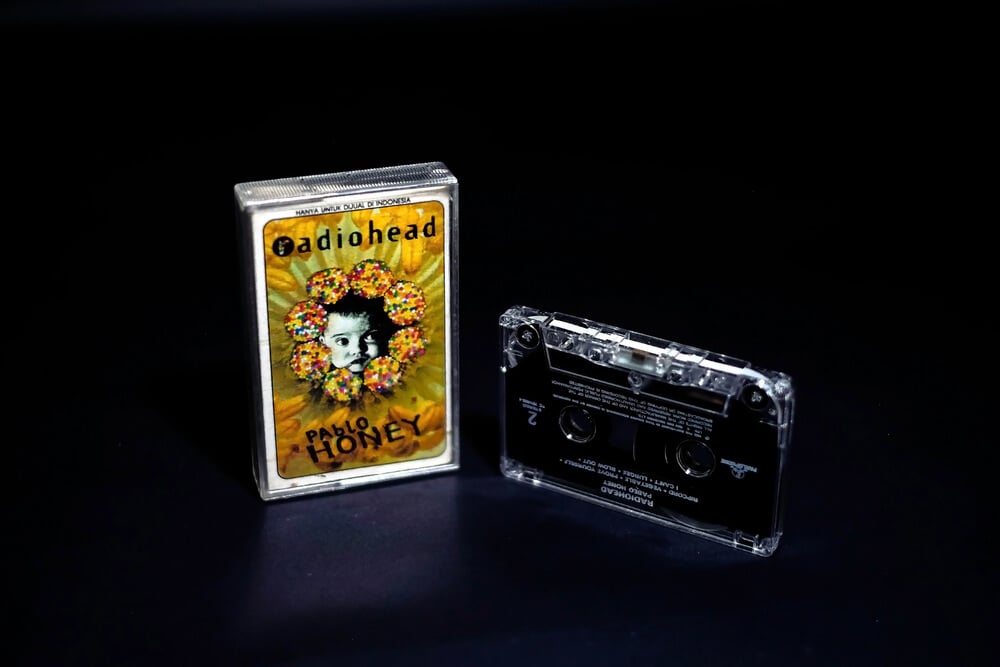
Early pressings before “Creep” became a massive hit hold value among collectors building complete discographies. Original artwork variations exist across different regional releases.
Sonic Youth’s Early SST Records Pressings
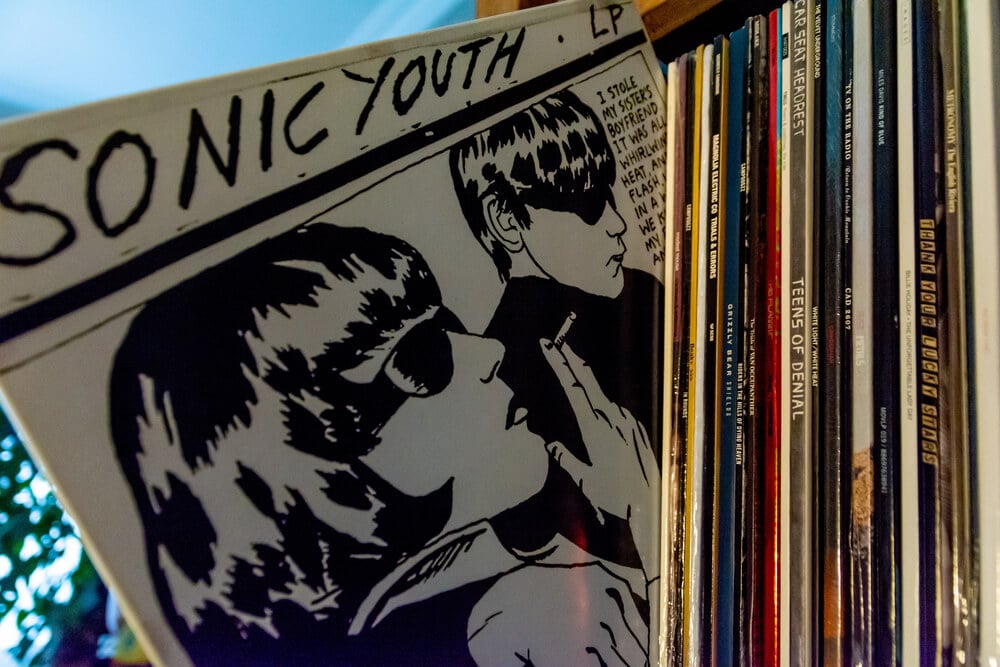
Limited SST Records pressings from Sonic Youth’s early career maintain strong collector value. Original vinyl editions from 1982-1985 command premiums over later reissues.
The Ramones’ Debut Album (1976)
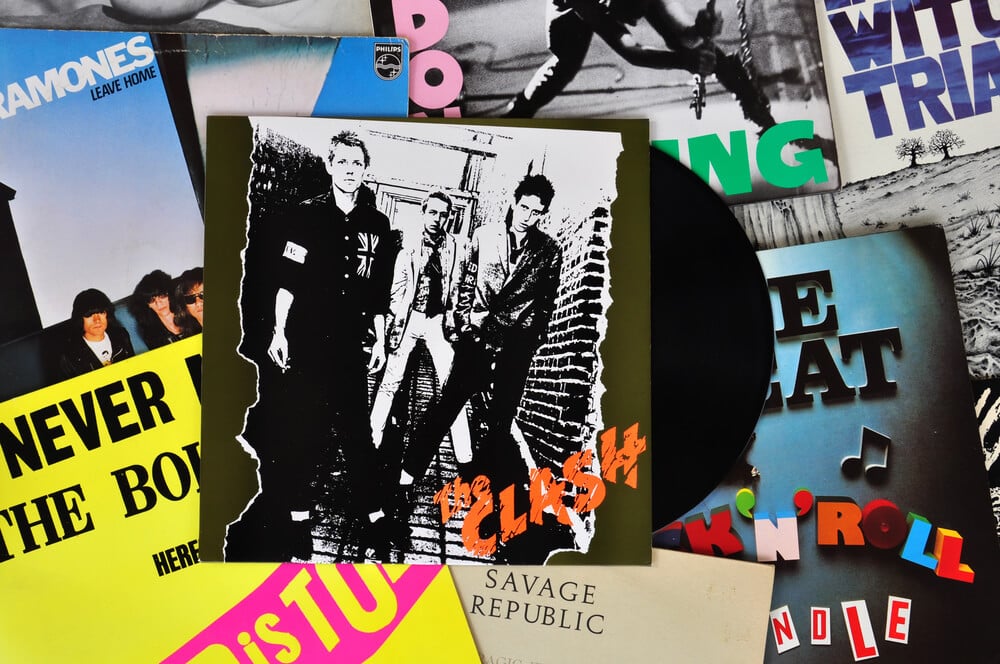
First pressings remain sought-after among punk rock collectors. Different label variations exist, with some commanding substantial premiums over standard pressings.
Kraftwerk’s “The Robots” (Original Pressing)
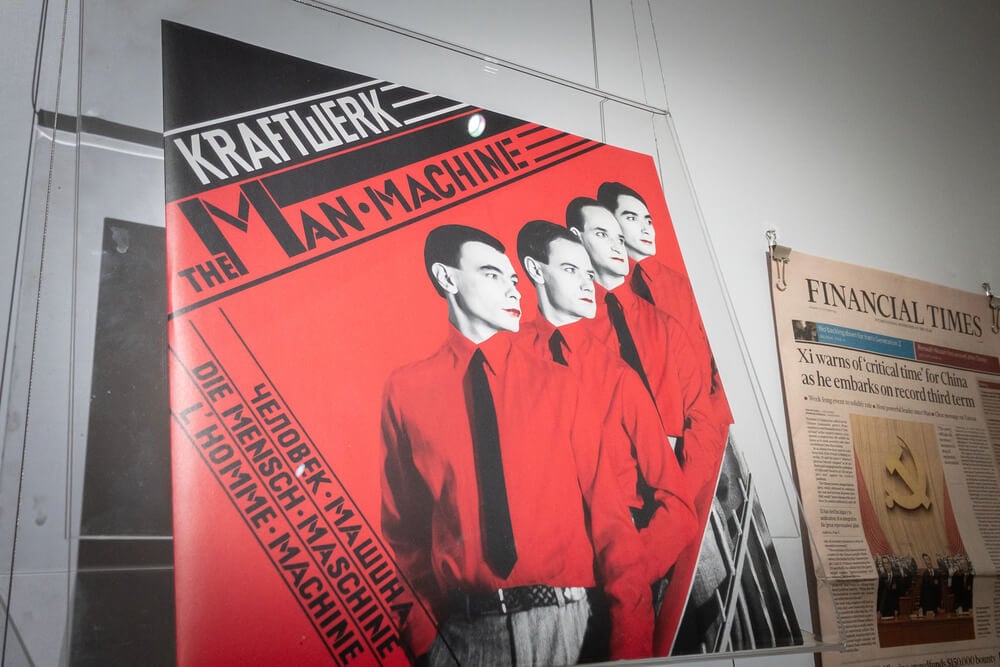
European first pressings on Florian records hold collector value despite the track being more famous from later compilations. Original sleeve variations increase premium value.
Joni Mitchell’s “Blue” (1971)
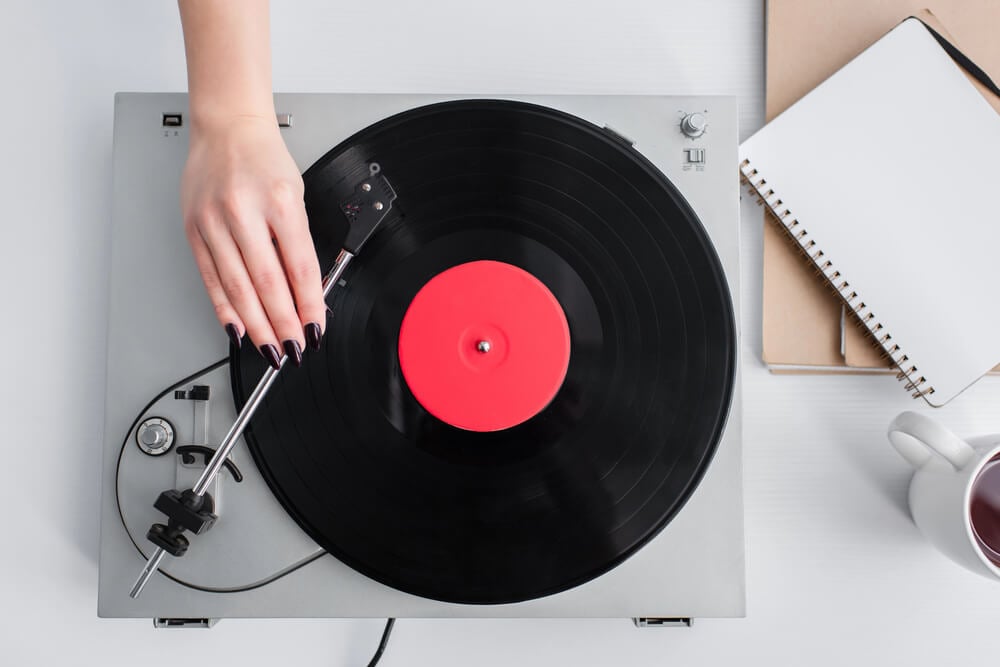
The original pressing represents one of the definitive folk-rock albums and maintains steady collector interest. Clean copies in original gatefold sleeves command premium prices.
Marvin Gaye’s “What’s Going On” (1971)

Original Motown pressings before later reissues command collector value. Different jacket artwork variations exist, with first pressings being most valuable.
James Brown’s “Live at the Apollo” (1963)
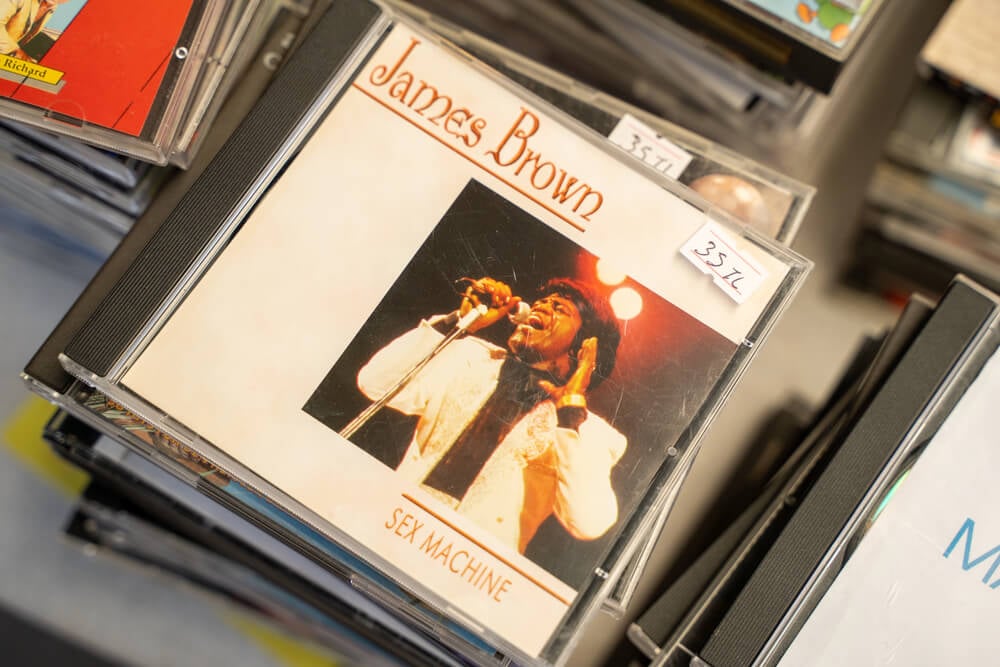
The original pressing on King Records represents one of the most important live albums ever recorded. First pressings hold substantially more value than later Polydor reissues.
Miles Davis’s “Kind of Blue” (1959)
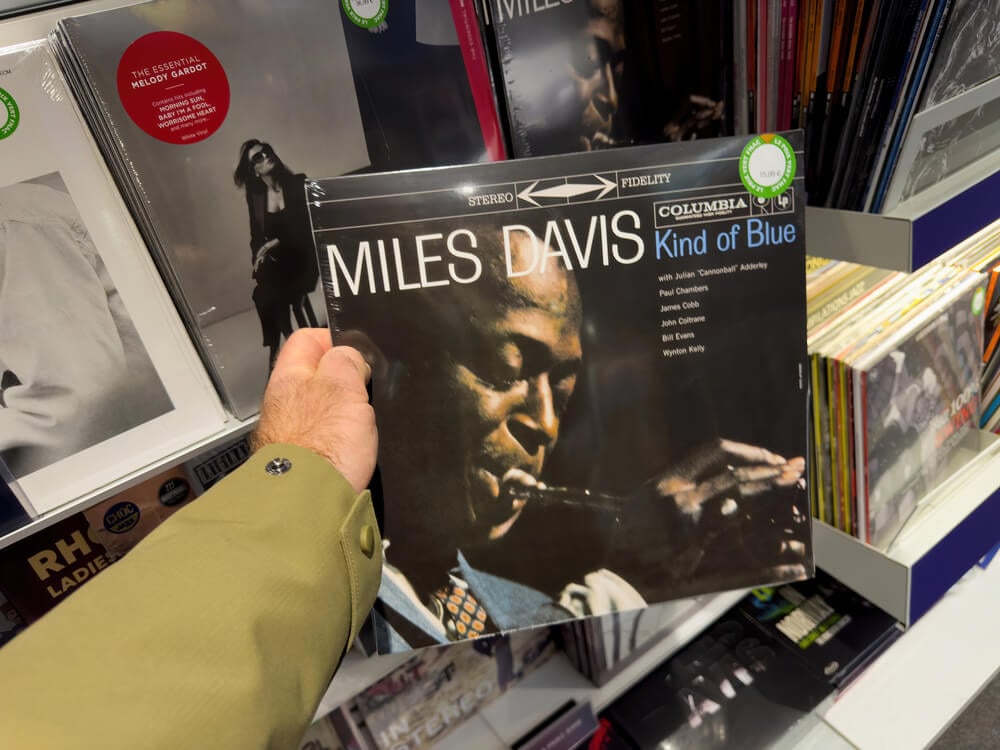
Original Columbia pressings with the correct label variations remain among the most valuable jazz vinyl. Mono versions command premium prices over stereo.
The Basement Collection Phenomenon
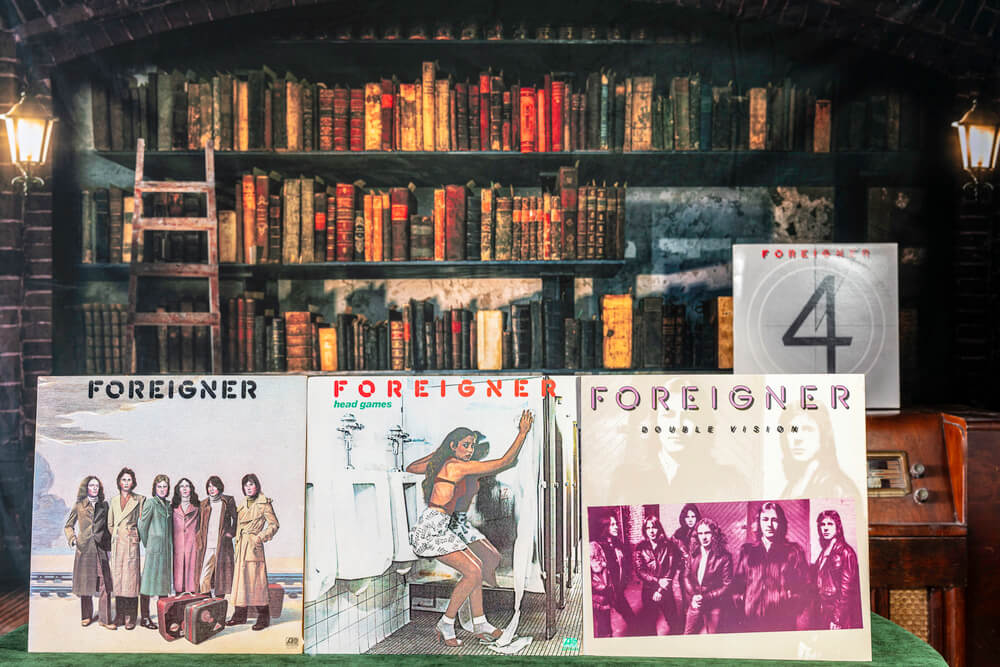
Most valuable vinyl collections hide in plain sight, with owners completely unaware of value. A box of seemingly worthless records from the 1960s might include multiple titles worth thousands each.
Proper storage maintains record value—climate control, vertical positioning, and anti-static sleeves are essential for preserving potential collector value across decades.
More from Go2Tutors!

- The Romanov Crown Jewels and Their Tragic Fate
- 13 Historical Mysteries That Science Still Can’t Solve
- Famous Hoaxes That Fooled the World for Years
- 15 Child Stars with Tragic Adult Lives
- 16 Famous Jewelry Pieces in History
Like Go2Tutors’s content? Follow us on MSN.